

The DOI matches its Crossref record; 68 of the 69 references it cites were found in a registry or an index.
Sex-associated differences in mitochondrial function in human peripheral blood mononuclear cells (PBMCs) and brain
Open accessAbstract
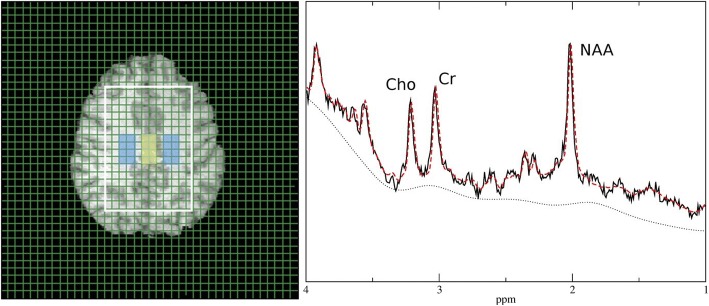
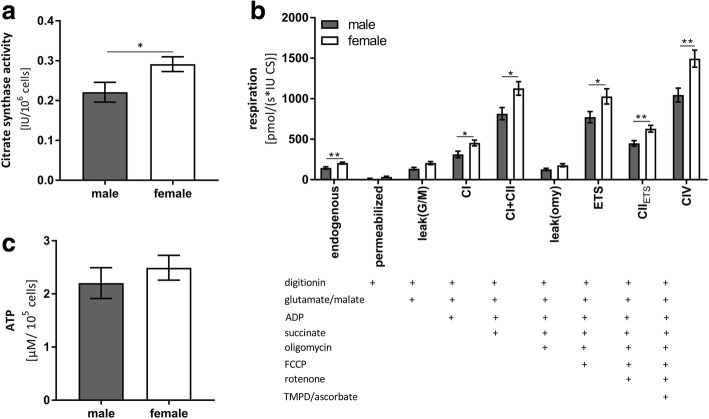
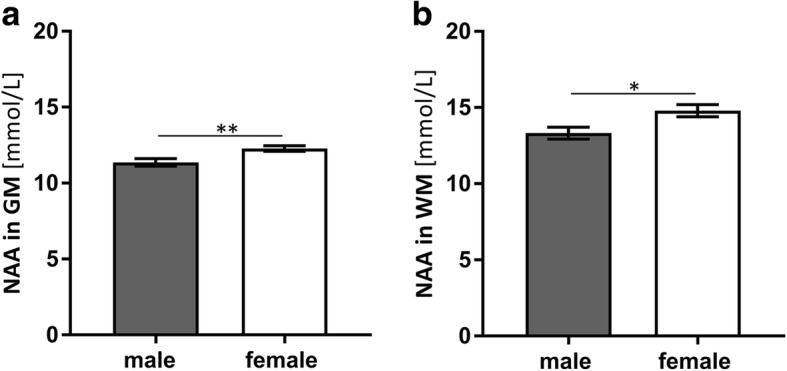
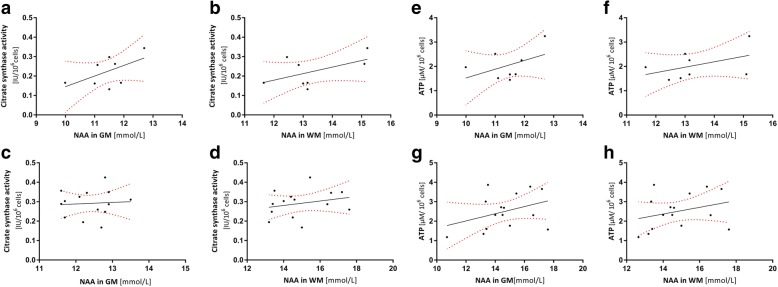
BACKGROUND: Alzheimer's disease (AD) is the most common form of dementia, and it affects more women than men. Mitochondrial dysfunction (MD) plays a key role in AD, and it is detectable at an early stage of the degenerative process in peripheral tissues, such as peripheral mononuclear blood cells (PBMCs). However, whether these changes are also reflected in cerebral energy metabolism and whether sex-specific differences in mitochondrial function occur are not clear. Therefore, we estimated the correlation between mitochondrial function in PBMCs and brain energy metabolites and examined sex-specific differences in healthy participants to elucidate these issues. METHODS: H-magnetic resonance spectroscopy (MRS). RESULTS: We detected sex-associated differences in mitochondrial function. Mitochondrial complexes I, I+II, and IV and uncoupled respiration and electron transport system (ETS) capacity in PBMCs isolated from blood samples of females were significantly (p < 0.05; p < 0.01) higher compared to males. ATP levels in the PBMCs of female participants were approximately 10% higher compared to males. Citrate synthase (CS) activity, a marker of mitochondrial content, was significantly (p < 0.05) higher in females compared to males. Sex-associated differences were also found for brain metabolites. The N-acetylaspartate (NAA) concentration was significantly higher in female participants compared to males in targeted regions. This difference was observed in white matter (WM) and an area with a high percentage (> 50%) of gray matter (GM) (p < 0.05; p < 0.01). The effect sizes indicated a strong influence of sex on these parameters. Sex-associated differences were found in PBMCs and brain, but the determined parameters were not significantly correlated. CONCLUSIONS: Our study revealed sex-associated differences in mitochondrial function in healthy participants. The underlying mechanisms must be elucidated in more detail, but our study suggests that mitochondrial function in PBMCs is a feasible surrogate marker to detect differences in mitochondrial function and energy metabolism in humans and it underscores the necessity of sex-specific approaches in therapies that target mitochondrial dysfunction.
Overview
The claims and statistics of this paper haven’t been checked yet.
Run the check — free, no account needed. It reads the open-access text and checks the sources it cites.
Integrity signals
Registry
Cites
Statistics
Figures
Verification
Claims the paper makes
The claims and statistics of this paper haven’t been checked yet.
Run the check — free, no account needed. It reads the open-access text and checks the sources it cites.
Claims other papers make about this one
Each is checked against this paper’s own text: does it say what the citing paper says it does?
The cited source says what the claim attributes to it.
In the citing paper
“important sex differences exist in mitochondrial function [14–16], substrate utilization, and insulin sensitivity [17–24], immune responses [25–28], muscle morphology and body composition [29–32], iron metabolism [33–40], thermoregulation [41–44], hydration [45,46]{Sims, 2008 #55, [47–53], appetite control [54–59], and energy availability and endocrine function [60–65].”
From International society of sports nutrition position stand: nutritional concerns of the female athlete (2023) · cites this paper as [14]
The check wasn’t confident either way, so it gives no verdict — never disputed.
In the citing paper
“Miotto and colleagues [14] demonstrated that female skeletal muscle has a greater abundance of the fatty acid transporter CD36, a sex difference that results in a greater membrane translocation of the CD36 protein during muscle contraction that helps to explain the heightened rates of lipid metabolism, which occur in females when compared to males during exercise [160,161].”
From International society of sports nutrition position stand: nutritional concerns of the female athlete (2023) · cites this paper as [14]
Experimental — accuracy not yet measured
Self-check
Percentages, sums and reported differences re-computed from the paper’s own numbers.
The self-check needs the paper’s full text.
Citations
Cites
Zhang, Y., Brady, M., & Smith, S. M. (2001) · IEEE Transactions on Medical Imaging · doi:10.1109/42.906424 · Cited by 7,628
Querfurth, H. W., & LaFerla, F. M. (2010) · New England Journal of Medicine · doi:10.1056/nejmra0909142 · Cited by 4,569
N-Acetylaspartate in the CNS: From neurodiagnostics to neurobiology
MOFFETT, J., Ross, B., Arun, P., Madhavarao, C. N., & Namboodiri, A. M. (2007) · Progress in Neurobiology · doi:10.1016/j.pneurobio.2006.12.003 · Cited by 1,443
Biomarkers of mitochondrial content in skeletal muscle of healthy young human subjects
Larsen, S., Nielsen, J., Hansen, C. N., Nielsen, L. B., Wibrand, F., Stride, N., Schroder, H. D., Boushel, R., Helge, J. W., Dela, F., et al. (2012) · The Journal of Physiology · doi:10.1113/jphysiol.2012.230185 · Cited by 1,180
Mitochondria in neuroplasticity and neurological disorders
Mattson, M. P., Gleichmann, M., & Cheng, A. (2008) · Neuron · doi:10.1016/j.neuron.2008.10.010 · Cited by 1,081
Ageing and neuronal vulnerability
Mattson, M. P., & Magnus, T. (2006) · Nature Reviews Neuroscience · doi:10.1038/nrn1886 · Cited by 957
Rhein, V., Song, X., Wiesner, A., Ittner, L. M., Baysang, G., Meier, F., Ozmen, L., Bluethmann, H., Dröse, S., Brandt, U., et al. (2009) · Proceedings of the National Academy of Sciences · doi:10.1073/pnas.0905529106 · Cited by 655
Borrás, C., Sastre, J., García-Sala, D., Lloret, A., Pallardó, F. V., & Viña, J. (2003) · Free Radical Biology and Medicine · doi:10.1016/s0891-5849(02)01356-4 · Cited by 654
Austad, S. N., & Fischer, K. E. (2016) · Cell Metabolism · doi:10.1016/j.cmet.2016.05.019 · Cited by 619
Prevalence of dementia and probable senile dementia of the Alzheimer type in the Framingham Study
Bachman, D. L., Wolf, P. A., Linn, R., Knoefel, J. E., CobbS, J., Belanger, A., D'Agostino, R. B., & White, L. R. (1992) · Neurology · doi:10.1212/wnl.42.1.115 · Cited by 527
Research works printed but not linked: 1
- Kuklinski B. Mitochondrien: Symptome, diagnose und therapie. 1st ed; 2015. Aurum.
Cited by
Sorted by citations
Mechanisms of sex differences in Alzheimer’s disease
Lopez-Lee, C., Torres, E. R. S., Carling, G., & Gan, L. (2024) · Neuron · doi:10.1016/j.neuron.2024.01.024 · Cited by 376
Estrogenic control of mitochondrial function
Klinge, C. M. (2020) · Redox Biology · doi:10.1016/j.redox.2020.101435 · Cited by 326
Ferretti, M. T., Martínková, J., Biskup, E. M., Benke, T., Gialdini, G., Nedelská, Z., Rauen, K., Mantua, V., Religa, D., Hort, J., et al. (2020) · European Journal of Neurology · doi:10.1111/ene.14174 · Cited by 152
Mitochondrial phenotypes in purified human immune cell subtypes and cell mixtures
Rausser, S., Trumpff, C., McGill, M. A., Junker, A., Wang, W., Ho, S., Mitchell, A., Karan, K. R., Monk, C. E., Segerstrom, S. C., et al. (2021) · eLife · doi:10.7554/elife.70899 · Cited by 110
International society of sports nutrition position stand: nutritional concerns of the female athlete
Sims, S. T., Kerksick, C. M., Smith-Ryan, A. E., Janse de Jonge, X. A. K., Hirsch, K. R., Arent, S. M., Hewlings, S. J., Kleiner, S. M., Bustillo, E., Tartar, J. L., et al. (2023) · Journal of the International Society of Sports Nutrition · doi:10.1080/15502783.2023.2204066 · Cited by 129
Metadata
- Authors
- Silaidos, C., Pilatus, U., Grewal, R., Matura, S., Lienerth, B., Pantel, J., & Eckert, G. P.
- Affiliations
- Justus-Liebig-Universität Gießen (DE)
- Goethe University Frankfurt (DE)
- Corresponding author
- Eckert, G. P.
- Venue
- Biology of Sex Differences
- Published
- 2018-07-25
- Volume
- 9
- Issue
- 1
- Pages
- 34-34
- ISSN
- 2042-6410 (ISSN-L)
- PMC
- PMC6060503
- OpenAlex
- W2884114748
- Cited by
- 137
- References
- 69
- Citations by year
- 2026: 10 · 2025: 23 · 2024: 27 · 2023: 21 · 2022: 18 · 2021: 17 · 2020: 16 · 2019: 4 · 2018: 1
- FWCI
- 3.38
- Type
- journal article
- Language
- en
- Open access
- gold
- doi.org
- Licence
- Locations
- Biology of Sex Differences (publishedVersion, cc-by)
- Europe PMC (PubMed Central) (publishedVersion, other-oa)
- PubMed Central (publishedVersion, cc-by)
- PubMed (publishedVersion)
- DOAJ (DOAJ: Directory of Open Access Journals) (submittedVersion, cc-by-sa)
- University writing server of the Justus Liebig University Giessen (Justus-Liebig-Universität Gießen) (submittedVersion, cc-by)
- Publication Server of Goethe University Frankfurt am Main (Goethe University Frankfurt) (submittedVersion, cc-by)
- Topics
- Life Sciences › Biochemistry, Genetics and Molecular Biology › Molecular Biology › Mitochondrial Function and Pathology
- Life Sciences › Neuroscience › Cellular and Molecular Neuroscience › Alzheimer's disease research and treatments
- Health Sciences › Medicine › Psychiatry and Mental health › Dementia and Cognitive Impairment Research
- Keywords
- sex differences, mitochondrial function, mitochondrial dysfunction, peripheral blood mononuclear cells, brain energy metabolism, Alzheimer's disease, mitochondrial protein complexes, uncoupled respiration, electron transport chain, ATP, citrate synthase, N-acetylaspartate, white matter, gray matter, magnetic resonance spectroscopy, surrogate markers
- MeSH terms
- Adenosine Triphosphate, Adult, Aspartic Acid, Brain, Citrate (si)-Synthase, Female, Humans, Leukocytes, Mononuclear, Male, Mitochondria, Sex Characteristics, Cell Respiration, Young Adult
About these checks
Registry, retraction, Cites and statistics results are computed, not judged, with one exception: a printed reference that no index lists is read once by a model before it counts as a citation error. Claims are extracted by a model and kept only when their quote appears verbatim in the text; each cited source is then checked, with a model’s help, for whether it says what the claim relies on. Those verdicts can be wrong — read the claim’s quote and the cited source before relying on one.
Statistics and arithmetic are recomputed, not judged.
Confidence bands are shown only for fields calibrated on our annotated test set. None is calibrated yet, so no band is shown.
What counts as a claim ›How we measure confidence ›How we check this ›
Are you an author, or do you see a problem with this page? Request a review
