

Gender-related variables for health research
Open accessPublished version of a preprint
The DOI matches its Crossref record; 455 of the 455 references it cites were found in a registry or an index.
Abstract
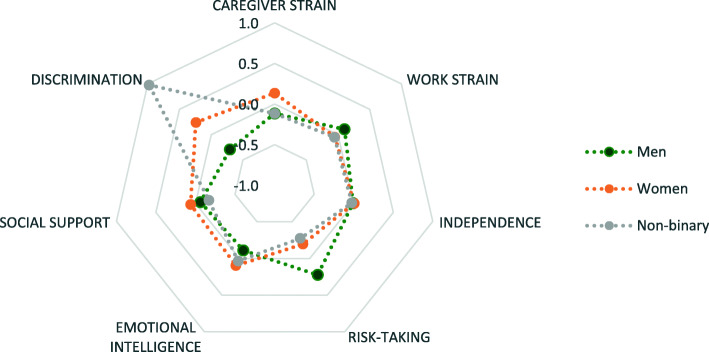
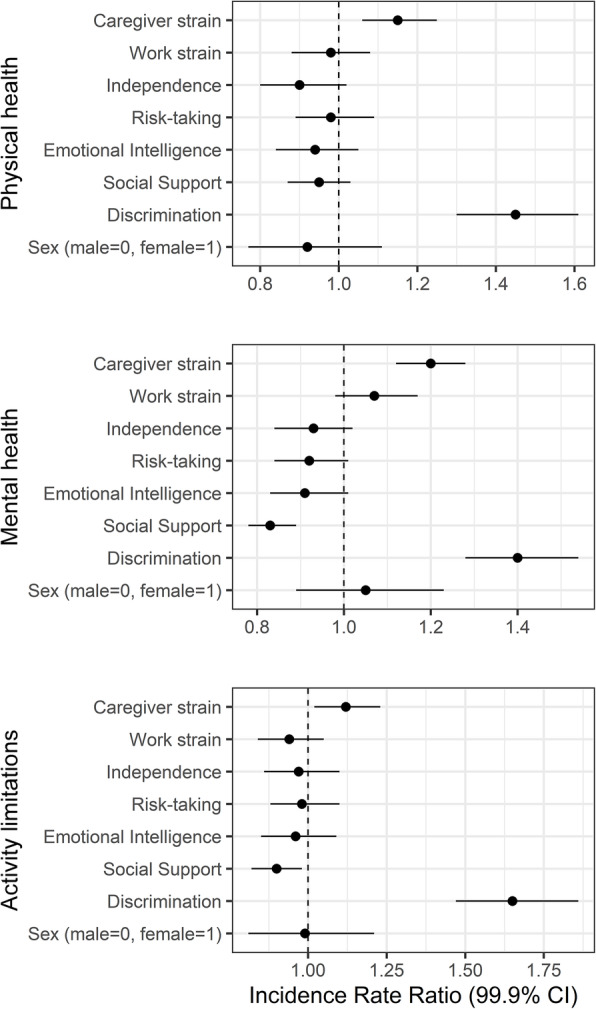
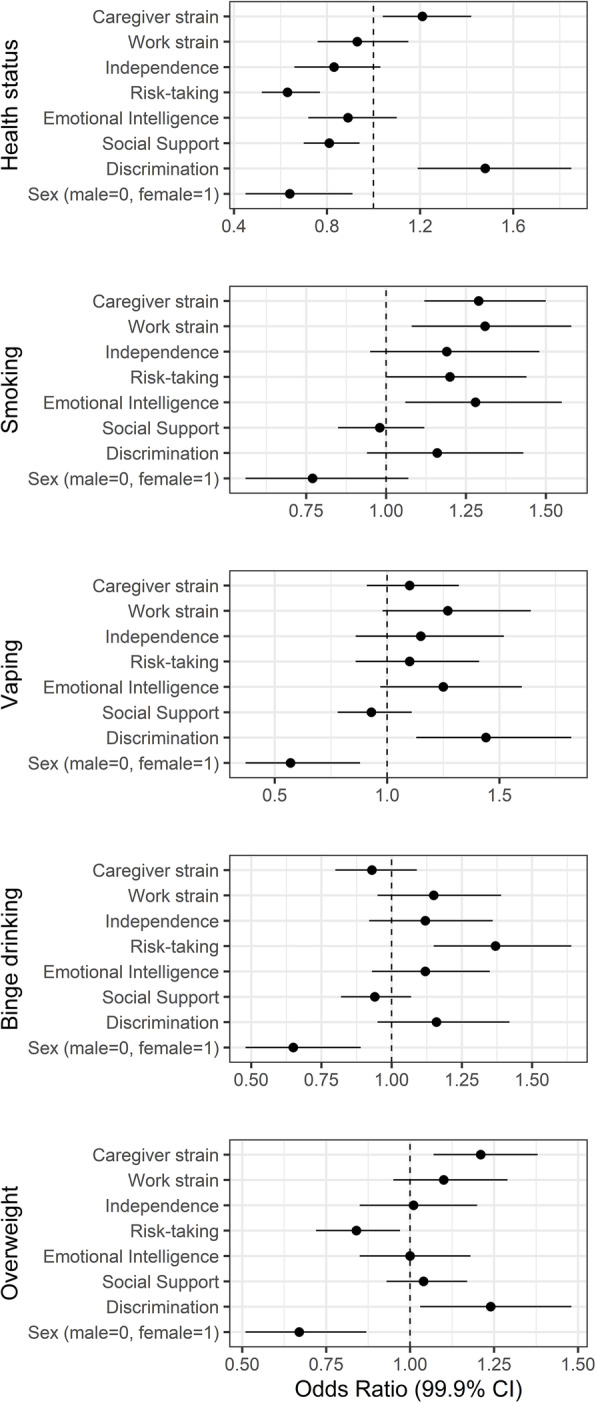
Background: In this paper, we argue for Gender as a Sociocultural Variable (GASV) as a complement to Sex as a Biological Variable (SABV). Sex (biology) and gender (sociocultural behaviors and attitudes) interact to influence health and disease processes across the lifespan—which is currently playing out in the COVID-19 pandemic. This study develops a gender assessment tool—the Stanford Gender-Related Variables for Health Research—for use in clinical and population research, including large-scale health surveys involving diverse Western populations. While analyzing sex as a biological variable is widely mandated, gender as a sociocultural variable is not, largely because the field lacks quantitative tools for analyzing the influence of gender on health outcomes. Methods: We conducted a comprehensive review of English-language measures of gender from 1975 to 2015 to identify variables across three domains: gender norms, gender-related traits, and gender relations. This yielded 11 variables tested with 44 items in three US cross-sectional survey populations: two internet-based ( N = 2051; N = 2135) and a patient-research registry ( N = 489), conducted between May 2017 and January 2018. Results: Exploratory and confirmatory factor analyses reduced 11 constructs to 7 gender-related variables: caregiver strain, work strain, independence, risk-taking, emotional intelligence, social support, and discrimination. Regression analyses, adjusted for age, ethnicity, income, education, sex assigned at birth, and self-reported gender identity, identified associations between these gender-related variables and self-rated general health, physical and mental health, and health-risk behaviors. Conclusion: Our new instrument represents an important step toward developing more comprehensive and precise survey-based measures of gender in relation to health. Our questionnaire is designed to shed light on how specific gender-related behaviors and attitudes contribute to health and disease processes, irrespective of—or in addition to—biological sex and self-reported gender identity. Use of these gender-related variables in experimental studies, such as clinical trials, may also help us understand if gender factors play an important role as treatment-effect modifiers and would thus need to be further considered in treatment decision-making.
Overview
The claims and statistics of this paper haven’t been checked yet.
Free: it reads the open-access text and checks the first 5 claims that cite a source we can check. Create a free account to check every claim.
Integrity signals
Registry
Cites
Statistics
Figures
Verification
Claims the paper makes
The claims and statistics of this paper haven’t been checked yet.
Free: it reads the open-access text and checks the first 5 claims that cite a source we can check. Create a free account to check every claim.
Claims other papers make about this one
Each is checked against this paper’s own text: does it say what the citing paper says it does?
In the citing paper
“Ideologies that maintain dominating power structures often closely associate gender with sex and impose a binary view of gender, although empirical data show most gender-related variables to be either multi-categorical (for example, gender identities) or continuous (for example, masculinity and femininity)54–56.”
From Sex and gender in neurodevelopmental conditions (2023) · cites this paper as [56]
Self-check
Percentages, sums and reported differences re-computed from the paper’s own numbers.
The self-check needs the paper’s full text.
Citations
Cites
Hu, L., & Bentler, P. M. (1999) · Structural Equation Modeling A Multidisciplinary Journal · doi:10.1080/10705519909540118 · Cited by 108,788 · cited 1×
“Specifically, we used the Tuckler Lewis Index (TLI), the root mean square error of approximation (RMSEA), and the standardized root mean square residual (SRMR), relying on conventional fit criteria [73].”
MethodOn the Evaluation of Structural Equation Models
Bagozzi, R. P., & Yi, Y. (1988) · Journal of the Academy of Marketing Science · doi:10.1007/bf02723327 · Cited by 26,163
Significance tests and goodness of fit in the analysis of covariance structures.
Bentler, P. M., & Bonett, D. G. (1980) · Psychological Bulletin · doi:10.1037//0033-2909.88.3.588 · Cited by 19,023 · cited 1×
“Moreover, χ(2) values increase with sample size and the number of variables in the model [70].”
BackgroundEvaluating Goodness-of-Fit Indexes for Testing Measurement Invariance
Cheung, G. W., & Rensvold, R. B. (2002) · Structural Equation Modeling: A Multidisciplinary Journal · doi:10.1207/s15328007sem0902_5 · Cited by 16,280 · cited 1×
“Therefore, we followed Cheung and Rensvold [71] and Yuan and Bentler [72] and determined global model fit and invariance based on the approximate-fit statistics.”
MethodThe measurement of psychological androgyny
Bem, S. L. (1974) · Journal of Consulting and Clinical Psychology · doi:10.1037/h0036215 · Cited by 8,522 · cited 1×
“We were concerned that the conclusions were based on outdated gender identity constructs, such as the Bem Sex Role Inventory (BSRI, 1974) [12], developed using predominantly white, higher socioeconomic U.”
MethodHealthy work: stress, productivity, and the reconstruction of working life
(1990) · Choice Reviews Online · doi:10.5860/choice.28-0381 · Cited by 8,220 · cited 1×
“The first four items were adapted from Karasek and Theorell (54); the last two were developed by the authors.”
Rethinking individualism and collectivism: Evaluation of theoretical assumptions and meta-analyses.
Oyserman, D., Coon, H. M., & Kemmelmeier, M. (2002) · Psychological Bulletin · doi:10.1037/0033-2909.128.1.3 · Cited by 5,758 · cited 1×
“Independence is a personality trait characterized by a focus on the person as an individual, not as part of a community or group, which includes agency, self-confidence, self-determination, and decision-making ability, but not self-control or self-esteem [58].”
BackgroundThe Ambivalent Sexism Inventory: Differentiating hostile and benevolent sexism.
Glick, P., & Fiske, S. T. (1996) · Journal of Personality and Social Psychology · doi:10.1037//0022-3514.70.3.491 · Cited by 5,202
Baron-Cohen, S., & Wheelwright, S. (2004) · Journal of Autism and Developmental Disorders · doi:10.1023/b:jadd.0000022607.19833.00 · Cited by 4,093 · cited 2×
“Item one was developed by the authors, item two was adapted from Clark et al. [60], and items three and four were adapted from Baron-Cohen and Wheelwright [63].”
MethodINDIVIDUAL RISK ATTITUDES: MEASUREMENT, DETERMINANTS, AND BEHAVIORAL CONSEQUENCES
Dohmen, T., Falk, A., Huffman, D., Sunde, U., Schupp, J., & Wagner, G. G. (2011) · Journal of the European Economic Association · doi:10.1111/j.1542-4774.2011.01015.x · Cited by 3,896 · cited 1×
“[57], recorded on a five-point scale: general risk-taking behavior, risk-taking when making financial decisions, and risk-taking with respect to recreational activities.”
Background
Research works printed but not linked: 5
- Hunt K Annadale E Gender and health: major themes in health and social welfare 2012 London Routledge
- Schiebinger L Klinge I Sánchez de Madariaga I Paik HY Schraudner M Stefanick M Term: Gender. Gendered Innovations in Science, Health & Medicine, Engineering, and Environment 2021
- Basu J Development of the Indian Gender Role Identity Scale J Indian Acad Appl Psychol 2010 36 1 25 34
- Gaskin J Lim J Master validity tool AMOS Plug In; Gaskination’s StatWiki 2016
- Schiebinger L Klinge I Gendered innovations 2: how inclusive analysis contributes to research and innovation 2020 Luxembourg Publications Office of the European Union
Cited by
Sex differences in type 2 diabetes
Kautzky-Willer, A., Leutner, M., & Harreiter, J. (2023) · Diabetologia · doi:10.1007/s00125-023-05891-x · Cited by 624
Gender medicine: effects of sex and gender on cardiovascular disease manifestation and outcomes
Regitz-Zagrosek, V., & Gebhard, C. (2023) · Nature Reviews Cardiology · doi:10.1038/s41569-022-00797-4 · Cited by 386
Sex and gender in neurodevelopmental conditions
Bölte, S., Neufeld, J., Marschik, P. B., Williams, Z. J., Gallagher, L., & Lai, M.-C. (2023) · Nature Reviews Neurology · doi:10.1038/s41582-023-00774-6 · Cited by 249
White, J., Tannenbaum, C., Klinge, I., Schiebinger, L., & Clayton, J. (2021) · The Journal of Clinical Endocrinology & Metabolism · doi:10.1210/clinem/dgab434 · Cited by 162
Self-citationSex and gender differences in pain: past, present, and future
Keogh, E. (2022) · Pain · doi:10.1097/j.pain.0000000000002738 · Cited by 157
Barr, E., Popkin, R., Roodzant, E., Jaworski, B. K., & Temkin, S. M. (2023) · Translational Behavioral Medicine · doi:10.1093/tbm/ibad014 · Cited by 120
Sex, Gender and Health: Mapping the Landscape of Research and Policy
Greaves, L., & Ritz, S. A. (2022) · International Journal of Environmental Research and Public Health · doi:10.3390/ijerph19052563 · Cited by 101
“For example, encouraging researchers to include sex as a biological variable (SABV) [14,15]) and gender as a sociocultural variable (GASV) [16] are examples of ongoing efforts to develop relevant measures.”
BackgroundGuidelines on the use of sex and gender in cardiovascular research
Usselman, C. W., Lindsey, M. L., Robinson, A. T., Habecker, B. A., Taylor, C. E., Merryman, W. D., Kimmerly, D. S., Bender, J. R., Regensteiner, J. G., Moreau, K. L., et al. (2023) · American Journal of Physiology-Heart and Circulatory Physiology · doi:10.1152/ajpheart.00535.2023 · Cited by 98
Self-citationFair and equitable AI in biomedical research and healthcare: Social science perspectives
Baumgartner, R. R., Arora, P., Bath, C., Burljaev, D., Ciereszko, K., Custers, B. H. M., Ding, J., Ernst, W., Fosch‐Villaronga, E., Galanos, V., et al. (2023) · Artificial Intelligence in Medicine · doi:10.1016/j.artmed.2023.102658 · Cited by 92
Achieving gender justice for global health equity: the Lancet Commission on gender and global health
Hawkes, S., Sy, E. A., Barker, G., Baum, F. E., Buse, K., Chang, A. Y., Cislaghi, B., Clark, J., Connell, R. W., Cornell, M., et al. (2025) · The Lancet · doi:10.1016/s0140-6736(25)00488-x · Cited by 75
Menstrual cycle disturbances after COVID-19 vaccination
Quejada, L. R., Wills, M. F. T., Martínez‐Ávila, M. C., & Patiño-Aldana, A. F. (2022) · Women s Health · doi:10.1177/17455057221109375 · Cited by 72
Gauci, S., Cartledge, S. H., Redfern, J., Gallagher, R. D., Huxley, R., Lee, C., Vassallo, A. J., & O'Neil, A. E. (2022) · Current Atherosclerosis Reports · doi:10.1007/s11883-022-01046-2 · Cited by 77
Resta, C. D., Ferrari, D., Viganò, M., Moro, M., Sabetta, E., Minerva, M., Ambrosio, A. G., Locatelli, M., & Tomaiuolo, R. (2021) · Vaccines · doi:10.3390/vaccines9050522 · Cited by 70
“However, despite several efforts to examine gender on health outcomes [22–24], it is rarely a main consideration because the gender assessment tools are not commonly used for analyzing gender influence on health outcomes in the real world [25].”
BackgroundWhy and How to Account for Sex and Gender in Brain and Behavioral Research
Eliot, L., Beery, A. K., Jacobs, E. G., LeBlanc, H. F., Maney, D. L., & McCarthy, M. M. (2023) · Journal of Neuroscience · doi:10.1523/jneurosci.0020-23.2023 · Cited by 74
“The GVHR has several advantages for neuroscience researchers.”
BackgroundMethodInfluentialSelf-citationSex and gender considerations in reporting guidelines for health research: a systematic review
Gogovor, A., Zomahoun, H. T. V., Ekanmian, G., Adisso, É. L., Tardif, A. D., Khadhraoui, L., Rhéault, N., Moher, D., & Légaré, F. (2021) · Biology of Sex Differences · doi:10.1186/s13293-021-00404-0 · Cited by 67
Sex and gender in health research: Intersectionality matters
Subramaniapillai, S., Galea, L. A. M., Einstein, G., & de Lange, A. G. (2023) · Frontiers in Neuroendocrinology · doi:10.1016/j.yfrne.2023.101104 · Cited by 69
“For practical examples of measuring gender through these dimensions, refer to the several existing resources (ALBA Network, 2023; Nielsen et al., 2021; Schiebinger et al., 2011; Tadiri et al., 2021).”
BackgroundSelf-citationAccounting for diversity in AI for medicine
Fosch-Villaronga, E., Drukarch, H., Khanna, P., Verhoef, T., & Custers, B. (2022) · Computer Law & Security Review · doi:10.1016/j.clsr.2022.105735 · Cited by 50
The Operationalisation of Sex and Gender in Quantitative Health–Related Research: A Scoping Review
Horstmann, S., Schmechel, C., Palm, K., Oertelt‐Prigione, S., & Bolte, G. (2022) · International Journal of Environmental Research and Public Health · doi:10.3390/ijerph19127493 · Cited by 69
“Nielsen and colleagues [31] recently developed a comparable approach with an instrument that measures gender–related behaviours and attitudes without a normative assignment to femininity or masculinity.”
BackgroundGayet‐Ageron, A., Messaoud, K. B., Richards, M., & Schroter, S. (2021) · BMJ · doi:10.1136/bmj.n2288 · Cited by 64
Mommersteeg, P. M. C., van Valkengoed, I. G. M., Lodder, P., Juster, R., & Kupper, N. H. M. (2023) · Journal of Health Psychology · doi:10.1177/13591053231207294 · Cited by 63
“At the individual level, gender comprises one’s gender identity , gender related traits , and gender roles (Clayton and Tannenbaum, 2016; Nielsen et al., 2021).”
InfluentialSex-Linked Biology and Gender-Related Research Is Essential to Advancing Hearing Health
Reavis, K. M., Bisgaard, N., Canlon, B., Dubno, J. R., Frisina, R. D., Hertzano, R. P., Humes, L. E., Mick, P. T., Phillips, N. A., Pichora-Fuller, M. K., et al. (2022) · Ear and Hearing · doi:10.1097/aud.0000000000001291 · Cited by 63
Gender-Related Issues in the Management of Low-Back Pain: A Current Concepts Review
Bizzoca, D., Solarino, G., Pulcrano, A., Brunetti, G., Moretti, A. M., Moretti, L., Piazzolla, A., & Moretti, B. (2023) · Clinics and Practice · doi:10.3390/clinpract13060122 · Cited by 66
“This higher prevalence in women may be attributed to factors such as hormonal changes during menstruation, pregnancy-related changes, and anatomical differences [4].”
BackgroundMethodInfluentialBest practices to promote rigor and reproducibility in the era of sex-inclusive research
Rich-Edwards, J. W., & Maney, D. L. (2023) · eLife · doi:10.7554/elife.90623 · Cited by 54
Recommendations for a Better Understanding of Sex and Gender in the Neuroscience of Mental Health
Wierenga, L. M., Ruigrok, A. N. V., Aksnes, E. R., Barth, C., Beck, D., Burke, S., Crestol, A., van Drunen, L., Ferrara, M., Galea, L. A. M., et al. (2023) · Biological Psychiatry Global Open Science · doi:10.1016/j.bpsgos.2023.100283 · Cited by 54
Self-citationIntegrating Sex/Gender into Environmental Health Research: Development of a Conceptual Framework
Bolte, G., Jacke, K., Groth, K., Kraus, U., Dandolo, L., Fiedel, L., Dębiak, M., Kolossa‐Gehring, M., Schneider, A. E., & Palm, K. (2021) · International Journal of Environmental Research and Public Health · doi:10.3390/ijerph182212118 · Cited by 53
“Seven gender-related variables were identified: caregiver strain, work strain, independence, risk-taking, emotional intelligence, social support, and discrimination [61].”
BackgroundMartin, C. E., Parlier‐Ahmad, A. B., Beck, L., Scialli, A. C., & Terplan, M. (2021) · Public Health Reports · doi:10.1177/00333549211041554 · Cited by 51
Mohanty, P., Patnaik, L., Nayak, G., & Dutta, A. (2022) · BMC Public Health · doi:10.1186/s12889-022-13949-5 · Cited by 49
“As the current work deals primarily with a prevailing societal perception, we use the term “gender” instead of “sex” throughout the article, because gender refers to the socially constructed differences in the characteristics between men and women, whereas sex relates to their biological differences only [31].”
BackgroundZhang, C., Lv, B., Yi, Q., Qiu, G., & Wu, F. (2025) · Frontiers in Public Health · doi:10.3389/fpubh.2025.1559355 · Cited by 57
“Women are also more likely to be employed in physically demanding yet ergonomically poor occupations-such as healthcare, retail, and domestic work-that involve repetitive lifting and awkward postures (32, 33).”
Solarino, G., Bizzoca, D., Moretti, A. M., D’Apolito, R., Moretti, B., & Zagra, L. (2022) · Medicina · doi:10.3390/medicina58121702 · Cited by 43
Explaining biological differences between men and women by gendered mechanisms
Colineaux, H., Neufcourt, L., Delpierre, C., Kelly‐Irving, M., & Lepage, B. (2023) · Emerging Themes in Epidemiology · doi:10.1186/s12982-023-00121-6 · Cited by 42
“This strategy renders assumptions and interpretations less obscure and gives more guidance for interventions [60].”
Impact of sex and gender on post-COVID-19 syndrome, Switzerland, 2020
Gebhard, C. E., Sütsch, C., Gebert, P., Gysi, B., Bengs, S., Todorov, A., Deforth, M. E., Buehler, P. K., Meisel, A., Schuepbach, R. A., et al. (2024) · Eurosurveillance · doi:10.2807/1560-7917.es.2024.29.2.2300200 · Cited by 43
“Currently, there is no academic consensus on how to define the construct ‘gender’ as different approaches to operationalise gender have been proposed [20].”
Watkins, S., Testa, C., Chen, J. T., Vivo, I. D., Simpkin, A. J., Tilling, K. M., Roux, A. V. D., Smith, G. D., Waterman, P. D., Suderman, M. J., et al. (2023) · Environmental Epigenetics · doi:10.1093/eep/dvad005 · Cited by 44
Keogh, E., & Boerner, K. E. (2023) · Brain Behavior and Immunity · doi:10.1016/j.bbi.2023.12.027 · Cited by 39
“Some tools go beyond masculine-feminine dimensions, for example, to consider gender-relations and power (Nielsen et al., 2021).”
BackgroundBreaking the binary: Gender versus sex analysis in human brain imaging
Rauch, J. M., & Eliot, L. (2022) · NeuroImage · doi:10.1016/j.neuroimage.2022.119732 · Cited by 37
Torres-Cortés, B., Leiva, L., Canenguez, K. M., Olhaberry, M., & Méndez, E. (2023) · International Journal of Environmental Research and Public Health · doi:10.3390/ijerph20054170 · Cited by 35
“Some authors say the absence of gender-related measures is due to the scarcity of tools that evaluate how gender influences health outcomes [141] or due to the belief that the empirical measurement of gender is not clear [142].”
BackgroundDeMeo, D. L. (2024) · Annual Review of Physiology · doi:10.1146/annurev-physiol-042022-014322 · Cited by 35
Intersectional analysis for science and technology
Nielsen, M. W., Gissi, E., Heidari, S., Horton, R. C., Nadeau, K. C., Ngila, D., Noble, S., Paik, H. Y., Tadesse, G. A., Zeng, E. Y., et al. (2025) · Nature · doi:10.1038/s41586-025-08774-w · Cited by 43
“Similarly, gender is a multi-dimensional concept that encompasses norms, identity, relations and institutional systems, each with their own sub-variables 41,42 .”
Self-citationExposomics as a tool to investigate differences in health and disease by sex and gender
Bucher, M. L., Anderson, F. L., Lai, Y., Dicent, J., Miller, G. W., & Zota, A. R. (2023) · Exposome · doi:10.1093/exposome/osad003 · Cited by 33
Thorpe, H., Bekker, S., Fullagar, S. P., Mkumbuzi, N. S., Nimphius, S., Pape, M., Sims, S. T., & Travers, A. (2023) · Frontiers in Sports and Active Living · doi:10.3389/fspor.2022.1060851 · Cited by 37
“” There is exciting work that starts to chart the many pathways via which the practices and structures of gender can shape health, but we have much to learn in this area (38, 39).”
BackgroundAccounting for Diversity in Robot Design, Testbeds, and Safety Standardization
Fosch‐Villaronga, E., & Drukarch, H. (2023) · International Journal of Social Robotics · doi:10.1007/s12369-023-00974-6 · Cited by 38
“In a healthcare context such as rehabilitation, gender and sex considerations are crucial because they affect individuals’ health and disease differently, as well as their response to treatment [74].”
Wandschneider, L., Miani, C., & Razum, O. (2022) · BMC Public Health · doi:10.1186/s12889-022-13022-1 · Cited by 31
“for acute coronary syndrome, somatic symtomps and lifetime prevalence of chronic diseases [53, 69, 70].”
BackgroundJoint Association of Sleep Onset Time and Sleep Duration With Cardiometabolic Health Outcome
Hu, P., Vinturache, A., Chen, Y., Ding, G., & Zhang, Y. (2024) · Journal of the American Heart Association · doi:10.1161/jaha.123.034165 · Cited by 29
“34,35 Understanding the complexities of how sex-specific body composition contributes to the risk of cardiometabolic health outcomes can provide important insights into the mechanisms that underlie these diseases.”
BackgroundMoving beyond gender identity: the need for contextualization in gender-sensitive medical research
Göttgens, I., & Oertelt‐Prigione, S. (2022) · The Lancet Regional Health - Europe · doi:10.1016/j.lanepe.2022.100548 · Cited by 27
“Women's work”: Gender and the physician workforce
Temkin, S. M., Salles, A., Barr, E., Leggett, C. B., Reznick, J. S., & Wong, M. S. (2024) · Social Science & Medicine · doi:10.1016/j.socscimed.2023.116556 · Cited by 28
de Graaff, M., van der Heide, I., Rademakers, J. J. D. J. M., van Valkengoed, I. G. M., Francke, A. L., Woonink, A., & Bijnsdorp, F. M. (2025) · BMC Geriatrics · doi:10.1186/s12877-025-05795-y · Cited by 26
“An important strength of this study is that the recently introduced gender assessment tool, the Stanford Gender-related Variables for Health Research, and the SAGER Guidelines were used as a framework and rationale to study gender-related differences [13, 36].”
Ansarian, M. A., Fatahichegeni, M., Ren, J., & Wang, X. (2025) · Current Oncology · doi:10.3390/curroncol32040204 · Cited by 26
“Separating gender-specific biological influences from gender-related socio-cultural influences is complex, as these factors interact to affect health outcomes [14].”
Lederer, V., Messing, K., & Sultan‐Taïeb, H. (2022) · International Journal of Environmental Research and Public Health · doi:10.3390/ijerph20010019 · Cited by 28
“Although our concern with the equitable treatment of sex and gender was at the heart of the present exploration, we have not discussed in detail the meaning of sex and gender, nor gone deeply into the complexities of definition of these entities [107,114,115].”
BackgroundSex and Gender Related Differences in Diabetic Kidney Disease
Sridhar, V. S., Yau, K., Benham, J. L., Campbell, D. J. T., & Cherney, D. Z. I. (2022) · Seminars in Nephrology · doi:10.1016/j.semnephrol.2022.04.007 · Cited by 26
Sex as a biological variable for cardiovascular physiology
Lindsey, M. L., Usselman, C. W., Ripplinger, C. M., Carter, J. R., & DeLeon‐Pennell, K. Y. (2023) · American Journal of Physiology-Heart and Circulatory Physiology · doi:10.1152/ajpheart.00727.2023 · Cited by 25
Analysing how sex and gender interact
Stefanick, M. L., & Schiebinger, L. L. (2020) · The Lancet · doi:10.1016/s0140-6736(20)32346-1 · Cited by 25
Self-citationParlier‐Ahmad, A. B., Radic, M., Svikis, D. S., & Martin, C. E. (2022) · Drug and Alcohol Dependence · doi:10.1016/j.drugalcdep.2022.109337 · Cited by 24
The gender health innovation gap: A perspective from the NIH Office of Research on Women’s Health
White, J. L., & Clayton, J. A. (2022) · Med · doi:10.1016/j.medj.2022.04.010 · Cited by 32
Rethinking gender diversity: Transgender and gender nonconforming people and gender as constellation
Suhomlinova, O. O., O’Shea, S. C., & Boncori, I. (2023) · Gender Work and Organization · doi:10.1111/gwao.13073 · Cited by 21
A step-by-step and data-driven guide to index gender in psychiatry
Cipriani, E., Samson-Daoust, E., Giguère, C., Kerr, P., Page, C. L., & Juster, R. (2024) · PLoS ONE · doi:10.1371/journal.pone.0296880 · Cited by 21
“This method also might not perfectly represent gender in its totality and complexity, and other relevant measures constructed specifically for this purpose should be used in novel research projects such as the Stanford GHVR survey [95], for example.”
MethodVeser, C., Carlier, A., Dubois, V., Mihaila, S. M., & Swapnasrita, S. (2024) · Biology of Sex Differences · doi:10.1186/s13293-024-00662-8 · Cited by 21
“Sex refers to biologically determined characteristics, such as chromosomes, sex organds, and endogeneous hormone profiles, (18, 19) while 'gender' encompasses socially constructed attributes (20, 21).”
Sex and Gender: Toward Transforming Scientific Practice
DuBois, L. Z., Trujillo, A. K., & McCarthy, M. M. (2025) · Springer eBooks · doi:10.1007/978-3-031-91371-6 · Cited by 23
Sex and Gender Science: The World Writes on the Body
Brown, A., Karkaby, L., Perović, M., Shafi, R., & Einstein, G. (2022) · Current topics in behavioral neurosciences · doi:10.1007/7854_2022_304 · Cited by 25
Self-citationSex as a Biological Variable in Tissue Engineering and Regenerative Medicine
Allen, J. B., Ludtka, C., & James, B. D. (2023) · Annual Review of Biomedical Engineering · doi:10.1146/annurev-bioeng-092222-030857 · Cited by 22
“In a recent report, Nielsen and colleagues (6) argued for gender as a sociocultural variable to complement SABV in clinical research as a strategy to reveal the influence of gender-related factors on health and disease processes.”
Backgroundvan den Houdt, S. C. M., Mommersteeg, P. M. C., Widdershoven, J. W. M. G., & Kupper, N. H. M. (2023) · International Journal of Behavioral Medicine · doi:10.1007/s12529-023-10170-5 · Cited by 21
“Gender Norm Score Several recommendations have been offered for a composite gender norm score capturing socio-cultural gendered behaviors [41, 57, 58].”
BackgroundBarbieri, M., Prattichizzo, F., Grotta, R. L., Matacchione, G., Scisciola, L., Fontanella, R. A., Tortorella, G., Benedetti, R., Carafa, V., Marfella, R., et al. (2024) · Ageing Research Reviews · doi:10.1016/j.arr.2024.102405 · Cited by 19
“…studies, have more recently demonstrated that there are risk factors for T2D that are not modifiable with lifestyle changes and can, therefore, be responsible or co-responsible for the spread of the diabetes pandemic (Kautzky-Willer et al., 2016; Mauvais-Jarvis et al., 2020; Nielsen et al., 2021).”
BackgroundGöttgens, I., Darweesh, S. K. L., Bloem, B. R., & Oertelt‐Prigione, S. (2022) · Journal of Neurology · doi:10.1007/s00415-022-11228-2 · Cited by 21
Pasin, C., Consiglio, C. R., Huisman, J. S., de Lange, A. G., Peckham, H., Vallejo‐Yagüe, E., Abela, I. A., Islander, U., Neuner-Jehle, N., Pujantell, M., et al. (2023) · Royal Society Open Science · doi:10.1098/rsos.221628 · Cited by 19
“Further, there is no consensus on quantitative measures of gender and this variable is often wrongly considered as only binary for the sake of simplicity [38,39].”
BackgroundHartig, C., Horstmann, S., Jacke, K., Kraus, U., Dandolo, L., Schneider, A. E., Palm, K., & Bolte, G. (2024) · BMC Medical Research Methodology · doi:10.1186/s12874-024-02258-7 · Cited by 16
Virtual Reality-Based Alcohol Prevention in Adolescents: A Systematic Review
Prediger, C., Helmer, S. M., Hrynyschyn, R., & Stock, C. (2021) · Adolescents · doi:10.3390/adolescents1020011 · Cited by 19
“Gender is understood here as a complex [16,20], intersectional [21], and relational [22] psycho-socio-cultural variable with more than two possible expressions, including diversity as well as within-group heterogeneity [23,24].”
BackgroundGender Neutrality in Robots: An Open Living Review Framework
Seaborn, K., & Pennefather, P. (2022) · ACM/IEEE International Conference on Human-Robot Interaction (HRI) · doi:10.1109/hri53351.2022.9889663 · Cited by 17
“Gender refers to a multidimensional set of features around which people categorize themselves and organize society [14]–[16].”
BackgroundKraus, U., Jacke, K., Dandolo, L., Dębiak, M., Fichter, S., Groth, K., Kolossa‐Gehring, M., Hartig, C., Horstmann, S., Schneider, A. E., et al. (2023) · Frontiers in Public Health · doi:10.3389/fpubh.2023.1128918 · Cited by 15
“Thereby, continuous gender-rating scales (13), gender scores (20, 21) or individual gender-related variables (19) are used.”
MethodLuciani, M., Ardenghi, S., Rampoldi, G., Russo, S., Bani, M., Strepparava, M. G., Mauro, S. D., & Ausili, D. (2024) · Nurse Education Today · doi:10.1016/j.nedt.2024.106154 · Cited by 15
Integrating gender analysis into research: reflections from the Gender-Net Plus workshop
Cederroth, C. R., Earp, B. D., Prada, H. C. G., Jarach, C. M., Lir, S. A., Norris, C. M., Pilote, L., Raparelli, V., Rochon, P. A., Sahraoui, N., et al. (2024) · EClinicalMedicine · doi:10.1016/j.eclinm.2024.102728 · Cited by 14
Self-citationSex, gender, and sexuality in paleopathology: Select current developments and pathways forward
Zuckerman, M. K., Malis, S. W., Dillon, D. D., Widrick, K. J., Adams, E. J., Hill, M. E., McKenna, M. K., Baumgartel, O. C., & Willis, H. D. (2023) · International Journal of Paleopathology · doi:10.1016/j.ijpp.2023.02.002 · Cited by 15
Agriculture: embedding gender norms in innovation processes
Bock, B. B., & van der Burg, M. P. M. (2020) · Wageningen University & Research Publications · doi:10.2777/53572 · Cited by 15
Differentiating Sex and Gender Among Older Men and Women
Pohrt, A., Kendel, F., Demuth, I., Drewelies, J., Nauman, T., Behlouli, H., Stadler, G., Pilote, L., Regitz‐Zagrosek, V., & Gerstorf, D. (2022) · Psychosomatic Medicine · doi:10.1097/psy.0000000000001056 · Cited by 16
“The assessment of gender roles, gender relations, and institutionalized gender, as proposed by the Women Health Research Network of the Canadian Institutes of Health Research (25), is too extensive if the primary concern is not aimed at gender alone but rather at including gender as one among several explanatory varia…”
BackgroundInfluentialSelf-citationSteinbeck, V., Bischof, A. Y., Schöner, L., Langenberger, B., Kuklinski, D., Geißler, A., Pross, C. M., & Busse, R. (2024) · International Journal for Equity in Health · doi:10.1186/s12939-024-02131-5 · Cited by 13
“Non-binary individuals are rarely considered in analyses at all [9].”
BackgroundSchroeder, M., Lim, Y. M. F., Savarese, G., Suzart‐Woischnik, K., Baudier, C., Dyszynski, T., Vaartjes, I. C. H., Eijkemans, M. J. C., Uijl, A., Herrera, R., et al. (2023) · European Journal of Heart Failure · doi:10.1002/ejhf.2868 · Cited by 12
Dimitrijević, I., Hnatešen, D., Radoš, I., Budrovac, D., & Raguž, M. (2024) · Healthcare · doi:10.3390/healthcare12242531 · Cited by 12
“Anatomical variations, pregnancy-related changes and hormonal changes during menstruation could all be contributing factors to this increased frequency in women [16].”
Sex/gender entanglement: A problem of knots and buckets
Maney, D. L., Duchesne, A., & Grossi, G. (2025) · Biology of Sex Differences · doi:10.1186/s13293-025-00758-9 · Cited by 11
“Several available instruments, for example the Gender-related Variables for Health Research (GVHR), consist of questionnaires that collapse many gender-related metrics into more manageable factors or scores ([45]; see also [46]).”
Lunov, V., Matiash, M. M., Abdriakhimova, T. B., Pavlov, A., & Dzeruzhynska, N. (2024) · Health of Man · doi:10.30841/2786-7323.1.2024.303827 · Cited by 11
Huang, W.-Y., & Wu, C.-E. R. (2024) · SAGE Open · doi:10.1177/21582440241263638 · Cited by 13
“Healthy older adults were recruited as participants, and the background variables, such as gender, age, previous exercise experience and current residential status, were associated with health promotion (Bartram, 2021; Nielsen et al., 2021).”
The anti-gender threat: An ethical, democratic, and scientific imperative for NIH research/ers
Perez‐Brumer, A., Valdez, N., & Scheim, A. I. (2024) · Social Science & Medicine · doi:10.1016/j.socscimed.2023.116349 · Cited by 12
The operationalization of gender in medicine
Oertelt‐Prigione, S. (2023) · Principles of Gender-Specific Medicine · doi:10.1016/b978-0-323-88534-8.00017-1 · Cited by 12
Kling, J. M., Sleeper, R. B., Chin, E. L., Rojek, M. K., McGregor, A. J., Richards, L. G., Mitchell, A. B., Stasiuk, C., Templeton, K. J., Prasad, J. L., et al. (2022) · Journal of Women s Health · doi:10.1089/jwh.2022.0222 · Cited by 12
van den Hurk, L., Hiltner, S., & Oertelt‐Prigione, S. (2022) · International Journal of Environmental Research and Public Health · doi:10.3390/ijerph192114299 · Cited by 10
“have recently followed a different approach, proposing a completely new framework for the measurement of gender as a sociocultural variable (GASV) for the health context [46].”
BackgroundBizzoca, D., Solarino, G., Moretti, A. M., Moretti, L., Dramisino, P., Piazzolla, A., & Moretti, B. (2023) · Journal of Personalized Medicine · doi:10.3390/jpm13111585 · Cited by 9
“Bracing, such as the Cheneau brace or Milwaukee brace, aims to prevent curve progression by exerting corrective forces on the spine [3,4].”
BackgroundInfluentialIntegrating gender medicine into modern healthcare: Progress and barriers
Artiles, R. F., Gebhard, C. E., & Gebhard, C. (2025) · European Journal of Clinical Investigation · doi:10.1111/eci.70089 · Cited by 11
“63 To address this, we and others have developed methodologies to identify key gender-related variables in Western societies.”
Best Practices in the Study of Gender
Klinge, I. I. (2022) · Current topics in behavioral neurosciences · doi:10.1007/7854_2022_306 · Cited by 9
Self-citationTowards Statistical Best Practices for Gender and Sex Data
Thornton, S., Roy, D., Parry, S. A., LaLonde, D., Martinez, W. L., Ellis, R., & Corliss, D. J. (2022) · Significance · doi:10.1111/1740-9713.01614 · Cited by 11
Exploring Gender Differences in Adolescent Psychiatric Disorders: A Decade of Research
Ricci, L., Ricci, P., Avallone, A., Calderaro, M., Cafiero, G. E., Iovino, L., & Ferrara, R. (2026) · Healthcare · doi:10.3390/healthcare14020225 · Cited by 9
“It includes gender identity (the way a person perceives themselves), gender as experienced in everyday life, and gender roles, which can be seen as more fluid dimensions or as distinct social categories [11].”
Wandschneider, L., Sauzet, O., Razum, O., & Miani, C. (2022) · Frontiers in Epidemiology · doi:10.3389/fepid.2022.914819 · Cited by 9
“They pertain to different aspects of life, from caregiving activities, to the distribution of labour and economic resources, and the processes of social support and discrimination (11).”
BackgroundMethodInfluentialWiley, E., Noguchi, K. S., Fang, H., Moncion, K., Richardson, J. A., MacDermid, J. C., & Tang, A. (2024) · PLoS ONE · doi:10.1371/journal.pone.0308519 · Cited by 8
Chronic kidney disease and sex dimorphism
Kar, S. A., & Harris, R. C. (2025) · Current Opinion in Nephrology & Hypertension · doi:10.1097/mnh.0000000000001093 · Cited by 8
El rol del análisis de género en la reducción de los sesgos algorítmicos
Esposti, S. D. (2021) · ICE Revista de Economía · doi:10.32796/ice.2021.921.7265 · Cited by 12
Eliot, L. (2025) · American Journal of Human Biology · doi:10.1002/ajhb.70041 · Cited by 7
“One newer instrument that has explicitly avoided such bipolar spectra is the Stanford Gender-related Variables for Health Research (GVHR; Nielsen et al. 2021).”
Mena, E., Stahlmann, K., Telkmann, K., Bolte, G., & on behalf of the AdvanceGender Study Group (2023) · International Journal of Environmental Research and Public Health · doi:10.3390/ijerph20032220 · Cited by 7
“No difference in prevalence of depression and selfrated health between men and women in the female-dominated subgroup might indicate that sex/gender differences of these health indicators could be interpreted against the background of gender associated processes [34].”
BackgroundSex versus gender associations with brain structure
Luckhoff, H. K., Smit, R., Phahladira, L., du Plessis, Emsley, R. A., & Asmal, L. (2024) · Journal of Clinical Neuroscience · doi:10.1016/j.jocn.2024.03.009 · Cited by 7
“We intend to use the Stanford Gender-related Variables for Health Research (GVHR) in our future work, which was developed based on as a consensus of existing research instruments used to measure gender in the health sciences [35].”
MethodJu, C., Liu, H., Gong, Y., Guo, M. F., Ge, Y., Liu, Y., Luo, R., Yang, M., Li, X., Liu, Y., et al. (2024) · Frontiers in Public Health · doi:10.3389/fpubh.2024.1403196 · Cited by 8
Williams, J. S., Wiley, E., Cheng, J. L., Stone, J. C., Bostad, W., Cherubini, J. M., Gibala, M. J., Tang, A., & MacDonald, M. J. (2024) · Frontiers in Cardiovascular Medicine · doi:10.3389/fcvm.2024.1374765 · Cited by 7
“A newly developed questionnaire by Nielsen et al., examining seven gender-related variables across domains of gender norms, gender-related traits (gender expression), and gender relations in American undergraduate students and younger adults, may be useful in extending this research (87).”
BackgroundMoon, D., Jeong, D., Kang, Y. A., & Choi, H. (2023) · PLoS ONE · doi:10.1371/journal.pone.0280678 · Cited by 7
“have already indicated such limitations [32], the present study was unable to overcome this problem owing to limitations in the data used.”
ResultElliot, V., Kosteniuk, J. G., O’Connell, M. E., Cameron, C., & Morgan, D. (2024) · BMC Health Services Research · doi:10.1186/s12913-024-11167-w · Cited by 6
Meyer, C., & Du, B. (2025) · SAGE Open · doi:10.1177/21582440251320769 · Cited by 7
Merovitz-Budning, L., Wexler, A., Vance, J., Dam, J., Yan, J., Saba, N., Coulter, L., Lemay, J.-F., Musselman, K. E., & Cheung, L. (2024) · Journal of Spinal Cord Medicine · doi:10.1080/10790268.2024.2304920 · Cited by 6
“Given that women may be less likely to take risks and are more likely to experience caregiving burden, clinicians should implement a short, low commitment sport intervention to encourage participation (51).”
Gender inequality and cardiovascular diseases
Lilothia, S. H. (2024) · Russian Journal of Cardiology · doi:10.15829/1560-4071-2024-5873 · Cited by 6
Metadata
- Authors
- Nielsen, M. W., Stefanick, M. L., Peragine, D., Neilands, T. B., Ioannidis, J. P. A., Pilote, L., Prochaska, J. J., Cullen, M. R., Einstein, G., Klinge, I., LeBlanc, H., Paik, H. Y., & Schiebinger, L.
- Affiliations
- University of Copenhagen (DK)
- Stanford Medicine (US)
- University of Toronto (CA)
- University of California, San Francisco (US)
- McGill University Health Centre (CA)
- Stanford University (US)
- European Commission (BE)
- Cornell University (US)
- Corresponding author
- Schiebinger, Londa
- ORCID
- Venue
- Biology of Sex Differences
- Published
- 2021-02-22
- Volume
- 12
- Issue
- 1
- Pages
- 23-23
- ISSN
- 2042-6410 (ISSN-L)
- PMC
- PMC7898259
- OpenAlex
- W3087217577
- Cited by
- 238
- References
- 446
- Citations by year
- 2026: 34 · 2025: 45 · 2024: 55 · 2023: 45 · 2022: 39 · 2021: 19
- FWCI
- 34.24
- Type
- journal article
- Language
- en
- Open access
- gold
- doi.org
- Licence
- cc-by
- creativecommons.org/licenses/by/4.0/ (tdm)
- creativecommons.org/licenses/by/4.0/ (vor)
- Locations
- Biology of Sex Differences (publishedVersion, cc-by)
- medRxiv (acceptedVersion)
- PubMed Central (publishedVersion, cc-by)
- PubMed (publishedVersion)
- Research at the University of Copenhagen (University of Copenhagen) (publishedVersion, cc-by)
- TSpace (University of Toronto) (submittedVersion, cc-by)
- DiVA (Linkoping University) (submittedVersion, other-oa)
- DOAJ (DOAJ: Directory of Open Access Journals) (submittedVersion, cc-by-sa)
- eScholarship (California Digital Library) (submittedVersion)
- OSF Preprints (OSF Preprints) (submittedVersion)
- Funders
- School of Humanities and Sciences, Stanford University
- Stanford Humanities Center, Stanford University
- Topics
- Health Sciences › Medicine › Public Health, Environmental and Occupational Health › Sex and Gender in Healthcare
- Social Sciences › Sociology and Political Science › Gender, Health, and Social Inequality
- Social Sciences › Gender Studies › Gender Roles and Identity Studies
- Keywords
- sex as a biological variable, gender norms, gender relations, caregiver burden, job strain, independence, risk-taking, emotional intelligence, social support, discrimination, self-rated health, health risk behaviors, gender identity, treatment effect modifiers, COVID-19 pandemic
- MeSH terms
- Social Factors, COVID-19, SARS-CoV-2, Culture, Female, Gender Identity, Humans, Male, Surveys and Questionnaires, Sex Factors
About these checks
Registry, retraction, Cites and statistics results are computed, not judged, with one exception: a printed reference that no index lists is read once by a model before it counts as a citation error. Claims are extracted by a model and kept only when their quote appears verbatim in the text; each cited source is then checked, with a model’s help, for whether it says what the claim relies on. Those verdicts can be wrong — read the claim’s quote and the cited source before relying on one.
Statistics and arithmetic are recomputed, not judged.
Confidence bands are shown only for fields calibrated on our annotated test set. None is calibrated yet, so no band is shown.
What counts as a claim ›How we measure confidence ›How we check this ›
Are you an author, or do you see a problem with this page? Request a review
Data sources
Bibliographic data: Semantic Scholar, OpenAlex, Crossref.
Contains information from the Semantic Scholar Academic Graph Datasets, made available under the ODC Attribution License (ODC-BY 1.0).
Semantic Scholar’s data is described in: Kinney, R., et al. (2023). The Semantic Scholar Open Data Platform. arXiv:2301.10140.
