

The DOI matches its Crossref record; 71 of the 71 references it cites were found in a registry or an index.
Deep-learning: investigating deep neural networks hyper-parameters and comparison of performance to shallow methods for modeling bioactivity data
Open accessAbstract
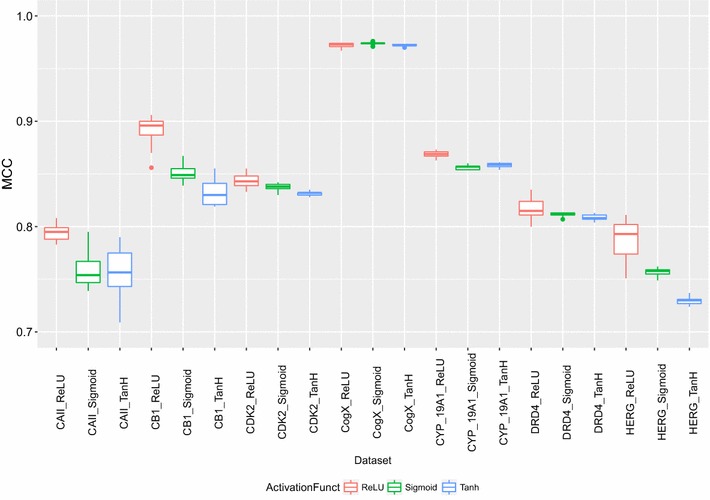
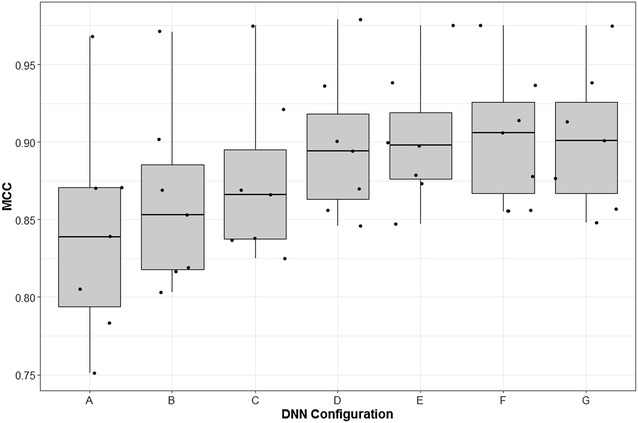
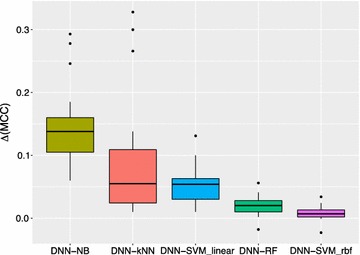
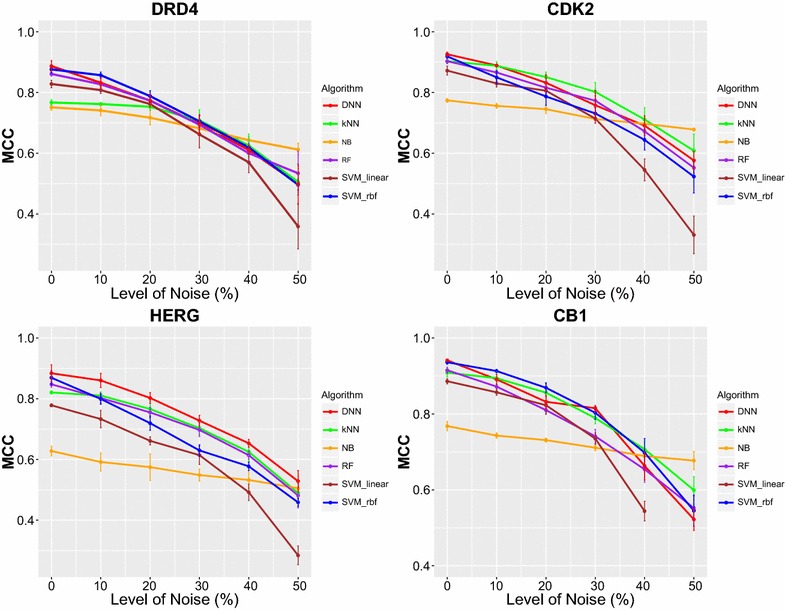
BACKGROUND: In recent years, research in artificial neural networks has resurged, now under the deep-learning umbrella, and grown extremely popular. Recently reported success of DL techniques in crowd-sourced QSAR and predictive toxicology competitions has showcased these methods as powerful tools in drug-discovery and toxicology research. The aim of this work was dual, first large number of hyper-parameter configurations were explored to investigate how they affect the performance of DNNs and could act as starting points when tuning DNNs and second their performance was compared to popular methods widely employed in the field of cheminformatics namely Naïve Bayes, k-nearest neighbor, random forest and support vector machines. Moreover, robustness of machine learning methods to different levels of artificially introduced noise was assessed. The open-source Caffe deep-learning framework and modern NVidia GPU units were utilized to carry out this study, allowing large number of DNN configurations to be explored. RESULTS: We show that feed-forward deep neural networks are capable of achieving strong classification performance and outperform shallow methods across diverse activity classes when optimized. Hyper-parameters that were found to play critical role are the activation function, dropout regularization, number hidden layers and number of neurons. When compared to the rest methods, tuned DNNs were found to statistically outperform, with p value <0.01 based on Wilcoxon statistical test. DNN achieved on average MCC units of 0.149 higher than NB, 0.092 than kNN, 0.052 than SVM with linear kernel, 0.021 than RF and finally 0.009 higher than SVM with radial basis function kernel. When exploring robustness to noise, non-linear methods were found to perform well when dealing with low levels of noise, lower than or equal to 20%, however when dealing with higher levels of noise, higher than 30%, the Naïve Bayes method was found to perform well and even outperform at the highest level of noise 50% more sophisticated methods across several datasets.
Overview
The claims and statistics of this paper haven’t been checked yet.
Run the check — free, no account needed. It reads the open-access text and checks the sources it cites.
Integrity signals
Registry
Cites
Statistics
Figures
Verification
Claims the paper makes
The claims and statistics of this paper haven’t been checked yet.
Run the check — free, no account needed. It reads the open-access text and checks the sources it cites.
Claims other papers make about this one
Each is checked against this paper’s own text: does it say what the citing paper says it does?
In the citing paper
“This comparison demonstrated that DNNs and support vector machines appear to be superior methods regardless of the descriptor type for training and 5-fold cross validation.”
From Exploiting machine learning for end-to-end drug discovery and development (2019) · cites this paper as [51]
In the citing paper
“Conversely, external testing of DNN models with a large test set did not perform as well as other machine learning methods.”
From Exploiting machine learning for end-to-end drug discovery and development (2019) · cites this paper as [51]
Self-check
Percentages, sums and reported differences re-computed from the paper’s own numbers.
The self-check needs the paper’s full text.
Citations
Cites
Breiman, L. (2001) · Machine Learning · doi:10.1023/a:1010933404324 · Cited by 133,538 · cited 1×
“RF was developed by Breiman and Cutler [60] and presents a number of advantages, which makes it attractive and well suited for chemin-formatic applications; (a) it is robust when dealing with large number of features, (b) achieves generally good performance, (c) resilient to over-fitting and (d)…”
LeCun, Y., Bengio, Y., & Hinton, G. (2015) · Nature · doi:10.1038/nature14539 · Cited by 84,126
Scikit-learn: Machine Learning in Python
Pedregosa, F., Varoquaux, G., Gramfort, A., Michel, V., Thirion, B., Grisel, O., Blondel, M., Müller, A., Nothman, J., Louppe, G., et al. (2012) · arXiv · doi:10.48550/arxiv.1201.0490 · Cited by 71,016
Cortes, C., & Vapnik, V. (1995) · Machine Learning · doi:10.1007/bf00994018 · Cited by 59,421
LIBSVM: A library for support vector machines
Chang, C.-C., & Lin, C.-J. (2011) · ACM Transactions on Intelligent Systems and Technology · doi:10.1145/1961189.1961199 · Cited by 40,918
Cortes, C., & Vapnik, V. N. (1995) · Machine Learning · doi:10.1023/a:1022627411411 · Cited by 34,565 · cited 1×
“SVMs was proposed by Cor-tes and Vapnik and can be applied for classification, regression and outliers detection tasks [65].”
(2014) · Cited by 33,419
Learning representations by back-propagating errors
Rumelhart, D. E., Hinton, G. E., & Williams, R. J. (1986) · Nature · doi:10.1038/323533a0 · Cited by 31,892 · cited 1×
“Deep neural networks are typically trained, by updating and adjusting neurons weights and biases, utilizing the supervised learning back-propagation algorithm in conjunction with optimization technique such as stochastic gradient descent [29, 30].”
A logical calculus of the ideas immanent in nervous activity
McCulloch, W. S., & Pitts, W. (1943) · The Bulletin of Mathematical Biophysics · doi:10.1007/bf02478259 · Cited by 18,566
Individual Comparisons by Ranking Methods
Wilcoxon, F. (1945) · Biometrics Bulletin · doi:10.2307/3001968 · Cited by 15,354
Representation Learning: A Review and New Perspectives
Bengio, Y., Courville, A., & Vincent, P. (2013) · IEEE Transactions on Pattern Analysis and Machine Intelligence · doi:10.1109/tpami.2013.50 · Cited by 13,001 · cited 1×
“Deep-learning methods are part of distributed representation-learning algorithms that attempt to extract and organize discriminative information from the data by discovering features that compose multi-level distributed representations [23].”
Caffe: Convolutional Architecture for Fast Feature Embedding
Jia, Y., Shelhamer, E., Donahue, J., Karayev, S., Long, J., Girshick, R., Guadarrama, S., & Darrell, T. (2014) · Proceedings of the 22nd ACM international conference on Multimedia · doi:10.1145/2647868.2654889 · Cited by 11,077 · cited 1×
“Caffe provides an easy usable platform for defining DNN configurations and executing experiments without extensive customizable hard-coding required as it provides an expressive and highly modular architecture [38].”
Extended-Connectivity Fingerprints
Rogers, D. O. W., & Hahn, M. (2010) · Journal of Chemical Information and Modeling · doi:10.1021/ci100050t · Cited by 7,925
LIBLINEAR: A Library for Large Linear Classification
Fan, R.-E., Chang, K., Hsieh, C., Xiang-rui, W., & Lin, C. (2008) · doi:10.5555/1390681.1442794 · Cited by 6,684 · cited 1×
“Scikit-learn implementation of SVM is based on the Libsvm and the Liblinear libraries [66, 67].”
An Introduction to Kernel and Nearest-Neighbor Nonparametric Regression
Altman, N. (1992) · The American Statistician · doi:10.1080/00031305.1992.10475879 · Cited by 5,657 · cited 1×
“The second algorithm employed was the k-nearest neighbor (kNN) [58].”
Comparison of the predicted and observed secondary structure of T4 phage lysozyme
Matthews, B. W. (1975) · Biochimica et Biophysica Acta (BBA) - Protein Structure · doi:10.1016/0005-2795(75)90109-9 · Cited by 5,399 · cited 1×
“As performance evaluation metric the Matthews correlation coefficient (MCC) was utilized to measure and compare the performance of machine learning algorithms employed in the study [71, 72].”
A review of feature selection techniques in bioinformatics
Saeys, Y., Inza, I., & Larrañaga, P. (2007) · Bioinformatics · doi:10.1093/bioinformatics/btm344 · Cited by 5,389
ChEMBL: a large-scale bioactivity database for drug discovery
Gaulton, A., Bellis, L. J., Bento, A. P., Chambers, J., Davies, M., Hersey, A., Light, Y., McGlinchey, S., Michalovich, D., Al-Lazikani, B., et al. (2012) · Nucleic Acids Research · doi:10.1093/nar/gkr777 · Cited by 4,382 · cited 1×
“As source of structure–activity relationships (SARs) the ChEMBL database was employed [48, 49].”
Multi-column deep neural networks for image classification
Ciresan, D. C., Meier, U., & Schmidhuber, J. (2012) · IEEE Computer Society Conference on Computer Vision and Pattern Recognition/Proceedings - IEEE Computer Society Conference on Computer Vision and Pattern Recognition/Proceedings · doi:10.1109/cvpr.2012.6248110 · Cited by 3,880
Random Forest: A Classification and Regression Tool for Compound Classification and QSAR Modeling
Svetnik, V., Liaw, A. I., Tong, C., Culberson, J. C., Sheridan, R. P., & Feuston, B. P. (2003) · Journal of Chemical Information and Computer Sciences · doi:10.1021/ci034160g · Cited by 3,613 · cited 1×
“RF is an ensemble of multiple weak un-pruned classification or regression trees created by using bootstrap samples of the training data and random feature selection in tree induction [59].”
Artificial neural networks: fundamentals, computing, design, and application
Basheer, I. A., & Hajmeer, M. N. (2000) · Journal of Microbiological Methods · doi:10.1016/s0167-7012(00)00201-3 · Cited by 3,316 · cited 1×
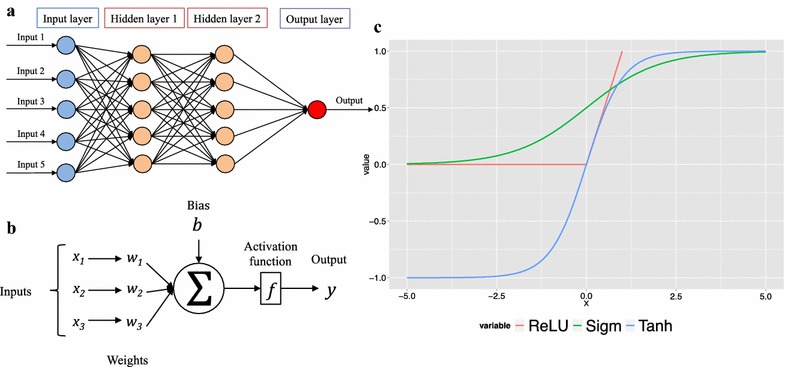
“An DNN consists of multiple fully-connected layers: an input layer, one or multiple hidden layers and a single output layer [27].”
A comparison of event models for naive bayes text classification
McCallum, A., & Nigam, K. (1998) · Cited by 3,289
Gene selection and classification of microarray data using random forest
Díaz‐Uriarte, R., & de Andrés, S. Á. (2006) · BMC Bioinformatics · doi:10.1186/1471-2105-7-3 · Cited by 3,013 · cited 1×
“Furthermore, it can be employed to assess the relevance of features, effectively acting as a feature selection algorithm [61, 62].”
Theano: A Python framework for fast computation of mathematical expressionsPreprint
The Theano Development Team, Al‐Rfou, R., Alain, G., Almahairi, A., Angermueller, C., Bahdanau, D., Ballas, N., Bastien, F., Bayer, J., Belikov, A., et al. (2016) · arXiv (Cornell University) · doi:10.48550/arxiv.1605.02688 · Cited by 2,176
Naive (Bayes) at forty: The independence assumption in information retrieval
Lewis, D. D. (1998) · Lecture notes in computer science · doi:10.1007/bfb0026666 · Cited by 2,140
Assessing the accuracy of prediction algorithms for classification: an overview
Baldi, P., Brunak, S., Chauvin, Y., Andersen, C. A. F., & Nielsen, H. (2000) · Bioinformatics · doi:10.1093/bioinformatics/16.5.412 · Cited by 2,111 · cited 1×
“As performance evaluation metric the Matthews correlation coefficient (MCC) was utilized to measure and compare the performance of machine learning algorithms employed in the study [71, 72].”
(2001) · Cited by 1,932
Static Analysis of Shape in TensorFlow ProgramsPreprint
The Theano Development Team, Al‐Rfou, R., Alain, G., et al. (2016) · arXiv (Cornell University) · doi:10.4230/lipics.ecoop.2020.15 · Cited by 1,629
The ChEMBL bioactivity database: an update
Bento, A. P., Gaulton, A., Hersey, A., Bellis, L. J., Chambers, J. K., Davies, M., Krüger, F. A., Light, Y., Mak, L., McGlinchey, S., et al. (2013) · Nucleic Acids Research · doi:10.1093/nar/gkt1031 · Cited by 1,520 · cited 1×
“As source of structure–activity relationships (SARs) the ChEMBL database was employed [48, 49].”
Owens, J. D., Houston, M., Luebke, D. P., Green, S., Stone, J. E., & Phillips, J. C. (2008) · Proceedings of the IEEE · doi:10.1109/jproc.2008.917757 · Cited by 1,500
Deep Machine Learning - A New Frontier in Artificial Intelligence Research [Research Frontier]
Arel, I., Rose, D. C., & Karnowski, T. P. (2010) · IEEE Computational Intelligence Magazine · doi:10.1109/mci.2010.938364 · Cited by 1,252
Deep Neural Nets as a Method for Quantitative Structure–Activity Relationships
Ma, J., Sheridan, R. P., Liaw, A., Dahl, G. E., & Svetnik, V. (2015) · Journal of Chemical Information and Modeling · doi:10.1021/ci500747n · Cited by 1,159 · cited 3×
“Two major crowd-sourced competitions, the Merck QSAR competition, held in 2012 at the Kaggle data mining platform, and the Tox21 data-challenge 2014 for chemical risk assessment were both won by groups that utilized deep learning methods as main machine learning techniques [19, 20].”
Deep, Big, Simple Neural Nets for Handwritten Digit Recognition
Ciresan, D. C., Meier, U., Gambardella, L. M., & Schmidhuber, J. (2010) · Neural Computation · doi:10.1162/neco_a_00052 · Cited by 1,143 · cited 1×
“Representation learning algorithms have been applied with success to model complex real-world problems, such as speech recognition, signal processing and image classification [21, 24–26].”
Exploring Strategies for Training Deep Neural Networks
Larochelle, H., Bengio, Y., Louradour, J., & Lamblin, P. (2009) · doi:10.1145/1577069.1577070 · Cited by 1,111
Owens, J. D., Houston, M., Luebke, D. P., Green, S., Stone, J. E., & Phillips, J. C. (2008) · Proceedings of the IEEE · Cited by 1,085
DeepTox: toxicity prediction using deep learning
Mayr, A., Klambauer, G., Unterthiner, T., & Hochreiter, S. (2016) · Frontiers in Environmental Science · doi:10.3389/fenvs.2015.00080 · Cited by 1,081 · cited 1×
“Two major crowd-sourced competitions, the Merck QSAR competition, held in 2012 at the Kaggle data mining platform, and the Tox21 data-challenge 2014 for chemical risk assessment were both won by groups that utilized deep learning methods as main machine learning techniques [19, 20].”
Deep Learning in Drug Discovery
Gawehn, E., Hiss, J. A., & Schneider, G. (2016) · Molecular Informatics · doi:10.1002/minf.201501008 · Cited by 723 · cited 1×
“Although reported applications of deep-learning techniques still remain limited in the field of molecular modeling they are fast gaining attention [18].”
Aliper, A., Plis, S., Artemov, A., Ulloa, A., Mamoshina, P., & Zhavoronkov, A. (2016) · Molecular Pharmaceutics · doi:10.1021/acs.molpharmaceut.6b00248 · Cited by 610 · cited 1×
“Aliper et al. [35] applied deep learning for predicting pharmacological properties of drugs and for drug repurposing utilizing transcriptomic data from the LINCS Project.”
Lusci, A., Pollastri, G., & Baldi, P. (2013) · Journal of Chemical Information and Modeling · doi:10.1021/ci400187y · Cited by 575 · cited 1×
“Lusci et al. [33] were among first to investigate the application of deep neural architectures for modeling molecular properties.”
Quantitative Structure–Property Relationship Modeling of Diverse Materials Properties
Le, T. C., Epa, V. C., Burden, F. R., & Winkler, D. A. (2012) · Chemical Reviews · doi:10.1021/cr200066h · Cited by 570 · cited 1×
“Applications range from quantitative structure–property relationships (QSPRs) [1–3], quantitative structure–activity relationships (QSARs) [4, 5] to in silico mode-of-action analysis and predictive toxicology [6, 7].”
On rectified linear units for speech processing
Zeiler, M., Ranzato, M., Monga, R., Mao, M. Z., Yang, K., Le, Q. V., Nguyen, P., Senior, A., Vanhoucke, V., Dean, J., et al. (2013) · IEEE International Conference on Acoustics, Speech, and Signal Processing · doi:10.1109/icassp.2013.6638312 · Cited by 552 · cited 1×
“Neurons with rectified linear units (ReLU) activation function has been reported to be (a) easier to optimize, (b) converge faster, (c) generalize better and (d) are faster to compute [39].”
Machine learning methods in chemoinformatics
Mitchell, J. B. O. (2014) · Wiley Interdisciplinary Reviews Computational Molecular Science · doi:10.1002/wcms.1183 · Cited by 483 · cited 1×
“SVMs along with RF is a widely applied machine-learning algorithm in the field of Cheminformatics [63, 64].”
Deep Learning for Drug-Induced Liver Injury
Xu, Y., Dai, Z., Chen, F., Gao, S., Pei, J., & Lai, L. (2015) · Journal of Chemical Information and Modeling · doi:10.1021/acs.jcim.5b00238 · Cited by 405 · cited 1×
“Xu et al. [34] applied deep learning to model drug-induced liver injury.”
Bender, A., Jenkins, J. L., Scheiber, J., Sukuru, S. C. K., Glick, M., & Davies, J. W. (2009) · Journal of Chemical Information and Modeling · doi:10.1021/ci800249s · Cited by 294 · cited 1×
“ECFP fingerprints were selected for this study as they have been previously shown to perform well and are commonly employed in virtual screening applications [53].”
Koutsoukas, A., Simms, B., Kirchmair, J., Bond, P. J., Whitmore, A. V., Zimmer, S., Young, M. P., Jenkins, J. L., Glick, M., Glen, R. C., et al. (2011) · Journal of Proteomics · doi:10.1016/j.jprot.2011.05.011 · Cited by 291 · cited 1×
“Applications range from quantitative structure–property relationships (QSPRs) [1–3], quantitative structure–activity relationships (QSARs) [4, 5] to in silico mode-of-action analysis and predictive toxicology [6, 7].”
Self-citationPhone Recognition with the Mean-Covariance Restricted Boltzmann Machine
Dahl, G. E., Ranzato, M., Mohamed, A., & Hinton, G. E. (2010) · Cited by 266
The Experimental Uncertainty of Heterogeneous Public Ki Data
Krämer, C., Kalliokoski, T., Gedeck, P., & Vulpetti, A. (2012) · Journal of Medicinal Chemistry · doi:10.1021/jm300131x · Cited by 246
Robust QSAR Models Using Bayesian Regularized Neural Networks
Burden, F. R., & Winkler, D. A. (1999) · Journal of Medicinal Chemistry · doi:10.1021/jm980697n · Cited by 240
Artificial neural networks and genetic algorithms in QSAR
Niculescu, Ş. P. (2003) · Journal of Molecular Structure THEOCHEM · doi:10.1016/s0166-1280(02)00619-x · Cited by 197
On the Use of Neural Network Ensembles in QSAR and QSPR
Agrafiotis, D. K., Cedeño, W., & Lobanov, V. S. (2002) · Journal of Chemical Information and Computer Sciences · doi:10.1021/ci0203702 · Cited by 175
Aqueous Solubility Prediction of Drugs Based on Molecular Topology and Neural Network Modeling
Huuskonen, J. J., Salo, M., & Taskinen, J. (1998) · Journal of Chemical Information and Computer Sciences · doi:10.1021/ci970100x · Cited by 164
Computational toxicology—a tool for early safety evaluation
Merlot, C. (2009) · Drug Discovery Today · doi:10.1016/j.drudis.2009.09.010 · Cited by 155 · cited 1×
“Applications range from quantitative structure–property relationships (QSPRs) [1–3], quantitative structure–activity relationships (QSARs) [4, 5] to in silico mode-of-action analysis and predictive toxicology [6, 7].”
Williams, A. J., Ekins, S., & Tkachenko, V. (2012) · Drug Discovery Today · doi:10.1016/j.drudis.2012.02.013 · Cited by 126
Neural networks in drug discovery: have they lived up to their promise?
Manallack, D. T., & Livingstone, D. J. (1999) · European Journal of Medicinal Chemistry · doi:10.1016/s0223-5234(99)80052-x · Cited by 122
Multivariate Regression Outperforms Several Robust Architectures of Neural Networks in QSAR Modeling
Lučić, B., & Trinajstić, N. (1998) · Journal of Chemical Information and Computer Sciences · doi:10.1021/ci980090f · Cited by 115
On the interpretation and interpretability of quantitative structure–activity relationship models
Guha, R. (2008) · Journal of Computer-Aided Molecular Design · doi:10.1007/s10822-008-9240-5 · Cited by 98 · cited 1×
“Interpretation of local and global SAR captured by complex QSAR models remains a challenging task, in particular when nonlinear algorithms are employed [45].”
Interpreting Computational Neural Network QSAR Models: A Measure of Descriptor Importance
Guha, R., & Jurs, P. C. (2005) · Journal of Chemical Information and Modeling · doi:10.1021/ci050022a · Cited by 98
(Q)SAR Modeling and Safety Assessment in Regulatory Review
Kruhlak, N. L., Benz, R. D., Zhou, H., & Colatsky, T. J. (2012) · Clinical Pharmacology & Therapeutics · doi:10.1038/clpt.2011.300 · Cited by 92 · cited 1×
“Applications range from quantitative structure–property relationships (QSPRs) [1–3], quantitative structure–activity relationships (QSARs) [4, 5] to in silico mode-of-action analysis and predictive toxicology [6, 7].”
Neural Networks as Robust Tools in Drug Lead Discovery and Development
Winkler, D. A. (2004) · Molecular Biotechnology · doi:10.1385/mb:27:2:139 · Cited by 90 · cited 1×
“*Correspondence: jhuan@ittc.ku.edu Department of Electrical Engineering and Computer Sciences, University of Kansas, Lawrence, KS 66047-7621, USA applied for wide range of QSARs/QSPRs applications [8–17].”
Enrichment of Extremely Noisy High-Throughput Screening Data Using a Naïve Bayes Classifier
Glick, M., Klon, A. E., Acklin, P., & Davies, J. W. (2004) · SLAS DISCOVERY · doi:10.1177/1087057103260590 · Cited by 86 · cited 1×
“Naïve Bayes has been previously reported to perform well when dealing with noisy high-throughput screening data and achieve good enrichments among top retrieved compounds [44].”
Interpretation of Nonlinear QSAR Models Applied to Ames Mutagenicity Data
Carlsson, L., Helgee, E. A., & Boyer, S. K. (2009) · Journal of Chemical Information and Modeling · doi:10.1021/ci9002206 · Cited by 65 · cited 1×
“Several approaches in the literature have been proposed for interpreting local and global QSAR models based on support vector machine and random forest techniques [46, 47].”
QSAR/QSPR Studies Using Probabilistic Neural Networks and Generalized Regression Neural Networks
Mosier, P. D., & Jurs, P. C. (2002) · Journal of Chemical Information and Computer Sciences · doi:10.1021/ci020039i · Cited by 64
Interpreting linear support vector machine models with heat map molecule coloring
Rosenbaum, L., Hinselmann, G., Jahn, A., & Zell, A. (2011) · Journal of Cheminformatics · doi:10.1186/1758-2946-3-11 · Cited by 57 · cited 1×
“Several approaches in the literature have been proposed for interpreting local and global QSAR models based on support vector machine and random forest techniques [46, 47].”
Advances in the Application of Machine Learning Techniques in Drug Discovery, Design and Development
Barrett, S. J., & Langdon, W. B. (2006) · Advances in intelligent and soft computing · doi:10.1007/978-3-540-36266-1_10 · Cited by 53 · cited 1×
“SVMs along with RF is a widely applied machine-learning algorithm in the field of Cheminformatics [63, 64].”
Basak, S. C., & Mills, D. R. (2001) · Journal of Chemical Information and Computer Sciences · doi:10.1021/ci000165r · Cited by 49
Neural networks are useful tools for drug design
Schneider, G. (2000) · Neural Networks · doi:10.1016/s0893-6080(99)00094-5 · Cited by 49 · cited 1×
“*Correspondence: jhuan@ittc.ku.edu Department of Electrical Engineering and Computer Sciences, University of Kansas, Lawrence, KS 66047-7621, USA applied for wide range of QSARs/QSPRs applications [8–17].”
Quantitative Structure–Activity Relationships (QSARs) – Applications and Methodology
Cronin, M. (2009) · Challenges and advances in computational chemistry and physics · doi:10.1007/978-1-4020-9783-6_1 · Cited by 47 · cited 1×
“Applications range from quantitative structure–property relationships (QSPRs) [1–3], quantitative structure–activity relationships (QSARs) [4, 5] to in silico mode-of-action analysis and predictive toxicology [6, 7].”
Analysis of Commercial and Public Bioactivity Databases
Tiikkainen, P., & Franke, L. (2011) · Journal of Chemical Information and Modeling · doi:10.1021/ci2003126 · Cited by 42 · cited 1×
“Structure–activity relationships collected from medicinal literature and stored in bioactivity databases may contain noise or erroneous reported activity measurements, due to human error or experimental uncertainty, that could potentially affect the performance of data-mining techniques [40–43].”
Alvarsson, J., Eklund, M., Andersson, C. R., Carlsson, L., Spjuth, O., & Wikberg, J. E. S. (2014) · Journal of Chemical Information and Modeling · doi:10.1021/ci500344v · Cited by 37 · cited 1×
“When optimizing the SVM using the non-linear RBF kernel the values for hyper-parameters gamma ( γ ) and Cost ( C ) where selected with similar range to those reported by Alvarsson et al. [68].”
A comprehensive company database analysis of biological assay variability
Krämer, C., Dahl, G., Tyrchan, C., & Ulander, J. (2016) · Drug Discovery Today · doi:10.1016/j.drudis.2016.03.015 · Cited by 30 · cited 1×
“Structure–activity relationships collected from medicinal literature and stored in bioactivity databases may contain noise or erroneous reported activity measurements, due to human error or experimental uncertainty, that could potentially affect the performance of data-mining techniques [40–43].”
Evolutionary computational methods to predict oral bioavailability QSPRs.
Bains, W., Gilbert, R., Sviridenko, L., Gascon, J.-M., Scoffin, R. A., Birchall, K., Harvey, I. R., & Caldwell, J. (2002) · PubMed · Cited by 29
Research works printed but not linked: 2
- Aspuru-Guzik A, Duvenaud D, Maclaurin D, Aguilera-Iparraguire J, Gomez-Bombarelli R, Hirzel TD, Adams RP (2015) Convolutional networks on graphs for learning molecular fingerprints. In: Proceedings of neural information processing systems, Quebec, pp 2224–2232
- Barrett SJ, Langdon WB (2006) Advances in the application of machine learning techniques in drug discovery. Des Dev 36:99–110
Cited by
Sorted by citations
On hyperparameter optimization of machine learning algorithms: Theory and practice
Yang, L., & Shami, A. A. (2020) · Neurocomputing · doi:10.1016/j.neucom.2020.07.061 · Cited by 3,530
“Since all neural network models have an input layer and an output layer, the complexity of a deep learning model mainly depends on the number of hidden layers and the number of neurons of each layer, which are two main hyper-parameters to build DL models [64].”
BackgroundThe rise of deep learning in drug discovery
Chen, H., Engkvist, O., Wang, Y., Olivecrona, M., & Blaschke, T. (2018) · Drug Discovery Today · doi:10.1016/j.drudis.2018.01.039 · Cited by 1,770
“[39] compared a DNN model with some commonly used machine learning methods such as SVM, RF, among others, on seven datasets selected from ChEMBL [40].”
MethodConcepts of Artificial Intelligence for Computer-Assisted Drug Discovery
Yang, X. Y., Wang, Y., Byrne, R., Schneider, G., & Yang, S. (2019) · Chemical Reviews · doi:10.1021/acs.chemrev.8b00728 · Cited by 1,079
Jiang, D., Wu, Z., Hsieh, C.-Y., Chen, G., Liao, B., Wang, Z., Shen, C., Cao, D., Wu, J., & Hou, T. (2021) · Journal of Cheminformatics · doi:10.1186/s13321-020-00479-8 · Cited by 664
Large-scale comparison of machine learning methods for drug target prediction on ChEMBL
Mayr, A., Klambauer, G., Unterthiner, T., Steijaert, M., Wegner, J. K., Ceulemans, H., Clevert, D.-A., & Hochreiter, S. (2018) · Chemical Science · doi:10.1039/c8sc00148k · Cited by 584
Metadata
- Authors
- Koutsoukas, A., Monaghan, K. J., Li, X., & Huan, J.
- Affiliations
- University of Kansas (US)
- Corresponding author
- Huan, Jun
- ORCID
- Venue
- Journal of Cheminformatics
- Published
- 2017-06-28
- Volume
- 9
- Issue
- 1
- Pages
- 42-42
- ISSN
- 1758-2946 (ISSN-L)
- PMC
- PMC5489441
- OpenAlex
- W2731161895
- Cited by
- 315
- References
- 69
- Citations by year
- 2026: 12 · 2025: 25 · 2024: 40 · 2023: 42 · 2022: 53 · 2021: 55 · 2020: 32 · 2019: 33 · 2018: 22 · 2017: 1
- FWCI
- 18.06
- Type
- journal article
- Language
- en
- Open access
- gold
- doi.org
- Locations
- Journal of Cheminformatics (publishedVersion, cc-by)
- PubMed Central (publishedVersion, cc-by)
- PubMed (publishedVersion)
- National University of Singapore (submittedVersion, cc-by)
- DOAJ (DOAJ: Directory of Open Access Journals) (submittedVersion)
- Funders
- National Science Foundation (CNS 1337899)
- Topics
- Life Sciences › Pharmacology, Toxicology and Pharmaceutics › Drug Discovery › Computational Drug Discovery Methods
- Physical Sciences › Materials Science › Materials Chemistry › Machine Learning in Materials Science
- Physical Sciences › Computer Science › Artificial Intelligence › Neural Networks and Applications
- Keywords
- deep neural network, hyperparameter optimization, bioactivity prediction, QSAR, predictive toxicology, feedforward neural networks, noise robustness, activation functions, dropout regularization, Caffe, drug discovery, naive Bayes, k-nearest neighbors, random forest, support vector machine
About these checks
Registry, retraction, Cites and statistics results are computed, not judged, with one exception: a printed reference that no index lists is read once by a model before it counts as a citation error. Claims are extracted by a model and kept only when their quote appears verbatim in the text; each cited source is then checked, with a model’s help, for whether it says what the claim relies on. Those verdicts can be wrong — read the claim’s quote and the cited source before relying on one.
Statistics and arithmetic are recomputed, not judged.
Confidence bands are shown only for fields calibrated on our annotated test set. None is calibrated yet, so no band is shown.
What counts as a claim ›How we measure confidence ›How we check this ›
Are you an author, or do you see a problem with this page? Request a review
