

Identification of a bacteriocin-like compound from Lactobacillus plantarum with antimicrobial activity and effects on normal and cancerogenic human intestinal cells
Open accessThe DOI matches its Crossref record; 30 of the 31 references it cites were found in a registry or an index; none of the 16 sources its claims cite is checked for support yet.
Abstract
In this paper, we demonstrate that the antimicrobial activity of L. plantarum PBS067 strain against antagonist microorganisms was mediated by the production of a bacteriocin-like compound secreted at the stationary phase of the growth. The novel bacteriocin-like compound, designed plantaricin P1053, was identified by using sorption-desorption method, butanol extraction and SEC-HPLC. The molecular mass of plantaricin P1053 was shown to be 1053 Da by ESI-MS analysis. Plantaricin P1053 exhibited a broad-spectrum antimicrobial activity against Gram-positive bacteria as S. aureus and Gram-negative bacteria as E. coli. In addition to the antimicrobial activity, the isolated bacteriocin-like compound showed effects on normal and cancerogenic epithelial intestinal cell lines through an enhancing of viability of healthy cells and a proliferation reduction of cancer cells. Moreover, in this paper we demonstrate that the isolated bacteriocin-like compound acts on healthy cells through the epidermal growth factor receptor (EGFR) pathways. In conclusion, plantaricin P1053 isolated from L. plantarum PBS067 strain could represent one of the first multifunctional bacteriocin-like compound acting on human epithelial intestinal cells.
Overview
CoChat Summary
## TL;DR
The paper identifies a 1053 Da bacteriocin-like compound from *Lactobacillus plantarum* PBS067, named plantaricin P1053, that inhibits both Gram-positive and Gram-negative bacteria. It also reports opposite effects on intestinal cell lines: about a 20% increase in healthy CCD 841 cell viability and a significant, near-30% reduction in E705 colon cancer cell viability.
## Key findings
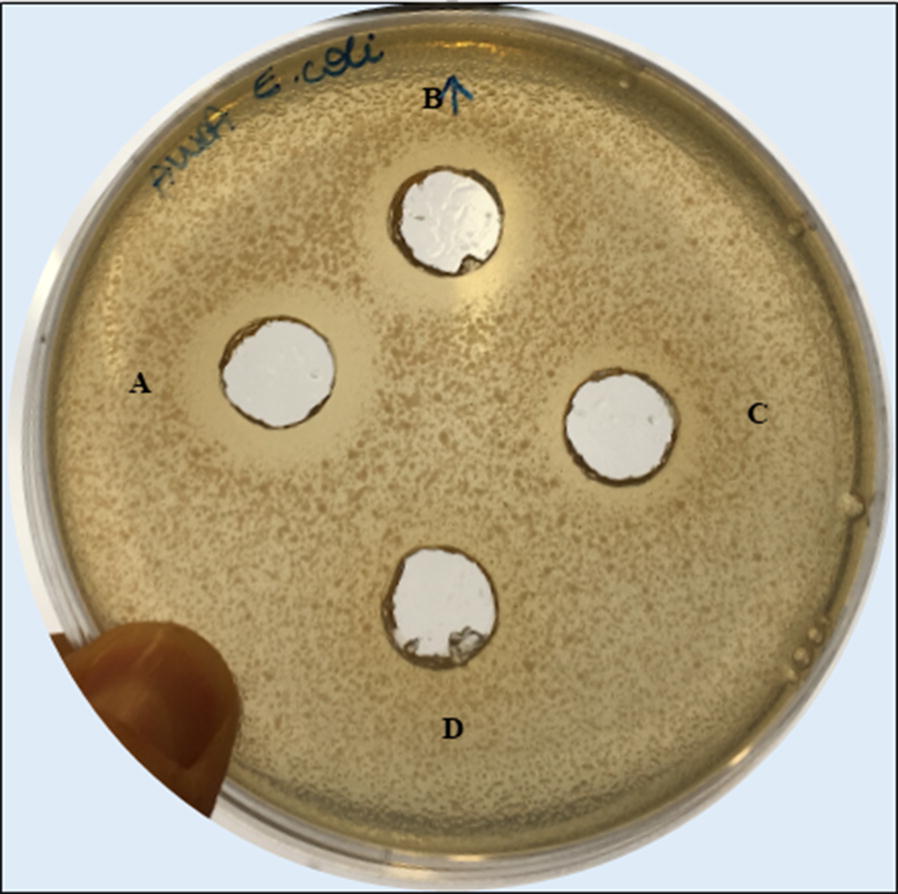
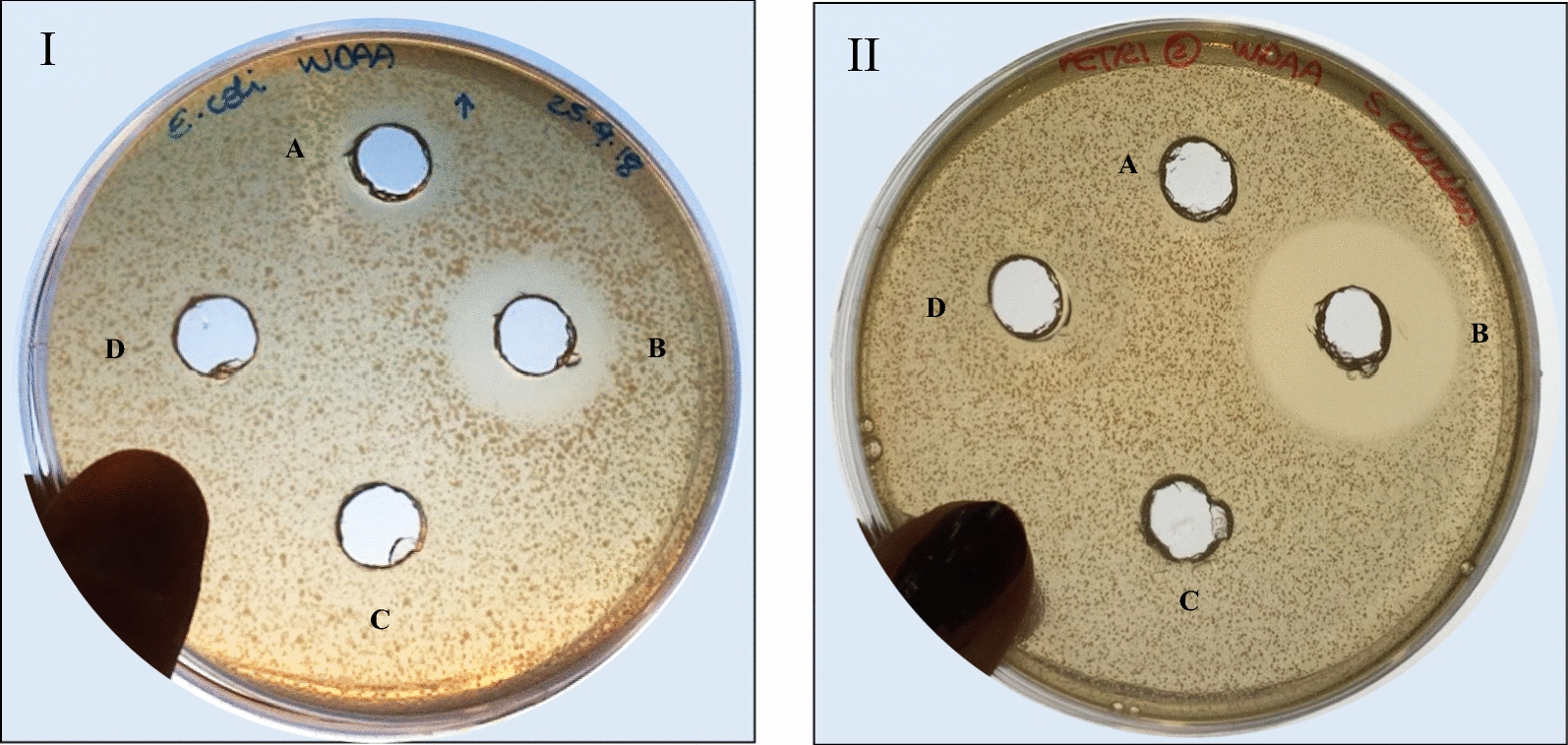
- *L. plantarum* PBS067 produced antimicrobial activity in stationary phase; the cell-free supernatant inhibited E. coli with a halo of 18 mm ± 0.2 and S. aureus with 20 mm ± 0.2.
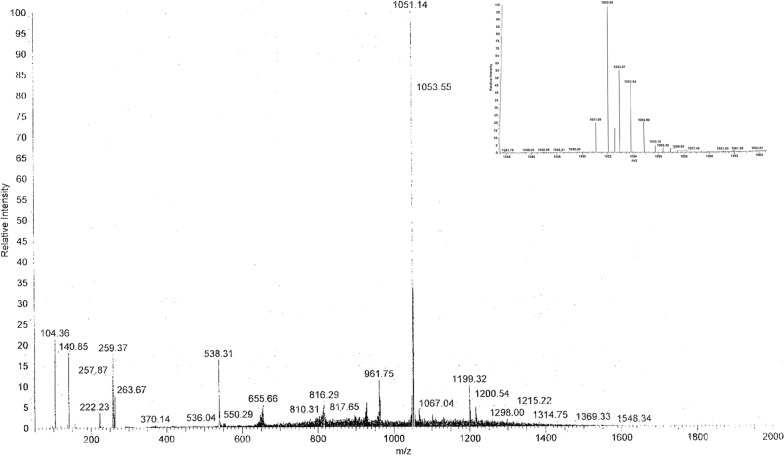
- The purified compound, plantaricin P1053, had a molecular mass of 1053 Da by ESI-MS and retained antimicrobial activity after purification.
- Plantaricin P1053 showed broad antimicrobial activity against E. coli and S. aureus; reported MICs were 7.8 µg/mL for E. coli ATCC 25922 and 31 µg/mL for S. aureus ATCC 6538.
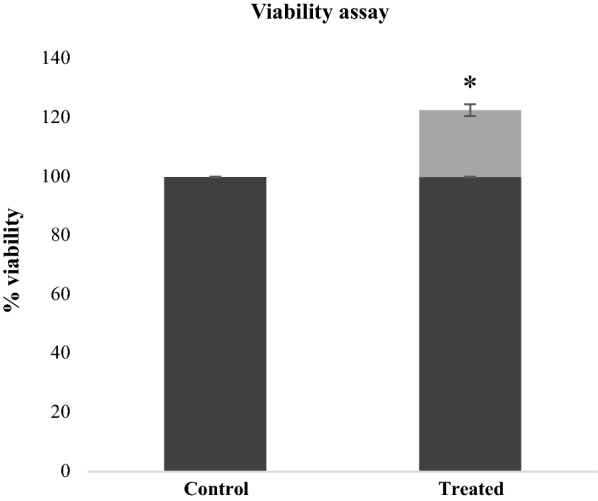
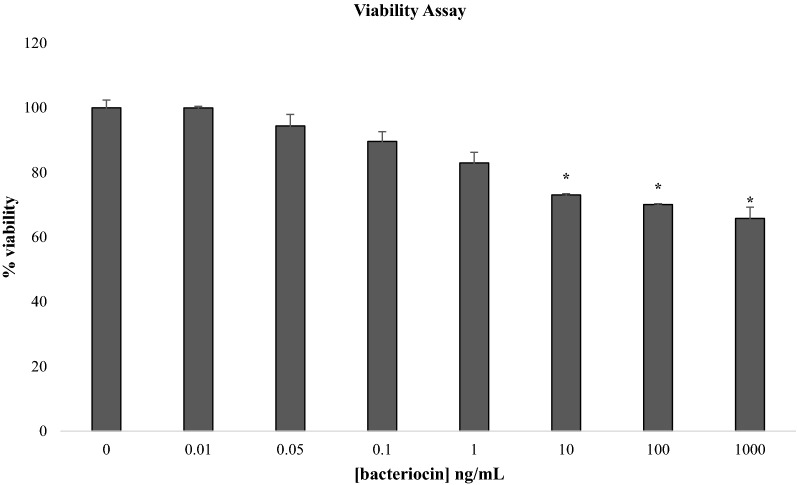
- On human intestinal cells, 1 µg/mL plantaricin P1053 increased healthy CCD 841 cell viability by about 20%, while on E705 colon cancer cells it caused a significant inhibitory effect, near 30%, in a concentration-dependent manner.
## Methods
- The study used *L. plantarum* PBS067 isolated from healthy human feces; antimicrobial assays were performed against E. coli, S. aureus, P. aeruginosa, and E. faecalis using a well diffusion agar assay.
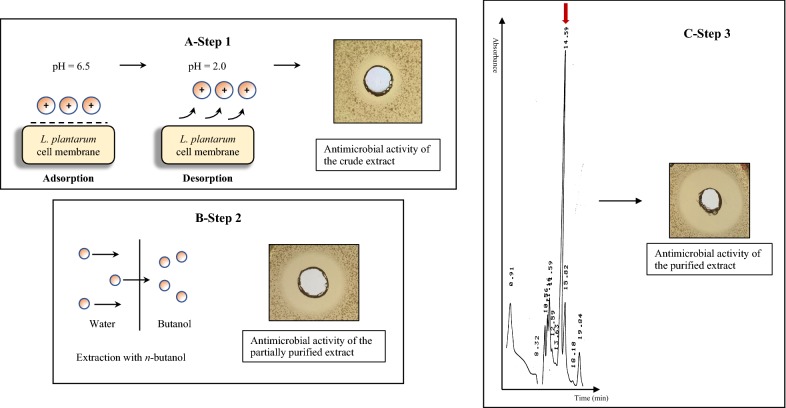
- The bacteriocin-like compound was purified from culture supernatant by adsorption/desorption, n-butanol extraction, and SEC-HPLC, then characterized by ESI-full mass spectrometry.
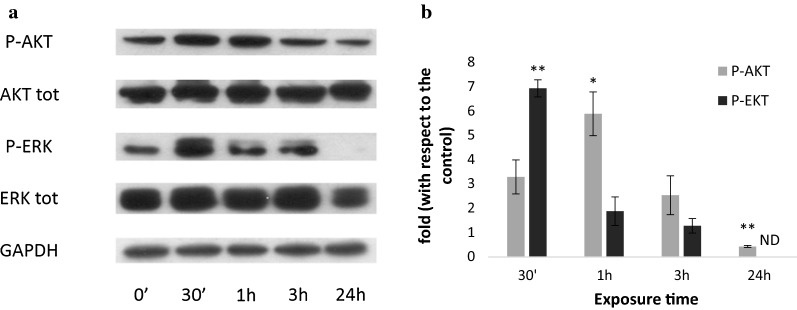
- Effects on host cells were tested in CCD 841 healthy colon cells and E705 colon cancer cells using MTT viability assays and western blotting for EGFR/Akt/Erk signaling after treatment with 1 µg/mL plantaricin P1053.
## Limitations
- The paper states that “some molecular mechanisms must be elucidated in further studies”, so the pathway for the cancer-cell effect is not fully explained.
- The text makes evident that the EGFR/Akt/Erk work is based on in vitro cell lines only; no in vivo or clinical validation is reported.
Model-written summary. Check it against the paper before relying on it.
Integrity signals
Registry
Cites
Statistics
Figures
Verification
Claims the paper makes
0 Valid · 0 Not valid · 13 Not checked · 35 Own results and interpretations
A result the paper reports from its own data — it cites no other source for it, so there is none to check. The quote shows it is in the paper.
In the paper
“Results showed a halo of inhibition with a diameter of 18 mm ± 0.2 for E. coli and 20 mm ± 0.2 for S. aureus as representative Gram-negative and Gram-positive bacteria, respectively.”
- Also stated in: § Discussion · hedged
“Preliminary experiments evidenced that the cell free supernatant (CFS) of Lactobacillus plantarum PBS067 culture had an inhibition of the antagonist bacteria growth, as E. coli and S. aureus.”
§ Identification of a bacteriocin-like compound from Lactobacillus plantarum with antimicrobial activity and effects on normal and cancerogenic human intestinal cells > Results > Identification of antimicrobial activity of L. plantarum strain PBS067
plainstates a cause- Asserted: passes — The authors put it forward as true.
- Checkable: passes — It can be checked against evidence.
- Load-bearing: passes — The paper’s conclusions depend on it.
- Based: passes — The paper gives a reason why it holds.
- Also stated in: § Discussion · hedged
A result the paper reports from its own data — it cites no other source for it, so there is none to check. The quote shows it is in the paper.
In the paper
“The UV/visible absorption spectra of the sample revealed a maximum absorbance–wavelength at 254 nm.”
§ Identification of a bacteriocin-like compound from Lactobacillus plantarum with antimicrobial activity and effects on normal and cancerogenic human intestinal cells > Results > Purification of the bacteriocin-like compound from L. plantarum strain PBS067
plain- Asserted: passes — The authors put it forward as true.
- Checkable: passes — It can be checked against evidence.
- Load-bearing: unclear — It is unclear whether the paper’s conclusions depend on it.
- Based: passes — The paper gives a reason why it holds.
In the paper
“The novel bacteriocin-like compound, designed plantaricin P1053, was identified by using sorption–desorption method, butanol extraction and SEC-HPLC.”
- Also stated in: § Purification of the bacteriocin-like compound from L. plantarum strain PBS067 · plain
“Bacteriocin-like compounds were isolated from cell free supernatant (CFS) of L. plantarum PBS067 culture using the modified method described by Yang et al. (1992) based on the hydrophobicity and the charge of the compounds secreted by cells.”
§ Identification of a bacteriocin-like compound from Lactobacillus plantarum with antimicrobial activity and effects on normal and cancerogenic human intestinal cells > Abstract
What the sources say
- Not checked yetcites Yang et al. (1992)
plainstates a cause- Asserted: passes — The authors put it forward as true.
- Checkable: passes — It can be checked against evidence.
- Load-bearing: passes — The paper’s conclusions depend on it.
- Based: passes — The paper gives a reason why it holds.
- Also stated in: § Purification of the bacteriocin-like compound from L. plantarum strain PBS067 · plain
A result the paper reports from its own data — it cites no other source for it, so there is none to check. The quote shows it is in the paper.
In the paper
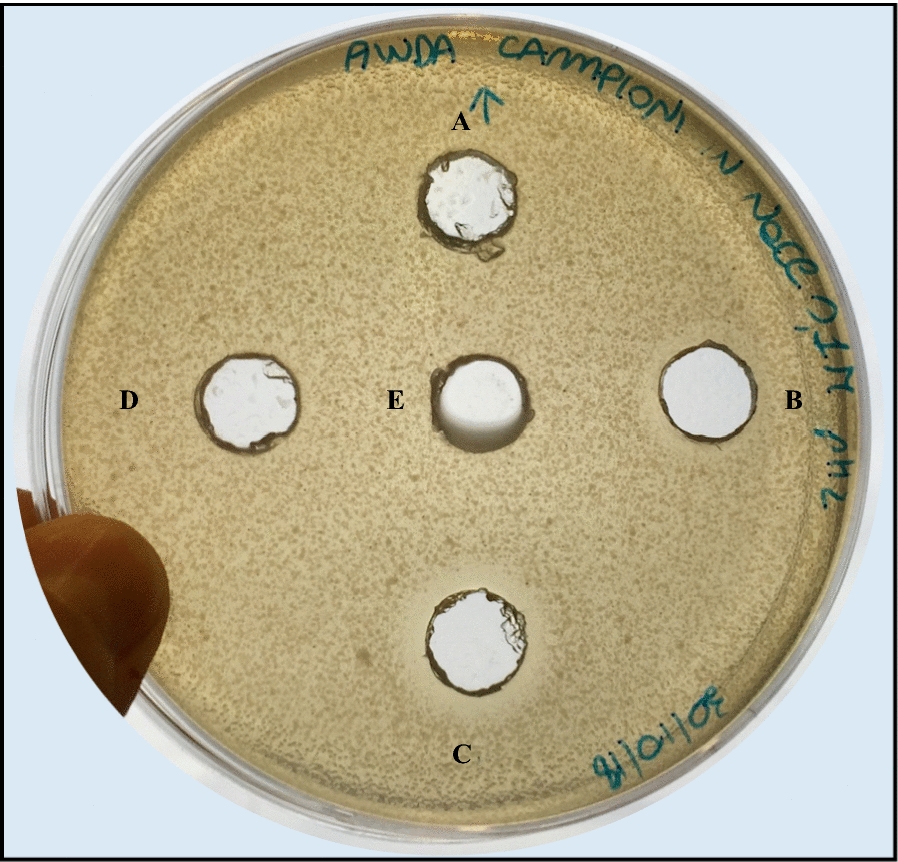
“the inhibitory activity of the purified bacteriocin-like molecule against E. coli strain ATCC25922 was completely lost (Fig. 3) after the treatment.”
§ Identification of a bacteriocin-like compound from Lactobacillus plantarum with antimicrobial activity and effects on normal and cancerogenic human intestinal cells > Results > Effects of proteinase K on the stability of the purified bacteriocin-like compound and total protein concentration
plainstates a cause- Asserted: passes — The authors put it forward as true.
- Checkable: passes — It can be checked against evidence.
- Load-bearing: passes — The paper’s conclusions depend on it.
- Based: passes — The paper gives a reason why it holds.
A result the paper reports from its own data — it cites no other source for it, so there is none to check. The quote shows it is in the paper.
In the paper
“the isolated bacteriocin-like compound showed effects on normal and cancerogenic epithelial intestinal cell lines through an enhancing of viability of healthy cells and a proliferation reduction of cancer cells.”
- Also stated in: § In vitro test of plantaricin P1053 on colon cancer E705 cell line · plain
“Results showed a significant inhibitory effect, near 30%, on E705 cells proliferation in a concentration dependent manner.”
§ Identification of a bacteriocin-like compound from Lactobacillus plantarum with antimicrobial activity and effects on normal and cancerogenic human intestinal cells > Abstract
plainstates a cause- Asserted: passes — The authors put it forward as true.
- Checkable: passes — It can be checked against evidence.
- Load-bearing: passes — The paper’s conclusions depend on it.
- Based: passes — The paper gives a reason why it holds.
- Also stated in: § In vitro test of plantaricin P1053 on colon cancer E705 cell line · plain
29 more claims
Create a free account to see all 48 claims and to verify the 16 references still open.
- It may state two separate claims as one. 11
- Probably not a substantial claim. 5
Citations
Cites
Measurement of protein using bicinchoninic acid
Smith, P. K., Krohn, R. I., Hermanson, G. T., Mallia, A. K., Gartner, F. H., Provenzano, M. D., Fujimoto, E. K., Goeke, N. M., Olson, B. J., & Klenk, D. C. (1985) · Analytical Biochemistry · doi:10.1016/0003-2697(85)90442-7 · Cited by 18,482 · cited 1×
“Supernatants were analyzed for protein content by the BCA protein assay (Smith et al. 1985).”
Transduction of linked genetic characters of the host by bacteriophage P1
Lennox, E. S. (1955) · Virology · doi:10.1016/0042-6822(55)90016-7 · Cited by 2,584
Genetics of bacteriocins produced by lactic acid bacteria
Klaenhammer, T. (1993) · FEMS Microbiology Reviews · doi:10.1016/0168-6445(93)90057-g · Cited by 2,029
Antagonistic activities of lactobacilli and bifidobacteria against microbial pathogens
Servin, A. L. (2004) · FEMS Microbiology Reviews · doi:10.1016/j.femsre.2004.01.003 · Cited by 1,236
Novel method to extract large amounts of bacteriocins from lactic acid bacteria
Yang, R., Johnson, M. C., & Ray, B. (1992) · Applied and Environmental Microbiology · doi:10.1128/aem.58.10.3355-3359.1992 · Cited by 531
LeBlanc, J. G., Laiño, J. E., del Valle, M. J., Vannini, V., van Sinderen, D., Taranto, M. P., de Valdez, G. F., de Giori, G. S., & Sesma, F. (2011) · Journal of Applied Microbiology · doi:10.1111/j.1365-2672.2011.05157.x · Cited by 529
Yan, F., Cao, H., Cover, T. L., Washington, M. K., Shi, Y., Liu, L., Chaturvedi, R., Peek, R. M., Wilson, K. T., & Polk, D. B. (2011) · Journal of Clinical Investigation · doi:10.1172/jci44031 · Cited by 375
Valeur, N., Engel, P., Carbajal, N., Connolly, E., & Ladefoged, K. (2004) · Applied and Environmental Microbiology · doi:10.1128/aem.70.2.1176-1181.2004 · Cited by 343
Tao, Y., Drabik, K. A., Waypa, T. S., Musch, M. W., Alverdy, J. C., Schneewind, O., Chang, E. B., & Petrof, E. O. (2006) · American Journal of Physiology-Cell Physiology · doi:10.1152/ajpcell.00131.2005 · Cited by 301
Antimicrobial potential of bacteriocins: in therapy, agriculture and food preservation
Ahmad, V., Khan, M. S., Jamal, Q. M. S., Alzohairy, M. A., Al Karaawi, M. A., & Siddiqui, M. U. (2017) · International Journal of Antimicrobial Agents · doi:10.1016/j.ijantimicag.2016.08.016 · Cited by 293
Cited by
Bacteriocins: Properties and potential use as antimicrobials
Darbandi, A., Asadi, A., Mahdizade Ari, M., Ohadi, E., Talebi, M., Halaj Zadeh, M., Darb Emamie, A., Ghanavati, R., & Kakanj, M. (2022) · Journal of Clinical Laboratory Analysis · doi:10.1002/jcla.24093 · Cited by 500
Teame, T., Wang, A., Xie, M., Zhang, Z., Yang, Y., Ding, Q., Gao, C., Olsen, R. E., Ran, C., & Zhou, Z. (2020) · Frontiers in Nutrition · doi:10.3389/fnut.2020.570344 · Cited by 388
Verma, D. K., Thakur, M., Sıngh, S., Tripathy, S., Gupta, A. K., Baranwal, D., Patel, A. R., Shah, N., Utama, G. L., Niamah, A. K., et al. (2022) · Food Bioscience · doi:10.1016/j.fbio.2022.101594 · Cited by 171
Molecular and Cellular Mechanisms Influenced by Postbiotics
Jastrząb, R., Graczyk, D., & Siedlecki, P. S. (2021) · International Journal of Molecular Sciences · doi:10.3390/ijms222413475 · Cited by 141
Macchioni, V., Carbone, K., Cataldo, A., Fraschini, R., & Bellucci, S. (2020) · Separation and Purification Technology · doi:10.1016/j.seppur.2020.118039 · Cited by 100
Probiotics as Antibiotic Alternatives for Human and Animal Applications
Rabetafika, H. N., Razafindralambo, A., Ebenso, B., & Razafindralambo, H. L. (2023) · Encyclopedia · doi:10.3390/encyclopedia3020040 · Cited by 116
Bacteriocins: potentials and prospects in health and agrifood systems
Reuben, R. C., & Torres, C. (2024) · Archives of Microbiology · doi:10.1007/s00203-024-03948-y · Cited by 100
The Challenge of Applications of Probiotics in Gastrointestinal Diseases
Wolfe, W., Xiang, Z., Yu, X., Li, P., Chen, H., Yao, M., Fei, Y., Huang, Y., Yin, Y., & Xiao, H. (2023) · Advanced Gut & Microbiome Research · doi:10.1155/2023/1984200 · Cited by 86
Simone, N. D., Capozzi, V., Chiara, M., Amodio, M. L., Brahimi, S., Colelli, G., Drider, D., Spano, G., & Russo, P. (2021) · Microorganisms · doi:10.3390/microorganisms9040773 · Cited by 76
Varas, M. A., Muñoz‐Montecinos, C., Kallens, V., Simon, V., Allende, M. L., Marcoleta, A. E., & Lagos, R. (2020) · Frontiers in Microbiology · doi:10.3389/fmicb.2020.00405 · Cited by 60
Zangeneh, M., Khorrami, S., & Khaleghi, M. (2020) · Food Science & Nutrition · doi:10.1002/fsn3.1890 · Cited by 65
Cesa-Luna, C., Alatorre-Cruz, J. M., Carreño-López, R., Quintero‐Hernández, V., & Baez, A. (2021) · Polish Journal of Microbiology · doi:10.33073/pjm-2021-020 · Cited by 62
Ismael, M., Huang, M., & Zhong, Q. (2024) · Foods · doi:10.3390/foods13233887 · Cited by 65
Molujin, A. M., Abbasiliasi, S., Nurdin, A., Lee, C., Gansau, J. A., & Jawan, R. (2022) · Cancers · doi:10.3390/cancers14194758 · Cited by 66
De Giani, A., Sandionigi, A., Zampolli, J., Michelotti, A., Tursi, F., Labra, M., & Di Gennaro, P. (2022) · Microorganisms · doi:10.3390/microorganisms10061256 · Cited by 46
“, Torre Pallavicina (BG), Italy) containing Lactobacillus and Bifidobacterium probiotic strains [25,26] and/or prebiotics (Tables S1 and S2) as follows:”
BackgroundProbiotic-Derived Bioactive Compounds in Colorectal Cancer Treatment
Thoda, C., & Touraki, M. (2023) · Microorganisms · doi:10.3390/microorganisms11081898 · Cited by 58
Dubey, A. K., Podia, M., PRIYANKA, P., Raut, S., Singh, S., Pinnaka, A. K., & Khatri, N. (2021) · Frontiers in Pharmacology · doi:10.3389/fphar.2021.728614 · Cited by 49
Probiotics intervention in colorectal cancer: From traditional approaches to novel strategies
Ha, S., Zhang, X., & Yu, J. Q. (2023) · Chinese Medical Journal · doi:10.1097/cm9.0000000000002955 · Cited by 45
Emerging lactic acid bacteria bacteriocins as anti-cancer and anti-tumor agents for human health
Niamah, A. K., Al‐Sahlany, S. T. G., Verma, D. K., Shukla, R. M., Patel, A. R., Tripathy, S., Sıngh, S., Baranwal, D., Singh, A. K., Utama, G. L., et al. (2024) · Heliyon · doi:10.1016/j.heliyon.2024.e37054 · Cited by 50
Bacteriocins in Cancer Treatment: Mechanisms and Clinical Potentials
Wang, Y., Wang, Y., Sun, T., & Xu, J. (2024) · Biomolecules · doi:10.3390/biom14070831 · Cited by 50
Mejía-Caballero, A., Salas-Villagrán, V. A., Jiménez-Serna, A., & Farrés, A. (2021) · Journal of Industrial Microbiology & Biotechnology · doi:10.1093/jimb/kuab052 · Cited by 35
Antimicrobial peptides against colorectal cancer-a focused review
Chauhan, S., Dhawan, D. K., Saini, A., & Preet, S. (2021) · Pharmacological Research · doi:10.1016/j.phrs.2021.105529 · Cited by 50
Siddiqui, A. J., Patel, M. B., Adnan, M., Jahan, S., Saxena, J., Alshahrani, M. M., Abdelgadir, A., Bardakçi, F., Sachidanandan, M., Badraoui, R., et al. (2023) · Pharmaceutics · doi:10.3390/pharmaceutics15020403 · Cited by 34
Tunçer, S., & Karaçam, S. (2020) · Archives of Microbiology · doi:10.1007/s00203-020-02005-8 · Cited by 33
Bacteriocins: Curial guardians of gastrointestinal tract
Gu, Q., Yan, J., Lou, Y., Zhang, Z., Li, Y., Zhu, Z., Liu, M., Wu, D., Liang, Y., Pu, J., et al. (2024) · Comprehensive Reviews in Food Science and Food Safety · doi:10.1111/1541-4337.13292 · Cited by 32
Dobrzyński, J., Kulkova, I., Wierzchowski, P. S., & Wróbel, B. (2021) · Water · doi:10.3390/w14010012 · Cited by 28
Structural and biosynthetic diversity of plantaricins from Lactiplantibacillus
Goel, A., & Halami, P. M. (2023) · Applied Microbiology and Biotechnology · doi:10.1007/s00253-023-12692-0 · Cited by 32
Lacto-Fermented Fruits and Vegetables: Bioactive Components and Effects on Human Health
Wei, L., Beeck, W. V., Hanlon, M., DiCaprio, E. L., & Marco, M. L. (2025) · Annual Review of Food Science and Technology · doi:10.1146/annurev-food-052924-070656 · Cited by 32
Sharma, G., Dang, S., Kasoju, A., Kalia, M., & Gabrani, R. (2020) · Biofouling · doi:10.1080/08927014.2020.1804553 · Cited by 27
Deng, X., Yang, J., Zhang, Y., Chen, X., Wang, C., Suo, H., & Song, J. (2023) · Foods · doi:10.3390/foods12193706 · Cited by 31
Man, L., & Xiang, D.-J. (2021) · Folia Microbiologica · doi:10.1007/s12223-021-00890-0 · Cited by 29
Banić, M., Butorac, K., Čuljak, N., Pavunc, A. L., Novak, J., Bellich, B., Kazazić, S., Kazazić, S., Cescutti, P., Šušković, J., et al. (2022) · International Journal of Molecular Sciences · doi:10.3390/ijms232214382 · Cited by 27
Man, L., & Xiang, D.-J. (2023) · Folia Microbiologica · doi:10.1007/s12223-023-01060-0 · Cited by 23
Shazadi, K., & Arshad, N. (2022) · Folia Microbiologica · doi:10.1007/s12223-021-00942-5 · Cited by 20
Protecting Effect of Bacillus coagulans T242 on HT-29 Cells Against AAPH-Induced Oxidative Damage
Gao, X., Zhang, Y., Mu, G., Xu, Y., Wang, X., Tuo, Y., & Qian, F. (2022) · Probiotics and Antimicrobial Proteins · doi:10.1007/s12602-022-09917-5 · Cited by 20
Sang, R., Deng, F., Engel, A. F., Goldys, E. M., & Deng, W. (2022) · Biomedicine & Pharmacotherapy · doi:10.1016/j.biopha.2022.113837 · Cited by 20
Application Value of Antimicrobial Peptides in Gastrointestinal Tumors
Liu, Q., Wang, L., He, D., Wu, Y., Liu, X., Yang, Y., Chen, Z., Dong, Z., Luo, Y., & Song, Y. (2023) · International Journal of Molecular Sciences · doi:10.3390/ijms242316718 · Cited by 21
Syaputri, Y., & Iwahashi, H. (2020) · Reviews in Agricultural Science · doi:10.7831/ras.8.0_124 · Cited by 23
A Comprehensive Review on the Anticancer Potential of Bacteriocin: Preclinical and Clinical Studies
Goh, K. S., Ng, Z. J., Halim, M., Oslan, S. N., Oslan, S. N. H., & Tan, J. S. (2022) · International Journal of Peptide Research and Therapeutics · doi:10.1007/s10989-022-10386-1 · Cited by 22
Revisiting the application, current trends, and prospect of bacteriocins in food preservation
Obafemi, Y. D., Obiukwu, A. C., & Oranusi, S. U. (2025) · Discover Food · doi:10.1007/s44187-025-00472-w · Cited by 28
Burğut, A. (2020) · Journal of Food Safety · doi:10.1111/jfs.12863 · Cited by 18
Kusnadi, J., Mahatmanto, T., Marsheli, N., Fawzia, N., Rahmawani, D. E., & Alexander, K. (2022) · Food Science and Technology International · doi:10.1177/10820132221075117 · Cited by 17
Wasiak, J., Głowacka, P., Pudlarz, A. M., Pieczonka, A. M., Dzitko, K., Szemraj, J., & Witusik‐Perkowska, M. (2024) · Molecules · doi:10.3390/molecules29102292 · Cited by 17
Prebiotic Activity of Vaginal Lactobacilli on Bifidobacteria: from Concept to Formulation
Giordani, B., Abruzzo, A., Parolin, C., Foschi, C., Laghi, L., Marangoni, A., Luppi, B., & Vitali, B. (2023) · Microbiology Spectrum · doi:10.1128/spectrum.02009-22 · Cited by 15
Cesa-Luna, C., Baez, A., Aguayo-Acosta, A., Llano-Villarreal, R. C., Juárez-González, V. R., Gaytán, P., Bustillos‐Cristales, M. D. R., Rivera-Urbalejo, A. P., Muñoz‐Rojas, J., & Quintero‐Hernández, V. (2020) · PLoS ONE · doi:10.1371/journal.pone.0240545 · Cited by 15
Rahman, M. U., Shah, J. A., Khan, M. N., Bilal, H., Zhu, D., Du, Z., & Mu, D. (2025) · Probiotics and Antimicrobial Proteins · doi:10.1007/s12602-025-10676-2 · Cited by 23
Comparative genomic analysis of bacteriocin genes in Lactobacillus crispatus strains
Santarelli, G., Sanguinetti, M., Delogu, G., & Maio, F. D. (2025) · Scientific Reports · doi:10.1038/s41598-025-08321-7 · Cited by 12
A Review on Bacteriocin Extraction Techniques from Lactic Acid Bacteria
Isaac, S. L., Hashim, A. M., Wong, F. W. F., Akbar, M. A., & Kamil, W. N. I. W. A. (2024) · Probiotics and Antimicrobial Proteins · doi:10.1007/s12602-024-10384-3 · Cited by 16
Interactions between probiotic and oral pathogenic strains
Horváth-Gönczi, N. N., Strang, O., Bagi, Z., Rákhely, G., & Kovács, K. L. (2021) · Biologia Futura · doi:10.1007/s42977-021-00091-3 · Cited by 20
Profir, M., Roşu, O., Creţoiu, S. M., & Gașpar, B. S. (2024) · Microorganisms · doi:10.3390/microorganisms12050955 · Cited by 12
Wishna-Kadawarage, R. N., Hickey, R. M., & Siwek, M. Z. (2024) · World Journal of Microbiology and Biotechnology · doi:10.1007/s11274-024-03946-8 · Cited by 14
Mohapatra, A. R., Lakshmanan, D., Mahesh, R., Suchiang, K., & Jeevaratnam, K. (2021) · International Journal of Peptide Research and Therapeutics · doi:10.1007/s10989-021-10210-2 · Cited by 12
Plantaricin: Production Dynamics, Functional Applications, and Challenges in Food Biopreservation
Azzahra, R. N., Putri, F. D., Wulandari, A. P., Jiang, L., & Syaputri, Y. (2025) · Journal of Food Processing and Preservation · doi:10.1155/jfpp/6215738 · Cited by 16
Mohanty, S., Panda, S., Devadharshini, U., & Paul, S. (2023) · Biochimica et Biophysica Acta (BBA) - Reviews on Cancer · doi:10.1016/j.bbcan.2023.188862 · Cited by 10
Inayah, I., WIBOWO, M. S., Julianti, E., & Suciati, T. A. (2022) · Food Science and Technology · doi:10.1590/fst.54021 · Cited by 13
Dhanda, S., Kumar, P., Bansal, P., Singh, J., & Dhanda, S. (2023) · International Journal of Peptide Research and Therapeutics · doi:10.1007/s10989-022-10485-z · Cited by 10
Myo, N. Z., Kamwa, R., Jamnong, T., Swasdipisal, B., Somrak, P., Rattanamalakorn, P., Neatsawang, V., Apiwatsiri, P., Yata, T., Hampson, D. J., et al. (2025) · Frontiers in Veterinary Science · doi:10.3389/fvets.2024.1525897 · Cited by 11
Sun, R., Kang, J., Sun, Y., Ji, X., Ge, J., & Ping, W. (2023) · LWT · doi:10.1016/j.lwt.2023.115617 · Cited by 7
Use of postbiotics and parabiotics from lactobacilli in the treatment of infectious diarrhea
Thakur, R., & Kaur, S. (2025) · Microbial Pathogenesis · doi:10.1016/j.micpath.2025.107580 · Cited by 11
(2020) · Biointerface Research in Applied Chemistry · doi:10.33263/briac111.76777688 · Cited by 6
New sources of lactic acid bacteria with potential antibacterial properties
Sugajski, M., Sibińska, E., Złoch, M., Rafińska, K., Pomastowski, P., Białczak, D., & Buszewski, B. (2022) · Archives of Microbiology · doi:10.1007/s00203-022-02956-0 · Cited by 5
Danilova, T. A., Аджиева, А. А., Mezentseva, M. V., Суетина, И. А., Danilina, G. А., Minko, A. G., Dmitrieva, M. L., & Zhukhovitsky, V. G. (2023) · Bulletin of Experimental Biology and Medicine · doi:10.1007/s10517-023-05969-x · Cited by 4
Lungaro, L., Malfa, P., Manza, F., Negrelli, M., Costanzini, A., Squarzanti, D. F., Re, M. L., Cariani, A., Ghisellini, S., Caputo, F., et al. (2025) · Nutrients · doi:10.3390/nu17091490 · Cited by 5
Qasim, D. A., Lafta, I. J., & Iyiola, O. A. (2023) · The Iraqi Journal of Veterinary Medicine · doi:10.30539/ijvm.v47i1.1500 · Cited by 4
Pérez, E. A. B., Gaytán, P., Juárez-González, V. R., Hernández-García, I. J., Tapia-Pastrana, G., Quintero‐Hernández, V., & Martínez-Martínez, L. (2024) · International Journal of Peptide Research and Therapeutics · doi:10.1007/s10989-024-10649-z · Cited by 7
Siddique, J. F., & Vaithilingam, M. (2022) · Journal of Applied Biology & Biotechnology · doi:10.7324/jabb.2022.100206 · Cited by 3
Barenji, E. K., Beglari, S., Tahghighi, A., Azerang, P., & Rohani, M. (2024) · ̒Ulūm va funūn-i bastah/bandī · doi:10.61186/ibj.4043 · Cited by 6
Detection of Plantaricin-Encoding Gene and Its Partial Purification in Lactobacillus plantarum BP102
Suryani, E. M., Jatmiko, Y. D., & Mustafa, I. (2023) · Jurnal Biodjati · doi:10.15575/biodjati.v8i2.27851 · Cited by 3
Clinical assessment on the efficacy of a combined treatment targeting subjects with acne-prone skin
Carlomagno, F., Pesciaroli, C., Cestone, E., Ponti, I. D., Michelotti, A., & Tursi, F. (2022) · Our Dermatology Online · doi:10.7241/ourd.20223.1 · Cited by 7
Danial, E. N., Al-Zahrani, S. H. M., & Al-Mahmoudi, Z. A.-H. M. (2022) · International Journal of Life Science and Pharma Research · doi:10.22376/ijpbs/lpr.2020.10.3.l6-13 · Cited by 6
Mohsin, Z. A., & Ali, W. S. (2021) · PLANT ARCHIVES · doi:10.51470/plantarchives.2021.v21.s1.170 · Cited by 1
Lactic Acid Bacteria: From Bioprocessing to Nanomedicine
Rezvani, M., Manconi, M., & Düzgüneş, N. (2026) · BioChem · doi:10.3390/biochem6010003 · Cited by 3
Probiotics: multifunctional microorganisms for human health and biotechnological applications
Ali, M., Srivastava, A., & Arora, P. K. (2026) · Frontiers in Microbiology · doi:10.3389/fmicb.2026.1847515 · Cited by 2
Microbes used as anticancer agents and their potential application in biomedicine
Bhardwaj, S., & Bhatia, S. (2023) · Elsevier eBooks · doi:10.1016/b978-0-323-90113-0.00010-9 · Cited by 1
Kumari, A., Sharma, P., Bhardwaj, A., & Pal, Y. (2024) · Journal of Applied and Natural Science · doi:10.31018/jans.v16i2.5377 · Cited by 1
Bacteriocinogenic Activity of Lysinibacillus fusiformis NR_042072.1 Isolated from Cow Milk
Adedayo, M. R., & Abdulkareem, T. Z. (2024) · Natural and Applied Sciences Journal · doi:10.38061/idunas.1491313 · Cited by 2
Nova Scotian bees as sources of antimicrobial compounds against American foulbrood disease
Kooshna, P. (2020) · Saint Mary's University Institutional Repository (Saint Mary's University)
Ameen, F. A., Soliman, M. E., Hammad, S., & Hamadan, A. M. (2024) · Research Square · doi:10.21203/rs.3.rs-4752149/v1
Probiotics and molecular mechanism of health benefit
Das, J., Maiti, B. K., Bhattacharjee, S., Rakshit, R., Ray, B., Karmakar, R., Patel, M., & Padhan, B. (2025) · Elsevier eBooks · doi:10.1016/b978-0-443-27594-4.00023-1
Каночкина, М. С., Иванова, Л. А., Sokolov, I. R., Konovalova, A. D., & Levin, Ö. (2025) · Health Food & Biotechnology · doi:10.36107/hfb.2025.i3.s261
Bioactive compounds of probiotics against cancer
Yalçınkaya, S., & Karahan, A. G. (2025) · Studies in natural products chemistry · doi:10.1016/b978-0-443-49150-4.00002-x
Probiotics: An Emerging Tool against Pathogenic Bacteria
Bur, D., Akinola, I. A., Adeleke, A. A., Ezika, E. K., Ezennubia, K. P., Abdul-karim, H., Sulemana, O. I. R., Sulemana, M. M. I., & Rowaiye, A. B. (2026) · European Journal of Biology · doi:10.26650/eurjbiol.2026.1781227
Functional Role of Lactobacillus in Cancer Prevention
Gopalakrishnan, S. (2026) · IntechOpen eBooks · doi:10.5772/intechopen.1014581
Lengkey, F. O., Jia, X., Wulandari, A. P., & Syaputri, Y. (2026) · Journal of Food Processing and Preservation · doi:10.1155/jfpp/9371688
Zhang, L., Chen, M., Wen, Z., Li, J., Chen, B., Ju, X., Ma, Y., Yong, Y., Ma, X., Yan, S., et al. (2026) · Microorganisms · doi:10.3390/microorganisms14102222
Oslan, S. N. H., Shen, L. J., Tan, J. S., Hermanto, F. E., & Huda, N. (2026) · Biocatalysis and Agricultural Biotechnology · doi:10.1016/j.bcab.2026.104307
Metadata
- Authors
- De Giani, A., Bovio, F., Forcella, M., Fusi, P., Sello, G., & Di Gennaro, P.
- Affiliations
- University of Milano-Bicocca (IT)
- University of Milan (IT)
- Venue
- AMB Express
- Published
- 2019-06-17
- Volume
- 9
- Issue
- 1
- Pages
- 88-88
- ISSN
- 2191-0855 (ISSN-L)
- PMC
- PMC6579796
- OpenAlex
- W2951979851
- Semantic Scholar
- beed442e5056436eab4e75a2357a3a12dac5527d
- Cited by
- 88
- References
- 31
- Citations by year
- 2026: 7 · 2025: 11 · 2024: 14 · 2023: 17 · 2022: 14 · 2021: 12 · 2020: 13
- FWCI
- 7.52
- Type
- journal article
- Language
- en
- Open access
- gold
- doi.org
- Licence
- cc-by
- creativecommons.org/licenses/by/4.0 (tdm)
- creativecommons.org/licenses/by/4.0 (vor)
- Locations
- AMB Express (publishedVersion, cc-by)
- Europe PMC (PubMed Central) (publishedVersion, cc-by)
- PubMed Central (publishedVersion, cc-by)
- PubMed (publishedVersion)
- Archivio Istituzionale della Ricerca (Universita Degli Studi Di Milano) (submittedVersion, cc-by)
- BOA (University of Milano-Bicocca) (submittedVersion, cc-by)
- DOAJ (DOAJ: Directory of Open Access Journals) (submittedVersion, cc-by-sa)
- Funders
- Regione Lombardia
- Topics
- Life Sciences › Agricultural and Biological Sciences › Food Science › Probiotics and Fermented Foods
- Life Sciences › Immunology and Microbiology › Microbiology › Antimicrobial Peptides and Activities
- Health Sciences › Nursing › Nutrition and Dietetics › Infant Nutrition and Health
- Keywords
- Lactobacillus plantarum, antimicrobial activity, broad-spectrum antibacterial activity, Gram-positive bacteria, Gram-negative bacteria, intestinal epithelial cells, tumor cell proliferation, EGFR signaling
About these checks
Registry, retraction, Cites and statistics results are computed, not judged, with one exception: a printed reference that no index lists is read once by a model before it counts as a citation error. Claims are extracted by a model and kept only when their quote appears verbatim in the text; each cited source is then checked, with a model’s help, for whether it says what the claim relies on. Those verdicts can be wrong — read the claim’s quote and the cited source before relying on one.
A language model drew the claims from the paper on 2026-10-11, under version 3 of the claim definition (model deepseek-v4.1-flash, prompt extract-v3).
A second model labelled each claim on 2026-10-11 (model jev-1.13-20260917, definition revision gold-guideline-v0.2).
Statistics and arithmetic are recomputed, not judged.
Confidence bands are shown only for fields calibrated on our annotated test set. None is calibrated yet, so no band is shown.
What counts as a claim ›How we measure confidence ›How we check this ›
Are you an author, or do you see a problem with this page? Request a review
Data sources
Bibliographic data: Semantic Scholar, OpenAlex, Crossref.
Contains information from the Semantic Scholar Academic Graph Datasets, made available under the ODC Attribution License (ODC-BY 1.0).
Semantic Scholar’s data is described in: Kinney, R., et al. (2023). The Semantic Scholar Open Data Platform. arXiv:2301.10140.
