

The hidden burden of adult allergic rhinitis: UK healthcare resource utilisation survey
Open accessThe DOI matches its Crossref record; 47 of the 47 references it cites were found in a registry or an index.
Abstract
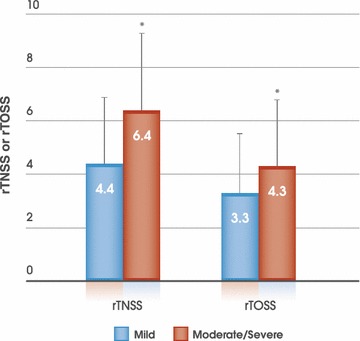
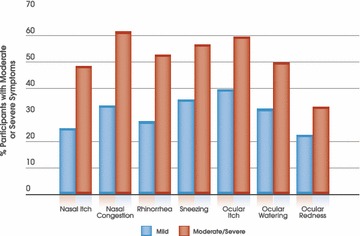
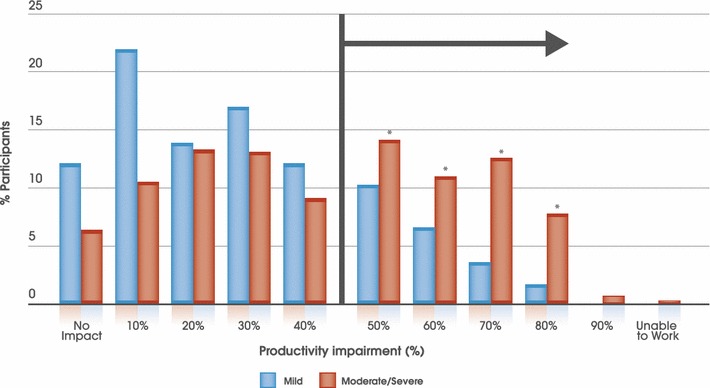
Background: The affliction of allergic rhinitis (AR) has been trivialised in the past. Recent initiatives by the European Academy of Allergy & Clinical Immunology and by the EU parliament seek to rectify that situation. The aim of this study was to provide a comprehensive picture of the burden and unmet need of AR patients. Methods: This was a cross‐sectional, online, questionnaire‐based study (June–July 2011) including symptomatic seasonal AR (SAR) patients (≥18 years) from a panel. SAR episode pattern, severity, medication/co‐medication usage, residual symptoms on treatment, number of healthcare visits, absenteeism and presenteeism were collected. Results: One thousand patients were recruited (mild: n = 254; moderate/severe: n = 746). Patients with moderate/severe disease had significantly more symptomatic episodes/year (8.0 vs 6.0/year; p = 0.025) with longer episode‐duration (12.5 vs 9.8 days; p = 0.0041) and more commonly used ≥2 AR therapies (70.5 vs 56.1 %; OR 1.87; p = 0.0001), looking for better and faster nasal and ocular symptom relief. The reported symptom burden was high irrespective of treatment, and significantly (p < 0.0001) higher in the moderate/severe group. Patients with moderate/severe AR were more likely to visit their GP (1.61 vs 1.19 times/year; OR: 1.49; p = 0.0061); due to dissatisfaction with therapy in 35.4 % of cases. Patients reported SAR‐related absenteeism from work on 4.1 days/year (total cost to UK: £1.25 billion/year) and noted presenteeism for a mean of 37.7 days/year (vs 21.0 days/year; OR 1.71; p = 0.0048). Asthma co‐morbid patients reported the need to increase their reliever‐ (1 in 2 patients) and controller‐medication (1 in 5 patients) if they did not take their rhinitis medication. Conclusions: This study differentiated between patients with mild and moderate/severe AR, demonstrating a burden of poorly controlled symptoms and high co‐medication use. The deficiency in obtaining symptom control with what are currently considered firstline treatments suggests the need for a novel therapeutic approach.
Overview
The claims and statistics of this paper haven’t been checked yet.
Free: it reads the open-access text and checks the first 5 claims that cite a source we can check. Create a free account to check every claim.
Integrity signals
Registry
Cites
Statistics
Figures
Verification
Claims the paper makes
The claims and statistics of this paper haven’t been checked yet.
Free: it reads the open-access text and checks the first 5 claims that cite a source we can check. Create a free account to check every claim.
Claims other papers make about this one
Each is checked against this paper’s own text: does it say what the citing paper says it does?
The source backs part of the claim, not all of it — or backs it for a different population, condition or comparison.
In the citing paper
“Impaired productivity and/or missed work occurred as a result of AR in 52% of patients.753”
From International Consensus Statement on Allergy and Rhinology: Allergic Rhinitis (2018) · cites this paper as [753]
Experimental — accuracy not yet measuredThe cited source says what the claim attributes to it.
In the citing paper
“In another UK study, patients with moderate to severe AR reported 37.7 days a year when their productivity was affected by their AR symptoms; this is almost double that reported by patients in the same study with mild AR symptoms (21.0 days).753”
From International Consensus Statement on Allergy and Rhinology: Allergic Rhinitis (2018) · cites this paper as [753]
The cited source says what the claim attributes to it.
In the citing paper
“Patients with moderate to severe AR reported visiting their primary care provider for their AR more frequently than those with mild AR (1.61 vs 1.19 times per year).753”
From International Consensus Statement on Allergy and Rhinology: Allergic Rhinitis (2018) · cites this paper as [753]
Self-check
Percentages, sums and reported differences re-computed from the paper’s own numbers.
The self-check needs the paper’s full text.
Citations
Cites
Allergic Rhinitis and its Impact on Asthma (ARIA) 2008*
Bousquet, J., Khaltaev, N., Cruz, A. A., Denburg, J., Fokkens, W. J., Togias, A., Zuberbier, T., Baena‐Cagnani, C. E., Canonica, G. W., Van Weel, C., et al. (2008) · Allergy · doi:10.1111/j.1398-9995.2007.01620.x · Cited by 4,729
Self-citationAllergic Rhinitis and its Impact on Asthma (ARIA)
Bousquet, J. (2003) · Clinical & Experimental Allergy Reviews · doi:10.1046/j.1472-9725.2003.00063.x · Cited by 734
Self-citationBurden of allergic rhinitis: Results from the Pediatric Allergies in America survey
Meltzer, E. O., Blaiss, M. S., Derebery, M. J., Mahr, T. A., Gordon, B. R., Sheth, K. K., Simmons, A. L., Wingertzahn, M. A., & Boyle, J. M. (2009) · Journal of Allergy and Clinical Immunology · doi:10.1016/j.jaci.2009.05.013 · Cited by 553
The burden of allergic rhinitis
Nathan, R. A. (2007) · Allergy and Asthma Proceedings · doi:10.2500/aap.2007.28.2934 · Cited by 472
A survey of the burden of allergic rhinitis in Europe
Canonica, G. W., Bousquet, J., Mullol, J., Scadding, G. K., & Virchow, J. C. (2007) · Allergy · doi:10.1111/j.1398-9995.2007.01549.x · Cited by 454
Self-citationWalker, S., Khan-Wasti, S., Fletcher, M., Cullinan, P., Harris, J., & Sheikh, A. (2007) · Journal of Allergy and Clinical Immunology · doi:10.1016/j.jaci.2007.03.034 · Cited by 431 · cited 1×
“productivity loss or under-performance at work and school) [18–21].”
BackgroundBSACI guidelines for the management of allergic and non‐allergic rhinitis
Scadding, G. K., Durham, S. R., Mirakian, R., Jones, N. S., Leech, S. C., Farooque, S., Ryan, D., Walker, S. M., Clark, A. T., Dixon, T. A., et al. (2008) · Clinical & Experimental Allergy · doi:10.1111/j.1365-2222.2007.02888.x · Cited by 375 · cited 1×
“Allergenspecific immunotherapy should be strongly considered for patients who fail to respond to symptomatic therapy, particularly for those patients for whom symptoms are predominantly caused by one allergen [43], and may significantly reduce the burden of AR in these patients.”
BackgroundSelf-citationLamb, C. E., Ratner, P. H., Johnson, C. E., Ambegaonkar, A. J., Joshi, A. V., Day, D., Sampson, N., & Eng, B. (2006) · Current Medical Research and Opinion · doi:10.1185/030079906x112552 · Cited by 288 · cited 1×
“productivity loss or under-performance at work and school) [18–21].”
BackgroundA novel intranasal therapy of azelastine with fluticasone for the treatment of allergic rhinitis
Carr, W., Bernstein, J., Lieberman, P., Meltzer, E., Bachert, C., Price, D., Munzel, U., & Bousquet, J. (2012) · Journal of Allergy and Clinical Immunology · doi:10.1016/j.jaci.2012.01.077 · Cited by 242 · cited 1×
“These rTNSS and nasal congestion score cut-offs were chosen in order to align with moderate/severe definitions from a recently conducted clinical trial [38].”
MethodSelf-citationCharacteristics of intermittent and persistent allergic rhinitis: DREAMS study group
Bousquet, J., Annesi‐Maesano, I., Carat, F., Léger, D., Rugina, M., Pribil, C., El Hasnaoui, A., & Chanal, I. (2005) · Clinical & Experimental Allergy · doi:10.1111/j.1365-2222.2005.02274.x · Cited by 237 · cited 1×
“Most AR patients visiting their physician have moderate/severe disease with persistent symptoms [2, 17, 23–25].”
BackgroundSelf-citation
Cited by
International Consensus Statement on Allergy and Rhinology: Allergic Rhinitis
Wise, S. K., Lin, S. Y., Toskala, E., Orlandi, R. R., Akdis, C. A., Alt, J. A., Azar, A., Baroody, F. M., Bachert, C., Canonica, G. W., et al. (2018) · International Forum of Allergy & Rhinology · doi:10.1002/alr.22073 · Cited by 557
Self-citationInternational consensus statement on allergy and rhinology: Allergic rhinitis – 2023
Wise, S. K., Damask, C., Roland, L. T., Ebert, C., Levy, J. M., Lin, S., Luong, A., Rodriguez, K., Sedaghat, A. R., Toskala, E., et al. (2023) · International Forum of Allergy & Rhinology · doi:10.1002/alr.23090 · Cited by 507
Self-citationImpact of Rhinitis on Work Productivity: A Systematic Review
Vandenplas, O., Vinnikov, D., Blanc, P. D., Agache, I., Bachert, C., Bewick, M., Cardell, L.-O., Cullinan, P., Demoly, P., Descatha, A., et al. (2018) · The Journal of Allergy and Clinical Immunology: In Practice · doi:10.1016/j.jaip.2017.09.002 · Cited by 243
“25 11 Outcomes 1 Seven surveys collected data on the impact of AR on work productivity using validated 2 instruments (Table 1): the WPAI instrument either in its specific version for allergic diseases 3 (WPAI-AS) (17, 19, 30, 43) or in its generic version (25), the Stanford Presenteeism Scale 4 (SPS) (44), and the Wor…”
BackgroundInfluentialSelf-citationTreatment of seasonal allergic rhinitis
Dykewicz, M. S., Wallace, D. V., Baroody, F., Bernstein, J., Craig, T., Finegold, I., Huang, F., Larenas-Linnemann, D., Meltzer, E., Steven, G., et al. (2017) · Annals of Allergy, Asthma & Immunology · doi:10.1016/j.anai.2017.08.012 · Cited by 167
Bousquet, J., Hellings, P. W., Agache, I., Bedbrook, A., Bachert, C., Bergmann, K. C., Bewick, M., Bindslev-Jensen, C., Bosnic-Anticevitch, S., Bucca, C., et al. (2016) · Clinical and Translational Allergy · doi:10.1186/s13601-016-0137-4 · Cited by 160
“Most patients receive combinations of oral antihistamines and intra-nasal corticosteroids (INS) [31–33] which are not evaluated in guidelines using an appropriate methodology.”
Self-citationBurden of allergic respiratory disease: a systematic review
Linneberg, A., Dam Petersen, K., Hahn-Pedersen, J., Hammerby, E., Serup-Hansen, N., & Boxall, N. (2016) · Clinical and Molecular Allergy · doi:10.1186/s12948-016-0049-9 · Cited by 151
“There is now considerable evidence that the symptoms of AR and AA negatively affect patients’ healthrelated quality of life (HRQL) [11–20].”
BackgroundARIA guideline 2019: treatment of allergic rhinitis in the German health system
Klimek, L., Bachert, C., Pfaar, O., Becker, S., Bieber, T. R. M., Brehler, R., Buhl, R., Casper, I., Chaker, A. M., Czech, W., et al. (2019) · Allergologie select · doi:10.5414/alx02120e · Cited by 124
Self-citationBjermer, L. H., Westman, M., Holmström, M., & Wickman, M. C. (2019) · Allergy Asthma and Clinical Immunology · doi:10.1186/s13223-018-0314-1 · Cited by 132
Watts, A. M., Cripps, A. W., West, N. P., & Cox, A. J. (2019) · Frontiers in Pharmacology · doi:10.3389/fphar.2019.00294 · Cited by 125
Adherence to treatment in allergic rhinitis using mobile technology. The MASK Study
Menditto, E., Costa, E. M., Midão, L., Bosnic-Anticevich, S. Z., Novellino, E., Białek, S., Briedis, V., Mair, A., Rajabian‐Söderlund, R., Arnavielhe, S., et al. (2018) · Clinical & Experimental Allergy · doi:10.1111/cea.13333 · Cited by 114
“J Bousquet1-3, PW Hellings4, W Aberer5, I Agache6, CA Akdis7, M Akdis7, MR Aliberti8, R Almeida9, F Amat10, R Angles11, I Annesi‐ Maesano12, IJ Ansotegui13, JM Anto14-17, S Arnavielle18, E Asayag19, A Asarnoj20, H Arshad21, F Avolio22, E Bacci23, C Bachert24, I Baiardini25, C Barbara26, M Barbagallo27, I Baroni28, BA…”
Self-citationPollen Allergens for Molecular Diagnosis
Pablos, I., Wildner, S., Asam, C., Wallner, M., & Gadermaier, G. (2016) · Current Allergy and Asthma Reports · doi:10.1007/s11882-016-0603-z · Cited by 71
Work productivity in rhinitis using cell phones: The MASK pilot study
Bousquet, J. J., Bewick, M., Arnavielhe, S., Mathieu‐Dupas, E., Murray, R., Bedbrook, A., Caimmi, D. P., Vandenplas, O., Hellings, P. W., Bachert, C., et al. (2017) · Allergy · doi:10.1111/all.13177 · Cited by 97
“the close relationship between work impairment and AR severity or control.(9,40) These results indicate that a simple VAS measurement of work status using an app can be a useful measure of daily work productivity.”
BackgroundSelf-citationLeitlinie „Rhinosinusitis“ – Langfassung
Stuck, B., Beule, A. G., Jobst, D., Klimek, L., Laudien, M., Lell, M., Vogl, T. J., & Popert, U. (2017) · HNO · doi:10.1007/s00106-017-0401-5 · Cited by 83
Self-citationARIA guideline 2019: treatment of allergic rhinitis in the German health system
Klimek, L., Bachert, C., Pfaar, O., Becker, S., Bieber, T. R. M., Brehler, R., Buhl, R., Casper, I., Chaker, A. M., Czech, W., et al. (2019) · Allergo Journal International · doi:10.1007/s40629-019-00110-9 · Cited by 91
Self-citationMolecular mechanisms and epidemiology of COVID-19 from an allergist’s perspective
Hosoki, K., Chakraborty, A., & Sur, S. (2020) · Journal of Allergy and Clinical Immunology · doi:10.1016/j.jaci.2020.05.033 · Cited by 63
Rapid onset of action and reduced nasal hyperreactivity: new targets in allergic rhinitis management
Bachert, C., Bousquet, J. J., & Hellings, P. W. (2018) · Clinical and Translational Allergy · doi:10.1186/s13601-018-0210-2 · Cited by 51
“Finally, most patients suffer from several episodes of short-term AR symptoms [30], and so rarely take their medication continuously for 14 days, as envisaged in the vast majority of seasonal AR randomized controlled trials (RCTs).”
BackgroundSelf-citationBelhassen, M., Demoly, P. M., Bloch-Morot, E., de Pouvourville, G., Ginoux, M., Chartier, A., Laforest, L., Serup‐Hansen, N., Toussi, M., & Ganse, E. H. V. (2016) · Allergy · doi:10.1111/all.13098 · Cited by 51
“Nevertheless, number of days per year found in this study (11 or 12 days) are in line with a study recently conducted in the UK on the burden of adult allergic rhinitis (44).”
ResultGeolocation with respect to personal privacy for the Allergy Diary app - a MASK study
Samreth, D., Arnavielhe, S., Ingenrieth, F., Bedbrook, A., Onorato, G. L., Murray, R., Almeida, R., Mizani, M. A., Fonseca, J., Costa, E. M., et al. (2018) · World Allergy Organization Journal · doi:10.1186/s40413-018-0194-3 · Cited by 46
“Seven to 15 days of VAS allowed a sufficient number of events and appeared to be clinically relevant as most AR patients suffer from 7 to 15 days during the pollen season [33].”
BackgroundSelf-citationSleep disorders in children with moderate to severe persistent allergic rhinitis
Loekmanwidjaja, J., Carneiro, A. C. F., Nishinaka, M. L. T., Munhoes, D. A., Benezoli, G., Wandalsen, G. F., & Solé, D. (2017) · Brazilian Journal of Otorhinolaryngology · doi:10.1016/j.bjorl.2017.01.008 · Cited by 42
Naszay, M., Stockinger, A., Jungwirth, D., & Haluza, D. (2017) · Informatics for Health and Social Care · doi:10.1080/17538157.2017.1399131 · Cited by 39
“57,58 The cross-sectional study design aimed at generating hypotheses for consecutive research projects.”
BackgroundThe control of allergic rhinitis in real life: a multicenter cross-sectional Italian study
Gani, F., Lombardi, C., Barrocu, L., Landi, M., Ridolo, E., Bugiani, M., Rolla, G., Senna, G., & Passalacqua, G. (2018) · Clinical and Molecular Allergy · doi:10.1186/s12948-018-0082-y · Cited by 33
“Nonetheless, it probably remains the most common immune-mediated disease, with prevalence continuously increasing, and being responsible for a not negligible economic burden in term of absenteism or presenteeism [22, 23].”
BackgroundThe allergic allergist behaves like a patient
Bousquet, J. J., Murray, R., Price, D. B., Somekh, D., Münter, L., Phillips, J., & Czarlewski, W. (2018) · Annals of Allergy Asthma & Immunology · doi:10.1016/j.anai.2018.07.034 · Cited by 31
Self-citationTan, R. H., Cvetkovski, B., Kritikos, V. S., Yan, K., Price, D. B., Smith, P. K., & Bosnic-Anticevich, S. Z. (2018) · Pharmacy Practice · doi:10.18549/pharmpract.2018.03.1332 · Cited by 30
“This kind of behaviour has been reported in previous literature.(20,21,24,31,32) This might also reflect the concept of symptoms and patients’ perception.”
ResultSelf-citationBerger, W. E., Sher, E., Gawchik, S. M., & Fìneman, S. M. (2018) · Allergy and Asthma Proceedings · doi:10.2500/aap.2018.39.4116 · Cited by 32
Calderón, M. A., Demoly, P. M., Casale, T. B., Akdiş, C. A., Bachert, C., Bewick, M., Bilò, M. B., Bohle, B., Bonini, S., Bush, A., et al. (2016) · Clinical and Translational Allergy · doi:10.1186/s13601-016-0131-x · Cited by 34
“AIT induces immune tolerance The goals for AIT are to control the symptoms of patients who are unable to cope with their disease using optimal pharmacotherapy [9, 57, 58].”
BackgroundSelf-citationLipworth, B. J., Newton, J., Ram, B., Small, I. R., & Schwarze, J. (2017) · npj Primary Care Respiratory Medicine · doi:10.1038/s41533-016-0001-y · Cited by 32
“Up to 50% of AR patients in primary care are receiving step 3 treatment with polypharmacy, perhaps inappropriately.(27) A proportion of patients will not be adequately controlled on initial therapies, and should be referred to secondary care for confirmation of diagnosis and further investigation.”
BackgroundInfluentialSandén, C., Mori, M., Jogdand, P. S., Jönsson, J., Krishnan, R., Wang, X., & Erjefalt, J. S. (2017) · Immunity Inflammation and Disease · doi:10.1002/iid3.164 · Cited by 27
“Nevertheless, patient dissatisfaction has been identified in AR surveys urging the need for new treatment options [2, 16].”
BackgroundSchreurs, W., Schermer, T. R., Akkermans, R. P., Bischoff, E. W. M. A., & Luijks, H. (2022) · npj Primary Care Respiratory Medicine · doi:10.1038/s41533-022-00319-2 · Cited by 29
Treatment history and association between allergic rhinitis symptoms and quality of life
Speth, M. M., Hoehle, L. P., Phillips, K. M., Caradonna, D. S., Gray, S. T., & Sedaghat, A. R. (2018) · Irish Journal of Medical Science (1971 -) · doi:10.1007/s11845-018-1866-2 · Cited by 25
Posterior nasal neurectomy for intractable rhinitis: A systematic review of the literature
Lee, M. L., Chakravarty, P. D., & Ellul, D. (2022) · Clinical Otolaryngology · doi:10.1111/coa.13991 · Cited by 20
“It can have a significant impact on quality of life (QoL).(2,3) Received: 18 November 2021 Accepted: 1 October 2022 DOI: 10.”
BackgroundIlyina, N. I., Edin, A., Astafieva, N. G., As, L., Sidorenko, I. V., Ukhanova, O. P., & Khanova, F. (2019) · International Archives of Allergy and Immunology · doi:10.1159/000494507 · Cited by 20
Rhinology future trends: 2017 EUFOREA debate on allergic rhinitis
Scadding, G. K., Bousquet, J. J., Bachert, C., Fokkens, W. J., Hellings, P. W., Prokopakis, E. P., Pfaar, O., & Price, D. B. (2019) · Rhinology Journal · doi:10.4193/rhin18.076 · Cited by 18
Self-citation2019 ARIA: care pathways for allergic rhinitis in Russia
Khaitov, M. R., Namazova-Baranova, L. S., Ilyina, N. I., Kurbacheva, O. M., Bachert, C., Hellings, P. W., Pfaar, O., Schünemann, H. J., Wallace, D. V., Bedbrook, A., et al. (2020) · Russian Journal of Allergy · doi:10.36691/raj.2020.17.1.001 · Cited by 23
Self-citationAllergic rhinitis and risk of systemic lupus erythematosus: A systematic review and meta‐analysis
Wongtrakul, W., Charoenngam, N., Ponvilawan, B., & Ungprasert, P. (2020) · International Journal of Rheumatic Diseases · doi:10.1111/1756-185x.13928 · Cited by 17
Price, D. B., Klimek, L., Gálffy, G., Emmeluth, M., Koltun, A., Kopietz, F., Nguyen, D. T., van Weissenbruch, R., Pohl, W., Kuhl, H.-C., et al. (2020) · Clinical and Molecular Allergy · doi:10.1186/s12948-020-00130-9 · Cited by 18
Self-citationKritikos, V. S., Price, D. B., Papi, A. A., Infantino, A., Ställberg, B., Ryan, D. P., Lavorini, F., Chrystyn, H., Haughney, J., Lisspers, K., et al. (2020) · Journal of Asthma and Allergy · doi:10.2147/jaa.s266204 · Cited by 15
Self-citationMikkelsen, S., Dinh, K. M., Boldsen, J. K., Pedersen, O. B., Holst, G. J., Petersen, M. S., Kaspersen, K. A., Møller, B. K., Nielsen, K. R., Paarup, H. M., et al. (2021) · Clinical and Translational Allergy · doi:10.1002/clt2.12013 · Cited by 14
Nuutinen, M., Lyly, A., Virkkula, P., Hytönen, M. L., Saarentaus, E., Mäkitie, A. A., Palotie, A. V., Torkki, P. M., Haukka, J. K., & Toppila-Salmi, S. K. (2022) · Clinical and Translational Allergy · doi:10.1002/clt2.12181 · Cited by 16
Medication Adherence in a Community Population with Uncontrolled Asthma
Serhal, S., Saini, B., Bosnic-Anticevich, S. Z., Krass, I., Wilson, F., & Armour, C. L. (2020) · Pharmacy · doi:10.3390/pharmacy8040183 · Cited by 19
“This consequence is a result of post nasal drip and upper airway irritation, which augment lower airway symptoms [34,35].”
BackgroundSweiss, K., Naser, A. Y., Alrawashdeh, H. M., & Alharazneh, A. M. (2022) · Irish Journal of Medical Science (1971 -) · doi:10.1007/s11845-022-02996-x · Cited by 14
Agache, I. O., Doros, I. C., Leru, P. M., Bucur, I. J., Poenaru, M., & Sarafoleanu, C. (2017) · Rhinology Journal · doi:10.4193/rhin16.278 · Cited by 15
“However, many patients are dissatisfied with therapy ((14)), remain symptomatic ((10)), with high rates of poly-pharmacy reported ((15,16)); a practice neither endorsed by the guidelines (12,13) nor supported by the evidence ((17,18)).”
BackgroundHaahr, P. A., Jacobsen, C., & Christensen, M. E. (2019) · International Forum of Allergy & Rhinology · doi:10.1002/alr.22258 · Cited by 15
Park, S., Jung, P. K., Choi, M., Seok, H., Kim, H., Oh, S., & Koh, S. B. (2018) · Journal of Occupational Health · doi:10.1539/joh.2017-0234-oa · Cited by 13
Diagnosing nasal obstruction and its common causes using the nasal acoustic device: A pilot study
Li, C., Kaura, A., Tan, C., Whitcroft, K. L., Leung, T. S., & Andrews, P. J. (2020) · Laryngoscope Investigative Otolaryngology · doi:10.1002/lio2.445 · Cited by 16
Klein, T. M., Hadler, M., Augustin, M., & Blome, C. (2021) · Immunotherapy · doi:10.2217/imt-2021-0161 · Cited by 11
Wandalsen, G. F., Miranda, C., Ensina, L. F., Sano, F., Amazonas, R. B., da Silva, J. M., & Solé, D. (2016) · Brazilian Journal of Otorhinolaryngology · doi:10.1016/j.bjorl.2016.08.009 · Cited by 13
“A similar finding was observed by other researchers.(12,13) The objective measure of nasal patency was performed by measuring PNIF, an easily obtainable parameter that is reproducible and low cost.”
Klimek, L., Klimek, F., Bergmann, C., Hagemann, J., Cuevas, M., & Becker, S. (2024) · Allergo Journal International · doi:10.1007/s40629-023-00282-5 · Cited by 11
“In this situation and in view of the OTC availability of many antiallergic drugs, many patients combine different drugs such as nasal and oral AH, leukotriene receptor antagonists, mast cell stabilizers, and INCS [34–36].”
Self-citationLombardi, C., Melli, V., Incorvaia, C., & Ridolo, E. (2017) · Clinical and Molecular Allergy · doi:10.1186/s12948-017-0058-3 · Cited by 10
Klimek, L., Casper, I., Bergmann, K., Biedermann, T., Bousquet, J. J., Hellings, P. W., Jung, K., Merk, H. F., Olze, H., Mösges, R., et al. (2020) · Allergo Journal International · doi:10.1007/s40629-020-00133-7 · Cited by 10
Self-citationScadding, G. K., Price, D. B., El‐Shanawany, T., Ahmed, S. K., Ray, J., Sargur, R. B., & Kumar, N. (2017) · BMJ Open · doi:10.1136/bmjopen-2016-014777 · Cited by 10
“05%,(21) reduce work productivity(10) 22 and induce absenteeism.(10) The latter two carry a hefty price tag, with absen-”
BackgroundInfluentialSelf-citationARIA-Leitlinie 2019: Behandlung der allergischen Rhinitis im deutschen Gesundheitssystem
Klimek, L., Bachert, C., Pfaar, O., Becker, S., Bieber, T. R. M., Brehler, R., Buhl, R., Casper, I., Chaker, A. M., Czech, W., et al. (2019) · Allergo Journal · doi:10.1007/s15007-019-1938-2 · Cited by 11
Self-citationHillerich, V., Valbert, F., Neusser, S., Pfaar, O., Klimek, L., Sperl, A., Werfel, T., Hamelmann, E. H., Riederer, C., Wobbe‐Ribinski, S., et al. (2023) · The European Journal of Health Economics · doi:10.1007/s10198-023-01598-3 · Cited by 9
“Also, this result might be related to the fact that patients with AR often develop AA in the course of life [1].”
BackgroundInfluentialSelf-citationPrice, D. B., Smith, P. K., Harvey, R. J., Carney, A. S., Kritikos, V. S., Bosnic-Anticevich, S. Z., Christian, L., Skinner, D., Carter, V. A., & Durieux, A. M. S. (2018) · Pragmatic and Observational Research · doi:10.2147/por.s153266 · Cited by 10
“Our study showed that first-line INS therapy was more likely to be purchased for patients with comorbid respiratory disease, which could be due to that fact that these patients are more likely to visit their GP to receive prescriptions and information/education, are better informed and thus more likely to purchase app…”
Self-citationBlome, C., Hadler, M., Karagiannis, E., Kisch, J., Neht, C., Kressel, N., & Augustin, M. (2020) · Advances in Therapy · doi:10.1007/s12325-020-01345-7 · Cited by 9
2019 ARIA Care Pathways for Allergic Rhinitis-Turkey
YORGANCIOGLU, A. A., Gemicioğlu, B., Cingi, C., Kalaycı, Ö., Kalyoncu, A. F., Bachert, C., Hellings, P. W., Pfaar, O., Schünemann, H. J., Wallace, D. V., et al. (2020) · Turkish Thoracic Journal · doi:10.5152/turkthoracj.2019.19084 · Cited by 8
Self-citationHealthcare costs associated with allergic rhinitis, asthma allergy immunotherapy
Tesch, F., Domdey, A., Grand, T. S., Wuestenberg, E. G., Elliott, L., Schmitt, J. M., & Kuster, D. (2019) · European Annals of Allergy and Clinical Immunology · doi:10.23822/eurannaci.1764-1489.126 · Cited by 7
“Over 90% of individuals with seasonal AR use symptom-relieving pharmacotherapy, with the majority using more than one form of medication, most commonly to evoke a more effective nasal response (9).”
BackgroundCvetkovski, B., Cheong, L. H. M., Tan, R. H., Kritikos, V. S., Rimmer, J., Bousquet, J. J., Yan, K., & Bosnic-Anticevich, S. Z. (2020) · Pharmacy · doi:10.3390/pharmacy8020090 · Cited by 9
“The inability of HCPs to objectively measure AR severity has been highlighted in literature previously [30], and the impact of this on optimising AR management in primary care has further been confirmed by this study.”
ResultSelf-citationde Jong, H. J. I., Voorham, J., Scadding, G. K., Bachert, C., Canonica, G. W., Smith, P. K., Wahn, U., Ryan, D. P., Castillo, J. A., Carter, V. A., et al. (2020) · World Allergy Organization Journal · doi:10.1016/j.waojou.2020.100490 · Cited by 9
Self-citationEffects of Climate Change and Air Pollution on Perinatal Health
Sanders, B. D., & Davis, M. G. (2023) · Journal of Midwifery & Women s Health · doi:10.1111/jmwh.13522 · Cited by 8
Need for medication and stuffy nose predict the severity of allergic rhinitis
Salo, T., Peura, S., Salimäki, J., Maasilta, P. K., Haahtela, T., & Kauppi, P. (2016) · Asia Pacific Allergy · doi:10.5415/apallergy.2016.6.2.133 · Cited by 7
“Studies have also shown that patients with moderatesevere allergic rhinitis have more and also longer episodes of exacerbated allergic rhinitis throughout the year, compared to mild allergic rhinitis [4].”
BackgroundAssoziation zwischen Kontrolle der allergischen Rhinitis und Schlafqualität
Gaudin, R., Hoehle, L. P., Birkelbach, M.-A., Phillips, K. M., Beule, A. G., Caradonna, D. S., Gray, S. T., & Sedaghat, A. R. (2017) · HNO · doi:10.1007/s00106-017-0398-9 · Cited by 8
Canonica, G. W., Klimek, L., Acaster, S., Dollner, R., Kaulsay, R., Lo, S. H., Price, D. B., Scadding, G. K., Valovirta, E. J., & Zieglmayer, P. U. (2021) · Current Medical Research and Opinion · doi:10.1080/03007995.2021.1911973 · Cited by 6
“ABSTRACT Objective: The aims of this survey were to (1) assess the burden of allergic rhinitis (AR) from the patient perspective, (2) investigate MP-AzeFlu use in real life and its impact on patients’ lives and (3) explore factors associated with treatment satisfaction.”
BackgroundSelf-citationBousquet, J. J., Klimek, L., Kuhl, H.-C., Nguyen, D. T., Ramalingam, R. K., Canonica, G. W., & Berger, W. E. (2023) · Frontiers in Allergy · doi:10.3389/falgy.2023.1244012 · Cited by 9
“In a cross-sectional study by Price et al. (16), it was observed that the need for faster and more effective treatment was the primary reason for comedication in moderate/severe AR cases.”
BackgroundSelf-citationA fifteen‐year review of skin allergy testing in Irish patients with symptomatic rhinitis
Nae, A., Hinchion, K., & Keogh, I. J. (2021) · World Journal of Otorhinolaryngology - Head and Neck Surgery · doi:10.1016/j.wjorl.2020.10.001 · Cited by 7
“1 days per year ARrelated workplace absenteeism.(5) The economic costs are huge on both patient and the health system.”
BackgroundDing, X., Huang, S., Tang, Y., & Lin, J. (2021) · Medicine · doi:10.1097/md.0000000000024943 · Cited by 6
“However, in clinical practice, it is difficult for many patients to control their symptoms effectively, whether they are treated with a single drug or a multi-drug combination of drugs,([7]) at the same time, there are some side effects,([8]) so there is an urgent need to find new alternatives.”
BackgroundRhinitis and Asthma Patient Perspective (RAPP): Clinical Utility and Predictive Value
Baiardini, I., Fasola, S., Grutta, S. L., Trucco, E., Canonica, G. W., & Braido, F. (2021) · The Journal of Allergy and Clinical Immunology In Practice · doi:10.1016/j.jaip.2021.10.025 · Cited by 7
Self-citationCORoNaWork project, Okawara, M., Ishimaru, T., Tateishi, S., Hino, A., Tsuji, M., Ogami, A., Nagata, T., Matsuda, S., & Fujino, Y. (2022) · Journal of Occupational Health · doi:10.1002/1348-9585.12313 · Cited by 9
Li, L., Chen, D., Zhou, M., Zhang, H., Zheng, R., Su, J., Chen, Y., Xiong, G., Luo, X., Liang, G., et al. (2025) · Current Allergy and Asthma Reports · doi:10.1007/s11882-025-01238-1 · Cited by 6
Smith, S. M., Porteous, T., Bond, C. M., Francis, J., Lee, A. J., Lowrie, R., Scotland, G., Sheikh, A., Thomas, M. D., Wyke, S., et al. (2020) · npj Primary Care Respiratory Medicine · doi:10.1038/s41533-020-0180-4 · Cited by 5
ARIA 2019: Um Percurso Assistencial Integrado para a Rinite Alérgica em Portugal
Fonseca, J., Taveira‐Gomes, T., Pereira, A. M., Ferreira, M. B., Martins, P., Alves‐Correia, M., de Sousa, J. C., Costa, E. M., Lourenço, O. M., Morais‐Almeida, M., et al. (2021) · Acta Médica Portuguesa · doi:10.20344/amp.13777 · Cited by 9
Self-citationLe, N. Q., Bui, M.-M. P., & Trinh, D.-T. T. (2025) · Integrative Medicine Research · doi:10.1016/j.imr.2025.101177 · Cited by 4
Control of allergic rhinitis with MP-AzeFlu: a noninterventional study of a Swedish cohort
Stjärne, P., Strand, V., Theman, K., & Ehnhage, A. (2019) · Rhinology Journal · doi:10.4193/rhin18.028 · Cited by 6
ARIA–Italy managing allergic rhinitis and asthma in a changing world: The role of the Pharmacist
Paoletti, G., Giua, C., Marti, A., Baio, M. A., Valli, N., Ridolo, E., Ventura, M. T., Passalacqua, G., Puggioni, F., Lourenço, O. M., et al. (2025) · World Allergy Organization Journal · doi:10.1016/j.waojou.2025.101055 · Cited by 4
“Data from the international survey on the management of allergic rhinitis (ISMAR) registry 42 and surveys conducted by the European Academy of Allergy and Clinical Immunology (EAACI) 43 indicate that patients tend to seek medical consultation based on the severity and duration of their symptoms.”
Self-citationVogelberg, C., Hamelmann, E. H., Wahn, U., Domdey, A., Pollock, R. F., & Grand, T. S. (2019) · ClinicoEconomics and Outcomes Research · doi:10.2147/ceor.s223383 · Cited by 4
Damask, C. C. (2017) · Otolaryngologic Clinics of North America · doi:10.1016/j.otc.2017.08.012 · Cited by 3
The Burden of Allergic Rhinitis: A Mini-Review
Naafs, M. A. (2018) · Global Journal of Otolaryngology · doi:10.19080/gjo.2018.13.555854 · Cited by 4
“Nasal congestion,the most prominent symptom is associated with sleep disordered breathing,a condition that can have a profound effect on mental health [1-6].”
BackgroundKaura, A., Tan, M., Nip, L., Whitcroft, K. L., Mehta, N., Hannan, S. A., Leung, T. S., Hayward, G., & Andrews, P. J. (2019) · Open Journal of Otolaryngology · doi:10.22259/2639-3603.0202005 · Cited by 2
“Both have a prevalence of 25%[2] and 11%[3] respectively in Europe with non-allergic rhinitis accounting for similar levels of prevalence albeit less.”
BackgroundMonterde, R. B. H., Ramos, D. B. E., Francisco, K. J. A., & Lim, R. (2022) · International Journal of Research in English Education · doi:10.52547/ijree.7.3.1 · Cited by 2
Scadding, G. K. (2020) · Frontiers in Allergy · doi:10.3389/falgy.2020.584518 · Cited by 3
Self-citationAllergic rhinitis facts from an Irish pediatric population
Nae, A., Heffernan, C., & Colreavy, M. (2023) · World Journal of Otorhinolaryngology - Head and Neck Surgery · doi:10.1002/wjo2.105 · Cited by 2
“24 The avoidable indirect costs per untreated patient with AR per year were € 2405 as per the European Union analysis from 2014.”
MethodEffectiveness of allergic rhinitis treatments in real-life with a focus on MP-AzeFlu
Klimek, L., Demoly, P. M., & Price, D. B. (2016) · Expert Review of Clinical Pharmacology · doi:10.1586/17512433.2016.1148598 · Cited by 1
“A recent cohort study in United Kingdom highlighted the unmet needs of AR patients as seen through failure of monotherapy treatments, including antihistamines and INS, as well as frequent physician co-prescribing practices and patient multiple medication usage [10].”
BackgroundSelf-citationEnrique, E., de Rojas, D. H. F., Alba, P., Flores, I., Hernández, N. C., Andréu, C., Gómez-Fernández, M. C., Landeta, A., Asturias, J. A., Martínez, A., et al. (2018) · Immunotherapy · doi:10.2217/imt-2018-0051 · Cited by 2
Prevalence of Allergic Rhinitis and Risk Factors in School Children
Ayanoğlu, M., Can, D., Nacaroğlu, H. T., Günay, İ., Kamalı, H., Karkıner, C. Ş. Ü., Özdemir, A., Doğan, D., & Erdem, S. B. (2021) · Trends in Pediatrics · doi:10.5222/tp.2021.21939 · Cited by 2
Kraxner, H., Hirschberg, A., & Nékám, K. (2020) · Orvosi Hetilap · doi:10.1556/650.2020.31919 · Cited by 2
Taminskienė, V., Valiulis, A., & Kvedarienė, V. (2022) · Health Sciences · doi:10.35988/sm-hs.2022.049 · Cited by 1
Treating seasonal allergic rhinitis in adolescents: Case study
Batt, R. (2016) · Nurse Prescribing · doi:10.12968/npre.2016.14.4.172
Treating seasonal allergic rhinitis in adolescents: case study
Batt, R. (2017) · Practice Nursing · doi:10.12968/pnur.2017.28.6.248
Li, C., Tan, C., Whitcroft, K. L., Andrews, P. J., & Leung, T. S. (2019) · bioRxiv (Cold Spring Harbor Laboratory) · doi:10.1101/631499
“The prevalence rate of AR in Europe is around 25% [2] and for CRS it is around 11% [3].”
BackgroundПРОЕКТ “ARIA”: ШЛЯХИ НАДАННЯ МЕДИЧНОЇ ДОПОМОГИ ПРИ АЛЕРГІЧНОМУ РИНІТІ (2019 РІК) – УКРАЇНА
Gogunska, I. V., Zabolotna, D. D., Зайков, С. В., Кайдашев, І. П., Уманец, Т. Р., Чоп’як, В., Яшина, Л. Л., Бахерт, С., Hellings, P. W., Pfaar, O., et al. (2019) · The Medical and Ecological Problems · doi:10.31718/mep.2019.23.5-6.01 · Cited by 3
Ivancevich, J. C., Cardona, V., Larenas‐Linnemann, D. E., Mullol, J., Neffen, H. E., Zernotti, M. E., Asayag, E., Blua, A. E., Gómez, R. M., Jares, E. J., et al. (2019) · Revista Alergia México · doi:10.29262/ram.v66i4.643 · Cited by 4
Self-citation2019 ARIA Care pathways for allergic rhinitis – Egypt
El‐Gamal, Y., El-Owaidy, R. H., El-Sayed, S. S., El-Sayed, Z., Hossny, E. M., Reda, S. M., Bachert, C., Fokkens, W. J., Haahtela, T., Hellings, P. W., et al. (2020) · The Egyptian Journal of Pediatric Allergy and Immunology · doi:10.21608/ejpa.2020.81763
Self-citation2019 ARIA – Care pathways for allergic rhinitis – Poland
Samolinski, B. K., Krzych‐Fałta, E., Piekarska, B., Lipiec, A., Kuna, P., Kupczyk, M., Jutel, M., Niedoszytko, M., Jassem, E., Kowalski, M. L., et al. (2019) · Alergologia Polska - Polish Journal of Allergology · doi:10.5114/pja.2019.91214 · Cited by 6
Self-citationKlimek, L., Casper, I., Bergmann, K., Biedermann, T., Bousquet, J. J., Hellings, P. W., Jung, K., Merk, H. F., Olze, H., Mösges, R., et al. (2020) · Allergo Journal · doi:10.1007/s15007-020-2551-0
Self-citationRecent Combination Therapy Options for Allergic Rhinitis
Kef, K., Muluk, N. B., Konstantinidis, I., & Scadding, G. K. (2020) · Springer eBooks · doi:10.1007/978-3-030-50899-9_9 · Cited by 1
Self-citationLee, M. L., Chakravarty, P. D., & Ellul, D. (2021) · doi:10.22541/au.163863507.73056246/v1
Therapie der allergischen Rhinitis: Polymedikation – Fragen nach der Evidenz
Klimek, L., Casper, I., Gröger, M., Wehrmann, W., Eckrich, J., & Hagemann, J. (2021) · Deutsches Ärzteblatt · doi:10.3238/perspneumo.2021.02.19.05
Self-citationEntzündliche Erkrankungen der Nase und der Nasennebenhöhlen
Klimek, L. (2018) · Elsevier eBooks · doi:10.1016/b978-3-437-24661-6.00027-1
Self-citationPharmakotherapie bei allergischer Rhinitis und Asthma bronchiale
Klimek, L. (2022) · Allergo Journal · doi:10.1007/s15007-022-5060-5
Self-citationStrategi Penatalaksaan Rinitis Alergi untuk Mengoptimalkan Kualitas Hidup Pasien
Madiadipoera, T. H. S. (2021) · MEDICINUS · doi:10.56951/medicinus.v34i2.60 · Cited by 5
Expanding Options in House Dust Mite Allergy Immunotherapy: Optimising Individual Patient Outcomes
Calderón, M. A., Casale, T. B., Zieglmayer, P. U., Gevaert, P., & Demoly, P. M. (2019) · EMJ Allergy & Immunology · doi:10.33590/emjallergyimmunol/10314549
Metadata
- Authors
- Price, D., Scadding, G., Ryan, D., Bachert, C., Canonica, G. W., Mullol, J., Klimek, L., Pitman, R., Acaster, S., Murray, R., & Bousquet, J.
- Affiliations
- University of Aberdeen (GB)
- Royal National Throat Nose and Ear Hospital (GB)
- University of Edinburgh (GB)
- Ghent University Hospital (BE)
- Ospedale Policlinico San Martino (IT)
- Consorci Institut D'Investigacions Biomediques August Pi I Sunyer (ES)
- Zentrum für Rhinologie und Allergologie (DE)
- ICON Oxford UK
- Acaster Consulting London UK
- Medscript Ltd Dundalk Ireland
- Inserm (FR)
- Corresponding author
- Price, David
- ORCID
- Venue
- Clinical and Translational Allergy
- Publisher
- Wiley
- Published
- 2015-01
- Volume
- 5
- Issue
- 1
- Pages
- 39-39
- ISSN
- 2045-7022 (ISSN-L)
- PMC
- PMC4650835
- OpenAlex
- W2174402243
- Cited by
- 105
- References
- 47
- Citations by year
- 2026: 1 · 2025: 5 · 2024: 3 · 2023: 5 · 2022: 8 · 2021: 9 · 2020: 19 · 2019: 18 · 2018: 15 · 2017: 13 · 2016: 9
- FWCI
- 10.81
- Type
- journal article
- Language
- en
- Open access
- gold
- doi.org
- Licence
- Locations
- Clinical and Translational Allergy (publishedVersion, cc-by)
- PubMed Central (publishedVersion, cc-by)
- PubMed (publishedVersion)
- Ghent University Academic Bibliography (Ghent University) (submittedVersion, cc-by)
- Aberdeen University Research Archive (Aberdeen University) (submittedVersion)
- HAL (submittedVersion, cc-by)
- CINECA IRIS Institutial Research Information System (University of Genoa) (submittedVersion)
- Topics
- Health Sciences › Medicine › Immunology and Allergy › Allergic Rhinitis and Sensitization
- Health Sciences › Medicine › Pulmonary and Respiratory Medicine › Asthma and respiratory diseases
- Health Sciences › Medicine › Immunology and Allergy › Food Allergy and Anaphylaxis Research
- Keywords
- allergic rhinitis, disease burden, health care utilization, absenteeism, presenteeism, symptom severity, asthma comorbidity, concomitant medications, unmet needs, symptom management, health care costs, UK adults, second-line therapy
About these checks
Registry, retraction, Cites and statistics results are computed, not judged, with one exception: a printed reference that no index lists is read once by a model before it counts as a citation error. Claims are extracted by a model and kept only when their quote appears verbatim in the text; each cited source is then checked, with a model’s help, for whether it says what the claim relies on. Those verdicts can be wrong — read the claim’s quote and the cited source before relying on one.
Statistics and arithmetic are recomputed, not judged.
Confidence bands are shown only for fields calibrated on our annotated test set. None is calibrated yet, so no band is shown.
What counts as a claim ›How we measure confidence ›How we check this ›
Are you an author, or do you see a problem with this page? Request a review
Data sources
Bibliographic data: Semantic Scholar, OpenAlex, Crossref.
Contains information from the Semantic Scholar Academic Graph Datasets, made available under the ODC Attribution License (ODC-BY 1.0).
Semantic Scholar’s data is described in: Kinney, R., et al. (2023). The Semantic Scholar Open Data Platform. arXiv:2301.10140.
