

SWIFT-Review: a text-mining workbench for systematic review
Open accessThe DOI matches its Crossref record; 23 of the 24 references it cites were found in a registry or an index.
Abstract
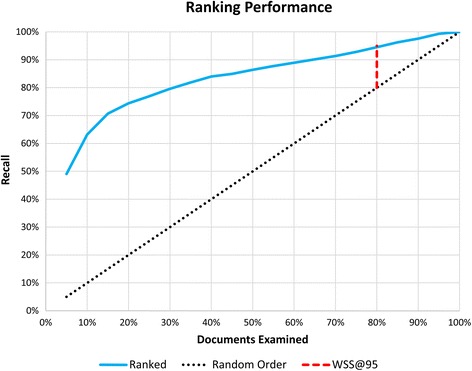
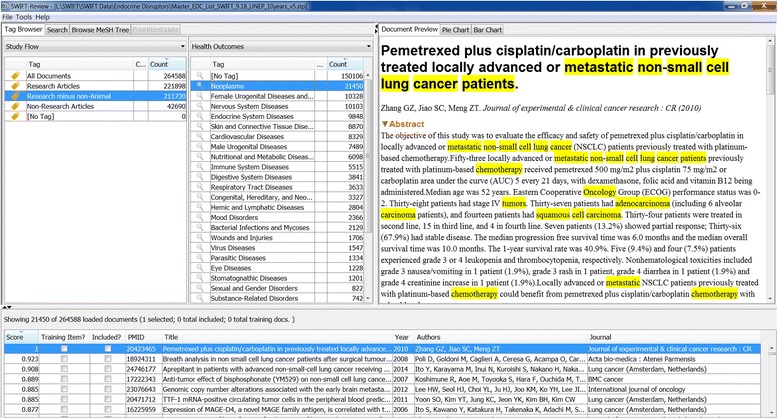
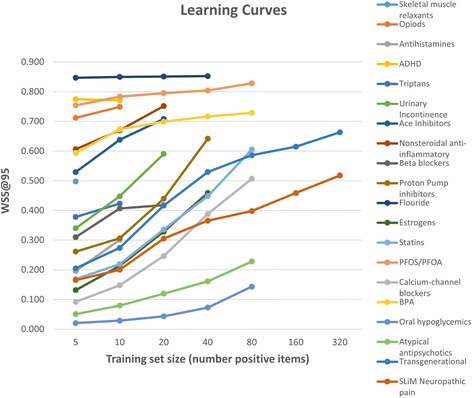
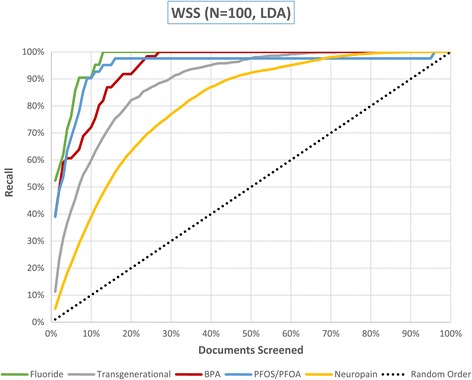
BACKGROUND: There is growing interest in using machine learning approaches to priority rank studies and reduce human burden in screening literature when conducting systematic reviews. In addition, identifying addressable questions during the problem formulation phase of systematic review can be challenging, especially for topics having a large literature base. Here, we assess the performance of the SWIFT-Review priority ranking algorithm for identifying studies relevant to a given research question. We also explore the use of SWIFT-Review during problem formulation to identify, categorize, and visualize research areas that are data rich/data poor within a large literature corpus. METHODS: Twenty case studies, including 15 public data sets, representing a range of complexity and size, were used to assess the priority ranking performance of SWIFT-Review. For each study, seed sets of manually annotated included and excluded titles and abstracts were used for machine training. The remaining references were then ranked for relevance using an algorithm that considers term frequency and latent Dirichlet allocation (LDA) topic modeling. This ranking was evaluated with respect to (1) the number of studies screened in order to identify 95 % of known relevant studies and (2) the "Work Saved over Sampling" (WSS) performance metric. To assess SWIFT-Review for use in problem formulation, PubMed literature search results for 171 chemicals implicated as EDCs were uploaded into SWIFT-Review (264,588 studies) and categorized based on evidence stream and health outcome. Patterns of search results were surveyed and visualized using a variety of interactive graphics. RESULTS: Compared with the reported performance of other tools using the same datasets, the SWIFT-Review ranking procedure obtained the highest scores on 11 out of 15 of the public datasets. Overall, these results suggest that using machine learning to triage documents for screening has the potential to save, on average, more than 50 % of the screening effort ordinarily required when using un-ordered document lists. In addition, the tagging and annotation capabilities of SWIFT-Review can be useful during the activities of scoping and problem formulation. CONCLUSIONS: Text-mining and machine learning software such as SWIFT-Review can be valuable tools to reduce the human screening burden and assist in problem formulation.
Overview
The claims and statistics of this paper haven’t been checked yet.
Free: it reads the open-access text and checks the first 5 claims that cite a source we can check. Create a free account to check every claim.
Integrity signals
Registry
Cites
Statistics
Figures
Verification
Claims the paper makes
The claims and statistics of this paper haven’t been checked yet.
Free: it reads the open-access text and checks the first 5 claims that cite a source we can check. Create a free account to check every claim.
Claims other papers make about this one
Each is checked against this paper’s own text: does it say what the citing paper says it does?
The source backs part of the claim, not all of it — or backs it for a different population, condition or comparison.
In the citing paper
“The underlying machine learning model used by SWIFT-Active Screener is equivalent to the one previously described in Howard et al. (2016).”
From SWIFT-Active Screener: Accelerated document screening through active learning and integrated recall estimation (2020) · cites this paper as Howard et al. (2016)
Experimental — accuracy not yet measuredThe source backs part of the claim, not all of it — or backs it for a different population, condition or comparison.
In the citing paper
“In by far the most common approach, researchers use a classifier to produce a ranked list and then report WSS or area under a receiver operating characteristic (ROC) curve to show that high recall can be achieved at the beginning of the list, that is, if you were to somehow know when to stop.”
From SWIFT-Active Screener: Accelerated document screening through active learning and integrated recall estimation (2020) · cites this paper as Howard et al., 2016
Experimental — accuracy not yet measuredThe cited source says what the claim attributes to it.
In the citing paper
“We have shown that by using SWIFT-Review, users can potentially reduce the total number of articles screened by 50% or more, provided that they are willing to trade a small reduction in recall for the reduced effort.”
From SWIFT-Active Screener: Accelerated document screening through active learning and integrated recall estimation (2020) · cites this paper as Howard et al., 2016
The cited source says what the claim attributes to it.
In the citing paper
“SWIFT-Active Screener (or simply “Active Screener,” see Fig. A.1) is an improvement of our previous method for article prioritization which we have earlier shown to theoretically reduce by more than 50% the human effort required to screen articles for inclusion in a systematic review (Howard et al., 2016)”
From SWIFT-Active Screener: Accelerated document screening through active learning and integrated recall estimation (2020) · cites this paper as Howard et al., 2016
The check wasn’t confident either way, so it gives no verdict — never disputed.
In the citing paper
“This number (95%) was selected as it is a common recall number used when measuring the reduction in workload; it also approximates the level of human error in screening [3, 16, 26].”
From An evaluation of DistillerSR’s machine learning-based prioritization tool for title/abstract screening – impact on reviewer-relevant outcomes (2020) · cites this paper as [16]
Experimental — accuracy not yet measured
1 more claim about this paper
Create a free account to see every claim other papers make about this one.
Self-check
Percentages, sums and reported differences re-computed from the paper’s own numbers.
The self-check needs the paper’s full text.
Citations
Cites
(2003) · Journal of Machine Learning Research · doi:10.5555/944919.944937 · Cited by 32,337
A Limited Memory Algorithm for Bound Constrained Optimization
Byrd, R. H., Lu, P., Nocedal, J., & Zhu, C. (1995) · SIAM Journal on Scientific Computing · doi:10.1137/0916069 · Cited by 6,221 · cited 1×
“The likelihood equation is maximized using the limited memory Broyden-Fletcher-Goldfarb-Shanno (LBFGS) algorithm, a gradient-based optimization procedure designed for high-dimensional parameter spaces [12].”
MethodBlei, D. M. (2012) · Communications of the ACM · doi:10.1145/2133806.2133826 · Cited by 5,516 · cited 1×
“The latent Dirichlet allocation (LDA) topic modeling approach [9, 10] was used to probabilistically assign documents to topics.”
MethodScoping reviews: Time for clarity in definition, methods, and reporting
Colquhoun, H. L., Levac, D., O'Brien, K. K., Straus, S., Tricco, A. C., Perrier, L., Kastner, M., & Moher, D. (2014) · Journal of Clinical Epidemiology · doi:10.1016/j.jclinepi.2014.03.013 · Cited by 2,783 · cited 1×
“These methods have much potential to reduce the human burden in screening studies for relevance and to produce “scoping reports” or “scoping studies,” a type of knowledge synthesis undertaken to guide the direction of future research priorities or to help with problem formulation when conducting a systematic review [5…”
Understanding inverse document frequency: on theoretical arguments for IDF
Robertson, S. (2004) · Journal of Documentation · doi:10.1108/00220410410560582 · Cited by 1,541 · cited 1×
“Raw word counts in each document are converted to length-normalized term frequency-inverse document frequency (TF-IDF) scores [8].”
MethodState-of-the-science of endocrine disrupting chemicals, 2012
Bergman, Å., Heindel, J., Jobling, S., Kidd, K., & Zoeller, R. T. (2012) · Toxicology Letters · doi:10.1016/j.toxlet.2012.03.020 · Cited by 1,388
Seventy-five trials and eleven systematic reviews a day: how will we ever keep up?
Bastian, H., Glasziou, P., & Chalmers, I. (2010) · PLoS Medicine · doi:10.1371/journal.pmed.1000326 · Cited by 1,188 · cited 1×
“It has been estimated that every year, more than 4000 systematic reviews are conducted and published, each with the goal of summarizing the current state of knowledge relevant to a specific research question [1].”
BackgroundExpediting systematic reviews: methods and implications of rapid reviews
Ganann, R., Ciliska, D., & Thomas, H. (2010) · Implementation Science · doi:10.1186/1748-5908-5-56 · Cited by 752 · cited 1×
“On average, the amount of time required to conduct a single systematic review is at least 6 months to a year [2], and a considerable portion of this time is often spent on formulating the problem and identifying the relevant literature.”
BackgroundO’Mara-Eves, A., Thomas, J., McNaught, J., Miwa, M., & Ananiadou, S. (2015) · Systematic Reviews · doi:10.1186/2046-4053-4-5 · Cited by 681 · cited 1×
“However, to date, few software systems have been deployed that automate these methodologies, and usage of many of the reported methods requires the assistance of a data scientist having a detailed understanding of statistics and/or the skills necessary to program in statistical programming languages such as R, Python,…”
MethodReducing Workload in Systematic Review Preparation Using Automated Citation Classification
Cohen, A. M., Hersh, W. R., Peterson, K., & Yen, P.-Y. (2006) · Journal of the American Medical Informatics Association · doi:10.1197/jamia.m1929 · Cited by 411 · cited 10×
“Antihistamines [6] PubMed (PMIDs) 310 16 (5.”
BackgroundMethodInfluential
Research works printed but not linked: 6
- 7. Robertson SE, Porter MF. New Models in Probabilistic Information Retrieval. Issue 5587 of British Library research & development report. London: Publisher Computer Laboratory, University of Cambridge; 1980. p. 123.
- 11. McCallum A MALLET: a machine learning for language toolkit 2002
- 16. (NLM) National Library of Medicine ChemIDplus Lite—chemical information with searchable synonyms, structures, and formulas 2015
- 17. SIL English wordlists 2015
- 19. (NIEHS) National Institute of Environmental Sciences Endocrine disruptor factsheet 2010
- 23. Wallace BC Dahabreh IJ Moran KH Brodley CE Trikalinos TA Active literature discovery for scoping evidence reviews 1th ACM SIGKDD Conference onf Knowledge Discovery and Data Mining (KDD) 2013
Cited by
Kohl, C., McIntosh, E. J., Unger, S., Haddaway, N. R., Kecke, S., Schiemann, J., & Wilhelm, R. (2018) · Environmental Evidence · doi:10.1186/s13750-018-0115-5 · Cited by 471
Toxicity testing in the 21st century: progress in the past decade and future perspectives
Krewski, D., Andersen, M. E., Tyshenko, M. G., Krishnan, K., Hartung, T., Boekelheide, K., Wambaugh, J. F., Jones, D., Whelan, M., Thomas, R., et al. (2020) · Archives of Toxicology · doi:10.1007/s00204-019-02613-4 · Cited by 383
Olker, J. H., Elonen, C. M., Pilli, A., Anderson, A., Kinziger, B., Erickson, S., Skopinski, M., Pomplun, A., LaLone, C. A., Russom, C. L., et al. (2022) · Environmental Toxicology and Chemistry · doi:10.1002/etc.5324 · Cited by 301
Burkhard, L. P. (2021) · Environmental Toxicology and Chemistry · doi:10.1002/etc.5010 · Cited by 244
“Using Swift‐Review (Howard et al. 2016), relevant references were identified using the search function and the terms (i.”
MethodInfluentialArtificial intelligence for literature reviews: opportunities and challenges
Bolaños, F., Salatino, A., Osborne, F., & Motta, E. (2024) · Artificial Intelligence Review · doi:10.1007/s10462-024-10902-3 · Cited by 246
Bannach-Brown, A., Przybyła, P., Thomas, J., Rice, A. S. C., Ananiadou, S., Liao, J., & Macleod, M. R. (2019) · Systematic Reviews · doi:10.1186/s13643-019-0942-7 · Cited by 185
“Machine learning approaches have been evaluated in context of systematic reviews of several medical problems including drug class efficacy assessment [7, 8, 12], genetic associations [9], public health [13, 16], cost-effectiveness analyses [9], toxicology [3], treatment effectiveness [17, 18], and nutrition [17].”
BackgroundSelf-citationDeLuca, N. M., Minucci, J. M., Mullikin, A., Slover, R., & Cohen Hubal, E. A. (2022) · Environment International · doi:10.1016/j.envint.2022.107149 · Cited by 167
Kirrane, E. F., Luben, T. J., Benson, A., Owens, E. O., Sacks, J. D., Dutton, S. J., Madden, M., & Nichols, J. L. (2019) · Environment International · doi:10.1016/j.envint.2019.02.027 · Cited by 161
“Using this method, references were queued based on predicted relevance, until a 95% threshold was reached (Cohen et al., 2006; Howard et al., 2016).”
MethodHoward, B. E., Phillips, J., Tandon, A., Maharana, A., Elmore, R., Mav, D., Sedykh, A., Thayer, K., Merrick, B. A., Walker, V., et al. (2020) · Environment International · doi:10.1016/j.envint.2020.105623 · Cited by 157
“Our own research, for example, has led to the creation of the SWIFT-Review software application which includes functionality that can be used to rank order documents using an appropriate training set (Howard et al., 2016).”
BackgroundMethodInfluentialSelf-citationPrioritising references for systematic reviews with RobotAnalyst: A user study
Przybyła, P., Brockmeier, A. J., Kontonatsios, G., Le Pogam, M., McNaught, J., von Elm, E., Nolan, K., & Ananiadou, S. (2018) · Research Synthesis Methods · doi:10.1002/jrsm.1311 · Cited by 148
“52 Subsequent studies 15 - 25 , 26 - 29 , 32 , 33 , 36 have explored different feature spaces ( words or Active learning 54 - 56 is the process of using a classification model's predictions to iteratively select training data.”
BackgroundMethodInfluentialHamel, C., Kelly, S. E., Thavorn, K., Rice, D. B., Wells, G. A., & Hutton, B. (2020) · BMC Medical Research Methodology · doi:10.1186/s12874-020-01129-1 · Cited by 140
“This number (95%) was selected as it is a common recall number used when measuring the reduction in workload; it also approximates the level of human error in screening [3, 16, 26].”
BackgroundDeLuca, N. M., Angrish, M., Wilkins, A., Thayer, K., & Cohen Hubal, E. A. (2021) · Environment International · doi:10.1016/j.envint.2020.106308 · Cited by 122
“…SWIFT Active Screener indicates that it is likely to predict 95% of the reviewers’ inclusion decisions, a percent comparable to human error rates (Cohen et al., 2006; Bannach-Brown, 2018; Howard et al., 2016; ), the reviewers can decide to refrain from manually screening the rest of the studies.”
MethodResultSelf-citationHamel, C., Hersi, M., Kelly, S. E., Tricco, A. C., Straus, S., Wells, G., Pham, B., & Hutton, B. (2021) · BMC Medical Research Methodology · doi:10.1186/s12874-021-01451-2 · Cited by 104
“With no current consensus on how to best use AI for study selection, and several studies published in the area performance of AI and AML [26, 27, 30–32, 34],”
BackgroundA survey on clinical natural language processing in the United Kingdom from 2007 to 2022
Wu, H., Wang, M., Wu, J., Francis, F., Chang, Y.-H., Shavick, A., Dong, H., Poon, M. T. C., Fitzpatrick, N., Levine, A. P., et al. (2022) · npj Digital Medicine · doi:10.1038/s41746-022-00730-6 · Cited by 101
“The majority of them (54.2%; n = 58) used literature corpora 33 – 40,42 – 57,59,60,66 – 76,80,104 – 107,109,111 – 115,117,119 – 121,127 – 131,139 .”
BackgroundMethodInfluentialSystematic Evidence Map for Over One Hundred and Fifty Per- and Polyfluoroalkyl Substances (PFAS)
Carlson, L. M., Angrish, M., Shirke, A. V., Radke, E. G., Schulz, B., Kraft, A., Judson, R., Patlewicz, G., Blain, R., Lin, C., et al. (2022) · Environmental Health Perspectives · doi:10.1289/ehp10343 · Cited by 96
Self-citationOfori-Boateng, R., Aceves-Martins, M., Wiratunga, N., & Moreno-Garcia, C. F. (2024) · Artificial Intelligence Review · doi:10.1007/s10462-024-10844-w · Cited by 86
Andaur Navarro, C. L., Damen, J. A. A. G., Takada, T., Nijman, S. W. J., Dhiman, P., Ma, J., Collins, G. S., Bajpai, R., Riley, R. D., Moons, K. G., et al. (2020) · BMJ Open · doi:10.1136/bmjopen-2020-038832 · Cited by 83
Imaging diagnosis of metastatic breast cancer
Pesapane, F., Downey, K., Rotili, A., Cassano, E., & Koh, D. (2020) · Insights into Imaging · doi:10.1186/s13244-020-00885-4 · Cited by 103
“Using a software based on statistical text mining and machine learning methods [3], we identified 33 relevant articles in PubMed on staging of advanced breast cancer, metastatic breast cancer, bone disease and distant metastases between 2009 and 2019.”
MethodRobledo, S., Grisales Aguirre, A. M., Hughes, M., & Eggers, F. (2023) · Journal of Small Business Management · doi:10.1080/00472778.2021.1955125 · Cited by 80
“Swift-Review sends an alert and does not start the analysis until it has learned from enough documents (Howard et al., 2016).”
BackgroundRadke, E. G., Wright, J. M., Christensen, K., Lin, C. J., Goldstone, A. E., Lemeris, C., & Thayer, K. A. (2022) · Environmental Health Perspectives · doi:10.1289/ehp11185 · Cited by 78
Self-citationAssessing the accuracy of machine-assisted abstract screening with DistillerAI: a user study
Gartlehner, G., Wagner, G., Lux, L., Affengruber, L., Dobrescu, A., Kaminski-Hartenthaler, A., & Viswanathan, M. (2019) · Systematic Reviews · doi:10.1186/s13643-019-1221-3 · Cited by 73
Keshava, C., Nicolai, S., Vulimiri, S. V., Cruz, F. A., Ghoreishi, N., Knüppel, S., Lenzner, A., Tarnow, P., Vanselow, J. T., Schulz, B., et al. (2023) · Environment International · doi:10.1016/j.envint.2023.107952 · Cited by 69
“This resulted in the final set of 30 azo dyes listed ( The unique studies were imported into SWIFT Review software (Howard et al. 2016) by software administrators (AP, CK) to identify those references most likely to be applicable to a human health risk assessment.”
Self-citationHolder, C., DeLuca, N., Luh, J., Alexander, P., Minucci, J. M., Vallero, D. A., Thomas, K., & Cohen Hubal, E. A. (2023) · Environmental Science & Technology · doi:10.1021/acs.est.2c07185 · Cited by 63
Santos, Á. O. D., da Silva, E. S., Couto, L. M., Reis, G. V. L., & Belo, V. S. (2023) · Journal of Biomedical Informatics · doi:10.1016/j.jbi.2023.104389 · Cited by 64
Toward good in vitro reporting standards
Hartung, T. (2019) · ALTEX · doi:10.14573/altex.1812191 · Cited by 65
“SWIFT-Review (Howard et al., 2016), SysRev15, DistillerSR (Matwin et al.”
Improving reference prioritisation with PICO recognition.
Brockmeier, A. J., Ju, M., Przybyła, P., & Ananiadou, S. (2019) · BMC Medical Informatics and Decision Making · doi:10.1186/s12911-019-0992-8 · Cited by 62
“To test the wider applicability of the methodology we applied it to five additional collections introduced by Howard et al. [95].”
InfluentialPorciello, J., Ivanina, M., Islam, M., Einarson, S., & Hirsh, H. (2020) · Nature Machine Intelligence · doi:10.1038/s42256-020-00235-5 · Cited by 72
Shirke, A. V., Radke, E. G., Lin, C. J., Blain, R. B., Vetter, N., Lemeris, C., Hartman, P. A., Hubbard, H. F., Angrish, M. M., Arzuaga, X., et al. (2024) · Environmental Health Perspectives · doi:10.1289/ehp13423 · Cited by 101
“Similar to our fi ndings in our previous e ff ort involving ∼ 150 PFAS, 12 the majority of the mammalian bioassay studies identi fi ed were from ECHA summaries (37/56).”
InfluentialSelf-citationSoftware Tools to Facilitate Systematic Review Used for Cancer Hazard Identification
Shapiro, A. J., Antoni, S., Guyton, K. Z., Lunn, R. M., LOOMIS, D. P., Rusyn, I., Jahnke, G. D., Schwingl, P. J., Mehta, S., Addington, J., et al. (2018) · Environmental Health Perspectives · doi:10.1289/ehp4224 · Cited by 60
“A common work fl ow used by other users of the HAWC software is to conduct literature screening using other software systems such as SWIFT (Howard et al. 2016) or DistillerSR (Evidence Partners), and then importing results into HAWC.”
MethodOlorisade, B. K., Brereton, P., & Andras, P. (2017) · Journal of Biomedical Informatics · doi:10.1016/j.jbi.2017.07.010 · Cited by 54
“[48, 62–64] are among the studies that have provided access to the supplementary materials of their studies.”
BackgroundZwakman, M., Verberne, L. M., Kars, M. C., Hooft, L., van Delden, J. J. M., & Spijker, R. (2018) · BMC Palliative Care · doi:10.1186/s12904-018-0335-z · Cited by 60
“The software utilizes recently developed statistical modelling and machine learning methods that allow users to identify over-represented topics within the literature corpus and to rank-order titles and abstracts for manual screening [34].”
MethodHanegraaf, P., Wondimu, A., Mosselman, J. J., de Jong, R., Abògúnr̀in, Ṣ., Queiros, L., Lane, M., Postma, M. J., Boersma, C., & van der Schans, J. (2024) · BMJ Open · doi:10.1136/bmjopen-2023-076912 · Cited by 69
Tóth, B., Berek, L., Gulácsi, L., Péntek, M., & Zrubka, Z. (2024) · Systematic Reviews · doi:10.1186/s13643-024-02592-3 · Cited by 48
“Further nine SSAMs [18, 54, 84, 86, 122, 129, 134, 138, 145] and two ASRs [80, 136] received over 100 citations.”
BackgroundMethodInfluentialBolden, A. L., Schultz, K., Pelch, K. E., & Kwiatkowski, C. F. (2018) · Environmental Health · doi:10.1186/s12940-018-0368-z · Cited by 50
“The PubMed records were imported into Sciome Workbench for Interactive computer-Facilitated Text-mining (SWIFT)-Review [50] and filtered using search terms (modified from [51, 52]) intended to identify articles that assessed the endocrine activity of the compounds (see Additional file 1: Table S3).”
MethodSelf-citationCarlson, L. M., Christensen, K. L. Y., Sagiv, S. K., Rajan, P. K., Klocke, C. R., Lein, P. J., Coffman, E., Shaffer, R. M., Yost, E. E., Arzuaga, X., et al. (2022) · Environmental Research · doi:10.1016/j.envres.2022.115148 · Cited by 47
“This threshold is comparable to human error rates (Bannach-Brown et al., 2018; Howard et al., 2016; Cohen et al., 2006) and is used as a metric to evaluate ML performance.”
BackgroundAutomation tools to support undertaking scoping reviews
Khalil, H., Pollock, D., McInerney, P., Evans, C., Moraes, E. B., Godfrey, C. M., Alexander, L., Tricco, A., Peters, M. D. J., Pieper, D., et al. (2024) · Research Synthesis Methods · doi:10.1002/jrsm.1731 · Cited by 43
“17,18 The authors of the survey suggested that the lack of uptake of some of the less commonly used tools was due to lack of awareness of these tools rather than due to perceptions of lower quality or utility.”
What are the environmental impacts of property rights regimes in forests, fisheries and rangelands?
Ojanen, M., Zhou, W., Miller, D. C., Nieto, S. H., Mshale, B., & Petrokofsky, G. (2017) · Environmental Evidence · doi:10.1186/s13750-017-0090-2 · Cited by 42
“Machine learning and other technological methods are increasingly available to aid in systematic reviews at the title and abstract and full text stages [63] and other approaches are now available to help use a broader range of datasets (e.”
BackgroundA semi-supervised approach using label propagation to support citation screening
Kontonatsios, G., Brockmeier, A. J., Przybyła, P., McNaught, J., Mu, T., Goulermas, J. Y., & Ananiadou, S. (2017) · Journal of Biomedical Informatics · doi:10.1016/j.jbi.2017.06.018 · Cited by 42
“[28] developed a regularised log-linear classification model which exploits two types of features, namely bag-of-words weighted by TF-IDF and topic-based features extracted by Latent Dirichlet Allocation (LDA) [29].”
MethodKossieris, S., Tsiakos, V., Tsimiklis, G., & Amditis, A. (2024) · Remote Sensing · doi:10.3390/rs16071181 · Cited by 54
“The systematic review software, Swift Review [44], was used to provide tools for assistance in the literature prioritization during the screening.”
MethodResearch into Neospora caninum—What Have We Learnt in the Last Thirty Years?
Reichel, M. P., Wahl, L. C., & Ellis, J. (2020) · Pathogens · doi:10.3390/pathogens9060505 · Cited by 40
“Topic modelling of the literature from MEDLINE on “Neospora” was performed in SWIFT-Review [16].”
MethodInfluentialAOP-helpFinder 2.0: Integration of an event-event searches module
Jaylet, T., Coustillet, T., Jornod, F., Margaritte‐Jeannin, P., & Audouze, K. (2023) · Environment International · doi:10.1016/j.envint.2023.108017 · Cited by 44
Machine learning techniques for the automation of literature reviews and systematic reviews in EFSA
Jaspers, S., De Troyer, E., & Aerts, M. (2018) · EFSA Supporting Publications · doi:10.2903/sp.efsa.2018.en-1427 · Cited by 36
“For example, SWIFT-review provides a workbench with tools to assist the reviewer in literature prioritisation (Howard et al., 2016).”
MethodReview of per- and polyfluoroalkyl substances (PFAS) bioaccumulation in earthworms
Burkhard, L. P., & Votava, L. K. (2022) · Environmental Advances · doi:10.1016/j.envadv.2022.100335 · Cited by 45
“Using Swift-Review (Howard et al., 2016), relevant references were identified using search function and the terms (i.e., tags) BAF (bioaccumulation factor), BSAF (biota-soil accumulation factor), worm, oligochaete, bioaccumulation, bioconcentration, uptake, depuration, and accumulation.”
MethodHuman Ischaemic Cascade Studies Using SH-SY5Y Cells: a Systematic Review and Meta-Analysis
Liu, Y., Eaton, E. D., Wills, T. E., McCann, S., Antonic‐Baker, A., & Howells, D. W. (2018) · Translational Stroke Research · doi:10.1007/s12975-018-0620-4 · Cited by 40
“We used the SWIFTReview software [4] developed by SCIOME to perform a word frequency analysis to identify the cell types (with the search term Bcells^) used within the titles and abstracts of the Electronic supplementary material The online version of this article (https://doi.”
MethodLow-calorie sweeteners and health outcomes: A demonstration of rapid evidence mapping (rEM)
Lam, J., Howard, B. E., Thayer, K. A., & Shah, R. (2019) · Environment International · doi:10.1016/j.envint.2018.11.070 · Cited by 33
Self-citationMeasuring the impact of screening automation on meta-analyses of diagnostic test accuracy
Norman, C. R., Leeflang, M. M. G., Porcher, R., & Névéol, A. (2019) · Systematic Reviews · doi:10.1186/s13643-019-1162-x · Cited by 33
Schmidt, L., Sinyor, M., Webb, R. T., Marshall, C., Knipe, D., Eyles, E. C., John, A., Gunnell, D., & Higgins, J. P. T. (2023) · Zeitschrift für Evidenz, Fortbildung und Qualität im Gesundheitswesen · doi:10.1016/j.zefq.2023.06.007 · Cited by 31
Advancing systematic-review methodology in exposure science for environmental health decision making
Hubal, E. A. C., Frank, J. J., Nachman, R. M., Angrish, M. M., Deziel, N. C., Fry, M. M., Tornero‐Velez, R., Kraft, A. D., & Lavoie, E. T. (2020) · Journal of Exposure Science & Environmental Epidemiology · doi:10.1038/s41370-020-0236-0 · Cited by 36
Galectin-3 is Associated with Heart Failure Incidence: A Meta-Analysis
Baccouche, B. M., Mahmoud, M. A., Nief, C. A., Patel, K., & Natterson-Horowitz, B. (2022) · Current Cardiology Reviews · doi:10.2174/1573403x19666221117122012 · Cited by 31
“A review examining the evidence associating galectin-3 and the incidence of heart failure was performed using the Sciome Workbench for Interactive computer-Facilitated Text-mining (SWIFT)-Review, which uses statistical text mining to sort search results for high-efficiency manual screening [12, 13].”
MethodPoshtMashhadi, A., Maghsoodi, A. I., & Wood, L. C. (2025) · The Science of The Total Environment · doi:10.1016/j.scitotenv.2025.178869 · Cited by 46
Burgard, T., & Bittermann, A. (2023) · Zeitschrift für Psychologie · doi:10.1027/2151-2604/a000509 · Cited by 29
Kontonatsios, G., Spencer, S., Matthew, P. W., & Korkontzelos, I. (2020) · Expert Systems with Applications X · doi:10.1016/j.eswax.2020.100030 · Cited by 45
A Multi-Channel Convolutional Neural Network approach to automate the citation screening process
van Dinter, R., Catal, C., & Tekinerdoğan, B. (2021) · Applied Soft Computing · doi:10.1016/j.asoc.2021.107765 · Cited by 37
Discriminating between empirical studies and nonempirical works using automated text classification
Langlois, A., Nie, J., Thomas, J., Hong, Q. N., & Pluye, P. (2018) · Research Synthesis Methods · doi:10.1002/jrsm.1317 · Cited by 26
“Sensitivity = TP TP + FN Precision = TP TP + FP Specificity = TN TN + FP Accuracy = TP + TN TP + TN + FP + FN , (17)”
BackgroundKeshava, C., Davis, J. A., Stanek, J., Thayer, K. A., Galizia, A., Keshava, N., Gift, J. S., Vulimiri, S. V., Woodall, G. M., Gigot, C., et al. (2020) · Environment International · doi:10.1016/j.envint.2020.105956 · Cited by 28
“com/swift-review/; see also (Howard et al., 2016) to identify those that are most likely to be applicable to human health risk assessment.”
BackgroundSelf-citationRisk and Protective Factors in the COVID-19 Pandemic: A Rapid Evidence Map
Elmore, R., Schmidt, L., Lam, J., Howard, B. E., Tandon, A., Norman, C. R., Phillips, J., Shah, M., Patel, S. A., Albert, T., et al. (2020) · Frontiers in Public Health · doi:10.3389/fpubh.2020.582205 · Cited by 27
“SWIFT-Review provides tools to assist with searching, categorization, and pattern visualization in literature search results, utilizing statistical modeling, and machine learning methods (14).”
MethodSelf-citationStenzl, A., Sternberg, C. N., Ghith, J., Serfass, L., Schijvenaars, B. J. A., & Sboner, A. (2022) · British Journal of Urology · doi:10.1111/bju.15662 · Cited by 27
“In these models, expanding searches to include additional databases improves results [24 – 26].”
BackgroundMethodAssessing risk of bias in toxicological studies in the era of artificial intelligence
Härtung, T., Hoffmann, S., & Whaley, P. (2025) · Archives of Toxicology · doi:10.1007/s00204-025-03978-5 · Cited by 33
“AI-facilitated systematic review SWIFT-Review (Howard et al. 2016) is such a text mining tool that can be used to prioritize studies for screening in systematic reviews, including those in toxicology.”
Biota-Sediment Accumulation Factors for Per- and Polyfluoroalkyl Substances
Burkhard, L. P., & Votava, L. K. (2022) · Environmental Toxicology and Chemistry · doi:10.1002/etc.5526 · Cited by 29
“Using Swift‐Review (Howard et al., 2016), relevant references were identified using the search function and the terms (i.”
MethodInfluentialApplying evidence-based methods to the development and use of adverse outcome pathways
de Vries, R. B. M. (2021) · ALTEX · doi:10.14573/altex.2101211 · Cited by 32
“Dr Tsaioun noted that there are many new ML- and AI-based tools that are currently being tested and validated for the most labor-intensive parts of systematic reviews such as literature search and screening (Howard et al., 2016; Tsafnat et al., 2013; Van der Mierden et al., 2019).”
BackgroundHalamoda‐Kenzaoui, B., Rolland, E., Piovesan, J., Puertas Gallardo, A., & Bremer‐Hoffmann, S. (2022) · Journal of Applied Toxicology · doi:10.1002/jat.4204 · Cited by 21
Karagiannopoulou, A., Tsertou, A., Tsimiklis, G., & Amditis, A. (2022) · Remote Sensing · doi:10.3390/rs14051263 · Cited by 31
“A double and two-level screening (abstract screening and full-text screening) methods were adopted using an iterative review team and the systematic review software, SwiftReview [53].”
MethodRevealing topics and their evolution in biomedical literature using Bio-DTM: a case study of ginseng
Chen, Q., Ai, N., Liao, J., Shao, X., Liu, Y., & Fan, X. (2017) · Chinese Medicine · doi:10.1186/s13020-017-0148-7 · Cited by 22
“Some text mining approaches, like CRAB [9], SparkText [8], SWIFT-Review [10] and other topic models [11, 12], have been successfully applied to knowledge discovery in the growing body of literature [1].”
MethodBuhos: A web-based systematic literature review management software
Bustos, C., Malverde, M. ́. M., Salcedo, P., & Mújica, A. D. (2018) · SoftwareX · doi:10.1016/j.softx.2018.10.004 · Cited by 27
Kusa, W., Lipani, A., Knoth, P., & Hanbury, A. (2023) · Intelligent Systems with Applications · doi:10.1016/j.iswa.2023.200193 · Cited by 21
“WSS was previously used in multiple studies to evaluate the effec-tiveness of a supervised machine learning system for citation screening (Matwin et al., 2010, Howard et al., 2016, Scells et al., 2019, Kontonat-sios et al., 2020, Kusa et al., 2022).”
InfluentialBannach‐Brown, A., Przybyła, P., Thomas, J., Rice, A. S. C., Ananiadou, S., Liao, J., & Macleod, M. R. (2018) · bioRxiv (Cold Spring Harbor Laboratory) · doi:10.1101/255760 · Cited by 24
Self-citationA decision support system for automating document retrieval and citation screening
van Dinter, R., Catal, C., & Tekinerdoğan, B. (2021) · Expert Systems with Applications · doi:10.1016/j.eswa.2021.115261 · Cited by 26
Rogers, J. M., Heintz, M. M., Thompson, C. M., & Haws, L. C. (2023) · Birth Defects Research · doi:10.1002/bdr2.2185 · Cited by 21
“Duplicate papers were removed, and results were filtered and prioritized using SWIFT Review (Howard et al., 2016).”
MethodClassification and analysis of a large collection of in vivo bioassay descriptions
Zwierzyna, M., & Overington, J. P. (2017) · PLoS Computational Biology · doi:10.1371/journal.pcbi.1005641 · Cited by 17
Systematic Mapping of Open Data Studies: Classification and Trends From a Technological Perspective
Enríquez-Reyes, R., Cadena-Vela, S., Fuster-Guilló, A., Mazón, J.-N., Ibanez, L. D., & Simperl, E. P. B. (2021) · IEEE Access · doi:10.1109/access.2021.3052025 · Cited by 25
“From the best of our knowledge, there are software tools to optimize the step of citation screening [15], [16], but the idea of using classification methods to automate the process could open up an unexplored line of work [17], [18].”
MethodLechtenberg, F., Farreres, J., Galvan-Cara, A.-L., Somoza-Tornos, A., Espuña, A., & Graells, M. (2022) · Expert Systems with Applications · doi:10.1016/j.eswa.2022.116967 · Cited by 26
Evidence-based approaches in toxicology: their origins, challenges, and future directions
Härtung, T., & Tsaioun, K. (2024) · Evidence-Based Toxicology · doi:10.1080/2833373x.2024.2421187 · Cited by 24
Schneider, J., Hoang, L., Kansara, Y., Cohen, A. M., & Smalheiser, N. R. (2022) · JAMIA Open · doi:10.1093/jamiaopen/ooac015 · Cited by 18
Shaffer, R. M., Wright, J. M., Cote, I., & Bateson, T. F. (2023) · Environmental Research · doi:10.1016/j.envres.2023.115319 · Cited by 16
“Next, we used the Sciome (Howard et al., 2016) search strategy filters for “human” and (“neurological” or “musculoskeletal”).”
30 years of parasitology research analysed by text mining
Ellis, J., Ellis, B., Vélez-Estévez, A., Reichel, M. P., & Cobo, M. J. (2020) · Parasitology · doi:10.1017/s0031182020001596 · Cited by 20
“The literature on antiprotozoal agents has increased and is dominated by antimalarial drugs and resistance to them including, artemisinin (Dondorp et al., 2009), pyrimethamine (White et al., 2014) and primaquine (Howes et al., 2016).”
BackgroundKusa, W., Hanbury, A., & Knoth, P. (2022) · Lecture notes in computer science · doi:10.1007/978-3-030-99736-6_39 · Cited by 19
Heintz, M. M., Doepker, C. L., Wikoff, D. S., & Hawks, S. E. (2021) · Journal of Food Science · doi:10.1111/1750-3841.15938 · Cited by 15
Vij, R., Hube, B., & Brunke, S. (2021) · Computational and Structural Biotechnology Journal · doi:10.1016/j.csbj.2021.02.003 · Cited by 16
“approaches [38] to filter the nearly 6,500 papers in the literature on antifungals derived from bacteria and tried to define trends.”
BackgroundAutomation of citation screening in pre-clinical systematic reviews
Liao, J., Ananiadou, S., Currie, L. G., Howard, B. E., Rice, A., Sena, S. E., Thomas, J., Varghese, A., & Macleod, M. R. (2018) · doi:10.1101/280131 · Cited by 13
“(NaCTeM), Manchester UK; SWIFT [8], DoCTER [7] and our in house CAMARADES group at the University of”
BackgroundSelf-citationEast, A., Dawson, D. E., Brady, S., Vallero, D. A., & Tornero-Velez, R. (2023) · Toxics · doi:10.3390/toxics11020163 · Cited by 14
“The body of papers returned from this search (n = 692) were imported into an EndNote library, screened for duplicates, and then imported into the SWIFT Review tool (n = 688) [34].”
BackgroundMethodInfluentialLi, J., Kabouji, J., Bouhadoun, S., Tanveer, S., Filion, K. B., Gore, G., Josephson, C. B., Kwon, C.-S., Jette, N., Bauer, P. R., et al. (2023) · Journal of Clinical Epidemiology · doi:10.1016/j.jclinepi.2023.07.010 · Cited by 15
Jenkins, T., Landschoot, S., Dewitte, K., Haesaert, G., Reade, J. P. H., & Randall, N. (2023) · CABI Agriculture and Bioscience · doi:10.1186/s43170-023-00194-y · Cited by 17
“To enhance the socio-economic section, we used topic modelling within SWIFT-Review (Howard et al. 2016) to search for topics that related to this topic area from the entire database of 34,522 articles.”
MethodInfluentialRapid review methods series: Guidance on the use of supportive software
Affengruber, L., Nußbaumer-Streit, B., Hamel, C., van der Maten, M. M., Thomas, J., Mavergames, C., Spijker, R., & Gartlehner, G. (2024) · BMJ Evidence-Based Medicine · doi:10.1136/bmjebm-2023-112530 · Cited by 17
Building Literacy in Reading Foreign Language Books for Arabic Education Students
Ilmiani, A. M., Miolo, M. I., Hunainah, H., & Maghfurin, A. (2022) · ARABIYAT Jurnal Pendidikan Bahasa Arab dan Kebahasaaraban · doi:10.15408/a.v9i1.20312 · Cited by 25
Pang, X., Saif‐Ur‐Rahman, K., Berhane, S., Yao, X., Kothari, K. U., Taneri, P. E., Thomas, J., & Devane, D. (2025) · Journal of Clinical Epidemiology · doi:10.1016/j.jclinepi.2025.111738 · Cited by 17
The concept of justifiable healthcare and how big data can help us to achieve it
Biesen, W. V., Straeten, C. V. D., Sterckx, S., Steen, J., Diependaele, L., & Decruyenaere, J. M. A. (2021) · BMC Medical Informatics and Decision Making · doi:10.1186/s12911-021-01444-7 · Cited by 17
Learning-to-Rank and Relevance Feedback for Literature Appraisal in Empirical Medicine
Lagopoulos, A., Anagnostou, A., Minas, A., & Tsoumakas, G. (2018) · Lecture notes in computer science · doi:10.1007/978-3-319-98932-7_5 · Cited by 18
“These approaches are based on text mining [31,20,11] along with active learning [8,30] or learning-to-rank [22].”
BackgroundFütterer, T., Campos, D., Gfrörer, T., Lavelle-Hill, R. E., Murayama, K., & Scherer, R. (2025) · Learning and Individual Differences · doi:10.1016/j.lindif.2025.102849 · Cited by 18
BERT for Complex Systematic Review Screening to Support the Future of Medical Research
Hasny, M., Vasile, A.-P., Gianni, M., Bannach‐Brown, A., Nasser, M., Mackay, M., donovan, D., Šorli, J., Domocos, I., Dulloo, M., et al. (2023) · Lecture notes in computer science · doi:10.1007/978-3-031-34344-5_21 · Cited by 12
Norman, C. R., Gargon, E., Leeflang, M., Névéol, A., & Williamson, P. R. (2019) · Database · doi:10.1093/database/baz109 · Cited by 11
“Several screening prioritization systems are publicly available, including Eppi-Reviewer, Abstrackr, Swift-Review, Rayyan, Colandr and RobotAnalyst (13, 16, 23, 25, 27).”
MethodLeveraging deep learning for automatic literature screening in intelligent bibliometrics
Chen, X., Xie, H., Li, Z., Zhang, D., Cheng, G., Wang, F. L., Dai, H., & Li, Q. (2022) · International Journal of Machine Learning and Cybernetics · doi:10.1007/s13042-022-01710-8 · Cited by 14
“Howard et al. [40] focused on the identification, categorization, and visualization of “research areas that are data rich/data poor within a large literature corpus (p. 1) ” using term frequencies and latent Dirichlet allocation.”
BackgroundMethodOfori-Boateng, R., Escobar, T. G. T., Aceves‐Martins, M., Wiratunga, N., & Moreno‐García, C. F. (2024) · Artificial Intelligence in Medicine · doi:10.1016/j.artmed.2024.102989 · Cited by 12
“On the other hand, experimental studies on the public datasets (ACE_2006, KK_2020 and VS_2017) dataset have ranged from treating the task as a screening prioritisation [45] to text classification [13,44,46,47] and to AL tasks [10,20].”
BackgroundAppraising the Potential Uses and Harms of LLMs for Medical Systematic Reviews
Yun, H., Marshall, I. J., Trikalinos, T. A., & Wallace, B. (2023) · Conference on Empirical Methods in Natural Language Processing (EMNLP) · doi:10.18653/v1/2023.emnlp-main.626 · Cited by 41
Sousa, M. S. A., Peiris, S., Figueiró, M. F., Haby, M. M., Baraldi, A. C., Revéiz, L., & Souza, J. P. (2026) · Systematic Reviews · doi:10.1186/s13643-025-02842-y · Cited by 14
PoshtMashhadi, A., Wood, L. C., & Maghsoodi, A. I. (2025) · Journal of Emergency Medicine · doi:10.1016/j.jemermed.2025.02.010 · Cited by 12
Thompson, C. M., Aardema, M. J., Heintz, M. M., MacGregor, J. T., & Young, R. R. (2021) · Critical Reviews in Toxicology · doi:10.1080/10408444.2021.2000934 · Cited by 10
“Resulting hits from the three independent searches were downloaded, unduplicated, and further filtered using data analytics SWIFT Review (Howard et al. 2016).”
MethodScholten, B., Simón, L. G., Krishnan, S., Vermeulen, R. C. H., Pronk, A., Gyori, B. M., Bachman, J. A., Vlaanderen, J. J., & Stierum, R. H. (2022) · Environmental Health Perspectives · doi:10.1289/ehp9112 · Cited by 10
Visual Analytics for Systematic Reviews According to PRISMA
Sina, L. B., & Nazemi, K. (2022) · International Conference on Information Visualisation (IV) · doi:10.1109/iv56949.2022.00059 · Cited by 12
“SWIFT-Review proposed by Howard et al. [16] uses Topic Modeling approaches to identify over-represented topics and to rank order titles and abstracts for manual screening [16].”
MethodAutomated data analysis of unstructured grey literature in health research: A mapping review
Schmidt, L., Mohamed, S., Meader, N., Bacardit, J., & Craig, D. (2023) · Research Synthesis Methods · doi:10.1002/jrsm.1692 · Cited by 17
“We imported all tags into the SWIFT-Review software, 25 to create visualisations in the form of heatmaps, bar-and pie-charts and to make the whole dataset publicly sharable.”
MethodThayer, K. A., Angrish, M. M., Arzuaga, X., Carlson, L. M., Davis, A., Dishaw, L. V., Druwe, I. L., Gibbons, C. F., Glenn, B. S., Jones, R., et al. (2022) · Environment International · doi:10.1016/j.envint.2022.107468 · Cited by 12
Self-citation
Metadata
- Authors
- Howard, B. E., Phillips, J., Miller, K., Tandon, A., Mav, D., Shah, M. R., Holmgren, S., Pelch, K. E., Walker, V., Rooney, A. A., Macleod, M., Shah, R. R., & Thayer, K.
- Affiliations
- National Institutes of Health (US)
- University of Edinburgh (GB)
- Corresponding author
- Howard, Brian E.
- ORCID
- Venue
- Systematic Reviews
- Published
- 2016-05-23
- Volume
- 5
- Issue
- 1
- Pages
- 87-87
- ISSN
- 2046-4053 (ISSN-L)
- PMC
- PMC4877757
- OpenAlex
- W2397182203
- Cited by
- 196
- References
- 24
- Citations by year
- 2026: 15 · 2025: 18 · 2024: 23 · 2023: 25 · 2022: 33 · 2021: 24 · 2020: 24 · 2019: 12 · 2018: 14 · 2017: 7 · 2016: 1
- FWCI
- 3.89
- Type
- journal article
- Language
- en
- Open access
- gold
- doi.org
- Licence
- Locations
- Systematic Reviews (publishedVersion, cc-by)
- PubMed Central (publishedVersion, cc-by)
- PubMed (publishedVersion)
- Edinburgh Research Explorer (University of Edinburgh) (submittedVersion, cc-by)
- Funders
- National Centre for the Replacement, Refinement and Reduction of Animals in Research (NC/L000970/1)
- Medical Research Council (MR/N015665/1)
- National Institute of Environmental Health Sciences
- Topics
- Social Sciences › Decision Sciences › Statistics, Probability and Uncertainty › Meta-analysis and systematic reviews
- Social Sciences › General Social Sciences › Computational and Text Analysis Methods
- Physical Sciences › Computer Science › Information Systems › Information Retrieval and Search Behavior
- Keywords
- systematic reviews, text mining, literature screening, relevance ranking, latent Dirichlet allocation, topic modeling, problem formulation, endocrine disruptors, interactive visualization
- MeSH terms
- Machine Learning, Systematic Reviews as Topic, Algorithms, Software, Linear Models, Databases, Factual, Information Storage and Retrieval, Data Mining
About these checks
Registry, retraction, Cites and statistics results are computed, not judged, with one exception: a printed reference that no index lists is read once by a model before it counts as a citation error. Claims are extracted by a model and kept only when their quote appears verbatim in the text; each cited source is then checked, with a model’s help, for whether it says what the claim relies on. Those verdicts can be wrong — read the claim’s quote and the cited source before relying on one.
Statistics and arithmetic are recomputed, not judged.
Confidence bands are shown only for fields calibrated on our annotated test set. None is calibrated yet, so no band is shown.
What counts as a claim ›How we measure confidence ›How we check this ›
Are you an author, or do you see a problem with this page? Request a review
Data sources
Bibliographic data: Semantic Scholar, OpenAlex, Crossref.
Contains information from the Semantic Scholar Academic Graph Datasets, made available under the ODC Attribution License (ODC-BY 1.0).
Semantic Scholar’s data is described in: Kinney, R., et al. (2023). The Semantic Scholar Open Data Platform. arXiv:2301.10140.
