

Biodegradation of polyethylene: a brief review
Open accessThe DOI matches its Crossref record; 121 of the 122 references it cites were found in a registry or an index.
Abstract
Plastic waste management and recycling became a serious global issue as it affects living beings from all the ecosystems. Researchers investigated biodegradation of polyethylene (PE) by measuring changes in various physico-chemical and structural characteristics using techniques like as fourier transform infrared spectroscopy (FTIR), scanning electron microscope (SEM), etc. However, these evidences are not enough to prove the exact biodegradation of PE. In this review, we summarized microbial biodegradation of polyethylene and discussed recent developments for the candidate microbial enzymes and their possible roles in PE degradation. In addition, we conversed the advanced technologies correctly used for measuring PE degradation using isotope-labeled PE to figure out its metabolism into the end products like as 13 CO 2 .
Overview
The claims and statistics of this paper haven’t been checked yet.
Free: it reads the open-access text and checks the first 5 claims that cite a source we can check. Create a free account to check every claim.
Integrity signals
Registry
Cites
Statistics
Figures
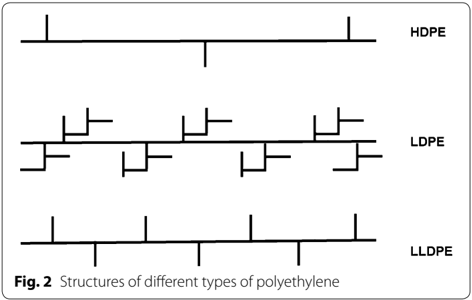
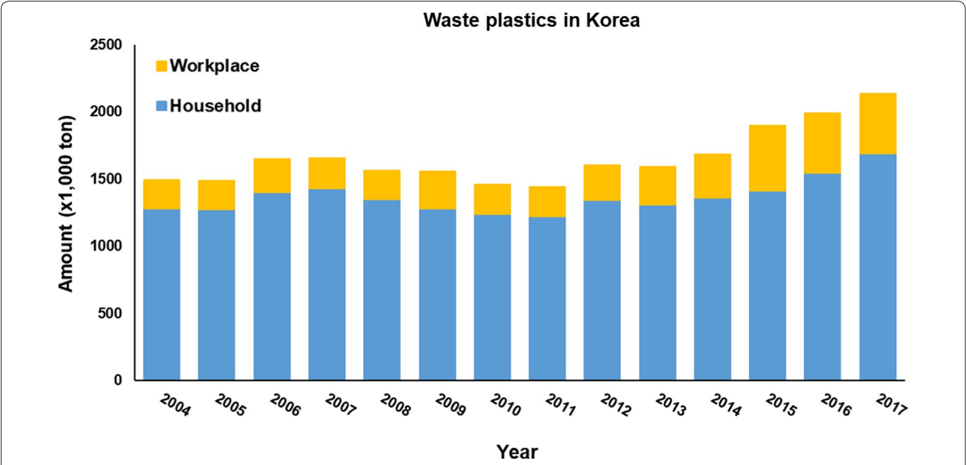
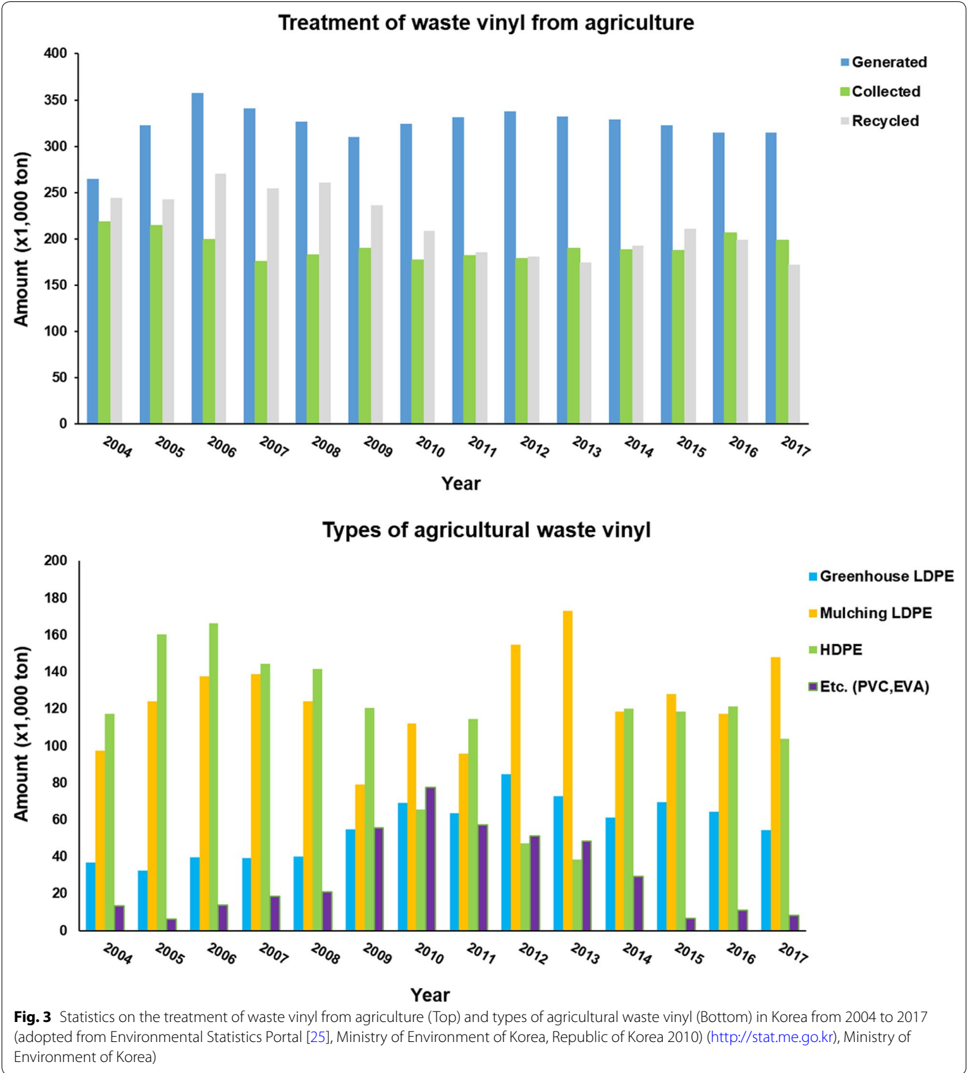
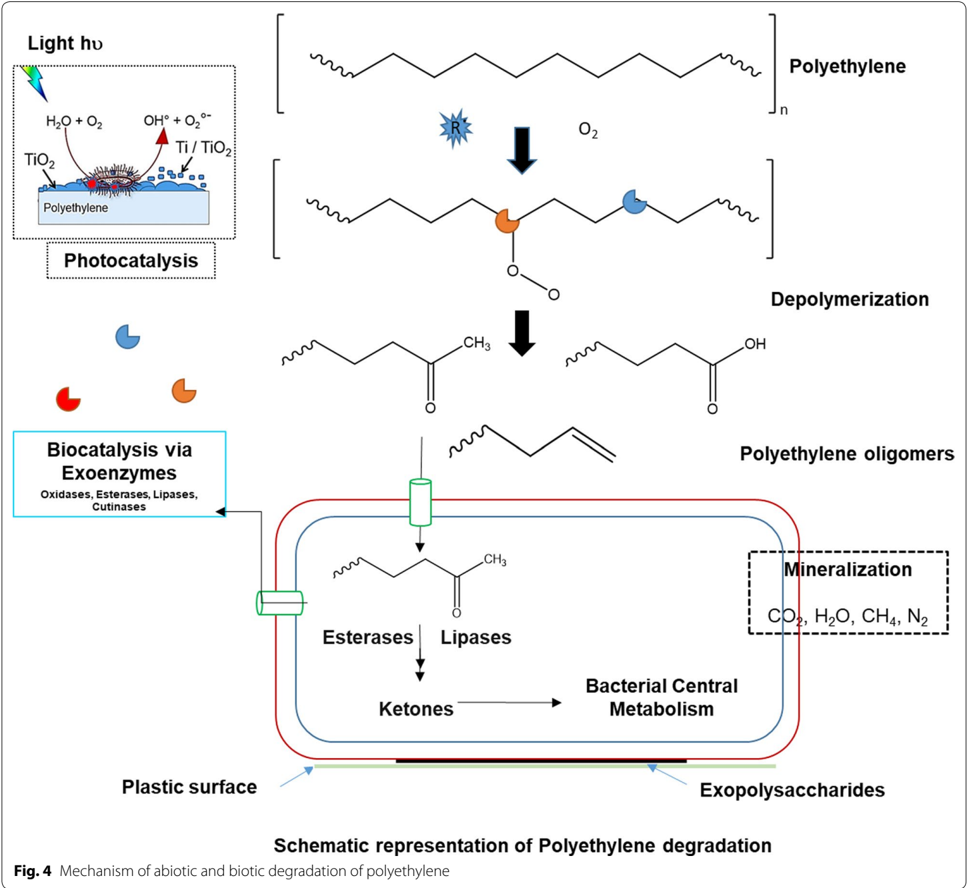
Verification
Claims the paper makes
The claims and statistics of this paper haven’t been checked yet.
Free: it reads the open-access text and checks the first 5 claims that cite a source we can check. Create a free account to check every claim.
Claims other papers make about this one
Each is checked against this paper’s own text: does it say what the citing paper says it does?
The source backs part of the claim, not all of it — or backs it for a different population, condition or comparison.
In the citing paper
“Furthermore, imaging tech niques like scanning electron microscopy or atomic force microscopy cannot precisely discriminate abiotic degradation from biotic one, especially when the degradation extent is low, because of their lack in sensitivity implying time-intensive procedures (Ghatge et al., 2020; Montazer et al., 2020; Rong et al., 2024a; Tian et al., 2017).”
From Mineralization of 13C-labeled polyethylene by marine Bacillus velezensis MT9 (2026) · cites this paper as Ghatge et al., 2020
Experimental — accuracy not yet measuredThe source backs part of the claim, not all of it — or backs it for a different population, condition or comparison.
In the citing paper
“Specifically, the pho toaging of PE for 5 days or 2000h resulted in the production of a series of carboxylic acids (CxH2x 2O4; x = 8 -20)”
From Mineralization of 13C-labeled polyethylene by marine Bacillus velezensis MT9 (2026) · cites this paper as Ghatge et al., 2020
Experimental — accuracy not yet measured
Self-check
Percentages, sums and reported differences re-computed from the paper’s own numbers.
The self-check needs the paper’s full text.
Citations
Cites
Plastic waste inputs from land into the ocean
Jambeck, J. R., Geyer, R., Wilcox, C., Siegler, T. R., Perryman, M., Andrady, A., Narayan, R., & Law, K. L. (2015) · Science · doi:10.1126/science.1260352 · Cited by 13,163
Accumulation and fragmentation of plastic debris in global environments
Barnes, D. K. A., Galgani, F., Thompson, R. C., & Barlaz, M. (2009) · Philosophical Transactions of the Royal Society B: Biological Sciences · doi:10.1098/rstb.2008.0205 · Cited by 6,126
Biological degradation of plastics: A comprehensive review
Shah, A. A., Hasan, F., Hameed, A., & Ahmed, S. (2008) · Biotechnology Advances · doi:10.1016/j.biotechadv.2007.12.005 · Cited by 2,765
Microplastics as an emerging threat to terrestrial ecosystems
de Souza Machado, A. A., Kloas, W., Zarfl, C., Hempel, S., & Rillig, M. C. (2018) · Global Change Biology · doi:10.1111/gcb.14020 · Cited by 2,349
Onyon, P. F. (1972) · Polymer · doi:10.1016/0032-3861(72)90126-7 · Cited by 2,225
Evidence that the Great Pacific Garbage Patch is rapidly accumulating plastic
Lebreton, L., Slat, B., Ferrari, F., Sainte-Rose, B., Aitken, J., Marthouse, R., Hajbane, S., Cunsolo, S., Schwarz, A., Levivier, A., et al. (2018) · Scientific Reports · doi:10.1038/s41598-018-22939-w · Cited by 1,839
Billmeyer, F. W. (1971) · Cited by 1,798
Tokiwa, Y., Calabia, B. P., Ugwu, C. U., & Aiba, S. (2009) · International Journal of Molecular Sciences · doi:10.3390/ijms10093722 · Cited by 1,782
Polymer biodegradation: Mechanisms and estimation techniques – A review
Lucas, N., Bienaime, C., Belloy, C., Queneudec, M., Silvestre, F., & Nava-Saucedo, J.-E. (2008) · Chemosphere · doi:10.1016/j.chemosphere.2008.06.064 · Cited by 1,384
Biodegradable films and composite coatings: past, present and future
Tharanathan, R. N. (2003) · Trends in Food Science & Technology · doi:10.1016/s0924-2244(02)00280-7 · Cited by 1,243
Research works printed but not linked: 8
- 16. Byuntae L, Anthony LP, Alfred F, Theodore BB (1991) Biodegradation of degradable plastic polyethylene by Phanerocheate and Streptomy- ces species. Appl Environ Microbiol 3:678-688
- 66. Das MP, Kumar S (2014) Microbial deterioration of low density polyeth- ylene by Aspergillus and Fusarium sp. Int J ChemTech Res 6:299-305
- 67. Mishra IG, Sasidharan S, Tiwari S (2014) Aspergillus candidus: a phytase producing fungi. Int J Curr Sci 12:1-7
- 80. PlasticsEurope, plastics-the facts (2018) An analysis of European plastics production, demand and waste data. Plastics-Europe, Belgium
- 82. Raaman N, Rajitha N, Jayshree A, Jegadeesh R (2012) Biodegradation of plastic by Aspergillus spp. isolated from polythene polluted sites around Chennai. J Acad Ind Res 1:313-316
- 96. Seneviratne G, Tennakoon N, Weerasekara M, Nandasena K (2006) Poly- ethylene biodegradation by a developed Penicillium-Bacillus biofilm. Curr Sci 90:20-21
- 102. Sowmya HV, Ramalingappa Krishnappa M, Thippeswamy B (2014) Bio- degradation of polyethylene by Bacillus cereus. Adv Polym Sci Technol Int J 4:28-32 103.
- 112. Usha R, Sangeetha T, Palaniswamy M (2011) Screening of polyethylene degrading microorganisms from garbage soil. Libyan Agric Res Cent J Int 2:200-204 113.
Cited by
Items 101–200 of 583
Exploring a New Biocatalyst from Bacillus thuringiensis JNU01 for Polyethylene Biodegradation
Yun, S.-D., Lee, C. O., Kim, H.-W., An, S. J., Kim, S., Seo, M., Park, C., Yun, C., Chi, W. S., & Yeom, S. (2023) · Environmental Science & Technology Letters · doi:10.1021/acs.estlett.3c00189 · Cited by 47
Aguiar, M. I. S., Sousa, A. F., Teixeira, G., Tavares, A. P. M., Ferreira, A. M., & Coutinho, J. A. P. (2023) · Catalysis Today · doi:10.1016/j.cattod.2023.114492 · Cited by 52
“…role in daily life and industrial applications [1,2] due to properties such as processability, durability, light weight and low cost [3]. r l The global production of plastics annually exceeds a staggering 350 to 400 million tons [4], with Europe producing 57.2 million tons in 2021 [5].”
BackgroundInfluentialRamamurthy, K., Thomas, N. P., Gopi, S., Sudhakaran, G., Haridevamuthu, B., Namasivayam, S. K. R., & Arockiaraj, J. (2024) · International Journal of Biological Macromolecules · doi:10.1016/j.ijbiomac.2024.133971 · Cited by 71
Rong, Z., Xu, X.-W., & Wu, Y.-H. (2024) · Ecotoxicology and Environmental Safety · doi:10.1016/j.ecoenv.2024.116445 · Cited by 43
RETRACTED: Recovery of value-added products from biowaste: A review
Zhou, Y., Kumar, V., Harirchi, S., Vigneswaran, V. S., Rajendran, K., Sharma, P., Tong, Y. W., Binod, P., Sindhu, R., Sarsaiya, S., et al. (2022) · Bioresource Technology · doi:10.1016/j.biortech.2022.127565 · Cited by 45
RetractedAdvancing biological processing for valorization of plastic wastes
Gluth, A., Xu, Z., Fifield, L. S., & Yang, B. (2022) · Renewable and Sustainable Energy Reviews · doi:10.1016/j.rser.2022.112966 · Cited by 43
Li, X.-L., Zheng, G., Li, Z.-Y., & Fu, P. (2023) · European Polymer Journal · doi:10.1016/j.eurpolymj.2023.112663 · Cited by 42
Microplastics in water: types, detection, and removal strategies
Muthulakshmi, L., Mohan, S., & Татарчук, Т. (2023) · Environmental Science and Pollution Research · doi:10.1007/s11356-023-28460-6 · Cited by 48
“On the other hand, its opacity, rigidity, resistance to chemicals, flexibility, tensile strength, and tear strength represent its unique nature for being used for commercial applications (Ghatge et al. 2020).”
BackgroundDegradation and lifetime prediction of plastics in subsea and offshore infrastructures
Oluwoye, I., Machuca, L. L., Higgins, S. A., Suh, S., Galloway, T. S., Halley, P. J., Tanaka, S., & Iannuzzi, M. (2023) · The Science of The Total Environment · doi:10.1016/j.scitotenv.2023.166719 · Cited by 56
Elgharbawy, A. S., Demerdash, A. G. M. E., Sadik, W. A., Kasaby, M. A., Lotfy, A. H., & Osman, A. I. (2024) · Polymers · doi:10.3390/polym16101356 · Cited by 55
“This is because certain microorganisms release extracellular enzymes that directly affect polymers; hence, prior fragmentation and molar mass reduction of the material are not required to make the microorganisms available [114].”
BackgroundKim, H. R., Lee, C., Shin, H., Kim, J., Jeong, M., & Choi, D. (2023) · Heliyon · doi:10.1016/j.heliyon.2023.e15731 · Cited by 58
“Among the candidates isolated from the initial screening, plastic-degrading microorganisms were extensively verified by analyzing the degradation of plastic films using various physical and chemical analytical methods [4,28], such as scanning electron microscopy (SEM), X-ray photoelectron spectroscopy (XPS), Fourier t…”
MethodBhattacharjee, L., Jazaei, F., & Salehi, M. (2023) · CLEAN - Soil Air Water · doi:10.1002/clen.202200395 · Cited by 49
Removal of microplastic for a sustainable strategy by microbial biodegradation
Sridhar, S., Murugesan, N., Gopalakrishnan, M., Janjoren, D., & Ganesan, S. (2024) · Sustainable Chemistry for the Environment · doi:10.1016/j.scenv.2024.100088 · Cited by 47
Ding, M.-Q., Ding, J., Zhang, Z.-R., Li, M.-X., Cui, C.-H., Pang, J.-W., Xing, D.-F., Ren, N., Wu, W., & Yang, S.-S. (2024) · Journal of Environmental Management · doi:10.1016/j.jenvman.2024.120832 · Cited by 45
Analysis and microbial degradation of Low-Density Polyethylene (LDPE) in Winogradsky column
Sridharan, R., Krishnaswamy, V. G., & Kumar, P. S. (2021) · Environmental Research · doi:10.1016/j.envres.2021.111646 · Cited by 44
Microbial engineering strategies for synthetic microplastics clean up: A review on recent approaches
Kumar, V., Sharma, N., Duhan, L., Pasrija, R., Thomas, J. B., Umesh, M., Lakkaboyana, S. K., Andler, R., Vangnai, A. S., Vithanage, M. S., et al. (2022) · Environmental Toxicology and Pharmacology · doi:10.1016/j.etap.2022.104045 · Cited by 40
Das, K. P., Chauhan, P., Staudinger, U., & Satapathy, B. K. (2024) · Environmental Science Advances · doi:10.1039/d4va00039k · Cited by 55
Gupta, G. K., Dixit, M., Chot, E., & Shukla, P. (2025) · ACS Environmental Au · doi:10.1021/acsenvironau.5c00033 · Cited by 46
Cheng, Y., Chen, J., Bao, M., & Li, Y. (2022) · International Biodeterioration & Biodegradation · doi:10.1016/j.ibiod.2022.105454 · Cited by 37
Opportunities and challenges for plastic depolymerization by biomimetic catalysis
Wu, Y., Hu, Q., Che, Y., & Niu, Z. (2024) · Chemical Science · doi:10.1039/d4sc00070f · Cited by 42
Ahmed, H., Noyon, M. A. R., Uddin, M. E., Rafid, M. M., Hosen, M. S., & Layek, R. K. (2025) · Cleaner Chemical Engineering · doi:10.1016/j.clce.2025.100157 · Cited by 44
UVA-induced weathering of microplastics in seawater: surface property transformations and kinetics
Gao, L., Su, Y., Mehmood, T., Wang, Z., Peng, L., & Zhang, N. (2025) · Frontiers in Marine Science · doi:10.3389/fmars.2025.1519668 · Cited by 47
Lewańska, M., & Barczyńska, R. (2025) · Polymers · doi:10.3390/polym17212923 · Cited by 51
“Microorganisms modify and consume the polymer, using it as an energy source, which in turn changes its properties, leading to mass loss, structural changes, and ultimately, carbon bond formation [18].”
InfluentialTaxeidis, G., Nikolaivits, E., Σιαπέρας, Ρ., Gkountela, C. I., Vouyiouka, S., Pantelić, B., Nikodinović‐Runić, J., & Topakas, E. (2023) · Environmental Pollution · doi:10.1016/j.envpol.2023.121460 · Cited by 44
Harnessing synthetic biology to enhance ocean health
Nguyen, P. Q., Huang, X., Collins, D. S., Collins, J. J., & Lu, T. (2023) · Trends in biotechnology · doi:10.1016/j.tibtech.2022.12.015 · Cited by 40
“Examination of other species from the genera Rhodococcus, Pseudomonas, Acinetobacter, and Bacilluswere also found to possess innate abilities for degrading syntheticpolymers such as polyethylene and polystyrene [25,26].”
BackgroundDees, J., Ateia, M., & Sanchez, D. L. (2020) · ACS ES&T Water · doi:10.1021/acsestwater.0c00205 · Cited by 36
Abdallah, A. M., Parihar, C. M., Patra, S., Nayak, H. S., Saharawat, Y., Singh, U., Parihar, M. D., Kakraliya, S. K., Nassar, I. N., Ugolini, F., et al. (2021) · The Science of The Total Environment · doi:10.1016/j.scitotenv.2021.147800 · Cited by 37
Rovaletti, A., GIOIA, L. D., Fantucci, P., Greco, C., Vertemara, J., Zampella, G., Arrigoni, F., & Bertini, L. (2023) · International Journal of Molecular Sciences · doi:10.3390/ijms24076368 · Cited by 39
“Recently, the idea that laccases are able to degrade PE is gaining ground [290,291].”
BackgroundZhang, C., Mu, Y., Li, T., Jin, F., Jin, C., Oh, H., Lee, H., & Jin, L. (2023) · Frontiers in Microbiology · doi:10.3389/fmicb.2023.1181967 · Cited by 62
“(iii) Biofragmentation is the lytic process by which microorganisms convert macromolecular polymers into oligomers, dimers, or monomers via the action of enzymes or free radicals (Ghatge et al., 2020).”
BackgroundDing, C., Ma, W., & Zhong, J. (2023) · Optical Materials · doi:10.1016/j.optmat.2023.114627 · Cited by 34
Polyethylene is degraded by the deep-sea Acinetobacter venetianus bacterium
Lyu, L., Fang, K., Huang, X., Tian, X., & Zhang, S. (2024) · Environmental Chemistry Letters · doi:10.1007/s10311-024-01708-4 · Cited by 40
“Eighteen genera of bacteria have been reported as polyethylene-degrading bacteria (Ghatge et al. 2020), among which only one strain of Acinetobacter sp. from dumpsites exhibited polyethylene-degradation ability (Kunlere et al. 2019).”
InfluentialSong, Q., Zhang, Y., Ju, C., Zhao, T., Meng, Q., & Cong, J. (2024) · Environmental Research · doi:10.1016/j.envres.2024.120046 · Cited by 35
Exploring the plastic degrading ability of microbial communities through metagenomic approach
Shilpa, S., Basak, N., & Meena, S. S. (2022) · Materials Today Proceedings · doi:10.1016/j.matpr.2022.02.308 · Cited by 39
Microplastic in clams: An extensive spatial assessment in south Brazil
Jankauskas, L., Pinho, G. L. L., Sanz‐Lázaro, C., Casado-Coy, N., Rangel, D. F., Ribeiro, V. V., & Castro, Í. B. (2024) · Marine Pollution Bulletin · doi:10.1016/j.marpolbul.2024.116203 · Cited by 38
Hayes, D. G. (2021) · Current Opinion in Chemical Engineering · doi:10.1016/j.coche.2021.100695 · Cited by 34
Saha, N., Banivaheb, S., & Reza, M. T. (2021) · Energy Conversion and Management X · doi:10.1016/j.ecmx.2021.100158 · Cited by 34
Akbay, H. E. G., Akarsu, C., Işık, Z., Belibağlı, P., & Dızge, N. (2022) · Biochemical Engineering Journal · doi:10.1016/j.bej.2022.108619 · Cited by 39
Zhang, H., Liu, Q., Wu, H., Sun, W., Yang, F., Ma, Y., & Qi, Y. (2023) · Process Biochemistry · doi:10.1016/j.procbio.2023.04.006 · Cited by 34
Ribeiro, V. V., Casado-Coy, N., Rangel, D. F., Sanz‐Lázaro, C., & Castro, Í. B. (2024) · Journal of Hazardous Materials · doi:10.1016/j.jhazmat.2024.136546 · Cited by 37
Biodegradation of oxidized low density polyethylene by Pelosinus fermentans lipase
Kim, D.-W., Lim, E. S., Lee, G. H., Son, H. F., Sung, C., Jung, J., Park, H. J., Gong, G., Ko, J. K., Um, Y., et al. (2024) · Bioresource Technology · doi:10.1016/j.biortech.2024.130871 · Cited by 36
Self-citationKhampratueng, P., Rice, D., & Anal, A. K. (2024) · Discover Applied Sciences · doi:10.1007/s42452-024-06052-4 · Cited by 36
Raza, M., Farhan, A., & Abu‐Jdayil, B. (2024) · International Journal of Thermofluids · doi:10.1016/j.ijft.2024.100844 · Cited by 40
A critical view on the technology readiness level (TRL) of microbial plastics biodegradation
Sales, J. C. S., Santos, A. G., de Castro, A. M., & Coelho, M. A. Z. (2021) · World Journal of Microbiology and Biotechnology · doi:10.1007/s11274-021-03089-0 · Cited by 36
Azhar, N. N. H., Ang, D. T., Abdullah, R., Harikrishna, J. A., & Cheng, A. (2022) · Sustainability · doi:10.3390/su14095032 · Cited by 47
“dence to confirm that pro-degradant additives will promote or enhance the biodegradation of bioplastics such as PE and PET polymers [41,42].”
BackgroundDailianis, S., Rouni, M., Ainali, N. M., Vlastos, D., Kyzas, G. Z., Lambropoulou, D. A., & Bikiaris, D. Ν. (2024) · The Science of The Total Environment · doi:10.1016/j.scitotenv.2024.170616 · Cited by 35
Massahi, T., Sharafi, M., Ahmadi, B., Parnoon, K., & Hossini, H. (2024) · Water Air & Soil Pollution · doi:10.1007/s11270-024-07357-1 · Cited by 32
“It is utilized in many different industries, including as textiles, medical devices, and packaging (Ghatge et al., 2020).”
Zhang, X., Chen, X., Liu, Z., Pan, X., Zheng, X., Li, Y., Liao, X., & Wang, J. (2024) · TrAC Trends in Analytical Chemistry · doi:10.1016/j.trac.2024.118028 · Cited by 32
Silva, D. B., & Marques, A. C. (2025) · Journal of Water Process Engineering · doi:10.1016/j.jwpe.2025.107465 · Cited by 49
Ткачук, Н. В., & Zelena, L. B. (2021) · Corrosion and Materials Degradation · doi:10.3390/cmd2040028 · Cited by 35
Lim, J.-H., & Kang, J.-W. (2024) · Water Research · doi:10.1016/j.watres.2024.121379 · Cited by 34
Rossetti, I., Conte, F., & Ramis, G. (2021) · Eng—Advances in Engineering · doi:10.3390/eng2010005 · Cited by 38
“8%, indicating synergism between biotic and abiotic factors [5].”
BackgroundInfluentialEstimation of soil microplastic input derived from plastic gauze using a simplified model
Mo, X., Li, H., Lian, Y., Zheng, B., Dong, J., & Lu, X. (2021) · The Science of The Total Environment · doi:10.1016/j.scitotenv.2021.148577 · Cited by 30
Wang, H., Guan, F., Zhu, Y., Pan, Y., Liu, Q., Liu, Q., He, W., Gong, D., Tian, J., & Han, D. (2023) · Chemosphere · doi:10.1016/j.chemosphere.2023.140383 · Cited by 30
Feijóo, P., Marín, A., Sánchez‐Safont, E., Tena‐Medialdea, J., García‐March, J. R., Gámez‐Pérez, J., & Cabedo, L. (2025) · Polymer Degradation and Stability · doi:10.1016/j.polymdegradstab.2025.111222 · Cited by 33
Kumar, P., Kumar, A., Kumar, D., Prajapati, K. B., Mahajan, A. K., Pant, D., Yadav, A., Giri, A., Manda, S., Bhandari, S., et al. (2025) · Journal of Environmental Management · doi:10.1016/j.jenvman.2025.124249 · Cited by 32
Özdemir, S., Akarsu, C., Acer, Ö., Fouillaud, M., Dufossé, L., & Dızge, N. (2022) · Microorganisms · doi:10.3390/microorganisms10122441 · Cited by 36
“However, the current analytical methods for the detection of polymer degradation seem very obscure due to the fact that the weight loss and surface structure changes resulting from the degradation of additives [28].”
BackgroundPlastic Biodegradation through Insects and their Symbionts Microbes: A Review
Bilal, H., Raza, H., Bibi, H., & Bibi, T. (2021) · Journal of Bioresource Management · doi:10.35691/jbm.1202.0206 · Cited by 28
“molitor, is capable of depolymerizing and biodegrading polystyrene, polyethylene (Ghatge et al., 2020; Peng et al., 2020), polypropylene (Yang et al.”
BackgroundAdetunji, C. O., Inobeme, A., Tadso, J., Olaniyan, O. T., Abimbola, O. F., Shahnawaz, M., & Anani, O. A. (2022) · Springer eBooks · doi:10.1007/978-981-16-5403-9_16 · Cited by 28
Lessons From Insect Fungiculture: From Microbial Ecology to Plastics Degradation
Barcoto, M. O., & Rodrigues, A. L. (2022) · Frontiers in Microbiology · doi:10.3389/fmicb.2022.812143 · Cited by 28
“The oxidative activity of laccase facilitates cleaving amorphous regions of HDPE (Kang et al., 2019; Ghatge et al., 2020).”
BackgroundBitalac, J. M. S., Lantican, N. B., Gomez, N. C. F., & Onda, D. F. L. (2023) · Journal of Hazardous Materials · doi:10.1016/j.jhazmat.2023.131124 · Cited by 25
Microplastics in beach sediments of the Azores archipelago, NE Atlantic
Rodrigues, C., Rodríguez, Y., Frias, J. P. G. L., Carriço, R., Sobral, P., Antunes, J., Duncan, E. M., & Pham, C. K. (2024) · Marine Pollution Bulletin · doi:10.1016/j.marpolbul.2024.116243 · Cited by 39
Polyethylene biodegradation: A multifaceted approach
Purohit, A., Cochereau, B., Sarkar, O., Rova, U., Christakopoulos, P., Antonopoulou, I., Villas-Bôas, S. G., & Μάτσακας, Λ. (2025) · Biotechnology Advances · doi:10.1016/j.biotechadv.2025.108577 · Cited by 30
“…from Streptomyces degraded pretreated PE (Pometto 3rd et al., 1992) whereas Trametes versicolor laccase degraded HDPE with the aid of a mediator (Ghatge et al., 2020) Rhodococcus ruber C208 laccase achieved significant degradation of LDPE, which was further enhanced by copper supplementation…”
Bio-polyethylene furanoate (Bio-PEF) from lignocellulosic biomass adapted to the circular bioeconomy
Mendieta, C. M., González, G., Vallejos, M. E., & Área, M. C. (2022) · BioResources · doi:10.15376/biores.17.4.mendieta · Cited by 26
“Recycling plastic waste is an alternative approach to reducing the volume of urban solid waste (MSW) (Arutchelvi et al. 2008; Ghatge et al. 2020; Montazer et al. 2020), generating savings both in the use of fossil fuels and the energy required in its production (Shent et al. 1999), and there are…”
BackgroundTziourrou, P., & Golia, E. E. (2024) · Soil Systems · doi:10.3390/soilsystems8010023 · Cited by 28
“Ghatge et al. [74] investigated the environmental parameters that can induce PE degradation.”
BackgroundNourozi, N., Massahi, T., Nouri, M., Mardani, M., & Hossini, H. (2024) · Results in Engineering · doi:10.1016/j.rineng.2024.103639 · Cited by 26
He, Z., Hou, Y., Li, Y., Bei, Q., Li, X., Zhu, Y., Liesack, W., Rillig, M. C., & Peng, J. (2024) · Microbiome · doi:10.1186/s40168-024-01974-y · Cited by 28
“Various bacteria and fungi have been demonstrated to be able to degrade and utilize poly-ethylene [46], such as Rhodococcus spp., Cladosporium spp., and Fusarium spp. [46–48].”
InfluentialCampanaro, A. L., Simcik, M. F., Maurer‐Jones, M. A., & Penn, R. L. (2023) · The Science of The Total Environment · doi:10.1016/j.scitotenv.2023.164313 · Cited by 28
Research on biodeteriotration of plastics
Gu, J., Ford, T., Mitton, D. B., & Mitchell, R. (2023) · International Biodeterioration & Biodegradation · doi:10.1016/j.ibiod.2023.105699 · Cited by 28
Mehmood, S., Ilyas, N., Akhtar, N., Chia, W. Y., Shati, A. A., Alfaifi, M. Y., Sayyed, R. Z., Pusparizkita, Y. M., Munawaroh, H. S. H., Quân, P. M., et al. (2022) · Environmental Research · doi:10.1016/j.envres.2022.114784 · Cited by 27
Burd, B. S., Mussagy, C. U., Singulani, J. D. L., Tanaka, J. L., Scontri, M., Brasil, G. S. P., Guerra, N. B., Assato, P. A., Abreu, A. P. D. S., Bebber, C. C., et al. (2022) · Journal of Polymers and the Environment · doi:10.1007/s10924-022-02696-8 · Cited by 27
Ahmed, A. M., Mekonnen, M. L., & Mekonnen, K. N. (2023) · Carbohydrate Polymer Technologies and Applications · doi:10.1016/j.carpta.2023.100386 · Cited by 29
Nehal, N., & Singh, P. P. (2021) · Materials Today Proceedings · doi:10.1016/j.matpr.2021.05.682 · Cited by 23
Bacterial degradation of polyethylene and polypropylene microplastics in a mangrove ecosystem
Zhong, R., Li, M., Zhu, Z., Fang, X., Wang, X., Gong, H., & Yan, M. (2024) · Chemosphere · doi:10.1016/j.chemosphere.2024.143908 · Cited by 26
Li, Q., Li, H., Li, T., Wang, Y., Ouyang, Z., Li, L., & Mao, Y. (2025) · Environment International · doi:10.1016/j.envint.2025.109334 · Cited by 28
Bajo, K., Romano, R., Kolvenbach, B., Nazemi, S. A., Shahgaldian, P., Corvini, P. F.-X., Fava, F., & Raddadi, N. (2024) · Marine Pollution Bulletin · doi:10.1016/j.marpolbul.2024.117115 · Cited by 21
Analysis of Slow-Released Fertilisers as a Source of Microplastics
Isakov, V. A., Vlasova, E. N., Forer, V., Kenny, J. M., & Lyulin, S. V. (2024) · Land · doi:10.3390/land14010038 · Cited by 26
Leppäkoski, L., Lopez, G., Uusitalo, V., Nieminen, H., Järviö, N., Kosonen, A., Koiranen, T., Лаари, А., Breyer, C., & Ahola, J. (2023) · The Science of The Total Environment · doi:10.1016/j.scitotenv.2023.163628 · Cited by 26
Putcha, J. P., & Kitagawa, W. (2024) · Microbes and Environments · doi:10.1264/jsme2.me24031 · Cited by 29
“…upon reaction with microbial exoenzymes (such as laccases and AHs), the PE polymer can be broken down into smaller oligomers, which are taken up by bacterial cells where they are further metabolized via the β-oxidation pathway and mineralized to CO 2 and H 2 O (Ghatge et al. 2020, Tao et al. 2023).”
BackgroundBiodegradation of polyethylene based films used in water packaging by dumpsite bacteria
Oluwole, O. A., Oluyege, J. O., & Olowomofe, T. O. (2022) · Bioremediation Journal · doi:10.1080/10889868.2022.2087591 · Cited by 27
“In the bio-degradation of polyethylene, the initial steps involve the oxidation of the polymer chain leading to the formation of carboxyl groups (Ghatge et al. 2020).”
BackgroundJohnston, B., Adamus, G., Ekere, A. I., Kowalczuk, M. M., Tchuenbou-Magaia, F. L., & Radecka, I. (2022) · Bioengineering · doi:10.3390/bioengineering9090432 · Cited by 22
Degradation behavior of multilayer packaging films in the presence of a highly acidic sauce
Haque, M. A., Candlen, K., Peterson, A. M., Ratto, J. A., & Chen, W. (2022) · Journal of Food Engineering · doi:10.1016/j.jfoodeng.2022.111318 · Cited by 23
Polyethylene-biodegrading Microbes and Their Future Directions
Seo, M., Yun, S.-D., Kim, H.-W., & Yeom, S. (2023) · Biotechnology and Bioprocess Engineering · doi:10.1007/s12257-022-0264-9 · Cited by 22
“Alkane monooxygenase, hydroxylase, peroxidase, alcohol dehydrogenase, aldehyde dehydrogenase, Baeyer-Villiger monooxygenase, laccase, esterase, cutinase, and lipase are suggested to be involved in the decomposition of PE [8,66,91] (Fig.”
Parida, D., Sangtani, R., & Bala, K. (2023) · International Biodeterioration & Biodegradation · doi:10.1016/j.ibiod.2023.105581 · Cited by 21
Degradation of high density polyethylene (HDPE) through bacterial strain from Cow faeces
Gupta, K. K., Chandra, H., Sagar, K., Sharma, K. K., & Devi, D. (2023) · Biocatalysis and Agricultural Biotechnology · doi:10.1016/j.bcab.2023.102646 · Cited by 24
Öztekin, R., & Sponza, D. T. (2023) · International Journal of Environmental Engineering and Development · doi:10.37394/232033.2023.1.21 · Cited by 22
Microplastics Biodegradation by Estuarine and Landfill Microbiomes
Pires, C., Costa, L., Barbosa, S. G., Sequeira, J. C., Cachetas, D., Freitas, J. P., Martins, G., Machado, A. V., Cavaleiro, A. J., & Salvador, A. F. (2024) · Microbial Ecology · doi:10.1007/s00248-024-02399-8 · Cited by 23
“Although PE is considered non-biodegradable, evidence of its biodegradation was shown by complex microbial communities (e.g., waxworm gut microbiome) and pure cultures of bacteria and fungi [14–16].”
BackgroundEllos, D. M. C., Chien, M.-F., Inoue, C., Nakano, H., Isobe, A., Onda, D. F. L., Watanabe, K., & Bacosa, H. P. (2025) · Toxics · doi:10.3390/toxics13030227 · Cited by 31
“This polymer is highly resistant to biodegradation due to it being water insoluble, having a hydrophobic carbon backbone, having a high crystallinity, and also due to its substantial molecular weight [67].”
Chung, J.-H., Yeon, J., Seong, H. J., An, S., Kim, D., Yoon, Y., Weon, H., Kim, J. J., & Ahn, J.-H. (2022) · Journal of Microbiology and Biotechnology · doi:10.4014/jmb.2206.06021 · Cited by 22
Self-citationDas, S., & Kalyani, M. I. (2022) · Preparative Biochemistry & Biotechnology · doi:10.1080/10826068.2022.2158470 · Cited by 22
Ajithkumar, V., Philomina, A., Meena, K., Govindan, P., Dey, D., Souravnath, Sowbaranika, M., Chia, S. R., Ashokkumar, B., Chew, K. W., et al. (2024) · Journal of the Taiwan Institute of Chemical Engineers · doi:10.1016/j.jtice.2024.105504 · Cited by 24
Bai, F., Fan, J., Zhang, X., Wang, X., & Liu, S. (2025) · Journal of Hazardous Materials · doi:10.1016/j.jhazmat.2025.137330 · Cited by 20
Microplastics: a global threat to life and living
Alva, P. P., & Thomas, T. A. (2025) · Environmental Monitoring and Assessment · doi:10.1007/s10661-025-14160-w · Cited by 22
Enzymatic depolymerization of polyethylene using a small laccase and its potential for bio-upcycling
Son, H. F., Hwang, S., Kim, Y., Ahn, J. H., Ko, J. K., Gong, G., Um, Y., Park, J. H., Park, H. J., & Lee, S. (2025) · Journal of Hazardous Materials · doi:10.1016/j.jhazmat.2025.139021 · Cited by 21
Self-citationMicrobe‐mediated biodegradation of microplastics from wastes
Chettri, D., Pati, T., & Verma, A. K. (2023) · Water and Environment Journal · doi:10.1111/wej.12882 · Cited by 21
“Although several enzymes implicated in MP breakdown have been described, the exact process remains unknown (Ghatge et al., 2020).”
BackgroundKo, Y., Yang, Y., Kim, D., Lee, Y. H., Ghatge, S., & Hur, H. (2024) · Chemosphere · doi:10.1016/j.chemosphere.2024.141554 · Cited by 21
Self-citationA Valuable Source of Promising Extremophiles in Microbial Plastic Degradation
Pham, V. H. T., Kim, J., & Chang, S. W. (2024) · Polymers · doi:10.3390/polym16152109 · Cited by 23
Mohamed, D. F. M. S., Tarafdar, A., Lee, S. Y., Oh, H. B., & Kwon, J. (2024) · Environmental Pollution · doi:10.1016/j.envpol.2024.124217 · Cited by 19
Enzymatic oxidation of polyethylene by Galleria mellonella intestinal cytochrome P450s
Son, J., Lee, S., Hwang, S., Jeong, J., Jang, S., Gong, J., Choi, J. Y., Je, Y. H., & Ryu, C. (2024) · Journal of Hazardous Materials · doi:10.1016/j.jhazmat.2024.136264 · Cited by 21
Recent progresses and perspectives of polyethylene biodegradation by bacteria and fungi: A review
Kong, Y., Wang, R., Qingyun, Z., Li, J., Fan, Y., & Chen, Q. (2025) · Journal of Contaminant Hydrology · doi:10.1016/j.jconhyd.2025.104499 · Cited by 21
Comprehensive Review on Bio-Based Treatments for Polyvinyl Chloride Plastic
Hatwar, N., & Qureshi, A. (2025) · Applied Biochemistry and Biotechnology · doi:10.1007/s12010-024-05174-0 · Cited by 17
“Microbial enzymes, particularly hydrolases and oxidoreductases, have shown promise in degrading PVC, which naturally takes over 50 years to break down [103–107].”
Metadata
- Authors
- Ghatge, S., Yang, Y., Ahn, J.-H., & Hur, H.-G.
- Affiliations
- Gwangju Institute of Science and Technology (KR)
- Rural Development Administration (KR)
- Corresponding author
- Ahn, Jae-Hyung
- Hur, Hor-Gil
- Venue
- Applied Biological Chemistry
- Published
- 2020-05-16
- Volume
- 63
- Issue
- 1
- ISSN
- 0368-2897 (ISSN-L)
- 2468-0834
- 2468-0842
- OpenAlex
- W3032220059
- Cited by
- 583
- References
- 122
- Citations by year
- 2026: 83 · 2025: 115 · 2024: 134 · 2023: 114 · 2022: 93 · 2021: 39 · 2020: 5
- FWCI
- 15.50
- Type
- journal article
- Language
- en
- Open access
- gold
- doi.org
- Licence
- cc-by
- creativecommons.org/licenses/by/4.0 (tdm)
- creativecommons.org/licenses/by/4.0 (vor)
- Locations
- Applied Biological Chemistry (publishedVersion, cc-by)
- Funders
- Rural development Adminstration (PJ01497402)
- Topics
- Physical Sciences › Environmental Science › Pollution › Microbial bioremediation and biosurfactants
- Physical Sciences › Environmental Science › Pollution › Microplastics and Plastic Pollution
- Physical Sciences › Materials Science › Biomaterials › biodegradable polymer synthesis and properties
- Keywords
- polyethylene biodegradation, microbial degradation, plastic waste management, plastic recycling, 13CO2
About these checks
Registry, retraction, Cites and statistics results are computed, not judged, with one exception: a printed reference that no index lists is read once by a model before it counts as a citation error. Claims are extracted by a model and kept only when their quote appears verbatim in the text; each cited source is then checked, with a model’s help, for whether it says what the claim relies on. Those verdicts can be wrong — read the claim’s quote and the cited source before relying on one.
Statistics and arithmetic are recomputed, not judged.
Confidence bands are shown only for fields calibrated on our annotated test set. None is calibrated yet, so no band is shown.
What counts as a claim ›How we measure confidence ›How we check this ›
Are you an author, or do you see a problem with this page? Request a review
Data sources
Bibliographic data: Semantic Scholar, OpenAlex, Crossref.
Contains information from the Semantic Scholar Academic Graph Datasets, made available under the ODC Attribution License (ODC-BY 1.0).
Semantic Scholar’s data is described in: Kinney, R., et al. (2023). The Semantic Scholar Open Data Platform. arXiv:2301.10140.
