

Biodegradation of polyethylene: a brief review
Open accessThe DOI matches its Crossref record; 121 of the 122 references it cites were found in a registry or an index.
Abstract
Plastic waste management and recycling became a serious global issue as it affects living beings from all the ecosystems. Researchers investigated biodegradation of polyethylene (PE) by measuring changes in various physico-chemical and structural characteristics using techniques like as fourier transform infrared spectroscopy (FTIR), scanning electron microscope (SEM), etc. However, these evidences are not enough to prove the exact biodegradation of PE. In this review, we summarized microbial biodegradation of polyethylene and discussed recent developments for the candidate microbial enzymes and their possible roles in PE degradation. In addition, we conversed the advanced technologies correctly used for measuring PE degradation using isotope-labeled PE to figure out its metabolism into the end products like as 13 CO 2 .
Overview
The claims and statistics of this paper haven’t been checked yet.
Free: it reads the open-access text and checks the first 5 claims that cite a source we can check. Create a free account to check every claim.
Integrity signals
Registry
Cites
Statistics
Figures
Verification
Claims the paper makes
The claims and statistics of this paper haven’t been checked yet.
Free: it reads the open-access text and checks the first 5 claims that cite a source we can check. Create a free account to check every claim.
Claims other papers make about this one
Each is checked against this paper’s own text: does it say what the citing paper says it does?
The source backs part of the claim, not all of it — or backs it for a different population, condition or comparison.
In the citing paper
“Furthermore, imaging tech niques like scanning electron microscopy or atomic force microscopy cannot precisely discriminate abiotic degradation from biotic one, especially when the degradation extent is low, because of their lack in sensitivity implying time-intensive procedures (Ghatge et al., 2020; Montazer et al., 2020; Rong et al., 2024a; Tian et al., 2017).”
From Mineralization of 13C-labeled polyethylene by marine Bacillus velezensis MT9 (2026) · cites this paper as Ghatge et al., 2020
Experimental — accuracy not yet measuredThe source backs part of the claim, not all of it — or backs it for a different population, condition or comparison.
In the citing paper
“Specifically, the pho toaging of PE for 5 days or 2000h resulted in the production of a series of carboxylic acids (CxH2x 2O4; x = 8 -20)”
From Mineralization of 13C-labeled polyethylene by marine Bacillus velezensis MT9 (2026) · cites this paper as Ghatge et al., 2020
Experimental — accuracy not yet measured
Self-check
Percentages, sums and reported differences re-computed from the paper’s own numbers.
The self-check needs the paper’s full text.
Citations
Cites
Plastic waste inputs from land into the ocean
Jambeck, J. R., Geyer, R., Wilcox, C., Siegler, T. R., Perryman, M., Andrady, A., Narayan, R., & Law, K. L. (2015) · Science · doi:10.1126/science.1260352 · Cited by 13,163
Accumulation and fragmentation of plastic debris in global environments
Barnes, D. K. A., Galgani, F., Thompson, R. C., & Barlaz, M. (2009) · Philosophical Transactions of the Royal Society B: Biological Sciences · doi:10.1098/rstb.2008.0205 · Cited by 6,126
Biological degradation of plastics: A comprehensive review
Shah, A. A., Hasan, F., Hameed, A., & Ahmed, S. (2008) · Biotechnology Advances · doi:10.1016/j.biotechadv.2007.12.005 · Cited by 2,765
Microplastics as an emerging threat to terrestrial ecosystems
de Souza Machado, A. A., Kloas, W., Zarfl, C., Hempel, S., & Rillig, M. C. (2018) · Global Change Biology · doi:10.1111/gcb.14020 · Cited by 2,349
Onyon, P. F. (1972) · Polymer · doi:10.1016/0032-3861(72)90126-7 · Cited by 2,225
Evidence that the Great Pacific Garbage Patch is rapidly accumulating plastic
Lebreton, L., Slat, B., Ferrari, F., Sainte-Rose, B., Aitken, J., Marthouse, R., Hajbane, S., Cunsolo, S., Schwarz, A., Levivier, A., et al. (2018) · Scientific Reports · doi:10.1038/s41598-018-22939-w · Cited by 1,839
Billmeyer, F. W. (1971) · Cited by 1,798
Tokiwa, Y., Calabia, B. P., Ugwu, C. U., & Aiba, S. (2009) · International Journal of Molecular Sciences · doi:10.3390/ijms10093722 · Cited by 1,782
Polymer biodegradation: Mechanisms and estimation techniques – A review
Lucas, N., Bienaime, C., Belloy, C., Queneudec, M., Silvestre, F., & Nava-Saucedo, J.-E. (2008) · Chemosphere · doi:10.1016/j.chemosphere.2008.06.064 · Cited by 1,384
Biodegradable films and composite coatings: past, present and future
Tharanathan, R. N. (2003) · Trends in Food Science & Technology · doi:10.1016/s0924-2244(02)00280-7 · Cited by 1,243
Research works printed but not linked: 8
- 16. Byuntae L, Anthony LP, Alfred F, Theodore BB (1991) Biodegradation of degradable plastic polyethylene by Phanerocheate and Streptomy- ces species. Appl Environ Microbiol 3:678-688
- 66. Das MP, Kumar S (2014) Microbial deterioration of low density polyeth- ylene by Aspergillus and Fusarium sp. Int J ChemTech Res 6:299-305
- 67. Mishra IG, Sasidharan S, Tiwari S (2014) Aspergillus candidus: a phytase producing fungi. Int J Curr Sci 12:1-7
- 80. PlasticsEurope, plastics-the facts (2018) An analysis of European plastics production, demand and waste data. Plastics-Europe, Belgium
- 82. Raaman N, Rajitha N, Jayshree A, Jegadeesh R (2012) Biodegradation of plastic by Aspergillus spp. isolated from polythene polluted sites around Chennai. J Acad Ind Res 1:313-316
- 96. Seneviratne G, Tennakoon N, Weerasekara M, Nandasena K (2006) Poly- ethylene biodegradation by a developed Penicillium-Bacillus biofilm. Curr Sci 90:20-21
- 102. Sowmya HV, Ramalingappa Krishnappa M, Thippeswamy B (2014) Bio- degradation of polyethylene by Bacillus cereus. Adv Polym Sci Technol Int J 4:28-32 103.
- 112. Usha R, Sangeetha T, Palaniswamy M (2011) Screening of polyethylene degrading microorganisms from garbage soil. Libyan Agric Res Cent J Int 2:200-204 113.
Cited by
Items 201–300 of 583
Biodegradation Efficacy of Aspergillus niger and Trichoderma harzianum on Low-Density Polyethylene
Ahmed, M., Iram, S., Tabassum, N., Sajid, M., Paseutsakoun, K., Aleksza, L., & Székács, A. (2025) · Polymers · doi:10.3390/polym17101303 · Cited by 20
“Low-density polyethylene (LDPE), characterized by a higher degree of branching, exhibits lower crystallinity compared to high-density polyethylene [22], rendering it more susceptible to microbial degradation.”
Gupta, K. K., Sharma, K. K., & Chandra, H. (2023) · Archives of Microbiology · doi:10.1007/s00203-023-03448-5 · Cited by 17
Akhigbe, G. E., Enochoghene, A. E., Olumurewa, K. O., Koleoso, O. B., & Ogbonna, N. D. (2023) · Environmental Technology · doi:10.1080/09593330.2023.2210770 · Cited by 20
Laccase: A Green Solution for Environmental Problems
Sondhi, S., Chopra, N. K., Kumar, A. A., & Gupta, N. (2023) · Advances in Environmental and Engineering Research · doi:10.21926/aeer.2302030 · Cited by 19
Melatonin counteracts polyethylene microplastics induced adreno-cortical damage in male albino rats
Farag, A. A., Bayoumi, H., Radwaan, S. E., Gazzar, W. B. E., Youssef, H. S., Nasr, H. E., Badr, A. M., Mansour, H. M., Elalfy, A., Sayed, A. E. H., et al. (2024) · Ecotoxicology and Environmental Safety · doi:10.1016/j.ecoenv.2024.116499 · Cited by 18
A Review on the Fate of Microplastics: Their Degradation and Advanced Analytical Characterization
Bandaru, S., Ravipati, M., Busi, K. B., Phukan, P., Bag, S., Chandu, B., Dalapati, G. K., Biring, S., & Chakrabortty, S. (2023) · Journal of Polymers and the Environment · doi:10.1007/s10924-023-03102-7 · Cited by 20
“Ideonella sakainesis degrade commercially utilized plastic debris by enzymatic action using PETase enzyme [45].”
Ramadhani, A. M., Nassary, E. K., Rwehumbiza, F. B., Massawe, B. H. J., & Nchimbi‐Msolla, S. (2024) · Frontiers in Agronomy · doi:10.3389/fagro.2024.1454060 · Cited by 27
On the Effect of Non-Thermal Atmospheric Pressure Plasma Treatment on the Properties of PET Film
Maliszewska, I., Gazińska, M. A., Łojkowski, M., Choińska, E., Nowinski, D., Czapka, T., & Święszkowski, W. (2023) · Polymers · doi:10.3390/polym15214289 · Cited by 15
“Generally, to determine the biodegradability of plastic, a polymer sample is incubated with soil, compost, or activated sludge under strict conditions, and the degradation rate is compared with a biodegradable reference sample, such as cellulose [64].”
MethodTackling the dust-microplastic nexus: Sources, fate, and detection
Elnakar, H., Ismail, U. M., Khan, M. F., & Alnaimat, S. (2024) · Journal of Hazardous Materials Advances · doi:10.1016/j.hazadv.2024.100418 · Cited by 19
Microbial degradation of polyethylene polymer: current paradigms, challenges, and future innovations
Gorish, B. M. T., Abdelmula, W. I. Y., Sethupathy, S., Dar, M. A., Shahnawaz, M., & Zhu, D. (2024) · World Journal of Microbiology and Biotechnology · doi:10.1007/s11274-024-04211-8 · Cited by 21
“2020 Biodegradation of polyethylene: a brief review (Ghatge et al. 2020 ) 2020 Current advances in polyethylene biodegradation (Bardají et al. 2020 ) 2020 Challenges with Verifying Microbial Degradation of Polyethylene.”
Dindar, E. (2025) · Polymers · doi:10.3390/polym17121586 · Cited by 15
“Hydrolytic degradation of PET is particularly prevalent in moist conditions, where water molecules can break the ester bonds, leading to the formation of shorter polymer chains and the release of degradation byproducts such as terephthalic acid [54].”
Zou, Z., Yu, Q., Wang, J., Liu, X., & Lynch, I. (2025) · Journal of Hazardous Materials · doi:10.1016/j.jhazmat.2025.139022 · Cited by 23
Fowzi, M., Ebrahimpour, K., Dehnavi, A., Jamshidi, S., & Andaluri, G. (2025) · Environmental Research · doi:10.1016/j.envres.2025.122248 · Cited by 18
Omidoyin, K. C., Hwang, S. K., Hong, J., & Jho, E. H. (2025) · Journal of Environmental Management · doi:10.1016/j.jenvman.2025.127477 · Cited by 20
Noël, G., Serteyn, L., Sare, A. R., Massart, S., Delvigne, F., & Francis, F. (2022) · International Microbiology · doi:10.1007/s10123-022-00303-3 · Cited by 18
Chaudhary, A. K., Chitriv, S. P., Chaitanya, K., & P., V. R. (2023) · Environmental Monitoring and Assessment · doi:10.1007/s10661-023-10982-8 · Cited by 16
“Polyethylene sheet showed only partial degradation with negligible weight loss when buried underground for 12–32 years (Ghatge et al., 2020).”
BackgroundWaste management using marine microorganisms
Haripriyaa, M., & Suthindhiran, K. (2024) · Sustainable Environment · doi:10.1080/27658511.2024.2324574 · Cited by 17
“C) backbone of PE is linear and extremely stable, which makes it resistant to degradation and poses a major obstacle to the biode-gradation of plastic waste (Ghatge et al., 2020).”
Aminiyan, M. M., Shorafa, M., & Pourbabaei, A. A. (2024) · Ecotoxicology and Environmental Safety · doi:10.1016/j.ecoenv.2024.116805 · Cited by 24
Sustainable and Advanced Strategies for Bioremediation of Highly Contaminated Wastewater
Domanovac, M. V., Volf, M., Runjavec, M. Š., & Terzić, I. (2025) · Processes · doi:10.3390/pr13072250 · Cited by 17
Wu, X., Jusli, E. A., Anggraini, V., Jaya, R. P., & Zhang, X. (2025) · Cleaner Materials · doi:10.1016/j.clema.2025.100357 · Cited by 31
Manjunathan, J., Pavithra, K., Nangan, S., Prakash, S., Saxena, K. K., Sharma, K., Muzammil, K., Verma, D., Rani, G. J., Ramasubburayan, R., et al. (2024) · Chemosphere · doi:10.1016/j.chemosphere.2024.141541 · Cited by 16
Rani, R., Malik, S., Kumar, D., Kumar, R., Mukherjee, S., Saharan, B. S., & Duhan, J. S. (2024) · Sustainable Chemistry and Pharmacy · doi:10.1016/j.scp.2024.101595 · Cited by 22
Najafi, M., Forestier, E., Safarpour, M., Ceseracciu, L., Zych, A., Bagheri, A., Bertolacci, L., Athanassiou, A., & Bayer, I. S. (2024) · Scientific Reports · doi:10.1038/s41598-024-60315-z · Cited by 14
“The inclusion of nitrogen in PUDs and mixtures may augment their attractiveness as a nutritional resource for these microorganisms 88 .”
Zafar, R., Paracha, R. Z., Alrefaei, A. F., Albeshr, M. F., Baloch, M. Y. J., Kallerhoff, J., & Arshad, M. (2024) · Environmental Technology & Innovation · doi:10.1016/j.eti.2024.103831 · Cited by 14
Harrat, R., Bourzama, G., Burgaud, G., Coton, E., Bourezgui, A., & Soumati, B. (2024) · Diversity · doi:10.3390/d16120759 · Cited by 15
Physicochemical and microbial treatments for plastics, microplastics, and nanoplastics
Flores-Díaz, A., Arango, J. A., Calvo, D. C., Rangel-Mendez, J. R., & Ontiveros‐Valencia, A. (2025) · Environmental Development · doi:10.1016/j.envdev.2025.101181 · Cited by 17
Jassal, P. S., Kudave, P. S., Wani, A. K., & Yadav, T. (2025) · International Journal of Phytoremediation · doi:10.1080/15226514.2025.2500643 · Cited by 19
Polyamide nylon 6 as a potential carrier of nitrate anions in aqueous environments
Spyridakis, I., Tzanakakis, V. A., Pashalidis, I., Kalderis, D., & Anastopoulos, I. P. (2022) · Journal of Molecular Liquids · doi:10.1016/j.molliq.2022.118706 · Cited by 14
Morris, P. T., Olsen, S. C., Santiago, M., Wang, H. M., Denton, E. H., Read de Alaniz, J., Bates, C. M., Albanese, K. R., & Hawker, C. J. (2026) · Journal of the American Chemical Society · doi:10.1021/jacs.5c20808 · Cited by 17
Current status of microplastic pollution and the latest treatment technologies
Li, S., Peng, W., Guo, Y., Li, S., & Wang, Q. (2024) · The Science of The Total Environment · doi:10.1016/j.scitotenv.2024.177467 · Cited by 15
Biodegradation of polypropylene by Bacillus cereus PP-5 isolated from waste landfill
Xue, H., Chen, X., Jiang, Z., Lei, J., Zhou, J., Dong, W., Li, Z., Hu, G., & Cui, Z. (2025) · Ecotoxicology and Environmental Safety · doi:10.1016/j.ecoenv.2025.118205 · Cited by 16
Mir, R., Albarqi, S., Albalawi, W., Alanazi, G. B., Alsubaie, S. S., Alghaban, R. I., Alanazi, H. S., Alsharif, N. T., Aljammaz, M. M., Alghabban, N. F., et al. (2025) · Metabolites · doi:10.3390/metabo15060383 · Cited by 15
“When surfaces suffer photodegradation, hydroxyl and carbonyl groups are formed, increasing both the hydrophilic properties and roughness of the surface, making it easier for microbes to attach and create biofilms [52].”
Setting new standards: Multiphasic analysis of microplastic mineralization by fungi
Rohrbach, S., Gkoutselis, G., Mauel, A., Telli, N., Senker, J., Ho, A., Rambold, G., & Horn, M. A. (2023) · Chemosphere · doi:10.1016/j.chemosphere.2023.141025 · Cited by 14
Singh, R. S., Gilcrease, E. B., Goel, R. K., Free, M. L., & Sarswat, P. K. (2024) · Journal of Polymers and the Environment · doi:10.1007/s10924-024-03236-2 · Cited by 14
“…spp., Streptomyces spp., Micrococcus spp., Staphylococcus spp., Microbacterium sp., Acinetobacter sp., Flavobacte-rium spp., Rhodococcus sp., Brevibacillus sp., Pseudomonas spp., Stenotrophomonas spp. , and Nocardia sp., have been reported for their potential in degrading polyethylene [22].”
Can the insects Galleria mellonella and Tenebrio molitor be the future of plastic biodegradation?
Burd, B. S., Mussagy, C. U., Bebber, C. C., Brasil, G. S. P., dos Santos, L. S., Guerra, N. B., Persinoti, G. F., Jucaud, V., Goldbeck, R., & Herculano, R. D. (2025) · The Science of The Total Environment · doi:10.1016/j.scitotenv.2025.178879 · Cited by 14
Fulke, A. B., Bhanushali, S., & Jadhav, H. S. (2025) · Continental Shelf Research · doi:10.1016/j.csr.2025.105578 · Cited by 25
Perera, P., Herath, H., Paranagama, P. A., Wijesinghe, P., & Attanayake, R. N. (2023) · PLoS ONE · doi:10.1371/journal.pone.0288133 · Cited by 18
Dasgupta, A., Sen, B., & Dutta, P. (2024) · Physica Scripta · doi:10.1088/1402-4896/ad6bf8 · Cited by 13
Effects of Titanium Dioxide (TiO2) on Physico-Chemical Properties of Low-Density Polyethylene
Ndibewu, P. P., Lefakane, T. E., & Netshiozwi, T. E. (2024) · Polymers · doi:10.3390/polym16192788 · Cited by 12
“Although LDPE is chemically inert at room temperature, it can be attacked by strong oxidizing agents, and most solvents are known to cause its softening or swelling [5].”
BackgroundExploring omics solutions to reduce micro/nanoplastic toxicity in plants: A comprehensive overview
Arif, S. M., Khan, I., Saeed, M., Chaudhari, S. K., Ghorbanpour, M., Hasan, M., & Mustafa, G. (2025) · The Science of The Total Environment · doi:10.1016/j.scitotenv.2025.179220 · Cited by 14
Ashby, R. D., Qureshi, N., Strahan, G. D., Johnston, D. B. R., Msanne, J., & Lin, X. (2022) · Biocatalysis and Agricultural Biotechnology · doi:10.1016/j.bcab.2022.102391 · Cited by 12
Rusyn, I. B., Malovanyy, M. S., Tymchuk, I. S., & Synelnikov, S. (2020) · Ecological Questions · doi:10.12775/eq.2021.007 · Cited by 14
A Comparative Bibliometric Analysis on Plastic Waste Recycling
Oyewale, J. A., Tartibu, L. K., & Okokpujie, I. P. (2023) · International Journal of Sustainable Development and Planning · doi:10.18280/ijsdp.181106 · Cited by 13
“…that bacteria and caterpillars can degrade polyethylene plastic, which accounts for a significant number of manufactured plastics worldwide [64, 65]. c) Improve the durability, reusability, and waste reduction of plastic manufacturing processes and products by designing them with end-use,…”
BackgroundSafdar, A., Ismail, F., Safdar, M., & Imran, M. (2024) · Biodegradation · doi:10.1007/s10532-023-10062-1 · Cited by 15
“The introduction of surfactants like sodium dodecyl sulfate and Tween 80 has also been found to encourage microbial breakdown by raising the hydrophilic nature of polymeric surfaces (Ghatge et al. 2020).”
Rost-Roszkowska, M. M., Mermer, P., Chajec, Ł., Sosinka, A., Wilczek, G., Student, S., Wrońska, A. K., & Karnówka, O. (2024) · The European Zoological Journal · doi:10.1080/24750263.2024.2308529 · Cited by 12
“…Zophobas atratus (Coleoptera) (Luo et al. 2021), yellow mealworm ( Tenebrio molitor ) (Coleoptera) (Brandon et al. 2018; Yang et al. 2018, 2021; Ghatge et al. 2020; Peng et al. 2020), confused flour beetle ( T. confusum ), red flour beetle ( T. castaneum ) (Bilal et al. 2021) and greater wax…”
BackgroundOmar, M. N., Minggu, M. M., Muhammad, N. A. N., Abdul, P. M., Zhang, Y., & Ramzi, A. B. (2024) · Enzyme and Microbial Technology · doi:10.1016/j.enzmictec.2024.110429 · Cited by 12
Ramos, J. G. M., Tarrillo, L. M. F., Bravo, A. X. G., Sánchez-Purihuamán, M., Carreño-Farfán, C., Estrada, C. S. L., Ynga, E. G. L., & Silva, H. D. L. C. (2024) · F1000Research · doi:10.12688/f1000research.151338.1 · Cited by 15
Parsa, Z., Dhib, R., & Mehrvar, M. (2024) · Sustainability · doi:10.3390/su16167060 · Cited by 15
Singh, A., Malshe, V. C., Raje, R., & Choudhari, R. (2024) · Journal of Environmental Management · doi:10.1016/j.jenvman.2024.123120 · Cited by 15
Massaccesi, L., Marabottini, R., Feudis, M. D., Leccese, A., Poesio, C., Marinari, S., Moscatelli, M. C., & Agnelli, A. (2025) · The Science of The Total Environment · doi:10.1016/j.scitotenv.2025.178703 · Cited by 12
Azhar, N. N. H., Cheng, A., Lee, S. Y., & Ang, D. T. (2022) · Journal of Polymer Research · doi:10.1007/s10965-022-03316-8 · Cited by 11
“These changes in properties are crucial to prepare the rubber for the subsequent biodegradation process [21, 22] To improve the oxidative degradability of natural rubber, the current study reports the use of iron (III) stearate as a prodegradant additive (PDA) in the rubber formulation.”
MethodGomez, N. C. F., & Onda, D. F. L. (2022) · Archives of Microbiology · doi:10.1007/s00203-022-03366-y · Cited by 11
Zhang, S., Zhang, N., Zhang, Y., Ding, C., & Zhang, Y. (2023) · Journal of Building Engineering · doi:10.1016/j.jobe.2023.107364 · Cited by 11
Ahmad, F., Zhang, H., Sun, C., Muhammad, A., & Shao, Y. (2025) · Microplastics · doi:10.3390/microplastics5010001 · Cited by 11
“Pre-treatment methods that introduce oxidative or structural modifications generally enhance subsequent biodegradation [144].”
Microbial enzymes in plastic degradation
Sarsan, S., Kodaparthi, A., & Birru, S. (2024) · Elsevier eBooks · doi:10.1016/b978-0-443-13932-1.00005-2 · Cited by 15
Assessing the aging and environmental implications of polyethylene mulch films in agricultural land
Zhang, C., Liu, X., Zhang, L., Chen, Q., & Xu, Q. (2024) · Environmental Science Processes & Impacts · doi:10.1039/d4em00102h · Cited by 15
Ong, G. H., Kee, W. K., Ahmed, R. D. A. H., Ying, J. K. Z., Rui, W. R., Loh, K. E., & Tanee, T. (2024) · Malaysian Applied Biology · doi:10.55230/mabjournal.v53i2.2819 · Cited by 12
Biotechnology for the degradation and upcycling of traditional plastics
Lu, Q., Tang, D., Liang, Q., & Wang, S. (2024) · Environmental Research · doi:10.1016/j.envres.2024.120140 · Cited by 15
Yeoh, J.-Z., Pung, S., Vadivelu, V. M., & Ramakrishnan, S. (2024) · Environmental Nanotechnology Monitoring & Management · doi:10.1016/j.enmm.2024.101021 · Cited by 25
A Cytochrome P450 Facilitates Polyethylene Metabolism in a Microbial Community
Tarara, M., Ahuja, S., & Mellies, J. L. (2025) · International Journal of Molecular Sciences · doi:10.3390/ijms26188775 · Cited by 11
“Microorganisms that can degrade PE often have slow growth and degradation rates, ranging from 5 − 20% weight loss of PE after 60 days of incubation [19,25–27].”
Tang, K. H. D., & Luo, Y. (2023) · Tropical Aquatic and Soil Pollution · doi:10.53623/tasp.v3i1.152 · Cited by 12
Biotechnology Remediation and Environmental Behavior of Microplastics in Soils: A Review
Feng, W., Deng, Y., Cao, Y., Liu, J., Han, Y., Liu, J., Miao, Q., Yang, F., Zhu, Y., & Giesy, J. P. (2023) · Reviews of Environmental Contamination and Toxicology · doi:10.1007/s44169-023-00038-w · Cited by 15
“Nevertheless, different types of plastic require different enzymes for degradation, and the types of microbial enzymes and the related mechanism of enzymatic degradation are still not fully understood (Yuan et al. 2020; Ghatge et al. 2020; Vighi et al. 2021).”
BackgroundSharma, N., & Vuppu, S. (2023) · Molecular Biotechnology · doi:10.1007/s12033-023-00886-w · Cited by 17
“This finding highlights the importance of these compounds in the processes of polymer oxidation and biodegradation [40].”
Singhal, B., Kumar, S., Mehtab, S., Aggarwal, U., Kumar, V., Umesh, M., & Chakraborty, P. (2024) · Case Studies in Chemical and Environmental Engineering · doi:10.1016/j.cscee.2024.100640 · Cited by 17
Biodegradation in Soil of Commercial Plastic Bags Labelled as “Biodegradable”
Mastalygina, E. E., Abushakhmanova, Z. R., Poletto, M., & Pantyukhov, P. V. (2023) · Materials Research · doi:10.1590/1980-5373-mr-2022-0164 · Cited by 11
Nabi, R. A. U., Hussain, H., Naz, M. Y., Shukrullah, S., Khawaja, H. A., Irfan, M., Rahman, S., & Ghanim, A. A. J. (2023) · ACS Omega · doi:10.1021/acsomega.3c00801 · Cited by 10
He, W., Liu, R., Fei, F., Xi, S., Du, Z., Luan, Z., Sun, C., & Zhang, X. (2024) · The Science of The Total Environment · doi:10.1016/j.scitotenv.2024.173582 · Cited by 10
Nisha, N., & Joshi, H. C. (2024) · Asia-Pacific Journal of Chemical Engineering · doi:10.1002/apj.3122 · Cited by 12
Plant the pot! Understanding consumer willingness to pay for sustainability in garden shop products
Ruggeri, G., Mazzocchi, C., Bergamelli, C., & Tosca, A. (2024) · Journal of Cleaner Production · doi:10.1016/j.jclepro.2024.143855 · Cited by 15
Suleiman, S. B., Esa, Y. B., Aziz, D., Azaman, S. N. A., Hassan, N. H., & Syukri, F. (2024) · Environmental Pollution · doi:10.1016/j.envpol.2024.125103 · Cited by 10
Edo, G. I., Mafe, A. N., Ali, A. B. M., Iwanegbe, I., Yousif, E., Oghroro, E. E. A., Igbuku, U. A., Zainulabdeen, K., Owheruo, J. O., Essaghah, A. E. A., et al. (2025) · Sustainable Chemistry One World · doi:10.1016/j.scowo.2025.100145 · Cited by 12
Tamnou, E. B. M., Nougang, M. E., Metsopkeng, C. S., Awawou, M. N., Eheth, J. S., Massé, P. S. M., Nana, P. A., Sime‐Ngando, T., & Nola, M. (2022) · Journal of Advances in Microbiology · doi:10.9734/jamb/2022/v22i930489 · Cited by 11
“Its properties include, among others, opacity, tear resistance, tensile strength, stiffness, chemical resistance and flexibility, even at low temperatures [14].”
BackgroundTeacă, C., Ignat, M.-E., Nechifor, M., Tanasă, F., & Ignat, L. (2022) · BioResources · doi:10.15376/biores.18.1.teaca · Cited by 13
Role of bacteria in biological removal of environmental pollutants
Malik, S., Kishore, S., Kumar, S. A., & Dhasmana, A. (2023) · Elsevier eBooks · doi:10.1016/b978-0-323-99895-6.00012-5 · Cited by 11
Recycled polyethylene waste as binder stabilizer for SMA mix in gulf environment
Alshehri, H. A., Wahhab, H. I. A., Dalhat, M. A., Al‐Juhani, A. A., & Al-Osta, M. A. (2023) · Case Studies in Construction Materials · doi:10.1016/j.cscm.2023.e02177 · Cited by 11
Satari, L., Iglesias, A., & Porcar, M. (2023) · Microorganisms · doi:10.3390/microorganisms11061507 · Cited by 10
“Another example is the biodegradation of plastics, in which many environmental microorganisms have been reported to exhibit a modest to moderate biodegradation ability on various types of plastics, such as polyethylene (PE), polypropylene (PP), polyethylene terephthalate (PET), polypropiolactone (PPL), polycaprolacton…”
BackgroundWalaszczyk, A., Jasińska, A., Bernat, P., Płaza, G. A., & Paraszkiewicz, K. (2023) · Scientific Reports · doi:10.1038/s41598-023-41210-5 · Cited by 9
Enzymatic depolymerization of plastic materials by a highly efficient two-enzyme system
Sun, J., Pang, Y., Lei, Z., OuYang, B., Lai, W., Wang, Y., & Lan, D. (2024) · Biochemical Engineering Journal · doi:10.1016/j.bej.2024.109222 · Cited by 12
Seong, H. J., Kim, H.-J., Ko, Y.-J., Yao, Z., Baek, S.-B., Kim, N., & Jang, Y. (2024) · Applied Microbiology and Biotechnology · doi:10.1007/s00253-023-12930-5 · Cited by 10
“Additionally, the use of invertebrates in this process has yet to be explored, further limiting 86 Page 2 of 12 the options for rapid PE degradation (El-Sherif et al. 2022; Ghatge et al. 2020).”
Talukdar, A., Banerjee, A., Dey, S., & Bhattacharya, S. (2024) · Cambridge Prisms Plastics · doi:10.1017/plc.2024.26 · Cited by 13
Biodegradation of polyvinyl chloride using vermibacteria under variable physicochemical conditions
Andleeb, S., Munir, M., Ali, M., Kaleem, I., Balachandar, R., Mani, R. R., Chandrasekaran, M., Jones, S., Radhakrishnan, A., Chang, S. W., et al. (2024) · Journal of Hazardous Materials Advances · doi:10.1016/j.hazadv.2024.100571 · Cited by 10
Sustainable solutions: Biodegradable polymers derived from mango residues
Hernández-Lozano, L. C., Berger, P., Cachutt-Alvarado, C., & Domínguez-Soberanes, J. (2024) · Polymer · doi:10.1016/j.polymer.2024.127980 · Cited by 8
Sustainable technologies for bio-waste utilization and valorization: perspectives and challenges
Gupta, G. K., Pandey, D., Liu, H., Kango, N., & Shukla, P. (2025) · Biomass and Bioenergy · doi:10.1016/j.biombioe.2025.107941 · Cited by 9
Rai, M., Dhanker, R., Sharma, N., Kamakshi, Kamble, S. S., Tiwari, A., Du, Z., & Mohamed, H. I. (2025) · Archives of Microbiology · doi:10.1007/s00203-025-04334-y · Cited by 8
“Microbes such as Pycnoporus cinnabarinus and Trametes versicolor provide a source of laccases for the oxidation of phenolic compounds, which affects the destiny of polystyrene and polyurethane plastics (Ghatge et al. 2020).”
Microplastics as emerging threats: advancement in biofilm interactions and remediation technologies
Kumari, S., Yadav, A., Rajput, P., Minkina, T., & Rajput, V. D. (2025) · International Journal of Environmental Science and Technology · doi:10.1007/s13762-025-06493-3 · Cited by 11
“Furthermore, surfactant for instance, Tween 80 proved to enhanced the biodeg-radation of polymer by enhancing the hydrophilicity of surface polymer of plastic in addition to bacteria which drastically enhance the efficacy and degradability (Ghatge et al. 2020).”
Cavalcante, A. L. G., Dari, D. N., Silva, M. F. D. M., Vieira, R. D. S., Aires, F. I. D. S., de Sousa, P. G., dos Santos, K. M., & dos Santos, J. C. S. (2025) · Molecular Catalysis · doi:10.1016/j.mcat.2025.115392 · Cited by 19
Raby, H. S., Rahman, M. M., Mohammed, M. G., & Siddiquee, M. N. (2025) · Polymer Degradation and Stability · doi:10.1016/j.polymdegradstab.2025.111709 · Cited by 10
Biorecycling of polyethylene (PE): an integrated effort in pretreatment, degradation, and upcycling
Abid, U., Gibbons, J., Qin, J., & Xie, D. (2025) · Frontiers in Bioengineering and Biotechnology · doi:10.3389/fbioe.2025.1692651 · Cited by 10
“Therefore, most of the enzymatic PE degradation studies have reported the use of pretreatment technologies for oxidation initiation and to enable enzymatic degradation (Ghatge et al., 2020).”
InfluentialLaccase enzyme as a sustainable tool for improving environmental health
Sarmah, K., Saikia, K., & Roy, J. D. (2025) · Biodegradation · doi:10.1007/s10532-025-10226-1 · Cited by 9
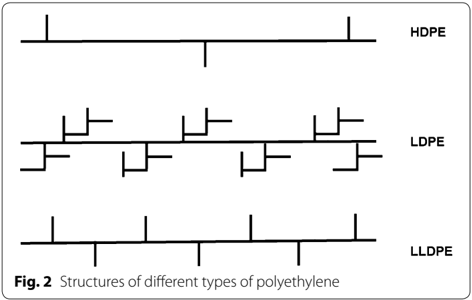
“They are classified into two main types based on their density and branching: low-density polyethylene (LDPE) and high-density polyethylene (HDPE) (Ghatge et al. 2020).”
Development of natural rubber with enhanced oxidative degradability
Azhar, N. N. H., Cheng, A., Lee, S. Y., Rahman, N. M. M. A., & Ang, D. T. (2022) · Polymer Bulletin · doi:10.1007/s00289-022-04240-z · Cited by 8
“Chain scission in oxidatively degraded material results in shorter chains and reduced crystallinity, both of which have been shown to favour biodegradation [53, 54].”
BackgroundCombining Experimental and Theoretical Tools to Probe Radio-Oxidation Products in Polyethylene
Ferry, M., Ahn, Y., Dantec, F. L., Ngono-Ravache, Y., & Roma, G. (2023) · Polymers · doi:10.3390/polym15061537 · Cited by 8
“For example, the oxidation of PE in contact with biological tissues is a concern for medical applications [2].”
BackgroundComparison of microbial colonization between natural and plastic substrata in a polluted watershed
Laffet, L., Joly, M., Carles, L., Donnadieu, F., Romaní, A. M., & Artigas, J. (2023) · FEMS Microbiology Ecology · doi:10.1093/femsec/fiad062 · Cited by 10
El-Arid, S., Lenihan, J. M., Beeler, A. B., & Grinstaff, M. W. (2024) · Polymer Chemistry · doi:10.1039/d4py00548a · Cited by 9
Influence of the nature of pro-oxidants on the photooxidation of polyethylene blown films
Brandão, J. A. O., Morisso, F. D. P., Francisquetti, É. L., & Santana, R. M. C. (2022) · Heliyon · doi:10.1016/j.heliyon.2022.e10217 · Cited by 14
“However, smaller polymer chains and containing a greater amount of functional groups [40, 56, 57, 58], in addition to a larger contact surface, according to micrographs, will allow a greater colonization of the material and a higher degree of biodegradation, since it allows a more extensive biofilm formation, indispen…”
BackgroundVillena, J., Moreno, M. M., González-Mora, S., López-Perales, J. A., Morales-Rodríguez, P. A., & Moreno, C. (2022) · Agriculture · doi:10.3390/agriculture12111910 · Cited by 11
“However, the excessive use of PE for mulching in recent decades has undoubtedly had a negative impact on the environment, as a result of its long degradation period, estimated at about 100 years [10], due to its high molecular weight and chemical stability [11].”
BackgroundAlsayed, R., Ahmed, D. S., Husain, A. A., Al-Baidhani, M., Al-Mashhadani, M. H., Rashad, A. A., Bufaroosha, M. S., & Yousif, E. A. (2022) · Materials Science for Energy Technologies · doi:10.1016/j.mset.2022.12.001 · Cited by 8
Bhatt, A., Prajapati, D., Gupte, A., & Gupte, S. A. (2023) · Springer eBooks · doi:10.1007/978-981-19-8853-0_5 · Cited by 9
Activity of Aspergillus and Pseudomonas in the biodegradation of polyethylene
Vellaiperumal, M., Gunasekar, B., & Subramaniam, J. (2024) · Biomass Conversion and Biorefinery · doi:10.1007/s13399-024-06095-y · Cited by 9
Biodegradability of polyethylene: Challenges and future perspectives
Gorish, B. M. T., Abdelmula, W. I. Y., Altayeb, H. N., & Zhu, D. (2024) · Progress in Rubber Plastics and Recycling Technology · doi:10.1177/14777606241290855 · Cited by 8
“17 One common method for analyzing PE biodegradation is weight loss analysis.”
InfluentialKim, H. R., Lee, Y. E., Lee, E., Suh, D.-E., Choi, D., & Lee, S. (2025) · Journal of Hazardous Materials Advances · doi:10.1016/j.hazadv.2025.100726 · Cited by 7
Metadata
- Authors
- Ghatge, S., Yang, Y., Ahn, J.-H., & Hur, H.-G.
- Affiliations
- Gwangju Institute of Science and Technology (KR)
- Rural Development Administration (KR)
- Corresponding author
- Ahn, Jae-Hyung
- Hur, Hor-Gil
- Venue
- Applied Biological Chemistry
- Published
- 2020-05-16
- Volume
- 63
- Issue
- 1
- ISSN
- 0368-2897 (ISSN-L)
- 2468-0834
- 2468-0842
- OpenAlex
- W3032220059
- Cited by
- 583
- References
- 122
- Citations by year
- 2026: 83 · 2025: 115 · 2024: 134 · 2023: 114 · 2022: 93 · 2021: 39 · 2020: 5
- FWCI
- 15.50
- Type
- journal article
- Language
- en
- Open access
- gold
- doi.org
- Licence
- cc-by
- creativecommons.org/licenses/by/4.0 (tdm)
- creativecommons.org/licenses/by/4.0 (vor)
- Locations
- Applied Biological Chemistry (publishedVersion, cc-by)
- Funders
- Rural development Adminstration (PJ01497402)
- Topics
- Physical Sciences › Environmental Science › Pollution › Microbial bioremediation and biosurfactants
- Physical Sciences › Environmental Science › Pollution › Microplastics and Plastic Pollution
- Physical Sciences › Materials Science › Biomaterials › biodegradable polymer synthesis and properties
- Keywords
- polyethylene biodegradation, microbial degradation, plastic waste management, plastic recycling, 13CO2
About these checks
Registry, retraction, Cites and statistics results are computed, not judged, with one exception: a printed reference that no index lists is read once by a model before it counts as a citation error. Claims are extracted by a model and kept only when their quote appears verbatim in the text; each cited source is then checked, with a model’s help, for whether it says what the claim relies on. Those verdicts can be wrong — read the claim’s quote and the cited source before relying on one.
Statistics and arithmetic are recomputed, not judged.
Confidence bands are shown only for fields calibrated on our annotated test set. None is calibrated yet, so no band is shown.
What counts as a claim ›How we measure confidence ›How we check this ›
Are you an author, or do you see a problem with this page? Request a review
Data sources
Bibliographic data: Semantic Scholar, OpenAlex, Crossref.
Contains information from the Semantic Scholar Academic Graph Datasets, made available under the ODC Attribution License (ODC-BY 1.0).
Semantic Scholar’s data is described in: Kinney, R., et al. (2023). The Semantic Scholar Open Data Platform. arXiv:2301.10140.
