

The DOI matches its Crossref record; 74 of the 74 references it cites were found in a registry or an index.
β-glucan attenuates cognitive impairment via the gut-brain axis in diet-induced obese mice
Open accessPublished version of a preprint
Abstract
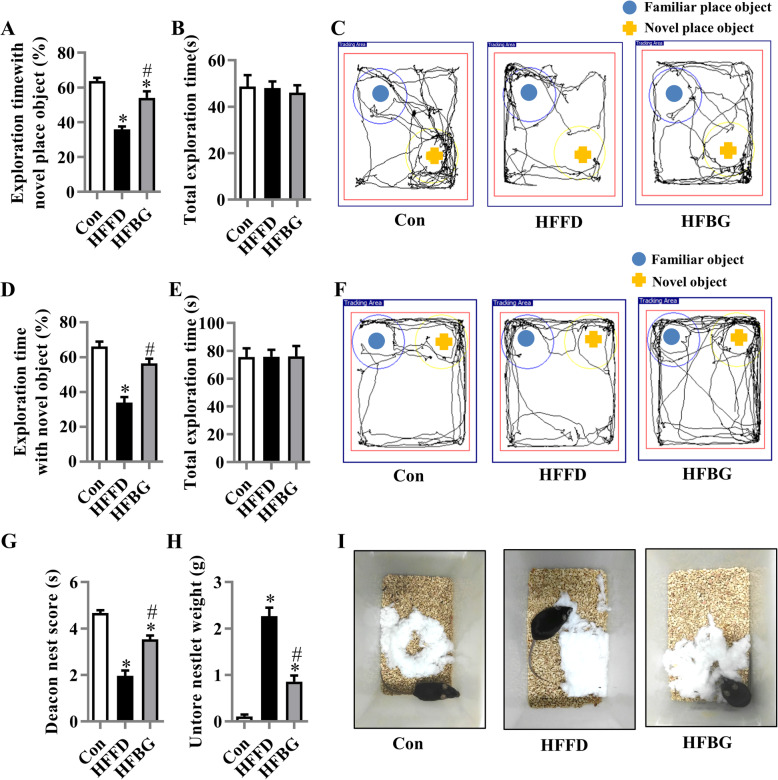
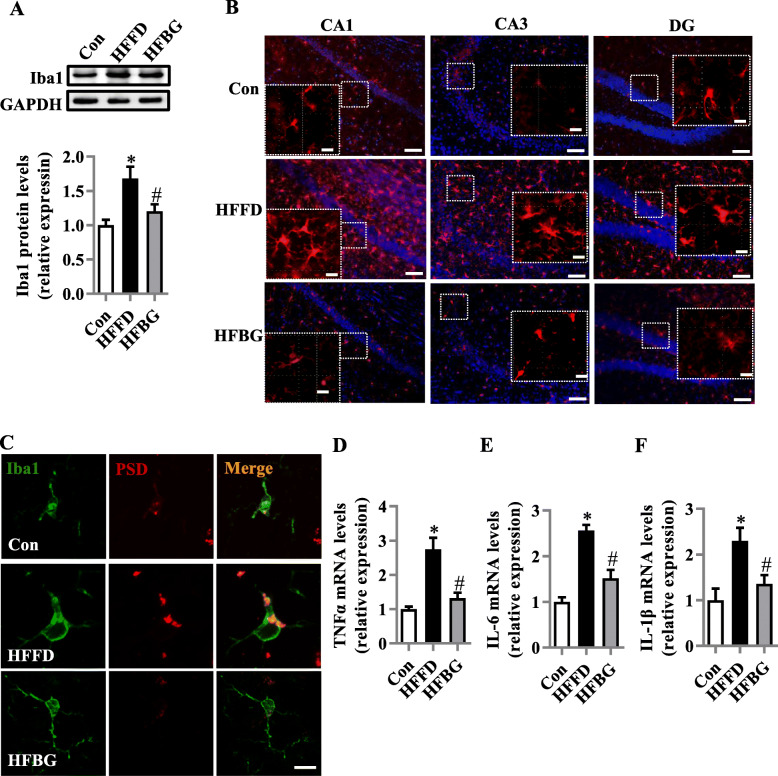
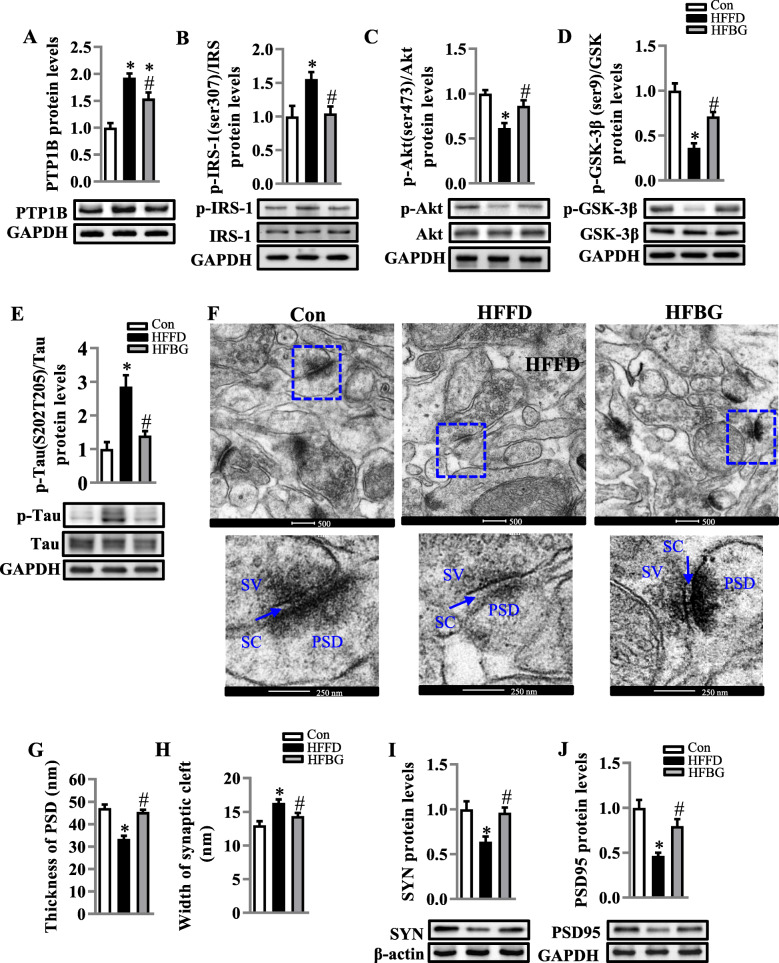
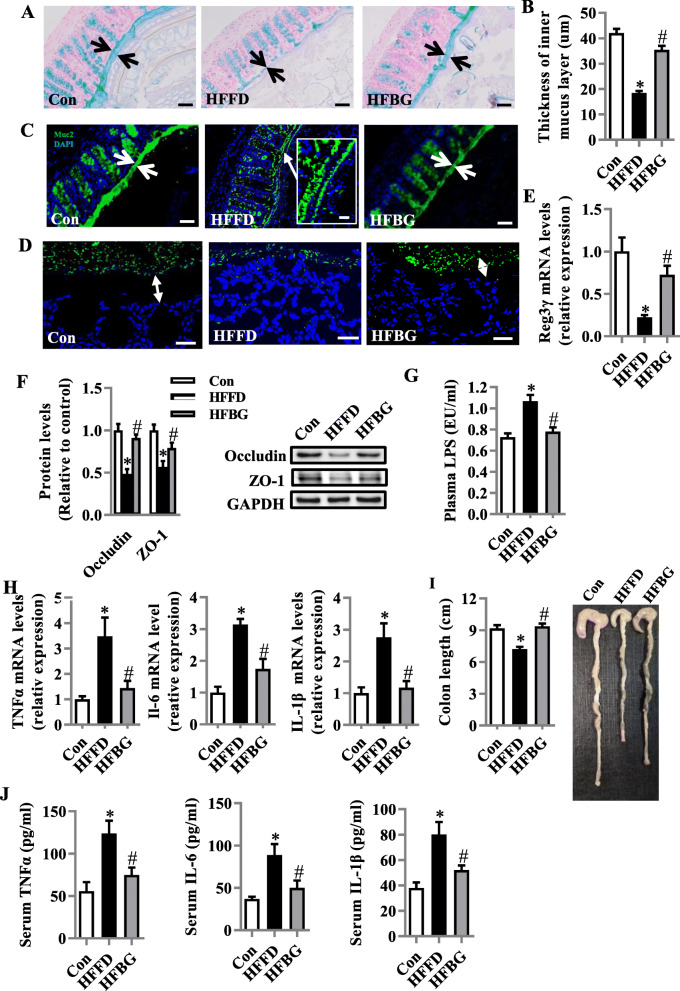
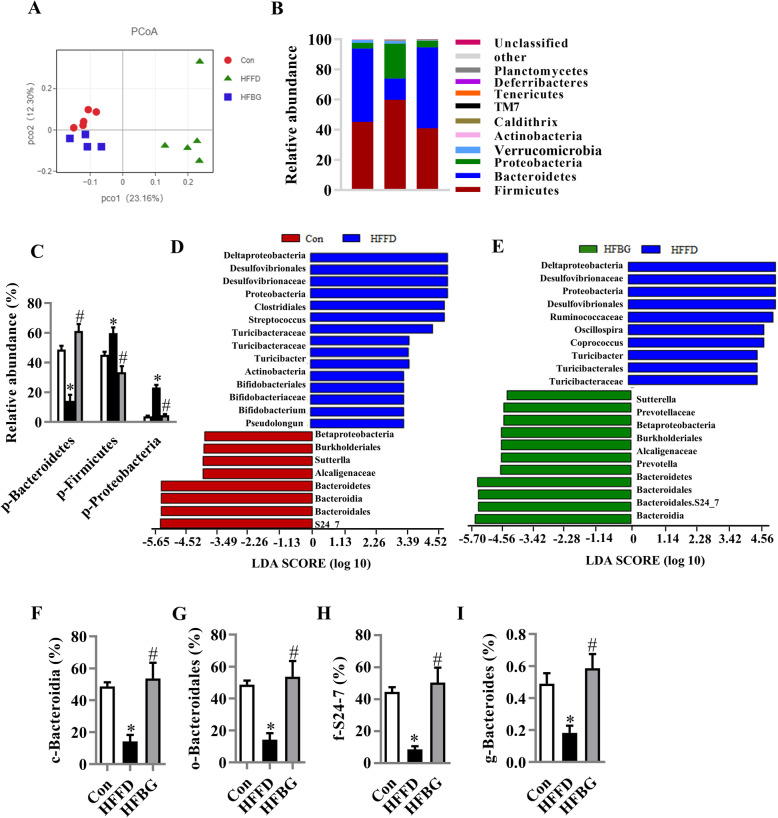
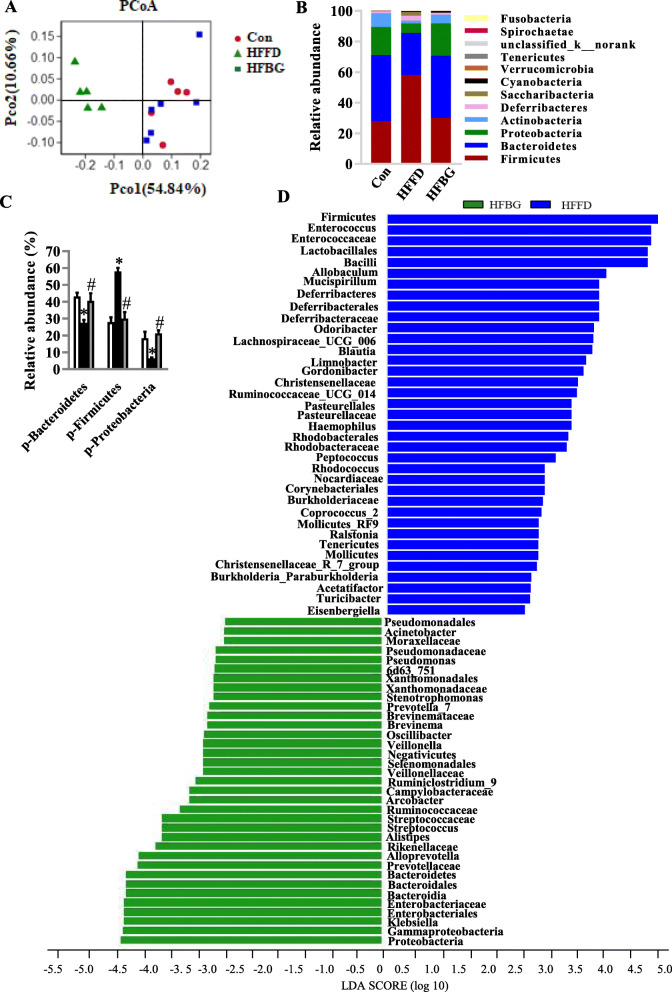
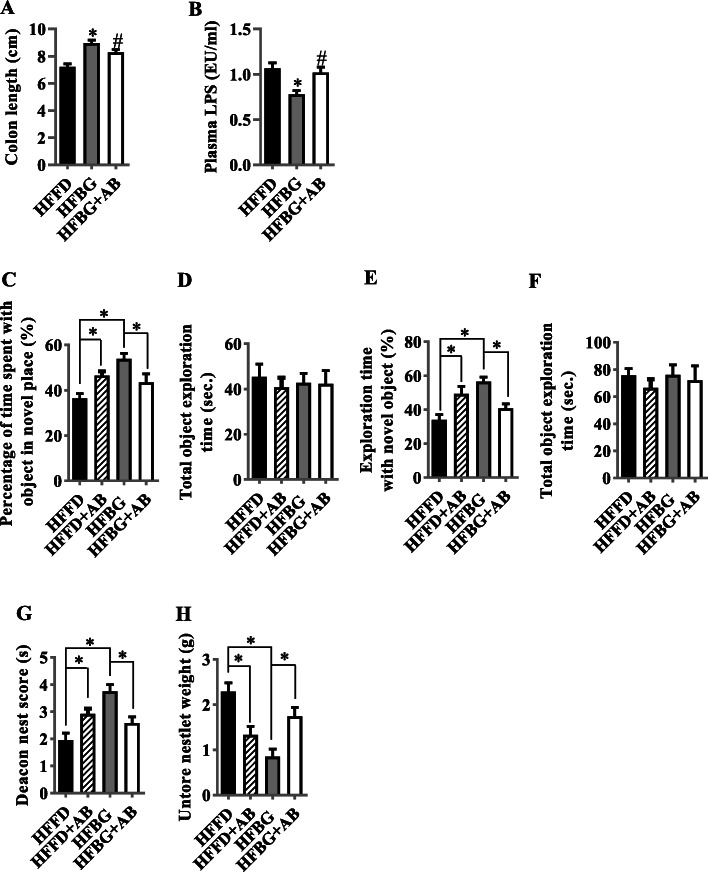
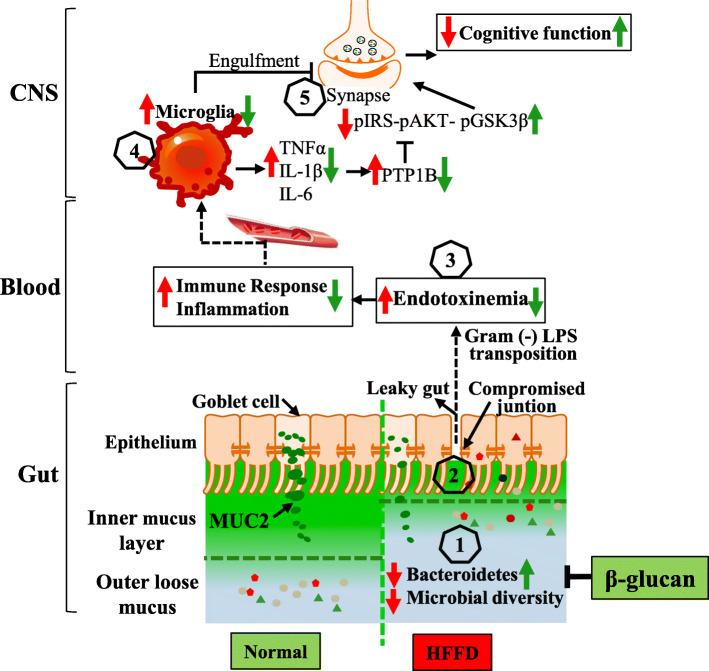
Background: “Western” style dietary patterns are characterized by a high proportion of highly processed foods rich in fat and low in fiber. This diet pattern is associated with a myriad of metabolic dysfunctions, including neuroinflammation and cognitive impairment. β-glucan, the major soluble fiber in oat and barley grains, is fermented in the lower gastrointestinal tract, potentially impacting the microbial ecosystem and thus may improve elements of cognition and brain function via the gut-brain axis. The present study aimed to evaluate the effect of β-glucan on the microbiota gut-brain axis and cognitive function in an obese mouse model induced by a high-fat and fiber-deficient diet (HFFD). Results: After long-term supplementation for 15 weeks, β-glucan prevented HFFD-induced cognitive impairment assessed behaviorally by object location, novel object recognition, and nesting building tests. In the hippocampus, β-glucan countered the HFFD-induced microglia activation and its engulfment of synaptic puncta, and upregulation of proinflammatory cytokine (TNF-α, IL-1β, and IL-6) mRNA expression. Also, in the hippocampus, β-glucan significantly promoted PTP1B-IRS-pAKT-pGSK3β-pTau signaling for synaptogenesis, improved the synaptic ultrastructure examined by transmission electron microscopy, and increased both pre- and postsynaptic protein levels compared to the HFFD-treated group. In the colon, β-glucan reversed HFFD-induced gut barrier dysfunction increased the thickness of colonic mucus (Alcian blue and mucin-2 glycoprotein immunofluorescence staining), increased the levels of tight junction proteins occludin and zonula occludens-1, and attenuated bacterial endotoxin translocation. The HFFD resulted in microbiota alteration, effects abrogated by long-term β-glucan supplementation, with the β-glucan effects on Bacteroidetes and its lower taxa particularly striking. Importantly, the study of short-term β-glucan supplementation for 7 days demonstrated pronounced, rapid differentiating microbiota changes before the cognitive improvement, suggesting the possible causality of gut microbiota profile on cognition. In support, broad-spectrum antibiotic intervention abrogated β-glucan’s effects on improving cognition, highlighting the role of gut microbiota to mediate cognitive behavior. Conclusion: This study provides the first evidence that β-glucan improves indices of cognition and brain function with major beneficial effects all along the gut microbiota-brain axis. Our data suggest that elevating consumption of β-glucan-rich foods is an easily implementable nutritional strategy to alleviate detrimental features of gut-brain dysregulation and prevent neurodegenerative diseases associated with Westernized dietary patterns.
Overview
The claims and statistics of this paper haven’t been checked yet.
Run the check — free, no account needed. It reads the open-access text and checks the sources it cites.
Integrity signals
Registry
Cites
Statistics
Figures
Verification
Claims the paper makes
The claims and statistics of this paper haven’t been checked yet.
Run the check — free, no account needed. It reads the open-access text and checks the sources it cites.
Claims other papers make about this one
Each is checked against this paper’s own text: does it say what the citing paper says it does?
In the citing paper
“Restoring the Bacteroidetes of obese mice fed a high-fat and fiber-deficient diet through oat β-glucan supplementation successfully restored the intestinal barrier integrity, including mucus thickness and levels of tight junction (TJ) proteins.”
From Microbiota–gut–brain axis and its therapeutic applications in neurodegenerative diseases (2024) · cites this paper as [644]
In the citing paper
“the beneficial effects of β-glucan on cognitive function were lost upon antibiotics administration, indicating that the gut microbiota is a vital mediator of cognitive function.”
From Microbiota–gut–brain axis and its therapeutic applications in neurodegenerative diseases (2024) · cites this paper as [644]
In the citing paper
“β-glucan supplementation attenuated microglial activation and cognitive impairment in the obese mice.”
From Microbiota–gut–brain axis and its therapeutic applications in neurodegenerative diseases (2024) · cites this paper as [644]
In the citing paper
“In another recent animal study, supplementation with the prebiotic β-glucan abrogated microbiota alterations and cognitive impairment as well as microglia activation and neuroinflammation induced by a high-fat, fiber-deficient diet (321).”
From Diet and the Microbiota–Gut–Brain Axis: Sowing the Seeds of Good Mental Health (2021) · cites this paper as [321]
In the citing paper
“Importantly, the microbiota composition was rescued prior to cognitive changes and the positive effects of β-glucan were eliminated with antibiotic treatment (321), suggesting a potential causal relation between diet-induced microbial alterations and cognitive function.”
From Diet and the Microbiota–Gut–Brain Axis: Sowing the Seeds of Good Mental Health (2021) · cites this paper as [321]
Self-check
Percentages, sums and reported differences re-computed from the paper’s own numbers.
The self-check needs the paper’s full text.
Citations
Cites
QIIME allows analysis of high-throughput community sequencing data
Caporaso, J. G., Kuczynski, J., Stombaugh, J., Bittinger, K., Bushman, F. D., Costello, E. K., Fierer, N., Peña, A. G., Goodrich, J. K., Gordon, J. I., et al. (2010) · Nature Methods · doi:10.1038/nmeth.f.303 · Cited by 34,887
Predictive functional profiling of microbial communities using 16S rRNA marker gene sequences
Langille, M. G. I., Zaneveld, J., Caporaso, J. G., McDonald, D., Knights, D., Reyes, J. A., Clemente, J. C., Burkepile, D. E., Vega Thurber, R. L., Knight, R., et al. (2013) · Nature Biotechnology · doi:10.1038/nbt.2676 · Cited by 9,116
Dementia prevention, intervention, and care
Livingston, G., Sommerlad, A., Orgeta, V., Costafreda, S. G., Huntley, J., Ames, D., Ballard, C., Banerjee, S., Burns, A., Cohen-Mansfield, J., et al. (2017) · The Lancet · doi:10.1016/s0140-6736(17)31363-6 · Cited by 6,072
Host-Bacterial Mutualism in the Human Intestine
Bäckhed, F., Ley, R. E., Sonnenburg, J. L., Peterson, D. A., & Gordon, J. I. (2005) · Science · doi:10.1126/science.1104816 · Cited by 5,277
Cross-talk between Akkermansia muciniphila and intestinal epithelium controls diet-induced obesity
Everard, A., Belzer, C., Geurts, L., Ouwerkerk, J. P., Druart, C., Bindels, L. B., Guiot, Y., Derrien, M., Muccioli, G. G., Delzenne, N. M., et al. (2013) · Proceedings of the National Academy of Sciences · doi:10.1073/pnas.1219451110 · Cited by 4,511
Gut microbiota, metabolites and host immunity
Rooks, M. G., & Garrett, W. S. (2016) · Nature reviews. Immunology · doi:10.1038/nri.2016.42 · Cited by 3,409
Complement and microglia mediate early synapse loss in Alzheimer mouse models
Hong, S., Beja-Glasser, V. F., Nfonoyim, B. M., Frouin, A., Li, S., Ramakrishnan, S., Merry, K. M., Shi, Q., Rosenthal, A., Barres, B. A., et al. (2016) · Science · doi:10.1126/science.aad8373 · Cited by 3,343 · cited 1×
“as exemplified by synaptic engulfment and pruning [49].”
BackgroundHsiao, E. Y., McBride, S. W., Hsien, S., Sharon, G., Hyde, E. R., McCue, T., Codelli, J. A., Chow, J., Reisman, S. E., Petrosino, J. F., et al. (2013) · Cell · doi:10.1016/j.cell.2013.11.024 · Cited by 3,283
Desai, M. S., Seekatz, A. M., Koropatkin, N. M., Kamada, N., Hickey, C. A., Wolter, M., Pudlo, N. A., Kitamoto, S., Terrapon, N., Muller, A., et al. (2016) · Cell · doi:10.1016/j.cell.2016.10.043 · Cited by 2,805
Systemic LPS causes chronic neuroinflammation and progressive neurodegeneration
Qin, L., Wu, X., Block, M. L., Liu, Y., Breese, G. R., Hong, J., Knapp, D. J., & Crews, F. T. (2007) · Glia · doi:10.1002/glia.20467 · Cited by 2,144
Research works printed but not linked: 2
- Huang XF, et al. Diet high in oat β-glucan activates the gut-hypothalamic (PYY3-36-NPY) axis and increases satiety in diet-induced obesity in mice. Mol Nutr Food Res. 2011;55(7):1118–21. · DOI
- Paxinos G, Franklin KBJ. The mouse brain in stereotaxic coordinates, 1st edn. San Diego: Academic Press; 2002.
Cited by
Sorted by citations
Items 201–269 of 269
Zhang, T., Liu, H., Yuan, J., & Xie, B. (2025) · Food Research International · doi:10.1016/j.foodres.2025.118122 · Cited by 2
Krüger, K., van der Veen, H., Beigy, M., O’Donovan, S. D., van Riel, N. A. W., Remie, L. B., Aarts, E., Steegenga, W. T., Smeets, P. A. M., van Trijp, M. P. H., et al. (2026) · Frontiers in Nutrition · doi:10.3389/fnut.2026.1738622 · Cited by 3
Peesapati, S., & Roy, D. (2022) · Journal of Biomolecular Structure and Dynamics · doi:10.1080/07391102.2022.2137242 · Cited by 2
Metin, T. Ö., Türk, A., Yalçın, A., & ADANIR, İ. (2023) · Journal of Surgery and Medicine · doi:10.28982/josam.7459 · Cited by 2
Xu, H., Wang, Y., Li, X., Wu, X., Lu, L. W., He, J., Wang, M., Liu, B., Xu, H., Chen, J., et al. (2024) · Food Science and Human Wellness · doi:10.26599/fshw.2024.9250284 · Cited by 2
Li, Y., Chen, S.-T., Zhang, Y. C., Qin, J.-F., Xiao, Z., & Yin, K. (2025) · Metabolic Brain Disease · doi:10.1007/s11011-025-01529-6 · Cited by 2
Wu, K., Sun, X., Xu, J., Guan, Z., Yuan, W., Bao, L., Zhao, Y., Shan, R., Chen, H., Zhao, C., et al. (2025) · Frontiers in Microbiology · doi:10.3389/fmicb.2025.1582314 · Cited by 2
Tian, X., Xing, Y., Zhou, Y., Huang, Y., Zhang, Y., Guo, J., Wang, Q., Fu, L., Shi, Z., Yang, X., et al. (2025) · Immunology · doi:10.1111/imm.70023 · Cited by 2
Self-citationZen in the Art of Avalanche Hazard Forecasting
Davis, R. L. S. (1998) · Cited by 2
Role of cereal bioactive compounds in the prevention of age-related diseases
Tomé, I., Peñas, E., Hernández‐Ledesma, B., & Martínez‐Villaluenga, C. (2021) · Elsevier eBooks · doi:10.1016/b978-0-12-823482-2.00028-5 · Cited by 3
Food-gut microbiota interactions
Berding, K., Kaulmann, D., & Cryan, J. F. (2022) · Elsevier eBooks · doi:10.1016/b978-0-323-85170-1.00011-7 · Cited by 2
Feng, Y., Si, X., Zhu, R., Chen, J., Zhao, W., Wang, Q., & Han, S. (2022) · Computational and Mathematical Methods in Medicine · doi:10.1155/2022/6860940 · Cited by 2
Self-citationRetractedDing, M., Yang, B. K., Li, B., Chen, H., Yu, R., Paul, R. R., Stanton, C., Jiang, S., Zhao, J., & Chen, W. (2024) · Food Science and Human Wellness · doi:10.26599/fshw.2024.9250025 · Cited by 1
Zhang, K., Zhang, L., Jian, Y., Xue Ming, T. A. N. G., Han, M., Pu, Z., Zhang, Y., & Zhou, P. (2024) · Journal of Agricultural and Food Chemistry · doi:10.1021/acs.jafc.4c05425 · Cited by 1
Oral administration of Lactobacillus rhamnosus MP108 ameliorates hemolytic jaundice in rats
Wu, G., Ai, Q., & Shi, Y. (2025) · Journal of Food Science · doi:10.1111/1750-3841.17671 · Cited by 1
Xu, H., Wang, Y., Li, X., Wu, X., Liu, K., Wang, M., Liu, B., Xu, H., Chen, J., & Cheng, K. (2025) · Molecular Nutrition & Food Research · doi:10.1002/mnfr.70084 · Cited by 1
Pan, Z., Guo, J., Wang, H., Cai, Y., Wu, L.-C., Zhang, J., Wu, L., Jia, X., Wang, Q., Yu, K., et al. (2025) · Phytomedicine · doi:10.1016/j.phymed.2025.157654 · Cited by 1
Self-citationQi, Z., Li, Q., Cao, J., Xu, B., Jiang, F., Wang, Y., Wu, D., & Li, G. (2026) · Journal of Agricultural and Food Chemistry · doi:10.1021/acs.jafc.5c11423 · Cited by 1
Self-citationWaghmare, A., Rahangdale, S. R., Khare, K., Taksande, B. G., Umekar, M. J., & Mangrulkar, S. V. (2026) · Molecular and Cellular Neuroscience · doi:10.1016/j.mcn.2026.104075 · Cited by 1
Wang, Y., Lin, Y., Xue, Q., Lin, K., Lin, X., & Miao, W. (2026) · Experimental Neurology · doi:10.1016/j.expneurol.2026.115805 · Cited by 1
Zhou, Y., Luo, T., Gong, Y., Guo, Y., Wang, D., Gao, Z., Sun, F., Fu, L.-L., Liu, H., Pan, W., et al. (2023) · Frontiers in Immunology · doi:10.3389/fimmu.2022.1084203 · Cited by 1
Self-citationCheng, W., Huang, Z., Hao, Y., Hua, H., Zhang, B., Li, X., Fu, F., Yang, J., Zheng, K., Zhang, X., et al. (2024) · Immunology Letters · doi:10.1016/j.imlet.2024.106882 · Cited by 1
Self-citationLi, R., Chen, W., Zhang, H., Liang, Q., Wang, L., Peng, W., & Wu, C.-J. (2024) · Food Science and Human Wellness · doi:10.26599/fshw.2024.9250214 · Cited by 1
Dietary Fiber and the Hippocampal Neurogenic Niche in a Model of Pelvic Radiotherapy
Devarakonda, S., Malipatlolla, D. K., Patel, P., Grandér, R., Kuhn, H. G., Steineck, G., Sjöberg, F., Rascón, A., NYMAN, M. E., Eriksson, Y., et al. (2021) · Neuroscience · doi:10.1016/j.neuroscience.2021.08.030 · Cited by 1
Yamaguchi, G., & Yun-Gi, K. I. M. (2022) · KAGAKU TO SEIBUTSU · doi:10.1271/kagakutoseibutsu.60.156
Wang, L., Lu, Z., Teng, Y., Pan, W., Li, Y., Su, S., Chang, J., & Zhao, M. (2023) · Research Square · doi:10.21203/rs.3.rs-2992098/v1
Self-citationSong, G., Pang, S., Peng, W., Fang, W., Wang, Y., Liu, R., Gan, Q., & Qi, W. (2024) · Food Science and Human Wellness · doi:10.26599/fshw.2024.9250094
Fang, Q., Chen, C., Li, Z., & Tan, H. (2025) · Elsevier eBooks · doi:10.1016/b978-0-443-21630-5.00004-6
Wang, W., Zhu, E., Yang, Y., Huang, Q., Xiao, X., & Piao, S. (2025) · Frontiers in Nutrition · doi:10.3389/fnut.2025.1653855
From gut to brain: pioneering microbial strategies against Alzheimer’s disease
Wu, J., He, J., Liu, R., Zhang, H., Liu, L., & Peng, C. (2025) · Food Science and Human Wellness · doi:10.26599/fshw.2025.9250864
Liu, Y., Chen, H., Guo, Y., Zhu, L., Meng, W., Jia, W., Li, C., Zhou, D., Tu, W., Zhang, T., et al. (2025) · Progress in Neurobiology · doi:10.1016/j.pneurobio.2025.102871
Hao, W., Ma, Q., Wang, L., Yuan, N., Gan, H. T., He, L., Li, X., Huang, J., & Chen, J. (2024) · Figshare · doi:10.6084/m9.figshare.26682949
Hao, W., Ma, Q., Wang, L., Yuan, N., Gan, H. T., He, L., Li, X., Huang, J., & Chen, J. (2024) · Figshare · doi:10.6084/m9.figshare.26682946
Pan, W., Zhao, J., Wu, J., Xu, D., Meng, X., Jiang, P., Shi, H., Ge, X., Yang, X., Hu, M., et al. (2024) · Figshare · doi:10.6084/m9.figshare.26570119
Self-citationHu, R., Yang, T., Ai, Q., Shi, Y., Ji, Y., Sun, Q., Tong, B., Chen, J., & Wang, Z. (2024) · Figshare · doi:10.6084/m9.figshare.26682400
Zhang, X., Zhang, Y., He, Y., Zhu, X., Ai, Q., & Shi, Y. (2024) · Figshare · doi:10.6084/m9.figshare.26560418
Hao, W., Ma, Q., Wang, L., Yuan, N., Gan, H. T., He, L., Li, X., Huang, J., & Chen, J. (2024) · Figshare · doi:10.6084/m9.figshare.26682943
Pan, W., Zhao, J., Wu, J., Xu, D., Meng, X., Jiang, P., Shi, H., Ge, X., Yang, X., Hu, M., et al. (2024) · Figshare · doi:10.6084/m9.figshare.26570125
Self-citationHao, W., Ma, Q., Wang, L., Yuan, N., Gan, H. T., He, L., Li, X., Huang, J., & Chen, J. (2024) · Figshare · doi:10.6084/m9.figshare.26682952
Hao, W., Ma, Q., Wang, L., Yuan, N., Gan, H. T., He, L., Li, X., Huang, J., & Chen, J. (2024) · Figshare · doi:10.6084/m9.figshare.26682964
Hu, R., Yang, T., Ai, Q., Shi, Y., Ji, Y., Sun, Q., Tong, B., Chen, J., & Wang, Z. (2024) · Figshare · doi:10.6084/m9.figshare.26682409
Hu, R., Yang, T., Ai, Q., Shi, Y., Ji, Y., Sun, Q., Tong, B., Chen, J., & Wang, Z. (2024) · Figshare · doi:10.6084/m9.figshare.26682406
Hu, R., Yang, T., Ai, Q., Shi, Y., Ji, Y., Sun, Q., Tong, B., Chen, J., & Wang, Z. (2024) · Figshare · doi:10.6084/m9.figshare.26682412
Xu, Y., Xiong, Y., Liu, Y., Li, G., Bai, T., Zheng, G., Hou, X., & Song, J. (2023) · Figshare · doi:10.6084/m9.figshare.22607006
Pan, W., Zhao, J., Wu, J., Xu, D., Meng, X., Jiang, P., Shi, H., Ge, X., Yang, X., Hu, M., et al. (2024) · Figshare · doi:10.6084/m9.figshare.26570110
Self-citationZhang, X., Zhang, Y., He, Y., Zhu, X., Ai, Q., & Shi, Y. (2024) · Figshare · doi:10.6084/m9.figshare.26560415
Pan, W., Zhao, J., Wu, J., Xu, D., Meng, X., Jiang, P., Shi, H., Ge, X., Yang, X., Hu, M., et al. (2024) · Figshare · doi:10.6084/m9.figshare.26570113
Self-citationPan, W., Zhao, J., Wu, J., Xu, D., Meng, X., Jiang, P., Shi, H., Ge, X., Yang, X., Hu, M., et al. (2024) · Figshare · doi:10.6084/m9.figshare.26570122
Self-citationHu, R., Yang, T., Ai, Q., Shi, Y., Ji, Y., Sun, Q., Tong, B., Chen, J., & Wang, Z. (2024) · Figshare · doi:10.6084/m9.figshare.26682403
Hao, W., Ma, Q., Wang, L., Yuan, N., Gan, H. T., He, L., Li, X., Huang, J., & Chen, J. (2024) · Figshare · doi:10.6084/m9.figshare.26682961
Pan, W., Zhao, J., Wu, J., Xu, D., Meng, X., Jiang, P., Shi, H., Ge, X., Yang, X., Hu, M., et al. (2024) · Figshare · doi:10.6084/m9.figshare.26570116
Self-citationHao, W., Ma, Q., Wang, L., Yuan, N., Gan, H. T., He, L., Li, X., Huang, J., & Chen, J. (2024) · Figshare · doi:10.6084/m9.figshare.26682955
Hu, R., Yang, T., Ai, Q., Shi, Y., Ji, Y., Sun, Q., Tong, B., Chen, J., & Wang, Z. (2024) · Figshare · doi:10.6084/m9.figshare.26682397
Hao, W., Ma, Q., Wang, L., Yuan, N., Gan, H. T., He, L., Li, X., Huang, J., & Chen, J. (2024) · Figshare · doi:10.6084/m9.figshare.26682958
LRRC4 enhances synaptic function and alleviates neuronal injury in high-fat diet mice
Qin, S., Deng, J., Hu, B., Zhang, X., Ding, Y., Zhang, T., Yuan, B., Sun, D., Wang, X., Zhou, F., et al. (2026) · Brain Behavior and Immunity · doi:10.1016/j.bbi.2026.106254
Self-citationYou, Y.-L., Byun, H.-J., Jeon, J. Y., Kim, B. R., Hwang, J. E., Lee, J. H., & Choi, H. (2026) · Journal of Ethnopharmacology · doi:10.1016/j.jep.2026.121276
Li, Y.-D., Sakamoto, S., Smith, M. D., Hasegawa, Y., Huang, M., Li, N., Dhaliwal, M. K., Schauermann, T., Xiong, F., Luo, B., et al. (2026) · Brain Behavior and Immunity · doi:10.1016/j.bbi.2026.106536
Self-citationLi, J., Lian, T., Guo, P., Li, J., Qi, J., Luo, D., Meng, Y., He, M., Zheng, Z., Yue, H., et al. (2026) · Journal of Alzheimer s Disease · doi:10.1177/13872877261441465
Wang, N., Guo, W., Yu, X., Sun, Y., Shi, S., & Xie, Y. (2026) · Frontiers in Neurology · doi:10.3389/fneur.2026.1817261
Wu, Y., Long, H., Yang, Y., Zhang, X., Wang, Y., Hou, J., Hassan, M. M., Xie, J., & Wang, W. (2026) · Journal of Agricultural and Food Chemistry · doi:10.1021/acs.jafc.5c13680
Dong, Q., Wang, S. Y., Wang, C., Yang, K., Xu, X., Shi, Y., & Chen, W. (2026) · eFood · doi:10.1002/efd2.70184
Zhou, X., Chen, H., Wang, C., Li, Y., Lin, D., Song, J., & Suo, H. (2026) · Journal of Future Foods · doi:10.1016/j.jfutfo.2026.06.017
Self-citationBagul, V. S., & Mutha, R. E. (2026) · Nutritional Neuroscience · doi:10.1080/1028415x.2026.2710185 · Cited by 1
Fu, C., Ye, K., Qiu, Z., Hu, X., Wang, X., & Xiao, H. (2026) · Food Research International · doi:10.1016/j.foodres.2026.120317
Gao, Q., Chen, Y., Yu, P., Zeng, H., Nan, L., Zhang, D., Liu, X., Xiao, F., Huang, D., Deng, W., et al. (2026) · Journal of Agricultural and Food Chemistry · doi:10.1021/acs.jafc.5c17336
Bi, Y., Song, W., Glymenaki, M., Hu, J., Li, X., Huang, H., Peng, Y., Ni, S., Haonon, O., Liu, Z., et al. (2026) · iMeta · doi:10.1002/imt2.70144 · Cited by 1
Tan, S., & Peng, B. (2026) · Food & Function · doi:10.1039/d6fo02522f
Zhu, M., Wang, Y., Tang, H., Sun, Y., Feng, X., Wang, Q., & Kuang, H. (2026) · Chinese Journal of Natural Medicines · doi:10.1016/s1875-5364(26)61216-2
Self-citationLi, W., Pei, Y., Wang, J., Zhang, J., Zhang, W., Jiang, X., Zhao, Q., Liu, H., Xiao, H., & Li, D. (2026) · Journal of Agricultural and Food Chemistry · doi:10.1021/acs.jafc.6c04686
Metadata
- Authors
- Shi, H., Yu, Y., Lin, D., Zheng, P., Zhang, P., Hu, M., Wang, Q., Pan, W., Yang, X., Hu, T., Li, Q., Tang, R., Zhou, F., Zheng, K., & Huang, X.-F.
- Affiliations
- Xuzhou Medical College (CN)
- University of Wollongong (AU)
- Corresponding author
- Yu, Yinghua
- Zheng, Kuiyang
- Huang, Xu-Feng
- ORCID
- Venue
- Microbiome
- Published
- 2020-10-02
- Volume
- 8
- Issue
- 1
- Pages
- 143-143
- ISSN
- 2049-2618 (ISSN-L)
- PMC
- PMC7532656
- OpenAlex
- W3090508437
- Cited by
- 264
- References
- 74
- Citations by year
- 2026: 23 · 2025: 56 · 2024: 64 · 2023: 43 · 2022: 53 · 2021: 22 · 2020: 2
- FWCI
- 9.72
- Type
- journal article
- Language
- en
- Open access
- gold
- doi.org
- Locations
- Microbiome (publishedVersion, cc-by)
- Research Square (acceptedVersion, cc-by)
- PubMed Central (publishedVersion, cc-by)
- PubMed (publishedVersion)
- Research Online (University of Wollongong) (submittedVersion)
- DOAJ (DOAJ: Directory of Open Access Journals) (submittedVersion, cc-by-sa)
- Figshare (submittedVersion)
- Funders
- National Natural Science Foundation of China (National Natural Science Foundation of China)
- Natural Science Foundation of the Jiangsu Higher Education Institutions of China (19KJA560003)
- the Starting Foundation for Talents of Xuzhou Medical University (D2018003)
- the Priority Academic Program Development of Jiangsu Higher Education Institutions ((PAPD) in 2014)
- Topics
- Life Sciences › Biochemistry, Genetics and Molecular Biology › Molecular Biology › Gut microbiota and health
- Health Sciences › Nursing › Nutrition and Dietetics › Microbial Metabolites in Food Biotechnology
- Life Sciences › Neuroscience › Neurology › Neuroinflammation and Neurodegeneration Mechanisms
- Keywords
- gut-brain axis, cognitive impairment, diet-induced obesity, gut microbiota, hippocampus, neuroinflammation, microglial activation, synaptic ultrastructure, tau phosphorylation, intestinal barrier dysfunction, colonic mucus, tight junctions, endotoxin translocation, Bacteroidetes, dietary fiber supplementation
- MeSH terms
- Gastrointestinal Microbiome, Animals, Brain, Dietary Fiber, Male, Mice, Inbred C57BL, Obesity, beta-Glucans, Mice, Diet, High-Fat, Cognitive Dysfunction
About these checks
Registry, retraction, Cites and statistics results are computed, not judged, with one exception: a printed reference that no index lists is read once by a model before it counts as a citation error. Claims are extracted by a model and kept only when their quote appears verbatim in the text; each cited source is then checked, with a model’s help, for whether it says what the claim relies on. Those verdicts can be wrong — read the claim’s quote and the cited source before relying on one.
Statistics and arithmetic are recomputed, not judged.
Confidence bands are shown only for fields calibrated on our annotated test set. None is calibrated yet, so no band is shown.
What counts as a claim ›How we measure confidence ›How we check this ›
Are you an author, or do you see a problem with this page? Request a review
