

The DOI matches its Crossref record; 125 of the 126 references it cites were found in a registry or an index.
Comorbidities between tuberculosis and common mental disorders: a scoping review of epidemiological patterns and person-centred care interventions from low-to-middle income and BRICS countries
Open accessAbstract
Background: There is increasing evidence that the substantial global burden of disease for tuberculosis unfolds in concert with dimensions of common mental disorders. Person-centred care holds much promise to ameliorate these comorbidities in low-to-middle income countries (LMICs) and emerging economies. Towards this end, this paper aims to review 1) the nature and extent of tuberculosis and common mental disorder comorbidity and 2) person-centred tuberculosis care in low-to-middle income countries and emerging economies. Main text: A scoping review of 100 articles was conducted of English-language studies published from 2000 to 2019 in peer-reviewed and grey literature, using established guidelines, for each of the study objectives. Four broad tuberculosis/mental disorder comorbidities were described in the literature, namely alcohol use and tuberculosis, depression and tuberculosis, anxiety and tuberculosis, and general mental health and tuberculosis. Rates of comorbidity varied widely across countries for depression, anxiety, alcohol use and general mental health. Alcohol use and tuberculosis were significantly related, especially in the context of poverty. The initial tuberculosis diagnostic episode had substantial socio-psychological effects on service users. While men tended to report higher rates of alcohol use and treatment default, women in general had worse mental health outcomes. Older age and a history of mental illness were also associated with pronounced tuberculosis and mental disorder comorbidity. Person-centred tuberculosis care interventions were almost absent, with only one study from Nepal identified. Conclusions: There is an emerging body of evidence describing the nature and extent of tuberculosis and mental disorders comorbidity in low-to-middle income countries. Despite the potential of person-centred interventions, evidence is limited. This review highlights a pronounced need to address psychosocial comorbidities with tuberculosis in LMICs, where models of person-centred tuberculosis care in routine care platforms may yield promising outcomes.
Overview
The claims and statistics of this paper haven’t been checked yet.
Run the check — free, no account needed. It reads the open-access text and checks the sources it cites.
Integrity signals
Registry
Cites
Statistics
Figures
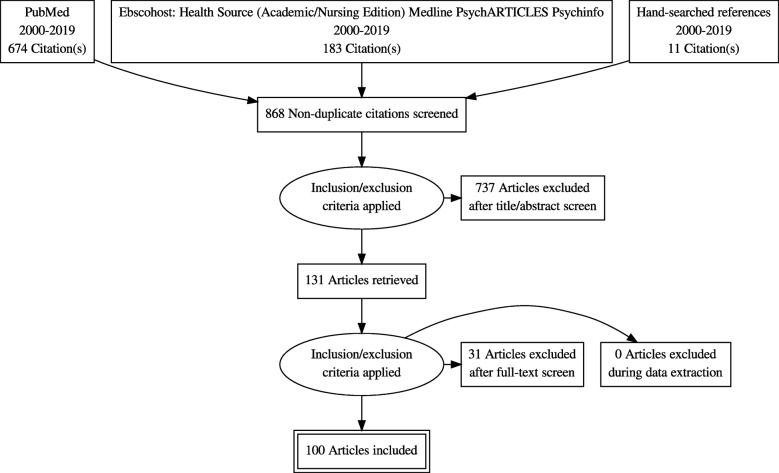
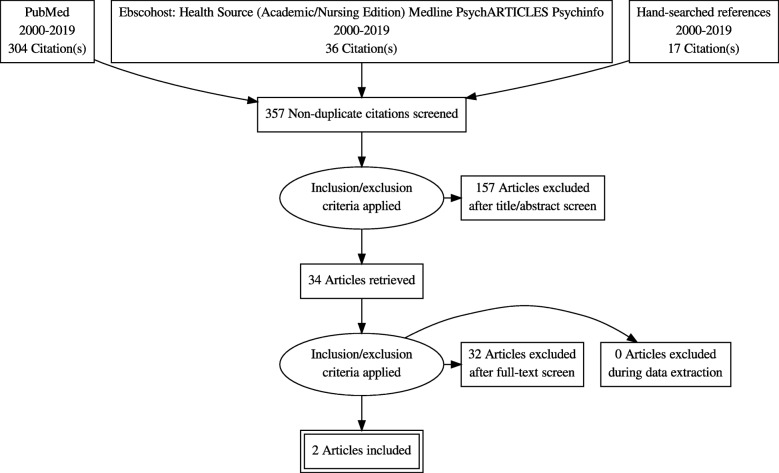
Verification
Claims the paper makes
The claims and statistics of this paper haven’t been checked yet.
Run the check — free, no account needed. It reads the open-access text and checks the sources it cites.
Claims other papers make about this one
Each is checked against this paper’s own text: does it say what the citing paper says it does?
The source backs part of the claim, not all of it — or backs it for a different population, condition or comparison.
In the citing paper
“A recent scoping review found varying prevalence rates of anxiety amongst Tuberculosis patients, ranging from 2% to 27%.6”
From Pharmacological or non-pharmacological interventions for treatment of common mental disorders associated with Tuberculosis: A systematic review (2021) · cites this paper as [6]
Experimental — accuracy not yet measured
Self-check
Percentages, sums and reported differences re-computed from the paper’s own numbers.
The self-check needs the paper’s full text.
Citations
Cites
Preferred Reporting Items for Systematic Reviews and Meta-Analyses: the PRISMA statement
Moher, D., Liberati, A., Tetzlaff, J., Altman, D. G., & for the PRISMA Group (2009) · BMJ · doi:10.1136/bmj.b2535 · Cited by 83,823
Preferred reporting items for systematic reviews and meta-analyses: the PRISMA Statement.
(2009) · PubMed Central · Cited by 44,859
PRISMA Extension for Scoping Reviews (PRISMA-ScR): Checklist and Explanation
Tricco, A. C., Lillie, E., Zarin, W., O'Brien, K. K., Colquhoun, H., Levac, D., Moher, D., Peters, M. D. J., Horsley, T., Weeks, L., et al. (2018) · Annals of Internal Medicine · doi:10.7326/m18-0850 · Cited by 43,565
Scoping studies: towards a methodological framework
Arksey, H., & O'Malley, L. (2005) · International Journal of Social Research Methodology · doi:10.1080/1364557032000119616 · Cited by 36,742
Rayyan-a web and mobile app for systematic reviews.
Ouzzani, M., Hammady, H., Fedorowicz, Z., & Elmagarmid, A. (2016) · Systematic Reviews · doi:10.1186/s13643-016-0384-4 · Cited by 26,092
Global tuberculosis report (2014)
Gabbasova, L. A., & Who, E. R. E. (2014) · Cited by 12,702
From Millennium Development Goals to Sustainable Development Goals
Sachs, J. D. (2012) · The Lancet · doi:10.1016/s0140-6736(12)60685-0 · Cited by 2,278
Person-centered care—ready for prime time
Ekman, I., Swedberg, K., Taft, C., Lindseth, A., Norberg, A., Brink, E., Carlsson, J., Dahlin-Ivanoff, S., Johansson, I.-L., Kjellgren, K., et al. (2011) · European Journal of Cardiovascular Nursing · doi:10.1016/j.ejcnurse.2011.06.008 · Cited by 1,681
Interventions for providers to promote a patient-centred approach in clinical consultations
Dwamena, F., Holmes-Rovner, M., Gaulden, C. M., Jorgenson, S., Sadigh, G., Sikorskii, A., Lewin, S., Smith, R. C., Coffey, J., Olomu, A., et al. (2012) · Cochrane Database of Systematic Reviews · doi:10.1002/14651858.cd003267.pub2 · Cited by 1,227
The Joanna Briggs Institute reviewers' manual 2015: methodology for JBI scoping reviews
Peters, M. D. J., Godfrey, C. M., McInerney, P. A., Soares, C. B., Khalil, H., & Parker, D. (2015) · Cited by 1,135
Patient Adherence to Tuberculosis Treatment: A Systematic Review of Qualitative Research
Munro, S. A., Lewin, S. A., Smith, H. J., Engel, M. E., Fretheim, A., & Volmink, J. (2007) · PLoS Medicine · doi:10.1371/journal.pmed.0040238 · Cited by 1,080
“Same same or different?” A review of reviews of person-centered and patient-centered care
Eklund, J. H., Holmström, I. K., Kumlin, T., Kaminsky, E., Skoglund, K., Höglander, J., Sundler, A. J., Condén, E., & Meranius, M. S. (2018) · Patient Education and Counseling · doi:10.1016/j.pec.2018.08.029 · Cited by 820
Non-communicable disease syndemics: poverty, depression, and diabetes among low-income populations
Mendenhall, E., Kohrt, B. A., Norris, S. A., Ndetei, D., & Prabhakaran, D. (2017) · The Lancet · doi:10.1016/s0140-6736(17)30402-6 · Cited by 556
Tuberculosis and Stigmatization: Pathways and Interventions
Courtwright, A., & Turner, A. N. (2010) · Public Health Reports · doi:10.1177/00333549101250s407 · Cited by 538
Chenoweth, L., King, M. T., Jeon, Y.-H., Brodaty, H., Stein-Parbury, J., Norman, R., Haas, M., & Luscombe, G. (2009) · The Lancet Neurology · doi:10.1016/s1474-4422(09)70045-6 · Cited by 528
Rehm, J., Samokhvalov, A. V., Neuman, M. G., Room, R., Parry, C., Lönnroth, K., Patra, J., Poznyak, V., & Popova, S. (2009) · BMC Public Health · doi:10.1186/1471-2458-9-450 · Cited by 458
Zaridze, D. G., Brennan, P., Boreham, J., Boroda, A. M., Karpov, R. S., Lazarev, A. F., Конобеевская, И. Н., Igitov, V., Terechova, T., Boffetta, P., et al. (2009) · The Lancet · doi:10.1016/s0140-6736(09)61034-5 · Cited by 449
Effectiveness of person-centered care on people with dementia: a systematic review and meta-analysis
Kim, S. K., & Park, M. (2017) · Clinical Interventions in Aging · doi:10.2147/cia.s117637 · Cited by 429
Is Patient-Centered Care the Same As Person-Focused Care?
Starfield, B. H. (2011) · The Permanente Journal · doi:10.7812/tpp/10-148 · Cited by 362
Alcohol consumption as a risk factor for tuberculosis: meta-analyses and burden of disease
Imtiaz, S., Shield, K. D., Roerecke, M., Samokhvalov, A. V., Lönnroth, K., & Rehm, J. T. (2017) · European Respiratory Journal · doi:10.1183/13993003.00216-2017 · Cited by 312
Efficacy of person‐centred care as an intervention in controlled trials – a systematic review
Olsson, L., Ung, E. J., Swedberg, K. B., & Ekman, I. (2012) · Journal of Clinical Nursing · doi:10.1111/jocn.12039 · Cited by 303
Santha, T., Garg, R. P., Frieden, T. R., Chandrasekaran, V., Subramani, R., Gopi, P. G., Selvakumar, N., Ganapathy, S., Charles, N., Rajamma, J., et al. (2002) · PubMed · Cited by 238
Li, J., & Porock, D. C. (2014) · International Journal of Nursing Studies · doi:10.1016/j.ijnurstu.2014.04.003 · Cited by 225
Guizzo, B. S., Krziminski, C. D. O., & de Oliveira, D. L. L. C. (2003) · PubMed · Cited by 222
A review of the interplay between tuberculosis and mental health
Doherty, A. M., Kelly, J. R., McDonald, C., O’Dywer, A. M., Keane, J., & Cooney, J. M. (2013) · General Hospital Psychiatry · doi:10.1016/j.genhosppsych.2013.03.018 · Cited by 187
Thomas, B. E., Shanmugam, P., Muniyandi, M., Ovung, S., Suresh, C., Subbaraman, R., Srividya, A., & Nagarajan, K. (2016) · PLoS ONE · doi:10.1371/journal.pone.0147397 · Cited by 183
Adherence to tuberculosis treatment: lessons from the urban setting of Delhi, India
Jaiswal, A., Singh, V., Ogden, J. A., Porter, J. D. H., Sharma, P. P., Sarin, R., Arora, V. K., & Jain, R. C. (2003) · Tropical Medicine & International Health · doi:10.1046/j.1365-3156.2003.01061.x · Cited by 179
Duko, B., Worku, A. G., & Ayano, G. (2015) · BMC Psychiatry · doi:10.1186/s12888-015-0598-3 · Cited by 177
Psychiatric issues in the management of patients with multidrug-resistant tuberculosis.
Vega, P. S. C., Sweetland, A. C., Acha, J., Castillo, H., Guerra, D., Smith-Fawzi, M. C., & Shin, S. S. (2004) · PubMed · Cited by 173
Gelmanova, I. Y. (2007) · Bulletin of the World Health Organization · doi:10.2471/blt.06.038331 · Cited by 167
Tuberculosis and noncommunicable diseases: neglected links and missed opportunities
Creswell, J., Raviglione, M. C., Ottmani, S.-E., Migliori, G. B., Uplekar, M., Blanc, L., Sotgiu, G., & Lönnroth, K. (2010) · European Respiratory Journal · doi:10.1183/09031936.00084310 · Cited by 146
Chishinga, N., Kinyanda, E., Weiss, H. A., Patel, V., Ayles, H., & Seedat, S. (2011) · BMC Psychiatry · doi:10.1186/1471-244x-11-75 · Cited by 146
Peltzer, K., Naidoo, P., Matseke, G., Louw, J., Mchunu, G., & Tutshana, B. (2012) · BMC Psychiatry · doi:10.1186/1471-244x-12-89 · Cited by 144
Community tuberculosis care through “TB clubs” in rural North Ethiopia
Demissie, M., Getahun, H., & Lindtjørn, B. (2003) · Social Science & Medicine · doi:10.1016/s0277-9536(02)00182-x · Cited by 140
Jakubowiak, W., Bogorodskaya, E. M., Borisov, S. E., Borisov, E., Danilova, I. D., Danilova, D. I., Kourbatova, E. V., & Kourbatova, E. (2007) · PubMed · Cited by 132
Koyanagi, A., Vancampfort, D., Carvalho, A. F., DeVylder, J. E., Haro, J. M., Pizzol, D., Veronese, N., & Stubbs, B. (2017) · BMC Medicine · doi:10.1186/s12916-017-0975-5 · Cited by 131
Husain, M. O., Dearman, S. P., Chaudhry, I. B., Rizvi, N., & Waheed, W. (2008) · Clinical Practice and Epidemiology in Mental Health · doi:10.1186/1745-0179-4-4 · Cited by 130
Vijay, S., Kumar, P., Chauhan, L. S., Vollepore, B., Kizhakkethil, U. P., & Rao, S. G. (2010) · PLoS ONE · doi:10.1371/journal.pone.0010043 · Cited by 116
Andersson, L. M. C., Schierenbeck, I., Strümpher, J., Krantz, G., Topper, K., Backman, G., Ricks, E. J., & van Rooyen, D. R. M. (2013) · Journal of Affective Disorders · doi:10.1016/j.jad.2013.06.022 · Cited by 114
Baral, S., Aryal, Y., Bhattrai, R., King, R., & Newell, J. N. (2014) · BMC Public Health · doi:10.1186/1471-2458-14-46 · Cited by 109
Person Centred Care and Shared Decision Making: Implications for Ethics, Public Health and Research
Munthe, C., Sandman, L., & Cutas, D. (2011) · Health Care Analysis · doi:10.1007/s10728-011-0183-y · Cited by 106
Naidoo, P., Peltzer, K., Louw, J., Matseke, G., Mchunu, G. G., & Tutshana, B. O. (2013) · BMC Public Health · doi:10.1186/1471-2458-13-396 · Cited by 97
Finlay, A. M., Lancaster, J., Holtz, T. H., Weyer, K., Miranda, A., & der Walt, M. L. V. (2012) · BMC Public Health · doi:10.1186/1471-2458-12-56 · Cited by 96
Atif, M., Sulaiman, S. A. S., Shafie, A. A., Asif, M., Sarfraz, M., Low, H. C., & Babar, Z. (2014) · Health and Quality of Life Outcomes · doi:10.1186/1477-7525-12-19 · Cited by 96
Association of Major Depressive Episode with Negative Outcomes of Tuberculosis Treatment
Ugarte‐Gil, C., Ruiz, P., Zamudio, C., Canaza, L., Otero, L., Kruger, H., & Seas, C. (2013) · PLoS ONE · doi:10.1371/journal.pone.0069514 · Cited by 91
Psychological distress and its relationship with non-adherence to TB treatment: a multicentre study
Theron, G., Peter, J., Zijenah, L. S., Chanda, D. M., Mangu, C., Clowes, P., Rachow, A., Lesosky, M., Höelscher, M., Pym, A. S., et al. (2015) · BMC Infectious Diseases · doi:10.1186/s12879-015-0964-2 · Cited by 89
Patient-centered, Person-centered, and Person-directed Care
Lines, L. M., Lepore, M., & Wiener, J. M. (2015) · Medical Care · doi:10.1097/mlr.0000000000000387 · Cited by 89
Health-Related Quality of Life, Depression and Anxiety in Hospitalized Patients with Tuberculosis
Santos, A. P. C. D., Lazzari, T. K., & Silva, D. R. (2017) · Tuberculosis and Respiratory Diseases · doi:10.4046/trd.2017.80.1.69 · Cited by 88
Predictors and mortality associated with treatment default in pulmonary tuberculosis.
Kliiman, K., & Altraja, A. (2010) · PubMed · Cited by 85
Acha, J., Sweetland, A., Guerra, D., Chalco, K., Castillo, H., & Palacios, E. (2007) · Global Public Health · doi:10.1080/17441690701191610 · Cited by 85
Paz‐Soldán, V. A., Alban, R., Jones, C. D., & Oberhelman, R. A. (2013) · BMC Health Services Research · doi:10.1186/1472-6963-13-290 · Cited by 83
Frequency and correlates of anxiety and mood disorders among TB- and HIV-infected Zambians
van den Heuvel, L. L., Chishinga, N., Kinyanda, E., Weiss, H. A., Patel, V., Ayles, H., Harvey, J., Cloete, K. J., & Seedat, S. (2013) · AIDS Care · doi:10.1080/09540121.2013.793263 · Cited by 83
Wilberforce, M., Challis, D., Davies, L. M., Kelly, M. P., Roberts, C., & Loynes, N. (2016) · BMC Geriatrics · doi:10.1186/s12877-016-0229-y · Cited by 77
Kehbila, J., Ekabe, C. J., Aminde, L. N., Noubiap, J. J., Fon, P. N., & Monekosso, G. L. (2016) · Infectious Diseases of Poverty · doi:10.1186/s40249-016-0145-6 · Cited by 76
Ambaw, F., Mayston, R., Hanlon, C., & Alem, A. (2015) · BMJ Open · doi:10.1136/bmjopen-2015-007653 · Cited by 75
Self-citationSelected biological and behavioural risk factors associated with pulmonary tuberculosis.
Kolappan, C., Gopi, P. G., Subramani, R., & Narayanan, P. R. (2007) · PubMed · Cited by 72
Ambaw, F., Mayston, R., Hanlon, C., & Alem, A. (2017) · BMC Psychiatry · doi:10.1186/s12888-017-1231-4 · Cited by 72
Self-citationPeople- and patient-centred care for tuberculosis: models of care for tuberculosis
Odone, A., Roberts, B., Dara, M., van den Boom, M., Kluge, H. H. P., & McKee, M. (2018) · The International Journal of Tuberculosis and Lung Disease · doi:10.5588/ijtld.17.0608 · Cited by 71
Ige, O. M., & Lasebikan, V. O. (2011) · Europe PMC (PubMed Central) · Cited by 70
Co-morbid anxiety and depression among pulmonary tuberculosis patients.
Aamir, S., & Aisha (2010) · PubMed · doi:10.2010/jcpsp.703704 · Cited by 67
Louw, J., Peltzer, K., Naidoo, P., Matseke, G., Mchunu, G. G., & Tutshana, B. O. (2012) · Health and Quality of Life Outcomes · doi:10.1186/1477-7525-10-77 · Cited by 67
Babikako, H. M., Neuhauser, D. B., Katamba, A., & Mupere, E. (2010) · Health and Quality of Life Outcomes · doi:10.1186/1477-7525-8-93 · Cited by 65
Horter, S., Stringer, B., Reynolds, L., Shoaib, M., Kasozi, S., Casas, E. C., Verputten, M., & du Cros, P. (2014) · BMC Health Services Research · doi:10.1186/1472-6963-14-81 · Cited by 64
Macq, J., Solís, A., Martinez, G., & Martiny, P. (2008) · BMC Public Health · doi:10.1186/1471-2458-8-154 · Cited by 63
Kendall, E. A., Theron, D., Franke, M. F., van Helden, P. D., Victor, T. C., Murray, M. B., Warren, R. M., & Jacobson, K. R. (2013) · PLoS ONE · doi:10.1371/journal.pone.0083480 · Cited by 62
Alcohol and drug use disorders, HIV status and drug resistance in a sample of Russian TB patients.
Fleming, M. F., Krupitsky, E. M., Tsoy, M., Zvartau, E. E., Браженко, Н. А., Jakubowiak, W., & McCaul, M. E. (2006) · PubMed · Cited by 60
Peltzer, K., Naidoo, P., Matseke, G., Louw, J., Mchunu, G. G., & Tutshana, B. O. (2012) · Psychology Health & Medicine · doi:10.1080/13548506.2012.726364 · Cited by 60
Walker, T. M., Cruz, A. L. G., Peto, T., Smith, E. G., Esmail, H., & Crook, D. W. (2017) · The Lancet Infectious Diseases · doi:10.1016/s1473-3099(17)30123-8 · Cited by 60
Ahmad, N., Javaid, A., Sulaiman, S. A. S., Basit, A., Afridi, A. K., Jaber, A. A. S., & Khan, A. H. (2016) · PLoS ONE · doi:10.1371/journal.pone.0159560 · Cited by 59
Khanal, S., Elsey, H., King, R., Baral, S., Bhatta, B., & Newell, J. N. (2017) · PLoS ONE · doi:10.1371/journal.pone.0167559 · Cited by 58
Alcohol Use Disorders (AUD) among Tuberculosis Patients: A Study from Chennai, South India
Suhadev, M., Thomas, B. E., Raja Sakthivel, M., Murugesan, P., Sekaran, V. C., Charles, N., Durga, R., Auxilia, M., Mathew, T. A., & Wares, F. (2011) · PLoS ONE · doi:10.1371/journal.pone.0019485 · Cited by 57
Lackey, B., Seas, C., der Stuyft, P. V., & Otero, L. (2015) · PLoS ONE · doi:10.1371/journal.pone.0128541 · Cited by 55
Patient- or person-centred practice in medicine? – A review of concepts
Louw, M., Marcus, T. S., & Hugo, J. F. M. (2017) · African Journal of Primary Health Care & Family Medicine · doi:10.4102/phcfm.v9i1.1455 · Cited by 55
Patient empowerment in tuberculosis control: reflecting on past documented experiences
Macq, J., Torfoss, T., & Getahun, H. (2007) · Tropical Medicine & International Health · doi:10.1111/j.1365-3156.2007.01858.x · Cited by 53
Duarte, E. C., Bierrenbach, A. L., da Silva, J. B., Tauil, P. L., & Duarte, E. D. F. (2008) · Journal of Epidemiology & Community Health · doi:10.1136/jech.2008.078972 · Cited by 53
Louw, J., Mabaso, M., & Peltzer, K. (2016) · PLoS ONE · doi:10.1371/journal.pone.0151892 · Cited by 53
Co-Morbidity of Infectious and Addictive Diseases in St. Petersburg and the Leningrad Region, Russia
Krupitsky, E. M., Zvartau, E. E., Lioznov, D. A., Tsoy, M., Egorova, V. Y., Belyaeva, T. V., Васильевна, А. Т., Браженко, Н. А., Загдын, З. М., Verbitskaya, E. V., et al. (2005) · European Addiction Research · doi:10.1159/000088578 · Cited by 52
Psychotherapy Improves Compliance with Tuberculosis Treatment
Janmeja, A. K., Das, S. K., Bhargava, R., & Chavan, B. S. (2005) · Respiration · doi:10.1159/000086251 · Cited by 50
Quality of life of multi drug resistant tuberculosis patients: a study of north India.
Sharma, R. M., Yadav, R. K., Sharma, M., Saini, V., & Koushal, V. (2014) · PubMed · Cited by 45
Peltzer, K., Louw, J., Mchunu, G. G., Naidoo, P., Matseke, G., & Tutshana, B. O. (2012) · International Journal of Environmental Research and Public Health · doi:10.3390/ijerph9093245 · Cited by 43
Characteristics of tuberculosis in the state of Minas Gerais, Brazil: 2002-2009
Augusto, C. J., Carvalho, W. D. S., Gonçalves, A. D., Ceccato, M. D. G. B., & de Miranda, S. S. (2013) · Jornal Brasileiro de Pneumologia · doi:10.1590/s1806-37132013000300013 · Cited by 43
Tola, H. H., Garmaroudi, G., Shojaeizadeh, D., Tol, A., Yekaninejad, M. S., Ejeta, L. T., Kebede, A., & Kassa, D. (2017) · Ethiopian Journal of Health Sciences · doi:10.4314/ejhs.v27i5.2 · Cited by 42
Emotional distress in Angolan patients with several types of tuberculosis
Xavier, P., & Peixoto, B. (2015) · African Health Sciences · doi:10.4314/ahs.v15i2.10 · Cited by 41
Alcohol use and the management of multidrug-resistant tuberculosis in Tomsk, Russian Federation
Miller, A. C., Gelmanova, I. Y., Keshavjee, S. A., Atwood, S. S., Yanova, G. V., Mishustin, S. P., Furin, J. J., & Shin, S. S. (2012) · The International Journal of Tuberculosis and Lung Disease · doi:10.5588/ijtld.11.0795 · Cited by 40
Xu, M., Markström, U., Lyu, J., & Xu, L. (2017) · International Journal of Environmental Research and Public Health · doi:10.3390/ijerph14101171 · Cited by 40
Mortality in newborns referred to tertiary hospital: An introspection
Roy, M. P., Aggarwal, K. C., Gupta, R., Sharma, S., & Sehgal, R. (2015) · Journal of Family Medicine and Primary Care · doi:10.4103/2249-4863.161348 · Cited by 39
Deponti, G. N., Silva, D. R., Coelho, A. C., Müller, A. M., & Dalcin, P. D. T. R. (2013) · BMC Infectious Diseases · doi:10.1186/1471-2334-13-538 · Cited by 39
Identifying risk factors associated with smear positivity of pulmonary tuberculosis in Kazakhstan
Hermosilla, S., You, P., Aifah, A. A., Абилдаев, Т. Ш., Akilzhanova, A. R., Kozhamkulov, U. A., Muminov, T., Darisheva, M., Zhussupov, B., Terlikbayeva, A., et al. (2017) · PLoS ONE · doi:10.1371/journal.pone.0172942 · Cited by 39
HIV, multidrug-resistant TB and depressive symptoms: when three conditions collide
Das, M., Isaakidis, P., den Bergh, R. V., Kumar, A. M. V., Nagaraja, S. B., Valikayath, A., Jha, S. K., Jadhav, B., & Ladomirska, J. (2014) · Global Health Action · doi:10.3402/gha.v7.24912 · Cited by 38
Psychiatric morbidity in patients of pulmonary tuberculosis-an observational study
Pardal, P., Singh, L., & Prakash, J. (2015) · Industrial Psychiatry Journal · doi:10.4103/0972-6748.181722 · Cited by 38
Basu, M., Roy, N., Das, S., Mandal, A., Dutt, D., & Dasgupta, S. (2015) · Journal of Family Medicine and Primary Care · doi:10.4103/2249-4863.161330 · Cited by 36
Walker, I., Baral, S., Wei, X., Huque, R., Khan, A. H., Walley, J. D., Newell, J. N., Elsey, H., & COMDIS-HSD, O. B. O. (2017) · The International Journal of Tuberculosis and Lung Disease · doi:10.5588/ijtld.17.0135 · Cited by 36
Feng, D., & Xu, L. (2014) · Psychology Health & Medicine · doi:10.1080/13548506.2014.958505 · Cited by 34
Illness perceptions and quality of life among tuberculosis patients in Gezira, Sudan.
Muhammed, S., Nagla, S., & Sodemann, M. (2015) · African Health Sciences · doi:10.4314/ahs.v15i2.11 · Cited by 33
Common Mental Disorders Associated with Tuberculosis: A Matched Case-Control Study
Araújo, G. S. D., Pereira, S. M., Santos, D. N. D., Marinho, J. M., Rodrigues, L. C., & Barreto, M. L. (2014) · PLoS ONE · doi:10.1371/journal.pone.0099551 · Cited by 32
Peltzer, K., & Louw, J. (2013) · Europe PMC (PubMed Central) · Cited by 32
O’Connell, R., Chishinga, N., Kinyanda, E., Patel, V., Ayles, H., Weiss, H. A., & Seedat, S. (2013) · PLoS ONE · doi:10.1371/journal.pone.0074406 · Cited by 31
Tuberculosis in medical doctors – a study of personal experiences and attitudes
Naidoo, A., Naidoo, S., Gathiram, P., & Lalloo, U. (2013) · South African Medical Journal · doi:10.7196/samj.6266 · Cited by 29
Getahun, B., & Nkosi, Z. Z. (2017) · PLoS ONE · doi:10.1371/journal.pone.0181205 · Cited by 29
Dudley, L., Mukinda, F. K., Dyers, R., Marais, F., & Sissolak, D. (2018) · PLoS ONE · doi:10.1371/journal.pone.0190258 · Cited by 28
Evaluating the impact of social support services on tuberculosis treatment default in Ukraine
Skiles, M. P., Curtis, S., Ángeles, G., Mullen, S. A., & Senik, T. (2018) · PLoS ONE · doi:10.1371/journal.pone.0199513 · Cited by 28
Defaulting from anti-tuberculosis treatment in a teaching hospital in Rio de Janeiro, Brazil.
Salles, C. L. G., Conde, M. B., Höfer, C., da Cunha, A. J. L. A., Calçada, A. L., Menezes, D. F., Sá, L. C., & Kritski, A. L. (2004) · PubMed · Cited by 27
Alcohol Consumption among Men and Women with Tuberculosis in Tomsk, Russia
Shin, S. S., Mathew, T. A., Yanova, G. V., Fitzmaurice, G. M., Livchits, V., Yanov, S. A., Strelis, A. K., Mishustin, S. P., Bokhan, N. A., Lastimoso, C. S., et al. (2010) · Central European Journal of Public Health · doi:10.21101/cejph.a3590 · Cited by 26
Loveday, M., Padayatchi, N., Voce, A. S., Brust, J. C. M., & Wallengren, K. (2013) · The International Journal of Tuberculosis and Lung Disease · doi:10.5588/ijtld.13.0101 · Cited by 25
Kastien-Hilka, T., Rosenkranz, B., Bennett, B., Sinanovic, E., & Schwenkglenks, M. M. (2016) · Frontiers in Pharmacology · doi:10.3389/fphar.2016.00125 · Cited by 24
Zhang, S.-R., Yan, H., Zhang, J., Zhang, T., Li, X., & Zhang, Y. (2010) · BMC Infectious Diseases · doi:10.1186/1471-2334-10-174 · Cited by 22
Progress toward tuberculosis control and determinants of treatment outcomes--Kazakhstan, 2000-2002.
Bumburidi, Y., Ajeilat, S., Dadu, A., Aitmagambetova, I., Ershova, J. V., Fagan, R., & Favorov, M. O. (2006) · PubMed · Cited by 22
Peltzer, K., & Louw, J. V. D. (2014) · African Health Sciences · doi:10.4314/ahs.v14i1.24 · Cited by 22
Study of impact of antitubercular therapy on quality of life
Sontakke, S. D., & Balgude, A. (2012) · Indian Journal of Medical Sciences · doi:10.4103/0019-5359.110911 · Cited by 21
van den Hof, S., Tursynbayeva, A., Abildaev, T., Adenov, M., Pak, S., Bekembayeva, G., & Ismailov, S. (2013) · The International Journal of Tuberculosis and Lung Disease · doi:10.5588/ijtld.12.0703 · Cited by 21
Galhenage, J., Rupasinghe, J. P. N., Abeywardena, G. S., Silva, A. P. D., Williams, S., & Gunasena, B. (2016) · Ceylon Medical Journal · doi:10.4038/cmj.v61i1.8261 · Cited by 18
Alcohol use disorder and tuberculosis treatment: A longitudinal mixed method study in Thailand
Laprawat, S., Peltzer, K., Pansila, W., & Tansakul, C. (2017) · South African Journal of Psychiatry · doi:10.4102/sajpsychiatry.v23i0.1074 · Cited by 18
Scuffell, J., Boccia, D., Velarde, F. G., León, S. R., Raviola, G. J., Lecca, L. W., & Galea, J. T. (2017) · Public Health Action · doi:10.5588/pha.17.0044 · Cited by 17
Ndishimye, P., Hancu, B. D., Stillo, J., Seghrouchni, F., Mrabet, O., Homorodean, D., Pop, C. M., & Sadak, A. (2016) · Medicine and Pharmacy Reports · doi:10.15386/cjmed-652 · Cited by 16
Paulo, B. T. X., & Peixoto, B. (2016) · International Journal of Mycobacteriology · doi:10.1016/j.ijmyco.2016.11.002 · Cited by 16
Tupasi, T. E., Garfin, A. M. C., Mangan, J. M., Orillaza-Chi, R., Naval, L. C., Balane, G. I., Basilio, R., Golubkov, A., Joson, E. S., Lew, W. J., et al. (2016) · The International Journal of Tuberculosis and Lung Disease · doi:10.5588/ijtld.16.0433 · Cited by 16
Thapa, P., Kamath, R., Shetty, B. K., Monteiro, A. D., & Sekaran, V. C. (2014) · Journal of Nepal Health Research Council · doi:10.33314/jnhrc.v0i0.550 · Cited by 16
Ziemlé, C. M., Huang, C., Sombié, I., Konaté, L., Somda, P., Djibougou, D. A., & Sanou, M. (2014) · Pan African Medical Journal · doi:10.11604/pamj.2014.17.198.3094 · Cited by 14
Quality of Life and Health Behaviours of Patients with Tuberculosis—Sex Differences
Jankowska‐Polańska, B., Kamińska, M., Uchmanowicz, I., & Rycombel, A. (2015) · Advances in respiratory medicine · doi:10.5603/piap.2015.0046 · Cited by 14
Training social workers to enhance patient-centered care for drug-resistant TB-HIV in South Africa
Zelnick, J., Seepamore, B., Daftary, A., Amico, K. R., Bhengu, X., Friedland, G. H., Padayatchi, N., Naidoo, K., & O’Donnell, M. R. (2018) · Public Health Action · doi:10.5588/pha.17.0114 · Cited by 14
Venkatraju, B., & Prasad, S. (2013) · PubMed · Cited by 11
Mèda, Z. C., Some, T., Sombié, I., Maré, D., Morisky, D. E., & Chen, Y. A. (2016) · BMC Research Notes · doi:10.1186/s13104-016-2183-3 · Cited by 11
A Study of Psychiatric Morbidity Among Patients Suffering from Pulmonary Tuberculosis
Chandrashekar, T. R., Pinto, D., Katte, R., Shantha, A. R., Hungund, B. R., & Arun, J. (2012) · Medico-Legal Update · Cited by 10
Knowing about you: eliciting dimensions of personhood within tuberculosis care
Lopez, C., Bertram-Farough, A., Heywood, D., Dawson, L., Dillon, M., Chochinov, H. M., & Plourde, P. (2017) · The International Journal of Tuberculosis and Lung Disease · doi:10.5588/ijtld.16.0630 · Cited by 8
Patel, K., Patel, D., Patel, K., Prakash, K., Patel, S., & Bansal, R. (2016) · DOAJ (DOAJ: Directory of Open Access Journals) · Cited by 1
Research works printed but not linked: 10
- World Health Organization. Global Tuberculosis Report 2019. Geneva: WHO; 2019.
- de Silva D. Helping measure person-centred care. London: The Health Foundation; 2014.
- Analytics C. Endnote X9; 2018.
- QSR. NVivo qualitative data analysis Software. In: QSR International Pty Ltd; 2018.
- Srivastava AS, Ramdinee NA, Matah SC, Tripathi MN, Pandit B, Yadav JS. Psychiatric morbidities in patients with pulmonary tuberculosis. Dysphrenia. 2014;5(2):133–7.
- Hermosilla S, You P, Aifah A, Abildayev T, Akilzhanova A, Kozhamkulov U, Muminov T, Darisheva M, Zhussupov B, Terlikbayeva A et al. Identifying risk factors associated with smear positivity of pulmonary tuberculosis in Kazakhstan. PLoS One 2017, 12(3):e0172942. · DOI
- Jankowska-Polanska BK, Kamińska M, Uchmanowicz I, Rycombel A. Quality of life and health behaviours of patients with tuberculosis—sex differences. Pneumonol Alergol Pol. 2015;83(4):256–65. · DOI
- Louw JS, Mabaso M, Peltzer K. Change in health-related quality of life among pulmonary tuberculosis patients at primary health care settings in South Africa: a prospective cohort study. PLoS One. 2016;11(5):e0151892. · DOI
- Thapa P, Kamath R, Shetty BK, Monteiro A, Sekaran VC. Prevalence and associated factors of alcoholism among tuberculosis patients in Udupi Taluk, Karnataka, India: a cross sectional study. J Nepal Health Res Counc. 2014;12(28):177–81.
- Peltzer K, Louw JS. Prevalence and factors associated with tuberculosis treatment outcome among hazardous or harmful alcohol users in public primary health care in South Africa. Afr Health Sci. 2014;14(1):157–66. · DOI
Cited by
Sorted by citations
Tuberculosis related disability: a systematic review and meta-analysis
Alene, K. A., Wangdi, K., Colquhoun, S., Chani, K., Islam, T., Rahevar, K., Morishita, F., Byrne, A., Clark, J. M., & Viney, K. A. (2021) · BMC Medicine · doi:10.1186/s12916-021-02063-9 · Cited by 112
Seward, N., Hanlon, C., Abdulahi, A., Abrams, Z., Alem, A., Araya, R., Bachmann, M., Bogale, B., Brima, N., Chibanda, D., et al. (2021) · doi:10.1101/2021.01.06.20248468 · Cited by 84
Self-citationLeowattana, W., Leowattana, P., & Leowattana, T. (2023) · World Journal of Orthopedics · doi:10.5312/wjo.v14.i5.275 · Cited by 78
Thomas, B. E., Kumar, J. V., Periyasamy, M., Khandewale, A. S., Mercy, J. H., Raj, E. M., Kokila, S., Walgude, A. S., Gaurkhede, G. R., Kumbhar, J. D., et al. (2021) · Journal of Medical Internet Research · doi:10.2196/23294 · Cited by 73
The relationship between mental health and risk of active tuberculosis: a systematic review
Hayward, S. E., Deal, A., Rustage, K., Nellums, L. B., Sweetland, A. C., Boccia, D., Hargreaves, S., & Friedland, J. S. (2022) · BMJ Open · doi:10.1136/bmjopen-2021-048945 · Cited by 70
Metadata
- Authors
- Janse Van Rensburg, A., Dube, A., Curran, R., Ambaw, F., Murdoch, J., Bachmann, M., Petersen, I., & Fairall, L.
- Affiliations
- University of Cape Town (ZA)
- Bahir Dar University (ET)
- University of East Anglia (GB)
- University of KwaZulu-Natal (ZA)
- ORCID
- Venue
- Infectious Diseases of Poverty
- Published
- 2020-01-15
- Volume
- 9
- Issue
- 1
- Pages
- 4-4
- ISSN
- 2049-9957 (ISSN-L)
- PMC
- PMC6964032
- OpenAlex
- W3002282706
- Cited by
- 142
- References
- 126
- Citations by year
- 2026: 11 · 2025: 15 · 2024: 33 · 2023: 42 · 2022: 12 · 2021: 23 · 2020: 5
- FWCI
- 0.97
- Type
- journal article
- Language
- en
- Open access
- gold
- doi.org
- Locations
- Infectious Diseases of Poverty (publishedVersion, cc-by)
- PubMed Central (publishedVersion, cc-by)
- PubMed (publishedVersion)
- UEA Digital Repository (University of East Anglia) (acceptedVersion)
- DOAJ (DOAJ: Directory of Open Access Journals) (submittedVersion, cc-by-sa)
- Research Portal (King's College London) (submittedVersion, other-oa)
- Open University of Cape Town (University of Cape Town) (submittedVersion)
- Greater South Information System
- Funders
- National Institute for Health Research (GHRU 16/136/54)
- Topics
- Health Sciences › Medicine › Infectious Diseases › Tuberculosis Research and Epidemiology
- Health Sciences › Medicine › Psychiatry and Mental health › Mental Health Treatment and Access
- Health Sciences › Medicine › Infectious Diseases › Infectious Diseases and Tuberculosis
- Keywords
- tuberculosis, common mental disorders, comorbidities, depression, anxiety, alcohol consumption, person-centred care, low- and middle-income countries, BRICS countries, treatment default, gender differences, psychosocial burden, poverty
- MeSH terms
- Mental Disorders, Developing Countries, Health Services Needs and Demand, Humans, Tuberculosis, Comorbidity, Patient-Centered Care
About these checks
Registry, retraction, Cites and statistics results are computed, not judged, with one exception: a printed reference that no index lists is read once by a model before it counts as a citation error. Claims are extracted by a model and kept only when their quote appears verbatim in the text; each cited source is then checked, with a model’s help, for whether it says what the claim relies on. Those verdicts can be wrong — read the claim’s quote and the cited source before relying on one.
Statistics and arithmetic are recomputed, not judged.
Confidence bands are shown only for fields calibrated on our annotated test set. None is calibrated yet, so no band is shown.
What counts as a claim ›How we measure confidence ›How we check this ›
Are you an author, or do you see a problem with this page? Request a review
