

Managing toxicities associated with immune checkpoint inhibitors: consensus recommendations from the Society for Immunotherapy of Cancer (SITC) Toxicity Management Working Group
Open accessThe DOI matches its Crossref record; 97 of the 97 references it cites were found in a registry or an index.
Abstract
Cancer immunotherapy has transformed the treatment of cancer. However, increasing use of immune-based therapies, including the widely used class of agents known as immune checkpoint inhibitors, has exposed a discrete group of immune-related adverse events (irAEs). Many of these are driven by the same immunologic mechanisms responsible for the drugs' therapeutic effects, namely blockade of inhibitory mechanisms that suppress the immune system and protect body tissues from an unconstrained acute or chronic immune response. Skin, gut, endocrine, lung and musculoskeletal irAEs are relatively common, whereas cardiovascular, hematologic, renal, neurologic and ophthalmologic irAEs occur much less frequently. The majority of irAEs are mild to moderate in severity; however, serious and occasionally life-threatening irAEs are reported in the literature, and treatment-related deaths occur in up to 2% of patients, varying by ICI. Immunotherapy-related irAEs typically have a delayed onset and prolonged duration compared to adverse events from chemotherapy, and effective management depends on early recognition and prompt intervention with immune suppression and/or immunomodulatory strategies. There is an urgent need for multidisciplinary guidance reflecting broad-based perspectives on how to recognize, report and manage organ-specific toxicities until evidence-based data are available to inform clinical decision-making. The Society for Immunotherapy of Cancer (SITC) established a multidisciplinary Toxicity Management Working Group, which met for a full-day workshop to develop recommendations to standardize management of irAEs. Here we present their consensus recommendations on managing toxicities associated with immune checkpoint inhibitor therapy.
Overview
The claims and statistics of this paper haven’t been checked yet.
Free: it reads the open-access text and checks the first 5 claims that cite a source we can check. Create a free account to check every claim.
Integrity signals
Registry
Cites
Statistics
Figures
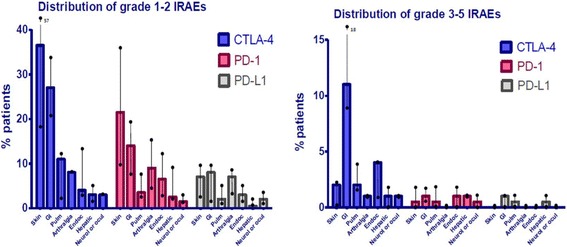
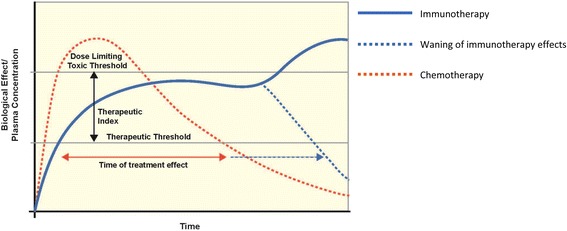
Verification
Claims the paper makes
The claims and statistics of this paper haven’t been checked yet.
Free: it reads the open-access text and checks the first 5 claims that cite a source we can check. Create a free account to check every claim.
Claims other papers make about this one
Each is checked against this paper’s own text: does it say what the citing paper says it does?
The cited source says what the claim attributes to it.
In the citing paper
“Although most international guidelines recommend higher doses of corticosteroids (from 0.5 to 2 mg/kg/day) for other irAEs,5,32,33”
From Moderate-to-severe eosinophilia induced by treatment with immune checkpoint inhibitors: 37 cases from a national reference center for hypereosinophilic syndromes and the French pharmacovigilance database (2020) · cites this paper as [33]
Experimental — accuracy not yet measuredThe check wasn’t confident either way, so it gives no verdict — never disputed.
In the citing paper
“three studies showed that patients with antithyroglobulin or anti-thyroid peroxidase antibodies had a much higher risk of thyroid dysfunction compared with patients negative for these antibodies (20-50% vs. 1-2.5%).41–43”
From Endocrine toxicities of immune checkpoint inhibitors (2021) · cites this paper as [43]
Experimental — accuracy not yet measuredIn the citing paper
“Currently, treatment for irAEs typically involves terminating ICB and initiating a course of high-dose corticosteroids”
From Hallmarks of response, resistance, and toxicity to immune checkpoint blockade (2021) · cites this paper as Puzanov et al., 2017
Self-check
Percentages, sums and reported differences re-computed from the paper’s own numbers.
The self-check needs the paper’s full text.
Citations
Cites
PD-1 and PD-L1 Immune Checkpoint Blockade to Treat Breast Cancer
Hartkopf, A. D., Taran, F.-A., Wallwiener, M., Walter, C. B., Krämer, B., Grischke, E.-M., & Brucker, S. Y. (2016) · Breast Care · doi:10.1159/000453569 · Cited by 30,845
Adverse Renal Effects of Immune Checkpoint Inhibitors: A Narrative Review
Wanchoo, R., Karam, S., Uppal, N. N., Barta, V. S., Deray, G., Devoe, C., Launay-Vacher, V., Jhaveri, K. D., & on behalf of Cancer and Kidney International Network Workgroup on Immune Checkpoint Inhibitors (2017) · American Journal of Nephrology · doi:10.1159/000455014 · Cited by 15,256
Improved Survival with Ipilimumab in Patients with Metastatic Melanoma
Hodi, F. S., O'Day, S. J., McDermott, D. F., Weber, R. W., Sosman, J. A., Haanen, J. B., Gonzalez, R., Robert, C., Schadendorf, D., Hassel, J. C., et al. (2010) · New England Journal of Medicine · doi:10.1056/nejmoa1003466 · Cited by 15,155 · cited 2×
“The incidence of any-grade hepatic enzyme disturbance with ipilimumab 3 mg/kg monotherapy is <4% and up to 15% when dosed at 10 mg/kg [24, 47].”
BackgroundSafety, activity, and immune correlates of anti–PD-1 antibody in cancer
Topalian, S. L., Hodi, F. S., Brahmer, J. R., Gettinger, S. N., Smith, D. C., McDermott, D. F., Powderly, J. D., Carvajal, R. D., Sosman, J. A., Atkins, M. B., et al. (2012) · New England Journal of Medicine · doi:10.1056/nejmoa1200690 · Cited by 12,628 · cited 1×
“, severe colitis, pneumonitis, encephalitis, toxic epidermal necrolysis, myocarditis, and autoimmune type I diabetes mellitus [T1DM] presenting as diabetic ketoacidosis), are reported in the literature, and treatment-related deaths have been reported in up to 2% of patients in clinical trials [14, 23, 24].”
BackgroundCombined Nivolumab and Ipilimumab or Monotherapy in Untreated Melanoma
Larkin, J., Chiarion-Sileni, V., Gonzalez, R., Grob, J. J., Cowey, C. L., Lao, C. D., Schadendorf, D., Dummer, R., Smylie, M., Rutkowski, P., et al. (2015) · New England Journal of Medicine · doi:10.1056/nejmoa1504030 · Cited by 8,157
Fulminant Myocarditis with Combination Immune Checkpoint Blockade
Johnson, D. B., Balko, J. M., Compton, M. L., Chalkias, S., Gorham, J., Xu, Y., Hicks, M., Puzanov, I., Alexander, M. R., Bloomer, T. L., et al. (2016) · New England Journal of Medicine · doi:10.1056/nejmoa1609214 · Cited by 2,308 · cited 2×
“However, myocarditis, pericarditis and cardiac dysfunction due to ICIs are rare and the true incidence is unknown; current estimates suggest less than 1% of patients [22].”
BackgroundSelf-citationImmune-related adverse events with immune checkpoint blockade: a comprehensive review
Michot, J. M., Bigenwald, C., Champiat, S., Collins, M., Carbonnel, F., Postel-Vinay, S., Berdelou, A., Varga, A., Bahleda, R., Hollebecque, A., et al. (2016) · European Journal of Cancer · doi:10.1016/j.ejca.2015.11.016 · Cited by 2,127 · cited 1×
“autoimmune causes as well as with a peripheral smear, reticulocyte count and assessment for hemolysis [88].”
BackgroundKwon, E. D., Drake, C. G., Scher, H. I., Fizazi, K., Bossi, A., van den Eertwegh, A. J. M., Krainer, M., Houede, N., Santos, R., Mahammedi, H., et al. (2014) · The Lancet Oncology · doi:10.1016/s1470-2045(14)70189-5 · Cited by 1,511 · cited 1×
“, severe colitis, pneumonitis, encephalitis, toxic epidermal necrolysis, myocarditis, and autoimmune type I diabetes mellitus [T1DM] presenting as diabetic ketoacidosis), are reported in the literature, and treatment-related deaths have been reported in up to 2% of patients in clinical trials [14, 23, 24].”
BackgroundManagement of Immune-Related Adverse Events and Kinetics of Response With Ipilimumab
Weber, J. S., Kähler, K. C., & Hauschild, A. (2012) · Journal of Clinical Oncology · doi:10.1200/jco.2012.41.6750 · Cited by 1,415 · cited 1×
“Onset of skin irAEs typically occurs within days or weeks of treatment [38] although onset may be de-”
BackgroundProlonged Survival in Stage III Melanoma with Ipilimumab Adjuvant Therapy
Eggermont, A. M. M., Chiarion-Sileni, V., Grob, J.-J., Dummer, R., Wolchok, J. D., Schmidt, H., Hamid, O., Robert, C., Ascierto, P. A., Richards, J. M., et al. (2016) · New England Journal of Medicine · doi:10.1056/nejmoa1611299 · Cited by 1,318
Kaufman, H. L., Russell, J., Hamid, O., Bhatia, S., Terheyden, P., D'Angelo, S. P., Shih, K. C., Lebbé, C., Linette, G. P., Milella, M., et al. (2016) · The Lancet Oncology · doi:10.1016/s1470-2045(16)30364-3 · Cited by 1,236 · cited 1×
“There are also case reports of lupus nephritis [94] and granulomatous nephritis [95, 96] following ipilimumab treatment, and a single case of nephritis described after treatment with avelumab [97].”
BackgroundSelf-citationPneumonitis in Patients Treated With Anti–Programmed Death-1/Programmed Death Ligand 1 Therapy
Naidoo, J., Wang, X., Woo, K. M., Iyriboz, T., Halpenny, D., Cunningham, J., Chaft, J. E., Segal, N. H., Callahan, M. K., Lesokhin, A. M., et al. (2017) · Journal of Clinical Oncology · doi:10.1200/jco.2016.68.2005 · Cited by 1,215 · cited 1×
“Combination therapies with anti-CTLA-4/anti-PD-1/PD-L1 immunotherapy and with ICI/cytotoxic combinations also confer a higher risk of pneumonitis versus ICI monotherapy [68, 70].”
BackgroundSafety Profile of Nivolumab Monotherapy: A Pooled Analysis of Patients With Advanced Melanoma
Weber, J. S., Hodi, F. S., Wolchok, J. D., Topalian, S. L., Schadendorf, D., Larkin, J., Sznol, M., Long, G. V., Li, H., Waxman, I. M., et al. (2017) · Journal of Clinical Oncology · doi:10.1200/jco.2015.66.1389 · Cited by 1,158
Safety profiles of anti-CTLA-4 and anti-PD-1 antibodies alone and in combination
Boutros, C., Tarhini, A., Routier, E., Lambotte, O., Ladurie, F. L., Carbonnel, F., Izzeddine, H., Marabelle, A., Champiat, S., Berdelou, A., et al. (2016) · Nature Reviews Clinical Oncology · doi:10.1038/nrclinonc.2016.58 · Cited by 1,102
Horvat, T. Z., Adel, N. G., Dang, T.-O., Momtaz, P., Postow, M. A., Callahan, M. K., Carvajal, R. D., Dickson, M. A., D'Angelo, S. P., Woo, K. M., et al. (2015) · Journal of Clinical Oncology · doi:10.1200/jco.2015.60.8448 · Cited by 1,064 · cited 1×
“Some retrospective analyses suggest that use of corticosteroids for the management of irAEs is not associated with inferior results of therapy [31, 32] but, due Fig.”
BackgroundManagement of toxicities of immune checkpoint inhibitors
Spain, L., Diem, S., & Larkin, J. (2016) · Cancer Treatment Reviews · doi:10.1016/j.ctrv.2016.02.001 · Cited by 854
Nishino, M., Giobbie-Hurder, A., Hatabu, H., Ramaiya, N. H., & Hodi, F. S. (2016) · JAMA Oncology · doi:10.1001/jamaoncol.2016.2453 · Cited by 758
Bertrand, A., Kostine, M., Barnetche, T., Truchetet, M.-E., & Schaeverbeke, T. (2015) · BMC Medicine · doi:10.1186/s12916-015-0455-8 · Cited by 704
Cancer immunotherapy—immune checkpoint blockade and associated endocrinopathies.
Byun, D. J., Wolchok, J. D., Rosenberg, L. M., & Girotra, M. (2017) · Nature Reviews Endocrinology · doi:10.1038/nrendo.2016.205 · Cited by 685 · cited 1×
“Repeat thyroid hormone levels should be performed every 2–3 weeks and thyroid hormone replacement initiated at the time of hypothyroidism diagnosis [59, 64].”
BackgroundHua, C., Boussemart, L., Mateus, C., Routier, E., Boutros, C., Cazenave, H., Viollet, R., Thomas, M., Roy, S., Benannoune, N., et al. (2016) · JAMA Dermatology · doi:10.1001/jamadermatol.2015.2707 · Cited by 655
Toxicities of Immunotherapy for the Practitioner
Weber, J. S., Yang, J. C., Atkins, M. B., & Disis, M. L. (2015) · Journal of Clinical Oncology · doi:10.1200/jco.2014.60.0379 · Cited by 650
Clinicopathological features of acute kidney injury associated with immune checkpoint inhibitors
Cortazar, F. B., Marrone, K. A., Troxell, M. L., Ralto, K. M., Hoenig, M. P., Brahmer, J. R., Le, D. T., Lipson, E. J., Glezerman, I. G., Wolchok, J., et al. (2016) · Kidney International · doi:10.1016/j.kint.2016.04.008 · Cited by 650
Chamberlain, J. J., Rhinehart, A. S., Shaefer, C. F., & Neuman, A. (2016) · Annals of Internal Medicine · doi:10.7326/m15-3016 · Cited by 631
Kumar, V., Chaudhary, N., Garg, M., Floudas, C. S., Soni, P., & Chandra, A. B. (2017) · Frontiers in Pharmacology · doi:10.3389/fphar.2017.00049 · Cited by 627
Development of immuno-oncology drugs — from CTLA4 to PD1 to the next generations
Hoos, A. (2016) · Nature Reviews Drug Discovery · doi:10.1038/nrd.2015.35 · Cited by 601
Neurological adverse events associated with immune checkpoint inhibitors: Review of the literature
Cuzzubbo, S., Javeri, F., Tissier, M., Roumi, A., Barlog, C., Doridam, J., Lebbe, C., Belin, C., Ursu, R., & Carpentier, A. F. (2017) · European Journal of Cancer · doi:10.1016/j.ejca.2016.12.001 · Cited by 571
Weber, J., Thompson, J. A., Hamid, O., Minor, D., Amin, A., Ron, I., Ridolfi, R., Assi, H., Maraveyas, A., Berman, D., et al. (2009) · Clinical Cancer Research · doi:10.1158/1078-0432.ccr-09-1024 · Cited by 568
Weber, J. S., Kudchadkar, R. R., Yu, B., Gallenstein, D., Horak, C. E., Inzunza, H. D., Zhao, X., Martinez, A. J., Wang, W., Gibney, G., et al. (2013) · Journal of Clinical Oncology · doi:10.1200/jco.2013.51.4802 · Cited by 535
Cardiotoxicity associated with CTLA4 and PD1 blocking immunotherapy
Heinzerling, L., Ott, P. A., Hodi, F. S., Husain, A. N., Tajmir-Riahi, A., Tawbi, H., Pauschinger, M., Gajewski, T. F., Lipson, E. J., & Luke, J. J. (2016) · Journal for ImmunoTherapy of Cancer · doi:10.1186/s40425-016-0152-y · Cited by 511 · cited 1×
“(life-threatening rhythm disturbances and acute coronary syndromes) are reported more commonly [85].”
BackgroundAscierto, P. A., Del Vecchio, M., Robert, C., Mackiewicz, A., Chiarion-Sileni, V., Arance, A., Lebbé, C., Bastholt, L., Hamid, O., Rutkowski, P., et al. (2017) · The Lancet Oncology · doi:10.1016/s1470-2045(17)30231-0 · Cited by 509
Khunger, M., Rakshit, S., Pasupuleti, V., Hernandez, A. V., Mazzone, P., Stevenson, J., Pennell, N. A., & Velcheti, V. (2017) · Chest · doi:10.1016/j.chest.2017.04.177 · Cited by 502
Rizvi, N. A., Hellmann, M. D., Brahmer, J. R., Juergens, R. A., Borghaei, H., Gettinger, S., Chow, L. Q., Gerber, D. E., Laurie, S. A., Goldman, J. W., et al. (2016) · Journal of Clinical Oncology · doi:10.1200/jco.2016.66.9861 · Cited by 445
Ryder, M., Callahan, M., Postow, M. A., Wolchok, J., & Fagin, J. A. (2014) · Endocrine-Related Cancer · doi:10.1530/erc-13-0499 · Cited by 439
Characterisation and management of dermatologic adverse events to agents targeting the PD-1 receptor
Belum, V. R., Benhuri, B., Postow, M. A., Hellmann, M. D., Lesokhin, A. M., Segal, N. H., Motzer, R. J., Wu, S., Busam, K. J., Wolchok, J. D., et al. (2016) · European Journal of Cancer · doi:10.1016/j.ejca.2016.02.010 · Cited by 418
Self-citationImmune-checkpoint inhibitors associated with interstitial lung disease in cancer patients
Delaunay, M., Cadranel, J., Lusque, A., Meyer, N., Gounant, V., Moro-Sibilot, D., Michot, J.-M., Raimbourg, J., Girard, N., Guisier, F., et al. (2017) · European Respiratory Journal · doi:10.1183/13993003.00050-2017 · Cited by 412
Villadolid, J. J., & Amin, A. (2015) · PubMed · doi:10.3978/j.issn.2218-6751.2015.06.06 · Cited by 409
Endocrine Side Effects Induced by Immune Checkpoint Inhibitors
Corsello, S. M., Barnabei, A., Marchetti, P., De Vecchis, L., Salvatori, R., & Torino, F. (2013) · The Journal of Clinical Endocrinology & Metabolism · doi:10.1210/jc.2012-4075 · Cited by 403
Cappelli, L. C., Gutierrez, A. K., Bingham, C. O., & Shah, A. A. (2017) · Arthritis Care & Research · doi:10.1002/acr.23177 · Cited by 403
Self-citationBlansfield, J. A., Beck, K. E., Tran, K., Yang, J. C., Hughes, M. S., Kammula, U. S., Royal, R. E., Topalian, S. L., Haworth, L. R., Levy, C., et al. (2005) · Journal of Immunotherapy · doi:10.1097/01.cji.0000178913.41256.06 · Cited by 355
Cancer Immunotherapy with Anti-CTLA-4 Monoclonal Antibodies Induces an Inflammatory Bowel Disease
Marthey, L., Mateus, C., Mussini, C., Nachury, M., Nancey, S., Grange, F., Zallot, C., Peyrin-Biroulet, L., Rahier, J. F., Bourdier de Beauregard, M., et al. (2016) · Journal of Crohn's and Colitis · doi:10.1093/ecco-jcc/jjv227 · Cited by 340
Immunotherapy and hypophysitis: clinical presentation, treatment, and biologic insights
Faje, A. (2016) · Pituitary · doi:10.1007/s11102-015-0671-4 · Cited by 326
Cardiac Toxicity in Breast Cancer Survivors: Review of Potential Cardiac Problems
Bird, B. R. J. H., & Swain, S. M. (2008) · Clinical Cancer Research · doi:10.1158/1078-0432.ccr-07-1033 · Cited by 307
Harnessing the immune system to improve cancer therapy
Papaioannou, N. E., Beniata, O. V., Vitsos, P., Tsitsilonis, O., & Samara, P. (2016) · Annals of Translational Medicine · doi:10.21037/atm.2016.04.01 · Cited by 307
Diagnostic Performance of CMR Imaging Compared With EMB in Patients With Suspected Myocarditis
Lurz, P., Eitel, I., Adam, J., Steiner, J., Grothoff, M., Desch, S., Fuernau, G., de Waha, S., Sareban, M., Luecke, C., et al. (2012) · JACC: Cardiovascular Imaging · doi:10.1016/j.jcmg.2011.11.022 · Cited by 304
Anti-CTLA4 Antibody–Induced Lupus Nephritis
Fadel, F., Karoui, K. E., & Knebelmann, B. (2009) · New England Journal of Medicine · doi:10.1056/nejmc0904283 · Cited by 300
Systematic review: colitis associated with anti‐CTLA‐4 therapy
Gupta, A., De Felice, K. M., Loftus, E. V., & Khanna, S. (2015) · Alimentary Pharmacology & Therapeutics · doi:10.1111/apt.13281 · Cited by 273
Berman, D., Parker, S. M., Siegel, J., Chasalow, S. D., Weber, J. S., Galbraith, S. M., Targan, S. R., & Wang, H. L. (2010) · PubMed · Cited by 258
Gibney, G. T., Kudchadkar, R. R., DeConti, R. C., Thebeau, M. S., Czupryn, M. P., Tetteh, L., Eysmans, C., Richards, A., Schell, M. J., Fisher, K. J., et al. (2015) · Clinical Cancer Research · doi:10.1158/1078-0432.ccr-14-2468 · Cited by 258
Management of Adverse Events Following Treatment With Anti-Programmed Death-1 Agents
Weber, J. S., Postow, M., Lao, C. D., & Schadendorf, D. (2016) · The Oncologist · doi:10.1634/theoncologist.2016-0055 · Cited by 237
Ipilimumab associated hepatitis: imaging and clinicopathologic findings
Kim, K. W., Ramaiya, N. H., Krajewski, K. M., Jagannathan, J. P., Tirumani, S. H., Srivastava, A., & Ibrahim, N. (2013) · Investigational New Drugs · doi:10.1007/s10637-013-9939-6 · Cited by 235
The Evolving Role of Immune Checkpoint Inhibitors in Cancer Treatment
Pennock, G. K., & Chow, L. Q. M. (2015) · The Oncologist · doi:10.1634/theoncologist.2014-0422 · Cited by 235
Gonzalez, R. S., Salaria, S. N., Bohannon, C. D., Huber, A. R., Feely, M. M., & Shi, C. (2017) · Histopathology · doi:10.1111/his.13118 · Cited by 228
Cutaneous adverse effects of the immune checkpoint inhibitors
Collins, L. K., Chapman, M. S., Carter, J. B., & Samie, F. H. (2017) · Current Problems in Cancer · doi:10.1016/j.currproblcancer.2016.12.001 · Cited by 219
Ipilimumab-associated Hepatitis: Clinicopathologic Characterization in a Series of 11 Cases
Johncilla, M., Misdraji, J., Pratt, D. S., Agoston, A. T., Lauwers, G. Y., Srivastava, A., & Doyle, L. A. (2015) · American Journal of Surgical Pathology · doi:10.1097/pas.0000000000000453 · Cited by 208
Neurologic complications of immune checkpoint inhibitors
Hottinger, A. F. (2016) · Current Opinion in Neurology · doi:10.1097/wco.0000000000000391 · Cited by 207
Histopathologic Features of Colitis Due to Immunotherapy With Anti-PD-1 Antibodies
Chen, J. H., Pezhouh, M. K., Lauwers, G. Y., & Masia, R. (2017) · American Journal of Surgical Pathology · doi:10.1097/pas.0000000000000829 · Cited by 186
Tarhini, A. A., Lee, S. J., Hodi, F. S., Rao, U. N. M., Cohen, G. I., Hamid, O., Hutchins, L. F., Sosman, J. A., Kluger, H. M., Eroglu, Z., et al. (2020) · Journal of Clinical Oncology · doi:10.1200/jco.19.01381 · Cited by 184
Hopkins, A. M., Rowland, A., Kichenadasse, G., Wiese, M. D., Gurney, H., McKinnon, R. A., Karapetis, C. S., & Sorich, M. J. (2017) · British Journal of Cancer · doi:10.1038/bjc.2017.274 · Cited by 180
Kidney injuries related to ipilimumab
Izzedine, H., Gueutin, V., Gharbi, C., Mateus, C., Robert, C., Routier, E., Thomas, M., Baumelou, A., & Rouvier, P. (2014) · Investigational New Drugs · doi:10.1007/s10637-014-0092-7 · Cited by 171
Gastrointestinal and Hepatic Complications of Immune Checkpoint Inhibitors
Cramer, P., & Bresalier, R. S. (2017) · Current Gastroenterology Reports · doi:10.1007/s11894-017-0540-6 · Cited by 167
Basch, E., Reeve, B., Cleeland, C., Sloan, J., Schrag, D., Atkinson, T., Mendoza, T., Hay, J., Abernethy, A., Minasian, L., et al. (2010) · Value in Health · doi:10.1016/s1098-3015(11)72017-4 · Cited by 163
PD-1 pathway inhibitors: The next generation of immunotherapy for advanced melanoma
Luke, J. J., & Ott, P. A. (2015) · Oncotarget · doi:10.18632/oncotarget.2980 · Cited by 157
Ipilimumab-Associated Colitis: CT Findings
Kim, K. W., Ramaiya, N. H., Krajewski, K. M., Shinagare, A. B., Howard, S. A., Jagannathan, J. P., & Ibrahim, N. (2013) · American Journal of Roentgenology · doi:10.2214/ajr.12.9751 · Cited by 156
α-CTLA-4 mAb-associated Panenteritis: A Histologic and Immunohistochemical Analysis
Oble, D. A., Mino-Kenudson, M., Goldsmith, J., Hodi, F. S., Seliem, R. M., Dranoff, G., Mihm, M., Hasserjian, R., & Lauwers, G. Y. (2008) · American Journal of Surgical Pathology · doi:10.1097/pas.0b013e31817150e3 · Cited by 151
Weinstock, C., Khozin, S., Suzman, D., Zhang, L., Tang, S., Wahby, S., Goldberg, K. B., Kim, G., & Pazdur, R. (2017) · Clinical Cancer Research · doi:10.1158/1078-0432.ccr-17-0540 · Cited by 139
Thrombocytopenia in patients with melanoma receiving immune checkpoint inhibitor therapy
Shiuan, E., Beckermann, K. E., Ozgun, A., Kelly, C., McKean, M., McQuade, J., Thompson, M. A., Puzanov, I., Greer, J. P., Rapisuwon, S., et al. (2017) · Journal for ImmunoTherapy of Cancer · doi:10.1186/s40425-017-0210-0 · Cited by 134
Self-citationReview: Immune‐Related Adverse Events With Use of Checkpoint Inhibitors for Immunotherapy of Cancer
Suarez-Almazor, M. E., Kim, S. T., Abdel‐Wahab, N., & Diab, A. K. (2017) · Arthritis & Rheumatology · doi:10.1002/art.40043 · Cited by 131
Self-citationIpilimumab-induced Ocular and Orbital Inflammation—A Case Series and Review of the Literature
Papavasileiou, E., Prasad, S., Freitag, S. K., Sobrin, L., & Lobo, A.-M. (2015) · Ocular Immunology and Inflammation · doi:10.3109/09273948.2014.1001858 · Cited by 127
Ipilimumab-Induced Sarcoidosis in a Patient With Metastatic Melanoma Undergoing Complete Remission
Vogel, W. V., Guislain, A., Kvistborg, P., Schumacher, T. N., Haanen, J. B. A. G., & Blank, C. U. (2011) · Journal of Clinical Oncology · doi:10.1200/jco.2011.37.9693 · Cited by 127
Ipilimumab-induced acute severe colitis treated by infliximab
Pagès, C., Gornet, J. M., Monsel, G., Allez, M., Bertheau, P., Bagot, M., Lebbé, C., & Viguier, M. (2013) · Melanoma Research · doi:10.1097/cmr.0b013e32835fb524 · Cited by 126
WOODWORTH, T. G., Furst, D. E., Alten, R., Bingham, C. O., Bingham, C. O., Yocum, D. E., Sloan, V. S., Tsuji, W. H., Stevens, R. M., Fries, J. F., et al. (2007) · PubMed · Cited by 123
Self-citationLomax, A. J., McGuire, H. M., McNeil, C. M., Choi, C. J., Hersey, P., Karikios, D. J., Shannon, K. F., van Hal, S., Carr, U., Crotty, A., et al. (2017) · International Journal of Rheumatic Diseases · doi:10.1111/1756-185x.13076 · Cited by 110
Antibiotic Use Does Not Appear to Influence Response to Nivolumab
(2017) · Anticancer Research · doi:10.21873/anticanres.11680 · Cited by 107
Wu, J., Hong, D., Zhang, X., Lu, X., & Miao, J. (2017) · Scientific Reports · doi:10.1038/srep44173 · Cited by 106
Johnson, D. B., Friedman, D. L., Berry, E., Decker, I., Ye, F., Zhao, S., Morgans, A. K., Puzanov, I., Sosman, J. A., & Lovly, C. M. (2015) · Cancer Immunology Research · doi:10.1158/2326-6066.cir-14-0217 · Cited by 101
Self-citationRivera, N., Boada, A., Bielsa, M. I., Fernández-Figueras, M. T., Carcereny, E., Moran, M. T., & Ferrándiz, C. (2017) · JAMA Dermatology · doi:10.1001/jamadermatol.2017.2106 · Cited by 97
Tumor necrosis factor-α inhibitors and chronic hepatitis C: A comprehensive literature review
Pompili, M. (2013) · World Journal of Gastroenterology · doi:10.3748/wjg.v19.i44.7867 · Cited by 95
Maughan, B. L., Bailey, E., Gill, D. M., & Agarwal, N. (2017) · Frontiers in Oncology · doi:10.3389/fonc.2017.00056 · Cited by 93
Inflammatory Arthritis: A Newly Recognized Adverse Event of Immune Checkpoint Blockade
Naidoo, J., Cappelli, L. C., Forde, P. M., Marrone, K. A., Lipson, E. J., Hammers, H. J., Sharfman, W. H., Le, D. T., Baer, A. N., Shah, A. A., et al. (2017) · The Oncologist · doi:10.1634/theoncologist.2016-0390 · Cited by 83
Self-citationJain, A., Lipson, E. J., Sharfman, W. H., Brant, S. R., & Lazarev, M. G. (2017) · World Journal of Gastroenterology · doi:10.3748/wjg.v23.i11.2023 · Cited by 81
Vogt-Koyanagi-Harada–like Syndrome Complicating Pembrolizumab Treatment for Metastatic Melanoma
Bricout, M., Petre, A., Amini‐Adlé, M., Bezza, W., Sève, P., Kodjikian, L., Dalle, S., & Thomas, L. (2017) · Journal of Immunotherapy · doi:10.1097/cji.0000000000000154 · Cited by 78
Fibrin Ring Granulomas in Checkpoint Inhibitor-induced Hepatitis
Everett, J., Srivastava, A., & Misdraji, J. (2017) · American Journal of Surgical Pathology · doi:10.1097/pas.0000000000000759 · Cited by 76
Matsuo, T., & Yamasaki, O. (2017) · Clinical Case Reports · doi:10.1002/ccr3.911 · Cited by 73
Ipilimumab Granulomatous Interstitial Nephritis
Thajudeen, B., Madhrira, M., Bracamonte, E., & Cranmer, L. D. (2015) · American Journal of Therapeutics · doi:10.1097/mjt.0b013e3182a32ddc · Cited by 72
Tarhini, A. A., Lee, S. J., Hodi, F. S., Rao, U. N. M., Cohen, G. I., Hamid, O., Hutchins, L. F., Sosman, J. A., Kluger, H. M., Sondak, V. K., et al. (2017) · Journal of Clinical Oncology · doi:10.1200/jco.2017.35.15_suppl.9500 · Cited by 64
Andersen, R., Nørgaard, P., Al-Jailawi, M. K. M., & Svane, I. M. (2014) · OncoImmunology · doi:10.4161/21624011.2014.954506 · Cited by 63
Weber, J. S. (2012) · American Society of Clinical Oncology Educational Book · doi:10.14694/edbook_am.2012.32.79 · Cited by 56
Interstitial nephritis in melanoma patients secondary to PD-1 checkpoint inhibitor
Escandon, J., Peacock, S., Trabolsi, A., Thomas, D. B., Layka, A., & Lutzky, J. (2017) · Journal for ImmunoTherapy of Cancer · doi:10.1186/s40425-016-0205-2 · Cited by 49
Managing Adverse Events With Immune Checkpoint Agents
Dadu, R., Zobniw, C., & Diab, A. (2016) · The Cancer Journal · doi:10.1097/ppo.0000000000000186 · Cited by 48 · cited 1×
“Repeat thyroid hormone levels should be performed every 2–3 weeks and thyroid hormone replacement initiated at the time of hypothyroidism diagnosis [59, 64].”
BackgroundSelf-citationPD-1 Antibody Monotherapy for Malignant Melanoma: A Systematic Review and Meta-Analysis
Lin, Z., Chen, X., Li, Z., Luo, Y., Fang, Z., Xu, B., & Han, M. (2016) · PLoS ONE · doi:10.1371/journal.pone.0160485 · Cited by 43
Safety of Infusing Ipilimumab Over 30 Minutes
Momtaz, P., Park, V., Panageas, K. S., Postow, M. A., Callahan, M. K., Wolchok, J. D., & Chapman, P. B. (2015) · Journal of Clinical Oncology · doi:10.1200/jco.2015.61.0030 · Cited by 35
Lin, M. V., Blonski, W. C., Buchner, A. M., Reddy, K. R., & Lichtenstein, G. R. (2012) · Digestive Diseases and Sciences · doi:10.1007/s10620-012-2457-0 · Cited by 29
State-of-the-Art Management for the Patient with Castration-Resistant Prostate Cancer in 2012
Sartor, O. A. (2012) · American Society of Clinical Oncology Educational Book · doi:10.14694/edbook_am.2012.32.174 · Cited by 19
Challenges faced when identifying patients for combination immunotherapy
Ernstoff, M. S., Gandhi, S., Pandey, M. R., Puzanov, I. J., Grivas, P. D., Montero, A. J., Velcheti, V., Turk, M. J., Diaz-Montero, C. M., Lewis, L. D., et al. (2017) · Future Oncology · doi:10.2217/fon-2017-0218 · Cited by 15
Self-citationToxicities in immunotherapy: Can they predict response?
Prior, L. M., Harrold, E. C., O’Leary, C. G., Nugent, K., Gleeson, J. P., Watson, G. A., Lim, M. C. J., Kelly, D., McCaffrey, J., & Kelly, C. M. (2016) · Journal of Clinical Oncology · doi:10.1200/jco.2016.34.15_suppl.e14534 · Cited by 13
Derosa, L., Routy, B., Mezquita, L., Naltet, C., Enot, D. P., Fidelle, M., Goubet, A., Soria, J., Massard, C., Goldwasser, F., et al. (2017) · Journal of Clinical Oncology · doi:10.1200/jco.2017.35.15_suppl.3015 · Cited by 12
Tripathi, A., Kaymakcalan, M. D., LeBoeuf, N. R., & Harshman, L. C. (2016) · Current Opinion in Urology · doi:10.1097/mou.0000000000000332 · Cited by 10
Self-citation
Research works printed but not linked: 1
- Marie Joelle Pitteloud RD, Cabanillas ME, Shah K, Mimi I-Nan H, Habra MA, Waguespack SG, et al. Hypophysitis in the Age of Cancer Immunotherapy: Experience in a Large Cancer Center, in Endocrine Society’s 97th Annual Meeting and Expo. San Diego: CA; 2015.
Cited by
Head and neck squamous cell carcinoma
Johnson, D. E., Burtness, B., Leemans, C. R., Lui, V. W. Y., Bauman, J. E., & Grandis, J. R. (2020) · Nature Reviews Disease Primers · doi:10.1038/s41572-020-00224-3 · Cited by 4,067
Thai, A. A., Solomon, B. J., Sequist, L. V., Gainor, J. F., & Heist, R. S. (2021) · The Lancet · doi:10.1016/s0140-6736(21)00312-3 · Cited by 2,576
Schneider, B. J., Naidoo, J., Santomasso, B. D., Lacchetti, C., Adkins, S., Anadkat, M., Atkins, M. B., Brassil, K. J., Caterino, J. M., Chau, I., et al. (2021) · Journal of Clinical Oncology · doi:10.1200/jco.21.01440 · Cited by 2,372
Self-citationAdverse effects of immune-checkpoint inhibitors: epidemiology, management and surveillance
Martins, F., Sofiya, L., Sykiotis, G. P., Lamine, F., Maillard, M., Fraga, M., Shabafrouz, K., Ribi, C., Cairoli, A., Guex-Crosier, Y., et al. (2019) · Nature Reviews Clinical Oncology · doi:10.1038/s41571-019-0218-0 · Cited by 2,314
Immunotherapies for hepatocellular carcinoma
Llovet, J. M., Castet, F., Heikenwalder, M., Maini, M. K., Mazzaferro, V., Pinato, D. J., Pikarsky, E., Zhu, A. X., & Finn, R. S. (2022) · Nature Reviews Clinical Oncology · doi:10.1038/s41571-021-00573-2 · Cited by 1,843
Metadata
- Authors
- on behalf of the Society for Immunotherapy of Cancer Toxicity Management Working Group, Puzanov, I., Diab, A., Abdallah, K., Bingham, C. O., Brogdon, C., Dadu, R., Hamad, L., Kim, S., Lacouture, M. E., LeBoeuf, N. R., Lenihan, D., Onofrei, C., Shannon, V., Sharma, R., Silk, A. W., Skondra, D., Suarez-Almazor, M. E., Wang, Y., Wiley, K., Kaufman, H. L., & Ernstoff, M. S.
- Affiliations
- Roswell Park Comprehensive Cancer Center (US)
- Merck & Co., Inc., Rahway, NJ, USA (United States) (US)
- Johns Hopkins University (US)
- The University of Texas MD Anderson Cancer Center (US)
- Memorial Sloan Kettering Cancer Center (US)
- Washington University in St. Louis (US)
- University of Chicago (US)
- Oncology Nursing Society (US)
- Corresponding author
- Ernstoff, M. S.
- ORCID
- Venue
- Journal for ImmunoTherapy of Cancer
- Publisher
- BMJ
- Published
- 2017-11-21
- Volume
- 5
- Issue
- 1
- Pages
- 95-95
- ISSN
- 2051-1426 (ISSN-L)
- PMC
- PMC5697162
- OpenAlex
- W2768429453
- Semantic Scholar
- 27cdd6aca73d86c217015aabd495414e426ca037
- Cited by
- 1,992
- References
- 97
- Citations by year
- 2026: 125 · 2025: 158 · 2024: 204 · 2023: 235 · 2022: 258 · 2021: 328 · 2020: 344 · 2019: 229 · 2018: 109
- FWCI
- 82.20
- Type
- journal article
- Language
- en
- Open access
- gold
- doi.org
- Licence
- cc-by
- Locations
- Journal for ImmunoTherapy of Cancer (publishedVersion, cc-by)
- Europe PMC (PubMed Central) (publishedVersion, cc-by)
- PubMed Central (publishedVersion, cc-by)
- PubMed (publishedVersion)
- The Medicine Forum (submittedVersion, public-domain)
- DOAJ (DOAJ: Directory of Open Access Journals) (submittedVersion, cc-by-sa)
- eScholarship (California Digital Library) (submittedVersion)
- eScholarship (California Digital Library) (submittedVersion, cc-by)
- Funders
- Bristol-Myers Squibb
- AstraZeneca
- Topics
- Health Sciences › Medicine › Oncology › Cancer Immunotherapy and Biomarkers
- Life Sciences › Immunology and Microbiology › Immunology › Immunotherapy and Immune Responses
- Life Sciences › Pharmacology, Toxicology and Pharmaceutics › Toxicology › Pharmacovigilance and Adverse Drug Reactions
- Keywords
- immune checkpoint inhibitors, immune-related adverse events, irAE management, toxicity management, consensus recommendations, skin toxicity, endocrine toxicity, pulmonary toxicity, musculoskeletal toxicity, immunosuppression, immunomodulatory therapy
- MeSH terms
- Clinical Decision-Making, Humans, Immunotherapy, Neoplasms, Societies, Medical, Practice Guidelines as Topic, Evidence-Based Medicine, Neurotoxicity Syndromes
About these checks
Registry, retraction, Cites and statistics results are computed, not judged, with one exception: a printed reference that no index lists is read once by a model before it counts as a citation error. Claims are extracted by a model and kept only when their quote appears verbatim in the text; each cited source is then checked, with a model’s help, for whether it says what the claim relies on. Those verdicts can be wrong — read the claim’s quote and the cited source before relying on one.
Statistics and arithmetic are recomputed, not judged.
Confidence bands are shown only for fields calibrated on our annotated test set. None is calibrated yet, so no band is shown.
What counts as a claim ›How we measure confidence ›How we check this ›
Are you an author, or do you see a problem with this page? Request a review
Data sources
Bibliographic data: Semantic Scholar, OpenAlex, Crossref.
Contains information from the Semantic Scholar Academic Graph Datasets, made available under the ODC Attribution License (ODC-BY 1.0).
Semantic Scholar’s data is described in: Kinney, R., et al. (2023). The Semantic Scholar Open Data Platform. arXiv:2301.10140.
