

Significance and implications of FDA approval of pembrolizumab for biomarker-defined disease
Open accessThe DOI matches its Crossref record; 49 of the 49 references it cites were found in a registry or an index.
Abstract
The U.S. Food and Drug Administration (FDA) recently approved pembrolizumab, an anti- programmed cell death protein 1 cancer immunotherapeutic, for use in advanced solid tumors in patients with the microsatellite-high/DNA mismatch repair-deficient biomarker. This is the first example of a tissue-agnostic FDA approval of a treatment based on a patient's tumor biomarker status, rather than on tumor histology. Here we discuss key issues and implications arising from the biomarker-based disease classification implied by this historic approval.
Overview
The claims and statistics of this paper haven’t been checked yet.
Free: it reads the open-access text and checks the first 5 claims that cite a source we can check. Create a free account to check every claim.
Integrity signals
Registry
Cites
Statistics
Figures
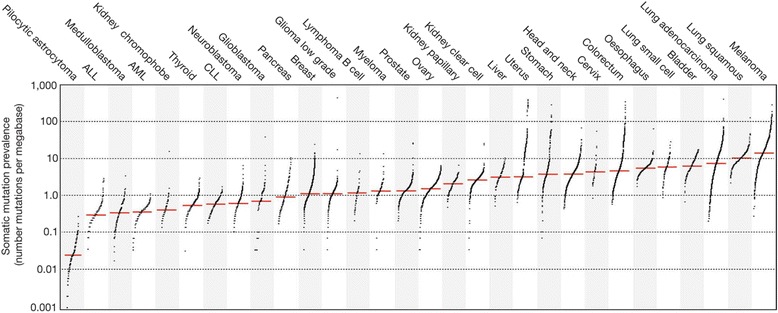
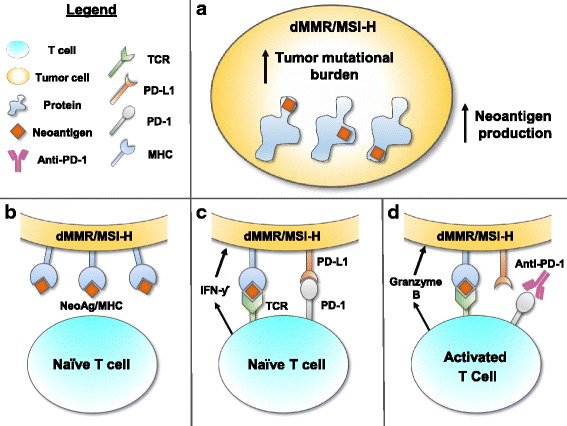
Verification
Claims the paper makes
The claims and statistics of this paper haven’t been checked yet.
Free: it reads the open-access text and checks the first 5 claims that cite a source we can check. Create a free account to check every claim.
Claims other papers make about this one
Each is checked against this paper’s own text: does it say what the citing paper says it does?
The source backs part of the claim, not all of it — or backs it for a different population, condition or comparison.
In the citing paper
“The underlying cause of the high mutational burden is not important for determining whether a tumor will respond to ICIs, as melanoma and NSCLC, which acquire mutations through UV-and carcinogen-induced DNA damage, respectively, respond just as well to ICIs as do tumors that acquire mutations through genomic instability or deficient mismatch repair (74,80,87).”
From Immune Checkpoint Inhibitors for the Treatment of Cancer: Clinical Impact and Mechanisms of Response and Resistance (2021) · cites this paper as [87]
Experimental — accuracy not yet measured
Self-check
Percentages, sums and reported differences re-computed from the paper’s own numbers.
The self-check needs the paper’s full text.
Citations
Cites
PD-1 and PD-L1 Immune Checkpoint Blockade to Treat Breast Cancer
Hartkopf, A. D., Taran, F.-A., Wallwiener, M., Walter, C. B., Krämer, B., Grischke, E.-M., & Brucker, S. Y. (2016) · Breast Care · doi:10.1159/000453569 · Cited by 30,845
Adverse Renal Effects of Immune Checkpoint Inhibitors: A Narrative Review
Wanchoo, R., Karam, S., Uppal, N. N., Barta, V. S., Deray, G., Devoe, C., Launay-Vacher, V., Jhaveri, K. D., & on behalf of Cancer and Kidney International Network Workgroup on Immune Checkpoint Inhibitors (2017) · American Journal of Nephrology · doi:10.1159/000455014 · Cited by 15,256
Safety, activity, and immune correlates of anti–PD-1 antibody in cancer
Topalian, S. L., Hodi, F. S., Brahmer, J. R., Gettinger, S. N., Smith, D. C., McDermott, D. F., Powderly, J. D., Carvajal, R. D., Sosman, J. A., Atkins, M. B., et al. (2012) · New England Journal of Medicine · doi:10.1056/nejmoa1200690 · Cited by 12,628 · cited 2×
“Pembrolizumab (KEYTRUDA®, Merck & Co., Inc., Kenilworth, NJ) is a humanized, mouse-derived anti-PD-1 antibody that promotes tumor-cell apoptosis by binding to T-cell PD-1 receptors and disrupting interaction with PD-L1 molecules on tumor cells [4, 5].”
Signatures of mutational processes in human cancer
Initiative, A. P. C. G., Alexandrov, L. B., ICGC Breast Cancer Consortium, ICGC MMML-Seq Consortium, PedBrain, I., Nik-Zainal, S., Wedge, D. C., Aparicio, S. A. J. R., Behjati, S., Biankin, A. V., et al. (2013) · Nature · doi:10.1038/nature12477 · Cited by 9,660
PD-1 Blockade in Tumors with Mismatch-Repair Deficiency
Le, D. T., Uram, J. N., Wang, H., Bartlett, B. R., Kemberling, H., Eyring, A. D., Skora, A. D., Luber, B. S., Azad, N. S., Laheru, D., et al. (2015) · New England Journal of Medicine · doi:10.1056/nejmoa1500596 · Cited by 9,377
Self-citationSafety and activity of anti-PD-L1 antibody in patients with advanced cancer
Brahmer, J. R., Tykodi, S. S., Chow, L. Q. M., Hwu, W.-J., Topalian, S. L., Hwu, P., Drake, C. G., Camacho, L. H., Kauh, J., Odunsi, K., et al. (2012) · New England Journal of Medicine · doi:10.1056/nejmoa1200694 · Cited by 7,945 · cited 10×
“Biomarker testing will also become imperative for patients with metastatic disease who are approved to receive pembrolizumab [4].”
InfluentialMismatch repair deficiency predicts response of solid tumors to PD-1 blockade
Le, D. T., Durham, J. N., Smith, K. N., Wang, H., Bartlett, B. R., Aulakh, L. K., Lu, S., Kemberling, H., Wilt, C., Luber, B. S., et al. (2017) · Science · doi:10.1126/science.aan6733 · Cited by 6,645 · cited 4×
“Increased neoantigen expression by MSI-H/dMMR-positive tumors may also correlate with increased PD-L1 expression, which would promote PD-1-positive T-cell infiltration [6, 7].”
InfluentialSelf-citationPredictive correlates of response to the anti-PD-L1 antibody MPDL3280A in cancer patients
Herbst, R. S., Soria, J.-C., Kowanetz, M., Fine, G. D., Hamid, O., Gordon, M. S., Sosman, J. A., McDermott, D. F., Powderly, J. D., Gettinger, S. N., et al. (2014) · Nature · doi:10.1038/nature14011 · Cited by 5,231
PD-1 Blockade with Nivolumab in Relapsed or Refractory Hodgkin's Lymphoma
Ansell, S. M., Lesokhin, A. M., Borrello, I., Halwani, A., Scott, E. C., Gutierrez, M., Schuster, S. J., Millenson, M. M., Cattry, D., Freeman, G. J., et al. (2015) · New England Journal of Medicine · doi:10.1056/nejmoa1411087 · Cited by 3,560
Safety and Tumor Responses with Lambrolizumab (Anti–PD-1) in Melanoma
Hamid, O., Robert, C., Daud, A., Hodi, F. S., Hwu, W.-J., Kefford, R., Wolchok, J. D., Hersey, P., Joseph, R. W., Weber, J. S., et al. (2013) · New England Journal of Medicine · doi:10.1056/nejmoa1305133 · Cited by 3,392 · cited 1×
“The PD-1/PD-L1 checkpoint has been extensively studied, and PD-1 and PD-L1 inhibitors have induced encouraging clinical responses in patients with NSCLC, melanoma, Hodgkin lymphoma, urothelial carcinoma, RCC, and many other cancers [4, 5, 41 – 45].”
Cited by
Items 101–200 of 241
Ravindranathan, D., Russler, G. A., Yantorni, L. B., Drusbosky, L. M., & Bilen, M. A. (2021) · Case Reports in Oncology · doi:10.1159/000512819 · Cited by 17
Kumar, M., Guleria, B., Swamy, S. S., & Soni, S. (2020) · Lung India · doi:10.4103/lungindia.lungindia_488_19 · Cited by 15
“Based on the understanding and outcomes of five Keynote trials (016, 164, 012, 028, 158), pembrolizumab has been approved for MSI-H unresectable or metastatic colorectal cancers postprogression on all approved lines of treatment.[13]”
BackgroundWang, Y., Lai, X., Wang, J., Xu, Y., Zhang, X., Zhu, X., Liu, Y., Shao, Y. W., Zhang, L., & Fang, W. (2022) · Frontiers in Genetics · doi:10.3389/fgene.2022.915839 · Cited by 14
“F1CDx and MSK-IMPACT are NGS targeted panel being authorized by the FDA as practical diagnostic assays.”
BackgroundTherapeutic biomarkers in metastatic castration-resistant prostate cancer: does the state matter?
Slootbeek, P. H. J., Tolmeijer, S. H., Mehra, N., & Schalken, J. A. (2023) · Critical Reviews in Clinical Laboratory Sciences · doi:10.1080/10408363.2023.2266482 · Cited by 15
Master protocols in immuno-oncology: do novel drugs deserve novel designs?
Mazzarella, L., Morganti, S., Marra, A., Trapani, D., Tini, G., Pelicci, P. G., & Curigliano, G. (2020) · Journal for ImmunoTherapy of Cancer · doi:10.1136/jitc-2019-000475 · Cited by 14
McLean, B. J., Istadi, A., Clack, T., Vankan, M., Schramek, D., Neely, G. G., & Pajic, M. (2022) · Advanced Genetics · doi:10.1002/ggn2.202200014 · Cited by 14
Current Status of Novel Agents for the Treatment of B Cell Malignancies: What’s Coming Next?
Tannoury, M., Garnier, D., Susín, S. A., & Bauvois, B. (2022) · Cancers · doi:10.3390/cancers14246026 · Cited by 14
Alldredge, J. K., Serna-Gallegos, T. R., Gallegos, N., VanLeer, J. P., Chang, J. J., Ziogas, A., Goreal, W., & Randall, L. M. (2019) · Gynecologic Oncology · doi:10.1016/j.ygyno.2019.10.008 · Cited by 14
Chuang, J., Chao, J., Hendifar, A. E., Klempner, S. J., & Gong, J. (2019) · Translational Gastroenterology and Hepatology · doi:10.21037/tgh.2019.08.04 · Cited by 13
“However, MSI-H and PD-L1+ gastroesophageal tumors still comprise only a fraction of the overall population of gastroesophageal cancer patients in need of further investigation to identify patients who will benefit from immunotherapy.”
BackgroundInfluentialLing, B., Ye, G., Zhao, Q., Jiang, Y., Liang, L., & Tang, Q. (2021) · Frontiers in Molecular Biosciences · doi:10.3389/fmolb.2020.603701 · Cited by 13
RetractedAssessment of Microsatellite Instability from Next-Generation Sequencing Data
Renault, V., Tubacher, E., & How‐Kit, A. (2022) · Advances in experimental medicine and biology · doi:10.1007/978-3-030-91836-1_5 · Cited by 14
Grootveld, M. C., Page, G., Bhogadia, M., Hunwin, K., & Edgar, M. A. (2023) · Metabolites · doi:10.3390/metabo13010066 · Cited by 13
Microsatellite instability states serve as predictive biomarkers for tumors chemotherapy sensitivity
Ye, T., Lin, A., Qiu, Z., Hu, S., Zhou, C., Liu, Z., Cheng, Q., Zhang, J., & Luo, P. (2023) · iScience · doi:10.1016/j.isci.2023.107045 · Cited by 13
“However, the most widely used biomarker in clinical practice is MSI status.(22)”
MethodSystemic treatments in pancreatic cancer: Taiwan pancreas society recommendation
Su, Y., Chiang, N., Chiu, T., Huang, C., Hsu, S., Lin, H., Yang, S., Yang, Y., Chou, W., Chen, Y., et al. (2023) · Biomedical Journal · doi:10.1016/j.bj.2023.100696 · Cited by 13
“Pembrolizumab has received FDA approval for the treatment of microsatellite instability high (MSI-H) cancers [80].”
BackgroundDeciphering molecular pathways in urological cancers: A gateway to precision therapeutics
Hushmandi, K., Farahani, N., Einollahi, B., Salimimoghadam, S., Alimohammadi, M., Liang, L., Liu, L., & Sethi, G. (2025) · Journal of Advanced Research · doi:10.1016/j.jare.2025.06.009 · Cited by 13
Sicard, G., Fina, F., Fanciullino, R., Barlési, F., & Ciccolini, J. (2020) · Pharmaceutics · doi:10.3390/pharmaceutics12080758 · Cited by 13
Emerging Therapies for Advanced Cholangiocarcinoma: An Updated Literature Review
Vignone, A., Biancaniello, F., Casadio, M., Pesci, L., Cardinale, V., Ridola, L., & Alvaro, D. (2021) · Journal of Clinical Medicine · doi:10.3390/jcm10214901 · Cited by 13
Long, L., Zhang, L., Yang, Y., Zhou, Y., & Chen, H. (2022) · Immunotherapy · doi:10.2217/imt-2021-0093 · Cited by 13
Yoon, S., Han, J. J., Baek, S. K., Kim, H. J., & Maeng, C. H. (2020) · Lung Cancer · doi:10.1016/j.lungcan.2020.06.033 · Cited by 13
Huang, C., Mendez, N., Echeagaray, O., Weeks, J. L., Wang, J., Yao, S., Blair, S. L., Gude, N. A., Trogler, W. C., Carson, D. A., et al. (2020) · Advanced Therapeutics · doi:10.1002/adtp.201900200 · Cited by 12
Lassoued, W., Madan, R. A., Xue, E., Burnett, D., Canubas, K., Bailey, S., Marté, J. L., Tsai, Y.-T., Donahue, R. N., Turkbey, I. B., et al. (2025) · Journal for ImmunoTherapy of Cancer · doi:10.1136/jitc-2024-010851 · Cited by 11
Self-citationNew medical approaches in advanced ovarian cancer
Corrado, G., Palluzzi, E., Bottoni, C., Pietragalla, A., Salutari, V., Ghizzoni, V., Distefano, M., Scambia, G., & Ferrandina, G. (2019) · Minerva Medica · doi:10.23736/s0026-4806.19.06139-1 · Cited by 11
Precision oncology: A primer for pediatric surgeons from the APSA cancer committee
Harris, C. J., Waters, A. M., Tracy, E. T., Christison-Lagay, E. R., Baertschiger, R. M., Ehrlich, P. F., Abdessalam, S. F., Aldrink, J. H., Rhee, D. S., Dasgupta, R. A., et al. (2019) · Journal of Pediatric Surgery · doi:10.1016/j.jpedsurg.2019.10.017 · Cited by 11
Dasgupta, S., Gayen, S., Chakraborty, T., Afrose, N., Pal, R., Mahata, S., Nasare, V. D., & Roy, S. (2024) · Medical Oncology · doi:10.1007/s12032-024-02337-1 · Cited by 10
“These findings prompted the US Food and Drug Administration to provide the first site-agnostic approval for the treatment of refractory solid tumors and microsatellite instability or DNA mismatch repair deficiencies with anti-PD-1 or PD-L1 therapy [48].”
Basket Trials: Past, Present, and Future
Murciano‐Goroff, Y. R., Uppal, M., Chen, M. F., Harada, G., & Schram, A. M. (2023) · Annual Review of Cancer Biology · doi:10.1146/annurev-cancerbio-061421-012927 · Cited by 9
“…a PD-1 inhibitor, was approved for adult and pediatric patients with unresectable or metastatic microsatellite instability–high (MSI-H) or mismatch repair–deficient (MMRd) solid tumors (André et al. 2020, Blumenthal & Pazdur 2018, Boyiadzis et al. 2018, Goldberg et al. 2018, Lemery et al. 2017).”
BackgroundParkin, A., Man, J., Chou, A. S. Y., Nagrial, A. M., Samra, J. S., Gill, A. J., Timpson, P., & Pajic, M. (2018) · Diseases · doi:10.3390/diseases6040103 · Cited by 9
Role of DNA mismatch repair genes in lung and head and neck cancer (Review)
Doukas, S. G., Vageli, D. P., Νikolouzakis, Τ. Κ., Falzone, L., Docea, A. O., Lazopoulos, G., Kalbakis, K., & Tsatsakis, A. M. (2019) · World Academy of Sciences Journal · doi:10.3892/wasj.2019.21 · Cited by 9
“More recently, some studies have focused on the prognostic significance of a defective MMR mechanism and MSI in several types of cancer, including NSCLC (104,105), and the responsiveness of patients towards immune check-point inhibitors (106-108).”
BackgroundCurrent Systemic Treatment Landscape of Advanced Gynecologic Malignancies
Pan, K., Gong, J., Huynh, K., & Cristea, M. C. (2019) · Targeted Oncology · doi:10.1007/s11523-019-00641-9 · Cited by 9
Atkins, A., Gupta, P., Zhang, B. M., Tsai, W., Lucas, J., Javey, M., Vora, A., & Mei, R. (2019) · Molecular Diagnosis & Therapy · doi:10.1007/s40291-019-00406-0 · Cited by 9
Immunotherapy in Non-Small-Cell Lung Cancer: from Targeted Molecules to Resistance Patterns
Brassart‐Pasco, S., Dalstein, V., Brassart, B., Dewolf, M., Clavel, C., & Oudart, J. (2020) · Pharmacogenomics · doi:10.2217/pgs-2020-0021 · Cited by 9
Zafar, S., Shehzadi, R., Dawood, H., Maqbool, M., Sarfraz, A., & Sarfraz, Z. (2024) · Therapeutic Advances in Medical Oncology · doi:10.1177/17588359231221339 · Cited by 8
“13,14 Programmed cell death-ligand 1 (PD-L1) is an immune checkpoint molecule, also called leukocyte differentiation antigen 274 (CD274) or B7 homolog 1 (B7-H1).”
BackgroundSpecific antitumour immunity and mechanisms of tumour escape from immunological surveillance
Султанбаев, А. В., Тузанкина, И. А., Мусин, Ш. И., Kolyadina, I. V., Меньшиков, К. В., Султанбаев, М. В., Gilyazova, I. R., & Kudlay, D. A. (2024) · P A Herzen Journal of Oncology · doi:10.17116/onkolog20241306170 · Cited by 8
Sri, K. H., Ravisankar, P., Konidala, S. K., & Babu, P. S. (2024) · Journal of Chromatography B · doi:10.1016/j.jchromb.2024.124171 · Cited by 8
Implications of Immunotherapy for Pediatric Malignancies: A Summary from the APSA Cancer Committee
Talbot, L. J., Lautz, T. B., Aldrink, J. H., Ehrlich, P. F., Dasgupta, R. A., Mattei, P., Tracy, E. T., Glick, R. D., Grant, C. M., Brown, E. G., et al. (2023) · Journal of Pediatric Surgery · doi:10.1016/j.jpedsurg.2023.07.001 · Cited by 8
Oncolytic Virus Alphavirus M1: A New and Promising Weapon to Fight Cancer
Muhuri, M., & Gao, G. (2021) · Human Gene Therapy · doi:10.1089/hum.2021.29150.mmu · Cited by 8
Mismatch repair deficiency and microsatellite instability in adrenocortical carcinoma
Altieri, B., Kircher, S., Herterich, S., Jahn, A., Teleanu, M.-V., Lippert, J., Landwehr, L.-S., Kimpel, O., Reuter, M., Remde, H., et al. (2026) · ESMO Open · doi:10.1016/j.esmoop.2025.106030 · Cited by 7
“22,23 Lynch syndrome (LS) is an autosomal dominant hereditary cancer syndrome caused by heterozygous pathogenic germline variants in MMR genes.”
Tokat, Ü. M., Adibi, A., Aydın, E., Özgü, E., Bilgiç, Ş. N., Tutar, O., Doğançay, M. Ö., Demiray, İ., & Demiray, M. (2024) · Current Oncology · doi:10.3390/curroncol31100434 · Cited by 7
“To date, a couple of markers have been utilized to predict the response to and benefit of the ICIs [29,30], such as high tissue TMB (tTMB ≥ 10 muts/Mb) [6], MSI-H or dMMR status [31], or high PD-L1 [32].”
MethodPancreatic Cancers: A Review of Studies from Pakistan and Comparison with Global Trends
Ali, S. M., Adnan, Y., & Ali, S. M. A. (2021) · Pakistan Journal of Public Health · doi:10.32413/pjph.v11i2.741 · Cited by 7
Kumar, N., Papillon‐Cavanagh, S., Tang, H., Wang, S., Stromko, C., Ho, C., Soni‐Sheth, S., Grinnell, S. G., Broz, M. L., Tenney, D. J., et al. (2022) · International Journal of Cancer · doi:10.1002/ijc.34218 · Cited by 7
“Microsatellite instability high (MSI-H) or deficient mismatch repair (dMMR) tumors, or those that have a high tumor mutational burden have all been approved for tissue-agnostic use.(10) However, these approvals are primarily focused on advanced stage tumors, and laterline patients who have progressed on prior treatmen…”
BackgroundMulti-cancer analysis of histopathologic MSI screening based on digital histology image
Lee, J., Kim, C. Y., Lee, S., & Chung, J.-H. (2025) · PLoS ONE · doi:10.1371/journal.pone.0332034 · Cited by 6
“PDL-1 blockade therapy, such as Pembrolizumab and nivolumab, was The US Food and Drug Administration (FDA) approved for a tumor site-agnostic solid tumor indication [2].”
A narrative review of combining radiation and immunotherapy in gastroesophageal cancers
Yoon, K., Chen, Y., & Chao, J. (2021) · Translational Cancer Research · doi:10.21037/tcr-20-2210 · Cited by 6
“As of 2017, detection of DNA mismatch repair deficiency (MMR-D) and MSI garnered regulatory approval as biomarkers predicting for benefit from PD-1 inhibitors in GEC (26).”
BackgroundBiomarker-Driven Immunotherapy for Precision Medicine in Prostate Cancer
Ottini, A., Sepe, P., Beninato, T., Claps, M., Guadalupi, V., Verzoni, E., Giannatempo, P., Baciarello, G., de Braud, F., & Procopio, G. (2021) · Personalized Medicine · doi:10.2217/pme-2021-0079 · Cited by 6
Reducing uncertainty in genetic testing with Saturation Genome Editing
Dace, P., & Findlay, G. M. (2022) · Medizinische Genetik · doi:10.1515/medgen-2022-2159 · Cited by 6
Clark, A. J., Singh, R., Leonis, R., Stahlberg, E. A., Clark, Z. S., & Lillard, J. W. (2024) · International Journal of Molecular Sciences · doi:10.3390/ijms252212356 · Cited by 6
“For example, EC with ultramutated or MSI harbor a high prevalence of somatic mutations, making them candidates for immunotherapy [7].”
Cui, H., Li, Y., Su, L., & Liu, G. (2021) · Frontiers in Oncology · doi:10.3389/fonc.2021.693886 · Cited by 6
“Immunotherapy based on immune checkpoint inhibitors has shown unprecedented safety and efficiency in the treatment of a variety of immunogenic tumors and durable responses can be achieved in non-small cell lung cancer and malignant melanoma (7, 8).”
BackgroundClinical predominance of whole‐exome sequencing to evaluate microsatellite instability status
Takamatsu, R., Nakamura, K., Suzuki, O., Okada, C., Mori, R., Kawano, R., Hayashi, H., Ishikawa, M., Aimono, E., Nohara, S., et al. (2023) · Cancer Science · doi:10.1111/cas.15813 · Cited by 6
Emerging Subtypes and New Treatments for Castration-Resistant Prostate Cancer
Carneiro, B. A., Lotan, T. L., Souza, A. O., & Aggarwal, R. R. (2020) · American Society of Clinical Oncology Educational Book · doi:10.1200/edbk_100025 · Cited by 6
del Arco, C. D., Muñoz, L. E., Barderas, R., Peláez‐García, A., Ortega, L. M., Roldán, E. M., Solís‐Fernández, G., Heras, S. G. G. D. L., & Fernández‐Aceñero, M. J. (2020) · Pathology & Oncology Research · doi:10.1007/s12253-020-00863-7 · Cited by 6
High-grade glioma therapy: adding flexibility in trial design to improve patient outcomes
Ye, X., Schreck, K. C., Ozer, B. H., & Grossman, S. A. (2022) · Expert Review of Anticancer Therapy · doi:10.1080/14737140.2022.2038138 · Cited by 6
Ou, F., An, M., Ruppert, A. S., & Mandrekar, S. J. (2019) · JCO Precision Oncology · doi:10.1200/po.19.00051 · Cited by 6
“As mentioned in the Introduction, pembrolizumab received the first tissue-agnostic FDA approval, and there may be several factors that could have contributed to successfully filing for approval of pembrolizumab.(50) First, the tissue collection in the initial randomized pembrolizumab trials allowed investigators to re…”
BackgroundImmune-checkpoint inhibitor resistance in patients with cancer
Cabezón‐Gutiérrez, L., Custodio‐Cabello, S., Palka-Kotlowska, M., Chacón-Ovejero, B., & Pacheco-Barcía, V. (2025) · Exploration of Immunology · doi:10.37349/ei.2025.1003196 · Cited by 6
Lan, Y., Qing, J., Feng, M. H., Zhao, P., & Zhu, M. S. (2023) · Frontiers in Genetics · doi:10.3389/fgene.2023.1100020 · Cited by 6
“Pembrolizumab is a PD-1 inhibitor and has been approved for tumor patients with deficient mismatch repair or high microsatellite instability, including PC (Boyiadzis et al., 2018).”
BackgroundVoutsadakis, I. A. (2024) · Cancer Investigation · doi:10.1080/07357907.2024.2388107 · Cited by 6
“A small percentage of about 5% of esophageal/gastroesophageal junction and gastric cancers display high microsatellite instability and are, therefore, candidates for treatment with a chemotherapy free immunotherapy regimen (23).”
Immunotherapeutic Approach for Advanced Pancreatic Adenocarcinoma
Kaur, J., Mir, T., Gill, R., Duong, J., Marcus, S., & Khan, R. (2021) · Immunotherapy · doi:10.2217/imt-2020-0344 · Cited by 5
Shoucair, S., Baker, A. R., & Yu, J. (2021) · Annals of Gastroenterological Surgery · doi:10.1002/ags3.12514 · Cited by 5
Zhu, S., Zhang, Z., Zhang, H., Liu, Z., Liu, M., Liu, Q., Zang, L., Wang, L., Ji, J., Wu, B., et al. (2022) · The Prostate · doi:10.1002/pros.24292 · Cited by 5
Huang, J., Zhang, S., Yang, Y., Zhang, Z.-C., Jiang, N., Li, W.-C., Shen, J., Zhong, B., & Zhu, X. (2022) · Clinical Medicine Insights Oncology · doi:10.1177/11795549221134832 · Cited by 5
Verschleiser, B., MacDonald, W., Carlsen, L., Huntington, K. E., Zhou, L., & El‐Deiry, W. S. (2023) · PubMed Central · Cited by 5
Martin, J. (2020) · Clinical journal of oncology nursing · doi:10.1188/20.cjon.648-656 · Cited by 5
Ma, P., Zou, C., & Xia, S.-T. (2022) · Immunogenetics · doi:10.1007/s00251-022-01273-6 · Cited by 5
“Some studies have shown that PD-L1 expression, tumor mutational burden (TMB), high microsatellite instability, tumor-infiltrating lymphocytes, and specific alterations can predict the efficacy of immune checkpoint inhibitors (ICIs) (Topalian et al. 2016; Boyiadzis et al. 2018).”
BackgroundVenetis, K., Fusco, N., & Sajjadi, E. (2021) · Frontiers in Oncology · doi:10.3389/fonc.2021.735476 · Cited by 5
“Hence, only a few TNBC were included in the basket trials that led to the ICI MMR-based histology-agnostic approval (21).”
BackgroundExosomes-based immunotherapy for cancer: Effective components in the naïve and engineered forms
Bao, H., Chen, Y., Zhang, Y.-N., Lan, H., & Jin, K. (2024) · International Immunopharmacology · doi:10.1016/j.intimp.2024.112656 · Cited by 4
Quann, K., Lontos, K., Sehgal, A. R., Raptis, A., Im, A., Redner, R. L., Dorritie, K. A., Agha, M., Hou, J., Farah, R., et al. (2024) · Haematologica · doi:10.3324/haematol.2024.285313 · Cited by 4
“5,6 Pembrolizumab, a humanized mouse-derived anti-PD-1 antibody that promotes T-cell mediated tumor-cell apoptosis by disrupting PD-1/PD-L1 interactions, is approved for use in patients with solid cancers and hematologic malignancies.”
Self-citationDevelopment and Validation of Molecular Assays for Limited Tissue Samples
Sussman, R. T., & Rosenbaum, J. N. (2019) · Acta Cytologica · doi:10.1159/000499109 · Cited by 4
Current status of cancer pharmacogenomics
Cayún, J. P., & Quiñones, L. A. (2019) · Elsevier eBooks · doi:10.1016/b978-0-12-819178-1.00022-8 · Cited by 4
Heo, Y. J., Kang, S. Y., Kim, S. T., Kang, W. K., Lee, J., & Kim, K.-M. (2019) · Precision and Future Medicine · doi:10.23838/pfm.2019.00079 · Cited by 4
“Food and Drug Administration (FDA) approved pembrolizumab, an antibody against programmed cell death protein 1 (PD-1), to treat patients with advanced solid tumors bearing the microsatellite unstable (MSI)/DNA mismatch repair (dMMR)-deficient biomarker [2].”
BackgroundDai, X., Wang, S., Niu, C., Ji, B., & Liu, Y. (2020) · Technology in Cancer Research & Treatment · doi:10.1177/1533033820947486 · Cited by 4
“Microsatellite instability (MSI) is a hypermutation caused by a mismatch repair defect (dMMR), and it is the first FDA-approved predictive biomarker for anti-PD-1 therapy.(63) However, MSI seems to be a rare event in HCC.”
BackgroundEhmann, F., Aerssens, J., & Blanchard, R. L. (2020) · British Journal of Clinical Pharmacology · doi:10.1111/bcp.14305 · Cited by 4
Feng, F., He, T., Lin, P., Hu, J., Shen, B., Tang, Z., Zhou, J., Jia, F., Hu, B., & Li, H. (2025) · Cell Reports Medicine · doi:10.1016/j.xcrm.2025.102276 · Cited by 3
“PDL1 protein expression, 8,9 tumor mutation burden, 10,11 microsatellite instability, and defects in DNA mismatch repair 10,12,13 have been approved by the Food and Drug Administration (FDA) as biomarkers for ICB therapy.”
Gupta, S., Nichols, C., Phillips, J., O’Sullivan, S., Ayres, C., Mohan, G. R., Leung, Y. C., Stewart, C. J. R., Tan, A. L. Y., Schofield, L., et al. (2021) · International Journal of Gynecological Cancer · doi:10.1136/ijgc-2020-002299 · Cited by 3
Current status of cancer immunotherapy with immune checkpoint inhibitors
Lee, M. A. (2021) · Journal of Korean Medical Association · doi:10.5124/jkma.2021.64.5.326 · Cited by 3
Cancer Resistance to Immunotherapy
Khoury, R., Shayya, A., Orm, C. B., Deen, O. Z., & Ghanem, H. (2025) · Immuno · doi:10.3390/immuno5030032 · Cited by 3
“…activity and leaning toward a Th1 response, interferon-γ (IFN-γ ) is a crucial cytokine for triggering and sustaining a strong antitumor response because it also has anti-proliferative, pro-apoptotic, and induces major histocompatibility complex class I (MHC I) upregulation in tumor cells [45,46].”
Emerging antibody therapies for pancreatic adenocarcinoma: a review of recent phase 2 trials
Kaur, J., Singh, P., Enzler, T., & Sahai, V. (2021) · Expert Opinion on Emerging Drugs · doi:10.1080/14728214.2021.1905795 · Cited by 3
“Additionally, 1–2% of patients with PDAC have mismatch repair deficiency (dMMR) or microsatellite instability-high (MSI-H), and high tumor mutational burden for which an antiprogrammed death receptor 1 (PD-1) antibody has received FDA designation [9].”
BackgroundLai, X., Wang, S., Zhang, X., Zhu, X., Liu, Y., Chang, Z., Wang, X., Shao, Y. W., Wang, J., & Wang, Y. (2025) · Frontiers in Immunology · doi:10.3389/fimmu.2024.1514295 · Cited by 3
Predictive Subgroup/Biomarker Identification and Machine Learning Methods
Man, M., Nguyen, T. S., Battioui, C., & Mi, G. (2019) · Springer eBooks · doi:10.1007/978-3-030-31503-0_1 · Cited by 3
Target Therapy and Immunotherapy for Gastric Cancer - Recent Updates
Karikalan, B., & Chakravarthi, S. (2022) · Current Cancer Therapy Reviews · doi:10.2174/1573394718666220418095954 · Cited by 3
Damanakis, A. I., Gebauer, F., & Bruns, C. J. (2020) · Der Chirurg · doi:10.1007/s00104-020-01172-0 · Cited by 3
Artificial Intelligence and Machine Learning in Pharmaceutical Sciences
Pereira, C. S. V. (2019) · Portuguese National Funding Agency for Science, Research and Technology (RCAAP Project by FCT) · Cited by 3
Edwards, P., & Monahan, K. J. (2024) · Springer eBooks · doi:10.1007/978-3-031-59630-8_4 · Cited by 2
Clinical translation and regulations of theranostics
Zhang, J., Zhao, T., Jakobsson, V., & Chen, X. S. (2025) · Elsevier eBooks · doi:10.1016/b978-0-443-22253-5.00028-5 · Cited by 2
Nagel, E., & Roman, Y. M. (2026) · Personalized Medicine · doi:10.1080/17410541.2026.2655298 · Cited by 2
Yamada, C. A. F., Malheiros, S. M. F., do Amaral, L. L. F., & Lancellotti, C. L. P. (2023) · Experimental Oncology · doi:10.15407/exp-oncology.2023.03.297 · Cited by 2
Biomarker-based immunotherapy in breast cancer
Fusco, N., & Sajjadi, E. (2024) · Elsevier eBooks · doi:10.1016/b978-0-443-13376-3.00013-7 · Cited by 2
(2019) · Asia-Pacific Biotech News · doi:10.1142/s0219030319000247 · Cited by 2
Chen, Y., Carlson, J. J., Montano‐Campos, F., Basu, A., & Inoue, L. Y. T. (2023) · medRxiv · doi:10.1101/2023.09.19.23295807 · Cited by 2
Kansal, H., Chopra, V., Garg, K., & Sharma, S. (2025) · Clinical & Translational Oncology · doi:10.1007/s12094-025-04137-z · Cited by 1
Bernardo, D., Murugan, N. J., & Voutsadakis, I. A. (2025) · International Journal of Hematology-Oncology and Stem Cell Research · doi:10.18502/ijhoscr.v19i1.17819 · Cited by 1
Zhang, T., Du, S., Zhang, Y., Liu, R., Li, J., Zhao, C., & Xu, J. (2025) · Cancer Medicine · doi:10.1002/cam4.70713 · Cited by 1
“In certain solid tumors, such as non-small cell lung cancer (NSCLC) and melanoma, the effectiveness of PD-1/PD-L1 blockade can be tentatively predicted by assessing PD-L1 expression [17], microsatellite stability [18], and tumor mutational burden [19] in tumor tissues.”
Malignant ascites as an immune organ and implications for cancer immunotherapy
Basov, D. D., Dorman, M. J., Burton, K. A., Metropulos, A. E., Munshi, H. G., & Principe, D. R. (2026) · Cancer Letters · doi:10.1016/j.canlet.2026.218533 · Cited by 1
Emerging Monoclonal Antibodies for the Treatment of Multiple Myeloma
Abramson, H. N. (2021) · IntechOpen eBooks · doi:10.5772/intechopen.94196 · Cited by 1
Li, Z., Teng, L., Pan, Z., Yang, Y., Zhu, J., Wu, X., Qian, Y., Qian, H., Bian, Y., Ying, C., et al. (2023) · Laboratory Investigation · doi:10.1016/j.labinv.2023.100306 · Cited by 1
Tang, M., Nakapakorn, C., & Meng, S. (2023) · JCEM Case Reports · doi:10.1210/jcemcr/luad126 · Cited by 1
Game changers in pediatric cancer
Lartigue, J. D. (2018) · The Journal of Community and Supportive Oncology · doi:10.12788/jcso.0430 · Cited by 1
Alexander, E. S., & Erinjeri, J. P. (2023) · Springer eBooks · doi:10.1007/978-3-030-51192-0_73-1 · Cited by 1
Wang, Y., Zhao, J., Wang, Q., Liu, J., Wang, J., & Song, X. (2023) · IEEE International Conference on Bioinformatics and Biomedicine (BIBM) · doi:10.1109/bibm58861.2023.10385439 · Cited by 1
“Research carried out in non-small cell lung cancer (NSCLC) and melanoma patients eventually prompted the FDA to endorse TMB as a diagnostic companion for the PD-1 inhibitor, pembrolizumab [4][5].”
BackgroundWhen survival curves cross: are we at a crossroads of immunotherapy in gastric cancer?
Gong, J., & Chao, J. (2019) · Annals of Translational Medicine · doi:10.21037/atm.2019.02.13 · Cited by 1
“, the PD-1 inhibitor pembrolizumab) in advanced gastroesophageal cancer remain in the third-line and beyond setting for tumors that are PD-L1-positive (CPS ≥1) and refractory to all standard therapy setting for tumors that show microsatellite instability (MSI) based on a tumor agnostic approval (1,4).”
BackgroundTargeting immune checkpoints in breast cancer.
Gaynor, N. (2019) · Arrow@dit (Dublin Institute of Technology) · Cited by 1
Genetic etiology of DNA-mismatch repair deficiency in cancer
Rosa, R. C. A. (2022) · Digital Library of Theses and Dissertations (Universidade de São Paulo) · doi:10.11606/t.17.2022.tde-10042023-085050 · Cited by 1
Cancro colorretal em estadio avançado: a alta instabilidade de microssatélites no prognóstico
Santos, A. I. C. (2021) · Portuguese National Funding Agency for Science, Research and Technology (RCAAP Project by FCT) · doi:10.34626/1a8n-5x73 · Cited by 1
Parkin, A. (2019) · UNSWorks (UNSW Sydney) · doi:10.26190/unsworks/2097 · Cited by 1
Metadata
- Authors
- Boyiadzis, M. M., Kirkwood, J. M., Marshall, J. L., Pritchard, C. C., Azad, N. S., & Gulley, J. L.
- Affiliations
- University of Pittsburgh (US)
- University of Washington (US)
- Johns Hopkins University (US)
- National Institutes of Health (US)
- Corresponding author
- Gulley, James L.
- ORCID
- Venue
- Journal for ImmunoTherapy of Cancer
- Publisher
- BMJ
- Published
- 2018-05-14
- Volume
- 6
- Issue
- 1
- Pages
- 35-35
- ISSN
- 2051-1426 (ISSN-L)
- PMC
- PMC5950135
- OpenAlex
- W2804123836
- Cited by
- 219
- References
- 49
- Citations by year
- 2026: 6 · 2025: 14 · 2024: 18 · 2023: 26 · 2022: 28 · 2021: 43 · 2020: 37 · 2019: 40 · 2018: 7
- FWCI
- 3.32
- Type
- journal article
- Language
- en
- Open access
- gold
- doi.org
- Licence
- cc-by
- creativecommons.org/licenses/by/4.0/ (tdm)
- Locations
- Journal for ImmunoTherapy of Cancer (publishedVersion, cc-by)
- Europe PMC (PubMed Central) (publishedVersion, other-oa)
- PubMed Central (publishedVersion, cc-by)
- PubMed (publishedVersion)
- DOAJ (DOAJ: Directory of Open Access Journals) (submittedVersion, cc-by-sa)
- Funders
- Society for Immunotherapy of Cancer
- Topics
- Health Sciences › Medicine › Oncology › Cancer Immunotherapy and Biomarkers
- Health Sciences › Medicine › Pathology and Forensic Medicine › Genetic factors in colorectal cancer
- Life Sciences › Biochemistry, Genetics and Molecular Biology › Cancer Research › Cancer Genomics and Diagnostics
- Keywords
- pembrolizumab, FDA approval, PD-1 inhibitors, cancer immunotherapy, microsatellite instability-high, mismatch repair deficiency, tumor markers, advanced solid tumors
- MeSH terms
- Antineoplastic Agents, Immunological, Humans, Neoplasms, Biomarkers, Tumor, United States, United States Food and Drug Administration, Antibodies, Monoclonal, Humanized
About these checks
Registry, retraction, Cites and statistics results are computed, not judged, with one exception: a printed reference that no index lists is read once by a model before it counts as a citation error. Claims are extracted by a model and kept only when their quote appears verbatim in the text; each cited source is then checked, with a model’s help, for whether it says what the claim relies on. Those verdicts can be wrong — read the claim’s quote and the cited source before relying on one.
Statistics and arithmetic are recomputed, not judged.
Confidence bands are shown only for fields calibrated on our annotated test set. None is calibrated yet, so no band is shown.
What counts as a claim ›How we measure confidence ›How we check this ›
Are you an author, or do you see a problem with this page? Request a review
Data sources
Bibliographic data: Semantic Scholar, OpenAlex, Crossref.
Contains information from the Semantic Scholar Academic Graph Datasets, made available under the ODC Attribution License (ODC-BY 1.0).
Semantic Scholar’s data is described in: Kinney, R., et al. (2023). The Semantic Scholar Open Data Platform. arXiv:2301.10140.
