

Significance and implications of FDA approval of pembrolizumab for biomarker-defined disease
Open accessThe DOI matches its Crossref record; 49 of the 49 references it cites were found in a registry or an index.
Abstract
The U.S. Food and Drug Administration (FDA) recently approved pembrolizumab, an anti- programmed cell death protein 1 cancer immunotherapeutic, for use in advanced solid tumors in patients with the microsatellite-high/DNA mismatch repair-deficient biomarker. This is the first example of a tissue-agnostic FDA approval of a treatment based on a patient's tumor biomarker status, rather than on tumor histology. Here we discuss key issues and implications arising from the biomarker-based disease classification implied by this historic approval.
Overview
The claims and statistics of this paper haven’t been checked yet.
Free: it reads the open-access text and checks the first 5 claims that cite a source we can check. Create a free account to check every claim.
Integrity signals
Registry
Cites
Statistics
Figures
Verification
Claims the paper makes
The claims and statistics of this paper haven’t been checked yet.
Free: it reads the open-access text and checks the first 5 claims that cite a source we can check. Create a free account to check every claim.
Claims other papers make about this one
Each is checked against this paper’s own text: does it say what the citing paper says it does?
The source backs part of the claim, not all of it — or backs it for a different population, condition or comparison.
In the citing paper
“The underlying cause of the high mutational burden is not important for determining whether a tumor will respond to ICIs, as melanoma and NSCLC, which acquire mutations through UV-and carcinogen-induced DNA damage, respectively, respond just as well to ICIs as do tumors that acquire mutations through genomic instability or deficient mismatch repair (74,80,87).”
From Immune Checkpoint Inhibitors for the Treatment of Cancer: Clinical Impact and Mechanisms of Response and Resistance (2021) · cites this paper as [87]
Experimental — accuracy not yet measured
Self-check
Percentages, sums and reported differences re-computed from the paper’s own numbers.
The self-check needs the paper’s full text.
Citations
Cites
PD-1 and PD-L1 Immune Checkpoint Blockade to Treat Breast Cancer
Hartkopf, A. D., Taran, F.-A., Wallwiener, M., Walter, C. B., Krämer, B., Grischke, E.-M., & Brucker, S. Y. (2016) · Breast Care · doi:10.1159/000453569 · Cited by 30,845
Adverse Renal Effects of Immune Checkpoint Inhibitors: A Narrative Review
Wanchoo, R., Karam, S., Uppal, N. N., Barta, V. S., Deray, G., Devoe, C., Launay-Vacher, V., Jhaveri, K. D., & on behalf of Cancer and Kidney International Network Workgroup on Immune Checkpoint Inhibitors (2017) · American Journal of Nephrology · doi:10.1159/000455014 · Cited by 15,256
Safety, activity, and immune correlates of anti–PD-1 antibody in cancer
Topalian, S. L., Hodi, F. S., Brahmer, J. R., Gettinger, S. N., Smith, D. C., McDermott, D. F., Powderly, J. D., Carvajal, R. D., Sosman, J. A., Atkins, M. B., et al. (2012) · New England Journal of Medicine · doi:10.1056/nejmoa1200690 · Cited by 12,628 · cited 2×
“Pembrolizumab (KEYTRUDA®, Merck & Co., Inc., Kenilworth, NJ) is a humanized, mouse-derived anti-PD-1 antibody that promotes tumor-cell apoptosis by binding to T-cell PD-1 receptors and disrupting interaction with PD-L1 molecules on tumor cells [4, 5].”
Signatures of mutational processes in human cancer
Initiative, A. P. C. G., Alexandrov, L. B., ICGC Breast Cancer Consortium, ICGC MMML-Seq Consortium, PedBrain, I., Nik-Zainal, S., Wedge, D. C., Aparicio, S. A. J. R., Behjati, S., Biankin, A. V., et al. (2013) · Nature · doi:10.1038/nature12477 · Cited by 9,660
PD-1 Blockade in Tumors with Mismatch-Repair Deficiency
Le, D. T., Uram, J. N., Wang, H., Bartlett, B. R., Kemberling, H., Eyring, A. D., Skora, A. D., Luber, B. S., Azad, N. S., Laheru, D., et al. (2015) · New England Journal of Medicine · doi:10.1056/nejmoa1500596 · Cited by 9,377
Self-citationSafety and activity of anti-PD-L1 antibody in patients with advanced cancer
Brahmer, J. R., Tykodi, S. S., Chow, L. Q. M., Hwu, W.-J., Topalian, S. L., Hwu, P., Drake, C. G., Camacho, L. H., Kauh, J., Odunsi, K., et al. (2012) · New England Journal of Medicine · doi:10.1056/nejmoa1200694 · Cited by 7,945 · cited 10×
“Biomarker testing will also become imperative for patients with metastatic disease who are approved to receive pembrolizumab [4].”
InfluentialMismatch repair deficiency predicts response of solid tumors to PD-1 blockade
Le, D. T., Durham, J. N., Smith, K. N., Wang, H., Bartlett, B. R., Aulakh, L. K., Lu, S., Kemberling, H., Wilt, C., Luber, B. S., et al. (2017) · Science · doi:10.1126/science.aan6733 · Cited by 6,645 · cited 4×
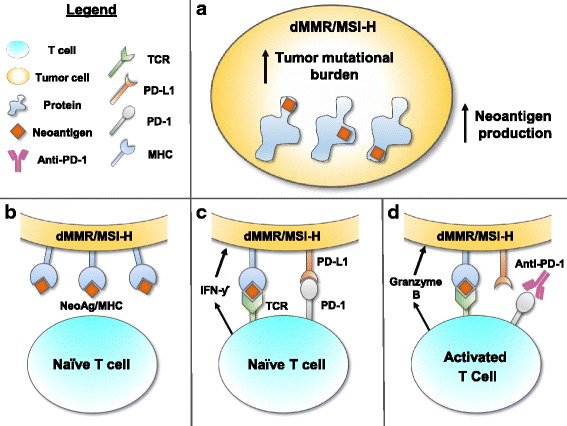
“Increased neoantigen expression by MSI-H/dMMR-positive tumors may also correlate with increased PD-L1 expression, which would promote PD-1-positive T-cell infiltration [6, 7].”
InfluentialSelf-citationPredictive correlates of response to the anti-PD-L1 antibody MPDL3280A in cancer patients
Herbst, R. S., Soria, J.-C., Kowanetz, M., Fine, G. D., Hamid, O., Gordon, M. S., Sosman, J. A., McDermott, D. F., Powderly, J. D., Gettinger, S. N., et al. (2014) · Nature · doi:10.1038/nature14011 · Cited by 5,231
PD-1 Blockade with Nivolumab in Relapsed or Refractory Hodgkin's Lymphoma
Ansell, S. M., Lesokhin, A. M., Borrello, I., Halwani, A., Scott, E. C., Gutierrez, M., Schuster, S. J., Millenson, M. M., Cattry, D., Freeman, G. J., et al. (2015) · New England Journal of Medicine · doi:10.1056/nejmoa1411087 · Cited by 3,560
Safety and Tumor Responses with Lambrolizumab (Anti–PD-1) in Melanoma
Hamid, O., Robert, C., Daud, A., Hodi, F. S., Hwu, W.-J., Kefford, R., Wolchok, J. D., Hersey, P., Joseph, R. W., Weber, J. S., et al. (2013) · New England Journal of Medicine · doi:10.1056/nejmoa1305133 · Cited by 3,392 · cited 1×
“The PD-1/PD-L1 checkpoint has been extensively studied, and PD-1 and PD-L1 inhibitors have induced encouraging clinical responses in patients with NSCLC, melanoma, Hodgkin lymphoma, urothelial carcinoma, RCC, and many other cancers [4, 5, 41 – 45].”
Cited by
A guide to cancer immunotherapy: from T cell basic science to clinical practice
Waldman, A. D., Fritz, J. M., & Lenardo, M. J. (2020) · Nature Reviews Immunology · doi:10.1038/s41577-020-0306-5 · Cited by 4,154
Applications of machine learning in drug discovery and development
Vamathevan, J., Clark, D., Czodrowski, P., Dunham, I., Ferran, E., Lee, G., Li, B., Madabhushi, A., Shah, P., Spitzer, M., et al. (2019) · Nature Reviews Drug Discovery · doi:10.1038/s41573-019-0024-5 · Cited by 3,228
Bagchi, S., Yuan, R., & Engleman, E. G. (2021) · Annual Review of Pathology: Mechanisms of Disease · doi:10.1146/annurev-pathol-042020-042741 · Cited by 2,189
Vaddepally, R. K., Kharel, P., Pandey, R., Garje, R., & Chandra, A. B. (2020) · Cancers · doi:10.3390/cancers12030738 · Cited by 1,196
Machine Learning in Drug Discovery: A Review
Dara, S., Dhamercherla, S., Jadav, S. S., Babu, C. M., & Ahsan, M. J. (2022) · Artificial Intelligence Review · doi:10.1007/s10462-021-10058-4 · Cited by 792
“It was the first endorsement made by FDA that relates to genetic biomarkers other than tumor type (Boyiadzis et al. 2018), which can highlight the”
BackgroundSubbiah, V., Wolf, J., Konda, B., Kang, H., Spira, A., Weiss, J., Takeda, M., Ohe, Y., Khan, S., Ohashi, K., et al. (2022) · The Lancet Oncology · doi:10.1016/s1470-2045(22)00541-1 · Cited by 449
The Immunoscore: Colon Cancer and Beyond
Angell, H. K., Bruni, D., Barrett, J. C., Herbst, R., & Galon, J. (2020) · Clinical Cancer Research · doi:10.1158/1078-0432.ccr-18-1851 · Cited by 380
“Food and Drug Administration has since granted accelerated approval to pembrolizumab for patients with MSI-H or dMMR solid tumors (33).”
BackgroundTargeting signaling pathways in prostate cancer: mechanisms and clinical trials
He, Y., Xu, W., Xiao, Y.-T., Huang, H., Gu, D., & Ren, S. (2022) · Signal Transduction and Targeted Therapy · doi:10.1038/s41392-022-01042-7 · Cited by 261
“Early studies showed that ICIs exhibit limited anticancer activity.347,348 It is currently accepted that the selection of patients with deficiency in MMR genes is important, because this subset of patients is potentially responsive to ICIs.345 The anti-PD1 antibody pembrolizumab is approved by the FDA to treat cancers…”
BackgroundBiomarker Discovery and Validation: Statistical Considerations
Ou, F.-S., Michiels, S., Shyr, Y., Adjei, A. A., & Oberg, A. L. (2021) · Journal of Thoracic Oncology · doi:10.1016/j.jtho.2021.01.1616 · Cited by 258
“An example is the approval of pembrolizumab as the first tissue-agnostic approval granted by the United States Food and Drug Administration (FDA).(25) Patients with microsatellite instability-high (MSI-H) tumors treated with pembrolizumab had higher overall response rates compared with those with microsatellite stable…”
BackgroundHwang, I., Kim, J. W., Ylaya, K., Chung, E. J., Kitano, H., Perry, C., Hanaoka, J., Fukuoka, J., Chung, J.-Y., & Hewitt, S. M. (2020) · Journal of Translational Medicine · doi:10.1186/s12967-020-02618-z · Cited by 253
Towards precision oncology in advanced prostate cancer
Ku, S.-Y., Gleave, M. E., & Beltran, H. (2019) · Nature Reviews Urology · doi:10.1038/s41585-019-0237-8 · Cited by 229
Biomarkers for Systemic Therapy in Metastatic Breast Cancer: ASCO Guideline Update
Henry, N. L., Somerfield, M. R., Dayao, Z. R., ELIAS, A. D., Kalinsky, K. M., McShane, L. M., Moy, B., Park, B. H., Shanahan, K. M., Sharma, P., et al. (2022) · Journal of Clinical Oncology · doi:10.1200/jco.22.01063 · Cited by 177
“Importantly, this was the first approval by the FDA on the basis of the result of a biomarker that was not specific to a certain tumor histology.(35)”
BackgroundQuatrini, L., Mariotti, F. R., Munari, E., Tumino, N., Vacca, P., & Moretta, L. (2020) · Cancers · doi:10.3390/cancers12113285 · Cited by 158
Diagnostic, Predictive, and Prognostic Biomarkers in Non-Small Cell Lung Cancer (NSCLC) Management
Šutić, M., Vukić, A., Baranašić, J., Försti, A., Džubur, F., Samaržija, M., Jakopović, M., Brčić, L., & Knežević, J. (2021) · Journal of Personalized Medicine · doi:10.3390/jpm11111102 · Cited by 155
Recent Advances and Challenges in Cancer Immunotherapy
Peterson, C. M., Denlinger, N., & Yang, Y. (2022) · Cancers · doi:10.3390/cancers14163972 · Cited by 148
Clinical Circulating Tumor DNA Testing for Precision Oncology
Kim, H., & Park, K. U. (2023) · Cancer Research and Treatment · doi:10.4143/crt.2022.1026 · Cited by 135
Insights Into Lung Cancer Immune-Based Biology, Prevention, and Treatment
Saab, S., Zalzale, H., Rahal, Z., Khalifeh, Y., Sinjab, A. F., & Kadara, H. N. (2020) · Frontiers in Immunology · doi:10.3389/fimmu.2020.00159 · Cited by 132
“Based on the combined data from disease-specific pembrolizumab clinical trials (KEYNOTE-016, KEYNOTE164, KEYNOTE-012, KEYNOTE-028, and KEYNOTE-158), 2017 witnessed the accelerated and first ever biomarker-based, as opposed to organ-specific tumor type, FDA approval of pembrolizumab as a second-line treatment for all m…”
MethodMcDonald, M. E., & Bender, D. (2019) · Obstetrics and Gynecology Clinics of North America · doi:10.1016/j.ogc.2018.09.006 · Cited by 126
Jílková, Z. M., Aspord, C., & Decaens, T. (2019) · Cancers · doi:10.3390/cancers11101554 · Cited by 124
Tumor mutational burden in lung cancer: a systematic literature review
Willis, C., Fiander, M., Tran, D., Korytowsky, B., Thomas, J.-M., Calderon, F., Zyczynski, T. M., Brixner, D. I., & Stenehjem, D. D. (2019) · Oncotarget · doi:10.18632/oncotarget.27287 · Cited by 104
“Tumors with dMMR/MSI-H have demonstrated improved response rates to PD-1/PD-L1 inhibitors, and dMMR/MSI-H deficiency has become the first “tissueagnostic” biomarker to receive FDA approval, for therapy with pembrolizumab [14].”
BackgroundCascading After Peridiagnostic Cancer Genetic Testing: An Alternative to Population-Based Screening
Offit, K., Tkachuk, K. A., Stadler, Z. K., Walsh, M. F., Diaz-Zabala, H. J., Levin, J. D., Steinsnyder, Z., Ravichandran, V., Sharaf, R., Frey, M. K., et al. (2020) · Journal of Clinical Oncology · doi:10.1200/jco.19.02010 · Cited by 103
Targeted therapies in metastatic gastric cancer: Current knowledge and future perspectives
Pellino, A., Riello, E., Nappo, F., Brignola, S., Murgioni, S., Djaballah, S. A., Lonardi, S., Zagonel, V., Rugge, M., Loupakis, F., et al. (2019) · World Journal of Gastroenterology · doi:10.3748/wjg.v25.i38.5773 · Cited by 101
Progress and Challenges of Predictive Biomarkers for Immune Checkpoint Blockade
Lei, Y., Li, X., Huang, Q., Zheng, X., & Liu, M. (2021) · Frontiers in Oncology · doi:10.3389/fonc.2021.617335 · Cited by 102
Wood, M. A., Weeder, B. R., David, J. K., Nellore, A., & Thompson, R. F. (2020) · Genome Medicine · doi:10.1186/s13073-020-00729-2 · Cited by 99
“Indeed, the checkpoint inhibitor, pembrolizumab, was granted accelerated disease-agnostic approval by the FDA on this basis for any cancer patient-harboring deficiencies in their capacity to perform DNA mismatch repair [10].”
BackgroundA high OXPHOS CD8 T cell subset is predictive of immunotherapy resistance in melanoma patients
Li, C., Phoon, Y. P., Karlinsey, K. S., Tian, Y. F., Thapaliya, S., Thongkum, A., Qu, L., Matz, A., Cameron, M. J., Cameron, C., et al. (2021) · The Journal of Experimental Medicine · doi:10.1084/jem.20202084 · Cited by 96
Liu, Q., Guan, Y., & Li, S. (2024) · Molecular Cancer · doi:10.1186/s12943-024-02095-8 · Cited by 95
Tarhini, A. A., & Kudchadkar, R. R. (2018) · Cancer Treatment Reviews · doi:10.1016/j.ctrv.2018.09.005 · Cited by 87
Stenzel, P., Schindeldecker, M., Tagscherer, K. E., Foersch, S., Herpel, E., Hohenfellner, M., Hatiboglu, G., Alt, J., Thomas, C., Haferkamp, A., et al. (2019) · Translational Oncology · doi:10.1016/j.tranon.2019.11.002 · Cited by 86
“The mechanistic hypothesis is that tumor antigenicity generated by mutations promotes T-cell expansion, which enhances the anti-PD-1 response [22,23].”
BackgroundScalera, S., Mazzotta, M., Corleone, G., Sperati, F., Terrenato, I., Krasniqi, E., Pizzuti, L., Barba, M., Vici, P., Gallo, E., et al. (2021) · Journal of Thoracic Oncology · doi:10.1016/j.jtho.2021.08.010 · Cited by 80
Beyond PD-L1 Markers for Lung Cancer Immunotherapy
Wojas‐Krawczyk, K., Kalinka‐Warzocha, E., Grenda, A., Krawczyk, P. A., & Milanowski, J. (2019) · International Journal of Molecular Sciences · doi:10.3390/ijms20081915 · Cited by 80
Current Bioinformatics Tools in Precision Oncology
Wolde, T., Bhardwaj, V., & Pandey, V. (2025) · MedComm · doi:10.1002/mco2.70243 · Cited by 78
Liu, R., Yang, F., Yin, J., Liu, Y., Zhang, W., & Zhou, H. (2021) · Frontiers in Immunology · doi:10.3389/fimmu.2021.685370 · Cited by 81
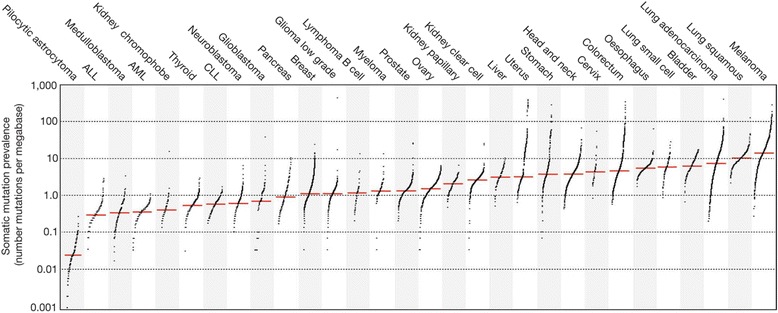
“However, there are exceptions, as low tumor mutational burdens and sensitivity to ICI therapies have been found, for instance, in metastatic renal cell carcinoma (48).”
BackgroundAgnostic Approvals in Oncology: Getting the Right Drug to the Right Patient with the Right Genomics
Tateo, V., Marchese, P. V., Mollica, V., Massari, F., Kurzrock, R., & Adashek, J. J. (2023) · Pharmaceuticals · doi:10.3390/ph16040614 · Cited by 78
Germline testing and genetic counselling in prostate cancer
Russo, J. R., & Giri, V. N. (2022) · Nature Reviews Urology · doi:10.1038/s41585-022-00580-7 · Cited by 75
Integrated genomic analysis reveals mutated ELF3 as a potential gallbladder cancer vaccine candidate
Pandey, A., Stawiski, E. W., Durinck, S., Gowda, H., Goldstein, L. D., Barbhuiya, M. A., Schröder, M., Sreenivasamurthy, S. K., Kim, S., Phalke, S., et al. (2020) · Nature Communications · doi:10.1038/s41467-020-17880-4 · Cited by 75
Jaffrelot, M., Farés, N., Brunac, A., Laurenty, A. P., Danjoux, M., Grand, D., Icher, S., Meilleroux, J., Mery-Lamarche, E., Buscail, É., et al. (2021) · Modern Pathology · doi:10.1038/s41379-021-00918-3 · Cited by 72
The effects of age and systemic metabolism on anti-tumor T cell responses
Drijvers, J. M., Sharpe, A. H., & Haigis, M. C. (2020) · eLife · doi:10.7554/elife.62420 · Cited by 69
Targeting the tumour microenvironment in platinum-resistant ovarian cancer
Cummings, M., Freer, C., & Orsi, N. M. (2021) · Seminars in Cancer Biology · doi:10.1016/j.semcancer.2021.02.007 · Cited by 71
Ascierto, P. A., Bifulco, C. B., Palmieri, G., Peters, S., & Sidiropoulos, N. (2019) · Journal of Molecular Diagnostics · doi:10.1016/j.jmoldx.2019.05.004 · Cited by 66
“Indeed, the recent approval of pembrolizumab for patients with microsatellite instabilityehigh solid tumors marked the first approval of a tissue-agnostic cancer treatment based on a biomarker.(8) The linkage of precision medicine with the expanding availability of diagnostic technologies has increased the demand for…”
BackgroundTargeting Immune-Related Biological Processes in Solid Tumors: We do Need Biomarkers
Pagni, F., Guerini‐Rocco, E., Schultheis, A. M., Grazia, G., Rijavec, E., Ghidini, M., Lopez, G., Venetis, K., Croci, G. A., Malapelle, U., et al. (2019) · International Journal of Molecular Sciences · doi:10.3390/ijms20215452 · Cited by 64
Progress Toward Identifying Exact Proxies for Predicting Response to Immunotherapies
Filipović, A., Miller, G., & Bolen, J. B. (2020) · Frontiers in Cell and Developmental Biology · doi:10.3389/fcell.2020.00155 · Cited by 64
“Interestingly capturing a dynamic decrease between baseline and post-treatment initiation week 12, correlated with favorable response (Kelderman et al., 2014; Weide et al., 2016; Oya et al., 2017; Buder-Bakhaya and Hassel, 2018).”
DNA methylation and chromatin modifiers in colorectal cancer
Vymetalkova, V., Vodicka, P., Vodenkova, S., Alonso, S., & Schneider-Stock, R. (2019) · Molecular Aspects of Medicine · doi:10.1016/j.mam.2019.04.002 · Cited by 57
Sundar, R., Huang, K. K., Qamra, A., Kim, K.-M., Kim, S. T., Kang, W. K., Tan, A., Lee, J., & Tan, P. B. O. (2019) · Annals of Oncology · doi:10.1093/annonc/mdy550 · Cited by 61
“MSI is one of the few established biomarkers to identify gastric cancer patients who benefit from ICI, and this remains a primary-site agnostic indication for this therapy [19].”
BackgroundWang, K., Patkar, S., Lee, J. S., Gertz, E. M., Robinson, W., Schischlik, F., Crawford, D. R., Schäffer, A. A., & Ruppin, E. (2022) · Cancer Discovery · doi:10.1158/2159-8290.cd-21-0887 · Cited by 55
Detection of Microsatellite Instability from Circulating Tumor DNA by Targeted Deep Sequencing
Cai, Z., Wang, Z., Liu, C., Shi, D., Li, D., Zheng, M., Han‐Zhang, H., Lizaso, A., Xiang, J., Lv, J., et al. (2020) · Journal of Molecular Diagnostics · doi:10.1016/j.jmoldx.2020.04.210 · Cited by 59
Current Advances in Immunotherapy for Glioblastoma
Mende, A., Schulte, J. D., Okada, H., & Clarke, J. L. (2021) · Current Oncology Reports · doi:10.1007/s11912-020-01007-5 · Cited by 59
Sajjadi, E., Venetis, K., Piciotti, R., Invernizzi, M., Guerini‐Rocco, E., Haricharan, S., & Fusco, N. (2021) · Cancer Cell International · doi:10.1186/s12935-021-01976-y · Cited by 58
“Hence, only a few breast cancers were included in the basket trials that led to the histology-agnostic approval of ICB in the presence of MMR deficiency [34].”
BackgroundWang, B., Ran, Z., Liu, M., & Ou, Y. (2019) · Frontiers in Immunology · doi:10.3389/fimmu.2019.01573 · Cited by 56
“UCSC Xena browser (26, 27) was used for evaluating the correlation between expression level of HHLA2mRNA, methylation status, copy number variant of HHLA2 DNA and the overall survival time in kidney clear cell carcinoma.”
MethodLarge-scale pharmacogenomic studies and drug response prediction for personalized cancer medicine
Feng, F., Shen, B., Mou, X., Li, Y., & Li, H. (2021) · Journal of genetics and genomics/Journal of Genetics and Genomics · doi:10.1016/j.jgg.2021.03.007 · Cited by 55
Maekawa, S., Takata, R., & Obara, W. (2024) · Cancers · doi:10.3390/cancers16030523 · Cited by 55
“The FDA has approved the use of the anti-PD1 antibody pembrolizumab for treating cancers, including PCa with MMR mutations or MSI [311].”
BackgroundLow doses in immunotherapy: Are they effective?
Prabhash, K., Patil, V. M., Noronha, V., Joshi, A. D., Abhyankar, A. V., Menon, N. S., Banavali, S. D., & Gupta, S. (2019) · Cancer Research Statistics and Treatment · doi:10.4103/crst.crst_29_19 · Cited by 51
“[19] Pembrolizumab is also approved for use in advanced NSCLC,[28‐30] HNSCC,[31] Hodgkin’s lymphoma,[24] urothelial cancer,[32] and microsatellite instability‐high cancer[33] 4.”
BackgroundHwang, H. S., Kim, D., & Choi, J. (2021) · Journal for ImmunoTherapy of Cancer · doi:10.1136/jitc-2021-002797 · Cited by 51
NCAPG Is a Promising Therapeutic Target Across Different Tumor Types
Xiao, C., Gong, J., Jie, Y., Cao, J., Chen, Z., Li, R., Chong, Y., Hu, B., & Zhang, Q. (2020) · Frontiers in Pharmacology · doi:10.3389/fphar.2020.00387 · Cited by 50
“For the first time, the US Food and Drug Administration approved a cancer drug for treatment based on a tumor biomarker and not the tumor's original location: pembrolizumab, indicated for treatment of mismatch repair deficient, or microsatellite instability-high advanced solid tumors (Boyiadzis et al., 2018).”
BackgroundZhao, X., Cohen, E. E. W., William, W. N., Bianchi, J. J., Abraham, J. P., Magee, D., Spetzler, D. B., Gutkind, J. S., Alexandrov, L. B., Cavenee, W. K., et al. (2022) · Proceedings of the National Academy of Sciences · doi:10.1073/pnas.2213835119 · Cited by 50
Immunotherapies based on PD-1/PD-L1 pathway inhibitors in ovarian cancer treatment
Pawłowska, A., Suszczyk, D., Okła, K., Barczyński, B., Kotarski, J., & Wertel, I. (2018) · Clinical & Experimental Immunology · doi:10.1111/cei.13255 · Cited by 50
Jiang, P., Yang, F., Zou, C., Bao, T., Wu, M., Yang, D., & Bu, S. (2021) · Aging · doi:10.18632/aging.202801 · Cited by 53
“In 2017, the US Food and Drug Administration (FDA) approved the PD-1 blocker pembrolizumab for tumor patients who are identified as deficient mismatch repair (dMMR) or high microsatellite instability (MSI-H), including PCa [8].”
CAR T-cells for colorectal cancer immunotherapy: Ready to go?
Ghazi, B., El Ghanmi, A., Kandoussi, S., Ghouzlani, A., & Badou, A. (2022) · Frontiers in Immunology · doi:10.3389/fimmu.2022.978195 · Cited by 46
Artificial Intelligence (AI) in medicine as a strategic valuable tool
Larentzakis, A., & Lygeros, N. (2021) · Pan African Medical Journal · doi:10.11604/pamj.2021.38.184.28197 · Cited by 40
“malignancies carrying a specific genetic biomarker is an example of how AI-aided biomarker identification could lead to the development of targeted biotherapies [66].”
BackgroundAdoptive cell therapy: Living drugs against cancer
Laskowski, T. J., & Rezvani, K. (2020) · The Journal of Experimental Medicine · doi:10.1084/jem.20200377 · Cited by 46
Impact of DNA damage repair alterations on prostate cancer progression and metastasis
Lukashchuk, N., Barnicle, A., Adelman, C. A., Armenia, J., Kang, J., Barrett, J. C., & Harrington, E. A. (2023) · Frontiers in Oncology · doi:10.3389/fonc.2023.1162644 · Cited by 46
Immune Cycle‐Based Strategies for Cancer Immunotherapy
Li, Y., Liu, X., Zhang, X., Pan, W., Li, N., & Tang, B. (2021) · Advanced Functional Materials · doi:10.1002/adfm.202107540 · Cited by 45
Is immunotherapy in the future of therapeutic management of sarcomas?
Clemente, O., Ottaiano, A., Lorenzo, G. D., Bracigliano, A., Lamia, S., Cannella, L., Pizzolorusso, A., Marzo, M. D., Santorsola, M., Chiara, A. D., et al. (2021) · Journal of Translational Medicine · doi:10.1186/s12967-021-02829-y · Cited by 43
Johnson, R. L., Cummings, M., Thangavelu, A., Theophilou, G., Jong, D. D., & Orsi, N. M. (2021) · Cancers · doi:10.3390/cancers13246231 · Cited by 43
Jie, C., Li, R., Cheng, Y., Wang, Z., Wu, Q., & Xie, C. (2023) · Frontiers in Immunology · doi:10.3389/fimmu.2023.1122352 · Cited by 40
Clinical significance of MLH1/MSH2 for stage II/III sporadic colorectal cancer
Wang, S., Jiang, B., Deng, Y., Huang, S.-L., Fang, M., & Wang, Y. (2019) · World Journal of Gastrointestinal Oncology · doi:10.4251/wjgo.v11.i11.1065 · Cited by 40
Pastor, D. M., & Schlom, J. (2021) · Current Oncology Reports · doi:10.1007/s11912-021-01085-z · Cited by 42
Criscitiello, C., Guerini‐Rocco, E., Viale, G., Fumagalli, C., Sajjadi, E., Venetis, K., Piciotti, R., Invernizzi, M., Malapelle, U., & Fusco, N. (2021) · Anti-Cancer Agents in Medicinal Chemistry · doi:10.2174/1871520621666210706144112 · Cited by 40
“Relying on this rationale, the FDA granted the tissue-agnostic approval of pembrolizumab in dMMR or MSIhigh solid tumors [94].”
BackgroundImmune Checkpoint Inhibitors in Hepatocellular Carcinoma: Current Progresses and Challenges
Liu, H.-T., Jiang, M., Deng, Z., Li, L., Huang, J.-L., Liu, Z., Li, L., & Zhong, J. (2021) · Frontiers in Oncology · doi:10.3389/fonc.2021.737497 · Cited by 40
Imatinib and the long tail of targeted drug development
Carlisle, B. G., Zheng, T., & Kimmelman, J. (2020) · Nature Reviews Clinical Oncology · doi:10.1038/s41571-019-0287-0 · Cited by 39
Molecular Classifications in Gastric Cancer: A Call for Interdisciplinary Collaboration
del Arco, C. D., Fernández‐Aceñero, M. J., & Ortega, L. M. (2024) · International Journal of Molecular Sciences · doi:10.3390/ijms25052649 · Cited by 39
“Additionally, the approval of pembrolizumab for solid tumors with high microsatellite instability (MSI-H) or mismatch repair deficiency (dMMR) included GC cases [26,27].”
BackgroundChen, M., Chang, S., Lin, P.-C., Yang, S.-H., Lin, C., Lan, Y., Lin, H., Lin, C., Lai, J., Liang, W.-Y., et al. (2019) · The Oncologist · doi:10.1634/theoncologist.2019-0171 · Cited by 38
“Food and Drug Administration (FDA) approval for checkpoint inhibitors for this group of cancers, regardless of the site [10].”
Backgrounddel Arco, C. D., Ortega, L. M., Muñoz, L. E., Heras, S. G. G. D. L., & Fernández‐Aceñero, M. J. (2021) · PubMed · doi:10.14670/hh-18-309 · Cited by 38
Predictive biomarkers of response to immune checkpoint inhibitors in hepatocellular carcinoma
Muhammed, A., D’Alessio, A., Enica, A., Talbot, T., Fulgenzi, C. A. M., Nteliopoulos, G., Goldin, R. D., Cortellini, A., & Pinato, D. J. (2022) · Expert Review of Molecular Diagnostics · doi:10.1080/14737159.2022.2049244 · Cited by 38
“These findings led the United States (US) Food and Drug Administration (FDA) to grant pembrolizumab a siteagnostic approval for the treatment of unresectable or metastatic TMB-H cancer regardless of its primary site [68].”
BackgroundLAG-3 and GAL-3 in Endometrial Carcinoma: Emerging Candidates for Immunotherapy
Friedman, L. A., Ring, K. L., & Mills, A. M. (2019) · International Journal of Gynecological Pathology · doi:10.1097/pgp.0000000000000608 · Cited by 37
Ju, J. Y., Dibbern, M. E., Mahadevan, M. S., Fan, J., Kunk, P. R., & Stelow, E. B. (2019) · American Journal of Clinical Pathology · doi:10.1093/ajcp/aqz199 · Cited by 37
Venetis, K., Frascarelli, C., Bielo, L. B., Cursano, G., Adorisio, R., Ivanova, M. D., Mane, E., Peruzzo, V., Concardi, A., Negrelli, M., et al. (2025) · European Journal of Cancer · doi:10.1016/j.ejca.2025.115233 · Cited by 35
Targeting Immune Checkpoints in Lung Cancer: Current Landscape and Future Prospects
Long, L., Zhao, C., Muqimova, O., Zhao, X., Yang, J. L., & Chen, H. (2019) · Clinical Drug Investigation · doi:10.1007/s40261-018-00746-5 · Cited by 34
Bilbao, M., Aikins, J. K., & Ostrovsky, O. (2021) · Gynecologic Oncology · doi:10.1016/j.ygyno.2020.12.033 · Cited by 35
Identification of Lynch Syndrome
Maratt, J. K., & Stoffel, E. M. (2021) · Gastrointestinal Endoscopy Clinics of North America · doi:10.1016/j.giec.2021.09.002 · Cited by 33
DNA Repair Deficiency in Breast Cancer: Opportunities for Immunotherapy
Gilmore, E. S., McCabe, N., Kennedy, R. D., & Parkes, E. E. (2019) · Journal of Oncology · doi:10.1155/2019/4325105 · Cited by 33
“The most promising of these in solid tumors has been the presence of microsatellite instability, leading to approval of immune checkpoint therapy in all advanced solid tumors with mismatch repair defects [145].”
BackgroundOutcome of immunotherapy in adrenocortical carcinoma: a retrospective cohort study
Remde, H., Schmidt-Pennington, L., Reuter, M., Landwehr, L., Jensen, M., Lahner, H., Kimpel, O., Altieri, B., Laubner, K., Schreiner, J., et al. (2023) · European Journal of Endocrinology · doi:10.1093/ejendo/lvad054 · Cited by 31
Opportunities for pharmacoproteomics in biomarker discovery
Poulos, R. C., Cai, Z., Robinson, P. J., Reddel, R. R., & Zhong, Q. (2022) · PROTEOMICS · doi:10.1002/pmic.202200031 · Cited by 30
“based assay of microsatellite sequences [14].”
An Immunological Glance on Pancreatic Ductal Adenocarcinoma
Melzer, M. K., Arnold, F., Stifter, K., Zengerling, F., Azoitei, N., Seufferlein, T. T. W., Bolenz, C., & Kleger, A. (2020) · International Journal of Molecular Sciences · doi:10.3390/ijms21093345 · Cited by 29
Jiang, L., Nie, L., Yan, F., & Yuan, Y. (2021) · Contemporary Clinical Trials · doi:10.1016/j.cct.2021.106460 · Cited by 29
Long, L., Chen, M., Yuan, Y. J., Ming, A. L., Guo, W., Wu, K., & Chen, H. (2020) · Journal of Cancer · doi:10.7150/jca.42610 · Cited by 28
“With impressive efficacy in clinical trials, PD-1/PD-L1 inhibitors have been approved by the US Food and Drug Administration to treat NSCLC and other cancers [8, 9].”
BackgroundSynergistic targeting strategies for prostate cancer
Li, X., Han, Z., & Ai, J. (2025) · Nature Reviews Urology · doi:10.1038/s41585-025-01042-6 · Cited by 27
“…limited in most patients with prostate cancer, but anticancer activity was observed in a subgroup of patients with prostate cancer with high immune checkpoint molecule expression, high TMB, high microsatellite instability and/or defective mismatch repair, HRR deficiency and/or DDR mutations 8,52 .”
Impact of Real-World Data on Market Authorization, Reimbursement Decision & Price Negotiation
Pulini, A., Caetano, G., Clautiaux, H., Vergeron, L., Pitts, P. J., & Katz, G. (2020) · Therapeutic Innovation & Regulatory Science · doi:10.1007/s43441-020-00208-1 · Cited by 28
Zhao, Y., Liu, L., & Weng, L. (2021) · Frontiers in Pharmacology · doi:10.3389/fphar.2021.714483 · Cited by 27
“Moreover, pembrolizumab became the first drug to be approved for advanced MSI-H/dMMR-positive solid tumors based on a tumor-specific biomarker instead of the cancer location (Boyiadzis et al., 2018).”
BackgroundUnderstanding and overcoming resistance to immunotherapy in genitourinary cancers
Evans, S. T., Jani, Y. C., Jansen, C. S., Yıldırım, A., Kalemoglu, E., & Bilen, M. A. (2024) · Cancer Biology & Therapy · doi:10.1080/15384047.2024.2342599 · Cited by 27
“46 In cases like metastatic renal cell carcinoma and polyomavirus-positive Merkel cell carcinoma, patients have still responded positively to ICIs despite their low TMB. 47 Thus, although a high TMB is generally associated with better response to ICIs, the interplay between mutational burden and immunotherapy efficacy…”
BackgroundHong, J. H., Cho, H., Ouh, Y., Lee, J. K., & Chun, Y. (2023) · Journal of Gynecologic Oncology · doi:10.3802/jgo.2023.34.e18 · Cited by 24
“In this regard, MSI-H or MMR deficiency is a well-recognized driver of upregulated tumor mutational burden resulting in remarkable responsiveness to immune checkpoint inhibitors in various malignancies [13,14].”
BackgroundAbboud, K., Umoru, G., Esmail, A., Abudayyeh, A., Murakami, N., Al-Shamsi, H. O., Javle, M. M., Saharia, A., Connor, A. A., Kodali, S., et al. (2023) · Cancers · doi:10.3390/cancers15051433 · Cited by 24
Sherman, S. K., Schuitevoerder, D., Chan, C. H. F., & Turaga, K. K. (2020) · Annals of Surgical Oncology · doi:10.1245/s10434-020-08733-x · Cited by 24
Nair, V. S., Toor, S. M., Taouk, G. M., Pfister, G., Ouararhni, K., Alajez, N. M., & Elkord, E. (2020) · The Journal of Immunology · doi:10.4049/jimmunol.1900575 · Cited by 23
“Pembrolizumab recently received Food and Drug Administration approval for the treatment of patients with advanced solid tumors that show mismatch repair deficiency and high microsatellite instability (14).”
BackgroundEmerging kinase inhibitors for the treatment of pancreatic ductal adenocarcinoma
Rudloff, U. (2022) · Expert Opinion on Emerging Drugs · doi:10.1080/14728214.2022.2134346 · Cited by 22
Advances in herbal polysaccharides-based nano-drug delivery systems for cancer immunotherapy
Han, M., Fan, Y.-K., Zhang, Y., & Dong, Z. (2024) · Journal of drug targeting · doi:10.1080/1061186x.2024.2309661 · Cited by 20
“Many types of cancers have been treated with anti-PD-1 and anti-PD-l1 mAbs, such as Rcc, Hodgkin’s lymphoma (Hl), head and neck squamous cell carcinoma (HNSc), NSclc, uroepithelial carcinoma, and hepatocellular carcinoma (Hcc) [28,29].”
BackgroundYe, L., Ma, S., Robinson, B. W. S., & Creaney, J. (2018) · Expert Review of Respiratory Medicine · doi:10.1080/17476348.2019.1563488 · Cited by 20
“whose tumors harbor mismatch repair deficiency (dMMR) or high microsatellite instability, and have progressed after standard systemic therapy [47].”
BackgroundAdaptive Immunity in Genitourinary Cancers
Koti, M., Bivalacqua, T. J., Black, P. C., Cathomen, T., Galsky, M. D., Gulley, J. L., Ingersoll, M. A., Kamat, A. M., Kassouf, W., Siemens, D. R., et al. (2023) · European Urology Oncology · doi:10.1016/j.euo.2023.03.002 · Cited by 20
Self-citationClinical immunotherapeutic approaches for the treatment of head and neck cancer
Kareemaghay, S., & Tavassoli, M. (2018) · International Journal of Oral and Maxillofacial Surgery · doi:10.1016/j.ijom.2018.10.012 · Cited by 18
Principe, D. R. (2022) · Scientific Reports · doi:10.1038/s41598-022-15714-5 · Cited by 17
Actualización en cáncer gástrico. Nuevas clasificaciones moleculares
del Arco, C. D., Muñoz, L. E., Ortega, L. M., & Fernández‐Aceñero, M. J. (2020) · Revista Española de Patología · doi:10.1016/j.patol.2020.06.002 · Cited by 16
Metadata
- Authors
- Boyiadzis, M. M., Kirkwood, J. M., Marshall, J. L., Pritchard, C. C., Azad, N. S., & Gulley, J. L.
- Affiliations
- University of Pittsburgh (US)
- University of Washington (US)
- Johns Hopkins University (US)
- National Institutes of Health (US)
- Corresponding author
- Gulley, James L.
- ORCID
- Venue
- Journal for ImmunoTherapy of Cancer
- Publisher
- BMJ
- Published
- 2018-05-14
- Volume
- 6
- Issue
- 1
- Pages
- 35-35
- ISSN
- 2051-1426 (ISSN-L)
- PMC
- PMC5950135
- OpenAlex
- W2804123836
- Cited by
- 219
- References
- 49
- Citations by year
- 2026: 6 · 2025: 14 · 2024: 18 · 2023: 26 · 2022: 28 · 2021: 43 · 2020: 37 · 2019: 40 · 2018: 7
- FWCI
- 3.32
- Type
- journal article
- Language
- en
- Open access
- gold
- doi.org
- Licence
- cc-by
- creativecommons.org/licenses/by/4.0/ (tdm)
- Locations
- Journal for ImmunoTherapy of Cancer (publishedVersion, cc-by)
- Europe PMC (PubMed Central) (publishedVersion, other-oa)
- PubMed Central (publishedVersion, cc-by)
- PubMed (publishedVersion)
- DOAJ (DOAJ: Directory of Open Access Journals) (submittedVersion, cc-by-sa)
- Funders
- Society for Immunotherapy of Cancer
- Topics
- Health Sciences › Medicine › Oncology › Cancer Immunotherapy and Biomarkers
- Health Sciences › Medicine › Pathology and Forensic Medicine › Genetic factors in colorectal cancer
- Life Sciences › Biochemistry, Genetics and Molecular Biology › Cancer Research › Cancer Genomics and Diagnostics
- Keywords
- pembrolizumab, FDA approval, PD-1 inhibitors, cancer immunotherapy, microsatellite instability-high, mismatch repair deficiency, tumor markers, advanced solid tumors
- MeSH terms
- Antineoplastic Agents, Immunological, Humans, Neoplasms, Biomarkers, Tumor, United States, United States Food and Drug Administration, Antibodies, Monoclonal, Humanized
About these checks
Registry, retraction, Cites and statistics results are computed, not judged, with one exception: a printed reference that no index lists is read once by a model before it counts as a citation error. Claims are extracted by a model and kept only when their quote appears verbatim in the text; each cited source is then checked, with a model’s help, for whether it says what the claim relies on. Those verdicts can be wrong — read the claim’s quote and the cited source before relying on one.
Statistics and arithmetic are recomputed, not judged.
Confidence bands are shown only for fields calibrated on our annotated test set. None is calibrated yet, so no band is shown.
What counts as a claim ›How we measure confidence ›How we check this ›
Are you an author, or do you see a problem with this page? Request a review
Data sources
Bibliographic data: Semantic Scholar, OpenAlex, Crossref.
Contains information from the Semantic Scholar Academic Graph Datasets, made available under the ODC Attribution License (ODC-BY 1.0).
Semantic Scholar’s data is described in: Kinney, R., et al. (2023). The Semantic Scholar Open Data Platform. arXiv:2301.10140.
