

Pre-clinical characterisation of E2814, a high-affinity antibody targeting the microtubule-binding repeat domain of tau for passive immunotherapy in Alzheimer’s disease
Open accessThe DOI matches its Crossref record; 85 of the 85 references it cites were found in a registry or an index.
Abstract
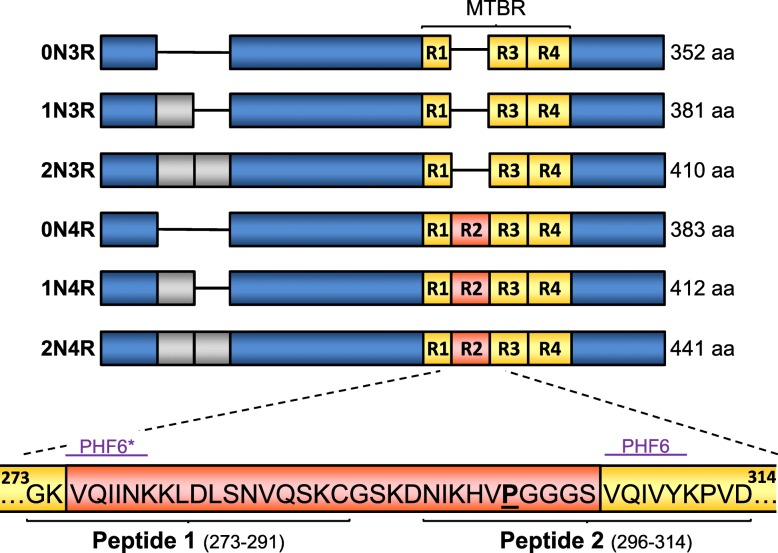
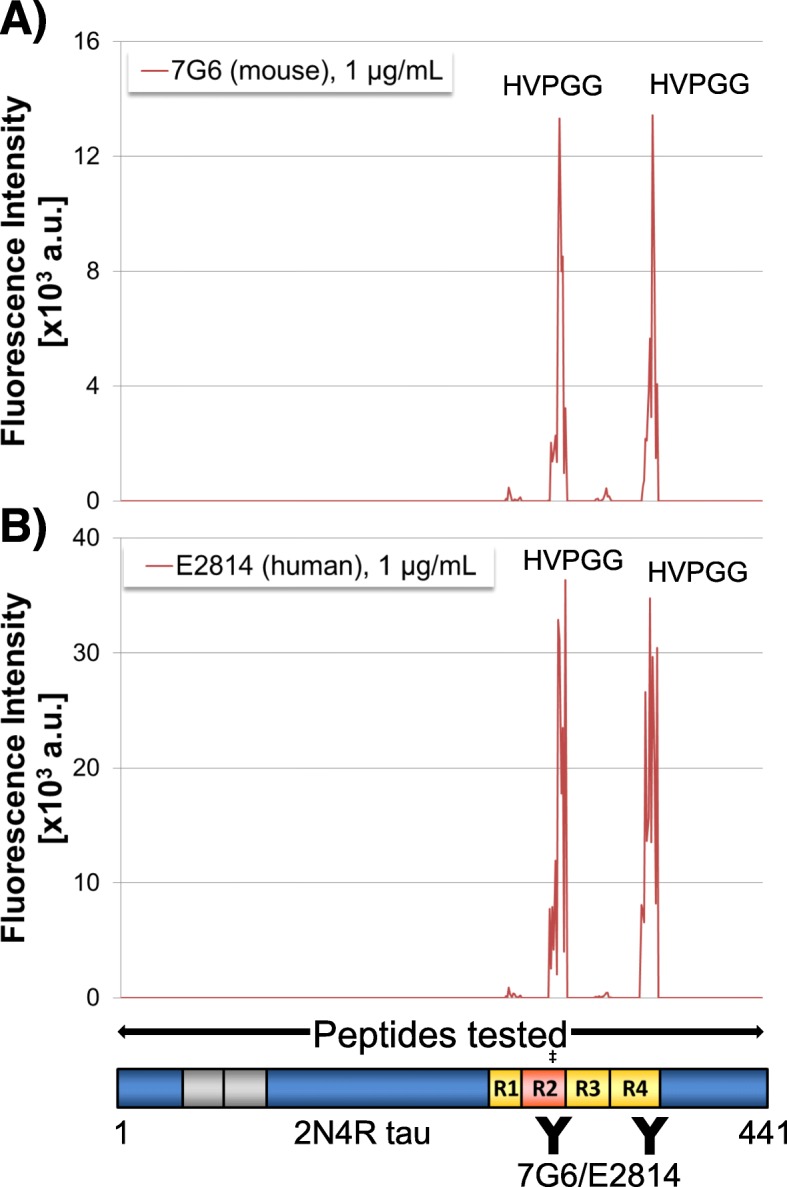
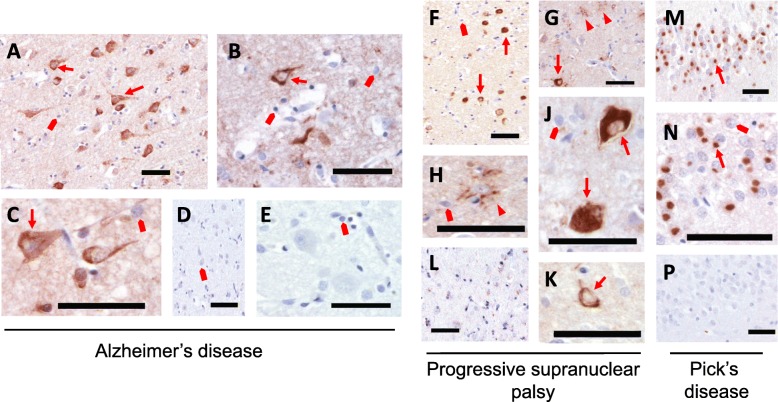
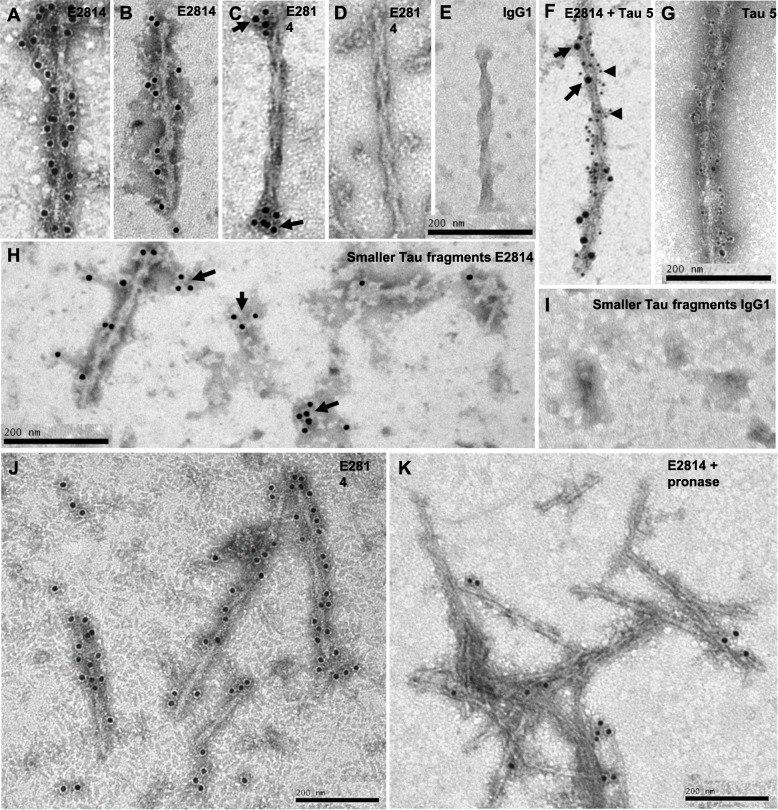
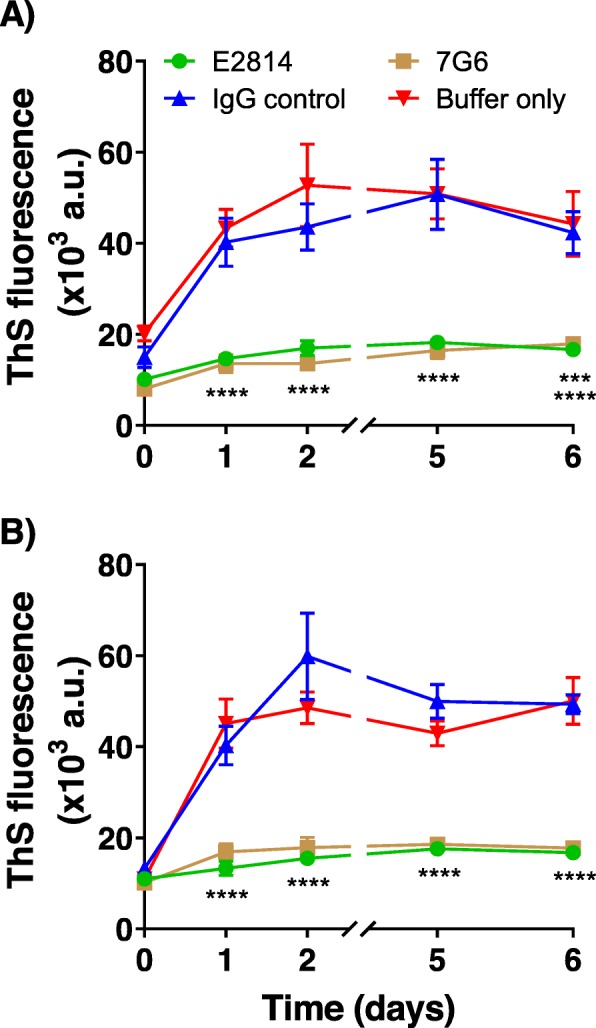
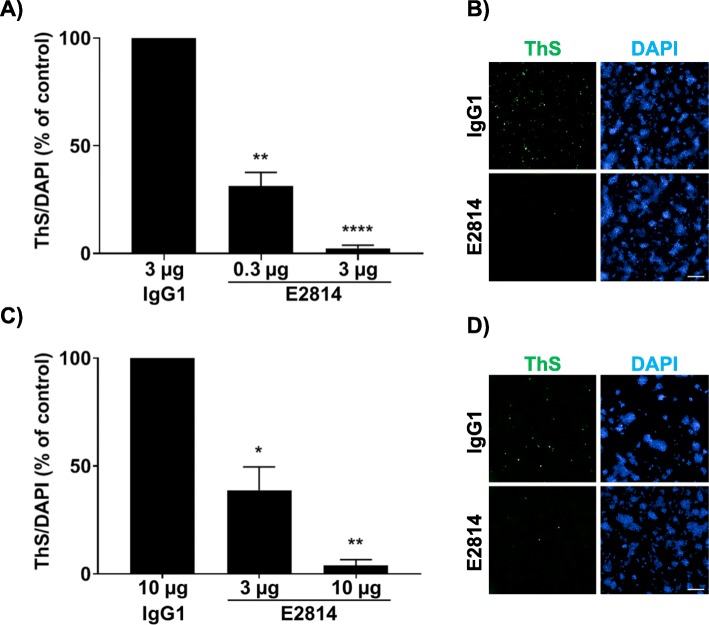
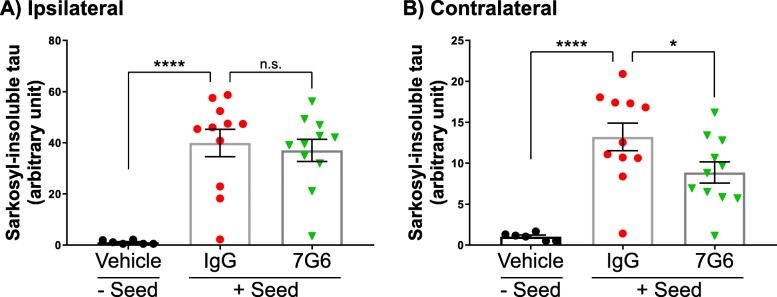
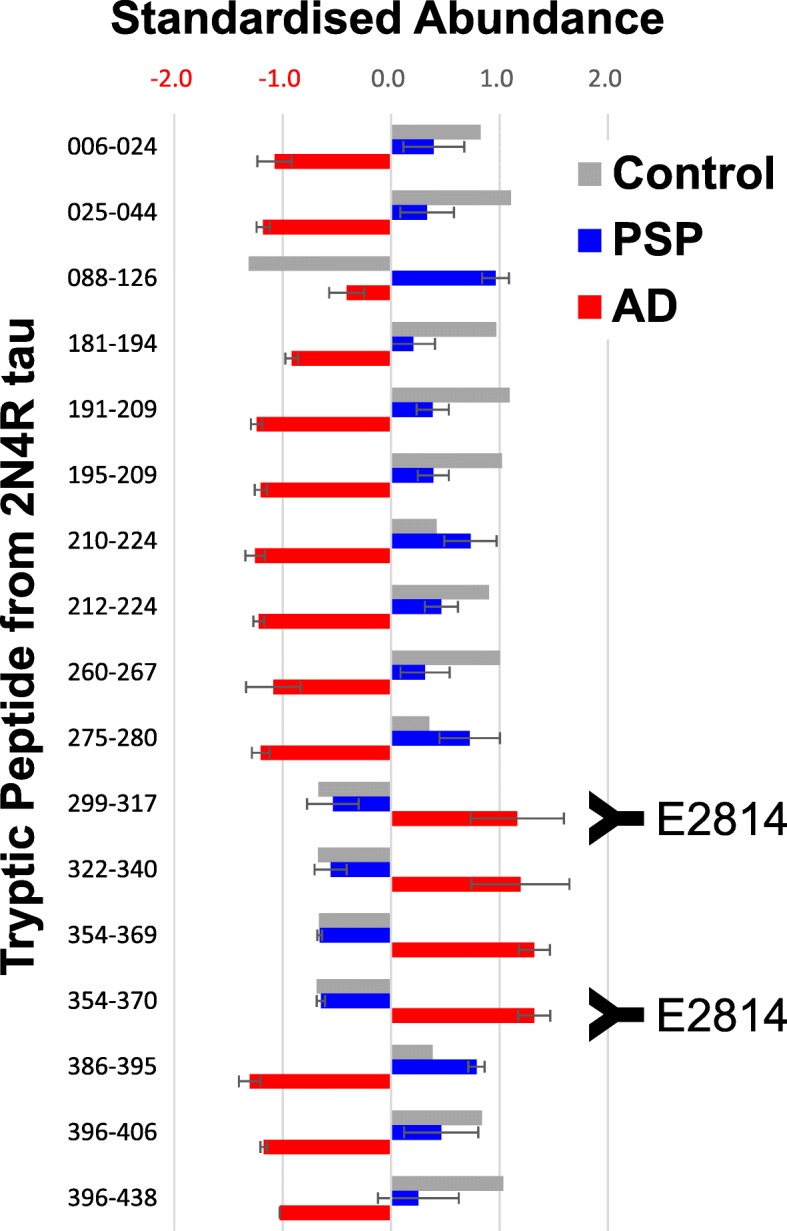
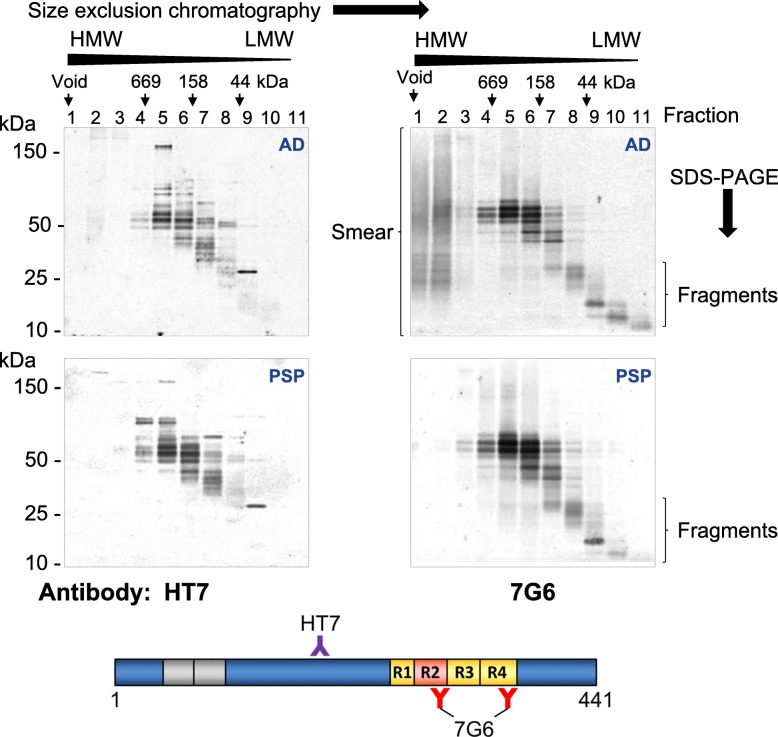
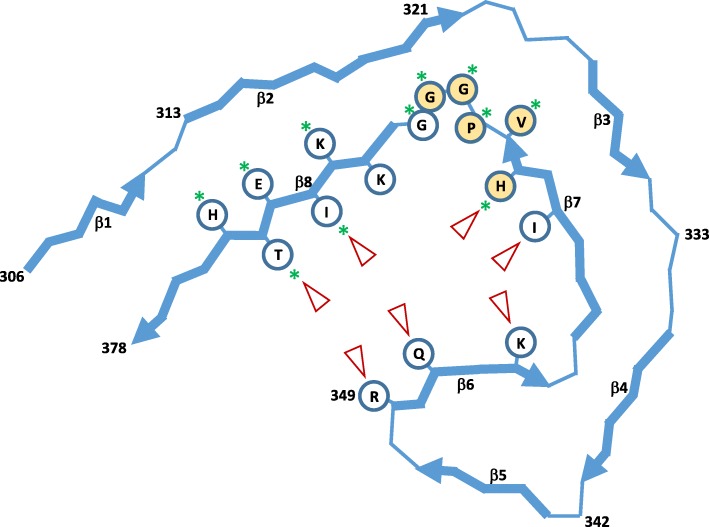
Tau deposition in the brain is a pathological hallmark of many neurodegenerative disorders, including Alzheimer’s disease (AD). During the course of these tauopathies, tau spreads throughout the brain via synaptically-connected pathways. Such propagation of pathology is thought to be mediated by tau species (“seeds”) containing the microtubule binding region (MTBR) composed of either three repeat (3R) or four repeat (4R) isoforms. The tau MTBR also forms the core of the neuropathological filaments identified in AD brain and other tauopathies. Multiple approaches are being taken to limit tau pathology, including immunotherapy with anti-tau antibodies. Given its key structural role within fibrils, specifically targetting the MTBR with a therapeutic antibody to inhibit tau seeding and aggregation may be a promising strategy to provide disease-modifying treatment for AD and other tauopathies. Therefore, a monoclonal antibody generating campaign was initiated with focus on the MTBR. Herein we describe the pre-clinical generation and characterisation of E2814, a humanised, high affinity, IgG 1 antibody recognising the tau MTBR. E2814 and its murine precursor, 7G6, as revealed by epitope mapping, are antibodies bi-epitopic for 4R and mono-epitopic for 3R tau isoforms because they bind to sequence motif HVPGG. Functionally, both antibodies inhibited tau aggregation in vitro. They also immunodepleted a variety of MTBR-containing tau protein species. In an in vivo model of tau seeding and transmission, attenuation of deposition of sarkosyl-insoluble tau in brain could also be observed in response to antibody treatment. In AD brain, E2814 bound different types of tau filaments as shown by immunogold labelling and recognised pathological tau structures by immunohistochemical staining. Tau fragments containing HVPGG epitopes were also found to be elevated in AD brain compared to PSP or control. Taken together, the data reported here have led to E2814 being proposed for clinical development.
Overview
The claims and statistics of this paper haven’t been checked yet.
Free: it reads the open-access text and checks the first 5 claims that cite a source we can check. Create a free account to check every claim.
Integrity signals
Registry
Cites
Statistics
Figures
Verification
Claims the paper makes
The claims and statistics of this paper haven’t been checked yet.
Free: it reads the open-access text and checks the first 5 claims that cite a source we can check. Create a free account to check every claim.
Claims other papers make about this one
Each is checked against this paper’s own text: does it say what the citing paper says it does?
The source backs part of the claim, not all of it — or backs it for a different population, condition or comparison.
In the citing paper
“E2814 is a humanized mAb that recognizes an HVPGG peptide epitope in the microtubule-binding domain near the mid-domain of tau [76].”
From Treatment of Alzheimer’s Disease: Beyond Symptomatic Therapies (2023) · cites this paper as [76]
Experimental — accuracy not yet measuredThe cited source says what the claim attributes to it.
In the citing paper
“E2814 (23) is a monoclonal antibody that targets the tau microtubule-binding region, thereby inhibiting tau protein aggregation and seed propagation.470”
From Recent advances in Alzheimer's disease: Mechanisms, clinical trials and new drug development strategies. (2024) · cites this paper as [470]
The check wasn’t confident either way, so it gives no verdict — never disputed.
In the citing paper
“Further, it resulted in moderately less decline in measures of cognition and function than the placebo at 18 months but was associated with adverse events [76].”
From Treatment of Alzheimer’s Disease: Beyond Symptomatic Therapies (2023) · cites this paper as [76]
Experimental — accuracy not yet measuredThe check wasn’t confident either way, so it gives no verdict — never disputed.
In the citing paper
“This 18-month, multicenter, double-blind, phase 3 trial involving persons 50 to 90 years of age with early AD (mild cognitive impairment or mild dementia due to AD disease) demonstrated that Lecanemab reduced markers of amyloid in early AD.”
From Treatment of Alzheimer’s Disease: Beyond Symptomatic Therapies (2023) · cites this paper as [76]
Experimental — accuracy not yet measured
Self-check
Percentages, sums and reported differences re-computed from the paper’s own numbers.
The self-check needs the paper’s full text.
Citations
Cites
Neuropathological stageing of Alzheimer-related changes.
Braak, H., & Braak, E. (1991) · Acta Neuropathologica · doi:10.1007/bf00308809 · Cited by 16,123
Amyloid oligomers exacerbate tau pathology in a mouse model of tauopathy
Selenica, M.-L. B., Brownlow, M., Jimenez, J. P., Lee, D. C., Pena, G., Dickey, C. A., Gordon, M. N., & Morgan, D. (2013) · Neurodegenerative Diseases · doi:10.1159/000337230 · Cited by 10,359
Association of missense and 5′-splice-site mutations in tau with the inherited dementia FTDP-17
Hutton, M., Lendon, C. L., Rizzu, P., Baker, M., Froelich, S., Houlden, H., Pickering-Brown, S., Chakraverty, S., Isaacs, A., Grover, A., et al. (1998) · Nature · doi:10.1038/31508 · Cited by 3,498
The antibody aducanumab reduces Aβ plaques in Alzheimer’s disease
Sevigny, J., Chiao, P., Bussière, T., Weinreb, P. H., Williams, L., Maier, M., Dunstan, R., Salloway, S., Chen, T., Ling, Y., et al. (2016) · Nature · doi:10.1038/nature19323 · Cited by 3,059
Goedert, M., Spillantini, M. G., Jakes, R., Rutherford, D., & Crowther, R. A. (1989) · Neuron · doi:10.1016/0896-6273(89)90210-9 · Cited by 2,492
Staging of alzheimer's disease-related neurofibrillary changes
Braak, H., & Braak, E. (1995) · Neurobiology of Aging · doi:10.1016/0197-4580(95)00021-6 · Cited by 2,357
Neurodegenerative Diseases Target Large-Scale Human Brain Networks
Seeley, W. W., Crawford, R. K., Zhou, J., Miller, B. L., & Greicius, M. D. (2009) · Neuron · doi:10.1016/j.neuron.2009.03.024 · Cited by 2,350
Atomic structures of amyloid cross-β spines reveal varied steric zippers
Sawaya, M. R., Sambashivan, S., Nelson, R., Ivanova, M. I., Sievers, S. A., Apostol, M. I., Thompson, M. J., Balbirnie, M., Wiltzius, J. J. W., McFarlane, H. T., et al. (2007) · Nature · doi:10.1038/nature05695 · Cited by 2,271
Cryo-EM structures of tau filaments from Alzheimer’s disease
Fitzpatrick, A. W. P., Falcon, B., He, S., Murzin, A. G., Murshudov, G., Garringer, H. J., Crowther, R. A., Ghetti, B., Goedert, M., & Scheres, S. H. W. (2017) · Nature · doi:10.1038/nature23002 · Cited by 2,061
Nelson, P. T., Alafuzoff, I., Bigio, E. H., Bouras, C., Braak, H., Cairns, N. J., Castellani, R. J., Crain, B. J., Davies, P., Tredici, K. D., et al. (2012) · Journal of Neuropathology & Experimental Neurology · doi:10.1097/nen.0b013e31825018f7 · Cited by 2,050
Research works printed but not linked: 1
- Sperfeld AD, Collatz MB, Baier H, Palmbach M, Storch A, Schwarz J, Tatsch K, Reske S, Joosse M, Heutink P et al (1999) FTDP-17: an early-onset phenotype with parkinsonism and epileptic seizures caused by a novel mutation. Ann Neurol 46: 708-715 · doi:10.1002/1531-8249(199911)46:5<708::aid-ana5>3.0.co;2-k
Cited by
Items 101–136 of 136
Andreozzi, E. M., Yagi, T., Wildsmith, K. R., Rawal, S., Horie, K., Boyd, P., Takahashi, E., Barthélemy, N. R., Aluri, J., Charil, A., et al. (2026) · Alzheimer s Research & Therapy · doi:10.1186/s13195-026-02047-y · Cited by 7
“Etalanetug (E2814) is a novel immunoglobulin G sub-class 1a (IgG1a) monoclonal antibody (mAb) that binds with high affinity to 2 identical epitopes contained within the second (R2) and fourth (R4) domains of the tau MTBR [22].”
Self-citationSharma, P. K., Yadav, M., & Mehta, N. (2024) · Journal of the Association of Physicians of India · doi:10.59556/japi.72.0755 · Cited by 3
Atkinson, P. J., Swami, M., Ridgway, N., Roberts, M., Kinghorn, J., Warner, T. T., Staddon, J. M., & Takle, A. K. (2023) · Drug Discovery Today · doi:10.1016/j.drudis.2023.103732 · Cited by 4
Self-citationPET Imaging of Amyloid and Tau in Alzheimer’s Disease
Okamura, N., & Harada, R. (2022) · Springer eBooks · doi:10.1007/978-981-16-7977-3_19 · Cited by 3
Haque, M. A., Montalbano, M., Khan, S., Puangmalai, N., Bhatt, N. N., Shchankin, N., Jerez, C., & Kayed, R. (2025) · Biochimica et Biophysica Acta (BBA) - Molecular Basis of Disease · doi:10.1016/j.bbadis.2025.167995 · Cited by 2
“The tau seeds are composed of either 3R (having R1, R3 and R4 and either 0 N, 1 N, or 2 N repeats) or 4R (having R1, R2, R3 and R4 and either 0 N, 1 N, or 2 N repeats) and are spread via synapse [5,26,27].”
Structural evidence that RNA contributes to polymorphism of tau amyloid fibrils
Abskharon, R. N. N., Jiang, Y. X., Sawaya, M. R., Ge, P., Zhang, J., Boyer, D. R., Dolinsky, J. L., Pi, J., Cascio, D., Guo, F., et al. (2026) · iScience · doi:10.1016/j.isci.2026.115501 · Cited by 8
The mechanisms and strategies for Alzheimer’s disease prevention: An update
Han, M., Wang, N., Song, M., Liu, C., Wu, Y., Yin, J., Jin, L., Jin, W., & Gao, Z. (2026) · Acta Pharmaceutica Sinica B · doi:10.1016/j.apsb.2026.04.007 · Cited by 3
Abdelaziz, A. M., & Eltyar, F. S. (2026) · Clinical Immunology · doi:10.1016/j.clim.2026.110777 · Cited by 2
Advancing Alzheimer’s care: a novel therapy with lecanemab
Teli, A., & Dhande, P. P. (2023) · The Egyptian Journal of Neurology Psychiatry and Neurosurgery · doi:10.1186/s41983-023-00747-y · Cited by 3
“Some of these are: E2814 compound is being studied for its action against the tau protein’s microtubule-binding region (MTBR), which is responsible for the trans-neuronal spread of neurofibrillary tangles [28, 29].”
BackgroundTargeted Nano-based Drug Delivery in Alzheimer's Disease and Dementia
Mal, P., Rath, S. K., & Halder, T. (2024) · Smart nanomaterials technology · doi:10.1007/978-981-97-0308-1_12 · Cited by 2
“Current and emerging drug therapies in Alzheimer’s disease: A pathophysiological Perspective”
Aparajita, A., Jain, U., & Srivastava, P. (2024) · Neuroscience · doi:10.1016/j.neuroscience.2024.11.078 · Cited by 2
Therapeutic Modalities Targeting Tau Protein in Alzheimer’s Disease
Schreiner, T. G., Iacob, L., Vasilache, C., & Schreiner, O. D. (2025) · Journal of dementia and Alzheimer's disease · doi:10.3390/jdad2030032 · Cited by 3
“Other molecules, such as E2814 [81] and many more, are currently under research, with preliminary results from human clinical trials expected to be revealed soon.”
Tau Pathology and Neurodegenerative Disorders
Takashima, A., Soeda, Y., Koike, R., & Maeda, S. (2022) · Springer eBooks · doi:10.1007/978-981-16-7977-3_22 · Cited by 2
Synaptotoxic effects of extracellular tau are mediated by its microtubule-binding region
Ondrejčák, T., Hu, N., Coode, E., Campbell, T., Corbett, G. T., Doykov, I., Mills, K. A., Walsh, D. M., Livesey, F. J., Rowan, M. J., et al. (2025) · Acta Neuropathologica · doi:10.1007/s00401-025-02897-0 · Cited by 1
Wang, B., Li, Y., Yao, T., Shen, X., Li, H., Jiang, W., Li, X., & Zhu, Z. (2026) · RSC Medicinal Chemistry · doi:10.1039/d5md00963d · Cited by 3
Mayeri, Z., Woods, G., Rane, A., Kifle, A., Chamoli, M., Shukla, S., Walton, C. C., & Andersen, J. K. (2026) · GeroScience · doi:10.1007/s11357-026-02139-5 · Cited by 2
Cao, Y., Willis, B. A., Horie, K., Wildsmith, K. R., Koyama, A., Sachdev, P., Penner, N., Charil, A., Irizarry, M. C., & Reyderman, L. (2026) · npj Systems Biology and Applications · doi:10.1038/s41540-026-00677-4 · Cited by 1
Self-citationBuchanan, T. J., Ewen, C., Mesa, I. R., Germani, M., Watanabe, S., Jose, J., Famodimu, O., Colson, A., & Bruyn, S. D. (2026) · BMJ Neurology Open · doi:10.1136/bmjno-2025-001395 · Cited by 2
Essa, M., Ahmed, N., Kakar, A., Akber, W., Barech, S., Farooq, A., & Mumtaz, T. (2024) · doi:10.32948/ajsep.2024.03.28 · Cited by 1
Terapéutica con anticuerpos monoclonales en la enfermedad de Alzheimer
Maliza-Moposita, J. A., & Salazar-Garcés, L. F. (2024) · MQRInvestigar · doi:10.56048/mqr20225.8.3.2024.2739-2760
Genomics of Alzheimer’s disease
Rosenberg, R. N., Lambracht‐Washington, D., Yu, G., & Xia, W. (2024) · Elsevier eBooks · doi:10.1016/b978-0-443-19176-3.00035-2
Can insulin-fusion proteins overcome the current barriers in drug delivery to the brain?
Kamei, N. (2025) · Expert Opinion on Drug Delivery · doi:10.1080/17425247.2025.2566819
Horie, K., Barthélemy, N. R., Mallipeddi, N., Li, Y., Franklin, E. E., Perrin, R. J., Bateman, R. J., & Sato, C. (2020) · Figshare · doi:10.6084/m9.figshare.12886049
Self-citationPenny, L. K., Arastoo, M., Lofthouse, R. A., Abdallah, A., Imoesi, P. I., Schwab, K., Shiells, H., Melis, V., Riedel, G., Harrington, C. R., et al. (2026) · Alzheimer s Research & Therapy · doi:10.1186/s13195-026-01985-x · Cited by 1
“IP administration of the murine form of E2814, 7G6, was reported to modestly reduce the propagation of insoluble, fibrillar tau from the injected left hemisphere to the contralateral right hemisphere in P301S transgenic mice, following intracerebral administration of tau fibrils [58].”
Sorokina, K. N., Толстикова, Т. Г., Usov, V. Y., & Тулупов, А. А. (2026) · Сибирский научный медицинский журнал · doi:10.18699/ssmj20260102
Programmed cell death: a promising management for Alzheimer’s disease
Yang, Q., Ren, X., Jia, R., Zheng, L., Ou, R., Xu, Y., Luo, Y., Yang, G., & Wang, X. (2026) · APOPTOSIS · doi:10.1007/s10495-026-02330-1 · Cited by 1
Aoyama, M., Noritake, Y., Kita, K., & Mano, Y. (2026) · Journal of Pharmaceutical and Biomedical Analysis · doi:10.1016/j.jpba.2026.117549
Self-citationNeri, L., Anderson, C. A., Fallot, L. B., Mannini, B., & Limbocker, R. (2026) · Elsevier eBooks · doi:10.1016/b978-0-323-99507-8.00045-7
Antibody-Based Medicines Versus Conventional Treatments for Alzheimer’s Disease
Ramalho, M. J., Andrade, S., Loureiro, J. A., & Pereira, M. C. (2026) · Springer handbooks · doi:10.1007/978-3-032-01636-2_13
Challenges in recent Alzheimer's disease therapeutic approaches
Kim, C.-H. (2026) · Elsevier eBooks · doi:10.1016/b978-0-443-45844-6.00017-2
Towards a future without dementia
Spires‐Jones, T. L. (2026) · Oxford University Press eBooks · doi:10.1093/9780198995296.003.0008
Differential aggregation and seeding of tau microtubule-binding region fragments in vitro
Kim, M.-S., Hwang, S.-J., Kim, D., & Yoon, S.-Y. (2026) · Biochemical and Biophysical Research Communications · doi:10.1016/j.bbrc.2026.154575
Targeting protein aggregate co-pathologies in neurodegeneration: a viable therapeutic strategy?
Buck, S. A., Madhavan, S. S., & Sanders, L. H. (2026) · Molecular Neurodegeneration Advances · doi:10.1186/s44477-026-00047-8
Poonam, Rana, R., Thakur, M., Sharma, A., Pannu, S., Sharma, S., Naman, S., Rani, S., Devi, D., Kumar, V., et al. (2026) · Frontiers in Oncology · doi:10.3389/fonc.2026.1908830
Developing precision nanoparticle-based drug delivery systems for Alzheimer's disease therapy
Shan, Q., Zheng, W., Yao, W., Bai, Y., Ding, W., Wang, J., & Bai, F. (2026) · Materials Today Bio · doi:10.1016/j.mtbio.2026.103789
“E2814 is a monoclonal IgG1 antibody that can recognize an HVPGG epitope in the microtubule-binding domain, which is a predominant component of NFTs and is involved in seeding and spreading pathological tau aggregates [39].”
Metadata
- Authors
- Roberts, M., Sevastou, I., Imaizumi, Y., Mistry, K., Talma, S., Dey, M., Gartlon, J., Ochiai, H., Zhou, Z., Akasofu, S., Tokuhara, N., Ogo, M., Aoyama, M., Aoyagi, H., Strand, K., Sajedi, E., Agarwala, K. L., Spidel, J., Albone, E., Horie, K., Staddon, J. M., & de Silva, R.
- Affiliations
- Eisai (United Kingdom) (GB)
- UCL Queen Square Institute of Neurology (GB)
- Eisai (Japan) (JP)
- Eisai (United States) (US)
- Corresponding author
- Roberts, Malcolm
- ORCID
- Venue
- Acta Neuropathologica Communications
- Published
- 2020-02-04
- Volume
- 8
- Issue
- 1
- Pages
- 13-13
- ISSN
- 2051-5960 (ISSN-L)
- PMC
- PMC7001291
- OpenAlex
- W3006717849
- Cited by
- 135
- References
- 85
- Citations by year
- 2026: 24 · 2025: 25 · 2024: 33 · 2023: 21 · 2022: 18 · 2021: 7 · 2020: 7
- FWCI
- 7.97
- Type
- journal article
- Language
- en
- Open access
- gold
- doi.org
- Licence
- cc-by
- creativecommons.org/licenses/by/4.0/ (tdm)
- creativecommons.org/licenses/by/4.0/ (vor)
- Locations
- Acta Neuropathologica Communications (publishedVersion, cc-by)
- PubMed Central (publishedVersion, cc-by)
- PubMed (publishedVersion)
- DOAJ (DOAJ: Directory of Open Access Journals) (submittedVersion)
- UCL Discovery (University College London) (submittedVersion)
- Funders
- Eisai:UCL Therapeutic Innovation Group (n/a)
- Reta Lila Weston Trust for Medical Research (n/a)
- Topics
- Life Sciences › Neuroscience › Cellular and Molecular Neuroscience › Alzheimer's disease research and treatments
- Health Sciences › Medicine › Psychiatry and Mental health › Dementia and Cognitive Impairment Research
- Life Sciences › Neuroscience › Neurology › Neuroinflammation and Neurodegeneration Mechanisms
- Keywords
- anti-tau antibodies, microtubule-binding repeats, tau protein, Alzheimer's disease, tauopathy, passive immunotherapy, tau seeding, humanized monoclonal antibody, immunodepletion, sarkosyl-insoluble tau, tau filaments
- MeSH terms
- Alzheimer Disease, Animals, Antibodies, Monoclonal, Frontal Lobe, Immunoglobulin G, Immunization, Passive, Male, Mice, Transgenic, tau Proteins, Protein Isoforms, Protein Aggregation, Pathological
About these checks
Registry, retraction, Cites and statistics results are computed, not judged, with one exception: a printed reference that no index lists is read once by a model before it counts as a citation error. Claims are extracted by a model and kept only when their quote appears verbatim in the text; each cited source is then checked, with a model’s help, for whether it says what the claim relies on. Those verdicts can be wrong — read the claim’s quote and the cited source before relying on one.
Statistics and arithmetic are recomputed, not judged.
Confidence bands are shown only for fields calibrated on our annotated test set. None is calibrated yet, so no band is shown.
What counts as a claim ›How we measure confidence ›How we check this ›
Are you an author, or do you see a problem with this page? Request a review
Data sources
Bibliographic data: Semantic Scholar, OpenAlex, Crossref.
Contains information from the Semantic Scholar Academic Graph Datasets, made available under the ODC Attribution License (ODC-BY 1.0).
Semantic Scholar’s data is described in: Kinney, R., et al. (2023). The Semantic Scholar Open Data Platform. arXiv:2301.10140.
