

Pre-clinical characterisation of E2814, a high-affinity antibody targeting the microtubule-binding repeat domain of tau for passive immunotherapy in Alzheimer’s disease
Open accessThe DOI matches its Crossref record; 85 of the 85 references it cites were found in a registry or an index.
Abstract
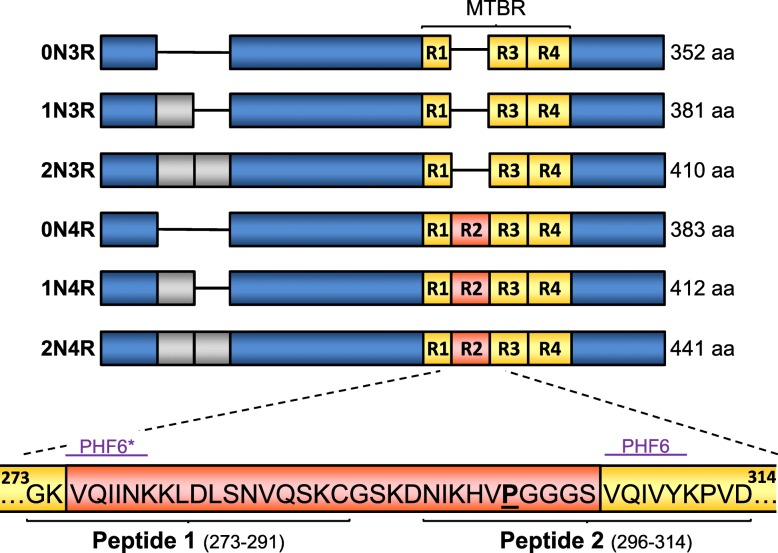
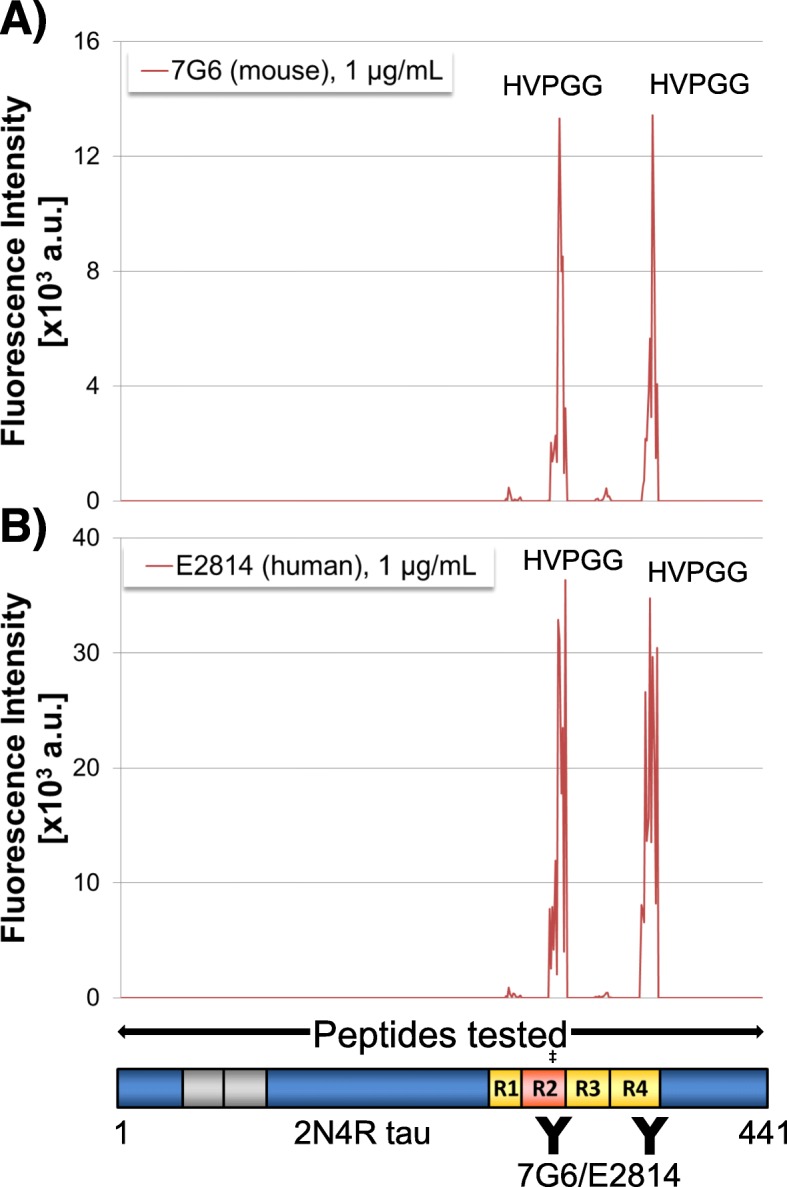
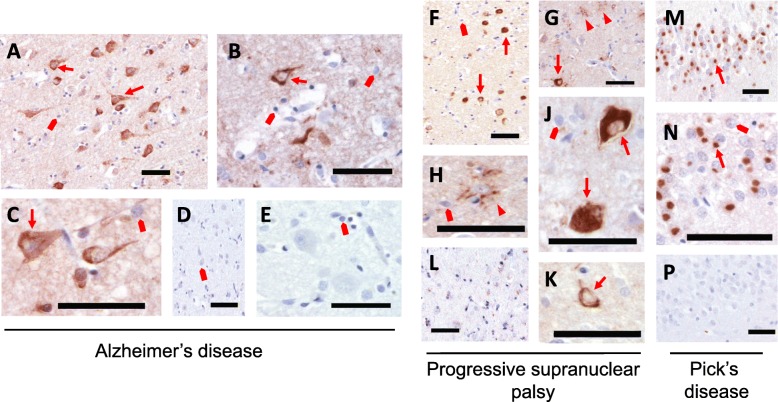
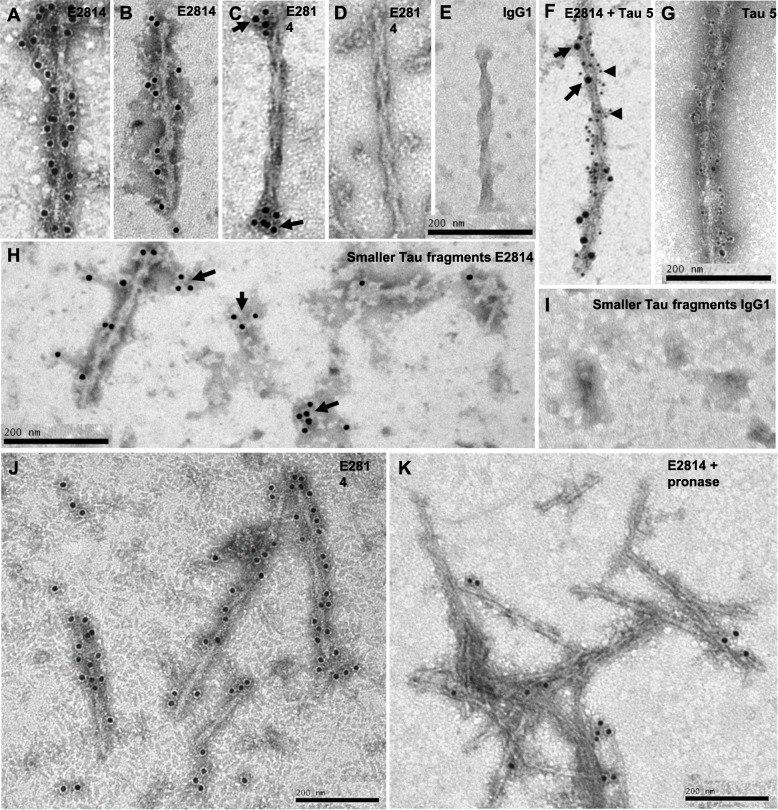
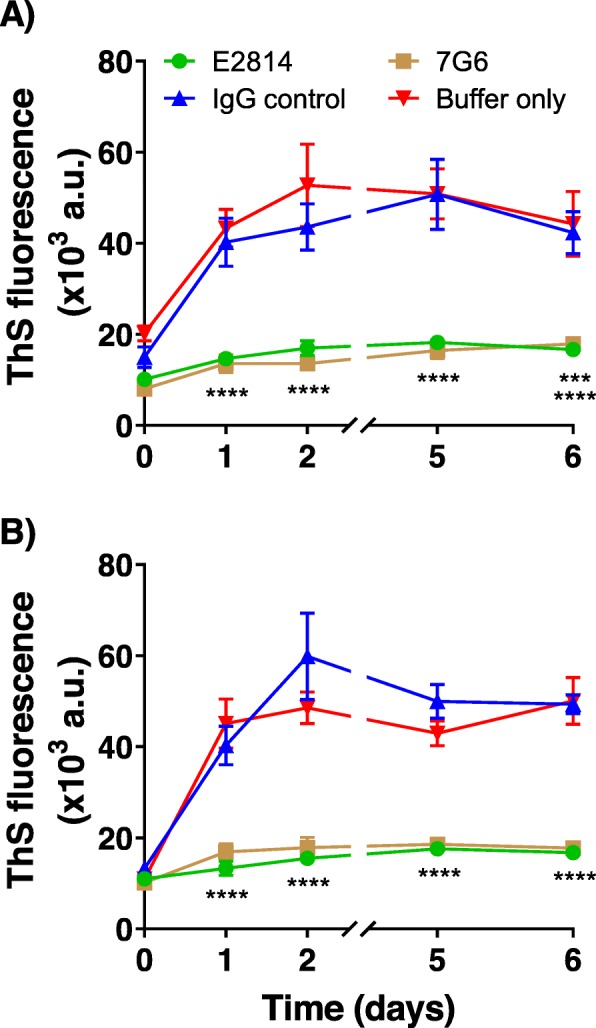
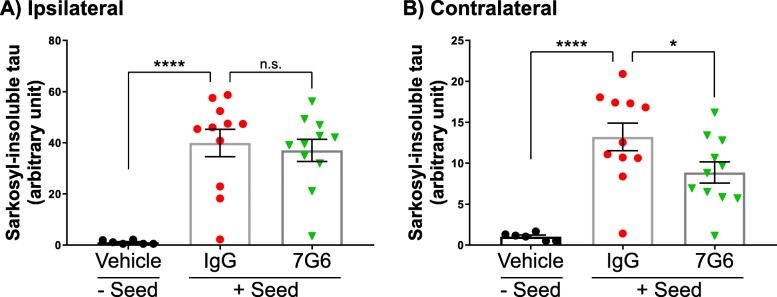
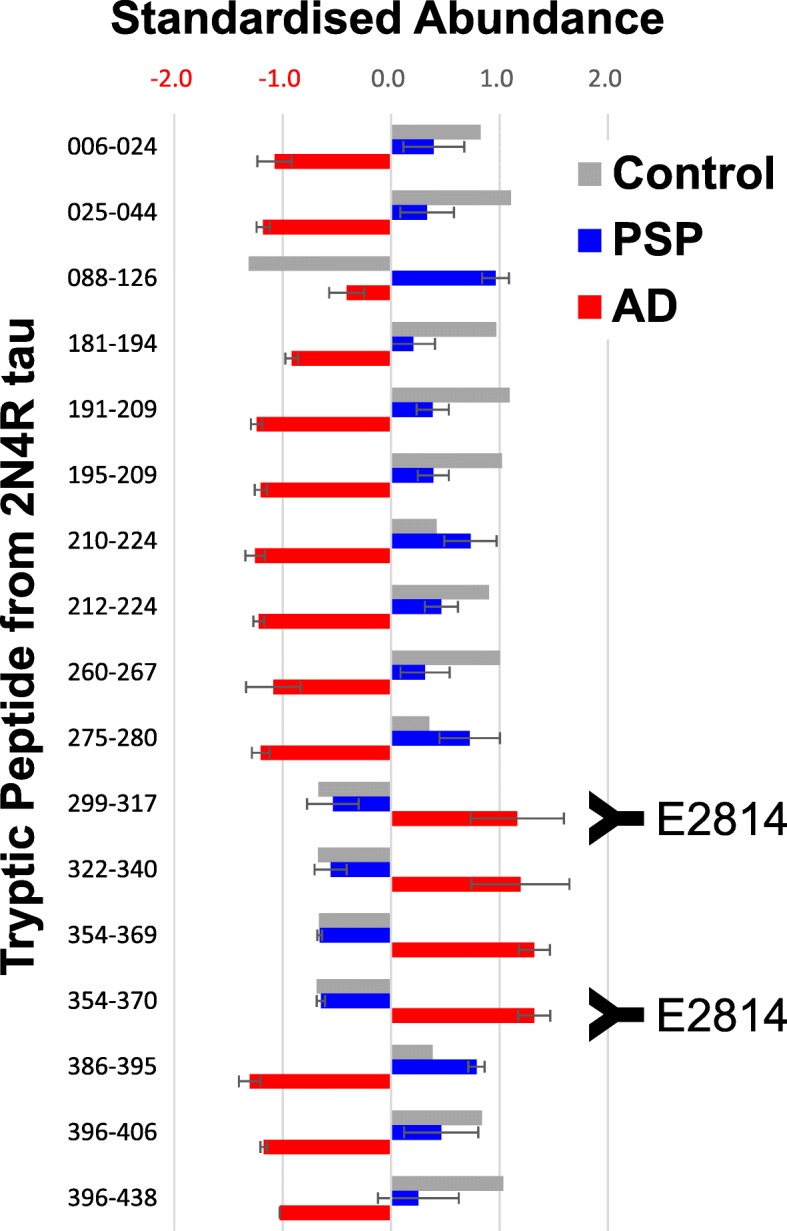
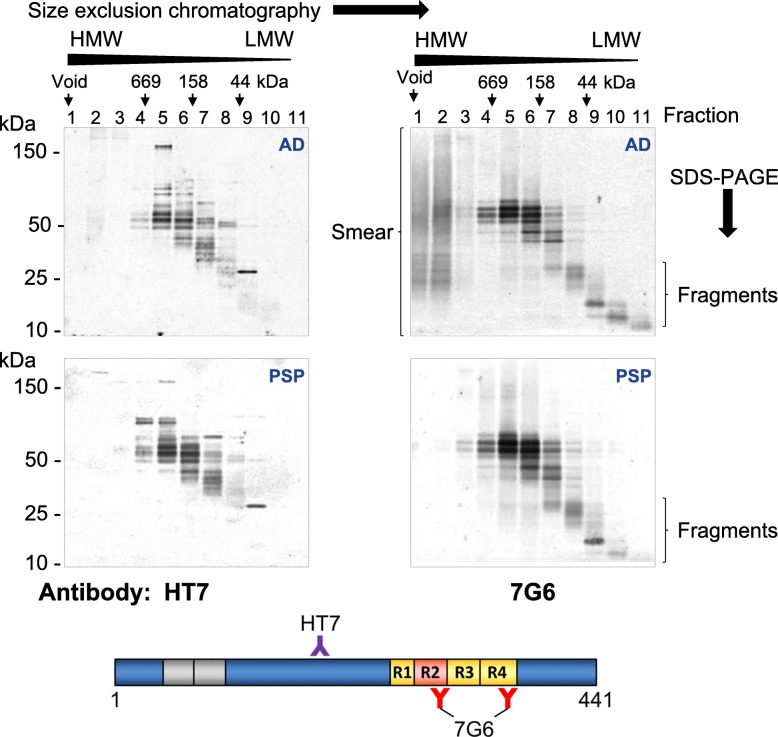
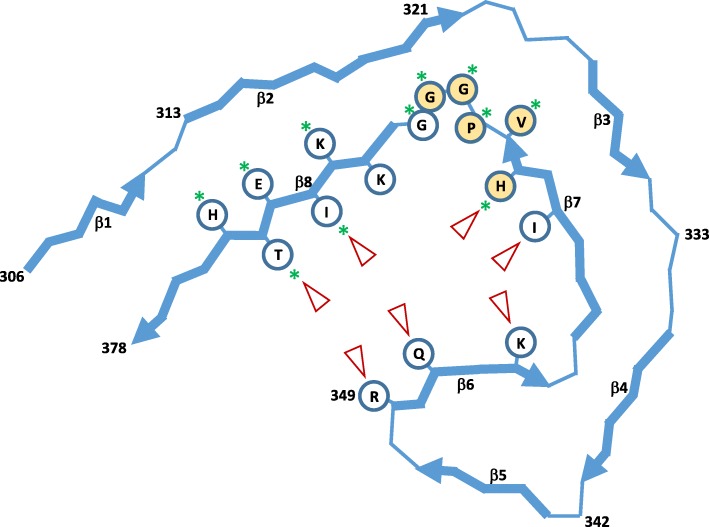
Tau deposition in the brain is a pathological hallmark of many neurodegenerative disorders, including Alzheimer’s disease (AD). During the course of these tauopathies, tau spreads throughout the brain via synaptically-connected pathways. Such propagation of pathology is thought to be mediated by tau species (“seeds”) containing the microtubule binding region (MTBR) composed of either three repeat (3R) or four repeat (4R) isoforms. The tau MTBR also forms the core of the neuropathological filaments identified in AD brain and other tauopathies. Multiple approaches are being taken to limit tau pathology, including immunotherapy with anti-tau antibodies. Given its key structural role within fibrils, specifically targetting the MTBR with a therapeutic antibody to inhibit tau seeding and aggregation may be a promising strategy to provide disease-modifying treatment for AD and other tauopathies. Therefore, a monoclonal antibody generating campaign was initiated with focus on the MTBR. Herein we describe the pre-clinical generation and characterisation of E2814, a humanised, high affinity, IgG 1 antibody recognising the tau MTBR. E2814 and its murine precursor, 7G6, as revealed by epitope mapping, are antibodies bi-epitopic for 4R and mono-epitopic for 3R tau isoforms because they bind to sequence motif HVPGG. Functionally, both antibodies inhibited tau aggregation in vitro. They also immunodepleted a variety of MTBR-containing tau protein species. In an in vivo model of tau seeding and transmission, attenuation of deposition of sarkosyl-insoluble tau in brain could also be observed in response to antibody treatment. In AD brain, E2814 bound different types of tau filaments as shown by immunogold labelling and recognised pathological tau structures by immunohistochemical staining. Tau fragments containing HVPGG epitopes were also found to be elevated in AD brain compared to PSP or control. Taken together, the data reported here have led to E2814 being proposed for clinical development.
Overview
The claims and statistics of this paper haven’t been checked yet.
Free: it reads the open-access text and checks the first 5 claims that cite a source we can check. Create a free account to check every claim.
Integrity signals
Registry
Cites
Statistics
Figures
Verification
Claims the paper makes
The claims and statistics of this paper haven’t been checked yet.
Free: it reads the open-access text and checks the first 5 claims that cite a source we can check. Create a free account to check every claim.
Claims other papers make about this one
Each is checked against this paper’s own text: does it say what the citing paper says it does?
The source backs part of the claim, not all of it — or backs it for a different population, condition or comparison.
In the citing paper
“E2814 is a humanized mAb that recognizes an HVPGG peptide epitope in the microtubule-binding domain near the mid-domain of tau [76].”
From Treatment of Alzheimer’s Disease: Beyond Symptomatic Therapies (2023) · cites this paper as [76]
Experimental — accuracy not yet measuredThe cited source says what the claim attributes to it.
In the citing paper
“E2814 (23) is a monoclonal antibody that targets the tau microtubule-binding region, thereby inhibiting tau protein aggregation and seed propagation.470”
From Recent advances in Alzheimer's disease: Mechanisms, clinical trials and new drug development strategies. (2024) · cites this paper as [470]
The check wasn’t confident either way, so it gives no verdict — never disputed.
In the citing paper
“Further, it resulted in moderately less decline in measures of cognition and function than the placebo at 18 months but was associated with adverse events [76].”
From Treatment of Alzheimer’s Disease: Beyond Symptomatic Therapies (2023) · cites this paper as [76]
Experimental — accuracy not yet measuredThe check wasn’t confident either way, so it gives no verdict — never disputed.
In the citing paper
“This 18-month, multicenter, double-blind, phase 3 trial involving persons 50 to 90 years of age with early AD (mild cognitive impairment or mild dementia due to AD disease) demonstrated that Lecanemab reduced markers of amyloid in early AD.”
From Treatment of Alzheimer’s Disease: Beyond Symptomatic Therapies (2023) · cites this paper as [76]
Experimental — accuracy not yet measured
Self-check
Percentages, sums and reported differences re-computed from the paper’s own numbers.
The self-check needs the paper’s full text.
Citations
Cites
Neuropathological stageing of Alzheimer-related changes.
Braak, H., & Braak, E. (1991) · Acta Neuropathologica · doi:10.1007/bf00308809 · Cited by 16,123
Amyloid oligomers exacerbate tau pathology in a mouse model of tauopathy
Selenica, M.-L. B., Brownlow, M., Jimenez, J. P., Lee, D. C., Pena, G., Dickey, C. A., Gordon, M. N., & Morgan, D. (2013) · Neurodegenerative Diseases · doi:10.1159/000337230 · Cited by 10,359
Association of missense and 5′-splice-site mutations in tau with the inherited dementia FTDP-17
Hutton, M., Lendon, C. L., Rizzu, P., Baker, M., Froelich, S., Houlden, H., Pickering-Brown, S., Chakraverty, S., Isaacs, A., Grover, A., et al. (1998) · Nature · doi:10.1038/31508 · Cited by 3,498
The antibody aducanumab reduces Aβ plaques in Alzheimer’s disease
Sevigny, J., Chiao, P., Bussière, T., Weinreb, P. H., Williams, L., Maier, M., Dunstan, R., Salloway, S., Chen, T., Ling, Y., et al. (2016) · Nature · doi:10.1038/nature19323 · Cited by 3,059
Goedert, M., Spillantini, M. G., Jakes, R., Rutherford, D., & Crowther, R. A. (1989) · Neuron · doi:10.1016/0896-6273(89)90210-9 · Cited by 2,492
Staging of alzheimer's disease-related neurofibrillary changes
Braak, H., & Braak, E. (1995) · Neurobiology of Aging · doi:10.1016/0197-4580(95)00021-6 · Cited by 2,357
Neurodegenerative Diseases Target Large-Scale Human Brain Networks
Seeley, W. W., Crawford, R. K., Zhou, J., Miller, B. L., & Greicius, M. D. (2009) · Neuron · doi:10.1016/j.neuron.2009.03.024 · Cited by 2,350
Atomic structures of amyloid cross-β spines reveal varied steric zippers
Sawaya, M. R., Sambashivan, S., Nelson, R., Ivanova, M. I., Sievers, S. A., Apostol, M. I., Thompson, M. J., Balbirnie, M., Wiltzius, J. J. W., McFarlane, H. T., et al. (2007) · Nature · doi:10.1038/nature05695 · Cited by 2,271
Cryo-EM structures of tau filaments from Alzheimer’s disease
Fitzpatrick, A. W. P., Falcon, B., He, S., Murzin, A. G., Murshudov, G., Garringer, H. J., Crowther, R. A., Ghetti, B., Goedert, M., & Scheres, S. H. W. (2017) · Nature · doi:10.1038/nature23002 · Cited by 2,061
Nelson, P. T., Alafuzoff, I., Bigio, E. H., Bouras, C., Braak, H., Cairns, N. J., Castellani, R. J., Crain, B. J., Davies, P., Tredici, K. D., et al. (2012) · Journal of Neuropathology & Experimental Neurology · doi:10.1097/nen.0b013e31825018f7 · Cited by 2,050
Tau Suppression in a Neurodegenerative Mouse Model Improves Memory Function
SantaCruz, K., Lewis, J., Spires, T., Paulson, J., Kotilinek, L., Ingelsson, M., Guimaraes, A., DeTure, M., Ramsden, M., McGowan, E., et al. (2005) · Science · doi:10.1126/science.1113694 · Cited by 2,014
Tau-targeting therapies for Alzheimer disease
Congdon, E. E., & Sigurdsson, E. M. (2018) · Nature Reviews Neurology · doi:10.1038/s41582-018-0013-z · Cited by 1,113
Goedert, M., Spillantini, M. G., Cairns, N. J., & Crowther, R. A. (1992) · Neuron · doi:10.1016/0896-6273(92)90117-v · Cited by 1,112
von Bergen, M., Friedhoff, P., Biernat, J., Heberle, J., Mandelkow, E.-M., & Mandelkow, E. (2000) · Proceedings of the National Academy of Sciences · doi:10.1073/pnas.97.10.5129 · Cited by 1,021
Mutation-Specific Functional Impairments in Distinct Tau Isoforms of Hereditary FTDP-17
Hong, M. (1998) · Science · doi:10.1126/science.282.5395.1914 · Cited by 1,003
Cleveland, D. W., Hwo, S.-Y., & Kirschner, M. W. (1977) · Journal of Molecular Biology · doi:10.1016/0022-2836(77)90213-3 · Cited by 915
Association of Amyloid and Tau With Cognition in Preclinical Alzheimer Disease: A Longitudinal Study
Hanseeuw, B. J., Betensky, R. A., Jacobs, H. I. L., Schultz, A. P., Sepulcre, J., Becker, J. A., Cosio, D. M. O., Farrell, M., Quiroz, Y. T., Mormino, E. C., et al. (2019) · JAMA Neurology · doi:10.1001/jamaneurol.2019.1424 · Cited by 865
Structures of filaments from Pick’s disease reveal a novel tau protein fold
Falcon, B., Zhang, W., Murzin, A. G., Murshudov, G., Garringer, H. J., Vidal, R., Crowther, R. A., Ghetti, B., Scheres, S. H. W., & Goedert, M. (2018) · Nature · doi:10.1038/s41586-018-0454-y · Cited by 835
Caspase cleavage of tau: Linking amyloid and neurofibrillary tangles in Alzheimer's disease
Gamblin, T. C., Chen, F., Zambrano, A., Abraha, A., Lagalwar, S., Guillozet, A. L., Lu, M., Fu, Y., Garcia-Sierra, F., LaPointe, N., et al. (2003) · Proceedings of the National Academy of Sciences · doi:10.1073/pnas.1630428100 · Cited by 831
Allen, B., Ingram, E., Takao, M., Smith, M. J., Jakes, R., Virdee, K., Yoshida, H., Holzer, M., Craxton, M., Emson, P. C., et al. (2002) · The Journal of Neuroscience · doi:10.1523/jneurosci.22-21-09340.2002 · Cited by 751
Greenberg, S. G., & Davies, P. (1990) · Proceedings of the National Academy of Sciences · doi:10.1073/pnas.87.15.5827 · Cited by 730
Novel tau filament fold in chronic traumatic encephalopathy encloses hydrophobic molecules
Falcon, B., Zivanov, J., Zhang, W., Murzin, A. G., Garringer, H. J., Vidal, R., Crowther, R. A., Newell, K. L., Ghetti, B., Goedert, M., et al. (2019) · Nature · doi:10.1038/s41586-019-1026-5 · Cited by 721
Monoclonal antibody AT8 recognises tau protein phosphorylated at both serine 202 and threonine 205
Goedert, M., Jakes, R., & Vanmechelen, E. (1995) · Neuroscience Letters · doi:10.1016/0304-3940(95)11484-e · Cited by 608
Developmentally regulated expression of specific tau sequences
Kosik, K. S., Orecchio, L. D., Bakalis, S., & Neve, R. L. (1989) · Neuron · doi:10.1016/0896-6273(89)90077-9 · Cited by 601
von Bergen, M., Barghorn, S., Li, L., Marx, A., Biernat, J., Mandelkow, E.-M., & Mandelkow, E. (2001) · Journal of Biological Chemistry · doi:10.1074/jbc.m105196200 · Cited by 596
Yanamandra, K., Kfoury, N., Jiang, H., Mahan, T. E., Ma, S., Maloney, S. E., Wozniak, D. F., Diamond, M. I., & Holtzman, D. M. (2013) · Neuron · doi:10.1016/j.neuron.2013.07.046 · Cited by 574
Trans-cellular Propagation of Tau Aggregation by Fibrillar Species
Kfoury, N., Holmes, B. B., Jiang, H., Holtzman, D. M., & Diamond, M. I. (2012) · Journal of Biological Chemistry · doi:10.1074/jbc.m112.346072 · Cited by 552
Novel tau filament fold in corticobasal degeneration
Zhang, W., Tarutani, A., Newell, K. L., Murzin, A. G., Matsubara, T., Falcon, B., Vidal, R., Garringer, H. J., Shi, Y., Ikeuchi, T., et al. (2020) · Nature · doi:10.1038/s41586-020-2043-0 · Cited by 545
Caspase-cleavage of tau is an early event in Alzheimer disease tangle pathology
Rissman, R. A., Poon, W. W., Blurton-Jones, M., Oddo, S., Torp, R., Vitek, M. P., LaFerla, F. M., Rohn, T. T., & Cotman, C. W. (2004) · Journal of Clinical Investigation · doi:10.1172/jci200420640 · Cited by 543
Himmler, A., Drechsel, D., Kirschner, M. W., & Martin, D. W. (1989) · Molecular and Cellular Biology · doi:10.1128/mcb.9.4.1381 · Cited by 535
Tau stabilizes microtubules by binding at the interface between tubulin heterodimers
Kadavath, H., Hofele, R. V., Biernat, J., Kumar, S., Tepper, K., Urlaub, H., Mandelkow, E., & Zweckstetter, M. (2015) · Proceedings of the National Academy of Sciences · doi:10.1073/pnas.1504081112 · Cited by 524
Caspase activation precedes and leads to tangles
de Calignon, A., Fox, L. M., Pitstick, R., Carlson, G. A., Bacskai, B. J., Spires-Jones, T. L., & Hyman, B. T. (2010) · Nature · doi:10.1038/nature08890 · Cited by 517
Asuni, A. A., Boutajangout, A., Quartermain, D., & Sigurdsson, E. M. (2007) · The Journal of Neuroscience · doi:10.1523/jneurosci.2361-07.2007 · Cited by 506
Alzheimer brain-derived tau oligomers propagate pathology from endogenous tau
Lasagna-Reeves, C. A., Castillo-Carranza, D. L., Sengupta, U., Guerrero-Munoz, M. J., Kiritoshi, T., Neugebauer, V., Jackson, G. R., & Kayed, R. (2012) · Scientific Reports · doi:10.1038/srep00700 · Cited by 502
Clark, L. N., Poorkaj, P., Wszolek, Z., Geschwind, D. H., Nasreddine, Z. S., Miller, B., Li, D., Payami, H., Awert, F., Markopoulou, K., et al. (1998) · Proceedings of the National Academy of Sciences · doi:10.1073/pnas.95.22.13103 · Cited by 474
Ahmed, Z., Cooper, J., Murray, T. K., Garn, K., McNaughton, E., Clarke, H., Parhizkar, S., Ward, M. A., Cavallini, A., Jackson, S., et al. (2014) · Acta Neuropathologica · doi:10.1007/s00401-014-1254-6 · Cited by 464
Frontotemporal Dementia and Corticobasal Degeneration in a Family with a P301S Mutation in Tau
Bugiani, O., Murrell, J. R., Giaccone, G., Hasegawa, M., Ghigo, G., Tabaton, M., Morbin, M., Primavera, A., Carella, F., Solaro, C., et al. (1999) · Journal of Neuropathology and Experimental Neurology · doi:10.1097/00005072-199906000-00011 · Cited by 450
Near-atomic model of microtubule-tau interactions
Kellogg, E. H., Hejab, N. M. A., Poepsel, S., Downing, K. H., DiMaio, F., & Nogales, E. (2018) · Science · doi:10.1126/science.aat1780 · Cited by 416
Tau filaments from multiple cases of sporadic and inherited Alzheimer's disease adopt a common fold
Falcon, B., Zhang, W., Schweighauser, M., Murzin, A. G., Vidal, R., Garringer, H. J., Ghetti, B., Scheres, S. H. W., & Goedert, M. (2018) · Acta Neuropathologica · doi:10.1007/s00401-018-1914-z · Cited by 362
Toward a unified scheme for the aggregation of tau into Alzheimer paired helical filaments
Barghorn, S., & Mandelkow, E. (2002) · Biochemistry · doi:10.1021/bi026469j · Cited by 341
Structure-based inhibitors of tau aggregation
Seidler, P. M., Boyer, D. R., Rodriguez, J. A., Sawaya, M. R., Cascio, D., Murray, K., Gonen, T., & Eisenberg, D. S. (2018) · Nature Chemistry · doi:10.1038/nchem.2889 · Cited by 339
Sites of Tau Important for Aggregation Populate β-Structure and Bind to Microtubules and Polyanions
Mukrasch, M. D., Biernat, J., von Bergen, M., Griesinger, C., Mandelkow, E., & Zweckstetter, M. (2005) · Journal of Biological Chemistry · doi:10.1074/jbc.m501565200 · Cited by 324
Tau Pathology in Two Dutch Families with Mutations in the Microtubule-Binding Region of Tau
Spillantini, M. G., Crowther, R. A., Kamphorst, W., Heutink, P., & van Swieten, J. C. (1998) · The American Journal of Pathology · doi:10.1016/s0002-9440(10)65721-5 · Cited by 292
A walk through tau therapeutic strategies
Jadhav, S., Avila, J., Schöll, M., Kovacs, G. G., Kövari, E., Skrabana, R., Evans, L. D., Kontsekova, E., Malawska, B., de Silva, R., et al. (2019) · Acta Neuropathologica Communications · doi:10.1186/s40478-019-0664-z · Cited by 290
Guo, H., Albrecht, S., Bourdeau, M., Petzke, T., Bergeron, C., & LeBlanc, A. C. (2004) · The American Journal of Pathology · doi:10.1016/s0002-9440(10)63317-2 · Cited by 287
Brain Phosphoproteome Obtained by a FASP-Based Method Reveals Plasma Membrane Protein Topology
Wiśniewski, J. R., Nagaraj, N., Zougman, A., Gnad, F., & Mann, M. (2010) · Journal of Proteome Research · doi:10.1021/pr1002214 · Cited by 260
Conformation Determines the Seeding Potencies of Native and Recombinant Tau Aggregates
Falcon, B., Cavallini, A., Angers, R., Glover, S., Murray, T. K., Barnham, L., Jackson, S., O'Neill, M. J., Isaacs, A. M., Hutton, M. L., et al. (2015) · Journal of Biological Chemistry · doi:10.1074/jbc.m114.589309 · Cited by 254
Dumanchin, C., Camuzat, A., Campion, D., Verpillat, P., Hannequin, D., Dubois, B., Saugier-Veber, P., Martin, C., Penet, C., Charbonnier, F., et al. (1998) · Human Molecular Genetics · doi:10.1093/hmg/7.11.1825 · Cited by 244
Delacourte, A., Sergeant, N., Wattez, A., Gauvreau, D., & Robitaille, Y. (1998) · Annals of Neurology · doi:10.1002/ana.410430209 · Cited by 231
Inert and seed-competent tau monomers suggest structural origins of aggregation
Mirbaha, H., Chen, D., Morazova, O. A., Ruff, K. M., Sharma, A. M., Liu, X., Goodarzi, M., Pappu, R. V., Colby, D. W., Mirzaei, H., et al. (2018) · eLife · doi:10.7554/elife.36584 · Cited by 229
De Silva, R., Lashley, T., Gibb, G., Hanger, D., Hope, A., Reid, A., Bandopadhyay, R., Utton, M., Strand, C., Jowett, T., et al. (2003) · Neuropathology and Applied Neurobiology · doi:10.1046/j.1365-2990.2003.00463.x · Cited by 220
Early N-Terminal Changes and Caspase-6 Cleavage of Tau in Alzheimer's Disease
Horowitz, P. M., Patterson, K. R., Guillozet-Bongaarts, A. L., Reynolds, M. R., Carroll, C. A., Weintraub, S. T., Bennett, D. A., Cryns, V. L., Berry, R. W., & Binder, L. I. (2004) · The Journal of Neuroscience · doi:10.1523/jneurosci.1988-04.2004 · Cited by 215
Characterization of Novel CSF Tau and ptau Biomarkers for Alzheimer’s Disease
Meredith Jr., J. E., Sankaranarayanan, S., Guss, V., Lanzetti, A. J., Berisha, F., Neely, R. J., Slemmon, J. R., Portelius, E., Zetterberg, H., Blennow, K., et al. (2013) · PLoS ONE · doi:10.1371/journal.pone.0076523 · Cited by 209
Cytosolic Fc receptor TRIM21 inhibits seeded tau aggregation
McEwan, W. A., Falcon, B., Vaysburd, M., Clift, D., Oblak, A. L., Ghetti, B., Goedert, M., & James, L. C. (2017) · Proceedings of the National Academy of Sciences · doi:10.1073/pnas.1607215114 · Cited by 201
Tau local structure shields an amyloid-forming motif and controls aggregation propensity
Chen, D., Drombosky, K. W., Hou, Z., Sari, L., Kashmer, O. M., Ryder, B. D., Perez, V. A., Woodard, D. R., Lin, M. M., Diamond, M. I., et al. (2019) · Nature Communications · doi:10.1038/s41467-019-10355-1 · Cited by 193
Arai, T., Ikeda, K., Akiyama, H., Nonaka, T., Hasegawa, M., Ishiguro, K., Iritani, S., Tsuchiya, K., Iseki, E., Yagishita, S., et al. (2004) · Annals of Neurology · doi:10.1002/ana.10793 · Cited by 185
Tau isoform regulation is region‐ and cell‐specific in mouse brain
McMillan, P., Korvatska, E., Poorkaj, P., Evstafjeva, Z., Robinson, L., Greenup, L., Leverenz, J., Schellenberg, G. D., & D'Souza, I. (2008) · Journal of Comparative Neurology · doi:10.1002/cne.21867 · Cited by 179
Regulation of tau isoform expression and dementia
D’Souza, I., & Schellenberg, G. D. (2004) · Biochimica et Biophysica Acta (BBA) - Molecular Basis of Disease · doi:10.1016/j.bbadis.2004.08.009 · Cited by 174
Association of heparan sulfate proteoglycan with the neurofibrillary tangles of Alzheimer's disease
Perry, G., Siedlak, S., Richey, P., Kawai, M., Cras, P., Kalaria, R., Galloway, P., Scardina, J., Cordell, B., & Greenberg, B. (1991) · The Journal of Neuroscience · doi:10.1523/jneurosci.11-11-03679.1991 · Cited by 172
Jackson, S. J., Kerridge, C., Cooper, J., Cavallini, A., Falcon, B., Cella, C. V., Landi, A., Szekeres, P. G., Murray, T. K., Ahmed, Z., et al. (2016) · The Journal of Neuroscience · doi:10.1523/jneurosci.3542-15.2016 · Cited by 157
Ghag, G., Bhatt, N., Cantu, D. V., Guerrero‐Munoz, M. J., Ellsworth, A., Sengupta, U., & Kayed, R. (2018) · Protein Science · doi:10.1002/pro.3499 · Cited by 154
Mechanistic Basis of Phenothiazine‐Driven Inhibition of Tau Aggregation
Akoury, E., Pickhardt, M., Gajda, M., Biernat, J., Mandelkow, E., & Zweckstetter, M. (2013) · Angewandte Chemie International Edition · doi:10.1002/anie.201208290 · Cited by 150
Barthélemy, N. R., Gabelle, A., Hirtz, C., Fenaille, F., Sergeant, N., Schraen-Maschke, S., Vialaret, J., Buée, L., Junot, C., Becher, F., et al. (2016) · Journal of Alzheimer’s Disease · doi:10.3233/jad-150962 · Cited by 139
Wang, Y., Garg, S., Mandelkow, E.-M., & Mandelkow, E. (2010) · Biochemical Society Transactions · doi:10.1042/bst0380955 · Cited by 138
Porzig, R., Singer, D. L., & Hoffmann, R. (2007) · Biochemical and Biophysical Research Communications · doi:10.1016/j.bbrc.2007.04.187 · Cited by 136
Soeda, Y., Yoshikawa, M., Almeida, O. F. X., Sumioka, A., Maeda, S., Osada, H., Kondoh, Y., Saito, A., Miyasaka, T., Kimura, T., et al. (2015) · Nature Communications · doi:10.1038/ncomms10216 · Cited by 125
Takeda, S., Commins, C., DeVos, S. L., Nobuhara, C. K., Wegmann, S., Roe, A. D., Costantino, I., Fan, Z., Nicholls, S. B., Sherman, A. E., et al. (2016) · Annals of Neurology · doi:10.1002/ana.24716 · Cited by 113
Distinct Therapeutic Mechanisms of Tau Antibodies
Funk, K. E., Mirbaha, H., Jiang, H., Holtzman, D. M., & Diamond, M. I. (2015) · Journal of Biological Chemistry · doi:10.1074/jbc.m115.657924 · Cited by 111
A New Mutation of the τ Gene, G303V, in Early-Onset Familial Progressive Supranuclear Palsy
Ros, R., Thobois, S., Streichenberger, N., Kopp, N., Sánchez, M. P., Pérez, M., Hoenicka, J., Avila, J., Honnorat, J., & de Yébenes, J. G. (2005) · Archives of Neurology · doi:10.1001/archneur.62.9.1444 · Cited by 91
Signature of an aggregation-prone conformation of tau
Eschmann, N. A., Georgieva, E. R., Ganguly, P., Borbat, P. P., Rappaport, M. D., Akdogan, Y., Freed, J. H., Shea, J.-E., & Han, S. (2017) · Scientific Reports · doi:10.1038/srep44739 · Cited by 84
The prion-like propagation hypothesis in Alzheimer's and Parkinson's disease
Duyckaerts, C. J., Clavaguera, F., & Potier, M. (2019) · Current Opinion in Neurology · doi:10.1097/wco.0000000000000672 · Cited by 81
Swanson, E., Breckenridge, L., McMahon, L., Som, S., McConnell, I., & Bloom, G. S. (2017) · Journal of Alzheimer's Disease · doi:10.3233/jad-170168 · Cited by 78
Phosphorylation and cleavage of tau in non-AD tauopathies
Guillozet-Bongaarts, A. L., Glajch, K. E., Libson, E. G., Cahill, M. E., Bigio, E. H., Berry, R. W., & Binder, L. I. (2007) · Acta Neuropathologica · doi:10.1007/s00401-007-0209-6 · Cited by 77
Kovacech, B., & Novak, M. (2010) · Current Alzheimer Research · doi:10.2174/156720510793611556 · Cited by 74
Potential mechanisms and implications for the formation of tau oligomeric strains
Gerson, J. E., Mudher, A., & Kayed, R. (2016) · Critical Reviews in Biochemistry and Molecular Biology · doi:10.1080/10409238.2016.1226251 · Cited by 73
The ordered assembly of tau is the gain‐of‐toxic function that causes human tauopathies
Goedert, M. (2016) · Alzheimer's & Dementia · doi:10.1016/j.jalz.2016.09.001 · Cited by 63
Tau cleavage and tau aggregation in neurodegenerative disease
Hanger, D. P., & Wray, S. (2010) · Biochemical Society Transactions · doi:10.1042/bst0381016 · Cited by 60
Mondragón‐Rodríguez, S., Mena, R., Binder, L. I., Smith, M. A., Perry, G., & García‐Sierra, F. (2008) · Neuropathology and Applied Neurobiology · doi:10.1111/j.1365-2990.2007.00853.x · Cited by 58
The self-perpetuating tau truncation circle
Zilka, N., Kovacech, B., Barath, P., Kontsekova, E., & Novák, M. (2012) · Biochemical Society Transactions · doi:10.1042/bst20120015 · Cited by 50
The distinct structural preferences of tau protein repeat domains
Li, X., Dong, X., Wei, G., Margittai, M., Nussinov, R., & Ma, B. (2018) · Chemical Communications · doi:10.1039/c8cc01263f · Cited by 42
Visualization of Newly Deposited tau in Neurofibrillary Tangles and Neuropil Threads
Miyasaka, T., Watanabe, A., Saito, Y., Murayama, S., Mann, D. M. A., Yamazaki, M., Ravid, R., Morishima-Kawashima, M., Nagashima, K., & Ihara, Y. (2005) · Journal of Neuropathology and Experimental Neurology · doi:10.1097/01.jnen.0000173890.79058.1d · Cited by 41
Tau Conformation as a Target for Disease-Modifying Therapy: The Role of Truncation
Novak, P., Cehlar, O., Skrabana, R., & Novak, M. (2018) · Journal of Alzheimer's Disease · doi:10.3233/jad-179942 · Cited by 37
Novel tau filament fold in corticobasal degeneration, a four-repeat tauopathyPreprint
Zhang, W., Tarutani, A., Newell, K. L., Murzin, A. G., Matsubara, T., Falcon, B., Vidal, R., Garringer, H. J., Shi, Y., Ikeuchi, T., et al. (2019) · bioRxiv (Cold Spring Harbor Laboratory) · doi:10.1101/811703 · Cited by 19
Sperfeld (1999) · Pure Amsterdam UMC · doi:10.1002/1531-8249(199911)46:5 · Cited by 2
(1997) · doi:10.1002/(sici)1097-4547(19970415)48:2<128::aid-jnr5>3.0.co;2-e
Research works printed but not linked: 1
- Sperfeld AD, Collatz MB, Baier H, Palmbach M, Storch A, Schwarz J, Tatsch K, Reske S, Joosse M, Heutink P et al (1999) FTDP-17: an early-onset phenotype with parkinsonism and epileptic seizures caused by a novel mutation. Ann Neurol 46: 708-715 · doi:10.1002/1531-8249(199911)46:5<708::aid-ana5>3.0.co;2-k
Cited by
Zhang, J., Zhang, Y., Wang, J., Xia, Y., Zhang, J., & Chen, L. (2024) · Signal Transduction and Targeted Therapy · doi:10.1038/s41392-024-01911-3 · Cited by 1,138
Tau and neuroinflammation in Alzheimer’s disease: interplay mechanisms and clinical translation
Chen, Y., & Yu, Y. (2023) · Journal of Neuroinflammation · doi:10.1186/s12974-023-02853-3 · Cited by 516
Alzheimer’s disease: insights into pathology, molecular mechanisms, and therapy
Zheng, Q., & Wang, X. (2025) · Protein & Cell · doi:10.1093/procel/pwae026 · Cited by 410
Tau-targeting therapies for Alzheimer disease: Current status and future directions
Congdon, E. E., Ji, C., Tetlow, A. M., Jiang, Y., & Sigurdsson, E. M. (2023) · Nature Reviews Neurology · doi:10.1038/s41582-023-00883-2 · Cited by 371
“E2814 is an IgG1 antibody that recognizes HVPGG motifs in the second and fourth repeats of the tau microtubule-binding domain and binds to extracellular tau 178 .”
BackgroundImmunotherapy for Alzheimer’s disease: targeting β-amyloid and beyond
Song, C., Shi, J., Zhang, P., Zhang, Y., Xu, J., Zhao, L., Zhang, R., Wang, H., & Chen, H. (2022) · Translational Neurodegeneration · doi:10.1186/s40035-022-00292-3 · Cited by 266
Metadata
- Authors
- Roberts, M., Sevastou, I., Imaizumi, Y., Mistry, K., Talma, S., Dey, M., Gartlon, J., Ochiai, H., Zhou, Z., Akasofu, S., Tokuhara, N., Ogo, M., Aoyama, M., Aoyagi, H., Strand, K., Sajedi, E., Agarwala, K. L., Spidel, J., Albone, E., Horie, K., Staddon, J. M., & de Silva, R.
- Affiliations
- Eisai (United Kingdom) (GB)
- UCL Queen Square Institute of Neurology (GB)
- Eisai (Japan) (JP)
- Eisai (United States) (US)
- Corresponding author
- Roberts, Malcolm
- ORCID
- Venue
- Acta Neuropathologica Communications
- Published
- 2020-02-04
- Volume
- 8
- Issue
- 1
- Pages
- 13-13
- ISSN
- 2051-5960 (ISSN-L)
- PMC
- PMC7001291
- OpenAlex
- W3006717849
- Cited by
- 135
- References
- 85
- Citations by year
- 2026: 24 · 2025: 25 · 2024: 33 · 2023: 21 · 2022: 18 · 2021: 7 · 2020: 7
- FWCI
- 7.97
- Type
- journal article
- Language
- en
- Open access
- gold
- doi.org
- Licence
- cc-by
- creativecommons.org/licenses/by/4.0/ (tdm)
- creativecommons.org/licenses/by/4.0/ (vor)
- Locations
- Acta Neuropathologica Communications (publishedVersion, cc-by)
- PubMed Central (publishedVersion, cc-by)
- PubMed (publishedVersion)
- DOAJ (DOAJ: Directory of Open Access Journals) (submittedVersion)
- UCL Discovery (University College London) (submittedVersion)
- Funders
- Eisai:UCL Therapeutic Innovation Group (n/a)
- Reta Lila Weston Trust for Medical Research (n/a)
- Topics
- Life Sciences › Neuroscience › Cellular and Molecular Neuroscience › Alzheimer's disease research and treatments
- Health Sciences › Medicine › Psychiatry and Mental health › Dementia and Cognitive Impairment Research
- Life Sciences › Neuroscience › Neurology › Neuroinflammation and Neurodegeneration Mechanisms
- Keywords
- anti-tau antibodies, microtubule-binding repeats, tau protein, Alzheimer's disease, tauopathy, passive immunotherapy, tau seeding, humanized monoclonal antibody, immunodepletion, sarkosyl-insoluble tau, tau filaments
- MeSH terms
- Alzheimer Disease, Animals, Antibodies, Monoclonal, Frontal Lobe, Immunoglobulin G, Immunization, Passive, Male, Mice, Transgenic, tau Proteins, Protein Isoforms, Protein Aggregation, Pathological
About these checks
Registry, retraction, Cites and statistics results are computed, not judged, with one exception: a printed reference that no index lists is read once by a model before it counts as a citation error. Claims are extracted by a model and kept only when their quote appears verbatim in the text; each cited source is then checked, with a model’s help, for whether it says what the claim relies on. Those verdicts can be wrong — read the claim’s quote and the cited source before relying on one.
Statistics and arithmetic are recomputed, not judged.
Confidence bands are shown only for fields calibrated on our annotated test set. None is calibrated yet, so no band is shown.
What counts as a claim ›How we measure confidence ›How we check this ›
Are you an author, or do you see a problem with this page? Request a review
Data sources
Bibliographic data: Semantic Scholar, OpenAlex, Crossref.
Contains information from the Semantic Scholar Academic Graph Datasets, made available under the ODC Attribution License (ODC-BY 1.0).
Semantic Scholar’s data is described in: Kinney, R., et al. (2023). The Semantic Scholar Open Data Platform. arXiv:2301.10140.
