

Pre-clinical characterisation of E2814, a high-affinity antibody targeting the microtubule-binding repeat domain of tau for passive immunotherapy in Alzheimer’s disease
Open accessThe DOI matches its Crossref record; 85 of the 85 references it cites were found in a registry or an index.
Abstract
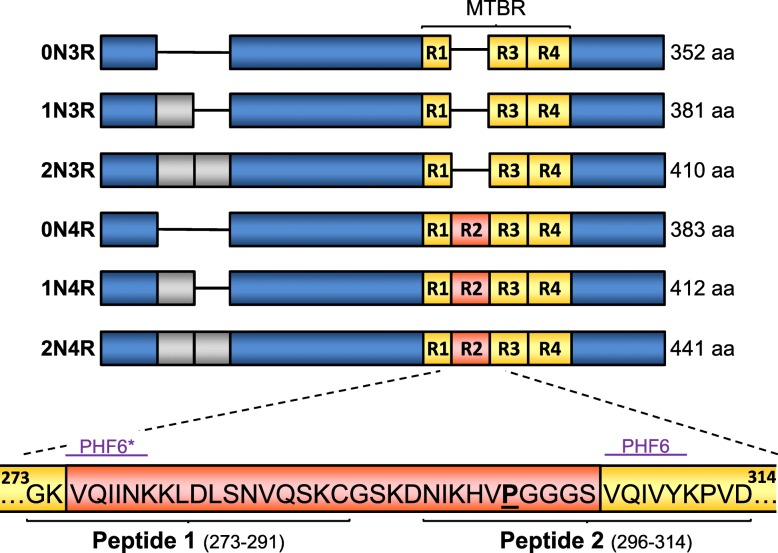
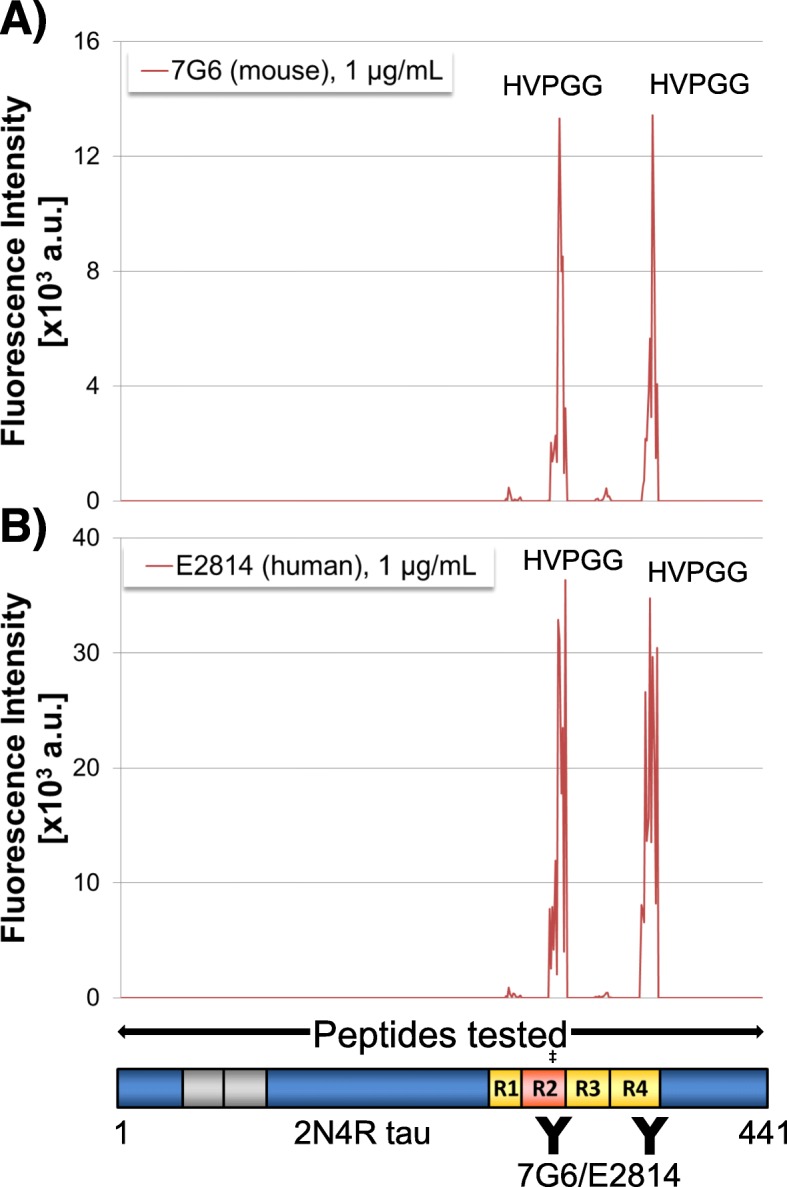
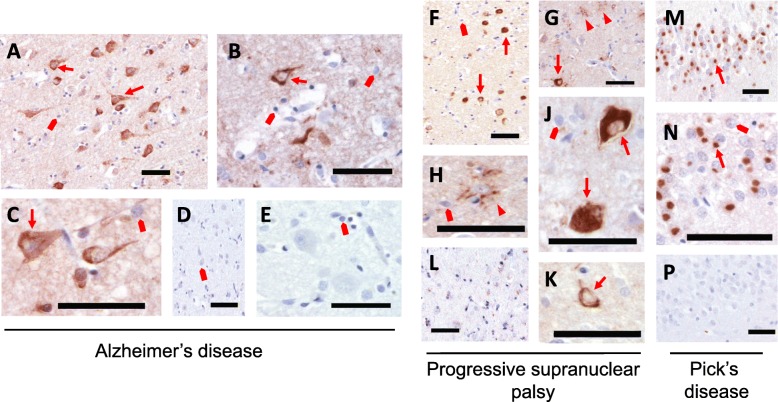
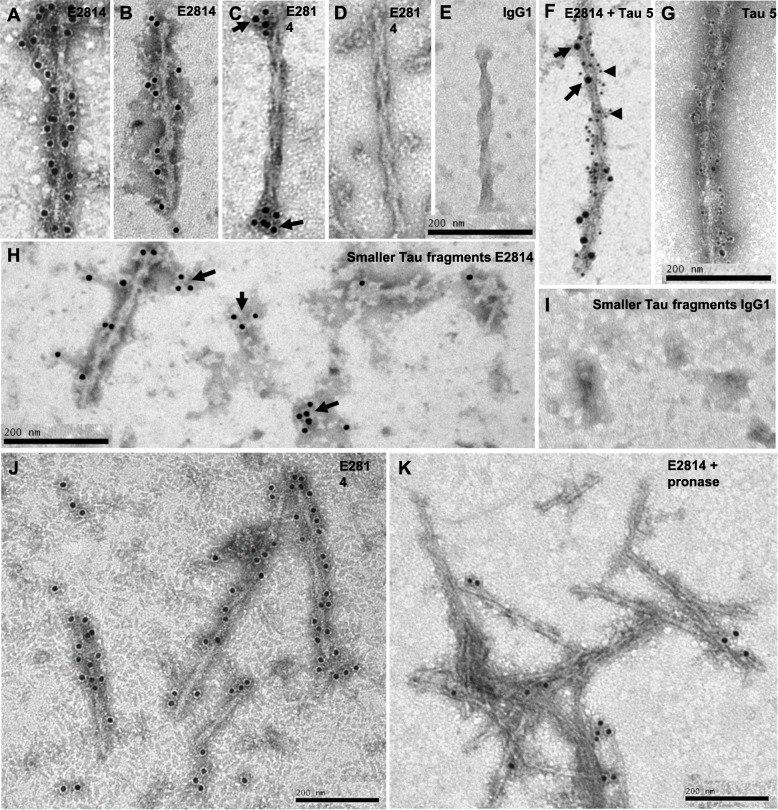
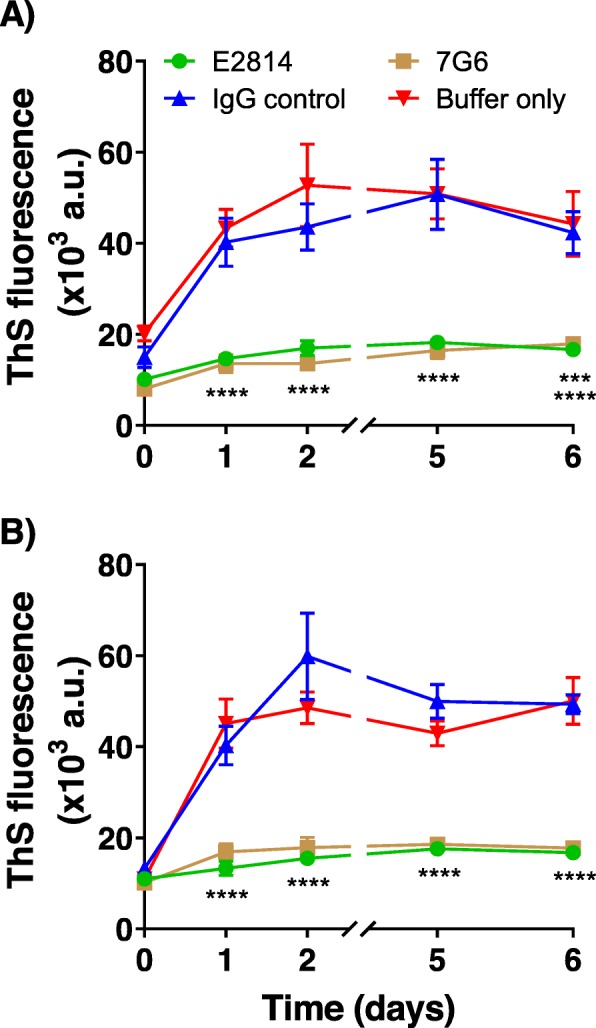
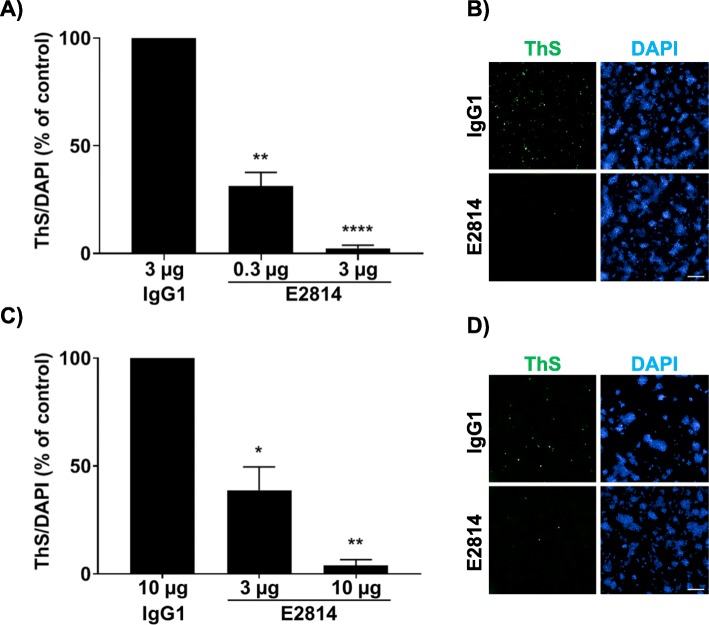
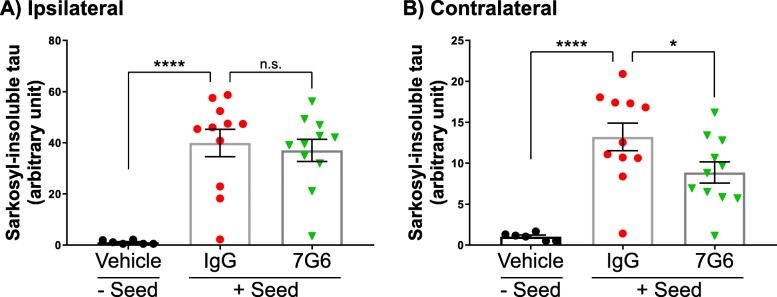
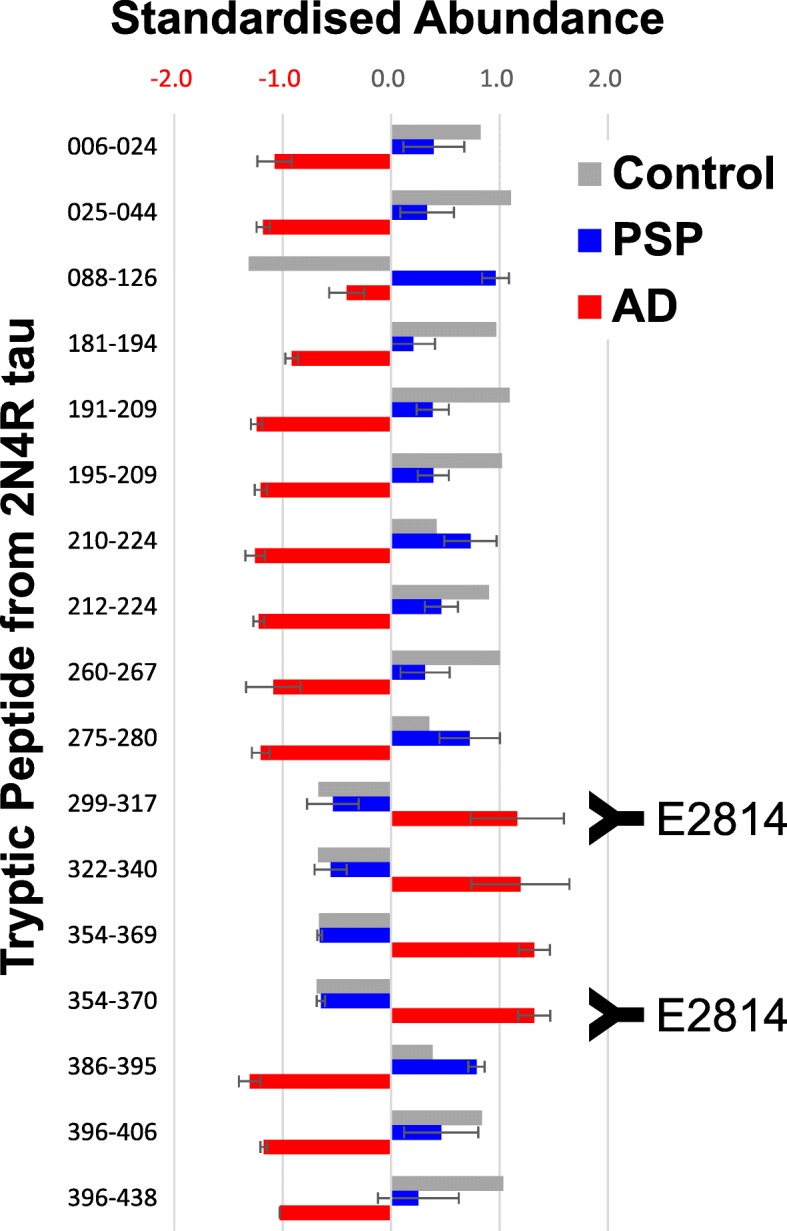
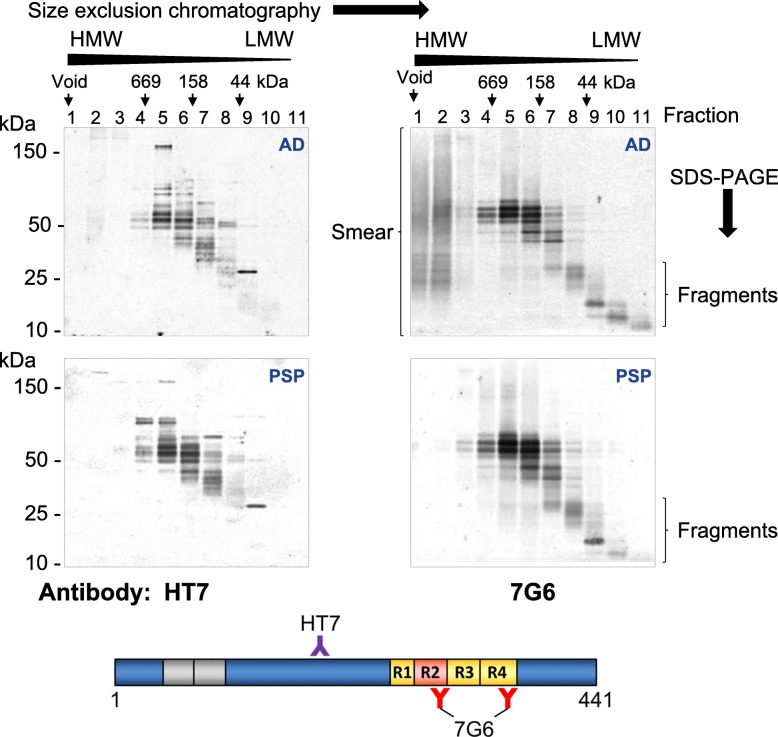
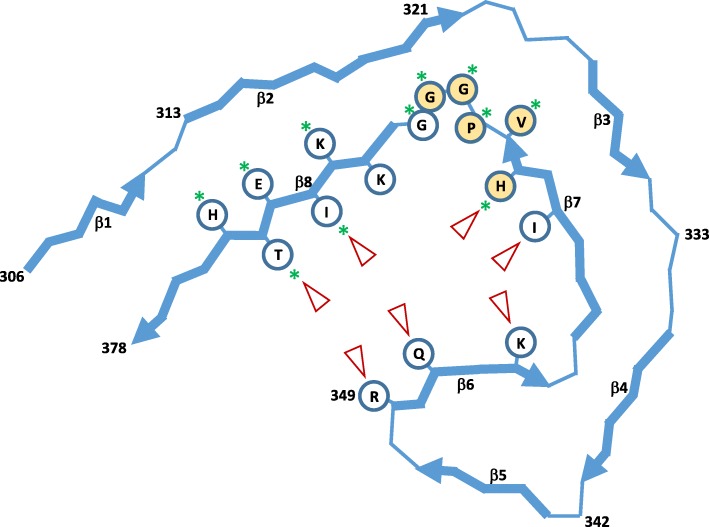
Tau deposition in the brain is a pathological hallmark of many neurodegenerative disorders, including Alzheimer’s disease (AD). During the course of these tauopathies, tau spreads throughout the brain via synaptically-connected pathways. Such propagation of pathology is thought to be mediated by tau species (“seeds”) containing the microtubule binding region (MTBR) composed of either three repeat (3R) or four repeat (4R) isoforms. The tau MTBR also forms the core of the neuropathological filaments identified in AD brain and other tauopathies. Multiple approaches are being taken to limit tau pathology, including immunotherapy with anti-tau antibodies. Given its key structural role within fibrils, specifically targetting the MTBR with a therapeutic antibody to inhibit tau seeding and aggregation may be a promising strategy to provide disease-modifying treatment for AD and other tauopathies. Therefore, a monoclonal antibody generating campaign was initiated with focus on the MTBR. Herein we describe the pre-clinical generation and characterisation of E2814, a humanised, high affinity, IgG 1 antibody recognising the tau MTBR. E2814 and its murine precursor, 7G6, as revealed by epitope mapping, are antibodies bi-epitopic for 4R and mono-epitopic for 3R tau isoforms because they bind to sequence motif HVPGG. Functionally, both antibodies inhibited tau aggregation in vitro. They also immunodepleted a variety of MTBR-containing tau protein species. In an in vivo model of tau seeding and transmission, attenuation of deposition of sarkosyl-insoluble tau in brain could also be observed in response to antibody treatment. In AD brain, E2814 bound different types of tau filaments as shown by immunogold labelling and recognised pathological tau structures by immunohistochemical staining. Tau fragments containing HVPGG epitopes were also found to be elevated in AD brain compared to PSP or control. Taken together, the data reported here have led to E2814 being proposed for clinical development.
Overview
The claims and statistics of this paper haven’t been checked yet.
Free: it reads the open-access text and checks the first 5 claims that cite a source we can check. Create a free account to check every claim.
Integrity signals
Registry
Cites
Statistics
Figures
Verification
Claims the paper makes
The claims and statistics of this paper haven’t been checked yet.
Free: it reads the open-access text and checks the first 5 claims that cite a source we can check. Create a free account to check every claim.
Claims other papers make about this one
Each is checked against this paper’s own text: does it say what the citing paper says it does?
The source backs part of the claim, not all of it — or backs it for a different population, condition or comparison.
In the citing paper
“E2814 is a humanized mAb that recognizes an HVPGG peptide epitope in the microtubule-binding domain near the mid-domain of tau [76].”
From Treatment of Alzheimer’s Disease: Beyond Symptomatic Therapies (2023) · cites this paper as [76]
Experimental — accuracy not yet measuredThe cited source says what the claim attributes to it.
In the citing paper
“E2814 (23) is a monoclonal antibody that targets the tau microtubule-binding region, thereby inhibiting tau protein aggregation and seed propagation.470”
From Recent advances in Alzheimer's disease: Mechanisms, clinical trials and new drug development strategies. (2024) · cites this paper as [470]
The check wasn’t confident either way, so it gives no verdict — never disputed.
In the citing paper
“Further, it resulted in moderately less decline in measures of cognition and function than the placebo at 18 months but was associated with adverse events [76].”
From Treatment of Alzheimer’s Disease: Beyond Symptomatic Therapies (2023) · cites this paper as [76]
Experimental — accuracy not yet measuredThe check wasn’t confident either way, so it gives no verdict — never disputed.
In the citing paper
“This 18-month, multicenter, double-blind, phase 3 trial involving persons 50 to 90 years of age with early AD (mild cognitive impairment or mild dementia due to AD disease) demonstrated that Lecanemab reduced markers of amyloid in early AD.”
From Treatment of Alzheimer’s Disease: Beyond Symptomatic Therapies (2023) · cites this paper as [76]
Experimental — accuracy not yet measured
Self-check
Percentages, sums and reported differences re-computed from the paper’s own numbers.
The self-check needs the paper’s full text.
Citations
Cites
Neuropathological stageing of Alzheimer-related changes.
Braak, H., & Braak, E. (1991) · Acta Neuropathologica · doi:10.1007/bf00308809 · Cited by 16,123
Amyloid oligomers exacerbate tau pathology in a mouse model of tauopathy
Selenica, M.-L. B., Brownlow, M., Jimenez, J. P., Lee, D. C., Pena, G., Dickey, C. A., Gordon, M. N., & Morgan, D. (2013) · Neurodegenerative Diseases · doi:10.1159/000337230 · Cited by 10,359
Association of missense and 5′-splice-site mutations in tau with the inherited dementia FTDP-17
Hutton, M., Lendon, C. L., Rizzu, P., Baker, M., Froelich, S., Houlden, H., Pickering-Brown, S., Chakraverty, S., Isaacs, A., Grover, A., et al. (1998) · Nature · doi:10.1038/31508 · Cited by 3,498
The antibody aducanumab reduces Aβ plaques in Alzheimer’s disease
Sevigny, J., Chiao, P., Bussière, T., Weinreb, P. H., Williams, L., Maier, M., Dunstan, R., Salloway, S., Chen, T., Ling, Y., et al. (2016) · Nature · doi:10.1038/nature19323 · Cited by 3,059
Goedert, M., Spillantini, M. G., Jakes, R., Rutherford, D., & Crowther, R. A. (1989) · Neuron · doi:10.1016/0896-6273(89)90210-9 · Cited by 2,492
Staging of alzheimer's disease-related neurofibrillary changes
Braak, H., & Braak, E. (1995) · Neurobiology of Aging · doi:10.1016/0197-4580(95)00021-6 · Cited by 2,357
Neurodegenerative Diseases Target Large-Scale Human Brain Networks
Seeley, W. W., Crawford, R. K., Zhou, J., Miller, B. L., & Greicius, M. D. (2009) · Neuron · doi:10.1016/j.neuron.2009.03.024 · Cited by 2,350
Atomic structures of amyloid cross-β spines reveal varied steric zippers
Sawaya, M. R., Sambashivan, S., Nelson, R., Ivanova, M. I., Sievers, S. A., Apostol, M. I., Thompson, M. J., Balbirnie, M., Wiltzius, J. J. W., McFarlane, H. T., et al. (2007) · Nature · doi:10.1038/nature05695 · Cited by 2,271
Cryo-EM structures of tau filaments from Alzheimer’s disease
Fitzpatrick, A. W. P., Falcon, B., He, S., Murzin, A. G., Murshudov, G., Garringer, H. J., Crowther, R. A., Ghetti, B., Goedert, M., & Scheres, S. H. W. (2017) · Nature · doi:10.1038/nature23002 · Cited by 2,061
Nelson, P. T., Alafuzoff, I., Bigio, E. H., Bouras, C., Braak, H., Cairns, N. J., Castellani, R. J., Crain, B. J., Davies, P., Tredici, K. D., et al. (2012) · Journal of Neuropathology & Experimental Neurology · doi:10.1097/nen.0b013e31825018f7 · Cited by 2,050
Research works printed but not linked: 1
- Sperfeld AD, Collatz MB, Baier H, Palmbach M, Storch A, Schwarz J, Tatsch K, Reske S, Joosse M, Heutink P et al (1999) FTDP-17: an early-onset phenotype with parkinsonism and epileptic seizures caused by a novel mutation. Ann Neurol 46: 708-715 · doi:10.1002/1531-8249(199911)46:5<708::aid-ana5>3.0.co;2-k
Cited by
Zhang, J., Zhang, Y., Wang, J., Xia, Y., Zhang, J., & Chen, L. (2024) · Signal Transduction and Targeted Therapy · doi:10.1038/s41392-024-01911-3 · Cited by 1,138
Tau and neuroinflammation in Alzheimer’s disease: interplay mechanisms and clinical translation
Chen, Y., & Yu, Y. (2023) · Journal of Neuroinflammation · doi:10.1186/s12974-023-02853-3 · Cited by 516
Alzheimer’s disease: insights into pathology, molecular mechanisms, and therapy
Zheng, Q., & Wang, X. (2025) · Protein & Cell · doi:10.1093/procel/pwae026 · Cited by 410
Tau-targeting therapies for Alzheimer disease: Current status and future directions
Congdon, E. E., Ji, C., Tetlow, A. M., Jiang, Y., & Sigurdsson, E. M. (2023) · Nature Reviews Neurology · doi:10.1038/s41582-023-00883-2 · Cited by 371
“E2814 is an IgG1 antibody that recognizes HVPGG motifs in the second and fourth repeats of the tau microtubule-binding domain and binds to extracellular tau 178 .”
BackgroundImmunotherapy for Alzheimer’s disease: targeting β-amyloid and beyond
Song, C., Shi, J., Zhang, P., Zhang, Y., Xu, J., Zhao, L., Zhang, R., Wang, H., & Chen, H. (2022) · Translational Neurodegeneration · doi:10.1186/s40035-022-00292-3 · Cited by 266
CSF MTBR-tau243 is a specific biomarker of tau tangle pathology in Alzheimer’s disease
Horie, K., Salvadó, G., Barthélemy, N. R., Janelidze, S., Li, Y., He, Y., Saef, B., Chen, C. D., Jiang, H., Strandberg, O., et al. (2023) · Nature Medicine · doi:10.1038/s41591-023-02443-z · Cited by 249
Self-citationCSF tau microtubule binding region identifies tau tangle and clinical stages of Alzheimer’s disease
Horie, K., Barthélemy, N. R., Sato, C., & Bateman, R. J. (2021) · Brain · doi:10.1093/brain/awaa373 · Cited by 180
“Protein digestion was conducted using the filter-aided sample preparation method as previously reported (Roberts et al., 2020).”
BackgroundMethodInfluentialSelf-citationDisease-Modifying Therapies for Alzheimer’s Disease: More Questions than Answers
Golde, T. E. (2022) · Neurotherapeutics · doi:10.1007/s13311-022-01201-2 · Cited by 119
Current Status of Clinical Trials on Tau Immunotherapies
Ji, C., & Sigurdsson, E. M. (2021) · Drugs · doi:10.1007/s40265-021-01546-6 · Cited by 96
Treatment of Alzheimer’s Disease: Beyond Symptomatic Therapies
Buccellato, F. R., D’Anca, M., Tartaglia, G. M., Del Fabbro, M., Scarpini, E., & Galimberti, D. (2023) · International Journal of Molecular Sciences · doi:10.3390/ijms241813900 · Cited by 94
“E2814 is a humanized mAb that recognizes an HVPGG peptide epitope in the microtubule-binding domain near the mid-domain of tau [76].”
BackgroundMultipronged diagnostic and therapeutic strategies for Alzheimer's disease
Ramesh, M., & Govindaraju, T. (2022) · Chemical Science · doi:10.1039/d2sc03932j · Cited by 94
Fate and propagation of endogenously formed Tau aggregates in neuronal cells
Chastagner, P., Loria, F., Vargas, J. Y., Tois, J., I Diamond, M., Okafo, G., Brou, C., & Zurzolo, C. (2020) · EMBO Molecular Medicine · doi:10.15252/emmm.202012025 · Cited by 80
The therapeutic landscape of tauopathies: challenges and prospects
Cummings, J. L., González, M. I., Pritchard, M. C., May, P. C., Toledo, L. M., & Harris, G. A. (2023) · Alzheimer s Research & Therapy · doi:10.1186/s13195-023-01321-7 · Cited by 93
“It binds to the HYPGG epitope in the microtubule-binding domain and binds to normal tau as well as NFTs in AD, tau filaments in PSP, and Pick bodies in Pick’s disease [75].”
BackgroundDanis, C., Dupré, E., Zejneli, O., Caillierez, R., Arrial, A., Bégard, S., Mortelecque, J., Eddarkaoui, S., Loyens, A., Cantrelle, F.-X., et al. (2022) · Molecular Therapy · doi:10.1016/j.ymthe.2022.01.009 · Cited by 76
A critical appraisal of tau‐targeting therapies for primary and secondary tauopathies
Imbimbo, B. P., Ippati, S., Watling, M., & Balducci, C. (2022) · Alzheimer's & Dementia · doi:10.1002/alz.12453 · Cited by 75
Puangmalai, N., Sengupta, U., Bhatt, N., Gaikwad, S., Montalbano, M., Bhuyan, A., Garcia, S., McAllen, S., Sonawane, M., Jerez, C., et al. (2022) · Journal of Biological Chemistry · doi:10.1016/j.jbc.2022.101766 · Cited by 68
Regional correlation of biochemical measures of amyloid and tau phosphorylation in the brain
Horie, K., Barthélemy, N. R., Mallipeddi, N., Li, Y., Franklin, E. E., Perrin, R. J., Bateman, R. J., & Sato, C. (2020) · Acta Neuropathologica Communications · doi:10.1186/s40478-020-01019-z · Cited by 63
Self-citationPassive immunotherapy for Alzheimer's disease
Guo, X., Li, Y., Zhang, D., & Zhao, Y. (2024) · Ageing Research Reviews · doi:10.1016/j.arr.2024.102192 · Cited by 78
“Functionally, E2814 inhibited tau aggregation in vitro and immunodepleted a variety of tau species containing MTBR. E2814 treatment reduced the accumulation of insoluble tau in a mouse model of tau seeding and transmission (Roberts et al., 2020).”
Tau-targeting therapy in Alzheimer’s disease: Critical advances and future opportunities
Guo, Y., Li, S., Zeng, L.-H., & Tan, J. (2022) · Ageing and Neurodegenerative Diseases · doi:10.20517/and.2022.16 · Cited by 61
Panda, C., Voelz, C., Habib, P., Mevissen, C., Pufe, T., Beyer, C., Gupta, S. K., & Slowik, A. (2021) · Cells · doi:10.3390/cells10071652 · Cited by 58
Abskharon, R., Pan, H., Sawaya, M. R., Seidler, P. M., Olivares, E. J., Chen, Y., Murray, K. A., Zhang, J., Lantz, C., Bentzel, M., et al. (2023) · Proceedings of the National Academy of Sciences · doi:10.1073/pnas.2300258120 · Cited by 47
Gaikwad, S., Puangmalai, N., Sonawane, M., Montalbano, M., Price, R., Iyer, M. S., Ray, A., Moreno, S., & Kayed, R. (2024) · Science Translational Medicine · doi:10.1126/scitranslmed.adj5958 · Cited by 52
“TauRD, expressed by tau biosensor cells, contains aggregation-competent residues that form pathological tau aggregates ( 13 , 65 – 70 ).”
BackgroundMonoclonal Antibody Therapy in Alzheimer’s Disease
Neațu, M., Covaliu, A., Ioniță, I., Jugurt, A., Davidescu, E. I., & Popescu, B. O. (2023) · Pharmaceutics · doi:10.3390/pharmaceutics16010060 · Cited by 48
“The serum pharmacokinetics exhibited a linear relationship with the administered dose, and only a small fraction, specifically 0.2%, was detected in the CSF [166–170].”
BackgroundInfluentialGibbons, G. S., Kim, S., Wu, Q., Riddle, D. M., Leight, S. N., Changolkar, L. N., Xu, H. W., Meymand, E. S., O’Reilly, M., Zhang, B., et al. (2020) · Molecular Neurodegeneration · doi:10.1186/s13024-020-00404-5 · Cited by 49
Annadurai, N., Sanctis, J. B. D., Hajdúch, M., & Das, V. (2021) · Experimental Neurology · doi:10.1016/j.expneurol.2021.113756 · Cited by 42
Congdon, E. E., Jiang, Y., & Sigurdsson, E. M. (2021) · Seminars in Cell and Developmental Biology · doi:10.1016/j.semcdb.2021.12.002 · Cited by 40
Evolving therapeutic interventions for the management and treatment of Alzheimer’s disease
Ahmad, F., Karan, A., Sharma, R., Sharma, N. S., Sundar, V., Jayaraj, R. L., Mukherjee, S., & DeCoster, M. A. (2024) · Ageing Research Reviews · doi:10.1016/j.arr.2024.102229 · Cited by 43
Padilla-Godínez, F. J., Vázquez-García, E. R., Trujillo-Villagrán, M. I., Soto-Rojas, L. O., Palomero‐Rivero, M., Hernández-González, O., Pérez-Eugenio, F., Collazo-Navarrete, O., Arias-Carrión, Ó., & Guerra‐Crespo, M. (2025) · Frontiers in Neuroscience · doi:10.3389/fnins.2025.1570553 · Cited by 47
Tau truncation in the pathogenesis of Alzheimer’s disease: a narrative review
Chu, D., Yang, X., Wang, J., Zhou, Y., Gu, J., Miao, J., Wu, F., & Liu, F. (2023) · Neural Regeneration Research · doi:10.4103/1673-5374.385853 · Cited by 41
Arnsten, A. F. T., Tredici, K. D., Barthélemy, N. R., Gabitto, M. I., van Dyck, C. H., Lein, E. S., Braak, H., & Datta, D. (2025) · Alzheimer s & Dementia · doi:10.1002/alz.70404 · Cited by 41
Increased G3BP2-Tau interaction in tauopathies is a natural defense against Tau aggregation
Wang, C., Terrigno, M., Li, J., Distler, T., Pandya, N. J., Ebeling, M., Tyanova, S., Hoozemans, J. J. M., Dijkstra, A. A., Fuchs, L., et al. (2023) · Neuron · doi:10.1016/j.neuron.2023.05.033 · Cited by 41
“Upcoming trials of anti-Tau antibodies targeting the middle part of Tau, especially the MTBR, are believed to have a greater chance of clearing pathogenic aggregated Tau than the existing antibodies.(75,76) A recent study showed that intracellular overexpression of a MTBR-targeting nanobody can reduce the accumulation…”
BackgroundBaviskar, P. S., & Mahajan, H. S. (2025) · Ageing Research Reviews · doi:10.1016/j.arr.2025.102990 · Cited by 47
Disease-modifying therapies for Alzheimer’s disease: Clinical trial progress and opportunity
Zhang, Y., Chen, J., Li, Y., Jiao, B., & Luo, S. (2024) · Ageing Research Reviews · doi:10.1016/j.arr.2024.102595 · Cited by 38
Bispecific brain-penetrant antibodies for treatment of Alzheimer’s disease
Sehlin, D., Hultqvist, G., Michno, W., Aguilar, X., Dahlén, A. D., Cerilli, E., Bucher, N. M., van den Broek, S. L., & Syvänen, S. (2025) · The Journal of Prevention of Alzheimer s Disease · doi:10.1016/j.tjpad.2025.100214 · Cited by 38
Harris, G. A., Hirschfeld, L. R., González, M. I., Pritchard, M. C., & May, P. C. (2025) · Alzheimer s Research & Therapy · doi:10.1186/s13195-025-01775-x · Cited by 44
“E2814 is a humanized IgG1 antibody targeting the HVPGG epitope in the tau MTBR [42].”
Shen, X., Li, H., Zhang, B., Li, Y., & Zhu, Z. (2025) · Cells · doi:10.3390/cells14191506 · Cited by 36
“E2814 (etalanetug) is a humanised IgG1 against the MTBR, targeting the MTBR HVPGG motif and is bi-epitopic on 4R and mono-epitopic on 3R tau, aligning with propagating seeds [151].”
Sigurdsson, E. M. (2024) · Journal of Alzheimer s Disease · doi:10.3233/jad-231238 · Cited by 31
Sosa, A. L., Brucki, S. M. D., Crivelli, L., Lopera, F. J., Acosta, D. M., Acosta‐Uribe, J., Aguilar, D., Aguilar-Navarro, S. G., Allegri, R., Bertolucci, P. H. F., et al. (2024) · Alzheimer s & Dementia · doi:10.1002/alz.13850 · Cited by 30
Current peptide vaccine and immunotherapy approaches against Alzheimer’s disease
Parrocha, C. M. T., & Nowick, J. S. (2023) · Peptide Science · doi:10.1002/pep2.24289 · Cited by 24
Prion-like strain effects in tauopathies
Han, Z. Z., Kang, S.-G., Arce, L., & Westaway, D. (2022) · Cell and Tissue Research · doi:10.1007/s00441-022-03620-1 · Cited by 16
Panza, F., Dibello, V., Sardone, R., Castellana, F., Zupo, R., Lampignano, L., Bortone, I., Stallone, R., Cirillo, N., Damiani, C., et al. (2023) · Expert Opinion on Investigational Drugs · doi:10.1080/13543784.2023.2233892 · Cited by 22
“E2814 recognized pathological tau structures in postmortem brain, including NFTs from AD and PSPS [64].”
BackgroundAlrouji, M., Alshammari, M. S., Syed, T., & Shamsi, A. (2025) · Antioxidants · doi:10.3390/antiox14070774 · Cited by 26
“E2814: An IgG1 antibody that attaches to extracellular tau and recognizes the HVPGG motifs in the tau microtubule-binding domain’s second and fourth repeats [192].”
Disease-Modifying Treatments and Their Future in Alzheimer’s Disease Management
Smith, B., & Ownby, R. L. (2024) · Cureus · doi:10.7759/cureus.56105 · Cited by 32
“The microtubule-binding region that E2814 binds to is predominantly involved in the formation of neurofibrillary tau tangles [17].”
BackgroundMolecular Therapeutics in Development to Treat Alzheimer’s Disease
Tartaglia, M. C., & Ingelsson, M. (2024) · Molecular Diagnosis & Therapy · doi:10.1007/s40291-024-00738-6 · Cited by 25
Rawal, S., Wildsmith, K. R., Aluri, J., Yagi, T., Chang, M., Niu, H., Zhou, J., Horie, K., Takahashi, E., Boyd, P., et al. (2025) · Alzheimer Disease & Associated Disorders · doi:10.1097/wad.0000000000000680 · Cited by 26
Self-citationSu, J., Xiao, Y., Wang, X., Zheng, J., & Wang, J. (2024) · Medicine Plus · doi:10.1016/j.medp.2024.100060 · Cited by 24
Neuronal Vulnerability of the Entorhinal Cortex to Tau Pathology in Alzheimer’s Disease
Zhang, S., Crossley, C. A., & Yuan, Q. (2024) · British Journal of Biomedical Science · doi:10.3389/bjbs.2024.13169 · Cited by 30
Immune Modulation in Alzheimer’s Disease: From Pathogenesis to Immunotherapy
Balkhi, S., Spirito, A. D., Poggi, A. D., & Mortara, L. (2025) · Cells · doi:10.3390/cells14040264 · Cited by 24
“E2814 E2814 is an IgG1 monoclonal antibody targeting the HVPGG epitope in the mid-domain of tau [168].”
Helboe, L., Rosenqvist, N., Volbracht, C., Pedersen, L. Ø., Pedersen, J. T., Christensen, S., Egebjerg, J., Christoffersen, C. T., Bang‐Andersen, B., Beach, T. G., et al. (2022) · Journal of Alzheimer s Disease · doi:10.3233/jad-220125 · Cited by 20
Basurto‐Islas, G., Diaz, M. C., Zavala-Ocampo, L. M., Martínez‐Herrera, M., & López-Camacho, P. Y. (2025) · Archiv der Pharmazie · doi:10.1002/ardp.202400721 · Cited by 22
Luca, W., Foster, K., McClure, K., Ahlijanian, M. K., & Jefson, M. R. (2024) · The Journal of Prevention of Alzheimer s Disease · doi:10.14283/jpad.2024.25 · Cited by 19
Recognizing Alzheimer's disease from perspective of oligodendrocytes: Phenomena or pathogenesis?
Wang, J., Zhen, Y., Yang, J., Yang, S., & Zhu, G. (2024) · CNS Neuroscience & Therapeutics · doi:10.1111/cns.14688 · Cited by 18
“119,120 Recent research suggests that OLs tau can propagate along WM tracts, resulting in the loss of OLs.”
BackgroundWang, Q., Chen, S., Wang, J., Shang, H., & Chen, X. (2024) · Brain Sciences · doi:10.3390/brainsci14100990 · Cited by 24
“TauE2814 is a humanized monoclonal IgG1 antibody that specifically recognizes the HVPGG epitope within the microtubule-binding region of the Tau protein [56].”
BackgroundDavidson, R., Krider, R. I., Borsellino, P., Noorda, K., Alhwayek, G., & Vida, T. A. (2023) · Current Issues in Molecular Biology · doi:10.3390/cimb45110553 · Cited by 17
“E2814 is an IgG1 antibody against MTBR of tau [117].”
BackgroundOndrejčák, T., Klyubin, I. V., Hu, N., O’Malley, T. T., Corbett, G. T., Winters, R., Perkinton, M. S., Billinton, A., Prenderville, J. A., Walsh, D. M., et al. (2023) · Journal of Neuroscience · doi:10.1523/jneurosci.0082-23.2023 · Cited by 17
Monoclonal antibody therapy for Alzheimer's disease focusing on intracerebral targets
Gu, X., Long, Q., Qi, Q., Zhou, J., Chen, S., & Wang, L. (2024) · BioScience Trends · doi:10.5582/bst.2023.01288 · Cited by 19
Gehlot, P., Pathak, R., Kumar, S., Choudhary, N. K., & Vyas, V. K. (2024) · Bioorganic & Medicinal Chemistry · doi:10.1016/j.bmc.2024.117925 · Cited by 20
Positron Emission Tomography in Animal Models of Tauopathies
Cao, L., Kong, Y., Ji, B., Ren, Y., Guan, Y., & Ni, R. (2022) · Frontiers in Aging Neuroscience · doi:10.3389/fnagi.2021.761913 · Cited by 16
“…| www.frontiersin.org 1 January 2022 | Volume 13 | Article 761913 Transgenic animal models recapitulating human tauopathy have enabled understanding of disease mechanisms and facilitated the development of treatment strategies (Albert et al., 2019; Roberts et al., 2020; Ayalon et al., 2021).”
BackgroundAnti-tau antibodies targeting a conformation-dependent epitope selectively bind seeds
Hitt, B. D., Gupta, A., Singh, R., Yang, T., Beaver, J. D., Shang, P., White, C. L., Joachimiak, L. A., & Diamond, M. I. (2023) · doi:10.1101/2023.05.04.539475 · Cited by 15
Horie, K., Li, Y., Barthélemy, N. R., Gordon, B. A., Hassenstab, J. J., Benzinger, T. L. S., Fagan, A. M., Morris, J. C., Karch, C. M. M., Xiong, C., et al. (2023) · Annals of Neurology · doi:10.1002/ana.26620 · Cited by 18
Self-citationFoster, K., Manca, M., McClure, K. F., Koivula, P. P., Trojanowski, J. Q., Havas, D., Chancellor, S. E., Goldstein, L. E., Brunden, K. R., Kraus, A., et al. (2023) · Alzheimer s & Dementia · doi:10.1002/alz.13028 · Cited by 16
Anti-tau antibodies targeting a conformation-dependent epitope selectively bind seeds
Hitt, B. D., Gupta, A., Singh, R., Yang, T., Beaver, J. D., Shang, P., White, C. L., Joachimiak, Ł. A., & Diamond, M. I. (2023) · Journal of Biological Chemistry · doi:10.1016/j.jbc.2023.105252 · Cited by 18
“We note that a humanized monoclonal antibody, E2814, also targets a repeat domain epitope (HVPPGG) present in both R2 and R4, and reduced in vivo tau deposition (Roberts et al., 2020).”
BackgroundRecent advances in immunotherapy targeting amyloid-beta and tauopathies in Alzheimer’s disease
Sha, S., Ren, L., Xing, X., Guo, W., Wang, Y., Li, Y., Cao, Y., & Qu, L. (2025) · Neural Regeneration Research · doi:10.4103/nrr.nrr-d-24-00846 · Cited by 20
“Previous reports showed that several proteins work together in the pathogenesis of AD.”
Chimeric antigen receptors discriminate between tau and distinct amyloid-beta species
Siebrand, C. J., Bergo, N. J., Lee, S., Andersen, J. K., & Walton, C. C. (2025) · Journal of Translational Medicine · doi:10.1186/s12967-025-06572-6 · Cited by 15
“Tau tangles are believed to seed and propagate the spread of tau pathology and the tau-targeting investigational antibody E2814 aims to prevent this propagation [32].”
Gauthier, S. G., Boxer, A. L., Knopman, D. S., Sims, J., Doody, R. S., Aisen, P., Iwatsubo, T., Bateman, R. J., & Vellas, B. J. (2022) · The Journal of Prevention of Alzheimer s Disease · doi:10.14283/jpad.2022.29 · Cited by 14
Updates on pharmacological treatment for Alzheimer’s disease
Tipton, P. W. (2024) · Neurologia i Neurochirurgia Polska · doi:10.5603/pjnns.96286 · Cited by 18
A case for seeking sex-specific treatments in Alzheimer’s disease
Lynch, M. A. (2024) · Frontiers in Aging Neuroscience · doi:10.3389/fnagi.2024.1346621 · Cited by 21
Alzheimer’s disease and immunotherapy
Qin, W., Pang, Y., Nie, S., Quan, M., & Jia, J. (2024) · Current Medicine · doi:10.1007/s44194-024-00035-8 · Cited by 16
“In vivo, bepranemab may inhibit tau aggregation and the spread of tau pathology (Roberts et al. 2020).”
Zhan, X., Wen, G., Wu, X., & Li, J. (2025) · Translational Neurodegeneration · doi:10.1186/s40035-025-00490-9 · Cited by 15
Alzheimer's disease approaches - Focusing on pathology, biomarkers and clinical trial candidates
Hroudová, J., & Fišar, Z. (2024) · Progress in Neuro-Psychopharmacology and Biological Psychiatry · doi:10.1016/j.pnpbp.2024.111069 · Cited by 13
Ortiz-Islas, E., Montes, P., Rodríguez-Pérez, C. E., Ruiz-Sánchez, E., Sánchez-Barbosa, T., Pichardo-Rojas, D., Zavala‐Tecuapetla, C., Carvajal, K., & Campos‐Peña, V. (2025) · Pharmaceutics · doi:10.3390/pharmaceutics17010128 · Cited by 16
“E2814 is a high-affinity humanized IgG1 antibody that recognizes the repeat domains of tau, both the 3R and 4R forms; it is capable of inhibiting tau aggregation, as well as seeding in vitro and in vivo [224].”
Pharmacotherapeutic combinations for the treatment of Alzheimer’s disease.
Nagata, T., Shinagawa, S., Nakajima, S., Noda, Y., & Mimura, M. (2022) · Expert Opinion on Pharmacotherapy · doi:10.1080/14656566.2022.2042514 · Cited by 11
Basheer, N., Buée, L., Brion, J., Smolek, T., Muhammadi, M. K., Hritz, J., Hromádka, T., Dewachter, I., Wegmann, S., Landrieu, I., et al. (2024) · Acta Neuropathologica Communications · doi:10.1186/s40478-024-01748-5 · Cited by 14
“Additionally, these models have been already used in preclinical studies on phospho-tau or conformation-specific antibodies [4, 34, 35, 60, 129, 153].”
MethodMagnetic Resonance Imaging in Tauopathy Animal Models
Ni, R. (2022) · Frontiers in Aging Neuroscience · doi:10.3389/fnagi.2021.791679 · Cited by 11
“Several DTI studies in tauopathy models have been reported, including rTg4510 (Sahara et al., 2014; Wells et al., 2015b; Holmes et al., 2016), Thy-Tau22 (Degiorgis et al., 2020), pR5 (Soni et al., 2021), Tg601 (Hara et al., 2017), JNPL3 (Nishioka et al., 2019), and TauRD/1K280 mice (Green et al.,…”
BackgroundMethodKato, Y., Ohishi, T., Sano, M., Asano, T., Sayama, Y., Takei, J., Kawada, M., & Kaneko, M. K. (2020) · Monoclonal Antibodies in Immunodiagnosis and Immunotherapy · doi:10.1089/mab.2020.0011 · Cited by 12
“Antigen-antibody affinity is thought to be an important factor influencing the outcome of antibody-based therapy.((24)) The binding affinity (KD) of H2Mab-19 to MIA PaCa-2 was determined to be 1.”
BackgroundTau immunotherapy in Alzheimer’s disease and progressive supranuclear palsy
Karimi, N., Catak, F. B., Arslan, E. O., Saghazadeh, A., & Rezaei, N. (2022) · International Immunopharmacology · doi:10.1016/j.intimp.2022.109445 · Cited by 13
Mechanistic Approach to Immunity and Immunotherapy of Alzheimer’s Disease: A Review
Islam, M. R., Rabbi, M. A., Hossain, T., Sultana, S., & Uddin, S. (2024) · ACS Chemical Neuroscience · doi:10.1021/acschemneuro.4c00360 · Cited by 16
Alipour, M., Tebianian, M., Tofigh, N., Taheri, R. S., Mousavi, S. A., Naseri, A., Ahmadi, A., Munawar, N., & Shahpasand, K. (2022) · Neuropeptides · doi:10.1016/j.npep.2022.102285 · Cited by 10
Shukla, D., Suryavanshi, A., Bharti, S. K., Asati, V., & Mahapatra, D. K. (2024) · Current Topics in Medicinal Chemistry · doi:10.2174/0115680266299847240328045737 · Cited by 14
Targeting tau in Alzheimer’s Disease: rationale, approach and challenges
Aslanyan, A., Foiani, M. S., Giovannucci, T. A., McDade, E., Duff, K., Mummery, C. J., Schöll, M., Wildsmith, K. R., & Paterson, R. W. (2026) · Molecular Neurodegeneration · doi:10.1186/s13024-026-00925-5 · Cited by 11
“Pre-clinical data showed reduced tau aggregation [16, 60].”
Gantenerumab for early Alzheimer’s disease: a systematic review and meta-analysis
de Almeida, A. M., Leite, M. G. H. S. J., Lopes, L. M., Lima, P. L. G., Barros, M. L. S., Pinheiro, S. L. R., Andrade, Í. B., Viana, P., Morbach, V., Marinheiro, G., et al. (2024) · Expert Review of Neurotherapeutics · doi:10.1080/14737175.2024.2367016 · Cited by 12
“Alongside this, multiple phase I and phase II studies testing tau-targeted immunobiological agents for AD are expected to be finished in the next years [23–25].”
Recent advances in Alzheimer’s disease pathogenesis and therapeutics from an immune perspective
Nguyen, T.-D., Dang, L. N., Jang, J., & Park, S. (2023) · Journal of Pharmaceutical Investigation · doi:10.1007/s40005-023-00631-0 · Cited by 9
Kato, Y., Ohishi, T., Takei, J., Nakamura, T., Kawada, M., & Kaneko, M. K. (2020) · Monoclonal Antibodies in Immunodiagnosis and Immunotherapy · doi:10.1089/mab.2020.0013 · Cited by 8
“Antigen–antibody affinity is thought to be an important factor influencing the outcome of antibody-based therapy.((26)) The binding affinity (KD) of H2Mab-19 to LN229 was determined to be 1.”
BackgroundNew biologicals and biomaterials in the therapy of Alzheimer's disease
Prajapati, V., Shinde, S., Shrivastav, P., & Prajapati, B. G. (2024) · Alzheimer's Disease and Advanced Drug Delivery Strategies · doi:10.1016/b978-0-443-13205-6.00016-9 · Cited by 7
Advances of therapeutic strategies for Alzheimer’s disease
Guo, X., Yue, R.-Z., Cui, Z., Wang, S., Jia, T., Li, W., Zhang, W., Shan, L., & Li, C. (2025) · Journal of Neurology · doi:10.1007/s00415-025-13456-8 · Cited by 10
“E2814 is a promising humanized IgG1 antibody with the ability to recognize HVPGG motifs of the tau microtubule-binding domain for passive immunotherapy [109].”
Kim, M., Kwon, H., Sohn, S., Lee, W. J., Cho, K., & Kim, G. W. (2025) · Journal of Alzheimer s Disease · doi:10.1177/13872877251391820 · Cited by 13
Advances in the drug treatment of Alzheimer’s disease: pathophysiology and mechanisms of action
Nowell, J., Crook, H., de Leon, M. J., & Edison, P. (2026) · BMJ · doi:10.1136/bmj-2023-078881 · Cited by 8
Beyond lecanemab: Examining Phase III potential in Alzheimer's therapeutics
Osaka, H., Nishida, K., & Kanazawa, T. (2024) · Psychiatry and Clinical Neurosciences Reports · doi:10.1002/pcn5.185 · Cited by 12
“12,13 Clinical investigations into E2814 include an open ‐ label Phase Ib/II study evaluating safety and target engagement in individuals with mild to moderate cognitive impairment stemming from dominantly inherited AD (DIAD).”
BackgroundBispecific Tau Antibodies with Additional Binding to C1q or Alpha-Synuclein
Quint, W. H., Matečko‐Burmann, I., Schilcher, I., Löffler, T., Schöll, M., Burmann, B. M., & Vogels, T. (2021) · Journal of Alzheimer s Disease · doi:10.3233/jad-201334 · Cited by 7
“This antibody was selected because antibodies targeting this domain were previously shown to potently inhibit recombinant tau aggregation in similar assays [45, 63].”
Sharma, A., & Singh, T. G. (2025) · Brain Research · doi:10.1016/j.brainres.2025.150047 · Cited by 8
Wu, J., Geng, C., Liu, L., & Tang, Y. (2025) · Medicine Plus · doi:10.1016/j.medp.2025.100112 · Cited by 9
Macedo, A. C., Trudel, L., Therriault, J., Rahmouni, N., Aumont, É., Bezgin, G., Hosseini, S. A., Tissot, C., Chan, T., Servaes, S., et al. (2026) · Nature Aging · doi:10.1038/s43587-026-01143-w · Cited by 10
Li, L., Miao, J., Jiang, Y., Dai, C., Iqbal, K., Liu, F., & Chu, D. (2023) · Experimental Neurology · doi:10.1016/j.expneurol.2023.114337 · Cited by 6
Emerging Novel Therapeutic Approaches for the Treatment of Alzheimer’s Disease
Panwar, A., Khan, M. I. K., Kumar, R., Kumar, R., Kumar, S., & Kumar, A. (2024) · Advances in Alzheimer s Disease · doi:10.4236/aad.2024.133006 · Cited by 5
Recent Advancements in the Early Diagnosis and Treatment of Alzheimer's Disease
Wu, Y., Fu, L., Li, Q., Gao, X., Zhang, Y., Jin, C., Ding, F., Hong, S. C., Cai, H., & Li, Y. (2023) · Advanced Therapeutics · doi:10.1002/adtp.202300181 · Cited by 5
Huang, Y., Chan, H., Khoo, J.-Y., Chan, M.-L., Bender, D. A., Ponnusamy, V. K., Belaidi, A. A., & Ke, L. (2025) · Neurochemistry International · doi:10.1016/j.neuint.2025.106104 · Cited by 4
Tau and Alzheimer’s Disease: Molecular Mechanisms and Treatment Approaches
Reiss, A. B., Muhieddine, D., Leon, A. Z. D., Voloshyna, I., Gomolin, I. H., & Pinkhasov, A. (2021) · SN Comprehensive Clinical Medicine · doi:10.1007/s42399-021-01092-y · Cited by 4
Targeting alpha-synuclein or tau for treating neurodegenerative movement disorders
Cuina, M. L., & Meissner, W. G. (2022) · Revue Neurologique · doi:10.1016/j.neurol.2022.03.010 · Cited by 4
Bone-Derived Factors: Regulating Brain and Treating Alzheimer’s Disease
Guan, Q., Cao, Y., Zou, J., & Zhang, L. (2025) · Biology · doi:10.3390/biology14091112 · Cited by 9
“IgG1 antibodies targeting the HVPGG motif recognize microtubule-binding domains, inhibiting extracellular Tau seeding and aggregation while reducing Tau deposition in animal models [253,254].”
Bhandari, A. K., Dhami, A. S., Hemanthlumar, R. T., Mishra, N., Joslyn, B., Roy, S., Srinivasan, J., Prajapati, K. P., Kar, K., & Anand, B. G. (2025) · Ageing Research Reviews · doi:10.1016/j.arr.2025.102879 · Cited by 5
Metadata
- Authors
- Roberts, M., Sevastou, I., Imaizumi, Y., Mistry, K., Talma, S., Dey, M., Gartlon, J., Ochiai, H., Zhou, Z., Akasofu, S., Tokuhara, N., Ogo, M., Aoyama, M., Aoyagi, H., Strand, K., Sajedi, E., Agarwala, K. L., Spidel, J., Albone, E., Horie, K., Staddon, J. M., & de Silva, R.
- Affiliations
- Eisai (United Kingdom) (GB)
- UCL Queen Square Institute of Neurology (GB)
- Eisai (Japan) (JP)
- Eisai (United States) (US)
- Corresponding author
- Roberts, Malcolm
- ORCID
- Venue
- Acta Neuropathologica Communications
- Published
- 2020-02-04
- Volume
- 8
- Issue
- 1
- Pages
- 13-13
- ISSN
- 2051-5960 (ISSN-L)
- PMC
- PMC7001291
- OpenAlex
- W3006717849
- Cited by
- 135
- References
- 85
- Citations by year
- 2026: 24 · 2025: 25 · 2024: 33 · 2023: 21 · 2022: 18 · 2021: 7 · 2020: 7
- FWCI
- 7.97
- Type
- journal article
- Language
- en
- Open access
- gold
- doi.org
- Licence
- cc-by
- creativecommons.org/licenses/by/4.0/ (tdm)
- creativecommons.org/licenses/by/4.0/ (vor)
- Locations
- Acta Neuropathologica Communications (publishedVersion, cc-by)
- PubMed Central (publishedVersion, cc-by)
- PubMed (publishedVersion)
- DOAJ (DOAJ: Directory of Open Access Journals) (submittedVersion)
- UCL Discovery (University College London) (submittedVersion)
- Funders
- Eisai:UCL Therapeutic Innovation Group (n/a)
- Reta Lila Weston Trust for Medical Research (n/a)
- Topics
- Life Sciences › Neuroscience › Cellular and Molecular Neuroscience › Alzheimer's disease research and treatments
- Health Sciences › Medicine › Psychiatry and Mental health › Dementia and Cognitive Impairment Research
- Life Sciences › Neuroscience › Neurology › Neuroinflammation and Neurodegeneration Mechanisms
- Keywords
- anti-tau antibodies, microtubule-binding repeats, tau protein, Alzheimer's disease, tauopathy, passive immunotherapy, tau seeding, humanized monoclonal antibody, immunodepletion, sarkosyl-insoluble tau, tau filaments
- MeSH terms
- Alzheimer Disease, Animals, Antibodies, Monoclonal, Frontal Lobe, Immunoglobulin G, Immunization, Passive, Male, Mice, Transgenic, tau Proteins, Protein Isoforms, Protein Aggregation, Pathological
About these checks
Registry, retraction, Cites and statistics results are computed, not judged, with one exception: a printed reference that no index lists is read once by a model before it counts as a citation error. Claims are extracted by a model and kept only when their quote appears verbatim in the text; each cited source is then checked, with a model’s help, for whether it says what the claim relies on. Those verdicts can be wrong — read the claim’s quote and the cited source before relying on one.
Statistics and arithmetic are recomputed, not judged.
Confidence bands are shown only for fields calibrated on our annotated test set. None is calibrated yet, so no band is shown.
What counts as a claim ›How we measure confidence ›How we check this ›
Are you an author, or do you see a problem with this page? Request a review
Data sources
Bibliographic data: Semantic Scholar, OpenAlex, Crossref.
Contains information from the Semantic Scholar Academic Graph Datasets, made available under the ODC Attribution License (ODC-BY 1.0).
Semantic Scholar’s data is described in: Kinney, R., et al. (2023). The Semantic Scholar Open Data Platform. arXiv:2301.10140.
