

The association between the Mediterranean Diet and the Prime Diet Quality Score and polycystic ovary syndrome: a case control study
Open accessThe DOI matches its Crossref record; 58 of the 58 references it cites were found in a registry or an index; 14 of the 19 sources its claims cite were checked for support.
Abstract
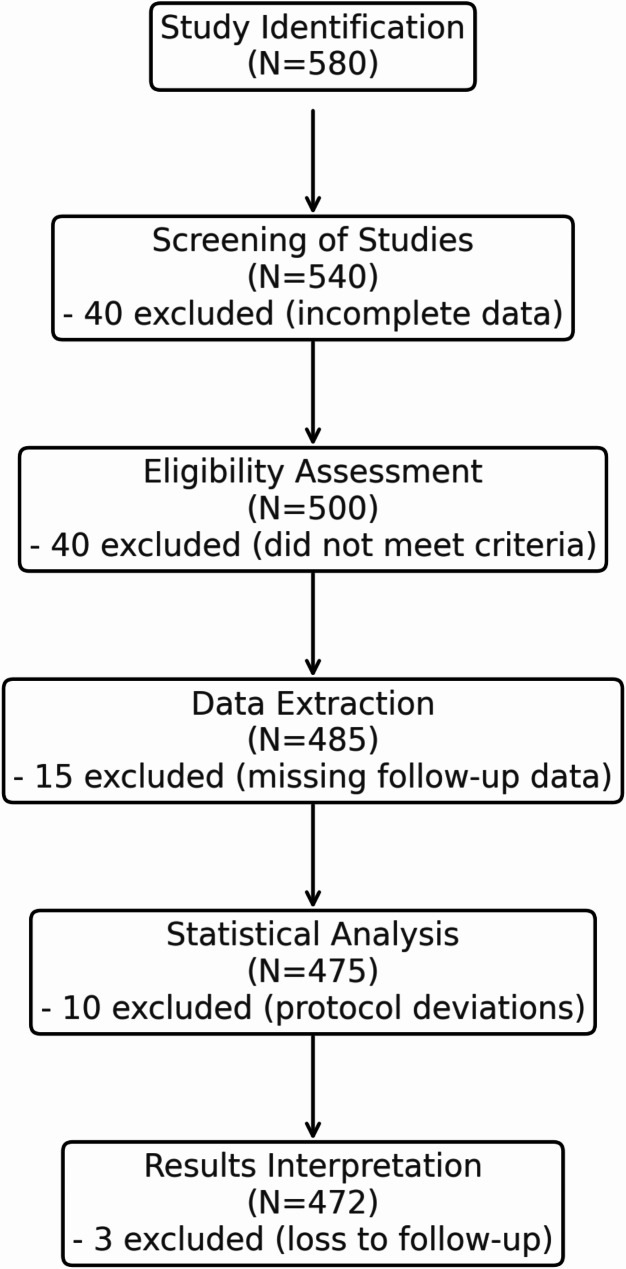
INTRODUCTION: Polycystic ovary syndrome (PCOS) is a prevalent endocrine disorder affecting women of reproductive age, characterized by hyperandrogenism, ovulatory dysfunction, and polycystic ovarian morphology. This study aims to investigate the association between adherence to the Mediterranean Diet (Med-Diet) and the Prime Diet Quality Score (PDQS) and the risk of PCOS. METHOD: This case-control study included 472 women aged 18-45, with 180 PCOS cases and 292 controls. PCOS diagnosis was based on the Rotterdam criteria. Dietary intake was assessed using a validated food frequency questionnaire, and adherence to the Med-Diet and PDQS was calculated. Statistical analyses included logistic regression to examine associations between diet quality and PCOS. RESULTS: Higher adherence to both the Med-Diet and PDQS was significantly associated with lower odds of PCOS. Participants in the highest quartile of the Med-Diet score had a 41% reduced risk of PCOS in the crude model (OR = 0.59, 95% CI: 0.48-0.67) and a 32% reduced risk in the fully adjusted model (OR = 0.68, 95% CI: 0.57-0.79), after adjusting for potential confounders, including age, body mass index (BMI), physical activity, and total energy intake. Similarly, those in the highest PDQS quartile showed a 53% reduced risk in the crude model (OR = 0.47, 95% CI: 0.35-0.56) and a 43% reduced risk in the fully adjusted model (OR = 0.57, 95% CI: 0.44-0.68), accounting for the same confounders. CONCLUSION: The findings suggest that higher adherence to the Med-Diet and PDQS is associated with a reduced risk of developing PCOS. Further research is warranted to explore the underlying biological mechanisms and to establish causality through prospective cohort studies and randomized controlled trials.
Overview
CoChat Summary
TL;DR
This case-control study of 472 women found that higher adherence to the Mediterranean Diet and the Prime Diet Quality Score (PDQS) was associated with lower odds of PCOS. In fully adjusted models, the highest quartile was linked to 32% lower odds for the Mediterranean Diet score and 43% lower odds for PDQS.
Key findings
- Among 472 participants (180 PCOS cases, 292 controls), women with PCOS had lower diet quality scores than controls: mean PDQS 21.65 ± 0.76 vs 23.93 ± 1.47, and Med-Diet score also differed significantly between groups.
- In the crude model, the highest vs lowest quartile of PDQS was associated with 53% lower odds of PCOS (OR = 0.47, 95% CI: 0.35–0.56; P for trend = 0.013).
- In the fully adjusted model, the highest PDQS quartile was associated with 43% lower odds of PCOS (OR = 0.57, 95% CI: 0.44–0.68).
- For the Mediterranean Diet score, the highest quartile was associated with 41% lower odds of PCOS in the crude model (OR = 0.59, 95% CI: 0.48–0.67; P for trend = 0.01) and 32% lower odds in the fully adjusted model (OR = 0.68, 95% CI: 0.57–0.79; P for trend = 0.027).
Methods
- Case-control design in women aged 18–45 years recruited at the Reproductive Health Center at Zabol University of Medical Science between March and June 2024; 180 PCOS cases and 292 controls. PCOS was diagnosed using the Rotterdam criteria, and cases were newly diagnosed.
- Dietary intake over the previous 12 months was assessed with a validated 147-item FFQ; Med-Diet score (0–9) and PDQS (0–42) were calculated from food-group intake.
- Associations between quartiles of Med-Diet/PDQS and PCOS were tested with logistic regression; models adjusted for age, energy intake, education, socioeconomic status, smoking, BMI, and physical activity.
Limitations
- The paper states recall bias and limitations inherent in a cross-sectional design; it also notes that the cross-sectional dietary assessment limits causal inference.
- The paper states the sample came from a single geographic location, which may limit generalizability to broader or more diverse populations.
- The paper states residual confounding from unmeasured factors (e.g., genetic predispositions or environmental influences) cannot be ruled out.
- Evident from the text: some variables, including physical activity and smoking, were self-reported, which may introduce measurement error and misclassification bias.
Model-written summary. Check it against the paper before relying on it.
Integrity signals
Registry
Cites
Statistics
Figures
Verification
Claims the paper makes
8 Valid · 2 Not valid · 4 Not checked · 18 Own results and interpretations
The cited sources support only part of this claim — read each source’s verdict below.
In the paper
“Dietary intake over the preceding twelve months was assessed using a validated, semi-quantitative FFQ comprising 147 food items, which has been previously validated for the Iranian population [25].”
§ The association between the Mediterranean Diet and the Prime Diet Quality Score and polycystic ovary syndrome: a case control study > Method > Dietary assessment
What the sources say
- Partly supportedcites [25] Esfahani FH, Asghari G, Mirmiran P, Azizi F. Reproducibility and relative validity of food group intake in a food frequency questionnaire developed for the Tehran lipid and glucose study. J Epidemiol. 2010;20(2):150–8. 20154450 PMC3900814 sourceExperimental — accuracy not yet measured
The Methods describe an FFQ covering average consumption during the past year, and the Discussion reports its relative validity for major food groups in a Tehran sample. But the Methods and Introduction specify 168 food items, not the claimed 147; the validation was conducted in Tehran rather than across the Iranian population. (LLM, conf=0.92)
plain- Asserted: passes — The authors put it forward as true.
- Checkable: passes — It can be checked against evidence.
- Load-bearing: passes — The paper’s conclusions depend on it.
- Based: passes — The paper gives a reason why it holds.
- Partly supported
The cited sources support only part of this claim — read each source’s verdict below.
In the paper
“One potential mechanism through which the Med-Diet can reduce PCOS risk is by improving insulin sensitivity [38, 39].”
§ The association between the Mediterranean Diet and the Prime Diet Quality Score and polycystic ovary syndrome: a case control study > Discussion
What the sources say
- Partly supportedcites [38] Mirabelli M, Chiefari E, Arcidiacono B, Corigliano DM, Brunetti FS, Maggisano V, Russo D, Foti DP, Brunetti A. Mediterranean diet nutrients to turn the tide against insulin resistance and related diseases. Nutrients. 2020;12(4):1066. 32290535 PMC7230471 sourceExperimental — accuracy not yet measured
Section 6 (page not provided) identifies insulin resistance as a cardinal feature of PCOS and reports improved insulin sensitivity and PCOS-related outcomes with dietary interventions, including a Mediterranean nutritional approach. It discusses management of women who already have PCOS, however, rather than showing that the Mediterranean diet reduces the risk of developing PCOS. (LLM, conf=0.83)
- Could not verifycites [39] Rafati A, Pasebani Y, Jameie M, Yang Y, Jameie M, Ilkhani S, Amanollahi M, Sakhaei D, Rahimlou M, Kheradmand A. Association of SARS-CoV-2 vaccination or infection with bell palsy: A systematic review and Meta-analysis. JAMA Otolaryngol Head Neck Surg. 2023;149(6):493–504. 37103913 PMC10141297 sourceExperimental — accuracy not yet measured
Our copy of Rafati et al. (2023, JAMA Otolaryngol–Head Neck Surg) is entirely a meta-analysis of Bell palsy incidence after SARS-CoV-2 vaccination or infection; no passage addresses the Mediterranean diet, PCOS, or insulin sensitivity. Searched: 'Mediterranean diet insulin sensitivity PCOS', 'insulin resistance metabolic risk factors bell palsy', 'diet nutrition lifestyle intervention facial nerve' — the closest content is the Limitations section (p. n/a), which only notes that known BP risk factors such as diabetes and obesity could not be controlled for, and the Discussion (p. n/a) mechanistic passage on vaccine antigens, adjuvants and mRNA-triggered innate immune response. The cited sentence therefore appears to be mis-cited to an unrelated paper, but our copy neither supports nor contradicts it and names no alternative source for it. (LLM, conf=0.75)
hedgedstates a possible cause- Asserted: passes — The authors put it forward as true.
- Checkable: passes — It can be checked against evidence.
- Load-bearing: unclear — It is unclear whether the paper’s conclusions depend on it.
- Based: passes — The paper gives a reason why it holds.
- Partly supported
The cited sources support only part of this claim — read each source’s verdict below.
In the paper
“Previous studies have validated PDQS against other established dietary indices, such as the Healthy Eating Index (HEI) and the Alternative Healthy Eating Index (AHEI), showing significant correlations with nutrient-based dietary quality assessments derived from software-based nutritional analysis.”
§ The association between the Mediterranean Diet and the Prime Diet Quality Score and polycystic ovary syndrome: a case control study > Introduction
What the sources say
- Could not verifycites [18] Zarepur E, Mohammadifard N, Mansourian M, Roohafza H, Sadeghi M, Khosravi A, Nouri F, Azdaki N, Salehi N, Lotfizadeh M. Rationale, design, and preliminary results of the Iran-premature coronary artery disease study (I-PAD): A multi-center case-control study of different Iranian ethnicities. ARYA Atherosclerosis. 2020;16(6):295. 34122584 PMC8172231 doi:10.22122/arya.v16i6.2241Experimental — accuracy not yet measured
The Materials and Methods section describes collecting dietary information with a Food Frequency Questionnaire and assessing questionnaire reliability and validity, but it does not discuss PDQS. Searches for PDQS, HEI, AHEI, and software-based nutrient analysis found no passage reporting validation or correlations among those measures. No page numbers were provided in our copy. (LLM, conf=0.75)
- Could not verifycites [19] Cano-Ibáñez N, Serra-Majem L, Martín-Peláez S, Martínez-González MÁ, Salas-Salvadó J, Piquer MDC, Lassale C, Hernandez JAM, Alonso-Gómez ÁM, Wärnberg J. Association between the prime diet quality score and depressive symptoms in a mediterranean population with metabolic syndrome. Cross-sectional and 2-year follow-up assessment from PREDIMED-PLUS study. Br J Nutr. 2022;128(6):1170–9. 34713791 sourceExperimental — accuracy not yet measured
Our copy of the Cano-Ibáñez et al. (2022) PREDIMED-Plus paper describes PDQS construction (Prime Diet Quality Score Construction, p. 7; Accepted manuscript, p. 8) as based on the PrimeScreen tool, whose cited validation (Rifas-Shiman et al. 2001, ref. 22, p. 18) concerns reproducibility and comparability with a longer FFQ and biomarkers — not with the HEI or AHEI. Searches for 'Healthy Eating Index / AHEI', 'correlation', 'validation of dietary score' and 'software-based nutritional analysis' returned no passage reporting such correlations, and the paper's own 'validated' references apply to the 143-item FFQ (Dietary Assessment, p. 7) rather than to PDQS versus other indices. The paper does not contradict the claim; it simply does not address it, so the attribution cannot be checked against this source. (LLM, conf=0.62)
- Partly supportedcites [20] Kronsteiner-Gicevic S, Tello M, Lincoln LE, Kondo JK, Naidoo U, Fung TT, Willett WC, Thorndike AN. Validation of the rapid prime diet quality score screener (rPDQS), a brief dietary assessment tool with simple traffic light scoring. J Acad Nutr Dietetics. 2023;123(11):1541–54. e1547. 37244591 sourceExperimental — accuracy not yet measured
Our copy supports the HEI part: the Abstract states the PDQS-based screener 'has been studied and validated in specific populations against Healthy Eating Index-2015 (HEI-2015) scores calculated from' ASA24, and the Results ('Associations of rPDQS and Healthy Eating Index 2015') plus 'Correlations of rPDQS and ASA24 Nutrient Intake' report significant correlations with HEI-2015 (r = 0.75) and with ASA24-derived nutrient intakes. However, no passage of our copy mentions the Alternative Healthy Eating Index (AHEI) — searches for 'Alternative Healthy Eating Index AHEI' returned only HEI-2015 material and reference-list entries, with no exact-phrase hit — so attributing an AHEI validation to this source is not supported. The claim's 'previous studies' framing is also partly this paper's own single validation study rather than multiple prior index comparisons. (LLM, conf=0.78)
- Partly supportedcites [21] Ataei Kachouei A, Kamrani F, Haghighatdoost F, Mohammadifard N, Najafi F, Farshidi H, Lotfizadeh M, Kazemi T, Karimi S, Roohafza H. Relationship of the prime diet quality score (PDQS) and healthy eating index (HEI-2015) with depression and anxiety: a cross-sectional study. BMC Public Health. 2024;24(1):2919. 39438905 PMC11494750 sourceExperimental — accuracy not yet measured
The Results report significant differences in nutrient intake across PDQS and HEI-2015 quartiles, and Methods > Dietary assessment says software was used to estimate nutrient intake (page numbers unavailable). But the paper does not report validation of PDQS against HEI or AHEI, or significant correlations between those indices and nutrient-based dietary quality assessments. (LLM, conf=0.79)
plainstates an association- Asserted: passes — The authors put it forward as true.
- Checkable: passes — It can be checked against evidence.
- Load-bearing: passes — The paper’s conclusions depend on it.
- Based: passes — The paper gives a reason why it holds.
- Could not verify
Every source the paper cites for this claim was checked and supports it.
In the paper
“Furthermore, reducing refined carbohydrates and increasing fiber intake has been associated with improved metabolic and reproductive outcomes in PCOS patients [8].”
§ The association between the Mediterranean Diet and the Prime Diet Quality Score and polycystic ovary syndrome: a case control study > Introduction
What the sources say
- Supportedcites [8] Shahid R, Mahnoor, Awan KA, Iqbal MJ, Munir H, Saeed I. Diet and lifestyle modifications for effective management of polycystic ovarian syndrome (PCOS). J Food Biochem. 2022;46(7):e14117. 35199348 source
Section 5.1 (Carbohydrates) states PCOS is 'directly related to the consumption of processed and refined carbohydrates', that dietary recalls of women with PCOS showed high refined-starch/high-GI and low-fibre intake, and that 'a diet low in simple carbohydrates helps to reduce the symptoms of PCOS and also improves hormonal imbalance'. Section 6 records Kamran et al.'s regimen ('hypocaloric, high fiber, high protein, high PUFA, low carbohydrates, low GI, low GL, and low-fat diet') as having 'a major impact on weight reduction, insulin management, and PCOS amelioration', i.e. the metabolic side. Reproductive outcomes are covered in the same section/Figure 3 text (improved clinical signs, reduced insulin resistance and hormonal hyperactivity, recovered ovulation and fertility on a low-carbohydrate diet) and the Introduction (low-GI, fibre-rich foods impart positive effects). The fibre element is carried jointly with carbohydrate restriction rather than isolated, but the combined association the claim attributes is stated in our copy. (LLM, conf=0.85)
plainstates an association- Asserted: passes — The authors put it forward as true.
- Checkable: passes — It can be checked against evidence.
- Load-bearing: unclear — It is unclear whether the paper’s conclusions depend on it.
- Based: passes — The paper gives a reason why it holds.
- Supported
A result the paper reports from its own data — it cites no other source for it, so there is none to check. The quote shows it is in the paper.
In the paper
“Participants in the case group had a significantly higher mean weight (72.23 ± 13.17 kg vs. 67.46 ± 10.34 kg, P < 0.001)”
§ The association between the Mediterranean Diet and the Prime Diet Quality Score and polycystic ovary syndrome: a case control study > Results > Study participants and baseline characteristics
plainstates an associationn = 180 ·- Asserted: passes — The authors put it forward as true.
- Checkable: passes — It can be checked against evidence.
- Load-bearing: unclear — It is unclear whether the paper’s conclusions depend on it.
- Based: passes — The paper gives a reason why it holds.
13 more claims
Create a free account to see all 32 claims and to verify the 1 reference still open.
- Probably not a substantial claim. 8
- It may state two separate claims as one. 7
- The quote only partly states this claim. 2
Self-check
Percentages, sums and reported differences re-computed from the paper’s own numbers.
Each contradiction between two passages listed here was confirmed by an independent check.
Rated minor: it would not touch a result — a value no result rests on, a p-value that stays on the same side of the significance level, or a conflict that is clerical, resolved elsewhere in the paper, or outside its own findings.
In the paper
§ The association between the Mediterranean Diet and the Prime Diet Quality Score and polycystic ovary syndrome: a case control study > Conclusion
“In summary, our study highlights a significant association between adherence to the Mediterranean Diet and Prime Diet Quality Score with COVID-19 severity. Higher adherence to these dietary patterns was linked to a lower risk of severe disease,”
§ The association between the Mediterranean Diet and the Prime Diet Quality Score and polycystic ovary syndrome: a case control study > Abstract > Conclusion
“The findings suggest that higher adherence to the Med-Diet and PDQS is associated with a reduced risk of developing PCOS.”
Citations
Cites
Adherence to a Mediterranean diet and survival in a Greek population
Trichopoulou, A., Costacou, T., Bamia, C., & Trichopoulos, D. (2003) · New England Journal of Medicine · doi:10.1056/nejmoa025039 · Cited by 4,397 · cited 1×
“Med-Diet score was assessed using a modified approach based on the methodology of Trichopoulou et al. [26].”
Willett, W. (2012) · Oxford University Press eBooks · doi:10.1093/acprof:oso/9780199754038.001.0001 · Cited by 1,744
The Mediterranean diet and health: a comprehensive overview
Guasch‐Ferré, M., & Willett, W. C. (2021) · Journal of Internal Medicine · doi:10.1111/joim.13333 · Cited by 940 · cited 1×
“…characterized by a high intake of fruits, vegetables, whole grains, legumes, nuts, olive oil, and moderate consumption of fish and poultry, has been extensively studied for its health benefits, including its role in reducing the risk of cardiovascular diseases, T2DM, and metabolic syndrome [13].”
Hosseini Esfahani, F., Asghari, G., Mirmiran, P., & Azizi, F. (2010) · Journal of Epidemiology · doi:10.2188/jea.je20090083 · Cited by 880 · cited 1×
“Dietary intake over the preceding twelve months was assessed using a validated, semi-quantitative FFQ comprising 147 food items, which has been previously validated for the Iranian population [25].”
Update on PCOS: consequences, challenges, and guiding treatment
Hoeger, K. M., Dokras, A., & Piltonen, T. (2021) · The Journal of Clinical Endocrinology & Metabolism · doi:10.1210/clinem/dgaa839 · Cited by 610 · cited 1×
“A hallmark characteristic of PCOS is insulin resistance (IR), which triggers the body to produce excessive insulin to compensate [27].”
Stener-Victorin, E., Teede, H., Norman, R. J., Legro, R., Goodarzi, M. O., Dokras, A., Laven, J., Hoeger, K., & Piltonen, T. T. (2024) · Nature Reviews Disease Primers · doi:10.1038/s41572-024-00511-3 · Cited by 495
A brief insight into the etiology, genetics, and immunology of polycystic ovarian syndrome (PCOS)
Siddiqui, S., Mateen, S., Ahmad, R., & Moin, S. (2022) · Journal of Assisted Reproduction and Genetics · doi:10.1007/s10815-022-02625-7 · Cited by 347 · cited 1×
“The etiology of PCOS is multifactorial and involves a complex interplay of genetic, environmental, and lifestyle factors [6].”
Armanini, D., Boscaro, M., Bordin, L., & Sabbadin, C. (2022) · International Journal of Molecular Sciences · doi:10.3390/ijms23084110 · Cited by 324 · cited 1×
“PCOS as a chronic disease associated with insulin resistance as well as increased levels of inflammation and oxidative stress is correlated with various lifestyle and nutritional factors [29, 30].”
Barrea, L., Arnone, A., Annunziata, G., Muscogiuri, G., Laudisio, D., Salzano, C., Pugliese, G., Colao, A., & Savastano, S. (2019) · Nutrients · doi:10.3390/nu11102278 · Cited by 306 · cited 1×
“Studies have shown that dietary patterns rich in whole foods, such as the Mediterranean diet, can improve insulin sensitivity, reduce androgen levels, and regulate menstrual cycles in women with PCOS [7].”
Xu, Y., & Qiao, J. (2022) · Journal of Healthcare Engineering · doi:10.1155/2022/9240569 · Cited by 283 · cited 1×
“This excessive insulin can lead to hyperinsulinemia (HI), a condition that further exacerbates hyperandrogenism, anovulation, and the formation of polycystic ovaries [28].”
Association of metabolic and inflammatory markers with polycystic ovarian syndrome (PCOS): an update
Abraham Gnanadass, S., Divakar Prabhu, Y., & Valsala Gopalakrishnan, A. (2021) · Archives of Gynecology and Obstetrics · doi:10.1007/s00404-020-05951-2 · Cited by 272
Mediterranean diet nutrients to turn the tide against insulin resistance and related diseases
Mirabelli, M., Chiefari, E., Arcidiacono, B., Corigliano, D. M., Brunetti, F. S., Maggisano, V., Russo, D., Foti, D. P., & Brunetti, A. (2020) · Nutrients · doi:10.3390/nu12041066 · Cited by 272 · cited 1×
“One potential mechanism through which the Med-Diet can reduce PCOS risk is by improving insulin sensitivity [38, 39].”
Mediterranean Diet as a Tool to Combat Inflammation and Chronic Diseases. An Overview
Tsigalou, C., Konstantinidis, T., Paraschaki, A., Stavropoulou, E., Voidarou, C., & Bezirtzoglou, E. (2020) · Biomedicines · doi:10.3390/biomedicines8070201 · Cited by 208 · cited 1×
“Obesity is linked to chronic low-grade inflammation, which can contribute to PCOS [44].”
Tabung, F. K., Steck, S. E., Ma, Y., Liese, A. D., Zhang, J., Caan, B., Hou, L., Johnson, K. C., Mossavar-Rahmani, Y., Shivappa, N., et al. (2015) · Cancer Causes & Control · doi:10.1007/s10552-014-0515-y · Cited by 193 · cited 1×
“The control group consisted of healthy women with regular menstrual cycles who attended the same hospital as companions to the patients [23].”
Effect of Diet on Insulin Resistance in Polycystic Ovary Syndrome
Shang, Y., Zhou, H., Hu, M., & Feng, H. (2020) · The Journal of Clinical Endocrinology & Metabolism · doi:10.1210/clinem/dgaa425 · Cited by 171 · cited 1×
“These compounds have been shown to lower lipid levels and improve endothelial function, collectively reducing the risk of cardiovascular disease [47].”
Bonaccio, M., Bonanni, A. E., Di Castelnuovo, A., De Lucia, F., Donati, M. B., de Gaetano, G., Iacoviello, L., & on behalf of the Moli-sani Project Investigators (2012) · BMJ Open · doi:10.1136/bmjopen-2012-001685 · Cited by 170 · cited 1×
“Additionally, economic factors may limit access to certain Med-Diet components in middle-or low-income countries [14, 15].”
Obeid, C. A., Gubbels, J. S., Jaalouk, D., Kremers, S. P. J., & Oenema, A. (2022) · European Journal of Nutrition · doi:10.1007/s00394-022-02885-0 · Cited by 169 · cited 1×
“Additionally, economic factors may limit access to certain Med-Diet components in middle-or low-income countries [14, 15].”
Inflammatory Markers in Women with Polycystic Ovary Syndrome
Rudnicka, E., Kunicki, M., Suchta, K., Machura, P., Grymowicz, M., & Smolarczyk, R. (2020) · BioMed Research International · doi:10.1155/2020/4092470 · Cited by 153 · cited 2×
“PCOS as a chronic disease associated with insulin resistance as well as increased levels of inflammation and oxidative stress is correlated with various lifestyle and nutritional factors [29, 30].”
The Rotterdam criteria for polycystic ovary syndrome: evidence-based criteria?
Wang, R., & Mol, B. W. J. (2017) · Human Reproduction · doi:10.1093/humrep/dew287 · Cited by 138 · cited 1×
“PCOS diagnosis was confirmed by an expert gynecolo-gist based on the fulfillment of at least two out of three Rotterdam criteria: clinical or biochemical hyperan-drogenism, menstrual irregularities, and polycystic ovarian morphology, after excluding other potential causes of hyperandrogenism [22].”
International food group–based diet quality and risk of coronary heart disease in men and women
Fung, T. T., Isanaka, S., Hu, F. B., & Willett, W. C. (2018) · The American Journal of Clinical Nutrition · doi:10.1093/ajcn/nqx015 · Cited by 120 · cited 4×
“The PDQS is a validated dietary quality index (DQI) based on food consumption patterns [16].”
InfluentialBarrea, L., Muscogiuri, G., Pugliese, G., de Alteriis, G., Colao, A., & Savastano, S. (2021) · Nutrients · doi:10.3390/nu13113925 · Cited by 99 · cited 1×
“Insulin resistance can contribute to hyperandrogenism, a key feature of PCOS [40, 41].”
Diet and lifestyle modifications for effective management of polycystic ovarian syndrome (PCOS)
Shahid, R., Iahtisham‐Ul‐Haq, Mahnoor, Awan, K. A., Iqbal, M. J., Munir, H., & Saeed, I. (2022) · Journal of Food Biochemistry · doi:10.1111/jfbc.14117 · Cited by 89 · cited 1×
“Furthermore, reducing refined carbohydrates and increasing fiber intake has been associated with improved metabolic and reproductive outcomes in PCOS patients [8].”
Mei, S., Ding, J., Wang, K., Ni, Z., & Yu, J. (2022) · Frontiers in Nutrition · doi:10.3389/fnut.2022.876620 · Cited by 75 · cited 1×
“In the study of Mei et al., they evaluated the effects of 12 weeks intervention with a MED plus low carbohydrate diet and they found a significant improvement in the reproductive endocrine levels, the degree of IR and lipid metabolism-related indicators [31].”
Hasanloei, M. A. V., Rahimlou, M., Eivazloo, A., Sane, S., Ayremlou, P., & Hashemi, R. (2019) · Nutrition in Clinical Practice · doi:10.1002/ncp.10404 · Cited by 68
Self-citationCincione, R. I., Graziadio, C., Marino, F., Vetrani, C., Losavio, F., Savastano, S., Colao, A., & Laudisio, D. (2022) · Journal of Endocrinological Investigation · doi:10.1007/s40618-022-01943-y · Cited by 63 · cited 1×
“By reducing inflammation, the Med-Diet may help to improve metabolic health and reduce the risk of PCOS [45].”
Ketogenic Diet as Medical Prescription in Women with Polycystic Ovary Syndrome (PCOS)
Barrea, L., Verde, L., Camajani, E., Cernea, S., Frias-Toral, E., Lamabadusuriya, D., Ceriani, F., Savastano, S., Colao, A., & Muscogiuri, G. (2023) · Current Nutrition Reports · doi:10.1007/s13668-023-00456-1 · Cited by 62 · cited 1×
“Evidence suggests that dietary patterns and nutrient intake can influence the metabolic and hormonal imbalances characteristic of PCOS, potentially impacting disease progression and symptom severity [9].”
AMH as part of the diagnostic PCOS workup in large epidemiological studies
Piltonen, T. T., Komsi, E., Morin-Papunen, L. C., Korhonen, E., Franks, S., Järvelin, M.-R., Arffman, R. K., & Ollila, M.-M. (2023) · European Journal of Endocrinology · doi:10.1093/ejendo/lvad065 · Cited by 58
Yang, J., Song, Y., Gaskins, A. J., Li, L.-J., Huang, Z., Eriksson, J. G., Hu, F. B., Chong, Y. S., & Zhang, C. (2023) · American Journal of Obstetrics and Gynecology · doi:10.1016/j.ajog.2023.05.030 · Cited by 56
Wang, Q., Sun, Y., Xu, Q., Liu, W., Wang, P., Yao, J., Zhao, A., Chen, Y., & Wang, W. (2022) · Nutrition Research · doi:10.1016/j.nutres.2021.12.006 · Cited by 49 · cited 1×
“Conversely, diets rich in whole foods, fiber, antioxidants, and healthy fats have shown promise in improving insulin sensitivity, reducing inflammation, and promoting hormonal balance in women with PCOS [11, 12].”
A Western dietary pattern is associated with higher blood pressure in Iranian adolescents
Hojhabrimanesh, A., Akhlaghi, M., Rahmani, E., Amanat, S., Atefi, M., Najafi, M., Hashemzadeh, M., Salehi, S., & Faghih, S. (2015) · Zeitschrift für Ernährungswissenschaft · doi:10.1007/s00394-015-1090-z · Cited by 48 · cited 1×
“The shift toward Westernized dietary patterns in urban areas has led to increased consumption of processed foods, sugar-sweetened beverages, and saturated fats, which contrasts with the healthier fat profile and plant-based emphasis of Med-Diet [33].”
Rafati, A., Pasebani, Y., Jameie, M., Yang, Y., Jameie, M., Ilkhani, S., Amanollahi, M., Sakhaei, D., Rahimlou, M., & Kheradmand, A. (2023) · JAMA Otolaryngology–Head & Neck Surgery · doi:10.1001/jamaoto.2023.0160 · Cited by 45
Self-citationMuscogiuri, G., Palomba, S., Laganà, A., & Orio, F. (2016) · Current Pharmaceutical Design · doi:10.2174/1381612822666160720160634 · Cited by 44 · cited 1×
“By enhancing insulin sensitivity, the Med-Diet may help to reduce androgen levels and regulate menstrual cycles, thereby decreasing the risk of PCOS [43].”
Kronsteiner-Gicevic, S., Tahirović, E., Bromage, S., & Willett, W. C. (2021) · Public Health Nutrition · doi:10.1017/s1368980021000859 · Cited by 37 · cited 1×
“These foods are known to contribute to chronic inflammation, insulin resistance, and metabolic dysregulation, which are risk factors for PCOS [56].”
The Effect on Inflammation of Adherence to the Mediterranean Diet in Polycystic Ovary Syndrome
Dazıroğlu, M. E. Ç., & Tek, N. A. (2023) · Current Nutrition Reports · doi:10.1007/s13668-023-00451-6 · Cited by 37
Polycystic ovary syndrome. Revised diagnostic criteria and long-term health consequences
Kousta, E., Tolis, G., & Franks, S. (2005) · HORMONES · doi:10.14310/horm.2002.11151 · Cited by 35 · cited 1×
“PCOS is diagnosed based on the Rotterdam criteria [2], which require the presence of at least two of the following three features: hyperandrogenism, ovulatory dysfunction, and polycystic ovarian morphology, after excluding other causes of hyperandrogenism [3, 4].”
Barrea, L., Verde, L., Annunziata, G., Camajani, E., Caprio, M., Šojat, A. S., Marina, L., Guarnotta, V., Colao, A., & Muscogiuri, G. (2023) · Journal of Endocrinological Investigation · doi:10.1007/s40618-023-02169-2 · Cited by 35 · cited 1×
“Several studies have demonstrated the Med-Diet effectiveness in reducing LH levels, consequently lowering androgen production and restoring regular menstrual cycles in PCOS patients [52].”
Kronsteiner-Gicevic, S., Tello, M., Lincoln, L. E., Kondo, J. K., Naidoo, U., Fung, T. T., Willett, W. C., & Thorndike, A. N. (2023) · Journal of the Academy of Nutrition and Dietetics · doi:10.1016/j.jand.2023.05.023 · Cited by 32
Sobhani, S. R., Omidvar, N., Abdollahi, Z., & Al Jawaldeh, A. (2021) · Frontiers in Nutrition · doi:10.3389/fnut.2021.789692 · Cited by 26 · cited 1×
“Additionally, olive oil, dairy products, and moderate fish consumption—key components of Med-Diet —are also present in certain Iranian dishes, particularly in regions with historical Mediterranean influence [32].”
(2020) · PubMed Central · doi:10.22122/arya.v16i6.2241 · Cited by 24 · cited 1×
“These validations demonstrate PDQS as a reliable tool for estimating diet quality while reducing the complexity associated with nutrient-level calculations [18–21].”
Karimi, E., Gholizadeh, M., Abdolahi, M., Sedighiyan, M., Salehinia, F., Siri, G., Asanjarani, B., Yousefi, A., Gandomkar, H., & Abdollahi, H. (2023) · Nutrition Reviews · doi:10.1093/nutrit/nuad096 · Cited by 22 · cited 1×
“These disturbances involve abnormal secretion of gonad-otropin-releasing hormone (GnRH), heightened pituitary sensitivity, and increased production of luteinizing hormone (LH) [50, 51].”
Panjeshahin, A., Salehi-Abargouei, A., Anari, A. G., Mohammadi, M., & Hosseinzadeh, M. (2020) · Nutrition · doi:10.1016/j.nut.2020.110987 · Cited by 21 · cited 1×
“Conversely, diets rich in whole foods, fiber, antioxidants, and healthy fats have shown promise in improving insulin sensitivity, reducing inflammation, and promoting hormonal balance in women with PCOS [11, 12].”
Dietary Patterns and Polycystic Ovary Syndrome: a Systematic Review
XENOU, M., & GOUROUNTI, K. (2021) · Maedica - A Journal of Clinical Medicine · doi:10.26574/maedica.2021.16.3.516 · Cited by 20 · cited 1×
“In particular, dietary patterns that emphasize high intake of refined carbohydrates, saturated fats, and processed foods have been associated with worsening insulin resistance, inflammation, and androgen levels, thereby exacerbating PCOS symptoms [10].”
Vakilzadehian, N., Moradi, Y., Allela, O. Q. B., Al-Hussainy, A. F., Al-Nuaimi, A. M. A., Al-Hussein, R. K. A., Jawad, M. J., Gandomkar, H., & Moradi, S. (2024) · PubMed Central · doi:10.22088/ijmcm.bums.13.4.417 · Cited by 20 · cited 1×
“Cano-Ibáñez et al. in a cross-sectional study found an inverse correlation between PDQS with depressive symptoms [19, 53].”
Razmpoosh, E., Moslehi, N., Abdollahi, S., Soltani, S., Mirmiran, P., & Azizi, F. (2022) · BMC Public Health · doi:10.1186/s12889-022-14843-w · Cited by 19 · cited 1×
“Several studies have investigated adherence to Med-Diet in Iran, showing moderate to high adherence in certain populations [34, 35].”
Talebi, S., Shab‐Bidar, S., Mohammadi, H., Moini, A., & Djafarian, K. (2023) · Trials · doi:10.1186/s13063-023-07691-5 · Cited by 19 · cited 1×
“By improving metabolic health, the Med-Diet may help to reduce the risk of PCOS [48].”
Ataei Kachouei, A., Kamrani, F., Haghighatdoost, F., Mohammadifard, N., Najafi, F., Farshidi, H., Lotfizadeh, M., Kazemi, T., Karimi, S., Roohafza, H., et al. (2024) · BMC Public Health · doi:10.1186/s12889-024-20369-0 · Cited by 18
Dietary quality and risk of heart failure in men
Gu, X., Wang, D. D., Fung, T. T., Mozaffarian, D., Djoussé, L., ROSNER, B. A., Sacks, F. M., & Willett, W. C. (2022) · American Journal of Clinical Nutrition · doi:10.1093/ajcn/nqac119 · Cited by 17 · cited 1×
“These DQIs offer a more practical approach for clinical use, as they do not require specialized software or nutrient analysis [16, 17].”
Cano-Ibáñez, N., Serra-Majem, L., Martín-Peláez, S., Martínez-González, M. Á., Salas-Salvadó, J., Corella Piquer, M. D., Lassale, C., Martínez Hernandez, J. A., Alonso-Gómez, Á. M., Wärnberg, J., et al. (2022) · British Journal of Nutrition · doi:10.1017/s0007114521004323 · Cited by 15 · cited 1×
“Cano-Ibáñez et al. in a cross-sectional study found an inverse correlation between PDQS with depressive symptoms [19, 53].”
Yarmand, S., Abdollahi, N., Nejad, E. T., Souni, F., Vali, M., Nouri, M., Shateri, Z., & Rashidkhani, B. (2024) · Clinical Nutrition ESPEN · doi:10.1016/j.clnesp.2024.02.003 · Cited by 6 · cited 1×
“Encouraging a shift toward Med-Diet -like dietary pat-terns—by emphasizing whole foods, healthy fats, and plant-based nutrition—could help reduce the rising burden of obesity, metabolic syndrome, and chronic diseases in the Iranian population [36].”
Polycystic Ovarian Syndrome (PCOS)
Hajam, Y. A., Kumar, R., Neelam, et al. (2023) · doi:10.1201/9781003344728-1 · Cited by 4
The Epidemiology of Polycystic Ovary Syndrome
Suturina, L. (2022) · Polycystic Ovary Syndrome · doi:10.1017/9781108989831.003 · Cited by 4
Brennan, S. F., Finlay, R., Ferrari, M., Cardwell, C. R., Brennan, L., & Woodside, J. V. (2024) · Journal of Nutritional Science · doi:10.1017/jns.2024.23 · Cited by 4 · cited 1×
“Several potential mechanisms can explain how higher PDQS adherence could contribute to reducing the risk of PCOS [54].”
Haghighatdoost, F., Feizi, A., Hajihashemi, P., Shahoon, H., Ani, A., Roohafza, H., & Adibi, P. (2024) · Nutritional Neuroscience · doi:10.1080/1028415x.2024.2372190 · Cited by 4
Polycystic Ovary Syndrome and Dietary Patterns in Iran: A Review Study
Panjeshahin, A., Khosravi, M., & Hosseinzadeh, M. (2019) · Journal of Nutrition and Food Security · doi:10.18502/jnfs.v4i1.400 · Cited by 4
The Therapeutic Effect of Mediterranean Diet Pattern on Overweight/obese Patients with PCOS
Chen, H.-J. (2024) · Highlights in Science Engineering and Technology · doi:10.54097/9vkyg116 · Cited by 1 · cited 3×
“These disturbances involve abnormal secretion of gonad-otropin-releasing hormone (GnRH), heightened pituitary sensitivity, and increased production of luteinizing hormone (LH) [50, 51].”
Haghighatdoost, F., Feizi, A., Gill, T. K., Hajihashemi, P., Shahoon, H., Ani, A., Roohafza, H., & Adibi, P. (2025) · British Journal Of Nutrition · doi:10.1017/s0007114525000388 · Cited by 1
Association of Mediterranean and DASH Diets Adherence with Dyslipidemia: A Cross-Sectional Study
Mehrabani, S., Gerami, S., Nouri, M., Rajabzadeh-Dehkordi, M., Askarpour, M., Najafi, M., Omidbeigi, N., & Faghih, S. (2023) · Journal of Iranian Medical Council · doi:10.18502/jimc.v6i3.12851 · Cited by 1
Herbal Medicine Applications for Polycystic Ovarian Syndrome
Hajam, Y. A., Kumar, R., Thakur, D. R., & Rai, S. (2023) · doi:10.1201/9781003344728
Cited by
Dietary interventions for modulating the gut microbiome in PCOS management
Patel, E. (2026) · Frontiers in Endocrinology · doi:10.3389/fendo.2026.1713408 · Cited by 12
Tarantino, G., & Citro, V. (2026) · World Journal of Gastroenterology · doi:10.3748/wjg.119467 · Cited by 19
Yurtseven, K., Akbaba, A. K., Pınarlı, Ç., İbanoğlu, M. C., & Üstün, Y. E. (2026) · BMC Women s Health · doi:10.1186/s12905-026-04628-3 · Cited by 2
“Moreover, most existing studies have focused on general metabolic outcomes, while fewer studies have specifically examined dietary adherence patterns in women diagnosed with PCOS [15, 16].”
Nandagopal, P. B., Jayakrishnan, G., Kaithamattathil, A. V., & Manickam, V. (2026) · Frontiers in Reproductive Health · doi:10.3389/frph.2026.1821411 · Cited by 5
“This dietary pattern emphasizes consumption of fruits, vegetables, whole grains, legumes, nuts, and olive oil, with moderate intake of fish and poultry and limited consumption of red or processed meats (128).”
Çil, M. A., & Uluğ, E. (2026) · Frontiers in Nutrition · doi:10.3389/fnut.2026.1763141 · Cited by 1
“A growing body of research has investigated the potential therapeutic impacts of various dietary patterns, such as the Mediterranean diet (11), low-glycemic index diets (12), the ketogenic diet (13), and time-restricted feeding regimens (14).”
Metadata
- Authors
- Ajorlouie, Z., Moshkian, P., Baghdadi, G., Amiri, R., Biglari, F., & Rahimlou, M.
- Affiliations
- Zanjan University of Medical Sciences (IR)
- Islamic Azad University, Tehran (IR)
- Corresponding author
- Rahimlou, Mehran
- Venue
- BMC Nutrition
- Published
- 2025-04-16
- Volume
- 11
- Issue
- 1
- Pages
- 80-80
- ISSN
- 2055-0928 (ISSN-L)
- PMC
- PMC12001616
- OpenAlex
- W4409481415
- Semantic Scholar
- 58905e62ee2340b260464410fdf7e7f211bf9d8b
- Cited by
- 17
- References
- 55
- Citations by year
- 2026: 13 · 2025: 4
- FWCI
- 14.77
- Type
- journal article
- Language
- en
- Open access
- gold
- doi.org
- Licence
- cc-by-nc-nd
- creativecommons.org/licenses/by-nc-nd/4.0 (tdm)
- creativecommons.org/licenses/by-nc-nd/4.0 (vor)
- Locations
- BMC Nutrition (publishedVersion, cc-by-nc-nd)
- PubMed Central (publishedVersion, cc-by-nc-nd)
- PubMed (publishedVersion)
- DOAJ (DOAJ: Directory of Open Access Journals) (submittedVersion, cc-by-sa)
- Topics
- Health Sciences › Medicine › Reproductive Medicine › Ovarian function and disorders
- Health Sciences › Medicine › Public Health, Environmental and Occupational Health › Nutritional Studies and Diet
- Health Sciences › Medicine › Endocrinology, Diabetes and Metabolism › Diet, Metabolism, and Disease
- Keywords
- Mediterranean diet, polycystic ovary syndrome, diet quality, dietary adherence, women of reproductive age, hyperandrogenism, ovulatory dysfunction
About these checks
Registry, retraction, Cites and statistics results are computed, not judged, with one exception: a printed reference that no index lists is read once by a model before it counts as a citation error. Claims are extracted by a model and kept only when their quote appears verbatim in the text; each cited source is then checked, with a model’s help, for whether it says what the claim relies on. Those verdicts can be wrong — read the claim’s quote and the cited source before relying on one.
The claim verdicts this report counts are experimental: their accuracy is not yet measured.
A language model drew the claims from the paper on 2026-10-10, under version 3 of the claim definition (model deepseek-v4.1-flash, prompt extract-v3).
A second model labelled each claim on 2026-10-10 (model jev-1.13-20260917, definition revision gold-guideline-v0.2).
Cited sources are checked with a language model’s help (gpt-6-sol and qwen3.8-omni-flash).
Statistics and arithmetic are recomputed, not judged.
Confidence bands are shown only for fields calibrated on our annotated test set. None is calibrated yet, so no band is shown.
What counts as a claim ›How we measure confidence ›How we check this ›
Are you an author, or do you see a problem with this page? Request a review
Data sources
Bibliographic data: Semantic Scholar, OpenAlex, Crossref.
Contains information from the Semantic Scholar Academic Graph Datasets, made available under the ODC Attribution License (ODC-BY 1.0).
Semantic Scholar’s data is described in: Kinney, R., et al. (2023). The Semantic Scholar Open Data Platform. arXiv:2301.10140.
