

Weekly training frequency effects on strength gain: a meta-analysis.
Open accessThe DOI matches its Crossref record; 73 of the 75 references it cites were found in a registry or an index.
Abstract
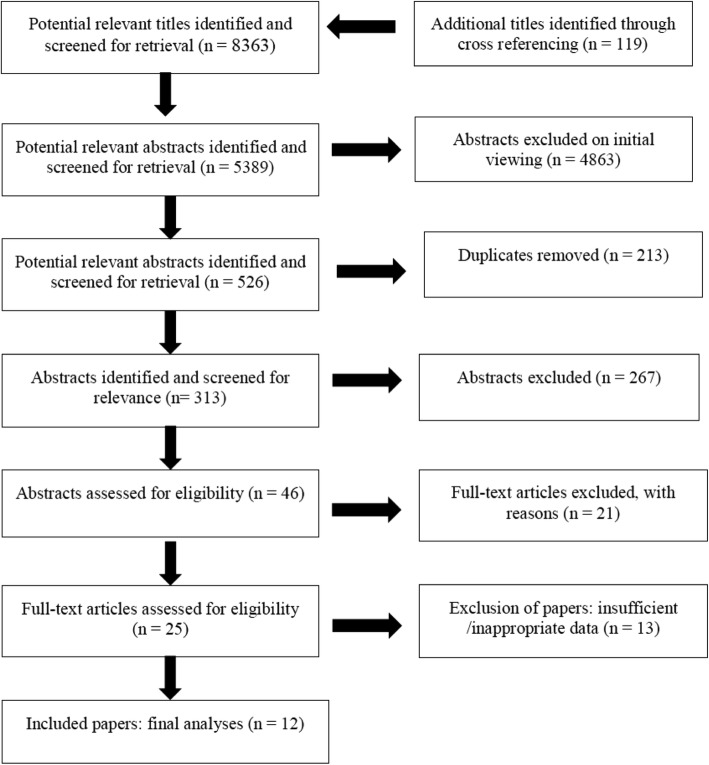
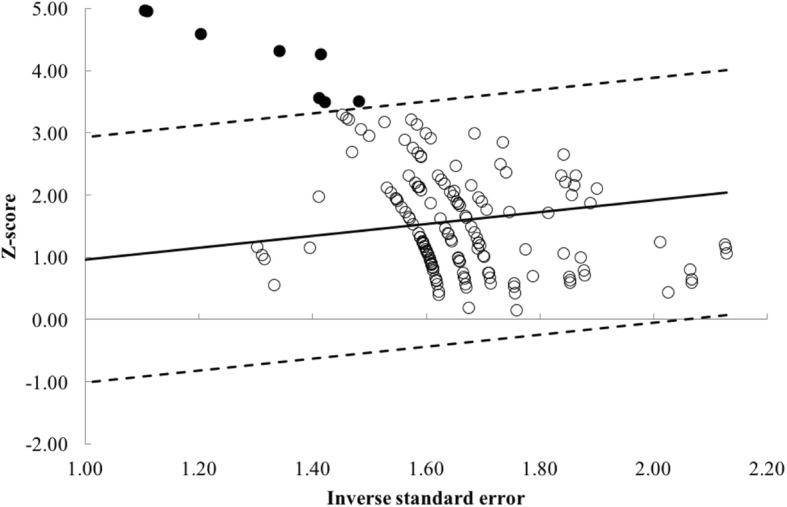
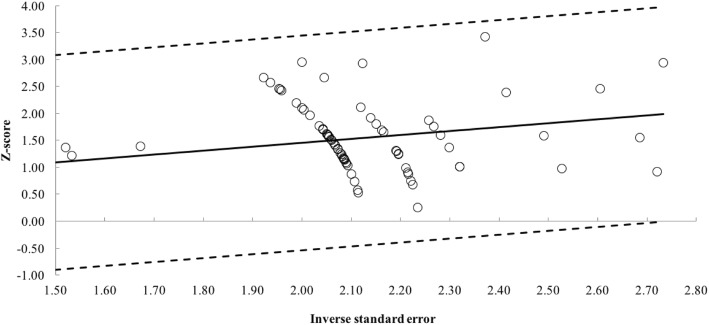
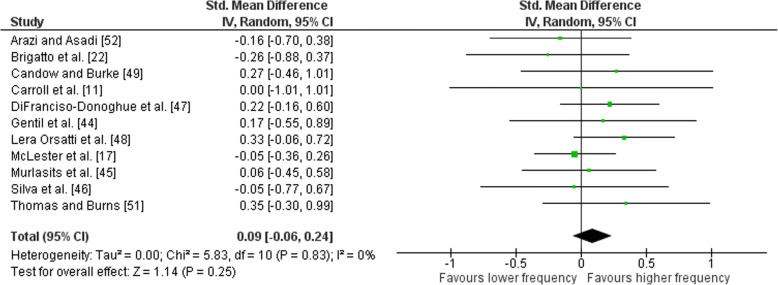
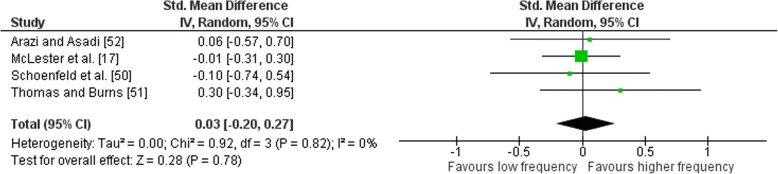
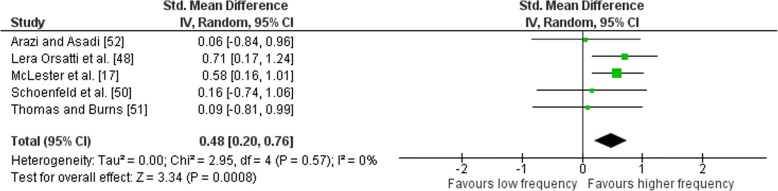
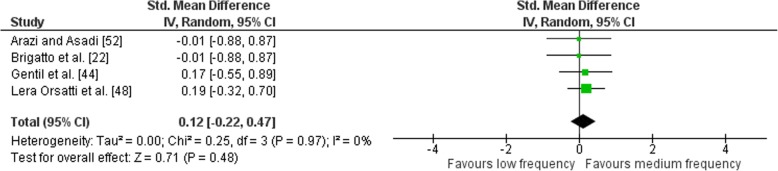
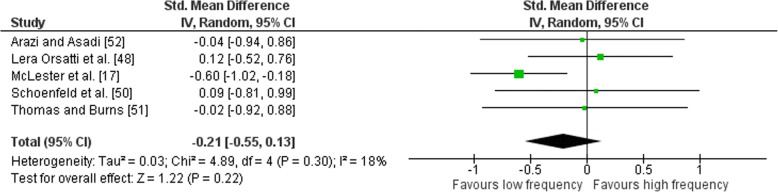
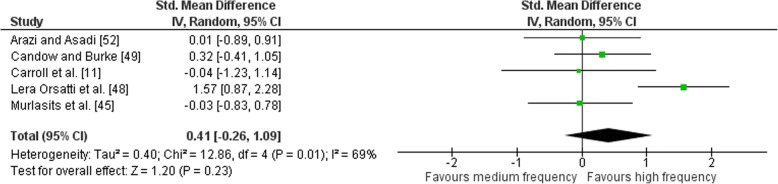
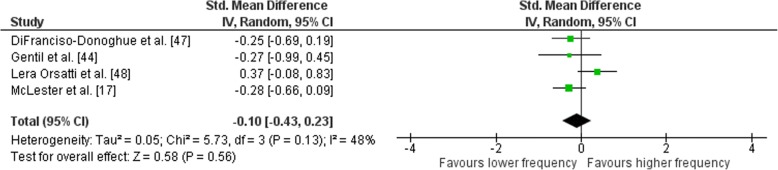
The current recommendations for resistance training (RT) frequency range from 2 to 5 days per week (days week − 1 ) depending on the subjects’ training status. However, the relationship between RT frequency and muscular strength remains controversial with reported variances existing across different population groups. We conducted a meta-analysis that (1) quantified the effects of low (LF; 1 day week − 1 ), medium (MF; 2 days week − 1 ), or high (HF; ≥ 3 days week − 1 ) RT frequency on muscular strength per exercise; (2) examined the effects of different RT frequency on one repetition maximum (1RM) strength gain profiles (multi-joint exercises and single joint exercises); (3) examined the effects of different RT frequency on 1RM strength gain when RT volume is equated; and (4) examined the effects of different RT frequency on 1RM strength gains on upper and lower body. Computerised searches were performed using the terms ‘strength training frequency’, ‘resistance training frequency’, ‘training frequency’, and ‘weekly training frequency’. After review, 12 studies were deemed suitable according to pre-set eligibility criteria. Primary data were pooled using a random-effects model. Outcomes analysed for main effects were pre- to post strength change with volume-equated studies that combined multi-joint and isolation exercise; isolation-only exercise and untrained subjects only. Heterogeneity between studies was assessed using I 2 and Cochran’s Q statistics with funnel plots used to assess publication bias and sensitivity analyses calculated for subgroups. Pre- versus post-training strength analysis comprised of 74 treatment groups from 12 studies. For combined multi-joint and isolation exercises, there was a trend towards higher RT frequency compared with lower frequency [mean effect size (ES) 0.09 (95% CI − 0.06–0.24)] however not significant ( p = 0.25). Volume-equated pre- to post-intervention strength gain was similar when LF was compared to HF [mean ES 0.03 (95% CI − 0.20–0.27); p = 0.78]. Upper body pre- to post-intervention strength gain was greater when HF was compared with LF [mean ES 0.48 (95% CI 0.20–0.76)] with significant differences between frequencies ( p < 0.01). Upper body pre- to post-intervention strength gain was similar when MF was compared with LF (ES 0.12; 95% CI − 0.22–0.47); p = 0.48]. There was no significant difference in lower body mean ES between HF and LF [mean ES 0.21(95% CI − 0.55–0.13); p = 0.22]. There was a trend towards a difference in mean ES between MF and HF [mean ES 0.41(95% CI − 0.26–1.09); however, the effect was not significant ( p = 0.23). The existing data does not provide a strong correlation between increased weekly training frequency (HF) and maximal strength gain in upper and lower body resistance exercises for a mixed population group. When RT is volume-equated for combined multi-joint and isolation exercises, there is no significant effect of RT frequency on muscular strength gain. More investigations are required to explore the effects of varying weekly training frequencies adequately.
Overview
The claims and statistics of this paper haven’t been checked yet.
Free: it reads the open-access text and checks the first 5 claims that cite a source we can check. Create a free account to check every claim.
Integrity signals
Registry
Cites
Statistics
Figures
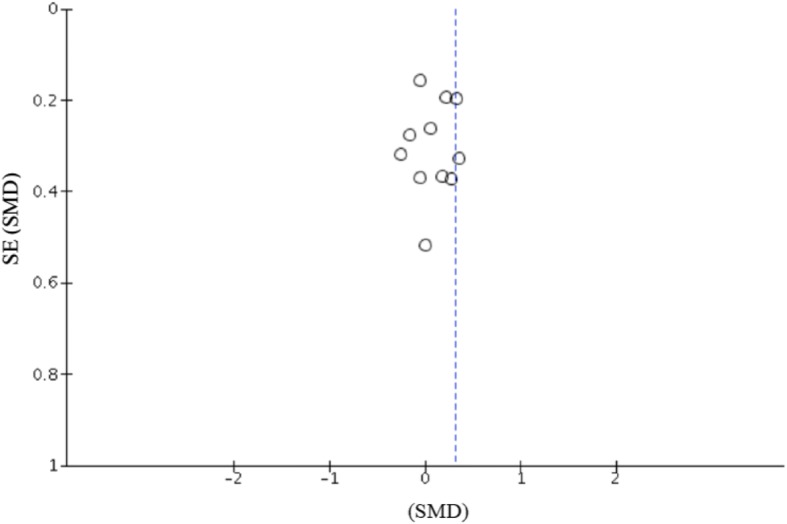
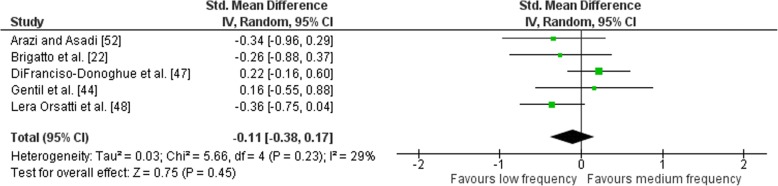
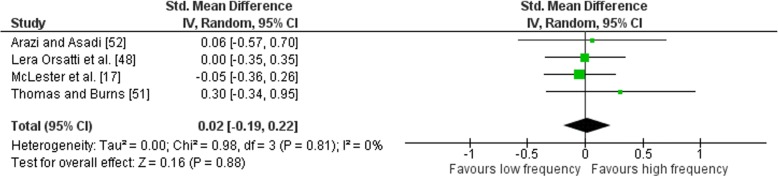
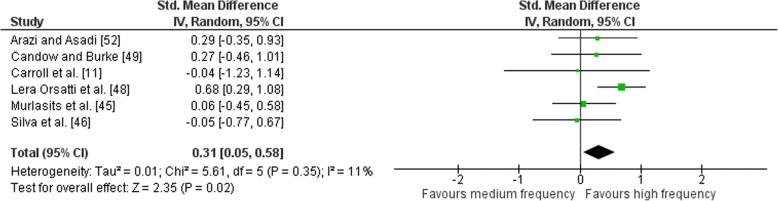
Verification
Claims the paper makes
The claims and statistics of this paper haven’t been checked yet.
Free: it reads the open-access text and checks the first 5 claims that cite a source we can check. Create a free account to check every claim.
Claims other papers make about this one
Each is checked against this paper’s own text: does it say what the citing paper says it does?
The source backs part of the claim, not all of it — or backs it for a different population, condition or comparison.
In the citing paper
“However, voluntary strength was enhanced by lifting heavier loads (≥80% one-repetition maximum), through a complete range of motion, for 2–3 sets, at the beginning of training sessions, and ≥2 sessions/wk.”
From American College of Sports Medicine Position Stand. Resistance Training Prescription for Muscle Function, Hypertrophy, and Physical Performance in Healthy Adults: An Overview of Reviews (2026) · cites this paper as [75]
Experimental — accuracy not yet measured
Self-check
Percentages, sums and reported differences re-computed from the paper’s own numbers.
The self-check needs the paper’s full text.
Citations
Cites
Statistical Power Analysis for the Behavioral Sciences
Muller, K. (1989) · Technometrics · doi:10.1080/00401706.1989.10488618 · Cited by 99,167
Statistical power analysis for the behavioral sciences
(1990) · Computers, Environment and Urban Systems · doi:10.1016/0198-9715(90)90050-4 · Cited by 65,269
Measuring inconsistency in meta-analyses
Higgins, J. P. T., Thompson, S. G., Deeks, J. J., & Altman, D. G. (2003) · BMJ · doi:10.1136/bmj.327.7414.557 · Cited by 63,139
Meta-analysis in clinical trials
DerSimonian, R., & Laird, N. (1986) · Controlled Clinical Trials · doi:10.1016/0197-2456(86)90046-2 · Cited by 39,552
Liberati, A., Altman, D. G., Tetzlaff, J., Mulrow, C., Gøtzsche, P. C., Ioannidis, J. P. A., Clarke, M., Devereaux, P. J., Kleijnen, J., & Moher, D. (2009) · PLoS Medicine · doi:10.1371/journal.pmed.1000100 · Cited by 28,164 · cited 1×
“Methods Literature Search A systematic search of the literature was conducted by the recommendations and criteria outlined in the Preferred Reporting Items for Systematic Reviews and Meta-Analyses (PRISMA) statement [24].”
MethodDermyshi, E., Wang, Y., Yan, C., Hong, W., Qiu, G., Gong, X., & Zhang, T. (2017) · Neonatology · doi:10.1159/000454668 · Cited by 24,451
Duval, S., & Tweedie, R. (2000) · Biometrics · doi:10.1111/j.0006-341x.2000.00455.x · Cited by 14,099
Liberati, A., Altman, D. G., Tetzlaff, J., Mulrow, C., Gøtzsche, P. C., Ioannidis, J. P. A., Clarke, M., Devereaux, P. J., Kleijnen, J., & Moher, D. (2009) · Journal of Clinical Epidemiology · doi:10.1016/j.jclinepi.2009.06.006 · Cited by 10,578
Statistical Methods for Psychology.
Gudgeon, A. C., & Howell, D. C. (1994) · The Statistician · doi:10.2307/2348956 · Cited by 8,278 · cited 1×
“When the standard error of measurement (SEM) of the mean was specified, the SD was calculated according to the formula (SD = SEM*square root of N) [28].”
MethodThe combination of estimates from different experiments
Cochran, W. G. (1954) · Biometrics · doi:10.2307/3001666 · Cited by 5,380
Research works printed but not linked: 2
- Van Rhee HJ Suurmond R Hak T User manual for meta-essentials: workbooks for meta-analysis (version 1.0) 2015 Rotterdam Erasmus Research Institute of Management
- Arazi H Asadi A Effects of 8 weeks equal-volume resistance training with different workout frequency on maximal strength, endurance and body composition Int J Sports Sci Eng 2011 5 2 112 118
Cited by
Ross, R., Chaput, J.-P., Giangregorio, L. M., Janssen, I., Saunders, T. J., Kho, M. E., Poitras, V. J., Tomasone, J. R., El-Kotob, R., McLaughlin, E. C., et al. (2020) · Applied Physiology, Nutrition, and Metabolism · doi:10.1139/apnm-2020-0467 · Cited by 941
“When comparing effects on muscle strength, the effect of frequency was inconsistent when it came to muscles of the upper and lower body, and estimates were imprecise (very low-quality evidence; Ralston et al. 2018).”
ResultResistance exercise as a treatment for sarcopenia: prescription and delivery
Hurst, C., Robinson, S. M., Witham, M. D., Dodds, R. M., Granic, A., Buckland, C., De Biase, S., Finnegan, S., Rochester, L., Skelton, D. A., et al. (2022) · Age and Ageing · doi:10.1093/ageing/afac003 · Cited by 319
“Uncertainty remains as to what the optimal training frequency is for increasing muscle strength and it remains unknown whether RE frequency alone has a significant effect on traininginduced gains [37, 38].”
BackgroundKrzysztofik, M., Wilk, M., Wojdała, G., & Gołaś, A. (2019) · International Journal of Environmental Research and Public Health · doi:10.3390/ijerph16244897 · Cited by 264
Currier, B. S., Mcleod, J. C., Banfield, L., Beyene, J., Welton, N. J., D'Souza, A. C., Keogh, J. A. J., Lin, L., Coletta, G., Yang, A., et al. (2023) · British Journal of Sports Medicine · doi:10.1136/bjsports-2023-106807 · Cited by 179
Mcleod, J. C., Currier, B. S., Lowisz, C. V., & Phillips, S. M. (2024) · Journal of Sport and Health Science · doi:10.1016/j.jshs.2023.06.005 · Cited by 176
“In contrast, a high-quality meta-analysis (QoE: Level 4; 12 studies; n = 299 participants) done by Ralston and colleagues 42 concluded there was no significant impact of weekly frequency on muscular strength, regardless of whether RT volume was equated or not.”
BackgroundO’Bryan, S. J., Giuliano, C., Woessner, M. N., Vogrin, S., Smith, C., Duque, G., & Levinger, I. (2022) · Sports Medicine · doi:10.1007/s40279-022-01675-2 · Cited by 156
“Previous reviews and original studies have reported that higher training frequencies increase muscle cross-sectional area [78] and strength [79–81], although these effects are minimized when equated for weekly training volume [79, 80].”
BackgroundResistance training and health in adults: an overview of systematic reviews
El-Kotob, R., Ponzano, M., Chaput, J., Janssen, I., Kho, M. E., Poitras, V. J., Ross, R., Ross‐White, A., Saunders, T. J., & Giangregorio, L. (2020) · Applied Physiology, Nutrition, and Metabolism · doi:10.1139/apnm-2020-0245 · Cited by 136
Sarcopenia definition: Does it really matter? Implications for resistance training
Smith, C., Woessner, M. N., Sim, M., & Levinger, I. (2022) · Ageing Research Reviews · doi:10.1016/j.arr.2022.101617 · Cited by 100
Iversen, V. M., Norum, M., Schoenfeld, B. J., & Fimland, M. S. (2021) · Sports Medicine · doi:10.1007/s40279-021-01490-1 · Cited by 122
“However, emerging evidence indicates that it is possible to achieve similar training effects by training once a week compared to a higher frequency when total weekly volume is equated [10, 11].”
BackgroundRamírez‐Campillo, R., Thapa, R. K., Afonso, J. R., Pérez‐Castilla, A., Bishop, C. J., Byrne, P. J., & Granacher, U. (2023) · Sports Medicine · doi:10.1007/s40279-023-01825-0 · Cited by 115
Washif, J. A., Pagaduan, J. C., James, C., Dergaa, I., & Beaven, C. M. (2023) · Biology of Sport · doi:10.5114/biolsport.2024.132987 · Cited by 109
“Indeed, muscular strength can be optimised through training volume and “time under tension” or tempo [13, 16, 17].”
BackgroundAndroulakis-Korakakis, P., Fisher, J. P., & Steele, J. (2020) · Sports Medicine · doi:10.1007/s40279-019-01236-0 · Cited by 105
“Indeed, recent meta-analysis suggesting that low frequency training likely has similar effects to higher frequencies [44].”
BackgroundCURRIER, B. S., D’SOUZA, A. C., SINGH, M. A. F., LOWISZ, C. V., RAWSON, E. S., SCHOENFELD, B. J., SMITH-RYAN, A. E., STEEN, J. P., THOMAS, G. A., TRIPLETT, N. T., et al. (2026) · Medicine & Science in Sports & Exercise · doi:10.1249/mss.0000000000003897 · Cited by 105
Comfort, P., McMahon, J. J., Jones, P. A., Cuthbert, M., Kendall, K., Lake, J. P., & Haff, G. G. (2021) · Sports Medicine · doi:10.1007/s40279-021-01496-9 · Cited by 94
Scarpelli, M. C., Nóbrega, S. R., Santanielo, N., Alvarez, I. F., Otoboni, G. B., Ugrinowitsch, C., & Libardi, C. A. (2022) · Journal of Strength & Conditioning Research · doi:10.1519/jsc.0000000000003558 · Cited by 57
“, load, volume, rest, and frequency) can optimize muscle hypertrophic response (19,27,28,30).”
BackgroundPallarés, J. G., Hernández‐Belmonte, A., Martínez‐Cava, A., Vetrovsky, T., Steffl, M., & Courel‐Ibáñez, J. (2021) · Scandinavian Journal of Medicine & Science in Sports · doi:10.1111/sms.14006 · Cited by 80
Coelho‐Júnior, H. J., Uchida, M. C., Picca, A., Bernabei, R., Landi, F., Calvani, R., Cesari, M., & Marzetti, E. (2021) · Aging Clinical and Experimental Research · doi:10.1007/s40520-021-01802-5 · Cited by 70
Šarabon, N., Kozinc, Ž., Löfler, S., & Höfer, C. (2020) · Journal of Clinical Medicine · doi:10.3390/jcm9092902 · Cited by 66
Cuthbert, M., Haff, G. G., Arent, S. M., Ripley, N., McMahon, J. J., Evans, M., & Comfort, P. (2021) · Sports Medicine · doi:10.1007/s40279-021-01460-7 · Cited by 63
“[22] who investigated training frequency within a number of different, mostly untrained, populations suggesting that RT frequency has no significant effect on strength when volume is equated.”
BackgroundResultInfluentialFredriksen, H., Cools, A. M. J., Bahr, R., & Myklebust, G. (2020) · Scandinavian Journal of Medicine and Science in Sports · doi:10.1111/sms.13674 · Cited by 58
Swinton, P. A., Schoenfeld, B. J., & Murphy, A. (2024) · Sports Medicine · doi:10.1007/s40279-024-02006-3 · Cited by 51
“Similar conclusions were presented by Ralston et al. [13] showing that when resistance volume was equated across low (1 day week −1 ), medium (2 days week −1 ) or high (≥ 3 days week −1 ) frequencies, similar increases in strength were obtained for both isolation and multi-joint exercises.”
MethodResultVatovec, R., Kozinc, Ž., & Šarabon, N. (2019) · European Journal of Sport Science · doi:10.1080/17461391.2019.1689300 · Cited by 46
The Connection Between Resistance Training, Climbing Performance, and Injury Prevention
Sæterbakken, A. H., Stien, N., Pedersen, H., Langer, K., Scott, S., Michailov, M. L., Grønhaug, G., Baláš, J., Solstad, T. E. J., & Andersen, V. S. (2024) · Sports Medicine - Open · doi:10.1186/s40798-024-00677-w · Cited by 44
“In a meta-analysis, Ralston et al. [103] compared maximal strength improvements in response to low (1 day per week), medium (2 days per week), or high ( ≥ 3 days per week) resistance training frequency.”
BackgroundInfluentialMacDonald, G. A., Sitlinger, A. P., Deal, M. A., Hanson, E. D., Ferraro, S., Pieper, C. F., Weinberg, J. B., Brander, D. M., & Bartlett, D. B. (2021) · Scientific Reports · doi:10.1038/s41598-021-02352-6 · Cited by 40
Cohen, D. D., Aroca, G., Carreño‐Robayo, J., Castañeda-Hernández, Á., Herazo-Beltrán, Y., Camacho, P. A., Otero, J. A., Martínez-Bello, D., López-López, J., & López-Jaramillo, P. A. (2023) · Journal of Clinical Hypertension · doi:10.1111/jch.14621 · Cited by 40
Cuthbert, M., Haff, G. G., McMahon, J. J., Evans, M., & Comfort, P. (2023) · Strength and conditioning journal · doi:10.1519/ssc.0000000000000786 · Cited by 39
The Minimum Effective Training Dose Required for 1RM Strength in Powerlifters
Androulakis‐Korakakis, P., Michalopoulos, N., Fisher, J. P., Keogh, J., Loenneke, J. P., Helms, E. R., Wolf, M., Nuckols, G., & Steele, J. (2021) · Frontiers in Sports and Active Living · doi:10.3389/fspor.2021.713655 · Cited by 35
“Some evidence supports a greater training volume producing larger increases in muscle hypertrophy (Schoenfeld et al., 2019) but the relationship between training volume and maximal strength is unclear and warrants further research (Ralston et al., 2017, 2018; Lopez et al., 2020).”
Kumar, G., Pandey, V., Thapa, R. K., Weldon, A., Granacher, U., & Ramírez‐Campillo, R. (2023) · Sports · doi:10.3390/sports11010011 · Cited by 33
Naharudin, M. N., Adams, J., Richardson, H., Thomson, T., Oxinou, C., Marshall, C., Clayton, D. J., Mears, S. A., Yusof, A., Hulston, C. J., et al. (2020) · British Journal Of Nutrition · doi:10.1017/s0007114520001002 · Cited by 32
“Resistance exercise is regularly performed by athletes/recreational exercisers, and performance in such sessions might have important implications for training volume and consequently gains in muscle mass/strength(1), as well as for prevention of/recovery from injury.”
BackgroundEffect of weight training and motor skills on muscle strength: A factorial experimental design
Yendrizal, Kiram, Y., Yenes, R., Komaini, A., Ihsan, N., & Mario, D. T. (2023) · Journal of Physical Education and Sport · doi:10.7752/jpes.2023.06173 · Cited by 32
Kneffel, Z., Murlasits, Z., Reed, J., & Krieger, J. (2021) · Journal of Sports Sciences · doi:10.1080/02640414.2020.1822595 · Cited by 29
Festa, R. R., Jofré‐Saldía, E., Candia, A. A., Monsalves‐Álvarez, M., Flores‐Opazo, M., Peñailillo, L., Marzuca-Nassr, G. N., Aguilar-Farías, N., Fritz-Silva, N., Cancino-López, J., et al. (2023) · BMJ Open Sport & Exercise Medicine · doi:10.1136/bmjsem-2023-001749 · Cited by 29
“Figure 2 summarises our approach regarding RE programming based on VL with simple and practical tools (ie, RPE and %rep) depending on the objectives pursued.”
MethodThe Importance of Recovery in Resistance Training Microcycle Construction
Sousa, C. A., Zourdos, M. C., Storey, A. G., & Helms, E. R. (2024) · Journal of Human Kinetics · doi:10.5114/jhk/186659 · Cited by 27
“…three assessing the impact of how frequently exercises are performed in a week on maximal strength gains (Cuthbert et al., 2021; Grgic et al., 2018; Ralston et al., 2018) and one examining the impact of how frequently muscle groups are trained in a week on hypertrophy (Grgic et al., 2019), there…”
BackgroundHernández‐Belmonte, A., & Pallarés, J. G. (2022) · Applied Sciences · doi:10.3390/app12094425 · Cited by 27
Neves, R. P., VECHIN, F. C., Teixeira, E. L., da Silva, D. D., Ugrinowitsch, C., Roschel, H., Aihara, A. Y., & Tricoli, V. (2022) · PLoS ONE · doi:10.1371/journal.pone.0276154 · Cited by 27
Chang, H., Yao, M., Chen, B., Qi, Y., & Zhang, J. (2022) · International Journal of Environmental Research and Public Health · doi:10.3390/ijerph192315691 · Cited by 25
Bregenhof, B., Aagaard, P., Nissen, N., Creaby, M. W., Thorlund, J. B., Jensen, C., Torfing, T., & Holsgaard‐Larsen, A. (2022) · Journal of Orthopaedic and Sports Physical Therapy · doi:10.2519/jospt.2022.11360 · Cited by 24
Hamarsland, H., Moen, H., Skaar, O. J., Jorang, P. W., Rødahl, H. S., & Rønnestad, B. R. (2022) · Frontiers in Physiology · doi:10.3389/fphys.2021.789403 · Cited by 23
“…training frequency in trained individuals published to date (McLester et al., 2000; Schoenfeld et al., 2015; Brigatto et al., 2018; Colquhoun et al., 2018; Gentil et al., 2018; Gomes et al., 2019; Lasevicius et al., 2019; Saric et al., 2019; Zaroni et al., 2019; Johnsen and van den Tillaar, 2021).”
BackgroundMcConnell, R. C., Klopper, M., Rhon, D. I., & Young, J. L. (2022) · Shoulder & Elbow · doi:10.1177/17585732221124303 · Cited by 22
“65,66”
Nayasista, A. H., Tinduh, D., Pawana, I. P. A., Wulan, S. M. M., Utomo, D. N., & Melaniani, S. (2022) · Annals of Medicine and Surgery · doi:10.1016/j.amsu.2022.103800 · Cited by 21
“Meanwhile, research discussing the correlation between exercise frequency and muscle strength cannot be described in detail [31,32].”
BackgroundChesterton, P., Draper, G., Portas, M., & Tears, C. (2022) · Journal of Sport Rehabilitation · doi:10.1123/jsr.2021-0262 · Cited by 20
Liang, Y., Yang, Y., Yuan, Y., Chen, L., Wang, T., Luo, B., Wang, J., & Zhuang, J. (2025) · BMC Public Health · doi:10.1186/s12889-025-24156-3 · Cited by 21
“However, some studies have reported conflicting findings [48, 55], possibly due to differences in age groups and training content, such as full-body versus targeted training.”
Lin, T., Chueh, T., & Hung, T. (2023) · Sports Medicine - Open · doi:10.1186/s40798-023-00640-1 · Cited by 19
Pelland, J. C., Remmert, J. F., Robinson, Z. P., Hinson, S. R., & Zourdos, M. C. (2026) · Sports Medicine · doi:10.1007/s40279-025-02344-w · Cited by 18
França, D. C. H., França, E. L., Sobrevía, L., Barbosa, A. M. P., Honório‐França, A. C., & Rudge, M. V. C. (2023) · Biochimica et Biophysica Acta (BBA) - Molecular Basis of Disease · doi:10.1016/j.bbadis.2023.166737 · Cited by 19
Welis, W., Effendi, R., Ilham, I., Mario, D. T., Bafirman, B., & Ihsan, N. (2023) · Retos · doi:10.47197/retos.v51.99162 · Cited by 17
Mario, D. T., Komaini, A., Welis, W., Sepdanius, E., & Syafrianto, D. (2022) · Journal of Physical Education and Sport · doi:10.7752/jpes.2022.09287 · Cited by 18
Hollingsworth, J. C., Young, K. C., Abdullah, S. F., Wadsworth, D. D., Abukhader, A., Elfenbein, B., & Holley, Z. (2020) · BMC Public Health · doi:10.1186/s12889-020-09355-4 · Cited by 15
Effects of training frequency on muscular strength for trained men under volume matched conditions
Johnsen, E., & van den Tillaar, R. (2021) · PeerJ · doi:10.7717/peerj.10781 · Cited by 15
“However, this recommendation of training frequency has been the subject of some criticism since it is based on limited evidence (Grgic et al., 2018; Ralston et al., 2018; Schoenfeld, Grgic & Krieger, 2019).”
BackgroundResultInfluentialPolito, M. D., Papst, R. R., & Farinatti, P. (2021) · Journal of Sports Sciences · doi:10.1080/02640414.2021.1924978 · Cited by 14
“…volume-equated, there would be no significant effect of RT frequency on strength gains, whereas a slight favouring effect of weekly frequency seems to occur in non-volume equated RT for strength (Grgic, Schoenfeld, Davies et al., 2018; Ralston et al., 2018) or hypertrophy (Schoenfeld et al., 2019).”
BackgroundConcurrent Training and the Acute Interference Effect on Strength: Reviewing the Relevant Variables
Panissa, V. L. G., Greco, C. C., Ribeiro, N., Júlio, U. F., Tricoli, V., & Franchini, É. (2021) · Strength and conditioning journal · doi:10.1519/ssc.0000000000000668 · Cited by 14
“Load volume has been considered an important ST variable that is positively related to strength and muscle hypertrophy gains (29,40,44,50,51).”
BackgroundWang, J., Zhu, R., Xu, X.-T., Liu, S., Li, Z., Guo, C., Tao, X.-C., Liang, Q., Charles, R., & Fang, L. (2023) · Scientific Reports · doi:10.1038/s41598-023-37924-1 · Cited by 14
Effects of Taekwondo intervention on balance ability: A meta-analysis and systematic review
Han, Z., & Ju, H. (2025) · PLoS ONE · doi:10.1371/journal.pone.0317844 · Cited by 11
Sex-specific response to whole-body vibration training: a randomized controlled trial
Hartard, M., Seiler, A., Spitzenpfeil, P., Engel, L., Hartard, D., Fenneni, M. A., & Saad, H. B. (2021) · Biology of Sport · doi:10.5114/biolsport.2021.102806 · Cited by 11
“On the one hand, our training protocol was derived from the literature [46, 52, 53].”
MethodFat, muscle, and anti-obesity medications in cardiovascular disease prevention
Khan, M. S., Dawood, M. H., Handelsman, Y., Anker, S. D., Coats, A. J. S., Green, J. B., & Butler, J. (2026) · European Heart Journal · doi:10.1093/eurheartj/ehag201 · Cited by 9
Grzyb, K., Candow, D. G., Schoenfeld, B. J., Bernat, P., Butchart, S., & Neary, J. P. (2020) · The Journal of Strength and Conditioning Research · doi:10.1519/jsc.0000000000003422 · Cited by 9
Fitranti, D. Y., Aniq, K., Purwanti, R., Kurniawati, D. M., Wijayanti, H. S., & Saphira, R. R. (2022) · Amerta Nutrition · doi:10.20473/amnt.v6i1.2022.63-71 · Cited by 9
Benavente, C., & Feriche, B. (2024) · Journal of Sports Sciences · doi:10.1080/02640414.2024.2425536 · Cited by 7
“However, a negligible impact on muscular strength improvement is also depicted when the training volume is equated (Ralston et al., 2018).”
Vodičar, M., Kovčan, B., Pori, P., Vodičar, J., Šimenko, J., Karpljuk, D., Marković, G., & Hadžić, V. (2020) · BMJ Military Health · doi:10.1136/bmjmilitary-2020-001451 · Cited by 7
Remmert, J. F., Pelland, J. C., Robinson, Z. P., Hinson, S. R., & Zourdos, M. C. (2025) · doi:10.51224/srxiv.537 · Cited by 7
Keskin, K., Gogus, F. N., Gunay, M., & Fujita, R. A. (2024) · Sport Sciences for Health · doi:10.1007/s11332-024-01281-x · Cited by 6
“The manipulation of RT variables, such as the type of exercise, exercise order, training volume, load and rest interval between sets directly affect the magnitude of hypertrophic adaptations [3].”
Lee, K. (2022) · Metabolic Syndrome and Related Disorders · doi:10.1089/met.2022.0003 · Cited by 6
“Wall Unit 33 [0850]; Baum) according to the standard protocol 27 ; the average of second and third measures constituted the examination GRIP STRENGTH, SELF-RATED HEALTH, AND CVD RISK blood pressure.”
Consuming soy flour after weight training: An alternative to increase leg muscle strength
Welis, W., Effendi, R., Mario, D. T., Ilham, I., & Ihsan, N. (2024) · Retos · doi:10.47197/retos.v57.103147 · Cited by 6
“…strength and volume of activity, sequence of activity, number of repetitions, sets, speed of development, rest time between sets, and type of activity (Pratama et al., 2024; Ralston et al., 2018) Additionally, progressive weight training works best when done every other day (Ireland, 1975).”
Backgroundde Magalhães, A. C. L., Carvalho, V. F., da Cruz, S. P., & Ramalho, A. (2022) · International Journal of Environmental Research and Public Health · doi:10.3390/ijerph191610369 · Cited by 6
Digital Therapeutics for Patients with Mild Cognitive Impairment: Design of a Mobile Health Program
Choi, H., Shin, J., Kim, J. H., Lee, B. K., Lee, S., Ahn, M., & Kim, Y. J. (2024) · Electronics · doi:10.3390/electronics13193892 · Cited by 5
The effect of repetition ranges on maximal strength and hypertrophy
Ghoual, A. (2019) · International Journal of Physical Education Fitness and Sports · doi:10.26524/ijpefs19415 · Cited by 5
Giannakou, I., & Gaskell, L. (2020) · Musculoskeletal Care · doi:10.1002/msc.1511 · Cited by 5
Umarov, A. A.-K., Оздербиевич, А. А., Dzhulagov, S.-M. M., & Yakubova, M. M. (2023) · Perspectives of science and education · doi:10.32744/pse.2023.1.8 · Cited by 4
Cousins, S. D., Kucewicz, S. T. C., Wundersitz, D. W. T., Collins, B. E. G., Cooke, M. B., McKeown, N., Galvão, H. B. F., Resciniti, S. M., Lyristakis, P., Gordon, B. A., et al. (2025) · Scientific Reports · doi:10.1038/s41598-025-24066-9 · Cited by 3
“This duration/load of resistance training has previously been shown to overcome neural adaptation occurring during the initial 2–4 weeks of a new resistance program 36 , and significantly increase maximal muscle strength in healthy young men 37–39 .”
Evidence-Based Strength Training: Best Practices for Enhancing Athletic Performance
Cao, Y., & Li, J. (2025) · International Journal of Education and Humanities · doi:10.58557/(ijeh).v5i2.298 · Cited by 3
“A meta-analysis by Ralston et al. (2018) found that the available data did not provide a strong correlation between increasing weekly training frequency and maximum strength gain among mixed populations.”
Risk factors for injury in kabaddi players and prevention: A systematic review
Hardiansyah, H., Nasrulloh, A., & Sulistiyono, S. (2024) · doi:10.56984/8zg020cvx71 · Cited by 2
Li, Z., Li, R., Zheng, J., Chen, Z., Zhang, X., & Bai, J. (2025) · Journal of Sports Science and Medicine · doi:10.52082/jssm.2025.861 · Cited by 2
Feasibility, Physiological Rationale, and Practical Application of Resistance-based Exercise Snacks
Lee, K., & Jo, J. (2026) · The Korean Journal of Sports Medicine · doi:10.5763/kjsm.2026.44.1.4 · Cited by 2
KOCAMAN, H., & Aydos, L. (2026) · BMC Sports Science Medicine and Rehabilitation · doi:10.1186/s13102-026-01658-0 · Cited by 2
“In order to minimise the effects of volume differences that may arise from intensity and repetition counts, three different training programmes were applied to the participants in the form of a split training programme [16, 49, 50] (Fig.”
Matos, G. D. S., Rocha, T. C., Pereira, J. T., Furtado, M. L. D., & Dornelas, B. R. (2020) · Brazilian Journal of Health Review · doi:10.34119/bjhrv3n5-313 · Cited by 2
Zapata, C. M. M., Gil, C. P. C., & Bermúdez, L. C. A. (2022) · Perspectivas en Nutrición Humana · doi:10.17533/udea.penh.346208 · Cited by 2
Gaia, J. W. P., Ferreira, R. W., & Pires, D. A. (2023) · doi:10.22533/at.ed.54123270610 · Cited by 2
Catanho, F. (2019) · Revista Brasileira de Nutrição Funcional · doi:10.32809/2176-4522.44.79.05 · Cited by 2
Papst, R. R., Ribeiro, A. S., & Polito, M. D. (2024) · Science & Sports · doi:10.1016/j.scispo.2023.07.003 · Cited by 2
The minimum effective training dose required to increase 1RM strength in powerliftersPreprint
Androulakis‐Korakakis, P., Michalopoulos, N., Fisher, J. P., Keogh, J., Loenneke, J. P., Helms, E. R., Wolf, M., Nuckols, G. L., & Steele, J. (2021) · SportRxiv (OSF Preprints) · doi:10.31236/osf.io/wubps · Cited by 2
Effectiveness of Pilates on Postural Control in Menopausal Woman: A Systematic Review
Alghosi, M., Dibazar, M., Sedaghati, P., & Daneshmandi, H. (2025) · Central European Journal of Sport Sciences and Medicine · doi:10.18276/cej.2025.4-04 · Cited by 1
Tao, M., Liao, K., Yin, M., Chen, Z., Zhong, Y., Zhu, C., Song, Y., Thompson, S., Bishop, C. J., & Li, Y. (2026) · Sports Medicine and Health Science · doi:10.1016/j.smhs.2026.03.001 · Cited by 1
“In contrast, Ralston et al. 32 reported superior strength improvements with medium (two sessions per week)/high-frequency ( ≥ 3 sessions per week) [vs. low-frequency (e.g. 1 session per week)] training, particularly when combined with multi-joint exercises and adjusted for baseline training levels.”
Tao, M., Yin, M., Zhong, Y., Xu, K., Zhu, C., Deng, J., Song, Y., Lyu, M., Chen, Z., Nassis, G. P., et al. (2026) · International Journal of Sports Science & Coaching · doi:10.1177/17479541261428779 · Cited by 1
“This meta-analysis con fi rms that higher frequency RT is superior for developing muscle strength, aligning with Grgic et al. 13 and Ralston et al. 19 This strength-speci fi c bene fi t likely stems from neuromuscular adaptations (e.g., enhanced neural drive) 120 rather than hypertrophic changes,…”
Influentialde Oliveira, G. M., Paulo, L. R., Lourenço, B. M., Magalhães, F. D. C., & Oliveira, V. C. (2026) · European Spine Journal · doi:10.1007/s00586-026-09901-5 · Cited by 1
Larson, C. A. (2022) · Topics in Spinal Cord Injury Rehabilitation · doi:10.46292/sci21-00030 · Cited by 1
Barbosa, B. W. D. S., Rocha, P. H. M., & da Silva, M. F. L. (2023) · Research Society and Development · doi:10.33448/rsd-v12i13.44361 · Cited by 1
Murphy, A. N. (2025) · Open Access Institutional Repository at Robert Gordon University (Robert Gordon University) · doi:10.48526/rgu-wt-2989520 · Cited by 1
Grzyb, K. (2019) · oURspace (University of Regina) · doi:10.82465/5263
Variáveis do treinamento e a prescrição de exercícios terapêuticos: uma revisão de literatura.
Feliciano, V. A. F. (2019) · UNIFESP Institutional Repository (Universidade Federal de São Paulo)
Možnosti mobilní aplikace pro pacienty ambulantní rehabilitační kliniky
Plevová, K. (2019) · Czech Technical University Digital Library (Czech Technical University in Prague)
ASSOCIAÇÃO ENTRE CONSUMO ALIMENTAR, COMPOSIÇÃO CORPORAL E DESEMPENHO FÍSICO DE ATLETAS PROFISSIONAIS
de Souza, A. V. O. M., Friozi, M. J. M., Coelho‐Ravagnani, C. D. F., Schutz, A. P. C., & Sanches, F. L. F. Z. (2022) · Editora Científica Digital eBooks · doi:10.37885/230312571
Borges, F. D. S. S., Cavalcante, F. P., Brilhante, F. D. F., Portela, J. G., Costa, L. F. L. D., Fernandes, L. M. C., Fontenele, L. A., Diniz, M. A. N., Sousa, M. D. D. A., Fonseca, M. C. S. D., et al. (2022) · Editora Científica Digital eBooks · doi:10.37885/978-65-5360-320-2
Afonso, A. D. Q., SILVA, D. J. F. D., & Barreto, J. G. (2023) · doi:10.22533/at.ed.54123270611
OCLUSÃO VASCULAR: APTIDÃO E REABILITAÇÃO
Júnior, D. B. L., de MORAES, L. C. P., & SILVA, M. P. M. E. (2023) · doi:10.22533/at.ed.5412327069
Moraes, A. A. D. C., Almeida, G. C. D. S., Duarte, M. B., & Callegari, B. (2023) · doi:10.22533/at.ed.5412327068
Metadata
- Authors
- Ralston, G. W., Kilgore, L., Wyatt, F. B., Buchan, D., & Baker, J. S.
- Affiliations
- University of the West of Scotland (GB)
- Kilgore College (US)
- Midwestern State University (US)
- Corresponding author
- Ralston, Grant W.
- Venue
- Sports Medicine - Open
- Published
- 2018-08-03
- Volume
- 4
- Issue
- 1
- Pages
- 36-36
- ISSN
- 2198-9761 (ISSN-L)
- 2199-1170
- PMC
- PMC6081873
- OpenAlex
- W2886723159
- Cited by
- 109
- References
- 75
- Citations by year
- 2026: 8 · 2025: 8 · 2024: 9 · 2023: 30 · 2022: 19 · 2021: 18 · 2020: 12 · 2019: 5
- FWCI
- 1.79
- Type
- journal article
- Language
- en
- Open access
- gold
- doi.org
- Licence
- cc-by
- creativecommons.org/licenses/by/4.0 (tdm)
- Locations
- Sports Medicine - Open (publishedVersion, cc-by)
- Europe PMC (PubMed Central) (publishedVersion, cc-by)
- PubMed Central (publishedVersion, cc-by)
- PubMed (publishedVersion)
- The UWS Academic Portal (University of the West of Scotland) (publishedVersion, cc-by)
- DOAJ (DOAJ: Directory of Open Access Journals) (submittedVersion)
- Topics
- Health Sciences › Medicine › Orthopedics and Sports Medicine › Sports Performance and Training
- Health Sciences › Medicine › Physiology (medical) › Cardiovascular and exercise physiology
- Health Sciences › Nursing › Nutrition and Dietetics › Muscle metabolism and nutrition
- Keywords
- one-repetition maximum, multi-joint exercises, upper body strength, lower limb strength, resistance training, training volume, untrained subjects, trained subjects, training status, sex differences, age differences, body mass index, body fat percentage, training load
About these checks
Registry, retraction, Cites and statistics results are computed, not judged, with one exception: a printed reference that no index lists is read once by a model before it counts as a citation error. Claims are extracted by a model and kept only when their quote appears verbatim in the text; each cited source is then checked, with a model’s help, for whether it says what the claim relies on. Those verdicts can be wrong — read the claim’s quote and the cited source before relying on one.
Statistics and arithmetic are recomputed, not judged.
Confidence bands are shown only for fields calibrated on our annotated test set. None is calibrated yet, so no band is shown.
What counts as a claim ›How we measure confidence ›How we check this ›
Are you an author, or do you see a problem with this page? Request a review
Data sources
Bibliographic data: Semantic Scholar, OpenAlex, Crossref.
Contains information from the Semantic Scholar Academic Graph Datasets, made available under the ODC Attribution License (ODC-BY 1.0).
Semantic Scholar’s data is described in: Kinney, R., et al. (2023). The Semantic Scholar Open Data Platform. arXiv:2301.10140.
