

The effect of resistance training interventions on 'the self' in youth: a systematic review and meta-analysis
Open accessThe DOI matches its Crossref record; 51 of the 51 references it cites were found in a registry or an index.
Abstract
BACKGROUND: There is growing evidence that physical activity (PA) is beneficial for the mental health of young people. One area that has been widely examined is the impact of PA on 'the self', which is a term that encompasses a range of specific and related terms (e.g. self-esteem, self-efficacy, self-perceptions). There is evidence that PA is strongly associated with 'the self' in childhood and beyond. However, the impact of the specific PA of resistance training (RT) is not yet clear. The purpose of this review was to advance knowledge on the potential of RT for enhancing mental health by examining the effect of RT interventions on 'the self' in youth. METHODS: This systematic review followed the PRISMA guidelines (PROSPERO registration number CRD42016038365). Electronic literature databases were searched from the year of their inception to October 2018. The search included English language articles that examined the effect of isolated RT on the broad term of 'the self' in youth, with participants of school age (5-18 years). Data were extracted using an electronic form by one reviewer with 10% conducted by a second reviewer. The 'Quality Assessment Tool for Quantitative Studies' was used to assess the quality and risk of bias and was conducted by two reviewers. RESULTS: From seven peer-reviewed studies, ten data sets were included exploring seven outcomes related to 'the self' in participants aged between 10 and 16 years. Four of these studies (including seven data sets) were combined in a meta-analysis, with results from the remaining three studies reported separately. Significant intervention effects were identified for resistance training self-efficacy (Hedges' g = 0.538, 95% CI 0.254 to 0.822, P < 0.001), physical strength (Hedges' g = 0.289, 95% CI 0.067 to 0.511, P = 0.011), physical self-worth (Hedges' g = 0.319, 95% CI 0.114 to 0.523, P = 0.002) and global self-worth (Hedges' g = 0.409, 95% 0.149 to 0.669, P = 0.002). Although not statistically significant, the effect sizes for the remaining three outcomes were body attractiveness (Hedges' g = 0.211, 95% CI - 0.031 to 0.454, P = 0.087), physical condition (Hedges' g = 0.089, 95% CI - 0.238 to 0.417, P = 0.593) and sport competence (Hedges' g = 0.004, 95% CI - 0.218 to 0.225, P = 0.974). There was variable quality of studies, with just two studies being classified as 'strong'. CONCLUSION: This is the first review to synthesise research on the effects of isolated RT interventions on 'the self'. The findings indicate that RT has a positive impact on some aspects of 'the self' in youth. More high-quality studies should be conducted to further investigate this topic. If validated, this type of intervention could have a positive impact on 'the self' and ultimately improve the health of individuals not only during childhood but as they progress through life.
Overview
The claims and statistics of this paper haven’t been checked yet.
Free: it reads the open-access text and checks the first 5 claims that cite a source we can check. Create a free account to check every claim.
Integrity signals
Registry
Cites
Statistics
Figures
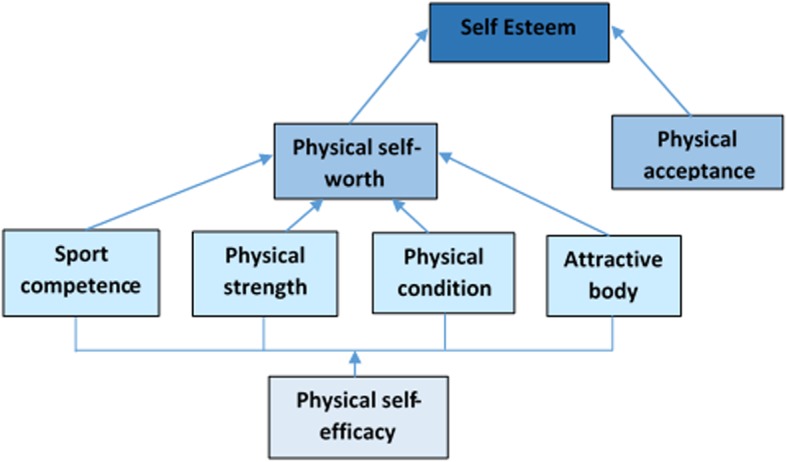
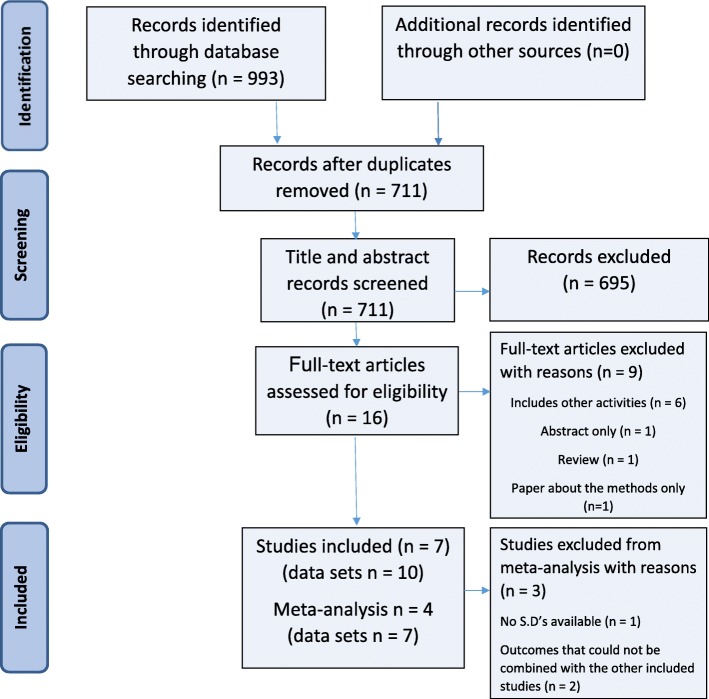
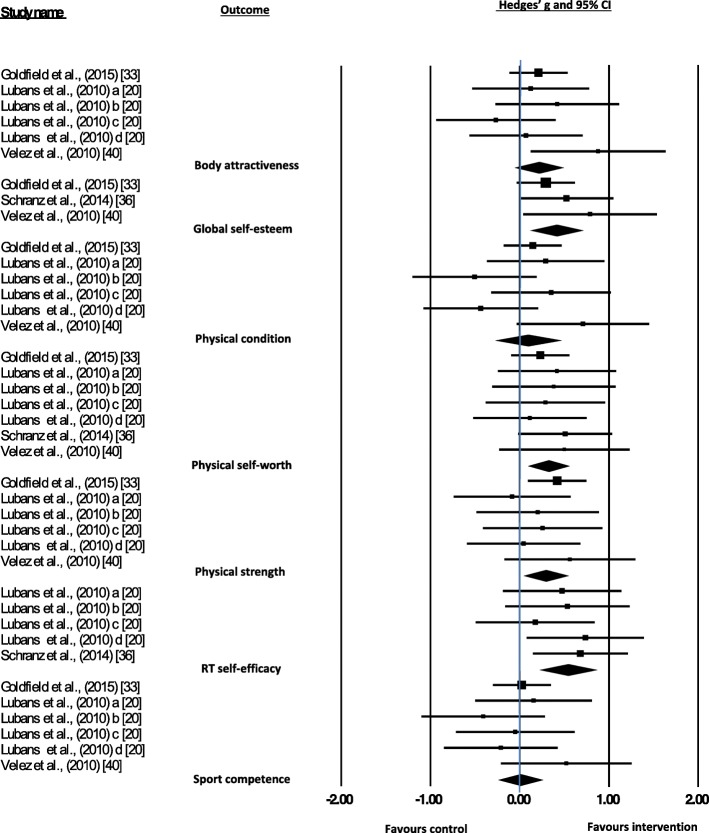
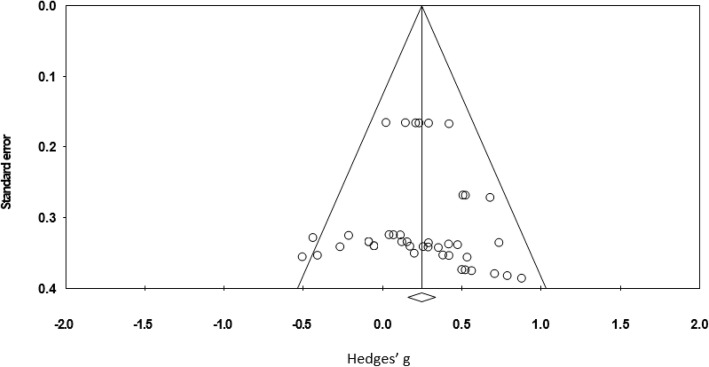
Verification
Claims the paper makes
The claims and statistics of this paper haven’t been checked yet.
Free: it reads the open-access text and checks the first 5 claims that cite a source we can check. Create a free account to check every claim.
Self-check
Percentages, sums and reported differences re-computed from the paper’s own numbers.
The self-check needs the paper’s full text.
Citations
Cites
Statistical Power Analysis for the Behavioral Sciences
Muller, K. (1989) · Technometrics · doi:10.1080/00401706.1989.10488618 · Cited by 99,167
Preferred Reporting Items for Systematic Reviews and Meta-Analyses: the PRISMA statement
Moher, D., Liberati, A., Tetzlaff, J., Altman, D. G., & for the PRISMA Group (2009) · BMJ · doi:10.1136/bmj.b2535 · Cited by 83,823
Statistical power analysis for the behavioral sciences
(1990) · Computers, Environment and Urban Systems · doi:10.1016/0198-9715(90)90050-4 · Cited by 65,269
Preferred Reporting Items for Systematic Reviews and Meta-Analyses: The PRISMA Statement
Moher, D., Liberati, A., Tetzlaff, J., Altman, D. G., & The PRISMA Group (2009) · PLoS Medicine · doi:10.1371/journal.pmed.1000097 · Cited by 64,042 · cited 1×
“The conduct and reporting of this review adhered to the guidelines outlined in the PRISMA statement [23].”
Measuring inconsistency in meta-analyses
Higgins, J. P. T., Thompson, S. G., Deeks, J. J., & Altman, D. G. (2003) · BMJ · doi:10.1136/bmj.327.7414.557 · Cited by 63,139
Bias in meta-analysis detected by a simple, graphical test
Egger, M., Smith, G. D., Schneider, M., & Minder, C. (1997) · BMJ · doi:10.1136/bmj.315.7109.629 · Cited by 56,722
Preferred reporting items for systematic reviews and meta-analyses: the PRISMA Statement.
(2009) · PubMed Central · Cited by 44,859
Interrater reliability: The kappa statistic
McHugh, M. L. (2012) · Biochemia Medica · doi:10.11613/bm.2012.031 · Cited by 19,877 · cited 1×
“0 for both the screening and the quality assessment, suggesting a strong level of agreement [24].”
BackgroundWang, G., Ma, R., Qiao, G., Wada, K., Aizawa, Y., & Satoh, T. (2015) · Integrative Medicine International · doi:10.1159/000368408 · Cited by 18,657
The file drawer problem and tolerance for null results.
Rosenthal, R. (1979) · Psychological Bulletin · doi:10.1037/0033-2909.86.3.638 · Cited by 9,068 · cited 2×
“Publication bias was assessed by calculating Egger bias statistics [28] and Rosenthal’s Fail-safe N [29].”
BackgroundMethod
Research works printed but not linked: 4
- Services DoHaH Physical Activity Guidelines Advisory Committee Scientific Report 2018
- Harter S Manual for the self-perception profile for children 1985 Denver University of Denver
- Harter S Manual for the self-perception profile for adolescents 1988 Denver, CO University of Denver
- Martinek T Zaichkowsky L Manual for the Martinek-Zaichkowsky self-concept scale for children 1977
Cited by
Wilhite, K., Booker, B., Huang, B.-H., Antczak, D., Corbett, L., Parker, P., Noetel, M., Rissel, C., Lonsdale, C., del Pozo Cruz, B., et al. (2023) · American Journal of Epidemiology · doi:10.1093/aje/kwac212 · Cited by 213
Hale, G. E., Colquhoun, L., Lancastle, D., Lewis, N., & Tyson, P. J. (2021) · Child and Adolescent Mental Health · doi:10.1111/camh.12485 · Cited by 199
Vella, S. A., Aidman, E., Teychenne, M. J., Smith, J. J., Swann, C., Rosenbaum, S., White, R. L., & Lubans, D. R. (2023) · Journal of science and medicine in sport · doi:10.1016/j.jsams.2023.01.001 · Cited by 202
Impact of organized activities on mental health in children and adolescents: An umbrella review
Boelens, M., Smit, M. S., Raat, H., Bramer, W. M., & Jansen, W. (2022) · Preventive Medicine Reports · doi:10.1016/j.pmedr.2021.101687 · Cited by 65
Vella, S. A., Sutcliffe, J., Fernandez, D. K., Liddelow, C., Aidman, E., Teychenne, M. J., Smith, J. J., Swann, C., Rosenbaum, S., White, R. L., et al. (2023) · Mental health and physical activity · doi:10.1016/j.mhpa.2023.100520 · Cited by 79
Reigal, R. E., Moral-Campillo, L., Morillo-Baro, J. P., de Mier, R. J.-R., Hernández-Mendo, A., & Morales‐Sánchez, V. (2020) · International Journal of Environmental Research and Public Health · doi:10.3390/ijerph17031100 · Cited by 56
Vaquero‐Solís, M., Tapia‐Serrano, M. Á., Alcalá, D. H., Sierra-Díaz, M. J., & Miguel, P. A. S. (2021) · International Journal of Environmental Research and Public Health · doi:10.3390/ijerph18137185 · Cited by 57
Xue, P., Du, X., & Kong, J. (2025) · Frontiers in Psychology · doi:10.3389/fpsyg.2025.1562434 · Cited by 51
“Resistance training has been shown to improve self-efficacy and self-esteem, increase levels of insulin-like growth factor-1 (IGF-1) (Collins et al., 2019), and modulate the hypothalamic– pituitary–adrenal (HPA) axis, leading to enhanced mood regulation (Athanasiou et al., 2023).”
May the Force Be with Youth: Foundational Strength for Lifelong Development
Faigenbaum, A. D., Ratamess, N. A., Kang, J., Bush, J. A., & Rebullido, T. R. (2023) · Current Sports Medicine Reports · doi:10.1249/jsr.0000000000001122 · Cited by 48
Resistance Exercise for the Prevention and Treatment of Pediatric Dynapenia
Faigenbaum, A. D., Rebullido, T. R., Peña, J., & Chulvi‐Medrano, I. (2019) · Journal of Science in Sport and Exercise · doi:10.1007/s42978-019-00038-0 · Cited by 46
Factors associated with adherence to the muscle-strengthening activity guideline among adolescents
Smith, J. J., Diallo, T., Bennie, J. A., Tomkinson, G. R., & Lubans, D. R. (2020) · Psychology of sport and exercise · doi:10.1016/j.psychsport.2020.101747 · Cited by 39
Zamorano-García, D., Infantes‐Paniagua, Á., Cuevas, R., & Bustos, J. G. F. (2021) · Research Quarterly for Exercise and Sport · doi:10.1080/02701367.2021.1927945 · Cited by 38
“This outcome matches the findings of Collins et al. (2019) and diverges from those of Babic et al. (2014).”
BackgroundMethodResultInfluentialIntegrated Strength and Fundamental Movement Skill Training in Children: A Pilot Study
Grainger, F., Innerd, A. L., Graham, M., & Wright, M. (2020) · Children · doi:10.3390/children7100161 · Cited by 37
Guillem, C. M., Loaiza-Betancur, A. F., Rebullido, T. R., Faigenbaum, A. D., & Chulvi‐Medrano, I. (2020) · International Journal of Environmental Research and Public Health · doi:10.3390/ijerph17217900 · Cited by 31
Evolution of resistance training in women: History and mechanisms for health and performance
Kraemer, W. J., Fragala, M. S., & Ratamess, N. A. (2025) · Sports Medicine and Health Science · doi:10.1016/j.smhs.2025.01.005 · Cited by 37
“123 129 Positive bene fi ts have been observed across stages of life including youth, 127 – 129 post-partum, 130 and older women.”
The Role of Multi-Sensor Measurement in the Assessment of Movement Quality: A Systematic Review
Swain, T. A., McNarry, M. A., Runacres, A., & Mackintosh, K. A. (2023) · Sports Medicine · doi:10.1007/s40279-023-01905-1 · Cited by 27
“All articles were screened by the first author (TAS), while another researcher (AWHR) screened 10% [54, 55].”
BackgroundMental Health Symptoms Related to Body Shape Idealization in Female Fitness Physique Athletes
Mathisen, T. F., & Sundgot-Borgen, J. K. (2019) · Sports · doi:10.3390/sports7110236 · Cited by 33
Safety of powerlifting: A literature review
Barrio, E. D., García-de-Alcaráz, A., & Andersen, L. L. (2021) · Science & Sports · doi:10.1016/j.scispo.2020.08.003 · Cited by 23
Developing Resistance Training Skill Literacy in Youth
Faigenbaum, A. D., & McFarland, J. E. (2023) · Journal of Physical Education Recreation & Dance · doi:10.1080/07303084.2022.2146610 · Cited by 19
“In addition to gains in physical fitness and motor skill performance, resistance training can result in favorable changes in body composition, cardiometabolic risk factors and mental health in youth (Collins et al., 2019; García-Hermoso et al., 2019; Lesinski et al., 2020).”
BackgroundJankauskienė, R., & Bacevičienė, M. (2021) · Journal of Health Psychology · doi:10.1177/13591053211009287 · Cited by 18
“Evidence suggest that body image is an important mediator between physical activity and self-concept (Collins et al, 2019; Fernández-Bustos et al., 2019; Sabiston et al., 2019; Zamani Sani et al., 2016).”
BackgroundKercher, V. M. M., Watkins, J. M., Goss, J. M., Phillips, L. A., Roy, B. A., Blades, K., Dobson, D., & Kercher, K. A. (2024) · Frontiers in Psychology · doi:10.3389/fpsyg.2024.1439431 · Cited by 26
Bustos, J. G. F., Cuesta-Valera, P., Zamorano-García, D., & Simón-Piqueras, J. Á. (2024) · Physical Education and Sport Pedagogy · doi:10.1080/17408989.2024.2342826 · Cited by 15
“In this line, there is evidence of the effect of PA programmes on self-concept in children and adolescents (Liu, Wu, and Ming 2015), including programmes with the specific purpose of increasing PF (Collins et al. 2019).”
Yang, Z., Yang, Z., Ou, W., Zeng, Q. H., & Huang, J. (2024) · Journal of Physical Activity and Health · doi:10.1123/jpah.2024-0055 · Cited by 23
Sortwell, A., Ramírez‐Campillo, R., Murphy, A. J., Newton, M. J., Hine, G., & Piggott, B. (2024) · Journal of Functional Morphology and Kinesiology · doi:10.3390/jfmk9040272 · Cited by 21
“Indeed, it does not constitute a reflective self-description or evaluation; rather, it represents a situation-specific self-assessment of perceived capability [36,37].”
Khazaie, H., Najafi, F., Chehri, A., Rahimi‐Movaghar, A., Amin‐Esmaeili, M., Moradinazar, M., Zakiei, A., Pasdar, Y., Brühl, A. B., Brand, S., et al. (2023) · Journal of Clinical Medicine · doi:10.3390/jcm12082821 · Cited by 19
Cox, A., Fairclough, S. J., & Noonan, R. J. (2021) · International Journal of Environmental Research and Public Health · doi:10.3390/ijerph18094923 · Cited by 14
Physical Fitness and Peer Relationships in Spanish Preadolescents
Bustos, J. G. F., Vicedo, J. C. P., González-Martí, I., & Cuevas, R. (2020) · International Journal of Environmental Research and Public Health · doi:10.3390/ijerph17061890 · Cited by 13
Heinrich, K. M., Beattie, C. M., Crawford, D. A., Stoepker, P., & George, J. (2023) · International Journal of Environmental Research and Public Health · doi:10.3390/ijerph20105914 · Cited by 12
Fraile‐Μartinez, O., Montero, C. G., Fraile-Martinez, M., Pekarek, L., Barrena-Blázquez, S., López-González, L., Álvarez-Mon, M. Á., Pekarek, T., Casanova, C., Álvarez‐Mon, M., et al. (2024) · Frontiers in Psychology · doi:10.3389/fpsyg.2024.1387162 · Cited by 15
“A fundamental psychological consequence reported from resistance training has to do with the improvement of self-confidence and self-esteem of the subject who practices it, not only on a physical level but also extrapolated to other areas of life (Collins et al., 2019).”
BackgroundThe impact of resistance training on strength and correlates of physical activity in youth
Collins, H. M., Fawkner, S. G., Booth, J. N., & Duncan, A. (2021) · Journal of Sports Sciences · doi:10.1080/02640414.2021.1976487 · Cited by 15
“Furthermore, a previous systematic review investigated the impact of RT on “the self” in youth with reported statistically significant effect sizes for resistance training efficacy, perceived physical strength, physical self-worth, and global self-worth (Collins et al., 2019).”
BackgroundResultInfluentialSelf-citationValle-Muñoz, V. M., Vanaclocha-Amat, P., & Villa‐González, E. (2022) · Sportis Scientific Journal of School Sport Physical Education and Psychomotricity · doi:10.17979/sportis.2022.8.2.8955 · Cited by 16
Childhood Factors Associated with Muscular Strength Trajectories between Childhood and Mid-Adulthood
Fraser, B. J., Blizzard, L., Cleland, V. J., Buscot, M., Schmidt, M. D., Dwyer, T., Venn, A., & Magnussen, C. G. (2022) · Medicine & Science in Sports & Exercise · doi:10.1249/mss.0000000000002990 · Cited by 10
“Furthermore, previous research has also shown that participation in resistance training not only increases muscular fitness levels (34) but also has psychosocial benefits, including an improvement in the children’s sense of self (37).”
BackgroundNormative wrist-worn accelerometer values for self-paced walking and running: a walk in the park
Dawkins, N. P., Yates, T., Soczawa-Stronczyk, A. A., Bocian, M., Edwardson, C. L., Maylor, B. D., Davies, M. J., Khunti, K., & Rowlands, A. V. (2021) · Journal of Sports Sciences · doi:10.1080/02640414.2021.1976491 · Cited by 11
Zi, Y., & de Geus, E. J. C. (2025) · Frontiers in Psychology · doi:10.3389/fpsyg.2025.1480631 · Cited by 13
“Twenty-nine systematic reviews ( n = 10) or meta-analyses ( n = 19) (Behringer et al., 2011; Carson et al., 2017; Chen et al., 2024; Collins et al., 2019b; Comeras-Chueca et al., 2021; Dudley et al., 2011; Engel et al., 2018; García-Hermoso et al., 2020; Grady et al., 2025; Hassan et al., 2022;…”
Lenze, L., Benzing, V., Schmid, J., Minder, B., Henn, R.-E., & Frahsa, A. (2025) · International Journal of Behavioral Nutrition and Physical Activity · doi:10.1186/s12966-025-01834-4 · Cited by 10
“…team sports [19, 29–32] or team sports only [33]; (2) aerobic exercise compared to sports [32] or to anaerobic exercise [29]; (3) aesthetic activities [19, 31]; (4) so-called ‘informal and lifestyle sports’ (e.g., climbing, parkour, surfing [34]); (5) resistance training [35]; (6) dancing [36–38].”
Latt, C. M. L., Alldredge, C. T., Williams, S. E., Vinson, M. L., Moris, J. M., & Elkins, G. R. (2024) · International Journal of Clinical and Experimental Hypnosis · doi:10.1080/00207144.2024.2346609 · Cited by 10
“This is because positive self-evaluations of one’s ability to increase muscle strength may contribute to improving their perceived capability to handle stress, which may result in reduced PS ratings (Annesi & Westcott, 2007; Collins et al., 2019; Juth et al., 2008).”
BackgroundBolados, C. C., Ferrari, G., Suárez‐Reyes, M., Quintiliano, D. A., Diaz-Peña, H., & Tito Pizarro, Q. (2021) · International Journal of Environmental Research and Public Health · doi:10.3390/ijerph18020361 · Cited by 11
Habits and vulnerability or resilience to stress – Impact on depressive disorders
Bertollo, A. G., Capitanio, M. Z., Schuh, L. A., Pradella, N., & Ignácio, Z. M. (2025) · Behavioural Brain Research · doi:10.1016/j.bbr.2025.115630 · Cited by 10
How can sport promote adolescent mental health? A qualitative study from the rural plains of Nepal
Morrison, J., Rimal, D., Pradhan, I., Luitel, N. P., & Rose‐Clarke, K. (2025) · SSM - Mental Health · doi:10.1016/j.ssmmh.2025.100491 · Cited by 7
Hartman, C. R., Lubans, D. R., & Christiansen, L. B. (2024) · Frontiers in Sports and Active Living · doi:10.3389/fspor.2024.1415469 · Cited by 7
“Moreover, several studies have found that school-based resistance training can improve students ’ perceived fi tness, self-ef fi cacy, and motor competence (8, 16).”
BackgroundZhang, Z., Li, L., Wang, H., Dong, K., & Li, D. (2025) · European Child & Adolescent Psychiatry · doi:10.1007/s00787-025-02893-5 · Cited by 7
“…adolescents immediate feelings of accomplishment that significantly boost self-efficacy and self-esteem, thereby alleviating depressive symptoms [78]; Depressed youths, however, often suffer from fatigue and low motivation [79], making it difficult to sustain moderate-to-vigorous aerobic…”
Lanier, K. V., Killian, C. M., & Burnett, R. (2021) · Journal of Physical Education Recreation & Dance · doi:10.1080/07303084.2021.1896401 · Cited by 7
“Psychological benefits of participating in resistance training include increases in resistance training self-efficacy, physical self-worth and global self-worth of youth who participated in resistance training (Collins et al., 2019).”
BackgroundFossli, K., & Lorentzen, C. (2025) · Behavioral Sciences · doi:10.3390/bs15091239 · Cited by 7
“…sources of GSE (Bandura, 1995, 1999; Pajares, 1997; Tsang et al., 2012), including experiences of mastery, e.g., related to improved sports techniques and the acquisition of general skills like working systematically toward a goal (Collins et al., 2019; Neumann et al., 2022; Reigal et al., 2014).”
Duncan, M. J., Martins, R., & Eyre, E. L. J. (2022) · Children · doi:10.3390/children9101557 · Cited by 5
“Such benefits are wide ranging, and include increases in muscular fitness (strength, endurance, power), enhancing fundamental movement skills [3] and motor competence, increase bone mineral density [4], improve cardiometabolic health [5], promote healthy weight [6] and positive mental health [7,8].”
BackgroundWang, C., & Hong, W. (2026) · PLoS ONE · doi:10.1371/journal.pone.0345920 · Cited by 5
“Meta-analytic evidence further supports our findings, with systematic reviews consistently demonstrating moderate to large effect sizes for physical activity interventions on youth mental health outcomes [26,42].”
Martins, R., Eyre, E. L. J., Crotti, M., Morris, R. O., Pattison, W., & Duncan, M. J. (2024) · Pediatric Exercise Science · doi:10.1123/pes.2023-0102 · Cited by 5
Zhao, Z., Li, T., Lai, H., & Yang, R. (2026) · Frontiers in Public Health · doi:10.3389/fpubh.2026.1795525 · Cited by 3
Long-term athletic development
Lloyd, R. S., & Oliver, J. L. (2023) · Oxford University Press eBooks · doi:10.1093/med/9780192843968.003.0041 · Cited by 7
ten Hoor, G. A., Schäfer, H., Gugushvili, N., & Massar, K. (2025) · Sports Medicine - Open · doi:10.1186/s40798-025-00957-z · Cited by 2
“This measurement–outcome mismatch aligns with findings in youth, where domain-specific measures yielded larger effects than global indices [51].”
Faigenbaum, A. D. (2023) · Elsevier eBooks · doi:10.1016/b978-0-323-99992-2.00068-2 · Cited by 2
Relación entre el nivel de condición física y la inteligencia del alumnado de Educación Infantil
Zamorano-García, D., Bustos, J. G. F., Simón-Piqueras, J. Á., Madrona, P. G., & González-Martínez, R. (2023) · Revista Iberoamericana de Ciencias de la Actividad Física y el Deporte · doi:10.24310/riccafd.2023.v12i2.17417 · Cited by 4
Reporting of Adverse Events in Muscle Strengthening Interventions in Youth: A Systematic Review
Mack, D. E., Anzovino, D., Sanderson, M., Dotan, R., & Falk, B. (2023) · Pediatric Exercise Science · doi:10.1123/pes.2021-0145 · Cited by 2
“There is compelling evidence that sustained engagement in MST is associated with improved physical and psychological health (11,15) fi tness adaptations (15,18,20) and performance enhancement (5,37,40) in children and adolescents.”
BackgroundHow Can Muscle-Strengthening Activities Be Promoted in School Settings?
Cox, A. (2024) · Springer eBooks · doi:10.1007/978-3-031-65595-1_15 · Cited by 2
Petrušič, T. (2024) · Physiologia · doi:10.3390/physiologia4040023 · Cited by 6
“These methods not only improve athletic performance, but also establish a solid foundation for health-related fitness, which is especially important during this formative stage [24].”
Associations between health-related physical fitness and self-esteem in primary school children
Infantes‐Paniagua, Á., Bustos, J. G. F., León, M. P., & Zamorano-García, D. (2020) · Winter Conferences of Sports Science · doi:10.14198/jhse.2020.15.proc2.23 · Cited by 3
“VOLUME 15 | Proc2 | 2020 | S317 intervention-based evidence shows a positive effect of endurance on self-esteem (Collins et al., 2019).”
BackgroundChernikova, O., Jansen, T., Sailer, M., & Greiff, S. (2024) · Learning and Individual Differences · doi:10.1016/j.lindif.2024.102468 · Cited by 3
Emotional Intelligence and Ageing in a Sedentary World: Impacts on Quality of Life
Dube, A., Shaw, B. S., Gundani, M. P. D., Mathunjwa, M. L., & Shaw, I. (2025) · IntechOpen eBooks · doi:10.5772/intechopen.1013073 · Cited by 1
Besada, I. S., & Pizarro, D. (2024) · Retos · doi:10.47197/retos.v62.107737 · Cited by 2
Ashari, R. S., Sabirin, R. M., Merlinda, S. T. B., Pratiwi, D. A., Tsania, M. N., & Wibowo, R. A. (2025) · BMJ Open · doi:10.1136/bmjopen-2025-102211 · Cited by 2
Qu, P., Li, F.-B., Zhou, Y.-W., & Pan, F. (2026) · Behavioral Sciences · doi:10.3390/bs16040553 · Cited by 1
“As one such option, RT is widely practiced and well regarded among college students, producing relatively rapid and noticeable gains in strength and body morphology that can boost self-efficacy and body esteem (Collins et al., 2019).”
Liston, A. M. S., Pando, A. T., Managbanag, J. D., Managbanag, M. R. V., Maestre, M. K. A., & Mamites, I. O. (2026) · Frontiers in Education · doi:10.3389/feduc.2026.1816975 · Cited by 2
Diagnostik und Training von Kraft und Schnelligkeit
Büsch, D., & Granacher, U. (2021) · Springer eBooks · doi:10.1007/978-3-662-61588-1_6 · Cited by 1
A importância dos cuidados paliativos no manejo das doenças cardiovasculares
Rocha, C. B. A., de Oliveira, M. N., de Souza, J. F. F., de Queiroz, M. V., Ribas, L. C., & Magrani, G. C. (2023) · Revista Eletrônica Acervo Médico · doi:10.25248/reamed.e11652.2023 · Cited by 1
Motivation for Physical Activity, volume II
(2024) · Frontiers research topics · doi:10.3389/978-2-8325-5857-7 · Cited by 1
Ramos-Álvarez, O., Muñoz, S. P., & Barcala-Furelos, M. (2025) · Journal of Sport and Health Research · doi:10.58727/jshr.107850 · Cited by 1
Vietnamese and American student commitment: the impact of exercise self-efficacy and collectivism
Craze, G. J., Dyck, L. R., & Luse, W. (2025) · Journal of Asian Business and Economic Studies · doi:10.1108/jabes-01-2025-0001 · Cited by 1
Thompson, S., Evans, E. M., & Yli-Piipari, S. R. (2020) · International Journal of Physical Education Fitness and Sports · doi:10.34256/ijpefs2041 · Cited by 1
“Previous research in this age group has focused primarily on the effectiveness of RT in (a) physical functioning [26], and (b) physical self-concept [27-30], with positive intervention effects found in college-aged females’ muscle strength/endurance and self -esteem and self-worth.”
BackgroundMethodÅvitsland, A., Leibinger, É., Kolle, E., Haugen, T., & Dyrstad, S. M. (2021) · Mental health and physical activity · doi:10.1016/j.mhpa.2021.100411 · Cited by 4
Åvitsland, A. (2020) · University of Stavanger eBooks · doi:10.31265/usps.68
Faigenbaum, A. D., & Lloyd, R. S. (2023) · Oxford University Press eBooks · doi:10.1093/med/9780192843968.003.0035 · Cited by 1
-, S. S., & Teotia, A. (2024) · International Journal For Multidisciplinary Research · doi:10.36948/ijfmr.2024.v06i04.21055
Effects of Body Weight Training Program on Strength and Power of Primary School Students
Chen, L., Tongdecharoen, W., & Bangthamai, W. (2024) · International Journal of Sociologies and Anthropologies Science Reviews · doi:10.60027/ijsasr.2024.4724
Jones, A., Emerson, J. R., Franklin, J. D., Graham, M., & Wright, M. (2024) · International Journal of Strength and Conditioning · doi:10.47206/ijsc.v4i1.401
“Resistance training itself has been shown to enhance children’s perceptions of “The Self” with positive effects on self-efficacy, physical and global self-worth (Collins et al., 2019) but the opportunity to interact with teammates should not be overlooked.”
Vanaclocha-Amat, P., Valle-Muñoz, V. M., Molina‐García, J., & Villa‐González, E. (2024) · Retos · doi:10.47197/retos.v63.107564 · Cited by 1
Weight loss after 12 weeks of weight training using resistance bands in obese college student
Kuswahyudi, K., Taufik, M. S., Setiakarnawijaya, Y., Hazar, F., & Purwoto, S. P. (2024) · Jurnal SPORTIF Jurnal Penelitian Pembelajaran · doi:10.29407/js_unpgri.v10i3.22891
“Moreover, resistance training enhances self-esteem and body image, encouraging students to adopt and sustain a healthy lifestyle (Collins et al., 2019).”
The Impact of Resistance Training on Mental Health: Neuropsychological and Behavioral Functioning
Hattabi, S., Fadhlaoui, H., Hammami, N., Forte, P. M., Sortwell, A., & Branquinho, L. (2024) · IntechOpen eBooks · doi:10.5772/intechopen.1008261 · Cited by 1
Pellegrom, S., & Filho, E. (2025) · Women in Sport and Physical Activity Journal · doi:10.1123/wspaj.2024-0128
Exercício e atividade física na saúde física, mental e social de crianças e adolescentes
da Silva, A. O. C., Maruschi, M. C., de Lima, D. T., Corrêa, E. A., & Zanini, G. D. S. (2025) · Caderno Pedagógico · doi:10.54033/cadpedv22n9-242 · Cited by 2
Strength training intervention for hybrid workers: a randomised pilot feasibility trial
Connelly, C. D., Gray, S. I., Rosaini, N. D., & Ryde, G. C. (2025) · Scientific Reports · doi:10.1038/s41598-025-27567-9
“Beyond physiological effects, strength training is associated with improvements in self-efficacy, body image, and perceived control 16 , - psychological resources that buffer against stress and facilitate adaptive coping.”
Rovzar, C., Howell, D. R., & Armento, A. M. (2026) · Sports · doi:10.3390/sports14010004
“Creating supportive, inclusive training environments that emphasize competence and enjoyment may encourage greater engagement [40].”
Defining physical activity in the context of adolescent obesity: A concept analysis
Fitriyani, P., Widyatuti, Mulyono, S., & Rustina, Y. (2025) · Malque Health · doi:10.31893/health.2026005
Ayaz, A., Zaman, W., & Zhao, L. (2026) · Acta Psychologica · doi:10.1016/j.actpsy.2026.106390
The Influence of Exercise on the Endocrine System: Impacts on Adolescent Growth and Development
Severo, J. S., LIMA, R. S. P., de Oliveira, A. M., REINALDO, T. S., Torres-Leal, F. L., & da Silva, M. T. B. (2026) · Advances in experimental medicine and biology · doi:10.1007/978-981-95-7000-3_15
Lee, A. S. Y., Rudner, B. A., Rhodes, R. E., & Harper, N. J. (2026) · Healthcare · doi:10.3390/healthcare14070937
“Likewise, RT trials—especially those emphasizing physiological or mental health outcomes in young adults—rarely detail need-support strategies or group-cohesion protocols as part of their design [51].”
Derigny, T., Maltagliati, S., Mekkaoui, L., Joseph, G., Ovigneur, H., Schnitzler, C., & Potdevin, F. (2026) · Sports Medicine - Open · doi:10.1186/s40798-026-01048-3
“This is already suggested by the work of Collins et al. (2019) who showed in a meta-analysis that physical strength is positively associated with self-esteem among 321 adolescents (Hedges’ g = 0.289, 95% CI 0.067 to 0.511, p = 0.011) [50].”
InfluentialGrowing a Grassroots Youth Athletic Development Program: Examples From the Field
Pichardo, A. W., & Sommerfield, L. M. (2026) · Strength and conditioning journal · doi:10.1519/ssc.0000000000000981
Generational and gendered perceptions of weightlifting: a cross-sectional survey
Butler, L., Cayo, C., Thomas, A., Fernandez, J., Rossi, M. D., Capote, D., Bushman, H., Sylvestre, F., Gonzalez, G. H. A., & Ulman, S. M. (2026) · Frontiers in Sports and Active Living · doi:10.3389/fspor.2026.1829361
He, J., Zhu, S., Luo, J., & Ou, J. (2026) · Frontiers in Psychiatry · doi:10.3389/fpsyt.2026.1871297
“Resistance training has also demonstrated potential bene fi ts, particularly in enhancing self-esteem and physical self-concept, constructs that are intricately linked to mood (40).”
Cosmo, R. D. S., Duarte, M. G., Teston, É. F., de Souza, A. S., & Christofoletti, G. (2026) · Addiction Research & Theory · doi:10.1080/16066359.2026.2731189
Komm, Y., Zeiler, L., Held, S., Comfort, P., Faigenbaum, A. D., Geisler, S., & Augste, C. (2026) · Sports Medicine · doi:10.1007/s40279-026-02499-0
Malayao, L. J. D., Climaco, J. S., Miranda, R., Fernandez, A. R., Martinez, T. P., & Borja, S. M. D. (2026) · International Journal of Research on Multidisciplinary Studies · doi:10.67903/ijroms0371
Fisher, J. P. (2026) · PeerJ · doi:10.7717/peerj.21827
“However, most evidence in this domain derives from repeated training interventions, with improvements in resistance training self-efficacy, physical self-worth, and global self-worth consistently documented ( Collins et al., 2019 ).”
Metadata
- Authors
- Collins, H., Booth, J. N., Duncan, A., Fawkner, S., & Niven, A.
- Affiliations
- University of Dundee (GB)
- University of Edinburgh (GB)
- Corresponding author
- Collins, Helen
- Venue
- Sports Medicine - Open
- Published
- 2019-07-03
- Volume
- 5
- Issue
- 1
- Pages
- 29-29
- ISSN
- 2198-9761 (ISSN-L)
- 2199-1170
- PMC
- PMC6609926
- OpenAlex
- W2954017701
- Cited by
- 90
- References
- 51
- Citations by year
- 2026: 16 · 2025: 16 · 2024: 18 · 2023: 13 · 2022: 4 · 2021: 13 · 2020: 8 · 2019: 2
- FWCI
- 0.79
- Type
- journal article
- Language
- en
- Open access
- gold
- doi.org
- Licence
- cc-by
- creativecommons.org/licenses/by/4.0 (tdm)
- creativecommons.org/licenses/by/4.0 (vor)
- Locations
- Sports Medicine - Open (publishedVersion, cc-by)
- Europe PMC (PubMed Central) (publishedVersion, cc-by)
- PubMed Central (publishedVersion, cc-by)
- PubMed (publishedVersion)
- Discovery Research Portal (University of Dundee) (submittedVersion, cc-by)
- Edinburgh Research Explorer (University of Edinburgh) (submittedVersion, cc-by)
- Topics
- Health Sciences › Medicine › Public Health, Environmental and Occupational Health › Physical Activity and Health
- Social Sciences › Psychology › Social Psychology › Motivation and Self-Concept in Sports
- Health Sciences › Health Professions › Physical Therapy, Sports Therapy and Rehabilitation › Physical Education and Training Studies
- Keywords
- resistance training, youth, self-esteem, self-efficacy, self-perception, physical self-worth, global self-worth, physical strength, mental health, physical activity, school-age children and adolescents, exercise intervention, body image, body dissatisfaction, eating disorders, eating disorder symptoms, eating disorder risk factors, eating disorder prevention, eating disorder treatment, eating disorder screening
About these checks
Registry, retraction, Cites and statistics results are computed, not judged, with one exception: a printed reference that no index lists is read once by a model before it counts as a citation error. Claims are extracted by a model and kept only when their quote appears verbatim in the text; each cited source is then checked, with a model’s help, for whether it says what the claim relies on. Those verdicts can be wrong — read the claim’s quote and the cited source before relying on one.
Statistics and arithmetic are recomputed, not judged.
Confidence bands are shown only for fields calibrated on our annotated test set. None is calibrated yet, so no band is shown.
What counts as a claim ›How we measure confidence ›How we check this ›
Are you an author, or do you see a problem with this page? Request a review
Data sources
Bibliographic data: Semantic Scholar, OpenAlex, Crossref.
Contains information from the Semantic Scholar Academic Graph Datasets, made available under the ODC Attribution License (ODC-BY 1.0).
Semantic Scholar’s data is described in: Kinney, R., et al. (2023). The Semantic Scholar Open Data Platform. arXiv:2301.10140.
