

The DOI matches its Crossref record; 54 of the 62 references it cites were found in a registry or an index.
Processing and extraction methods of medicinal cannabis: a narrative review
Open accessAbstract
Introduction: As the cannabis industry transitions from a black market to a legal market, product development, and methods of extraction have become a focal point. To date, more than thousands of chemical constituents have been identified from the cannabis plant, all of which possess different chemical properties that require different conditions for preservation during drying and extraction. However, scientific publications that explore these areas for the cannabis plant are currently lacking. Method: This is a narrative review paper which focuses on critiquing drying and extraction methods of Cannabis sativa L. plant. Relevant keywords such as medicinal cannabis, extraction, solvent, cannabinoids, and terpenes have been searched in PubMed, EMBASE, MEDLINE, Google Scholar, and Cochrane Library (Wiley) databases. Result: To find relevant papers for this narrative review, 93 papers have been reviewed. Among them, 12 irrelevant papers were discarded. The excluded papers were either about hemp seed oil or hemp fiber and protein. Based on this review, solvent extraction is the most common method for cannabis plants. Although solventless and hydrodynamic extraction are known for their high yield and feasibility, more investigation is needed in these areas. Regarding the drying process, hang-drying is the most convenient method; however, it may be substituted by freeze-drying in the near future. Discussion: This review analyses various drying and extraction processes to guide the selection of suitable methods for various types of cannabis products and applications. This is done by outlining traditional and modern methods of drying techniques, exploring the importance of solvents for extraction, visiting solventless extraction procedures, and finally comparing conventional and alternative methods of extraction. Conclusion: In conclusion, based on the current knowledge, using organic solvents is the most convenient method for medicinal cannabis extraction. However, more research is needed for some of the drying and extraction methods. Also, developing a green and sustainable cannabis extraction method should be considered for future studies.
Overview
The claims and statistics of this paper haven’t been checked yet.
Run the check — free, no account needed. It reads the open-access text and checks the sources it cites.
Integrity signals
Registry
Cites
Statistics
Figures
Verification
Claims the paper makes
The claims and statistics of this paper haven’t been checked yet.
Run the check — free, no account needed. It reads the open-access text and checks the sources it cites.
Claims other papers make about this one
Each is checked against this paper’s own text: does it say what the citing paper says it does?
The source backs part of the claim, not all of it — or backs it for a different population, condition or comparison.
In the citing paper
“However, as a rule, the development of products that exploit these compounds’ bioactive or technological potential is based on separation processes classified as solid-liquid extraction, which is a critical processing step with a broad spectrum of exploitation [39].”
From Supercritical Carbon Dioxide Technology for Recovering Valuable Phytochemicals from Cannabis sativa L. and Valorization of Its Biomass for Food Applications (2023) · cites this paper as [39]
Experimental — accuracy not yet measured
Self-check
Percentages, sums and reported differences re-computed from the paper’s own numbers.
The self-check needs the paper’s full text.
Citations
Cites
van der Togt, H. (2003) · Journal of Network and Computer Applications · doi:10.1016/s1084-8045(02)00061-9 · Cited by 302,642
Techniques for extraction of bioactive compounds from plant materials: A review
Azmir, J., Zaidul, I. S. M., Rahman, M. M., Sharif, K. M., Mohamed, A., Sahena, F., Jahurul, M. H. A., Ghafoor, K., Norulaini, N. A. N., & Omar, A. K. M. (2013) · Journal of Food Engineering · doi:10.1016/j.jfoodeng.2013.01.014 · Cited by 2,870
Soxhlet extraction of solid materials: an outdated technique with a promising innovative future
de Castro, M. L. D., & Ayuso, L. E. G. (1998) · Analytica Chimica Acta · doi:10.1016/s0003-2670(98)00233-5 · Cited by 699 · cited 1×
“As commonly witnessed by other conventional processes, the long-running time and the large amount of solvent required are limitations that not only increase the cost of operation but also cause environmental complications (Luque de Castro and Garcı́a-Ayuso 1998).”
BackgroundSolvents and Solvent Effects in Organic Chemistry: REICHARDT:SOLV.EFF. 4ED O-BK
Reichardt, C., & Welton, T. (2010) · Wiley eBooks · doi:10.1002/9783527632220 · Cited by 690
Before the injection—Modern methods of sample preparation for separation techniques
Smith, R. M. (2003) · Journal of Chromatography A · doi:10.1016/s0021-9673(03)00511-9 · Cited by 503 · cited 2×
“This creates a gap in the literature that should be explored more extensively (Smith 2003).”
BackgroundVatai, T., Škerget, M., & Knez, Ž. (2009) · Journal of Food Engineering · doi:10.1016/j.jfoodeng.2008.06.028 · Cited by 324
Brighenti, V., Pellati, F., Steinbach, M., Maran, D., & Benvenuti, S. (2017) · Journal of Pharmaceutical and Biomedical Analysis · doi:10.1016/j.jpba.2017.05.049 · Cited by 272
Yara-Varón, E., Li, Y., Balcells, M., Canela, R., Fabiano‐Tixier, A., & Chemat, F. (2017) · Molecules · doi:10.3390/molecules22091474 · Cited by 227
Raventos, M., Duarte, S., & Alarcón, R. (2002) · Food Science and Technology International · doi:10.1106/108201302029451 · Cited by 211
Raber, J., Elzinga, S., & Kaplan, C. (2015) · Journal of Toxicological Sciences · doi:10.2131/jts.40.797 · Cited by 189
Research works printed but not linked: 5
- Coffman C, Gentner W. Cannabis sativa L.: effect of drying time and temperature on cannabinoid profile of stored leaf tissue. Bull Narc. 1974;26(1):68–70.
- Duarte K, Justino C, Gomes A, Rocha-Santos T, Duarte A. Chapter 4—Green analytical methodologies for preparation of extracts and analysis of bioactive compounds. In: Teresa RS, Armando CD, editors. Comprehensive analytical chemistry, vol. 65. Amsterdam: Elsevier; 2014. p. 59–78.
- Green G, et al. The cannabis grow bible, Greg Green. 2001.
- Jin S, Chen J. Cannabis indoor growing conditions, management practices, and post-harvest treatment: a review. Am J Plant Sci. 2019;10(06):925. · DOI
- Romano LL, Hazekamp A. Cannabis oil: chemical evaluation of an upcoming cannabis-based medicine. Cannabinoids. 2013;1(1):1–11.
Cited by
Sorted by citations
Siddiqui, T., Khan, M. U., Sharma, V., & Gupta, K. (2024) · Phytomedicine Plus · doi:10.1016/j.phyplu.2024.100549 · Cited by 248
Ubeed, H. M. S. A., Bhuyan, D. J., Alsherbiny, M. A., Basu, A., & Vuong, Q. V. (2022) · Molecules · doi:10.3390/molecules27030604 · Cited by 153
Extraction techniques for bioactive compounds of cannabis
Martinez, A. S., Lanaridi, O., Stágel, K., Halbwirth, H., Schnürch, M., & Bica, K. (2023) · Natural Product Reports · doi:10.1039/d2np00059h · Cited by 87
de Aguiar, A. C., Vardanega, R., Viganó, J., & Silva, E. K. (2023) · Molecules · doi:10.3390/molecules28093849 · Cited by 51
Postharvest Operations of Cannabis and Their Effect on Cannabinoid Content: A Review
Das, P. C., Vista, A. R., Tabil, L. G., & Baik, O. (2022) · Bioengineering · doi:10.3390/bioengineering9080364 · Cited by 45
Simple Extraction of Cannabinoids from Female Inflorescences of Hemp (Cannabis sativa L.)
Szalata, M., Dreger, M., Zielińska, A., Banach, J., Szalata, M., & Wielgus, K. (2022) · Molecules · doi:10.3390/molecules27185868 · Cited by 43
“The mixing process was performed at room temperature at a constant speed of 100 rpm [41].”
BackgroundMethodInfluentialStasiłowicz-Krzemień, A., Sip, S., Szulc, P. M., & Cielecka‐Piontek, J. (2023) · Antioxidants · doi:10.3390/antiox12071390 · Cited by 48
Coelho, M., Duarte, P., Calado, M. S., Almeida, A. J., Reis, C. P., & Gaspar, M. M. (2023) · Life Sciences · doi:10.1016/j.lfs.2023.121838 · Cited by 47
Phupaboon, S., Matra, M., Prommachart, R., Totakul, P., Supapong, C., & Wanapat, M. (2022) · Antioxidants · doi:10.3390/antiox11112103 · Cited by 40
Knowledge mapping for a secure and sustainable hemp industry: A systematic literature review
Aryal, K., Maraseni, T., Kretzschmar, T., Chang, D., Naebe, M., Neary, L., & Ash, G. J. (2023) · Case Studies in Chemical and Environmental Engineering · doi:10.1016/j.cscee.2023.100550 · Cited by 38
Benefits, toxicity and current market of cannabidiol in edibles
Astray, G., Mejuto, J. C., Xiao, J., & Simal‐Gándara, J. (2022) · Critical Reviews in Food Science and Nutrition · doi:10.1080/10408398.2021.2024493 · Cited by 30
Issaka, E., Yakubu, S., Sulemana, H., Kerkula, A., & Aniagyei, O. N.-D. (2023) · Chemical Engineering Journal Advances · doi:10.1016/j.ceja.2023.100449 · Cited by 37
Suttithumsatid, W., Shah, M. A., Bibi, S., & Panichayupakaranant, P. (2022) · Current Research in Food Science · doi:10.1016/j.crfs.2022.07.002 · Cited by 33
“Although THC and CBD are basically non-polar molecules, partial polarity of the solvent used for their extraction is necessary due to the presence of alcohol group in the cannabinoid molecule (Lazarjani et al., 2021).”
BackgroundPost-Harvest Operations to Generate High-Quality Medicinal Cannabis Products: A Systemic Review
Ubeed, H. M. S. A., Wills, R. B. H., & Chandrapala, J. (2022) · Molecules · doi:10.3390/molecules27051719 · Cited by 40
Jurga, M., Jurga, A., Jurga, K., Kaźmierczak, B., Kuśmierczyk, K., & Chabowski, M. (2024) · International Journal of Molecular Sciences · doi:10.3390/ijms252011258 · Cited by 30
“This includes extract forms such as oil, tinctures, full-spectrum high cannabinoid extracts, gels, crystallized CBD, THC concentrates, waxes, and many others [1,106,145].”
BackgroundInfluentialRantaša, M., Slaček, G., Knez, Ž., & Marevci, M. K. (2024) · Journal of CO2 Utilization · doi:10.1016/j.jcou.2024.102907 · Cited by 29
“Traditional methods include dynamic maceration, Soxhlet extraction, ultrasound-assisted extraction, and microwave-assisted extraction [1, 14,48].”
Antitumor Effects of Cannabis sativa Bioactive Compounds on Colorectal Carcinogenesis
Silva‐Reis, R., Silva, A. M. S., Oliveira, P. A., & Cardoso, S. M. (2023) · Biomolecules · doi:10.3390/biom13050764 · Cited by 27
Phytocannabinoids: Pharmacological effects, biomedical applications, and worldwide prospection
Siqueira, A. L. G. D. B., Cremasco, P. V. V., Bahú, J. O., da Silva, A. P., de Andrade, L. R. M., González, P., Crivellin, S., Concha, V. O. C., Krambeck, K., Lodi, L., et al. (2023) · Journal of Traditional and Complementary Medicine · doi:10.1016/j.jtcme.2023.08.006 · Cited by 25
“90 Cannabinoids extracted from Cannabis sativa L. have therapeutic effects, but their use is limited due to their psychotropic effects.”
BackgroundOpportunities and challenges in waste management within the medicinal cannabis sector
Robertson, K. J., Brar, R., Randhawa, P., Stark, C., & Baroutian, S. (2023) · Industrial crops and products (Print) · doi:10.1016/j.indcrop.2023.116639 · Cited by 24
Pino, S., Espinoza, L., Jara‐Gutiérrez, C., Villena, J., Olea, A. F., & Díaz, K. (2023) · Plants · doi:10.3390/plants12091772 · Cited by 24
Eyal, A. M., Zeitouni, D. B., Tal, D., Schlesinger, D., Davidson, E. M., & Raz, N. (2022) · Cannabis and Cannabinoid Research · doi:10.1089/can.2021.0173 · Cited by 28
Stasiłowicz-Krzemień, A., Szulc, P., & Cielecka-Piontek, J. (2023) · Pharmaceutics · doi:10.3390/pharmaceutics15092280 · Cited by 19
Rajabiyan, A., Bakhshi, D., & Hosseini, S. A. (2025) · Organic Process Research & Development · doi:10.1021/acs.oprd.5c00080 · Cited by 21
Muangrat, R., & Kaikonjanat, A. (2024) · Journal of Agriculture and Food Research · doi:10.1016/j.jafr.2024.101618 · Cited by 15
Chen, Y., Oliveira, W. D. S., Dias, F. F. G., & Ismail, B. (2025) · Plants · doi:10.3390/plants14020274 · Cited by 15
Correia, B., Ahmad, S. M., & Quintas, A. (2023) · Journal of Chromatography A · doi:10.1016/j.chroma.2023.464191 · Cited by 15
A Survey of Modern Greenhouse Technologies and Practices for Commercial Cannabis Cultivation
Vernon, M., Kouzani, A. Z., Webb, L. D., & Adams, S. D. (2023) · IEEE Access · doi:10.1109/access.2023.3285242 · Cited by 22
“cannabinoid and terpene production [37], [38], [39], [40].”
BackgroundA Review on the Bioactivity of Cannabinoids on Zebrafish Models: Emphasis on Neurodevelopment
Licitra, R., Marchese, M., Naef, V., Ogi, A., Martinelli, M., Kiferle, C., Fronte, B., & Santorelli, F. M. (2022) · Biomedicines · doi:10.3390/biomedicines10081820 · Cited by 17
Animasaun, J., Ijiga, O., Ayoola, V. B., & Enyejo, L. (2024) · International Journal of Scientific Research and Modern Technology · doi:10.38124/ijsrmt.v3i1.1161 · Cited by 12
Kaminski, K. P., Hoeng, J., Lach-Falcone, K., Goffman, F. D., Schlage, W. K., & Latino, D. A. R. S. (2025) · Molecules · doi:10.3390/molecules30132784 · Cited by 13
“Cannabinoids and terpenes can also undergo interconversion under specific environmental conditions, further complicating their stability [100,101].”
Selvaraj, S. A., Nawfer, N., Dharmawansa, K. V. S., Redha, A. A., & Rupasinghe, H. P. V. (2025) · Green Analytical Chemistry · doi:10.1016/j.greeac.2025.100270 · Cited by 11
Yoon, H. I., Lee, S. H., Ryu, D. H., Choi, H. L., Park, S. H., Jung, J. H., Kim, H., & Yang, J. (2024) · Frontiers in Plant Science · doi:10.3389/fpls.2024.1365298 · Cited by 11
Thawonkit, T., Insalud, N., Dangtungee, R., & Bhuyar, P. (2025) · International Journal of Plant Biology · doi:10.3390/ijpb16020038 · Cited by 10
“The process of extracting and purifying cannabidiol (CBD) from dried cannabis flowers involves several intricate steps that are crucial for obtaining a high-quality product [20].”
Cannabis sativa: Extraction Methods for Phytocannabinoids -An Update
Malabadi, R. B., Kolkar, K. P., CHALANNAVAR, R. K., & Baijnath, H. (2024) · World Journal of Biology Pharmacy and Health Sciences · doi:10.30574/wjbphs.2024.20.3.0962 · Cited by 10
“This is evident as the half-life increased by 40% in darkness [37, 38].”
InfluentialAnimasaun, J., Ijiga, O., Ayoola, V. B., & Enyejo, L. (2024) · International Journal of Scientific Research and Modern Technology · doi:10.38124/ijsrmt.v3i1.1162 · Cited by 10
A subcritical butane-based extraction of non-psychoactive cannabinoids from hemp inflorescences
Fiorito, S., Epifano, F., Palumbo, L., Collevecchio, C., & Genovese, S. (2022) · Industrial crops and products (Print) · doi:10.1016/j.indcrop.2022.114955 · Cited by 9
Jaroenkunpanit, P., Wungsintaweekul, J., & Chetpattananondh, P. (2025) · ACS Omega · doi:10.1021/acsomega.5c06069 · Cited by 10
Raz, N., Eyal, A. M., & Davidson, E. M. (2022) · Molecules · doi:10.3390/molecules27206920 · Cited by 9
Kim, J., Yang, S.-H., Seo, S., Han, S.-K., Cho, S.-H., Sur, I., Park, J., Lee, K. W., & Lee, Y.-W. (2025) · Journal of Supercritical Fluids · doi:10.1016/j.supflu.2025.106606 · Cited by 7
Baek, Y., Grab, H., & Chen, C. (2025) · Plants · doi:10.3390/plants14030414 · Cited by 7
Donati, L., Pierantoni, D. C., Conti, A., Calzoni, E., Corte, L., Santi, C., Rosati, O., Cardinali, G., & Emiliani, C. (2024) · International Journal of Molecular Sciences · doi:10.3390/ijms25073979 · Cited by 7
Unveiling the Antioxidant Role of Hemp Oils in Cancer Prevention and Treatment
Christodoulou, M. C., Rodosthenous, P., & Neophytou, C. M. (2025) · Cancers · doi:10.3390/cancers17132128 · Cited by 7
Ioannidis, V., Sygouni, V., Giannopoulos, S., Sotirianos, K., Ioannides, T., Paraskeva, C. Α., & Lamari, F. N. (2025) · Antioxidants · doi:10.3390/antiox14070777 · Cited by 6
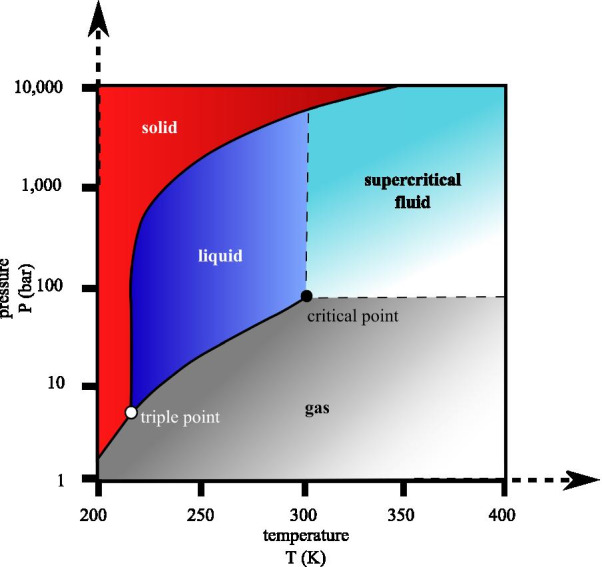
“CO 2 is the most frequently used supercritical fluid due to its relatively low critical point (T c : 31.1 ◦ C and P c : 73.8 bar) [31,40].”
InfluentialOptimization of Solvent Mixture for Solubilizing Cannabis Extract Using I-Optimal Design
Chankana, N., Monton, C., Naksuriya, O., & Songsak, T. (2025) · JOURNAL OF CURRENT SCIENCE AND TECHNOLOGY · doi:10.59796/jcst.v15n2.2025.98 · Cited by 6
“The variation in solvent properties across different mass fractions, such as changes in melting and boiling points, dielectric constant, viscosity, and polarity, likely explains these consequences (Lazarjani et al., 2021; Moreno-Sanz et al., 2020; Tzimas et al., 2024).”
Joy, N., Jackson, D., & Coolong, T. W. (2025) · Phytochemical Analysis · doi:10.1002/pca.3526 · Cited by 8
Apetroaei, V. T., Istrati, D. I., & Vizireanu, C. (2024) · Molecules · doi:10.3390/molecules30010124 · Cited by 5
“The extraction of terpenoids is achieved through the appropriate polarity of the solvent used, such as ethanol (EtOH), methanol (MeOH), or chloroform, at a specific temperature and for a defined time [14,23].”
InfluentialValidation of analytical method of cannabinoids: Novel approach using turbo-extraction.
Mano-Sousa, B. J., Alves, B. C., Pedrosa, A. M., Lima, P. L., de Andrade, F. P., & Duarte-Almeida, J. M. (2022) · Talanta: The International Journal of Pure and Applied Analytical Chemistry · doi:10.1016/j.talanta.2022.124108 · Cited by 6
Castaño, M. A., Arango, J. P. B., Galeano, F. J. C., & Ocampo, G. T. (2025) · Journal of Cannabis Research · doi:10.1186/s42238-025-00350-3 · Cited by 6
“Among the most widely used methods are solvent extraction (ethanol, methanol, butane, propane), supercritical fluid extraction (SFE) (Lazarjani et al. 2021), ultrasound-assisted extraction (UAE), microwave-assisted extraction (MAE) (Radoiu et al. 2020), pressurized liquid extraction (PLE)…”
Effect of Hemp Extraction Procedures on Cannabinoid and Terpenoid Composition
Chacon, F. T., Raup‐Konsavage, W. M., Vrana, K. E., & Kellogg, J. J. (2024) · Plants · doi:10.3390/plants13162222 · Cited by 6
Li, L., Chen, L., Pan, D., Zhu, Y.-H., Huang, R.-S., Chen, J., Ye, C., & Yao, S.-C. (2024) · Heliyon · doi:10.1016/j.heliyon.2024.e34608 · Cited by 5
Monton, C., Chanduaykit, W., Mongkhonvanich, T., Srikaenchan, S., Suksaeree, J., Charoenchai, L., & Songsak, T. (2024) · Arabian Journal of Chemistry · doi:10.1016/j.arabjc.2024.105847 · Cited by 4
Tanaka, M. R. R., Mataruco, L. D. S., Frota, E. G., Coelho, B. E. S., Lima, M. D. S., Pimentel, T. C., & Barão, C. (2024) · Acta Scientiarum: Technology · doi:10.4025/actascitechnol.v46i1.66447 · Cited by 5
“However, the composition may change the extracts based on the extraction method and process parameters (Devequi-Nunes, 2018; Lazarjani, Young, Kebede, & Seyfoddin, 2021).”
MethodProcess Development for GMP-Grade Full Extract Cannabis Oil: Towards Standardized Medicinal Use
Costa, M. D. C., Gomes, A. P., Vinhas, I., Rosa, J., Pereira, F., Moniz, S., Gonçalves, E. M., Pestana, M., Silva, M., Rodrigues, L. M., et al. (2025) · Pharmaceutics · doi:10.3390/pharmaceutics17070848 · Cited by 2
“This is crucial for producing high-quality cannabis extracts, as chlorophyll can negatively impact color and taste and potentially pose health risks at high concentrations [40].”
Sullivan, Z., Lapierre, C., Erlandson, L. W., & Pham, L. (2025) · Cannabis and Cannabinoid Research · doi:10.1089/can.2025.0016 · Cited by 4
Lumu, S., Sarker, N., Hatterman-Valenti, H., Hammed, A., Chen, B., & Monono, E. (2025) · Journal of Biosystems Engineering · doi:10.1007/s42853-025-00255-2 · Cited by 4
“It is advisable to dry floral hemp to a moisture content (MC) of less than 12% wet basis (wb) for efficient extraction (Lazarjani et al., 2021; Valiza-dehderakhshan et al., 2021).”
Analytical techniques for screening of cannabis and derivatives from human hair specimens.
Kale, R., Chaturvedi, D., Dandekar, P., & Jain, R. (2024) · Analytical Methods · doi:10.1039/d3ay00786c · Cited by 4
Therapeutic Potential of Cannabinoid Profiles Identified in Cannabis L. Crops in Peru
Wong-Salgado, P., Soares, F. L., Moya-Salazar, J., Ramírez-Méndez, J. F., Moya-Salazar, M. M., Apesteguía, A., & Castro, A. (2024) · Biomedicines · doi:10.3390/biomedicines12020306 · Cited by 4
“We used 130 mg of dried cannabis inflorescences from each cultivar for chromatographic analysis, following international recommendations [33].”
MethodHenion, J. D., Evans, S., & Wakshlag, J. J. (2023) · Journal of the American Veterinary Medical Association · doi:10.2460/javma.22.10.0470 · Cited by 5
Aguirre, M. E., Orallo, D. E., Suárez, P. A., & Ramírez, C. L. (2023) · Natural Product Research · doi:10.1080/14786419.2023.2184357 · Cited by 4
“In addition, the cannabinoid degradation rate was much slower in olive oil extracts than in ethanolic extracts (Citti et al. 2016; Lazarjani et al. 2021).”
BackgroundTakadaş, F., Ozogul, F., Uçar, Y., Kuley, E., Durmuş, M., Köşker, A., Sakarya, Y., Özkütük, S., Yilmaz, N., Zhang, Z., et al. (2026) · Food Bioscience · doi:10.1016/j.fbio.2026.108459 · Cited by 3
Bonilla, L. G. P., King, J. W., & Gil, I. D. (2025) · Journal of Applied Research on Medicinal and Aromatic Plants · doi:10.1016/j.jarmap.2025.100678 · Cited by 1
Wongumpornpinit, V., Temkitthawon, P., Khumpirapang, N., Paenkaew, S., Saesong, T., Boonnoun, P., Wongwad, E., Waranuch, N., & Ingkaninan, K. (2025) · Medical Cannabis and Cannabinoids · doi:10.1159/000546263 · Cited by 3
THC, CBD and minor cannabinoid CBDV differently modulate hippocampal neurons firing.
Tomagra, G., Gandlevskiy, N., Rosso, E., Bonardi, M., Binello, A., Carabelli, V., & Barge, A. (2025) · Neurotoxicology · doi:10.1016/j.neuro.2025.04.004 · Cited by 3
Sene, N., dos Santos, K. C. G., Mérindol, N., Gélinas, S.-E., Custeau, A., Awwad, F., Fantino, E., Meddeb-Mouelhi, F., Germain, H., & Desgagné-Penix, I. (2025) · Biotechnology for Biofuels and Bioproducts · doi:10.1186/s13068-025-02638-1 · Cited by 3
“Efficient protocols have been developed for the extraction of apolar compounds such as cannabinoids [26, 27].”
Typek, R., Dybowski, M. P., & Dawidowicz, A. L. (2025) · Food Chemistry · doi:10.1016/j.foodchem.2025.143447 · Cited by 3
Prospects in the Use of Cannabis sativa Extracts in Nanoemulsions
Vitola, I., Angulo, C., Baptista-Rosas, R. C., Esparza, L. M. A., Escalante-García, Z. Y., Villarruel‐López, A., & Jara, J. M. S. (2024) · BioTech · doi:10.3390/biotech13040053 · Cited by 3
Lazarjani, M., Seyfoddin, A., Le, T. T., & Chen, T. (2024) · Drug Analytical Research · doi:10.22456/2527-2616.139666 · Cited by 3
“Given these advantages, UAE was selected for sample preparation in this study [10].”
Self-citationPerini, M., Gaggiotti, A., Pianezze, S., Ziller, L., & Larcher, R. (2023) · Antioxidants · doi:10.3390/antiox12071421 · Cited by 3
Márquez-Herrera, A., Reséndiz-Muñoz, J., Fernández‐Muñoz, J. L., Almazán, M. S., Cruz-Lagunas, B., Adame-Zambrano, T. D. J., Hilario, V. Á., Estrada-Martínez, J., Álvarez, M. T. Z., & Gruintal-Santos, M. A. (2026) · AgriEngineering · doi:10.3390/agriengineering8010039 · Cited by 2
“These decisions considered several ways to define the critical components and operational parameters [37].”
Kožák, J., Vázquez-Olvera, J. I., Berkenfeld, K., Rautenberg, A., & Lamprecht, A. (2026) · Journal of Cannabis Research · doi:10.1186/s42238-025-00381-w · Cited by 2
Mhuru, E. W., Tsakali, E., Manjeru, P., Mateva, K. I., Zishiri, R. M., Chaibva, P., Mhlahlayazi, T., & Maphosa, M. (2025) · Discover Plants. · doi:10.1007/s44372-025-00438-3 · Cited by 2
“When the flower becomes sufficiently dry, extractions must be done as immediate as possible because longer storage time between drying and processing results in loss of cannabinoids [52].”
InfluentialCorredor-Perilla, I. C., Kwon, T.-H., & Park, S.-H. (2025) · Frontiers in Plant Science · doi:10.3389/fpls.2025.1678142 · Cited by 2
“Storage moisture was maintained at approximately 80% (Das et al., 2022; Lazarjani et al., 2021).”
Essential oil fractions of hemp profiles at different hydro-distillation periods
Zheljazkov, V., Sikora, V., Astatkie, T., Dincheva, I., Aćimović, M., Visković, J., Latković, D., & Noller, J. S. (2025) · PLoS ONE · doi:10.1371/journal.pone.0331767 · Cited by 2
Fettoukh, N., Fadil, M., Stambouli, H., Bouri, A. E., Bouyoun, T., Annemer, S., Boukhaled, A., & Farah, A. (2025) · Scientific Reports · doi:10.1038/s41598-025-03888-7 · Cited by 2
“…and polymeric compounds 38 ; (2) volatilization of terpenes and adsorption of cannabinoids to packaging materials may reduce recoverable mass 22,35 ; (3) analytical limitations (GC/FID) precluded quantification of acidic precursors (THCA, CBDA) and non-volatile degradation byproducts 31,34 .”
Monton, C., Charoenchai, L., Suksaeree, J., & Songsak, T. (2025) · Journal of Separation Science · doi:10.1002/jssc.70278 · Cited by 2
Chemical characterization of hemp seeds ( Cannabis sativa L.) cultivated in the Ecuadorian Andes
García, H. F. S., Delgado, L. F. V., de la Rosa, A., Crisanto, S. L. F. S., Londoño‐Larrea, P., Gonzalez-Benitez, D., & Montúfar-Delgado, C. (2025) · CyTA - Journal of Food · doi:10.1080/19476337.2025.2520539 · Cited by 1
“Lipid analysis (AOAC 2003.05) was carried out via solvent extraction via the Soxhlet method, which employs 5 g of hemp seed; lipids were extracted with benzene, and after solvent evaporation, the fat content was determined by weight difference.”
InfluentialCrew, J., Wu, Y., Mu, R. R., & Patras, A. (2025) · Molecules · doi:10.3390/molecules30102116 · Cited by 2
“Furthermore, when evaluating different extraction methodologies, ethanol used in conjunction with DM was observed to extraction (UAE) [11].”
Phuyal, A., Poudel, M. K., Bhandari, R., Budhathoki, S., Baral, D., Bhattarai, A., & Chaudhary, N. K. (2024) · Butwal Campus Journal · doi:10.3126/bcj.v7i2.73175 · Cited by 2
“Afterward, the powdered sample was dried in a laboratory oven at 37°C for two days to eliminate moisture prior to the extraction process (Lazarjani et al., 2021).”
Injamum-Ul-Hoque, M., Rahman, M. M., Howlader, N. C., Tavakoli, S., Rahman, M. M., Imran, S., Bulle, M., Ahsan, S. M., & Choi, H. W. (2025) · Phyton · doi:10.32604/phyton.2025.069827 · Cited by 2
“The therapeutic potential of C. sativa has been explored for its anti-inflammatory, analgesic, anticancer, antioxidant, neuroprotective, and gastrointestinal benefits, as well as its use in epilepsy management [3].”
Temperature Control Minimizes Wax-Derived Alkane Carryover in Hydrocarbon Cannabis Extraction
Sosa, M. E., Paryani, T. R., Reed, R., Siegel, A. W., Ai, Q., Lee, E., Radford, D., Martin, T. J., Koby, K. A., & Oswald, I. W. H. (2026) · ACS Omega · doi:10.1021/acsomega.5c13451 · Cited by 1
Vyshnevskа, L., Yaromiy, M. V., Пестун, І. В., Georgiev, K. D., Slavov, I. Z., & Коshovyi, O. (2026) · Scientia Pharmaceutica · doi:10.3390/scipharm94020041 · Cited by 1
“A number of articles are devoted to extraction methods [21–23], analytical techniques [24], and quality control [25].”
Laflamme, G., Hamzeh-Cognasse, H., Cognasse, F., & Loubaki, L. (2026) · Platelets · doi:10.1080/09537104.2026.2644368 · Cited by 1
Fuentes, G., Echarte, S. M., Parise, A., Ramírez, C. L., & Orallo, D. (2026) · Phytomedicine Plus · doi:10.1016/j.phyplu.2026.100965 · Cited by 1
A molecular dynamics solvation study of CBD and Δ 9 -THC in sc C O 2
Vásquez, F. J., & Orozco, G. A. (2025) · Journal of Molecular Liquids · doi:10.1016/j.molliq.2025.129094 · Cited by 1
Smith, M. L., Bernal, A. J., Weil, R. E., McKinney, W. J., & Hoeng, J. (2025) · Current Opinion in Toxicology · doi:10.1016/j.cotox.2025.100555 · Cited by 1
Singh, M. K., Sen, S., Singh, S., Aftab, N., Kumar, B., Gupta, N., Tandon, S., Bawankule, D. U., & Verma, R. S. (2025) · Journal of Ethnopharmacology · doi:10.1016/j.jep.2025.120856 · Cited by 1
Haczkiewicz, M., Świtalska, M., Łyczko, J., Wietrzyk, J., & Gliszczyńska, A. (2025) · Molecules · doi:10.3390/molecules30204148 · Cited by 1
“…extract weight was observed after extraction with hexane at 25 ◦ C, amounting to 49% of the original extract mass. Hexane, being a non-polar solvent, promotes the extraction of waxes and lipid-like substances [19]; thus, although the loss was substantial, it is consistent with expectations [20].”
Haidery, Q. U. A., Shen, Y., Niu, J., Yan, C., Xu, Z., Han, B., Wang, J., Wang, Y., Ma, X., & Zheng, W. (2025) · Biocatalysis and Agricultural Biotechnology · doi:10.1016/j.bcab.2025.103636 · Cited by 1
Ataolahi, S., Lu, H. T., Li, W., Deseo, M. A., Stevens, G. W., Bacic, A., Doblin, M. S., & Mumford, K. A. (2025) · Separation and Purification Technology · doi:10.1016/j.seppur.2025.133675 · Cited by 1
Ntsoane, T., Nemukondeni, N., & Nemadodzi, L. E. (2024) · Metabolites · doi:10.3390/metabo14120712 · Cited by 1
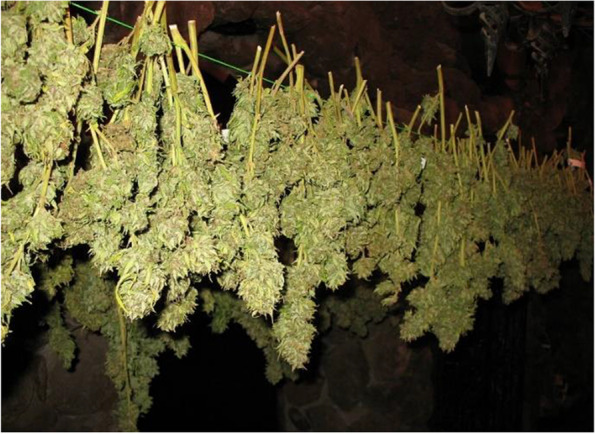
“Cannabis sativa , commonly known as marijuana (Figure 1), is a herbaceous flowering annual plant that belongs to the family of Cannabaceae and the genus Cannabis [1,2].”
The Elusive Truth of Cannabinoids for Rheumatic Pain
Clarke, H. A., Miles, S. J., Peer, M., & Fitzcharles, M. (2024) · Current Rheumatology Reports · doi:10.1007/s11926-024-01162-9
“The product may then be reconstituted in a carrier liquid such as edible oils of olive, cocoFnut, or hemp [44].”
Delgado-Rodríguez, J., Romero, P. A. A., & Benítez, R. B. (2023) · Ciencia e Ingeniería Neogranadina · doi:10.18359/rcin.6588 · Cited by 1
“Estas metodologías deben estar enmarcadas en la química verde y la economía circular [12].”
BackgroundAnalytical strategies for herbal Cannabis samples in forensic applications: A comprehensive review
Slosse, A., Durme, F. V., Eliaerts, J., Samyn, N., Mangelings, D., & Heyden, Y. V. (2023) · Wiley Interdisciplinary Reviews Forensic Science · doi:10.1002/wfs2.1479 · Cited by 2
Recovery of cannabinoids from Cannabis sativa flowers using modifier/water leaching method
Lu, H. T., Li, W., Deseo, M. A., Stevens, G. W., Bacic, A., Doblin, M. S., & Mumford, K. A. (2025) · Separation and Purification Technology · doi:10.1016/j.seppur.2025.136141 · Cited by 1
Sui, X., he, D., Li, P., Zhu, L., Xie, Y., Ye, T., Zhou, L., & Xie, S. (2026) · Molecules · doi:10.3390/molecules31213872
The Dynamics of Industrial Hemp within Circular Economy Systems: A Review
Zishiri, R. M., Mhuru, E. W., Maphosa, M., Parwada, C., Mhlahlayazi, M., Haripo, T. T., & Mutetwa, M. (2026) · Agricultural Reviews · doi:10.18805/ag.rf-441
“They are made from leaves, seed and flower extracts (Lazarjani et al ., 2021).”
Zhang, B., Nan, J., Zhang, Y., Zhang, B., Ke, C., Wang, W., Wu, T., Xia, J., Yang, F., He, M., et al. (2026) · European Journal of Medicinal Chemistry · doi:10.1016/j.ejmech.2026.119360
Jaroenkunpanit, P., Wungsintaweekul, J., & Chetpattananondh, P. (2026) · ACS Food Science & Technology · doi:10.1021/acsfoodscitech.6c00127
Ortiz, R. S., Pereira, D., Mariotti, K. D. C., & Camargo, F. A. D. O. (2026) · Journal of Pharmaceutical and Biomedical Analysis · doi:10.1016/j.jpba.2026.117665
Mitochondrial dysfunction and autophagy activation underlie NK cell impairment induced by Cannabis
Bolduc, A., Tremblay, T., Almutairi, M., Semlali, A., & Loubaki, L. (2026) · PLoS ONE · doi:10.1371/journal.pone.0350750
“The cannabis joint extract (CJE) was prepared using a passive extraction method [21].”
Metadata
- Authors
- Lazarjani, M. P., Young, O., Kebede, L., & Seyfoddin, A.
- Affiliations
- Auckland University of Technology (NZ)
- Corresponding author
- Seyfoddin, Ali
- Venue
- Journal of Cannabis Research
- Published
- 2021-07-19
- Volume
- 3
- Issue
- 1
- Pages
- 32-32
- ISSN
- 2522-5782 (ISSN-L)
- PMC
- PMC8290527
- OpenAlex
- W3184094075
- Cited by
- 144
- References
- 62
- Citations by year
- 2026: 23 · 2025: 47 · 2024: 29 · 2023: 25 · 2022: 19
- FWCI
- 2.31
- Type
- journal article
- Language
- en
- Open access
- gold
- doi.org
- Locations
- Journal of Cannabis Research (publishedVersion, cc-by)
- PubMed Central (publishedVersion, cc-by)
- PubMed (publishedVersion)
- Tuwhera (Auckland University of Technology) (submittedVersion, cc-by)
- DOAJ (DOAJ: Directory of Open Access Journals) (submittedVersion, cc-by-sa)
- Topics
- Health Sciences › Medicine › Pharmacology (medical) › Cannabis and Cannabinoid Research
- Life Sciences › Agricultural and Biological Sciences › Food Science › Agricultural and Biological Research
- Life Sciences › Agricultural and Biological Sciences › Plant Science › Phytochemistry Medicinal Plant Applications
- Keywords
- medical cannabis, Cannabis sativa, drying methods, solvent extraction, solvent-free extraction, cannabinoids, terpenes, freeze-drying, green extraction
About these checks
Registry, retraction, Cites and statistics results are computed, not judged, with one exception: a printed reference that no index lists is read once by a model before it counts as a citation error. Claims are extracted by a model and kept only when their quote appears verbatim in the text; each cited source is then checked, with a model’s help, for whether it says what the claim relies on. Those verdicts can be wrong — read the claim’s quote and the cited source before relying on one.
Statistics and arithmetic are recomputed, not judged.
Confidence bands are shown only for fields calibrated on our annotated test set. None is calibrated yet, so no band is shown.
What counts as a claim ›How we measure confidence ›How we check this ›
Are you an author, or do you see a problem with this page? Request a review
