

Effect of the macroalgae Asparagopsis taxiformis on methane production and rumen microbiome assemblage
Open accessPublished version of a preprint
The DOI matches its Crossref record; 62 of the 64 references it cites were found in a registry or an index.
Abstract
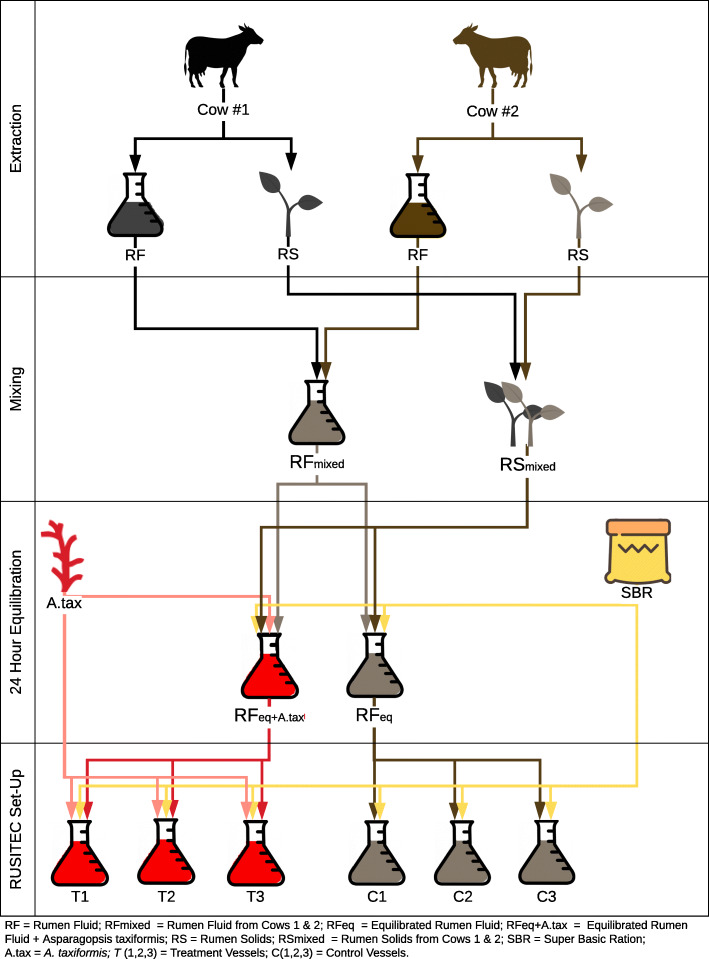
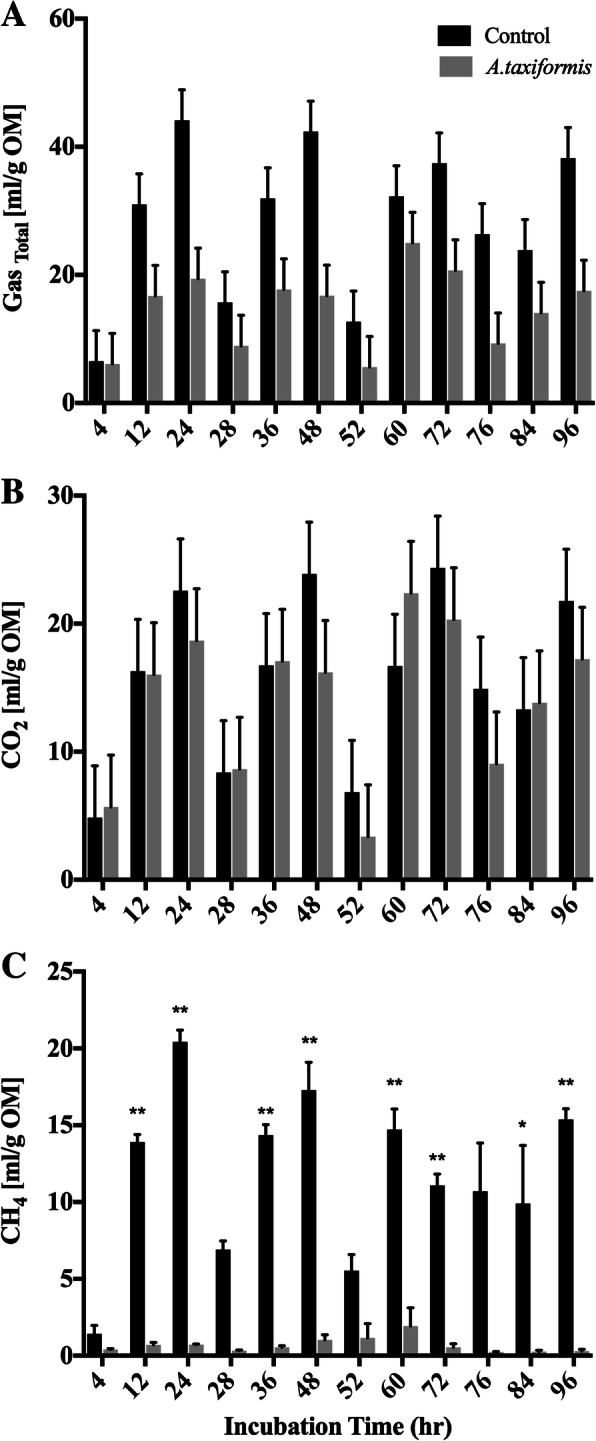
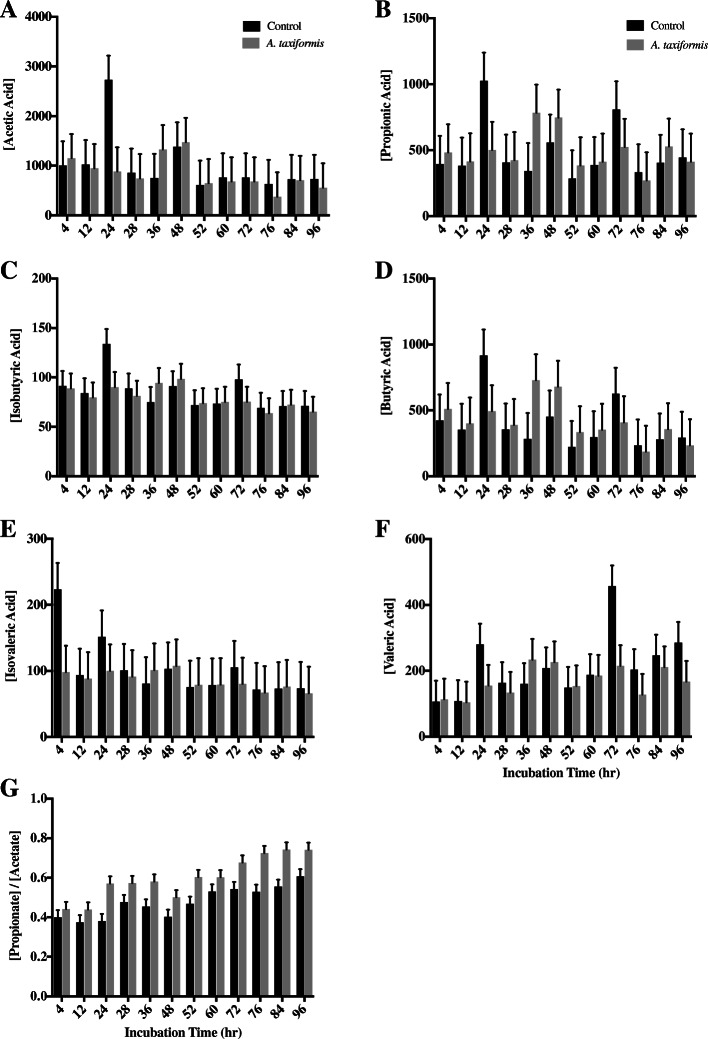
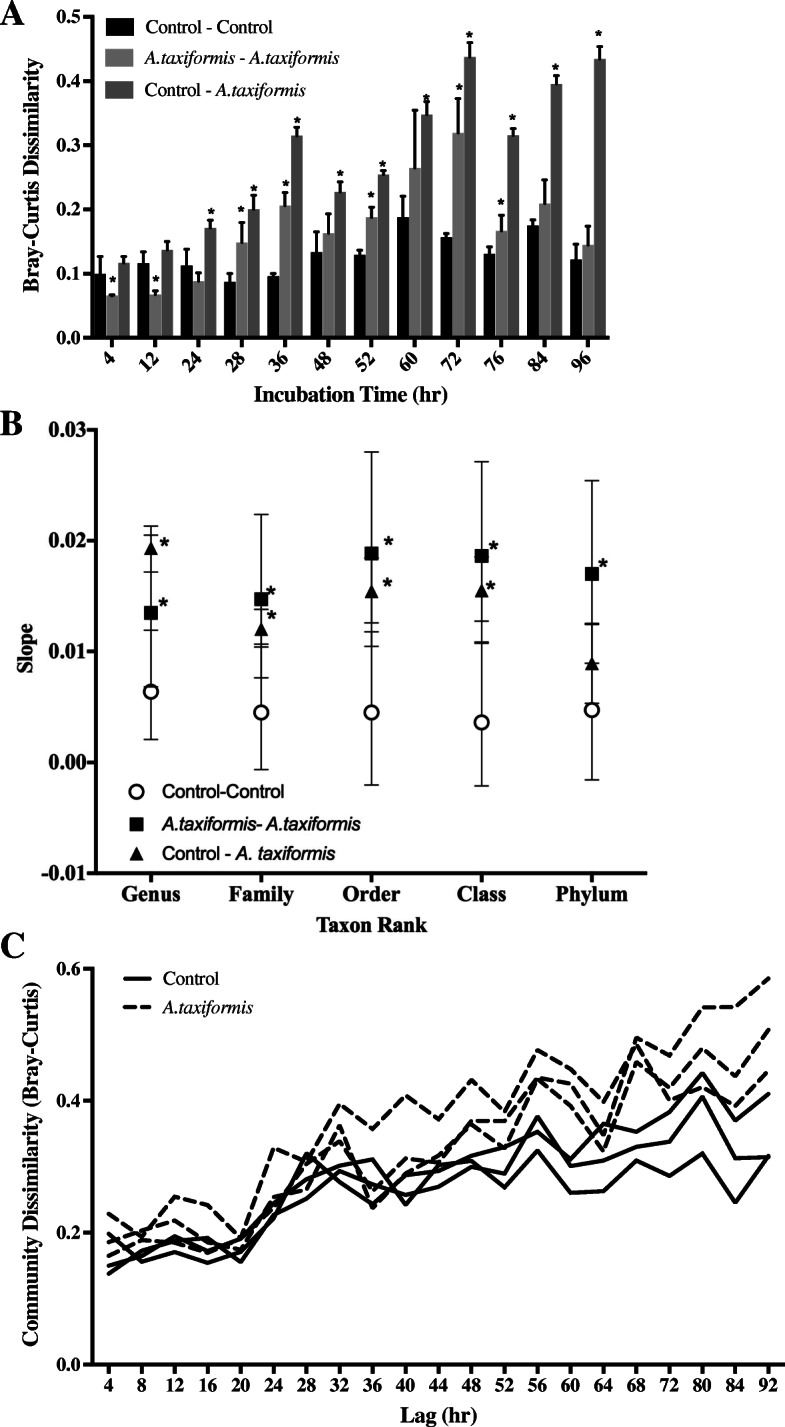
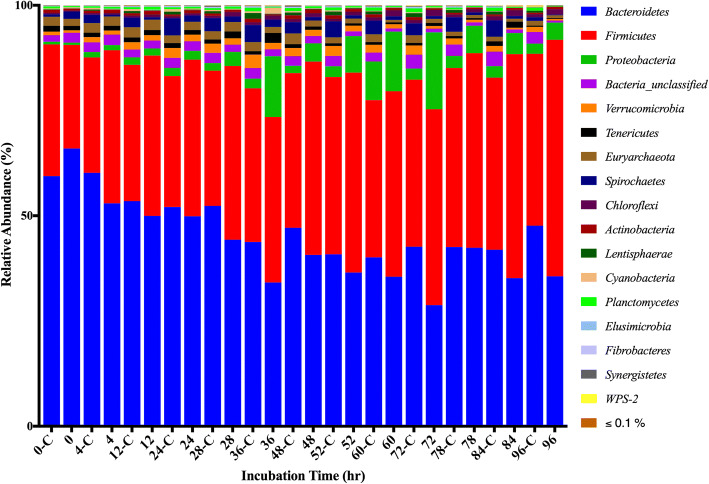
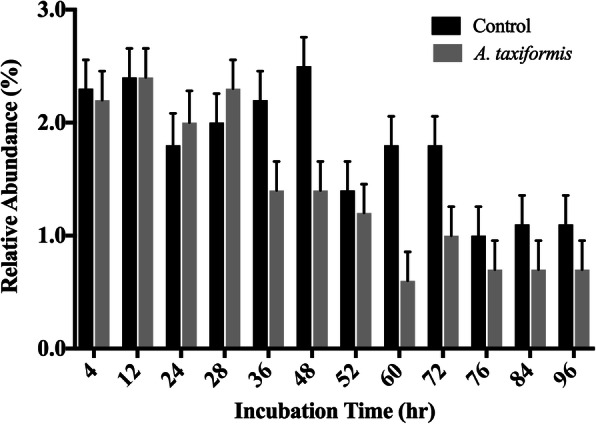
Recent studies using batch-fermentation suggest that the red macroalgae Asparagopsis taxiformis has the potential to reduce methane (CH 4 ) production from beef cattle by up to ~ 99% when added to Rhodes grass hay; a common feed in the Australian beef industry. These experiments have shown significant reductions in CH 4 without compromising other fermentation parameters (i.e. volatile fatty acid production) with A. taxiformis organic matter (OM) inclusion rates of up to 5%. In the study presented here, A. taxiformis was evaluated for its ability to reduce methane production from dairy cattle fed a mixed ration widely utilized in California, the largest milk producing state in the US. Fermentation in a semi-continuous in-vitro rumen system suggests that A. taxiformis can reduce methane production from enteric fermentation in dairy cattle by 95% when added at a 5% OM inclusion rate without any obvious negative impacts on volatile fatty acid production. High-throughput 16S ribosomal RNA (rRNA) gene amplicon sequencing showed that seaweed amendment effects rumen microbiome consistent with the Anna Karenina hypothesis, with increased β-diversity, over time scales of approximately 3 days. The relative abundance of methanogens in the fermentation vessels amended with A. taxiformis decreased significantly compared to control vessels, but this reduction in methanogen abundance was only significant when averaged over the course of the experiment. Alternatively, significant reductions of CH 4 in the A. taxiformis amended vessels was measured in the early stages of the experiment. This suggests that A. taxiformis has an immediate effect on the metabolic functionality of rumen methanogens whereas its impact on microbiome assemblage, specifically methanogen abundance, is delayed. The methane reducing effect of A. taxiformis during rumen fermentation makes this macroalgae a promising candidate as a biotic methane mitigation strategy for dairy cattle. But its effect in-vivo (i.e. in dairy cattle) remains to be investigated in animal trials. Furthermore, to obtain a holistic understanding of the biochemistry responsible for the significant reduction of methane, gene expression profiles of the rumen microbiome and the host animal are warranted.
Overview
The claims and statistics of this paper haven’t been checked yet.
Free: it reads the open-access text and checks the first 5 claims that cite a source we can check. Create a free account to check every claim.
Integrity signals
Registry
Cites
Statistics
Figures
Verification
Claims the paper makes
The claims and statistics of this paper haven’t been checked yet.
Free: it reads the open-access text and checks the first 5 claims that cite a source we can check. Create a free account to check every claim.
Claims other papers make about this one
Each is checked against this paper’s own text: does it say what the citing paper says it does?
The source backs part of the claim, not all of it — or backs it for a different population, condition or comparison.
In the citing paper
“Its positive role in reducing enteric methane emissions from cattle was in the spotlight as a result of recent studies (Maia et al., 2016; Roque et al., 2019; Kinley et al., 2020).”
From Current Status of the Algae Production Industry in Europe: An Emerging Sector of the Blue Bioeconomy (2021) · cites this paper as Roque et al., 2019
Experimental — accuracy not yet measuredThe cited source says what the claim attributes to it.
In the citing paper
“Just 1-2% of Asparagoposis per day of a cattle feed may reduce methane production by up to 70% [89], and 5% of A. taxiformis can reduce methane by 95% [90].”
From Oral Iron Supplementation—Gastrointestinal Side Effects and the Impact on the Gut Microbiota (2021) · cites this paper as [90]
Self-check
Percentages, sums and reported differences re-computed from the paper’s own numbers.
The self-check needs the paper’s full text.
Citations
Cites
R: A Language and Environment for Statistical Computing
R Core Team (2025) · doi:10.32614/r.manuals · Cited by 352,181
A Mathematical Theory of Communication
Shannon, C. E. (1948) · Bell System Technical Journal · doi:10.1002/j.1538-7305.1948.tb01338.x · Cited by 88,486
The SILVA ribosomal RNA gene database project: improved data processing and web-based tools
Quast, C., Pruesse, E., Yilmaz, P., Gerken, J., Schweer, T., Yarza, P., Peplies, J., & Glöckner, F. O. (2012) · Nucleic Acids Research · doi:10.1093/nar/gks1219 · Cited by 33,055
Schloss, P. D., Westcott, S. L., Ryabin, T., Hall, J. R., Hartmann, M., Hollister, E. B., Lesniewski, R. A., Oakley, B. B., Parks, D. H., Robinson, C. J., et al. (2009) · Applied and Environmental Microbiology · doi:10.1128/aem.01541-09 · Cited by 19,549
Climate Change 2007: The Physical Science Basis.
Schiavon, S., & Zecchin, R. (2007) · eScholarship (California Digital Library) · Cited by 16,994
UCHIME improves sensitivity and speed of chimera detection
Edgar, R. C., Haas, B. J., Clemente, J. C., Quince, C., & Knight, R. (2011) · Bioinformatics · doi:10.1093/bioinformatics/btr381 · Cited by 15,114
Excoffier, L., Smouse, P. E., & Quattro, J. M. (1992) · Genetics · doi:10.1093/genetics/131.2.479 · Cited by 13,929
An Ordination of the Upland Forest Communities of Southern Wisconsin
Bray, J. R., & Curtis, J. T. (1957) · Ecological Monographs · doi:10.2307/1942268 · Cited by 11,716
Greengenes, a Chimera-Checked 16S rRNA Gene Database and Workbench Compatible with ARB
DeSantis, T. Z., Hugenholtz, P., Larsen, N., Rojas, M., Brodie, E. L., Keller, K., Huber, T., Dalevi, D., Hu, P., & Andersen, G. L. (2006) · Applied and Environmental Microbiology · doi:10.1128/aem.03006-05 · Cited by 10,891
Ultra-high-throughput microbial community analysis on the Illumina HiSeq and MiSeq platforms
Caporaso, J. G., Lauber, C. L., Walters, W. A., Berg-Lyons, D., Huntley, J., Fierer, N., Owens, S. M., Betley, J., Fraser, L., Bauer, M., et al. (2012) · The ISME Journal · doi:10.1038/ismej.2012.8 · Cited by 8,839
Research works printed but not linked: 1
- Gerber PJ, Henderson B, Makkar HPS. Food and Agriculture Organization of the United Nations: Mitigation of greenhouse gas emissions in livestock production: a review of technical options for non-CO 2 emissions. Rome: food and agriculture organization of the united nations. 2013. http://www. fao.org/docrep/018/i3288e/i3288e.pdf. Accessed 15 Mar 2018.
Cited by
Items 101–190 of 190
Un enfoque sistémico en los agronegocios: Oportunidades para el desarrollo rural
(2024) · Ediciones Comunicación Científica eBooks · doi:10.52501/cc.204 · Cited by 7
Theobald, E. J., Rule, M. B., Jackson, T., Rula, N. A. M., Díaz-Pulido, G., & Jackson, E. L. (2024) · Journal of Applied Phycology · doi:10.1007/s10811-024-03326-7 · Cited by 8
“The primary application is as a highly efficient feed supplement for mitigating enteric methane emissions in livestock (Machado et al. 2015; Roque et al. 2019); however, there are emerging markets in human and animal health, preservatives, nutraceuticals and cosmeceuticals (Félix et al. 2021).”
Roque, B. M., Brooke, C. G., Ladau, J., Polley, T. M., Marsh, L. J., Najafi, N., Pandey, P. K., Singh, L., Kinley, R. D., Salwen, J. K., et al. (2019) · Animal Microbiome · doi:10.1186/s42523-019-0005-3 · Cited by 7
“Robert Kinley was not listed among the authors in the original article [1].”
Self-citationYergaliyev, T., Künzel, S., Hanauska, A., Rees, A., Wild, K. J., Pétursdóttir, Á. H., Gunnlaugsdóttir, H., Reynolds, C. K., Humphries, D. J., Rodehutscord, M., et al. (2024) · Microbiology Spectrum · doi:10.1128/spectrum.03942-23 · Cited by 6
“This extent of reduction in CH 4 production for the AT harvested in the North Atlantic Ocean is consistent with previous findings with AT harvested in the Pacific Ocean which also generally showed a substantial reduction in CH 4 production (12, 13, 28).”
InfluentialTingley, J. P., Andersen, T. O., Mihalynuk, L., Xing, X., Low, K. E., Whiteside, D. P., Altshuler, I., Jujihara, N., Shearer, A. Y., Klassen, L., et al. (2026) · Nature Communications · doi:10.1038/s41467-026-70776-7 · Cited by 6
“1.8) 88 against 17 TB of ruminant metagenomic datasets from cattle, buffalo, deer, moose, yak, and sheep collected from the literature (Supplementary Data 6).”
InfluentialBifurcaria bifurcata extract exerts antioxidant effects on human Caco-2 cells
Martínez, M., Aedo, H., López-Torres, B., Maximiliano, J.-E., Martínez‐Larrañaga, M., Anadón, A., Martínez, M., Peteiro, C., Cueto, M., Rubiño, S., et al. (2023) · Environmental Research · doi:10.1016/j.envres.2023.116141 · Cited by 7
Sakti, A. A., Suwignyo, B., Sofyan, A., Hanim, C., Herdian, H., Jasmadi, J., Pasaribu, T., Julendra, H., Gunawan, G., Ratnawati, P., et al. (2024) · Veterinary Integrative Sciences · doi:10.12982/vis.2024.031 · Cited by 8
Andreen, D. M., Billman, E. D., Brito, A. F., & Soder, K. J. (2025) · Journal of Dairy Science · doi:10.3168/jds.2024-26024 · Cited by 5
Ramos, T. R., Dash, S. S., do Prado, I. N., McAllister, T. A., Stanford, K., & Terry, S. A. (2025) · Canadian Journal of Animal Science · doi:10.1139/cjas-2025-0009 · Cited by 5
Morsy, A. S., Soltan, Y. A., Al‐Marzooqi, W., & El‐Zaiat, H. M. (2025) · Sustainability · doi:10.3390/su17146458 · Cited by 6
Ahmad, I., Rawnsley, R., Bowman, J. P., & Omede, A. A. (2025) · Journal of Dairy Science · doi:10.3168/jds.2025-26915 · Cited by 7
Silva, J. A., Valente, J. D. P. S., Mota, L. F. M., Rodrigues, G. R. D., Soares, T. L. D. S., Marcatto, J. D. O. S., Pelaez, A. M., Monteiro, F. M., Canesin, R. C., de Albuquerque, L. G., et al. (2025) · Journal of Animal Breeding and Genetics · doi:10.1111/jbg.70037 · Cited by 7
“Combining genetic selection (González-Recio et al. 2020; Hegarty et al. 2007) with nutritional strategies (Roque et al. 2019) is key to reducing CH 4 emissions while maintaining efficiency.”
Assessing the methane mitigation potential of Canadian red seaweeds using in vitro batch culture
Terry, S. A., Garcia, V., & Beauchemin, K. A. (2023) · Canadian Journal of Animal Science · doi:10.1139/cjas-2023-0063 · Cited by 5
“Similarly, up to 60% reduction in CH 4 emissions adjusted for milk production was reported upon feeding lactating dairy cows Asparagopsis armata at 1.0% OM for a 21 day period (Roque et al. 2019 b ).”
BackgroundResultInfluentialSoontharapirakkul, K. (2023) · Agriculture and Natural Resources · doi:10.34044/j.anres.2023.57.6.09 · Cited by 6
The brown seaweed genus Zonaria: major features, biotechnological potential, and applications
Cardoso, C. L., Afonso, C. M., Quintã, R., & Bandarra, N. M. (2022) · Journal of Applied Phycology · doi:10.1007/s10811-022-02773-4 · Cited by 5
Batch culture analysis to identify potent organic acids for suppressing ruminal methane production
Yamada, K., Iwamae, K., Suzuki, Y., Koike, S., & Kobayashi, Y. (2023) · Animal Science Journal · doi:10.1111/asj.13873 · Cited by 5
Barnes, K., Hayes, M., Miller, F., Yáñez-Ruíz, D. R., Jiménez, E., Dillon, L., Campbell, E., McCarron, P., Pickup, J., Huws, S., et al. (2025) · Journal of the Science of Food and Agriculture · doi:10.1002/jsfa.70016 · Cited by 4
“55 used a comparable inclusion rate of 5% (organic matter) of AT and found reductions of 95% in vitro .”
Terefe, G., & Walelegne, M. (2024) · CABI Reviews · doi:10.1079/cabireviews.2024.0013 · Cited by 4
Xu, Z.-Y., Liu, C.-H., Chen, B., Liu, L.-L., Lo, J.-L., Kuo, C.-H., & Chiu, K.-H. (2025) · The Science of The Total Environment · doi:10.1016/j.scitotenv.2025.179045 · Cited by 4
Webb, J., Zhao, M., Campbell, A. H., Paul, N. A., Cummins, S. F., & Eamens, A. L. (2025) · Genes · doi:10.3390/genes16040442 · Cited by 4
Effect of SOP “STAR COW” on Enteric Gaseous Emissions and Dairy Cattle Performance
Ross, E. G., Peterson, C. B., Carrazco, A. V., Werth, S. J., Zhao, Y., Pan, Y., DePeters, E. J., Fadel, J. G., Chiodini, M. E., Poggianella, L., et al. (2020) · Sustainability · doi:10.3390/su122410250 · Cited by 4
Thépot, V., Slinger, J., Rimmer, M. A., Paul, N. A., & Campbell, A. H. (2022) · Microorganisms · doi:10.3390/microorganisms10030497 · Cited by 4
“taxiformis was also expected to significantly modulate the GI microbiome of the rabbitfish fed that supplement due to its production and storage of potent antimicrobial bioactives [20] and its fast modulatory effect on the rumen microbes of ruminants [67,68].”
BackgroundBlondiaux, P., Kiessé, T. S., Eugène, M., & Muñoz‐Tamayo, R. (2025) · Peer Community Journal · doi:10.24072/pcjournal.644 · Cited by 4
Sustainability and greenhouse gas emissions from beef production
Capper, J. L. (2023) · Elsevier eBooks · doi:10.1016/b978-0-323-85125-1.00172-1 · Cited by 4
Seaweed as a functional feed supplement in animal diet–A review
REDDY, P. B., Das, A., & Verma, A. K. (2024) · The Indian Journal of Animal Sciences · doi:10.56093/ijans.v94i4.144829 · Cited by 6
Zhao, J., Guo, Y., Zhang, P., Zeng, W., Fan, J., Chen, C., & Zhang, W. (2025) · Animal nutrition · doi:10.1016/j.aninu.2025.09.002 · Cited by 3
Bridging Science and Strategy: The Emerging R&D Portfolio of the Australian Seaweed Industry
Li, Y., Rule, M., Clarke, S., & Qin, J. G. (2025) · Algae and Environment · doi:10.53941/algaeenviron.2025.100006 · Cited by 3
“However, the red seaweed Asparagopsis has shown an outstanding capacity of suppressing enteric methane production by over 80%, mediated through its bromoform content to inhibit methanogenesis in the rumen [14–17].”
The impact of methane inhibitors on ruminants: A systematic review and meta-analysis
Hu, G., Gao, J., Padmakumar, V., Joshi, N., Zhu, W., & Cheng, Y. (2026) · Journal of Dairy Science · doi:10.3168/jds.2025-27479 · Cited by 3
Lawther, K., Dimonaco, N. J., Donnelly, P., Guinguina, A., Krizsan, S. J., & Huws, S. (2026) · Microbiome · doi:10.1186/s40168-026-02447-0 · Cited by 3
“For example, using the in vitro RUSITEC technology, which mimics the rumen environment, coupled with metataxonomy, Roque et al. [58] showed that A. taxiformis did not substantially alter the rumen microbiome.”
Swine Nutrition and Environment
Fan, M. Z., Kerr, B. J., Trabue, S. L., Yin, X., Yang, Z., & Wang, W. (2022) · Wiley eBooks · doi:10.1002/9781119583998.ch20 · Cited by 4
Álvarez, C., Andersen, T. O., Eikanger, K. S., Hamfjord, I. W., Niu, P., Weiby, K. V., Årvik, L., Dörsch, P., Hagen, L. H., Pope, P. B., et al. (2022) · Acta Agriculturae Scandinavica Section A – Animal Science · doi:10.1080/09064702.2022.2152196 · Cited by 3
“…about the site of rumen fl uid collection is often incomplete and no details are given about the insertion depth of the tube in intact animals or the collection sites within the rumen (central, ventral, cranial, caudal) in cannulated animals (Machado et al., 2014, 2016a, 2016b; Roque et al., 2019).”
BackgroundResultFrazier, A., Belk, A. D., Beck, M. R., & Koziel, J. A. (2024) · PLoS ONE · doi:10.1371/journal.pone.0308914 · Cited by 3
“Recently, research has reported that manipulation of the ruminant microbiome could prove a promising avenue for CH 4 reductions [12, 19–20, 24, 61].”
BackgroundMerk, K., Link, K. G., Guy, R. D., & Hess, M. (2023) · bioRxiv (Cold Spring Harbor Laboratory) · doi:10.1101/2023.11.30.569127 · Cited by 3
“In this work we calibrated a previously established rumen fermentation model with data collected from an in vitro trial testing the effects of promising feed additive, A. taxiformis (3,12).”
BackgroundMethodInfluentialSelf-citationResearch on enteric methane mitigation in Chile: Ten years of scientific insights
Ungerfeld, E. M., Muñoz, C., Urrutia, N. L., Ávila–Stagno, J., & Keim, J. P. (2025) · Austral journal of veterinary sciences · doi:10.4206/ajvs.57.10 · Cited by 2
Hypophosphite Is a Naturally Occurring Selective Inhibitor of Syntrophic Methanogenesis
Hu, R., Weaver, M. E., Day, L. A., Marquez, J. M., Aronson, H. S., Meier, D. A. O., Romero, P., Halim, M. F. A., Maxwell, A. D., Costa, K. C., et al. (2026) · Environmental Science & Technology · doi:10.1021/acs.est.6c03870 · Cited by 2
“Gene fitness for these experiments is available on fit.genomics.lbl.gov as set15S713, set15S714, set15S711, set15S712.”
Self-citationArndt, K. A., Reyes, D. C., Quigley, C. T. C., Brito, A. F., Price, N. N., & Contosta, A. R. (2023) · Journal of Sustainable Agriculture and Environment · doi:10.1002/sae2.12082 · Cited by 2
MARINE ALGAE: EVALUATION OF THE POTENTIAL FOR USE IN FARM ANIMAL DIETS (review)
Kochish, I. I. (2023) · Sel skokhozyaistvennaya Biologiya · doi:10.15389/agrobiology.2023.6.1006eng · Cited by 27
Hidayah, N., Kustantinah, K., Astuti, A., & Noviandi, C. T. (2025) · Ciência e Agrotecnologia · doi:10.1590/1413-7054202549023124 · Cited by 2
“Seaweed supplementation in diet has been proven can reduce methane emissions and increase the productivity of ruminants (Roque et al., 2019; Kinley et al., 2020; Min et al., 2021; Choi et al., 2021).”
Sığırlarda Enterik Metan Emisyonlarının Azaltılmasında Makroalg ve 3-Nitrooksipropanol’un Etkinliği
Muruz, H., & SERTKAYA, Z. T. (2022) · Journal of Anatolian Environmental and Animal Sciences · doi:10.35229/jaes.1180444 · Cited by 1
Sun, Y., Li, S., Guo, T., Tong, X., Zhang, Z., Yang, Y., Wang, Q., Li, D., & Li, M. (2025) · Agriculture · doi:10.3390/agriculture15161768 · Cited by 1
Metabolism of iodoform in dairy cows: Absorption and excretory pathways
R⊘nn, M., N⊘rskov, N. P., Thorsteinsson, M. M., & Nielsen, M. O. (2026) · Journal of Dairy Science · doi:10.3168/jds.2025-27329 · Cited by 1
Menni, G., Giudice, F., Battelli, M., Dai, X., Rapetti, L., Galassi, G., Ramin, M., Crovetto, G. M., & Colombini, S. (2026) · Frontiers in Animal Science · doi:10.3389/fanim.2026.1816504 · Cited by 1
Muizelaar, W., Sloth, J. J., Fromberg, A., Jensen, S. N., Dijkstra, J., & Zaccaria, E. (2026) · animal · doi:10.1016/j.animal.2026.101879 · Cited by 1
Enhancing Methane Production from Spring-Harvested Sargassum muticum
Maneein, S., Milledge, J. J., & Nielsen, B. V. (2021) · Springer proceedings in energy · doi:10.1007/978-3-030-63916-7_15 · Cited by 1
Potential of Seaweeds to Mitigate Methane Emissions
Steinhausen, S. L., Abomohra, A., & Hanelt, D. (2023) · Springer eBooks · doi:10.1007/978-3-031-42026-9_15 · Cited by 2
Canul-Ku, L. A., Casanova-Lugo, F., Aguilar-Urquizo, E., Pérez, I. A. V., Arcos-Álvarez, D. N., Canul-Solís, J., Castillo-Sánchez, L., Chay-Canul, A., Dzib-Castillo, B., & Piñeiro-Vázquez, A. (2025) · Fermentation · doi:10.3390/fermentation11070390 · Cited by 2
Muñoz‐Tamayo, R., Chagas, J. C. C., Ramin, M., & Krizsan, S. J. (2020) · bioRxiv (Cold Spring Harbor Laboratory) · doi:10.1101/2020.11.09.374330 · Cited by 1
Thépot, V., Slinger, J., Rimmer, M. A., Paul, N. A., & Campbell, A. H. (2020) · Research Square · doi:10.21203/rs.3.rs-72158/v1 · Cited by 1
Optimising tools for metabolic engineering in the marine diatom Phaeodactylum tricornutum
Faessler, A. C. (2023) · Apollo (University of Cambridge) · doi:10.17863/cam.109041 · Cited by 3
Editorial: Sustainable sustenance
Knight, C. H. (2021) · Journal of Dairy Research · doi:10.1017/s0022029921000479
“The idea that we can routinely control the incredibly complex fauna and flora of the rumen in the same way that we can manage the animal itself always seemed ambitious to me, but near-complete reduction in methane emissions has been achieved by rather simple dietary manipulations such as seaweed inclusion (Roque et al…”
BackgroundMunasik, M., Prayitno, C. H., & Widiyastuti, T. (2022) · Advances in biological sciences research/Advances in Biological Sciences Research · doi:10.2991/absr.k.220401.024
“Bromoform could prevent the activity of enzyme by binding the vitamin B12 that resemble metanogenesis co-factor [4].”
BackgroundDeolu‐Ajayi, A. O., Muizelaar, W., & van der Werf, A. (2022) · doi:10.18174/566553 · Cited by 1
Rumen degradation profile of several macroalgae collected from Gunungkidul D.I. Yogyakarta
Herdian, H., Sofyan, A., Sakti, A. A., Darma, I. N. G., Jasmadi, Novianty, H., Sefrienda, A. R., Kurniawan, T., Hariyadi, S., Adianto, N., et al. (2023) · CRC Press eBooks · doi:10.1201/9781003370048-23
The possibility of greenhouse gas emissions reduction from the dairy cattle farms
Topczewska, J., Krupa, W., Ormian, M., & Lechowska, J. (2023) · Polish Journal for Sustainable Development · doi:10.15584/pjsd.2023.27.1.6
МОРСКИЕ ВОДОРОСЛИ: ПОТЕНЦИАЛ ИСПОЛЬЗОВАНИЯ В РАЦИОНАХ СЕЛЬСКОХОЗЯЙСТВЕННЫХ ЖИВОТНЫХ (обзор)
Скрябина, Ф. В. М. Г. А. В. М. И. Б. —. М. И. К. И., & Kochish, I. I. (2023) · Sel skokhozyaistvennaya Biologiya · doi:10.15389/agrobiology.2023.6.1006rus
Methane gas production and phenolic compound of two species in tropical brown seaweeds
Hidayah, N., Astuti, A., Noviandi, C. T., & Kustantinah, K. (2024) · IOP Conference Series Earth and Environmental Science · doi:10.1088/1755-1315/1360/1/012015
Zijlstra, J., & Jansman, A. J. M. (2024) · doi:10.18174/657546
Torres, A., Naz, S., Verma, D. K., & Otero, P. (2024) · Elsevier eBooks · doi:10.1016/b978-0-443-21674-9.00001-5
Examining hydrogen peroxide-containing organelles in seaweeds
Ramahi, J. S., Hokeness, K. L., Gonzales, J., Allen, J., Marquez, R. D. P., Rojas, R. A. A., Ingram, S., Capponi, S., Smith, J. E., Herzen, B. P. V., et al. (2024) · PubMed Central · doi:10.17912/micropub.biology.001217
“Anaerobic fermentation by ruminal microbiota is responsible for CH 4 emission (Roque et al., 2019).”
BackgroundMethodBhuyan, M. S., Haider, S. M. B., Islam, M. T., Mojumder, I. A., HUSAIN, A., Chowdhury, E., Roy, R., Ali, M. M., & Pandıt, D. (2025) · Journal of Applied Life Sciences and Environment · doi:10.46909/alse-581165
Hidayah, N., Astuti, A., Noviandi, C. T., & Kustantinah, K. (2025) · IOP Conference Series Earth and Environmental Science · doi:10.1088/1755-1315/1482/1/012005
Methane and carbon dioxide emissions from dairy cows:Related phenotypes and mitigation strategies
Kjeldsen, M. H. (2024) · Cited by 1
Takizawa, S. (2025) · Nihon Chikusan Gakkaiho · doi:10.2508/chikusan.96.193
Mueller, E. P., Duong, R. A., Eiler, J. M., Hess, M., & Sessions, A. L. (2026) · Applied and Environmental Microbiology · doi:10.1128/aem.00489-26
“Although dosed at low concentrations ( 2% w/w), these additives have been shown to drastically decrease methane production in ruminant animals (4, 6).”
Self-citationNewton, E. E. (2023) · CentAUR (University of Reading) · doi:10.48683/1926.00114248 · Cited by 1
Pedro, R. M. (2023) · Institutional Repository of the University of Granada (University of Granada)
Reproduction and cultivation of asparagopsis taxiformis (Delile) trevisan
Batista, M. M. (2020) · Portuguese National Funding Agency for Science, Research and Technology (RCAAP Project by FCT)
Huws, S., Oyama, L. B., & Creevey, C. J. (2022) · Research Portal (Queen's University Belfast) · Cited by 1
Nassrani, J., & Castillejos, L. (2025) · Zaguan (Universidad de Zaragoza)
Effect of Bromoform on rumen parameters, methane emission and microbial diversity in beef cattle
Vieira, K. P. N. (2024) · LA Referencia (Red Federada de Repositorios Institucionales de Publicaciones Científicas)
Angellotti, M. (2026) · Acta universitatis agriculturae Sueciae · doi:10.54612/a.27fpu0nagv
Activated carbon stabilises bromoform and is an effective carrier for methane mitigation in vitro
Myers, M., Tomkins, N. W., Payne, S., Mozumder, Singh, A., & Callaghan, M. (2026) · Animal Feed Science and Technology · doi:10.1016/j.anifeedsci.2026.116642
Rabee, A. E., Ghandour, M. M. M., Sallam, A. M., Elwakeel, E. A., El-Hamid, I. S. A., Abdel-Wahed, A. M., & Raef, O. (2026) · Journal of Applied Phycology · doi:10.1007/s10811-026-03790-3
Brunnbauer, S., Meyer, U., Kluess, J., Billenkamp, F., Visscher, C., Reich, M., Schweder, T., Schulz, C., Paschen, M., Dänicke, S., et al. (2026) · Ruminants · doi:10.3390/ruminants6010018
Can electron acceptor supplementation improve ruminant production when methanogenesis is inhibited?
Huang, R. (2023) · theses.fr (ABES) · doi:10.70675/c89e5374za76fz4cd6zb970zc6c790568e71 · Cited by 1
Uddin, M., Selim, A. S. M., Roy, U. K., Esha, K.-A.-J., Seema, S. Z., Tamanna, S. N., Habiba, M. U., Haque, M. M., Hoque, S. A. M., Abass, K. S., et al. (2026) · Phycology · doi:10.3390/phycology6020043
Gunawan, G., Sofyan, A., Winarti, E., Kusnadi, H., Sakti, A. A., Darma, I. N. G., Altandjung, R. I., Wulandari, W., Wardono, H., Baihaqi, Z. A., et al. (2026) · Journal of Advanced Veterinary and Animal Research · doi:10.5455/javar.2026.m1012
Canul-Ku, L. A., Sanginés-García, J. R., Casanova-Lugo, F., Vargas‐Bello‐Pérez, E., Aguilar-Urquizo, E., Canúl-Solís, J. R., Piñeiro-Vázquez, Á. T., Yam-Chale, E., & Pérez, I. A. V. (2026) · Veterinaria México OA · doi:10.22201/fmvz.24486760e.2026.1435
Arteaga, M. J. E., & Rincón–Acosta, F. (2026) · Código Científico Revista de Investigación · doi:10.55813/gaea/ccri/v7/n1/1492
Cultivation and Commercialization of Asparagopsis : Developments, Challenges, and Future Directions
Rule, M. B., Theobald, E. J., Kumar, M., Martins, A. P., & Patwary, Z. P. (2026) · CABI eBooks · doi:10.1079/9781836990246.0009
Min, B. R., Genovese, G., Spagnuolo, D., Hilaire, M., Ismael, H., Chaudhary, S., Pitta, D., & Indugu, N. (2026) · Animal Science Journal · doi:10.1111/asj.70225
Seaweed Biostimulants in Reducing Global Carbon Footprint
Yogendra, N. D., Gopalakrishnan, V. A. K., Prajapati, J. V., & Ghosh, A. (2026) · Springer eBooks · doi:10.1007/978-3-032-26637-8_6
Emerging Seaweed Industry Development in South-Eastern Bangladesh: A Comprehensive Review
Hasan, M. M., Hira, B., Hossain, M. S., Jahan, I. T., Islam, M. M., Rahman, M. S., & Ahammed, T. (2026) · Sustainable Aquatic Research · doi:10.65869/sar.v5.i2.161
Jiang, N., Zhang, Y., Ishikawa, M., & Zhang, X. (2026) · Fermentation · doi:10.3390/fermentation12090443
“The methane mitigation mechanism involves bromoform (CHBr 3 ) acting as a structural analog of the Ni-cofactor F430 in methyl-coenzyme M reductase (MCR), competitively binding to the active site and blocking the terminal step of methano-genesis [121,122,135].”
Can Seaweed Be a Sustainable, One Health Resource in Livestock and Poultry Diets?
Shurson, G. C. (2026) · Animals · doi:10.3390/ani16193071
Künzel, S., Yergaliyev, T., Wild, K. J., Philippi, H., Petursdottir, A. H., Gunnlaugsdottir, H., Reynolds, C. K., Humphries, D. J., Camarinha-Silva, A., & Rodehutscord, M. (2022) · doi:10.3389/fmicb.2022.889618.s001
O’Hara, E., Stephanie A. Terry, Moote, P., Beauchemin, K. A., McAllister, T. A., Abbott, D. W., & Gruninger, R. J. (2023) · doi:10.3389/fmicb.2023.1104667.s002
Metadata
- Authors
- Roque, B. M., Brooke, C. G., Ladau, J., Polley, T., Marsh, L. J., Najafi, N., Pandey, P., Singh, L., Kinley, R., Salwen, J. K., Eloe-Fadrosh, E., Kebreab, E., & Hess, M.
- Affiliations
- University of California, Davis (US)
- Joint Genome Institute (US)
- Commonwealth Scientific and Industrial Research Organisation (AU)
- Stanford University (US)
- Corresponding author
- Hess, Matthias
- ORCID
- Venue
- Animal Microbiome
- Published
- 2019-02-12
- Volume
- 1
- Issue
- 1
- Pages
- 3-3
- ISSN
- 2524-4671 (ISSN-L)
- PMC
- PMC7803124
- OpenAlex
- W2951507374
- Cited by
- 166
- References
- 64
- Citations by year
- 2026: 17 · 2025: 24 · 2024: 26 · 2023: 26 · 2022: 25 · 2021: 30 · 2020: 14 · 2019: 4
- FWCI
- 25.64
- Type
- journal article
- Language
- en
- Update notices
- correction (2019-03-27)
- Open access
- gold
- doi.org
- Licence
- cc-by
- creativecommons.org/licenses/by/4.0/ (tdm)
- creativecommons.org/licenses/by/4.0/ (vor)
- Locations
- Animal Microbiome (publishedVersion, cc-by)
- bioRxiv (Cold Spring Harbor Laboratory) (acceptedVersion, cc-by-nd)
- PubMed Central (publishedVersion, cc-by)
- PubMed (publishedVersion)
- DOAJ (DOAJ: Directory of Open Access Journals) (submittedVersion)
- eScholarship (California Digital Library) (submittedVersion)
- eScholarship (California Digital Library) (submittedVersion, cc-by)
- OSTI OAI (U.S. Department of Energy Office of Scientific and Technical Information) (submittedVersion)
- Funders
- ELM Innovations
- University of California, Davis
- Lawrence Berkeley National Laboratory (DE-AC02-05CH11231)
- Hellman Foundation (None)
- US Department of Agriculture (2017-67007-25944)
- Topics
- Life Sciences › Agricultural and Biological Sciences › Animal Science and Zoology › Ruminant Nutrition and Digestive Physiology
- Physical Sciences › Energy › Renewable Energy, Sustainability and the Environment › Anaerobic Digestion and Biogas Production
- Life Sciences › Agricultural and Biological Sciences › Animal Science and Zoology › Animal Nutrition and Physiology
- Keywords
- Asparagopsis taxiformis, enteric methane mitigation, rumen microbiome, dairy cattle, methanogenic archaea, volatile fatty acids, seaweed feed additives, rumen fermentation, 16S rRNA gene amplicon sequencing, microbial diversity
About these checks
Registry, retraction, Cites and statistics results are computed, not judged, with one exception: a printed reference that no index lists is read once by a model before it counts as a citation error. Claims are extracted by a model and kept only when their quote appears verbatim in the text; each cited source is then checked, with a model’s help, for whether it says what the claim relies on. Those verdicts can be wrong — read the claim’s quote and the cited source before relying on one.
Statistics and arithmetic are recomputed, not judged.
Confidence bands are shown only for fields calibrated on our annotated test set. None is calibrated yet, so no band is shown.
What counts as a claim ›How we measure confidence ›How we check this ›
Are you an author, or do you see a problem with this page? Request a review
Data sources
Bibliographic data: Semantic Scholar, OpenAlex, Crossref.
Contains information from the Semantic Scholar Academic Graph Datasets, made available under the ODC Attribution License (ODC-BY 1.0).
Semantic Scholar’s data is described in: Kinney, R., et al. (2023). The Semantic Scholar Open Data Platform. arXiv:2301.10140.
