

Effect of the macroalgae Asparagopsis taxiformis on methane production and rumen microbiome assemblage
Open accessPublished version of a preprint
The DOI matches its Crossref record; 62 of the 64 references it cites were found in a registry or an index.
Abstract
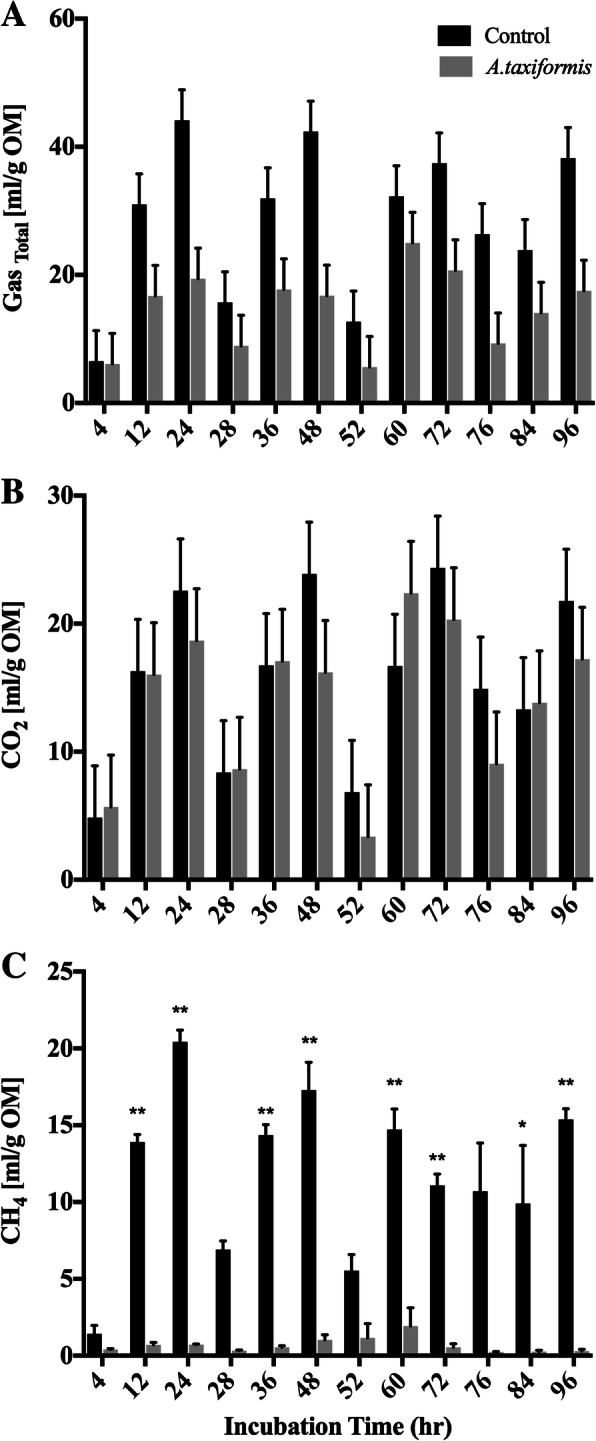
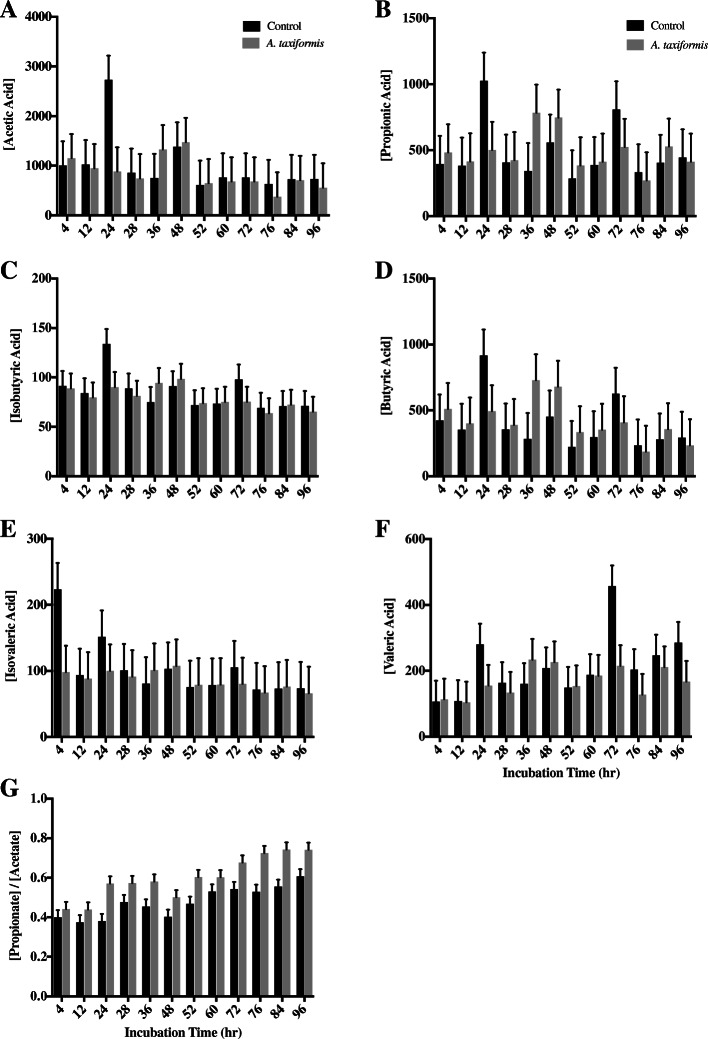
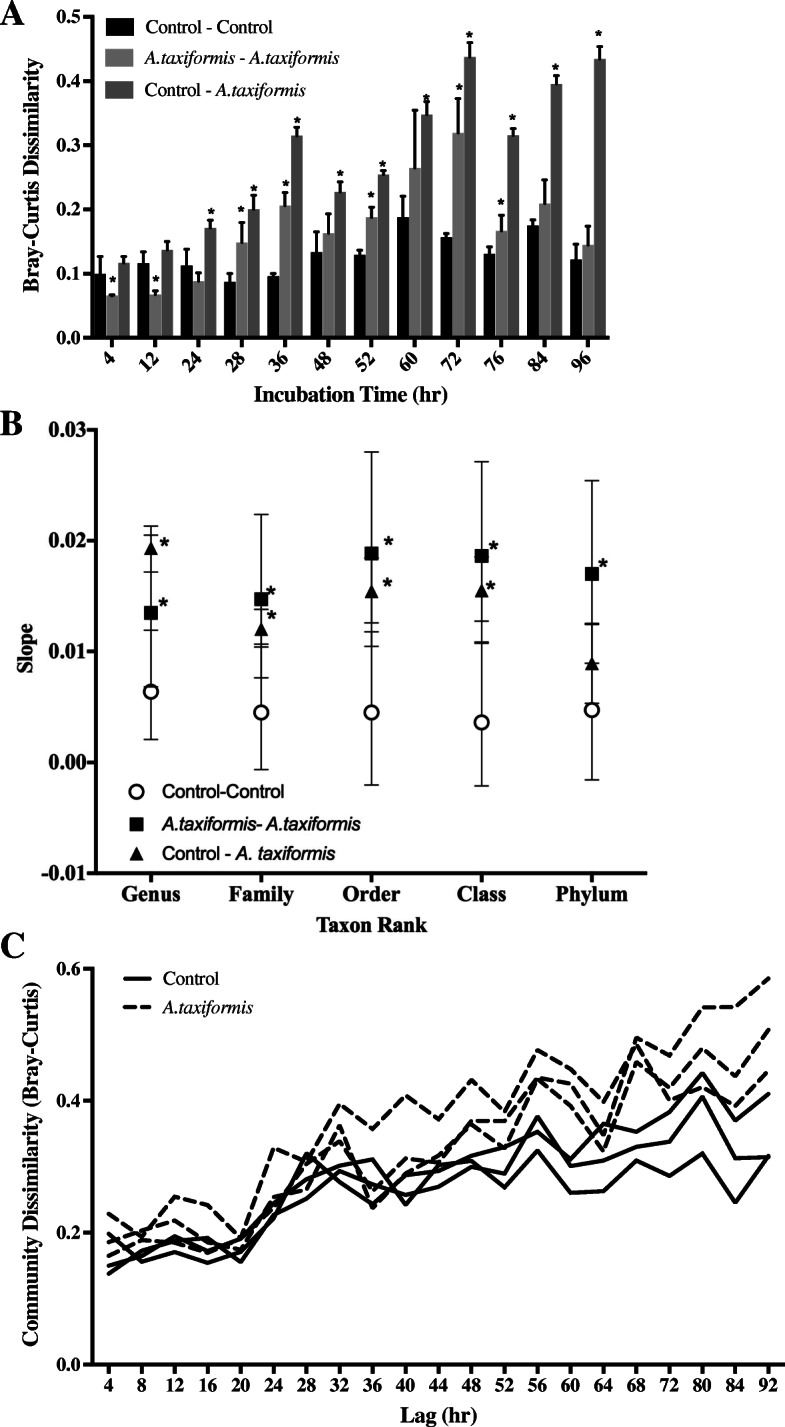
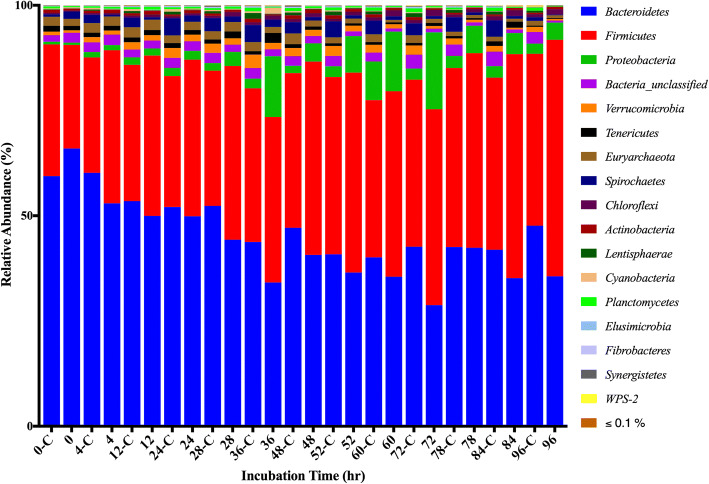
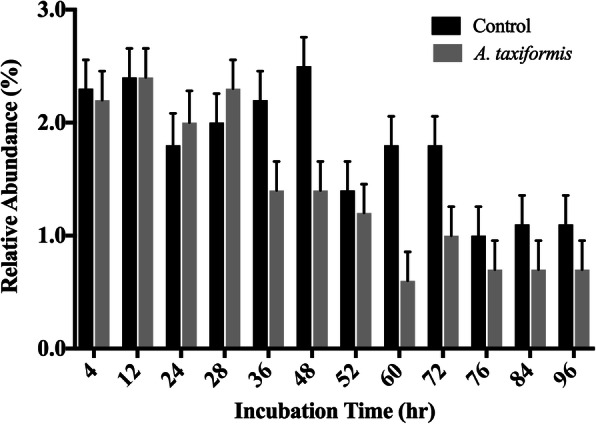
Recent studies using batch-fermentation suggest that the red macroalgae Asparagopsis taxiformis has the potential to reduce methane (CH 4 ) production from beef cattle by up to ~ 99% when added to Rhodes grass hay; a common feed in the Australian beef industry. These experiments have shown significant reductions in CH 4 without compromising other fermentation parameters (i.e. volatile fatty acid production) with A. taxiformis organic matter (OM) inclusion rates of up to 5%. In the study presented here, A. taxiformis was evaluated for its ability to reduce methane production from dairy cattle fed a mixed ration widely utilized in California, the largest milk producing state in the US. Fermentation in a semi-continuous in-vitro rumen system suggests that A. taxiformis can reduce methane production from enteric fermentation in dairy cattle by 95% when added at a 5% OM inclusion rate without any obvious negative impacts on volatile fatty acid production. High-throughput 16S ribosomal RNA (rRNA) gene amplicon sequencing showed that seaweed amendment effects rumen microbiome consistent with the Anna Karenina hypothesis, with increased β-diversity, over time scales of approximately 3 days. The relative abundance of methanogens in the fermentation vessels amended with A. taxiformis decreased significantly compared to control vessels, but this reduction in methanogen abundance was only significant when averaged over the course of the experiment. Alternatively, significant reductions of CH 4 in the A. taxiformis amended vessels was measured in the early stages of the experiment. This suggests that A. taxiformis has an immediate effect on the metabolic functionality of rumen methanogens whereas its impact on microbiome assemblage, specifically methanogen abundance, is delayed. The methane reducing effect of A. taxiformis during rumen fermentation makes this macroalgae a promising candidate as a biotic methane mitigation strategy for dairy cattle. But its effect in-vivo (i.e. in dairy cattle) remains to be investigated in animal trials. Furthermore, to obtain a holistic understanding of the biochemistry responsible for the significant reduction of methane, gene expression profiles of the rumen microbiome and the host animal are warranted.
Overview
The claims and statistics of this paper haven’t been checked yet.
Free: it reads the open-access text and checks the first 5 claims that cite a source we can check. Create a free account to check every claim.
Integrity signals
Registry
Cites
Statistics
Figures
Verification
Claims the paper makes
The claims and statistics of this paper haven’t been checked yet.
Free: it reads the open-access text and checks the first 5 claims that cite a source we can check. Create a free account to check every claim.
Claims other papers make about this one
Each is checked against this paper’s own text: does it say what the citing paper says it does?
The source backs part of the claim, not all of it — or backs it for a different population, condition or comparison.
In the citing paper
“Its positive role in reducing enteric methane emissions from cattle was in the spotlight as a result of recent studies (Maia et al., 2016; Roque et al., 2019; Kinley et al., 2020).”
From Current Status of the Algae Production Industry in Europe: An Emerging Sector of the Blue Bioeconomy (2021) · cites this paper as Roque et al., 2019
Experimental — accuracy not yet measuredThe cited source says what the claim attributes to it.
In the citing paper
“Just 1-2% of Asparagoposis per day of a cattle feed may reduce methane production by up to 70% [89], and 5% of A. taxiformis can reduce methane by 95% [90].”
From Oral Iron Supplementation—Gastrointestinal Side Effects and the Impact on the Gut Microbiota (2021) · cites this paper as [90]
Self-check
Percentages, sums and reported differences re-computed from the paper’s own numbers.
The self-check needs the paper’s full text.
Citations
Cites
R: A Language and Environment for Statistical Computing
R Core Team (2025) · doi:10.32614/r.manuals · Cited by 352,181
A Mathematical Theory of Communication
Shannon, C. E. (1948) · Bell System Technical Journal · doi:10.1002/j.1538-7305.1948.tb01338.x · Cited by 88,486
The SILVA ribosomal RNA gene database project: improved data processing and web-based tools
Quast, C., Pruesse, E., Yilmaz, P., Gerken, J., Schweer, T., Yarza, P., Peplies, J., & Glöckner, F. O. (2012) · Nucleic Acids Research · doi:10.1093/nar/gks1219 · Cited by 33,055
Schloss, P. D., Westcott, S. L., Ryabin, T., Hall, J. R., Hartmann, M., Hollister, E. B., Lesniewski, R. A., Oakley, B. B., Parks, D. H., Robinson, C. J., et al. (2009) · Applied and Environmental Microbiology · doi:10.1128/aem.01541-09 · Cited by 19,549
Climate Change 2007: The Physical Science Basis.
Schiavon, S., & Zecchin, R. (2007) · eScholarship (California Digital Library) · Cited by 16,994
UCHIME improves sensitivity and speed of chimera detection
Edgar, R. C., Haas, B. J., Clemente, J. C., Quince, C., & Knight, R. (2011) · Bioinformatics · doi:10.1093/bioinformatics/btr381 · Cited by 15,114
Excoffier, L., Smouse, P. E., & Quattro, J. M. (1992) · Genetics · doi:10.1093/genetics/131.2.479 · Cited by 13,929
An Ordination of the Upland Forest Communities of Southern Wisconsin
Bray, J. R., & Curtis, J. T. (1957) · Ecological Monographs · doi:10.2307/1942268 · Cited by 11,716
Greengenes, a Chimera-Checked 16S rRNA Gene Database and Workbench Compatible with ARB
DeSantis, T. Z., Hugenholtz, P., Larsen, N., Rojas, M., Brodie, E. L., Keller, K., Huber, T., Dalevi, D., Hu, P., & Andersen, G. L. (2006) · Applied and Environmental Microbiology · doi:10.1128/aem.03006-05 · Cited by 10,891
Ultra-high-throughput microbial community analysis on the Illumina HiSeq and MiSeq platforms
Caporaso, J. G., Lauber, C. L., Walters, W. A., Berg-Lyons, D., Huntley, J., Fierer, N., Owens, S. M., Betley, J., Fraser, L., Bauer, M., et al. (2012) · The ISME Journal · doi:10.1038/ismej.2012.8 · Cited by 8,839
Research works printed but not linked: 1
- Gerber PJ, Henderson B, Makkar HPS. Food and Agriculture Organization of the United Nations: Mitigation of greenhouse gas emissions in livestock production: a review of technical options for non-CO 2 emissions. Rome: food and agriculture organization of the united nations. 2013. http://www. fao.org/docrep/018/i3288e/i3288e.pdf. Accessed 15 Mar 2018.
Cited by
Current Status of the Algae Production Industry in Europe: An Emerging Sector of the Blue Bioeconomy
Araújo, R., Vázquez Calderón, F., Sánchez López, J., Azevedo, I. C., Bruhn, A., Fluch, S., Garcia Tasende, M., Ghaderiardakani, F., Ilmjärv, T., Laurans, M., et al. (2021) · Frontiers in Marine Science · doi:10.3389/fmars.2020.626389 · Cited by 653
“Its positive role in reducing enteric methane emissions from cattle was in the spotlight as a result of recent studies (Maia et al., 2016; Roque et al., 2019; Kinley et al., 2020).”
BackgroundGlobal and regional drivers of land-use emissions in 1961–2017
Hong, C., Burney, J. A., Pongratz, J., Nabel, J. E. M. S., Mueller, N. D., Jackson, R. B., & Davis, S. J. (2021) · Nature · doi:10.1038/s41586-020-03138-y · Cited by 574
The rumen microbiome: balancing food security and environmental impacts
Mizrahi, I., Wallace, R. J., & Moraïs, S. (2021) · Nature Reviews Microbiology · doi:10.1038/s41579-021-00543-6 · Cited by 490
Roque, B. M., Venegas, M., Kinley, R. D., de Nys, R., Duarte, T. L., Yang, X., & Kebreab, E. (2021) · PLOS ONE · doi:10.1371/journal.pone.0247820 · Cited by 433
Self-citationKinley, R. D., Martinez-Fernandez, G., Matthews, M. K., de Nys, R., Magnusson, M., & Tomkins, N. W. (2020) · Journal of Cleaner Production · doi:10.1016/j.jclepro.2020.120836 · Cited by 418
Self-citationBlue Growth Potential to Mitigate Climate Change through Seaweed Offsetting
Froehlich, H. E., Afflerbach, J. C., Frazier, M., & Halpern, B. S. (2019) · Current Biology · doi:10.1016/j.cub.2019.07.041 · Cited by 321
Adegbeye, M. J., Ravi Kanth Reddy, P., Obaisi, A. I., Elghandour, M. M. M. Y., Oyebamiji, K. J., Salem, A. Z. M., Morakinyo-Fasipe, O. T., Cipriano-Salazar, M., & Camacho-Díaz, L. M. (2020) · Journal of Cleaner Production · doi:10.1016/j.jclepro.2019.118319 · Cited by 300
Honan, M., Feng, X., Tricarico, J. M., & Kebreab, E. (2022) · Animal Production Science · doi:10.1071/an20295 · Cited by 223
Self-citationThe Essentials of Marine Biotechnology
Rotter, A., Barbier, M., Bertoni, F., Bones, A. M., Cancela, M. L., Carlsson, J., Carvalho, M. F., Cegłowska, M., Chirivella-Martorell, J., Conk Dalay, M., et al. (2021) · Frontiers in Marine Science · doi:10.3389/fmars.2021.629629 · Cited by 219
Glasson, C. R. K., Kinley, R. D., de Nys, R., King, N., Adams, S. L., Packer, M. A., Svenson, J., Eason, C. T., & Magnusson, M. (2022) · Algal Research · doi:10.1016/j.algal.2022.102673 · Cited by 207
Self-citationSeaweed and Seaweed Bioactives for Mitigation of Enteric Methane: Challenges and Opportunities
Abbott, D. W., Aasen, I. M., Beauchemin, K. A., Grondahl, F., Gruninger, R., Hayes, M., Huws, S., Kenny, D. A., Krizsan, S. J., Kirwan, S. F., et al. (2020) · Animals · doi:10.3390/ani10122432 · Cited by 184
“[14] and reveals that despite only small shifts in the composition of the microbial community, macroalgae can have significant impacts on the function of the rumen microbiome.”
BackgroundInfluentialKey Considerations for the Use of Seaweed to Reduce Enteric Methane Emissions From Cattle
Vijn, S., Compart, D. P., Dutta, N., Foukis, A., Hess, M., Hristov, A. N., Kalscheur, K. F., Kebreab, E., Nuzhdin, S. V., Price, N. N., et al. (2020) · Frontiers in Veterinary Science · doi:10.3389/fvets.2020.597430 · Cited by 172
Self-citationAdvancing Scientific Understanding of the Global Methane Budget in Support of the Paris Agreement
Ganesan, A. L., Schwietzke, S., Poulter, B., Arnold, T., Lan, X., Rigby, M., Vogel, F. R., van der Werf, G. R., Janssens‐Maenhout, G., Boesch, H., et al. (2019) · Global Biogeochemical Cycles · doi:10.1029/2018gb006065 · Cited by 161
“Within agriculture, preliminary research has shown how red algae and other dietary supplements can reduce methane emissions from cattle and sheep by as much as 95% (e.g., Li et al., 2018; Roque et al., 2019).”
BackgroundHarrison, M. T., Cullen, B. R., Mayberry, D. E., Cowie, A. L., Bilotto, F., Badgery, W. B., Liu, K., Davison, T., Christie, K. M., Muleke, A., et al. (2021) · Global Change Biology · doi:10.1111/gcb.15816 · Cited by 158
“…(2020); Leahy et al. (2019) Methane vaccine ER Rolfe (2001) Algal- derived ER Beauchemin et al. (2020); Davison et al. (2020); Kinley et al. (2020); Roque et al. (2019) Feedstuffs with low N concentration ER Christie et al. (2014); Leahy et al. (2020); Reisinger and Clark (2018) Biochar as animal…”
BackgroundMin, B. R., Parker, D. B., Bräuer, D., Waldrip, H. M., Lockard, C. L., Hales, K. E., Akbay, A., & Augytė, S. (2021) · Animal nutrition · doi:10.1016/j.aninu.2021.10.003 · Cited by 165
Oral Iron Supplementation—Gastrointestinal Side Effects and the Impact on the Gut Microbiota
Bloor, S. R., Schutte, R., & Hobson, A. R. (2021) · Microbiology Research · doi:10.3390/microbiolres12020033 · Cited by 117
“taxiformis can reduce methane by 95% [90].”
Invited Review: Methane Sources, Quantification, and Mitigation in Grazing Beef Systems
Thompson, L. R., & Rowntree, J. E. (2020) · Applied Animal Science · doi:10.15232/aas.2019-01951 · Cited by 112
Strategies to Mitigate Enteric Methane Emissions in Ruminants: A Review
Palangı, V., Taghizadeh, A., Abachi, S., & Lackner, M. K. (2022) · Sustainability · doi:10.3390/su142013229 · Cited by 104
Ocean Solutions That Benefit People, Nature and the Economy
Stuchtey, M., Vincent, A., Merkl, A. A., Bucher, M., Haugan, P. M., Lubchenco, J., & Pangestu, M. E. (2023) · Springer eBooks · doi:10.1007/978-3-031-16277-0_20 · Cited by 85
Magnusson, M. E., Vucko, M. J., Neoh, T. L., & de Nys, R. (2020) · Algal Research · doi:10.1016/j.algal.2020.102065 · Cited by 76
Management of Enteric Methanogenesis in Ruminants by Algal-Derived Feed Additives
McCauley, J. I., Labeeuw, L., Jaramillo-Madrid, A. C., Nguyen, L. N., Nghiem, L. D., Chaves, A. V., & Ralph, P. J. (2020) · Current Pollution Reports · doi:10.1007/s40726-020-00151-7 · Cited by 77
Weishaupt, A., Ekardt, F., Garske, B., Stubenrauch, J., & Wieding, J. (2020) · Sustainability · doi:10.3390/su12052053 · Cited by 75
Romero, P., Belanche, A., Jiménez, E., Hueso, R., Ramos‐Morales, E., Salwen, J. K., Kebreab, E., & Yáñez-Ruíz, D. R. (2023) · Journal of Animal Science and Biotechnology/Journal of animal science and biotechnology · doi:10.1186/s40104-023-00935-z · Cited by 73
“According to Roque et al. [45], the inclusion of AT had an effect on in vitro cumulative gas production.”
BackgroundMethodSelf-citationSelected Alternative Feed Additives Used to Manipulate the Rumen Microbiome
Michalak, M., Wojnarowski, K., Cholewińska, P., Szeligowska, N., Bawej, M., & Pacoń, J. (2021) · Animals · doi:10.3390/ani11061542 · Cited by 75
Choi, Y., Lee, S. J., Kim, H. S., Eom, J. S., Jo, S. U., Guan, L. L., Seo, J., Kim, H., Lee, S., & Lee, S. S. (2021) · Scientific Reports · doi:10.1038/s41598-021-03356-y · Cited by 70
Pardesi, B., Roberton, A. M., Lee, K. C. Y., Angert, E. R., Rosendale, D., Boycheva, S., White, W. L., & Clements, K. D. (2022) · Molecular Ecology · doi:10.1111/mec.16394 · Cited by 62
Saved by seaweeds: phyconomic contributions in times of crises
Mouritsen, O. G., Rhatigan, P., Cornish, M. L., Critchley, A. T., & Pérez‐Lloréns, J. L. (2020) · Journal of Applied Phycology · doi:10.1007/s10811-020-02256-4 · Cited by 64
“The other is to reduce the total gas and methane emissions by manipulating the diet of cattle to include seaweeds (Machado et al. 2014; Roque et al. 2019).”
BackgroundMcGurrin, A., Maguire, J., Tiwari, B. K., & García‐Vaquero, M. (2023) · Journal of Animal Science and Biotechnology/Journal of animal science and biotechnology · doi:10.1186/s40104-023-00946-w · Cited by 57
“A. taxiformis has emerged as a seaweed with particular potential to reduce ruminant CH 4 emissions; multiple studies compiled in Table 1 reported a reduction in CH 4 emission of > 95% when using this species during in vitro studies [13, 16, 17, 39, 45].”
BackgroundMethodInfluentialPandey, D., Hansen, H. H., Dhakal, R., Aryal, N., Rai, S. P., Sapkota, R., Nielsen, M. O., Novoa-Garrido, M., & Khanal, P. (2022) · Journal of Cleaner Production · doi:10.1016/j.jclepro.2022.132456 · Cited by 58
Potential use of seaweed as a dietary supplement to mitigate enteric methane emission in ruminants
Wanapat, M., Prachumchai, R., Dagaew, G., Matra, M., Phupaboon, S., Sommai, S., & Suriyapha, C. (2024) · The Science of The Total Environment · doi:10.1016/j.scitotenv.2024.173015 · Cited by 58
Methane Reduction Potential of Two Pacific Coast Macroalgae During in vitro Ruminant Fermentation
Brooke, C. G., Roque, B. M., Shaw, C. A., Najafi, N., Gonzalez, M., Pfefferlen, A., Anda, V. D., Ginsburg, D. W., Harden, M. C., Nuzhdin, S. V., et al. (2020) · Frontiers in Marine Science · doi:10.3389/fmars.2020.00561 · Cited by 52
“This dose rate showed significant methane reduction during in vitro rumen fermentation for Australia-sourced A. taxiformis (Kinley et al., 2016; Roque et al., 2019).”
BackgroundSelf-citationSustainable Strategies for Greenhouse Gas Emission Reduction in Small Ruminants Farming
Giamouri, E., Zisis, F., Mitsiopoulou, C., Christodoulou, C., Pappas, A. C., Simitzis, P., Kamilaris, C., Galliou, F., Manios, T., Mavrommatis, A., et al. (2023) · Sustainability · doi:10.3390/su15054118 · Cited by 54
Sofyan, A., Irawan, A., Herdian, H., Jasmadi, Harahap, M. A., Sakti, A. A., Suryani, A. E., Novianty, H., Kurniawan, T., Darma, I. N. G., et al. (2022) · Animal Feed Science and Technology · doi:10.1016/j.anifeedsci.2022.115503 · Cited by 54
Thépot, V., Campbell, A. H., Rimmer, M. A., Jelocnik, M., Johnston, C., Evans, B. S., & Paul, N. A. (2021) · Aquaculture · doi:10.1016/j.aquaculture.2021.737286 · Cited by 53
A Pathway to Carbon Neutral Agriculture in Denmark
Searchinger, T. D., Zionts, J., Wirsenius, S., Peng, L., Beringer, T., & Dumas, P. (2021) · doi:10.46830/wrirpt.20.00006 · Cited by 49
Romero, P., Huang, R., Jiménez, E., Palma‐Hidalgo, J. M., Ungerfeld, E. M., Popova, M., Morgavi, D., Belanche, A., & Yáñez-Ruíz, D. R. (2023) · animal · doi:10.1016/j.animal.2023.100789 · Cited by 45
Belanche, A., Bannink, A., Dijkstra, J., Durmic, Z., García, F. J. G., dos Santos, F. G., Huws, S., Jeyanathan, J., Lund, P., Mackie, R. I., et al. (2024) · Journal of Dairy Science · doi:10.3168/jds.2024-25046 · Cited by 47
Nilsson, J., & Martin, M. A. (2021) · Sustainable Production and Consumption · doi:10.1016/j.spc.2021.12.006 · Cited by 45
Regal, A. L., Alves, V. D., Gomes, R., Matos, J., Bandarra, N. M., Afonso, C. M., & Cardoso, C. L. (2020) · European Food Research and Technology · doi:10.1007/s00217-020-03445-8 · Cited by 47
“(2019) [3], the incorporation of 5% A.”
Algae for global sustainability?
Bourgougnon, N., Burlot, A.-S., & Jacquin, A.-G. (2021) · Advances in botanical research · doi:10.1016/bs.abr.2021.01.003 · Cited by 54
Halogens in Seaweeds: Biological and Environmental Significance
Al-Adilah, H., Feiters, M. C., Carpenter, L. J., Kumari, P., Carrano, C. J., Al-Bader, D. A., & Küpper, F. C. (2022) · Phycology · doi:10.3390/phycology2010009 · Cited by 45
“Given the knowledge of the action mechanism of bromoform on methanogenesis [244], it is not surprising that adding Asparagopsis to cattle feed has a near-immediate effect on methane production, before ultimately changing the diversity of the rumen microbiome [253].”
BackgroundPepeta, B. N., Hassen, A., & Tesfamariam, E. H. (2024) · Animals · doi:10.3390/ani14050763 · Cited by 44
“Extensive research has been conducted both in the laboratory [52–54] and on animals such as sheep [55], beef cattle [56], and dairy cattle [57] to investigate the efficacy of seaweed (i.e., Asparagopsis) in reducing enteric CH 4 .”
BackgroundInfluentialNewton, E. E., Pétursdóttir, Á. H., Ríkharðsson, G., Beaumal, C., Desnica, N., Giannakopoulou, K., Juniper, D. T., Ray, P. P., & Stergiadis, S. (2021) · Foods · doi:10.3390/foods10071526 · Cited by 45
Manzanilla-Pech, C. I. V., Difford, G. F., Løvendahl, P., Stephansen, R. B., & Lassen, J. (2022) · Journal of Dairy Science · doi:10.3168/jds.2022-22121 · Cited by 41
Ktari, L., Ajjabi, L. C., Clerck, O. D., Gómez‐Pinchetti, J. L., & Rebours, C. (2021) · Journal of Applied Phycology · doi:10.1007/s10811-021-02579-w · Cited by 39
Choi, Y., Lee, S. J., Kim, H. S., Eom, J. S., Jo, S. U., Guan, L. L., Park, T., Seo, J., Lee, Y., Bae, D., et al. (2022) · Frontiers in Veterinary Science · doi:10.3389/fvets.2022.985824 · Cited by 34
“(11) reported that supplementation with 5% ATAX (OM basis) significantly reduced total gas (mL/g OM, −51.”
BackgroundResultInfluentialO’Hara, E., Moote, P., Terry, S., Beauchemin, K. A., McAllister, T. A., Abbott, D. W., & Gruninger, R. J. (2023) · Frontiers in Microbiology · doi:10.3389/fmicb.2023.1104667 · Cited by 35
Shelf-life stability of Asparagopsis bromoform in oil and freeze-dried powder
Tan, S. H., Harris, J., Roque, B. M., Askew, S., & Kinley, R. D. (2022) · Journal of Applied Phycology · doi:10.1007/s10811-022-02876-y · Cited by 34
Self-citationKünzel, S., Yergaliyev, T., Wild, K. J., Philippi, H., Pétursdóttir, Á. H., Gunnlaugsdóttir, H., Reynolds, C. K., Humphries, D. J., Camarinha‐Silva, A., & Rodehutscord, M. (2022) · Frontiers in Microbiology · doi:10.3389/fmicb.2022.889618 · Cited by 33
Posadas-Hernández, M., García-Rojas, J. L., Khamkure, S., García‐Sánchez, L., Gutiérrez‐Macías, T., Morales-Morales, C., & Estrada‐Arriaga, E. B. (2022) · International Journal of Hydrogen Energy · doi:10.1016/j.ijhydene.2022.09.270 · Cited by 31
Tedeschi, L. O., & Beauchemin, K. A. (2023) · Journal of Animal Science · doi:10.1093/jas/skad024 · Cited by 32
“Effects of Asparagopsis sp. on animal performance have been investigated in a limited number of relatively small-scale studies (Li et al., 2018; Roque et al., 2019, 2021; Kinley et al., 2020; Stefenoni et al., 2021).”
BackgroundDeitmers, J.-H., Gresner, N., & Südekum, K. (2022) · Animal Feed Science and Technology · doi:10.1016/j.anifeedsci.2022.115325 · Cited by 29
Terry, S. A., Krüger, A. M., Lima, P. D. M. T., Gruninger, R. J., Abbott, D. W., & Beauchemin, K. A. (2023) · Animals · doi:10.3390/ani13101643 · Cited by 28
“Roque, Brooke, Ladau, Polley, Marsh, Najafi, Pandey, Singh, Kinley, Salwen, Eloe-Fadrosh, Kebreab and Hess [18] observed that the 5% OM inclusion rate of A. taxiformis decreased CH 4 production by 95%, with the suppression of CH 4 production observed at the first sampling that was conducted 28 h…”
BackgroundResultInfluentialKinley, R. D., Tan, S. H., Turnbull, J., Askew, S., & Roque, B. M. (2021) · American Journal of Plant Sciences · doi:10.4236/ajps.2021.1212128 · Cited by 26
Self-citationA Comparison of Three Artificial Rumen Systems for Rumen Microbiome Modeling
Shaw, C. A., Park, Y., Gonzalez, M., Duong, R. A., Pandey, P. K., Brooke, C. G., & Hess, M. (2023) · Fermentation · doi:10.3390/fermentation9110953 · Cited by 25
Self-citationMuñoz‐Tamayo, R., Chagas, J. C. C., Ramin, M., & Krizsan, S. J. (2021) · Peer Community Journal · doi:10.24072/pcjournal.11 · Cited by 25
Nutritional and anti-methanogenic potentials of macroalgae for ruminants
Pandey, D., Mansouryar, M., Novoa-Garrido, M., Næss, G., Kiron, V., Hansen, H. H., Nielsen, M. O., & Khanal, P. (2021) · Burleigh Dodds series in agricultural science · doi:10.19103/as.2021.0091.14 · Cited by 29
Kinley, R. D., Tan, S. H., Turnbull, J., Askew, S., Harris, J., & Roque, B. M. (2022) · American Journal of Plant Sciences · doi:10.4236/ajps.2022.137068 · Cited by 26
Self-citationMavrommatis, A., Skliros, D., Simoni, M., Righi, F., Flemetakis, E., & Tsiplakou, E. (2021) · Sustainability · doi:10.3390/su13020607 · Cited by 24
Hutchings, J. L., Grebneva, Y., Dilmetz, S. J., Pincher, D. W. M., & Hoffmann, P. (2024) · Algal Research · doi:10.1016/j.algal.2024.103478 · Cited by 25
Mavrommatis, A., Sotirakoglou, Κ., Skliros, D., Flemetakis, E., & Tsiplakou, E. (2021) · Livestock Science · doi:10.1016/j.livsci.2021.104489 · Cited by 21
Subedi, U., Kader, K. A., Jayawardhane, K. N., Poudel, H. P., Chen, G., Acharya, S. N., Camargo, L. S. A., BITTENCOURT, D. M. D. C., & Singer, S. D. (2022) · Agriculture · doi:10.3390/agriculture12111780 · Cited by 22
Exploring the pathways towards the mitigation of the environmental impacts of food consumption
Osei-Owusu, A. K., Towa, E., & Thomsen, M. (2021) · The Science of The Total Environment · doi:10.1016/j.scitotenv.2021.150528 · Cited by 22
Kustantinah, K., Hidayah, N., Noviandi, C. T., ASTUTI, A., & Paradhipta, D. H. V. (2023) · Biodiversitas Journal of Biological Diversity · doi:10.13057/biodiv/d231213 · Cited by 24
Reversing functional extinction: successful restoration of eradicated oyster reefs
McAfee, D., McLeod, L. D., Carruthers, S., & Connell, S. D. (2024) · Restoration Ecology · doi:10.1111/rec.14169 · Cited by 19
“Similarly, the productivity of red seaweed ( Asparagopsis taxiformis ), which is of high commercial and environmental interest due to its capacity to reduce cattle methane production (Roque et al. 2019), is also thriving in association with oysters.”
BackgroundA Proteomic Analysis for the Red Seaweed Asparagopsis taxiformis
Patwary, Z. P., Zhao, M., Wang, T., Paul, N. A., & Cummins, S. F. (2023) · Biology · doi:10.3390/biology12020167 · Cited by 18
“taxiformis supplementation (5% organic matter) in ruminant feed knocks out enteric methanogenesis by 99%, without significant negative impacts on volatile fatty acid profiles and organic matter digestibility [6].”
BackgroundWang, M., Yang, T., Wang, R., Fang, X., Zheng, J., Zhao, J., Zhao, Y., Sun, Z., & Zhao, Y. (2025) · Renewable and Sustainable Energy Reviews · doi:10.1016/j.rser.2025.115741 · Cited by 18
Nunes, H. P. B., Dias, C. M., Álvaro, N. V., & Borba, A. E. S. (2024) · Animals · doi:10.3390/ani14060967 · Cited by 18
“The average neutral detergent fibre (NDF) content in Asparagopsis taxiformis was 69.81% DM, a value much higher than the one found by Roque et al. [3] and by Brooke et al. [4], who obtained 33.7 and 25.7% DM, respectively.”
BackgroundMethodResultInfluentialAhmed, E., & Nishida, T. (2024) · Animal Feed Science and Technology · doi:10.1016/j.anifeedsci.2024.116118 · Cited by 18
Luo, H., Li, J., Xie, S., & Yang, Y. (2024) · The Science of The Total Environment · doi:10.1016/j.scitotenv.2024.176966 · Cited by 16
Park, K., & Lee, H. (2020) · Journal of Animal Science and Technology · doi:10.5187/jast.2020.62.1.52 · Cited by 16
Kelly, L., Pressman, E. M., Agudelo, J. F. R., Chernavsky, H., Alvarez-Hess, P. S., Jacques, S., Hess, M., & Kebreab, E. (2025) · Translational Animal Science · doi:10.1093/tas/txaf028 · Cited by 16
“For example, Roque et al. (2019b) observed a decrease in DMI by 10.8% and 38% when A. armata was supplemented to dairy cattle at 0.5% and 1% inclusion on an organic matter basis, resulting in 11.6% reduction in milk yield at the higher level.”
InfluentialSelf-citationZhang, P., Roque, B. M., Romero, P., Shapiro, N., Eloe‐Fadrosh, E. A., Kebreab, E., Diamond, S., & Hess, M. (2025) · Microbiome · doi:10.1186/s40168-025-02251-2 · Cited by 17
“Previous work has shown that Asparagopsis sp. can cut methane emissions by up to 99% during in vitro rumen fermentation without negatively impacting VFA profiles or feed digestibility 31,35 .”
Self-citationSeaweed resources, collection, and cultivation with respect to sustainability
Kraan, S. (2020) · Elsevier eBooks · doi:10.1016/b978-0-12-817943-7.00003-2 · Cited by 20
Hofmann, L. C., Brakel, J., Bartsch, I., Montecinos, G. J., Bermejo, R., Parente, M. I., Creis, E., Clerck, O. D., Jacquemin, B., Knoop, J., et al. (2025) · European Journal of Phycology · doi:10.1080/09670262.2025.2480569 · Cited by 17
Saeed, O. A., Sani, U. M., Sazili, A. Q., Akit, H., Alimon, A. R., & Samsudin, A. A. (2023) · Agriculture · doi:10.3390/agriculture13030643 · Cited by 14
Purba, R. A. P., & Sangsawad, P. (2025) · Veterinary Sciences · doi:10.3390/vetsci12040372 · Cited by 19
“The exceptionally strong coefficient for macroalgae ( − 0.212, p 0.001) exceeds previous estimates, which typically ranged from − 0.10 to − 0.15 [48], suggesting greater dose-dependent efficacy than previously recognized.”
InfluentialTheobald, E. J., Irving, A. D., Capper, A., Costa, J., Díaz-Pulido, G., Andrews, E. L., Kelly, J., & Jackson, E. L. (2024) · Aquaculture International · doi:10.1007/s10499-024-01632-y · Cited by 14
“…valuable bioproducts, such as the use of Asparagopsis spp. as a functional feed supplement for cattle to mitigate enteric methane (CH 4 ) emissions (Roque et al. 2019; Ridoutt et al. 2022), and the application of macroalgal fertilisers as biostimulants in horticulture and agronomy (El Boukhari et…”
Romero, P., Ungerfeld, E. M., Popova, M., Morgavi, D., Yáñez-Ruíz, D. R., & Belanche, A. (2024) · Animal Feed Science and Technology · doi:10.1016/j.anifeedsci.2024.116060 · Cited by 14
Li, S., Sun, Y., Guo, T., Liu, W., Tong, X., Zhang, Z., Sun, J., Yang, Y., Yang, S., Li, D., et al. (2024) · Animals · doi:10.3390/ani14142057 · Cited by 12
Kang, M.-G., Kwak, M., Kang, A., Park, J., Lee, D. J., Mun, J., Kim, S., Mun, D., Lee, W. Y., Choi, H., et al. (2025) · The Science of The Total Environment · doi:10.1016/j.scitotenv.2025.179793 · Cited by 14
Sanches‐Fernandes, G. M. M., Califano, G., Castanho, S., Soares, F., Ribeiro, L., Pousão‐Ferreira, P., Mata, L., & Costa, R. (2021) · Aquaculture Research · doi:10.1111/are.15648 · Cited by 12
Klimatyczne ABC. Interdyscyplinarne podstawy współczesnej wiedzy o zmianie klimatu
Bohdanowicz, Z., Budziszewska, M., Gajda, P., Giergiczny, M., Jȩdrak, J., Kardas, A. E., Kotowski, W., Łopaciuk-Gonczaryk, B., Malinowski, S., Mikulski, A., et al. (2021) · Wydawnictwa Uniwersytetu Warszawskiego eBooks · doi:10.31338/uw.9788323547303 · Cited by 19
Hidayah, N., Kustantinah, K., Noviandi, C. T., Astuti, A., Hanim, C., & Suwignyo, B. (2022) · Veterinary Integrative Sciences · doi:10.12982/vis.2023.018 · Cited by 11
Frazier, A., Beck, M. R., Waldrip, H. M., & Koziel, J. A. (2024) · Frontiers in Microbiology · doi:10.3389/fmicb.2024.1503315 · Cited by 11
Ktari, L., Ismail, A., Selmi, H., Hmani, I., & Bour, M. E. (2022) · Journal of Applied Phycology · doi:10.1007/s10811-022-02818-8 · Cited by 10
Bolkenov, B., Duarte, T., Yang, L., Yang, F., Roque, B. M., Kebreab, E., & Yang, X. (2021) · Translational Animal Science · doi:10.1093/tas/txab056 · Cited by 10
Self-citationThe effect of drying on undervalued brown and red seaweed species: Bioactivity alterations
Julião, D. R., Afonso, C. M., Gomes‐Bispo, A., Bandarra, N. M., & Cardoso, C. L. (2021) · Phycological Research · doi:10.1111/pre.12465 · Cited by 10
Wakai, M., Hayashi, S., Chiba, Y., Koike, S., Nagashima, K., & Kobayashi, Y. (2021) · Animal Science Journal · doi:10.1111/asj.13598 · Cited by 10
Liu, Q., Lei, S., Zhao, M., Li, M., Cong, Y., Fang, K., Gao, X., Zhang, L., Zhu, C., Zheng, L., et al. (2024) · Environmental Research · doi:10.1016/j.envres.2024.119458 · Cited by 10
Abdan, A. H., & Saeed, O. A. (2024) · Anbar Journal of Agricultural Sciences · doi:10.32649/ajas.2024.184733 · Cited by 8
Andreen, D. M., Billman, E. D., Brito, A. F., & Soder, K. J. (2023) · Animal Feed Science and Technology · doi:10.1016/j.anifeedsci.2023.115641 · Cited by 8
Li, S., Sun, Y., Cao, S., Guo, T., Tong, X., Zhang, Z., Sun, J., Yang, Y., Wang, Q., Li, D., et al. (2025) · Frontiers in Microbiology · doi:10.3389/fmicb.2025.1586456 · Cited by 13
“Lowing the relative (Roque et al., 2019; Künzel et al., 2022; Jia et al., 2023).”
Narabe, C., Kamiyama, S., Saito, M., Boonsaen, P., Khongpradit, A., Sawanon, S., Suzuki, Y., Koike, S., & Kobayashi, Y. (2021) · Animal Science Journal · doi:10.1111/asj.13614 · Cited by 8
Dhakal, R., González-Ronquillo, M., Vargas‐Bello‐Pérez, E., & Hansen, H. H. (2022) · Animals · doi:10.3390/ani12172199 · Cited by 8
Canul-Ku, L. A., Sanginés-García, J. R., Aguilar-Urquizo, E., Canúl-Solís, J. R., Pérez, I. A. V., Vargas‐Bello‐Pérez, E., Molina-Botero, I. C., Arango, J., & Piñeiro-Vázquez, Á. T. (2023) · Animals · doi:10.3390/ani13111858 · Cited by 9
“[8] reported reductions in the abundance of methanogens in ruminal fluid and, consequently, a 95% reduction in CH4 production with the addition of 5% Asparagopsis taxiformis to a good quality substrate.”
BackgroundModern nutritional approaches to mitigating enteric methane emissions in ruminants: A review
Morshedy, S. A. (2025) · Animal Reports · doi:10.64636/ar.10 · Cited by 7
Cheong, K., Li, G., Wang, M., Yang, Y., & Zhong, S. (2024) · Frontiers in Marine Science · doi:10.3389/fmars.2024.1360425 · Cited by 9
Gómez, A. G. D. L. C., Campos, H., Martínez, G. D. M., García-López, J. C., Álvarez-Fuentes, G., Hernández-García, P. A., Roque-Jimenez, J. A., Cifuentes-López, O., Relling, A. E., & Lee-Rangel, H. A. (2024) · Veterinary Sciences · doi:10.3390/vetsci11120653 · Cited by 7
“Modulating microbial populations through these compounds could reduce competition, enhancing the conditions for Selenomonas growth, especially by influencing lactic acid and fermentation pathways [14].”
Saravanan, P., Chatterjee, A., & Bhowmick, G. D. (2023) · Green and Low-Carbon Economy · doi:10.47852/bonviewglce32021714 · Cited by 9
Metadata
- Authors
- Roque, B. M., Brooke, C. G., Ladau, J., Polley, T., Marsh, L. J., Najafi, N., Pandey, P., Singh, L., Kinley, R., Salwen, J. K., Eloe-Fadrosh, E., Kebreab, E., & Hess, M.
- Affiliations
- University of California, Davis (US)
- Joint Genome Institute (US)
- Commonwealth Scientific and Industrial Research Organisation (AU)
- Stanford University (US)
- Corresponding author
- Hess, Matthias
- ORCID
- Venue
- Animal Microbiome
- Published
- 2019-02-12
- Volume
- 1
- Issue
- 1
- Pages
- 3-3
- ISSN
- 2524-4671 (ISSN-L)
- PMC
- PMC7803124
- OpenAlex
- W2951507374
- Cited by
- 166
- References
- 64
- Citations by year
- 2026: 17 · 2025: 24 · 2024: 26 · 2023: 26 · 2022: 25 · 2021: 30 · 2020: 14 · 2019: 4
- FWCI
- 25.64
- Type
- journal article
- Language
- en
- Update notices
- correction (2019-03-27)
- Open access
- gold
- doi.org
- Licence
- cc-by
- creativecommons.org/licenses/by/4.0/ (tdm)
- creativecommons.org/licenses/by/4.0/ (vor)
- Locations
- Animal Microbiome (publishedVersion, cc-by)
- bioRxiv (Cold Spring Harbor Laboratory) (acceptedVersion, cc-by-nd)
- PubMed Central (publishedVersion, cc-by)
- PubMed (publishedVersion)
- DOAJ (DOAJ: Directory of Open Access Journals) (submittedVersion)
- eScholarship (California Digital Library) (submittedVersion)
- eScholarship (California Digital Library) (submittedVersion, cc-by)
- OSTI OAI (U.S. Department of Energy Office of Scientific and Technical Information) (submittedVersion)
- Funders
- ELM Innovations
- University of California, Davis
- Lawrence Berkeley National Laboratory (DE-AC02-05CH11231)
- Hellman Foundation (None)
- US Department of Agriculture (2017-67007-25944)
- Topics
- Life Sciences › Agricultural and Biological Sciences › Animal Science and Zoology › Ruminant Nutrition and Digestive Physiology
- Physical Sciences › Energy › Renewable Energy, Sustainability and the Environment › Anaerobic Digestion and Biogas Production
- Life Sciences › Agricultural and Biological Sciences › Animal Science and Zoology › Animal Nutrition and Physiology
- Keywords
- Asparagopsis taxiformis, enteric methane mitigation, rumen microbiome, dairy cattle, methanogenic archaea, volatile fatty acids, seaweed feed additives, rumen fermentation, 16S rRNA gene amplicon sequencing, microbial diversity
About these checks
Registry, retraction, Cites and statistics results are computed, not judged, with one exception: a printed reference that no index lists is read once by a model before it counts as a citation error. Claims are extracted by a model and kept only when their quote appears verbatim in the text; each cited source is then checked, with a model’s help, for whether it says what the claim relies on. Those verdicts can be wrong — read the claim’s quote and the cited source before relying on one.
Statistics and arithmetic are recomputed, not judged.
Confidence bands are shown only for fields calibrated on our annotated test set. None is calibrated yet, so no band is shown.
What counts as a claim ›How we measure confidence ›How we check this ›
Are you an author, or do you see a problem with this page? Request a review
Data sources
Bibliographic data: Semantic Scholar, OpenAlex, Crossref.
Contains information from the Semantic Scholar Academic Graph Datasets, made available under the ODC Attribution License (ODC-BY 1.0).
Semantic Scholar’s data is described in: Kinney, R., et al. (2023). The Semantic Scholar Open Data Platform. arXiv:2301.10140.
