

Recent advances of natural pigments from algae
Open accessThe DOI matches its Crossref record; 123 of the 123 references it cites were found in a registry or an index.
Abstract
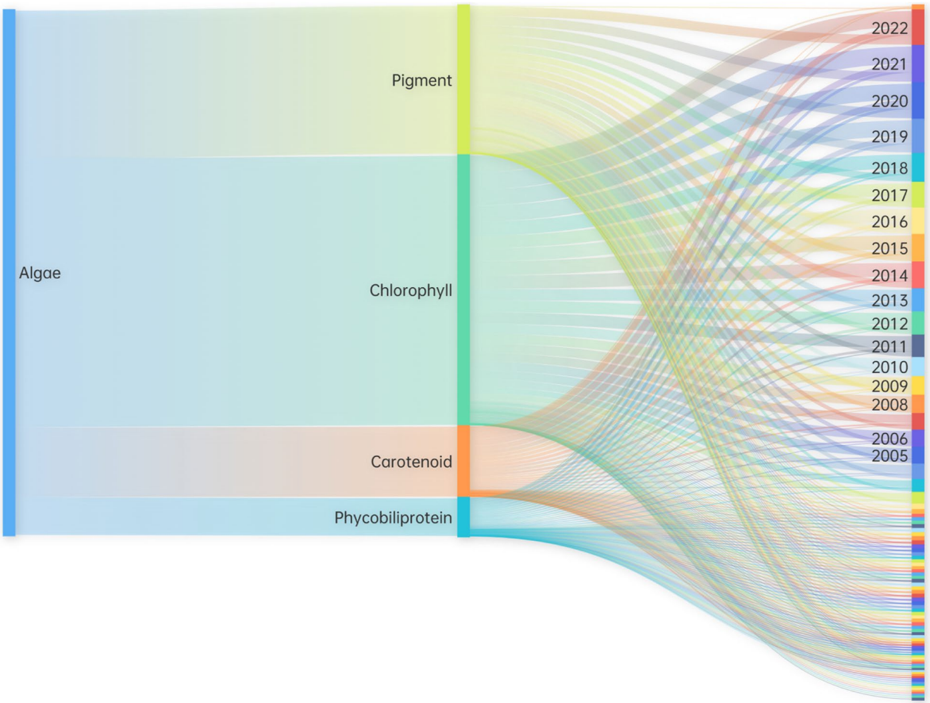
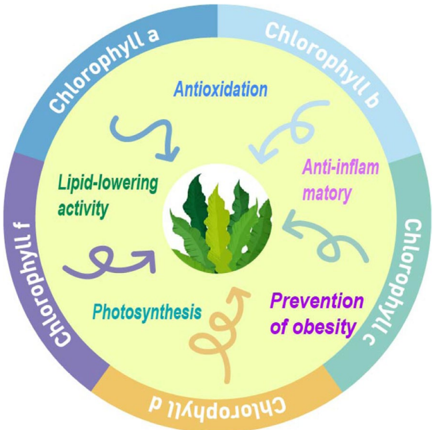
Pigment is an important food additive that plays a major role in the sensory impact of food. And natural sources, healthy and non-toxic edible pigments are receiving a lot of attention. Algae is an important source of natural pigments, and contain chlorophyll, phycoerythrin, carotene, and other natural pigments. Besides staining, the pigment also has powerful physiological activities such as antioxidants, anti-inflammatory, anti-obesity, and lipid-lowering. In this paper, three pigments in seaweed were reviewed, and their main structural properties and functions are presented, filling the gap in the review of pigments with seaweed as the main object of introduction. This review provides research basis for the development of new health foods, a new direction for the use of seaweed chlorophyll in the food and pharmaceutical industries. Graphical Abstract
Overview
The claims and statistics of this paper haven’t been checked yet.
Free: it reads the open-access text and checks the first 5 claims that cite a source we can check. Create a free account to check every claim.
Integrity signals
Registry
Cites
Statistics
Figures
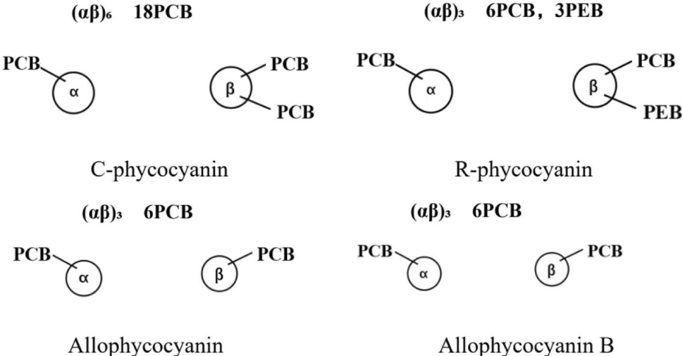
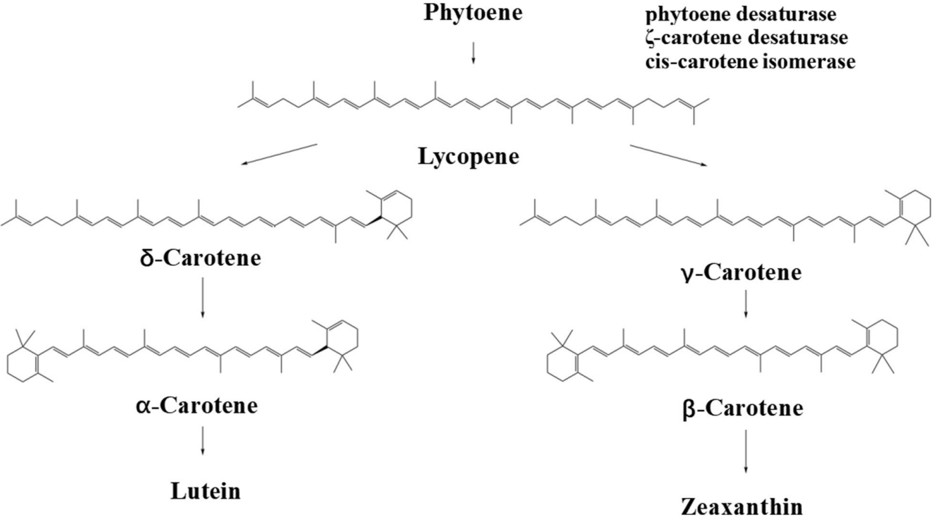
Verification
Claims the paper makes
The claims and statistics of this paper haven’t been checked yet.
Free: it reads the open-access text and checks the first 5 claims that cite a source we can check. Create a free account to check every claim.
Claims other papers make about this one
Each is checked against this paper’s own text: does it say what the citing paper says it does?
The cited source says what the claim attributes to it.
In the citing paper
“Their absorption spectrum [16] depends upon the type and concentration of photosynthesis pigments [17] inside them, such as chlorophyll, fucoxanthin, phycoerythrin, and phycocyanin [18].”
From Multiwavelength Photoacoustic Doppler Flowmetry of Living Microalgae Cells (2024) · cites this paper as [17]
Self-check
Percentages, sums and reported differences re-computed from the paper’s own numbers.
The self-check needs the paper’s full text.
Citations
Cites
Galanakis, C. M. (2012) · Trends in Food Science & Technology · doi:10.1016/j.tifs.2012.03.003 · Cited by 1,240 · cited 1×
“It can be roughly divided into five stages, including macro pretreatment, separation of macromolecules and micromolecules, extraction, purification, and product generation (Galanakis 2012).”
BackgroundAlgal Proteins: Extraction, Application, and Challenges Concerning Production
Bleakley, S., & Hayes, M. (2017) · Foods · doi:10.3390/foods6050033 · Cited by 1,092 · cited 1×
“As a unique natural pigment in algae, phycobiliprotein provides new options for products in the food, medicine, and cosmetics (Bleakley & Hayes 2017; Saini et al.”
BackgroundCarotenoids in Algae: Distributions, Biosyntheses and Functions
Takaichi, S. (2011) · Marine Drugs · doi:10.3390/md9061101 · Cited by 802 · cited 9×
“Besides fucoxanthin, such carotenoids include peridinin and dinoxanthin (Takaichi 2011).”
BackgroundMethodInfluentialBiological activities and health benefit effects of natural pigments derived from marine algae
Pangestuti, R., & Kim, S.-K. (2011) · Journal of Functional Foods · doi:10.1016/j.jff.2011.07.001 · Cited by 564 · cited 2×
“Fucoxanthin accounts for about 10% of the total production of natural lutein (Pangestuti & Kim 2011).”
BackgroundPhycobiliproteins from cyanobacteria: Chemistry and biotechnological applications
Pagels, F., Guedes, A. C., Amaro, H. M., Kijjoa, A., & Vasconcelos, V. (2019) · Biotechnology Advances · doi:10.1016/j.biotechadv.2019.02.010 · Cited by 426
Brown, E. M., Allsopp, P. J., Magee, P. J., Gill, C. I., Nitecki, S., Strain, C. R., & McSorley, E. M. (2014) · Nutrition Reviews · doi:10.1111/nure.12091 · Cited by 392 · cited 1×
“In addition to its dyeing function and various physiological activities that are beneficial to the human body, it is also a high-quality protein rich in various essential amino acids required by the human body, with extremely high nutritional value (Brown et al. 2014).”
BackgroundPhycobiliproteins and Complementary Chromatic Adaptation
Bogorad, L. (1975) · Annual Review of Plant Physiology · doi:10.1146/annurev.pp.26.060175.002101 · Cited by 376 · cited 2×
“The type and proportion of phycobiliprotein, the auxiliary photosynthetic pigment vary depending on the location of growth and light absorption by the algae (Bogorad 1975).”
BackgroundFunctional properties of carotenoids originating from algae
Christaki, E., Bonos, E., Giannenas, I., & Florou‐Paneri, P. (2013) · Journal of the Science of Food and Agriculture · doi:10.1002/jsfa.5902 · Cited by 346 · cited 2×
“Among carotenoids, Allene (C=C=C), a structure present in natural substances, is relatively rare, and only about 40 carotenoids contain this Allene bond, of which fucoxanthin is the most typical (Christaki et al. 2013).”
BackgroundPhycobiliprotein: Potential microalgae derived pharmaceutical and biological reagent
Manirafasha, E., Ndikubwimana, T., Zeng, X., Lu, Y., & Jing, K. (2016) · Biochemical Engineering Journal · doi:10.1016/j.bej.2016.01.025 · Cited by 321
Innovative Alternative Technologies to Extract Carotenoids from Microalgae and Seaweeds
Poojary, M., Barba, F., Aliakbarian, B., Donsì, F., Pataro, G., Dias, D., & Juliano, P. (2016) · Marine Drugs · doi:10.3390/md14110214 · Cited by 313
Cited by
A critical review on the stability of natural food pigments and stabilization techniques
Wijesekara, T., & Xu, B. (2024) · Food Research International · doi:10.1016/j.foodres.2024.114011 · Cited by 119
Natural Dyes and Pigments: Sustainable Applications and Future Scope
Negi, A. (2025) · Sustainable Chemistry · doi:10.3390/suschem6030023 · Cited by 116
Ayub, A., Rahayu, F., Khamidah, A., Antarlina, S. S., Iswari, K., Supriyadi, K., Mufidah, E., Singh, A., Chopra, C., & Wani, A. K. (2025) · Discover Applied Sciences · doi:10.1007/s42452-025-06916-3 · Cited by 29
“Pigments also possess antiseptic properties and can act as preservatives due to their antioxidant activities, preventing food spoilage by inhibiting fatty acid oxidation [145].”
Seaweed as a sustainable future food source
Chen, Z., Zhang, L., Liu, Y., Wen, Y., Shan, S., & Zhao, C. (2024) · International Journal of Food Science & Technology · doi:10.1111/ijfs.16910 · Cited by 21
Self-citationRecent Advances on Seaweed-Derived Pigments for FoodApplication and Current Legal Framework
Vieira, E. F., Gomes, L. R., Grosso, C., & Delerue-Matos, C. M. (2025) · Foods · doi:10.3390/foods14183265 · Cited by 23
“Among natural sources, seaweeds represent a rich and largely untapped reservoir of pigments with both functional and nutritional value [2].”
Zhang, Y., Ju, J., Li, M., Ma, Z., Lu, W., & Yang, H. (2024) · Environmental Pollution · doi:10.1016/j.envpol.2024.124574 · Cited by 13
Sabat, S., Patra, S., Swain, S. N., Bej, S., Bishoyi, A. K., Sahoo, C. R., & Padhy, R. N. (2025) · ACS Omega · doi:10.1021/acsomega.5c03526 · Cited by 20
Rahaman, M. T., Khan, M. S. H., & Mamun, M. A. A. (2025) · Materials Circular Economy · doi:10.1007/s42824-025-00168-7 · Cited by 16
“Additionally, hues ranging from yellow to orange are provided by carotenoids, of which β-carotene is a prominent source (Chen et al. 2023).”
Exploring Seaweed Potential to Enhance Abiotic Stress Tolerance of Crops
Elumalai, S., Alagarswamy, S., Janaki, P., Kuppusamy, S., Geethanjali, S., & Boominathan, P. (2025) · Russian Journal of Plant Physiology · doi:10.1134/s1021443725600370 · Cited by 18
Recent Advances of Cellulose-Based Hydrogels Combined with Natural Colorants in Smart Food Packaging
Yang, L., Yuan, Q.-Y., Lou, C., Lin, J., & Li, T. (2024) · Gels · doi:10.3390/gels10120755 · Cited by 14
“Carotenoids are the most studied natural pigments and belong to the fat-soluble group, being found in most fruits and vegetables, plants, algae [68], and photosynthetic bacteria [69,70].”
Lombardelli, C., Mazzocchi, C., Benucci, I., & Esti, M. (2024) · Journal of Food Science · doi:10.1111/1750-3841.17269 · Cited by 11
Shi, X., Wang, D., Li, L., Wang, Y., Ning, R., Yu, S., & Gao, N. (2024) · Environmental Research · doi:10.1016/j.envres.2024.120500 · Cited by 11
Stoyneva-Gärtner, M. P., Uzunov, B., & Gärtner, G. (2024) · Cosmetics · doi:10.3390/cosmetics11040115 · Cited by 9
Farobie, O., Azelee, N. I. W., Javaid, S., Bakhsi, M. I., Fatrıasarı, W., Sivaraman, S., & Selvasembian, R. (2025) · Process Biochemistry · doi:10.1016/j.procbio.2025.08.010 · Cited by 8
Rathnayake, D., Nadolny, J. M., Sultanbawa, Y. F., & Smyth, H. E. (2025) · Journal of Future Foods · doi:10.1016/j.jfutfo.2025.08.017 · Cited by 7
Ai, Z., Fan, Y., Dong, J., Lyu, X., Huang, W., Tian, Y., Utsumi, M., Shimizu, K., & Lei, Z. (2025) · Bioresource Technology · doi:10.1016/j.biortech.2025.133799 · Cited by 7
Hewa, I. U. P., Epage, N. S., Gunathilake, V. K., & Kariyawasam, I. U. (2024) · Applied Phycology · doi:10.1080/26388081.2024.2416159 · Cited by 8
“Those pigments are widely used in the food industry and diverse enough to meet industrial colouring needs to some extent (Chen et al., 2023).”
Dilrukshi, H. A. C., Ruklani, N. C. S., & Rubasinghe, S. C. K. (2024) · Environmental Monitoring and Assessment · doi:10.1007/s10661-024-13392-6 · Cited by 7
“Green algae such as Chlorella and Scenedesmus are rich in chlorophyll a and b and carotenoids like lutein and β-carotene, hence giving vital information for productivity assessments of fresh and marine water settings (Chen et al., 2023).”
Asmadi, F. A., Khalid, N. A., Basri, M. S. M., Othman, S. H., Talib, R. A., Balakrishnan, T. S., & Tawakkal, I. S. M. A. (2025) · Journal of Science Advanced Materials and Devices · doi:10.1016/j.jsamd.2025.100973 · Cited by 14
Arias, A., Entrena-Barbero, E., Ilmjärv, T., Paoli, R., Romagnoli, F., Feijóo, G., & Moreira, M. T. (2025) · New Biotechnology · doi:10.1016/j.nbt.2025.01.010 · Cited by 7
Natural pigments from micro- and macro-algae for nail polish application
Srisawang, N., In-na, P., & Poompradub, S. (2025) · Algal Research · doi:10.1016/j.algal.2025.103983 · Cited by 4
Pereira, C. S. G. P., Carpena, M., Barreira, J. C. M., Silva, C. F. C., Prieto, M. A., & Oliveira, M. B. P. P. (2025) · Future Foods · doi:10.1016/j.fufo.2025.100866 · Cited by 9
Current and Prospective Pharmaceutical Use of Algal Bioproducts
Leung, E. H. W. (2025) · IntechOpen eBooks · doi:10.5772/intechopen.1009486 · Cited by 5
Komazec, B., Vitko, S., Balen, B., Cindrić, M., Biba, R., & Štefanić, P. P. (2025) · Toxics · doi:10.3390/toxics13080627 · Cited by 5
“Through photosynthesis, cyanobacteria and algae produce half of all atmospheric oxygen [16,38], and the process itself depends on the light energy absorbed by pigments, of which chl a and b and carotenoids are the most important [39].”
Zeaxanthin Production by the Cyanobacterium Oscillatoria amoena Under Different Light Intensities
Habib, H. A., & Alghanmi, H. A. (2024) · Egyptian Journal of Aquatic Biology and Fisheries · doi:10.21608/ejabf.2024.338929 · Cited by 4
Mendes, M., Conde, T., Moreira, A. S. P., Lopes, D., Pais, R., Batista, J., Neves, M., Salvador, M., Ferreira, A. S., Oliveira, K., et al. (2026) · Journal of Food Composition and Analysis · doi:10.1016/j.jfca.2026.109098 · Cited by 6
Biocompounds of Commercial Interest from Freshwater and Marine Phytoplankton
Gallego, I. (2025) · IntechOpen eBooks · doi:10.5772/intechopen.1008500 · Cited by 5
Wu, G.-J., & Hsiao, P. (2024) · Foods · doi:10.3390/foods13091411 · Cited by 3
“The pigments of red algae are derived from phycoerythrin and phycocyanin; green algae contain chlorophyll a and b; while brown algae contain fucoxanthin and xanthophyll carotenoids [6].”
BackgroundPhycobiliproteins: Structure, Extraction, Purification, and Potential Uses
Kaushal, S., Singh, D. P., Khattar, J. I. S., Kaur, M., & Singh, Y. (2025) · Springer eBooks · doi:10.1007/978-981-96-1844-6_6 · Cited by 3
Animish, A., & Jayasri, M. A. (2024) · Springer eBooks · doi:10.1007/978-981-97-1662-3_17 · Cited by 5
Marine Macroalgae: Sustainable Practices and Environmental Impact
El‐Gendy, N. S., & Nassar, H. N. (2024) · Royal Society of Chemistry eBooks · doi:10.1039/9781837675654-00183 · Cited by 3
Multiwavelength Photoacoustic Doppler Flowmetry of Living Microalgae Cells
Farooq, T., Wu, X., Yan, S., & Fang, H. (2024) · Biosensors · doi:10.3390/bios14080397 · Cited by 1
“Their absorption spectrum [16] depends upon the type and concentration of photosynthesis pigments [17] inside them, such as chlorophyll, fucoxanthin, phycoerythrin, and phycocyanin [18].”
BackgroundMarine Polysaccharides in Delivery of Bioactive Molecules
Kadkhodaee, R., & Khojasteh, S. K. (2026) · Springer eBooks · doi:10.1007/978-981-95-4126-3_17 · Cited by 1
Antarctic macroalgae as a source of bioactive extracts and nanocellulose: A biorefinery approach
Bravo, M. D. G. L., da Silva, I. D. J., Adrien, A., Pellerin, V., Colepicolo, P., Debonsi, H. M., Gaspar, L. R., & Fernandes, S. C. M. (2026) · Sustainable Chemistry and Pharmacy · doi:10.1016/j.scp.2026.102409 · Cited by 1
Lim, K. X., Wong, C. C., Sahu, M., Long, C. M., Nandave, M., & Yow, Y. (2026) · Food Bioscience · doi:10.1016/j.fbio.2026.109037 · Cited by 2
Coproducts of Algae: Utilization in Nutraceuticals and Pharmaceuticals for Enhanced Health Benefits
Mishra, P., Mishra, H., Jaiswal, R., Singh, M. P., & Kushwaha, V. B. (2026) · Springer eBooks · doi:10.1007/978-3-032-22521-4_16 · Cited by 1
Teaching fluorescence of plants & algae in physics class to address climate change
Chen, Y.-J. L., Lih, J.-S., Chen, T.-C., Hung, J.-F., Kuo, H.-M., & Ko, J.-Y. (2024) · Physics Education · doi:10.1088/1361-6552/ad37e8 · Cited by 1
Production process of new generation energy gels based on brown seaweed Fucus
Kovaleva, O., Leshchukov, K., Shalimov, G., Bukhvostov, Y. V., Minakova, I., & Bukreeva, T. (2024) · E3S Web of Conferences · doi:10.1051/e3sconf/202448602015
Insights into the Biomedical and Pharmaceutical Potential of Deleserriaceae: A Comprehensive Review
Malhotra, R., & Louis Cojandaraj, A. (2024) · Current Drug Therapy · doi:10.2174/0115748855296118240621104017
WŁAŚCIWOŚCI I ZASTOSOWANIE ALG – ANALIZA WIELOASPEKTOWA
Kuhn, P. (2023) · Fides Ratio et Patria Studia Toruńskie · doi:10.56583/frp.2542
Gadal, S. C., Singh, R. S. C., Karegoudru, P. K., Mahadevan, G. D., Rangaswamy, B. E., & Betageri, V. S. (2024) · The Natural Products Journal · doi:10.2174/0122103155341557241010013223
Nowruzi, B., & Alibabaei, M. (2024) · The Microbe · doi:10.1016/j.microb.2024.100215 · Cited by 3
Microbial Pigments: A Healthy Alternative of Synthetic Dyes in Food Industry
Ghosh, U. D. (2025) · Journal of Pure and Applied Microbiology · doi:10.22207/jpam.19.2.24 · Cited by 1
Synthesis, Characterization, and Applications of Natural Pigments: A Review
Asrade, E. D., Admase, A. T., Bogale, F. M., Gesese, T. N., & Mersha, D. A. (2025) · Green energy and technology · doi:10.1007/978-3-031-87352-2_13 · Cited by 1
Satheesh, S., & Solami, L. A. (2025) · The Natural Products Journal · doi:10.2174/0122103155379303250826114937
Conde, A., & Ventura, S. P. M. (2025) · Royal Society of Chemistry eBooks · doi:10.1039/9781837678198-00167
Gallege, J., Uduwana, S., Menaka, U., & Wickramasinghe, I. (2025) · Springer eBooks · doi:10.1007/978-981-95-0571-5_12
Structural Characterization and Analysis of Microbial Pigments
Khan, R. A., Qadri, T. A., Khan, A., & Anas, M. (2025) · CABI eBooks · doi:10.1079/9781836990505.0009
Omics Approaches Applied to Algae Pigments: Analytical Opportunities and Challenges
Maghembe, R. S., Mark, D., Mwakalinga, T., & Ndunguru, J. (2026) · Springer eBooks · doi:10.1007/978-3-032-05438-8_13
Meng, W., Dhanshetty, M., & García‐Vaquero, M. (2026) · Elsevier eBooks · doi:10.1016/b978-0-443-34082-6.00015-5
Thakur, S., Sahu, S., Singh, G., & Arya, S. K. (2026) · Next research. · doi:10.1016/j.nexres.2026.101711
El‐Saadony, M. T., Saad, A. M., Sitohy, M. Z., Mohammed, D. M., Alkafaas, S. S., Salem, H. M., Ahmed, A. E., Fahmy, M. A., Mathew, B. T., AbuQamar, S. F., et al. (2026) · Springer eBooks · doi:10.1007/978-3-032-22521-4_21
Algal Pigments in Nutraceuticals: Applications and Benefits for Health and Wellness
Dutta, S., & Yasmin, R. (2026) · Springer eBooks · doi:10.1007/978-3-032-22521-4_13
Diversity of Epiphytic Microalgae in Universitas Indonesia Campus, Depok
Sumarauw, S. C. P., & Hendrayanti, D. (2026) · IOP Conference Series Earth and Environmental Science · doi:10.1088/1755-1315/1620/1/012006
Marine Pigments as Drugs, and Other Applications: Where Are We?
Amara, A. A. A. F. (2026) · Chemistry · doi:10.3390/chemistry8090117
Oninku, B., & Ozbay, G. (2026) · Journal of Marine Science and Engineering · doi:10.3390/jmse14131155 · Cited by 2
Transforming Beach-Accumulated Seaweed into High-Value Bioactive Products: A Recycling Perspective
Dissanayake, D. S., Jayawardena, T. U., & Nagahawatta, D. P. (2026) · Recycling · doi:10.3390/recycling11070116
“Brown algae contain fucoxanthin and chlorophyll c, red algae contain phycoerythrin, phycocyanin, and carotenoids, and green algae contain lutein and chlorophylls a and b [49].”
Salido, M., Bilbao, J., Soto, M., & Seoane, S. (2026) · Regional Studies in Marine Science · doi:10.1016/j.rsma.2026.105201
Malik, T., Prasad, B., Sarkar, O., Łopusiewicz, Ł., & Negi, K. S. (2026) · Food bioactive ingredients · doi:10.1007/978-3-032-19955-3_7
Achahbar, H., Cerrato, A., Durán, E., Hernández, I., Laganà, A., Lucà, E., Montone, C. M., Taglioni, E., & Capriotti, A. L. (2026) · Analytical and Bioanalytical Chemistry · doi:10.1007/s00216-026-06701-0
“…a wide range of structurally diverse compounds, including polyphenols [5] and sulfated polyphenols [6], lipids [7, 8], polysaccharides [9], and pigments [10], all of which contribute to their nutritional value and highlight their potential in nutraceuticals and biotechnological innovation [11].”
Jabin, M., Nigam, V. K., & Sachan, S. G. (2026) · Archives of Microbiology · doi:10.1007/s00203-026-05136-6
“Phycocyanin features the linear tetrapyrrole chromo - phore phycocyanobilin, which significantly contributes to its antioxidant and anti-inflammatory properties through the scavenging of free radicals and the modulation of oxidative stress pathways (Chen et al. 2023; Zhou et al. 2023).”
Seaweeds based on food products
Wijerathne, H. D. T. U., Kim, H., Nagahawatta, D. P., Jayawardena, T. U., & Sanjeewa, K. K. A. (2026) · Elsevier eBooks · doi:10.1016/b978-0-443-29190-6.00016-7
Future outlook of functional foods derived from marine bioresources
Wijesinghe, J. A. A. C., & Herath, K. H. I. N. M. (2026) · Elsevier eBooks · doi:10.1016/b978-0-443-29190-6.00010-6
Extraction Protocols for Natural Food Colorants from Plant Materials
Reddy, N. S. K., Mohanty, V., Dharshini, S. K. D., Megha, A., Sivamani, Y., Devendran, R., & Elayaperumal, S. (2026) · Methods and protocols in food science · doi:10.1007/978-1-0716-5504-7_1
Significance of algal green chemicals in repair mechanisms
Lal, R., Jaiswal, M., Chauhan, S., & Kannaujiya, V. K. (2026) · Elsevier eBooks · doi:10.1016/b978-0-443-42857-9.00007-4
Comparative Analysis of Carbohydrate-Active Enzyme (CAZyme) Diversity Across Diverse Algal Lineages
Ho, C. (2026) · Marine Biotechnology · doi:10.1007/s10126-026-10710-6
“In alignment with previous literature (Collén et al. 2013 ; Chen et al. 2023b), members of the GT7 and GT47 families are recognized as potential candidates for β−1,4-galactosyltransferase in Chondrus crispus and Gracilariop-sis lemaneiformis (Collén et al. 2013 ; Chen et al. 2023b), while sequence…”
InfluentialCan Seaweed Be a Sustainable, One Health Resource in Livestock and Poultry Diets?
Shurson, G. C. (2026) · Animals · doi:10.3390/ani16193071
Metadata
- Authors
- Chen, Z., Wu, W., Wen, Y., Zhang, L., Wu, Y., Farid, M. S., El-Seedi, H. R., Capanoglu, E., & Zhao, C.
- Affiliations
- Fujian Agriculture and Forestry University (CN)
- Ningbo University (CN)
- Uppsala University (SE)
- Corresponding author
- Zhao, Chao
- ORCID
- Venue
- Food Production, Processing and Nutrition
- Published
- 2023-08-08
- Volume
- 5
- Issue
- 1
- ISSN
- 2661-8974 (ISSN-L)
- OpenAlex
- W4385623470
- Cited by
- 67
- References
- 123
- Citations by year
- 2026: 24 · 2025: 23 · 2024: 19 · 2023: 1
- FWCI
- 13.74
- Type
- journal article
- Language
- en
- Open access
- gold
- doi.org
- Licence
- cc-by
- creativecommons.org/licenses/by/4.0 (tdm)
- creativecommons.org/licenses/by/4.0 (vor)
- Locations
- Food Production Processing and Nutrition (publishedVersion, cc-by)
- Uppsala University Publications (Uppsala University) (submittedVersion, other-oa)
- DOAJ (DOAJ: Directory of Open Access Journals) (submittedVersion, cc-by-sa)
- Istanbul Technical University Academic Open Archive (Istanbul Technical University) (submittedVersion)
- Funders
- Fujian Agriculture and Forestry University (KSYLX013)
- Topics
- Life Sciences › Agricultural and Biological Sciences › Aquatic Science › Seaweed-derived Bioactive Compounds
- Life Sciences › Biochemistry, Genetics and Molecular Biology › Biotechnology › Microbial Metabolism and Applications
- Physical Sciences › Energy › Renewable Energy, Sustainability and the Environment › Algal biology and biofuel production
- Keywords
- natural pigments, algae, seaweed, chlorophyll, phycoerythrin, carotenoids, food additives, antioxidant activity, anti-inflammatory activity, anti-obesity, hypolipidemic activity, health foods, food colorants
About these checks
Registry, retraction, Cites and statistics results are computed, not judged, with one exception: a printed reference that no index lists is read once by a model before it counts as a citation error. Claims are extracted by a model and kept only when their quote appears verbatim in the text; each cited source is then checked, with a model’s help, for whether it says what the claim relies on. Those verdicts can be wrong — read the claim’s quote and the cited source before relying on one.
Statistics and arithmetic are recomputed, not judged.
Confidence bands are shown only for fields calibrated on our annotated test set. None is calibrated yet, so no band is shown.
What counts as a claim ›How we measure confidence ›How we check this ›
Are you an author, or do you see a problem with this page? Request a review
Data sources
Bibliographic data: Semantic Scholar, OpenAlex, Crossref.
Contains information from the Semantic Scholar Academic Graph Datasets, made available under the ODC Attribution License (ODC-BY 1.0).
Semantic Scholar’s data is described in: Kinney, R., et al. (2023). The Semantic Scholar Open Data Platform. arXiv:2301.10140.
