

SYNGAP1 encephalopathy: A distinctive generalized developmental and epileptic encephalopathy
Open accessThe DOI matches its Crossref record; 50 of the 50 references it cites were found in a registry or an index.
Abstract
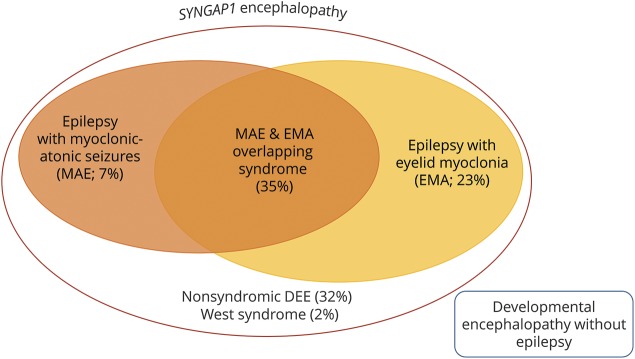
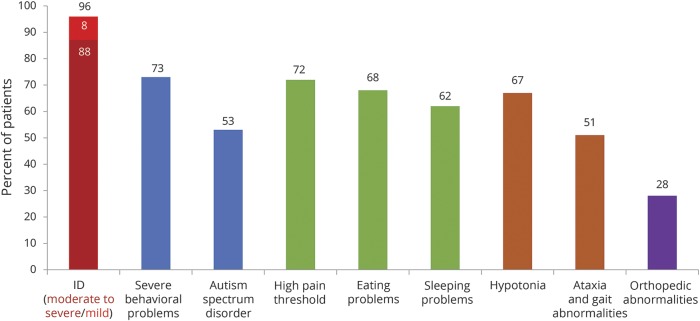
Objective To delineate the epileptology, a key part of the SYNGAP1 phenotypic spectrum, in a large patient cohort. Methods Patients were recruited via investigators9 practices or social media. We included patients with (likely) pathogenic SYNGAP1 variants or chromosome 6p21.32 microdeletions incorporating SYNGAP1. We analyzed patients9 phenotypes using a standardized epilepsy questionnaire, medical records, EEG, MRI, and seizure videos. Results We included 57 patients (53% male, median age 8 years) with SYNGAP1 mutations (n = 53) or microdeletions (n = 4). Of the 57 patients, 56 had epilepsy: generalized in 55, with focal seizures in 7 and infantile spasms in 1. Median seizure onset age was 2 years. A novel type of drop attack was identified comprising eyelid myoclonia evolving to a myoclonic-atonic (n = 5) or atonic (n = 8) seizure. Seizure types included eyelid myoclonia with absences (65%), myoclonic seizures (34%), atypical (20%) and typical (18%) absences, and atonic seizures (14%), triggered by eating in 25%. Developmental delay preceded seizure onset in 54 of 56 (96%) patients for whom early developmental history was available. Developmental plateauing or regression occurred with seizures in 56 in the context of a developmental and epileptic encephalopathy (DEE). Fifty-five of 57 patients had intellectual disability, which was moderate to severe in 50. Other common features included behavioral problems (73%); high pain threshold (72%); eating problems, including oral aversion (68%); hypotonia (67%); sleeping problems (62%); autism spectrum disorder (54%); and ataxia or gait abnormalities (51%). Conclusions SYNGAP1 mutations cause a generalized DEE with a distinctive syndrome combining epilepsy with eyelid myoclonia with absences and myoclonic-atonic seizures, as well as a predilection to seizures triggered by eating.
Overview
The claims and statistics of this paper haven’t been checked yet.
Free: it reads the open-access text and checks the first 5 claims that cite a source we can check. Create a free account to check every claim.
Integrity signals
Registry
Cites
Statistics
Figures
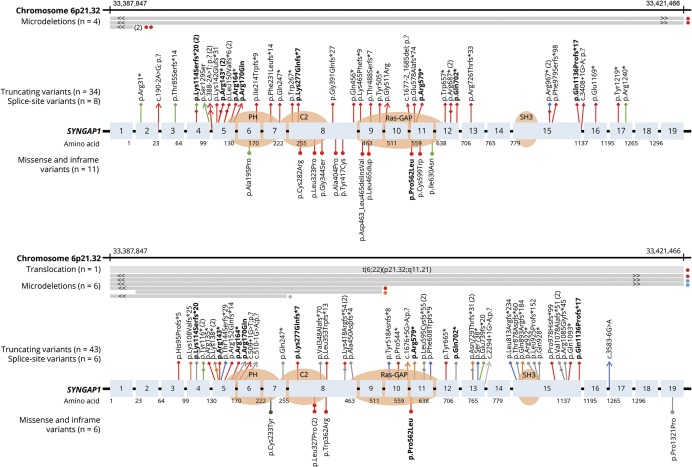
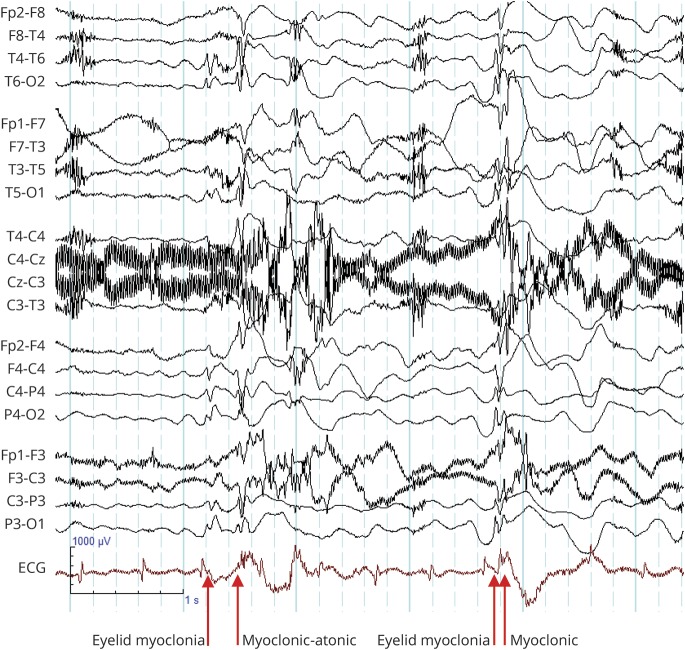
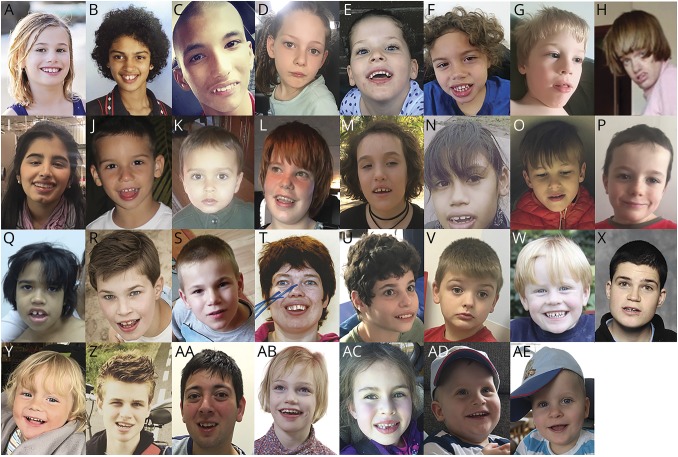
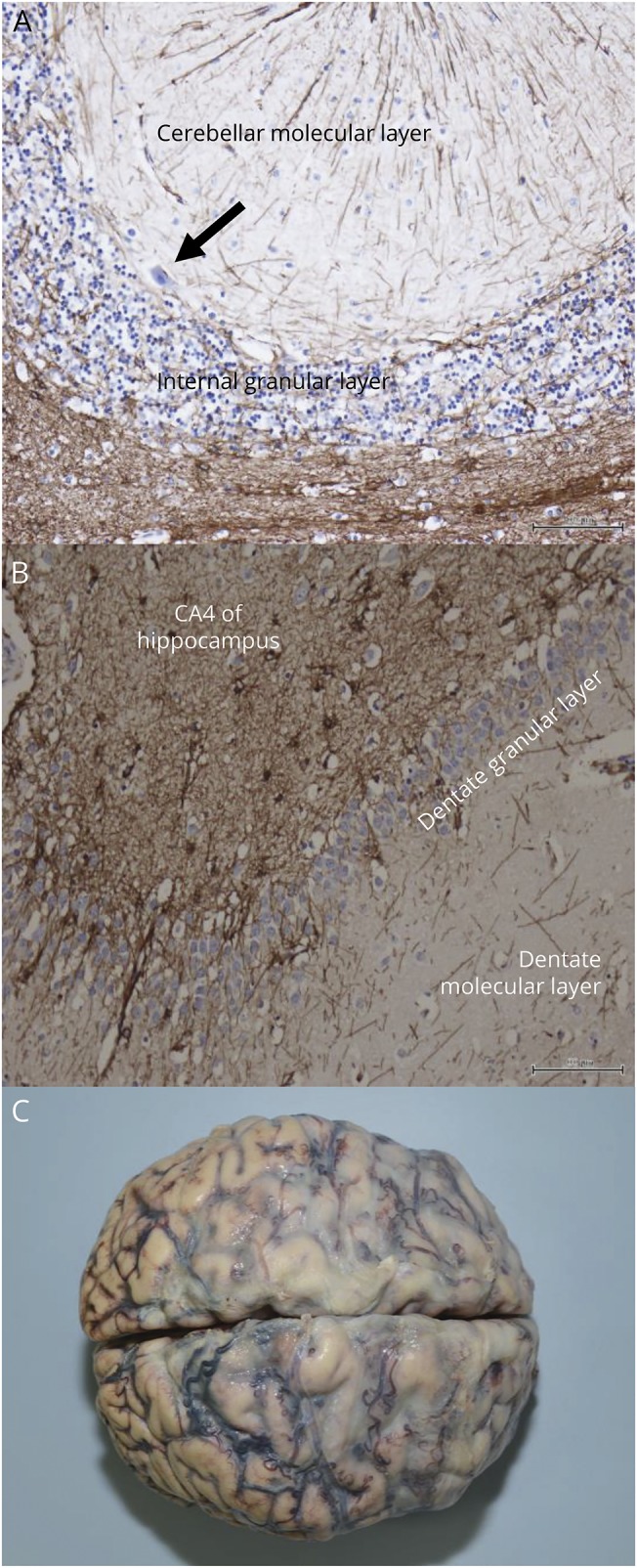
Verification
Claims the paper makes
The claims and statistics of this paper haven’t been checked yet.
Free: it reads the open-access text and checks the first 5 claims that cite a source we can check. Create a free account to check every claim.
Claims other papers make about this one
Each is checked against this paper’s own text: does it say what the citing paper says it does?
The source backs part of the claim, not all of it — or backs it for a different population, condition or comparison.
In the citing paper
“The severity of epilepsy in patients with DEEs should not reduce the focus on comorbidities as cognitive, psychiatric (such as ASD, anxiety, mood and behavioural disorders, psychosis), motor and medical disorders occur frequently 110,152,153,156,215 .”
From Developmental and epileptic encephalopathies (2024) · cites this paper as [110]
Experimental — accuracy not yet measuredThe source backs part of the claim, not all of it — or backs it for a different population, condition or comparison.
In the citing paper
“Patients with DEEs are at high risk of the typical medical complications associated with severe neurodevelopmental impairment, including aspiration pneumonia, feeding problems, constipation, sleep disorders and orthopaedic deformities 110,152,215 .”
From Developmental and epileptic encephalopathies (2024) · cites this paper as [110]
Experimental — accuracy not yet measuredThe cited source says what the claim attributes to it.
In the citing paper
“Pathogenic variants in SYNGAP1 cause a generalised DEE with myoclonic-atonic seizures, absence with eyelid myoclonia, eating-induced reflex seizures and photosensitivity [108][109][110] .”
From Developmental and epileptic encephalopathies (2024) · cites this paper as [110]
The cited source says what the claim attributes to it.
In the citing paper
“psychiatric features such as ASD 110 , behavioural problems 152 , mood disorders, psychosis 153 ;”
From Developmental and epileptic encephalopathies (2024) · cites this paper as [110]
Self-check
Percentages, sums and reported differences re-computed from the paper’s own numbers.
The self-check needs the paper’s full text.
Citations
Cites
Diagnostic and Statistical Manual of Mental Disorders
American Psychiatric Association (2013) · doi:10.1176/appi.books.9780890425596 · Cited by 116,369
Richards, S., Aziz, N., Bale, S., Bick, D., Das, S., Gastier-Foster, J., Grody, W. W., Hegde, M., Lyon, E., Spector, E., et al. (2015) · Genetics in Medicine · doi:10.1038/gim.2015.30 · Cited by 32,594 · cited 1×
“ck70sj0).(29) We included 57 (86%) patients with (likely) pathogenic SYNGAP1 variants (n = 53) or chromosome 6p21.”
BackgroundAnalysis of protein-coding genetic variation in 60,706 humans
Exome Aggregation Consortium, Lek, M., Karczewski, K. J., Minikel, E. V., Samocha, K. E., Banks, E., Fennell, T., O’Donnell-Luria, A. H., Ware, J. S., Hill, A. J., et al. (2016) · Nature · doi:10.1038/nature19057 · Cited by 9,587 · cited 1×
“Three patients who had variants reported in gnomAD or ExAC and for whom inheritance of their SYNGAP1 variant was unavailable had phenotypes that were consistent with our large cohort.(38) Two had generalized DEE and 1 had mild ID with EM.”
ResultUniProt: a hub for protein information
The UniProt Consortium (2015) · Nucleic Acids Research · doi:10.1093/nar/gku989 · Cited by 5,106
Scheffer, I. E., Berkovic, S., Capovilla, G., Connolly, M. B., French, J., Guilhoto, L., Hirsch, E., Jain, S., Mathern, G. W., Moshé, S. L., et al. (2017) · Epilepsia · doi:10.1111/epi.13709 · Cited by 5,054
Self-citationFisher, R. S., Cross, J. H., French, J. A., Higurashi, N., Hirsch, E., Jansen, F. E., Lagae, L., Moshé, S. L., Peltola, J., Roulet Perez, E., et al. (2017) · Epilepsia · doi:10.1111/epi.13670 · Cited by 3,483
Self-citationFunctional impact of global rare copy number variation in autism spectrum disorders
Pinto, D., Pagnamenta, A. T., Klei, L., Anney, R., Merico, D., Regan, R., Conroy, J., Magalhaes, T. R., Correia, C., Abrahams, B. S., et al. (2010) · Nature · doi:10.1038/nature09146 · Cited by 2,013
Diagnostic exome sequencing in persons with severe intellectual disability
de Ligt, J., Willemsen, M. H., van Bon, B. W. M., Kleefstra, T., Yntema, H. G., Kroes, T., Vulto-van Silfhout, A. T., Koolen, D. A., de Vries, P., Gilissen, C., et al. (2012) · New England Journal of Medicine · doi:10.1056/nejmoa1206524 · Cited by 1,546
Prevalence and architecture of de novo mutations in developmental disorders
Study, D. D. D. (2017) · Nature · doi:10.1038/nature21062 · Cited by 1,480
Krawczak, M., Reiss, J., & Cooper, D. (1992) · Human Genetics · doi:10.1007/bf00210743 · Cited by 1,324 · cited 1×
“Splice-site mutations were considered separately because their effects on the protein are variable.(35)”
Background
Cited by
Specchio, N., Wirrell, E. C., Scheffer, I. E., Nabbout, R., Riney, K., Samia, P., Guerreiro, M., Gwer, S., Zuberi, S. M., Wilmshurst, J. M., et al. (2022) · Epilepsia · doi:10.1111/epi.17241 · Cited by 998
Self-citationTwenty Years of SynGAP Research: From Synapses to Cognition
Gamache, T. R., Araki, Y., & Huganir, R. L. (2020) · The Journal of Neuroscience · doi:10.1523/jneurosci.0420-19.2020 · Cited by 161
Developmental and epileptic encephalopathies
Scheffer, I. E., Zuberi, S., Mefford, H. C., Guerrini, R., & McTague, A. (2024) · Nature Reviews Disease Primers · doi:10.1038/s41572-024-00546-6 · Cited by 158
Self-citationVisually sensitive seizures: An updated review by the Epilepsy Foundation
Fisher, R. S., Acharya, J. N., Baumer, F. M., French, J. A., Parisi, P., Solodar, J., Szaflarski, J. P., Thio, L. L., Tolchin, B. D., Wilkins, A. J., et al. (2022) · Epilepsia · doi:10.1111/epi.17175 · Cited by 158
SynGAP isoforms differentially regulate synaptic plasticity and dendritic development
Araki, Y., Hong, I., Gamache, T. R., Ju, S., Collado-Torres, L., Shin, J. H., & Huganir, R. L. (2020) · eLife · doi:10.7554/elife.56273 · Cited by 102
Comprehensive behavioral analysis of heterozygous Syngap1 knockout mice
Nakajima, R., Takao, K., Hattori, S., Shoji, H., Komiyama, N. H., Grant, S. G. N., & Miyakawa, T. (2019) · Neuropsychopharmacology Reports · doi:10.1002/npr2.12073 · Cited by 96
Donnan, A. M., Schneider, A. L., Russ-Hall, S., Churilov, L., & Scheffer, I. E. (2023) · Neurology · doi:10.1212/wnl.0000000000207080 · Cited by 97
“The genetic variants that were least associated with CSE are related to synaptic signaling pathways ( SYNGAP1 ) 12 or neuronal migration in early brain development ( NEXMIF ).”
BackgroundSelf-citationCreson, T. K., Rojas, C., Hwaun, E., Vaissiere, T., Kilinc, M., Jimenez-Gomez, A., Holder, J. L., Tang, J., Colgin, L. L., Miller, C. A., et al. (2019) · eLife · doi:10.7554/elife.46752 · Cited by 90
SynGAP regulates synaptic plasticity and cognition independently of its catalytic activity
Araki, Y., Rajkovich, K. E., Gerber, E. E., Gamache, T. R., Johnson, R. C., Tran, T. H. N., Liu, B., Zhu, Q., Hong, I., Kirkwood, A., et al. (2024) · Science · doi:10.1126/science.adk1291 · Cited by 92
SYNGAP1 mutations: Clinical, genetic, and pathophysiological features
Agarwal, M., Johnston, M. V., & Stafstrom, C. E. (2019) · International Journal of Developmental Neuroscience · doi:10.1016/j.ijdevneu.2019.08.003 · Cited by 85
“…seizures may respond to anti-epileptic drugs such as valproic acid, lamotrigine, topiramate, or clobazam (Hamdan et al., 2011; Mignot et al., 2016; Vlaskamp et al., 2019), but epilepsy is pharmacoresistant in approximately 50% cases (Berryer et al., 2013; Hamdan et al., 2011; Holder et al., 2019;…”
BackgroundInfluentialLlamosas, N., Arora, V., Vij, R., Kılınç, M., Bijoch, Ł., Rojas, C., Reich, A. M., Sridharan, B., Willems, E., Piper, D. R., et al. (2020) · Journal of Neuroscience · doi:10.1523/jneurosci.1367-20.2020 · Cited by 87
“This is an important research question given that pathogenic SYNGAP1 variants cause a complex neurodevelopmental disorder defined by early-onset epilepsy, cognitive impairment, and autistic features (Hamdan et al., 2011; Jimenez-Gomez et al., 2019; Vlaskamp et al., 2019; Satterstrom et al., 2020).”
BackgroundResultUpregulation of SYNGAP1 expression in mice and human neurons by redirecting alternative splicing
Yang, R., Feng, X., Arias‐Cavieres, A., Mitchell, R. M., Polo, A., Hu, K., Zhong, R., Qi, C., Zhang, R. S., Westneat, N., et al. (2023) · Neuron · doi:10.1016/j.neuron.2023.02.021 · Cited by 68
Dendritic Integration Dysfunction in Neurodevelopmental Disorders
Nelson, A. D., & Bender, K. J. (2021) · Developmental Neuroscience · doi:10.1159/000516657 · Cited by 63
Sullivan, B. J., Ammanuel, S. G., Kipnis, P. A., Araki, Y., Huganir, R. L., & Kadam, S. D. (2020) · Biological Psychiatry · doi:10.1016/j.biopsych.2019.12.025 · Cited by 60
NEXMIF encephalopathy: an X-linked disorder with male and female phenotypic patterns
Stamberger, H., Hammer, T. B., Gardella, E., Vlaskamp, D. R. M., Bertelsen, B., Mandelstam, S., de Lange, I., Zhang, J., Myers, C. T., Fenger, C., et al. (2021) · Genetics in Medicine · doi:10.1038/s41436-020-00988-9 · Cited by 57
Self-citationGou, G., Roca‐Fernández, A., Kılınç, M., Serrano, E., Reig‐Viader, R., Araki, Y., Huganir, R. L., de Quintana-Schmidt, C. J., Rumbaugh, G., & Bayés, À. (2020) · Journal of Neurochemistry · doi:10.1111/jnc.14988 · Cited by 52
Specchio, N., Micco, V. D., Trivisano, M., Ferretti, A., & Curatolo, P. (2021) · Epilepsia · doi:10.1111/epi.17115 · Cited by 50
Smith‐Hicks, C. L., Wright, D., Kenny, A., Stowe, R. C., McCormack, M., Stanfield, A. C., & Holder, J. L. (2021) · Brain Sciences · doi:10.3390/brainsci11091229 · Cited by 50
“Lloyd Holder Jr.(4,5) 1 Division of Neurogenetics Kennedy Krieger Institute, Baltimore, MD 2 Department of Neurology, Johns Hopkins University School of Medicine, Baltimore MD 3 Boston Children’s Hospital, Boston, MA 4 Jan and Dan Duncan Neurological Research Institute at Texas Children’s Hospital 5 Departments of Ped…”
BackgroundMitta, N., Menon, R. N., McTague, A., Radhakrishnan, A., Sundaram, S., Cherian, A., Madhavilatha, G. K., Mannan, A. U., Nampoothiri, S., & Thomas, S. V. (2020) · Epilepsy Research · doi:10.1016/j.eplepsyres.2020.106398 · Cited by 43
Kuchenbuch, M., D’Onofrio, G., Chémaly, N., Barcia, G., Teng, T., & Nabbout, R. (2020) · Epilepsia Open · doi:10.1002/epi4.12411 · Cited by 42
Sensory processing dysregulations as reliable translational biomarkers in SYNGAP1 haploinsufficiency
Carreño-Muñoz, M. I., Chattopadhyaya, B., Agbogba, K., Côté, V., Wang, S., Lévesque, M., Avoli, M., Michaud, J. L., Lippé, S., & Cristo, G. D. (2021) · Brain · doi:10.1093/brain/awab329 · Cited by 39
Wright, D., Kenny, A., Eley, S. E. A., McKechanie, A. G., & Stanfield, A. C. (2022) · Journal of Neurodevelopmental Disorders · doi:10.1186/s11689-022-09437-x · Cited by 39
“This may relate to differences in sample ascertainment between studies— we recruited primarily through a support organisation, whereas other samples have been derived from clinical practices [27] or cohorts with individuals investigated for epilepsy [19] where the prevalence of seizures would be expected to be higher.”
BackgroundResultInfluentialSYNGAP1-DEE: A visual sensitive epilepsy
Barco, T. L., Kamińska, A., Solazzi, R., Cancés, C., Barcia, G., Chémaly, N., Fontana, E., Desguerre, I., Canafoglia, L., Camus, C. H. L., et al. (2021) · Clinical Neurophysiology · doi:10.1016/j.clinph.2021.01.014 · Cited by 35
Myers, K. A. (2022) · CONTINUUM Lifelong Learning in Neurology · doi:10.1212/con.0000000000001077 · Cited by 35
Myoclonus‐Ataxia Syndromes: A Diagnostic Approach
Rossi, M., van der Veen, S., Merello, M., Tijssen, M. A. J., & van de Warrenburg, B. P. C. (2020) · Movement Disorders Clinical Practice · doi:10.1002/mdc3.13106 · Cited by 34
Irelli, E. C., Cocchi, E., Ramantani, G., Caraballo, R. H., Giuliano, L., Yilmaz, T., Morano, A., Panagiotakaki, E., Operto, F. F., Giráldez, B. G., et al. (2022) · Neurology · doi:10.1212/wnl.0000000000200165 · Cited by 34
Chakraborty, S., Parayil, R., Mishra, S., Nongthomba, U., & Clement, J. P. (2022) · International Journal of Molecular Sciences · doi:10.3390/ijms231810807 · Cited by 36
Specchio, N., Micco, V. D., Aronica, E., Auvin, S., Balestrini, S., Brunklaus, A., Gardella, E., Scheper, M., Taglialatela, M., Trivisano, M., et al. (2025) · Epilepsia · doi:10.1111/epi.18209 · Cited by 35
Endogenous Syngap1 alpha splice forms promote cognitive function and seizure protection
Kilinc, M., Arora, V., Creson, T. K., Rojas, C., Le, A. A., Lauterborn, J., Wilkinson, B., Hartel, N., Graham, N., Reich, A., et al. (2022) · eLife · doi:10.7554/elife.75707 · Cited by 33
Sleep disturbances in autism spectrum disorder: Animal models, neural mechanisms, and therapeutics
Maurer, J. J., Choi, A., An, I., Sathi, N., & Chung, S. (2023) · Neurobiology of Sleep and Circadian Rhythms · doi:10.1016/j.nbscr.2023.100095 · Cited by 35
Proteomic signature of the Dravet syndrome in the genetic Scn1a-A1783V mouse model
Miljanovic, N., Hauck, S. M., van Dijk, R. M., Liberto, V. D., Rezaei, A., & Potschka, H. (2021) · Neurobiology of Disease · doi:10.1016/j.nbd.2021.105423 · Cited by 31
Precision Medicine Approaches for Infantile-Onset Developmental and Epileptic Encephalopathies
Myers, K. A., & Scheffer, I. E. (2021) · The Annual Review of Pharmacology and Toxicology · doi:10.1146/annurev-pharmtox-052120-084449 · Cited by 32
Self-citationSeizures triggered by eating - A rare form of reflex epilepsy: A systematic review
Girges, C., Vijiaratnam, N., Wirth, T., Tjoakarfa, C., Idaszak, J., & Seneviratne, U. K. (2020) · Seizure · doi:10.1016/j.seizure.2020.09.013 · Cited by 30
Health-Related Quality of Life in Pediatric Patients with Syndromic Autism and their Caregivers
Bolbocean, C., Andújar, F. N., McCormack, M., Suter, B., & Holder, J. L. (2021) · Journal of Autism and Developmental Disorders · doi:10.1007/s10803-021-05030-8 · Cited by 29
“Greater than 90% of children with SYNGAP1-related intellectual disability have epilepsy which can be intractable and devastating (Jimenez-Gomez et al., 2019; Vlaskamp et al., 2019).”
BackgroundA matter of space and time: Emerging roles of disease-associated proteins in neural development
Panagiotakos, G., & Pașca, S. P. (2021) · Neuron · doi:10.1016/j.neuron.2021.10.035 · Cited by 28
SYNGAP1-related developmental and epileptic encephalopathy: The impact on daily life
Barco, T. L., Gaetano, L. D., Santangelo, E., Bravi, T., Proietti, J., Cantalupo, G., Brambilla, I., & Darra, F. (2021) · Epilepsy & Behavior · doi:10.1016/j.yebeh.2021.108500 · Cited by 28
Candidate Genes for Eyelid Myoclonia with Absences, Review of the Literature
Mayo, S., Gómez-Manjón, I., Fernández-Martínez, F. J., Camacho, A., Martínez, F., & Benito‐León, J. (2021) · International Journal of Molecular Sciences · doi:10.3390/ijms22115609 · Cited by 27
“Sci. 2021, 22, 5609 11 of 31 Vlaskamp et al. (2019) explored the relationship between EMA and MAE [23].”
BackgroundInfluentialMouse models of SYNGAP1 -related intellectual disability
Araki, Y., Gerber, E. E., Rajkovich, K. E., Hong, I., Johnson, R. C., Lee, H., Kirkwood, A., & Huganir, R. L. (2023) · Proceedings of the National Academy of Sciences · doi:10.1073/pnas.2308891120 · Cited by 27
Wiltrout, K., Brimble, E., & Poduri, A. (2024) · Epilepsia · doi:10.1111/epi.17913 · Cited by 28
Meili, F., Wei, W., Sin, W., Meyers, W. M., Dascalu, I., Callaghan, D. B., Rogić, S., Pavlidis, P., & Haas, K. Z. (2020) · The American Journal of Human Genetics · doi:10.1016/j.ajhg.2020.11.011 · Cited by 27
James, D. M., Davidson, E. A., Yanes, J. A., Moshiree, B., & Dallman, J. E. (2021) · Frontiers in Cell and Developmental Biology · doi:10.3389/fcell.2021.662916 · Cited by 26
Variants inBSNgene associated with epilepsy with favourable outcome
Ye, T., Zhang, J., Wang, J., Lan, S., Zeng, T., Wang, H., He, X., Li, B.-M., Deng, W., Liao, W., et al. (2022) · Journal of Medical Genetics · doi:10.1136/jmg-2022-108865 · Cited by 26
Autism Spectrum Disorder and Epilepsy: Pathogenetic Mechanisms and Therapeutic Implications
Giliberti, A., Frisina, A. M., Giustiniano, S., Carbonaro, Y., Roccella, M., & Nardello, R. (2025) · Journal of Clinical Medicine · doi:10.3390/jcm14072431 · Cited by 26
Nilo, A., Crespel, A., Genton, P., Macorig, G., Gigli, G. L., & Gélisse, P. (2021) · Seizure · doi:10.1016/j.seizure.2021.02.028 · Cited by 25
Phenotypes in Children With SYNGAP1 Encephalopathy in China
Zhang, H., Yang, L., Duan, J., Zeng, Q., Chen, L., Fang, Y. K., Hu, J., Cao, D., & Liao, J. (2021) · Frontiers in Neuroscience · doi:10.3389/fnins.2021.761473 · Cited by 25
Developmental epileptic encephalopathy in DLG4 ‐related synaptopathy
Kassabian, B., Levy, A. M., Gardella, E., Aledo‐Serrano, Á., Ananth, A., Brea‐Fernández, A., Caumes, R., Chatron, N., Dainelli, A., Wachter, M. D., et al. (2024) · Epilepsia · doi:10.1111/epi.17876 · Cited by 24
Self-citationBolbocean, C., Rhidenour, K. B., McCormack, M., Suter, B., & Holder, J. L. (2022) · Autism Research · doi:10.1002/aur.2825 · Cited by 25
Network for Therapy in Rare Epilepsies (NETRE): Lessons From the Past 15 Years
von Stülpnagel, C., van Baalen, A., Borggraefe, I., Eschermann, K., Hartlieb, T., Kiwull, L., Pringsheim, M., Wolff, M., Kudernatsch, M., Wiegand, G., et al. (2021) · Frontiers in Neurology · doi:10.3389/fneur.2020.622510 · Cited by 24
Key roles of C2/GAP domains in SYNGAP1-related pathophysiology
Katsanevaki, D., Till, S. M., Buller-Peralta, I., Nawaz, M. S., Louros, S. R., Kapgal, V., Tiwari, S., Walsh, D., Anstey, N. J., Petrović, N. G., et al. (2024) · Cell Reports · doi:10.1016/j.celrep.2024.114733 · Cited by 22
Clinical and Genetic Features in Patients With Reflex Bathing Epilepsy
Accogli, A., Wiegand, G., Scala, M., Cerminara, C., Iacomino, M., Riva, A., Carlini, B., Camerota, L., Belcastro, V., Prontera, P., et al. (2021) · Neurology · doi:10.1212/wnl.0000000000012298 · Cited by 22
Abnormal brain state distribution and network connectivity in a SYNGAP1 rat model
Buller‐Peralta, I., Maícas-Royo, J., Lu, Z., Till, S. M., Wood, E. R., Kind, P. C., Escudero, J., & Gonzalez‐Sulser, A. (2022) · Brain Communications · doi:10.1093/braincomms/fcac263 · Cited by 21
A comprehensive narrative review of epilepsy with eyelid myoclonia
Smith, K. M., Wirrell, E. C., Andrade, D. M., Choi, H., Trenité, D. G. A. K.-N., Knupp, K. G., Nordli, D. R., Riva, A., Stern, J. M., Striano, P., et al. (2023) · Epilepsy Research · doi:10.1016/j.eplepsyres.2023.107147 · Cited by 21
Specchio, N., Pietrafusa, N., Perucca, E., & Cross, J. H. (2021) · Epilepsy & Behavior · doi:10.1016/j.yebeh.2021.107961 · Cited by 21
Llamosas, N., Michaelson, S. D., Vaissière, T., Rojas, C., Miller, C. A., & Rumbaugh, G. (2021) · Proceedings of the National Academy of Sciences · doi:10.1073/pnas.2100579118 · Cited by 20
Accelerating therapeutic development and clinical trial readiness for STXBP1 and SYNGAP1 disorders
Marotta, N., Boland, M. J., & Prosser, B. L. (2024) · Current problems in pediatric and adolescent health care · doi:10.1016/j.cppeds.2024.101576 · Cited by 18
Medyanik, A. D., Anisimova, P. E., Kustova, A. O., Tarabykin, V. S., & Kondakova, E. V. (2025) · Biomolecules · doi:10.3390/biom15010133 · Cited by 19
“A milder outcome of SYNGAP1-DEE is observed in patients with splice site variants in exons 1 through 4 [68].”
Rodent genetic models of neurodevelopmental disorders and epilepsy
Gonzalez‐Sulser, A. (2019) · European Journal of Paediatric Neurology · doi:10.1016/j.ejpn.2019.12.012 · Cited by 18
Holley, A. J., Shedd, A., Boggs, A. E., Lovelace, J. W., Erickson, C. A., Groß, C., Jankovic, M. J., Razak, K. A., Huber, K. M., & Gibson, J. R. (2022) · Neurobiology of Disease · doi:10.1016/j.nbd.2022.105767 · Cited by 17
“mutations also have some form of auditory hypersensitivity (74, 75), and the corresponding mouse models also have audiogenic seizures (76, 77).”
BackgroundClinical signatures of SYNGAP1-related disorders through data integration
McKee, J. L., Magielski, J. H., Xian, J., Cohen, S. R., Toib, J., Harrison, A., Chen, C., Kim, D., Rathod, A., Brimble, E., et al. (2025) · Genetics in Medicine · doi:10.1016/j.gim.2025.101419 · Cited by 17
Deciphering the Natural History of SCN8A -Related Disorders
Magielski, J. H., Cohen, S. R., Kaufman, M. C., Parthasarathy, S., Xian, J., Brimble, E., Fitter, N., Furia, F., Gardella, E., Møller, R. S., et al. (2025) · Neurology · doi:10.1212/wnl.0000000000213533 · Cited by 17
Ritter, D. M., & Holland, K. D. (2020) · Seminars in Neurology · doi:10.1055/s-0040-1719070 · Cited by 17
Brill, J., Clarke, B. A., Hong, I., & Huganir, R. L. (2025) · Proceedings of the National Academy of Sciences · doi:10.1073/pnas.2427288122 · Cited by 16
Phenylbutyrate for monogenetic epilepsy: Literature review
Stone, A., Burré, J., Wayland, N., & Grinspan, Z. M. (2025) · Epilepsy Research · doi:10.1016/j.eplepsyres.2025.107621 · Cited by 16
Co-occurring medical conditions among individuals with ASD-associated disruptive mutations
Kurtz‐Nelson, E. C., Beighley, J. S., Hudac, C. M., Gerdts, J. A., Wallace, A. S., Hoekzema, K., Eichler, E. E., & Bernier, R. (2020) · Children s Health Care · doi:10.1080/02739615.2020.1741361 · Cited by 16
“For example, mutations in SCN2A contribute to infantile or childhood-onset seizures depending on mutation type (i.e., gain-of-function or loss-offunction), while individuals with SYNGAP1 mutations typically exhibit absence seizures and eyelid myoclonia (Sanders et al., 2018; Vlaskamp et al., 2019).”
BackgroundTrifonova, E. A., Klimenko, A. I., Мустафин, З. С., Lashin, S. A., & Kochetov, A. V. (2021) · International Journal of Molecular Sciences · doi:10.3390/ijms22105248 · Cited by 16
Understanding the role of AMPA receptors in autism: insights from circuit and synapse dysfunction
Jiménez-Gómez, A., Nguyen, M. X., & Gill, J. S. (2024) · Frontiers in Psychiatry · doi:10.3389/fpsyt.2024.1304300 · Cited by 15
Identification of an individual with a SYNGAP1 pathogenic mutation in India
Verma, V., Mandora, A., Botre, A. V., & Clement, J. P. (2020) · Molecular Biology Reports · doi:10.1007/s11033-020-05915-4 · Cited by 15
Verma, V., Kumar, M., Sharma, K., Rajaram, S., Muddashetty, R. S., Manjithaya, R. R., Behnisch, T., & Clement, J. P. (2021) · Experimental Brain Research · doi:10.1007/s00221-021-06254-x · Cited by 15
Adult Phenotype of SYNGAP1 -DEE
Rong, M., Benke, T. A., Ali, Q. Z., Aledo‐Serrano, Á., Bayat, A., Rossi, A., Devinsky, O., Qaiser, F., Ali, A., Fasano, A. A., et al. (2023) · Neurology Genetics · doi:10.1212/nxg.0000000000200105 · Cited by 15
Dissecting genetics of spectrum of epilepsies with eyelid myoclonia by exome sequencing
Coppola, A., Krithika, S., Iacomino, M., Bobbili, D. R., Balestrini, S., Bagnasco, I., Bilo, L., Buti, D., Casellato, S., Cuccurullo, C., et al. (2023) · Epilepsia · doi:10.1111/epi.17859 · Cited by 15
Self-citationSymonds, J. D., Park, K., Mignot, C., Macleod, S., Armstrong, M., Ashrafian, H., Bernard, G., Brown, K. E., Brunklaus, A., Callaghan, M., et al. (2024) · Epilepsia · doi:10.1111/epi.18115 · Cited by 14
Graglia, J. M., Harding, A. J., & Helde, K. A. (2025) · Therapeutic Advances in Rare Disease · doi:10.1177/26330040241308285 · Cited by 14
Syngap1 promotes cognitive function through regulation of cortical sensorimotor dynamics
Vaissière, T., Michaelson, S. D., Creson, T. K., Goins, J., Fürth, D., Balázsfi, D., Rojas, C., Golovin, R. M., Meletis, K., Miller, C. A., et al. (2025) · Nature Communications · doi:10.1038/s41467-025-56125-0 · Cited by 14
Epigenetic modulation rescues neurodevelopmental deficits in Syngap1+/− mice
Singh, A. K., Joshi, I., Reddy, N. M. N., Purushotham, S. S., Eswaramoorthy, M., Vasudevan, M., Banerjee, S., Clement, J. P., & Kundu, T. K. (2025) · Aging Cell · doi:10.1111/acel.14408 · Cited by 14
Quinlan, M. A., Guo, R., Clark, A. G., Luber, E. M., Christian, R. J., Martinez, R. A., Groce, E. L., Liu, J., Bishaw, Y. M., Bhowmik, R., et al. (2025) · Molecular Therapy · doi:10.1016/j.ymthe.2025.09.040 · Cited by 15
Novel treatments in epilepsy guided by genetic diagnosis
Marini, C., & Giardino, M. (2021) · British Journal of Clinical Pharmacology · doi:10.1111/bcp.15139 · Cited by 14
“have been associated with complex developmental disorders featuring seizures and revealing the role of pathogenic/disease-causing gene variants affecting diverse pathways contributing to membrane excitability, synaptic plasticity, presynaptic neurotransmitter release, postsynaptic receptors, transporters and cell meta…”
BackgroundMartinez, L. A., Lai, Y., Holder, J. L., & Anderson, A. E. (2021) · Neurologic Clinics · doi:10.1016/j.ncl.2021.05.005 · Cited by 14
Food intake precipitates seizures in temporal lobe epilepsy
Tényi, D., Janszky, J., Jeges, S., & Schulze‐Bonhage, A. (2021) · Scientific Reports · doi:10.1038/s41598-021-96106-z · Cited by 14
The role of altered translation in intellectual disability and epilepsy
Malone, T. J., & Kaczmarek, L. K. (2022) · Progress in Neurobiology · doi:10.1016/j.pneurobio.2022.102267 · Cited by 17
Paasch, V., Doucoure, A., Bifano, M., & Smith‐Hicks, C. L. (2023) · Sleep Medicine · doi:10.1016/j.sleep.2023.04.008 · Cited by 15
Ballarà-Petitbò, M., Alguacil, E. G., Gutiérrez‐Delicado, E., Cabrera, N. V. O., Rodríguez, A. D., Peñas, J. J. G., & Insuga, V. M. S. (2023) · Epileptic Disorders · doi:10.1002/epd2.20148 · Cited by 14
Jiang, J. P., Wilkinson, B., Flores, I., Hartel, N. G., Mihaylov, S. R., Clementel, V. A., Flynn, H. R., Alkuraya, F. S., Ultanir, S. K., Graham, N. A., et al. (2024) · Frontiers in Molecular Neuroscience · doi:10.3389/fnmol.2024.1359154 · Cited by 13
Haetzel, L. M., Iafrati, J., Cording, K. R., Farhan, M., Noveir, S. D., Rumbaugh, G., & Bateup, H. S. (2024) · Journal of Neuroscience · doi:10.1523/jneurosci.1264-23.2024 · Cited by 14
Périnet, I., Lioson, E., Tichadou, L., Glaizal, M., & de Haro, L. (2011) · PubMed · Cited by 13
Frazier, T. W., Busch, R. M., Klaas, P., Lachlan, K. L., Loth, E., Smith‐Hicks, C. L., Şahin, M., Hardan, A. Y., Uljarević, M., & NET Development Project Team (2024) · Developmental Medicine & Child Neurology · doi:10.1111/dmcn.16112 · Cited by 12
Agathe, J. D. S., Monin, P., Riccardi, F., Nava, C., Arnaud, L., Mignot, C., Ville, D. M., Auvin, S., Tardieu, S., Larcher, K., et al. (2025) · European Journal of Neurology · doi:10.1111/ene.70324 · Cited by 12
Aten, S., Kalidindi, A., Yoon, H., Rumbaugh, G., Hoyt, K. R., & Obrietan, K. H. (2020) · European Journal of Neuroscience · doi:10.1111/ejn.15043 · Cited by 12
Gupta, S. S., Hwang, Y., Ludwig, N. G., Henry, J., & Kadam, S. D. (2023) · Frontiers in Neurology · doi:10.3389/fneur.2023.1221161 · Cited by 12
Thomas, B. R., Ludwig, N. N., Falligant, J. M., Kurtz, P. F., & Smith‐Hicks, C. L. (2023) · Epilepsy & Behavior · doi:10.1016/j.yebeh.2023.109584 · Cited by 12
Megagiannis, P., Suresh, R., Rouleau, G. A., & Zhou, Y. (2022) · Advanced Drug Delivery Reviews · doi:10.1016/j.addr.2022.114562 · Cited by 12
Smith, K. M., Wirrell, E. C., Andrade, D. M., Choi, H., Trenité, D. G. A. K.-N., Jones, H., Knupp, K. G., Mugar, J., Nordli, D. R., Riva, A., et al. (2023) · Epilepsia · doi:10.1111/epi.17683 · Cited by 12
SYNGAP-1 Mutation And Catatonia: A Case Series and Systematic Review
Baldwin, I., Cho, A., Orenstein, G., Wilner, N., Nicoli, D., & Smith, J. R. (2024) · Journal of Child and Adolescent Psychopharmacology · doi:10.1089/cap.2024.0055 · Cited by 11
Developmental outcome of electroencephalographic findings in SYNGAP1 encephalopathy
Ribeiro‐Constante, J., Tristán‐Noguero, A., Calvo, F. F. M., Ibáñez‐Micó, S., Segura, J. L. P., Ramos‐Fernández, J. M., Chicano, M. D. C. M., León, R. C., Insuga, V. M. S., Alguacil, E. G., et al. (2024) · Frontiers in Cell and Developmental Biology · doi:10.3389/fcell.2024.1321282 · Cited by 11
Parent-Reported Sleep Profile of Children With Early-Life Epilepsies
Gupta, G., Dang, L. T., O'Brien, L. M., & Shellhaas, R. A. (2021) · Pediatric Neurology · doi:10.1016/j.pediatrneurol.2021.12.006 · Cited by 11
Layne, C. S., Malaya, C. A., Young, D. R., Suter, B., & Holder, J. L. (2022) · Frontiers in Human Neuroscience · doi:10.3389/fnhum.2022.918918 · Cited by 11
Symptomatic eating epilepsy: two novel pediatric patients and review of literature
Vercellino, F., Siri, L., Brisca, G., Scala, M., Riva, A., Severino, M., & Striano, P. (2021) · The Italian Journal of Pediatrics/Italian journal of pediatrics · doi:10.1186/s13052-021-01051-2 · Cited by 11
Guerrini, R., Scheffer, I. E., & Balestrini, S. (2025) · The Lancet Neurology · doi:10.1016/s1474-4422(25)00032-8 · Cited by 10
Self-citationBehavioural and neurodevelopmental characteristics of SYNGAP1
Bednarczuk, N. F., Housby, H., Lee, I., Skuse, D., & Wolstencroft, J. (2024) · Journal of Neurodevelopmental Disorders · doi:10.1186/s11689-024-09563-8 · Cited by 10
Wang, Y., Lv, Y., Li, Z., Gao, M., Yang, X., Li, Y., Shi, J., Gao, Z., Liu, Y., & Gai, Z. (2022) · Frontiers in Genetics · doi:10.3389/fgene.2022.957915 · Cited by 10
Frazier, T. W., Busch, R. M., Klaas, P., Lachlan, K. L., Jeste, S., Kolevzon, A., Loth, E., Harris, J. R., Speer, L. L., Pepper, T., et al. (2023) · American Journal of Medical Genetics Part C Seminars in Medical Genetics · doi:10.1002/ajmg.c.32058 · Cited by 11
Metadata
- Authors
- Vlaskamp, D. R. M., Shaw, B. J., Burgess, R., Mei, D., Montomoli, M., Xie, H., Myers, C. T., Bennett, M. F., XiangWei, W., Williams, D., Maas, S. M., Brooks, A. S., Mancini, G. M. S., van de Laar, I. M. B. H., van Hagen, J. M., Ware, T. L., Webster, R. I., Malone, S., Berkovic, S. F., Kalnins, R. M., Sicca, F., Korenke, G. C., van Ravenswaaij-Arts, C. M. A., Hildebrand, M. S., Mefford, H. C., Jiang, Y., Guerrini, R., & Scheffer, I. E.
- Affiliations
- University Medical Center Groningen (NL)
- From the Epilepsy Research Centre (D.R.M.V., B.J.S., R.B., M.F.B., S.F.B., M.S.H., I.E.S.), Department of Medicine, University of Melbourne, Austin Health, Australia; Departments of Genetics (D.R.M.V., C.M.A.v.R.-A.) and Neurology (D.R.M.V.), University Medical Center Groningen, University of Groningen, the Netherlands; Pediatric Neurology Unit and Laboratories (D.M., M.M.) and Pediatric Neurology (R.G.), Neurogenetics and Neurobiology Unit and Laboratories, A. Meyer Children's Hospital, University...
- Corresponding author
- Scheffer, Ingrid E.
- ORCID
- Vlaskamp, Danique R.M.
- Burgess, Rosemary
- Mei, Davide
- Montomoli, Martino
- Xie, Han
- Myers, Candace T.
- Bennett, Mark F.
- XiangWei, Wenshu
- Maas, Saskia M.
- Brooks, Alice S.
- Mancini, Grazia M.S.
- van de Laar, Ingrid M.B.H.
- Ware, Tyson L.
- Webster, Richard I.
- Malone, Stephen
- Berkovic, Samuel F.
- Kalnins, Renate M.
- Sicca, Federico
- Korenke, G. Christoph
- van Ravenswaaij-Arts, Conny M.A.
- Hildebrand, Michael S.
- Mefford, Heather C.
- Jiang, Yuwu
- Guerrini, Renzo
- Scheffer, Ingrid E.
- Venue
- Neurology
- Published
- 2019-01-08
- Volume
- 92
- Issue
- 2
- Pages
- e96-e107
- ISSN
- 0028-3878 (ISSN-L)
- 1526-632X
- PMC
- PMC6340340
- OpenAlex
- W2904696555
- Semantic Scholar
- 947f117d0dd579c62045f5f2c2c4004008f77149
- Cited by
- 206
- References
- 50
- Citations by year
- 2026: 20 · 2025: 32 · 2024: 39 · 2023: 27 · 2022: 21 · 2021: 30 · 2020: 27 · 2019: 7
- FWCI
- 12.89
- Type
- journal article
- Language
- en
- Open access
- hybrid
- doi.org
- Licence
- cc-by-nc-nd
- Locations
- Neurology (publishedVersion, cc-by-nc-nd)
- Europe PMC (PubMed Central) (publishedVersion, cc-by-nc-nd)
- PubMed Central (publishedVersion, cc-by-nc-nd)
- PubMed (publishedVersion)
- EUR Research Repository (Erasmus University Rotterdam) (publishedVersion)
- University of Groningen research database (University of Groningen / Centre for Information Technology) (publishedVersion, cc-by-nc-nd)
- Minerva Access (University of Melbourne) (submittedVersion, cc-by-nc-nd)
- Pure Amsterdam UMC (submittedVersion, cc-by)
- Data Archiving and Networked Services (DANS) (submittedVersion, other-oa)
- EUR Research Repository (Erasmus University Rotterdam) (submittedVersion)
- University of Groningen research database (University of Groningen / Centre for Information Technology) (submittedVersion, other-oa)
- University of Groningen research database (University of Groningen / Centre for Information Technology) (submittedVersion, cc-by-nc-nd)
- Funders
- U.S. Department of Defense
- March of Dimes Foundation
- Citizens United for Research in Epilepsy
- Fondazione Pisa
- Zogenix
- GW Pharmaceuticals
- Australian Government
- European Commission (602531)
- National Natural Science Foundation of China (2016‐2020, 81501123)
- Ministero della Salute
- Eisai
- Fondazione Pierfranco e Luisa Mariani
- Regione Toscana
- National Institutes of Health
- Medical Research Council
- National Health and Medical Research Council (1091593, 1104831)
- Health Research Council of New Zealand
- National Institute of Neurological Disorders and Stroke (R01NS069605)
- UCB Pharma
- Topics
- Health Sciences › Medicine › Clinical Neurology › Epilepsy research and treatment
- Life Sciences › Biochemistry, Genetics and Molecular Biology › Genetics › Genetics and Neurodevelopmental Disorders
- Health Sciences › Medicine › Pediatrics, Perinatology and Child Health › Pharmacological Effects and Toxicity Studies
- Keywords
- SYNGAP1, developmental and epileptic encephalopathy, epileptology, eyelid myoclonia with absences, myoclonic-atonic seizures, atonic seizures, intellectual disability, autism spectrum disorder, developmental delay, behavioral problems
- MeSH terms
- Adolescent, Adult, Anticonvulsants, Brain, Brain Diseases, Child, Developmental Disabilities, Child, Preschool, Electroencephalography, Female, Humans, Infant, Male, Mutation, Spasms, Infantile, Cohort Studies, ras GTPase-Activating Proteins, Young Adult, Genetic Association Studies
About these checks
Registry, retraction, Cites and statistics results are computed, not judged, with one exception: a printed reference that no index lists is read once by a model before it counts as a citation error. Claims are extracted by a model and kept only when their quote appears verbatim in the text; each cited source is then checked, with a model’s help, for whether it says what the claim relies on. Those verdicts can be wrong — read the claim’s quote and the cited source before relying on one.
Statistics and arithmetic are recomputed, not judged.
Confidence bands are shown only for fields calibrated on our annotated test set. None is calibrated yet, so no band is shown.
What counts as a claim ›How we measure confidence ›How we check this ›
Are you an author, or do you see a problem with this page? Request a review
Data sources
Bibliographic data: Semantic Scholar, OpenAlex, Crossref.
Contains information from the Semantic Scholar Academic Graph Datasets, made available under the ODC Attribution License (ODC-BY 1.0).
Semantic Scholar’s data is described in: Kinney, R., et al. (2023). The Semantic Scholar Open Data Platform. arXiv:2301.10140.
