

The DOI matches its Crossref record; 179 of the 179 references it cites were found in a registry or an index.
Chapter 12: Human Microbiome Analysis
Open accessAbstract
Humans are essentially sterile during gestation, but during and after birth, every body surface, including the skin, mouth, and gut, becomes host to an enormous variety of microbes, bacterial, archaeal, fungal, and viral. Under normal circumstances, these microbes help us to digest our food and to maintain our immune systems, but dysfunction of the human microbiota has been linked to conditions ranging from inflammatory bowel disease to antibiotic-resistant infections. Modern high-throughput sequencing and bioinformatic tools provide a powerful means of understanding the contribution of the human microbiome to health and its potential as a target for therapeutic interventions. This chapter will first discuss the historical origins of microbiome studies and methods for determining the ecological diversity of a microbial community. Next, it will introduce shotgun sequencing technologies such as metagenomics and metatranscriptomics, the computational challenges and methods associated with these data, and how they enable microbiome analysis. Finally, it will conclude with examples of the functional genomics of the human microbiome and its influences upon health and disease.
Overview
The claims and statistics of this paper haven’t been checked yet.
Run the check — free, no account needed. It reads the open-access text and checks the sources it cites.
Integrity signals
Registry
Cites
Statistics
Figures
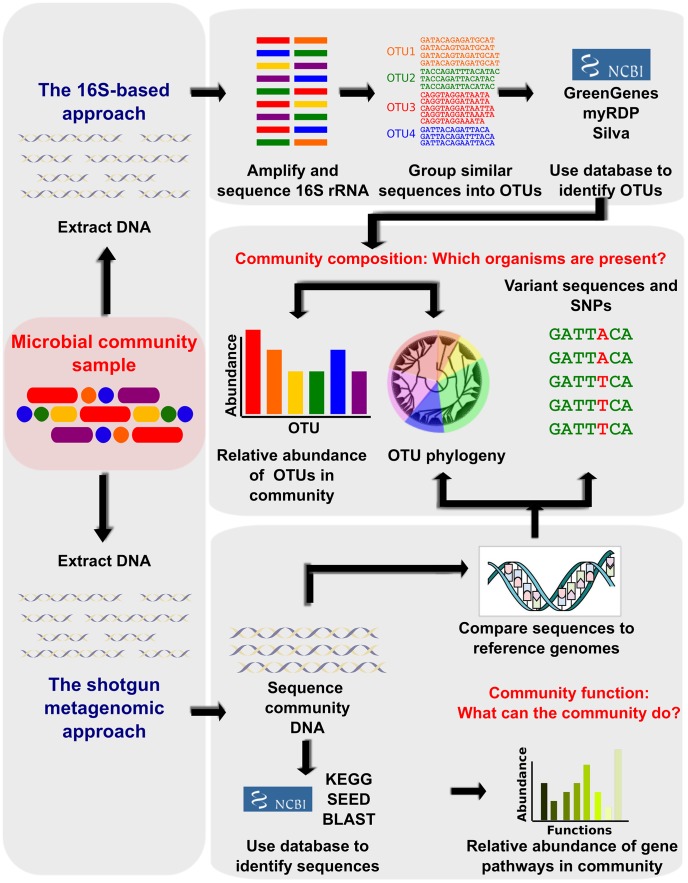
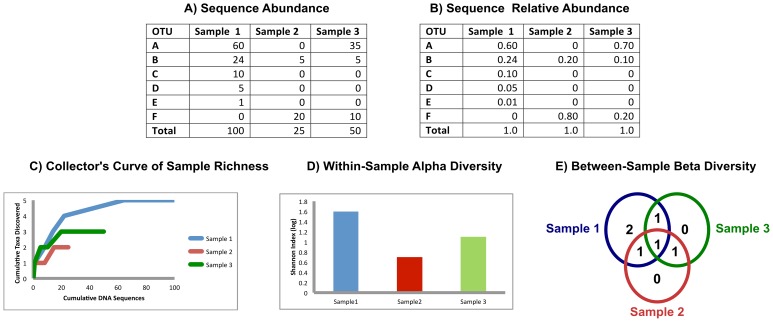
Verification
Claims the paper makes
The claims and statistics of this paper haven’t been checked yet.
Run the check — free, no account needed. It reads the open-access text and checks the sources it cites.
Claims other papers make about this one
Each is checked against this paper’s own text: does it say what the citing paper says it does?
The cited source says what the claim attributes to it.
In the citing paper
“they play such a large role in numerous host functions including immunity”
From The Influence of the Gut Microbiome on Cancer, Immunity, and Cancer Immunotherapy (2018) · cites this paper as Morgan and Huttenhower, 2012
In the citing paper
“there are trillions of microbes as numerous as human cells, that interact with the host constantly at numerous sites”
From The Influence of the Gut Microbiome on Cancer, Immunity, and Cancer Immunotherapy (2018) · cites this paper as Morgan and Huttenhower, 2012
Self-check
Percentages, sums and reported differences re-computed from the paper’s own numbers.
The self-check needs the paper’s full text.
Citations
Cites
A Mathematical Theory of Communication
Shannon, C. E. (1948) · Bell System Technical Journal · doi:10.1002/j.1538-7305.1948.tb01338.x · Cited by 88,486
DNA sequencing with chain-terminating inhibitors
Sanger, F., Nicklen, S., & Coulson, A. R. (1977) · Proceedings of the National Academy of Sciences · doi:10.1073/pnas.74.12.5463 · Cited by 68,572
Fast and accurate short read alignment with Burrows-Wheeler transform
Li, H., & Durbin, R. (2009) · Bioinformatics · doi:10.1093/bioinformatics/btp324 · Cited by 58,607
Gene Ontology: tool for the unification of biology
Ashburner, M., Ball, C. A., Blake, J. A., Botstein, D., Butler, H., Cherry, J. M., Davis, A. P., Dolinski, K., Dwight, S. S., Eppig, J. T., et al. (2000) · Nature Genetics · doi:10.1038/75556 · Cited by 43,206
QIIME allows analysis of high-throughput community sequencing data
Caporaso, J. G., Kuczynski, J., Stombaugh, J., Bittinger, K., Bushman, F. D., Costello, E. K., Fierer, N., Peña, A. G., Goodrich, J. K., Gordon, J. I., et al. (2010) · Nature Methods · doi:10.1038/nmeth.f.303 · Cited by 34,887
Initial sequencing and analysis of the human genome
International Human Genome Sequencing Consortium, Whitehead Institute for Biomedical Research, C. F. G. R., Lander, E. S., Linton, L. M., Birren, B., Nusbaum, C., Zody, M. C., Baldwin, J., Devon, K., Dewar, K., et al. (2001) · Nature · doi:10.1038/35057062 · Cited by 24,216
BLAST+: architecture and applications
Camacho, C., Coulouris, G., Avagyan, V., Ma, N., Papadopoulos, J., Bealer, K., & Madden, T. L. (2009) · BMC Bioinformatics · doi:10.1186/1471-2105-10-421 · Cited by 22,074
Ultrafast and memory-efficient alignment of short DNA sequences to the human genome.
Langmead, B., Trapnell, C., Pop, M., & Salzberg, S. L. (2009) · Genome Biology · doi:10.1186/gb-2009-10-3-r25 · Cited by 21,849
Naive Bayesian Classifier for Rapid Assignment of rRNA Sequences into the New Bacterial Taxonomy
Wang, Q., Garrity, G. M., Tiedje, J. M., & Cole, J. R. (2007) · Applied and Environmental Microbiology · doi:10.1128/aem.00062-07 · Cited by 20,145
Schloss, P. D., Westcott, S. L., Ryabin, T., Hall, J. R., Hartmann, M., Hollister, E. B., Lesniewski, R. A., Oakley, B. B., Parks, D. H., Robinson, C. J., et al. (2009) · Applied and Environmental Microbiology · doi:10.1128/aem.01541-09 · Cited by 19,549
Research works printed but not linked: 1
- HC Gram, 1884, Über die isolierte Färbung der Schizomyceten in Schnitt- und Trockenpräparaten, Fortschritte der Medizin, 2, 185
Cited by
Sorted by citations
Items 101–200 of 491
Microbiome-immune interactions in tuberculosis
Mori, G., Morrison, M., & Blumenthal, A. (2021) · PLoS Pathogens · doi:10.1371/journal.ppat.1009377 · Cited by 80
Skin microbiota of first cousins affected by psoriasis and atopic dermatitis
Drago, L., Grandi, R. D., Altomare, G. F., Pigatto, P. D. M., Rossi, O., & Toscano, M. (2016) · Clinical and Molecular Allergy · doi:10.1186/s12948-016-0038-z · Cited by 76
Drunk bugs: Chronic vapour alcohol exposure induces marked changes in the gut microbiome in mice
Peterson, V. L., Jury, N. J., Cabrera‐Rubio, R., Draper, L. A., Crispie, F., Cotter, P. D., Dinan, T. G., Holmes, A., & Cryan, J. F. (2017) · Behavioural Brain Research · doi:10.1016/j.bbr.2017.01.049 · Cited by 75
Human Lung Microbiome on the Way to Cancer
Kovaleva, O. V., Romashin, D. D., Zborovskaya, I. B., Давыдов, М. М., Сергеевич, Ш. М., & Gratchev, A. N. (2019) · Journal of Immunology Research · doi:10.1155/2019/1394191 · Cited by 75
Bresciani, F., Minamoto, Y., Suchodolski, J. S., Galiazzo, G., Vecchiato, C. G., Pinna, C., Biagi, G., & Pietra, M. (2018) · Journal of Veterinary Internal Medicine · doi:10.1111/jvim.15227 · Cited by 74
van den Hoogen, W., Laman, J. D., & Hart, B. A. ‘. (2017) · Frontiers in Immunology · doi:10.3389/fimmu.2017.01081 · Cited by 76
Inferring human microbial dynamics from temporal metagenomics data: Pitfalls and lessons
Cao, H., Gibson, T. E., Bashan, A., & Liu, Y. (2016) · BioEssays · doi:10.1002/bies.201600188 · Cited by 73
Biscarini, F., Palazzo, F., Castellani, F., Masetti, G., Grotta, L., Cichelli, A., & Martino, G. (2018) · PLoS ONE · doi:10.1371/journal.pone.0205670 · Cited by 76
Gut microbiota in patients with kidney stones: a systematic review and meta-analysis
Yuan, T., Xia, Y., Li, B., Yu, W., Rao, T., Ye, Z., Yan, X., Song, B., Li, L., Lin, F., et al. (2023) · BMC Microbiology · doi:10.1186/s12866-023-02891-0 · Cited by 72
Metagenomic Analysis and its Applications
Ghosh, A., Mehta, A., & Khan, A. M. (2018) · Elsevier eBooks · doi:10.1016/b978-0-12-809633-8.20178-7 · Cited by 75
Singh, J., Vanlallawmzuali, Singh, A. K., Biswal, S., Zomuansangi, R., Lalbiaktluangi, C., Singh, B. P., Singh, P. K., Vellingiri, B., Iyer, M., et al. (2024) · Asian Journal of Psychiatry · doi:10.1016/j.ajp.2024.104068 · Cited by 71
Kolwijck, E., & van de Veerdonk, F. L. (2014) · European Journal of Immunology · doi:10.1002/eji.201344404 · Cited by 69
Davis, S. C., Yadav, J. S., Barrow, S. D., & Robertson, B. K. (2017) · MicrobiologyOpen · doi:10.1002/mbo3.476 · Cited by 69
PanFP: pangenome-based functional profiles for microbial communities
Jun, S., Robeson, M. S., Hauser, L., Schadt, C. W., & Gorin, A. A. (2015) · BMC Research Notes · doi:10.1186/s13104-015-1462-8 · Cited by 69
Human Gut Microbiota in Health and Selected Cancers
Sędzikowska, A., & Szablewski, L. (2021) · International Journal of Molecular Sciences · doi:10.3390/ijms222413440 · Cited by 71
(2022) · doi:10.1016/j.hsr.2021.100010 · Cited by 69
Microbiota, Immune Subversion, and Chronic Inflammation
Kramer, C. D., & Genco, C. A. (2017) · Frontiers in Immunology · doi:10.3389/fimmu.2017.00255 · Cited by 66
Airway Microbiota as a Modulator of Lung Cancer
Goto, T. (2020) · International Journal of Molecular Sciences · doi:10.3390/ijms21093044 · Cited by 67
The microbiome in urogenital schistosomiasis and induced bladder pathologies
Adebayo, A. S., Suryavanshi, M. V., Bhute, S. S., Agunloye, A. M., Isokpehi, R. D., Anumudu, C. I., & Shouche, Y. S. (2017) · PLoS neglected tropical diseases · doi:10.1371/journal.pntd.0005826 · Cited by 66
Reyes‐Gibby, C. C., Wang, J., Zhang, L., Peterson, C. B., Do, K.-A., Jenq, R. R., Shelburne, S. A., Shah, D. P., Chambers, M. S., Hanna, E. Y., et al. (2020) · Cancer · doi:10.1002/cncr.33161 · Cited by 65
Liang, J., Zhao, Y., Xi, Y., Xiang, C., Yong, C., Huo, J., Zou, H., Hou, Y., Pan, Y., Wu, M., et al. (2022) · Nutrients · doi:10.3390/nu14235013 · Cited by 66
MiRKAT-S: a community-level test of association between the microbiota and survival times
Plantinga, A., Zhan, X., Zhao, N., Chen, J., Jenq, R. R., & Wu, M. C. (2017) · Microbiome · doi:10.1186/s40168-017-0239-9 · Cited by 65
Skin Microbiome Analysis for Forensic Human Identification: What Do We Know So Far?
Tozzo, P., D’Angiolella, G., Brun, P., Castagliuolo, I., Gino, S., & Caenazzo, L. (2020) · Microorganisms · doi:10.3390/microorganisms8060873 · Cited by 65
Aggarwal, V., Sunder, S., & Verma, S. R. (2022) · Folia Microbiologica · doi:10.1007/s12223-022-00973-6 · Cited by 66
Impact of host genetics on gut microbiome: Take‐home lessons from human and mouse studies
Cahana, I., & Iraqi, F. A. (2020) · Animal Models and Experimental Medicine · doi:10.1002/ame2.12134 · Cited by 64
Gut Microbiota in Lung Cancer: Where Do We Stand?
Georgiou, K. E., Marinov, B. I., Farooqı, A. A., & Gazouli, M. (2021) · International Journal of Molecular Sciences · doi:10.3390/ijms221910429 · Cited by 61
The lung microbiome and exacerbations of COPD
Dy, R. V., & Sethi, S. (2016) · Current Opinion in Pulmonary Medicine · doi:10.1097/mcp.0000000000000268 · Cited by 62
The intestinal and biliary microbiome in autoimmune liver disease—current evidence and concepts
Liwinski, T., Heinemann, M., & Schramm, C. (2022) · Seminars in Immunopathology · doi:10.1007/s00281-022-00936-6 · Cited by 60
Pereira, D. I. A., Aslam, M. F., Frazer, D. M., Schmidt, A., Walton, G., McCartney, A. L., Gibson, G. R., Anderson, G. J., & Powell, J. J. (2014) · MicrobiologyOpen · doi:10.1002/mbo3.213 · Cited by 58
Fitzgerald, E., Lambert, K., Stanford, J., & Neale, E. P. (2020) · British Journal Of Nutrition · doi:10.1017/s0007114520002925 · Cited by 60
Targeting the Gut Microbiota in Kidney Disease: The Future in Renal Nutrition and Metabolism
Lambert, K., Rinninella, E., Biruete, A., Sumida, K., Stanford, J., Raoul, P. C., Mele, M. C., Wang, A. Y.-M., & Mafra, D. (2023) · Journal of Renal Nutrition · doi:10.1053/j.jrn.2022.12.004 · Cited by 59
The microbiome and cytosolic innate immune receptors
Liwinski, T., Zheng, D., & Elinav, E. (2020) · Immunological Reviews · doi:10.1111/imr.12901 · Cited by 61
Olsen, N. S., & Riber, L. (2025) · Antibiotics · doi:10.3390/antibiotics14030296 · Cited by 61
Ganz, H. H., Doroud, L., Firl, A. J., Hird, S. M., Eisen, J. A., & Boyce, W. M. (2017) · mSystems · doi:10.1128/msystems.00188-16 · Cited by 57
Pathogens and other symbionts of the Amphipoda: taxonomic diversity and pathological significance
Bojko, J., & Ovcharenko, M. (2018) · Diseases of Aquatic Organisms · doi:10.3354/dao03321 · Cited by 58
Microbiome-Transcriptome Interactions Related to Severity of Respiratory Syncytial Virus Infection
Sonawane, A. R., Tian, L., Chu, C., Qiu, X., Wang, L., Holden‐Wiltse, J., Grier, A., Gill, S. R., Caserta, M. T., Falsey, A. R., et al. (2019) · Scientific Reports · doi:10.1038/s41598-019-50217-w · Cited by 55
Nagy, D. U., Sándor-Bajusz, K. A., Bódy, B., Decsi, T., Harsselaar, J. V., Theis, S., & Lohner, S. (2022) · Critical Reviews in Food Science and Nutrition · doi:10.1080/10408398.2022.2098246 · Cited by 56
The lung microbiome in lung transplantation
McGinniss, J. E., Whiteside, S. A., Simón‐Soro, Á., Diamond, J. M., Christie, J. D., Bushman, F. D., & Collman, R. G. (2021) · The Journal of Heart and Lung Transplantation · doi:10.1016/j.healun.2021.04.014 · Cited by 53
Acute Radiation Syndrome and the Microbiome: Impact and Review
Hollingsworth, B. A., Cassatt, D. R., DiCarlo, A. L., Rios, C. I., Satyamitra, M. M., Winters, T. A., & Taliaferro, L. P. (2021) · Frontiers in Pharmacology · doi:10.3389/fphar.2021.643283 · Cited by 53
Considerations for mosquito microbiome research from the Mosquito Microbiome Consortium
Dada, N., Jupatanakul, N., Minard, G., Short, S. M., Akorli, J., & Villegas, L. E. M. (2021) · Microbiome · doi:10.1186/s40168-020-00987-7 · Cited by 54
Impact of the Microbiota on Bacterial Infections during Cancer Treatment
Galloway-Peña, J., Brumlow, C., & Shelburne, S. A. (2017) · Trends in Microbiology · doi:10.1016/j.tim.2017.06.006 · Cited by 52
Composition and function of rhizosphere microbiome of Panax notoginseng with discrepant yields
Li, M., Chen, Z., Qian, J., Wei, F., Zhang, G., Wang, Y., Wei, G., Hu, Z., Dong, L., & Chen, S. (2020) · Chinese Medicine · doi:10.1186/s13020-020-00364-4 · Cited by 50
Synbiotics Alleviate the Gut Indole Load and Dysbiosis in Chronic Kidney Disease
Yang, C., Chen, T.-W., Lu, W.-L., Liang, S., Huang, H., Tseng, C., & Tarng, D. (2021) · Cells · doi:10.3390/cells10010114 · Cited by 49
The Role of Respiratory Microbiota in Lung Cancer
Wang, D., Cheng, J., Zhang, J., Zhou, F., He, X., Shi, Y., & Tao, Y. (2021) · International Journal of Biological Sciences · doi:10.7150/ijbs.51376 · Cited by 49
Mukherjee, P. K., Chandra, J., Retuerto, M., Tatsuoka, C. M., Ghannoum, M. A., & McComsey, G. A. (2018) · PLoS ONE · doi:10.1371/journal.pone.0200285 · Cited by 48
Stanford, J., Charlton, K. E., Stefoska‐Needham, A., Zheng, H., Bird, L., Borst, A., Fuller, A., & Lambert, K. (2020) · Journal of Renal Nutrition · doi:10.1053/j.jrn.2020.07.008 · Cited by 48
Experimental metagenomics and ribosomal profiling of the human skin microbiome
Ferretti, P., Farina, S., Cristofolini, M., Girolomoni, G., Tett, A., & Segata, N. (2016) · Experimental Dermatology · doi:10.1111/exd.13210 · Cited by 49
Location-Specific Oral Microbiome Possesses Features Associated With CKD
Hu, J., Iragavarapu, S., Nadkarni, G. N., Huang, R., Erazo, M., Bao, X., Verghese, D. A., Coca, S. G., Ahmed, M. K., & Peter, I. (2017) · Kidney International Reports · doi:10.1016/j.ekir.2017.08.018 · Cited by 47
Combination Immunotherapy Development in Melanoma
Eggermont, A. M. M., Crittenden, M. R., & Wargo, J. A. (2018) · American Society of Clinical Oncology Educational Book · doi:10.1200/edbk_201131 · Cited by 47
Pabbathi, N. P. P., Velidandi, A., Tavarna, T., Gupta, S., Raj, R. S., Gandam, P. K., & Baadhe, R. R. (2021) · Biomass Conversion and Biorefinery · doi:10.1007/s13399-020-01186-y · Cited by 48
Systematic Review of the Effect of Enteral Feeding on Gut Microbiota in Preterm Infants
Xu, W., Judge, M. P., Maas, K. R., Hussain, N., McGrath, J. M., Henderson, W. A., & Cong, X. S. (2017) · Journal of Obstetric, Gynecologic & Neonatal Nursing · doi:10.1016/j.jogn.2017.08.009 · Cited by 50
Naudé, P. J. W., Claassen-Weitz, S., Gardner‐Lubbe, S., Botha, G., Kaba, M., Zar, H. J., Nicol, M. P., & Stein, D. J. (2019) · Acta Neuropsychiatrica · doi:10.1017/neu.2019.43 · Cited by 45
The importance of the microbiome in epidemiologic research
Hanson, B., & Weinstock, G. M. (2016) · Annals of Epidemiology · doi:10.1016/j.annepidem.2016.03.008 · Cited by 44
The Burden of Enteropathy and “Subclinical” Infections
McQuade, E. T. R., & Guerrant, R. L. (2017) · Pediatric Clinics of North America · doi:10.1016/j.pcl.2017.03.003 · Cited by 43
Ting, C.-H., Pan, C., Chen, Y.-C., Lin, Y.-C., Chen, T.-Y., Rajanbabu, V., & Chen, J. (2019) · Scientific Reports · doi:10.1038/s41598-019-55509-9 · Cited by 43
Noh, H., Jang, H., Kim, G.-C., Zouiouich, S., Cho, S.-Y., Kim, H.-J., Kim, J., Choe, J., Gunter, M. J., Ferrari, P., et al. (2021) · Nutrients · doi:10.3390/nu13020366 · Cited by 44
Barbian, H. J., Li, Y., Ramirez, M., Klase, Z. A., Lipende, I. F., Mjungu, D. C., Moeller, A. H., Wilson, M. L., Pusey, A. E., Lonsdorf, E. V., et al. (2015) · American Journal of Primatology · doi:10.1002/ajp.22515 · Cited by 43
Liśkiewicz, P., Pełka-Wysiecka, J., Kaczmarczyk, M., Łoniewski, I., Wroński, M., Bąba-Kubiś, A., Skonieczna‐Żydecka, K., Marlicz, W. M., Misiak, B., & Samochowiec, J. (2019) · Journal of Clinical Medicine · doi:10.3390/jcm8020164 · Cited by 44
Inhaled Corticosteroids and the Lung Microbiome in COPD
Keir, H. R., Contoli, M., & Chalmers, J. D. (2021) · Biomedicines · doi:10.3390/biomedicines9101312 · Cited by 42
Singh, Y., Trautwein, C., Romani, J., Salker, M. S., Neckel, P. H., Fraccaroli, I., Abeditashi, M., Woerner, N., Admard, J., Dhariwal, A., et al. (2023) · Molecular Neurodegeneration · doi:10.1186/s13024-023-00628-1 · Cited by 41
Opportunities and Challenges for Environmental Exposure Assessment in Population-Based Studies
Patel, C. J., Kerr, J., Thomas, D. C., Mukherjee, B., Ritz, B. R., Chatterjee, N., Jankowska, M. M., Madan, J. C., Karagas, M. R., McAllister, K. A., et al. (2017) · Cancer Epidemiology Biomarkers & Prevention · doi:10.1158/1055-9965.epi-17-0459 · Cited by 40
Microbiome: paediatricians’ perspective
Arora, S., Dewan, P., & Gupta, P. (2015) · Indian Journal of Medical Research · doi:10.4103/0971-5916.171275 · Cited by 39
Rodó, X., Pozdniakova, S., Borràs, S., Matsuki, A., Tanimoto, H., Armengol, M., Pey, I., Vilà, J., Muñoz, L., Santamaria, S., et al. (2024) · Proceedings of the National Academy of Sciences · doi:10.1073/pnas.2404191121 · Cited by 39
Lopetuso, L. R., Quagliariello, A., Schiavoni, M., Petito, V., Russo, A., Reddel, S., CHIERICO, F. D., Ianiro, G., Scaldaferri, F., Neri, M., et al. (2020) · Digestive and Liver Disease · doi:10.1016/j.dld.2020.05.020 · Cited by 39
Claassen-Weitz, S., Gardner‐Lubbe, S., Nicol, P., Botha, G., Mounaud, S. H., Shankar, J., Nierman, W. C., Mulder, N., Budree, S., Zar, H. J., et al. (2018) · Scientific Reports · doi:10.1038/s41598-018-22244-6 · Cited by 43
Biehl, L. M., Garzetti, D., Farowski, F., Ring, D., Koeppel, M. B., Rohde, H., Schafhausen, P., Stecher, B., & Vehreschild, M. J. G. T. (2019) · PLoS ONE · doi:10.1371/journal.pone.0215428 · Cited by 40
The Lung Microbiome: A Central Mediator of Host Inflammation and Metabolism in Lung Cancer Patients?
Weinberg, F. D., Dickson, R. P., Nagrath, D., & Ramnath, N. (2020) · Cancers · doi:10.3390/cancers13010013 · Cited by 41
Fares, M., Tharwat, E. K., Cleenwerck, I., Monsieurs, P., Houdt, R. V., Vandamme, P. A. R., El-Hadidi, M. S., & Mysara, M. (2025) · Environmental Microbiome · doi:10.1186/s40793-025-00705-6 · Cited by 39
Clinical impact of microbiome in patients with decompensated cirrhosis
Oikonomou, T., Papatheodoridis, G., Samarkos, M., Goulis, I., & Cholongitas, Ε. (2018) · World Journal of Gastroenterology · doi:10.3748/wjg.v24.i34.3813 · Cited by 38
The association of gut microbiota characteristics in Malawian infants with growth and inflammation
Kamng’ona, A. W., Young, R., Arnold, C. D., Kortekangas, E., Patson, N., Jorgensen, J. M., Prado, E. L., Chaima, D., Malamba-Banda, C., Ashorn, U., et al. (2019) · Scientific Reports · doi:10.1038/s41598-019-49274-y · Cited by 37
New insight into the gut microbiome through metagenomics
Nielsen, J., & Ji, B. (2015) · Advances in Genomics and Genetics · doi:10.2147/agg.s57215 · Cited by 36
Associations of the Oral Microbiota with Obesity and Menarche in Inner City Girls
Mervish, N. A., Hu, J., Hagan, L. A., Arora, M., Frau, C., Choi, J., Attaie, A., Ahmed, M. K., Teitelbaum, S. L., & Wolff, M. S. (2019) · Journal of Childhood Obesity · doi:10.36648/2572-5394.4.1.68 · Cited by 36
Diet and Gut Microbial Function in Metabolic and Cardiovascular Disease Risk
Meyer, K. A., & Bennett, B. J. (2016) · Current Diabetes Reports · doi:10.1007/s11892-016-0791-x · Cited by 35
Microbiome changes associated with acute and chronic pancreatitis: A systematic review
Brubaker, L., Luu, S. V., Kl, H., Wood, A. C., Cagigas, M. N., Yao, Q. C., Petrosino, J., Fisher, W. P., & Buren, G. V. (2020) · Pancreatology · doi:10.1016/j.pan.2020.12.013 · Cited by 35
Yin, H., Yang, L., Peng, G., Yang, K., Mi, Y., Hu, X., Hao, X., Jiao, Y., Wang, X., & Wang, Y. (2021) · Cancer Biology and Medicine · doi:10.20892/j.issn.2095-3941.2020.0450 · Cited by 36
A droplet-based microfluidic approach to isolating functional bacteria from gut microbiota
Yin, J., Chen, X., Li, X., Kang, G., Wang, P., Song, Y., Ijaz, U. Z., Yin, H., & Huang, H. (2022) · Frontiers in Cellular and Infection Microbiology · doi:10.3389/fcimb.2022.920986 · Cited by 35
Cutaneous dysbiosis may amplify barrier dysfunction in patients with atopic dermatitis
Hammond, M. I., Gamal, A., Mukherjee, P. K., Damiani, G. B., McCormick, T. S., Ghannoum, M. A., & Nedorost, S. T. (2022) · Frontiers in Microbiology · doi:10.3389/fmicb.2022.944365 · Cited by 35
Ezzy, A. C., Hagstrom, A. D., George, C. S., Hamlin, A. S., Pereg, L. L., Murphy, A. J., & Winter, G. (2019) · Journal of Microbiological Methods · doi:10.1016/j.mimet.2019.105668 · Cited by 36
Claassen-Weitz, S., Gardner‐Lubbe, S., Mwaikono, K. S., du Toit, E., Zar, H. J., & Nicol, M. P. (2020) · BMC Microbiology · doi:10.1186/s12866-020-01795-7 · Cited by 36
Ziegler, M. J., Han, J., Landsburg, D. J., Pegues, D. A., Reesey, E., Gilmar, C., Gorman, T., Bink, K., Moore, A., & Kelly, B. J. (2019) · Open Forum Infectious Diseases · doi:10.1093/ofid/ofz252 · Cited by 33
Moossavi, S., Engen, P. A., Ghanbari, R., Green, S. J., Naqib, A. D., Bishehsari, F., Merat, S., Poustchi, H., Keshavarzian, A., & Malekzadeh, R. (2019) · BMC Microbiology · doi:10.1186/s12866-019-1519-2 · Cited by 34
Murtaza, N., Ó Cuív, P., & Morrison, M. (2017) · Gastroenterology Clinics of North America · doi:10.1016/j.gtc.2016.09.005 · Cited by 32
Thapa, R., Magar, A. T., Shrestha, J., Panth, N., Idrees, S., Sadaf, T., Bashyal, S., Elwakil, B. H., Sugandhi, V. V., Rojekar, S. V., et al. (2024) · MedComm · doi:10.1002/mco2.70018 · Cited by 33
Combination Therapy in Renal Cell Carcinoma: the Best Choice for Every Patient?
Rossi, E., Bersanelli, M., Gelibter, A. J., Borsellino, N., Caserta, C., Doni, L., Maruzzo, M., Mosca, A., Pisano, C., Verzoni, E., et al. (2021) · Current Oncology Reports · doi:10.1007/s11912-021-01140-9 · Cited by 33
Burcher, K. M., Burcher, J. T., Inscore, L., Bloomer, C. H., Furdui, C. M., & Porosnicu, M. (2022) · Cancers · doi:10.3390/cancers14174116 · Cited by 34
Roles of Microbiota in Cancer: From Tumor Development to Treatment
Bagheri, Z., Moeinzadeh, L., & Razmkhah, M. (2022) · Journal of Oncology · doi:10.1155/2022/3845104 · Cited by 32
The Liver Microbiome Is Implicated in Cancer Prognosis and Modulated by Alcohol and Hepatitis B
Chakladar, J., Wong, L. M., Kuo, S. Z., Li, W. T., Yu, M. A., Chang, E. Y., Wang, X. Q., & Ongkeko, W. M. (2020) · Cancers · doi:10.3390/cancers12061642 · Cited by 30
COVID-19 Diagnostic Strategies. Part I: Nucleic Acid-Based Technologies
Shaffaf, T., & Ghafar‐Zadeh, E. (2021) · Bioengineering · doi:10.3390/bioengineering8040049 · Cited by 30
Mathematical-based microbiome analytics for clinical translation
Narayana, J. K., Aogáin, M. M., Goh, W. W. B., Xia, K., Tsaneva-Atanasova, K. T., & Chotirmall, S. H. (2021) · Computational and Structural Biotechnology Journal · doi:10.1016/j.csbj.2021.11.029 · Cited by 30
Inchingolo, A. M., Malcangi, G., Piras, F., Palmieri, G., Settanni, V., Riccaldo, L., Morolla, R., Buongiorno, S., de Ruvo, E., Inchingolo, A. D., et al. (2023) · Journal of Personalized Medicine · doi:10.3390/jpm13060933 · Cited by 30
RetractedSemen Microbiome, Male Infertility, and Reproductive Health
Chatzokou, D., Tsarna, E., Davouti, E., Siristatidis, C. S., Christopoulou, S., Spanakis, N., Tsakris, A., & Christopoulos, P. (2025) · International Journal of Molecular Sciences · doi:10.3390/ijms26041446 · Cited by 28
Considerations When Designing a Microbiome Study: Implications for Nursing Science
Maki, K. A., Diallo, A. F., Lockwood, M. B., Franks, A. T., Green, S. J., & Joseph, P. V. (2018) · Biological Research For Nursing · doi:10.1177/1099800418811639 · Cited by 29
Potential applications of gut microbiota to control human physiology
Umu, Ö. C. O., Oostindjer, M., Pope, P. B., Svihus, B., Egelandsdal, B., Nes, I. F., & Diep, D. B. (2013) · Antonie van Leeuwenhoek · doi:10.1007/s10482-013-0008-0 · Cited by 28
Bowyer, R. C. E., Schillereff, D. N., Jackson, M. A., Roy, C. I. L., Wells, P. M., Spector, T. D., & Steves, C. J. (2020) · The Science of The Total Environment · doi:10.1016/j.scitotenv.2020.139697 · Cited by 28
Park, J., Bae, D., & Kim, S. A. (2023) · Food Research International · doi:10.1016/j.foodres.2023.112775 · Cited by 26
Microbiome, Immunosenescence, and Chronic Kidney Disease
Stavropoulou, E., Kantartzi, K. M., Tsigalou, C., Aftzoglou, K., Voidarou, C., Konstantinidis, T. G., Chifiriuc, M. C., Thodis, E. D., & Bezirtzoglou, E. (2021) · Frontiers in Medicine · doi:10.3389/fmed.2021.661203 · Cited by 27
Haran, J. P., Ward, D. V., Bhattarai, S. K., Loew, E. B., Dutta, P., Higgins, A., McCormick, B. A., & Bucci, V. (2021) · Gut Microbes · doi:10.1080/19490976.2021.1897209 · Cited by 27
Ma, E., Maskarinec, G., Lim, U., Boushey, C. J., Wilkens, L. R., Setiawan, V. W., Marchand, L. L., Randolph, T. W., Jenkins, I., Curtis, K. R., et al. (2021) · British Journal Of Nutrition · doi:10.1017/s0007114521002968 · Cited by 26
The lung microbiome after lung transplantation
Becker, J. B., Poroyko, V. A., & Bhorade, S. M. (2014) · Expert Review of Respiratory Medicine · doi:10.1586/17476348.2014.890518 · Cited by 27
Microbiome and Graves’ Orbitopathy
Masetti, G., & Ludgate, M. (2020) · European Thyroid Journal · doi:10.1159/000512255 · Cited by 26
Metadata
- Authors
- Morgan, X. C., & Huttenhower, C.
- Affiliations
- Harvard University (US)
- Broad Institute (US)
- Corresponding author
- Huttenhower, Curtis
- Venue
- PLoS Computational Biology
- Publisher
- Public Library of Science (PLoS)
- Published
- 2012-12-27
- Volume
- 8
- Issue
- 12
- Pages
- e1002808
- ISSN
- 1553-734X (ISSN-L)
- 1553-7358
- PMC
- PMC3531975
- OpenAlex
- W2102813808
- Cited by
- 496
- References
- 179
- Citations by year
- 2026: 9 · 2025: 25 · 2024: 25 · 2023: 41 · 2022: 38 · 2021: 59 · 2020: 64 · 2019: 48 · 2018: 50 · 2017: 48 · 2016: 34 · 2015: 29 · 2014: 18 · 2013: 8
- FWCI
- 7.06
- Type
- journal article
- Language
- en
- Open access
- gold
- doi.org
- Locations
- PLoS Computational Biology (publishedVersion, cc-by)
- PubMed Central (publishedVersion, cc-by)
- PubMed (publishedVersion)
- Digital Access to Scholarship at Harvard (DASH) (Harvard University) (submittedVersion, cc-by)
- DOAJ (DOAJ: Directory of Open Access Journals) (submittedVersion, cc-by-sa)
- Funders
- National Institutes of Health
- National Human Genome Research Institute (R01HG005969)
- Topics
- Life Sciences › Biochemistry, Genetics and Molecular Biology › Molecular Biology › Gut microbiota and health
- Life Sciences › Biochemistry, Genetics and Molecular Biology › Molecular Biology › Genomics and Phylogenetic Studies
- Physical Sciences › Environmental Science › Ecology › Microbial Community Ecology and Physiology
- Keywords
- human microbiome, microbiota, metagenomics, metatranscriptomics, shotgun sequencing, microbial community diversity, functional genomics, inflammatory bowel disease, antibiotic resistance, microbial ecology
- MeSH terms
- Bacteria, Genes, Bacterial, Humans, RNA, Ribosomal, 16S, Host-Pathogen Interactions, Metagenome, Metagenomics
About these checks
Registry, retraction, Cites and statistics results are computed, not judged, with one exception: a printed reference that no index lists is read once by a model before it counts as a citation error. Claims are extracted by a model and kept only when their quote appears verbatim in the text; each cited source is then checked, with a model’s help, for whether it says what the claim relies on. Those verdicts can be wrong — read the claim’s quote and the cited source before relying on one.
Statistics and arithmetic are recomputed, not judged.
Confidence bands are shown only for fields calibrated on our annotated test set. None is calibrated yet, so no band is shown.
What counts as a claim ›How we measure confidence ›How we check this ›
Are you an author, or do you see a problem with this page? Request a review
