

The DOI matches its Crossref record; 179 of the 179 references it cites were found in a registry or an index.
Chapter 12: Human Microbiome Analysis
Open accessAbstract
Humans are essentially sterile during gestation, but during and after birth, every body surface, including the skin, mouth, and gut, becomes host to an enormous variety of microbes, bacterial, archaeal, fungal, and viral. Under normal circumstances, these microbes help us to digest our food and to maintain our immune systems, but dysfunction of the human microbiota has been linked to conditions ranging from inflammatory bowel disease to antibiotic-resistant infections. Modern high-throughput sequencing and bioinformatic tools provide a powerful means of understanding the contribution of the human microbiome to health and its potential as a target for therapeutic interventions. This chapter will first discuss the historical origins of microbiome studies and methods for determining the ecological diversity of a microbial community. Next, it will introduce shotgun sequencing technologies such as metagenomics and metatranscriptomics, the computational challenges and methods associated with these data, and how they enable microbiome analysis. Finally, it will conclude with examples of the functional genomics of the human microbiome and its influences upon health and disease.
Overview
The claims and statistics of this paper haven’t been checked yet.
Run the check — free, no account needed. It reads the open-access text and checks the sources it cites.
Integrity signals
Registry
Cites
Statistics
Figures
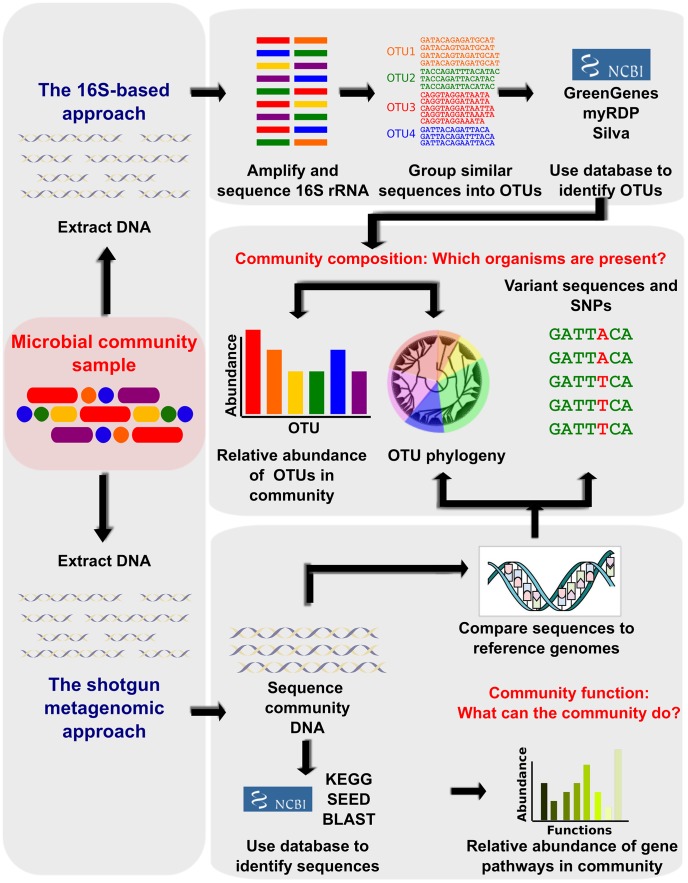
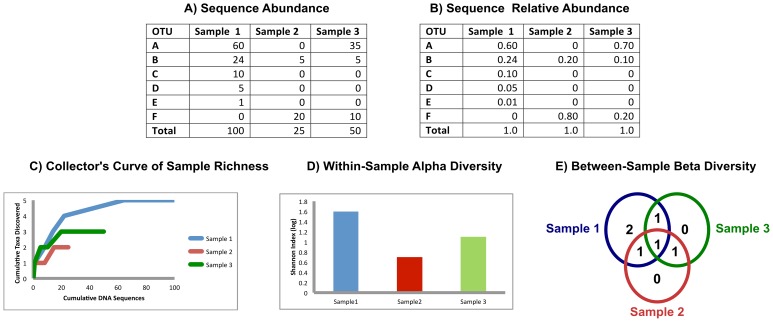
Verification
Claims the paper makes
The claims and statistics of this paper haven’t been checked yet.
Run the check — free, no account needed. It reads the open-access text and checks the sources it cites.
Claims other papers make about this one
Each is checked against this paper’s own text: does it say what the citing paper says it does?
The cited source says what the claim attributes to it.
In the citing paper
“they play such a large role in numerous host functions including immunity”
From The Influence of the Gut Microbiome on Cancer, Immunity, and Cancer Immunotherapy (2018) · cites this paper as Morgan and Huttenhower, 2012
In the citing paper
“there are trillions of microbes as numerous as human cells, that interact with the host constantly at numerous sites”
From The Influence of the Gut Microbiome on Cancer, Immunity, and Cancer Immunotherapy (2018) · cites this paper as Morgan and Huttenhower, 2012
Self-check
Percentages, sums and reported differences re-computed from the paper’s own numbers.
The self-check needs the paper’s full text.
Citations
Cites
A Mathematical Theory of Communication
Shannon, C. E. (1948) · Bell System Technical Journal · doi:10.1002/j.1538-7305.1948.tb01338.x · Cited by 88,486
DNA sequencing with chain-terminating inhibitors
Sanger, F., Nicklen, S., & Coulson, A. R. (1977) · Proceedings of the National Academy of Sciences · doi:10.1073/pnas.74.12.5463 · Cited by 68,572
Fast and accurate short read alignment with Burrows-Wheeler transform
Li, H., & Durbin, R. (2009) · Bioinformatics · doi:10.1093/bioinformatics/btp324 · Cited by 58,607
Gene Ontology: tool for the unification of biology
Ashburner, M., Ball, C. A., Blake, J. A., Botstein, D., Butler, H., Cherry, J. M., Davis, A. P., Dolinski, K., Dwight, S. S., Eppig, J. T., et al. (2000) · Nature Genetics · doi:10.1038/75556 · Cited by 43,206
QIIME allows analysis of high-throughput community sequencing data
Caporaso, J. G., Kuczynski, J., Stombaugh, J., Bittinger, K., Bushman, F. D., Costello, E. K., Fierer, N., Peña, A. G., Goodrich, J. K., Gordon, J. I., et al. (2010) · Nature Methods · doi:10.1038/nmeth.f.303 · Cited by 34,887
Initial sequencing and analysis of the human genome
International Human Genome Sequencing Consortium, Whitehead Institute for Biomedical Research, C. F. G. R., Lander, E. S., Linton, L. M., Birren, B., Nusbaum, C., Zody, M. C., Baldwin, J., Devon, K., Dewar, K., et al. (2001) · Nature · doi:10.1038/35057062 · Cited by 24,216
BLAST+: architecture and applications
Camacho, C., Coulouris, G., Avagyan, V., Ma, N., Papadopoulos, J., Bealer, K., & Madden, T. L. (2009) · BMC Bioinformatics · doi:10.1186/1471-2105-10-421 · Cited by 22,074
Ultrafast and memory-efficient alignment of short DNA sequences to the human genome.
Langmead, B., Trapnell, C., Pop, M., & Salzberg, S. L. (2009) · Genome Biology · doi:10.1186/gb-2009-10-3-r25 · Cited by 21,849
Naive Bayesian Classifier for Rapid Assignment of rRNA Sequences into the New Bacterial Taxonomy
Wang, Q., Garrity, G. M., Tiedje, J. M., & Cole, J. R. (2007) · Applied and Environmental Microbiology · doi:10.1128/aem.00062-07 · Cited by 20,145
Schloss, P. D., Westcott, S. L., Ryabin, T., Hall, J. R., Hartmann, M., Hollister, E. B., Lesniewski, R. A., Oakley, B. B., Parks, D. H., Robinson, C. J., et al. (2009) · Applied and Environmental Microbiology · doi:10.1128/aem.01541-09 · Cited by 19,549
Research works printed but not linked: 1
- HC Gram, 1884, Über die isolierte Färbung der Schizomyceten in Schnitt- und Trockenpräparaten, Fortschritte der Medizin, 2, 185
Cited by
Sorted by citations
Gut microbiome modulates response to anti-PD-1 immunotherapy in melanoma patients
Gopalakrishnan, V., Spencer, C. N., Nezi, L., Reuben, A., Andrews, M. C., Karpinets, T. V., Prieto, P. A., Vicente, D., Hoffman, K., Wei, S. C., et al. (2018) · Science · doi:10.1126/science.aan4236 · Cited by 4,812
Chong, J., Liu, P., Zhou, G., & Xia, J. (2020) · Nature Protocols · doi:10.1038/s41596-019-0264-1 · Cited by 1,708
The Influence of the Gut Microbiome on Cancer, Immunity, and Cancer Immunotherapy
Gopalakrishnan, V., Helmink, B. A., Spencer, C. N., Reuben, A., & Wargo, J. A. (2018) · Cancer Cell · doi:10.1016/j.ccell.2018.03.015 · Cited by 1,392
“Therefore, it is not surprising that they play such a large role in numerous host functions including immunity (Sender et al., 2016; Morgan and Huttenhower, 2012).”
BackgroundCaspi, R., Altman, T., Billington, R., Dreher, K., Foerster, H., Fulcher, C. A., Holland, T. A., Keseler, I. M., Kothari, A., Kubo, A., et al. (2014) · Nucleic Acids Research · doi:10.1093/nar/gkt1103 · Cited by 1,204
Oral microbiome: Unveiling the fundamentals
Deo, P., & Deshmukh, R. (2019) · Journal of Oral and Maxillofacial Pathology · doi:10.4103/jomfp.jomfp_304_18 · Cited by 1,121
Relating the metatranscriptome and metagenome of the human gut
Franzosa, E. A., Morgan, X. C., Segata, N., Waldron, L., Reyes, J. A., Earl, A. M., Giannoukos, G., Boylan, M. R., Ciulla, D., Gevers, D., et al. (2014) · Proceedings of the National Academy of Sciences · doi:10.1073/pnas.1319284111 · Cited by 731
Self-citationSo, D., Whelan, K., Rossi, M., Morrison, M., Holtmann, G., Kelly, J. T., Shanahan, E. R., Staudacher, H. M., & Campbell, K. L. (2018) · The American Journal of Clinical Nutrition · doi:10.1093/ajcn/nqy041 · Cited by 683
The role of the microbiome in cancer development and therapy
Bhatt, A. P., Redinbo, M. R., & Bultman, S. J. (2017) · CA A Cancer Journal for Clinicians · doi:10.3322/caac.21398 · Cited by 653
Review article: dietary fibre-microbiota interactions
Simpson, H. L., & Campbell, B. J. (2015) · Alimentary Pharmacology & Therapeutics · doi:10.1111/apt.13248 · Cited by 602
The gut microbiota influences anticancer immunosurveillance and general health
Routy, B., Gopalakrishnan, V., Daillère, R., Zitvogel, L., Wargo, J. A., & Kroemer, G. (2018) · Nature Reviews Clinical Oncology · doi:10.1038/s41571-018-0006-2 · Cited by 523
Intestinal Microbiota in Cardiovascular Health and Disease
Tang, W. H. W., Bäckhed, F., Landmesser, U., & Hazen, S. L. (2019) · Journal of the American College of Cardiology · doi:10.1016/j.jacc.2019.03.024 · Cited by 524
The role of the microbiome in exacerbations of chronic lung diseases
Dickson, R. P., Martinez, F. J., & Huffnagle, G. B. (2014) · The Lancet · doi:10.1016/s0140-6736(14)61136-3 · Cited by 495
Functions of the skin microbiota in health and disease
Sanford, J. A., & Gallo, R. L. (2013) · Seminars in Immunology · doi:10.1016/j.smim.2013.09.005 · Cited by 512
Bacteriome and Mycobiome Interactions Underscore Microbial Dysbiosis in Familial Crohn’s Disease
Hoarau, G., Mukherjee, P. K., Gower‐Rousseau, C., Hager, C. L., Chandra, J., Retuerto, M. A., Neut, C., Vermeire, S., Clemente, J. C., Colombel, J., et al. (2016) · mBio · doi:10.1128/mbio.01250-16 · Cited by 499
Use of Metatranscriptomics in Microbiome Research
Bashiardes, S., Zilberman-Schapira, G., & Elinav, E. (2016) · Bioinformatics and Biology Insights · doi:10.4137/bbi.s34610 · Cited by 496
The Human Microbiome and Its Impacts on Health
Ogunrinola, G. A., Oyewale, J. O., Oshamika, O. O., & Olasehinde, G. I. (2020) · International Journal of Microbiology · doi:10.1155/2020/8045646 · Cited by 482
Gut microbiota signatures are associated with toxicity to combined CTLA-4 and PD-1 blockade
Andrews, M. C., Duong, C. P. M., Gopalakrishnan, V., Iebba, V., Chen, W.-S., Derosa, L., Khan, M. A. W., Cogdill, A. P., White, M. G., Wong, M. C., et al. (2021) · Nature Medicine · doi:10.1038/s41591-021-01406-6 · Cited by 437
Romero, R. J., Hassan, S. S., Gajer, P., Tarca, A. L., Fadrosh, D. W., Bieda, J., Chaemsaithong, P., Miranda, J., Chaiworapongsa, T., & Ravel, J. (2014) · Microbiome · doi:10.1186/2049-2618-2-18 · Cited by 414
Dysbiosis of the gut and lung microbiome has a role in asthma
Hufnagl, K., Pali‐Schöll, I., Roth‐Walter, F., & Jensen‐Jarolim, E. (2020) · Seminars in Immunopathology · doi:10.1007/s00281-019-00775-y · Cited by 394
Mutlu, E., Comba, I. Y., Cho, T., Engen, P. A., Yazıcı, C., Soberanes, S., Hamanaka, R. B., Niğdelioğlu, R., Meliton, A. Y., Ghio, A. J., et al. (2018) · Environmental Pollution · doi:10.1016/j.envpol.2018.04.130 · Cited by 309
Bikel, S., Valdez-Lara, A., Cornejo-Granados, F., Rico, K., Canizales-Quinteros, S., Soberón, X., Del Pozo-Yauner, L., & Ochoa-Leyva, A. (2015) · Computational and Structural Biotechnology Journal · doi:10.1016/j.csbj.2015.06.001 · Cited by 263
Gut microbiome and cancer immunotherapy
Li, W., Deng, Y., Chu, Q., & Zhang, P. (2019) · Cancer Letters · doi:10.1016/j.canlet.2019.01.015 · Cited by 262
Interplay between the lung microbiome and lung cancer
Mao, Q., Jiang, F., Yin, R. H., Wang, J., Xia, W., Dong, G., Ma, W., Yang, Y., Xu, L., & Hu, J. (2017) · Cancer Letters · doi:10.1016/j.canlet.2017.11.036 · Cited by 253
Bacterial alterations in salivary microbiota and their association in oral cancer
Lee, W.-H., Chen, H., Yang, S., Liang, C., Peng, C.-Y., Lin, F.-M., Tsai, L., Wu, B.-C., Hsin, C., Chuang, C., et al. (2017) · Scientific Reports · doi:10.1038/s41598-017-16418-x · Cited by 230
Rausch, P., Rühlemann, M. C., Hermes, B. M., Doms, S., Dagan, T., Dierking, K., Domin, H., Fraune, S., von Frieling, J., Hentschel, U., et al. (2019) · Microbiome · doi:10.1186/s40168-019-0743-1 · Cited by 247
Severity-Related Changes of Bronchial Microbiome in Chronic Obstructive Pulmonary Disease
García-Núñez, M., Millares, L., Pomares, X., Ferrari, R. G., Pérez‐Brocal, V., Gallego, M., Espasa, M., Moyá, A., & Monsó, E. (2014) · Journal of Clinical Microbiology · doi:10.1128/jcm.01967-14 · Cited by 230
Aging, Frailty, and the Microbiome—How Dysbiosis Influences Human Aging and Disease
Haran, J. P., & McCormick, B. A. (2020) · Gastroenterology · doi:10.1053/j.gastro.2020.09.060 · Cited by 225
One Health Relationships Between Human, Animal, and Environmental Microbiomes: A Mini-Review
Trinh, P., Zaneveld, J., Safranek, S. M., & Rabinowitz, P. M. (2018) · Frontiers in Public Health · doi:10.3389/fpubh.2018.00235 · Cited by 215
Epidemiologic studies of the human microbiome and cancer
Vogtmann, E., & Goedert, J. J. (2016) · British Journal of Cancer · doi:10.1038/bjc.2015.465 · Cited by 212
Mycobiota in gastrointestinal diseases
Mukherjee, P. K., Sendid, B., Hoarau, G., Colombel, J., Poulain, D., & Ghannoum, M. A. (2014) · Nature Reviews Gastroenterology & Hepatology · doi:10.1038/nrgastro.2014.188 · Cited by 215
The Fungal Mycobiome and Its Interaction with Gut Bacteria in the Host
Sam, Q. H., Chang, M. W., & Chai, L. Y. A. (2017) · International Journal of Molecular Sciences · doi:10.3390/ijms18020330 · Cited by 226
On the limits of 16S rRNA gene-based metagenome prediction and functional profiling
Matchado, M. S., Rühlemann, M. C., Reitmeier, S., Kacprowski, T., Frost, F., Haller, D., Baumbach, J., & List, M. (2024) · Microbial Genomics · doi:10.1099/mgen.0.001203 · Cited by 221
Alli, S. R., Gorbovskaya, I., Liu, J. C. W., Kolla, N. J., Brown, L., & Müller, D. J. (2022) · International Journal of Molecular Sciences · doi:10.3390/ijms23094494 · Cited by 202
A broken promise: microbiome differential abundance methods do not control the false discovery rate
Hawinkel, S., Mattiello, F., Bijnens, L., & Thas, O. (2019) · Briefings in Bioinformatics · doi:10.1093/bib/bbx104 · Cited by 199
Gut microbiome and kidney disease: a bidirectional relationship
Al Khodor, S., & Shatat, I. F. (2017) · Pediatric Nephrology · doi:10.1007/s00467-016-3392-7 · Cited by 191
Hypothesis testing and statistical analysis of microbiome
Xia, Y., & Sun, J. (2017) · Genes & Diseases · doi:10.1016/j.gendis.2017.06.001 · Cited by 206
Galloway-Peña, J., Smith, D. P., Sahasrabhojane, P. V., Ajami, N. J., Wadsworth, W. D., Daver, N. G., Chemaly, R. F., Marsh, L., Ghantoji, S. S., Pemmaraju, N., et al. (2016) · Cancer · doi:10.1002/cncr.30039 · Cited by 192
A comprehensive analysis of breast cancer microbiota and host gene expression
Thompson, K. J., Ingle, J. N., Tang, X., Chia, N., Jeraldo, P. R., Walther-Antonio, M. R., Kandimalla, K. K., Johnson, S., Yao, J. Z., Harrington, S. C., et al. (2017) · PLOS ONE · doi:10.1371/journal.pone.0188873 · Cited by 183
The amphibian microbiome: natural range of variation, pathogenic dysbiosis, and role in conservation
Jiménez, R. R., & Sommer, S. (2016) · Biodiversity and Conservation · doi:10.1007/s10531-016-1272-x · Cited by 180
Gut microbiota and dietary patterns in children with attention-deficit/hyperactivity disorder
Wang, L., Yang, C., Chou, W., Lee, M., Chou, M., Kuo, H., Yeh, Y., Lee, S.-Y., Huang, L., & Li, S. (2019) · European Child & Adolescent Psychiatry · doi:10.1007/s00787-019-01352-2 · Cited by 174
Meta'omic Analytic Techniques for Studying the Intestinal Microbiome
Morgan, X. C., & Huttenhower, C. (2014) · Gastroenterology · doi:10.1053/j.gastro.2014.01.049 · Cited by 181
Self-citationPotential and active functions in the gut microbiota of a healthy human cohort
Tanca, A., Abbondio, M., Palomba, A., Fraumene, C., Manghina, V., Cucca, F., Fiorillo, E., & Uzzau, S. (2017) · Microbiome · doi:10.1186/s40168-017-0293-3 · Cited by 172
Prenatal androgen exposure causes hypertension and gut microbiota dysbiosis
Sherman, S. B., Sarsour, N. Y., Salehi, M., Schroering, A. G., Mell, B., Joe, B., & Hill, J. W. (2018) · Gut Microbes · doi:10.1080/19490976.2018.1441664 · Cited by 160
RNA Sensing by Gut Piezo1 Is Essential for Systemic Serotonin Synthesis
Sugisawa, E., Takayama, Y., Takemura, N., Kondo, T., Hatakeyama, S., Kumagai, Y., Sunagawa, M., Tominaga, M., & Maruyama, K. (2020) · Cell · doi:10.1016/j.cell.2020.06.022 · Cited by 161
Sordillo, J. E., Zhou, Y., McGeachie, M. J., Ziniti, J. P., Lange, N. E., Laranjo, N., Savage, J. R. K., Carey, V. J., O’Connor, G. T., Sandel, M. T., et al. (2016) · Journal of Allergy and Clinical Immunology · doi:10.1016/j.jaci.2016.08.045 · Cited by 159
Mammen, M. J., & Sethi, S. (2016) · Respirology · doi:10.1111/resp.12732 · Cited by 153
Alterations of the bile microbiome in primary sclerosing cholangitis
Liwinski, T., Zenouzi, R., John, C., Ehlken, H., Rühlemann, M. C., Bang, C., Groth, S., Lieb, W., Kantowski, M., Andersen, N., et al. (2020) · Gut · doi:10.1136/gutjnl-2019-318416 · Cited by 149
The features of mucosa‐associated microbiota in primary sclerosing cholangitis
Torres, J., Bao, X., Goel, A., Colombel, J. ‐., Pekow, J., Jabri, B., Williams, K. M., Castillo, A., Odin, J. A., Meckel, K., et al. (2016) · Alimentary Pharmacology & Therapeutics · doi:10.1111/apt.13552 · Cited by 149
Avramenko, R. W., Redman, E., Lewis, R., Bichuette, M. A., Palmeira, B. M., Yazwinski, T. A., & Gilleard, J. S. (2017) · International Journal for Parasitology · doi:10.1016/j.ijpara.2017.06.006 · Cited by 149
Host contributes to longitudinal diversity of fecal microbiota in swine selected for lean growth
Lu, D., Tiezzi, F., Schillebeeckx, C., McNulty, N. P., Schwab, C. R., Shull, C. M., & Maltecca, C. (2018) · Microbiome · doi:10.1186/s40168-017-0384-1 · Cited by 163
Hu, J., Raikhel, V., Gopalakrishnan, K., Fernandez-Hernandez, H., Lambertini, L., Manservisi, F., Falcioni, L., Bua, L., Belpoggi, F., Teitelbaum, S. L., et al. (2016) · Microbiome · doi:10.1186/s40168-016-0173-2 · Cited by 154
The human gut microbiome, a taxonomic conundrum
Sankar, S. A., Lagier, J., Pontarotti, P., Raoult, D., & Fournier, P. (2015) · Systematic and Applied Microbiology · doi:10.1016/j.syapm.2015.03.004 · Cited by 157
Bronchial microbiome of severe COPD patients colonised by Pseudomonas aeruginosa
Millares, L., Ferrari, R., Gallego, M., Garcia-Nuñez, M., Pérez-Brocal, V., Espasa, M., Pomares, X., Monton, C., Moya, A., & Monsó, E. (2014) · European Journal of Clinical Microbiology & Infectious Diseases · doi:10.1007/s10096-013-2044-0 · Cited by 136
Bailey, M., Naik, N. C., Wild, L. E., Patterson, W. B., & Alderete, T. L. (2020) · Gut Microbes · doi:10.1080/19490976.2020.1749754 · Cited by 137
Diagnostic metagenomics: potential applications to bacterial, viral and parasitic infections
PALLEN, M. J. (2014) · Parasitology · doi:10.1017/s0031182014000134 · Cited by 126
Regueira‐Iglesias, A., Balsa‐Castro, C., Blanco‐Pintos, T., & Tomás, I. (2023) · Molecular Oral Microbiology · doi:10.1111/omi.12434 · Cited by 146
Clavel, T., Neto, J. C. G., Lagkouvardos, I., & Ramer‐Tait, A. E. (2017) · Immunological Reviews · doi:10.1111/imr.12578 · Cited by 132
Méndez, R., Kesh, K., Arora, N., Martino, L. D., McAllister, F. M., Merchant, N. B., Banerjee, S., & Banerjee, S. (2019) · Carcinogenesis · doi:10.1093/carcin/bgz116 · Cited by 125
Zheng, J., Hoffman, K. L., Chen, J., Shivappa, N., Sood, A., Browman, G. J., Dirba, D. D., Hanash, S., Wei, P., Hébert, J. R., et al. (2020) · British Journal Of Nutrition · doi:10.1017/s0007114520001853 · Cited by 122
Stanford, J., Charlton, K. E., Stefoska‐Needham, A., Ibrahim, R., & Lambert, K. (2020) · BMC Nephrology · doi:10.1186/s12882-020-01805-w · Cited by 123
Bacteriome and mycobiome associations in oral tongue cancer
Mukherjee, P. K., Wang, H., Retuerto, M., Zhang, H., Burkey, B. B., Ghannoum, M. A., & Eng, C. (2017) · Oncotarget · doi:10.18632/oncotarget.21921 · Cited by 117
Barandouzi, Z. A., Lee, J., Rosas, M. D. C., Chen, J., Henderson, W. A., Starkweather, A. R., & Cong, X. S. (2022) · Scientific Reports · doi:10.1038/s41598-022-05756-0 · Cited by 117
Rajpoot, M., Sharma, A. K., Sharma, A. K., & Gupta, G. K. (2018) · Seminars in Cancer Biology · doi:10.1016/j.semcancer.2018.02.003 · Cited by 119
Banas, J. A., & Drake, D. R. (2018) · BMC Oral Health · doi:10.1186/s12903-018-0595-2 · Cited by 114
Four men in a boat: Ultra-endurance exercise alters the gut microbiome
Keohane, D. M., Woods, T., O’Connor, P., Underwood, S., Cronin, O., Whiston, R., O'Sullivan, O., Cotter, P., Shanahan, F., & Molloy, M. G. M. (2019) · Journal of Science and Medicine in Sport · doi:10.1016/j.jsams.2019.04.004 · Cited by 113
Characterization of oral and gut microbiome temporal variability in hospitalized cancer patients
Galloway-Peña, J., Smith, D. P., Sahasrabhojane, P. V., Wadsworth, W. D., Fellman, B. M., Ajami, N. J., Shpall, E. J., Daver, N. G., Guindani, M., Petrosino, J. F., et al. (2017) · Genome Medicine · doi:10.1186/s13073-017-0409-1 · Cited by 118
The role of the gut microbiota on animal model reproducibility
Turner, P. V. (2018) · Animal Models and Experimental Medicine · doi:10.1002/ame2.12022 · Cited by 118
Invited Review: From nose to gut – the role of the microbiome in neurological disease
Bell, J. S., Spencer, J. I., Yates, R. L., Yee, S. A., Jacobs, B. M., & DeLuca, G. C. (2018) · Neuropathology and Applied Neurobiology · doi:10.1111/nan.12520 · Cited by 111
The significance of microbiome in personalized medicine
Behrouzi, A., Nafari, A. H., & Siadat, S. D. (2019) · Clinical and Translational Medicine · doi:10.1186/s40169-019-0232-y · Cited by 113
Anaya, J., Ramírez-Santana, C., Alzate-Vinasco, M. A., Molano‐González, N., & Rojas‐Villarraga, A. (2016) · Frontiers in Immunology · doi:10.3389/fimmu.2016.00139 · Cited by 113
The possible mechanisms of the human microbiome in allergic diseases
İpçi, K., Altıntoprak, N., Muluk, N. B., Şentürk, M., & Cingi, C. (2016) · European Archives of Oto-Rhino-Laryngology · doi:10.1007/s00405-016-4058-6 · Cited by 114
Assessing the in vivo data on low/no-calorie sweeteners and the gut microbiota
Lobach, A. R., Roberts, A., & Rowland, I. R. (2019) · Food and Chemical Toxicology · doi:10.1016/j.fct.2018.12.005 · Cited by 104
The Impact of Intratumoral and Gastrointestinal Microbiota on Systemic Cancer Therapy
Cogdill, A. P., Gaudreau, P. O., Arora, R., Gopalakrishnan, V., & Wargo, J. A. (2018) · Trends in Immunology · doi:10.1016/j.it.2018.09.007 · Cited by 98
Franzén, O., Hu, J., Bao, X., Itzkowitz, S. H., Peter, I., & Bashir, A. (2015) · Microbiome · doi:10.1186/s40168-015-0105-6 · Cited by 98
Ortiz‐Estrada, Á. M., Gollas‐Galván, T., Martínez‐Córdova, L. R., & Martínez‐Porchas, M. (2018) · Reviews in Aquaculture · doi:10.1111/raq.12237 · Cited by 96
Microbiome Dynamics: A Paradigm Shift in Combatting Infectious Diseases
Kamel, M. S., Aleya, S., Alsubih, M., & Aleya, L. (2024) · Journal of Personalized Medicine · doi:10.3390/jpm14020217 · Cited by 99
Microbial dysbiosis and mortality during mechanical ventilation: a prospective observational study
for the PROSPECT Investigators, Lamarche, D., Canadian Critical Care Trials Group, Canadian Critical Care Translational Biology Group, Johnstone, J., Zytaruk, N. L., Clarke, F. J., Hand, L. E., Loukov, D., Szamosi, J. C., et al. (2018) · Respiratory Research · doi:10.1186/s12931-018-0950-5 · Cited by 100
Probiotics in microbiome ecological balance providing a therapeutic window against cancer
Sehrawat, N., Yadav, M. K., Singh, M. P., Kumar, V., Sharma, V., & Sharma, A. K. (2020) · Seminars in Cancer Biology · doi:10.1016/j.semcancer.2020.06.009 · Cited by 99
Dysbiosis in the intensive care unit: Microbiome science coming to the bedside
Kitsios, G. D., Morowitz, M. J., Dickson, R. P., Huffnagle, G. B., McVerry, B. J., & Morris, A. (2016) · Journal of Critical Care · doi:10.1016/j.jcrc.2016.09.029 · Cited by 94
Gut microbial dysbiosis in individuals with Sjögren’s syndrome
Méndez, R., Watane, A., Farhangi, M., Cavuoto, K. M., Leith, T., Budree, S., Galor, A., & Banerjee, S. (2020) · Microbial Cell Factories · doi:10.1186/s12934-020-01348-7 · Cited by 90
Plant prebiotics and human health: Biotechnology to breed prebiotic-rich nutritious food crops
Dwivedi, S. L., Sahrawat, K. L., Puppala, N., & Ortiz, R. O. (2014) · Electronic Journal of Biotechnology · doi:10.1016/j.ejbt.2014.07.004 · Cited by 93
The Contribution of the Human Oral Microbiome to Oral Disease: A Review
Morrison, A. G., Sarkar, S., Umar, S., Lee, S. T. M., & Thomas, S. M. (2023) · Microorganisms · doi:10.3390/microorganisms11020318 · Cited by 92
Hoffmann, A. R. (2017) · Veterinary Dermatology · doi:10.1111/vde.12408 · Cited by 95
Machine learning: novel bioinformatics approaches for combating antimicrobial resistance
Maćešić, N., Polubriaginof, F. C. G., & Tatonetti, N. P. (2017) · Current Opinion in Infectious Diseases · doi:10.1097/qco.0000000000000406 · Cited by 91
Microbiome epidemiology and association studies in human health
VanEvery, H., Franzosa, E. A., Nguyen, L. H., & Huttenhower, C. (2022) · Nature Reviews Genetics · doi:10.1038/s41576-022-00529-x · Cited by 86
Self-citationDong, X., Azzam, M. M., & Zou, X. (2017) · Poultry Science · doi:10.3382/ps/pex185 · Cited by 84
Peelen, M. J. C. S., Luef, B. M., Lamont, R., de Milliano, I., Jensen, J. S., Limpens, J., Hajenius, P. J., Jørgensen, J. S., & Menon, R. (2019) · Placenta · doi:10.1016/j.placenta.2019.03.011 · Cited by 84
The Clinical Link between Human Intestinal Microbiota and Systemic Cancer Therapy
Aarnoutse, R., Ziemons, J., Penders, J., Rensen, S. S., de Vos‐Geelen, J., & Smidt, M. L. (2019) · International Journal of Molecular Sciences · doi:10.3390/ijms20174145 · Cited by 84
Association of dietary patterns with the gut microbiota in older, community-dwelling men
Shikany, J. M., Demmer, R. T., Johnson, A. J., Fino, N. F., Meyer, K., Ensrud, K. E., Lane, N. E., Orwoll, E. S., Kado, D. M., Zmuda, J. M., et al. (2019) · The American Journal of Clinical Nutrition · doi:10.1093/ajcn/nqz174 · Cited by 83
Effects of transport, fasting and anaesthesia on the faecal microbiota of healthy adult horses
Schoster, A., Mosing, M., Jalali, M., Staempfli, H. R., & Weese, J. S. (2015) · Equine Veterinary Journal · doi:10.1111/evj.12479 · Cited by 86
Lyons, P. P., Turnbull, J. F., Dawson, K. A., & Crumlish, M. (2015) · Aquaculture Research · doi:10.1111/are.12863 · Cited by 83
Varghese, V. K., Poddar, B. J., Shah, M. P., Purohit, H. J., & Khardenavis, A. A. (2021) · The Science of The Total Environment · doi:10.1016/j.scitotenv.2021.152500 · Cited by 82
Gut Microbiome and the Development of Food Allergy and Allergic Disease
Prince, B. T., Mandel, M. J., Nadeau, K. C., & Singh, A. M. (2015) · Pediatric Clinics of North America · doi:10.1016/j.pcl.2015.07.007 · Cited by 83
Fasina, Y. O., Newman, M. M., Stough, J. M. A., & Liles, M. R. (2015) · Poultry Science · doi:10.3382/ps/pev329 · Cited by 82
Future for probiotic science in functional food and dietary supplement development
Neef, A., & Sanz, Y. (2013) · Current Opinion in Clinical Nutrition & Metabolic Care · doi:10.1097/mco.0b013e328365c258 · Cited by 82
Möller, D. R., Koth, L. L., Maier, L. A., Morris, A., Drake, W. P., Rossman, M. D., Leader, J. K., Collman, R. G., Hamzeh, N. Y., Sweiss, N., et al. (2015) · Annals of the American Thoracic Society · doi:10.1513/annalsats.201503-172ot · Cited by 82
The role of Clostridium difficile in the paediatric and neonatal gut — a narrative review
Lees, E. A., Miyajima, F., Pirmohamed, M., & Carrol, E. D. (2016) · European Journal of Clinical Microbiology & Infectious Diseases · doi:10.1007/s10096-016-2639-3 · Cited by 84
Wadsworth, W. D., Argiento, R., Guindani, M., Galloway-Peña, J., Shelburne, S. A., & Vannucci, M. (2017) · BMC Bioinformatics · doi:10.1186/s12859-017-1516-0 · Cited by 84
Mesnage, R., Grundler, F., Schwiertz, A., Maho, Y. L., & de Toledo, F. W. (2019) · Journal of Nutritional Science · doi:10.1017/jns.2019.33 · Cited by 79
Implications of the Immune Landscape in COPD and Lung Cancer: Smoking Versus Other Causes
Taucher, E., Mykoliuk, I., Lindenmann, J., & Smolle-Jüettner, F.-M. (2022) · Frontiers in Immunology · doi:10.3389/fimmu.2022.846605 · Cited by 81
Metadata
- Authors
- Morgan, X. C., & Huttenhower, C.
- Affiliations
- Harvard University (US)
- Broad Institute (US)
- Corresponding author
- Huttenhower, Curtis
- Venue
- PLoS Computational Biology
- Publisher
- Public Library of Science (PLoS)
- Published
- 2012-12-27
- Volume
- 8
- Issue
- 12
- Pages
- e1002808
- ISSN
- 1553-734X (ISSN-L)
- 1553-7358
- PMC
- PMC3531975
- OpenAlex
- W2102813808
- Cited by
- 496
- References
- 179
- Citations by year
- 2026: 9 · 2025: 25 · 2024: 25 · 2023: 41 · 2022: 38 · 2021: 59 · 2020: 64 · 2019: 48 · 2018: 50 · 2017: 48 · 2016: 34 · 2015: 29 · 2014: 18 · 2013: 8
- FWCI
- 7.06
- Type
- journal article
- Language
- en
- Open access
- gold
- doi.org
- Locations
- PLoS Computational Biology (publishedVersion, cc-by)
- PubMed Central (publishedVersion, cc-by)
- PubMed (publishedVersion)
- Digital Access to Scholarship at Harvard (DASH) (Harvard University) (submittedVersion, cc-by)
- DOAJ (DOAJ: Directory of Open Access Journals) (submittedVersion, cc-by-sa)
- Funders
- National Institutes of Health
- National Human Genome Research Institute (R01HG005969)
- Topics
- Life Sciences › Biochemistry, Genetics and Molecular Biology › Molecular Biology › Gut microbiota and health
- Life Sciences › Biochemistry, Genetics and Molecular Biology › Molecular Biology › Genomics and Phylogenetic Studies
- Physical Sciences › Environmental Science › Ecology › Microbial Community Ecology and Physiology
- Keywords
- human microbiome, microbiota, metagenomics, metatranscriptomics, shotgun sequencing, microbial community diversity, functional genomics, inflammatory bowel disease, antibiotic resistance, microbial ecology
- MeSH terms
- Bacteria, Genes, Bacterial, Humans, RNA, Ribosomal, 16S, Host-Pathogen Interactions, Metagenome, Metagenomics
About these checks
Registry, retraction, Cites and statistics results are computed, not judged, with one exception: a printed reference that no index lists is read once by a model before it counts as a citation error. Claims are extracted by a model and kept only when their quote appears verbatim in the text; each cited source is then checked, with a model’s help, for whether it says what the claim relies on. Those verdicts can be wrong — read the claim’s quote and the cited source before relying on one.
Statistics and arithmetic are recomputed, not judged.
Confidence bands are shown only for fields calibrated on our annotated test set. None is calibrated yet, so no band is shown.
What counts as a claim ›How we measure confidence ›How we check this ›
Are you an author, or do you see a problem with this page? Request a review
