

Bayesian Computation Emerges in Generic Cortical Microcircuits through Spike-Timing-Dependent Plasticity
Open accessThe DOI matches its Crossref record; 122 of the 122 references it cites were found in a registry or an index.
Abstract
The principles by which networks of neurons compute, and how spike-timing dependent plasticity (STDP) of synaptic weights generates and maintains their computational function, are unknown. Preceding work has shown that soft winner-take-all (WTA) circuits, where pyramidal neurons inhibit each other via interneurons, are a common motif of cortical microcircuits. We show through theoretical analysis and computer simulations that Bayesian computation is induced in these network motifs through STDP in combination with activity-dependent changes in the excitability of neurons. The fundamental components of this emergent Bayesian computation are priors that result from adaptation of neuronal excitability and implicit generative models for hidden causes that are created in the synaptic weights through STDP. In fact, a surprising result is that STDP is able to approximate a powerful principle for fitting such implicit generative models to high-dimensional spike inputs: Expectation Maximization. Our results suggest that the experimentally observed spontaneous activity and trial-to-trial variability of cortical neurons are essential features of their information processing capability, since their functional role is to represent probability distributions rather than static neural codes. Furthermore it suggests networks of Bayesian computation modules as a new model for distributed information processing in the cortex.
Overview
The claims and statistics of this paper haven’t been checked yet.
Free: it reads the open-access text and checks the first 5 claims that cite a source we can check. Create a free account to check every claim.
Integrity signals
Registry
Cites
Statistics
Figures
Verification
Claims the paper makes
The claims and statistics of this paper haven’t been checked yet.
Free: it reads the open-access text and checks the first 5 claims that cite a source we can check. Create a free account to check every claim.
Claims other papers make about this one
Each is checked against this paper’s own text: does it say what the citing paper says it does?
The source backs part of the claim, not all of it — or backs it for a different population, condition or comparison.
In the citing paper
“The EM algorithm that is used for learning is a local update mechanism analogous to spike timing–dependent plasticity (24, 25).”
From Space is a latent sequence: A theory of the hippocampus (2024) · cites this paper as [24]
Experimental — accuracy not yet measured
Self-check
Percentages, sums and reported differences re-computed from the paper’s own numbers.
The self-check needs the paper’s full text.
Citations
Cites
Gradient-based learning applied to document recognition
Lecun, Y., Bottou, L., Bengio, Y., & Haffner, P. (1998) · Proceedings of the IEEE · doi:10.1109/5.726791 · Cited by 58,805 · cited 1×
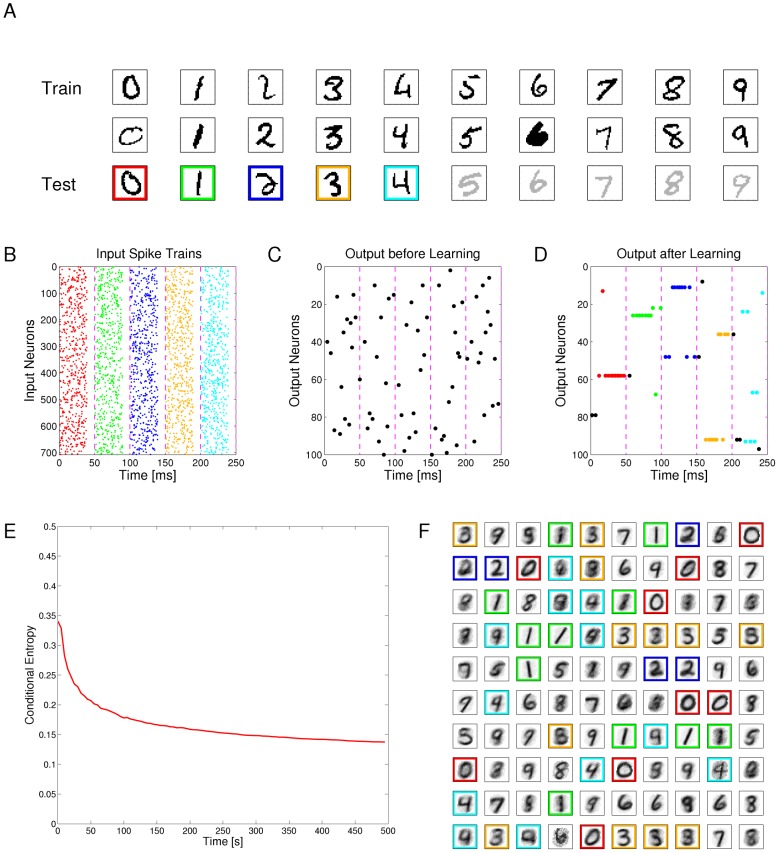
“6 through an application to a computational task that is substantially more difficult than previously considered tasks for networks of spiking neurons: We show that a simple network of spiking neurons can learn without any supervision to discriminate handwritten digits from the MNIST benchmark dataset [64] consisting…”
BackgroundMaximum Likelihood from Incomplete Data Via the EM Algorithm
Dempster, A. P., Laird, N. M., & Rubin, D. B. (1977) · Journal of the Royal Statistical Society Series B: Statistical Methodology · doi:10.1111/j.2517-6161.1977.tb01600.x · Cited by 50,444 · cited 4×
“The fact that STDP approximates EM is remarkable, since it is known from machine learning that EM can solve a fundamental chicken-and-egg problem of unsupervised learning systems [31]: To detect - without a teacher - hidden causes for complex input data, and to induce separate learning agents to specialize each on one…”
BackgroundMethodInfluentialBook Review: Pattern Recognition and Machine Learning
Nasrabadi, N. M. (2007) · Journal of Electronic Imaging · doi:10.1117/1.2819119 · Cited by 22,066
Advances in neural information processing systems 7
Cios, K., & Shields, M. (1997) · Neurocomputing · doi:10.1016/s0925-2312(97)90018-7 · Cited by 22,059
Reducing the dimensionality of data with neural networks
Hinton, G. E., & Salakhutdinov, R. R. (2006) · Science · doi:10.1126/science.1127647 · Cited by 20,928
A fast learning algorithm for deep belief nets
Hinton, G. E., Osindero, S., & Teh, Y.-W. (2006) · Neural Computation · doi:10.1162/neco.2006.18.7.1527 · Cited by 16,336 · cited 2×
“or semi-supervised machine learning algorithms [27,65], or to evaluate unsupervised feature learning approaches [66,67].”
BackgroundA model of saliency-based visual attention for rapid scene analysis
Itti, L., Koch, C., & Niebur, E. (1998) · IEEE Transactions on Pattern Analysis and Machine Intelligence · doi:10.1109/34.730558 · Cited by 11,271 · cited 1×
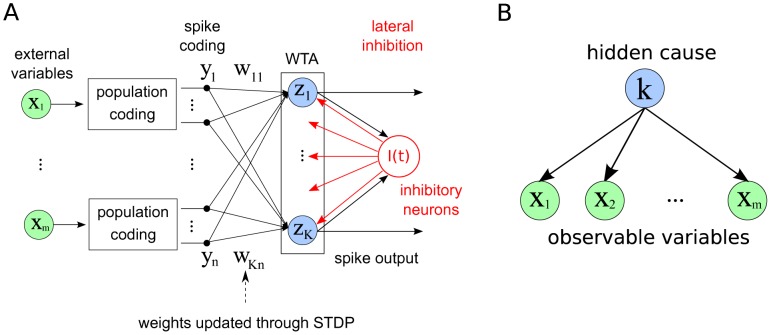
“These ubiquitous network motifs were called soft winner-take-all (WTA) circuits, and have been suggested as neural network models for implementing functions like non-linear selection [16,17], normalization [18], selective attention [19], decision making [20,21], or as primitives for general purpose computation [22,23].”
BackgroundHebb, D. O. (2005) · doi:10.4324/9781410612403 · Cited by 9,825
Pattern Recognition and Machine Learning
(2006) · doi:10.1007/978-0-387-45528-0 · Cited by 9,824
Emergence of simple-cell receptive field properties by learning a sparse code for natural images
Olshausen, B. A., & Field, D. J. (1996) · Nature · doi:10.1038/381607a0 · Cited by 5,694 · cited 2×
“Our model shows that a WTA circuit could learn orientation selectivity from such simple bar-like inputs, but does not provide an alternative explanation to the results of studies like [61] using natural image stimuli.”
BackgroundResult
Research works printed but not linked: 1
- Celeux G, Diebolt J (1985) The SEM algorithm: A probabilistic teacher algorithm derived from the EM algorithm for the mixture problem. Comput Statist Quater 2: 73– 82.
Cited by
Items 101–200 of 279
Turn Down That Noise: Synaptic Encoding of Afferent SNR in a Single Spiking Neuron
Afshar, S., George, L., Thakur, C. S., Tapson, J. C., André, V. S., de Chazal, P., & Hamilton, T. J. (2015) · IEEE Transactions on Biomedical Circuits and Systems · doi:10.1109/tbcas.2015.2416391 · Cited by 27
“As with the smooth synaptic alpha function, such accurate modelling of neurobiological processes can incur additional hardware costs while providing little computational improvement compared to even highly simplified models [20].”
BackgroundZappacosta, S., Mannella, F., Mirolli, M., & Baldassarre, G. (2018) · PLoS Computational Biology · doi:10.1371/journal.pcbi.1006227 · Cited by 30
Training a Hidden Markov Model with a Bayesian Spiking Neural Network
Tavanaei, A., & Maida, A. S. (2016) · Journal of Signal Processing Systems · doi:10.1007/s11265-016-1153-2 · Cited by 29
“Following [5], weight adjustments occur exactly when some z unit k emits a spike.”
BackgroundMethodInfluentialLearning produces a hippocampal cognitive map in the form of an orthogonalized state machinePreprint
Sun, W., Winnubst, J., Natrajan, M., Lai, C., Kajikawa, K., Michaelos, M., Gattoni, R., Stringer, C., Flickinger, D., Fitzgerald, J. E., et al. (2023) · bioRxiv (Cold Spring Harbor Laboratory) · doi:10.1101/2023.08.03.551900 · Cited by 24
Tavanaei, A., & Anthony, S. (2015) · INTERNATIONAL JOURNAL OF ADVANCED RESEARCH IN ARTIFICIAL INTELLIGENCE · doi:10.14569/ijarai.2015.040701 · Cited by 23
Learning Probabilistic Inference through Spike-Timing-Dependent Plasticity
Pecevski, D., & Maass, W. (2016) · eNeuro · doi:10.1523/eneuro.0048-15.2016 · Cited by 24
“The properties of this plasticity rule were studied by Nessler et al. (2013).”
BackgroundMethodInfluentialSelf-citationLegenstein, R. A., Jonke, Z., Habenschuss, S., & Maass, W. (2017) · arXiv (Cornell University) · doi:10.48550/arxiv.1707.05182 · Cited by 31
Self-citationNEVESIM: event-driven neural simulation framework with a Python interface
Pecevski, D., Kappel, D., & Jonke, Z. (2014) · Frontiers in Neuroinformatics · doi:10.3389/fninf.2014.00070 · Cited by 22
An unsupervised neuromorphic clustering algorithm
Diamond, A., Schmuker, M., & Nowotny, T. (2019) · Biological Cybernetics · doi:10.1007/s00422-019-00797-7 · Cited by 22
“Furthermore, when compared to the “one large neuron cloud” approaches (Nowotny et al. 2005; Nessler et al. 2013), the mechanism by which it develops and adjusts clusters is relatively transparent andrepeatablewhichmeansimprovementscanpotentiallybe designed and added.”
MethodResultSynthesizing Images From Spatio-Temporal Representations Using Spike-Based Backpropagation
Roy, D., Panda, P., & Roy, K. (2019) · Frontiers in Neuroscience · doi:10.3389/fnins.2019.00621 · Cited by 25
“It has been observed that biological neurons are noisy and exhibit a probabilistic switching behavior (Benayoun et al., 2010; Nessler et al., 2013), which can be modeled as having a sigmoid-like characterstic (Sengupta et al.”
BackgroundBrain Computation: A Computer Science Perspective
Maass, W., Papadimitriou, C. H., Vempala, S., & Legenstein, R. A. (2019) · Lecture notes in computer science · doi:10.1007/978-3-319-91908-9_11 · Cited by 27
Self-citationToward Efficient Processing and Learning With Spikes: New Approaches for Multispike Learning
Yu, Q., Li, S., Tang, H., Wang, L., Dang, J., & Tan, K. C. (2020) · IEEE Transactions on Cybernetics · doi:10.1109/tcyb.2020.2984888 · Cited by 22
“Moreover, the unsupervised STDP rule has been theoretically proven as an approximation of the ExpectationMaximization(EM) algorithm in machine learning, which is often used for parameter estimation with hidden states such as Bayesian inference [64], [65].”
MethodGilson, M., Dahmen, D., Moreno‐Bote, R., Insabato, A., & Helias, M. (2020) · PLoS Computational Biology · doi:10.1371/journal.pcbi.1008127 · Cited by 22
“STDPlike learning rules were used for object recognition [53] and related to the expectation-maximization algorithm [54].”
MethodProbabilistic inference in discrete spaces can be implemented into networks of LIF neurons
Probst, D., Petrovici, M. A., Bytschok, I., Bill, J., Pecevski, D., Schemmel, J., & Meier, K. (2015) · Frontiers in Computational Neuroscience · doi:10.3389/fncom.2015.00013 · Cited by 29
“The emergence of such structures for discriminative tasks based on both supervised and unsupervised STDP protocols has been the subject of recent investigations (Nessler et al., 2013; Kappel et al., 2014).”
BackgroundMasquelier, T., & Kheradpisheh, S. R. (2018) · Frontiers in Computational Neuroscience · doi:10.3389/fncom.2018.00074 · Cited by 21
“…learned one pattern (localist coding) (Masquelier et al., 2008, 2009; Gilson et al., 2011; Humble et al., 2012; Hunzinger et al., 2012; Kasabov et al., 2013; Klampfl and Maass, 2013; Nessler et al., 2013; Krunglevicius, 2015; Sun et al., 2016; Masquelier, 2017), or two patterns (Yger et al., 2015).”
BackgroundNeuro-Modulated Hebbian Learning for Fully Test-Time Adaptation
Tang, Y., Zhang, C., Xu, H., Chen, S., Cheng, J., Leng, L., Guo, Q., & He, Z. (2023) · IEEE Computer Society Conference on Computer Vision and Pattern Recognition/Proceedings - IEEE Computer Society Conference on Computer Vision and Pattern Recognition/Proceedings · doi:10.1109/cvpr52729.2023.00363 · Cited by 41
“It can be shown that the optimal parameter vector that optimizes the KL-divergence is proportional to the mean of the input distribution [45].”
Unsupervised Learning in an Ensemble of Spiking Neural Networks Mediated by ITDP
Shim, Y., Philippides, A. O., Staras, K., & Husbands, P. (2016) · PLoS Computational Biology · doi:10.1371/journal.pcbi.1005137 · Cited by 23
“Following Nessler et al. (2013) [30] and others, in order to demonstrate and test the operation of the system, binarizedMNIST handwritten digit images [46] were used as input data for classification, where the ON/OFF state of each pixel is encoded by two input neurons.”
BackgroundMethodSpiking analog VLSI neuron assemblies as constraint satisfaction problem solvers
Binas, J., Indiveri, G., & Pfeiffer, M. (2016) · IEEE International Symposium on Circuits and Systems proceedings · doi:10.1109/iscas.2016.7538992 · Cited by 28
“The stochastic spiking neurons used in previous work [6], [12], [8] can be approximated by integrateand-fire neurons, which are injected a large amount of noise, as proposed by [14], [15], [16].”
BackgroundMethodSelf-citationProbabilistic inference using stochastic spiking neural networks on a neurosynaptic processor
Ahmed, K., Shrestha, A., Qiu, Q., & Wu, Q. (2016) · International Joint Conference on Neural Networks (IJCNN) · doi:10.1109/ijcnn.2016.7727759 · Cited by 21
“In [8], the authors presents a Bayesian neuron model and the STDP learning rule.”
MethodInfluentialThalamo-cortical spiking model of incremental learning combining perception, context and NREM-sleep
Golosio, B., Luca, C. D., Capone, C., Pastorelli, E., Stegel, G., Tiddia, G., Bonis, G. D., & Paolucci, P. S. (2021) · PLoS Computational Biology · doi:10.1371/journal.pcbi.1009045 · Cited by 26
“Soft Winner-Take-All (WTA) plays an important role in many high-level cognitive functions such as decision making [3–5] classification and pattern recognition [6, 7].”
BackgroundVisual exposure enhances stimulus encoding and persistence in primary cortex
Lazăr, A., Lewis, C., Fries, P., Singer, W., & Nikolić, D. (2021) · Proceedings of the National Academy of Sciences · doi:10.1073/pnas.2105276118 · Cited by 21
A robust event-driven approach to always-on object recognition
Grimaldi, A., Boutin, V., Ieng, S.-H., Benosman, R. B., & Perrinet, L. (2024) · Neural Networks · doi:10.1016/j.neunet.2024.106415 · Cited by 23
Inherently stochastic spiking neurons for probabilistic neural computation
Al-Shedivat, M., Naous, R., Neftci, E., Cauwenberghs, G., & Salama, K. N. (2015) · International IEEE/EMBS Conference on Neural Engineering · doi:10.1109/ner.2015.7146633 · Cited by 23
Dendritic-Inspired Processing Enables Bio-Plausible STDP in Compound Binary Synapses
Xin, W., & Saxena, V. (2018) · IEEE Transactions on Nanotechnology · doi:10.1109/tnano.2018.2871680 · Cited by 21
“neural systems, is critical for guaranteeing computing stability and efficiency [27]–[29].”
BackgroundMethodBousoulas, P., Tsioustas, C., Hadfield, J., Aslanidis, V., Limberopoulos, S., & Tsoukalas, D. (2022) · IEEE Transactions on Electron Devices · doi:10.1109/ted.2022.3160140 · Cited by 21
Extending BrainScaleS OS for BrainScaleS-2Preprint
Müller, E., Mauch, C., Spilger, P., Breitwieser, O., Klähn, J., Stöckel, D., Wunderlich, T. C., & Schemmel, J. (2020) · arXiv (Cornell University) · doi:10.48550/arxiv.2003.13750 · Cited by 19
“The weights V ik between input and cause layer evolve according to update rules [34, 35] adapted to the restrictions of the computing substrate.”
BackgroundHiratani, N., & Fukai, T. (2016) · Frontiers in Neural Circuits · doi:10.3389/fncir.2016.00041 · Cited by 22
Neural Simpletrons: Learning in the Limit of Few Labels with Directed Generative Networks
Forster, D., Sheikh, A.-S., & Lücke, J. (2018) · Neural Computation · doi:10.1162/neco_a_01100 · Cited by 22
“If the learned fields are assigned to digit classes by the user, test error rates can be computed for the SEM [Nessler et al., 2013].”
BackgroundMethodResultInfluentialRavichandran, N. B., Lansner, A., & Herman, P. A. (2025) · Neurocomputing · doi:10.1016/j.neucom.2025.129440 · Cited by 26
Self-organized Criticality via Retro-Synaptic Signals
Hernandez-Urbina, V., & Herrmann, J. M. (2017) · Frontiers in Physics · doi:10.3389/fphy.2016.00054 · Cited by 18
“Moreover, recently there has been a line of research regarding the plausibility of developing deep learning methods based on spiking networks [57–59].”
BackgroundTransposable 3T-SRAM Synaptic Array Using Independent Double-Gate Feedback Field-Effect Transistors
Woo, S., Cho, J., Lim, D., Cho, K., & Kim, S. (2019) · IEEE Transactions on Electron Devices · doi:10.1109/ted.2019.2939393 · Cited by 20
“The width of the time window is typically 10 ms in biological synapses [23], [25]; however, a time window of 5 ns was”
BackgroundMethodNeuromorphic computing: From devices to integrated circuits
Saxena, V. (2020) · Journal of Vacuum Science & Technology B Nanotechnology and Microelectronics Materials Processing Measurement and Phenomena · doi:10.1116/6.0000591 · Cited by 21
Post-silicon nano-electronic device and its application in brain-inspired chips
Lv, Y., Chen, H., Wang, Q., Li, X., Xie, C., & Song, Z. (2022) · Frontiers in Neurorobotics · doi:10.3389/fnbot.2022.948386 · Cited by 18
“Meanwhile, random switching of resistive states in RRAM results in random firing of neurons (Nessler et al., 2013).”
BackgroundLearning heterogeneous delays in a layer of spiking neurons for fast motion detection
Grimaldi, A., & Perrinet, L. (2023) · Biological Cybernetics · doi:10.1007/s00422-023-00975-8 · Cited by 23
Cognitive Computing and Neural Networks
Maida, A. S. (2016) · Handbook of statistics · doi:10.1016/bs.host.2016.07.011 · Cited by 25
A structure–time parallel implementation of spike-based deep learning
Xi, W., Wang, Y., Tang, H., & Yan, R. (2019) · Neural Networks · doi:10.1016/j.neunet.2019.01.010 · Cited by 17
Stochastic magnetoelectric neuron for temporal information encoding
Yang, K., & Sengupta, A. (2020) · Applied Physics Letters · doi:10.1063/1.5138951 · Cited by 17
Bill, J., Buesing, L., Habenschuss, S., Nessler, B., Maass, W., & Legenstein, R. A. (2015) · PLoS ONE · doi:10.1371/journal.pone.0134356 · Cited by 27
“A full derivation of the plasticity rules (12) and (13), including a precise definition of the lower boundF and the variational posterior distribution, is provided inModel optimization via Generalized Expectation Maximization in Methods.”
BackgroundMethodResultInfluentialSelf-citationA Learning Framework for Winner-Take-All Networks with Stochastic Synapses
Mostafa, H., & Cauwenberghs, G. (2018) · Neural Computation · doi:10.1162/neco_a_01080 · Cited by 14
Jang, H., Skatchkovsky, N., & Simeone, O. (2021) · Proceedings - International Conference on Pattern Recognition/Proceedings/International Conference on Pattern Recognition · doi:10.1109/icpr48806.2021.9413206 · Cited by 18
“sures the spiking of a single neuron [23], [32], [33].”
BackgroundTestolin, A., Grazia, M. D. F. D., & Zorzi, M. (2017) · Frontiers in Computational Neuroscience · doi:10.3389/fncom.2017.00013 · Cited by 15
“Notably, we are also beginning to better understand how these powerful models could be implemented with biologically more realistic architectures, such as those incorporating temporal dynamics and spike-based communication (Buesing et al., 2011; Nessler et al., 2013).”
BackgroundSampling-based causal inference in cue combination and its neural implementation
Yu, Z., Chen, F., Dong, J., & Dai, Q. (2015) · Neurocomputing · doi:10.1016/j.neucom.2015.10.045 · Cited by 13
Bio-mimetic synaptic plasticity and learning in a sub-500 mV Cu/SiO2/W memristor
Nandakumar, S. R., & Rajendran, B. (2020) · Microelectronic Engineering · doi:10.1016/j.mee.2020.111290 · Cited by 13
Thiele, J. C., Bichler, O., & Dupret, A. (2018) · International Joint Conference on Neural Networks (IJCNN) · doi:10.1109/ijcnn.2018.8489666 · Cited by 13
“Equation 1 and its version in [20] were shown in [21] and [22] (with β+ = 1) to be similar to the probabilistic STDP-rule in [23].”
MethodA generative spiking neural-network model of goal-directed behaviour and one-step planning
Basanisi, R., Brovelli, A., Cartoni, E., & Baldassarre, G. (2020) · PLoS Computational Biology · doi:10.1371/journal.pcbi.1007579 · Cited by 22
Stochastic photonic spiking neuron for Bayesian inference with unsupervised learning
Ma, B., Zhang, J., Li, X., & Zou, W. (2023) · Optics Letters · doi:10.1364/ol.484268 · Cited by 12
Liu, Q., Cai, M., Chen, K., Ai, Q., & Ma, L. (2023) · IEEE Transactions on Neural Networks and Learning Systems · doi:10.1109/tnnls.2023.3336690 · Cited by 12
“At present, there are many variants of STDP, such as STDP-based expectation–maximization algorithm [27], [28] and STDP-based heuristic phenomenological models [29], [30].”
Models of Acetylcholine and Dopamine Signals Differentially Improve Neural Representations
Holca-Lamarre, R., Lücke, J., & Obermayer, K. (2017) · Frontiers in Computational Neuroscience · doi:10.3389/fncom.2017.00054 · Cited by 12
“In line with recent studies of biologically-plausible learning (Keck et al., 2012; Nessler et al., 2013; Schmuker et al., 2014; Diehl and Cook, 2015; Neftci et al., 2015), we used correct classification as a measure of performance.”
BackgroundKrunglevicius, D. (2016) · Advances in Artificial Neural Systems · doi:10.1155/2016/1746514 · Cited by 11
“Also, it was shown that STDP in a winner-take-all network can approximate expectation-maximization [26].”
BackgroundComputational models of long term plasticity and memoryPreprint
Fusi, S. (2017) · arXiv (Cornell University) · doi:10.48550/arxiv.1706.04946 · Cited by 21
“The role of STDP in learning has also been investigated in many computational studies (see e.g. [Gerstner et al., 1996, Legenstein et al., 2005b, Gutig and Sompolinsky, 2006, Izhikevich, 2007, Legenstein et al., 2008, Nessler et al., 2013, Pecevski and Maass, 2016]).”
Majumdar, S. (2024) · Frontiers in Nanotechnology · doi:10.3389/fnano.2024.1371386 · Cited by 12
Spiking neuron network Helmholtz machine
Sountsov, P., & Miller, P. C. (2015) · Frontiers in Computational Neuroscience · doi:10.3389/fncom.2015.00046 · Cited by 13
“This approach has been previously explored by others (Fiser et al., 2010; Buesing et al., 2011; Pecevski et al., 2011; Nessler et al., 2013) and has multiple interesting theoretical properties (see Fiser et al., 2010; Lochmann and Deneve, 2011 for a review), as well as being directly amenable to…”
BackgroundInfluentialOptimal neural inference of stimulus intensities
Monk, T., Savin, C., & Lücke, J. (2018) · Scientific Reports · doi:10.1038/s41598-018-28184-5 · Cited by 10
Boltzmann machines for time-seriesPreprint
Osogami, T. (2017) · arXiv (Cornell University) · doi:10.48550/arxiv.1708.06004 · Cited by 9
Hybrid spin‐CMOS stochastic spiking neuron for high‐speed emulation of In vivo neuron dynamics
Pyle, S. D., Camsari, K. Y., & DeMara, R. F. (2018) · IET Computers & Digital Techniques · doi:10.1049/iet-cdt.2017.0145 · Cited by 8
Mixed Signal Learning by Spike Correlation Propagation in Feedback Inhibitory Circuits
Hiratani, N., & Fukai, T. (2015) · PLoS Computational Biology · doi:10.1371/journal.pcbi.1004227 · Cited by 8
“Recently, it was shown that STDP can perform Bayesian optimal learning [66,67].”
BackgroundLiquid computing of spiking neural network with multi-clustered and active-neuron-dominant structure
Li, X., Liu, H., Xue, F., Zhou, H., & Song, Y. (2017) · Neurocomputing · doi:10.1016/j.neucom.2017.03.022 · Cited by 8
Spiking time-dependent plasticity leads to efficient coding of predictions
Aceituno, P. V., Ehsani, M., & Jost, J. (2019) · Biological Cybernetics · doi:10.1007/s00422-019-00813-w · Cited by 9
Robust cortical criticality and diverse dynamics resulting from functional specification
Gu, L., & Wu, R. (2021) · Physical review. E · doi:10.1103/physreve.103.042407 · Cited by 11
Yuan, Y., Huo, H., Zhao, P., Liu, J., Liu, J., Xing, F., & Fang, T. (2018) · Frontiers in Computational Neuroscience · doi:10.3389/fncom.2018.00091 · Cited by 12
“Unlike artificial neural networks in a simple feed-forward structure, brains are characterized by highly recurrent neuronal networks that can exhibit abundant activity patterns and perform complex computations (Sussillo and Abbott, 2012; Nessler et al., 2013; Sussillo, 2014).”
BackgroundEnabling bio-plausible multi-level STDP using CMOS neurons with dendrites and bistable RRAMs
Xin, W., & Saxena, V. (2017) · International Joint Conference on Neural Networks (IJCNN) · doi:10.1109/ijcnn.2017.7966299 · Cited by 8
“doesn’t result in the expected exponentially shaped learning window that appears in biological STDP, which has been found critical for guaranteeing computing stability and efficiency in theoretical analyses [16]–[18].”
Li, Y., Wang, W. J., Wang, M., Dou, C., Ma, Z., Zhou, H., Zhang, P., Lepri, N., Zhang, X., Luo, Q., et al. (2023) · Advanced Intelligent Systems · doi:10.1002/aisy.202300399 · Cited by 8
“To achieve this, the winner-take-all mechanism with inhibitory connections among neurons should be employed, similar to the case in biological systems 48 .”
MethodNishi, Y., Nomura, K., Marukame, T., & Mizushima, K. (2021) · Scientific Reports · doi:10.1038/s41598-021-97583-y · Cited by 9
Computing local edge probability in natural scenes from a population of oriented simple cells
Ramachandra, C. A., & Mel, B. W. (2013) · Journal of Vision · doi:10.1167/13.14.19 · Cited by 8
Studying the interaction of a hidden Markov model with a Bayesian spiking neural network
Tavanaei, A., & Maida, A. S. (2015) · Machine learning for signal processing ... · doi:10.1109/mlsp.2015.7324350 · Cited by 8
“(2013) that performs a form of expectation maximization [2].”
BackgroundMethodResultInfluentialSystem Design for In-Hardware STDP Learning and Spiking Based Probablistic Inference
Ahmed, K., Shrestha, A., Wang, Y., & Qiu, Q. (2016) · IEEE Computer Society Annual Symposium on VLSI · doi:10.1109/isvlsi.2016.91 · Cited by 8
“It can be proven that [16], based on this learning rule wi converges to the log of the probability that the presynaptic neuron yi fired within the STDP window before neuron Z fires, and the firing probability of Z calculated by Eqn.”
BackgroundMethodInfluentialA Marr's Three‐Level Analytical Framework for Neuromorphic Electronic Systems
Guo, Y., Zou, X., Hu, Y., Yang, Y., Wang, X., He, Y., Kong, R., Guo, Y., Li, G., Zhang, W., et al. (2021) · Advanced Intelligent Systems · doi:10.1002/aisy.202100054 · Cited by 16
Learning cognitive maps as structured graphs for vicarious evaluationPreprint
Rikhye, R. V., Gothoskar, N., Guntupalli, J. S., Dedieu, A., Lázaro-Gredilla, M., & George, D. (2019) · bioRxiv (Cold Spring Harbor Laboratory) · doi:10.1101/864421 · Cited by 10
“The EM algorithm used for learning is well approximated by the neurobiological mechanism of spike-timing-dependent-plasticity (STDP) [32].”
MethodSpike-inspired Rank Coding for Fast and Accurate Recurrent Neural NetworksPreprint
Jeffares, A., Guo, Q., Stenetorp, P., & Moraitis, T. (2021) · arXiv (Cornell University) · doi:10.48550/arxiv.2110.02865 · Cited by 11
“Secondly, SNNs are particularly difficult to analyse mathematically and rigorous ML-theoretic spiking models are scarce (Nessler et al., 2013; Moraitis et al., 2020).”
BackgroundShamsi, J., Mohammadi, K., & Shokouhi, S. B. (2017) · Biologically Inspired Cognitive Architectures · doi:10.1016/j.bica.2017.02.002 · Cited by 7
Hojjatinia, S., Shoorehdeli, M. A., Fatahi, Z., Hojjatinia, Z., & Haghparast, A. (2019) · PubMed · doi:10.48550/arxiv.1910.11380 · Cited by 9
Hardware in Loop Learning with Spin Stochastic Neurons
Islam, A. N. M. N., Yang, K., Shukla, A. K., Khanal, P., Zhou, B., Wang, W., & Sengupta, A. (2024) · Advanced Intelligent Systems · doi:10.1002/aisy.202300805 · Cited by 7
“Neurons, particularly in the cortex, have been observed exhibiting stochastic firing with nonlinear dependence on the resultant post-synaptic current input to the neuron.”
BackgroundMechanisms of Reward-Modulated STDP and Winner-Take-All in Bayesian Spiking Decision-Making Circuit
Yan, H., Liu, X., Huo, H., & Fang, T. (2019) · Lecture notes in computer science · doi:10.1007/978-3-030-36718-3_14 · Cited by 6
Towards spiking neuromorphic system-on-a-chip with bio-plausible synapses using emerging devices
Saxena, V., Xin, W., Srivastava, I., & Zhu, K. (2017) · ACM International Conference on Nanoscale Computing and Communication (NANOCOM) · doi:10.1145/3109453.3123961 · Cited by 7
“Recent studies have suggested that STDP, and its neural-inspired variants, can be used to train spiking neural networks (SNNs) in-situ without trading-off their parallelism [6, 7].”
BackgroundBrain-inspired learning rules for spiking neural network-based control: a tutorial
Lee, C., Park, Y., Yoon, S., Lee, J., Cho, Y., & Park, C. (2024) · Biomedical Engineering Letters · doi:10.1007/s13534-024-00436-6 · Cited by 7
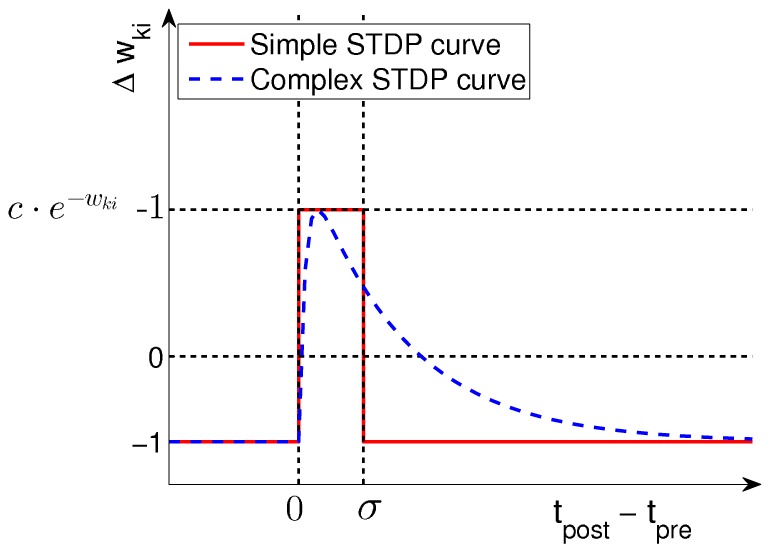
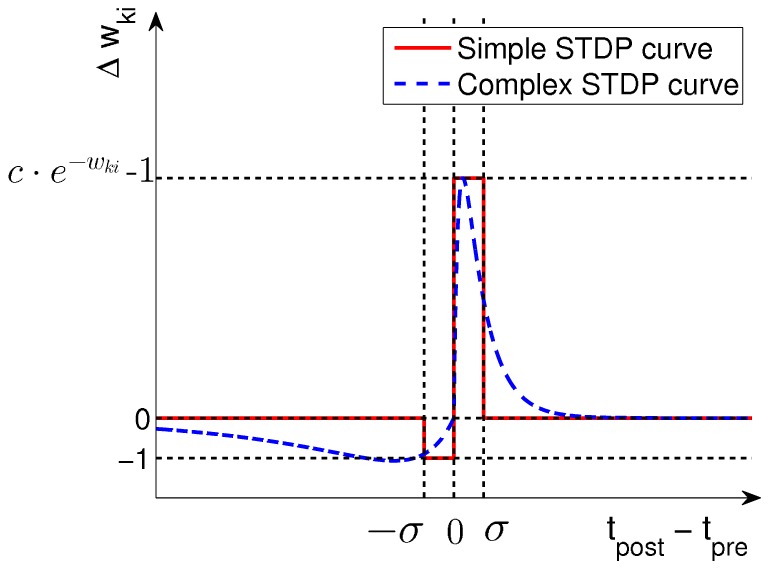
“A (iv) represents the simplified STDP introduced in [47, 53], where LTP occurs only when the spike interval falls between 0 and 𝜎 .”
Spiking Variational Policy Gradient for Brain Inspired Reinforcement Learning
Yang, Z., Guo, S., Fang, Y. G., Yu, Z., & Liu, J. K. (2024) · IEEE Transactions on Pattern Analysis and Machine Intelligence · doi:10.1109/tpami.2024.3511936 · Cited by 9
Computational Efficiency of a Modular Reservoir Network for Image Recognition
Dai, Y., Yamamoto, H., Sakuraba, M., & Sato, S. (2021) · Frontiers in Computational Neuroscience · doi:10.3389/fncom.2021.594337 · Cited by 6
“However, the performance of those methods after a scaleup still needs to be confirmed (Nessler et al., 2013; Diehl and Cook, 2015).”
BackgroundEmergence of probabilistic representation in the neural network of primary visual cortex
Li, A. A., Wang, F., Wu, S., & Zhang, X. (2022) · iScience · doi:10.1016/j.isci.2022.103975 · Cited by 11
Discrete Langevin machine: Bridging the gap between thermodynamic and neuromorphic systems
Kades, L., & Pawlowski, J. M. (2020) · Physical review. E · doi:10.1103/physreve.101.063304 · Cited by 7
Architecting for Artificial Intelligence with Emerging Nanotechnology
Kulkarni, S., Bhat, S., & Moritz, C. A. (2021) · ACM Journal on Emerging Technologies in Computing Systems · doi:10.1145/3445977 · Cited by 7
“Several works shown in this subsection, and more specifically [133][134][137][138][139] indicate, the”
BackgroundA biologically plausible learning rule for the Infomax on recurrent neural networks
Hayakawa, T., Kaneko, T., & Aoyagi, T. (2014) · Frontiers in Computational Neuroscience · doi:10.3389/fncom.2014.00143 · Cited by 8
“In addition, the derivation of this type of a stochastic gradient ascent method is mathematically the same as that for reward-modulated STDP, a neural implementation of reinforcement learning (Florian, 2007; Frémaux et al., 2013) (see Discussion).”
MethodDeep Neural Networks and Hardware Systems for Event-driven Data
Neil, D. (2017) · Repository for Publications and Research Data (ETH Zurich) · doi:10.3929/ethz-b-000168865 · Cited by 7
SNNTracker: Online High-Speed Multi-Object Tracking With Spike Camera
Zheng, Y., Li, C., Zhang, J., Yu, Z., & Huang, T. (2025) · IEEE Transactions on Pattern Analysis and Machine Intelligence · doi:10.1109/tpami.2025.3610696 · Cited by 9
Simulation of bayesian learning and inference on distributed stochastic spiking neural networks
Ahmed, K., Shrestha, A., & Qiu, Q. (2016) · International Joint Conference on Neural Networks (IJCNN) · doi:10.1109/ijcnn.2016.7727313 · Cited by 5
“It can be proved [14] that based on this learning rule the wi converges to the log of the probability that the presynaptic neuron yi fired within the STDP window before neuron Z fires, and the firing probability of Z calculated by Eqn.”
BackgroundMethodHardware Spiking Neural Networks: Slow Tasks Resilient Learning with Longer Term-Memory Bits
Lewden, P., Vincent, A. F., Meyer, C., Tomas, J., Siami, S., & Saïghi, S. (2019) · IEEE Biomedical Circuits and Systems Conference (BioCAS) · doi:10.1109/biocas.2019.8918992 · Cited by 6
“This scheme is reminiscent of previous works in the literature [17], [18].”
ResultLearning hetero-synaptic delays for motion detection in a single layer of spiking neurons
Grimaldi, A., & Perrinet, L. (2022) · Proceedings - International Conference on Image Processing · doi:10.1109/icip46576.2022.9897394 · Cited by 5
“The activation function of our spiking neuron is a softmax function implementing a form of Multinomial Logistic Regression (MLR) [13], in analogy to a spiking Winner-Take-All network [17].”
MethodWinner-Take-All as Basic Probabilistic Inference Unit of Neuronal CircuitsPreprint
Yu, Z., Tian, Y., Huang, T., & Liu, J. K. (2018) · arXiv (Cornell University) · doi:10.48550/arxiv.1808.00675 · Cited by 6
“In this study, we consider the WTA model used in [21, 22], where all neurons are allowed to fire with non-zero probability.”
MethodShort-term synaptic plasticity optimally models continuous environments.Preprint
Moraitis, T., Sebastian, A., & Eleftheriou, E. S. (2020) · arXiv (Cornell University) · Cited by 10
Optimality of short-term synaptic plasticity in modelling certain dynamic environmentsPreprint
Moraitis, T., Sebastian, A., & Eleftheriou, E. S. (2020) · arXiv (Cornell University) · doi:10.48550/arxiv.2009.06808 · Cited by 23
“32 Thus, regular, i.e. long-term, STDP can be used here as well to learn the initial resting weights W ( jk ) .”
BackgroundMethodInfluentialSynaptic self-organization of spatio-temporal pattern selectivity
Dehghani-Habibabadi, M., & Pawelzik, K. R. (2023) · PLoS Computational Biology · doi:10.1371/journal.pcbi.1010876 · Cited by 5
Learning, Inference, and Replay of Hidden State Sequences in Recurrent Spiking Neural Networks
Corneil, D., Neftci, E. O., Indiveri, G., & Pfeiffer, M. (2014) · Infoscience (Ecole Polytechnique Fédérale de Lausanne) · Cited by 4
Self-citationEvent-driven contrastive divergence: neural sampling foundations
Neftci, E., Das, S., Pedroni, B. U., Kreutz-Delgado, K., & Cauwenberghs, G. (2015) · Frontiers in Neuroscience · doi:10.3389/fnins.2015.00104 · Cited by 4
“…of this view is that learning in spiking neural networks becomes more tractable than the alternative one, in which neurons encode probabilities, because one can borrow from well-established algorithms in machine learning (Fiser et al., 2010) (see Nessler et al., 2013 for a concrete example).”
Utility-weighted sampling in decisions from experience
Lieder, F., Griffiths, T. L., & Hsu, M. (2015) · doi:10.13140/rg.2.2.19690.24005 · Cited by 10
CRBA: A Competitive Rate-Based Algorithm Based on Competitive Spiking Neural Networks
Cachi, P. G., Ventura, S., & Cios, K. J. (2021) · Frontiers in Computational Neuroscience · doi:10.3389/fncom.2021.627567 · Cited by 6
Depth Perception With Interocular Blur Differences Based on a Spiking Network
Liu, W., & Liu, X. (2022) · IEEE Access · doi:10.1109/access.2022.3142044 · Cited by 4
Predictive learning rules generate a cortical-like replay of probabilistic sensory experiences
Asabuki, T., & Fukai, T. (2025) · eLife · doi:10.1101/2023.02.17.528958 · Cited by 8
“For instance, in spike-timing-depend-672 ent plasticity (STDP), slight changes in the relative times of pre and postsynaptic spikes can change the polarity of synaptic modifications, implying that STDP re-674 quires a mechanism to keep synaptic weights finite (Kempter et al., 1999; Song et al.,…”
Neurons Equipped with Intrinsic Plasticity Learn Stimulus Intensity Statistics
Monk, T., Savin, C., & Lücke, J. (2016) · neural information processing systems · Cited by 4
From Blickets to Synapses: Inferring Temporal Causal Networks by Observation
Fernando, C. (2013) · Cognitive Science · doi:10.1111/cogs.12073 · Cited by 6
Lieder, F., Griffiths, T. L., & Hsu, M. (2016) · OSF Preprints (OSF Preprints) · doi:10.31219/osf.io/kxxag · Cited by 4
Balanced state of networks of winner-take-all units
Pang, R. (2025) · PLoS Computational Biology · doi:10.1371/journal.pcbi.1013081 · Cited by 4
“While fixed points of networks of WTA units have been examined [56], along with computational abilities of WTA units in specialized networks [57–59], the existence and properties of a more general and biologically realistic fluctuation-driven regime are not known.”
Metadata
- Authors
- Nessler, B., Pfeiffer, M., Buesing, L., & Maass, W.
- Affiliations
- Graz University of Technology (AT)
- University of Zurich (CH)
- Corresponding author
- Nessler, Bernhard
- Venue
- PLoS Computational Biology
- Publisher
- Public Library of Science (PLoS)
- Published
- 2013-04-25
- Volume
- 9
- Issue
- 4
- Pages
- e1003037
- ISSN
- 1553-734X (ISSN-L)
- 1553-7358
- PMC
- PMC3636028
- OpenAlex
- W2003400208
- Semantic Scholar
- 24d54b44151bc1161f66249f75d049a88f22e0c7
- Cited by
- 281
- References
- 121
- Citations by year
- 2026: 6 · 2025: 11 · 2024: 18 · 2023: 17 · 2022: 16 · 2021: 25 · 2020: 18 · 2019: 21 · 2018: 25 · 2017: 35 · 2016: 37 · 2015: 28 · 2014: 18 · 2013: 5
- FWCI
- 16.02
- Type
- journal article
- Language
- en
- Open access
- gold
- doi.org
- Locations
- PLoS Computational Biology (publishedVersion, cc-by)
- Europe PMC (PubMed Central) (publishedVersion, cc-by)
- PubMed Central (publishedVersion, cc-by)
- PubMed (publishedVersion)
- Zurich Open Repository and Archive (University of Zurich) (acceptedVersion, cc-by)
- RePEc: Research Papers in Economics (submittedVersion)
- DOAJ (DOAJ: Directory of Open Access Journals) (submittedVersion, cc-by-sa)
- Repository for Publications and Research Data (ETH Zurich) (submittedVersion, cc-by)
- Zurich Open Repository and Archive (University of Zurich) (submittedVersion, cc-by)
- ETH Zürich Research Collection (cc-by)
- Zurich Open Repository and Archive (University of Zurich)
- Funders
- Samsung Advanced Institute of Technology
- European Commission (269921, 243914, 506778, 216593)
- Universität Zürich
- Samsung
- Topics
- Life Sciences › Neuroscience › Cognitive Neuroscience › Neural dynamics and brain function
- Life Sciences › Neuroscience › Cellular and Molecular Neuroscience › Neuroscience and Neuropharmacology Research
- Life Sciences › Neuroscience › Cognitive Neuroscience › Memory and Neural Mechanisms
- Keywords
- Bayesian computation, spike-timing-dependent plasticity, cortical microcircuits, winner-take-all circuit, implicit generative models, expectation-maximization algorithm, spontaneous activity, trial-to-trial variability, distributed information processing, pyramidal neurons, interneurons
- MeSH terms
- Action Potentials, Animals, Bayes Theorem, Brain, Computer Simulation, Humans, Models, Neurological, Nerve Net, Synaptic Transmission, Neuronal Plasticity, Neurons, Probability, Synapses, Computational Biology
About these checks
Registry, retraction, Cites and statistics results are computed, not judged, with one exception: a printed reference that no index lists is read once by a model before it counts as a citation error. Claims are extracted by a model and kept only when their quote appears verbatim in the text; each cited source is then checked, with a model’s help, for whether it says what the claim relies on. Those verdicts can be wrong — read the claim’s quote and the cited source before relying on one.
Statistics and arithmetic are recomputed, not judged.
Confidence bands are shown only for fields calibrated on our annotated test set. None is calibrated yet, so no band is shown.
What counts as a claim ›How we measure confidence ›How we check this ›
Are you an author, or do you see a problem with this page? Request a review
Data sources
Bibliographic data: Semantic Scholar, OpenAlex, Crossref.
Contains information from the Semantic Scholar Academic Graph Datasets, made available under the ODC Attribution License (ODC-BY 1.0).
Semantic Scholar’s data is described in: Kinney, R., et al. (2023). The Semantic Scholar Open Data Platform. arXiv:2301.10140.
