

The DOI matches its Crossref record; 83 of the 83 references it cites were found in a registry or an index.
Genetic Adaptation Associated with Genome-Doubling in Autotetraploid Arabidopsis arenosa
Open accessAbstract
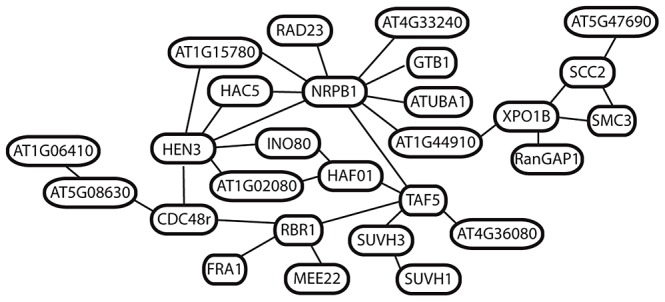
Genome duplication, which results in polyploidy, is disruptive to fundamental biological processes. Genome duplications occur spontaneously in a range of taxa and problems such as sterility, aneuploidy, and gene expression aberrations are common in newly formed polyploids. In mammals, genome duplication is associated with cancer and spontaneous abortion of embryos. Nevertheless, stable polyploid species occur in both plants and animals. Understanding how natural selection enabled these species to overcome early challenges can provide important insights into the mechanisms by which core cellular functions can adapt to perturbations of the genomic environment. Arabidopsis arenosa includes stable tetraploid populations and is related to well-characterized diploids A. lyrata and A. thaliana. It thus provides a rare opportunity to leverage genomic tools to investigate the genetic basis of polyploid stabilization. We sequenced the genomes of twelve A. arenosa individuals and found signatures suggestive of recent and ongoing selective sweeps throughout the genome. Many of these are at genes implicated in genome maintenance functions, including chromosome cohesion and segregation, DNA repair, homologous recombination, transcriptional regulation, and chromatin structure. Numerous encoded proteins are predicted to interact with one another. For a critical meiosis gene, ASYNAPSIS1, we identified a non-synonymous mutation that is highly differentiated by cytotype, but present as a rare variant in diploid A. arenosa, indicating selection may have acted on standing variation already present in the diploid. Several genes we identified that are implicated in sister chromatid cohesion and segregation are homologous to genes identified in a yeast mutant screen as necessary for survival of polyploid cells, and also implicated in genome instability in human diseases including cancer. This points to commonalities across kingdoms and supports the hypothesis that selection has acted on genes controlling genome integrity in A. arenosa as an adaptive response to genome doubling.
Overview
The claims and statistics of this paper haven’t been checked yet.
Run the check — free, no account needed. It reads the open-access text and checks the sources it cites.
Integrity signals
Registry
Cites
Statistics
Figures
Verification
Claims the paper makes
The claims and statistics of this paper haven’t been checked yet.
Run the check — free, no account needed. It reads the open-access text and checks the sources it cites.
Claims other papers make about this one
Each is checked against this paper’s own text: does it say what the citing paper says it does?
The source backs part of the claim, not all of it — or backs it for a different population, condition or comparison.
In the citing paper
“A notable example is adaptation to WGD in autotetraploid Arabidopsis, which was shown to involve standing genetic variation (Hollister et al., 2012; see also Polyploid speciation).”
From Genomics of plant speciation (2023) · cites this paper as Hollister et al., 2012
Experimental — accuracy not yet measured
Self-check
Percentages, sums and reported differences re-computed from the paper’s own numbers.
The self-check needs the paper’s full text.
Citations
Cites
The Genome Analysis Toolkit: A MapReduce framework for analyzing next-generation DNA sequencing data
McKenna, A., Hanna, M., Banks, E., Sivachenko, A., Cibulskis, K., Kernytsky, A., Garimella, K., Altshuler, D., Gabriel, S., Daly, M., et al. (2010) · Genome Research · doi:10.1101/gr.107524.110 · Cited by 27,895
Analysis of the genome sequence of the flowering plant Arabidopsis thaliana
Initiative, T. A. G. (2000) · Nature · doi:10.1038/35048692 · Cited by 9,301
A draft sequence of the Neandertal genome
Green, R. E., Krause, J., Briggs, A. W., Maricic, T., Stenzel, U., Kircher, M., Patterson, N., Li, H., Zhai, W., Fritz, M. H.-Y., et al. (2010) · Science · doi:10.1126/science.1188021 · Cited by 4,318
DNA double-strand breaks: signaling, repair and the cancer connection
Khanna, K. K., & Jackson, S. P. (2001) · Nature Genetics · doi:10.1038/85798 · Cited by 2,455
Generating samples under a Wright–Fisher neutral model of genetic variation
Hudson, R. R. (2002) · Bioinformatics · doi:10.1093/bioinformatics/18.2.337 · Cited by 2,397
The advantages and disadvantages of being polyploid
Comai, L. (2005) · Nature Reviews Genetics · doi:10.1038/nrg1711 · Cited by 2,308
Weir, B. S. (1997) · Biometrics · doi:10.2307/2533134 · Cited by 2,263
Raptor, a Binding Partner of Target of Rapamycin (TOR), Mediates TOR Action
Hara, K., Maruki, Y., Long, X., Yoshino, K.-I., Oshiro, N., Sujuti, H., Tokunaga, C., Avruch, J., & Yonezawa, K. (2002) · Cell · doi:10.1016/s0092-8674(02)00833-4 · Cited by 1,810
The frequency of polyploid speciation in vascular plants
Wood, T. E., Takebayashi, N., Barker, M. S., Mayrose, I., Greenspoon, P. B., & Rieseberg, L. H. (2009) · Proceedings of the National Academy of Sciences · doi:10.1073/pnas.0811575106 · Cited by 1,418
The Evolutionary Consequences of Polyploidy
Otto, S. P. (2007) · Cell · doi:10.1016/j.cell.2007.10.022 · Cited by 1,225
Cited by
Sorted by citations
The Molecular Biology of Meiosis in Plants
Mercier, R., Mézard, C., Jenczewski, E., Macaisne, N., & Grelon, M. (2014) · Annual Review of Plant Biology · doi:10.1146/annurev-arplant-050213-035923 · Cited by 592
A Species-Wide Inventory of NLR Genes and Alleles in Arabidopsis thaliana
de Weyer, A.-L. V., Monteiro, F., Furzer, O. J., Nishimura, M. T., Çevik, V., Witek, K., Jones, J. D. G., Dangl, J. L., Weigel, D., & Bemm, F. (2019) · Cell · doi:10.1016/j.cell.2019.07.038 · Cited by 397
On the relative abundance of autopolyploids and allopolyploids
Barker, M. S., Arrigo, N., Baniaga, A. E., Li, Z., & Levin, D. A. (2016) · New Phytologist · doi:10.1111/nph.13698 · Cited by 393
A New Insight of Salt Stress Signalingin Plant
Park, H. J., Kim, W., & Yun, D. (2016) · Molecules and Cells · doi:10.14348/molcells.2016.0083 · Cited by 381
Dufresne, F., Stift, M., Vergilino, R., & Mable, B. K. (2013) · Molecular Ecology · doi:10.1111/mec.12581 · Cited by 352
Storme, N. D., & Mason, A. S. (2014) · Current Plant Biology · doi:10.1016/j.cpb.2014.09.002 · Cited by 289
Meiotic Adaptation to Genome Duplication in Arabidopsis arenosa
Yant, L. J., Hollister, J. D., Wright, K. M., Arnold, B., Higgins, J. D., Franklin, F. C. H., & Bomblies, K. (2013) · Current Biology · doi:10.1016/j.cub.2013.08.059 · Cited by 264
Self-citationTennessen, J. A., Govindarajulu, R., Ashman, T., & Liston, A. (2014) · Genome Biology and Evolution · doi:10.1093/gbe/evu261 · Cited by 228
Evolutionary mysteries in meiosis
Lenormand, T., Engelstädter, J., Johnston, S. E., Wijnker, T. G., & Haag, C. R. (2016) · Philosophical Transactions of the Royal Society B Biological Sciences · doi:10.1098/rstb.2016.0001 · Cited by 188
Meiosis evolves: adaptation to external and internal environments
Bomblies, K., Higgins, J. D., & Yant, L. J. (2015) · New Phytologist · doi:10.1111/nph.13499 · Cited by 186
Self-citationPatterns and Processes of Diploidization in Land Plants
Li, Z., McKibben, M. T. W., Finch, G., Blischak, P. D., Sutherland, B. L., & Barker, M. S. (2021) · Annual Review of Plant Biology · doi:10.1146/annurev-arplant-050718-100344 · Cited by 185
Zhang, J., Liu, Y., Xia, E., Yao, Q.-Y., Liu, X., & Gao, L. (2015) · Proceedings of the National Academy of Sciences · doi:10.1073/pnas.1515170112 · Cited by 186
Baduel, P., Bray, S., Vallejo‐Marín, M., Kolář, F., & Yant, L. J. (2018) · Frontiers in Ecology and Evolution · doi:10.3389/fevo.2018.00117 · Cited by 179
Borrowed alleles and convergence in serpentine adaptation
Arnold, B., Lahner, B., DaCosta, J. M., Weisman, C. M., Hollister, J. D., Salt, D. E., Bomblies, K., & Yant, L. J. (2016) · Proceedings of the National Academy of Sciences · doi:10.1073/pnas.1600405113 · Cited by 163
Self-citationBomblies, K., & Peichel, C. L. (2022) · Proceedings of the National Academy of Sciences · doi:10.1073/pnas.2122152119 · Cited by 161
Self-citationWhen everything changes at once: finding a new normal after genome duplication
Bomblies, K. (2020) · Proceedings of the Royal Society B Biological Sciences · doi:10.1098/rspb.2020.2154 · Cited by 141
Self-citationMeiosis in autopolyploid and allopolyploid Arabidopsis
Lloyd, A. H., & Bomblies, K. (2016) · Current Opinion in Plant Biology · doi:10.1016/j.pbi.2016.02.004 · Cited by 140
Self-citationPervasive population genomic consequences of genome duplication in Arabidopsis arenosa
Monnahan, P. J., Kolář, F., Baduel, P., Sailer, C., Koch, J., Horváth, R. A., Laenen, B., Schmickl, R., Paajanen, P., Šrámková, G., et al. (2019) · Nature Ecology & Evolution · doi:10.1038/s41559-019-0807-4 · Cited by 140
Self-citationBomblies, K., Jones, G., Franklin, C., Zickler, D., & Kleckner, N. E. (2016) · Chromosoma · doi:10.1007/s00412-015-0571-4 · Cited by 136
Self-citationPopulation Genomics for Understanding Adaptation in Wild Plant Species
Weigel, D., & Nordborg, M. (2015) · Annual Review of Genetics · doi:10.1146/annurev-genet-120213-092110 · Cited by 126
Effect of Polyploidy Induction on Natural Metabolite Production in Medicinal Plants
Madani, H., Escrich, A., Hosseini, B., Sanchez‐Muñoz, R., Khojasteh, A., & Palazón, J. (2021) · Biomolecules · doi:10.3390/biom11060899 · Cited by 121
Field Guide to Plant Model Systems
Chang, C., Bowman, J. L., & Meyerowitz, E. M. (2016) · Cell · doi:10.1016/j.cell.2016.08.031 · Cited by 121
Polyploidy: adaptation to the genomic environment
Hollister, J. D. (2014) · New Phytologist · doi:10.1111/nph.12939 · Cited by 118
Self-citationArnold, B., Kim, S., & Bomblies, K. (2015) · Molecular Biology and Evolution · doi:10.1093/molbev/msv089 · Cited by 118
Self-citationBaduel, P., Quadrana, L., Hunter, B., Bomblies, K., & Colot, V. (2019) · Nature Communications · doi:10.1038/s41467-019-13730-0 · Cited by 114
Self-citationGradual evolution of allopolyploidy in Arabidopsis suecica
Burns, R., Mandáková, T. M., Gunis, J., Soto-Jiménez, L. M., Liu, C., Lysák, M. A., Novikova, P. Y., & Nordborg, M. (2021) · Nature Ecology & Evolution · doi:10.1038/s41559-021-01525-w · Cited by 107
Polyploidy in the Arabidopsis genus
Bomblies, K., & Madlung, A. (2014) · Chromosome Research · doi:10.1007/s10577-014-9416-x · Cited by 107
Self-citationBeyond the thale: comparative genomics and genetics of Arabidopsis relatives
Koenig, D., & Weigel, D. (2015) · Nature Reviews Genetics · doi:10.1038/nrg3883 · Cited by 94
Meiosis and Its Deviations in Polyploid Plants
Grandont, L., Jenczewski, E., & Lloyd, A. H. (2013) · Cytogenetic and Genome Research · doi:10.1159/000351730 · Cited by 96
Derived alleles of two axis proteins affect meiotic traits in autotetraploid Arabidopsis arenosa
Morgan, C., Zhang, H., Henry, C. E., Franklin, F. C. H., & Bomblies, K. (2020) · Proceedings of the National Academy of Sciences · doi:10.1073/pnas.1919459117 · Cited by 88
Self-citationHenry, I. M., Dilkes, B. P., Tyagi, A. P., Gao, J., Christensen, B. J., & Comai, L. (2014) · The Plant Cell · doi:10.1105/tpc.113.120626 · Cited by 87
Self-citationEvolution of the BBAA Component of Bread Wheat during Its History at the Allohexaploid Level
Zhang, H., Zhu, B., Bao, Q., Gou, X., Dong, Y., Xu, C., Zhang, B., Huang, W., Liu, C., Wang, X., et al. (2014) · The Plant Cell · doi:10.1105/tpc.114.128439 · Cited by 86
Bock, D. G., Cai, Z., Elphinstone, C., González-Segovia, E., Hirabayashi, K., Huang, K., Keais, G. L., Kim, A., Owens, G. L., & Rieseberg, L. H. (2023) · Plant Communications · doi:10.1016/j.xplc.2023.100599 · Cited by 84
“These alleles are present at low frequencies in diploids and are thus readily available for selection to act on, after polyploid speciation (Hollister et al., 2012), and can also be transferred between species via adaptive introgression (Marburger et al.”
Interspecific introgression mediates adaptation to whole genome duplication
Marburger, S., Monnahan, P. J., Seear, P. J., Martin, S. H., Koch, J., Paajanen, P., Bohutínská, M., Higgins, J. D., Schmickl, R., & Yant, L. J. (2019) · Nature Communications · doi:10.1038/s41467-019-13159-5 · Cited by 83
Selection on Meiosis Genes in Diploid and Tetraploid Arabidopsis arenosa
Wright, K. M., Arnold, B., Xue, K. S., Šurinová, M., O’Connell, J. D., & Bomblies, K. (2014) · Molecular Biology and Evolution · doi:10.1093/molbev/msu398 · Cited by 79
Self-citationMorgan, C., White, M. A., Franklin, F. C. H., Zickler, D., Kleckner, N. E., & Bomblies, K. (2021) · Current Biology · doi:10.1016/j.cub.2021.08.028 · Cited by 78
Self-citationGillard, G. B., Grønvold, L., Røsæg, L. L., Holen, M. M., Monsen, Ø., Koop, B. F., Rondeau, E. B., Gundappa, M. K., Mendoza, J., Macqueen, D. J., et al. (2021) · Genome biology · doi:10.1186/s13059-021-02323-0 · Cited by 81
Kolář, F., Šrámková, G., Záveská, E., Nagano, A. J., Hyklová, L., Lučanová, M., Kudoh, H., & Marhold, K. (2016) · Molecular Ecology · doi:10.1111/mec.13721 · Cited by 74
Wu, J., Shahid, M. Q., Guo, H., Yin, W., Chen, Z., Wang, L., Liu, X., & Yong-gen, L. (2014) · Plant Reproduction · doi:10.1007/s00497-014-0250-2 · Cited by 72
Synthetic Polyploidy in Grafted Crops
Ruiz, M., Oustric, J., Santini, J., & Morillón, R. (2020) · Frontiers in Plant Science · doi:10.3389/fpls.2020.540894 · Cited by 71
Learning to tango with four (or more): the molecular basis of adaptation to polyploid meiosis
Bomblies, K. (2022) · Plant Reproduction · doi:10.1007/s00497-022-00448-1 · Cited by 67
Self-citationEvolution and Plasticity of Genome-Wide Meiotic Recombination Rates
Henderson, I. R., & Bomblies, K. (2021) · Annual Review of Genetics · doi:10.1146/annurev-genet-021721-033821 · Cited by 66
Self-citationPolyploid Arabidopsis species originated around recent glaciation maxima
Novikova, P. Y., Hohmann, N., & de Peer, Y. V. (2018) · Current Opinion in Plant Biology · doi:10.1016/j.pbi.2018.01.005 · Cited by 66
Taming the wild: resolving the gene pools of non-model Arabidopsis lineages
Hohmann, N., Schmickl, R., Chiang, T., Lučanová, M., Kolář, F., Marhold, K., & Koch, М. A. (2014) · BMC Evolutionary Biology · doi:10.1186/preaccept-1775653123133997 · Cited by 62
Konečná, V., Bray, S., Vlček, J., Bohutínská, M., Požárová, D., Choudhury, R. R., Bollmann‐Giolai, A., Flis, P., Salt, D. E., Parisod, C., et al. (2021) · Nature Communications · doi:10.1038/s41467-021-25256-5 · Cited by 63
Chromosome painting in meiosis reveals pairing of specific chromosomes in polyploid Solanum species
He, L., Braz, G. T., Torres, G. A., & Jiang, J. (2018) · Chromosoma · doi:10.1007/s00412-018-0682-9 · Cited by 61
Patterns of Selection in Plant Genomes
Hough, J., Williamson, R. J., & Wright, S. (2013) · Annual Review of Ecology Evolution and Systematics · doi:10.1146/annurev-ecolsys-110512-135851 · Cited by 59
Zhou, Y., Kang, L., Liao, S., Pan, Q., Ge, X., & Li, Z. (2015) · PLoS ONE · doi:10.1371/journal.pone.0116392 · Cited by 58
Busoms, S., Terés, J., Huang, X., Bomblies, K., Danku, J., Douglas, A., Weigel, D., Poschenrieder, C., & Salt, D. E. (2015) · PLANT PHYSIOLOGY · doi:10.1104/pp.15.00427 · Cited by 58
Self-citationThe effects of hybridization and genome doubling in plant evolution via allopolyploidy
Qiu, T., Liu, Z., & Liu, B. (2020) · Molecular Biology Reports · doi:10.1007/s11033-020-05597-y · Cited by 58
Polyploidy breaks speciation barriers in Australian burrowing frogs Neobatrachus
Novikova, P. Y., Brennan, I. G., Booker, W. W., Mahony, M. J., Doughty, P., Lemmon, A. R., Lemmon, E. M., Roberts, J. D., Yant, L. J., de Peer, Y. V., et al. (2020) · PLoS Genetics · doi:10.1371/journal.pgen.1008769 · Cited by 54
Kolář, F., Lučanová, M., Záveská, E., Šrámková, G., Mandáková, T. M., Španiel, S., Senko, D., Svitok, M., Kolník, M., Gudžinskas, Z., et al. (2015) · Biological Journal of the Linnean Society · doi:10.1111/bij.12479 · Cited by 53
Autopolyploid lineage shows climatic niche expansion but not divergence in Arabidopsis arenosa
Molina‐Henao, Y. F., & Hopkins, R. (2019) · American Journal of Botany · doi:10.1002/ajb2.1212 · Cited by 50
Novelty and Convergence in Adaptation to Whole Genome Duplication
Bohutínská, M., Alston, M. J., Monnahan, P. J., Mandáková, T. M., Bray, S., Paajanen, P., Kolář, F., & Yant, L. J. (2021) · Molecular Biology and Evolution · doi:10.1093/molbev/msab096 · Cited by 50
Genomic and Meiotic Changes Accompanying Polyploidization
Blasio, F., Prieto, P., Pradillo, M., & Naranjo, T. (2022) · Plants · doi:10.3390/plants11010125 · Cited by 49
Hojsgaard, D. (2018) · Frontiers in Plant Science · doi:10.3389/fpls.2018.00230 · Cited by 50
Yant, L. J., & Bomblies, K. (2015) · Genes & Development · doi:10.1101/gad.271072.115 · Cited by 48
Self-citationTan, F., Tu, H., Wang, R., Wu, X., Xie, K., Chen, J., Zhang, H., Xu, J., & Guo, W. (2017) · Metabolomics · doi:10.1007/s11306-017-1276-x · Cited by 45
Harris, A. M., & DeGiorgio, M. (2017) · G3 Genes Genomes Genetics · doi:10.1534/g3.116.037168 · Cited by 43
Aneuploidization under segmental allotetraploidy in rice and its phenotypic manifestation
Wu, Y., Sun, Y., Sun, S., Guo, L., Wang, J., Wang, B., Lin, X., Huang, M., Gong, Z., Sanguinet, K. A., et al. (2018) · Theoretical and Applied Genetics · doi:10.1007/s00122-018-3077-7 · Cited by 43
Meiosis in Polyploids and Implications for Genetic Mapping: A Review
Soares, N. R., Mollinari, M., Oliveira, G. K., Pereira, G. D. S., & Vieira, M. L. C. (2021) · Genes · doi:10.3390/genes12101517 · Cited by 40
Wu, J., Chen, L., Shahid, M. Q., Chen, M., Dong, Q., Li, J., Xu, X., & Liu, X. (2017) · Rice · doi:10.1186/s12284-017-0188-8 · Cited by 39
Baduel, P., Hunter, B., Yeola, S., & Bomblies, K. (2018) · PLoS Genetics · doi:10.1371/journal.pgen.1007510 · Cited by 39
Self-citationThe emerging importance of cross‐ploidy hybridisation and introgression
Brown, M. R., Abbott, R. J., & Twyford, A. D. (2024) · Molecular Ecology · doi:10.1111/mec.17315 · Cited by 37
Modification of meiotic recombination by natural variation in plants
Lawrence, E. J., Griffin, C., & Henderson, I. R. (2017) · Journal of Experimental Botany · doi:10.1093/jxb/erx306 · Cited by 38
Epigenetic control of meiotic recombination in plants
Yelina, N. E., Diaz, P., Lambing, C., & Henderson, I. R. (2015) · Science China Life Sciences · doi:10.1007/s11427-015-4811-x · Cited by 46
Defective pollen tube tip growth induces neo-polyploid infertility
Westermann, J., Srikant, T., Gonzalo, A., Tan, H. S., & Bomblies, K. (2024) · Science · doi:10.1126/science.adh0755 · Cited by 36
Self-citationHabitat-Associated Life History and Stress-Tolerance Variation in Arabidopsis arenosa
Baduel, P., Arnold, B., Weisman, C. M., Hunter, B., & Bomblies, K. (2016) · PLANT PHYSIOLOGY · doi:10.1104/pp.15.01875 · Cited by 35
Self-citationVarietal variation and chromosome behaviour during meiosis in Solanum tuberosum
Choudhary, A., Wright, L., Ponce, O., Chen, J., Prashar, A., Sánchez‐Morán, E., Luo, Z., & Compton, L. J. (2020) · Heredity · doi:10.1038/s41437-020-0328-6 · Cited by 34
Effects of polyploidy and reproductive mode on life history trait expression
Larkin, K., Adrian‐Tucci, C., & Neiman, M. (2016) · Ecology and Evolution · doi:10.1002/ece3.1934 · Cited by 33
Xiang, Z., Tang, X.-L., Liu, W., & Song, C. (2019) · Plant Physiology and Biochemistry · doi:10.1016/j.plaphy.2019.09.003 · Cited by 33
Defining autopolyploidy: Cytology, genetics, and taxonomy
Lv, Z., Nyarko, C. A., Ramtekey, V., Behn, H., & Mason, A. S. (2024) · American Journal of Botany · doi:10.1002/ajb2.16292 · Cited by 33
Ancestral self-compatibility facilitates the establishment of allopolyploids in Brassicaceae
Novikova, P. Y., Kolesnikova, U. K., & Scott, A. D. (2022) · Plant Reproduction · doi:10.1007/s00497-022-00451-6 · Cited by 35
Higgins, J. D., Wright, K. M., Bomblies, K., & Franklin, F. C. H. (2014) · Frontiers in Plant Science · doi:10.3389/fpls.2013.00546 · Cited by 32
Self-citationFu, D., Mason, A. S., Xiao, M., & Yan, H. (2015) · Plant Science · doi:10.1016/j.plantsci.2015.09.017 · Cited by 31
All Ways Lead to Rome—Meiotic Stabilization Can Take Many Routes in Nascent Polyploid Plants
Gonzalo, A. (2022) · Genes · doi:10.3390/genes13010147 · Cited by 29
Genomic studies of adaptive evolution in outcrossing Arabidopsis species
Yant, L. J., & Bomblies, K. (2016) · Current Opinion in Plant Biology · doi:10.1016/j.pbi.2016.11.018 · Cited by 28
Self-citationBian, Y., Yang, C., Ou, X., Zhang, Z., Wang, B., Ma, W., Gong, L., Zhang, H., & Liu, B. (2018) · New Phytologist · doi:10.1111/nph.15267 · Cited by 27
Mining transcriptomic data to study the origins and evolution of a plant allopolyploid complex
Bombarely, A., Coate, J. E., & Doyle, J. J. (2014) · PeerJ · doi:10.7717/peerj.391 · Cited by 27
Polyploid Gene Expression and Regulation in Polysomic Polyploids
Hieu, P. V. (2019) · American Journal of Plant Sciences · doi:10.4236/ajps.2019.108101 · Cited by 27
Hohmann, N., & Koch, М. A. (2017) · BMC Genomics · doi:10.1186/s12864-017-4220-6 · Cited by 27
Experimental Evolution Reveals Interplay between Sch9 and Polyploid Stability in Yeast
Lu, Y.-J., Swamy, K. B. S., & Leu, J. (2016) · PLoS Genetics · doi:10.1371/journal.pgen.1006409 · Cited by 26
Becher, H., Brown, M. R., Powell, G., Metherell, C., Riddiford, N. J., & Twyford, A. D. (2020) · Plant Communications · doi:10.1016/j.xplc.2020.100105 · Cited by 26
OsMND1 regulates early meiosis and improves the seed set rate in polyploid rice
Xiong, Y., Gan, L., Hu, Y., Sun, W., Zhou, X., Song, Z., Zhang, X., Li, Y., Yang, Z., Xu, W., et al. (2019) · Plant Growth Regulation · doi:10.1007/s10725-019-00476-4 · Cited by 25
The Arabidopsis Hop1 homolog ASY1 mediates cross-over assurance and interference
Pochon, G., Henry, I. M., Yang, C., Lory, N. C., Fernández‐Jiménez, N., Böwer, F., Hu, B., Carstens, L., Tsai, H., Pradillo, M., et al. (2022) · PNAS Nexus · doi:10.1093/pnasnexus/pgac302 · Cited by 25
De Novo Mutation and Rapid Protein (Co-)evolution during Meiotic Adaptation in Arabidopsis arenosa
Bohutínská, M., Handrick, V., Yant, L. J., Schmickl, R., Kolář, F., Bomblies, K., & Paajanen, P. (2021) · Molecular Biology and Evolution · doi:10.1093/molbev/msab001 · Cited by 24
Self-citationVariant calling in polyploids for population and quantitative genetics
Phillips, A. R. (2024) · Applications in Plant Sciences · doi:10.1002/aps3.11607 · Cited by 23
Environmental Regulation of Heterosis in the Allopolyploid Arabidopsis suecica
Solhaug, E. M., Ihinger, J., Jost, M., Gamboa, V., Marchant, D. B., Bradford, D., Doerge, R. W., Tyagi, A. P., Replogle, A., & Madlung, A. (2016) · PLANT PHYSIOLOGY · doi:10.1104/pp.16.00052 · Cited by 22
Sutherland, B. L., & Galloway, L. F. (2018) · American Journal of Botany · doi:10.1002/ajb2.1162 · Cited by 22
Parallel local adaptation to an alpine environment in Arabidopsis arenosa
Wos, G., Arc, E., Hülber, K., Konečná, V., Knotek, A., Požárová, D., Bertel, C., Kaplenig, D., Mandáková, T. M., Neuner, G., et al. (2022) · Journal of Ecology · doi:10.1111/1365-2745.13961 · Cited by 22
Scott, A. D., Kolesnikova, U. K., Glushkevich, A., Steinmann, L., Tikhomirov, N. P., Pfordt, U., Bohutínská, M., Burns, R., Seregin, A. P., Kolář, F., et al. (2025) · Molecular Biology and Evolution · doi:10.1093/molbev/msaf153 · Cited by 21
The Complex History of Genome Duplication and Hybridization in North American Gray Treefrogs
Booker, W. W., Gerhardt, H. C., Lemmon, A. R., Ptacek, M. B., Hassinger, A. T. B., Schul, J., & Lemmon, E. M. (2021) · Molecular Biology and Evolution · doi:10.1093/molbev/msab316 · Cited by 23
Rao, X., Ren, J., Wang, W., Chen, R., Xie, Q., Xu, Y., Li, D., Song, Z., He, Y., Cai, D., et al. (2022) · The Crop Journal · doi:10.1016/j.cj.2022.06.011 · Cited by 20
Resynthesized Rapeseed (Brassica napus): Breeding and Genomics
Katche, E. I., & Mason, A. S. (2023) · Critical Reviews in Plant Sciences · doi:10.1080/07352689.2023.2186021 · Cited by 20
Bray, S., Hämälä, T., Zhou, M., Busoms, S., Fischer, S., Desjardins, S. D., Mandáková, T. M., Moore, C., Mathers, T. C., Cowan, L., et al. (2024) · Cell Reports · doi:10.1016/j.celrep.2024.114576 · Cited by 20
Trujillo, J. T., Beilstein, M. A., & Mosher, R. A. (2016) · New Phytologist · doi:10.1111/nph.14089 · Cited by 20
Evolution of meiotic recombination genes in maize and teosinte
Sidhu, G. K., Warzecha, T., & Pawlowski, W. P. (2017) · BMC Genomics · doi:10.1186/s12864-017-3486-z · Cited by 20
Genetic variation and temperature affects hybrid barriers during interspecific hybridization
Bjerkan, K. N., Hornslien, K. S., Johannessen, I. M., Krabberød, A. K., van Ekelenburg, Y. S., Kalantarian, M., Shirzadi, R., Comai, L., Brysting, A. K., Bramsiepe, J., et al. (2019) · The Plant Journal · doi:10.1111/tpj.14523 · Cited by 20
Whole-Genome Duplication and Host Genotype Affect Rhizosphere Microbial Communities
Ponsford, J. C. B., Hubbard, C. J., Harrison, J. G., Maignien, L., Buerkle, C. A., & Weinig, C. (2022) · mSystems · doi:10.1128/msystems.00973-21 · Cited by 20
Srikant, T., Gonzalo, A., & Bomblies, K. (2024) · Molecular Biology and Evolution · doi:10.1093/molbev/msae213 · Cited by 19
Self-citation
Metadata
- Authors
- Hollister, J. D., Arnold, B. J., Svedin, E., Xue, K. S., Dilkes, B. P., & Bomblies, K.
- Affiliations
- Harvard University (US)
- Purdue University West Lafayette (US)
- Corresponding author
- Bomblies, Kirsten
- Venue
- PLoS Genetics
- Publisher
- Public Library of Science (PLoS)
- Published
- 2012-12-20
- Volume
- 8
- Issue
- 12
- Pages
- e1003093
- ISSN
- 1553-7390 (ISSN-L)
- 1553-7404
- PMC
- PMC3527224
- OpenAlex
- W2136484851
- Cited by
- 182
- References
- 83
- Citations by year
- 2026: 9 · 2025: 9 · 2024: 12 · 2023: 11 · 2022: 19 · 2021: 19 · 2020: 15 · 2019: 14 · 2018: 11 · 2017: 9 · 2016: 14 · 2015: 14 · 2014: 18 · 2013: 7 · 2012: 1
- FWCI
- 14.62
- Type
- journal article
- Language
- en
- Open access
- gold
- doi.org
- Locations
- PLoS Genetics (publishedVersion, cc-by)
- Europe PMC (PubMed Central) (publishedVersion, cc-by)
- PubMed Central (publishedVersion, cc-by)
- PubMed (publishedVersion)
- Digital Access to Scholarship at Harvard (DASH) (Harvard University) (submittedVersion, cc-by)
- DOAJ (DOAJ: Directory of Open Access Journals) (submittedVersion, cc-by-sa)
- Figshare (submittedVersion, cc-by)
- Repository for Publications and Research Data (ETH Zurich) (submittedVersion, cc-by)
- ETH Zürich Research Collection (cc-by)
- Funders
- Harvard University
- Topics
- Life Sciences › Biochemistry, Genetics and Molecular Biology › Genetics › Chromosomal and Genetic Variations
- Life Sciences › Biochemistry, Genetics and Molecular Biology › Genetics › Evolution and Genetic Dynamics
- Life Sciences › Agricultural and Biological Sciences › Ecology, Evolution, Behavior and Systematics › Plant Taxonomy and Phylogenetics
- Keywords
- Arabidopsis arenosa, autotetraploidy, whole-genome duplication, natural selection, selective sweeps, genome stability, chromosome cohesion, sister chromatid segregation, DNA repair, homologous recombination, meiosis
- MeSH terms
- Adaptation, Biological, Diploidy, Meiosis, Arabidopsis, Genome, Plant, DNA Methylation, Chromosome Segregation, Genomic Instability, Tetraploidy
About these checks
Registry, retraction, Cites and statistics results are computed, not judged, with one exception: a printed reference that no index lists is read once by a model before it counts as a citation error. Claims are extracted by a model and kept only when their quote appears verbatim in the text; each cited source is then checked, with a model’s help, for whether it says what the claim relies on. Those verdicts can be wrong — read the claim’s quote and the cited source before relying on one.
Statistics and arithmetic are recomputed, not judged.
Confidence bands are shown only for fields calibrated on our annotated test set. None is calibrated yet, so no band is shown.
What counts as a claim ›How we measure confidence ›How we check this ›
Are you an author, or do you see a problem with this page? Request a review
