

Integration of the tricarboxylic acid (TCA) cycle with cAMP signaling and Sfl2 pathways in the regulation of CO2 sensing and hyphal development in Candida albicans
Open accessThe DOI matches its Crossref record; 65 of the 65 references it cites were found in a registry or an index.
Abstract
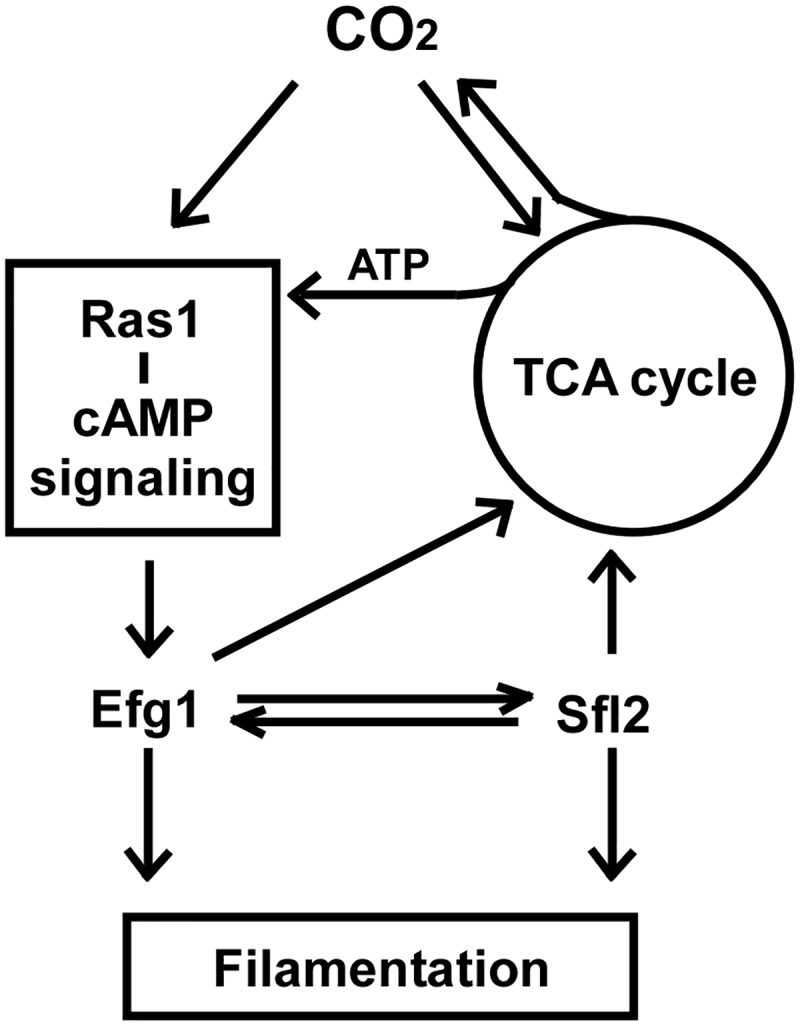
Morphological transitions and metabolic regulation are critical for the human fungal pathogen Candida albicans to adapt to the changing host environment. In this study, we generated a library of central metabolic pathway mutants in the tricarboxylic acid (TCA) cycle, and investigated the functional consequences of these gene deletions on C. albicans biology. Inactivation of the TCA cycle impairs the ability of C. albicans to utilize non-fermentable carbon sources and dramatically attenuates cell growth rates under several culture conditions. By integrating the Ras1-cAMP signaling pathway and the heat shock factor-type transcription regulator Sfl2, we found that the TCA cycle plays fundamental roles in the regulation of CO2 sensing and hyphal development. The TCA cycle and cAMP signaling pathways coordinately regulate hyphal growth through the molecular linkers ATP and CO2. Inactivation of the TCA cycle leads to lowered intracellular ATP and cAMP levels and thus affects the activation of the Ras1-regulated cAMP signaling pathway. In turn, the Ras1-cAMP signaling pathway controls the TCA cycle through both Efg1- and Sfl2-mediated transcriptional regulation in response to elevated CO2 levels. The protein kinase A (PKA) catalytic subunit Tpk1, but not Tpk2, may play a major role in this regulation. Sfl2 specifically binds to several TCA cycle and hypha-associated genes under high CO2 conditions. Global transcriptional profiling experiments indicate that Sfl2 is indeed required for the gene expression changes occurring in response to these elevated CO2 levels. Our study reveals the regulatory role of the TCA cycle in CO2 sensing and hyphal development and establishes a novel link between the TCA cycle and Ras1-cAMP signaling pathways.
Overview
The claims and statistics of this paper haven’t been checked yet.
Free: it reads the open-access text and checks the first 5 claims that cite a source we can check. Create a free account to check every claim.
Integrity signals
Registry
Cites
Statistics
Figures
Verification
Claims the paper makes
The claims and statistics of this paper haven’t been checked yet.
Free: it reads the open-access text and checks the first 5 claims that cite a source we can check. Create a free account to check every claim.
Claims other papers make about this one
Each is checked against this paper’s own text: does it say what the citing paper says it does?
The source backs part of the claim, not all of it — or backs it for a different population, condition or comparison.
In the citing paper
“it regulates mitochondrial functions through the cAMP–PKA–Efg1 signalling24,48,49.”
From Candida auris skin tropism and antifungal resistance are mediated by carbonic anhydrase Nce103 (2025) · cites this paper as [49]
Experimental — accuracy not yet measuredThe cited source says what the claim attributes to it.
In the citing paper
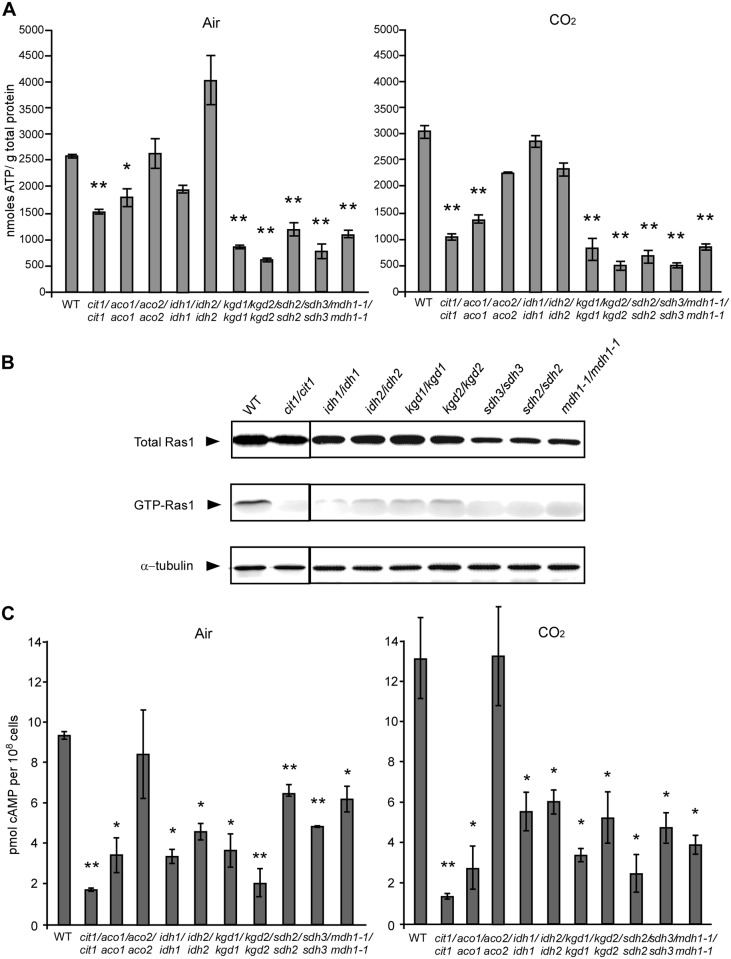
“The activity of the cAMP-PKA pathway can be modulated by intracellular ATP27,29.”
From The δ subunit of F1Fo-ATP synthase is required for pathogenicity of Candida albicans (2021) · cites this paper as [29]
Self-check
Percentages, sums and reported differences re-computed from the paper’s own numbers.
The self-check needs the paper’s full text.
Citations
Cites
Trapnell, C., Roberts, A., Goff, L., Pertea, G., Kim, D., Kelley, D. R., Pimentel, H., Salzberg, S. L., Rinn, J. L., & Pachter, L. (2012) · Nature Protocols · doi:10.1038/nprot.2012.016 · Cited by 12,116
Hidden Killers: Human Fungal Infections
Brown, G. D., Denning, D. W., Gow, N. A. R., Levitz, S. M., Netea, M. G., & White, T. C. (2012) · Science Translational Medicine · doi:10.1126/scitranslmed.3004404 · Cited by 4,284 · cited 3×
“albicans causes not only superficial diseases, but also systemic and disseminated infections in immunocompromised individuals [7, 8].”
BackgroundRespiratory metabolism: glycolysis, the TCA cycle and mitochondrial electron transport
Fernie, A. R., Carrari, F., & Sweetlove, L. J. (2004) · Current Opinion in Plant Biology · doi:10.1016/j.pbi.2004.03.007 · Cited by 1,403 · cited 1×
“The TCA cycle is also involved in the regulation of a wide range of other biological processes [1] and it is known that mutations in enzymes of the TCA cycle are associated with several neurological disorders and cancers in humans [2].”
BackgroundSuppression of Hyphal Formation in Candida albicans by Mutation of a STE12 Homolog
Liu, H., Köhler, J., & Fink, G. R. (1994) · Science · doi:10.1126/science.7992058 · Cited by 786 · cited 4×
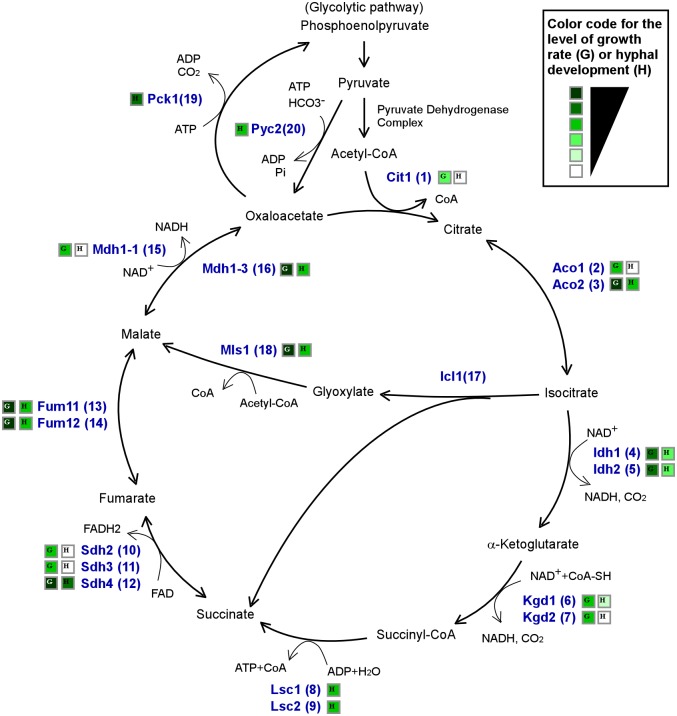
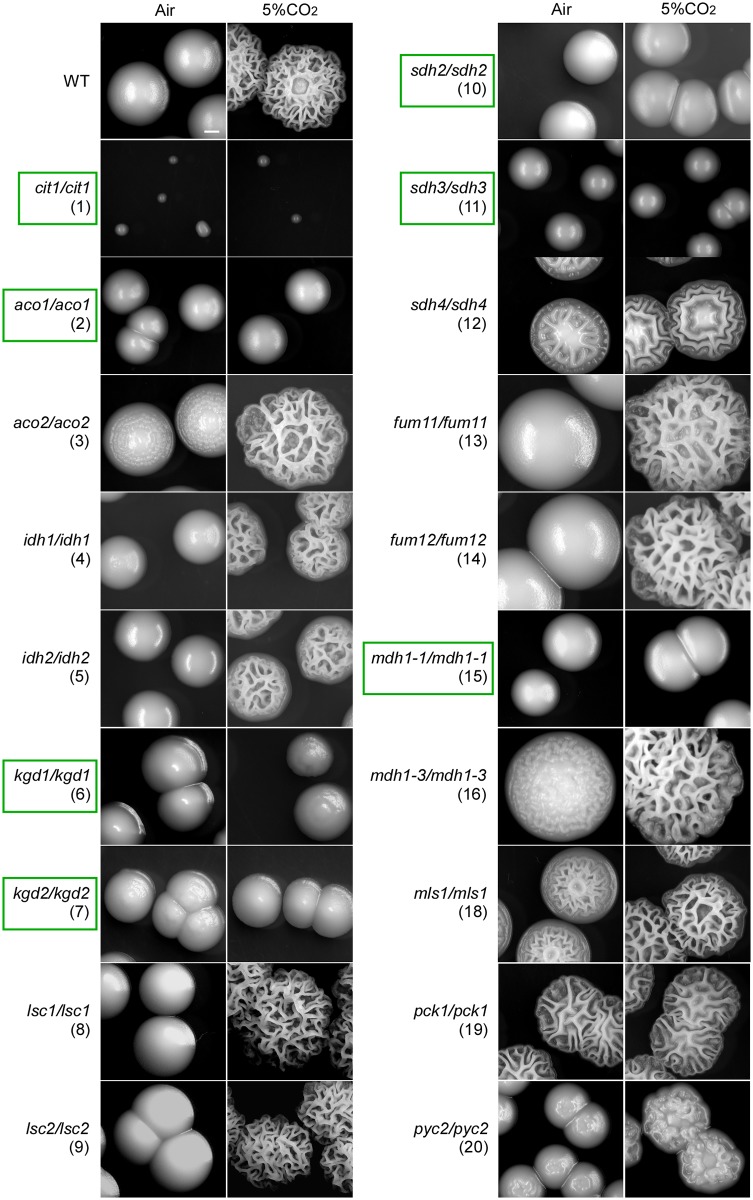
“All TCA and glyoxylate cycle-related mutants were able to grow on Spider and YPD media, although some mutants exhibited a reduced growth rate (Table 1 and S1 Table, S2 and S3 Figs).”
MethodInfluentialThe glyoxylate cycle is required for fungal virulence
Lorenz, M. C., & Fink, G. R. (2001) · Nature · doi:10.1038/35083594 · Cited by 745 · cited 2×
“Lorenz and Fink (2001) demonstrated that the glyoxylate cycle regulates macrophage phagocytosis and virulence of C. albicans, whereby disruption of the glyoxylate pathway prevents the growth of C. albicans inside macrophages by blocking nutrient availability [9].”
BackgroundThe SAT1 flipper, an optimized tool for gene disruption in Candida albicans
Reuß, O., Vik, Å., Kolter, R., & Morschhäuser, J. (2004) · Gene · doi:10.1016/j.gene.2004.06.021 · Cited by 742 · cited 1×
“The second allele was deleted by transforming with caSAT1, encoding a Candida-optimized nourseothricin-resistant gene [62], flanked by 5’- and 3’-PDE2 fragments.”
BackgroundA Recently Evolved Transcriptional Network Controls Biofilm Development in Candida albicans
Nobile, C. J., Fox, E. P., Nett, J. E., Sorrells, T. R., Mitrovich, Q. M., Hernday, A. D., Tuch, B. B., Andes, D. R., & Johnson, A. D. (2012) · Cell · doi:10.1016/j.cell.2011.10.048 · Cited by 711 · cited 1×
“Chromatin immunoprecipitation (ChIP) The Chromatin immunoprecipitation (ChIP) protocol was adapted from Nobile et al. (2012) [54].”
MethodSelf-citationNoble, S. M., & Johnson, A. D. (2005) · Eukaryotic Cell · doi:10.1128/ec.4.2.298-309.2005 · Cited by 592 · cited 4×
“Fusion PCR strategies were used to delete PDE2 in the WT and TCA cycle mutants [41].”
MethodInfluentialBiswas, S., Van Dijck, P., & Datta, A. (2007) · Microbiology and Molecular Biology Reviews · doi:10.1128/mmbr.00009-06 · Cited by 516 · cited 1×
“albicans [15, 30]; for example, high temperatures and elevated levels of CO2 promote hyphal growth.”
BackgroundFungal Adenylyl Cyclase Integrates CO2 Sensing with cAMP Signaling and Virulence
Klengel, T., Liang, W.-J., Chaloupka, J., Ruoff, C., Schröppel, K., Naglik, J. R., Eckert, S. E., Mogensen, E. G., Haynes, K., Tuite, M. F., et al. (2005) · Current Biology · doi:10.1016/j.cub.2005.10.040 · Cited by 409 · cited 2×
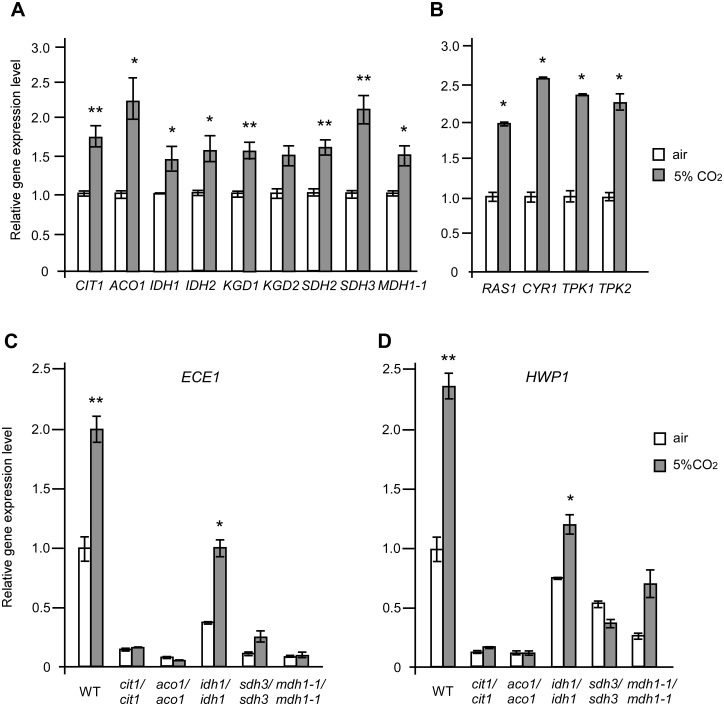
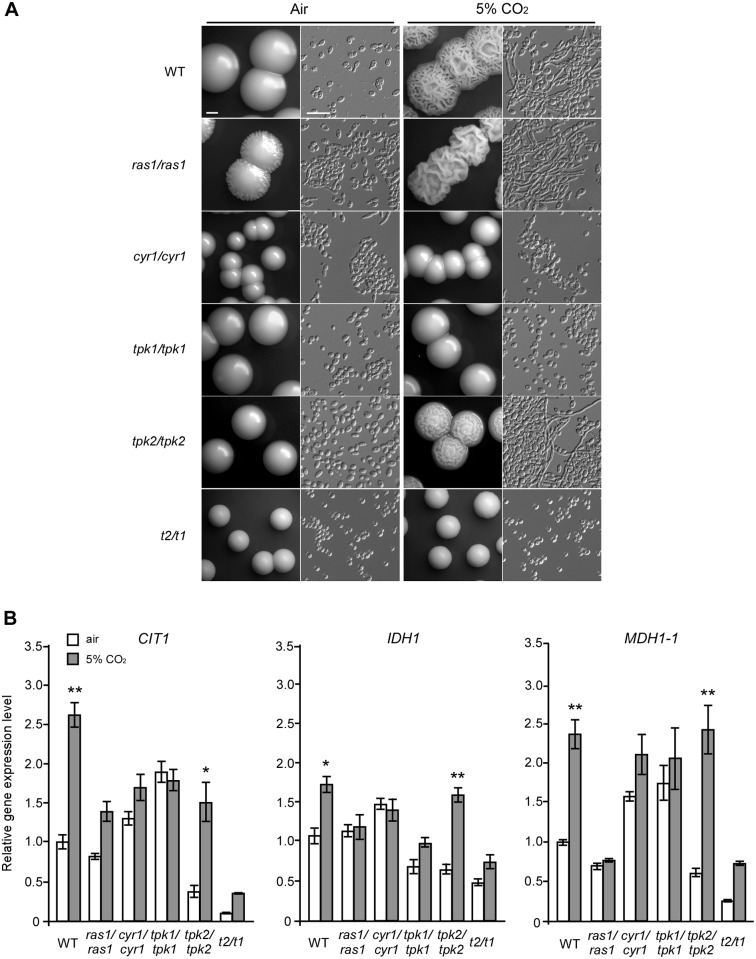
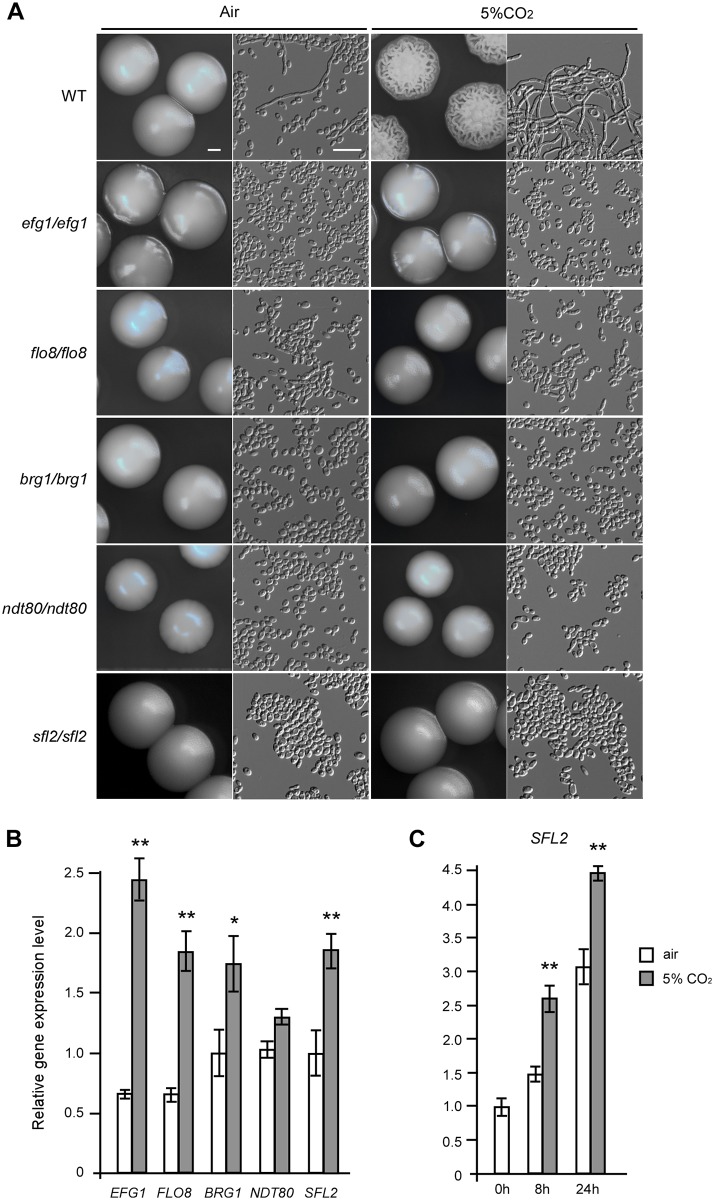
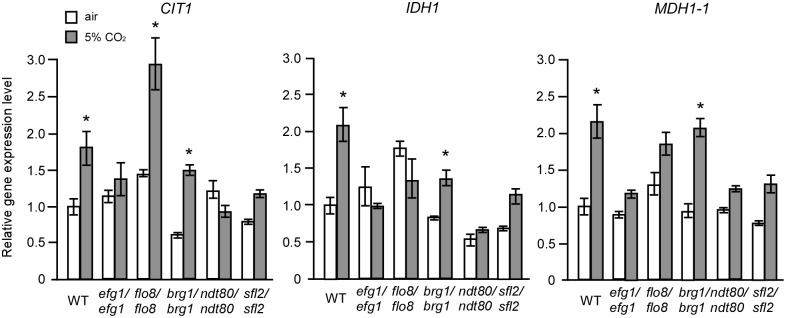
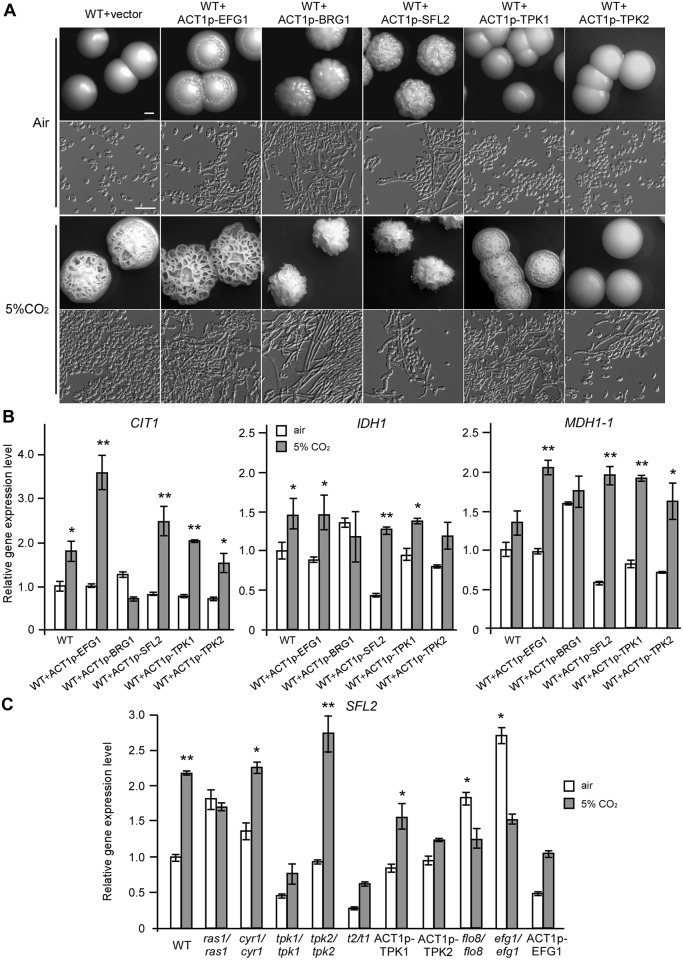
“Tpk1 and Efg1 are required for CO2-induced SFL2 expression The adenylyl cyclase Cyr1 is an important sensor of CO2 and Efg1 is a downstream transcription factor of the Ras1-cAMP pathway [25, 42].”
BackgroundA role for mitochondrial enzymes in inherited neoplasia and beyond
Eng, C., Kiuru, M., Fernandez, M. J., & Aaltonen, L. A. (2003) · Nature Reviews Cancer · doi:10.1038/nrc1013 · Cited by 392 · cited 1×
“The TCA cycle is also involved in the regulation of a wide range of other biological processes [1] and it is known that mutations in enzymes of the TCA cycle are associated with several neurological disorders and cancers in humans [2].”
BackgroundMorphogenesis in Candida albicans
Whiteway, M., & Bachewich, C. (2007) · Annual Review of Microbiology · doi:10.1146/annurev.micro.61.080706.093341 · Cited by 388 · cited 1×
“albicans and is associated with virulence [16].”
Ras Signaling Is Required for Serum-Induced Hyphal Differentiation in Candida albicans
Feng, Q., Summers, E., Guo, B., & Fink, G. (1999) · Journal of Bacteriology · doi:10.1128/jb.181.20.6339-6346.1999 · Cited by 346 · cited 2×
“albicans genomic DNA and inserted into plasmid pBES116 [18] at the PstI/HindIII site, generating plasmid pBES116-LEU2.”
BackgroundRocha, C. R. C., Schröppel, K., Harcus, D., Marcil, A., Dignard, D., Taylor, B. N., Thomas, D. Y., Whiteway, M., & Leberer, E. (2001) · Molecular Biology of the Cell · doi:10.1091/mbc.12.11.3631 · Cited by 344
Leberer, E., Harcus, D., Dignard, D., Johnson, L., Ushinsky, S., Thomas, D. Y., & Schröppel, K. (2001) · Molecular Microbiology · doi:10.1046/j.1365-2958.2001.02672.x · Cited by 295 · cited 1×
“Indeed, deletion of RAS1, which encodes a small GTPase upstream of the two pathways, leads to attenuation in virulence and defects in hyphal growth under specific culture conditions [18, 19].”
BackgroundMetabolic specialization associated with phenotypic switching in Candida albicans
Lan, C.-Y., Newport, G., Murillo, L. A., Jones, T., Scherer, S., Davis, R. W., & Agabian, N. (2002) · Proceedings of the National Academy of Sciences · doi:10.1073/pnas.232566499 · Cited by 275 · cited 1×
“Opaque cells, which adopt an oxidative metabolic profile, are more virulent in mucosal infections, whereas white cells, which adopt a fermentative metabolic profile, are more virulent in systemic infections [12, 13].”
BackgroundRevisiting the TCA cycle: signaling to tumor formation
Raimundo, N., Baysal, B. E., & Shadel, G. S. (2011) · Trends in Molecular Medicine · doi:10.1016/j.molmed.2011.06.001 · Cited by 271
Transcriptional regulation of carbohydrate metabolism in the human pathogen Candida albicans
Askew, C., Sellam, A., Epp, E., Hogues, H., Mullick, A., Nantel, A., & Whiteway, M. (2009) · PLoS Pathogens · doi:10.1371/journal.ppat.1000612 · Cited by 260 · cited 1×
“albicans is a Crabtree-negative species that exclusively uses respiration to produce energy under aerobic conditions [46].”
BackgroundAPSES Proteins Regulate Morphogenesis and Metabolism in Candida albicans
Doedt, T. (2004) · Molecular Biology of the Cell · doi:10.1091/10.1091/mbc.e03-11-0782 · Cited by 232 · cited 2×
“It has been shown that Efg1 regulates the expression of a different set of genes under hypoxic conditions compared to those of normoxic conditions [55, 56].”
BackgroundCarbohydrate and energy-yielding metabolism in non-conventional yeasts: Figure 1
Flores, C.-L., Rodríguez, C., Petit, T., & Gancedo, C. (2000) · FEMS Microbiology Reviews · doi:10.1111/j.1574-6976.2000.tb00553.x · Cited by 218 · cited 1×
“cerevisiae exhibit growth defects in minimal media lacking glutamate [50].”
BackgroundThe Flo8 Transcription Factor Is Essential for Hyphal Development and Virulence in Candida albicans
Cao, F., Lane, S., Raniga, P. P., Lu, Y., Zhou, Z., Ramon, K., Chen, J., & Liu, H. (2006) · Molecular Biology of the Cell · doi:10.1091/mbc.e05-06-0502 · Cited by 207 · cited 1×
“Transcription factors Efg1 and Flo8 are downstream of the cAMP signaling pathway and are essential for filamentous growth under a number of conditions [25, 26].”
BackgroundN-Acetylglucosamine Induces White to Opaque Switching, a Mating Prerequisite in Candida albicans
Huang, G., Yi, S., Sahni, N., Daniels, K. J., Srikantha, T., & Soll, D. R. (2010) · PLoS Pathogens · doi:10.1371/journal.ppat.1000806 · Cited by 204 · cited 2×
“PCR products containing the SFL2 ORF sequence and a C-terminal 13 x Myc-tag were prepared and subcloned into the EcoRV/KpnI site of pACT1 [63], yielding plasmid pACT-SFL2-MYC.”
MethodSelf-citationTricarboxylic Acid Cycle and Glyoxylate Bypass
Cronan, & Laporte, D. (2005) · EcoSal Plus · doi:10.1128/ecosalplus.3.5.2 · Cited by 195
Bockmühl, D. P., Krishnamurthy, S., Gerads, M., Sonneborn, A., & Ernst, J. F. (2001) · Molecular Microbiology · doi:10.1046/j.1365-2958.2001.02688.x · Cited by 193 · cited 1×
“The two isoforms of the PKA catalytic subunit, Tpk1 and Tpk2 play redundant and distinct roles in a number of biological processes, such as filamentous growth and responses to cellular stresses [23, 24].”
BackgroundThe Ras/cAMP/PKA signaling pathway and virulence in Candida albicans
Hogan, D. A., & Sundstrom, P. (2009) · Future Microbiology · doi:10.2217/fmb.09.106 · Cited by 186
Bockmühl, D. P., & Ernst, J. F. (2001) · Genetics · doi:10.1093/genetics/157.4.1523 · Cited by 170
Regulation of phenotypic transitions in the fungal pathogen Candida albicans
Huang, G. (2012) · Virulence · doi:10.4161/viru.20010 · Cited by 163
Self-citationTao, L., Du, H., Guan, G., Dai, Y., Nobile, C. J., Liang, W., Cao, C., Zhang, Q., Zhong, J., & Huang, G. (2014) · PLoS Biology · doi:10.1371/journal.pbio.1001830 · Cited by 157 · cited 4×
“On Lee’s glucose medium, a number of TCA mutants, including kgd1/kgd1, kgd2/kgd2, and mdh1-1/mdh1-1, exhibited defects in hyphal growth at both 30˚C and 37˚C, and the idh1/idh1, idh2/idh2, and sdh4/sdh4mutants showed reduced hyphal growth on Lee’s GlcNAc medium.”
MethodInfluentialSelf-citationTranscription Profiling of Cyclic AMP Signaling in Candida albicans
Harcus, D., Nantel, A., Marcil, A., Rigby, T., & Whiteway, M. (2004) · Molecular Biology of the Cell · doi:10.1091/mbc.e04-02-0144 · Cited by 153 · cited 1×
“It is also known that alterations of the cAMP signaling pathway have a remarkable influence on the transcriptional profile of metabolism [22, 27].”
BackgroundInfection-related gene expression in Candida albicans
Brown, A. J. P., Odds, F. C., & Gow, N. A. R. (2007) · Current Opinion in Microbiology · doi:10.1016/j.mib.2007.04.001 · Cited by 148 · cited 1×
“During mucosal infections and invasive growth, the TCA cycle and fatty acid β-oxidation-related genes are upregulated [10, 11].”
BackgroundBlank, L. M., & Sauer, U. (2004) · Microbiology · doi:10.1099/mic.0.26845-0 · Cited by 144
Thewes, S., Kretschmar, M., Park, H., Schaller, M., Filler, S. G., & Hube, B. (2007) · Molecular Microbiology · doi:10.1111/j.1365-2958.2007.05614.x · Cited by 140
Mulhern, S. M., Logue, M. E., & Butler, G. (2006) · Eukaryotic Cell · doi:10.1128/ec.00155-06 · Cited by 130
Why does Candida albicans switch?
Soll, D. R. (2009) · FEMS Yeast Research · doi:10.1111/j.1567-1364.2009.00562.x · Cited by 129 · cited 2×
“White and opaque cells, which represent two heritable cell types and exhibit distinct virulence profiles in mucosal and systemic infections, differ in their metabolic profiles [12].”
BackgroundCO2 Acts as a Signalling Molecule in Populations of the Fungal Pathogen Candida albicans
Hall, R. A., De Sordi, L., MacCallum, D. M., Topal, H., Eaton, R., Bloor, J. W., Robinson, G. K., Levin, L. R., Buck, J., Wang, Y., et al. (2010) · PLoS Pathogens · doi:10.1371/journal.ppat.1001193 · Cited by 126
Molecular Phylogenetics and Epidemiology of Candida Albicans
Odds, F. C. (2010) · Future Microbiology · doi:10.2217/fmb.09.113 · Cited by 125 · cited 1×
“albicans is well adapted to its mammalian host and, unlike most fungi, is not known to exist in the external environment [8, 44].”
BackgroundGrahl, N., Demers, E. G., Lindsay, A. K., Harty, C. E., Willger, S. D., Piispanen, A. E., & Hogan, D. A. (2015) · PLOS Pathogens · doi:10.1371/journal.ppat.1005133 · Cited by 111 · cited 6×
“albicans [29]; the GTP-bound Ras1 protein represents an activated form.”
BackgroundInfluentialA feast for Candida: Metabolic plasticity confers an edge for virulence
Miramón, P., & Lorenz, M. C. (2017) · PLOS Pathogens · doi:10.1371/journal.ppat.1006144 · Cited by 106 · cited 1×
“albicans to utilize host-derived nutrients and to rapidly adapt to the ever-changing host environment are critical for its pathogenic and commensal life styles [45].”
BackgroundCarbohydrate and energy-yielding metabolism in non-conventional yeasts
Flores, C. (2000) · FEMS Microbiology Reviews · doi:10.1016/s0168-6445(00)00037-1 · Cited by 104
Li, P., Seneviratne, C. J., Alpi, E., Vizcaino, J. A., & Jin, L. (2015) · Antimicrobial Agents and Chemotherapy · doi:10.1128/aac.00543-15 · Cited by 95 · cited 1×
“In addition, a recent proteomics study indicates that the TCA cycle is involved in the control of antifungal tolerance and biofilm formation [14].”
BackgroundCavalcanti, J. H. F., Esteves-Ferreira, A. A., Quinhones, C. G. S., Pereira-Lima, I. A., Nunes-Nesi, A., Fernie, A. R., & Araújo, W. L. (2014) · Genome Biology and Evolution · doi:10.1093/gbe/evu221 · Cited by 90
Leadsham, J. E., & Gourlay, C. W. (2010) · BMC Cell Biology · doi:10.1186/1471-2121-11-92 · Cited by 88 · cited 1×
“albicans and Saccharomyces cerevisiae [28, 29].”
Przybyla‐Zawislak, B., Gadde, D. M., Ducharme, K., & McCammon, M. T. (1999) · Genetics · doi:10.1093/genetics/152.1.153 · Cited by 83
Spiering, M. J., Moran, G. P., Chauvel, M., MacCallum, D. M., Higgins, J., Hokamp, K., Yeomans, T., d'Enfert, C., Coleman, D. C., & Sullivan, D. J. (2010) · Eukaryotic Cell · doi:10.1128/ec.00291-09 · Cited by 77 · cited 4×
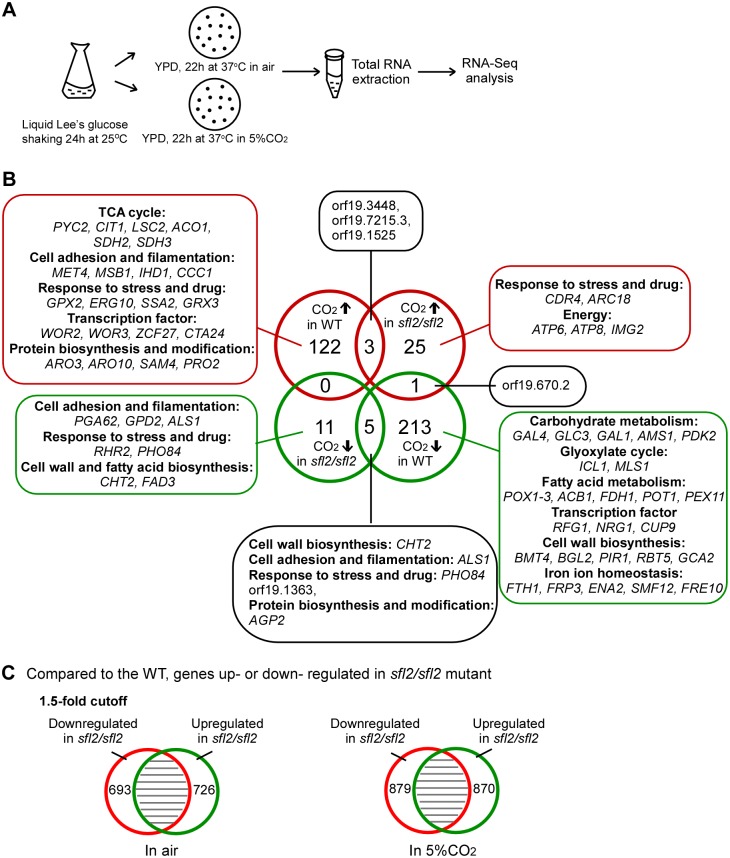
“Since elevated CO2 levels promote the expression of SFL2, which encodes a heat shock factor-type transcription factor [38, 39], we chose to explore the mechanisms of this regulation.”
BackgroundResultInfluentialCao, C., Wu, M., Bing, J., Tao, L., Ding, X., Liu, X., & Huang, G. (2017) · Molecular Microbiology · doi:10.1111/mmi.13681 · Cited by 70 · cited 3×
“Taking advantage of a set of homozygous deletion mutants recently generated in our lab [22], we evaluated the role of the Ras1-cAMP pathway in CO2-induced hyphal growth on YPD medium.”
BackgroundSelf-citationBerman, J. G. (2012) · Current Biology · doi:10.1016/j.cub.2012.05.043 · Cited by 68
Activation of Ras cascade increases the mitochondrial enzyme content of respiratory competent yeast
Dejean, L. M., Beauvoit, B. P., Bunoust, O., Guérin, B., & Rigoulet, M. (2002) · Biochemical and Biophysical Research Communications · doi:10.1016/s0006-291x(02)00391-1 · Cited by 65 · cited 1×
“Activation of this pathway increases the mitochondrial enzyme content and the transcriptional levels of genes encoding respiratory metabolism [57].”
BackgroundCandida albicans Sfl1 Suppresses Flocculation and Filamentation
Bauer, J., & Wendland, J. (2007) · Eukaryotic Cell · doi:10.1128/ec.00236-07 · Cited by 63
Hypoxia and Temperature Regulated Morphogenesis in Candida albicans
Desai, P. R., van Wijlick, L., Kurtz, D., Juchimiuk, M., & Ernst, J. F. (2015) · PLOS Genetics · doi:10.1371/journal.pgen.1005447 · Cited by 61 · cited 1×
“It has been shown that Efg1 regulates the expression of a different set of genes under hypoxic conditions compared to those of normoxic conditions [55, 56].”
BackgroundZnaidi, S., Nesseir, A., Chauvel, M., Rossignol, T., & d'Enfert, C. (2013) · PLoS Pathogens · doi:10.1371/journal.ppat.1003519 · Cited by 59 · cited 4×
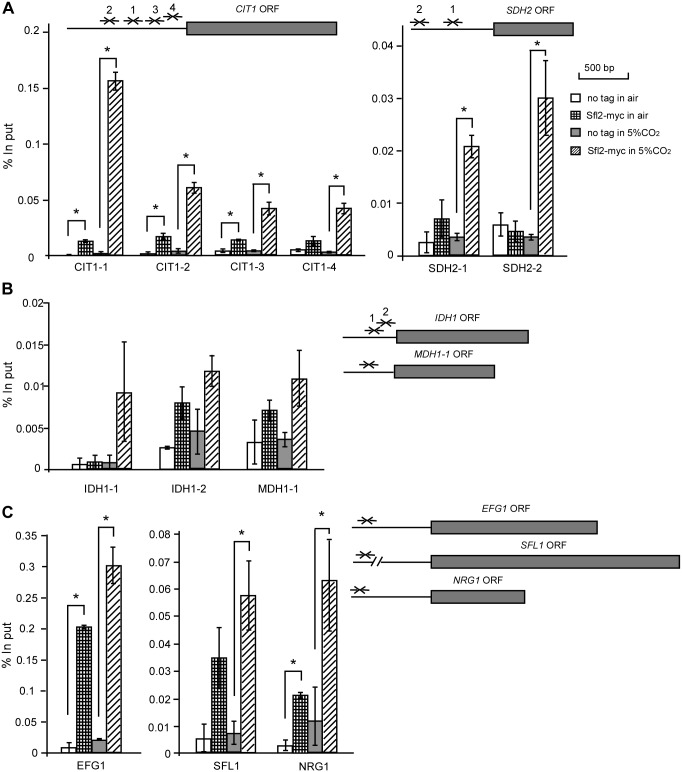
“Znaidi et al. (2013) have shown that Sfl2 directly controls the expression of a series of PLOS Genetics | https://doi.org/10.1371/journal.pgen.1006949 August 7, 2017 21 / 31 positive hyphal growth regulators, such as UME6 and TEC1, as well as negative hyphal growth regulators, such as NRG1 and…”
BackgroundInfluentialPhysiological and genome-wide transcriptional responses of to high carbon dioxide concentrations
AGUILERA, J., PETIT, T., DEWINDE, J., & PRONK, J. (2005) · FEMS Yeast Research · doi:10.1016/j.femsyr.2004.09.009 · Cited by 57 · cited 1×
“cerevisiae, high levels of CO2 can also induce the transcription of respiratory metabolism-related genes and can cause an increase in intracellular ATP demand [52, 53], suggesting that the regulatory mechanisms of CO2-induced gene expression are conserved.”
BackgroundThe bZIP Transcription Factor Rca1p Is a Central Regulator of a Novel CO2 Sensing Pathway in Yeast
Cottier, F., Raymond, M., Kurzai, O., Bolstad, M., Leewattanapasuk, W., Jiménez-López, C., Lorenz, M. C., Sanglard, D., Váchová, L., Pavelka, N., et al. (2012) · PLoS Pathogens · doi:10.1371/journal.ppat.1002485 · Cited by 55
The transcription factor Flo8 mediates CO2sensing in the human fungal pathogen Candida albicans
Du, H., Guan, G., Xie, J., Cottier, F., Sun, Y., Jia, W., Mühlschlegel, F. A., & Huang, G. (2012) · Molecular Biology of the Cell · doi:10.1091/mbc.e12-02-0094 · Cited by 55 · cited 2×
“There is evidence in support of the idea that cAMP-dependent and -independent pathways are involved in the regulation of CO2induced hyphal growth [31], however the cAMP-independent pathway is yet to be identified.”
BackgroundSelf-citationGiacometti, R., Kronberg, F., Biondi, R. M., & Passeron, S. (2009) · Yeast · doi:10.1002/yea.1665 · Cited by 53
Roles of Candida albicans Sfl1 in Hyphal Development
Li, Y., Su, C., Mao, X., Cao, F., & Chen, J. (2007) · Eukaryotic Cell · doi:10.1128/ec.00199-07 · Cited by 53
Du, H., Guan, G., Li, X., Gulati, M., Tao, L., Cao, C., Johnson, A. D., Nobile, C. J., & Huang, G. (2015) · mBio · doi:10.1128/mbio.01376-15 · Cited by 44
Self-citationWang, Y. (2013) · PLoS Pathogens · doi:10.1371/journal.ppat.1003612 · Cited by 43
Sch9 Kinase Integrates Hypoxia and CO 2 Sensing To Suppress Hyphal Morphogenesis in Candida albicans
Stichternoth, C., Fraund, A., Setiadi, E., Giasson, L., Vecchiarelli, A., & Ernst, J. F. (2011) · Eukaryotic Cell · doi:10.1128/ec.00289-10 · Cited by 43
Molecular Genetics of Yeast TCA Cycle Isozymes
McAlister-Henn, L., & Small, W. C. (1997) · Progress in nucleic acid research and molecular biology · doi:10.1016/s0079-6603(08)60285-8 · Cited by 38 · cited 1×
“cerevisiae exhibited severe growth defects under similar culture conditions [48, 49].”
BackgroundAun, A., Tamm, T., & Sedman, J. (2013) · Genetics · doi:10.1534/genetics.112.147389 · Cited by 31
Ding, X., Cao, C., Zheng, Q., & Huang, G. (2017) · Frontiers in Microbiology · doi:10.3389/fmicb.2016.02127 · Cited by 29
Self-citationSong, W., Wang, H., & Chen, J. (2011) · FEMS Yeast Research · doi:10.1111/j.1567-1364.2010.00710.x · Cited by 28 · cited 2×
“Since elevated CO2 levels promote the expression of SFL2, which encodes a heat shock factor-type transcription factor [38, 39], we chose to explore the mechanisms of this regulation.”
BackgroundResultGuan, G., Wang, H., Liang, W., Cao, C., Li, T., Naseem, S., Konopka, J. B., Wang, Y., & Huang, G. (2015) · Fungal Genetics and Biology · doi:10.1016/j.fgb.2015.01.006 · Cited by 26
Self-citationLipid Signaling via Pkh1/2 Regulates Fungal CO 2 Sensing through the Kinase Sch9
Pohlers, S., Martin, R., Krüger, T., Hellwig, D., Hänel, F., Kniemeyer, O., Saluz, H. P., Van Dijck, P., Ernst, J. F., Brakhage, A., et al. (2017) · mBio · doi:10.1128/mbio.02211-16 · Cited by 24
Eigenstetter, G., & Takors, R. (2017) · FEMS Yeast Research · doi:10.1093/femsyr/fox008 · Cited by 18
Cited by
Biofilms and vulvovaginal candidiasis
Rodríguez-Cerdeira, C., Gregorio, M. C., Molares-Vila, A., López-Barcenas, A., Fabbrocini, G., Bardhi, B., Sinani, A., Sánchez-Blanco, E., Arenas-Guzmán, R., & Hernandez-Castro, R. (2019) · Colloids and Surfaces B: Biointerfaces · doi:10.1016/j.colsurfb.2018.11.011 · Cited by 133
Multiple roles and diverse regulation of the Ras/cAMP/protein kinase A pathway in Candida albicans
Huang, G., Huang, Q., Wei, Y., Wang, Y., & Du, H. (2019) · Molecular Microbiology · doi:10.1111/mmi.14148 · Cited by 116
“ATP and cAMP may function as molecular linkers in this regulation (Tao et al., 2017).”
BackgroundSelf-citationMetabolic Response of Pleurotus ostreatus to Continuous Heat Stress
Yan, Z., Zhao, M., Wu, X., & Zhang, J. (2020) · Frontiers in Microbiology · doi:10.3389/fmicb.2019.03148 · Cited by 60
“…Efg1-mediated cAMP/PKA pathway may activate the alcohol dehydrogenase and glycolytic enzymes in Candida albicans (Ku et al., 2017), and the cAMP signaling pathways were also reported to regulate hyphal growth coordinately with the tricarboxylic acid cycle in C. albicans (Tao et al., 2017).”
BackgroundRecent advances in understanding Candida albicans hyphal growth
Arkowitz, R. A., & Bassilana, M. (2019) · F1000Research · doi:10.12688/f1000research.18546.1 · Cited by 51
Metabolic profiling of Candida clinical isolates of different species and infection sources
Oliver, J. C., Laghi, L., Parolin, C., Foschi, C., Marangoni, A., Liberatore, A., Dias, A. L. T., Cricca, M., & Vitali, B. (2020) · Scientific Reports · doi:10.1038/s41598-020-73889-1 · Cited by 44
Metadata
- Authors
- Tao, L., Zhang, Y., Fan, S., Nobile, C. J., Guan, G., & Huang, G.
- Affiliations
- Chinese Academy of Sciences (CN)
- University of California, Merced (US)
- Corresponding author
- Huang, Guanghua
- Venue
- PLOS Genetics
- Publisher
- Public Library of Science (PLoS)
- Published
- 2017-08-07
- Volume
- 13
- Issue
- 8
- Pages
- e1006949
- ISSN
- 1553-7390 (ISSN-L)
- 1553-7404
- PMC
- PMC5567665
- OpenAlex
- W2743206012
- Cited by
- 77
- References
- 65
- Citations by year
- 2026: 7 · 2025: 7 · 2024: 12 · 2023: 7 · 2022: 8 · 2021: 4 · 2020: 14 · 2019: 11 · 2018: 5 · 2017: 2
- FWCI
- 3.58
- Type
- journal article
- Language
- en
- Update notices
- new_version (2017-08-22)
- Open access
- gold
- doi.org
- Licence
- Locations
- PLoS Genetics (publishedVersion, cc-by)
- Europe PMC (PubMed Central) (publishedVersion, cc-by)
- PubMed Central (publishedVersion, cc-by)
- PubMed (publishedVersion)
- DOAJ (DOAJ: Directory of Open Access Journals) (submittedVersion)
- eScholarship (California Digital Library) (submittedVersion)
- Figshare (submittedVersion, cc-by)
- Funders
- Chinese national natural science foundation (31625002 and 31370175, 31570139)
- Topics
- Life Sciences › Biochemistry, Genetics and Molecular Biology › Molecular Biology › Fungal and yeast genetics research
- Health Sciences › Medicine › Infectious Diseases › Antifungal resistance and susceptibility
- Health Sciences › Medicine › Infectious Diseases › Fungal Infections and Studies
- Keywords
- Candida albicans, TCA cycle, cAMP signaling, Ras1, heat shock transcription factor, carbon dioxide detection, hyphal development, non-fermentable carbon sources, ATP, protein kinase A, TPK1, EFG1, transcriptional regulation, central carbon metabolism, fungal pathogens
- MeSH terms
- Heat Shock Transcription Factors, Cyclic AMP, Candida albicans, Carbon Dioxide, Citric Acid Cycle, DNA-Binding Proteins, Fungal Proteins, Transcription Factors, Signal Transduction, Gene Expression Regulation, Fungal, Sequence Analysis, RNA, Cyclic AMP-Dependent Protein Kinases, Gene Expression Profiling, Hyphae
About these checks
Registry, retraction, Cites and statistics results are computed, not judged, with one exception: a printed reference that no index lists is read once by a model before it counts as a citation error. Claims are extracted by a model and kept only when their quote appears verbatim in the text; each cited source is then checked, with a model’s help, for whether it says what the claim relies on. Those verdicts can be wrong — read the claim’s quote and the cited source before relying on one.
Statistics and arithmetic are recomputed, not judged.
Confidence bands are shown only for fields calibrated on our annotated test set. None is calibrated yet, so no band is shown.
What counts as a claim ›How we measure confidence ›How we check this ›
Are you an author, or do you see a problem with this page? Request a review
Data sources
Bibliographic data: Semantic Scholar, OpenAlex, Crossref.
Contains information from the Semantic Scholar Academic Graph Datasets, made available under the ODC Attribution License (ODC-BY 1.0).
Semantic Scholar’s data is described in: Kinney, R., et al. (2023). The Semantic Scholar Open Data Platform. arXiv:2301.10140.
