

The Midwives Service Scheme in Nigeria
Open accessThe DOI matches its Crossref record; 7 of the 8 references it cites were found in a registry or an index.
Abstract
Maternal, newborn, and child health indices in Nigeria vary widely across geopolitical zones and between urban and rural areas, mostly due to variations in the availability of skilled attendance at birth. To improve these indices, the Midwives Service Scheme (MSS) in Nigeria engaged newly graduated, unemployed, and retired midwives to work temporarily in rural areas. The midwives are posted for 1 year to selected primary care facilities linked through a cluster model in which four such facilities with the capacity to provide basic essential obstetric care are clustered around a secondary care facility with the capacity to provide comprehensive emergency obstetric care. The outcome of the MSS 1 year on has been an uneven improvement in maternal, newborn, and child health indices in the six geopolitical zones of Nigeria. Major challenges include retention, availability and training of midwives, and varying levels of commitment from state and local governments across the country, and despite the availability of skilled birth attendants at MSS facilities, women still deliver at home in some parts of the country.
Overview
The claims and statistics of this paper haven’t been checked yet.
Free: it reads the open-access text and checks the first 5 claims that cite a source we can check. Create a free account to check every claim.
Integrity signals
Registry
Cites
Statistics
Figures
Verification
Claims the paper makes
The claims and statistics of this paper haven’t been checked yet.
Free: it reads the open-access text and checks the first 5 claims that cite a source we can check. Create a free account to check every claim.
Claims other papers make about this one
Each is checked against this paper’s own text: does it say what the citing paper says it does?
The source backs part of the claim, not all of it — or backs it for a different population, condition or comparison.
In the citing paper
“Midwifery personnel in rural Nigeria, Niger and Ghana, were typically young and single and rarely had a social connection with the community to which they were deployed. They were often not accepted by the community due to their age, and had little opportunity for marriage or starting a family [35, 37, 38].”
From What Prevents Quality Midwifery Care? A Systematic Mapping of Barriers in Low and Middle Income Countries from the Provider Perspective (2016) · cites this paper as [37]
Experimental — accuracy not yet measuredThe check wasn’t confident either way, so it gives no verdict — never disputed.
In the citing paper
“Social isolation was reported by midwifery personnel in different contexts [29, 32, 35, 37–40].”
From What Prevents Quality Midwifery Care? A Systematic Mapping of Barriers in Low and Middle Income Countries from the Provider Perspective (2016) · cites this paper as [37]
Experimental — accuracy not yet measured
Self-check
Percentages, sums and reported differences re-computed from the paper’s own numbers.
The self-check needs the paper’s full text.
Citations
Cites
Nigeria Demographic and Health Survey 2008
Macro, I. (2009) · Cited by 2,063
Strategies for reducing maternal mortality: getting on with what works
Campbell, O. M., & Graham, W. J. (2006) · The Lancet · doi:10.1016/s0140-6736(06)69381-1 · Cited by 1,785 · cited 1×
“While task shifting has offered a costeffective expansion of the overall HRH pool, skilled attendance at birth is essential to reducing the burden of maternal mortality [8].”
BackgroundGoing to scale with professional skilled care
Koblinsky, M., Matthews, Z., Hussein, J., Mavalankar, D., Mridha, M. K., Anwar, I., Achadi, E., Adjei, S., Padmanabhan, P., & van Lerberghe, W. (2006) · The Lancet · doi:10.1016/s0140-6736(06)69382-3 · Cited by 475 · cited 2×
“mary health care (PHC) facilities [5].”
BackgroundRapid Expansion of the Health Workforce in Response to the HIV Epidemic
Samb, B., Celletti, F., Holloway, J., Van Damme, W., De Cock, K. M., & Dybul, M. (2007) · New England Journal of Medicine · doi:10.1056/nejmsb071889 · Cited by 182 · cited 1×
“Efforts to better reach underserved communities have been on task shifting to community health workers (CHWs) [7].”
BackgroundMaternal Mortality in Nigeria: The Real Issues
Harrison, K. A. (1997) · African Journal of Reproductive Health · doi:10.2307/3583270 · Cited by 123 · cited 1×
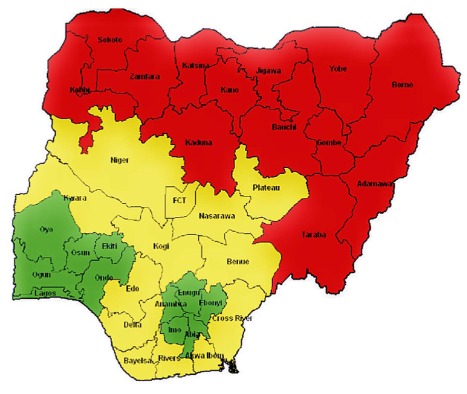
“Health indices in Nigeria vary widely across geopolitical zones (See Box 1) and socioeconomic groups [3].”
BackgroundThompson, J. E., Fullerton, J. T., & Sawyer, A. J. (2011) · Midwifery · doi:10.1016/j.midw.2011.04.001 · Cited by 117
Betrán, A. P., Wojdyla, D., Posner, S. F., & Gülmezoglu, A. M. (2005) · BMC Public Health · doi:10.1186/1471-2458-5-131 · Cited by 111 · cited 1×
“mortality decrease [8,9].”
Cited by
Filby, A., McConville, F., & Portela, A. (2016) · PLOS ONE · doi:10.1371/journal.pone.0153391 · Cited by 323
Abímbọ́lá, Ṣ., Negin, J., Jan, S., & Martiniuk, A. L. C. (2014) · Health Policy and Planning · doi:10.1093/heapol/czu069 · Cited by 193
“This is important because, to the extent that they are commonly owned by a community, PHC services in many LMICs are similar to common-pool resources (Ostrom 1996).”
BackgroundInfluentialKress, D. H., Su, Y., & Wang, H. (2016) · Health Systems & Reform · doi:10.1080/23288604.2016.1234861 · Cited by 101
“Some scholars have argued that low PHC coverage is a result of an insufficient health workforce.(14,16,17) The literature largely points to bottlenecks in primary health care inputs, including health facilities and health workers, to explain Nigeria’s poor performance in PHC coverage.”
BackgroundHow decentralisation influences the retention of primary health care workers in rural Nigeria
Abímbọ́lá, Ṣ., Olanipekun, T. O., Igbokwe, U., Negin, J., Jan, S., Martiniuk, A. L. C., Ihebuzor, N., & Aina, M. (2015) · Global Health Action · doi:10.3402/gha.v8.26616 · Cited by 126
“Perhaps because PHC is often the only form of formal health service available to rural populations, the shortage of rural PHC workers is also associated with worse health outcomes in rural communities compared to urban areas (26, 27).”
BackgroundYaya, S., Bishwajit, G., Uthman, O. A., & Amouzou, A. (2018) · PLoS ONE · doi:10.1371/journal.pone.0196896 · Cited by 116
Okoli, U., Morris, L., Oshin, A., Pate, M. A., Aigbe, C., & Muhammad, A. J. G. (2014) · BMC Pregnancy and Childbirth · doi:10.1186/s12884-014-0408-9 · Cited by 92
“This engages unemployed, newly graduated and retired midwives to work in selected PHC facilities in rural communities and has been extensively described elsewhere [6].”
BackgroundHussein, J., Hirose, A., Owolabi, O., Imamura, M., Kanguru, L., & Okonofua, F. E. (2016) · Reproductive Health · doi:10.1186/s12978-016-0158-4 · Cited by 89
“At policy level, there is clear commitment in Nigeria to improve maternal health and reduce maternal mortality, with various national initiatives being implemented at national and state levels such as health insurance programmes, community health worker development and improvements in midwifery services [6, 9–12].”
BackgroundKana, M. A., Doctor, H. V., Peleteiro, B., Lunet, N., & Barros, H. (2015) · BMC Public Health · doi:10.1186/s12889-015-1688-3 · Cited by 107
“Nigeria is comprised of complex geographic and demographic characteristics as seen in the significant regional variation in maternal health indicators [16].”
BackgroundMethodInfluentialUtilisation of skilled birth attendance in Northern Nigeria: A cross-sectional survey
Adewemimo, A., Msuya, S. E., Olaniyan, C. T., & Adegoke, A. A. (2013) · Midwifery · doi:10.1016/j.midw.2013.09.005 · Cited by 94
“In rural areas, beyond issues of access, there are problems with attracting and retaining skilled personnel, owing to lack of social amenities, supportive supervision and inadequate remuneration (Abimbola et al., 2012).”
BackgroundJob satisfaction and retention of midwives in rural Nigeria
Adegoke, A. A., Atiyaye, F. B., Abubakar, A. S., Auta, A., & Aboda, A. (2015) · Midwifery · doi:10.1016/j.midw.2015.06.010 · Cited by 68
“The aim of the MSS is to increase human resource for maternal and newborn health by deploying retired, unemployed and newly graduated midwives to PHC centres in rural Nigeria where maternal and newborn mortality and morbidity are highest (Abimbola et al., 2012).”
BackgroundInfluentialBarriers to the use of personal health records by patients: a structured review
Showell, C. (2017) · PeerJ · doi:10.7717/peerj.3268 · Cited by 67
“…to remove items which were considered to be out of scope, for example where the reference to PHRs was incidental (Bonacina & Pinciroli, 2010; Abimbola et al., 2012), where the barriers identified were exclusively those affecting healthcare providers and organisations (Hart, 2009; Gaskin et…”
Developing a common understanding of networks of care through a scoping study.
Carmone, A. E., Kalaris, K., Leydon, N., Sirivansanti, N., Smith, J. M., Storey, A., & Malata, A. (2020) · Health Systems & Reform · doi:10.1080/23288604.2020.1810921 · Cited by 66
Nwankwo, O. N. O., Ugwu, C. I., Nwankwo, G. I., Akpoke, M. A., Anyigor, C., Obi-Nwankwo, U., Andrew, S., Nwogu, K., & Spicer, N. (2022) · PLOS ONE · doi:10.1371/journal.pone.0266159 · Cited by 65
When Women Deliver with No One Present in Nigeria: Who, What, Where and So What?
Fapohunda, B. M., & Orobaton, N. (2013) · PLoS ONE · doi:10.1371/journal.pone.0069569 · Cited by 84
“The persistently high rates of maternal mortality in Nigeria are even more stark when the rates are disaggregated by political zone [2,3].”
BackgroundEsu, E. B., Chibuzor, M., Aquaisua, E., Udoh, E., Sam, O., Okoroafor, S., Ongom, M., Effa, E., Oyo-ita, A., & Meremikwu, M. (2021) · Journal of Public Health · doi:10.1093/pubmed/fdaa235 · Cited by 64
Eboreime, E., Abímbọ́lá, Ṣ., Obi, F. A., Ebirim, O., Olubajo, O., Eyles, J. D., Nxumalo, N., & Mambulu, F. N. (2017) · BMC Health Services Research · doi:10.1186/s12913-017-2179-2 · Cited by 85
Abímbọ́lá, Ṣ., Molemodile, S., Okonkwo, O. A., Negin, J., Jan, S., & Martiniuk, A. L. C. (2015) · Health Policy and Planning · doi:10.1093/heapol/czv066 · Cited by 71
“…the minutes were sought from within a federal government initiative which provides rural communities with ad hoc health workers to improve their maternal and child health indices, but with greater focus on the north where these indices are much worse compared with the south (Abimbola et al. 2012).”
Ntoimo, L. F. C., Okonofua, F. E., Ekwo, C., Ojuolape, S., Igboin, B., Imongan, W., & Yaya, S. (2021) · Midwifery · doi:10.1016/j.midw.2021.103158 · Cited by 89
Solanke, B. L., & Rahman, S. A. (2018) · BMC Pregnancy and Childbirth · doi:10.1186/s12884-018-2074-9 · Cited by 63
“The implementation of the MSS was expected to improve maternity care in the rural areas of Nigeria, but it is yet to yield significant positive results due to challenges such as retention of health personnel in rural areas, availability and training of midwives, and lack of political will by States and Local governmen…”
BackgroundHuman Resources for Health Challenges in Nigeria and Nurse Migration
Salami, B. O., Dada, F. O., & Adelakun, F. E. (2016) · Policy Politics & Nursing Practice · doi:10.1177/1527154416656942 · Cited by 67
“For instance, the maternal mortality in the northeast zone of Nigeria is more than nine times greater than in the southwest zone—1,549/100,000 versus 165/100,000 live births (Abimbola et al., 2012).”
BackgroundInfluentialNewborn Mortality in Sub-Saharan Africa: Why is Perinatal Asphyxia Still a Major Cause?
Usman, F., Imam, A., Farouk, Z. L., & Dayyabu, A. L. (2019) · Annals of Global Health · doi:10.5334/aogh.2541 · Cited by 66
“Nigeria and Zambia have instituted rural midwives’ and rural health worker retention schemes which have shown modest successes [29, 30].”
BackgroundOkereke, E., Aradeon, S., Akerele, A., Tanko, M., Yisa, I. O., & Obonyo, B. (2013) · Reproductive Health · doi:10.1186/1742-4755-10-57 · Cited by 53
“Maternal mortality is estimated to be more than twice as high in the rural areas (828 deaths per 100,000 live births) than in the urban areas (351 deaths per 100,000 live births) [7].”
BackgroundInfluentialExamining inequalities in access to delivery by caesarean section in Nigeria
Ushie, B. A., Udoh, E. E., & Ajayi, A. I. (2019) · PLoS ONE · doi:10.1371/journal.pone.0221778 · Cited by 38
Ajayi, A. I., & Akpan, W. (2020) · BMC Public Health · doi:10.1186/s12889-020-08512-z · Cited by 34
Examining trends in inequality in the use of reproductive health care services in Ghana and Nigeria
Ogundele, O. J., Pavlova, M., & Groot, W. N. J. (2018) · BMC Pregnancy and Childbirth · doi:10.1186/s12884-018-2102-9 · Cited by 40
“One example is the reproductive care services information channels in Nigeria [21].”
BackgroundOdejimi, A. W., Quinley, J., Eluwa, G., Kunnuji, M. O. N., Wammanda, R. D., Weiss, W. M., James, F., Bello, M., Ogunlewe, A., King, R., et al. (2022) · BMC Public Health · doi:10.1186/s12889-022-13507-z · Cited by 52
“The Federal Government of Nigeria has been working continuously to reduce child mortality through the development of policies and strategies, and the implementation of the following interventions and programs: the Midwives Service Schemes [3], the Maternal, Newborn & Child Health Week, Community Based Newborn Care [4]…”
BackgroundOgundele, O. J., Pavlova, M., & Groot, W. N. J. (2020) · Sexual & Reproductive Healthcare · doi:10.1016/j.srhc.2020.100536 · Cited by 38
Sharma, V., Leight, J., Giroux, N., AbdulAziz, F., & Nyqvist, M. B. (2019) · Reproductive Health · doi:10.1186/s12978-019-0808-4 · Cited by 41
Ajisegiri, W. S., Abímbọ́lá, Ṣ., Tesema, A. G., Odusanya, O. O., Ojji, D. B., Peiris, D., & Joshi, R. (2021) · PLOS Global Public Health · doi:10.1371/journal.pgph.0000050 · Cited by 42
Maternal Mortality in Nigeria: A Literature Review
Piane, G. M. (2019) · World Medical & Health Policy · doi:10.1002/wmh3.291 · Cited by 31
Ebenso, B., Mbachu, C. O., Etiaba, E., Huss, R., Manzano, A., Onwujekwe, O. E., Uzochukwu, B. S. C., Ezumah, N., Ensor, T., Hicks, J. P., et al. (2020) · BMJ Global Health · doi:10.1136/bmjgh-2020-002408 · Cited by 47
Okereke, E., Ishaku, S., Unumeri, G., Mohammed, B., & Ahonsi, B. (2019) · Human Resources for Health · doi:10.1186/s12960-019-0430-0 · Cited by 43
Infant mortality and risk factors in Nigeria in 2013–2017: A population-level study
Shobiye, D. M., Omotola, A., Zhao, Y., Zhang, J., Ekawati, F. M., & Shobiye, H. O. (2022) · eClinicalMedicine · doi:10.1016/j.eclinm.2022.101622 · Cited by 25
Sharma, V., Leight, J., AbdulAziz, F., Giroux, N., & Nyqvist, M. B. (2017) · Journal of Health Population and Nutrition · doi:10.1186/s41043-017-0124-y · Cited by 27
“Interventions developed for Northern Nigeria should carefully tailor educational messaging and other strategies to case type.”
BackgroundResultInfluentialObstetric fistula policy in Nigeria: a critical discourse analysis
Amodu, O. C., Salami, B. O., & Richter, M. S. (2018) · BMC Pregnancy and Childbirth · doi:10.1186/s12884-018-1907-x · Cited by 32
Baba-Ari, F., Eboreime, E., & Hossain, M. (2018) · International Journal of Health Policy and Management · doi:10.15171/ijhpm.2018.56 · Cited by 29
“However, it should be noted that PHCs are located in rural areas and midwives posted to these communities might have little in the way of motivation to provide adequate and quality health services to their patients.(40) An unsatisfied and unmotivated health worker might not provide the type of treatment that will enco…”
Eboreime, E., Nxumalo, N., Ramaswamy, R., Ibisomi, L., Ihebuzor, N., & Eyles, J. D. (2019) · BMJ Open · doi:10.1136/bmjopen-2018-026016 · Cited by 26
“However, most efforts to address them have focused on increasing their numbers and distribution, particularly Community Health Extension Workers.44 This approach is not unusual in LMICs given that maldistribution and high attrition rates are common human resource challenges in these countries.45 For example, maldistri…”
BackgroundAjayi, A. I., & Akpan, W. E. (2017) · BMC Health Services Research · doi:10.1186/s12913-017-2560-1 · Cited by 25
Setting up facility‐based maternal death reviews in N igeria
Achem, F., & Agboghoroma, C. O. (2014) · BJOG An International Journal of Obstetrics & Gynaecology · doi:10.1111/1471-0528.12817 · Cited by 20
Exley, J., Pitchforth, E., Okeke, E. N., Glick, P., Abubakar, I. S., Chari, A. V., Bashir, U., Gu, K., & Onwujekwe, O. E. (2016) · BMC Pregnancy and Childbirth · doi:10.1186/s12884-016-1026-5 · Cited by 25
“The three states were selected from different geopolitical zones which had varying maternal mortality ratios (rated as ‘very high’ (North West), ‘high’ (North Central) and ‘moderate’ (South East) maternal mortality) [4].”
BackgroundOduenyi, C., Ordu, V., & Okoli, U. (2019) · BMC Pregnancy and Childbirth · doi:10.1186/s12884-019-2418-0 · Cited by 24
Nkwo, P. O., Lawani, L. O., Ezugwu, E. C., Iyoke, C. A., Ubesie, A. C., & Onoh, R. C. (2014) · BMC Pregnancy and Childbirth · doi:10.1186/1471-2393-14-341 · Cited by 20
“Due to poor funding, only a few PHC centers are functional but these are without essential drugs and equipment, are poorly staffed and provide only day-time services as it requires a minimum of three nurses to provide 24 h services in a PHC facility [10,26].”
BackgroundInfluentialGomez, G. B., Foster, N., Brals, D., Nelissen, H. E., Bolarinwa, O. A., Hendriks, M. E., Boers, A. C., van Eck, D., Rosendaal, N. T. A., Adenusi, P., et al. (2015) · PLoS ONE · doi:10.1371/journal.pone.0139048 · Cited by 22
Towards Health System Strengthening: A Review of the Nigerian Health System From 1960 to 2019Preprint
Aregbeshola, B. S. (2021) · SSRN Electronic Journal · doi:10.2139/ssrn.3766017 · Cited by 24
Hill, Z. E., Scheelbeek, P., Schellenberg, J., & Hamza, Y. A. (2020) · Global Health Action · doi:10.1080/16549716.2020.1785735 · Cited by 20
Onalu, C. E., Agwu, P., Gobo, B., & Okoye, U. O. (2020) · Health & Social Work · doi:10.1093/hsw/hlaa032 · Cited by 17
Okereke, E., Tukur, J., Aminu, A., Butera, J.-B., Mohammed, B., Tanko, M., Yisa, I. O., Obonyo, B., & Egboh, M. (2015) · BMC Health Services Research · doi:10.1186/s12913-015-0724-4 · Cited by 22
“However evidence indicates that maternal, newborn and child mortality statistics are particularly poor across northern Nigeria [14].”
BackgroundOkereke, E., Unumeri, G., Akinola, A., Eluwa, G., & Adebajo, S. B. (2020) · BMC Health Services Research · doi:10.1186/s12913-020-05251-0 · Cited by 15
Okpani, A. I., & Abímbọ́lá, Ṣ. (2016) · Global Health Research and Policy · doi:10.1186/s41256-016-0017-4 · Cited by 19
“Previous studies have examined the determinants of the availability and retention of MSS midwives in the communities where they were posted, including irregular and insufficient salary payments, temporary job status, poor accommodation and working conditions, and being posted far from their family [13, 20].”
BackgroundMethodInfluentialReproductive healthcare for women in IDP camps in Nigeria: An analysis of structural gaps
Amodu, O. C., Salami, B. O., Richter, S. M., & Okeke‐Ihejirika, P. (2020) · Global Public Health · doi:10.1080/17441692.2020.1810296 · Cited by 20
“The plan to address PHC shortfalls has featured in many electoral manifestoes and health agendas of political leadership aspirants in Nigeria, yet after election, promises are hardly met (Abimbola et al., 2012; Adeloye et al., 2017).”
BackgroundObstetric fistula and sociocultural practices in Hausa community of Northern Nigeria
Amodu, O. C., Salami, B. O., & Richter, S. M. (2017) · Women and Birth · doi:10.1016/j.wombi.2017.02.009 · Cited by 24
Babalola, O. A., Chen, C. S., Brown, B. J., Cursio, J., Falusi, A. G., & Olopade, O. I. (2019) · Journal of Global Health Reports · doi:10.29392/joghr.3.e2019062 · Cited by 13
“Moreover, fewer than 40% of births in Nigeria occur in health care facilities (26, 27), and most of these occur in public sector facilities (28).”
BackgroundEzeonwu, M. C. (2014) · Health Care For Women International · doi:10.1080/07399332.2014.925454 · Cited by 16
Okpetu, E. I., Abímbọ́lá, Ṣ., Koot, J. A. R., & Kane, S. S. (2018) · Journal of Community Medicine and Primary Health Care · Cited by 20
Uzochukwu, B. S. C., Onyedinma, C., Okeke, C. C., Onwujekwe, O. E., Manzano, A., Ebenso, B., Etiaba, E., Ezuma, N. N., & Mirzoev, T. N. (2020) · BMC Health Services Research · doi:10.1186/s12913-020-05734-0 · Cited by 21
Etiaba, E., Eboreime, E., Dalglish, S. L., & Lehmann, U. (2023) · BMJ Global Health · doi:10.1136/bmjgh-2022-010186 · Cited by 11
Place of birth or place of death: An evaluation of 1139 maternal deaths in Nigeria
Adegoke, A. A., Campbell, M., Ogundeji, M. O., Lawoyin, T. O., & Thomson, A. M. (2013) · Midwifery · doi:10.1016/j.midw.2012.11.018 · Cited by 12
“Recent efforts have been made nationally to ensure midwives’ availability in rural areas and at primary health-care level through the national Midwifery Service Scheme (Abimbola et al., 2012).”
BackgroundOkereke, E., Tukur, J., Oginni, A. B., & Obonyo, B. (2015) · African Journal of Reproductive Health · Cited by 10
Awotunde, O. T., Awotunde, T. A., Fehintola, F. O., Adesina, S. A., A., O. O., Fehintola, A. O., & Ajala, D. E. (2017) · International Journal of Reproduction Contraception Obstetrics and Gynecology · doi:10.18203/2320-1770.ijrcog20172894 · Cited by 10
“According to National Population Commission, one in every three births in Nigeria is attended by skilled personnel, thus confirming the fact that TBA utilization rate in Nigeria is still very high.(9,10)”
BackgroundMokuolu, O. A., Adesiyun, O. O., Ibrahim, O. R., Suberu, H. D., Ibrahim, S., Bello, S. O., Mokikan, M., Obasa, T. O., & Abdulkadir, M. B. (2022) · Frontiers in Pediatrics · doi:10.3389/fped.2022.899645 · Cited by 15
“The government also introduced the Midwives Service Scheme (MSS) a few years later, focusing on safe delivery, especially in rural areas (9).”
BackgroundImpact assessment of particulate pollution on maternal mortality in Nigeria
Emetere, M. E., & Oladimeji, T. E. (2022) · Scientific Reports · doi:10.1038/s41598-022-19518-5 · Cited by 9
Are Wealthy Countries Always Healthy? Health Outcomes and Public Health Spending Nexus in Nigeria
Orji, A., Ogbuabor, J. E., Mba, P. N., & Anthony-Orji, O. I. (2021) · SAGE Open · doi:10.1177/21582440211040793 · Cited by 9
Nsirim, R., Iyongo, J. A., Adekugbe, O., & Ugochuku, M. (2016) · Journal of Public Health in Africa · doi:10.4081/jphia.2015.455 · Cited by 9
Mafiana, J. J., Shen, X., Hu, W., & Wang, X. (2022) · BMJ Open · doi:10.1136/bmjopen-2022-061595 · Cited by 10
Sodipo Olutomi, Y., & Ebenso, B. (2017) · Journal of Public Health and Epidemiology · doi:10.5897/jphe2017.0978 · Cited by 8
“In a similar manner, the Nigerian Government instituted the Midwives Service Scheme in 2009, as a way of increasing the numbers of midwives in the country though implementation of both schemes has been faulty (Abimbola et al., 2012).”
ResultNwadiuko, J., Doua, R., & Nyawira, L. (2025) · BMJ Global Health · doi:10.1136/bmjgh-2025-021574 · Cited by 7
Obum, O. E., Kelana, B. W. Y., Rahim, N. S. A., Saidi, M. I., & Hishan, S. S. (2023) · MIGRATION LETTERS · doi:10.59670/ml.v20i5.4055 · Cited by 13
“…faces the problem of lack of effective talent management practises, which means that human resource development is often neglected and indirectly the challenge of high turnover of talented employee turnover continues to plague the health sector (Abimbola et al., 2012, 2015; Salau et al., 2018).”
BackgroundRisk factors affecting maternal health outcomes in Rivers State of Nigeria: Towards the PRISMA model
Chinwah, V., Nyame‐Asiamah, F., & Ekanem, I. (2020) · Social Science & Medicine · doi:10.1016/j.socscimed.2020.113520 · Cited by 10
Oyovwe, P., & Woolhead, G. (2021) · AIMS Public Health · doi:10.3934/publichealth.2021012 · Cited by 7
“Although there seems to be implications that some reductions and improvements may have taken place since the introduction of free MHS in 2007 (maternal deaths have decreased by 32 percent between 2003 and 2008) [7], women in Nigeria still face some of the highest MMR globally [7], and proportion of births attended by…”
BackgroundHill, Z. E., Scheelbeek, P., Hamza, Y. A., Amare, Y., & Schellenberg, J. (2020) · Global Health Science and Practice · doi:10.9745/ghsp-d-19-00410 · Cited by 6
Exploring the Challenges for Universal Health Coverage: A Call to Africa by AfroPHC
Moosa, S. (2023) · Risk Management and Healthcare Policy · doi:10.2147/rmhp.s392454 · Cited by 9
Negotiating the Normal Birth : Norms and Emotions in Midwifery Education
Gleisner, J. (2013) · Linköping University Electronic Press eBooks · doi:10.3384/diss.diva-100671 · Cited by 17
Akinlusi, F. M., Gwacham-Anisiobi, U., Imosemi, D. O., Akinola, O. I., Ogunyemi, A. O., Isikekpei, B., Egunjobi, V., Wright, O., Okunowo, A. A., Ezumezu, N., et al. (2025) · Reproductive Health · doi:10.1186/s12978-025-02196-7 · Cited by 7
“NPHCDA’s early effort to introduce community-level maternal death reviews using verbal autopsy through the Midwives Service Scheme (2011–2013) focused more on service delivery than surveillance [50].”
Atim, C., & Bhatnagar, A. (2013) · World Bank, Washington, DC eBooks · doi:10.1596/13306 · Cited by 4
“The LGAs would also contribute an additional N10,000 to each midwife deployed in their area, and offer free, decent accommodation in the host communities (Abimbola et al. 2012).4 4 One US$ = approximately N155.”
BackgroundMethodInfluentialAdogu, P. O. U. (2014) · Open Journal of Obstetrics and Gynecology · doi:10.4236/ojog.2014.47051 · Cited by 4
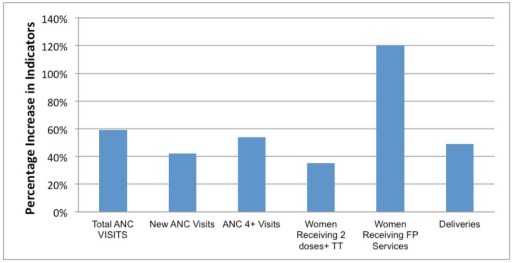
“MSS facility based maternal indicators percentage increase 2009/2010 versus 2013 [12] [13].”
BackgroundInfluentialPrenatal Nutrition and Fetal Macrosomia in Medically Underserved Areas
Inegbenebor, U., & Ebomoyi, M. I. (2012) · Journal of Nutritional Therapeutics · doi:10.6000/1929-5634.2012.01.01.10 · Cited by 4
“In certain parts of Nigeria, which are serviced by midwives working in the Midwives Service Scheme [24], terrorist bomb attacks, religious and cultural differences are hindering services meant to ameliorate the situation.”
BackgroundEnhancing the Retention of Healthcare Workers in Rural Areas: A Systematic Review
Rawas, S., Al-Matared, S., Al-Hutailah, M., AlAlhareth, A. S. A., Alyami, T., Alyami, A., Al-Zubaidi, A. H. A., & Al-Hutaylah, A. (2023) · International Journal for Scientific Research · doi:10.59992/ijsr.2023.v2n11p12 · Cited by 4
Akinsola, K. O., Olasupo, O., Salako, J., Sanaka, J. Z., Samuel, R. N., Bakare, O. R., Quadri, R., Emmanuel, O., King, C., Falade, A. G., et al. (2025) · BMC Pregnancy and Childbirth · doi:10.1186/s12884-025-07382-w · Cited by 8
“These include primary healthcare reforms and programs such as the Midwife Service Scheme(MSS), Saving One Million Lives (SOML), National Health Act and the Basic Health Care Provision Fund (BHCPF) to improve health service delivery and uptake [11, 41, 42].”
Okereke, E., Aradeon, S., & Yisa, I. O. (2016) · African Journal of Reproductive Health · doi:10.29063/ajrh2016/v20i3.20 · Cited by 4
NIGERIAN NURSES AND MIDWIVES UNEMPLOYMENT SURVEY
RN, E., & NSHI, G. I. (2020) · International Journal of Research -GRANTHAALAYAH · doi:10.29121/granthaalayah.v8.i6.2020.340 · Cited by 3
“The two questions are: (1) Do you think there is a shortage of Nurses and Midwives in Nigeria? (2) With a good remuneration, good working condition and good facilities, will you be willing to work in the rural community setting? Data collected were analyzed using Google forms’ statistical tools.”
MethodOkoli, U., Oduenyi, C., Onwudinjo, N., Ejeckam, C. C., Adegoke, F., Holmlund, M., Dias, P. R., & Crawford, E. (2015) · Health Services Research and Managerial Epidemiology · doi:10.1177/2333392815609143 · Cited by 3
“In 2012, The Federal Government of Nigeria established the Subsidy Reinvestment and Empowerment Programme on Maternal and Child Health (SURE-P MCH) which builds on the preceding Federal Government Midwives Service Scheme setup in 2009 to address the Human Resource for Health needs in rural primary care.(6) Part of SUR…”
BackgroundOyibo, N. C., Weller, G., & Watt, J. (2016) · Global Public Health · doi:10.1080/17441692.2016.1211165 · Cited by 8
Okeke, E. N., Glick, P., Abubakar, I. S., Chari, A. V., Pitchforth, E., Exley, J., Bashir, U., Setodji, C. M., Gu, K., & Onwujekwe, O. E. (2015) · doi:10.13140/rg.2.1.1730.3526 · Cited by 6
Adewuyi, E. O., Auta, A., Omonaiye, O., Adewuyi, M. I., Olutuase, V. O., Adefemi, K., Odeyemi, O. A., Zhao, Y., Tessema, G. A., & Pereira, G. F. (2025) · PLoS ONE · doi:10.1371/journal.pone.0337438 · Cited by 5
“These initiatives include the Midwives Service Scheme (MSS), conditional cash transfers (CCTs), and the Basic Health Care Provision Fund (BHCPF) [15–22].”
InfluentialAkinjeji, A., Fasawe, O., Abba, A., Adebowale, A. S., Nordenstedt, H., Reidy, W. J., Uthman, O. A., Oladigbolu, R. A., & Eriksen, J. (2026) · Global Health Action · doi:10.1080/16549716.2026.2660488 · Cited by 5
“…Health Care Development Agency (NPHCDA), the Midwives Service Scheme to improve skilled birth attendance, the introduction of the Basic Health Care Provision Fund (BHCPF) to enhance equitable financing, and the Nigeria Strategy for Immunization and Primary Health Care System Strengthening [13,14].”
Taylor, Y. J., Laditka, S. B., Laditka, J. N., Huber, L. R. B., & Racine, E. F. (2016) · Health Care For Women International · doi:10.1080/07399332.2016.1254219 · Cited by 5
Choice of place of Delivery amongst Women in a Rural Community in northeastern Nigeria
Mukaddas, H. (2018) · Journal of Medical Science And clinical Research · doi:10.18535/jmscr/v6i2.32 · Cited by 2
“rural health facilities and upgraded emergency obstetric care facilities in northern region of the country to increase the availability and presence of SBA at deliveries especially in the rural and hard to reach areas [19] .”
BackgroundAdewole, D. A., Adebayo, A. M., Obembe, T. A., & Titiloye, M. A. (2019) · International Journal of Nursing and Midwifery · doi:10.5897/ijnm2019.0363 · Cited by 2
Oluwasegun, J. I. (2022) · Texila international journal of public health · doi:10.21522/tijph.2013.10.03.art001 · Cited by 2
Simulation Based Post-Partum Hemorrhage Training in Nigeria: A Pilot Project
Chukwu, N. (2017) · USF Scholarship Repository (University of San Francisco) · Cited by 2
The spillover effect of midwife attrition from the Nigerian midwives service scheme
Erim, D., Offiong, H. E., Kim, C. S., Bello, F. A., Moulton, J. G., Wheeler, S. B., & Thirumurthy, H. (2018) · BMC Health Services Research · doi:10.1186/s12913-018-3106-x · Cited by 3
“[1] This goal was to be achieved by both demand-side interventions (e.”
BackgroundBabalola, O. A., Chen, C. S., Brown, B. J., Cursio, J., Falusi, A. G., & Olopade, O. I. (2019) · Journal of Global Health Reports · doi:10.29392//001c.12001 · Cited by 2
Improving midwifery care worldwide
Dhillon, R. S., & Mandara, M. U. (2015) · The Lancet · doi:10.1016/s0140-6736(14)62472-7 · Cited by 2
Khowaja, B. M. H., Feroz, A. S., Rani, M., Khowaja, Q., Khowaja, M. A. A., Abrejo, F. G., & Saleem, S. (2023) · medRxiv · doi:10.1101/2023.02.02.23285378 · Cited by 2
Ope, B. W., Puvanachandra, P., Mullins, E., Hirst, J. E., Norton, R., & Peden, M. M. (2026) · BMJ Open · doi:10.1136/bmjopen-2025-104174 · Cited by 1
Making Bricks from Straw: Resources and Productivity in Health Care
Okeke, E. N. (2026) · American Economic Review · doi:10.1257/aer.20241459 · Cited by 1
Scaling up Nigeria’s Midwives Service Scheme and Reducing Inequality Gaps in Maternal Mortality
Onugha, E. O. (2017) · Open Journal of Obstetrics and Gynecology · doi:10.4236/ojog.2017.78089 · Cited by 1
“MM is highest in the North West and the North East [6].”
BackgroundInfluentialThe Knowledge and Practices of Women of Child Bearing Age towards Safe Motherhood in Ekiti State
Okhakhume, A. S., & Okhakhume, V. A. (2018) · Journal of Current Medical Research and Opinion · doi:10.15520/jcmro.v1i09.113 · Cited by 1
The Nigerian Health Workforce in a Globalized Context
Archibong, U., & Eshareturi, C. (2019) · Advances in religious and cultural studies (ARCS) book series · doi:10.4018/978-1-5225-5079-2.ch009 · Cited by 1
Improving Human Resource for Health in Rural Northern Nigeria
Adegoke, A. A., Afenyadu, G. Y., Adamu, F. L., & Findley, S. E. (2021) · IntechOpen eBooks · doi:10.5772/intechopen.97468 · Cited by 2
“About 30% of midwives were supported by the federal MSS, which assigns newly graduated midwives to rural health facilities.”
BackgroundInfluential
Metadata
- Authors
- Abimbola, S., Okoli, U., Olubajo, O., Abdullahi, M. J., & Pate, M. A.
- Affiliations
- National Primary Health Care Development Agency (NG)
- Duke University (US)
- Venue
- PLoS Medicine
- Publisher
- Public Library of Science (PLoS)
- Published
- 2012-05-01
- Volume
- 9
- Issue
- 5
- Pages
- e1001211
- ISSN
- 1549-1277 (ISSN-L)
- 1549-1676
- PMC
- PMC3341343
- OpenAlex
- W2072114590
- Cited by
- 144
- References
- 8
- Citations by year
- 2026: 10 · 2025: 9 · 2023: 11 · 2022: 11 · 2021: 9 · 2020: 20 · 2019: 14 · 2018: 10 · 2017: 12 · 2016: 10 · 2015: 12 · 2014: 7 · 2013: 8 · 2012: 1
- FWCI
- 7.80
- Type
- journal article
- Language
- en
- Open access
- gold
- doi.org
- Locations
- PLoS Medicine (publishedVersion, cc-by)
- Europe PMC (PubMed Central) (publishedVersion, cc-by)
- PubMed Central (publishedVersion, cc-by)
- PubMed (publishedVersion)
- DOAJ (DOAJ: Directory of Open Access Journals) (submittedVersion, cc-by-sa)
- Topics
- Health Sciences › Medicine › Pediatrics, Perinatology and Child Health › Global Maternal and Child Health
- Health Sciences › Medicine › Public Health, Environmental and Occupational Health › Global Health Workforce Issues
- Health Sciences › Medicine › Obstetrics and Gynecology › Maternal and Perinatal Health Interventions
- Keywords
- skilled birth attendance, midwife retention, rural health workforce, cluster model, emergency obstetric care, maternal health, newborn health, child health, home birth, midwifery education, Nigeria
- MeSH terms
- Workforce, Adult, Child, Female, Humans, Infant, Newborn, Maternal Health Services, Midwifery, Nigeria, Obstetric Nursing, Pregnancy, Primary Health Care, Rural Population, Outcome Assessment, Health Care
About these checks
Registry, retraction, Cites and statistics results are computed, not judged, with one exception: a printed reference that no index lists is read once by a model before it counts as a citation error. Claims are extracted by a model and kept only when their quote appears verbatim in the text; each cited source is then checked, with a model’s help, for whether it says what the claim relies on. Those verdicts can be wrong — read the claim’s quote and the cited source before relying on one.
Statistics and arithmetic are recomputed, not judged.
Confidence bands are shown only for fields calibrated on our annotated test set. None is calibrated yet, so no band is shown.
What counts as a claim ›How we measure confidence ›How we check this ›
Are you an author, or do you see a problem with this page? Request a review
Data sources
Bibliographic data: Semantic Scholar, OpenAlex, Crossref.
Contains information from the Semantic Scholar Academic Graph Datasets, made available under the ODC Attribution License (ODC-BY 1.0).
Semantic Scholar’s data is described in: Kinney, R., et al. (2023). The Semantic Scholar Open Data Platform. arXiv:2301.10140.
