

Whole Blood Gene Expression Profiles to Assess Pathogenesis and Disease Severity in Infants with Respiratory Syncytial Virus Infection
Open accessThe DOI matches its Crossref record; 38 of the 38 references it cites were found in a registry or an index.
Abstract
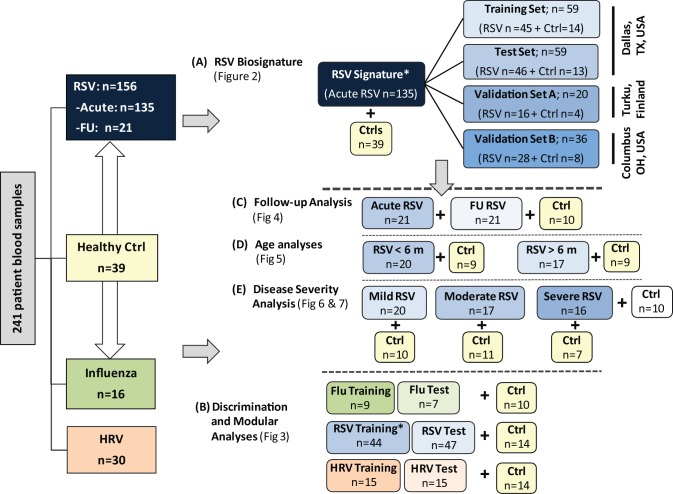
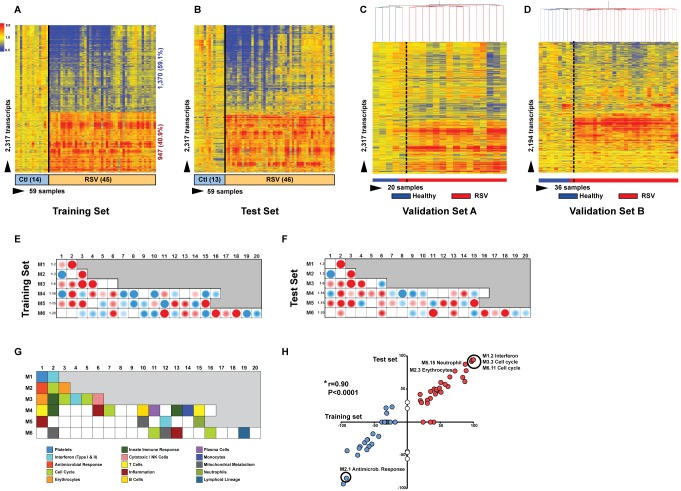
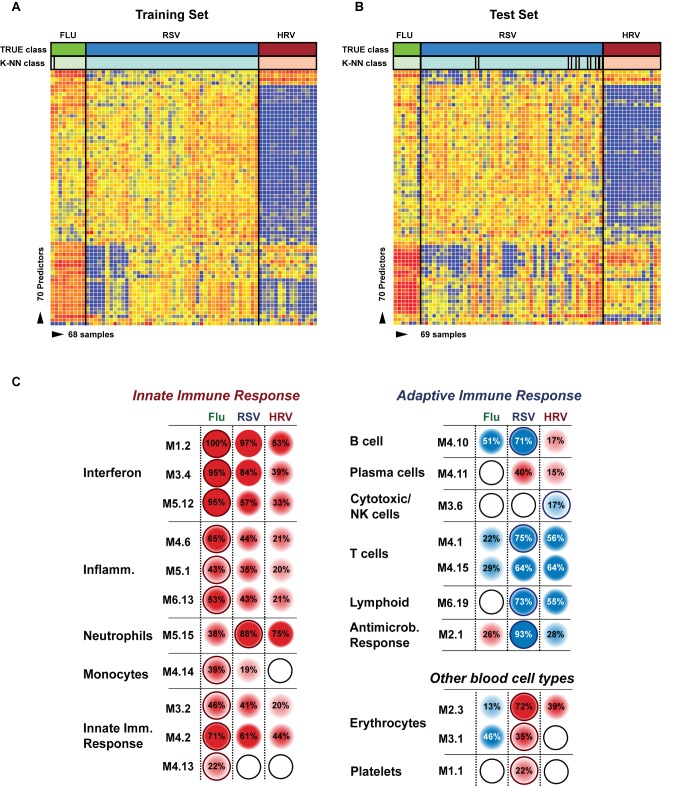
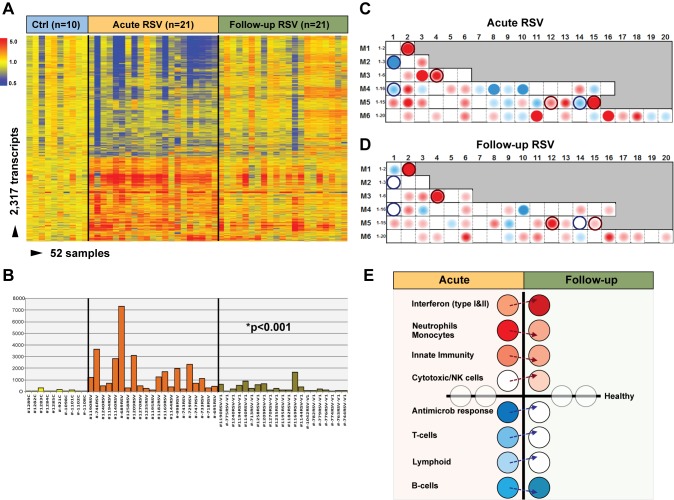
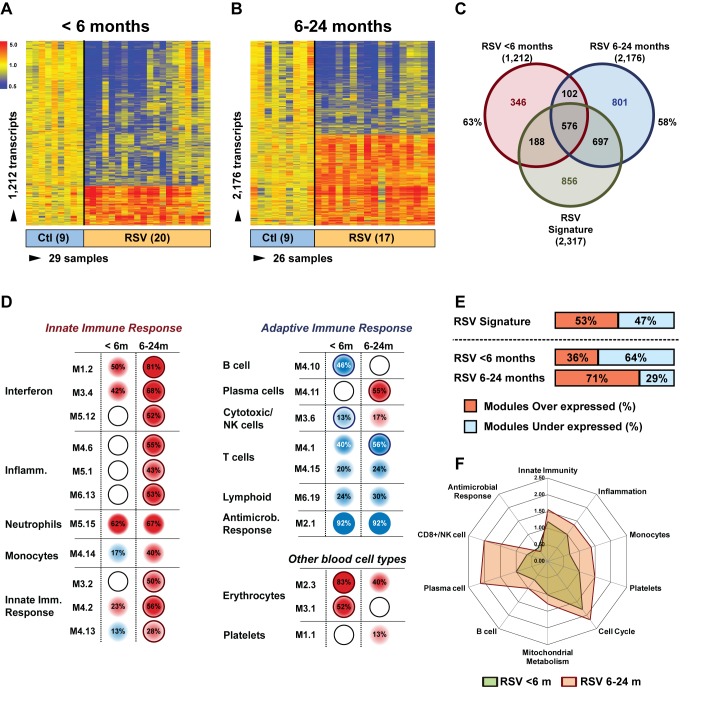
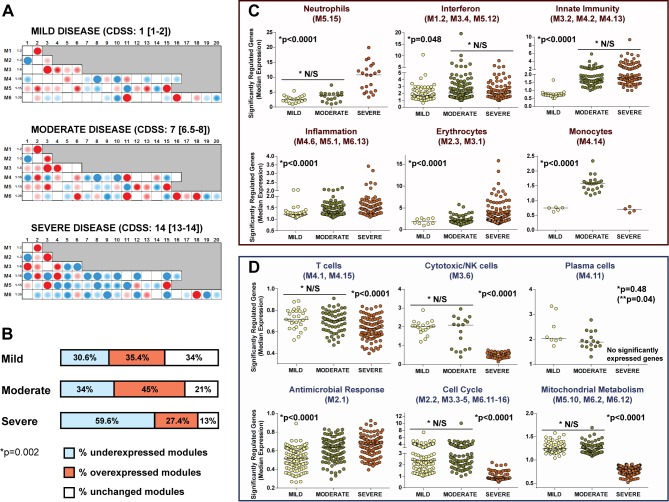
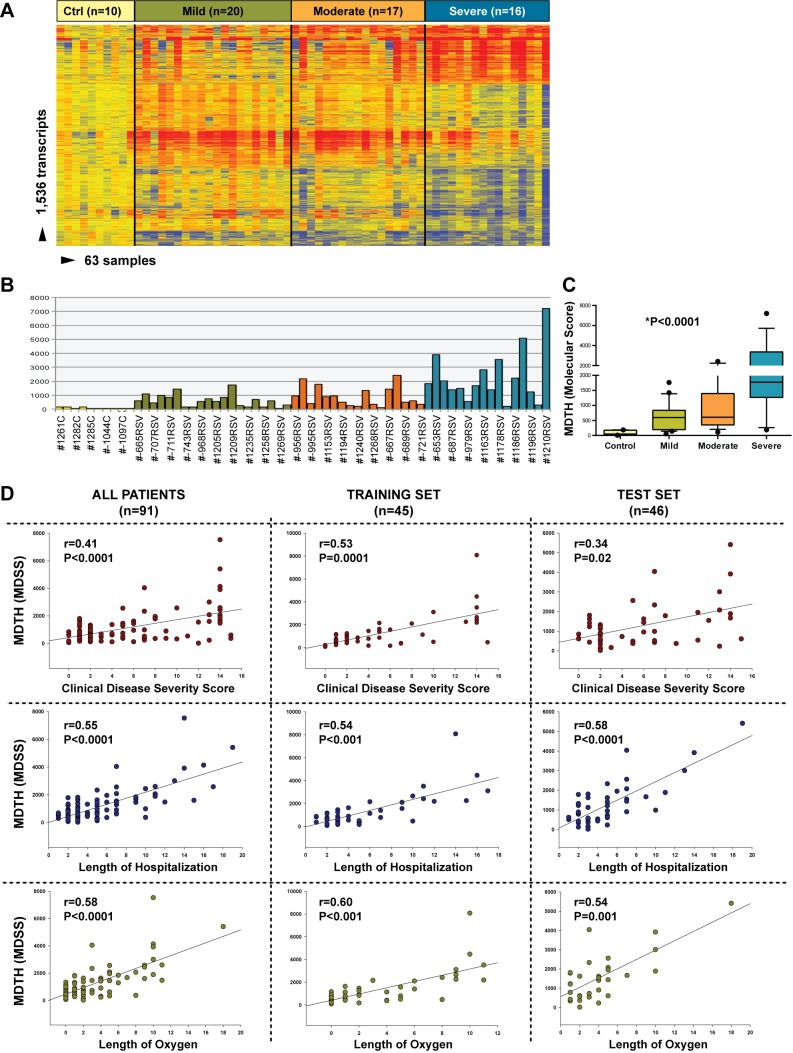
BACKGROUND: Respiratory syncytial virus (RSV) is the leading cause of viral lower respiratory tract infection (LRTI) and hospitalization in infants. Mostly because of the incomplete understanding of the disease pathogenesis, there is no licensed vaccine, and treatment remains symptomatic. We analyzed whole blood transcriptional profiles to characterize the global host immune response to acute RSV LRTI in infants, to characterize its specificity compared with influenza and human rhinovirus (HRV) LRTI, and to identify biomarkers that can objectively assess RSV disease severity. METHODS AND FINDINGS: This was a prospective observational study over six respiratory seasons including a cohort of infants hospitalized with RSV (n = 135), HRV (n = 30), and influenza (n = 16) LRTI, and healthy age- and sex-matched controls (n = 39). A specific RSV transcriptional profile was identified in whole blood (training cohort, n = 45 infants; Dallas, Texas, US) and validated in three different cohorts (test cohort, n = 46, Dallas, Texas, US; validation cohort A, n = 16, Turku, Finland; validation cohort B, n = 28, Columbus, Ohio, US) with high sensitivity (94% [95% CI 87%-98%]) and specificity (98% [95% CI 88%-99%]). It classified infants with RSV LRTI versus HRV or influenza LRTI with 95% accuracy. The immune dysregulation induced by RSV (overexpression of neutrophil, inflammation, and interferon genes, and suppression of T and B cell genes) persisted beyond the acute disease, and immune dysregulation was greatly impaired in younger infants (<6 mo). We identified a genomic score that significantly correlated with outcomes of care including a clinical disease severity score and, more importantly, length of hospitalization and duration of supplemental O2. CONCLUSIONS: Blood RNA profiles of infants with RSV LRTI allow specific diagnosis, better understanding of disease pathogenesis, and assessment of disease severity. This study opens new avenues for biomarker discovery and identification of potential therapeutic or preventive targets, and demonstrates that large microarray datasets can be translated into a biologically meaningful context and applied to the clinical setting. Please see later in the article for the Editors' Summary.
Overview
The claims and statistics of this paper haven’t been checked yet.
Free: it reads the open-access text and checks the first 5 claims that cite a source we can check. Create a free account to check every claim.
Integrity signals
Registry
Cites
Statistics
Figures
Verification
Claims the paper makes
The claims and statistics of this paper haven’t been checked yet.
Free: it reads the open-access text and checks the first 5 claims that cite a source we can check. Create a free account to check every claim.
Claims other papers make about this one
Each is checked against this paper’s own text: does it say what the citing paper says it does?
The cited source says what the claim attributes to it.
In the citing paper
“data from a human infant cohort study, in which persisting immune dysregulation was still detected one month after acute RSV infection176.”
From The microbiota of the respiratory tract: gatekeeper to respiratory health (2017) · cites this paper as [176]
Self-check
Percentages, sums and reported differences re-computed from the paper’s own numbers.
The self-check needs the paper’s full text.
Citations
Cites
Controlling the False Discovery Rate: A Practical and Powerful Approach to Multiple Testing
Benjamini, Y., & Hochberg, Y. (1995) · Journal of the Royal Statistical Society Series B: Statistical Methodology · doi:10.1111/j.2517-6161.1995.tb02031.x · Cited by 109,482
Nair, H., Nokes, D. J., Gessner, B. D., Dherani, M., Madhi, S. A., Singleton, R. J., O'Brien, K. L., Roca, A., Wright, P. F., Bruce, N., et al. (2010) · The Lancet · doi:10.1016/s0140-6736(10)60206-1 · Cited by 2,773
The Burden of Respiratory Syncytial Virus Infection in Young Children
Hall, C. B., Weinberg, G. A., Iwane, M. K., Blumkin, A. K., Edwards, K. M., Staat, M. A., Auinger, P., Griffin, M. R., Poehling, K. A., Erdman, D., et al. (2009) · New England Journal of Medicine · doi:10.1056/nejmoa0804877 · Cited by 2,246
WHO estimates of the causes of death in children
Bryce, J., Boschi-Pinto, C., Shibuya, K., & Black, R. E. (2005) · The Lancet · doi:10.1016/s0140-6736(05)71877-8 · Cited by 2,096 · cited 1×
“Lower respiratory tract infections (LRTIs) are associated with significant morbidity and mortality in children worldwide [1].”
BackgroundAn interferon-inducible neutrophil-driven blood transcriptional signature in human tuberculosis
Berry, M. P. R., Graham, C. M., McNab, F. W., Xu, Z., Bloch, S. A. A., Oni, T., Wilkinson, K. A., Banchereau, R., Skinner, J., Wilkinson, R. J., et al. (2010) · Nature · doi:10.1038/nature09247 · Cited by 1,898 · cited 8×
“p-Values were determined using the twosided Fisher’s exact test [13,15].”
BackgroundMethodResultInfluentialSelf-citationKlugman, K. P., Madhi, S. A., Huebner, R. E., Kohberger, R., Mbelle, N., & Pierce, N. (2003) · New England Journal of Medicine · doi:10.1056/nejmoa035060 · Cited by 1,009 · cited 1×
“The implementation of vaccination with conjugate vaccines against the most common causes of bacterial LRTI, Haemophilus influenzae type b and Streptococcus pneumoniae, has clearly shown a protective effect in children [2,3].”
BackgroundMAQC Consortium (2010) · Nature Biotechnology · doi:10.1038/nbt.1665 · Cited by 889
A Modular Analysis Framework for Blood Genomics Studies: Application to Systemic Lupus Erythematosus
Chaussabel, D., Quinn, C., Shen, J., Patel, P., Glaser, C., Baldwin, N., Stichweh, D., Blankenship, D., Li, L., Munagala, I., et al. (2008) · Immunity · doi:10.1016/j.immuni.2008.05.012 · Cited by 649 · cited 3×
“A detailed account of this module-based mining analysis strategy has been reported elsewhere [13,14,21,22].”
BackgroundMethodSelf-citationA role for Streptococcus pneumoniae in virus-associated pneumonia
Madhi, S. A., Klugman, K. P., & The Vaccine Trialist Group (2004) · Nature Medicine · doi:10.1038/nm1077 · Cited by 565
Gene expression patterns in blood leukocytes discriminate patients with acute infections
Ramilo, O., Allman, W., Chung, W., Mejias, A., Ardura, M., Glaser, C., Wittkowski, K. M., Piqueras, B., Banchereau, J., Palucka, A. K., et al. (2007) · Blood · doi:10.1182/blood-2006-02-002477 · Cited by 482 · cited 3×
“p-Values were determined using the twosided Fisher’s exact test [13,15].”
MethodSelf-citation
Cited by
Items 101–200 of 313
van Erp, E. A., Feyaerts, D., Duijst, M., Mulder, H. L., Wicht, O., Luytjes, W., Ferwerda, G., & van Kasteren, P. B. (2018) · The Journal of Infectious Diseases · doi:10.1093/infdis/jiy566 · Cited by 37
Gómez‐Carballa, A., Cebey‐López, M., Pardo‐Seco, J., Barral‐Arca, R., Calle, I. R., Pischedda, S., Currás-Tuala, M. J., Rial, J. G., Barros, F., Martinón‐Torres, F., et al. (2019) · Scientific Reports · doi:10.1038/s41598-019-48162-9 · Cited by 41
Community-acquired pneumonia in children: Current challenges and future directions
Wallihan, R. G., & Ramilo, O. (2014) · Journal of Infection · doi:10.1016/j.jinf.2014.07.021 · Cited by 44
Self-citationVarese, A., Nakawesi, J., Farias, A., Kirsebom, F. C. M., Paulsen, M., Nuriev, R. I., & Johansson, C. (2022) · PLoS Pathogens · doi:10.1371/journal.ppat.1010272 · Cited by 36
“This resembles the observation that links polymorphisms in genes that control the IFN system with RSV disease severity and the fact that children with severe RSV infection show impaired type I IFN responses [66,67].”
BackgroundJans, J., Unger, W. W. J., Vissers, M., Ahout, I. M. L., Schreurs, I., Wickenhagen, A., de Groot, R., de Jonge, M. I., & Ferwerda, G. (2017) · European Journal of Immunology · doi:10.1002/eji.201747161 · Cited by 36
Host-Based Diagnostics for Acute Respiratory Infections
Ross, M. H., Zick, B., & Tsalik, E. L. (2019) · Clinical Therapeutics · doi:10.1016/j.clinthera.2019.06.007 · Cited by 37
Host response to respiratory syncytial virus infection
Arruvito, L., Raiden, S., & Geffner, J. R. (2015) · Current Opinion in Infectious Diseases · doi:10.1097/qco.0000000000000159 · Cited by 37
Pediatric cancer research: Surviving COVID‐19
Auletta, J. J., Adamson, P. C., Agin, J., Kearns, P. R., Kennedy, S., Kieran, M. W., Ludwinski, D., Knox, L., McKay, K., Rhiner, P., et al. (2020) · Pediatric Blood & Cancer · doi:10.1002/pbc.28435 · Cited by 37
Viral Bacterial Interactions in Children: Impact on Clinical Outcomes
Díaz, A., García-Mauriño, C., Jordán-Villegas, A., Naples, J. C., Ramilo, O., & Mejías, A. (2019) · The Pediatric Infectious Disease Journal · doi:10.1097/inf.0000000000002319 · Cited by 37
Self-citationRémot, A., Descamps, D., Jouneau, L., Laubreton, D., Dubuquoy, C., Bouet, S., Lecardonnel, J., Rebours, E., Petit‐Camurdan, A., & Riffault, S. (2015) · European Journal of Immunology · doi:10.1002/eji.201545929 · Cited by 33
Transcriptomics in Human Challenge Models
Barton, A., Hill, J. W., Pollard, A. J., & Blohmke, C. J. (2017) · Frontiers in Immunology · doi:10.3389/fimmu.2017.01839 · Cited by 34
“For example, although the greatest burden of RSV is in babies, RSV challenge can only be carried out using consenting adults; cohort studies, however, have found that the transcriptomic response to RSV infection changes markedly with age (54).”
BackgroundÖner, D., Drysdale, S. B., McPherson, C., Lin, G.-L., Janet, S., Broad, J., Pollard, A. J., Aerssens, J., RESCEU Investigators, Nair, H., et al. (2020) · The Journal of Infectious Diseases · doi:10.1093/infdis/jiaa208 · Cited by 34
McDonald, J. U., Kaforou, M., Clare, S., Hale, C., Ivanova, M., Huntley, D. M., Dorner, M., Wright, V., Levin, M., Martinón‐Torres, F., et al. (2016) · mSystems · doi:10.1128/msystems.00051-16 · Cited by 35
“A number of studies in the last decade have published host ‘omics 85 profiles of RSV disease, identifying signatures of RSV infection, which enable discrimination 86 between RSV and other respiratory viral infections (21, 22).”
BackgroundNeutrophils do not impact viral load or the peak of disease severity during RSV infection
Kirsebom, F. C. M., Michalaki, C., Agueda‐Oyarzabal, M., & Johansson, C. (2020) · Scientific Reports · doi:10.1038/s41598-020-57969-w · Cited by 33
Brenes-Chacón, H., García-Mauriño, C., Moore‐Clingenpeel, M., Mertz, S. E., Ye, F., Cohen, D. M., Ramilo, O., & Mejías, A. (2020) · The Pediatric Infectious Disease Journal · doi:10.1097/inf.0000000000002914 · Cited by 31
“The proportional increase of fever according to age has been previously reported in children with RSV infection, and thought to be related to immature innate immune responses early in infancy.(17,28,29) Wheeze has been classically identified as one of the main clinical criteria diagnostic for bronchiolitis, and consid…”
BackgroundSelf-citationFujiogi, M., Raita, Y., Pérez‐Losada, M., Freishtat, R. J., Celedon, J. C., Mansbach, J. M., Piedra, P. A., Zhu, Z., Camargo, C. A., & Hasegawa, K. (2022) · Nature Communications · doi:10.1038/s41467-022-32323-y · Cited by 33
Biomarkers for Community-Acquired Pneumonia in the Emergency Department
Florin, T. A., & Ambroggio, L. (2014) · Current Infectious Disease Reports · doi:10.1007/s11908-014-0451-8 · Cited by 33
Distinct patterns of innate immune activation by clinical isolates of respiratory syncytial virus
Levitz, R., Gao, Y., Dozmorov, I. M., Song, R., Wakeland, E. K., & Kahn, J. S. (2017) · PLoS ONE · doi:10.1371/journal.pone.0184318 · Cited by 31
Challenges for the Newborn Immune Response to Respiratory Virus Infection and Vaccination
Crofts, K. F., & Alexander‐Miller, M. A. (2020) · Vaccines · doi:10.3390/vaccines8040558 · Cited by 44
“Further, infected infants exhibited reduced expression of genes regulating T and B cell activation [133].”
BackgroundResultInfluentialGene signature of children with severe respiratory syncytial virus infection
Dapat, C., Kumaki, S., Sakurai, H., Nishimura, H., Labayo, H. K. M., Okamoto, M., Saito, M., & Oshitani, H. (2021) · Pediatric Research · doi:10.1038/s41390-020-01347-9 · Cited by 33
“Overexpression of genes related to inflammatory response was also observed previous studies.(6,39) In this study, we identified overexpression of toll-like receptor genes (TLR1, TLR2, TLR6) that are associated with inflammatory response in children with severe RSV.”
ResultDetecting specific infections in children through host responses: a paradigm shift
Mejías, A., Suárez, N. M., & Ramilo, O. (2014) · Current Opinion in Infectious Diseases · doi:10.1097/qco.0000000000000065 · Cited by 30
Self-citationShin, M., Park, H.-T., Shin, S., Jung, M., Im, Y. B., Park, H.-E., Cho, Y.-I., & Yoo, H. S. (2015) · Journal of Microbiology and Biotechnology · doi:10.4014/jmb.1408.08059 · Cited by 30
“Whole-blood cells contain dynamic and interactive information in the body, such as changes in association with a disease process; therefore, transcriptional profiling from whole blood has the potential to identify genetic biomarkers for diseases [13, 24, 31].”
BackgroundAge and respiratory syncytial virus etiology in bronchiolitis clinical outcomes
Fernández, R. R., González-Sánchez, M. I., Pérez-Moreno, J., Martínez, F. G., Navazo, S. D. L. M., Mejías, A., & Ramilo, O. (2022) · Journal of Allergy and Clinical Immunology Global · doi:10.1016/j.jacig.2022.05.005 · Cited by 29
Self-citationRisk of respiratory syncytial virus infection in preterm infants: reviewing the need for prevention
Abraha, H. Y., Lanctôt, K. L., & Paes, B. A. (2015) · Expert Review of Respiratory Medicine · doi:10.1586/17476348.2015.1098536 · Cited by 32
Interactions between the tumor and the blood systemic response of breast cancer patients
Dumeaux, V., Fjukstad, B., Fjøsne, H. E., Frantzen, J. O., Holmen, M. M., Rodegerdts, E., Schlichting, E., Børresen‐Dale, A., Bongo, L. A., Lund, E., et al. (2017) · PLoS Computational Biology · doi:10.1371/journal.pcbi.1005680 · Cited by 31
Ashwin, H. M., Seifert, K., Forrester, S. J., Brown, N., Macdonald, S. J., James, S. R., Lagos, D., Timmis, J., Mottram, J. C., Croft, S. L., et al. (2018) · Wellcome Open Research · doi:10.12688/wellcomeopenres.14867.2 · Cited by 33
What was old is new again: using the host response to diagnose infectious disease
Ko, E. R., Yang, W. E., McClain, M. T., Woods, C. W., Ginsburg, G. S., & Tsalik, E. L. (2015) · Expert Review of Molecular Diagnostics · doi:10.1586/14737159.2015.1059278 · Cited by 29
“Further discrimination of viral pathogens (respiratory syncytial virus, human rhinovirus and influenza) was achieved with 95% accuracy using a 70-gene classifier in a pediatric population [144].”
Methodvan den Kieboom, C. H., Ahout, I. M. L., Zomer, A., Brand, K. H., de Groot, R., Ferwerda, G., & de Jonge, M. I. (2014) · European Respiratory Journal · doi:10.1183/09031936.00085614 · Cited by 28
Tahamtan, A., Besteman, S. B., Samadizadeh, S., Rastegar, M., Bont, L., & Salimi, V. (2020) · British Journal of Pharmacology · doi:10.1111/bph.15318 · Cited by 34
“way, characterized by increased expression of neutrophil effector proteins, is found in RSV-infected children (Mejias et al., 2013).”
BackgroundMethodInfluentialSevere respiratory syncytial virus disease in preterm infants: a case of innate immaturity
Anderson, J., Do, L. A. H., Wurzel, D. F., Toh, Z. Q., Mulholland, K., Pellicci, D. G., & Licciardi, P. V. (2021) · Thorax · doi:10.1136/thoraxjnl-2020-216291 · Cited by 33
Zhu, Z., Li, Y., Freishtat, R. J., Celedon, J. C., Espinola, J. A., Harmon, B. T., Hahn, A., Camargo, C. A., Liang, L., & Hasegawa, K. (2023) · Nature Communications · doi:10.1038/s41467-023-41300-y · Cited by 28
Advances in multiplex nucleic acid diagnostics for blood-borne pathogens: promises and pitfalls
DUNCAN, R. C., Kourout, M., Grigorenko, E. L., Fisher, C., & Dong, M. (2015) · Expert Review of Molecular Diagnostics · doi:10.1586/14737159.2016.1112272 · Cited by 30
Barral‐Arca, R., Gómez‐Carballa, A., Cebey‐López, M., Bello, X., Martinón‐Torres, F., & Salas, A. (2020) · International Journal of Molecular Sciences · doi:10.3390/ijms21051831 · Cited by 32
“Eight databases were identified: GSE42026 [52]: including 33 healthy controls, 19 influenza, and 22 RSV. GSE34205 [57]: including 22 healthy controls, 28 influenza, and 51 RSV. GSE106475 [58]: including 18 healthy controls, 21 influenza, 4 rhinovirus, and 4 RSV. GSE77087 [54]: including 23 healthy controls, and 81 RSV…”
Brummaier, T., Kabeer, B. S. A., Lindow, S. W., Konje, J. C., Pukrittayaamee, S., Utzinger, J., Toufiq, M., Antoniou, A., Marr, A. K., Suriyakan, S., et al. (2019) · BMJ Open · doi:10.1136/bmjopen-2018-023417 · Cited by 27
“Best practices in the microarray field dictate utilisation of at least two independent sets of samples for the purpose of validating candidate signatures (or profiles).(41) However, in the absence of prior high-resolution temporal profiling data in this setting, a pragmatic approach was chosen to determine the samples…”
BackgroundSelf-citationPlatelets: a potential role in chronic respiratory diseases?
Chebbo, M., Duez, C., Alessi, M., Chanez, P., & Gras, D. (2021) · European Respiratory Review · doi:10.1183/16000617.0062-2021 · Cited by 26
Dapat, C., & Oshitani, H. (2016) · Expert Review of Anti-infective Therapy · doi:10.1586/14787210.2016.1141676 · Cited by 26
“[13] Circulating strain Pediatric patients (PBMC) Microarray 293 2015 Brand et al.”
BackgroundFinger stick blood collection for gene expression profiling and storage of tempus blood RNA tubes
Rinchai, D., Anguiano, E., Nguyen, P., & Chaussabel, D. (2016) · F1000Research · doi:10.12688/f1000research.8841.1 · Cited by 25
Self-citationBrown, P. M., Harford, T. J., Agrawal, V., Yen‐Lieberman, B., Rezaee, F., & Piedimonte, G. (2017) · PLoS ONE · doi:10.1371/journal.pone.0168786 · Cited by 25
Besteman, S. B., Callaghan, A., Langedijk, A. C., Hennus, M. P., Meyaard, L., Mokrý, M., Bont, L., & Calis, J. J. A. (2020) · Clinical Immunology · doi:10.1016/j.clim.2020.108593 · Cited by 27
Carroll, J., Rentscher, K. E., Cole, S. W., Luo, J. J., Ramilo, O., Webber, S., Lamkin, D. M., & Christian, L. M. (2020) · Brain Behavior and Immunity · doi:10.1016/j.bbi.2020.04.065 · Cited by 27
“Samples were stored at−80 C until analysis (Mejias et al., 2013).”
MethodSelf-citationXu, N., Hao, F., Dong, X., Yao, Y., Guan, Y., Yang, L., Chen, F., Zheng, F., Li, Q., Liu, W., et al. (2021) · The Lancet Digital Health · doi:10.1016/s2589-7500(21)00102-3 · Cited by 24
Hoang, L. T., Tolfvenstam, T., Ooi, E. E., Khor, C. C., Naim, A. N. M., Ho, E. X. P., Ong, S. H., Wertheim, H. F. L., Fox, A., Châu, N. V. V., et al. (2014) · PLoS ONE · doi:10.1371/journal.pone.0111640 · Cited by 24
“The interferon response was shown to be strongly up-regulated in influenza virus A infection [11], however, the exact mechanism of interferon responses in different clinical severities of influenza has not been described.”
BackgroundModeling Human Respiratory Viral Infections in the Cotton Rat (Sigmodon hispidus)
Blanco, J. C. G. (2014) · Journal of Antivirals & Antiretrovirals · doi:10.4172/jaa.1000093 · Cited by 23
Park, H.-E., Shin, M., Park, H.-T., Jung, M., Cho, Y.-I., & Yoo, H. S. (2016) · Pathogens and Disease · doi:10.1093/femspd/ftw022 · Cited by 23
“Whole blood samples are easy to take and can be used to give a prognosis and assess the severity of the disease (Mejias et al. 2013; Dickinson et al. 2014).”
BackgroundPre-symptomatic diagnosis and treatment of filovirus diseases
Shurtleff, A. C., Whitehouse, C. A., Ward, M. D., Cazares, L. H., & Bavari, S. (2015) · Frontiers in Microbiology · doi:10.3389/fmicb.2015.00108 · Cited by 22
“Much of the work in this area has been focused on identifying specific gene expression signatures in the peripheral blood of patients infected with various viruses, bacteria, or fungi (Pankla et al., 2009; Tang et al., 2009; Berry et al., 2010; Zaas et al., 2010; Mejias et al., 2013, 2014).”
BackgroundInfluentialFuruse, Y., Tamaki, R., Okamoto, M., Saito‐Obata, M., Suzuki, A. K., Saito, M., Imamura, T., Khandaker, I., Dapat, I. C., Ueno, F., et al. (2018) · The Journal of Infectious Diseases · doi:10.1093/infdis/jiy515 · Cited by 23
“This result suggests that not only temporal changes in immune status [38] but also other long-lasting factors, such as persistent modulation of immune cells [10], gene regulation [39], alterations in the respiratory tract microbiome [12–16], and tissue damage [11, 40, 41], might be responsible for the higher risk for…”
BackgroundOcular Surface Infection Mediated Molecular Stress Responses: A Review
Das, S., D’Souza, S., Gorimanipalli, B., Shetty, R., Ghosh, A., & Deshpande, V. (2022) · International Journal of Molecular Sciences · doi:10.3390/ijms23063111 · Cited by 23
“Additionally, gene expression studies proved to be very important in interpreting the contribution of the transcriptome to immune dysregulation [13] and immune response [14].”
BackgroundThe Path Towards Effective Respiratory Syncytial Virus Immunization Policies: Recommended Actions
Martinón‐Torres, F., Navarro-Alonso, J.-A., Garcés‐Sánchez, M., & Soriano‐Arandes, A. (2023) · Archivos de Bronconeumología · doi:10.1016/j.arbres.2023.06.006 · Cited by 22
Makrinioti, H., Bush, A., Gern, J. E., Johnston, S. L., Papadopoulos, N. G., Feleszko, W., Camargo, C. A., Hasegawa, K., & Jartti, T. T. (2021) · Frontiers in Immunology · doi:10.3389/fimmu.2021.761660 · Cited by 23
“Both type II and III IFN protein and transcript levels in nasopharyngeal samples differ in response to different viruses (34).”
BackgroundSelf-citationPlatelets Modulate Innate Immune Response Against Human Respiratory Syncytial Virus In Vitro
Kullaya, V. I., de Mast, Q., van der Ven, A. J. A. M., elMoussaoui, H., Kibiki, G. S., Simonetti, E. R., de Jonge, M. I., & Ferwerda, G. (2017) · Viral Immunology · doi:10.1089/vim.2016.0161 · Cited by 22
“Interestingly, analysis of gene expression profiles from infants with LRTI of different viral etiologies showed that overexpression of platelet related genes is specific for RSV (11).”
Harnessing the host response for precision infectious disease diagnosis
Woodhouse, E. W., McClain, M. T., & Woods, C. W. (2024) · Clinical Microbiology Reviews · doi:10.1128/cmr.00078-24 · Cited by 27
“Outside of bacterial versus viral profiles, published gene expression profiles for infants with RSV from researchers at The Ohio State University may predict disease severity (142).”
Potential contribution of multifunctional mangrove resources and its conservation
Kumari, P., Singh, J. K., & Pathak, B. (2020) · Elsevier eBooks · doi:10.1016/b978-0-12-819532-1.00001-9 · Cited by 21
Considerations of CD8+ T Cells for Optimized Vaccine Strategies Against Respiratory Viruses
Hirai, T., & Yoshioka, Y. (2022) · Frontiers in Immunology · doi:10.3389/fimmu.2022.918611 · Cited by 22
“Additionally, infants who are severely infected with RSV exhibit low expression of genes related to CD8 T cell responses (45).”
BackgroundMariani, T. J., Qiu, X., Chu, C., Wang, L., Thakar, J., Holden‐Wiltse, J., Corbett, A. M., Topham, D. J., Falsey, A. R., Caserta, M. T., et al. (2017) · The Journal of Infectious Diseases · doi:10.1093/infdis/jix400 · Cited by 21
“One study noted increased expression of interferon signaling and neutrophil gene pathways and diminished T- and B-cell gene pathways [17].”
BackgroundGuan, W., Yang, Z., Wu, N. C., Lee, H. H. Y., Li, Y., Jiang, W., Shen, L., Wu, D. C., Chen, R., Zhong, N., et al. (2018) · The Journal of Infectious Diseases · doi:10.1093/infdis/jiy317 · Cited by 23
“Several studies have characterized peripheral blood transcriptional profiles of humans infected with influenza viruses and rhinoviruses, as well as respiratory syncytial viruses (RSV) [8, 9], and determined the relevant biological functions.”
BackgroundMethodA miRNA Host Response Signature Accurately Discriminates Acute Respiratory Infection Etiologies
Poore, G. D., Ko, E. R., Valente, A. M., Henao, R., Sumner, K. M., Hong, C., Burke, T. W., Nichols, M., McClain, M. T., Huang, E. S., et al. (2018) · Frontiers in Microbiology · doi:10.3389/fmicb.2018.02957 · Cited by 26
Choi, E.-J., Ren, Y., Chen, Y., Liu, S., Wu, W., Ren, J., Wang, P., Garofalo, R. P., Zhou, J., & Bao, X. (2018) · Journal of Virology · doi:10.1128/jvi.01200-18 · Cited by 20
Nouri, N., Cao, R. G., Bunsow, E., Nehar-Belaid, D., Marcheş, R., Xu, Z., Smith, B., Heinonen, S., Mertz, S. E., Leber, A. L., et al. (2023) · Nature Communications · doi:10.1038/s41467-023-43758-2 · Cited by 21
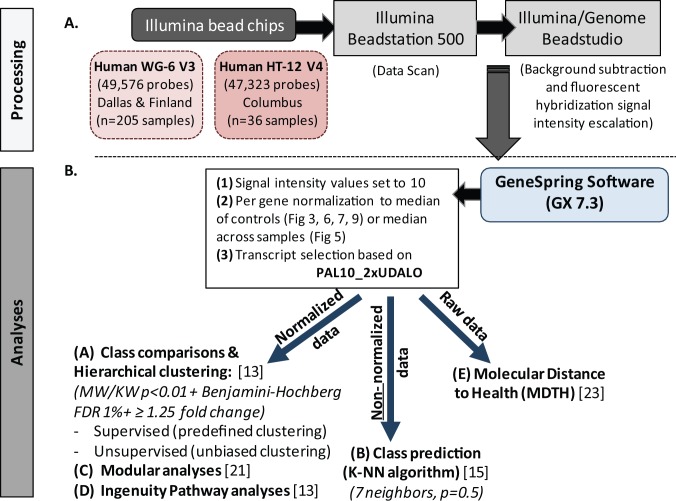
“After processing, RNA was hybridized into Illumina Human HT ‐ 12 v4 beadchips (47,323 probes) and scanned on the Illumina Beadstation 500 47,55,56 .”
Self-citationZivanovic, N., Öner, D., Abraham, Y., McGinley, J., Drysdale, S. B., Wildenbeest, J., Crabbe, M., Vanhoof, G., Thys, K., Thwaites, R. S., et al. (2023) · Clinical and Translational Medicine · doi:10.1002/ctm2.1507 · Cited by 20
“19 22 In the study by Heinonen et al., infants aged 6–12 months with mild RSV disease, who were treated as outpatients, demonstrated a higher expression of genes that are related to interferon (IFN) compared to those admitted as inpatients.”
BackgroundRespiratory Syncytial Virus Vaccines
Mejías, A., Fernández, R. R., Peeples, M. E., & Ramilo, O. (2019) · The Pediatric Infectious Disease Journal · doi:10.1097/inf.0000000000002404 · Cited by 19
“Developing composite endpoints that include a combination of viral (and possibly bacterial) factors, clinical parameters, and fast turn-around point of care biomarkers could help with patient classification and to standardize definitions.(8) Also, long-term follow-up is recommended, as studies suggest that interventio…”
BackgroundSelf-citationMahle, R. E., Suchindran, S., Henao, R., Steinbrink, J. M., Burke, T. W., McClain, M. T., Ginsburg, G. S., Woods, C. W., & Tsalik, E. L. (2021) · Clinical Infectious Diseases · doi:10.1093/cid/ciab043 · Cited by 19
Rhedin, S., Elfving, K., & Berggren, A. (2021) · Children · doi:10.3390/children8111070 · Cited by 27
Host RNA signatures for diagnostics: An example from paediatric tuberculosis in Africa
Kaforou, M., Wright, V., & Levin, M. (2014) · Journal of Infection · doi:10.1016/j.jinf.2014.08.006 · Cited by 20
Ge, X., Guo, Y., Chen, J., Hu, R., & Feng, X. (2018) · Medical Science Monitor · doi:10.12659/msm.908483 · Cited by 18
Recent Trends in RSV Immunoprophylaxis: Clinical Implications for the Infant
Acero‐Bedoya, S., Wozniak, P. S., Sánchez, P. J., Ramilo, O., & Mejías, A. (2019) · American Journal of Perinatology · doi:10.1055/s-0039-1691803 · Cited by 18
Self-citationThe Current Status of Enteric Fever Diagnostics and Implications for Disease Control
Baker, S. G., Blohmke, C. J., Maes, M., Johnston, P. I., & Darton, T. C. (2020) · Clinical Infectious Diseases · doi:10.1093/cid/ciaa503 · Cited by 21
Development of innate and adaptive immunity to RSV in young children
Parsons, E. L., Kim, J. S., & Malloy, A. M. W. (2024) · Cellular Immunology · doi:10.1016/j.cellimm.2024.104824 · Cited by 21
Gardeux, V., Bosco, A., Li, J., Halonen, M. J., Jackson, D. J., Martínez, F. D., & Lussier, Y. A. (2015) · Journal of Biomedical Informatics · doi:10.1016/j.jbi.2015.03.003 · Cited by 17
“Other studies overlook the progression of already infected patients [4].”
BackgroundKircher, M., Chludzinski, E., Krepel, J., Saremi, B., Beineke, A., & Jung, K. (2022) · International Journal of Molecular Sciences · doi:10.3390/ijms23052481 · Cited by 21
“This can help to identify genes that are involved in the immune response or pathogenesis [4] but also to use these genes as predictors in machine-learning (ML) models to classify patients based on molecular data.”
BackgroundGenomic Circuitry Underlying Immunological Response to Pediatric Acute Respiratory Infection
Henrickson, S. E., Manne, S., Dolfi, D. V., Mansfield, K. D., Parkhouse, K., Mistry, R. D., Alpern, E. R., Hensley, S. E., Sullivan, K. E., Coffin, S. E., et al. (2018) · Cell Reports · doi:10.1016/j.celrep.2017.12.043 · Cited by 20
“, 2016) and human data (Mejias et al., 2013), characterized the dominant component of the older patients, as expected.”
InfluentialFukutani, K. F., Nascimento-Carvalho, C. M., Bouzas, M. L., Oliveira, J. R., Barral, A. M. P., Dierckx, T., Khouri, R., Nakaya, H. I., Andrade, B. B., Weyenbergh, J. V., et al. (2018) · Frontiers in Microbiology · doi:10.3389/fmicb.2018.02475 · Cited by 17
“Mejias et al.”
BackgroundA compendium of monocyte transcriptome datasets to foster biomedical knowledge discovery
Rinchai, D., Boughorbel, S., Presnell, S., Quinn, C., & Chaussabel, D. (2016) · F1000Research · doi:10.12688/f1000research.8182.1 · Cited by 22
Self-citationExploring the Material‐Induced Transcriptional Landscape of Osteoblasts on Bone Graft Materials
Gröen, N., Tahmasebi, N., Shimizu, F., Sano, Y., Kanda, T., Barbieri, D., Yuan, H., Habibović, P., van Blitterswijk, C., & de Boer, J. (2015) · Advanced Healthcare Materials · doi:10.1002/adhm.201500171 · Cited by 17
Post-viral atopic airway disease: pathogenesis and potential avenues for intervention
Hussain, S.-R. A., Mejías, A., Ramilo, O., Peeples, M. E., & Grayson, M. H. (2018) · Expert Review of Clinical Immunology · doi:10.1080/1744666x.2019.1541737 · Cited by 16
Self-citationFujiogi, M., Camargo, C. A., Bernot, J. P., Freishtat, R. J., Harmon, B. T., Mansbach, J. M., Castro‐Nallar, E., Pérez‐Losada, M., & Hasegawa, K. (2020) · Pediatric Research · doi:10.1038/s41390-019-0742-8 · Cited by 16
Jacobis, I. T. D., Vona, R., Straface, E., Gambardella, L., Ceglie, G., de Gennaro, F., Pontini, I., Vittucci, A. C., Carè, A., Cittadini, C., et al. (2020) · The Italian Journal of Pediatrics/Italian journal of pediatrics · doi:10.1186/s13052-020-0792-x · Cited by 16
Silterra, J., Gillette, M. A., Lanaspa, M., Pellé, K. G., Valim, C., Ahmad, R., Acácio, S., Almendinger, K. D., Tan, Y. Q., Madrid, L., et al. (2016) · The Journal of Infectious Diseases · doi:10.1093/infdis/jiw531 · Cited by 15
Lempainen, J., Korhonen, L. S., Kantojärvi, K., Heinonen, S., Toivonen, L., Räty, P., Ramilo, O., Mejías, A., Laine, A., Vuorinen, T., et al. (2020) · The Journal of Infectious Diseases · doi:10.1093/infdis/jiaa341 · Cited by 17
Self-citationLow lymphocyte count: A clinical severity marker in infants with bronchiolitis
Matera, L., Nenna, R., Frassanito, A., Petrarca, L., Mancino, E., Rizzo, V., Mattia, G. D., Regina, D. P. L., Pierangeli, A., & Midulla, F. (2022) · Pediatric Pulmonology · doi:10.1002/ppul.25919 · Cited by 14
“Interestingly, RSV was found to be related to an increased expression of neutrophil‐related genes and a decreased expression of lymphocytes‐related genes.(23) Finally, the absence of CD8+ and NK was found in the lungs of children with RSV fatal infection, speculating that most severe bronchiolitis in these patients wa…”
BackgroundVieira, S. E., Bando, S. Y., de Paulis, M., Oliveira, D. B. L., Thomazelli, L. M., Durigon, E. L., Martinez, M. B., & Moreira‐Filho, C. A. (2019) · PLoS ONE · doi:10.1371/journal.pone.0213501 · Cited by 14
Rogers, L. R. K., Campos, G. D. L., & Mias, G. I. (2019) · Frontiers in Immunology · doi:10.3389/fimmu.2019.02616 · Cited by 15
“Previous studies have investigated global blood gene expression to compare influenza disease to other respiratory diseases to assess severity and pathogenesis (14).”
BackgroundRapid, Point-of-Care Host-Based Gene Expression Diagnostics Using Giant Magnetoresistive Biosensors
de Olazarra, A. S., Chen, F., Wang, T., & Wang, S. X. (2023) · ACS Sensors · doi:10.1021/acssensors.3c00696 · Cited by 13
Monocyte and neutrophil to lymphocyte ratios in hospitalized children with RSV bronchiolitis
Burrack, N., Adar, A., Goldbart, A. D., Weissmann, S., Cohen, B., Hazan, I., Horev, A., & Golan‐Tripto, I. (2023) · Pediatric Pulmonology · doi:10.1002/ppul.26687 · Cited by 13
“35,37 We chose two secondary outcomes besides PICU While our models offer important insights into the relationship between MLR and severe outcomes in infants, it is essential to acknowledge that age and prematurity may impact the immune system in ways that were not fully considered in our analyses.”
BackgroundYang, M., Zhang, X., Liu, Q., & Wang, Y. (2024) · Chinese Herbal Medicines · doi:10.1016/j.chmed.2024.07.007 · Cited by 21
DUNCAN, R. C., Grigorenko, E. L., Fisher, C., Hockman, D., & Lanning, B. R. (2018) · Expert Review of Molecular Diagnostics · doi:10.1080/14737159.2019.1559055 · Cited by 14
“Unique transcriptional signatures resulting from viral infections also were demonstrated for HIV infection [35] and respiratory syncytial virus [36].”
BackgroundMoving Toward Prime Time: Host Signatures for Diagnosis of Respiratory Infections
Tsalik, E. L., McClain, M. T., & Zaas, A. K. (2015) · The Journal of Infectious Diseases · doi:10.1093/infdis/jiv032 · Cited by 13
Yang, W. E., Suchindran, S., Nicholson, B. P., McClain, M. T., Burke, T. W., Ginsburg, G. S., Harro, C. D., Chakraborty, S., Sack, D. A., Woods, C. W., et al. (2016) · The Journal of Infectious Diseases · doi:10.1093/infdis/jiv593 · Cited by 17
“ponses to ETEC are the same, their host responses are similar in other infectious diseases [3, 50].”
BackgroundDampening of IL-2 Function in Infants With Severe Respiratory Syncytial Virus Disease
Sananez, I., Raiden, S., Díaz, F. A. E., Lillo, L. D., Holgado, M. P., Geffner, J. R., & Arruvito, L. (2018) · The Journal of Infectious Diseases · doi:10.1093/infdis/jiy180 · Cited by 13
“Disease severity was assessed by applying a clinical disease severity score (CDSS) based on the modified Tal score, which classified patients as having mild (0–4), moderate (5–8), or severe (9–12) RSV bronchiolitis at the time of sampling [18, 19].”
MethodDiagnosing enterovirus meningitis via blood transcriptomics: an alternative for lumbar puncture?
Bartholomeus, E., Neuter, N. D., Lemay, A., Pattyn, L., Tuerlinckx, D., Weynants, D., Lede, K. V., van Berlaer, G., Bulckaert, D., Boiy, T., et al. (2019) · Journal of Translational Medicine · doi:10.1186/s12967-019-2037-6 · Cited by 14
Kosch, R., Delarocque, J., Claus, P., Becker, S. C., & Jung, K. (2018) · BMC Genomics · doi:10.1186/s12864-018-4914-4 · Cited by 15
“Gene expression studies can help to better understand the role of the transcriptome in immune response [26] or immune dysregulation [27].”
BackgroundHost transcriptomics for diagnosis of infectious diseases: one step closer to clinical application
Ramilo, O., & Mejías, A. (2017) · European Respiratory Journal · doi:10.1183/13993003.00993-2017 · Cited by 14
Self-citationA 5-transcript signature for discriminating viral and bacterial etiology in pediatric pneumonia
Viz-Lasheras, S., Gómez‐Carballa, A., Pardo‐Seco, J., Bello, X., Calle, I. R., Dacosta-Urbieta, A. I., Kaforou, M., Habgood-Coote, D., Cunnington, A. J., Emonts, M., et al. (2025) · iScience · doi:10.1016/j.isci.2025.111747 · Cited by 16
Shilovskiy, I. P., Валерьевич, Ю. К., Nikolsky, A. A., Vishnyakova, L. I., & Khaitov, M. R. (2021) · Biochemistry (Moscow) · doi:10.1134/s0006297921030068 · Cited by 14
Erwin, E. A., Jaramillo, L., Smith, B., Kruszewski, P. G., Kahwash, B. M., Grayson, M. H., Mejías, A., & Ramilo, O. (2021) · The Journal of Allergy and Clinical Immunology In Practice · doi:10.1016/j.jaip.2021.06.043 · Cited by 12
Self-citationAnsar, M., Qu, Y., Ivanciuc, T., Garofalo, R. P., & Casola, A. (2021) · Antioxidants · doi:10.3390/antiox11010067 · Cited by 12
“In one study, IFN I gene expression/dysregulation was associated with acute neutrophilia, and it persisted as long as 1 month after resolution of the infection [23].”
BackgroundExploring the Immune Response against RSV and SARS-CoV-2 Infection in Children
da Silva, R. P., Thomé, B. L., & de Souza, A. P. D. (2023) · Biology · doi:10.3390/biology12091223 · Cited by 16
“On one hand, regarding RSV infections, interferon-related genes such as RSAD2, LAMP3, IFI44L, and OAS1 are significantly highly expressed in individuals infected with RSV who present symptoms [90].”
Toward Personalized Medicine in Bronchiolitis
Álvarez-Paggi, D., & Polack, F. P. (2019) · American Journal of Respiratory and Critical Care Medicine · doi:10.1164/rccm.201812-2371ed · Cited by 13
Emerging cellular and molecular interactions between the lung microbiota and lung diseases
Li, X., & Meng, X. (2021) · Critical Reviews in Microbiology · doi:10.1080/1040841x.2021.1992345 · Cited by 11
“IAV: influenza A virus; RV: rhinovirus; RSV: respiratory syncytial virus; Mtb: Mycobacterium tuberculosis; DC: dendritic cell; AM: alveolar macrophage. et al. 2003; Munford 2008).”
ResultInfluentialHolcomb, Z. E., Steinbrink, J. M., Zaas, A. K., Betancourt-Quiroz, M., Tenor, J. L., Toffaletti, D. L., Alspaugh, J. A., Perfect, J. R., & McClain, M. T. (2022) · Journal of Fungi · doi:10.3390/jof8050430 · Cited by 12
Ampuero, S., Andaur, R., MILANO, M., MORENO, M., Lizama, L., Larrañaga, C. E., & Urzúa, U. (2018) · Acta Virologica · doi:10.4149/av_2018_225 · Cited by 11
“Both Fjaerli and Mejías detected an increased expression of IFI44 at a systemic level in infants hospitalized due to RSV infection (Fjaerliet al., 2006; Mejías et al., 2013).”
BackgroundMethodInfluential
Metadata
- Authors
- Mejias, A., Dimo, B., Suarez, N. M., Garcia, C., Suarez-Arrabal, M. C., Jartti, T., Blankenship, D., Jordan-Villegas, A., Ardura, M. I., Xu, Z., Banchereau, J., Chaussabel, D., & Ramilo, O.
- Affiliations
- Abigail Wexner Research Institute (US)
- Turku University Hospital (FI)
- Benaroya Research Institute (US)
- Corresponding author
- Ramilo, Octavio
- Venue
- PLoS Medicine
- Publisher
- Public Library of Science (PLoS)
- Published
- 2013-11-12
- Volume
- 10
- Issue
- 11
- Pages
- e1001549
- ISSN
- 1549-1277 (ISSN-L)
- 1549-1676
- PMC
- PMC3825655
- OpenAlex
- W2052633053
- Cited by
- 313
- References
- 38
- Citations by year
- 2026: 14 · 2025: 19 · 2024: 16 · 2023: 17 · 2022: 14 · 2021: 33 · 2020: 37 · 2019: 27 · 2018: 34 · 2017: 29 · 2016: 26 · 2015: 30 · 2014: 17
- FWCI
- 17.76
- Type
- journal article
- Language
- en
- Open access
- gold
- doi.org
- Licence
- Locations
- PLoS Medicine (publishedVersion, cc-by)
- Europe PMC (PubMed Central) (publishedVersion, cc-by)
- PubMed Central (publishedVersion, cc-by)
- PubMed (publishedVersion)
- UTUPub (University of Turku) (submittedVersion)
- DOAJ (DOAJ: Directory of Open Access Journals) (submittedVersion, cc-by-sa)
- Figshare (submittedVersion, cc-by)
- Funders
- RGK Foundation
- Nationwide Children's Hospital
- National Institutes of Health (UL1TR001070)
- National Institute of Allergy and Infectious Diseases (U19AI057234, U19AI089987)
- National Center for Advancing Translational Sciences
- Topics
- Health Sciences › Medicine › Epidemiology › Respiratory viral infections research
- Health Sciences › Medicine › Epidemiology › Pneumonia and Respiratory Infections
- Health Sciences › Medicine › Pulmonary and Respiratory Medicine › Asthma and respiratory diseases
- Keywords
- respiratory syncytial virus, infants, lower respiratory tract infection, whole blood gene expression, host immune response, disease severity markers, influenza, human rhinovirus, immune dysregulation, length of hospital stay, supplemental oxygen, viral diagnosis
- MeSH terms
- Diagnosis, Differential, Female, Finland, Humans, Infant, Length of Stay, Male, Orthomyxoviridae, Oxygen, Pneumonia, Viral, Prospective Studies, Respiratory Syncytial Viruses, Rhinovirus, RNA, Severity of Illness Index, United States, Biomarkers, Case-Control Studies, Respiratory Syncytial Virus Infections, Qualitative Research, Microarray Analysis, Transcriptome
About these checks
Registry, retraction, Cites and statistics results are computed, not judged, with one exception: a printed reference that no index lists is read once by a model before it counts as a citation error. Claims are extracted by a model and kept only when their quote appears verbatim in the text; each cited source is then checked, with a model’s help, for whether it says what the claim relies on. Those verdicts can be wrong — read the claim’s quote and the cited source before relying on one.
Statistics and arithmetic are recomputed, not judged.
Confidence bands are shown only for fields calibrated on our annotated test set. None is calibrated yet, so no band is shown.
What counts as a claim ›How we measure confidence ›How we check this ›
Are you an author, or do you see a problem with this page? Request a review
Data sources
Bibliographic data: Semantic Scholar, OpenAlex, Crossref.
Contains information from the Semantic Scholar Academic Graph Datasets, made available under the ODC Attribution License (ODC-BY 1.0).
Semantic Scholar’s data is described in: Kinney, R., et al. (2023). The Semantic Scholar Open Data Platform. arXiv:2301.10140.
