

Whole Blood Gene Expression Profiles to Assess Pathogenesis and Disease Severity in Infants with Respiratory Syncytial Virus Infection
Open accessThe DOI matches its Crossref record; 38 of the 38 references it cites were found in a registry or an index.
Abstract
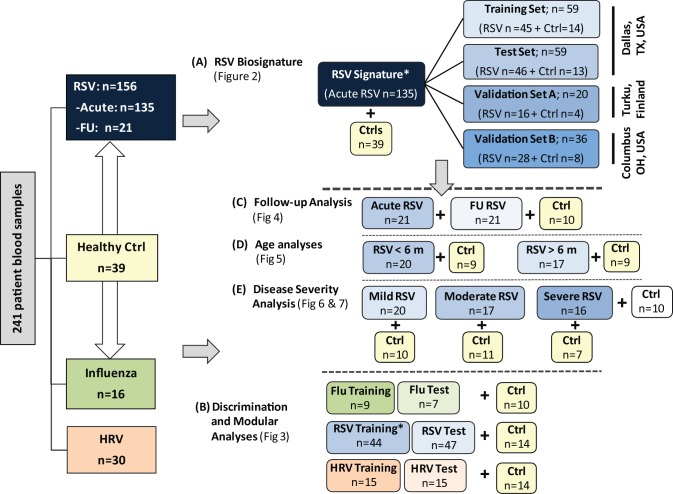
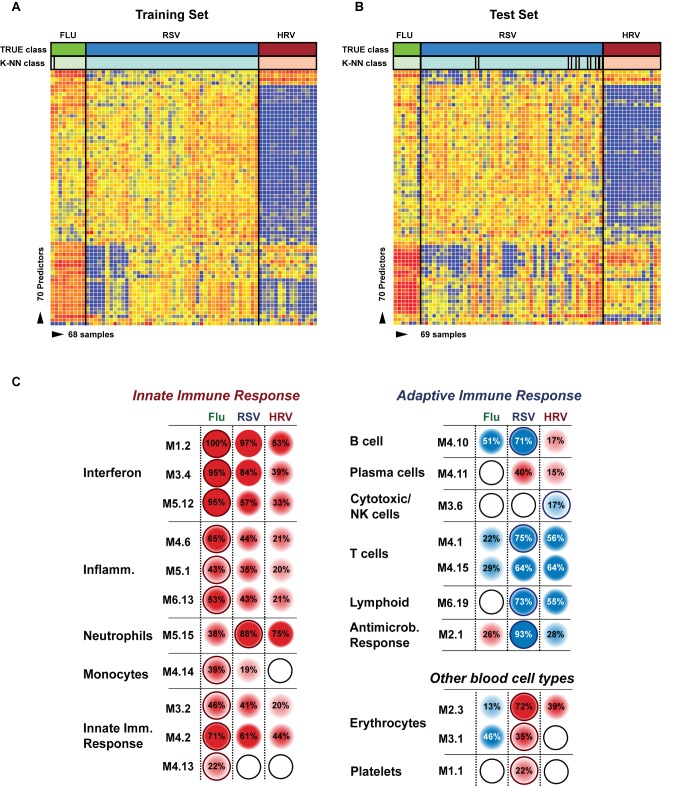
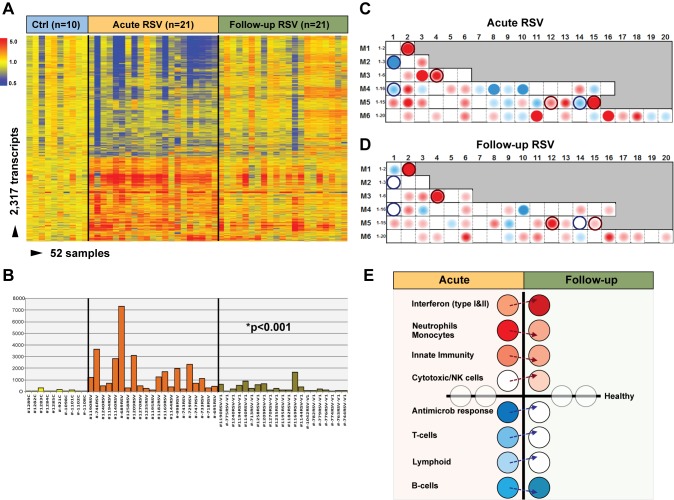
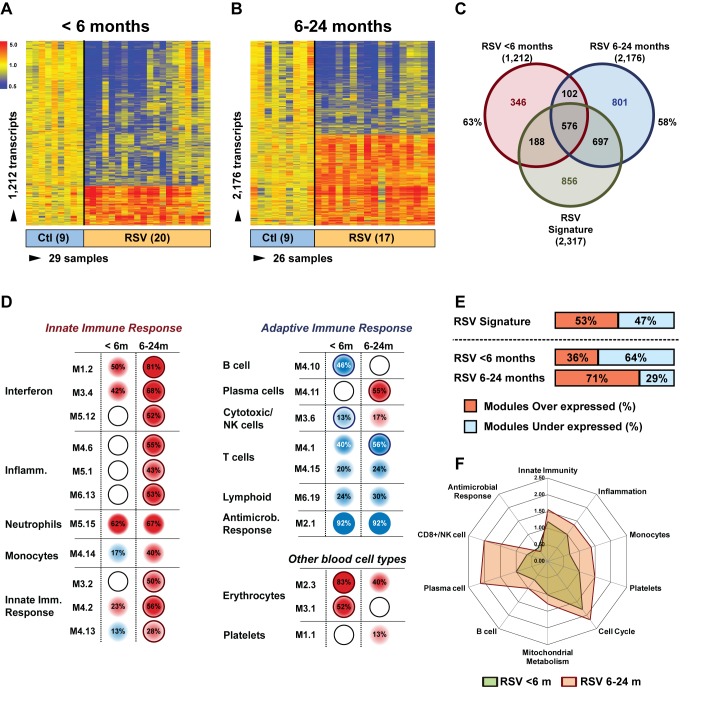
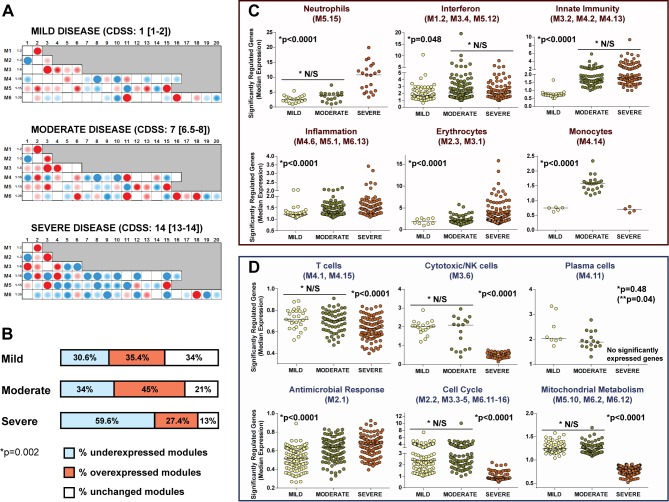
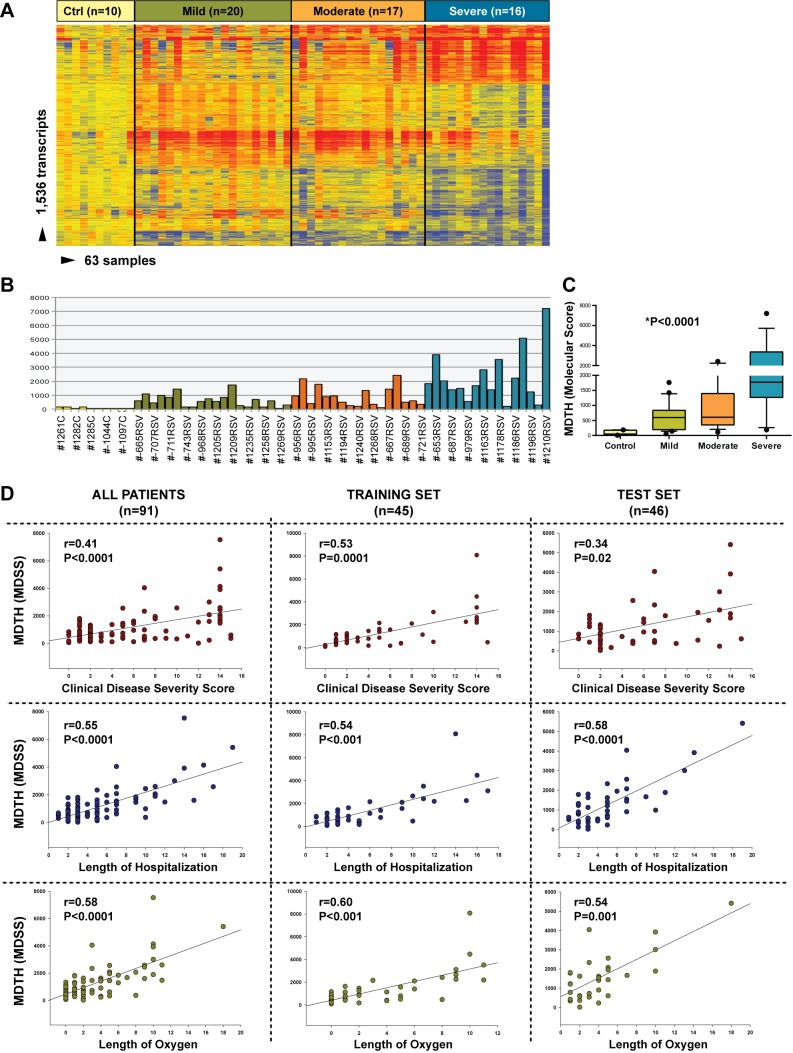
BACKGROUND: Respiratory syncytial virus (RSV) is the leading cause of viral lower respiratory tract infection (LRTI) and hospitalization in infants. Mostly because of the incomplete understanding of the disease pathogenesis, there is no licensed vaccine, and treatment remains symptomatic. We analyzed whole blood transcriptional profiles to characterize the global host immune response to acute RSV LRTI in infants, to characterize its specificity compared with influenza and human rhinovirus (HRV) LRTI, and to identify biomarkers that can objectively assess RSV disease severity. METHODS AND FINDINGS: This was a prospective observational study over six respiratory seasons including a cohort of infants hospitalized with RSV (n = 135), HRV (n = 30), and influenza (n = 16) LRTI, and healthy age- and sex-matched controls (n = 39). A specific RSV transcriptional profile was identified in whole blood (training cohort, n = 45 infants; Dallas, Texas, US) and validated in three different cohorts (test cohort, n = 46, Dallas, Texas, US; validation cohort A, n = 16, Turku, Finland; validation cohort B, n = 28, Columbus, Ohio, US) with high sensitivity (94% [95% CI 87%-98%]) and specificity (98% [95% CI 88%-99%]). It classified infants with RSV LRTI versus HRV or influenza LRTI with 95% accuracy. The immune dysregulation induced by RSV (overexpression of neutrophil, inflammation, and interferon genes, and suppression of T and B cell genes) persisted beyond the acute disease, and immune dysregulation was greatly impaired in younger infants (<6 mo). We identified a genomic score that significantly correlated with outcomes of care including a clinical disease severity score and, more importantly, length of hospitalization and duration of supplemental O2. CONCLUSIONS: Blood RNA profiles of infants with RSV LRTI allow specific diagnosis, better understanding of disease pathogenesis, and assessment of disease severity. This study opens new avenues for biomarker discovery and identification of potential therapeutic or preventive targets, and demonstrates that large microarray datasets can be translated into a biologically meaningful context and applied to the clinical setting. Please see later in the article for the Editors' Summary.
Overview
The claims and statistics of this paper haven’t been checked yet.
Free: it reads the open-access text and checks the first 5 claims that cite a source we can check. Create a free account to check every claim.
Integrity signals
Registry
Cites
Statistics
Figures
Verification
Claims the paper makes
The claims and statistics of this paper haven’t been checked yet.
Free: it reads the open-access text and checks the first 5 claims that cite a source we can check. Create a free account to check every claim.
Claims other papers make about this one
Each is checked against this paper’s own text: does it say what the citing paper says it does?
The cited source says what the claim attributes to it.
In the citing paper
“data from a human infant cohort study, in which persisting immune dysregulation was still detected one month after acute RSV infection176.”
From The microbiota of the respiratory tract: gatekeeper to respiratory health (2017) · cites this paper as [176]
Self-check
Percentages, sums and reported differences re-computed from the paper’s own numbers.
The self-check needs the paper’s full text.
Citations
Cites
Controlling the False Discovery Rate: A Practical and Powerful Approach to Multiple Testing
Benjamini, Y., & Hochberg, Y. (1995) · Journal of the Royal Statistical Society Series B: Statistical Methodology · doi:10.1111/j.2517-6161.1995.tb02031.x · Cited by 109,482
Nair, H., Nokes, D. J., Gessner, B. D., Dherani, M., Madhi, S. A., Singleton, R. J., O'Brien, K. L., Roca, A., Wright, P. F., Bruce, N., et al. (2010) · The Lancet · doi:10.1016/s0140-6736(10)60206-1 · Cited by 2,773
The Burden of Respiratory Syncytial Virus Infection in Young Children
Hall, C. B., Weinberg, G. A., Iwane, M. K., Blumkin, A. K., Edwards, K. M., Staat, M. A., Auinger, P., Griffin, M. R., Poehling, K. A., Erdman, D., et al. (2009) · New England Journal of Medicine · doi:10.1056/nejmoa0804877 · Cited by 2,246
WHO estimates of the causes of death in children
Bryce, J., Boschi-Pinto, C., Shibuya, K., & Black, R. E. (2005) · The Lancet · doi:10.1016/s0140-6736(05)71877-8 · Cited by 2,096 · cited 1×
“Lower respiratory tract infections (LRTIs) are associated with significant morbidity and mortality in children worldwide [1].”
BackgroundAn interferon-inducible neutrophil-driven blood transcriptional signature in human tuberculosis
Berry, M. P. R., Graham, C. M., McNab, F. W., Xu, Z., Bloch, S. A. A., Oni, T., Wilkinson, K. A., Banchereau, R., Skinner, J., Wilkinson, R. J., et al. (2010) · Nature · doi:10.1038/nature09247 · Cited by 1,898 · cited 8×
“p-Values were determined using the twosided Fisher’s exact test [13,15].”
BackgroundMethodResultInfluentialSelf-citationKlugman, K. P., Madhi, S. A., Huebner, R. E., Kohberger, R., Mbelle, N., & Pierce, N. (2003) · New England Journal of Medicine · doi:10.1056/nejmoa035060 · Cited by 1,009 · cited 1×
“The implementation of vaccination with conjugate vaccines against the most common causes of bacterial LRTI, Haemophilus influenzae type b and Streptococcus pneumoniae, has clearly shown a protective effect in children [2,3].”
BackgroundMAQC Consortium (2010) · Nature Biotechnology · doi:10.1038/nbt.1665 · Cited by 889
A Modular Analysis Framework for Blood Genomics Studies: Application to Systemic Lupus Erythematosus
Chaussabel, D., Quinn, C., Shen, J., Patel, P., Glaser, C., Baldwin, N., Stichweh, D., Blankenship, D., Li, L., Munagala, I., et al. (2008) · Immunity · doi:10.1016/j.immuni.2008.05.012 · Cited by 649 · cited 3×
“A detailed account of this module-based mining analysis strategy has been reported elsewhere [13,14,21,22].”
BackgroundMethodSelf-citationA role for Streptococcus pneumoniae in virus-associated pneumonia
Madhi, S. A., Klugman, K. P., & The Vaccine Trialist Group (2004) · Nature Medicine · doi:10.1038/nm1077 · Cited by 565
Gene expression patterns in blood leukocytes discriminate patients with acute infections
Ramilo, O., Allman, W., Chung, W., Mejias, A., Ardura, M., Glaser, C., Wittkowski, K. M., Piqueras, B., Banchereau, J., Palucka, A. K., et al. (2007) · Blood · doi:10.1182/blood-2006-02-002477 · Cited by 482 · cited 3×
“p-Values were determined using the twosided Fisher’s exact test [13,15].”
MethodSelf-citation
Cited by
Items 201–300 of 313
Yang, L., Liu, H., Xu, Q., Wu, R., Zhang, Y., Li, N., He, X., Yang, M., Liang, M., & Ma, X. (2020) · Frontiers in Bioengineering and Biotechnology · doi:10.3389/fbioe.2020.00729 · Cited by 13
Cao, R. G., Christian, L. M., Xu, Z., Jaramillo, L., Smith, B., Karlsson, E. A., Schultz‐Cherry, S., Mejías, A., & Ramilo, O. (2021) · The Journal of Infectious Diseases · doi:10.1093/infdis/jiab345 · Cited by 11
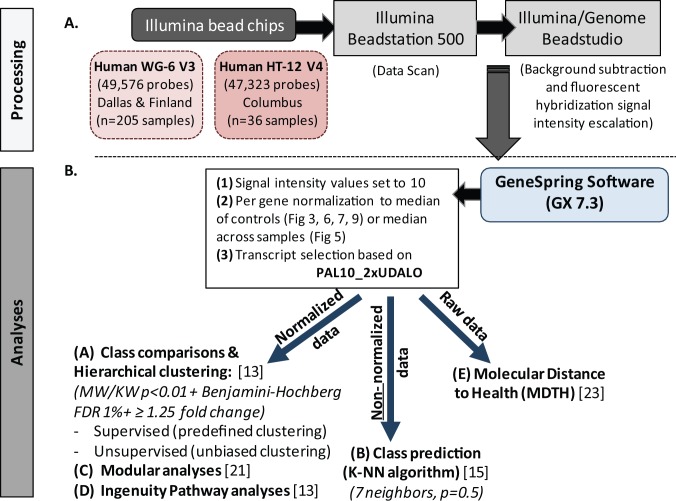
“After RNA was processed [29, 30] and hybridized into Illumina Human HT-12 v4 BeadChips (47 323 probes), it was scanned on the Illumina Beadstation 500.”
MethodSelf-citationHost transcriptional signatures as predictive markers of infection in children
Mejías, A., Cohen, S., Glowinski, R. M., & Ramilo, O. (2021) · Current Opinion in Infectious Diseases · doi:10.1097/qco.0000000000000750 · Cited by 11
“An initial study conducted in 220 infants hospitalized with RSV, rhinovirus and influenza LRTI showed that blood RNA profiles differentiated among these viral infections with 95% accuracy [11].”
BackgroundSelf-citationRapid, Sample-to-Answer Host Gene Expression Test to Diagnose Viral Infection
Tsalik, E. L., Khine, A., Talebpour, A., Samiei, A., Parmar, V., Burke, T. W., McClain, M. T., Ginsburg, G. S., Woods, C. W., Henao, R., et al. (2019) · Open Forum Infectious Diseases · doi:10.1093/ofid/ofz466 · Cited by 11
Nehar-Belaid, D., Thibodeau, A., Eroğlu, A., Marcheş, R., Eryilmaz, G. N., Grabauskas, T., Trinity, L., Unutmaz, D., Verschoor, C. P., Gu, J., et al. (2026) · Nature Communications · doi:10.1038/s41467-026-73729-2 · Cited by 12
Self-citationKabeer, B. S. A., Tomei, S., Mattei, V., Brummaier, T., McGready, R. M., Nosten, F. H., & Chaussabel, D. (2018) · F1000Research · doi:10.12688/f1000research.16622.1 · Cited by 11
“Reported yields and quality of RNA stabilized in Tempus TM solution was generally greater when compared to PAXgene solution 6,19,21–25 .”
ResultSelf-citationGómez‐Carballa, A., Barral‐Arca, R., Cebey‐López, M., Bello, X., Pardo‐Seco, J., Martinón‐Torres, F., & Salas, A. (2021) · International Journal of Molecular Sciences · doi:10.3390/ijms22063148 · Cited by 10
Pischedda, S., Gómez‐Carballa, A., Pardo‐Seco, J., Viz-Lasheras, S., Camino‐Mera, A., Bello, X., Currás-Tuala, M. J., Calle, I. R., Dacosta-Urbieta, A. I., Martinón‐Torres, F., et al. (2025) · Epigenetics & Chromatin · doi:10.1186/s13072-025-00587-5 · Cited by 10
“While several studies have been carried out on host genome susceptibility to RSV infection [7, 8] and gene expression [9–11], only a few of them have been performed in the field of epigenomics [12].”
van den Kieboom, C. H., Ferwerda, G., Baere, I. D., Vermeiren, H., de Groot, R., Rossau, R., & de Jonge, M. I. (2015) · European Journal of Clinical Microbiology & Infectious Diseases · doi:10.1007/s10096-015-2470-2 · Cited by 9
What can we learn about influenza infection and vaccination from transcriptomics?
Rao, S., Ghosh, D., Asturias, E. J., & Weinberg, A. (2019) · Human Vaccines & Immunotherapeutics · doi:10.1080/21645515.2019.1608744 · Cited by 12
“Differentiate influenza from other respiratory viral infections Type I interferon (IFI44, IFI44L, OAS2, IRF7) and type II interferon (IFI35, IFITM1–3) were overexpressed in children with influenza compared to children with RSV or HRV LRTI Diagnosis of influenza infection; potential for elucidating the main pathogen in…”
BackgroundChappin, K., Besteman, S. B., Hennus, M. P., Wildenbeest, J., Mokrý, M., Bont, L., van der Vlist, M., Calis, J. J. A., PROMISE Investigators, Chappin, K., et al. (2023) · The Journal of Infectious Diseases · doi:10.1093/infdis/jiad487 · Cited by 10
Nehar-Belaid, D., Mejías, A., Xu, Z., Marcheş, R., Yerrabelli, R., Guo, C., Mertz, S. E., Ye, F., Sánchez, P. J., Tsang, J. S., et al. (2025) · Nature Communications · doi:10.1038/s41467-025-59411-z · Cited by 11
Self-citationA systems genomics approach uncovers molecular associates of RSV severity
McCall, M. N., Chu, C., Wang, L., Benoodt, L., Thakar, J., Corbett, A. M., Holden‐Wiltse, J., Slaunwhite, C. G., Grier, A., Gill, S. R., et al. (2021) · PLoS Computational Biology · doi:10.1371/journal.pcbi.1009617 · Cited by 9
Siljan, W. W., Sivakumaran, D., Ritz, C., Jenum, S., Ottenhoff, T. H. M., Ulvestad, E., Holter, J. C., Heggelund, L., & Grewal, H. M. S. (2022) · Biomarker Insights · doi:10.1177/11772719221099130 · Cited by 10
Gardinassi, L. G. (2016) · Advances in Virology · doi:10.1155/2016/3605302 · Cited by 9
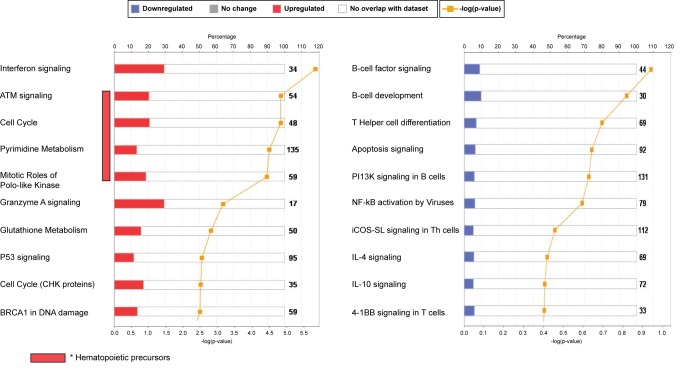
“Moreover, besides modulations of the p53 signaling pathway by infection of RSV in vitro [10, 13], this pathway was found to be upregulated in whole blood of children with lower respiratory tract infection by RSV [25].”
BackgroundINCREASING THE RISK OF CORRUPTION ACTIVITIES DURING A COVID-19 PANDEMIC
Terziev, V. K., Georgiev, M. P., Bankov, S., & Ministry of Interior (Sofia, B. (2017) · International scientific journal Internauka · doi:10.25313/2520-2057-2020-12-6218 · Cited by 14
de Lamballerie, C. N., Pizzorno, A., Dubois, J., Padey, B., Julien, T., Traversier, A., Carbonneau, J., Orcel, E., Lina, B., Hamelin, M., et al. (2020) · The Journal of Infectious Diseases · doi:10.1093/infdis/jiaa468 · Cited by 11
McGinley, J., Thwaites, R. S., Brebner, W. B., Greenan-Barrett, L., Aerssens, J., Öner, D., Bont, L., Wildenbeest, J., Martinón‐Torres, F., Nair, H., et al. (2021) · The Journal of Infectious Diseases · doi:10.1093/infdis/jiab370 · Cited by 8
Airway gene-expression classifiers for respiratory syncytial virus (RSV) disease severity in infants
Wang, L., Chu, C., McCall, M. N., Slaunwhite, C. G., Holden‐Wiltse, J., Corbett, A. M., Falsey, A. R., Topham, D. J., Caserta, M. T., Mariani, T. J., et al. (2021) · BMC Medical Genomics · doi:10.1186/s12920-021-00913-2 · Cited by 9
Debbag, R., Torres, J. R., Falleiros-Arlant, L. H., Avila-Aguero, M. L., del Castillo, J. B., de Gentile, A. S., Sáez‐Llorens, X., Santos, A. M. D. L., Muñoz, F. M., Torres, J. P., et al. (2023) · Frontiers in Pediatrics · doi:10.3389/fped.2023.1297177 · Cited by 7
Self-citationBougarn, S., Boughorbel, S., Chaussabel, D., & Marr, N. (2019) · F1000Research · doi:10.12688/f1000research.18533.1 · Cited by 8
Self-citationFalsey, A. R. (2019) · Elsevier eBooks · doi:10.1016/b978-0-12-801496-7.00009-5 · Cited by 7
“Several gene profiling studies have identified viral infection signatures that may persist up to 1-month post infection [79, 86].”
BackgroundSystems biology from virus to humans
Lee, Y., Kim, Y.-J., Jung, Y., Kim, K., Kwon, Y., Kim, S. I., & Kang, S. (2015) · Journal of Analytical Science & Technology · doi:10.1186/s40543-015-0047-4 · Cited by 7
Distinguishing Kawasaki Disease from Febrile Infectious Disease Using Gene Pair Signatures
Zhong, J., Huang, Q., Wang, Y., Gao, H., Jia, H.-L., Fan, J., & Liang, H. (2020) · BioMed Research International · doi:10.1155/2020/6539398 · Cited by 8
“To identify the robust gene pair signatures, we divided the KD and FI patients into three groups according to the cohort studies: the discovery set (n = 224, KD = 78, DB = 52, DV = 94) that consisted of GSE73461 [15]; the validation set-1 (n = 197, KD = 146, DB = 23, DV = 28) that consisted of GSE73462 [15] and GSE734…”
BackgroundMethodTsai, C., Wu, A. C., Chiang, B., Yang, Y., Hung, S.-P., Su, M., Chang, Y., & Lee, Y. L. (2020) · Thorax · doi:10.1136/thoraxjnl-2019-214132 · Cited by 8
Ooka, T., Raita, Y., Ngo, D., Mansbach, J. M., Zhu, Z., Camargo, C. A., & Hasegawa, K. (2021) · Pediatric Allergy and Immunology · doi:10.1111/pai.13606 · Cited by 7
New preventive strategies for respiratory syncytial virus infection in children
Glowinski, R. M., Mejías, A., & Ramilo, O. (2021) · Current Opinion in Virology · doi:10.1016/j.coviro.2021.10.012 · Cited by 7
Self-citationShrivastava, P., Atanley, E., Sarkar, I., Watkiss, E., Gomis, S. M., & den Hurk, S. V. D. L. (2015) · Virology · doi:10.1016/j.virol.2015.07.019 · Cited by 7
Zhou, S., Ren, X., Yang, J., & Jin, Q. (2018) · Frontiers in Microbiology · doi:10.3389/fmicb.2018.02762 · Cited by 6
Host-Based Diagnostics for Detection and Prognosis of Infectious Diseases
Yang, W. E., Woods, C. W., & Tsalik, E. L. (2015) · Methods in microbiology · doi:10.1016/bs.mim.2015.06.001 · Cited by 7
Epidemiological transcriptomic data supports BCG protection in viral diseases including COVID-19
Sharma, A. (2021) · Gene · doi:10.1016/j.gene.2021.145574 · Cited by 7
Mejías, A., Brenes-Chacón, H., García-Mauriño, C., Moore‐Clingenpeel, M., & Ramilo, O. (2020) · Clinical Infectious Diseases · doi:10.1093/cid/ciaa1752 · Cited by 6
Self-citationRatnasiri, K., Zheng, H., Toh, J., Yao, Z., Durán, V., Donato, M., Roederer, M., Kamath, M., Todd, J.-P. M., Gagné, M., et al. (2024) · Cell Reports · doi:10.1016/j.celrep.2024.113706 · Cited by 7
Short-Chain Fatty Acids: Promising Therapeutic Targets for Respiratory Syncytial Virus Infection
Liang, M., Dong, Q., Wu, W., & Fan, J. (2025) · Clinical Reviews in Allergy & Immunology · doi:10.1007/s12016-024-09018-x · Cited by 5
“For example, the level of expression of neutrophil function-related genes and the severity of neutrophil-mediated inflammation are associated with the severity of RSV-induced disease [164].”
Mucosal IL-36 is a defining feature of severe paediatric bronchiolitis
Barnes, M. V. C., Stretch, S. W. H., Swieboda, D. P., Efstathiou, C., Culley, F. J., Hansel, T. T., Strickson, S., Ros, X. R., Cohen, E. S., Nadel, S., et al. (2026) · Mucosal Immunology · doi:10.1016/j.mucimm.2026.01.012 · Cited by 5
Galanti, M., Patiño-Galindo, J. Á., Filip, I., Morita, H., Galianese, A., Youssef, M. M., Comito, D., Ligon, C., Lane, B., Matienzo, N., et al. (2024) · PLoS Biology · doi:10.1371/journal.pbio.3002089 · Cited by 5
Recognising the asymptomatic enemy
Cebey‐López, M., & Salas, A. (2020) · The Lancet Infectious Diseases · doi:10.1016/s1473-3099(20)30587-9 · Cited by 5
Biomarkers for Predicting Illness Severity in Children With Acute Lower Respiratory Tract Infections
Shah, S. S., Ambroggio, L., & Florin, T. A. (2014) · Journal of the Pediatric Infectious Diseases Society · doi:10.1093/jpids/piu041 · Cited by 5
Systems immunology: Beyond antibody titers
Cao, R. G., Mejías, A., & Ramilo, O. (2016) · Journal of Infection · doi:10.1016/j.jinf.2016.04.031 · Cited by 5
Self-citationZhang, Y., Zhang, L., Zhang, Z., Lin, Y., Jiang, Z., & Yu, F. (2026) · npj Digital Medicine · doi:10.1038/s41746-025-02291-w · Cited by 5
Tang, N. L. S., Kwan, T.-K., Huang, D., Ma, S. L., & Leung, K.-S. (2025) · Human Molecular Genetics · doi:10.1093/hmg/ddaf103 · Cited by 5
Holgado, M. P., Raiden, S., Sananez, I., Seery, V., Lillo, L. D., Maldonado, L. L., Kamenetzky, L., Geffner, J. R., & Arruvito, L. (2020) · Frontiers in Cellular and Infection Microbiology · doi:10.3389/fcimb.2020.607348 · Cited by 4
“Clinical disease severity score (CDSS) based on the modified Tal score was employed to classify patients into mild (0–6), moderate (7–9), or severe (10–12) bronchiolitis at the timeof sampling (Mejias et al., 2013;Mella et al., 2013).”
MethodThe importance of viral testing in infants and young children with bronchiolitis
Mejías, A., Sánchez-Códez, M. I., Ramilo, O., & Sánchez, P. J. (2022) · Jornal de Pediatria · doi:10.1016/j.jped.2022.02.002 · Cited by 4
“, bronchiolitis is not a single entity, and it is important to recognize that the clinical phenotype, target age, and the host immune response to different respiratory viruses also differs.(5) There are several reasons to support respiratory viral testing.”
BackgroundSelf-citationDíaz, F. E., & McGill, J. L. (2023) · The Journal of Immunology · doi:10.4049/jimmunol.2300260 · Cited by 6
Williams, D. J., Gautam, S., Creech, C. B., Jiménez, N., Anderson, E. J., Bosinger, S. E., Grimes, T., Arnold, S. R., McCullers, J. A., Goll, J. B., et al. (2024) · The Journal of Infectious Diseases · doi:10.1093/infdis/jiae491 · Cited by 6
“Samples were immediately frozen at − 80°C [15, 16].”
Self-citationSevere bronchiolitis profiling as the first step towards prevention of asthma
Orzołek, I., Ambrożej, D., Makrinioti, H., Zhu, Z., Jartti, T. T., & Feleszko, W. (2023) · Allergologia et Immunopathologia · doi:10.15586/aei.v51i3.788 · Cited by 4
Self-citationWelliver, C. (2025) · Elsevier eBooks · doi:10.1016/b978-0-323-82763-8.00195-3 · Cited by 3
Verrou, K., Vlachogiannis, N. I., Theofilopoulos, A. N., Tektonidou, M. G., Κόλλιας, Γ., Nikolaou, C., & Sfikakis, P. P. (2025) · Med · doi:10.1016/j.medj.2025.100840 · Cited by 4
Thibodeau, A., Mejías, A., Nehar-Belaid, D., Marcheş, R., Xu, Z., Eryilmaz, G. N., Josefowicz, S. Z., Jones, B. G., Wehenkel, M., Paust, S., et al. (2026) · Science Translational Medicine · doi:10.1126/scitranslmed.aea7097 · Cited by 4
Self-citationSavino, F., Dini, M., Clemente, A., Calvi, C., Pau, A., Galliano, I., Gambarino, S., & Bergallo, M. (2024) · Medicina · doi:10.3390/medicina60020259 · Cited by 3
“Several RSV transcriptome studies have been performed using in vitro models [20–26], animal models [27–31] and human subjects [32–38].”
Menor respuesta linfocitaria en casos graves de bronquiolitis aguda por virus respiratorio sincitial
Ramos‐Fernández, J. M., Moreno‐Pérez, D., Fernández, C. A., Milano-Manso, G., Cordón-Martínez, A. M., & Urda-Cardona, A. (2017) · Anales de Pediatría · doi:10.1016/j.anpedi.2017.07.003 · Cited by 3
“…Th1 al inhibir genéticamente al IFN en la fase aguda y meses después de la infección que se ha denominado como « inmunodisregulación » por VRS 30,31 La maduración del lactante con la edad confiere demostrada eficacia contra la infección 32,33 estudiado la muy probable asociación de coinfecciones…”
Omic approaches to infectious disease testing
Mahle, R. E., & Tsalik, E. L. (2024) · Elsevier eBooks · doi:10.1016/b978-0-12-818619-0.00042-3 · Cited by 4
A T-Cell-Derived 3-Gene Signature Distinguishes SARS-CoV-2 from Common Respiratory Viruses
Yang, L., Tao, X., Ye, S., Tai, Q., You, Y.-A., Huang, X., Liang, M., Wang, K., Wen, H., You, C., et al. (2024) · Viruses · doi:10.3390/v16071029 · Cited by 4
“The GSE38900 datasets [27] focused on children with lower respiratory tract infections, encompassing IFV, RSV, and HRV cases.”
BackgroundKesteman, T., Ghassani, A., Hajjar, C., Picot, V., Osman, M., Alnajjar, Z., Komurian-Pradel, F., Messaoudi, M., Pouzol, S., PEARL Study Group, et al. (2018) · Gates Open Research · doi:10.12688/gatesopenres.12811.2 · Cited by 3
Self-citationRamilo, O., & Mejías, A. (2018) · American Journal of Respiratory and Critical Care Medicine · doi:10.1164/rccm.201805-0908ed · Cited by 3
“Likewise, blood transcriptome analyses showed that among young children hospitalized with RSV infection, those with more severe disease had suboptimal expression of IFN-related genes but overexpression of neutrophil- and inflammation-related genes (11).”
BackgroundSelf-citationLilue, J., Corvelo, A., Gómez‐Garrido, J., Yang, F., Akagi, K., Green, G., Ng, B. L., Fu, B., Chorostecki, U., Warner, S., et al. (2025) · BMC Biology · doi:10.1186/s12915-025-02316-6 · Cited by 2
“Although these results indicate broad similarities with gene expression changes in humans as quantified by microarray [10, 11], additional cotton rat genes appeared novel, as no known orthologs have been identified in other species.”
Molecular Diagnostics in Pulmonary Infections
Gao, C. A., Huston, J. C., Toro, P. V., Gautam, S., & Cruz, C. S. D. (2020) · Respiratory medicine · doi:10.1007/978-3-030-31507-8_12 · Cited by 3
Lever, M., Hirata, T. D. C., Russo, P. S. T., & Nakaya, H. I. (2018) · Computational biology · doi:10.1007/978-3-319-74974-7_9 · Cited by 3
Epigenetic modifications and regulation in infection
Brown, J. A., Amir, M., & Zeng, M. Y. (2023) · Elsevier eBooks · doi:10.1016/b978-0-12-823931-5.00002-5 · Cited by 3
Lakerveld, A. J., van Erp, E. A., & van Kasteren, P. B. (2023) · Access Microbiology · doi:10.1099/acmi.0.000481.v3 · Cited by 2
“Interestingly, increased expression of genes associated with platelets was found in RSV lower respiratory tract infections in infants [14].”
BackgroundLiu, X. Y., Li, G. Q., Ma, Y., & Zhao, L. (2015) · Genetics and Molecular Research · doi:10.4238/2015.december.23.21 · Cited by 3
“The microarray gene expression profile of RSV infected infants (accession number: GSE38900), which was obtained using the Illumina HumanWG-6 v3 platform 900(Mejias et al., 2013) was extracted from National Center for Biotechnology Information’s (NCBI) Gene Expression Omnibus.”
MethodDiversity in Enteric Fever Diagnostic Protocols and Recommendation for Composite Reference Standard
Igiri, B. E., Okoduwa, S. I. R., Munirat, S. A., Otu-Bassey, I. B., Bashir, A., Onyiyioza, O. M., Enang, I. A., & Okoduwa, U. J. (2023) · Iranian Journal of Medical Microbiology · doi:10.30699/ijmm.17.1.22 · Cited by 2
Ramilo, O., & Mejías, A. (2014) · American Journal of Respiratory and Critical Care Medicine · doi:10.1164/rccm.201401-0008ed · Cited by 2
“(9–11), but also a marked suppression of the adaptive immune response genes (9, 10).”
BackgroundSelf-citationDiversity in Typhoid Diagnostic Protocols And Recommendation for Composite Reference StandardPreprint
Igiri, B. E., Okoduwa, S. I. R., Munirat, S. A., Otu-Bassey, I. B., Bashir, A., & Onyiyioza, O. M. (2021) · Preprints.org · doi:10.20944/preprints202107.0515.v1 · Cited by 2
Jackson, D. J., Lemanske, R. F., & Gern, J. E. (2015) · Elsevier eBooks · doi:10.1016/b978-0-323-29875-9.00031-8 · Cited by 1
“Interestingly, a 2013 study identified unique immune response profiles during and after RSV bronchiolitis in comparison with bronchiolitis caused by other viruses.(7) With the development of molecular diagnostics, significant evidence has emerged to suggest that wheezing illnesses caused by RV identify children at hig…”
Immune response to respiratory syncytial virus infection (Orthopneumovirus)
Nikonova, A. A., Isakov, I. Y., & Zverev, V. V. (2020) · Russian Journal of Infection and Immunity · doi:10.15789/2220-7619-irt-1300 · Cited by 1
Transcription Profiling Signatures Distinguishing RSV Infection in Humans
Noh, S. S., & Shin, H. J. (2024) · Journal of Bacteriology and Virology · doi:10.4167/jbv.2024.54.4.297 · Cited by 1
Osborne, A., Bai-Sesay, A. U., Sesay, U., Bangura, C., & Ahinkorah, B. O. (2025) · Malaria Journal · doi:10.1186/s12936-025-05511-6 · Cited by 1
Li, Y., Zhang, J., Liu, H., Noman, M., Rizwan, M. A., Isiaka, I. D., Chen, H. G., Li, W., Zhao, N., Li, Y., et al. (2026) · Virologica Sinica · doi:10.1016/j.virs.2026.05.002 · Cited by 1
“…lower respiratory tract infection has shown that younger infants ( 6 months) exhibit a predominance of down-regulated genes, globally reduced activation of innate and inflammatory pathways, and further suppression of adaptive immune responses compared with older children (Mejias et al., 2013).”
Tang, N. L. S., Kwan, T. H., Huang, D., Huang, J., Wang, X., Lui, G. C., Ma, S. L., & Leung, K.-S. (2026) · Pathology · doi:10.1016/j.pathol.2026.06.008 · Cited by 1
Zhu, H., & Xin, X. (2015) · Pediatric Allergy Immunology and Pulmonology · doi:10.1089/ped.2014.0400 · Cited by 1
“27”
Meeting Report: Harmonization of RSV therapeutics – from design to performance
Nair, H., Ramilo, O., Eichler, I., Pelfrene, E., Mejías, A., Polack, F. P., Pouwels, K. B., Langley, J. M., Nunes, M. C., van der Maas, N., et al. (2016) · Journal of Global Health · doi:10.7189/jogh.06.010205 · Cited by 1
“It is possible to combine clinical endpoints to evaluate anti– RSV interventions with viral factors, host immune profiles and antibody responses for the diagnosis, pathogenesis and assessment of RSV disease severity [ 5 ].”
Self-citationLower lymphocyte response in severe cases of acute bronchiolitis due to respiratory syncytial virus
Ramos‐Fernández, J. M., Moreno‐Pérez, D., Fernández, C. A., Milano-Manso, G., Cordón-Martínez, A. M., & Urda-Cardona, A. (2018) · Anales de Pediatría (English Edition) · doi:10.1016/j.anpede.2017.07.005 · Cited by 1
Ktena, Y. P., & Cooke, K. R. (2023) · Springer eBooks · doi:10.1007/978-3-031-28797-8_31 · Cited by 1
Fernández, R. R., Xu, Z., Moreno, A., Sardón‐Prado, O., Ruiz, T. R., Castillo, S., Torres, A., Corcuera, P., Callejón, A. C., Pérez, G., et al. (2024) · Pediatric Allergy and Immunology · doi:10.1111/pai.14261 · Cited by 1
Self-citationPortugal, C. (2019) · Digital Library of Theses and Dissertations (Universidade de São Paulo) · doi:10.11606/t.17.2019.tde-27112018-154000 · Cited by 1
Rogers, L. R. K., Campos, G. D. L., & Mias, G. I. (2019) · bioRxiv (Cold Spring Harbor Laboratory) · doi:10.1101/702068 · Cited by 2
Ucar, D., Thibodeau, A., Mejías, A., Nehar-Belaid, D., Marcheş, R., Xu, Z., Eryilmaz, G. N., Josefowicz, S. Z., Paust, S., Pascual, V., et al. (2025) · Research Square · doi:10.21203/rs.3.rs-5640872/v1 · Cited by 1
Self-citationTang, N. L. S., Kwan, T.-K., Huang, D., Huang, J., Wang, X., Lui, G. C.-Y., Ma, S. L., & Leung, K.-S. (2025) · bioRxiv (Cold Spring Harbor Laboratory) · doi:10.1101/2025.05.08.652590 · Cited by 1
Transcriptome profiling to unravel bio-instructive materials
Gröen, N. (2014) · doi:10.3990/1.9789036537827
“Besides, they are considered osteoconductive and some possess osteoinductive properties[16-18].”
BackgroundBrand, H. K. (2015) · Radboud Repository (Radboud University)
Nucleic acid-based diagnostics for viral respiratory tract infections in children
van den Kieboom, C. H. (2017) · Radboud Repository (Radboud University)
Evaluation of Viral Diagnostics on rEspiratory iNfections in ChildrEn
Wishaupt, J. O. (2012) · doi:10.1186/isrctn13015410
Transcriptomic Techniques in Diagnostic Microbiology
Holcomb, Z. E., & Tsalik, E. L. (2018) · Springer eBooks · doi:10.1007/978-3-319-33900-9_11
Kalantar, K. (2019) · eScholarship (California Digital Library)
Sande, C., Waeni, J. M., Njunge, J. M., Mutunga, M. N., Gicheru, E., Kibinge, N., & Gwela, A. (2019) · bioRxiv (Cold Spring Harbor Laboratory) · doi:10.1101/840090
How do I identify pathologic organisms in the 21st century?
van Engelen, T. S. R., & van der Poll, T. (2020) · Elsevier eBooks · doi:10.1016/b978-0-323-64068-8.00052-3
Global analysis of human SARS-CoV-2 infection and host-virus interactionPreprint
Ferrarini, M. G., Aguiar‐Pulido, V., Dawson, E. T., Guarracino, A., Gruber, A. J., Heumos, L., Kanitz, A., Lal, A., Pickett, B. E., Rebollo, R., et al. (2020) · BioHackrXiv (OSF Preprints) · doi:10.37044/osf.io/b4zkp
Шиловский, И. П., Валерьевич, Ю. К., Никольский, А. А., Vishniakova, L. I., & Khaitov, M. R. (2021) · Biochemistry (Moscow) · doi:10.31857/s0320972521030052
Unraveling the lung metatranscriptome in HCT
Waghmare, A., & Gharib, S. A. (2021) · Blood · doi:10.1182/blood.2020010539
Bronquiolitis y fenotipos clínicos, hacia un manejo individualizado
Cifuentes, R., & Sofia, G. (2020)
de Paulis, M. (2020) · Digital Library of Theses and Dissertations (Universidade de São Paulo) · doi:10.11606/t.5.2020.tde-22062021-093924 · Cited by 1
Fever and the Inflammatory Response
Taveras, J., Ramilo, O., & Mejías, A. (2022) · Elsevier eBooks · doi:10.1016/b978-0-323-75608-2.00010-0
Self-citation(2024) · Revista Colombiana de Cardiología · doi:10.24875/rccar.m23000223
A 5-transcript signature for discriminating viral and bacterial etiology in pediatric pneumoniaPreprint
Viz-Lasheras, S., Gómez‐Carballa, A., Pardo‐Seco, J., Bello, X., Calle, I. R., Dacosta-Urbieta, A. I., Kaforou, M., Habgood-Coote, D., Cunnington, A. J., Emonts, M., et al. (2024) · medRxiv · doi:10.1101/2024.11.04.24316062
Hafez, W., Al-Obeidat, F. N., Rashid, A., Raza, A., Hamza, N. A. E., Ahmed, N., Abdeljawad, M. M., Kadwa, R., Elmesery, A., Gador, M., et al. (2025) · Informatics in Medicine Unlocked · doi:10.1016/j.imu.2025.101645
Bronchiolitis and Infectious Asthma
Welliver, C. (2025) · Elsevier eBooks · doi:10.1016/b978-0-323-82763-8.00021-2
The Host Response to Infections: The “-omics” Revolution
Mejías, A., & Ramilo, O. (2025) · Elsevier eBooks · doi:10.1016/b978-0-323-82763-8.00003-0
Self-citation
Metadata
- Authors
- Mejias, A., Dimo, B., Suarez, N. M., Garcia, C., Suarez-Arrabal, M. C., Jartti, T., Blankenship, D., Jordan-Villegas, A., Ardura, M. I., Xu, Z., Banchereau, J., Chaussabel, D., & Ramilo, O.
- Affiliations
- Abigail Wexner Research Institute (US)
- Turku University Hospital (FI)
- Benaroya Research Institute (US)
- Corresponding author
- Ramilo, Octavio
- Venue
- PLoS Medicine
- Publisher
- Public Library of Science (PLoS)
- Published
- 2013-11-12
- Volume
- 10
- Issue
- 11
- Pages
- e1001549
- ISSN
- 1549-1277 (ISSN-L)
- 1549-1676
- PMC
- PMC3825655
- OpenAlex
- W2052633053
- Cited by
- 313
- References
- 38
- Citations by year
- 2026: 14 · 2025: 19 · 2024: 16 · 2023: 17 · 2022: 14 · 2021: 33 · 2020: 37 · 2019: 27 · 2018: 34 · 2017: 29 · 2016: 26 · 2015: 30 · 2014: 17
- FWCI
- 17.76
- Type
- journal article
- Language
- en
- Open access
- gold
- doi.org
- Licence
- Locations
- PLoS Medicine (publishedVersion, cc-by)
- Europe PMC (PubMed Central) (publishedVersion, cc-by)
- PubMed Central (publishedVersion, cc-by)
- PubMed (publishedVersion)
- UTUPub (University of Turku) (submittedVersion)
- DOAJ (DOAJ: Directory of Open Access Journals) (submittedVersion, cc-by-sa)
- Figshare (submittedVersion, cc-by)
- Funders
- RGK Foundation
- Nationwide Children's Hospital
- National Institutes of Health (UL1TR001070)
- National Institute of Allergy and Infectious Diseases (U19AI057234, U19AI089987)
- National Center for Advancing Translational Sciences
- Topics
- Health Sciences › Medicine › Epidemiology › Respiratory viral infections research
- Health Sciences › Medicine › Epidemiology › Pneumonia and Respiratory Infections
- Health Sciences › Medicine › Pulmonary and Respiratory Medicine › Asthma and respiratory diseases
- Keywords
- respiratory syncytial virus, infants, lower respiratory tract infection, whole blood gene expression, host immune response, disease severity markers, influenza, human rhinovirus, immune dysregulation, length of hospital stay, supplemental oxygen, viral diagnosis
- MeSH terms
- Diagnosis, Differential, Female, Finland, Humans, Infant, Length of Stay, Male, Orthomyxoviridae, Oxygen, Pneumonia, Viral, Prospective Studies, Respiratory Syncytial Viruses, Rhinovirus, RNA, Severity of Illness Index, United States, Biomarkers, Case-Control Studies, Respiratory Syncytial Virus Infections, Qualitative Research, Microarray Analysis, Transcriptome
About these checks
Registry, retraction, Cites and statistics results are computed, not judged, with one exception: a printed reference that no index lists is read once by a model before it counts as a citation error. Claims are extracted by a model and kept only when their quote appears verbatim in the text; each cited source is then checked, with a model’s help, for whether it says what the claim relies on. Those verdicts can be wrong — read the claim’s quote and the cited source before relying on one.
Statistics and arithmetic are recomputed, not judged.
Confidence bands are shown only for fields calibrated on our annotated test set. None is calibrated yet, so no band is shown.
What counts as a claim ›How we measure confidence ›How we check this ›
Are you an author, or do you see a problem with this page? Request a review
Data sources
Bibliographic data: Semantic Scholar, OpenAlex, Crossref.
Contains information from the Semantic Scholar Academic Graph Datasets, made available under the ODC Attribution License (ODC-BY 1.0).
Semantic Scholar’s data is described in: Kinney, R., et al. (2023). The Semantic Scholar Open Data Platform. arXiv:2301.10140.
