

Whole Blood Gene Expression Profiles to Assess Pathogenesis and Disease Severity in Infants with Respiratory Syncytial Virus Infection
Open accessThe DOI matches its Crossref record; 38 of the 38 references it cites were found in a registry or an index.
Abstract
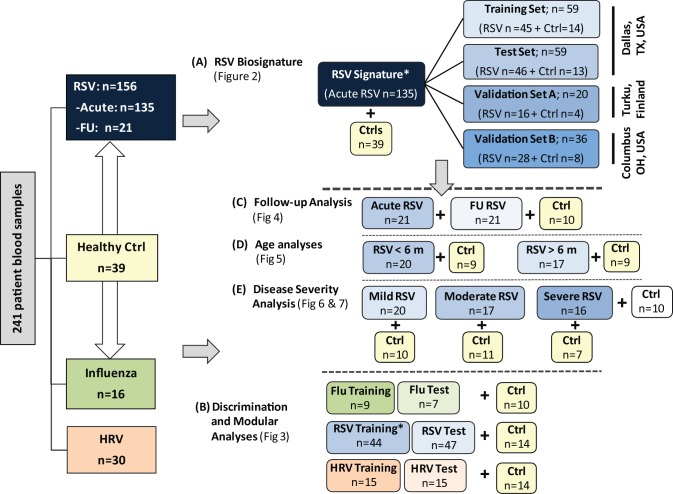
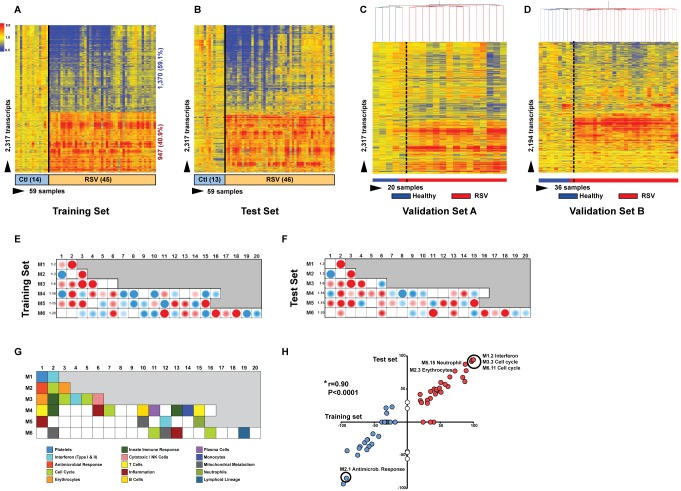
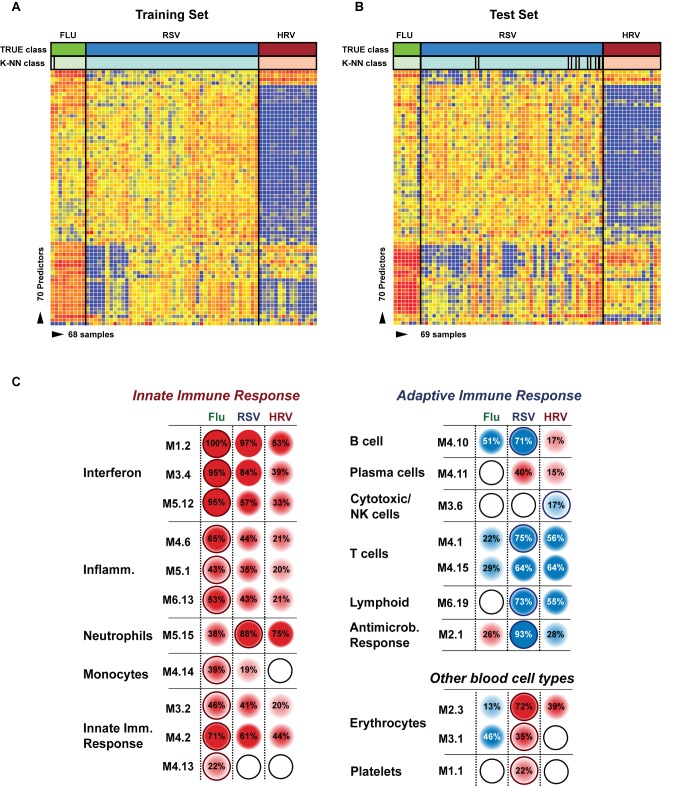
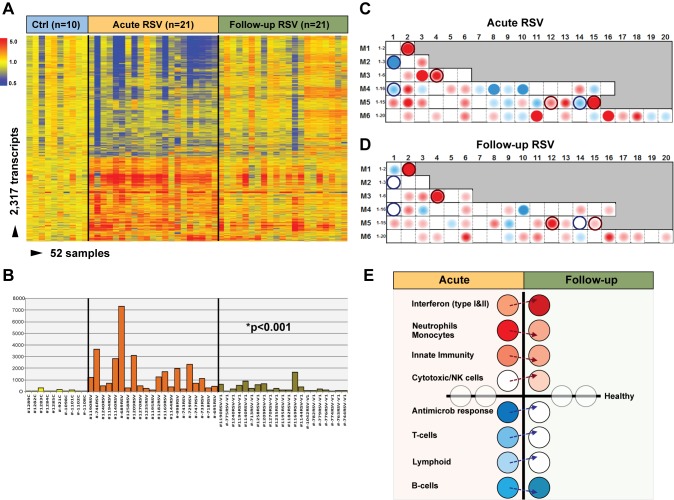
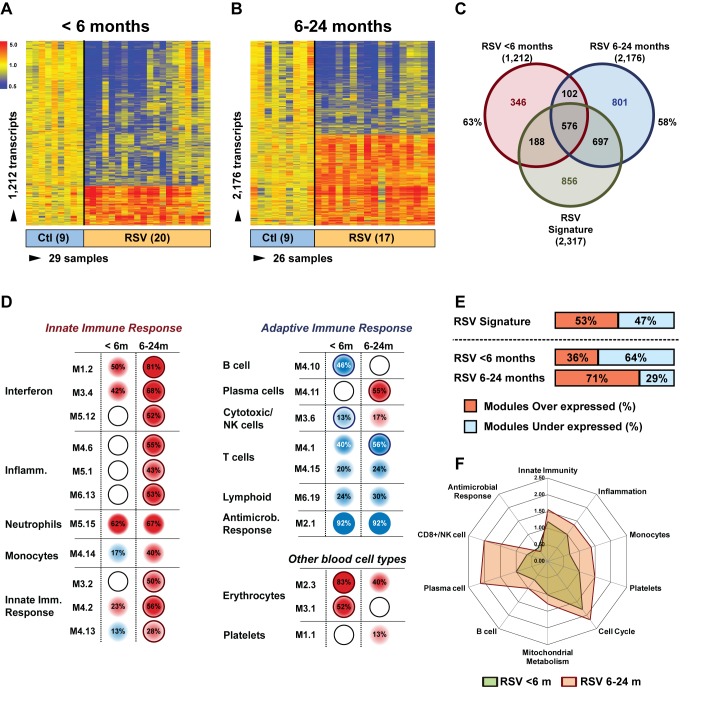
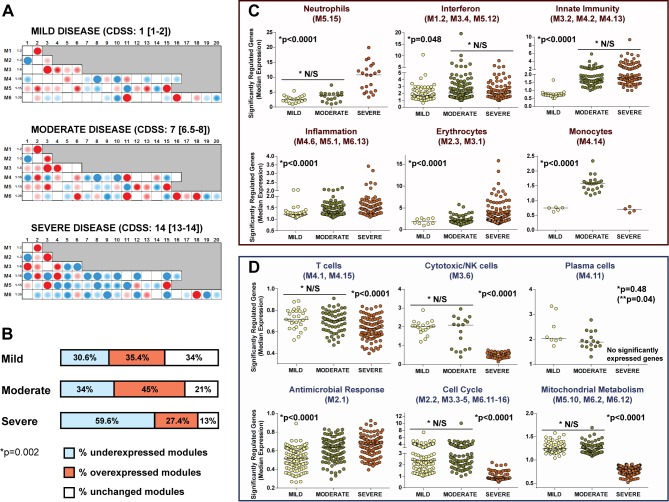
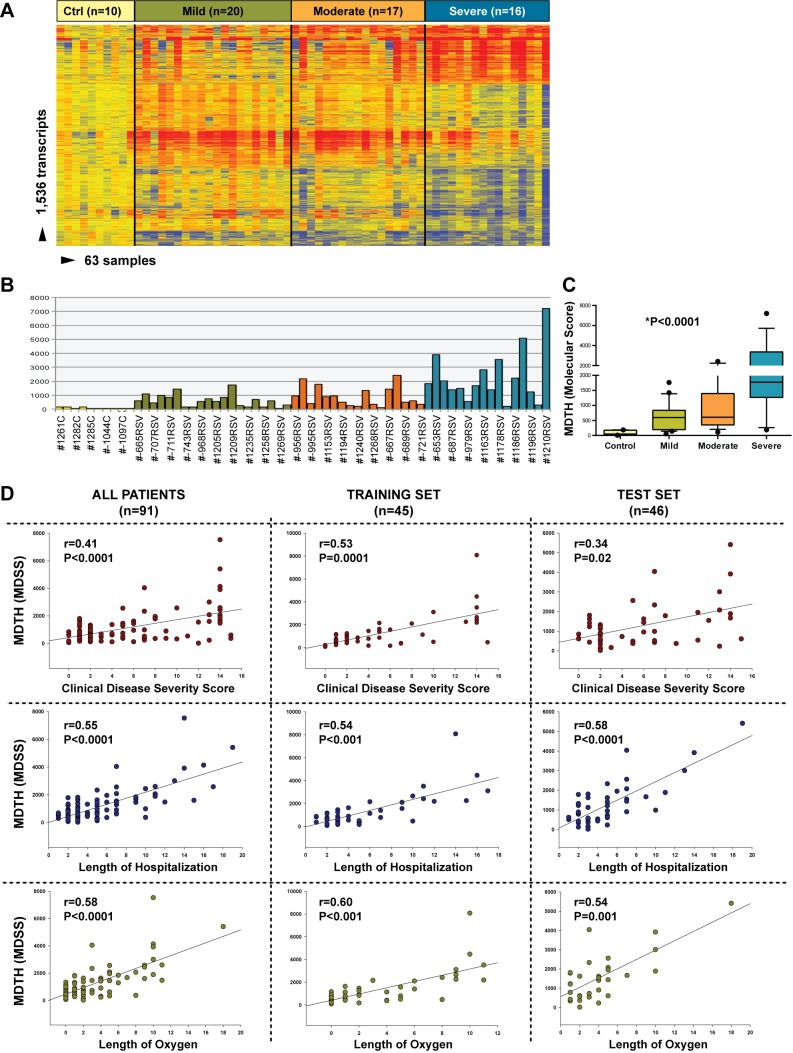
BACKGROUND: Respiratory syncytial virus (RSV) is the leading cause of viral lower respiratory tract infection (LRTI) and hospitalization in infants. Mostly because of the incomplete understanding of the disease pathogenesis, there is no licensed vaccine, and treatment remains symptomatic. We analyzed whole blood transcriptional profiles to characterize the global host immune response to acute RSV LRTI in infants, to characterize its specificity compared with influenza and human rhinovirus (HRV) LRTI, and to identify biomarkers that can objectively assess RSV disease severity. METHODS AND FINDINGS: This was a prospective observational study over six respiratory seasons including a cohort of infants hospitalized with RSV (n = 135), HRV (n = 30), and influenza (n = 16) LRTI, and healthy age- and sex-matched controls (n = 39). A specific RSV transcriptional profile was identified in whole blood (training cohort, n = 45 infants; Dallas, Texas, US) and validated in three different cohorts (test cohort, n = 46, Dallas, Texas, US; validation cohort A, n = 16, Turku, Finland; validation cohort B, n = 28, Columbus, Ohio, US) with high sensitivity (94% [95% CI 87%-98%]) and specificity (98% [95% CI 88%-99%]). It classified infants with RSV LRTI versus HRV or influenza LRTI with 95% accuracy. The immune dysregulation induced by RSV (overexpression of neutrophil, inflammation, and interferon genes, and suppression of T and B cell genes) persisted beyond the acute disease, and immune dysregulation was greatly impaired in younger infants (<6 mo). We identified a genomic score that significantly correlated with outcomes of care including a clinical disease severity score and, more importantly, length of hospitalization and duration of supplemental O2. CONCLUSIONS: Blood RNA profiles of infants with RSV LRTI allow specific diagnosis, better understanding of disease pathogenesis, and assessment of disease severity. This study opens new avenues for biomarker discovery and identification of potential therapeutic or preventive targets, and demonstrates that large microarray datasets can be translated into a biologically meaningful context and applied to the clinical setting. Please see later in the article for the Editors' Summary.
Overview
The claims and statistics of this paper haven’t been checked yet.
Free: it reads the open-access text and checks the first 5 claims that cite a source we can check. Create a free account to check every claim.
Integrity signals
Registry
Cites
Statistics
Figures
Verification
Claims the paper makes
The claims and statistics of this paper haven’t been checked yet.
Free: it reads the open-access text and checks the first 5 claims that cite a source we can check. Create a free account to check every claim.
Claims other papers make about this one
Each is checked against this paper’s own text: does it say what the citing paper says it does?
The cited source says what the claim attributes to it.
In the citing paper
“data from a human infant cohort study, in which persisting immune dysregulation was still detected one month after acute RSV infection176.”
From The microbiota of the respiratory tract: gatekeeper to respiratory health (2017) · cites this paper as [176]
Self-check
Percentages, sums and reported differences re-computed from the paper’s own numbers.
The self-check needs the paper’s full text.
Citations
Cites
Controlling the False Discovery Rate: A Practical and Powerful Approach to Multiple Testing
Benjamini, Y., & Hochberg, Y. (1995) · Journal of the Royal Statistical Society Series B: Statistical Methodology · doi:10.1111/j.2517-6161.1995.tb02031.x · Cited by 109,482
Nair, H., Nokes, D. J., Gessner, B. D., Dherani, M., Madhi, S. A., Singleton, R. J., O'Brien, K. L., Roca, A., Wright, P. F., Bruce, N., et al. (2010) · The Lancet · doi:10.1016/s0140-6736(10)60206-1 · Cited by 2,773
The Burden of Respiratory Syncytial Virus Infection in Young Children
Hall, C. B., Weinberg, G. A., Iwane, M. K., Blumkin, A. K., Edwards, K. M., Staat, M. A., Auinger, P., Griffin, M. R., Poehling, K. A., Erdman, D., et al. (2009) · New England Journal of Medicine · doi:10.1056/nejmoa0804877 · Cited by 2,246
WHO estimates of the causes of death in children
Bryce, J., Boschi-Pinto, C., Shibuya, K., & Black, R. E. (2005) · The Lancet · doi:10.1016/s0140-6736(05)71877-8 · Cited by 2,096 · cited 1×
“Lower respiratory tract infections (LRTIs) are associated with significant morbidity and mortality in children worldwide [1].”
BackgroundAn interferon-inducible neutrophil-driven blood transcriptional signature in human tuberculosis
Berry, M. P. R., Graham, C. M., McNab, F. W., Xu, Z., Bloch, S. A. A., Oni, T., Wilkinson, K. A., Banchereau, R., Skinner, J., Wilkinson, R. J., et al. (2010) · Nature · doi:10.1038/nature09247 · Cited by 1,898 · cited 8×
“p-Values were determined using the twosided Fisher’s exact test [13,15].”
BackgroundMethodResultInfluentialSelf-citationKlugman, K. P., Madhi, S. A., Huebner, R. E., Kohberger, R., Mbelle, N., & Pierce, N. (2003) · New England Journal of Medicine · doi:10.1056/nejmoa035060 · Cited by 1,009 · cited 1×
“The implementation of vaccination with conjugate vaccines against the most common causes of bacterial LRTI, Haemophilus influenzae type b and Streptococcus pneumoniae, has clearly shown a protective effect in children [2,3].”
BackgroundMAQC Consortium (2010) · Nature Biotechnology · doi:10.1038/nbt.1665 · Cited by 889
A Modular Analysis Framework for Blood Genomics Studies: Application to Systemic Lupus Erythematosus
Chaussabel, D., Quinn, C., Shen, J., Patel, P., Glaser, C., Baldwin, N., Stichweh, D., Blankenship, D., Li, L., Munagala, I., et al. (2008) · Immunity · doi:10.1016/j.immuni.2008.05.012 · Cited by 649 · cited 3×
“A detailed account of this module-based mining analysis strategy has been reported elsewhere [13,14,21,22].”
BackgroundMethodSelf-citationA role for Streptococcus pneumoniae in virus-associated pneumonia
Madhi, S. A., Klugman, K. P., & The Vaccine Trialist Group (2004) · Nature Medicine · doi:10.1038/nm1077 · Cited by 565
Gene expression patterns in blood leukocytes discriminate patients with acute infections
Ramilo, O., Allman, W., Chung, W., Mejias, A., Ardura, M., Glaser, C., Wittkowski, K. M., Piqueras, B., Banchereau, J., Palucka, A. K., et al. (2007) · Blood · doi:10.1182/blood-2006-02-002477 · Cited by 482 · cited 3×
“p-Values were determined using the twosided Fisher’s exact test [13,15].”
MethodSelf-citation
Cited by
The microbiota of the respiratory tract: gatekeeper to respiratory health
Man, W. H., de Steenhuijsen Piters, W. A. A., & Bogaert, D. (2017) · Nature Reviews Microbiology · doi:10.1038/nrmicro.2017.14 · Cited by 1,384
“Nature Reviews | Microbiology microbiota function, and the effect of environmental factors on the composition of the microbiota.”
BackgroundRole of viral infections in the development and exacerbation of asthma in children
Jartti, T., & Gern, J. E. (2017) · Journal of Allergy and Clinical Immunology · doi:10.1016/j.jaci.2017.08.003 · Cited by 474
“77, 78 Interestingly, RSV can infect B cells, 79 whereas some RVs can bind to B cells and induce proliferation.”
Self-citationde Steenhuijsen Piters, W. A. A., Heinonen, S., Hasrat, R., Bunsow, E., Smith, B., Suarez-Arrabal, M.-C., Chaussabel, D., Cohen, D. M., Sanders, E. A. M., Ramilo, O., et al. (2016) · American Journal of Respiratory and Critical Care Medicine · doi:10.1164/rccm.201602-0220oc · Cited by 422
“In addition to the need for hospitalization, RSV disease severity was assessed using a clinical disease severity score and by the need for supplemental oxygen, PICU admission, and length of stay (16).”
MethodSelf-citationThe Human Immune Response to Respiratory Syncytial Virus Infection
Russell, C. D., Unger, S. A., Walton, M., & Schwarze, J. (2017) · Clinical Microbiology Reviews · doi:10.1128/cmr.00090-16 · Cited by 403
“In comparison, this dysregulation of genes relating to neutrophil, B-cell, and T-cell function is not seen in children with rhinovirus or influenza virus infection (164).”
BackgroundThe CD8 T Cell Response to Respiratory Virus Infections
Schmidt, M. E., & Varga, S. M. (2018) · Frontiers in Immunology · doi:10.3389/fimmu.2018.00678 · Cited by 371
“Similarly, infants with severe RSV infection exhibited an underexpression of genes related to CD8 T cells in the peripheral blood (123).”
BackgroundSweeney, T. E., Wong, H. R., & Khatri, P. (2016) · Science Translational Medicine · doi:10.1126/scitranslmed.aaf7165 · Cited by 334
Ferreira, R. C., Guo, H., Coulson, R. M. R., Smyth, D. J., Pekalski, M. L., Burren, O. S., Cutler, A. J., Doecke, J. D., Flint, S., McKinney, E. F., et al. (2014) · Diabetes · doi:10.2337/db13-1777 · Cited by 317
Herberg, J. A., Kaforou, M., Wright, V. J., Shailes, H., Eleftherohorinou, H., Hoggart, C. J., Cebey-López, M., Carter, M. J., Janes, V. A., Gormley, S., et al. (2016) · JAMA · doi:10.1001/jama.2016.11236 · Cited by 324
“Characteristics Discovery Group IRIS Validation Group Definite Bacterial Infection (n = 52) Definite Viral Infection (n = 92) Indeterminate Infectiona (n = 96) Definite Bacterial Infection (n = 23) Definite Viral Infection (n = 28) Indeterminate Infectiona (n = 79) Age, median (IQR), mo 22 (9-46) 14 (2-39) 27 (7-71) 2…”
BackgroundHost gene expression classifiers diagnose acute respiratory illness etiology
Tsalik, E. L., Henao, R., Nichols, M., Burke, T., Ko, E. R., McClain, M. T., Hudson, L. L., Mazur, A., Freeman, D. H., Veldman, T., et al. (2016) · Science Translational Medicine · doi:10.1126/scitranslmed.aad6873 · Cited by 254
“Enrolled Derivation Cohort 317 122/151 45 (6-88) 135/116/22 61% 115/70/88”
InfluentialProtective and Harmful Immunity to RSV Infection
Openshaw, P. J. M., Chiu, C., Culley, F. J., & Johansson, C. (2017) · Annual Review of Immunology · doi:10.1146/annurev-immunol-051116-052206 · Cited by 243
“A recent multicenter prospective study of whole blood transcriptomic signatures in infants with RSV infection found strongly differential expression of innate immune genes, including an interferonrelated signature that became more marked in convalescence, perhaps indicating inhibition of interferon-related genes at th…”
BackgroundDemocratizing systems immunology with modular transcriptional repertoire analyses
Chaussabel, D., & Baldwin, N. (2014) · Nature Reviews Immunology · doi:10.1038/nri3642 · Cited by 213
“4) (REFs 33,45,46,47) .”
Self-citationMahajan, P., Kuppermann, N., Mejias, A., Suarez, N., Chaussabel, D., Casper, T. C., Smith, B., Alpern, E. R., Anders, J., Atabaki, S. M., et al. (2016) · JAMA · doi:10.1001/jama.2016.9207 · Cited by 212
“Age, mean (SD), d 29 (18) 35 (15) 33 (16) 35 (14)”
Self-citationRole of probiotics to combat viral infections with emphasis on COVID-19
Sundararaman, A., Ray, M., Ravindra, P. V., & Halami, P. M. (2020) · Applied Microbiology and Biotechnology · doi:10.1007/s00253-020-10832-4 · Cited by 185
“Severe lung damage with RSV increased neutrophil infiltration and upregulation of TNF-α, IL-13 producing CD4+ cells in the lung (Stokes et al. 2013).”
BackgroundInfluentialDeng, J., Ptashkin, R. N., Chen, Y., Cheng, Z., Liu, G., Phan, T., Deng, X., Zhou, J., Lee, I., Lee, Y. S., et al. (2015) · Molecular Therapy · doi:10.1038/mt.2015.124 · Cited by 173
van Engelen, T. S. R., Wiersinga, W. J., Scicluna, B. P., & van der Poll, T. (2018) · Critical Care Clinics · doi:10.1016/j.ccc.2017.08.010 · Cited by 178
Andres-Terre, M., McGuire, H. M., Pouliot, Y., Bongen, E., Sweeney, T. E., Tato, C. M., & Khatri, P. (2015) · Immunity · doi:10.1016/j.immuni.2015.11.003 · Cited by 175
“Despite a large number of influenza infection (Mejias et al., 2013; Parnell et al., 2012; Ramilo et al., 2007) and vaccination (Franco et al., 2013; Furman et al., 2013; Nakaya et al., 2011; Tsang et al., 2014) studies, no common transcriptional signature between influenza and vaccination has been…”
InfluentialNeutrophils in respiratory viral infections
Johansson, C., & Kirsebom, F. C. M. (2021) · Mucosal Immunology · doi:10.1038/s41385-021-00397-4 · Cited by 163
Suarez, N. M., Bunsow, E., Falsey, A. R., Walsh, E. E., Mejias, A., & Ramilo, O. (2015) · Journal of Infectious Diseases · doi:10.1093/infdis/jiv047 · Cited by 154
“In agreement with other studies using gene expression analyses in patients with respiratory viral infections [10, 23], we observed that the major difference between the groups was found in the IFN response, with the viral infection group showing the highest expression level.”
BackgroundResultSelf-citationZhivaki, D., Lemoine, S., Lim, A., Morva, A., Vidalain, P., Schandené, L., Casartelli, N., Rameix‐Welti, M., Hervé, P., Dériaud, E., et al. (2017) · Immunity · doi:10.1016/j.immuni.2017.01.010 · Cited by 150
“A recent study that defined biomarkers in bronchiolitis using whole blood RNA profiling highlighted an overexpression of neutrophil and interferon genes aswell as suppression of B and T cell genes in children of less than 6 months (Mejias et al., 2013).”
BackgroundThe journey to a respiratory syncytial virus vaccine
Mejías, A., Fernández, R. R., Oliva, S., Peeples, M. E., & Ramilo, O. (2020) · Annals of Allergy Asthma & Immunology · doi:10.1016/j.anai.2020.03.017 · Cited by 153
Self-citationFactors Associated With Pneumonia Severity in Children: A Systematic Review
Dean, P., & Florin, T. A. (2018) · Journal of the Pediatric Infectious Diseases Society · doi:10.1093/jpids/piy046 · Cited by 141
“Gene expression profiling and other -omics approaches will provide new insights into CAP etiology and severity [97].”
BackgroundCapella, C., Chaiwatpongsakorn, S., Gorrell, E., Risch, Z. A., Ye, F., Mertz, S. E., Johnson, S. M., Moore‐Clingenpeel, M., Ramilo, O., Mejías, A., et al. (2017) · The Journal of Infectious Diseases · doi:10.1093/infdis/jix489 · Cited by 147
Self-citationTuri, K. N., Romick‐Rosendale, L. E., Ryckman, K. K., & Hartert, T. V. (2017) · Journal of Allergy and Clinical Immunology · doi:10.1016/j.jaci.2017.04.021 · Cited by 136
Rhinovirus Detection in Symptomatic and Asymptomatic Children: Value of Host Transcriptome Analysis
Heinonen, S., Jartti, T. T., García, C., Oliva, S., Smitherman, C., Anguiano, E., Piters, W. A. A. D. S., Vuorinen, T., Ruuskanen, O., Dimo, B., et al. (2016) · American Journal of Respiratory and Critical Care Medicine · doi:10.1164/rccm.201504-0749oc · Cited by 123
“outpatients [mild disease]) and using a standardized clinical disease severity score (CDSS) (20, 25).”
BackgroundMethodInfluentialSelf-citationPediatric Community-Acquired Pneumonia in the United States
Katz, S. E., & Williams, D. J. (2017) · Infectious Disease Clinics of North America · doi:10.1016/j.idc.2017.11.002 · Cited by 138
“[77] [78] [79] [80] Transcriptomics uses gene expression profiling to measure the activity or expression of thousands of genes at once, thereby creating a global picture of cellular activity.”
Immune and Metabolic Signatures of COVID-19 Revealed by Transcriptomics Data Reuse
Gardinassi, L. G., Souza, C. O. S., Sales‐Campos, H., & Fonseca, S. G. (2020) · Frontiers in Immunology · doi:10.3389/fimmu.2020.01636 · Cited by 123
Early-life respiratory syncytial virus disease and long-term respiratory health
Zar, H. J., Cacho, F., Kootbodien, T., Mejías, A., Ortiz, J. R., Stein, R. T., & Hartert, T. V. (2024) · The Lancet Respiratory Medicine · doi:10.1016/s2213-2600(24)00246-7 · Cited by 127
Dysregulated transcriptional responses to SARS-CoV-2 in the periphery
McClain, M. T., Constantine, F. J., Henao, R., Liu, Y., Tsalik, E. L., Burke, T. W., Steinbrink, J. M., Petzold, E., Nicholson, B. P., Rolfe, R. J., et al. (2021) · Nature Communications · doi:10.1038/s41467-021-21289-y · Cited by 134
A consensus immune dysregulation framework for sepsis and critical illnesses
Moore, A. R., Zheng, H., Ganesan, A., Hasin-Brumshtein, Y., Maddali, M. V., Levitt, J. E., van der Poll, T., Lu, J., Bouma, H. R., Scicluna, B. P., et al. (2025) · Nature Medicine · doi:10.1038/s41591-025-03956-5 · Cited by 122
Neutrophils in respiratory syncytial virus infection: A target for asthma prevention
Geerdink, R. J., Pillay, J., Meyaard, L., & Bont, L. (2015) · Journal of Allergy and Clinical Immunology · doi:10.1016/j.jaci.2015.06.034 · Cited by 109
“Genes related to neutrophil function, such as those encoding a-defensin-1 and elastase, are overexpressed in the blood of patients with RSV-induced bronchiolitis, and expression levels positively correlate with disease severity.(17) Thus neutrophils are thought to contribute to lung injury in patients with severe RSV-…”
BackgroundRespiratory viral infections and host responses; insights from genomics
Troy, N. M., & Bosco, A. (2016) · Respiratory Research · doi:10.1186/s12931-016-0474-9 · Cited by 118
“Gene network patterns in blood have been investigated in a cohort of hospitalized infants with RSV, RV or IAV [69].”
BackgroundFernández, R. R., Tapia, L. I., Yang, C., Torres, J. P., Chávez‐Bueno, S., García, C., Jaramillo, L., Moore‐Clingenpeel, M., Jafri, H. S., Peeples, M. E., et al. (2017) · The Journal of Infectious Diseases · doi:10.1093/infdis/jix543 · Cited by 100
Self-citationInfant Immune Response to Respiratory Viral Infections
Heinonen, S., Fernández, R. R., Díaz, A., Rodríguez-Pastor, S. O., Ramilo, O., & Mejías, A. (2019) · Immunology and Allergy Clinics of North America · doi:10.1016/j.iac.2019.03.005 · Cited by 113
Self-citationGenome‐wide host RNA signatures of infectious diseases: discovery and clinical translation
Gliddon, H. D., Herberg, J. A., Levin, M., & Kaforou, M. (2017) · Immunology · doi:10.1111/imm.12841 · Cited by 103
“It permits hypothesis-free experimental design, detection of novel transcripts and alternative splicing, gene fusion and allele-specific expression, while also allowing for simultaneous sequencing of pools of transcripts that may come from different organisms and coexist in the same environment, termed meta-transcript…”
BackgroundGarcía-Mauriño, C., Moore‐Clingenpeel, M., Thomas, J. L., Mertz, S. E., Cohen, D. M., Ramilo, O., & Mejías, A. (2018) · The Journal of Infectious Diseases · doi:10.1093/infdis/jiy655 · Cited by 91
“Although with the current study design it not possible to determine whether steroids are responsible for the slower viral decay, indicative of sicker children, or a combination of both, our study suggests that this is an important cofounding factor [5, 6, 27] that may have contributed to the differences observed.”
BackgroundSelf-citationBenchmarking Sepsis Gene Expression Diagnostics Using Public Data*
Sweeney, T. E., & Khatri, P. (2016) · Critical Care Medicine · doi:10.1097/ccm.0000000000002021 · Cited by 87
Vázquez, Y., González, L. A., Noguera, L. P., González, P. A., Riedel, C. A., Bertrand, P. J., & Bueno, S. M. (2019) · Frontiers in Immunology · doi:10.3389/fimmu.2019.01154 · Cited by 91
“Importantly, MDTH scores performed during the first days of hRSV infection have been able to predict disease severity in terms of hospitalization days and intensive care requirements (78).”
BackgroundViral Respiratory Tract Infections in the Neonatal Intensive Care Unit: The VIRIoN-I Study
Ronchi, A., Michelow, I. C., Chapin, K. C., Bliss, J. M., Pugni, L., Mosca, F., & Sánchez, P. J. (2014) · The Journal of Pediatrics · doi:10.1016/j.jpeds.2014.05.054 · Cited by 83
“Duration of hospitalization (days; median, IQR) 65 (36-95) 67 (30-120) 66 (35-98)”
InfluentialSystems vaccinology and big data in the vaccine development chain
Raeven, R. H. M., van Riet, E., Meiring, H. D., Metz, B., & Kersten, G. F. A. (2018) · Immunology · doi:10.1111/imm.13012 · Cited by 86
“98 In terms of vaccine-preventable diseases, investigators have looked at infection-induced responses for pathogens such as RSV, [99] [100] [101] M. tuberculosis, 102 B. pertussis 12,78,103 and influenza.”
BackgroundBlankley, S., Berry, M. P. R., Graham, C. M., Bloom, C. I., Lipman, M. C. I., & O’Garra, A. (2014) · Philosophical Transactions of the Royal Society B Biological Sciences · doi:10.1098/rstb.2013.0427 · Cited by 84
Immune profiles provide insights into respiratory syncytial virus disease severity in young children
Heinonen, S., Velazquez, V. M., Ye, F., Mertz, S. E., Acero‐Bedoya, S., Smith, B., Bunsow, E., García-Mauriño, C., Oliva, S., Cohen, D. M., et al. (2020) · Science Translational Medicine · doi:10.1126/scitranslmed.aaw0268 · Cited by 85
Self-citationNew Molecular Diagnostic Approaches to Bacterial Infections and Antibacterial Resistance
Tsalik, E. L., Bonomo, R. A., & Fowler, V. G. (2018) · Annual Review of Medicine · doi:10.1146/annurev-med-052716-030320 · Cited by 74
Turi, K. N., Shankar, J., Anderson, L. J., Rajan, D., Gaston, K. A., Gebretsadik, T. S., Das, S. R., Stone, C. A., Larkin, E. K., Rosas‐Salazar, C., et al. (2018) · American Journal of Respiratory and Critical Care Medicine · doi:10.1164/rccm.201711-2348oc · Cited by 79
Hu, M., Bogoyevitch, M. A., & Jans, D. A. (2020) · Physiological Reviews · doi:10.1152/physrev.00030.2019 · Cited by 81
Host-Based Peripheral Blood Gene Expression Analysis for Diagnosis of Infectious Diseases
Holcomb, Z. E., Tsalik, E. L., Woods, C. W., & McClain, M. T. (2016) · Journal of Clinical Microbiology · doi:10.1128/jcm.01057-16 · Cited by 75
In vivo Ebola virus infection leads to a strong innate response in circulating immune cells
Caballero, I. S., Honko, A. N., Gire, S., Winnicki, S. M., Melé, M., Gerhardinger, C., Lin, A. E., Rinn, J. L., Sabeti, P. C., Hensley, L. E., et al. (2016) · BMC Genomics · doi:10.1186/s12864-016-3060-0 · Cited by 73
“Several studies have reported that during infections caused by respiratory and hemorrhagic fever viruses, circulating immune cells undergo major gene regulatory changes that result in the upregulation of many innate immune system genes [13 – 16].”
BackgroundJaggi, P., Mejías, A., Xu, Z., Yin, H., Moore‐Clingenpeel, M., Smith, B., Burns, J. C., Tremoulet, A. H., Jordán-Villegas, A., Chaussabel, D., et al. (2018) · PLoS ONE · doi:10.1371/journal.pone.0197858 · Cited by 68
“We, then, calculated the sensitivity and specificity of the top classifier transcripts in those test sets [13, 14, 16, 18]; d) Functional gene analyses were performed using modular analysis as described [9, 14, 19].”
BackgroundMethodSelf-citationZheng, H., Rao, A., Đermadi, D., Toh, J., Jones, L. M., Donato, M., Liu, Y. E., Su, Y., Dai, C. L., Kornilov, S. A., et al. (2021) · Immunity · doi:10.1016/j.immuni.2021.03.002 · Cited by 70
Evaluation and Management of Febrile Children: A Review
Cioffredi, L., & Jhaveri, R. R. (2016) · Archives of Pediatrics and Adolescent Medicine · doi:10.1001/jamapediatrics.2016.0596 · Cited by 77
Brand, H. K., Ahout, I. M. L., de Ridder, D., van Diepen, A., Li, Y., Zaalberg, M., Andeweg, A. C., Roeleveld, N., de Groot, R., Warris, A., et al. (2015) · PLoS ONE · doi:10.1371/journal.pone.0131927 · Cited by 66
“Recently this group also reported that these transcriptome profiles also contained information regarding viral etiology (influenza, rhino virus and RSV) and the course of disease [21].”
BackgroundSuárez-Arrabal, M. C., Mella, C., Lopez, S. M. C., Brown, N. V., Hall, M. W., Hammond, S., Shiels, W., Groner, J. A., Marcon, M. J., Ramilo, O., et al. (2015) · Journal of Infection · doi:10.1016/j.jinf.2015.06.010 · Cited by 66
Self-citationInnate Immunity to Respiratory Infection in Early Life
Lambert, L., & Culley, F. J. (2017) · Frontiers in Immunology · doi:10.3389/fimmu.2017.01570 · Cited by 60
“This may be due to inhibition of the host anti-viral response by the viral non-structural proteins but alternatively may reflect the timing of sampling, and an IFN-induced gene signature is detectable in blood (86) (87) (88) .”
BackgroundImmune Response to Respiratory Viral Infections
Gambadauro, A., Galletta, F., Pomi, A. L., Manti, S., & Piedimonte, G. (2024) · International Journal of Molecular Sciences · doi:10.3390/ijms25116178 · Cited by 68
“Specific RSV proteins, such as G and F proteins, have been implicated in inhibiting IFN production and exacerbating viral load and mucus production [65].”
BackgroundThe current epidemiology and clinical decisions surrounding acute respiratory infections
Zaas, A. K., Garner, B. H., Tsalik, E. L., Burke, T. W., Woods, C. W., & Ginsburg, G. S. (2014) · Trends in Molecular Medicine · doi:10.1016/j.molmed.2014.08.001 · Cited by 69
Hasegawa, K., Dumas, O., Hartert, T. V., & Camargo, C. A. (2016) · Expert Review of Respiratory Medicine · doi:10.1080/17476348.2016.1190647 · Cited by 64
Komaravelli, N., Ansar, M., Garofalo, R., & Casola, A. (2017) · Free Radical Biology and Medicine · doi:10.1016/j.freeradbiomed.2017.10.380 · Cited by 62
Cytokines and CD8 T cell immunity during respiratory syncytial virus infection
Schmidt, M. E., & Varga, S. M. (2018) · Cytokine · doi:10.1016/j.cyto.2018.07.012 · Cited by 65
“Children with a severe, natural RSV infection exhibit a reduced expression of genes associated with IL-10 signaling pathways in peripheral blood samples [75] .”
Yun, K. W. (2023) · Korean Journal of Pediatrics · doi:10.3345/cep.2022.01452 · Cited by 93
“42 )”
Brown, P. M., Schneeberger, D. L., & Piedimonte, G. (2015) · Paediatric Respiratory Reviews · doi:10.1016/j.prrv.2015.05.005 · Cited by 66
“whole blood gene expression profiles [158].”
Rhinovirus – not just the common cold
Drysdale, S. B., Mejías, A., & Ramilo, O. (2017) · Journal of Infection · doi:10.1016/s0163-4453(17)30190-1 · Cited by 58
“(40) In a study including 137 hospitalised infants less than two years old with RSV, RV or influenza LRTIs blood transcription profiles classified infants correctly based on the causative pathogen with 95% accuracy (Figure 2).(41) A subsequent study from the same group was conducted to elucidate the significance of RV…”
BackgroundSelf-citationDíaz, A., Bunsow, E., García-Mauriño, C., Moore‐Clingenpeel, M., Naples, J. C., Juergensen, A., Mertz, S. E., Wang, H., Leber, A. L., Gern, J. E., et al. (2021) · The Journal of Infectious Diseases · doi:10.1093/infdis/jiab481 · Cited by 60
Self-citationHost Gene Expression in Nose and Blood for the Diagnosis of Viral Respiratory Infection
Yu, J., Peterson, D. R., Baran, A. M., Bhattacharya, S., Wylie, T., Falsey, A. R., Mariani, T. J., & Storch, G. A. (2018) · The Journal of Infectious Diseases · doi:10.1093/infdis/jiy608 · Cited by 61
Mejías, A., García-Mauriño, C., Fernández, R. R., Peeples, M. E., & Ramilo, O. (2016) · Vaccine · doi:10.1016/j.vaccine.2016.09.026 · Cited by 55
“Of those, up to 20% will be treated in the pediatric intensive care unit (PICU) [9,10].”
BackgroundSelf-citationMicrobiome-Transcriptome Interactions Related to Severity of Respiratory Syncytial Virus Infection
Sonawane, A. R., Tian, L., Chu, C., Qiu, X., Wang, L., Holden‐Wiltse, J., Grier, A., Gill, S. R., Caserta, M. T., Falsey, A. R., et al. (2019) · Scientific Reports · doi:10.1038/s41598-019-50217-w · Cited by 61
Monoclonal Antibodies for Prevention of Respiratory Syncytial Virus Infection
Fernández, R. R., Mejías, A., & Ramilo, O. (2021) · The Pediatric Infectious Disease Journal · doi:10.1097/inf.0000000000003121 · Cited by 56
Self-citationTamburro, R. F., Cooke, K. R., Davies, S. M., Goldfarb, S., Hagood, J. S., Srinivasan, A., Steiner, M. E., Stokes, D. C., DiFronzo, N. L., El-Kassar, N., et al. (2020) · Annals of the American Thoracic Society · doi:10.1513/annalsats.202001-006ot · Cited by 57
Wishaupt, J. O., van der Ploeg, T., Smeets, L. C., de Groot, R., Versteegh, F. G. A., & Hartwig, N. G. (2017) · Journal of Clinical Virology · doi:10.1016/j.jcv.2017.02.010 · Cited by 53
“showing that expression of specific genes provides a promising biomarker of disease severity for RSV [3, 4] .”
Discriminating Bacterial and Viral Infection Using a Rapid Host Gene Expression Test*
Tsalik, E. L., Henao, R., Montgomery, J., Nawrocki, J., Aydın, M., Lydon, E., Ko, E. R., Petzold, E., Nicholson, B. P., Cairns, C. B., et al. (2021) · Critical Care Medicine · doi:10.1097/ccm.0000000000005085 · Cited by 53
Gardinassi, L. G., Garcia, G. R., Costa, C. H. N., Silva, V. C., & Santos, I. K. F. D. M. (2016) · PLoS neglected tropical diseases · doi:10.1371/journal.pntd.0005123 · Cited by 52
Early-Life Respiratory Syncytial Virus Infection, Trained Immunity and Subsequent Pulmonary Diseases
Malinczak, C., Lukacs, N. W., & Fonseca, W. (2020) · Viruses · doi:10.3390/v12050505 · Cited by 56
“It has also been observed that children hospitalized with severe RSV infection maintained the immune profiles after 1 month of the infection [23].”
BackgroundGuo, X., Liu, T., Shi, H., Wang, J., Ji, P., Wang, H., Hou, Y., Tan, R. X., & Li, E. (2015) · Journal of Virology · doi:10.1128/jvi.00349-15 · Cited by 53
“The host initiates an innate immune response to virus infection to promote antiviral gene expression, including interferon production (52, 53).”
BackgroundUnderstanding Platelets in Infectious and Allergic Lung Diseases
Gómez‐Casado, C., Villaseñor, A., Rodríguez‐Nogales, A., Bueno, J. L., Barber, D., & Escribese, M. M. (2019) · International Journal of Molecular Sciences · doi:10.3390/ijms20071730 · Cited by 56
“Moreover, analysis of the gene expression profiles from infants with lower respiratory tract infections of different viral etiologies showed that the overexpression of platelet-related genes is specific for RSV [129].”
BackgroundInfluentialDiagnosis of childhood febrile illness using a multi-class blood RNA molecular signature
Habgood-Coote, D., Wilson, C., Shimizu, C., Barendregt, A. M., Philipsen, R. L. A., Galassini, R., Calle, I. R., Workman, L., Agyeman, P., Ferwerda, G., et al. (2023) · Med · doi:10.1016/j.medj.2023.06.007 · Cited by 54
Patel, M. C., Shirey, K. A., Boukhvalova, M. S., Vogel, S. N., & Blanco, J. C. G. (2018) · mBio · doi:10.1128/mbio.00246-18 · Cited by 50
“Our data are in agreement with previous findings describing differences in the intensities of the whole-blood gene expression profiles studied during influenza virus, RSV, and HRV infections in a pediatric population (46).”
ResultTranscriptomic profiling facilitates classification of response to influenza challenge
Davenport, E. E., Antrobus, R., Lillie, P. J., Gilbert, S. C., & Knight, J. C. (2014) · Journal of Molecular Medicine · doi:10.1007/s00109-014-1212-8 · Cited by 47
“While none of these six genes were amongst the best discriminators of respiratory syncytial virus (RSV) from influenza, four of the six genes (OAS3, SEPT4, LAMP3 and RPT4) were represented in a gene list of 161 interferon-related differentially expressed genes [6].”
BackgroundPersistent and TransientHelicobacter pyloriInfections in Early Childhood
O’Ryan, M. L., Lucero, Y., Rabello, M., Nora Mamani, M., Salinas, A. M., Peña, A., Torres, J. P., Mejías, A., Ramilo, O., Suárez, N. M., et al. (2015) · Clinical Infectious Diseases · doi:10.1093/cid/civ256 · Cited by 47
“Helicobacter pylori strains harboring recognized virulence genes, as detected by PCR amplification in stool in our asymptomatic population, is also consistent with other reports [13, 15].”
InfluentialSelf-citationBloodGen3Module: blood transcriptional module repertoire analysis and visualization using R
Rinchai, D., Roelands, J. P., Toufiq, M., Hendrickx, W., Altman, M. C., Bedognetti, D., & Chaussabel, D. (2021) · Bioinformatics · doi:10.1093/bioinformatics/btab121 · Cited by 48
Self-citationHolt, P. G., Mok, D., Panda, D., Renn, L. A., Fabozzi, G., de Klerk, N. H., Kusel, M. M. H., Serralha, M., Hollams, E. M., Holt, B. J., et al. (2018) · Journal of Allergy and Clinical Immunology · doi:10.1016/j.jaci.2018.08.035 · Cited by 47
Respiratory Syncytial Virus Disease Severity Is Associated with Distinct CD8+ T-Cell Profiles
Siefker, D. T., Vu, L. D., You, D., McBride, A., Taylor, R., Jones, T. L., DeVincenzo, J. P., & Cormier, S. A. (2019) · American Journal of Respiratory and Critical Care Medicine · doi:10.1164/rccm.201903-0588oc · Cited by 49
“1139 No 20 (53) 7 (29) Yes 18 (47) 17 (71) Exposure to tobacco*, n (%) 1 No 28 (74) 18 (75) Yes 10 (26) 6 (25) Daycare, n (%) 0.”
RSV vs. rhinovirus bronchiolitis: difference in nasal airway microRNA profiles and NFκB signaling
Hasegawa, K., Pérez‐Losada, M., Hoptay, C. E., Epstein, S. B., Mansbach, J. M., Teach, S. J., Piedra, P. A., Camargo, C. A., & Freishtat, R. J. (2017) · Pediatric Research · doi:10.1038/pr.2017.309 · Cited by 45
“host immune response profiles (3), and with different risks of acute (e.”
Do, L. A. H., Pellet, J., van Doorn, H. R., Tran, A. T., Nguyen, B. H., Tran, T. T. L., Tran, Q. H., Vo, Q. B., Dac, N. A. T., Trinh, H. N., et al. (2017) · The Journal of Infectious Diseases · doi:10.1093/infdis/jix519 · Cited by 50
“…CD177 [molecule expressed on neutrophil]; otoferlin [OTOF]; and caspase 5 [CASP5; involved in apoptotic cell death] [fold change 4–8]) highlighted the role of neutrophil activation, overexpression of IFN, and other innate immune genes that have previously been reported in RSV infection [22].”
McClain, M. T., Constantine, F. J., Nicholson, B. P., Nichols, M., Burke, T. W., Henao, R., Jones, D. C., Hudson, L. L., Jaggers, L. B., Veldman, T., et al. (2020) · The Lancet Infectious Diseases · doi:10.1016/s1473-3099(20)30486-2 · Cited by 44
Wallihan, R. G., Suárez, N. M., Cohen, D. M., Marcon, M. J., Moore‐Clingenpeel, M., Mejías, A., & Ramilo, O. (2018) · Frontiers in Cellular and Infection Microbiology · doi:10.3389/fcimb.2018.00382 · Cited by 52
“Additionally, MDTH scores were decreased at follow-up visits, demonstrating its potential utility in monitoring response to therapy (Mejias et al., 2013) .”
BackgroundMethodResultInfluentialSelf-citationReduced Expression of HLA-DR on Monocytes During Severe Respiratory Syncytial Virus Infections
Ahout, I. M. L., Jans, J., Haroutiounian, L., Simonetti, E. R., Jongh, C. E. V. D. G., Diavatopoulos, D. A., de Jonge, M. I., de Groot, R., & Ferwerda, G. (2015) · The Pediatric Infectious Disease Journal · doi:10.1097/inf.0000000000001007 · Cited by 43
“Transcriptional profiling of blood from RSV-infected infants showed a suppression of important T cell genes, in particular, in younger infants, and CD4 T cells are lower in severe RSV infections compared with nonsevere RSV infections.(19,35) Our observed immune profile with reduced HLA-DR expression on monocytes durin…”
ResultRath, B. A., Conrad, T., Myles, P. R., Alchikh, M., Ma, X., Hoppe, C., Tief, F., Chen, X., Obermeier, P., Kisler, B., et al. (2017) · Expert Review of Anti-infective Therapy · doi:10.1080/14787210.2017.1295847 · Cited by 44
A vision and a prescription for big data–enabled medicine
Chaussabel, D., & Pulendran, B. (2015) · Nature Immunology · doi:10.1038/ni.3151 · Cited by 50
Self-citationTranscriptome assists prognosis of disease severity in respiratory syncytial virus infected infants
Jong, V. L., Ahout, I. M. L., van den Ham, H., Jans, J., Zaaraoui‐Boutahar, F., Zomer, A., Simonetti, E. R., Bijl, M., Brand, H. K., van IJcken, W. F. J., et al. (2016) · Scientific Reports · doi:10.1038/srep36603 · Cited by 47
“Age (days) 153 [84, 291] 185 [60, 333] 31 [17, 76]”
Kopp, B. T., Thompson, R., Kim, J. D., Konstan, R., Díaz, A., Smith, B., Shrestha, C. L., Rogers, L. K., Hayes, D., Tumin, D., et al. (2019) · Thorax · doi:10.1136/thoraxjnl-2018-211845 · Cited by 42
Self-citationAirway response to respiratory syncytial virus has incidental antibacterial effects
Sande, C., Njunge, J. M., Ngoi, J. M., Mutunga, M. N., Chege, T. K., Gicheru, E., Gardiner, E., Gwela, A., Green, C., Drysdale, S. B., et al. (2019) · Nature Communications · doi:10.1038/s41467-019-10222-z · Cited by 41
Blood genome expression profiles in infants with congenital cytomegalovirus infection
Ouellette, C. P., Sánchez, P. J., Xu, Z., Blankenship, D., Zeray, F., Ronchi, A., Shimamura, M., Chaussabel, D., Lee, L. E., Owen, K. E., et al. (2020) · Nature Communications · doi:10.1038/s41467-020-17178-5 · Cited by 41
Self-citationRinchai, D., Altman, M. C., Konza, O., Hässler, S., Martina, F., Toufiq, M., Garand, M., Kabeer, B. S. A., Palucka, K., Mejías, A., et al. (2020) · Clinical and Translational Medicine · doi:10.1002/ctm2.244 · Cited by 46
“7 Here, we confirmed this association in a much larger set of patients.”
Self-citationRaiden, S., Sananez, I., Lenicov, F. R., Pandolfi, J. B., Romero, C., Lillo, L. D., Ceballos, A., Geffner, J. R., & Arruvito, L. (2017) · The Journal of Infectious Diseases · doi:10.1093/infdis/jix070 · Cited by 44
Prokop, J. W., Hartog, N., Chesla, D. W., Faber, W., Love, C. P., Karam, R., Abualkheir, N., Feldmann, B., Teng, L., McBride, T., et al. (2021) · Frontiers in Immunology · doi:10.3389/fimmu.2021.694243 · Cited by 44
Rao, A., Popper, S. J., Gupta, S., Davong, V., Vaidya, K., Chanthongthip, A., Dittrich, S., Robinson, M. T., Vongsouvath, M., Mayxay, M., et al. (2022) · Cell Reports Medicine · doi:10.1016/j.xcrm.2022.100842 · Cited by 51
Early-life viral infections and the development of asthma: a target for asthma prevention?
Jackson, D. J. (2014) · Current Opinion in Allergy and Clinical Immunology · doi:10.1097/aci.0000000000000047 · Cited by 40
“Mechanisms are emerging from animal models [18] and human studies [19] to identify pathways by which RSV could modify airway and immune development and lead to asthma inception.”
BackgroundPark, H.-E., Park, H.-T., Jung, Y. H., & Yoo, H. S. (2018) · PLoS ONE · doi:10.1371/journal.pone.0196502 · Cited by 43
Mucosal Immune Responses to Respiratory Syncytial Virus
Barnes, M. V. C., Openshaw, P., & Thwaites, R. S. (2022) · Cells · doi:10.3390/cells11071153 · Cited by 41
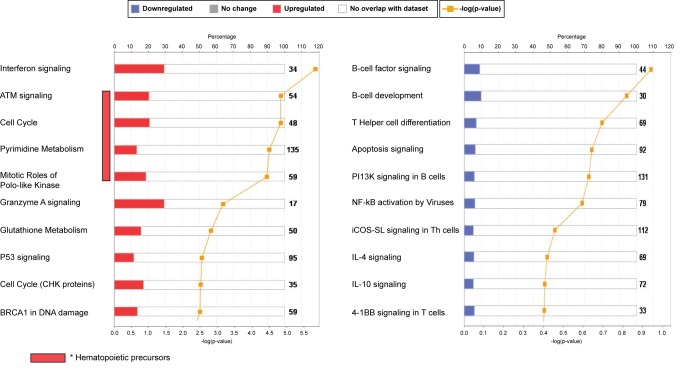
“B cell signalling and development, Th cell differentiation, NF-κB signalling, and IL-4/IL-10 signalling were all significantly downregulated in RSV LRTI, and this immune dysregulation was more pronounced in infants less than 6 months old [105].”
BackgroundJones, A. C., Anderson, D. R., Galbraith, S., Fantino, E., Cardenas, D. G., Read, J. F., Serralha, M., Holt, B. J., Strickland, D. H., Sly, P. D., et al. (2019) · American Journal of Respiratory and Critical Care Medicine · doi:10.1164/rccm.201804-0715oc · Cited by 43
Landscape of respiratory syncytial virus
Duan, Y., Liu, Z., Zang, N., Cong, B., Shi, Y., Xu, L., Jiang, M., Wang, P., Zou, J., Zhang, H., et al. (2024) · Chinese Medical Journal · doi:10.1097/cm9.0000000000003354 · Cited by 48
Clinical metagenomics for diagnosis and surveillance of viral pathogens
Montaguth, O. E. T., Buddle, S., Morfopoulou, S., & Breuer, J. (2025) · Nature Reviews Microbiology · doi:10.1038/s41579-025-01223-5 · Cited by 45
“…studies have been undertaken to differentiate between infectious and non-infectious illnesses 145–148 and also to demarcate between different infections that have characteristic transcriptional signatures, as the host mounts distinct immunological responses against specific pathogens 29,149,150 .”
Metadata
- Authors
- Mejias, A., Dimo, B., Suarez, N. M., Garcia, C., Suarez-Arrabal, M. C., Jartti, T., Blankenship, D., Jordan-Villegas, A., Ardura, M. I., Xu, Z., Banchereau, J., Chaussabel, D., & Ramilo, O.
- Affiliations
- Abigail Wexner Research Institute (US)
- Turku University Hospital (FI)
- Benaroya Research Institute (US)
- Corresponding author
- Ramilo, Octavio
- Venue
- PLoS Medicine
- Publisher
- Public Library of Science (PLoS)
- Published
- 2013-11-12
- Volume
- 10
- Issue
- 11
- Pages
- e1001549
- ISSN
- 1549-1277 (ISSN-L)
- 1549-1676
- PMC
- PMC3825655
- OpenAlex
- W2052633053
- Cited by
- 313
- References
- 38
- Citations by year
- 2026: 14 · 2025: 19 · 2024: 16 · 2023: 17 · 2022: 14 · 2021: 33 · 2020: 37 · 2019: 27 · 2018: 34 · 2017: 29 · 2016: 26 · 2015: 30 · 2014: 17
- FWCI
- 17.76
- Type
- journal article
- Language
- en
- Open access
- gold
- doi.org
- Licence
- Locations
- PLoS Medicine (publishedVersion, cc-by)
- Europe PMC (PubMed Central) (publishedVersion, cc-by)
- PubMed Central (publishedVersion, cc-by)
- PubMed (publishedVersion)
- UTUPub (University of Turku) (submittedVersion)
- DOAJ (DOAJ: Directory of Open Access Journals) (submittedVersion, cc-by-sa)
- Figshare (submittedVersion, cc-by)
- Funders
- RGK Foundation
- Nationwide Children's Hospital
- National Institutes of Health (UL1TR001070)
- National Institute of Allergy and Infectious Diseases (U19AI057234, U19AI089987)
- National Center for Advancing Translational Sciences
- Topics
- Health Sciences › Medicine › Epidemiology › Respiratory viral infections research
- Health Sciences › Medicine › Epidemiology › Pneumonia and Respiratory Infections
- Health Sciences › Medicine › Pulmonary and Respiratory Medicine › Asthma and respiratory diseases
- Keywords
- respiratory syncytial virus, infants, lower respiratory tract infection, whole blood gene expression, host immune response, disease severity markers, influenza, human rhinovirus, immune dysregulation, length of hospital stay, supplemental oxygen, viral diagnosis
- MeSH terms
- Diagnosis, Differential, Female, Finland, Humans, Infant, Length of Stay, Male, Orthomyxoviridae, Oxygen, Pneumonia, Viral, Prospective Studies, Respiratory Syncytial Viruses, Rhinovirus, RNA, Severity of Illness Index, United States, Biomarkers, Case-Control Studies, Respiratory Syncytial Virus Infections, Qualitative Research, Microarray Analysis, Transcriptome
About these checks
Registry, retraction, Cites and statistics results are computed, not judged, with one exception: a printed reference that no index lists is read once by a model before it counts as a citation error. Claims are extracted by a model and kept only when their quote appears verbatim in the text; each cited source is then checked, with a model’s help, for whether it says what the claim relies on. Those verdicts can be wrong — read the claim’s quote and the cited source before relying on one.
Statistics and arithmetic are recomputed, not judged.
Confidence bands are shown only for fields calibrated on our annotated test set. None is calibrated yet, so no band is shown.
What counts as a claim ›How we measure confidence ›How we check this ›
Are you an author, or do you see a problem with this page? Request a review
Data sources
Bibliographic data: Semantic Scholar, OpenAlex, Crossref.
Contains information from the Semantic Scholar Academic Graph Datasets, made available under the ODC Attribution License (ODC-BY 1.0).
Semantic Scholar’s data is described in: Kinney, R., et al. (2023). The Semantic Scholar Open Data Platform. arXiv:2301.10140.
