

Active or Passive Exposure to Tobacco Smoking and Allergic Rhinitis, Allergic Dermatitis, and Food Allergy in Adults and Children: A Systematic Review and Meta-Analysis
Open accessThe DOI matches its Crossref record; 218 of the 218 references it cites were found in a registry or an index.
Abstract
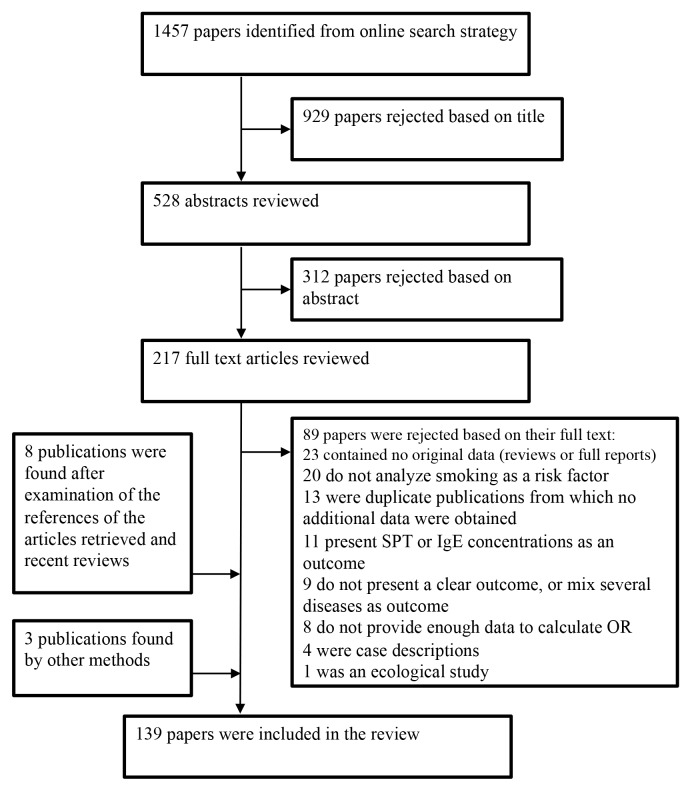
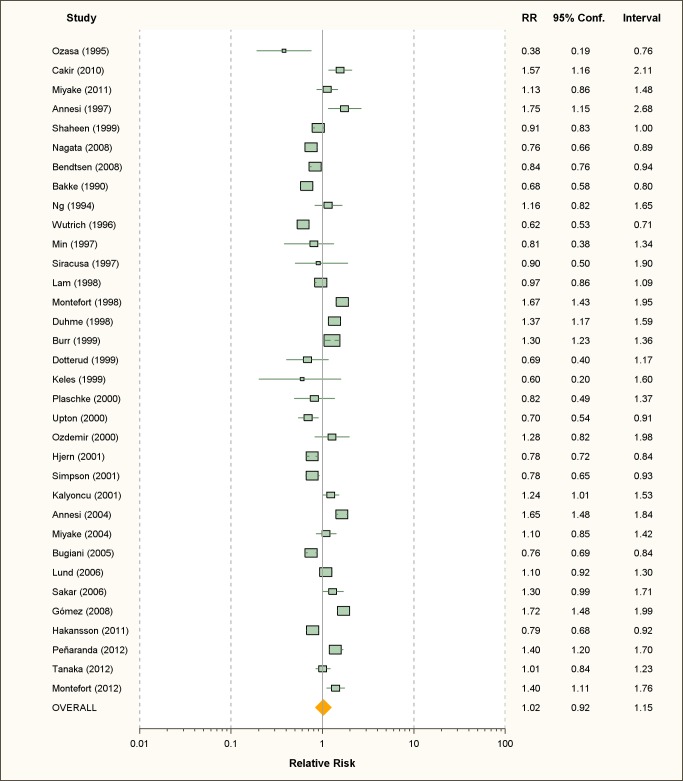
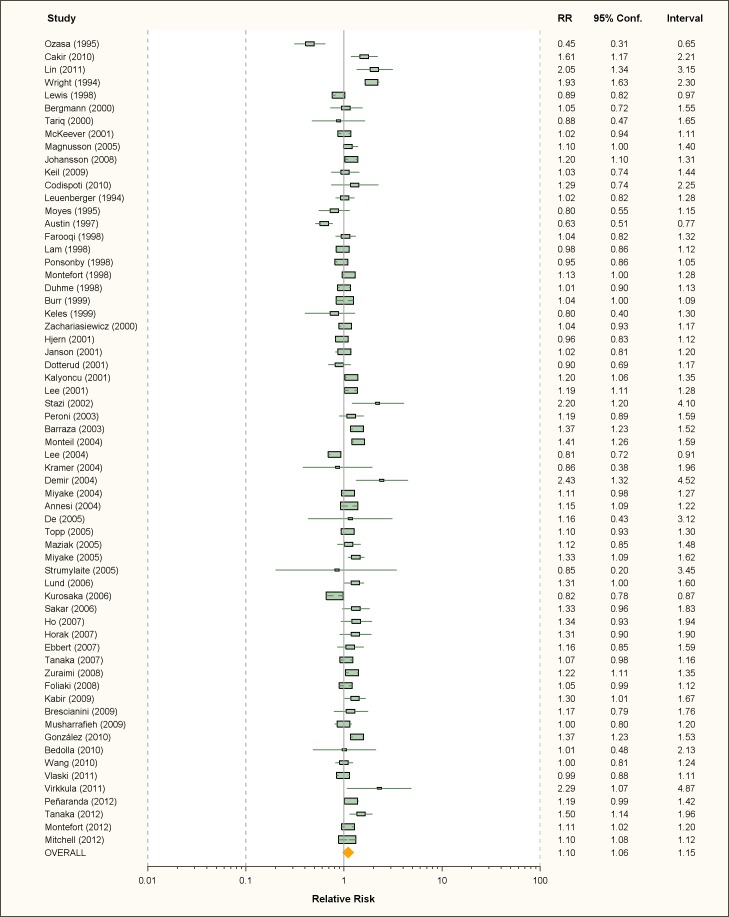
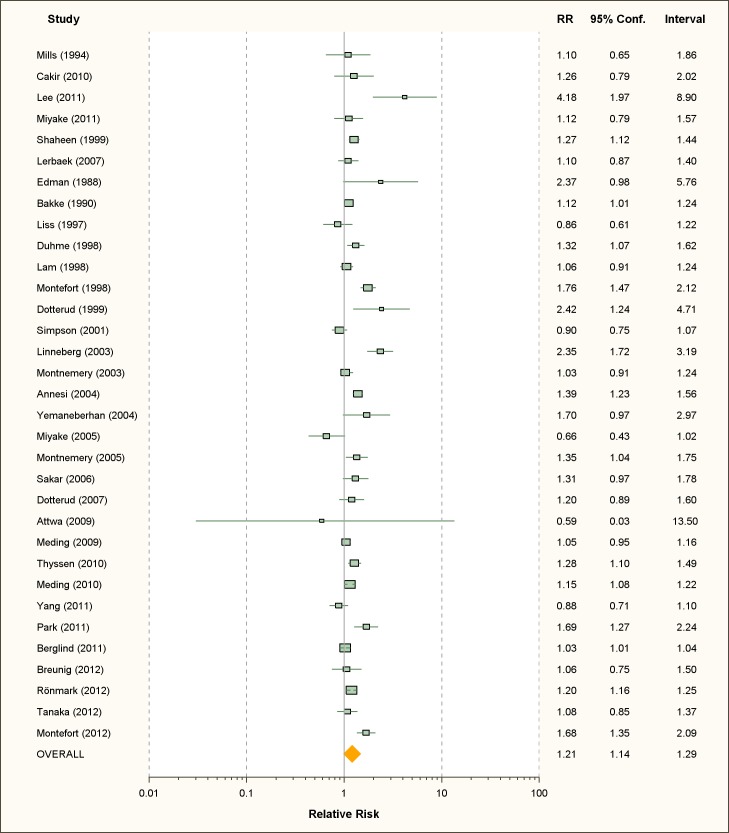
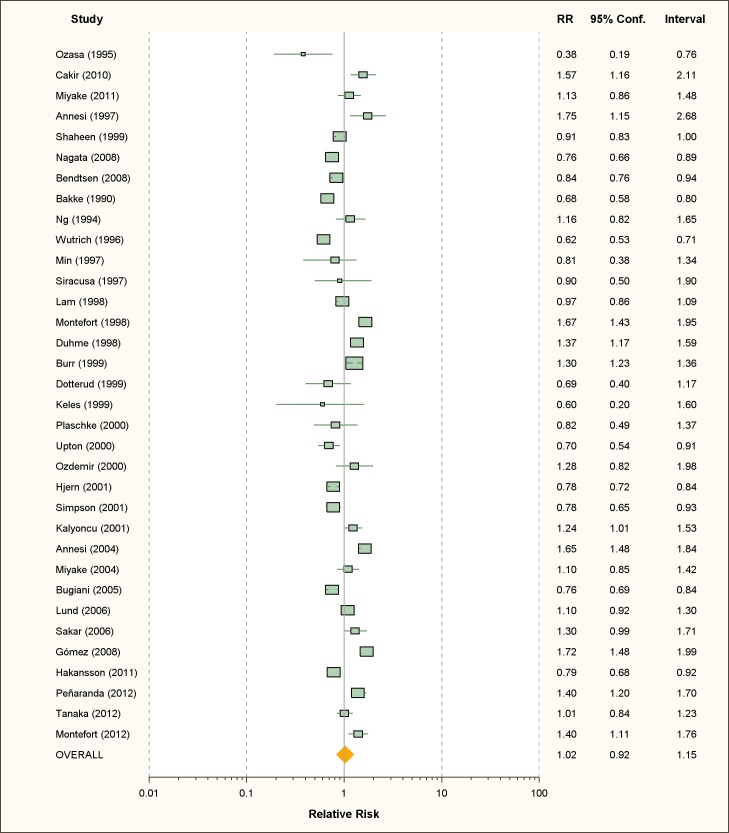
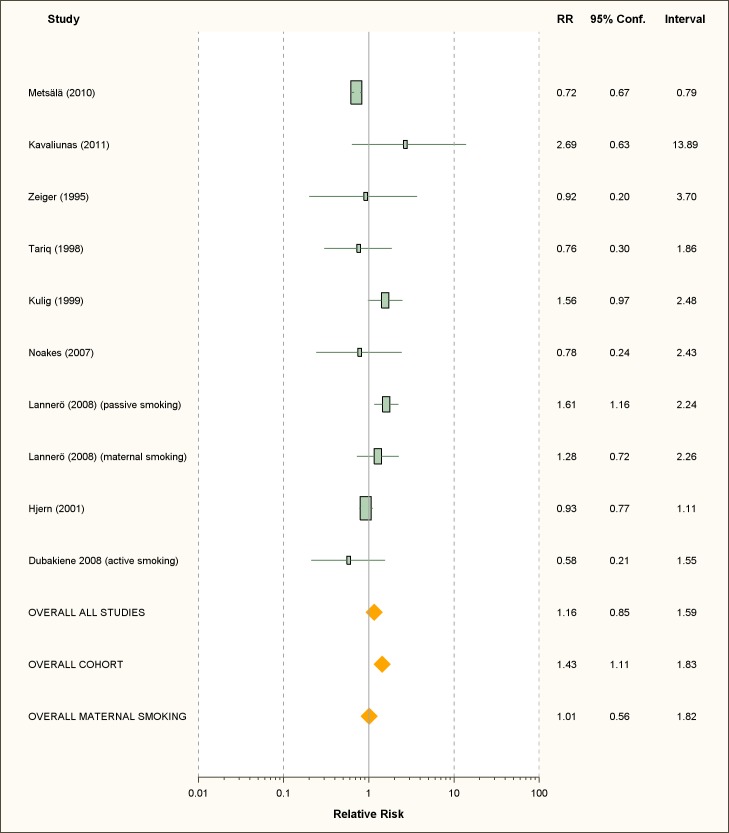
BACKGROUND: Allergic rhinitis, allergic dermatitis, and food allergy are extremely common diseases, especially among children, and are frequently associated to each other and to asthma. Smoking is a potential risk factor for these conditions, but so far, results from individual studies have been conflicting. The objective of this study was to examine the evidence for an association between active smoking (AS) or passive exposure to secondhand smoke and allergic conditions. METHODS AND FINDINGS: We retrieved studies published in any language up to June 30th, 2013 by systematically searching Medline, Embase, the five regional bibliographic databases of the World Health Organization, and ISI-Proceedings databases, by manually examining the references of the original articles and reviews retrieved, and by establishing personal contact with clinical researchers. We included cohort, case-control, and cross-sectional studies reporting odds ratio (OR) or relative risk (RR) estimates and confidence intervals of smoking and allergic conditions, first among the general population and then among children. We retrieved 97 studies on allergic rhinitis, 91 on allergic dermatitis, and eight on food allergy published in 139 different articles. When all studies were analyzed together (showing random effects model results and pooled ORs expressed as RR), allergic rhinitis was not associated with active smoking (pooled RR, 1.02 [95% CI 0.92-1.15]), but was associated with passive smoking (pooled RR 1.10 [95% CI 1.06-1.15]). Allergic dermatitis was associated with both active (pooled RR, 1.21 [95% CI 1.14-1.29]) and passive smoking (pooled RR, 1.07 [95% CI 1.03-1.12]). In children and adolescent, allergic rhinitis was associated with active (pooled RR, 1.40 (95% CI 1.24-1.59) and passive smoking (pooled RR, 1.09 [95% CI 1.04-1.14]). Allergic dermatitis was associated with active (pooled RR, 1.36 [95% CI 1.17-1.46]) and passive smoking (pooled RR, 1.06 [95% CI 1.01-1.11]). Food allergy was associated with SHS (1.43 [1.12-1.83]) when cohort studies only were examined, but not when all studies were combined. The findings are limited by the potential for confounding and bias given that most of the individual studies used a cross-sectional design. Furthermore, the studies showed a high degree of heterogeneity and the exposure and outcome measures were assessed by self-report, which may increase the potential for misclassification. CONCLUSIONS: We observed very modest associations between smoking and some allergic diseases among adults. Among children and adolescents, both active and passive exposure to SHS were associated with a modest increased risk for allergic diseases, and passive smoking was associated with an increased risk for food allergy. Additional studies with detailed measurement of exposure and better case definition are needed to further explore the role of smoking in allergic diseases.
Overview
The claims and statistics of this paper haven’t been checked yet.
Free: it reads the open-access text and checks the first 5 claims that cite a source we can check. Create a free account to check every claim.
Integrity signals
Registry
Cites
Statistics
Figures
Verification
Claims the paper makes
The claims and statistics of this paper haven’t been checked yet.
Free: it reads the open-access text and checks the first 5 claims that cite a source we can check. Create a free account to check every claim.
Claims other papers make about this one
Each is checked against this paper’s own text: does it say what the citing paper says it does?
The source backs part of the claim, not all of it — or backs it for a different population, condition or comparison.
In the citing paper
“However, they did find a significant correlation between active smoking and non-allergic/chronic rhinitis.”
From International Consensus Statement on Allergy and Rhinology: Allergic Rhinitis (2018) · cites this paper as [593]
Experimental — accuracy not yet measuredThe source backs part of the claim, not all of it — or backs it for a different population, condition or comparison.
In the citing paper
“Saulyte et al.593 identified a significant correlation between passive smoke exposure and the development of AR, but no significant relationship between active smoking or maternal prenatal passive smoke exposure and AR.”
From International Consensus Statement on Allergy and Rhinology: Allergic Rhinitis (2018) · cites this paper as [593]
Experimental — accuracy not yet measured
Self-check
Percentages, sums and reported differences re-computed from the paper’s own numbers.
The self-check needs the paper’s full text.
Citations
Cites
Bias in meta-analysis detected by a simple, graphical test
Egger, M., Smith, G. D., Schneider, M., & Minder, C. (1997) · BMJ · doi:10.1136/bmj.315.7109.629 · Cited by 56,722 · cited 1×
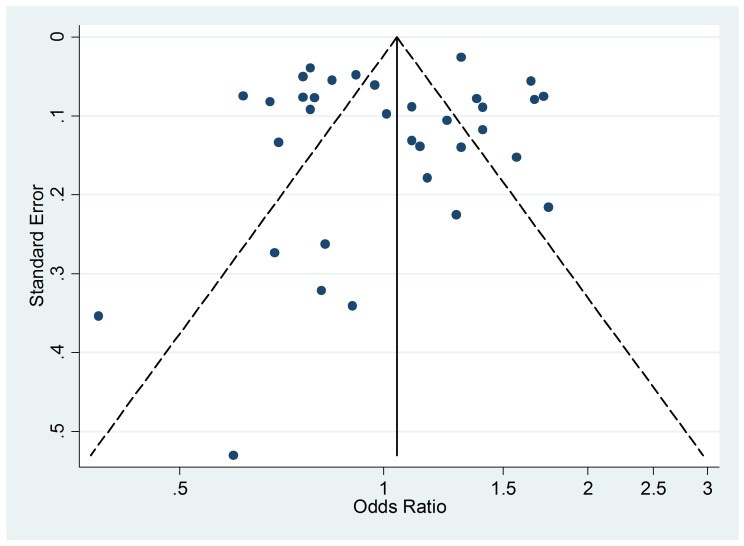
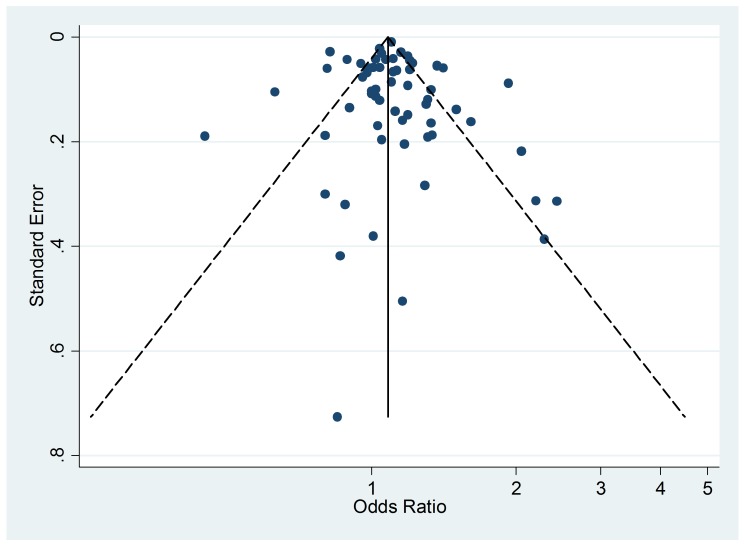
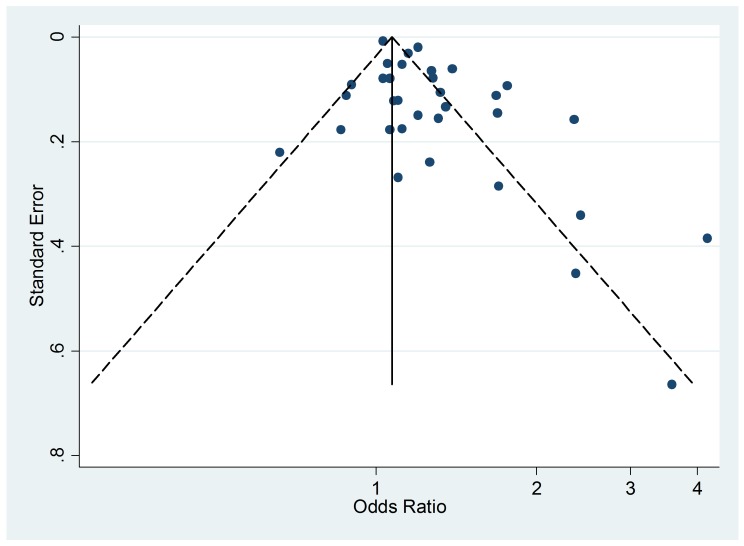
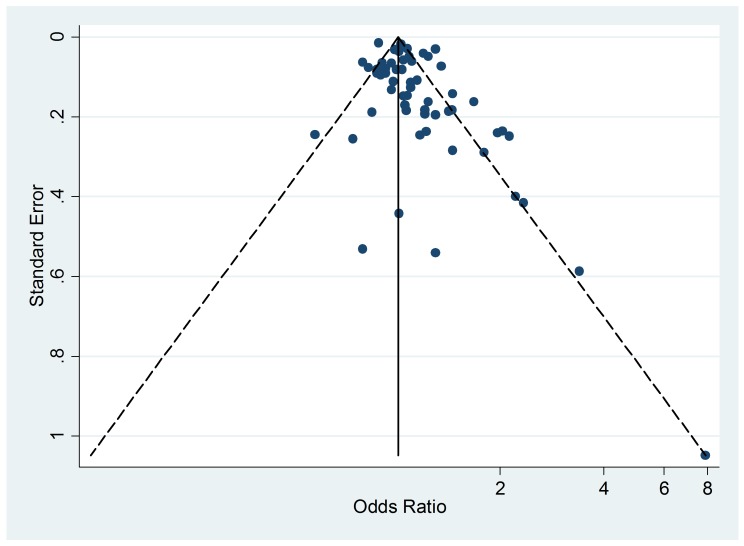
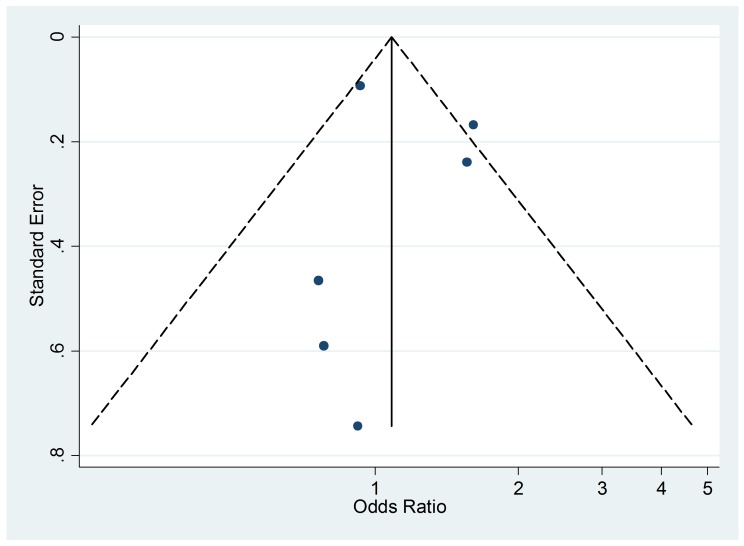
“We assessed publication bias, first visually, using funnel plots and then, more formally, using the test proposed by Egger and colleagues [37].”
Method(2014) · Medical Entomology and Zoology · Cited by 17,633
Asher, M. I., Montefort, S., Björkstén, B., Lai, C. K., Strachan, D. P., Weiland, S. K., & Williams, H. (2006) · The Lancet · doi:10.1016/s0140-6736(06)69283-0 · Cited by 4,223 · cited 1×
“Worldwide, the prevalence of allergic diseases has increased substantially in the last few decades [11,12], which may have two explanations.”
BackgroundRothman, K. J., Greenland, S., & Lash, T. L. (1998) · Cited by 2,096
The prevalence of food allergy: A meta-analysis
Rona, R. J., Keil, T., Summers, C., Gislason, D., Zuidmeer, L., Sodergren, E., Sigurdardottir, S. T., Lindner, T., Goldhahn, K., Dahlstrom, J., et al. (2007) · Journal of Allergy and Clinical Immunology · doi:10.1016/j.jaci.2007.05.026 · Cited by 1,351 · cited 1×
“The prevalence of allergy to any food varies between 3% and 35% [4], while that of allergic dermatitis reaches 20% in many countries [5].”
BackgroundThe International Study of Asthma and Allergies in Childhood (ISAAC)
Asher, & Weiland (1998) · Clinical & Experimental Allergy · doi:10.1046/j.1365-2222.1998.028s5052.x · Cited by 1,190
Prevalence and rate of diagnosis of allergic rhinitis in Europe
Bauchau, V., & Durham, S. R. (2004) · European Respiratory Journal · doi:10.1183/09031936.04.00013904 · Cited by 1,022 · cited 1×
“Indeed, allergic rhinitis affects 10% to 20% of the general population in Europe and the US [1,2] and up to 40% of children [3].”
BackgroundBurke, H., Leonardi-Bee, J., Hashim, A., Pine-Abata, H., Chen, Y., Cook, D. G., Britton, J. R., & McKeever, T. M. (2012) · Pediatrics · doi:10.1542/peds.2011-2196 · Cited by 711
Burden of allergic rhinitis: Results from the Pediatric Allergies in America survey
Meltzer, E. O., Blaiss, M. S., Derebery, M. J., Mahr, T. A., Gordon, B. R., Sheth, K. K., Simmons, A. L., Wingertzahn, M. A., & Boyle, J. M. (2009) · Journal of Allergy and Clinical Immunology · doi:10.1016/j.jaci.2009.05.013 · Cited by 553
Zeiger, R. S., & Heller, S. (1995) · Journal of Allergy and Clinical Immunology · doi:10.1016/s0091-6749(95)70074-9 · Cited by 539
Research works printed but not linked: 5
- Gómez R, Teijeiro A, Zernotti M, Canonica G, Mimessi G, et al (2008) Smoking is a risk factor for having rhinitis in adolescents. Allergy 63: 419.
- Bedolla-Barajas M, Cuevas-Ríos G, García-Barboza E, Barrera-Zepeda AT, Morales-Romero J (2010) Prevalencia y factores asociados a la rinitis alérgica en escolares de Ciudad Guzmán, Mexico. [Prevalence and factors associated to allergic rhinitis among schoolchildren of Ciudad Guzmán, Mexico] Rev Invest Clin 62: 244– 251. 20815130
- Dei-Cas P, Acuña MK, Dei-Cas I (2011) Atopic dermatitis in children: a comparative survey among 2 age groups. Rev Chil Pediatr 82: 410– 418.
- Kavaliūnas A (2011) Padidėjusio jautrumo maisto produktams ir alergijos maistui paplitimas tarp Vilniaus miesto gyventoju˛ [The prevalence of adverse reactions to food and food allergy among Vilnius city (Lithuania) inhabitants] [dissertation]. Vilnius: Institute of Public Health, Vilnius University.
- Merrett TG, Burr ML, Butland BK, Merrett J, Miskelly FG, et al (1988) Infant feeding and allergy: 12-month prospective study of 500 babies born into allergic families. Ann Allergy 61: 13– 20. 3061316
Cited by
Items 101–200 of 250
A Simple Electrostatic Device for Eliminating Tobacco Sidestream Smoke to Prevent Passive Smoking
Matsuda, Y., Kakutani, K., Nonomura, T., Takikawa, Y., Okada, K., Shibao, M., Miyama, K., Yokoo, S., Kusakari, S.-I., & Toyoda, H. (2018) · Instruments · doi:10.3390/instruments2030013 · Cited by 13
“In addition, there is a sufficient evidence to infer a causal relationship between exposure to second-hand smoke and sudden infant death syndrome [4].”
BackgroundCognitive and Quality of Life‐Related Burdens of Illness in Pediatric Allergic Airway Disease
Yamasaki, A., Burks, C. A., & Bhattacharyya, N. (2020) · Otolaryngology · doi:10.1177/0194599820908202 · Cited by 15
“Risk factors for PAA include family history of atopy, male sex, status as the firstborn child, exposure to maternal smoking or indoor aeroallergens, and systemic antibiotic use early in life, although the underlying mechanisms of these risk factors are not well characterized in the literature.(12-15) The potential eff…”
BackgroundAssociation of secondhand smoke exposure with allergic multimorbidity in Korean adolescents
Lee, A., Lee, S. Y., & Lee, K. (2020) · Scientific Reports · doi:10.1038/s41598-020-73430-4 · Cited by 14
Soyiri, I. N., Sheikh, A., Reis, S., Kavanagh, K., Vieno, M., Clemens, T. L., Carnell, E., Pan, J., King, A., Beck, R., et al. (2018) · BMJ Open · doi:10.1136/bmjopen-2018-023289 · Cited by 13
Hypothesis: may e-cigarette smoking boost the allergic epidemic?
Bousquet, J. J., Bachert, C., Alexander, L. E. C., & Leone, F. T. (2016) · Clinical and Translational Allergy · doi:10.1186/s13601-016-0130-y · Cited by 14
“On the other hand, tobacco smoking has a minimal effect on the increased prevalence or severity of allergic rhinitis [4].”
BackgroundThe use of asthma and allergy medicines is associated with exposure to smoking
Thai, P. K., Zheng, Q., Phung, D. T., GARTNER, C. E., Hall, W., Ren, Y., Mueller, J. F., & Thomas, K. V. (2023) · Nature Water · doi:10.1038/s44221-023-00076-7 · Cited by 12
Park, S., Jung, P. K., Choi, M., Seok, H., Kim, H., Oh, S., & Koh, S. B. (2018) · Journal of Occupational Health · doi:10.1539/joh.2017-0234-oa · Cited by 13
Kim, J., Lee, E.-S., Lee, K., & Kim, K. (2018) · Nicotine & Tobacco Research · doi:10.1093/ntr/nty027 · Cited by 12
The environment and food allergy
Lieberman, P., Greenhawt, M., & Nowak-Wegrzyn, A. H. (2018) · Annals of Allergy Asthma & Immunology · doi:10.1016/j.anai.2018.01.010 · Cited by 12
Larsen, A. I., Cederkvist, L., Lykke, A. M., Wagner, P., Johnsen, C. R., & Poulsen, L. K. (2019) · The Journal of Allergy and Clinical Immunology In Practice · doi:10.1016/j.jaip.2019.06.007 · Cited by 11
Cheng, H., Norbäck, D., Zhang, H., Yang, L., Li, B., Zhang, Y., Zhao, Z., Deng, Q., Huang, C., Yang, X., et al. (2023) · Building and Environment · doi:10.1016/j.buildenv.2023.111061 · Cited by 14
Epidemiology of Allergic Diseases
Doll, R. J., Joseph, N., McGarry, D. P., Jhaveri, D. K., Sher, T. H., & Hostoffer, R. (2018) · Springer eBooks · doi:10.1007/978-3-319-58726-4_2-1 · Cited by 12
Qiu, C., Feng, W., An, X., Liu, F., Liang, F., Tang, X., Zhang, P., & Liang, X. (2022) · Frontiers in Public Health · doi:10.3389/fpubh.2022.921089 · Cited by 14
“TheWHO requests countries to ban smoking in enclosed public places, but reducing PS for children at home is also critical, which might mainly rely on non-regulatory measurements, including education and clean air social norms (14).”
BackgroundInfluentialThetkathuek, A., Yingratanasuk, T., Ekburanawat, W., Jaidee, W., & Sa-ngiamsak, T. (2020) · Archives of Environmental & Occupational Health · doi:10.1080/19338244.2020.1819185 · Cited by 11
“When patients smoked, they were exposed to formaldehyde concentrations that could cause dermatitis.(29) The majority of the 323 subjects in our exposed group (66.”
BackgroundHou, W., Guan, F., Chen, W., Qi, J., Huang, S., & Zeng, P. (2024) · BMC Public Health · doi:10.1186/s12889-024-20501-0 · Cited by 12
“Second, we also adjusted for adolescent smoking [40, 41] because smoking can cause asthma and aggravate the symptoms of allergic rhinitis.”
BackgroundWang, S.-G., Yang, P., Liu, H., Wang, Z., Hu, P., Ye, P., Xia, J., & Chen, S. (2023) · Nicotine & Tobacco Research · doi:10.1093/ntr/ntad193 · Cited by 29
Does Tobacco Smoking Affect Vaccine-Induced Immune Response? A Systematic Review and Meta-Analysis
Valeriani, F., Protano, C., Pozzoli, A., Vitale, K., Liguori, F., Liguori, G., & Gallé, F. (2024) · Vaccines · doi:10.3390/vaccines12111260 · Cited by 11
“It also impairs the immune system’s ability to respond to external antigens, increasing the risk of infection [48].”
Comorbidity of ADHD and allergic diseases in early adolescence: The role of parental smoking at home
Wong, R. S. M., Tung, K. T. S., Leung, H. E., Chow, R., Chua, G. T., Ho, M., Tso, W. W. Y., Fung, G. P. G., Tao, V. Q., Kwan, M. Y. W., et al. (2022) · Current Psychology · doi:10.1007/s12144-021-02693-5 · Cited by 10
“Evidence from meta-analysis also support the association between environmental tobacco smoke exposure and allergic diseases such as allergic rhinitis (Saulyte et al., 2014), asthma (Wang et al.”
BackgroundXiao, S., Sahasrabudhe, N. M., Yang, M., Hu, D., Abou‐Sleiman, P. M., Hochstadt, S., Cabral, W., Gilliland, F. D., Gauderman, W., Martínez, F. J. M., et al. (2022) · The Journal of Allergy and Clinical Immunology In Practice · doi:10.1016/j.jaip.2022.10.048 · Cited by 10
Xiao, Q., Ni, Z., Wang, R., Jiang, W., & Yuan, J. (2024) · International Forum of Allergy & Rhinology · doi:10.1002/alr.23414 · Cited by 10
Effect of passive smoking on auditory temporal resolution in children
Durante, A. S., Massa, B., Pucci, B., Gudayol, N., Gameiro, M. S., & Lopes, C. (2017) · International Journal of Pediatric Otorhinolaryngology · doi:10.1016/j.ijporl.2017.03.024 · Cited by 9
Altaii, H. A., & Al-Tae, F. (2020) · Immunological Investigations · doi:10.1080/08820139.2020.1853154 · Cited by 9
“There is evidence in literature that tIgE concentration increases in smokers over non-smokers in AR and AD (Saulyte et al. 2014).”
BackgroundVassilopoulou, Ε., Karastogiannidou, C., Comotti, A., Agostoni, C. V., Maragkou, M., Papadopoulos, N. G., Pasioti, M., Lithoxopoulou, M., Feketea, G. M., Tsabouri, S., et al. (2025) · Allergy · doi:10.1111/all.70054 · Cited by 7
“Among these factors, exposure to tobacco smoke, whether active or passive, has been consistently linked to an increased risk of allergic conditions in children [8–12], thereby heightening the risk of atopic dermatitis and FA in infancy [8].”
Environmental determinants of immune tolerance in asthma and allergy
Karisola, P., & Alenius, H. T. (2025) · Immunology Letters · doi:10.1016/j.imlet.2025.107102 · Cited by 7
Th17/Treg cell imbalance in allergic rhinitis: mechanisms and therapeutic implications
Xiong, Y., Wang, F., Hu, G., Xiao, T., Wu, W., Zhu, X., Li, T., & Zhu, Z. (2026) · Genes and Immunity · doi:10.1038/s41435-026-00378-2 · Cited by 7
“Although different treatment options can be selected according to the patient ’ s allergic symptoms, allergen avoidance is always an important part of treatment [9].”
Ali, A., Hamzaid, N. H., & Ismail, N. A. S. (2021) · Life · doi:10.3390/life11111275 · Cited by 7
“Long exposure to secondhand smoke whether in utero or after birth increases the chances to develop several allergic diseases including food allergy [93].”
BackgroundYan, T., Song, X., Ding, X., Liu, X., Lan, T., Chen, T., Wang, M., & Wang, M. (2023) · Environmental Research · doi:10.1016/j.envres.2023.115713 · Cited by 7
Evaluation of Salivary Alkaline Phosphatase Levels in Passive Smokers of Different Age Groups
Mulla, S. A., Bedia, A. S., Nimmagadda, H. K., Bedia, S. V., & Patil, A. H. (2023) · Cureus · doi:10.7759/cureus.41336 · Cited by 7
“discomforts caused by passive smoking include odor annoyance, nasal irritation, and allergies [2].”
BackgroundNurturing Infants to Prevent Atopic Dermatitis and Food Allergies: A Longitudinal Study
Vassilopoulou, Ε., Rallis, D., Milani, G. P., Agostoni, C. V., Feketea, G. M., Lithoxopoulou, M., Stefanaki, E., Ladomenou, F., Douladiris, N., Cronin, C., et al. (2023) · Nutrients · doi:10.3390/nu16010021 · Cited by 8
“This discovery is consistent with prior studies [26] that underscore the importance of both prenatal and postnatal smoking cessation [27,28].”
ResultKwak, J., Jeong, H., Chun, S., Bahk, J. H., Park, M., Byun, Y., Lee, J., & Yim, H. W. (2017) · BMJ Open · doi:10.1136/bmjopen-2016-013984 · Cited by 7
Smoking effects on quality of life of allergic rhinitis patients after sublingual immunotherapy
Katotomichelakis, M., Tripsianis, G., Daniilidi, A., Cassimos, D., Kourousis, C., Vogiatzaki, T., & Danielides, V. (2015) · Rhinology journal · doi:10.4193/rhin14.245 · Cited by 6
“Augmented reactivity to irritants is a phenotypic characteristic of both nonallergic and allergic rhinitis, but the role of tobacco smoking in rhinitis is still a matter of debate (38).”
BackgroundLin, Y., Zhu, Z., Aodeng, S., Wang, X., Wang, L., Wang, W., & Lv, W. (2024) · Ecotoxicology and Environmental Safety · doi:10.1016/j.ecoenv.2024.117205 · Cited by 7
Dumitru, C. Ș., Zara, F., Novacescu, D., Szekely, D., Iovănescu, D., Iovănescu, G., Pătrașcu, R., & Dumitru, C. (2025) · Life · doi:10.3390/life15081166 · Cited by 13
“While smoking is generally discouraged in pregnancy due to broader fetal risks, its role in nasal pathology provides an additional rationale for cessation counseling in symptomatic patients [14,15].”
Understanding the burden of food allergy among urban and rural school children from north India
Sehgal, S., Gupta, N., Dadha, P., Nagarajan, S., Gupta, R., Verma, M. J., Ibrahim, K., Bilaver, L., Warren, C. M., Sachdev, A., et al. (2024) · World Allergy Organization Journal · doi:10.1016/j.waojou.2024.100916 · Cited by 7
“30 Importantly, this difference in burden may be due to different criteria for determining FA.”
Effect of cannabis smoke condensate on human nasal epithelial cell adhesion, growth, and migration
Rouabhia, M., Piché, M., Hazzi, C., Corriveau, M.-N., & Chakir, J. (2023) · American Journal of Otolaryngology · doi:10.1016/j.amjoto.2023.103890 · Cited by 6
Occupational rhinitis revisited: Emphasis on the risk factors in Saudi industry
Ballal, S. G. (2016) · Saudi Journal of Medicine and Medical Sciences · doi:10.4103/1658-631x.188254 · Cited by 6
A fifteen‐year review of skin allergy testing in Irish patients with symptomatic rhinitis
Nae, A., Hinchion, K., & Keogh, I. J. (2021) · World Journal of Otorhinolaryngology - Head and Neck Surgery · doi:10.1016/j.wjorl.2020.10.001 · Cited by 7
“These include family history of atopy, male sex, birth during the pollen months, early use of antibiotics, parental smoking in the first year of life and early exposure to indoor allergens, such as dust mites.(14,15) It is thought that the presence of each of these factors is associated with a positive likelihood rati…”
BackgroundNugmanova, D., Feshchenko, Y. I., Khegay, Y., Iashyna, L., Gyrina, O., Vasylyev, A., Mustafayev, I., Aliyeva, G., Moibenko, M., Tariq, L., et al. (2021) · Dubai Medical Journal · doi:10.1159/000514318 · Cited by 6
Staff, T. P. M. (2016) · PLoS Medicine · doi:10.1371/journal.pmed.1001939 · Cited by 6
Environmental Pollutants and Food Allergy: From Traditional Triggers to Emerging Hazards
Shi, Q., Gao, X., Zhang, S., Wu, Y., Wu, H., Luo, H., Xie, Y., Zheng, S., Wu, Y., Li, X., et al. (2026) · Clinical Reviews in Allergy & Immunology · doi:10.1007/s12016-026-09142-w · Cited by 5
“One earlier meta-analysis of 139 studies concluded that childhood ETS exposure, but not in utero exposure, was associated with increased FA risk, although included studies were limited by inconsistent FA definitions and small samples sizes [102].”
Edlund, M., Holm, M., Inerot, A., Långsved, L., Dahlman‐Höglund, A., & Hagvall, L. (2024) · Contact Dermatitis · doi:10.1111/cod.14572 · Cited by 5
Esen, M., Demirbaş, A., & Diremsizoğlu, E. (2025) · Archives of Dermatological Research · doi:10.1007/s00403-025-04231-w · Cited by 6
Factors associated with the severity of childhood rhinoconjunctivitis
Yoshida, K., Sasaki, M., Adachi, Y., Itazawa, T., Odajima, H., Saito, H., & Akasawa, A. (2015) · Allergology International · doi:10.1016/j.alit.2015.10.006 · Cited by 9
Concealing Emotions at Work Is Associated with Allergic Rhinitis in Korea
Seok, H., Yoon, J., Won, J., Lee, W., Lee, J., Jung, P. K., & Roh, J. (2015) · The Tohoku Journal of Experimental Medicine · doi:10.1620/tjem.238.25 · Cited by 5
“Others have shown that AR is related to age (Park et al. 2009), smoking (Saulyte et al. 2014), alcohol consumption (Bendtsen et al. 2008), obesity (Irei et al. 2005), residential area (Sly 2002), socioeconomic status (Sly 2002), and various occupational factors (Ng and Tan 1994).”
The association between airline flight and sinonasal symptoms
Shargorodsky, J., Zheng, L. Y., Stillman, F. A., Soong, A., Navas‐Acién, A., & Reh, D. D. (2016) · International Forum of Allergy & Rhinology · doi:10.1002/alr.21647 · Cited by 5
Meena, C., Poddar, M., Sharma, B. S., Devpura, K., & Meena, M. (2016) · Indian Journal of Allergy Asthma and Immunology · doi:10.4103/0972-6691.187562 · Cited by 5
“Meta‐analysis has reported a significant association of allergic rhinitis and passive smoking.[27] Age is an important effect modifier for the relation between tobacco exposure and risk of allergic diseases.”
BackgroundSecondhand smoke effects on rhinoconjunctivitis and sleep quality in an adolescent asthma study
Lin, Y., Lin, M.-H., Wu, K., & Lee, Y. L. (2020) · Annals of Allergy Asthma & Immunology · doi:10.1016/j.anai.2020.08.014 · Cited by 5
Takikawa, Y., Kakutani, K., Matsuda, Y., Nonomura, T., Kusakari, S.-I., & Toyoda, H. (2019) · Preprints.org · doi:10.20944/preprints201905.0256.v1 · Cited by 5
Passive smoking and allergic diseases in childhood: a systematic review
Ikeda, M., Kikkawa, T., Korematsu, S., Suzuki, S., Terada, A., & Fujii, Y. (2021) · Nihon Shoni Arerugi Gakkaishi The Japanese Journal of Pediatric Allergy and Clinical Immunology · doi:10.3388/jspaci.35.152 · Cited by 4
Social Determinants of Health and Allergic Disease Prevalence Among Asian American Children
Le, A. D., Bui, V., Chu, R., Arroyo, A. C., Chen, M., & Bacong, A. M. (2024) · Journal of Racial and Ethnic Health Disparities · doi:10.1007/s40615-024-01918-0 · Cited by 4
“A meta-analysis of cross-sectional studies found that secondhand smoke exposure has been associated with both skin allergy and respiratory allergy among children [34].”
Le tabagisme passif chez l’enfant et les risques allergiques
Labbé, G., Egron, C., & Labbé, A. (2020) · Revue française d'allergologie · doi:10.1016/j.reval.2020.02.231 · Cited by 7
Yin, X., Wang, B., Yan, Z., Hu, L., & Zhang, X. (2021) · Journal of Clinical Laboratory Analysis · doi:10.1002/jcla.23828 · Cited by 4
Prevention of Asthma and Allergic Diseases During Childhood
Leonard, S. A. (2018) · Springer eBooks · doi:10.1007/978-3-030-03395-8_13 · Cited by 4
Lee, M.-H., Wu, M., Wang, Y., & Wei, J. C. (2023) · PLoS ONE · doi:10.1371/journal.pone.0292594 · Cited by 3
“Several risk factors have been identified or proposed for AR, including genetic inheritance or environmental exposures [8, 9], but the populations at risk of developing into AR is a matter of ongoing research.”
BackgroundSensitisation profile to pollen allergens of selected grass and tree species in Filipino communities
Punay, J., Lucas, M. F., Arpon, I. M., Jalbuena, Q., Albano, P. M., & Sabit, M. B. (2024) · Grana · doi:10.1080/00173134.2024.2316045 · Cited by 3
“These fi ndings contribute to the consensus that secondhand smokers are rendered more vulnerable to the negative effects of smoking than smokers (Azalim et al. 2014; Saulyte et al. 2014; Flex-eder et al. 2019).”
BackgroundTakikawa, Y., Kakutani, K., Matsuda, Y., Nonomura, T., Kusakari, S.-I., & Toyoda, H. (2019) · Journal of Agricultural Science · doi:10.5539/jas.v11n18p1 · Cited by 3
“3 2018b) in tobacco smoke that can cause disease, disability, and death (Schlesinger et al., 2007; Cao et al., 2015; Saulyte et al., 2014).”
BackgroundAssociations with Home Environment for Asthma, Rhinitis and Dermatitis
Wang, J. (2019) · Current topics in environmental health and preventive medicine · doi:10.1007/978-981-32-9182-9_3 · Cited by 3
Shin, Y. N., & Cho, H. (2020) · Journal of the Korean Society for Research on Nicotine and Tobacco · doi:10.25055/jksrnt.2020.11.2.48 · Cited by 3
Kotova, N. V., Starets, O. O., & Kovalenko, D. A. (2022) · CHILD`S HEALTH · doi:10.22141/2224-0551.16.5.2021.239717 · Cited by 3
The Association of Smoking with Contact Dermatitis: A Cross-Sectional Study
Alotaibi, G. F., Alsalman, H. H., Alhallaf, R. A., Ahmad, R. A., Alshareef, H. A., Muammar, J. M., Alsaif, F., Alotaibi, F. F., Balaha, M. F. H., Ahmed, N. J., et al. (2023) · Healthcare · doi:10.3390/healthcare11030427 · Cited by 3
“Another systematic review and meta-analysis found that allergic dermatitis was associated with active and passive smoking [24].”
BackgroundPhysiology of the Aging Nose and Geriatric Rhinitis
Eliyan, Y., Varga-Huettner, V. E., & Pinto, J. M. (2023) · Springer eBooks · doi:10.1007/978-3-031-12386-3_14 · Cited by 4
Prester, L., Varnai, V. M., & Macan, J. (2015) · Archives of Industrial Hygiene and Toxicology · doi:10.1515/aiht-2015-66-2555 · Cited by 3
Decomposition of passive smoking inequality in Iranian children and adolescents: the CASPIAN-V Study
Rarani, M. A., Heshmat, R., Djalalinia, S., Motlagh, M. E., Ziaodini, H., Mahdavi‐Gorabi, A., Taheri, M., Ahadi, Z., Qorbani, M., & Kelishadi, R. (2019) · Environmental Science and Pollution Research · doi:10.1007/s11356-019-05146-6 · Cited by 3
Survey of Secondhand Smoke for 3‐Year‐Old Children in the Current Era of New Tobacco Products
Muta, H., & Noda, T. (2025) · Acta Paediatrica · doi:10.1111/apa.17584 · Cited by 2
“The health hazards of secondhand tobacco smoke exposure, such as sudden infant death syndrome, the onset and exacerbation of asthma, allergic rhinitis, reduced pulmonary function, otitis media and lower respiratory tract infections are well-documented, particularly in children [1–6].”
Lifestyle and environmental risk factors for comorbidities in adolescents with asthma
Rodríguez, E. M. V., Vázquez-Rodríguez, C. F., Nava, F. V., Escobedo, R. D. L., Betancourt, N. V. O., Castillo-Ruíz, O., Altamira‐García, J., & Ávila, J. P. (2025) · Journal of Asthma · doi:10.1080/02770903.2025.2526377 · Cited by 2
Jończyk, K., Kicman, A., Michalska‐Falkowska, A., Śniadach, J., & Waszkiewicz, N. (2025) · Frontiers in Molecular Biosciences · doi:10.3389/fmolb.2025.1675523 · Cited by 2
Prevalence of Allergic Rhinitis and Risk Factors in School Children
Ayanoğlu, M., Can, D., Nacaroğlu, H. T., Günay, İ., Kamalı, H., Karkıner, C. Ş. Ü., Özdemir, A., Doğan, D., & Erdem, S. B. (2021) · Trends in Pediatrics · doi:10.5222/tp.2021.21939 · Cited by 2
Skin Dialogues in Atopic Dermatitis
Porumb‐Andrese, E., Costea, C. F., Cucu, A. I., Rusu-Zota, G., Branisteanu, D. E., Porumb, V., Scutariu, M. M., Dorobanțu, A. M., & Ursu, R. G. (2022) · Diagnostics · doi:10.3390/diagnostics12081889 · Cited by 2
“Numerous predisposing risk factors have been described for AR, such as history of allergic diseases, early-life antibiotic use, male sex, maternal smoking, elevated serum IgE levels, and indoor allergen exposure [13].”
BackgroundAwareness on passive smoking among Indian adults
Sivasubramanian, N. (2023) · Bioinformation · doi:10.6026/97320630019010 · Cited by 2
Ziyab, A. H., Ali, Y. M., Zein, D., Al-Kandari, M., Holloway, J. W., & Karmaus, W. (2024) · Allergy Asthma and Clinical Immunology · doi:10.1186/s13223-024-00907-6 · Cited by 2
“Similarly, smoking and obesity have been shown to be risk factors for the development of allergic diseases [39–41].”
BackgroundYu, Y., & Yan, J. (2024) · European journal of medical research · doi:10.1186/s40001-024-02210-x · Cited by 2
“Notably, exposure to second-hand smoke can increase the risk of allergic diseases, including allergic rhinitis [8].”
Effects of Dietary Yogurt: Changes in Blood Components on Healthy Men Smokers
Kim, H., Kweon, C., Kim, B., Kim, S.-H., & Ryu, J. (2020) · Korean Journal of Clinical Laboratory Science · doi:10.15324/kjcls.2020.52.2.105 · Cited by 2
“smoking is related to allergy occurrence [24, 25].”
Comparing hypertonic saline and xylometazoline in allergic rhinitis
Sinha, O., & Deswal, M. (2015) · International Journal of Research in Medical Sciences · doi:10.18203/2320-6012.ijrms20151411 · Cited by 2
ASI Eksklusif sebagai Faktor Protektif Rinitis Alergi pada Anak
Wuryanti, T., Sumadiono, S., & Wibowo, T. (2016) · Sari Pediatri · doi:10.14238/sp17.1.2015.59-63 · Cited by 2
Ferreira, J., Costeira, M., Rebelo, A., Santalha, M., Silva, A., & Costa, A. (2016) · Nascer e crescer · doi:10.25753/birthgrowthmj.v27.i2.10447 · Cited by 26
Smoking exposure and allergic rhinitis in children and adolescents
Choi, B. S., Kim, H. H., Kim, H., Rha, Y.-H., Park, Y., Sung, M., Shin, Y. H., Yum, H. Y., Lee, K. S., Lee, Y. J., et al. (2022) · Allergy Asthma & Respiratory Disease · doi:10.4168/aard.2022.10.4.189 · Cited by 2
Alergia alimentaria y contaminación ambiental
Urrutia‐Pereira, M., & Solé, D. (2023) · Revista Alergia México · doi:10.29262/ram.v70i4.1342 · Cited by 2
Síndrome polen-alimento (síndrome de alergia por vía oral)
Gutiérrez, M. I. R., & González, D. B. (2023) · Revista Alergia México · doi:10.29262/ram.v70i4.1315 · Cited by 1
[Analysis of allergen distribution and indoor factors in allergic rhinitis in Chaoshan area].
Shen, Y., Zhuang, X., Li, C., & Yao, D. (2024) · PubMed Central · doi:10.13201/j.issn.2096-7993.2024.07.016 · Cited by 1
Parental stress and environmental influences on children's physician-diagnosed food allergy
Lu, C., Jiang, Y., Wang, L., Lan, M., & Wang, F. (2024) · Building and Environment · doi:10.1016/j.buildenv.2024.112328 · Cited by 1
Khalaf, A. B. A., Aljerayed, M. K., Alsuliman, M., Alkhalifah, S. N. A., Alghazal, S. F., & AlHaddad, H. M. (2025) · Cureus · doi:10.7759/cureus.87733 · Cited by 2
“The lack of significant differences in smoking status between cases and controls contrasts with some studies that have identified smoking as a risk factor for AR exacerbation, though not necessarily its prevalence [21].”
Ygual, G. C., Delgado-Prada, A., & Gascón, F. (2025) · Allergies · doi:10.3390/allergies5030026 · Cited by 1
“Additionally, certain environmental factors—such as tobacco exposure and low vitamin D levels—have been associated with increased risk of both MS and allergic diseases and may promote immune deviation toward either autoimmune or allergic phenotypes [3,43,44].”
Alberba, I. J. P., Solis, S. M. M., Base, J. M. M. R., Julia, N. O., Villanueva, J. R. F., Patanindagat, C. Y., Sabit, M. B., & Ramos, J. D. (2025) · Asia Pacific Allergy · doi:10.5415/apallergy.0000000000000212 · Cited by 2
“Cigarette smoke, while devoid of allergenic molecules itself, increases the risk of sensitization to indoor allergens by altering the airway epithelium, reducing its protective barrier function [32].”
Tian, Y., Sun, W., & Song, J. (2025) · Frontiers in Nutrition · doi:10.3389/fnut.2025.1655316 · Cited by 1
Yırgın, K., & Çelıksoy, M. H. (2025) · IntechOpen eBooks · doi:10.5772/intechopen.1012804 · Cited by 1
Reyes, P. W. C., Wigmann, C., Kress, S., Schwender, H. R., & Schikowski, T. (2026) · Scientific Reports · doi:10.1038/s41598-025-32501-0 · Cited by 1
“Among the 450 participants with available genetic data, 94 (20.89”
InfluentialSecondhand smoke exposure and human health: an umbrella review
Zhang, S., Li, S., Yang, X., Cheng, Z., Zhou, T. Y., Xu, B., Yang, Z., Wu, W., Liao, H., Huang, J., et al. (2026) · Nature Human Behaviour · doi:10.1038/s41562-026-02480-x · Cited by 1
Mustakov, T. B., Popov, T. A., Kralimarkova, T. Z., Staevska, M. T., & Dimitrov, V. D. (2016) · World Allergy Organization Journal · doi:10.1186/s40413-016-0103-6 · Cited by 1
“To our knowledge we are the first to use such a real life based design [10–12].”
MethodHidaka, T., Kobayashi, E. H., & Yamamoto, M. P. (2016) · Springer eBooks · doi:10.1007/978-4-431-56068-5_20 · Cited by 1
Morillo, D., Avilés, A. M. O., Rodas-Espinoza, C., Jimbo, D. P. C., Carpio, G. A. Z., García, A. A. G., Loyola, A. C. C., & Andrade, S. (2017) · Revista Médica HJCA · doi:10.14410/2017.9.3.ao.39 · Cited by 1
Kryukov, A. I., Bondareva, G. P., & Nguyen, T. P. T. (2019) · Biomedical Research and Therapy · doi:10.15419/bmrat.v6i11.576 · Cited by 1
Widuri, A., & Triwulandari, K. (2020) · Open Access Macedonian Journal of Medical Sciences · doi:10.3889/oamjms.2020.5277 · Cited by 1
“Significant impacts have been identified between tobacco smoke exposure and chronic sinusitis [3], asthma [4], allergic dermatitis, food allergy, and allergic rhinitis [5], [6].”
BackgroundAllergic rhinitis is a seasonal trouble and off-seasonal problem
Федоскова, Т. Г., Свистушкин, В. М., & Александровна, Ш. Е. (2016) · Russian Journal of Allergy · doi:10.36691/rja390 · Cited by 1
Wang, Y., Wu, P., Su, H., Wang, C.-Y., & Hsu, L. (2021) · Indian Journal of Dermatology · doi:10.4103/ijd.ijd_452_17 · Cited by 1
Association Between Active or Passive Smoking and Allergic Rhinitis: an Evidence-Based Case Report
Reksodiputro, L. A., Mufida, T., Poerbonegoro, N. L., & Reksodiputro, M. H. (2021) · eJournal Kedokteran Indonesia · doi:10.23886/ejki.9.22.56 · Cited by 1
Hatha Yoga Effect on Airway Resistances of Tobacco Smokers with Allergic Rhinitis
Chellaa, R. (2017) · Journal of Yoga and Physiotherapy · doi:10.19080/jyp.2017.02.555594 · Cited by 1
“Significant associations have been suggested between tobacco smoke exposure and chronic sinusitis [51], asthma [52] and allergic rhinitis [53].”
BackgroundAllergic Rhinitis and Chronic Rhinosinusitis
Kloepfer, K. M., Singh, A., & Ramakrishnan, V. R. (2022) · Respiratory medicine · doi:10.1007/978-3-030-87104-8_4 · Cited by 3
Risk factors and protective factors in pediatric patients with allergic rhinitis
Chun, Y. H., Kim, M., Kim, H., Rha, Y.-H., Park, Y., Park, Y. M., Sung, M., Shin, Y. H., Yum, H. Y., Lee, K. S., et al. (2022) · Allergy Asthma & Respiratory Disease · doi:10.4168/aard.2022.10.2.73 · Cited by 1
Allergic rhinitis facts from an Irish pediatric population
Nae, A., Heffernan, C., & Colreavy, M. (2023) · World Journal of Otorhinolaryngology - Head and Neck Surgery · doi:10.1002/wjo2.105 · Cited by 2
Нилюфар, Х., Жемисбай, Б., & Ринат, Г. (2024) · Международный журнал научной педиатрии · doi:10.56121/2181-2926-2023-2-11-385-392 · Cited by 1
Metadata
- Authors
- Saulyte, J., Regueira, C., Montes-Martínez, A., Khudyakov, P., & Takkouche, B.
- Affiliations
- Harvard University (US)
- Universidade de Santiago de Compostela (ES)
- Corresponding author
- Takkouche, Bahi
- ORCID
- Takkouche, Bahi
- Venue
- PLoS Medicine
- Publisher
- Public Library of Science (PLoS)
- Published
- 2014-03-11
- Volume
- 11
- Issue
- 3
- Pages
- e1001611
- ISSN
- 1549-1277 (ISSN-L)
- 1549-1676
- PMC
- PMC3949681
- OpenAlex
- W1987627943
- Cited by
- 246
- References
- 218
- Citations by year
- 2026: 14 · 2025: 18 · 2024: 28 · 2023: 29 · 2022: 18 · 2021: 19 · 2020: 23 · 2019: 19 · 2018: 21 · 2017: 15 · 2016: 17 · 2015: 19 · 2014: 2
- FWCI
- 2.07
- Type
- journal article
- Language
- en
- Update notices
- correction (2016-02-02)
- Open access
- gold
- doi.org
- Locations
- PLoS Medicine (publishedVersion, cc-by)
- Europe PMC (PubMed Central) (publishedVersion, cc-by)
- PubMed Central (publishedVersion, cc-by)
- PubMed (publishedVersion)
- Digital Access to Scholarship at Harvard (DASH) (Harvard University) (submittedVersion, cc-by)
- LA Referencia (Red Federada de Repositorios Institucionales de Publicaciones Científicas) (submittedVersion, cc-by)
- DOAJ (DOAJ: Directory of Open Access Journals) (submittedVersion, cc-by-sa)
- Figshare (submittedVersion, cc-by)
- Hispana (submittedVersion, cc-by)
- Repositorio institucional da Universidade de Santiago de Compostela (University of Santiago de Compostela) (submittedVersion, other-oa)
- Topics
- Health Sciences › Medicine › Public Health, Environmental and Occupational Health › Smoking Behavior and Cessation
- Health Sciences › Medicine › Pulmonary and Respiratory Medicine › Asthma and respiratory diseases
- Health Sciences › Medicine › Immunology and Allergy › Allergic Rhinitis and Sensitization
- Keywords
- active smoking, passive smoking, allergic rhinitis, allergic dermatitis, food allergy, allergic diseases, children, adolescents, adults, risk factors, asthma comorbidity, tobacco control, smoking cessation counseling, smoking cessation interventions, smoking cessation barriers
- MeSH terms
- Adolescent, Adult, Child, Dermatitis, Female, Food Hypersensitivity, Humans, Male, Rhinitis, Allergic, Perennial, Smoking, Tobacco Smoke Pollution, Rhinitis, Allergic
About these checks
Registry, retraction, Cites and statistics results are computed, not judged, with one exception: a printed reference that no index lists is read once by a model before it counts as a citation error. Claims are extracted by a model and kept only when their quote appears verbatim in the text; each cited source is then checked, with a model’s help, for whether it says what the claim relies on. Those verdicts can be wrong — read the claim’s quote and the cited source before relying on one.
Statistics and arithmetic are recomputed, not judged.
Confidence bands are shown only for fields calibrated on our annotated test set. None is calibrated yet, so no band is shown.
What counts as a claim ›How we measure confidence ›How we check this ›
Are you an author, or do you see a problem with this page? Request a review
Data sources
Bibliographic data: Semantic Scholar, OpenAlex, Crossref.
Contains information from the Semantic Scholar Academic Graph Datasets, made available under the ODC Attribution License (ODC-BY 1.0).
Semantic Scholar’s data is described in: Kinney, R., et al. (2023). The Semantic Scholar Open Data Platform. arXiv:2301.10140.
