

Comparative impact of pharmacological treatments for gestational diabetes on neonatal anthropometry independent of maternal glycaemic control: A systematic review and meta-analysis
Open accessThe DOI matches its Crossref record; 77 of the 78 references it cites were found in a registry or an index.
Abstract
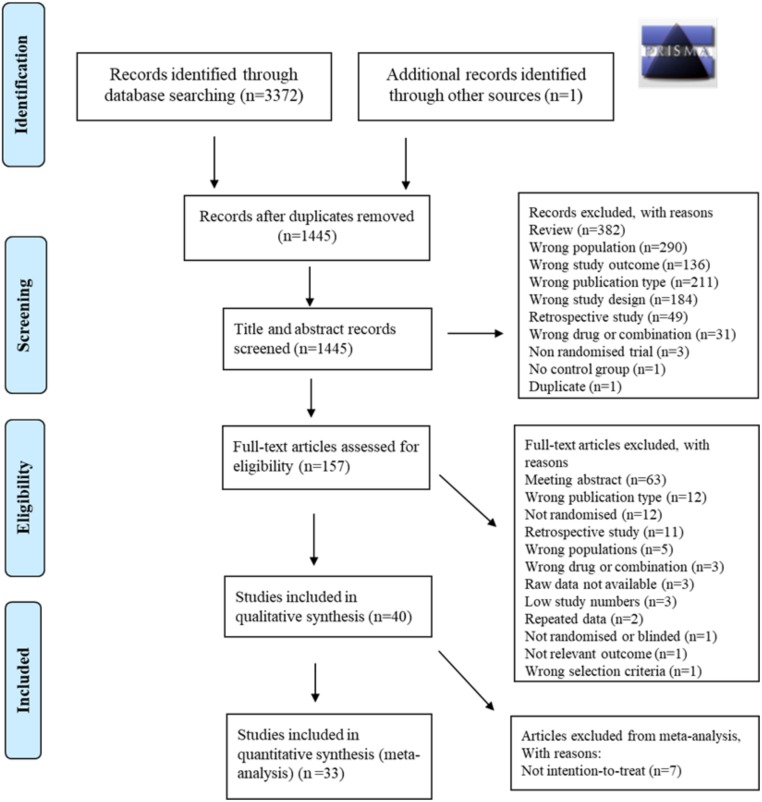
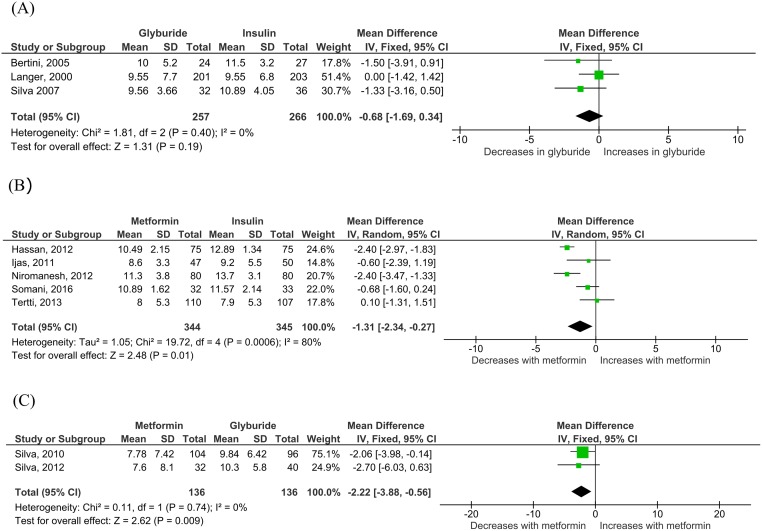
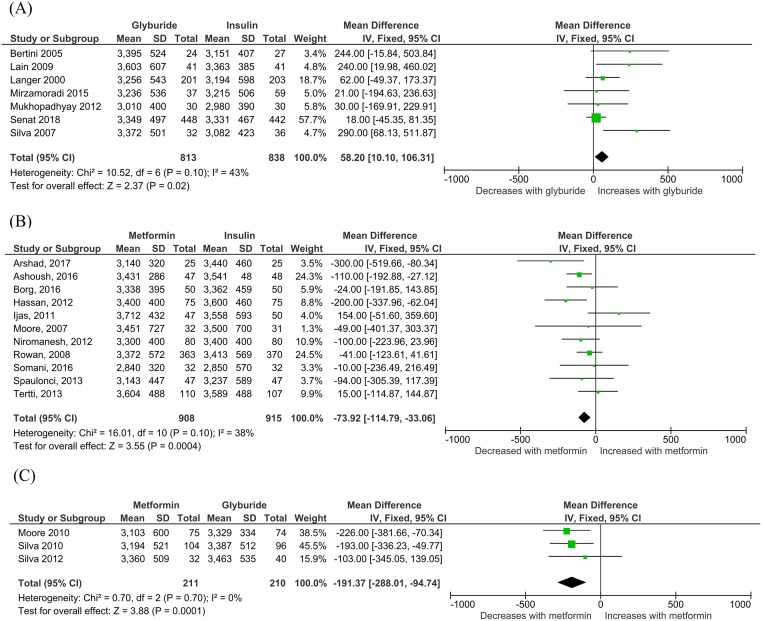
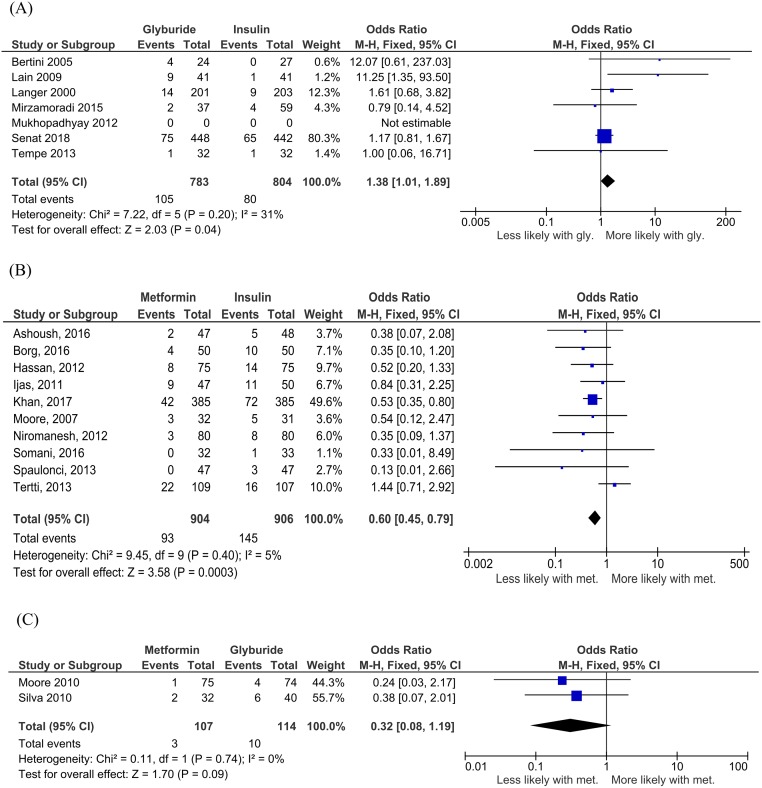
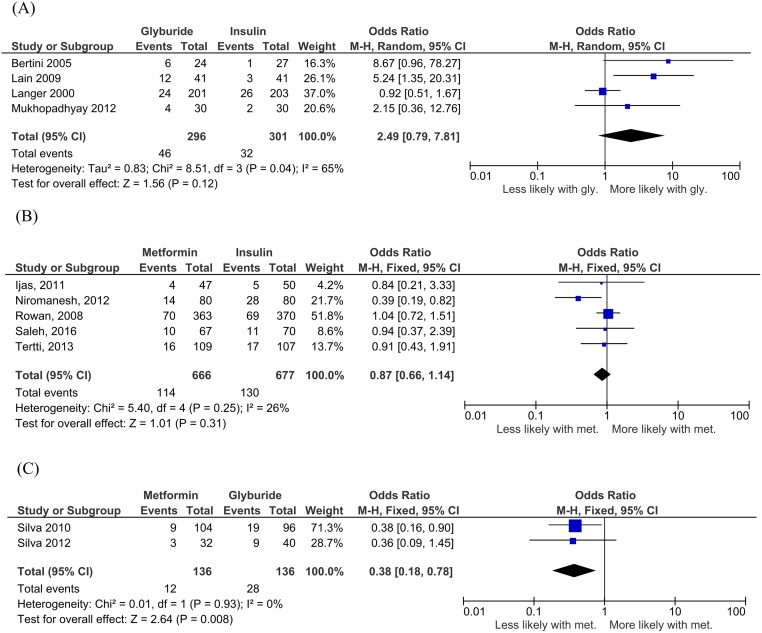
BACKGROUND: Fetal growth in gestational diabetes mellitus (GDM) is directly linked to maternal glycaemic control; however, this relationship may be altered by oral anti-hyperglycaemic agents. Unlike insulin, such drugs cross the placenta and may thus have independent effects on fetal or placental tissues. We investigated the association between GDM treatment and fetal, neonatal, and childhood growth. METHODS AND FINDINGS: PubMed, Ovid Embase, Medline, Web of Science, ClinicalTrials.gov, and Cochrane databases were systematically searched (inception to 12 February 2020). Outcomes of GDM-affected pregnancies randomised to treatment with metformin, glyburide, or insulin were included. Studies including preexisting diabetes or nondiabetic women were excluded. Two reviewers independently assessed eligibility and risk of bias, with conflicts resolved by a third reviewer. Maternal outcome measures were glycaemic control, weight gain, and treatment failure. Offspring anthropometric parameters included fetal, neonatal, and childhood weight and body composition data. Thirty-three studies (n = 4,944), from geographical locations including Europe, North Africa, the Middle East, Asia, Australia/New Zealand, and the United States/Latin America, met eligibility criteria. Twenty-two studies (n = 2,801) randomised women to metformin versus insulin, 8 studies (n = 1,722) to glyburide versus insulin, and 3 studies (n = 421) to metformin versus glyburide. Eleven studies (n = 2,204) reported maternal outcomes. No differences in fasting blood glucose (FBS), random blood glucose (RBS), or glycated haemoglobin (HbA1c) were reported. No studies reported fetal growth parameters. Thirty-three studies (n = 4,733) reported birth weight. Glyburide-exposed neonates were heavier at birth (58.20 g, 95% confidence interval [CI] 10.10-106.31, p = 0.02) with increased risk of macrosomia (odds ratio [OR] 1.38, 95% CI 1.01-1.89, p = 0.04) versus neonates of insulin-treated mothers. Metformin-exposed neonates were born lighter (-73.92 g, 95% CI -114.79 to -33.06 g, p < 0.001) with reduced risk of macrosomia (OR 0.60, 95% CI 0.45-0.79, p < 0.001) than insulin-exposed neonates. Metformin-exposed neonates were born lighter (-191.73 g, 95% CI -288.01 to -94.74, p < 0.001) with a nonsignificant reduction in macrosomia risk (OR 0.32, 95% CI 0.08-1.19, I2 = 0%, p = 0.09) versus glyburide-exposed neonates. Glyburide-exposed neonates had a nonsignificant increase in total fat mass (103.2 g, 95% CI -3.91 to 210.31, p = 0.06) and increased abdominal (0.90 cm, 95% CI 0.03-1.77, p = 0.04) and chest circumferences (0.80 cm, 95% CI 0.07-1.53, p = 0.03) versus insulin-exposed neonates. Metformin-exposed neonates had decreased ponderal index (-0.13 kg/m3, 95% CI -0.26 to -0.00, p = 0.04) and reduced head (-0.21, 95% CI -0.39 to -0.03, p = 0.03) and chest circumferences (-0.34 cm, 95% CI -0.62 to -0.05, p = 0.02) versus the insulin-treated group. Metformin-exposed neonates had decreased ponderal index (-0.09 kg/m3, 95% CI -0.17 to -0.01, p = 0.03) versus glyburide-exposed neonates. Study limitations include heterogeneity in dosing, heterogeneity in GDM diagnostic criteria, and few studies reporting longitudinal growth outcomes. CONCLUSIONS: Maternal randomisation to glyburide resulted in heavier neonates with a propensity to increased adiposity versus insulin- or metformin-exposed groups. Metformin-exposed neonates were lighter with reduced lean mass versus insulin- or glyburide-exposed groups, independent of maternal glycaemic control. Oral anti-hyperglycaemics cross the placenta, so effects on fetal anthropometry could result from direct actions on the fetus and/or placenta. We highlight a need for further studies examining the effects of intrauterine exposure to antidiabetic agents on longitudinal growth, and the importance of monitoring fetal growth and maternal glycaemic control when treating GDM. This review protocol was registered with PROSPERO (CRD42019134664/CRD42018117503).
Overview
The claims and statistics of this paper haven’t been checked yet.
Free: it reads the open-access text and checks the first 5 claims that cite a source we can check. Create a free account to check every claim.
Integrity signals
Registry
Cites
Statistics
Figures
Verification
Claims the paper makes
The claims and statistics of this paper haven’t been checked yet.
Free: it reads the open-access text and checks the first 5 claims that cite a source we can check. Create a free account to check every claim.
Claims other papers make about this one
Each is checked against this paper’s own text: does it say what the citing paper says it does?
The source backs part of the claim, not all of it — or backs it for a different population, condition or comparison.
In the citing paper
“In meta-analyses and systematic reviews, glyburide was associated with a higher rate of neonatal hypoglycemia, macrosomia, and increased neonatal abdominal circumference than insulin or metformin (78,79).”
From 15. Management of Diabetes in Pregnancy: Standards of Care in Diabetes—2024 (2024) · cites this paper as [79]
Experimental — accuracy not yet measured
Self-check
Percentages, sums and reported differences re-computed from the paper’s own numbers.
The self-check needs the paper’s full text.
Citations
Cites
Preferred Reporting Items for Systematic Reviews and Meta-Analyses: the PRISMA statement
Moher, D., Liberati, A., Tetzlaff, J., Altman, D. G., & for the PRISMA Group (2009) · BMJ · doi:10.1136/bmj.b2535 · Cited by 83,823
Preferred reporting items for systematic reviews and meta-analyses: the PRISMA Statement.
(2009) · PubMed Central · Cited by 44,859
Preferred reporting items for systematic reviews and meta-analyses: The PRISMA statement
Moher, D., Liberati, A., Tetzlaff, J., Altman, D. G., & the PRISMA Group* (2009) · Annals of Internal Medicine · doi:10.7326/0003-4819-151-4-200908180-00135 · Cited by 37,554
Hyperglycemia and adverse pregnancy outcomes
(2008) · New England Journal of Medicine · doi:10.1056/nejmoa0707943 · Cited by 5,563
Elective induction versus spontaneous labor after sonographic diagnosis of fetal macrosomia.
Combs, C. A., Singh, N. B., & Khoury, J. C. (1993) · PubMed · Cited by 2,500
OWEN, M. R., DORAN, E., & HALESTRAP, A. P. (2000) · Biochemical Journal · doi:10.1042/bj3480607 · Cited by 2,157 · cited 1×
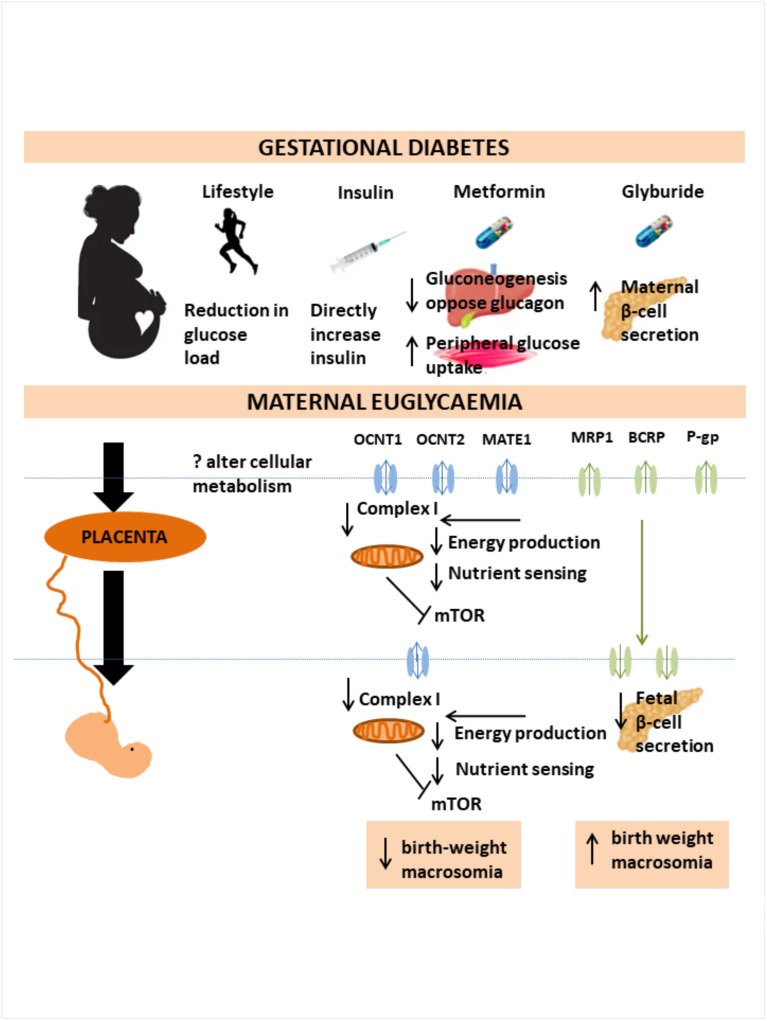
“Metformin reduces cellular energy production via inhibition of complex I of the mitochondrial electron transport chain, leading to an increase in both ADP/ATP and AMP/ATP ratios, inhibiting (mTOR) actions and down-regulating pathways associated with cell growth and proliferation [69,70].”
BackgroundMetformin versus insulin for the treatment of gestational diabetes
Rowan, J. A., Hague, W. M., Gao, W., Battin, M. R., & Moore, M. P. (2008) · New England Journal of Medicine · doi:10.1056/nejmoa0707193 · Cited by 1,291 · cited 8×
“The majority of studies randomised women between 20 and 36 weeks of gestation [31,32,34,42,43,44,48,49,50,51,52,53,54,58], although others [36– 39,55] randomised women between 11 and 33 weeks of gestation.”
BackgroundMethodResultInfluentialA comparison of glyburide and insulin in women with gestational diabetes mellitus
Langer, O., Conway, D. L., Berkus, M. D., Xenakis, E. M.-J., & Gonzales, O. (2000) · New England Journal of Medicine · doi:10.1056/nejm200010193431601 · Cited by 924 · cited 4×
“Three studies [35,36,53], including 523 women, recorded total gestational weight gain in glyburide compared to insulin-treated women.”
BackgroundInfluentialGestational Diabetes Mellitus and Macrosomia: A Literature Review
KC, K., Shakya, S., & Zhang, H. (2015) · Annals of Nutrition and Metabolism · doi:10.1159/000371628 · Cited by 917 · cited 1×
“Poorly managed or untreated GDM leads to accelerated fetal growth [3] and therefore increases the risk of macrosomic and large-for-gestational-age neonates [4,5].”
BackgroundDamm, P., Houshmand-Oeregaard, A., Kelstrup, L., Lauenborg, J., Mathiesen, E. R., & Clausen, T. D. (2016) · Diabetologia · doi:10.1007/s00125-016-3985-5 · Cited by 620 · cited 1×
“, metabolic dysregulation in later childhood [9,10].”
Research works printed but not linked: 1
- International Diabetes Federation. IDF diabetes atlas. 8th edition Brussels: International Diabetes Federation; 2017.
Cited by
Gestational diabetes mellitus - A metabolic and reproductive disorder
Choudhury, A. A., & Devi Rajeswari, V. (2021) · Biomedicine & Pharmacotherapy · doi:10.1016/j.biopha.2021.112183 · Cited by 442
15. Management of Diabetes in Pregnancy: Standards of Medical Care in Diabetes—2022
American Diabetes Association Professional Practice Committee (2022) · Diabetes Care · doi:10.2337/dc22-s015 · Cited by 504
15. Management of Diabetes in Pregnancy:Standards of Care in Diabetes—2023
ElSayed, N. A., Aleppo, G., Aroda, V. R., Bannuru, R. R., Brown, F. M., Bruemmer, D., Collins, B. S., Hilliard, M. E., Isaacs, D., Johnson, E. L., et al. (2023) · Diabetes Care · doi:10.2337/dc23-s015 · Cited by 284
15. Management of Diabetes in Pregnancy: Standards of Care in Diabetes—2025
American Diabetes Association Professional Practice Committee, ElSayed, N. A., McCoy, R. G., Aleppo, G., Balapattabi, K., Beverly, E. A., Briggs Early, K., Bruemmer, D., Echouffo-Tcheugui, J. B., Ekhlaspour, L., et al. (2025) · Diabetes Care · doi:10.2337/dc25-s015 · Cited by 252
GDF15 linked to maternal risk of nausea and vomiting during pregnancy
Fejzo, M., Rocha, N., Cimino, I., Lockhart, S. M., Petry, C. J., Kay, R. G., Burling, K., Barker, P., George, A. L., Yasara, N., et al. (2024) · Nature · doi:10.1038/s41586-023-06921-9 · Cited by 204
“…in the periconception period in polycystic ovarian syndrome where it may improve fertility, possible adverse effects on fetal growth have been described when it is used in the context of gestational diabetes 29 and these should be borne in mind when evaluating its potential safety and efficacy.”
15. Management of Diabetes in Pregnancy: Standards of Care in Diabetes—2024
American Diabetes Association Professional Practice Committee, ElSayed, N. A., Aleppo, G., Bannuru, R. R., Bruemmer, D., Collins, B. S., Ekhlaspour, L., Hilliard, M. E., Johnson, E. L., Khunti, K., et al. (2024) · Diabetes Care · doi:10.2337/dc24-s015 · Cited by 232
Aye, I. L. M. H., Aiken, C., Charnock‐Jones, D. S., & Smith, G. C. S. (2020) · American Journal of Obstetrics and Gynecology · doi:10.1016/j.ajog.2020.11.005 · Cited by 175
Self-citation15. Management of Diabetes in Pregnancy: Standards of Care in Diabetes—2026
Bajaj, M. S., McCoy, R. G., Balapattabi, K., Bannuru, R. R., Bellini, N. J., Bennett, A. K., Beverly, E. A., Early, K. B., Brown, F. M., ChallaSivaKanaka, S., et al. (2025) · Diabetes Care · doi:10.2337/dc26-s015 · Cited by 180
Placental Function and the Development of Fetal Overgrowth and Fetal Growth Restriction
Dumolt, J. H., Powell, T. L., & Jansson, T. (2021) · Obstetrics and Gynecology Clinics of North America · doi:10.1016/j.ogc.2021.02.001 · Cited by 120
Glucagon-like peptide-1 receptor agonist use in pregnancy: a review
Drummond, R. F., Seif, K. E., & Reece, E. A. (2024) · American Journal of Obstetrics and Gynecology · doi:10.1016/j.ajog.2024.08.024 · Cited by 115
Owen, M. D., Baker, B., SCOTT, E. M., & Forbes, K. A. (2021) · International Journal of Molecular Sciences · doi:10.3390/ijms22115759 · Cited by 98
“Pregnancy itself carries various contributing factors which may influence metformin activity and placental and fetal development, such as advanced age, weight, ethnicity, stage of diabetes, maternal glycaemic control, diet, lifestyle, preconceptual multivitamin intake, and sex of the offspring [174,175].”
BackgroundTarry‐Adkins, J. L., Ozanne, S. E., & Aiken, C. (2021) · Scientific Reports · doi:10.1038/s41598-021-88650-5 · Cited by 84
Self-citationHuang, H., Jiang, J., Wang, X., Jiang, K., & Cao, H. (2024) · EClinicalMedicine · doi:10.1016/j.eclinm.2024.102428 · Cited by 78
“36,54,55 Stanislawski et al. 57 found that infant gut microbiota composition at 2 years old could account for 53% of the differentiation of BMI z-score at age 12, suggesting that early changes in gut microbiota may serve as a predictive marker of later metabolic disorders.”
BackgroundGestational diabetes mellitus, hypertension, and dyslipidemia as the risk factors of preeclampsia
Aziz, F., Khan, M. F., & Moiz, A. (2024) · Scientific Reports · doi:10.1038/s41598-024-56790-z · Cited by 82
Gestational diabetes: Implications for fetal growth, intervention timing, and treatment options
Mirabelli, M., CHIEFARI, E. D., Tocci, V., Greco, E. A., FOTI, D. P., & Brunetti, A. (2021) · Current Opinion in Pharmacology · doi:10.1016/j.coph.2021.06.003 · Cited by 75
Hufnagel, A., Fernandez‐Twinn, D. S., Blackmore, H. L., Ashmore, T. J., Heaton, R. A., Jenkins, B., Koulman, A., Hargreaves, I. P., Aiken, C., & Ozanne, S. E. (2021) · The Journal of Physiology · doi:10.1113/jp281902 · Cited by 68
“In humans, metformin treatment fails in 30%–50% of women with GDM who then require additional insulin treatment (Tarry-Adkins et al. 2020).”
BackgroundSelf-citationMaternal-placental axis and its impact on fetal outcomes, metabolism, and development
Lima, B. D. S., Sanches, A. P. V., Ferreira, M. S., de Oliveira, J. L., Cleal, J. K., & Ignácio-Souza, L. M. (2023) · Biochimica et Biophysica Acta (BBA) - Molecular Basis of Disease · doi:10.1016/j.bbadis.2023.166855 · Cited by 42
Metformin in Gestational Diabetes Mellitus: To Use or Not to Use, That Is the Question
Tocci, V., Mirabelli, M., Salatino, A., Sicilia, L., Giuliano, S., Brunetti, F. S., CHIEFARI, E. D., Sarro, G. D., FOTI, D. P., & Brunetti, A. (2023) · Pharmaceuticals · doi:10.3390/ph16091318 · Cited by 39
Impact of Metformin Treatment on Human Placental Energy Production and Oxidative Stress
Tarry‐Adkins, J. L., Robinson, I. G., Reynolds, R. M., Aye, I. L. M. H., Charnock‐Jones, D. S., Jenkins, B., Koulmann, A., Ozanne, S. E., & Aiken, C. (2022) · Frontiers in Cell and Developmental Biology · doi:10.3389/fcell.2022.935403 · Cited by 37
Self-citationHerath, M. P., Beckett, J. M., Hills, A. P., Byrne, N. M., & Ahuja, K. (2021) · Journal of Clinical Medicine · doi:10.3390/jcm10040835 · Cited by 32
“As reported in two recent systematic reviews, although there are no significant differences in body composition at birth [58], children exposed to metformin in utero show accelerated postnatal growth, compared to those exposed to insulin [59].”
ResultMultigenerational diabetes mellitus
Thornton, J. M., Shah, N. M., Lillycrop, K. A., Cui, W., Johnson, M. R., & Singh, N. (2024) · Frontiers in Endocrinology · doi:10.3389/fendo.2023.1245899 · Cited by 33
Tratamento farmacológico do diabetes na gestação
Zajdenverg, L., Dualib, P. M., Lauand, T. C. G., Reichelt, A. J., Satler, F., Façanha, C. F. S., Golbert, A., Negrato, C. A., Araújo, C. A. R., & Bertoluci, M. (2022) · Conectando Pessoas eBooks · doi:10.29327/557753.2022-13 · Cited by 51
Dearden, L., & Ozanne, S. E. (2023) · Philosophical Transactions of the Royal Society B Biological Sciences · doi:10.1098/rstb.2022.0222 · Cited by 27
Self-citationMetformin Disrupts Signaling and Metabolism in Fetal Hepatocytes
Swenson, K. S., Wang, D., Jones, A. K., Nash, M. J., O’Rourke, R., Takahashi, D. L., Kievit, P., Hennebold, J. D., Aagaard, K. M., Friedman, J. E., et al. (2023) · Diabetes · doi:10.2337/db23-0089 · Cited by 23
Jiménez‐Escutia, R., Vargas-Alcantar, D., Flores‐Espinosa, P., Helguera‐Repetto, A. C., Villavicencio‐Carrisoza, O., Mancilla‐Herrera, I., Irles, C., Torres-Ramos, Y. D., Valdespino-Vázquez, M. Y., Velázquez-Sánchez, P., et al. (2023) · International Journal of Molecular Sciences · doi:10.3390/ijms24065243 · Cited by 23
Barriers to progress in pregnancy research: How can we break through?
Stock, S. J., & Aiken, C. (2023) · Science · doi:10.1126/science.adf9347 · Cited by 20
Self-citationMetformin in gestational diabetes: physiological actions and clinical applications
Mason, T., Alesi, S., Fernando, M., Vanky, E., Teede, H. J., & Mousa, A. (2024) · Nature Reviews Endocrinology · doi:10.1038/s41574-024-01049-w · Cited by 20
“…include lower rates of neo natal hypoglycaemia 136,139,145–152 , emergency Caesarean section 136,140 , hypertensive disorders in pregnancy 137,139,143,147,151–154 and NICU admissions 137,151,152,155,156 as well as less gestational weight gain compared with insulin 143,145–147, 149, 151– 153,157 .”
Nutritional and developmental programming effects of insulin
Dearden, L., Bouret, S. G., & Ozanne, S. E. (2021) · Journal of Neuroendocrinology · doi:10.1111/jne.12933 · Cited by 20
Self-citationMetformin use in pregnancy: What about long‐term effects in offspring?
Toft, J. H., & Økland, I. (2024) · Acta Obstetricia Et Gynecologica Scandinavica · doi:10.1111/aogs.14878 · Cited by 15
“21 The metformin-exposed neonates had lower birthweight and reduced lean mass. Interestingly, maternal glycemic control was similar in all three groups, indicating a possible effect of metformin on neonatal anthropometry that is independent of glycemia.”
BackgroundMassalha, M., Iskander, R., Hassan, H., Spiegel, E., Erez, O., & Nachum, Z. (2025) · Frontiers in Clinical Diabetes and Healthcare · doi:10.3389/fcdhc.2025.1527076 · Cited by 16
Ouyang, H., & Wu, N. (2021) · Diabetes Therapy · doi:10.1007/s13300-021-01142-7 · Cited by 16
“[80] suggested that metformin increases the risk of macrosomia in offspring, whereas the study by Wang et al.”
ResultFocus on Metformin: Its Role and Safety in Pregnancy and Beyond
Newman, C., Rabbitt, L., Ero, A., & Dunne, F. (2023) · Drugs · doi:10.1007/s40265-023-01899-0 · Cited by 14
“It is also worth noting that although SGA has been a concern in women with T2DM, the risk of SGA infants was not increased in metformin-treated GDM women in a number of systematic reviews [81, 82], although it was noted that there was a trend for lower birth weights and a reduced lean mass in metformin-exposed infants…”
BackgroundResultScreening, Diagnosis and Management of Gestational Diabetes Mellitus
Bhavadharini, B., Ram, U., & Mohan, V. (2023) · Journal of the Indian Institute of Science · doi:10.1007/s41745-023-00376-7 · Cited by 12
Li, F., Liu, L., Hu, Y., Marx, C. M., & Liu, W. (2022) · International Journal of Clinical Pharmacy · doi:10.1007/s11096-022-01438-z · Cited by 11
Venkatesh, K. K., Wu, J., Trinh, A., Cross, S., Rice, D., Powe, C. E., Brindle, S., Andreatta, S., Bartholomew, A. B. C., MacPherson, C., et al. (2023) · American Journal of Perinatology · doi:10.1055/s-0043-1777334 · Cited by 9
“32 There are several study limitations to note.”
BackgroundThe metabolic response of human trophoblasts derived from term placentas to metformin
Tarry‐Adkins, J. L., Robinson, I. G., Pantaleão, L. C., Armstrong, J. L., Thackray, B. D., Holzner, L. M. W., Knapton, A. E., Virtue, S., Jenkins, B., Koulman, A., et al. (2023) · Diabetologia · doi:10.1007/s00125-023-05996-3 · Cited by 11
Self-citationVenkatesh, K. K., MacPherson, C., Clifton, R. G., Powe, C. E., Bartholomew, A. B. C., Gregory, D., Trinh, A., McAlearney, A. S., Fiechtner, L. G., Catalano, P. M., et al. (2024) · BMJ Open · doi:10.1136/bmjopen-2024-091176 · Cited by 9
“24 Extant data suggest that children exposed to metformin had similar body fat composition but slightly higher body mass index (BMI) compared with those exposed to insulin 25 26 ; but recent population-based data show no difference in BMI.”
An update on the diagnosis and management of monogenic diabetes
Colclough, K., van Heugten, R., & Patel, K. (2022) · Practical Diabetes · doi:10.1002/pdi.2410 · Cited by 8
Metformin in pregnancy and risk of abnormal growth outcomes at birth: a register-based cohort study
Brand, K. M. G., Thorén, R., Sõnajalg, J., Boutmy, E., Foch, C., Schlachter, J., Hakkarainen, K. M., & Saarelainen, L. (2022) · BMJ Open Diabetes Research & Care · doi:10.1136/bmjdrc-2022-003056 · Cited by 10
Associations Between Gestational Weight Gain, Gestational Diabetes, and Childhood Obesity Incidence
Sneed, N. M., Heerman, W. J., Shaw, P. A., Han, K., Chen, T., Bian, A., Pugh, S., Duda, S. N., Lumley, T., & Shepherd, B. E. (2023) · Maternal and Child Health Journal · doi:10.1007/s10995-023-03853-8 · Cited by 8
“Metformin crosses the placenta and has been associated with lower birth weight, but higher BMI in mid-childhood (5–9 years) compared to treatment with insulin (Tarry-Adkins et al., 2019, 2020).”
Pharmacological therapy for Gestational Diabetes Mellitus: A comprehensive overview
Gautam, T., Shamsad, A., Singh, R., Baqri, S. S. R., & Banerjee, M. (2025) · Obesity Medicine · doi:10.1016/j.obmed.2025.100587 · Cited by 10
Metformin inhibits OCT3-mediated serotonin transport in the placenta
Váchalová, V., Kumnova, F., Synova, T., Anandam, K. Y., Abad, C., Karahoda, R., & Štaud, F. (2024) · Biomedicine & Pharmacotherapy · doi:10.1016/j.biopha.2024.117399 · Cited by 7
van Hoorn, E. G. M., Rademaker, D., van der Wel, A. W. T., DeVries, J. H., Franx, A., van Rijn, B. B., Kooy, A., Siegelaar, S. E., Roseboom, T. J., Ozanne, S. E., et al. (2023) · Diabetic Medicine · doi:10.1111/dme.15243 · Cited by 6
Self-citationRyssdal, M., Skage, J. E., Jarmund, A. H., Hanem, L. G. E., Løvvik, T. S., Giskeødegård, G. F., Iversen, A., & Vanky, E. (2025) · BJOG An International Journal of Obstetrics & Gynaecology · doi:10.1111/1471-0528.18320 · Cited by 5
“Teratogenicity has not been reported [18], but metformin-exposed offspring seem to have lower birth weight [19], larger head circumference at birth [20], and increased body mass index (BMI) and weight at long-term follow-up compared to offspring exposed to placebo or insulin in utero [21–23].”
Long-term effects of metformin use in gestational diabetes mellitus on offspring health
Roy, A., & Sahoo, J. (2021) · World Journal of Diabetes · doi:10.4239/wjd.v12.i11.1812 · Cited by 5
Gu, X., Cai, Y., Zheng, C., Li, K., Zhu, S., Zhang, S., Wang, Z., Xiang, J., Cheng, Z., Ai, X., et al. (2025) · European Journal of Pharmaceutical Sciences · doi:10.1016/j.ejps.2025.107161 · Cited by 4
Yang, F., Mao, Y. V., Tang, B., Xu, R., & Jiang, F. (2025) · Journal of Molecular Histology · doi:10.1007/s10735-025-10398-3 · Cited by 4
Wang, R., Jin, X., Zhu, J., Li, X., Chen, J., Yuan, C., Wang, X., Zheng, Y.-F., Wang, S., & Sun, G. (2025) · BMC Pregnancy and Childbirth · doi:10.1186/s12884-025-07335-3 · Cited by 4
Li, C., Cai, Y., Li, Y., Peng, B., Liu, Y., Wang, Z., Yang, T., Hu, Y., Fu, Y., Shi, T., et al. (2022) · Frontiers in Endocrinology · doi:10.3389/fendo.2022.1063989 · Cited by 4
Jones, D. L., Rolfe, E. D. L., Rennie, K. L., Griep, L. M. O., Kusinski, L. C., Hughes, D. J., Brage, S., Ong, K. K., Beardsall, K., & Meek, C. L. (2021) · Nutrients · doi:10.3390/nu13041156 · Cited by 4
“For example, metformin use in pregnancy has been associated with lower birth weight but increased postnatal catch-up growth, but the consequences of this upon longer-term offspring cardiometabolic outcomes remain less clear [39,40].”
BackgroundCardiovascular outcome in 12‐month‐old male and female offspring of metformin‐treated obese mice
Schoonejans, J. M., Wilsmore, P., Mennitti, L. V., Wong, K. K., Ashmore, T. J., Garrud, T. A. C., Blackmore, H. L., Patey, O. V., Fernandez‐Twinn, D. S., Giussani, D. A., et al. (2025) · The Journal of Physiology · doi:10.1113/jp288696 · Cited by 3
Self-citationHu, Y., Xu, L., Wang, X., Zhou, Z., Yang, W., Yuan, Y., Li, J., Qiu, S., Wang, Y., Wang, X., et al. (2025) · Frontiers in Nutrition · doi:10.3389/fnut.2025.1657186 · Cited by 3
Palatnik, A., & Feghali, M. N. (2024) · American Journal of Perinatology · doi:10.1055/a-2407-0905 · Cited by 3
“12,13 Two recent systematic reviews compared the safety and ef fi cacy of insulin with oral antidiabetic medications 21,49 with oneofthestudiesexaminingspeci fi callytheireffectonneonatal anthropometry.”
Influentialvan Hoorn, E. G. M., van Dijk, P. R., Prins, J. R., Lutgers, H. L., Hoogenberg, K., Erwich, J. J., & Kooy, A. (2022) · BMJ Open · doi:10.1136/bmjopen-2021-056282 · Cited by 4
The glucose management of gestational diabetes in the UK: a national survey
Mayne, I. K., Levy, M., Vaidya, B., & McGovern, A. P. (2025) · BMC Pregnancy and Childbirth · doi:10.1186/s12884-025-07881-w · Cited by 3
Sun, W., Wang, P., & Wang, S. (2022) · Gynecologic and Obstetric Investigation · doi:10.1159/000513670 · Cited by 2
Diabetes During Pregnancy: Neonatal and Childhood Complications
van der Beek, E. M. (2022) · Springer eBooks · doi:10.1007/978-3-030-89243-2_17 · Cited by 2
Risk Factors and Management for the Recurrent Gestational Diabetes Mellitus: A Narrative Review
Pei, J., Wang, H., Liu, J., Han, X., & Song, Z. (2024) · Clinical and Experimental Obstetrics & Gynecology · doi:10.31083/j.ceog5109195 · Cited by 2
“Compared to insulin or glyburide-randomized women, metformin-exposed kids are considerably lighter at birth [18].”
BackgroundFarladansky‐Gershnabel, S., Sachs, D. L., Qadir, N. A. E., Ram, R. B., Biron‐Shental, T., Kovo, M., & Ravid, D. (2025) · Archives of Gynecology and Obstetrics · doi:10.1007/s00404-025-08029-z · Cited by 2
“The analysis demonstrated significantly reduced anthropometric measurements and diminished lean mass in neonates exposed to metformin in utero compared to those whose mothers received conventional insulin therapy [18].”
Current Practices in Gestational Diabetes
Palatnik, A., & Feghali, M. N. (2025) · Obstetrics and Gynecology Clinics of North America · doi:10.1016/j.ogc.2025.05.008 · Cited by 1
Gul, H., Ullah, I., Khan, M. Q., Hayat, A. K., Khan, A., & Asma, B. (2023) · Pakistan Journal of Health Sciences · doi:10.54393/pjhs.v4i06.880 · Cited by 2
Martine‐Edith, G., Johnson, W., & Petherick, E. (2023) · Maternal and Child Health Journal · doi:10.1007/s10995-023-03851-w · Cited by 1
“Clinical management of GDM aims to maintain maternal glucose levels within healthy ranges, reducing the risk of adverse neonatal outcomes (Tarry-Adkins et al., 2020).”
BackgroundAbdu, A., & Bakrey, H. (2025) · Current Drug Safety · doi:10.2174/0115748863348681250117111223 · Cited by 1
Current Resources for Evidence-Based Practice, November 2020
Bovbjerg, M. L., Misra, D. P., & Snowden, J. M. (2020) · Journal of Obstetric, Gynecologic & Neonatal Nursing · doi:10.1016/j.jogn.2020.10.001
Koufakis, T., Garas, A., Zebekakis, P. E., & Kotsa, K. (2021) · Expert Opinion on Pharmacotherapy · doi:10.1080/14656566.2021.1942842
“similar between the two treatment groups [9,10].”
BackgroundKramer, M. S. (2021) · Springer eBooks · doi:10.1007/978-3-030-74765-7_7
Metformin in pregnancy: a re‐examination of its safety
Simmons, R. (2021) · The Journal of Physiology · doi:10.1113/jp282324
“However, a recent meta-analysis of randomized controlled trials of insulin vs. metformin treatment of women with gestational diabetes showed that metformin-exposed offspring had a lower birth weight compared to those born to insulin-treated women (Tarry-Adkins et al. 2020).”
Oral Anti-Hyperglycemic Agents
Mintziori, G., & Goulis, D. G. (2022) · Springer eBooks · doi:10.1007/978-3-030-89243-2_13
Metformin use in pregnancy: efficacy, safety, and potential benefits
Sorice, G. P., Caporusso, M., Cignarelli, A., Perrini, S., Natalicchio, A., & Giorgino, F. (2022) · Journal of Endocrinological Investigation · doi:10.1007/s40618-022-01991-4
“No fat anthropometric data were recorded in metformin vs glyburide studies [20].”
BackgroundWang, Y., Chen, C., Li, M., Tao, X., Zhao, X., Wang, C.-J., Zhang, G., & Zhang, H. (2023) · Reproductive and Developmental Medicine · doi:10.1097/rd9.0000000000000062
“As one of the most common pregnancy complications, GDM affects up to 25% of pregnancies worldwide[5,6].”
BackgroundHipoglucemiantes orales en el control metabólico de la diabetes gestacional.
Lazo-Feijoo, L. A., & Campoverde, L. H. M. (2023) · MQRInvestigar · doi:10.56048/mqr20225.7.3.2023.2454-2482
Alecrim, F. M., Siqueira, J. M. C., Rodrigues, L. F., Filho, W. R. B. D. A., da Silva, M. I. J., Chalegre, G. R. P. D. C., do Nascimento, G. C., Pimentel, C. M. D. O., de Oliveira, O. M. P., da Cruz, M. M. F., et al. (2024) · doi:10.22533/at.ed.9371912402127
Barroso, C. J. P., Tapia, L. A. V., Cano, N. Y. L., Barroso, M. B. M., Alvarado, M. I. G., González, Á. D. P., Sabanero, G. B., & Monroy, M. L. L. D. L. V. (2024) · JÓVENES EN LA CIENCIA · doi:10.15174/jc.2024.4310
Maternal Obesity During Pregnancy: Cardiovascular Outcomes for Mother and Baby
Wilsmore, P. (2022) · Apollo (University of Cambridge) · doi:10.17863/cam.102246
Perias, G. A. S., Guimaraes, A. P. P., Tantengco, O. A. G., Dalmacio, L. M. M., Richardson, L. S., Kammala, A. K., & Menon, R. (2026) · Journal of Endocrinology · doi:10.1530/joe-25-0411
Sparić, R., Stojković, M., Babović, I. R., Plešinac, J., Pavlović, N., Simanić, S., & Plešinac, S. (2026) · Srpski medicinski casopis Lekarske komore · doi:10.5937/smclk7-66736
Letsiou, S., Vougiouklaki, D., Akkermans, S., Siateli, Z., Routsi, E., Papapanou, M., Ladias, K., Tsakali, E., Impe, J. F. M. V., Sokou, R., et al. (2026) · Scientific Reports · doi:10.1038/s41598-026-69537-9
Oral hypoglycemic medications for GDM treatment
Lindsay, R. S., & Mackin, S. T. (2026) · Elsevier eBooks · doi:10.1016/b978-0-443-13265-0.00019-7
Metadata
- Authors
- Tarry-Adkins, J. L., Aiken, C. E., & Ozanne, S. E.
- Affiliations
- University of Cambridge (GB)
- Venue
- PLoS Medicine
- Publisher
- Public Library of Science (PLoS)
- Published
- 2020-05-22
- Volume
- 17
- Issue
- 5
- Pages
- e1003126
- ISSN
- 1549-1277 (ISSN-L)
- 1549-1676
- PMC
- PMC7244100
- OpenAlex
- W3027421343
- Cited by
- 73
- References
- 78
- Citations by year
- 2026: 3 · 2025: 12 · 2024: 11 · 2023: 18 · 2022: 12 · 2021: 15 · 2020: 2
- FWCI
- 1.38
- Type
- journal article
- Language
- en
- Open access
- gold
- doi.org
- Licence
- Locations
- PLoS Medicine (publishedVersion, cc-by)
- PubMed Central (publishedVersion, cc-by)
- PubMed (publishedVersion)
- RePEc: Research Papers in Economics (submittedVersion)
- DOAJ (DOAJ: Directory of Open Access Journals) (submittedVersion, cc-by-sa)
- Apollo (University of Cambridge) (submittedVersion, cc-by)
- Apollo (cc-by)
- Funders
- British Heart Foundation (RG/17/12/33167)
- Medical Research Council (MC_ UU_12012/4)
- Isaac Newton Trust/Wellcome Trust ISSF/ University of Cambridge Joint Research Grant
- Topics
- Health Sciences › Medicine › Obstetrics and Gynecology › Gestational Diabetes Research and Management
- Health Sciences › Medicine › Public Health, Environmental and Occupational Health › Pregnancy and Medication Impact
- Health Sciences › Medicine › Pediatrics, Perinatology and Child Health › Birth, Development, and Health
- Keywords
- gestational diabetes mellitus, metformin, glibenclamide, insulin therapy, neonatal anthropometry, birth weight, macrosomia, fetal growth, child growth, maternal glycaemic control, placental transfer
- MeSH terms
- Anthropometry, Birth Weight, Blood Glucose, Female, Fetal Macrosomia, Glyburide, Humans, Hypoglycemic Agents, Infant, Newborn, Pregnancy, Diabetes, Gestational
About these checks
Registry, retraction, Cites and statistics results are computed, not judged, with one exception: a printed reference that no index lists is read once by a model before it counts as a citation error. Claims are extracted by a model and kept only when their quote appears verbatim in the text; each cited source is then checked, with a model’s help, for whether it says what the claim relies on. Those verdicts can be wrong — read the claim’s quote and the cited source before relying on one.
Statistics and arithmetic are recomputed, not judged.
Confidence bands are shown only for fields calibrated on our annotated test set. None is calibrated yet, so no band is shown.
What counts as a claim ›How we measure confidence ›How we check this ›
Are you an author, or do you see a problem with this page? Request a review
Data sources
Bibliographic data: Semantic Scholar, OpenAlex, Crossref.
Contains information from the Semantic Scholar Academic Graph Datasets, made available under the ODC Attribution License (ODC-BY 1.0).
Semantic Scholar’s data is described in: Kinney, R., et al. (2023). The Semantic Scholar Open Data Platform. arXiv:2301.10140.
