

Distinct subtypes of polycystic ovary syndrome with novel genetic associations: An unsupervised, phenotypic clustering analysis
Open accessPublished version of a preprint
The DOI matches its Crossref record; 101 of the 101 references it cites were found in a registry or an index.
Abstract
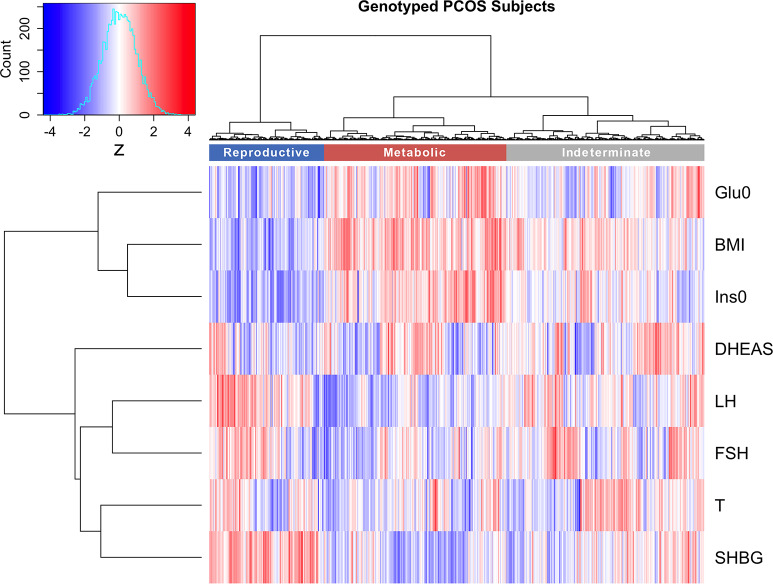
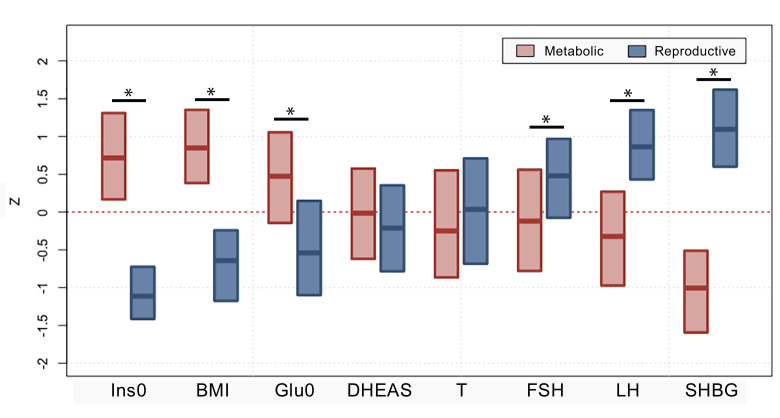
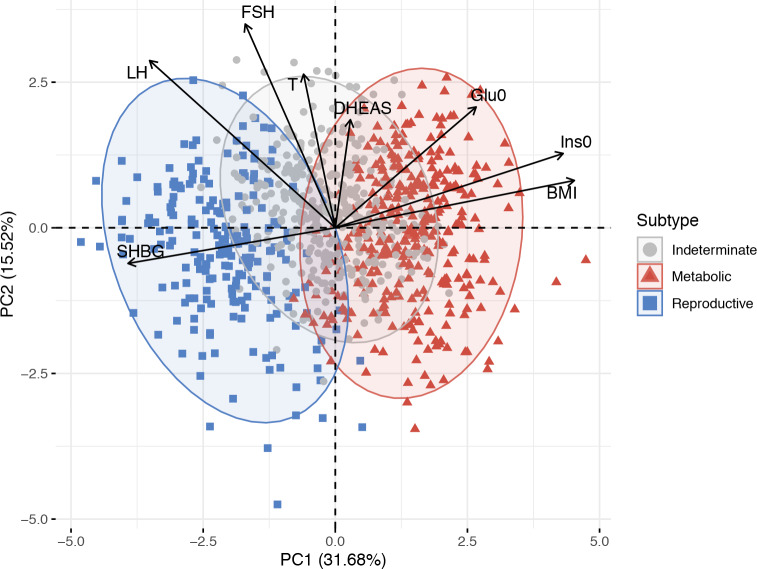
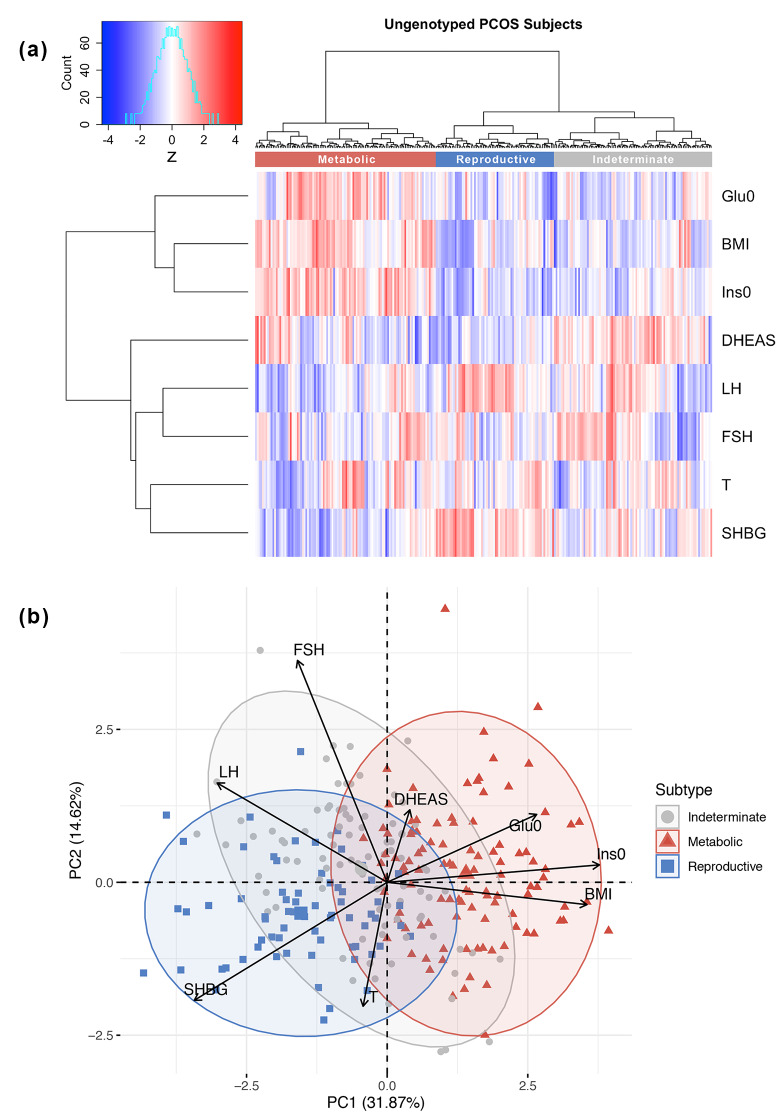
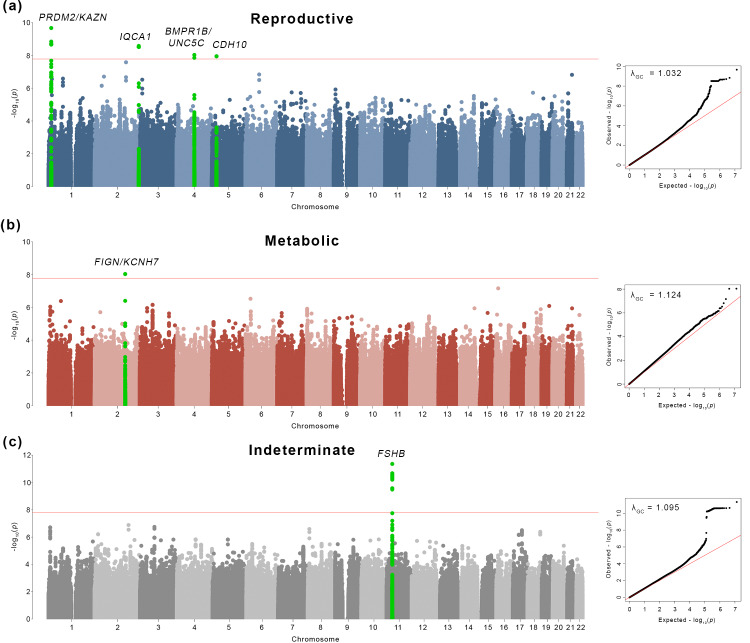
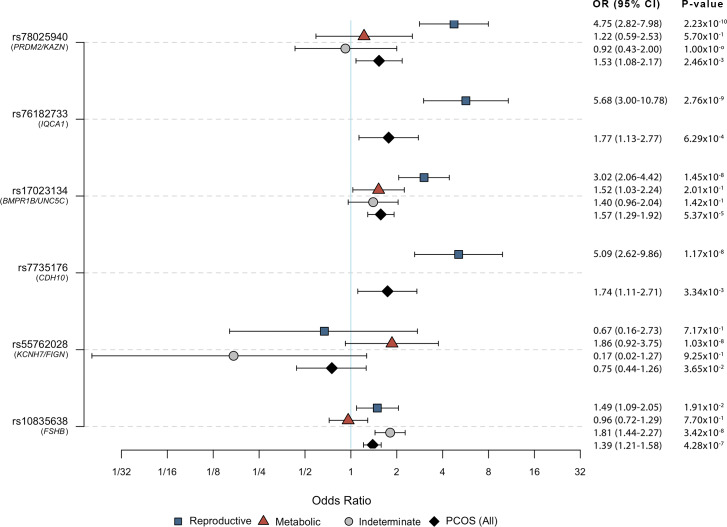
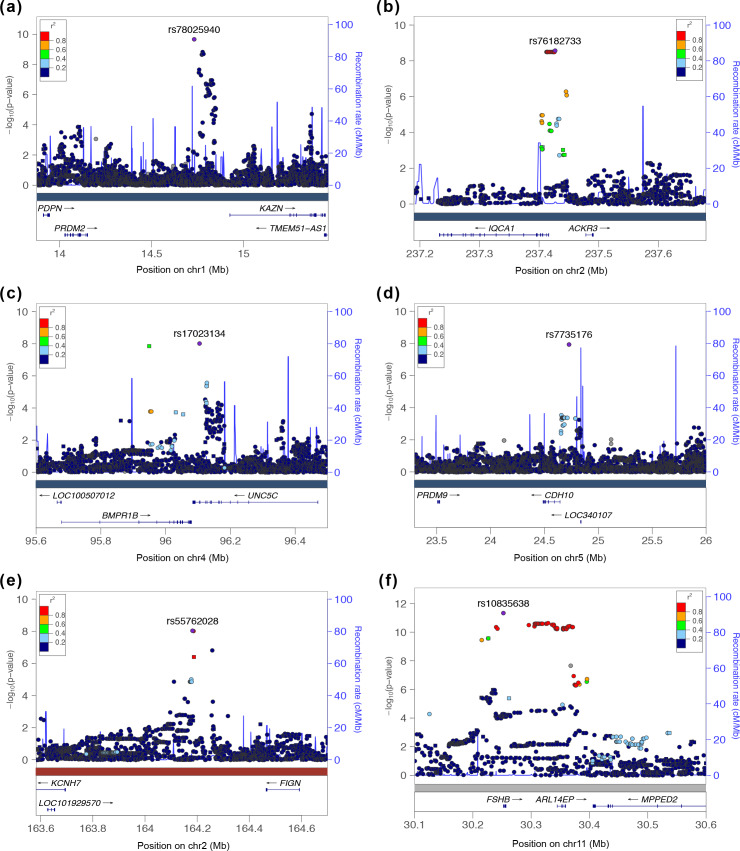
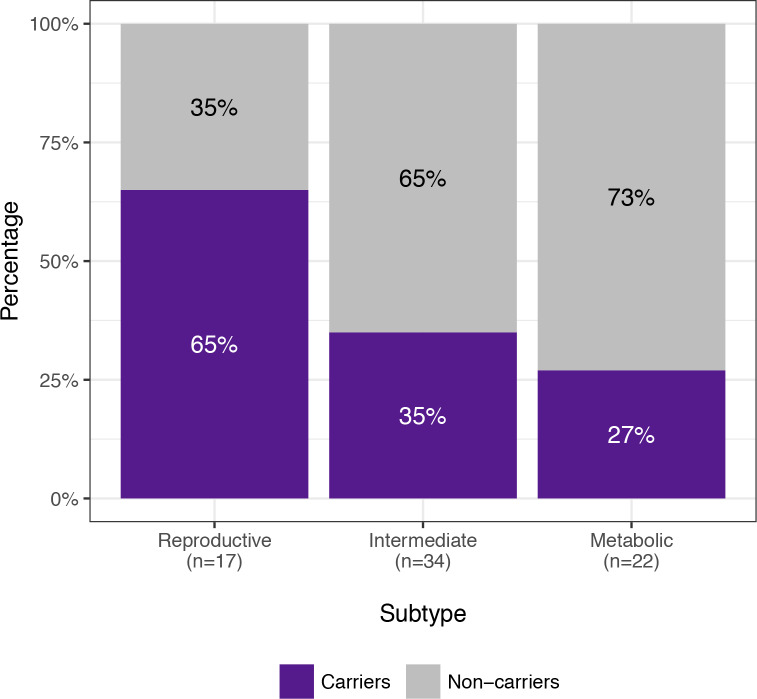
BACKGROUND: Polycystic ovary syndrome (PCOS) is a common, complex genetic disorder affecting up to 15% of reproductive-age women worldwide, depending on the diagnostic criteria applied. These diagnostic criteria are based on expert opinion and have been the subject of considerable controversy. The phenotypic variation observed in PCOS is suggestive of an underlying genetic heterogeneity, but a recent meta-analysis of European ancestry PCOS cases found that the genetic architecture of PCOS defined by different diagnostic criteria was generally similar, suggesting that the criteria do not identify biologically distinct disease subtypes. We performed this study to test the hypothesis that there are biologically relevant subtypes of PCOS. METHODS AND FINDINGS: Using biochemical and genotype data from a previously published PCOS genome-wide association study (GWAS), we investigated whether there were reproducible phenotypic subtypes of PCOS with subtype-specific genetic associations. Unsupervised hierarchical cluster analysis was performed on quantitative anthropometric, reproductive, and metabolic traits in a genotyped cohort of 893 PCOS cases (median and interquartile range [IQR]: age = 28 [25-32], body mass index [BMI] = 35.4 [28.2-41.5]). The clusters were replicated in an independent, ungenotyped cohort of 263 PCOS cases (median and IQR: age = 28 [24-33], BMI = 35.7 [28.4-42.3]). The clustering revealed 2 distinct PCOS subtypes: a "reproductive" group (21%-23%), characterized by higher luteinizing hormone (LH) and sex hormone binding globulin (SHBG) levels with relatively low BMI and insulin levels, and a "metabolic" group (37%-39%), characterized by higher BMI, glucose, and insulin levels with lower SHBG and LH levels. We performed a GWAS on the genotyped cohort, limiting the cases to either the reproductive or metabolic subtypes. We identified alleles in 4 loci that were associated with the reproductive subtype at genome-wide significance (PRDM2/KAZN, P = 2.2 × 10⁻¹⁰; IQCA1, P = 2.8 × 10⁻⁹; BMPR1B/UNC5C, P = 9.7 × 10⁻⁹; CDH10, P = 1.2 × 10⁻⁸) and one locus that was significantly associated with the metabolic subtype (KCNH7/FIGN, P = 1.0 × 10⁻⁸). We developed a predictive model to classify a separate, family-based cohort of 73 women with PCOS (median and IQR: age = 28 [25-33], BMI = 34.3 [27.8-42.3]) and found that the subtypes tended to cluster in families and that carriers of previously reported rare variants in DENND1A, a gene that regulates androgen biosynthesis, were significantly more likely to have the reproductive subtype of PCOS. Limitations of our study were that only PCOS cases of European ancestry diagnosed by National Institutes of Health (NIH) criteria were included, the sample sizes for the subtype GWAS were small, and the GWAS findings were not replicated. CONCLUSIONS: In conclusion, we have found reproducible reproductive and metabolic subtypes of PCOS. Furthermore, these subtypes were associated with novel, to our knowledge, susceptibility loci. Our results suggest that these subtypes are biologically relevant because they appear to have distinct genetic architecture. This study demonstrates how phenotypic subtyping can be used to gain additional insights from GWAS data.
Overview
The claims and statistics of this paper haven’t been checked yet.
Free: it reads the open-access text and checks the first 5 claims that cite a source we can check. Create a free account to check every claim.
Integrity signals
Registry
Cites
Statistics
Figures
Verification
Claims the paper makes
The claims and statistics of this paper haven’t been checked yet.
Free: it reads the open-access text and checks the first 5 claims that cite a source we can check. Create a free account to check every claim.
Claims other papers make about this one
Each is checked against this paper’s own text: does it say what the citing paper says it does?
In the citing paper
“Clustering revealed two major distinct PCOS subtypes: a “reproductive” group characterized by high LH and SHBG levels, but with normal/low BMI and normal insulin levels, and a “metabolic” group with high BMI, glucose and insulin levels, but with low LH and SHBG levels.”
From Controversies in the Pathogenesis, Diagnosis and Treatment of PCOS: Focus on Insulin Resistance, Inflammation, and Hyperandrogenism (2022) · cites this paper as [34]
In the citing paper
“In this study, the authors identified alleles at four loci associated with the “reproductive” subtype and one locus significantly associated with the “metabolic” subtype.”
From Controversies in the Pathogenesis, Diagnosis and Treatment of PCOS: Focus on Insulin Resistance, Inflammation, and Hyperandrogenism (2022) · cites this paper as [34]
Self-check
Percentages, sums and reported differences re-computed from the paper’s own numbers.
The self-check needs the paper’s full text.
Citations
Cites
Modern Applied Statistics with S
Venables, W. N., & Ripley, B. D. (2002) · Statistics and Computing · doi:10.1007/978-0-387-21706-2 · Cited by 24,305
A global reference for human genetic variation
The 1000 Genomes Project Consortium, authors, C., Auton, A., Abecasis, G. R., Steering committee, Altshuler, D. M., Durbin, R. M., Abecasis, G. R., Bentley, D. R., Chakravarti, A., et al. (2015) · Nature · doi:10.1038/nature15393 · Cited by 18,247
Principal components analysis corrects for stratification in genome-wide association studies
Price, A. L., Patterson, N. J., Plenge, R. M., Weinblatt, M. E., Shadick, N. A., & Reich, D. (2006) · Nature Genetics · doi:10.1038/ng1847 · Cited by 10,248 · cited 10×
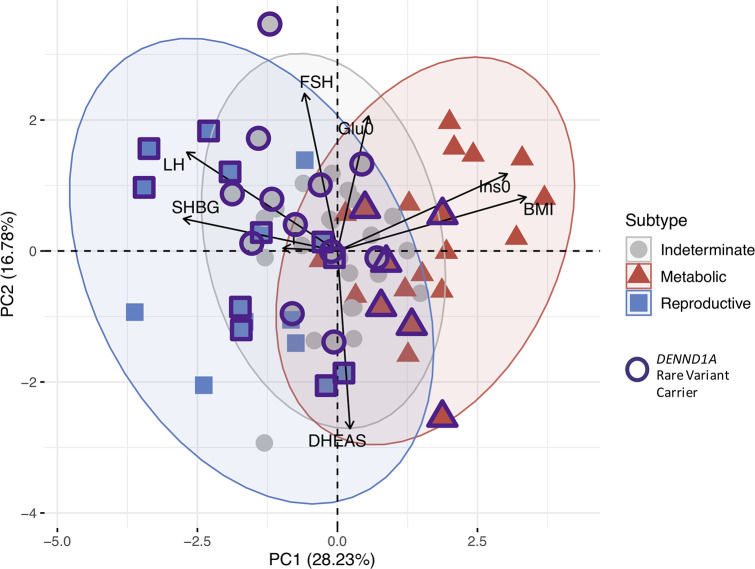
“BMI, body mass index; DHEAS, dehydroepiandrosterone sulfate; FSH, follicle-stimulating hormone; Glu0, fasting glucose; Ins0, fasting insulin; LH, luteinizing hormone; PC, principal component; PCA, principal component analysis; PCOS, polycystic ovary syndrome; SHBG, sex hormone binding globulin; T, testosterone. https:…”
MethodInfluential(2004) · Fertility and Sterility · doi:10.1016/j.fertnstert.2003.10.004 · Cited by 9,050
Finding the missing heritability of complex diseases
Manolio, T. A., Collins, F. S., Cox, N. J., Goldstein, D. B., Hindorff, L. A., Hunter, D. J., McCarthy, M. I., Ramos, E. M., Cardon, L. R., Chakravarti, A., et al. (2009) · Nature · doi:10.1038/nature08494 · Cited by 8,336 · cited 2×
“Furthermore, the susceptibility loci associated with subtypes in other ancestry groups may differ because the low frequency and large effect size of the variants associated with the reproductive subtype in our European cohort suggests these variants are of relatively recent origin and therefore may be populationspecif…”
BackgroundThe Rotterdam ESHRE/ASRM-sponsored PCOS consensus workshop group (2004) · Human Reproduction · doi:10.1093/humrep/deh098 · Cited by 6,138 · cited 1×
“Accordingly, the commonly used diagnostic criteria for PCOS, the National Institutes of Health (NIH) criteria [16] and the Rotterdam criteria [17,18], are based on expert opinion rather than mechanistic insights and are designed to account for the diverse phenotypic presentations of PCOS.”
MethodMETAL: fast and efficient meta-analysis of genomewide association scans
Willer, C. J., Li, Y., & Abecasis, G. R. (2010) · Bioinformatics · doi:10.1093/bioinformatics/btq340 · Cited by 5,205
Pruitt, K. D., Tatusova, T., & Maglott, D. R. (2007) · Nucleic Acids Research · doi:10.1093/nar/gkl842 · Cited by 4,481
Next-generation genotype imputation service and methods
Das, S., Forer, L., Schönherr, S., Sidore, C., Locke, A. E., Kwong, A., Vrieze, S. I., Chew, E. Y., Levy, S., McGue, M., et al. (2016) · Nature Genetics · doi:10.1038/ng.3656 · Cited by 3,808 · cited 2×
“r790) [39] and then imputed to the 1000 Genomes reference panel (Phase3 v5) [40] using Minimac3 via the Michigan Imputation Server [41].”
MethodWard’s Hierarchical Agglomerative Clustering Method: Which Algorithms Implement Ward’s Criterion?
Murtagh, F., & Legendre, P. (2014) · Journal of Classification · doi:10.1007/s00357-014-9161-z · Cited by 3,782 · cited 1×
“The normalized trait residuals were clustered using unsupervised, agglomerative, hierarchical clustering according to a generalization of Ward’s minimum variance method [34,35] on Manhattan distances between trait values.”
Method
Research works printed but not linked: 1
- Zawadski JKD A. Diagnostic criteria for polycystic ovary syndrome; towards a rational approach. In: Dunaif A, Givens JR, Haseltine FP, Merriam GR, editors. Polycystic Ovary Syndrome Boston, Massachusetts: Blackwell Scientific; 1992 pp. 377– 84.
Cited by
Items 101–200 of 297
The Search for the Causes of Common Hyperandrogenism, 1965 to Circa 2015
Rosenfield, R. L. (2024) · Endocrine Reviews · doi:10.1210/endrev/bnae007 · Cited by 19
Biomediators in Polycystic Ovary Syndrome and Cardiovascular Risk
Pandurevic, S., Μacut, D., Fanelli, F., Pagotto, U., & Gambineri, A. (2021) · Biomolecules · doi:10.3390/biom11091350 · Cited by 18
Yang, D., Chung, T., & Kim, D. (2022) · Bioinformatics · doi:10.1093/bioinformatics/btac373 · Cited by 13
Sharma, P. P., Senapati, S., Goyal, L. D., Kaur, B., Kamra, P., & Khetarpal, P. (2024) · Archives of Gynecology and Obstetrics · doi:10.1007/s00404-024-07400-w · Cited by 14
“GWAS studies reported earlier had identified PCOS susceptible to multiple loci among European [15] and Chinese [20, 25].”
Arora, S., Vedpal, & Chauhan, N. (2024) · Multimedia Tools and Applications · doi:10.1007/s11042-024-19707-6 · Cited by 20
“Dapas et al. [82] have used a genome wide association study (GWAS) of PCOS published previously to find out the subtype specific genetic associations of the subtypes of PCOS that were reproducible.”
Geraci, G., Riccio, C., Oliva, F. G., Gabrielli, D., Colivicchi, F., Grimaldi, M., Facchinetti, F., & Unfer, V. (2025) · Frontiers in Cardiovascular Medicine · doi:10.3389/fcvm.2025.1520490 · Cited by 24
“Interesting evidence in this regard has been recently published following GWAS studies as those for the group of Dapas et al. (63) in 2020.”
Yu, C., Liu, T., Wang, Y., Guo, X., Chen, Y., Zhao, Y., Liu, X., Huang, W., Zhao, S., Mo, J., et al. (2025) · Signal Transduction and Targeted Therapy · doi:10.1038/s41392-025-02468-5 · Cited by 16
“[ 13 C ₆ ]-Glucose (99”
Cao, R., Chen, L., Liu, Y., Wang, X., Ma, R., Zhao, Q., & Du, Y. (2023) · Journal of Ovarian Research · doi:10.1186/s13048-023-01306-y · Cited by 15
“…reproductive subtype with higher luteinizing hormone (LH) and SHBG levels, metabolic subtype with higher BMI, glucose, and insulin levels [12], and another clustering analysis identified three distinct PCOS sub-types: adiposity subtype associating with BMI and waist circumference,…”
BackgroundEspinosa, M. E., Sánchez, R., Otzen, T., Bautista-Valarezo, E., Aguiar, S., Corrales-Gutiérrez, I., León-Larios, F., & Manterola, C. (2024) · Journal of Clinical Medicine · doi:10.3390/jcm13082376 · Cited by 19
“This finding is consistent with studies from South America [21,26–29] and differs from European and Asian populations, where slightly different phenotypic patterns are observed [15,29,30].”
ResultZhang, F.-F., Zhang, Q., Wang, Y.-L., Wang, F., Hardiman, P., & Qu, F. (2021) · The Journal of Pediatrics · doi:10.1016/j.jpeds.2021.01.018 · Cited by 14
van der Ham, K., Koster, M. P. H., Velthuis, B. K., Budde, R. P. J., Fauser, B. C. J. M., Laven, J. S. E., & Louwers, Y. V. (2023) · Journal of Clinical Medicine · doi:10.3390/jcm12165226 · Cited by 13
“demonstrated the complexity of PCOS and identified two major PCOS subtypes using unsupervised cluster analysis: a “reproductive” phenotype (driven by high LH and SHBG levels) and a “metabolic” phenotype (driven by high BMI, glucose, and insulin levels) [29].”
Sankaranarayanan, L., Brewer, K., Morrow, S., Johnson, G. D., Barrera, A., Venukuttan, R., Sisk, R. K., Dunaif, A. E., & Reddy, T. E. (2025) · Nature Communications · doi:10.1038/s41467-025-62884-7 · Cited by 16
“Of the 19 associated variants, four were in the follicle stimulating hormone subunit beta ( FSHB ) locus, six were in the neighboring ARL14EP-DT locus and two were in the GATA4 / NEIL2 locus (Fig.”
InfluentialSelf-citationBiglari-Zadeh, G., Sargazi, S., Mohammadi, M., Ghasemi, M., Majidpour, M., Saravani, R., & Mirinejad, S. (2023) · Biochemical Genetics · doi:10.1007/s10528-023-10349-1 · Cited by 13
“Although the phenotypic variance previously reported in PCOS cases suggested an underlying genetic heterogeneity, a recent meta-analysis of PCOS cases of European ancestry found that the genetic architecture of PCOS, defined by multiple diagnostic criteria, was largely the same (Dapas et al. 2020).”
ResultEvidence of positive selection of genetic variants associated with PCOS
Yu, Z., Li, Y., Zhao, S., Liu, F., Zhao, H., & Chen, Z. (2023) · Human Reproduction · doi:10.1093/humrep/dead106 · Cited by 12
PCOS - the many faces of a disorder in women and men
Lafcı, N. G., Yılmaz, B., & Yıldız, B. O. (2024) · Journal of Endocrinological Investigation · doi:10.1007/s40618-024-02512-1 · Cited by 14
“Although the subtypes reflect the opposite ends of the phenotypic spectrum, pleiotropic effects can still be discussed for the common genes in both subtypes [48].”
Shapes of the uterine cavity are different in women with polycystic ovary syndrome
Fujii, S., & Oguchi, T. (2023) · Reproductive Medicine and Biology · doi:10.1002/rmb2.12508 · Cited by 11
Brilliant, A., Astuti, B. P. K., Joyo, E. O., Febri, R. R., Silvana, V., & Muharam, R. (2022) · Journal of the Turkish-German Gynecological Association · doi:10.4274/jtgga.galenos.2022.2022-2-1 · Cited by 13
Pei, Y., Risal, S., Jiang, H., Lu, H., Lindgren, E., Stener‐Victorin, E., & Deng, Q. (2023) · Communications Biology · doi:10.1038/s42003-022-04362-0 · Cited by 12
Nguyen, M. T., Krishnan, S., Phatak, S., & Karakas, S. E. (2023) · Diagnostics · doi:10.3390/diagnostics13030500 · Cited by 10
“We entertained the possibility that our lowest AMH quartile (quartile 1) may share similarities with the metabolic subtype described by Dapas and Feldman [26,28].”
BackgroundGeng, X., He, Z., Bao, Z., Di, W. J., & Gu, Z. (2023) · Journal of Clinical Medicine · doi:10.3390/jcm12165212 · Cited by 13
“According to the new classification of PCOS, the “metabolic” group, characterized by higher BMI, glucose, and insulin levels, and lower SHBG and LH levels, accounts for approximately 37–39% of the total amount of cases of PCOS [49].”
BackgroundLivadas, S., Yıldız, B. O., Mastorakos, G. P., Gambineri, A., Pignatelli, D., Giorgino, F., Andersen, M., Obermayer-Pietsch, B., Μacut, D., ESE PCOS Special Interest Group, et al. (2024) · European Journal of Endocrinology · doi:10.1093/ejendo/lvae085 · Cited by 14
Torchen, L. C., Wu, M., Thompson, B., & Beaudouin, A. (2025) · Reproduction · doi:10.1530/rep-25-0091 · Cited by 16
Pruett, J. E., Romero, D. G., & Cardozo, L. L. Y. (2023) · Frontiers in Endocrinology · doi:10.3389/fendo.2023.951099 · Cited by 14
Robin, G., Deknuydt, M., Barbotin, A., Pigny, P., Catteau-Jonard, S., & Dewailly, D. (2021) · Reproductive BioMedicine Online · doi:10.1016/j.rbmo.2021.01.012 · Cited by 12
On the Intimate Relationship of Adiposity to Polycystic Ovary Syndrome
Rosenfield, R. L., & Dumesic, D. A. (2025) · The Journal of Clinical Endocrinology & Metabolism · doi:10.1210/clinem/dgaf527 · Cited by 15
Polycystic ovary syndrome in Latin American populations: What is known and what remains unresolved
Abruzzese, G. A., Velázquez, M. E., Cerrone, G. E., & Motta, A. B. (2022) · The Journal of Steroid Biochemistry and Molecular Biology · doi:10.1016/j.jsbmb.2022.106195 · Cited by 16
Wu, D., Zeng, H., Tan, J., Xu, Q., Khan, F. A., Pandupuspitasari, N. S., Yang, S., & Huang, C. (2025) · Drug Design Development and Therapy · doi:10.2147/dddt.s545163 · Cited by 11
Adolescent “Lean PCOS” Is Characterized by Higher Insulin Resistance and Adverse Adipokine Profile
Whooten, R., Rifas‐Shiman, S. L., Aris, I. M., Perng, W., Chavarro, J. E., Oken, E., & Hivert, M. (2025) · The Journal of Clinical Endocrinology & Metabolism · doi:10.1210/clinem/dgaf606 · Cited by 10
Cai, J., Yue, J., Lu, N., Li, S., Zheng, J., Huang, R., Jiang, Y., Shan, C., Liu, W., Ma, J., et al. (2024) · Journal of Clinical Medicine · doi:10.3390/jcm13020483 · Cited by 9
“The PCA plot (Figure S3) also illustrated a similar axis direction as previously reported in the European cohort [29].”
BackgroundMethodResultInfluential3 CpG Methylation Biomarkers for the Diagnosis of Polycystic Ovary Syndrome (PCOS) in Blood Samples
Zeng, L., Lu, R., Xie, L., Jiang, X., Chen, Y., Huang, C., Chen, Y., Liu, G., & Sun, W.-X. (2021) · Combinatorial Chemistry & High Throughput Screening · doi:10.2174/1386207321666210602170054 · Cited by 10
General infertility workup in times of high assisted reproductive technology efficacy
Polyzos, N. P., Ayoubi, J. M., & Pirtea, P. (2022) · Fertility and Sterility · doi:10.1016/j.fertnstert.2022.05.019 · Cited by 9
Screening target genes for the treatment of PCOS via analysis of single-cell sequencing data
Lu, Z., Chen, C., Gao, Y., Li, Y., Zhao, X., Zhang, H., Wei, Q., Zeng, X., Li, Y., & Wan, M. (2022) · Annals of Medicine · doi:10.1080/07853890.2022.2136401 · Cited by 8
Sabri, M., Verde, R., Balzanella, A., Maturo, F., Tairi, H., Yahyaouy, A., & Riffi, J. (2024) · Journal of Classification · doi:10.1007/s00357-024-09471-5 · Cited by 10
“Clustering is a widely utilized technique in various applications, including image processing (Chang et al., 2017), video processing (Alayrac et al., 2016), gene analysis (Dapas et al., 2020), healthcare (Liao et al., 2016), and community detection (Li et al., 2022), among others.”
Zhu, Y., Luo, D., Shen, X., Shi, Q., Lv, H., Zhang, S., Ye, F., & Kong, N. (2025) · BMC Medical Informatics and Decision Making · doi:10.1186/s12911-025-03114-4 · Cited by 11
“These findings are consistent with those of Hiort et al., confirming the importance of disease-specific training in enhancing diagnostic performance [17].”
Su, B., Cao, Y., Ma, L., & Huang, J. (2026) · Frontiers in Endocrinology · doi:10.3389/fendo.2026.1734041 · Cited by 12
Developmental origins of polycystic ovary syndrome: Everything starts in utero
Abbott, D. H., Greinwald, E. P., & Levine, J. E. (2021) · Elsevier eBooks · doi:10.1016/b978-0-12-823045-9.00009-2 · Cited by 12
Association of FTO gene variants rs9939609 and rs1421085 with polycystic ovary syndrome
Alnafjan, A. A., ALKHURIJI, A. F., Alobaid, H. M., Babay, Z. A., & Khalil, M. I. M. (2022) · Egyptian Journal of Medical Human Genetics · doi:10.1186/s43042-022-00263-3 · Cited by 8
“Indeed, as reported previously, FTO is associated and has a profound influence on PCOS [6, 39, 51, 52].”
Sex modifies the effect of genetic risk scores for polycystic ovary syndrome on metabolic phenotypes
Actkins, K. V., Jean-Pierre, G., Aldrich, M. C., Edwards, D. R. V., & Davis, L. K. (2023) · PLoS Genetics · doi:10.1371/journal.pgen.1010764 · Cited by 8
“However, as previous studies have shown, the genetic risk factors present in patients with metabolic manifestations of PCOS could differ from others who have primary presentations of reproductive dysfunction [9,10].”
BackgroundAndrogens, the kidney, and COVID-19: an opportunity for translational research
Cardozo, L. L. Y., Rezq, S., Pruett, J. E., & Romero, D. G. (2021) · American Journal of Physiology-Renal Physiology · doi:10.1152/ajprenal.00601.2020 · Cited by 8
Natural History of Polycystic Ovary Syndrome and New Advances in the Epidemiology
Piltonen, T., Arffman, R. K., & Joham, A. E. (2021) · Seminars in Reproductive Medicine · doi:10.1055/s-0041-1735211 · Cited by 7
Can dysglycemia in OGTT be predicted by baseline parameters in patients with PCOS?
Livadas, S., Bothou, C., Kuliczkowska-Płaksej, J., Robeva, R., Vryonidou, A., Macut, J. B., Androulakis, I., Opalic, M., Mouslech, Z., Milewicz, A., et al. (2022) · Endocrine Connections · doi:10.1530/ec-21-0358 · Cited by 13
Tinano, F. R., Machado, I. F. R., Latronico, A. C., & Gomes, L. G. (2025) · Journal of Neuroscience · doi:10.1523/jneurosci.1681-24.2024 · Cited by 9
PCOS research from the past to the future
Yıldız, B. O. (2025) · Nature Reviews Endocrinology · doi:10.1038/s41574-025-01174-0 · Cited by 6
Vascular imbalance in polycystic ovary syndrome: Insights into endothelial dysfunction
Kıran, T. R., Erdem, M., Yildirim, E. O., & İnceoğlu, F. (2025) · PLoS ONE · doi:10.1371/journal.pone.0332030 · Cited by 7
“…and hormone analysis (Follicle-stimulating hormone [FSH], luteinizing hormone [LH], estradiol [E2], thyroid-stimulating hormone [TSH], prolactin, human chorionic gonadotropin [ β -hCG], testosterone, sex hormone-binding globulin [SHBG], dehydroepiandrosterone sulfate [DHESO 4 ], and insulin).”
Luo, M., Yang, X., Li, A., Li, H., Zhang, G., Liu, W., You, X., Mei, L., Zhang, D., Zhou, M., et al. (2025) · Journal of Ovarian Research · doi:10.1186/s13048-025-01835-8 · Cited by 8
“Over the past decade, a growing body of evidence has highlighted the importance of immune and metabolic dysfunction in the etiology of PCOS, with chronic low-grade inflammation increasingly recognized as a central contributor to insulin resistance and ovarian dysfunction [10–13].”
Joint analysis of multiple phenotypes for extremely unbalanced case‐control association studies
Xie, H., Cao, X., Zhang, S., & Sha, Q. (2023) · Genetic Epidemiology · doi:10.1002/gepi.22513 · Cited by 5
“2023;47:185–197. www.geneticepi.org © 2023 Wiley Periodicals LLC. | 185 the findings of novel biological mechanisms, and its discoveries can be utilized to classify and subtype traits (Dapas et al., 2020).”
BackgroundMaternal polycystic ovarian syndrome and offspring psychopathology and neurodevelopment
Kahn, L. G., Hipwell, A. E., Charifson, M., Ling, R., Cajachagua‐Torres, K. N., & Ghassabian, A. (2025) · Human Reproduction · doi:10.1093/humrep/deaf079 · Cited by 7
Burns, K. A., Stuckey, A. W., Wilson, S. G., Watts, G. F., & Stuckey, B. G. A. (2025) · Frontiers in Endocrinology · doi:10.3389/fendo.2025.1572427 · Cited by 8
Bucheeri, S., Alcibahy, Y., Bucheeri, Y., Bucheeri, S., Alhermi, A., & Butler, A. E. (2025) · Cells · doi:10.3390/cells14221769 · Cited by 8
“Finally, the phenotypic heterogeneity in PCOS limits reproducibility between different study cohorts [56].”
The role of berberine in polycystic ovary syndrome — a summary of knowledge
Jurgiel, J., Graniak, A., Opyd, P., Zawodny, T., & Lis, M. (2024) · Ginekologia Polska · doi:10.5603/gpl.95138 · Cited by 12
“Dapas et al. [12] furthered the understanding of PCOS phenotypes.”
BackgroundJaime, J., DeFazio, R. A., & Moenter, S. M. (2024) · Journal of Neuroendocrinology · doi:10.1111/jne.13373 · Cited by 8
“In addition to possible genetic causes, 15,16 it has been hypothesized that in utero exposure to high circulating levels of androgens from the mother might reprogram the reproductive neuroendocrine system.”
BackgroundPesonen, E., Farrahi, V., Brakenridge, C. J., Ollila, M., Morin-Papunen, L. C., Nurkkala, M., Jämsä, T. J., Korpelainen, R., Moran, L., Piltonen, T., et al. (2024) · Human Reproduction · doi:10.1093/humrep/deae232 · Cited by 8
“The compositional means of MVPA, LPA, SB, and sleep for PCOS-phenotypes are shown in Supplementary Table S4; there were no significant differences in the overall 24-h movement composition between the phenotypes.”
InfluentialNawaito, S. A., Esmael, M., Souchkova, O., Cardinal, T., Bernas, G., Bergeron, K., Gayda, F., Bergeron, F., Bouchard, M., Zhou, X., et al. (2025) · The FASEB Journal · doi:10.1096/fj.202401718rr · Cited by 5
“Based on several genome-wide association studies (GWAS), including a meta-analysis of > 10 000 cases and > 100 000 controls, > 20 genetic loci have thus far been linked to PCOS [7, 33–38].”
Polycystic ovary syndrome v.2023: Simplified diagnostic criteria for an East Asian phenotype
Yong, E., Teoh, W. S., & Huang, Z. (2023) · Annals of the Academy of Medicine Singapore · doi:10.47102/annals-acadmedsg.202369 · Cited by 8
“22 This raises the question on whether an existing diagnostic criterion can sufficiently identify patients with PCOS, given the biochemical heterogeneity of the condition.”
BackgroundChen, W., Liao, B., Yun, C., Zhao, M., & Pang, Y. (2024) · Journal of Ovarian Research · doi:10.1186/s13048-024-01428-x · Cited by 5
“Moreover, 21-23% of PCOS patients are defined as the reproductive subtype, characterized by impaired reproductive function, including abnormally increased LH and androgen levels, with normal BMI and metabolic status [2].”
BackgroundMethodJi, E., Wang, Z., Zhong, R., Lu, Y., Zheng, R., Ning, S., Hu, M., Li, J., Lai, M., Xue, G., et al. (2025) · The Journal of Clinical Endocrinology & Metabolism · doi:10.1210/clinem/dgaf276 · Cited by 5
Polycystic Ovary Syndrome: From Phenotype to Genotype
Laven, J. S. E., & Louwers, Y. V. (2022) · Cambridge University Press eBooks · doi:10.1017/9781108989831.002 · Cited by 5
Wang, W., Zeng, W., He, S., Shi, Y., Tu, L., Chen, X., Yang, B., Xu, J., & Yin, X. (2022) · SSRN Electronic Journal · doi:10.2139/ssrn.4095191 · Cited by 5
Efficacy of physical activity in polycystic ovary syndrome treatment
Parmar, S.-L. K., & Whooten, R. (2024) · Current Opinion in Endocrinology Diabetes and Obesity · doi:10.1097/med.0000000000000885 · Cited by 10
A Heuristic Model For Personalised Risk Assesment of PCOS
Singh, N., Sharma, V., & Gupta, V. (2024) · International Conference on Innovative Practices in Technology and Management (ICIPTM) · doi:10.1109/iciptm59628.2024.10563299 · Cited by 5
“Study [14] investigates the complexities of PCOS, a common hereditary condition that affects a sizable percentage of reproductive-age women worldwide.”
BackgroundPesonen, E., Nurkkala, M., Ollila, M., Hurskainen, E., Morin-Papunen, L. C., Jämsä, T. J., Korpelainen, R., Niemelä, M., & Piltonen, T. (2024) · Fertility and Sterility · doi:10.1016/j.fertnstert.2024.09.042 · Cited by 9
“Although clustering analysis of reproductive and metabolic phenotypes offers novel subtyping of PCOS (6), PCOS phenotypes, according to the Rotterdam criteria are clinically relevant.”
The Endocrinological Basis for Polycystic Ovary Syndrome: An Evolutionary Perspective
Dumesic, D. A., Crespi, B. J., Padmanabhan, V., & Abbott, D. H. (2025) · Endocrinology · doi:10.1210/endocr/bqaf160 · Cited by 7
Deshmukh, H., Akbar, S., Bhaiji, A., Saeed, Y., Shah, N. Z., Adeleke, K. A., Papageorgiou, M., Atkin, S. L., & Sathyapalan, T. (2022) · Clinical Endocrinology · doi:10.1111/cen.14847 · Cited by 9
Park, M.-J., Kim, E., Ok, J.-M., Choi, K.-H., & Lim, Y.-W. (2022) · Journal of Korean Medicine for Obesity Research · doi:10.15429/jkomor.2022.22.2.136 · Cited by 6
Pratama, G., Wiweko, B., Asmarinah, A., Widyahening, I. S., Andraini, T., Bayuaji, H., & Hestiantoro, A. (2024) · Indonesian Journal of Obstetrics and Gynecology · doi:10.32771/inajog.v12i1.2031 · Cited by 4
Interface between reproductive and metabolic dysfunction in polycystic ovary syndrome
Rasouli, M. A., Katz, J., & Dumesic, D. A. (2025) · Current Opinion in Obstetrics & Gynecology · doi:10.1097/gco.0000000000001037 · Cited by 6
Hu, X., Zhu, M., Zhou, Q., Li, Z., Luo, L., Liang, W., Chen, S., Pu, X., & Du, J. (2025) · Drug Design Development and Therapy · doi:10.2147/dddt.s574929 · Cited by 5
Athamneh, A. A., Farfoura, M. E., Khaleel, A., & Connie, T. (2025) · Genes · doi:10.3390/genes17010028 · Cited by 3
“Prior work has demonstrated reproducible PCOS subtypes with distinct reproductive and metabolic trait patterns, supporting the rationale for biologically informed subclassification [69].”
Pinton, P. (2026) · Frontiers in Endocrinology · doi:10.3389/fendo.2026.1787902 · Cited by 3
Ding, K., Zhou, Z., Ma, Y., Li, X., Xiao, H., Wu, Y., Wu, T., & Chen, D. (2022) · Biomedicines · doi:10.3390/biomedicines10123093 · Cited by 5
Popa, E., Chiş-Şerban, A.-A., & Coman, A. E. (2023) · Medic ro · doi:10.26416/med.151.1.2023.7837 · Cited by 4
Biomechanical changes in females with poly cystic ovarian syndrome: a case–control study
Kamal, E., Hamada, H. A., Ashour, R. S., Yousef, A. M., & Elbesh, R. M. (2025) · Scientific Reports · doi:10.1038/s41598-025-93481-9 · Cited by 4
Евгеньевна, Ч. Г., & Алексеевна, П. В. (2023) · Meditsinskiy sovet = Medical Council · doi:10.21518/ms2023-087 · Cited by 13
Precision Nutrition in Female Reproductive Health
Dumesic, D. A., Chazenbalk, G. D., & Heber, D. (2023) · Elsevier eBooks · doi:10.1016/b978-0-443-15315-0.00002-x · Cited by 3
ZHAO, D., WANG, Q., & WANG, J. (2024) · Biocell · doi:10.32604/biocell.2023.029094 · Cited by 3
Hess, M. K., Mersha, A. Y., Ference, S. S., Nafziger, S., Keane, J. A., Fuller, A. M., Kurz, S. G., Sutton, C. M., Spangler, M. L., Petersen, J. L., et al. (2024) · Frontiers in Genetics · doi:10.3389/fgene.2024.1405456 · Cited by 4
Abbott, D. H., Levine, J. E., Dumesic, P. A., Padmanabhan, V., & Dumesic, D. A. (2025) · Reproduction · doi:10.1530/rep-25-0120 · Cited by 5
Stener‐Victorin, E., Eriksson, G., Shrestha, M. M., Paris, V. R., Lu, H., Banks, J. L., Samad, M., Perian, C., Jude, B., Engman, V., et al. (2023) · medRxiv · doi:10.1101/2023.03.08.23286896 · Cited by 3
“This finding is consistent with the theory that PCOS is a disorder with genetically distinct subtypes of PCOS (Dapas et al. , 2020).”
Emanuel, R. H. K., Docherty, P. D., Lunt, H., & Campbell, R. E. (2025) · Physical and Engineering Sciences in Medicine · doi:10.1007/s13246-025-01539-9 · Cited by 3
Wang, Y., Shen, D., Zhu, C., Sun, W., Qian, Y., & Yang, H. (2025) · Women s Health Reports · doi:10.1177/26884844251395123 · Cited by 4
“6 In recent decades, the global burden of PCOS has escalated, possibly fueled by rising obesity rates and exposure to environmental endocrine-disrupting chemicals such as bisphenol A, 7 rendering it an increasingly signi fi cant public health concern affecting women ’ s overall well-being world-wide.”
Metabolic Implications of PCOS
Naveed, A., Shah, R., Bernier, A., Muradova, V., Gurol, E. S., Cree‐Green, M., & Whooten, R. (2025) · Current Pediatrics Reports · doi:10.1007/s40124-025-00364-8 · Cited by 3
Aksun, S., Eroğlu, B. Ç., Güneşli, I., İdilman, İ. S., Karçaaltıncaba, M., & Yıldız, B. O. (2025) · Maturitas · doi:10.1016/j.maturitas.2025.108810 · Cited by 3
Emam, S. R., Ibrahim, M. A., Youssef, F. S., Khattab, M. S., El‐Shiekh, R. A., Ghandour, R. A., Hozyen, H. F., Zakaria, M., Abdel-Sattar, E. A., & Mouneir, S. M. (2026) · Inflammopharmacology · doi:10.1007/s10787-026-02158-w · Cited by 2
“In PCOS, altered luteinizing hormone (LH) activity disrupts insulin signaling, contributing to insulin resistance and impaired follicle development, and highlighting the complex nature of this syndrome (Dapas et al. 2020; Huddleston and Dokras 2022).”
Ho, V. N. A., Pham, T. D., Nguyen, N. T., Tran, L. T. H., Ho, T. M., Tran, V. T. T., Le, H. L., Tran, M. T. N., Tran, H. K., Truong, D. H., et al. (2026) · Fertility and Sterility · doi:10.1016/j.fertnstert.2026.05.165 · Cited by 3
Song, E., Fang, Y., Li, X., Fu, W., He, H., Gao, Z., Tian, X., & Gao, B. (2026) · Frontiers in Nutrition · doi:10.3389/fnut.2026.1809416 · Cited by 4
“Conversely, while the metabolic burden in the reproductive subtype is relatively lighter, ovulatory dysfunction and hyperandrogenic symptoms are more prominent, suggesting that the mode of benefit may dier in these patients (51, 54).”
Khatun, M., Lundin, K., Tuuri, T., Piltonen, T., Tapanainen, J. S., & Salumets, A. (2026) · Stem Cell Reviews and Reports · doi:10.1007/s12015-026-11188-4 · Cited by 3
Intergenerational Implications of PCOS
Willging, M. M., Abbott, D. H., & Dumesic, D. A. (2022) · Springer eBooks · doi:10.1007/978-3-030-92589-5_27 · Cited by 2
Emanuel, R. H. K., Docherty, P. D., Lunt, H., Murray, R., & Campbell, R. E. (2024) · Intelligence-Based Medicine · doi:10.1016/j.ibmed.2024.100135 · Cited by 4
Characterisation of phenotypic patterns in equine exercise‐associated myopathies
Lindsay‐McGee, V., Massey, C., Li, Y. T., Clark, E. L., Psifidi, A., & Piercy, R. J. (2024) · Equine Veterinary Journal · doi:10.1111/evj.14128 · Cited by 2
Missense genetic variant in IQCA1 gene in patients with meningioma
Jahangiri, S., Abdan, Z., Totonchi, M., Allahmoradi, F., Mousavi, S. A., Aznab, M., Kobraei, M., & Padidar, K. (2025) · Acta Neurologica Belgica · doi:10.1007/s13760-025-02760-9 · Cited by 3
“A genome-wide association study identified SNP rs76182733 in the IQCA1 locus as strongly associated with the reproductive subtype of PCOS [ 47 ].”
Zhou, R., Bruns, C. M., Bird, I. M., Kemnitz, J. W., Dumesic, D. A., & Abbott, D. H. (2022) · International Journal of Molecular Sciences · doi:10.3390/ijms23052635 · Cited by 2
Survey based on classification of PCOS using gene expression
Poorani, B., & Kalaivani, A. (2022) · International Journal of Health Sciences · doi:10.53730/ijhs.v6ns3.9225 · Cited by 2
Gene regulatory activity associated with PCOS revealed DENND1A -dependent testosterone productionPreprint
Sankaranarayanan, L., Brewer, K., Johnson, G. D., Barrera, A., Venukuttan, R., Sisk, R. K., Dunaif, A. E., & Reddy, T. E. (2024) · bioRxiv (Cold Spring Harbor Laboratory) · doi:10.1101/2024.05.23.595551 · Cited by 2
Self-citationUjagar, N. S., Vélez, L. M., Nguyen, C. M., Wiggins, K. D., Robles, G. D., Mundo, Z. D. D., Gideon, S., Cassin, J., Kim, J., Naidu, N., et al. (2025) · bioRxiv (Cold Spring Harbor Laboratory) · doi:10.1101/2025.01.08.631835 · Cited by 2
Leukocyte Telomere Length and Polycystic Ovary Syndrome: A Transethnic Mendelian Randomization Study
Cao, L., & Chen, J. (2024) · Journal of Bio-X Research · doi:10.34133/jbioxresearch.0024 · Cited by 1
Ijaz, A., Khadim, S., Sahi, I. A., Akbar, A., Saeed, S., Ahmed, F., Muhammad, K., & Waheed, Y. (2025) · Middle East Fertility Society Journal · doi:10.1186/s43043-025-00225-w · Cited by 1
“Genome-wise association studies (GWAS) have identified two genetically distinct PCOS sub-types [31].”
Torchen, L. C., Aekka, A., Brewer, K., Sisk, R. K., Ratnam, S., Vendrami, C. L., Miller, F. H., & Dunaif, A. E. (2025) · The Journal of Clinical Endocrinology & Metabolism · doi:10.1210/clinem/dgaf363 · Cited by 1
Self-citationNPR3 promotes colorectal cancer cell proliferation, migration, invasion, and chemotherapy resistance
Chen, W., Wang, Q., & Li, S. (2025) · Biochimica et Biophysica Acta (BBA) - General Subjects · doi:10.1016/j.bbagen.2025.130895 · Cited by 1
Azziz, R., & Rudd, M. (2025) · Journal of the Endocrine Society · doi:10.1210/jendso/bvaf200 · Cited by 1
“Though there are emerging genotype and machine-learning based studies at-tempting to identify subtypes in the disorder [7], we should note that recognizing PCOS by its clinical presentation is neither difficult nor complicated, including in population-based studies.”
Kurt, D. S., Ağaoğlu, R. T., KINCI, M. F., Ozgen, T., Kurt, A., Pay, R. E., Gültekin, İ. B., Keskin, H. L., & Aksakal, S. E. (2026) · Diagnostics · doi:10.3390/diagnostics16010167 · Cited by 2
“PCOS is increasingly viewed as a heterogeneous condition encompassing distinct reproductive and metabolic phenotypes, rather than a single uniform disorder [1,3,9].”
Metadata
- Authors
- Dapas, M., Lin, F. T. J., Nadkarni, G. N., Sisk, R., Legro, R. S., Urbanek, M., Hayes, M. G., & Dunaif, A.
- Affiliations
- Northwestern University (US)
- Icahn School of Medicine at Mount Sinai (US)
- Pennsylvania State University (US)
- Corresponding author
- Hayes, M. Geoffrey
- Dunaif, Andrea
- ORCID
- Venue
- PLOS Medicine
- Publisher
- Public Library of Science (PLoS)
- Published
- 2020-06-23
- Volume
- 17
- Issue
- 6
- Pages
- e1003132
- ISSN
- 1549-1277 (ISSN-L)
- 1549-1676
- PMC
- PMC7310679
- OpenAlex
- W3036813420
- Cited by
- 297
- References
- 100
- Citations by year
- 2026: 49 · 2025: 52 · 2024: 72 · 2023: 48 · 2022: 44 · 2021: 27 · 2020: 5
- FWCI
- 27.34
- Type
- journal article
- Language
- en
- Open access
- gold
- doi.org
- Licence
- Locations
- PLoS Medicine (publishedVersion, cc-by)
- bioRxiv (Cold Spring Harbor Laboratory) (acceptedVersion, cc-by)
- PubMed Central (publishedVersion, cc-by)
- PubMed (publishedVersion)
- DOAJ (DOAJ: Directory of Open Access Journals) (submittedVersion, cc-by-sa)
- Funders
- National Institutes of Health (P50 HD044405, R01 HD057223, R01 HD085227, T32 DK007169)
- Topics
- Health Sciences › Medicine › Reproductive Medicine › Ovarian function and disorders
- Life Sciences › Biochemistry, Genetics and Molecular Biology › Genetics › Genetic and Kidney Cyst Diseases
- Health Sciences › Medicine › Endocrinology, Diabetes and Metabolism › Sexual Differentiation and Disorders
- Keywords
- polycystic ovary syndrome, PCOS subtypes, phenotypic clustering, genetic heterogeneity, PCOS diagnostic criteria, reproductive phenotypes, metabolic phenotypes, luteinizing hormone, sex hormone-binding globulin, insulin resistance, body mass index, genetic association
- MeSH terms
- Adult, Female, Humans, Phenotype, Polycystic Ovary Syndrome, Cluster Analysis, Genome-Wide Association Study, Genetic Association Studies
About these checks
Registry, retraction, Cites and statistics results are computed, not judged, with one exception: a printed reference that no index lists is read once by a model before it counts as a citation error. Claims are extracted by a model and kept only when their quote appears verbatim in the text; each cited source is then checked, with a model’s help, for whether it says what the claim relies on. Those verdicts can be wrong — read the claim’s quote and the cited source before relying on one.
Statistics and arithmetic are recomputed, not judged.
Confidence bands are shown only for fields calibrated on our annotated test set. None is calibrated yet, so no band is shown.
What counts as a claim ›How we measure confidence ›How we check this ›
Are you an author, or do you see a problem with this page? Request a review
Data sources
Bibliographic data: Semantic Scholar, OpenAlex, Crossref.
Contains information from the Semantic Scholar Academic Graph Datasets, made available under the ODC Attribution License (ODC-BY 1.0).
Semantic Scholar’s data is described in: Kinney, R., et al. (2023). The Semantic Scholar Open Data Platform. arXiv:2301.10140.
