

Distinct subtypes of polycystic ovary syndrome with novel genetic associations: An unsupervised, phenotypic clustering analysis
Open accessPublished version of a preprint
The DOI matches its Crossref record; 101 of the 101 references it cites were found in a registry or an index.
Abstract
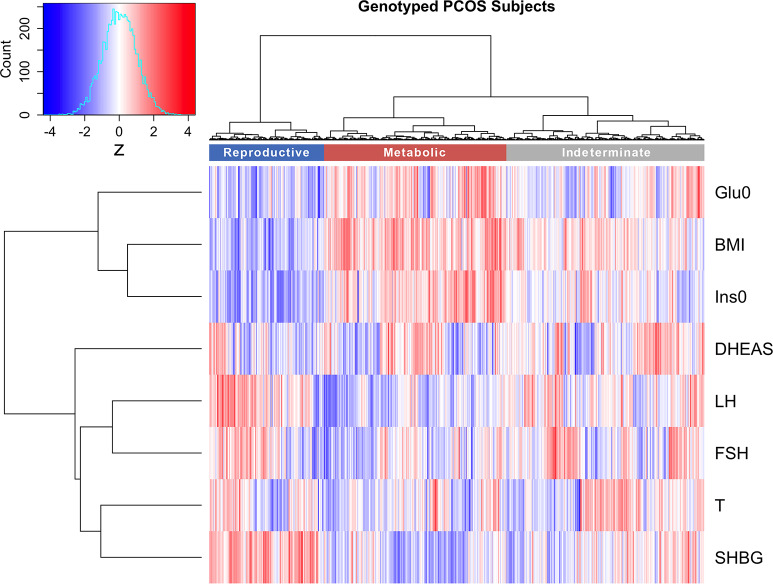
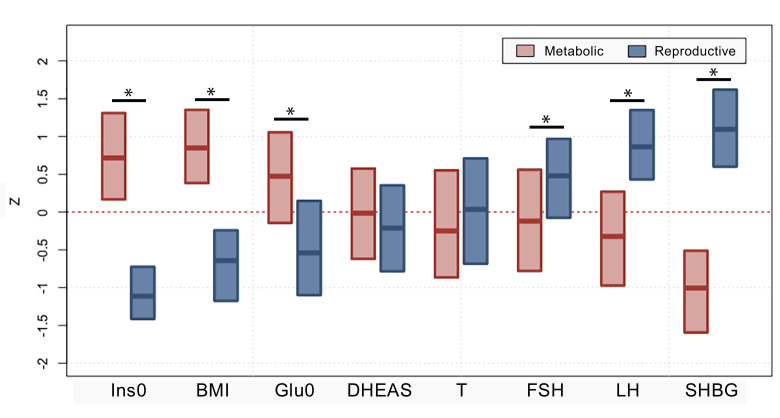
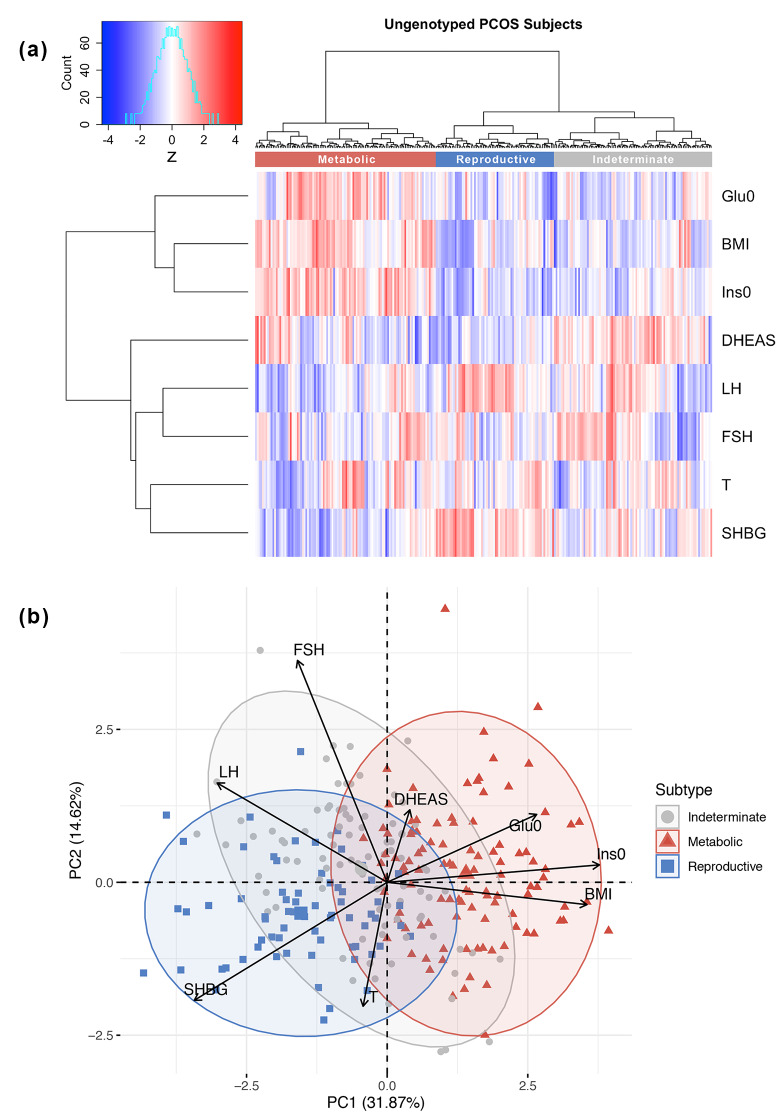
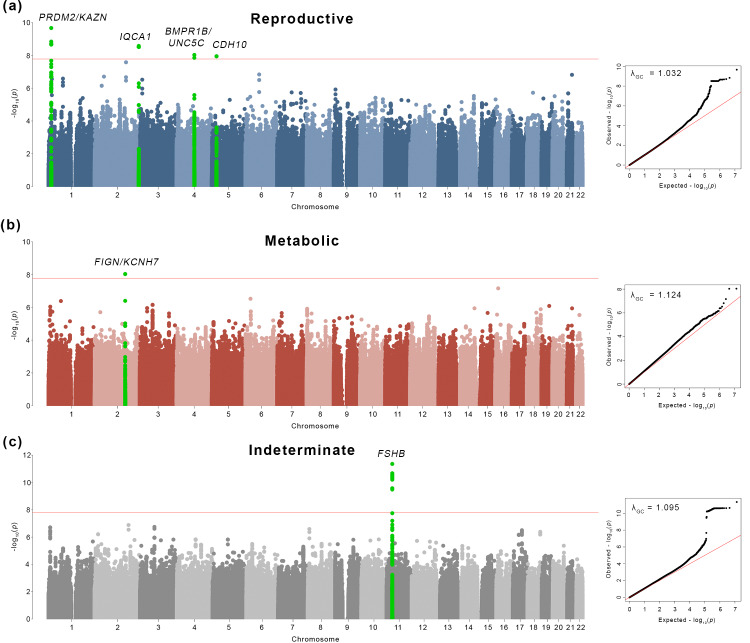
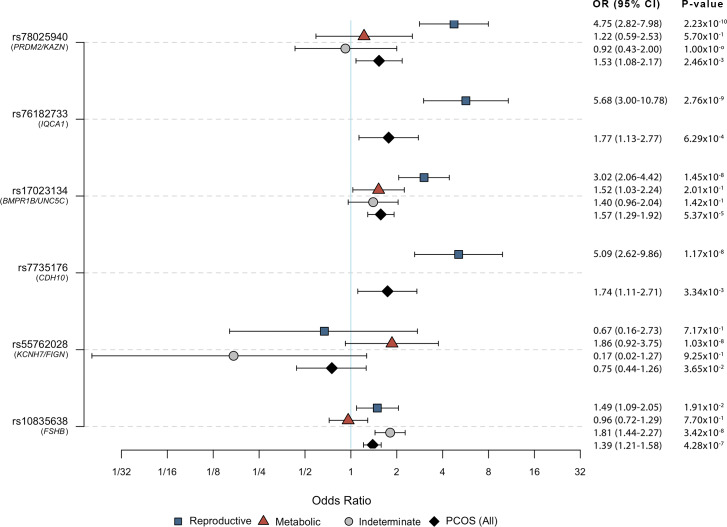
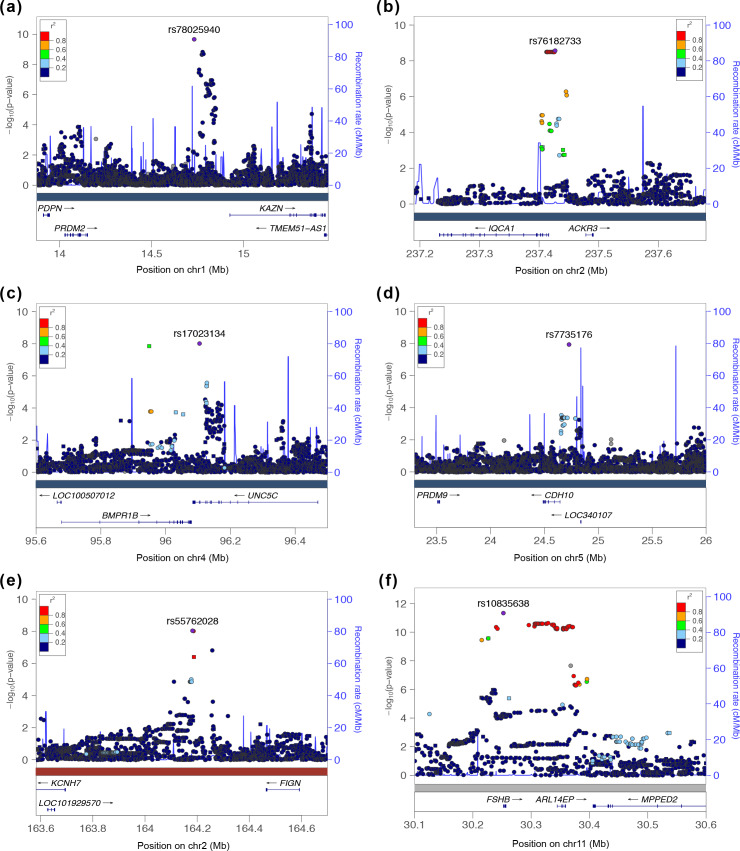
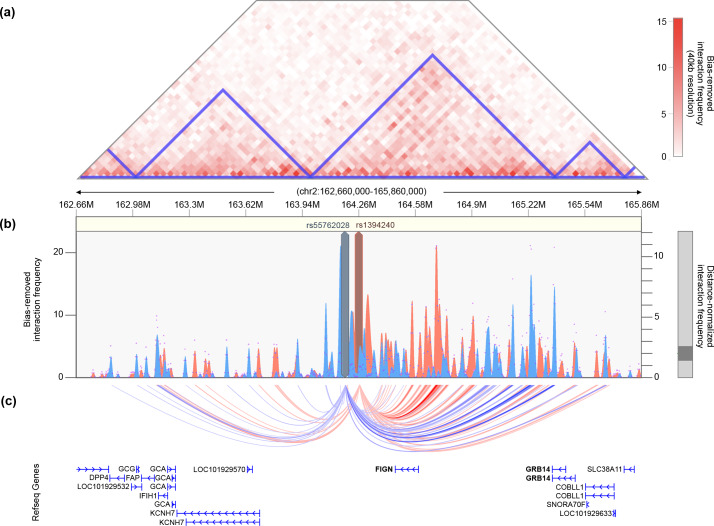
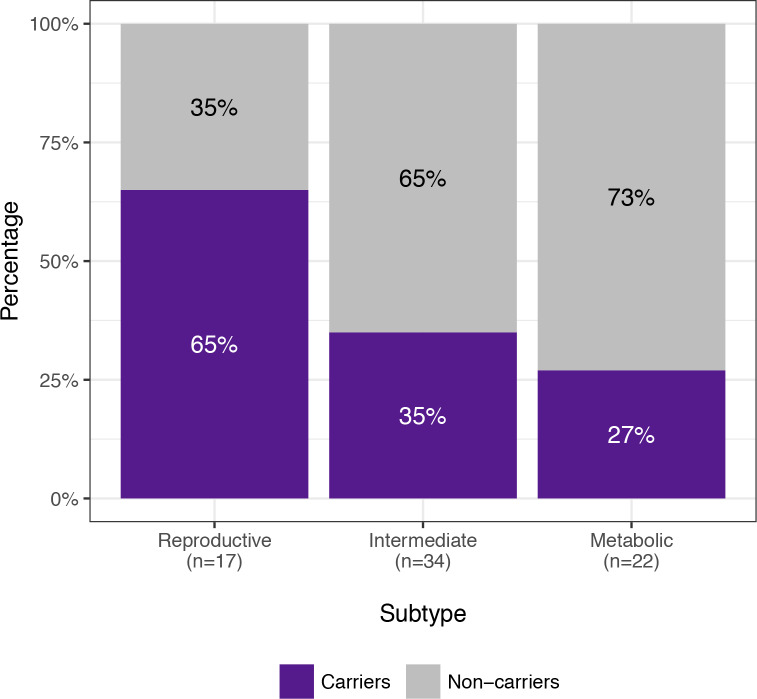
BACKGROUND: Polycystic ovary syndrome (PCOS) is a common, complex genetic disorder affecting up to 15% of reproductive-age women worldwide, depending on the diagnostic criteria applied. These diagnostic criteria are based on expert opinion and have been the subject of considerable controversy. The phenotypic variation observed in PCOS is suggestive of an underlying genetic heterogeneity, but a recent meta-analysis of European ancestry PCOS cases found that the genetic architecture of PCOS defined by different diagnostic criteria was generally similar, suggesting that the criteria do not identify biologically distinct disease subtypes. We performed this study to test the hypothesis that there are biologically relevant subtypes of PCOS. METHODS AND FINDINGS: Using biochemical and genotype data from a previously published PCOS genome-wide association study (GWAS), we investigated whether there were reproducible phenotypic subtypes of PCOS with subtype-specific genetic associations. Unsupervised hierarchical cluster analysis was performed on quantitative anthropometric, reproductive, and metabolic traits in a genotyped cohort of 893 PCOS cases (median and interquartile range [IQR]: age = 28 [25-32], body mass index [BMI] = 35.4 [28.2-41.5]). The clusters were replicated in an independent, ungenotyped cohort of 263 PCOS cases (median and IQR: age = 28 [24-33], BMI = 35.7 [28.4-42.3]). The clustering revealed 2 distinct PCOS subtypes: a "reproductive" group (21%-23%), characterized by higher luteinizing hormone (LH) and sex hormone binding globulin (SHBG) levels with relatively low BMI and insulin levels, and a "metabolic" group (37%-39%), characterized by higher BMI, glucose, and insulin levels with lower SHBG and LH levels. We performed a GWAS on the genotyped cohort, limiting the cases to either the reproductive or metabolic subtypes. We identified alleles in 4 loci that were associated with the reproductive subtype at genome-wide significance (PRDM2/KAZN, P = 2.2 × 10⁻¹⁰; IQCA1, P = 2.8 × 10⁻⁹; BMPR1B/UNC5C, P = 9.7 × 10⁻⁹; CDH10, P = 1.2 × 10⁻⁸) and one locus that was significantly associated with the metabolic subtype (KCNH7/FIGN, P = 1.0 × 10⁻⁸). We developed a predictive model to classify a separate, family-based cohort of 73 women with PCOS (median and IQR: age = 28 [25-33], BMI = 34.3 [27.8-42.3]) and found that the subtypes tended to cluster in families and that carriers of previously reported rare variants in DENND1A, a gene that regulates androgen biosynthesis, were significantly more likely to have the reproductive subtype of PCOS. Limitations of our study were that only PCOS cases of European ancestry diagnosed by National Institutes of Health (NIH) criteria were included, the sample sizes for the subtype GWAS were small, and the GWAS findings were not replicated. CONCLUSIONS: In conclusion, we have found reproducible reproductive and metabolic subtypes of PCOS. Furthermore, these subtypes were associated with novel, to our knowledge, susceptibility loci. Our results suggest that these subtypes are biologically relevant because they appear to have distinct genetic architecture. This study demonstrates how phenotypic subtyping can be used to gain additional insights from GWAS data.
Overview
The claims and statistics of this paper haven’t been checked yet.
Free: it reads the open-access text and checks the first 5 claims that cite a source we can check. Create a free account to check every claim.
Integrity signals
Registry
Cites
Statistics
Figures
Verification
Claims the paper makes
The claims and statistics of this paper haven’t been checked yet.
Free: it reads the open-access text and checks the first 5 claims that cite a source we can check. Create a free account to check every claim.
Claims other papers make about this one
Each is checked against this paper’s own text: does it say what the citing paper says it does?
In the citing paper
“Clustering revealed two major distinct PCOS subtypes: a “reproductive” group characterized by high LH and SHBG levels, but with normal/low BMI and normal insulin levels, and a “metabolic” group with high BMI, glucose and insulin levels, but with low LH and SHBG levels.”
From Controversies in the Pathogenesis, Diagnosis and Treatment of PCOS: Focus on Insulin Resistance, Inflammation, and Hyperandrogenism (2022) · cites this paper as [34]
In the citing paper
“In this study, the authors identified alleles at four loci associated with the “reproductive” subtype and one locus significantly associated with the “metabolic” subtype.”
From Controversies in the Pathogenesis, Diagnosis and Treatment of PCOS: Focus on Insulin Resistance, Inflammation, and Hyperandrogenism (2022) · cites this paper as [34]
Self-check
Percentages, sums and reported differences re-computed from the paper’s own numbers.
The self-check needs the paper’s full text.
Citations
Cites
Modern Applied Statistics with S
Venables, W. N., & Ripley, B. D. (2002) · Statistics and Computing · doi:10.1007/978-0-387-21706-2 · Cited by 24,305
A global reference for human genetic variation
The 1000 Genomes Project Consortium, authors, C., Auton, A., Abecasis, G. R., Steering committee, Altshuler, D. M., Durbin, R. M., Abecasis, G. R., Bentley, D. R., Chakravarti, A., et al. (2015) · Nature · doi:10.1038/nature15393 · Cited by 18,247
Principal components analysis corrects for stratification in genome-wide association studies
Price, A. L., Patterson, N. J., Plenge, R. M., Weinblatt, M. E., Shadick, N. A., & Reich, D. (2006) · Nature Genetics · doi:10.1038/ng1847 · Cited by 10,248 · cited 10×
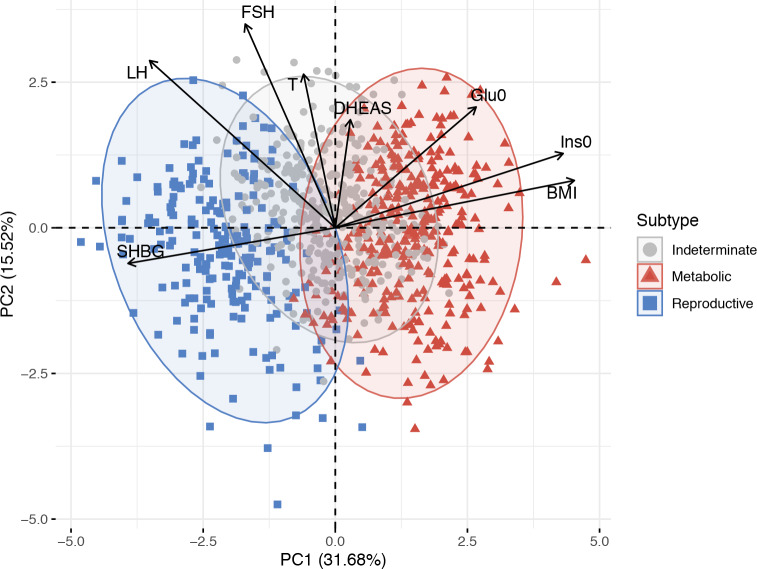
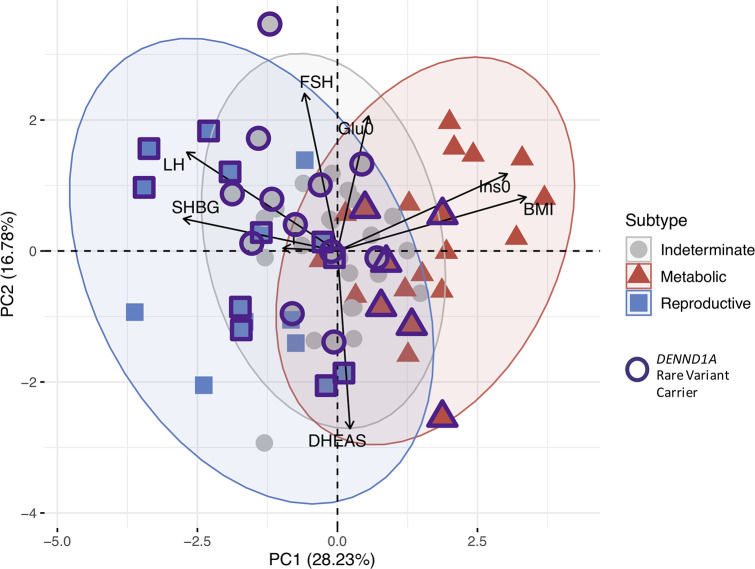
“BMI, body mass index; DHEAS, dehydroepiandrosterone sulfate; FSH, follicle-stimulating hormone; Glu0, fasting glucose; Ins0, fasting insulin; LH, luteinizing hormone; PC, principal component; PCA, principal component analysis; PCOS, polycystic ovary syndrome; SHBG, sex hormone binding globulin; T, testosterone. https:…”
MethodInfluential(2004) · Fertility and Sterility · doi:10.1016/j.fertnstert.2003.10.004 · Cited by 9,050
Finding the missing heritability of complex diseases
Manolio, T. A., Collins, F. S., Cox, N. J., Goldstein, D. B., Hindorff, L. A., Hunter, D. J., McCarthy, M. I., Ramos, E. M., Cardon, L. R., Chakravarti, A., et al. (2009) · Nature · doi:10.1038/nature08494 · Cited by 8,336 · cited 2×
“Furthermore, the susceptibility loci associated with subtypes in other ancestry groups may differ because the low frequency and large effect size of the variants associated with the reproductive subtype in our European cohort suggests these variants are of relatively recent origin and therefore may be populationspecif…”
BackgroundThe Rotterdam ESHRE/ASRM-sponsored PCOS consensus workshop group (2004) · Human Reproduction · doi:10.1093/humrep/deh098 · Cited by 6,138 · cited 1×
“Accordingly, the commonly used diagnostic criteria for PCOS, the National Institutes of Health (NIH) criteria [16] and the Rotterdam criteria [17,18], are based on expert opinion rather than mechanistic insights and are designed to account for the diverse phenotypic presentations of PCOS.”
MethodMETAL: fast and efficient meta-analysis of genomewide association scans
Willer, C. J., Li, Y., & Abecasis, G. R. (2010) · Bioinformatics · doi:10.1093/bioinformatics/btq340 · Cited by 5,205
Pruitt, K. D., Tatusova, T., & Maglott, D. R. (2007) · Nucleic Acids Research · doi:10.1093/nar/gkl842 · Cited by 4,481
Next-generation genotype imputation service and methods
Das, S., Forer, L., Schönherr, S., Sidore, C., Locke, A. E., Kwong, A., Vrieze, S. I., Chew, E. Y., Levy, S., McGue, M., et al. (2016) · Nature Genetics · doi:10.1038/ng.3656 · Cited by 3,808 · cited 2×
“r790) [39] and then imputed to the 1000 Genomes reference panel (Phase3 v5) [40] using Minimac3 via the Michigan Imputation Server [41].”
MethodWard’s Hierarchical Agglomerative Clustering Method: Which Algorithms Implement Ward’s Criterion?
Murtagh, F., & Legendre, P. (2014) · Journal of Classification · doi:10.1007/s00357-014-9161-z · Cited by 3,782 · cited 1×
“The normalized trait residuals were clustered using unsupervised, agglomerative, hierarchical clustering according to a generalization of Ward’s minimum variance method [34,35] on Manhattan distances between trait values.”
Method
Research works printed but not linked: 1
- Zawadski JKD A. Diagnostic criteria for polycystic ovary syndrome; towards a rational approach. In: Dunaif A, Givens JR, Haseltine FP, Merriam GR, editors. Polycystic Ovary Syndrome Boston, Massachusetts: Blackwell Scientific; 1992 pp. 377– 84.
Cited by
Items 201–297 of 297
Lu, F., Yu, H., Feng, J., Liu, Y., Ge, H., Shi, B., Guan, M., Ma, H., Wang, Y., Cong, J., et al. (2026) · Frontiers in Endocrinology · doi:10.3389/fendo.2025.1697014 · Cited by 1
Wang, X., Nie, H., Cui, R., Ye, G., Tan, Y., Zhang, J., Zhang, B., & Zhong, X. (2026) · Frontiers in Endocrinology · doi:10.3389/fendo.2026.1758861 · Cited by 4
“Indeed, Dapas et al. recently delineated two distinct PCOS subtypes based on genetic clustering: a “ reproductive ” subtype characterised by higher LH and SHBG levels, and a “ metabolic ” subtype characterised by higher BMI and insulin resistance (40, 41).”
Skin deep: dermatologic challenges in PCOS through the female lifespan
Oğuz, S. H., Armağan, B. Y., & Yildiz, B. O. (2026) · Expert Review of Endocrinology & Metabolism · doi:10.1080/17446651.2026.2632020 · Cited by 3
“DENND1A overexpression promotes theca androgen synthesis, but phenotypic data are limited [23,24].”
Waqar, M. A., Mubarak, N., & Khan, R. (2026) · Reproductive Sciences · doi:10.1007/s43032-026-02087-7 · Cited by 3
“Clinical research primarily demonstrates an association between insulin resistance and hyperandrogenism but does not fully confirm causality [80].”
Polymorphism of the FSHB Gene Is Associated with Endometrial Hyperplasia
Churnosov, V., Churnosova, M., Reshetnikov, E., Aristova, I., Tsoy, K., Николаевна, С. И., Polonikov, A., Solodilova, M. A., Churnosov, M. I., & Ponomarenko, I. (2026) · Life · doi:10.3390/life16050782 · Cited by 1
“…and ovariectomy (bilateral) [67], uterine fibroids [71], uterine fibroids and copious menstrual bleeding [68], endometriosis, age at menarche and duration of the menstrual cycle (pleiotropic connections revealed by the MR method) [61], and polycystic ovary syndrome [63,69] has been shown.”
Liu, Y., Sheng, P., Li, J., Weng, E., Wang, S., Lu, M., & An, X. (2026) · Frontiers in Medicine · doi:10.3389/fmed.2026.1758475 · Cited by 2
“Among the heterogeneous phenotypes of PCOS, the metabolic sub-type, primarily associated with obesity, is recognized as the most prevalent form, accounting for approximately 37%–39% of all cases (3).”
Thirumurugan, A., Ravi, S., & Annamalai, A. (2026) · The Journal of Steroid Biochemistry and Molecular Biology · doi:10.1016/j.jsbmb.2026.107088 · Cited by 3
The impact of menstrual cycle phase and BMI on mitochondrial dysfunction in PMOS endometrium
Luyckx, L., Myllykangas, M., Kinnunen, J., Lukashevich, S., Salumets, A., Velthut‐Meikas, A., Rooda, I., Izzi, V., Arffman, R. K., Saarela, U., et al. (2026) · Human Reproduction · doi:10.1093/humrep/deag127 · Cited by 1
“Again, these results underline the importance of BMI as a determining factor of the endometrial phenotype, which is in line with the observation of reproductive and metabolic subtypes identified by genome-wide association studies (Dapas et al. , 2020; Liu et al ., 2022).”
Ивановна, А. Е., Yarmolinskaya, M. I., & Osinovskaya, N. S. (2023) · Journal of obstetrics and women s diseases · doi:10.17816/jowd611015 · Cited by 2
Research Progress of Hyperandrogen in Polycystic Ovary Syndrome
谭, 金. (2024) · Advances in Clinical Medicine · doi:10.12677/acm.2024.142475 · Cited by 1
Miao, H., Yang, H., Yin, M., Wang, Y., Fang, Y., Yang, M., Zou, J., Zhang, W., Zhang, L., Liu, C., et al. (2024) · AJOG Global Reports · doi:10.1016/j.xagr.2024.100332 · Cited by 1
“6,7 − 10 It is hypothesized that PCOS originates from puberty or even from in utero.”
BackgroundThe impact of type 2 diabetes on polycystic ovary syndrome in patients undergoing sleeve gastrectomy
Zhu, T., Zhao, Y., Bi, X., Zhao, P., Liu, T., Li, Y., Li, S., Zhao, S., Liu, S., & Huang, X. (2024) · Human Reproduction · doi:10.1093/humrep/deae159 · Cited by 1
Ovulation induction in anovulatory PCOS women
DIAMANTI, M., & Marca, A. L. (2025) · Minerva Obstetrics and Gynecology · doi:10.23736/s2724-606x.24.05633-1 · Cited by 4
A Genome-Wide Association Study of Anti-Müllerian Hormone (AMH) Levels in Samoan Women
Erdogan-Yildirim, Z., Carlson, J. C., Krishnan, M., Zhang, J. Z., Lambert-Messerlian, G. M., Naseri, T. K., Viali, S., Hawley, N. L., McGarvey, S. T., Weeks, D. E., et al. (2025) · Genes · doi:10.3390/genes16070793 · Cited by 1
“Recently, two distinct PCOS subtypes (metabolic vs. reproductive) with distinct genetic architecture have been described in individuals of European ancestry [17], and it was found that PCOS susceptibility loci differ between lean and overweight/obese cases [18].”
Patient requests for improved diagnosis and information in polycystic ovary syndrome
PUGEAT, M. M., & Dewailly, D. (2020) · Annales d Endocrinologie · doi:10.1016/j.ando.2020.10.001 · Cited by 2
Type I fiber decrease and ectopic fat accumulation in skeletal muscle from women with PCOSPreprint
Stener‐Victorin, E., Eriksson, G., Shrestha, M. M., Paris, V. R., Lu, H., Banks, J. L., Samad, M., Perian, C., Jude, B., Engman, V., et al. (2023) · eLife · doi:10.7554/elife.87592.2 · Cited by 1
Lotz, L., Sillman, J., Hund, M., Domenico, A. D., Buck, K., & Dittrich, R. (2026) · Research Square · doi:10.21203/rs.3.rs-8346520/v1 · Cited by 1
Healthbot for Polycystic Ovarian Syndrome
Sundararajan, J. K., Li, Y., & Hadaegh, A. R. (2021) · International Journal of Database Management Systems · doi:10.5121/ijdms.2021.13201
A kaleidoscopic view of ovarian genes associated with polycystic ovary syndrome
Mümüşoğlu, S., Yang, Q., & Hsueh, A. J. W. (2021) · F&S Reviews · doi:10.1016/j.xfnr.2021.08.002
Jankowska, K. K., & Kaźmierczak-Dejewska, A. (2021) · Kwartalnik Naukowy Fides et Ratio · doi:10.34766/fetr.v47i3.922
“(Dapas et al., 2020) PCOS subtype reproductive metabolic DENND1A mutation + - LH ↑ ↓ SHBG ↑ ↓ Glucose serum level N ↑ Insulin serum level N ↑ BMI N or ↓ ↑”
Origins of Polycystic Ovary Syndrome In Utero
Homburg, R., & Raperport, C. (2022) · Cambridge University Press eBooks · doi:10.1017/9781108989831.007
Beyond the Label: A Patient-Centred Approach to Polycystic Ovary Syndrome
Briden, L. (2022) · CAND Journal · doi:10.54434/candj.114 · Cited by 1
Advances of the Regulation of Sex-Hormone Globulin in Polycystic Ovary Syndrome
常, 小. (2023) · Advances in Clinical Medicine · doi:10.12677/acm.2023.1361341
Type I fiber decrease and ectopic fat accumulation in skeletal muscle from women with PCOSPreprint
Stener‐Victorin, E., Eriksson, G., Shrestha, M. M., Perian, C., Jude, B., Engman, V., Boi, R., Nilsson, E., Ling, C., Nyström, J., et al. (2023) · eLife · doi:10.7554/elife.87592.1 · Cited by 1
Integrative Omics for Women’s Health
Murray, A., & Ruth, K. S. (2023) · Oxford University Press eBooks · doi:10.1093/oso/9780192864642.003.0013
Polycystic Ovary Syndrome in Pediatric Obesity
Pereira-Eshraghi, C., Al-Rayess, H., Bomberg, E. M., & Cree‐Green, M. (2023) · Springer eBooks · doi:10.1007/978-3-031-37380-0_11
Khmil, S. V., & Правак, Ю. Б. (2024) · Вісник соціальної гігієни та організації охорони здоров я України · doi:10.11603/1681-2786.2024.1.14631
Serum BMP8B levels in women with polycystic ovary syndrome: a case-control study
Xue, H., Hao, W.-J., Song, J. Y., Li, Y., Liu, M., Wei, J.-X., & Ren, X.-P. (2026) · Ginekologia Polska · doi:10.5603/gpl.101980
Research Progress of Chinese and Western Medicine in Non-obese Polycystic Ovary Syndrome
Wang, Y., & Chen, M. (2024) · Journal of Contemporary Medical Practice · doi:10.53469/jcmp.2024.06(06).46
“Dapas et al. [16] applied (Genome Wide Association Study (GWAS)) to cluster analysis the genes of 893 patients with PCOS, and determined the laboratory evaluation indexes of BMI, reproduction and metabolism of PCOS patients.”
BackgroundChaabouni, K., Saadallah-Kallel, A., Brahim, S. B., Chaabane, K., Frikha, M., Mnif, M. F., Keskes, L., Abdelhedi, F., & Ayedi, F. (2024) · SSRN Electronic Journal · doi:10.2139/ssrn.4938475
Ou, Y., Li, Y., Zhang, X., Liu, X., Wen, X., Liang, Y., & Wang, Q. (2024) · Research Square · doi:10.21203/rs.3.rs-5032941/v1
PRDM2 in Cancer: Deciphering the Molecular Orchestra of a Multifunctional Regulator
Zazzo, E. D., Rienzo, M., Casamassimi, A., Gazzerro, P., & Abbondanza, C. (2024) · Interdisciplinary cancer research · doi:10.1007/16833_2024_451
Clustering Analysis of Reproductive Health Data
Bhatia, A., Mehta, J., & Pal, T. (2024) · Springer eBooks · doi:10.1007/978-981-97-7451-7_7
Chaabouni, K., Saadallah-Kallel, A., Brahim, S. B., Chaabane, K., Frikha, M., Mnif, M. F., Keskes, L., Abdelhedi, F., & Ayadi, F. M. (2024) · Heliyon · doi:10.1016/j.heliyon.2024.e40411 · Cited by 2
BORDERLINE PERSONALITY DISORDER: DIAGNOSTIC AND THERAPEUTIC ISSUES
Ershova, V. E., Popova, V. A., & Milekhina, S. A. (2024) · International Conference Process Management and Scientific Developments · doi:10.34660/inf.2021.13.22.028
THE INFLUENCE OF COMPUTER GAMES ON THE DEVELOPMENT OF PATHOLOGIES IN THE HUMAN BODY
Chebanenko, I. I., Vinogradov, A. N., Akbarova, Z. G., & Milekhina, S. A. (2024) · International Conference Process Management and Scientific Developments · doi:10.34660/inf.2021.48.73.029
ESSENTIAL CONDITIONS OF THE ALIMONY PAYMENT AGREEMENT: ANALYSIS OF THE EXISTING LEGAL REGULATION
Zhukavin, V. V., Zhelonkin, S., & Шуваев, А. В. (2024) · International Conference Process Management and Scientific Developments · doi:10.34660/inf.2021.85.45.001
Нургалеев, М. С. (2024) · International Conference Process Management and Scientific Developments · doi:10.34660/inf.2021.90.22.005
Zaporozhets, V. V. (2024) · International Conference Process Management and Scientific Developments · doi:10.34660/inf.2021.31.31.012
Зиновьевна, А. Г., Геннадьевна, Т. И., & Геннадьевна, Н. И. (2024) · International Conference Process Management and Scientific Developments · doi:10.34660/inf.2021.58.19.008
MODERN EDUCATIONAL TECHNOLOGIES IN POSTGRADUATE TRAINING OF DOCTORS - CLINICAL PHARMACOLOGISTS
Sviderskaya, L. N., & Tarasova, O. M. (2024) · International Conference Process Management and Scientific Developments · doi:10.34660/inf.2021.82.38.009
Menstrual Disorders and Hyperandrogenism in Adolescence
DiVall, S. A., & Rosenfield, R. L. (2024) · Springer eBooks · doi:10.1007/978-3-031-66296-6_27
Research Progress on Polycystic Ovary Syndrome and Epigenetic DNA Methylation Regulation
蔡, 灵. (2025) · Hans Journal of Biomedicine · doi:10.12677/hjbm.2025.151022
李, 纯. (2025) · Advances in Clinical Medicine · doi:10.12677/acm.2025.1572142
Fang, Y., Zhao, X., Wang, C., Liu, C., Liang, Y., & Yang, X. (2025) · International Journal of Women s Health · doi:10.2147/ijwh.s542581
“16 Additionally, LHβ (rs1056917) and lutropin receptor (rs61996318) polymorphism were found to be strongly associated with the high LH/FSH ratio in PCOS patients, as the LH/FSH ratio was significantly higher in mutant homozygous and heterozygous variants when compared with wild-type.”
Leveraging AI Models/Tools for Human Fertility
Santosh, K., & Roy, D. G. (2025) · Studies in computational intelligence · doi:10.1007/978-981-95-1248-5_4
Diagnostic Criteria of PCOS: Future Challenges and Controversies
Dhramalingam, M., & Ganavi, Y. P. (2025) · BENTHAM SCIENCE PUBLISHERS eBooks · doi:10.2174/9798898810931125010007
刘, 思. (2025) · Advances in Clinical Medicine · doi:10.12677/acm.2025.15123545
Burns, K. A., Mullin, B. H., Moolhuijsen, L. M. E., Laisk, T., Tyrmi, J. S., Cui, J., Actkins, K. V., Louwers, Y. V., Davis, L. K., Dudbridge, F., et al. (2024) · Figshare · doi:10.6084/m9.figshare.26685513
Burns, K. A., Mullin, B. H., Moolhuijsen, L. M. E., Laisk, T., Tyrmi, J. S., Cui, J., Actkins, K. V., Louwers, Y. V., Davis, L. K., Dudbridge, F., et al. (2024) · Figshare · doi:10.6084/m9.figshare.26685516
Burns, K. A., Mullin, B. H., Moolhuijsen, L. M. E., Laisk, T., Tyrmi, J. S., Cui, J., Actkins, K. V., Louwers, Y. V., Davis, L. K., Dudbridge, F., et al. (2024) · Figshare · doi:10.6084/m9.figshare.26685543
Burns, K. A., Mullin, B. H., Moolhuijsen, L. M. E., Laisk, T., Tyrmi, J. S., Cui, J., Actkins, K. V., Louwers, Y. V., Davis, L. K., Dudbridge, F., et al. (2024) · Figshare · doi:10.6084/m9.figshare.26685534
Burns, K. A., Mullin, B. H., Moolhuijsen, L. M. E., Laisk, T., Tyrmi, J. S., Cui, J., Actkins, K. V., Louwers, Y. V., Davis, L. K., Dudbridge, F., et al. (2024) · Figshare · doi:10.6084/m9.figshare.26685537
Burns, K. A., Mullin, B. H., Moolhuijsen, L. M. E., Laisk, T., Tyrmi, J. S., Cui, J., Actkins, K. V., Louwers, Y. V., Davis, L. K., Dudbridge, F., et al. (2024) · Figshare · doi:10.6084/m9.figshare.26685510
Liu, Q., Zhu, Z., Kraft, P. L., Deng, Q., Stener-Victorin, E., & Jiang, X. (2022) · Figshare · doi:10.6084/m9.figshare.19159186
Burns, K. A., Mullin, B. H., Moolhuijsen, L. M. E., Laisk, T., Tyrmi, J. S., Cui, J., Actkins, K. V., Louwers, Y. V., Davis, L. K., Dudbridge, F., et al. (2024) · Figshare · doi:10.6084/m9.figshare.26685507
Burns, K. A., Mullin, B. H., Moolhuijsen, L. M. E., Laisk, T., Tyrmi, J. S., Cui, J., Actkins, K. V., Louwers, Y. V., Davis, L. K., Dudbridge, F., et al. (2024) · Figshare · doi:10.6084/m9.figshare.26685522
Chen, W., Liao, B., Yun, C., Zhao, M., & Pang, Y. (2024) · Figshare · doi:10.6084/m9.figshare.25802826
Burns, K. A., Mullin, B. H., Moolhuijsen, L. M. E., Laisk, T., Tyrmi, J. S., Cui, J., Actkins, K. V., Louwers, Y. V., Davis, L. K., Dudbridge, F., et al. (2024) · Figshare · doi:10.6084/m9.figshare.26685525
Burns, K. A., Mullin, B. H., Moolhuijsen, L. M. E., Laisk, T., Tyrmi, J. S., Cui, J., Actkins, K. V., Louwers, Y. V., Davis, L. K., Dudbridge, F., et al. (2024) · Figshare · doi:10.6084/m9.figshare.26685528
Cao, R., Chen, L., Liu, Y., Wang, X., Ma, R., Zhao, Q., & Du, Y. (2024) · Figshare · doi:10.6084/m9.figshare.26639211
Burns, K. A., Mullin, B. H., Moolhuijsen, L. M. E., Laisk, T., Tyrmi, J. S., Cui, J., Actkins, K. V., Louwers, Y. V., Davis, L. K., Dudbridge, F., et al. (2024) · Figshare · doi:10.6084/m9.figshare.26685531
Burns, K. A., Mullin, B. H., Moolhuijsen, L. M. E., Laisk, T., Tyrmi, J. S., Cui, J., Actkins, K. V., Louwers, Y. V., Davis, L. K., Dudbridge, F., et al. (2024) · Figshare · doi:10.6084/m9.figshare.26685540
Burns, K. A., Mullin, B. H., Moolhuijsen, L. M. E., Laisk, T., Tyrmi, J. S., Cui, J., Actkins, K. V., Louwers, Y. V., Davis, L. K., Dudbridge, F., et al. (2024) · Figshare · doi:10.6084/m9.figshare.26685519
A genetic variant of the goat PRDM2 gene and its effect on litter size
Areb, E., Wang, L., Zhu, Q., Ma, L., Bai, Y., Bekana, K., Chen, X., Wang, C., Lan, X., & Pan, C. (2025) · Small Ruminant Research · doi:10.1016/j.smallrumres.2025.107693
Special Issue “Molecular Advances in Obstetrical and Gynaecological Disorders”
Christopoulos, P., & Eleftheriades, A. (2026) · International Journal of Molecular Sciences · doi:10.3390/ijms27010492
“…are beginning to differentiate distinct molecular subtypes of PCOS, which may help tailor interventions based on individual molecular profiles, and similarly, studies on the genetic regulation of ovarian function are contributing to the development of targeted fertility preservation strategies [7].”
Edwards, E., Tsai, K. C., Pappu, S., Gaddey, H. L., Nofzinger, T. B., Vachon, E. A., & McConomy, B. (2026) · Women s Health · doi:10.1177/17455057261421724 · Cited by 1
Piórkowska, N., Nicigur, K., Leśniewski, M., Franik, G., & Bizoń, A. (2026) · medRxiv · doi:10.64898/2026.02.25.26346893
Epigenetic heterogeneity in women with polycystic ovary syndrome
Wang, A., Liu, M., Li, W., Zhu, D., & Tan, Q. (2026) · Molecular and Cellular Endocrinology · doi:10.1016/j.mce.2026.112807
Piórkowska, N., Madeyski, L., Leśniewski, M., Franik, G., & Bizoń, A. (2026) · Frontiers in Endocrinology · doi:10.3389/fendo.2026.1839476
“Considerable effort has therefore been directed toward identifying clinically meaningful PCOS subphenotypes that may differ in metabolic severity and long-term risk pro fi les (3, 4).”
The mechanism of Huanglian-Wendan decoction in treating PCOS-IR based on PI3K-AKT-GSK3 pathway
Wen, Y., Chang, H., Liu, L., Zhang, D., & Wang, M. (2026) · Journal of Radiation Research and Applied Sciences · doi:10.1016/j.jrras.2026.102469
BMI-Dependent Correlations of Sex Hormone Genes with Simple Endometrial Hyperplasia
Churnosov, V., Churnosova, M., Reshetnikov, E., Aristova, I., Tsoy, K., Николаевна, С. И., Polonikov, A., Solodilova, M. A., Churnosov, M. I., & Ponomarenko, I. (2026) · Life · doi:10.3390/life16060937
Ficek, M., Gawęda, W., Łobodzińska, W., Hamouta, Z., & Adamczyk, J. (2026) · International Journal of Innovative Technologies in Social Science · doi:10.31435/ijitss.1(49).2026.4798
Zhao, Z. (2026) · Frontiers in Public Health · doi:10.3389/fpubh.2026.1807105
“Although heritability studies suggest a strong genetic component, the rapid increase in PCOS prevalence over recent decades points to significant contributions from environmental exposures (6).”
Xu, H., Li, J., Yin, S. Q., Chen, Q., Tian, J., Chen, X., Zhang, X., Li, X., Diao, H., & Zhang, Y. (2026) · Journal of Endocrinological Investigation · doi:10.1007/s40618-026-02902-7
“As a highly heterogeneous syndrome, PCOS presents with significant variations across different phenotypes in terms of androgen levels, ovarian reserve markers, and metabolic characteristics (including obesity, insulin resistance, and hyperinsulinemia) [26, 27].”
Ceramide: a pivotal lipid mediator shaping female reproductive homeostasis and pathophysiology
Wang, W., Zhang, F., Huang, L., Qiao, J., & Qi, X. (2026) · Journal of Ovarian Research · doi:10.1186/s13048-026-02169-9 · Cited by 1
“An unsupervised hierarchical cluster analysis suggested two subtypes: (i) a reproductive group, characterized by higher LH and SHBG with lower BMI and insulin; (ii) a metabolic group, characterized by higher BMI, glucose, and insulin with lower LH and SHBG [47].”
Wang, S., & Wang, K. (2026) · Molecular and Cellular Endocrinology · doi:10.1016/j.mce.2026.112855
Wang, C., Yu, J., Zhai, J., Wu, Y., Wang, Y., Chen, Z., & Du, Y. (2026) · Frontiers in Nutrition · doi:10.3389/fnut.2026.1797101 · Cited by 1
Piórkowska, N., Ostromęcki, A., Franik, G., & Bizoń, A. (2026) · medRxiv · doi:10.64898/2026.07.09.26357636
Hereditary Genetic Mutations in Polycystic Ovary Syndrome (PCOS): Current State of the Problem
Osinnyaya, M. R., Shestakov, E. R., Ovcharova, E. V., Muradalieva, M. S., Shuchkina, M. V., Omarova, Z. G., Shabanova, E. V., Lysyuk, V. V., Kovyrshina, D. S., & Pererva, V. V. (2026) · Journal Of Biochemical Technology · doi:10.51847/gm40s1ua1t
Zadeh, Z. A., Roshan, V. D., & Mirzaei, M. (2026) · Journal of Exercise Science & Fitness · doi:10.1016/j.jesf.2026.200499
“5,6 Nevertheless, these studies have largely focused on baseline phenotyping and have not examined exercise-induced longitudinal response patterns.”
Piórkowska, N., Nicifur, K., Leśniewski, M., Franik, G., & Bizoń, A. (2026) · Journal of Endocrinological Investigation · doi:10.1007/s40618-026-02998-x · Cited by 2
Darwish, R., Moin, A. S. M., Nandakumar, M., Sathyapalan, T., Butler, A. E., Atkin, S. L., & Rajab, E. (2026) · Diabetes Obesity and Metabolism · doi:10.1111/dom.71177
Haroon, A., Farooq, I., & Imran, M. (2026) · Pakistan BioMedical Journal · doi:10.54393/pbmj.v9i7.1385
Lokhande, A., Tamhane, A., Kulkarni, S., & Pradhan, M. (2026) · Galore International Journal of Health Sciences and Research · doi:10.52403/gijhsr.20260306
Revealing Clinically Meaningful PCOS Phenotypes Through Unsupervised Clusterings
Mondal, S., Das, I., & Bakshi, T. (2026) · OPJU International Technology Conference on Smart Computing for Innovation and Advancement in Industry (OTCON) · doi:10.1109/otcon69332.2026.11630000
“…clustered patients with PCOS into reproductive, metabolic, and balanced groups, observing that the metabolic cluster was associated with poorer reproductive outcomes during in vitro fertilization (IVF) [3], highlighting the potential utility of clustering in personalized clinical management.”
Mondal, S., Das, I., & Bakshi, T. (2026) · OPJU International Technology Conference on Smart Computing for Innovation and Advancement in Industry (OTCON) · doi:10.1109/otcon69332.2026.11629971
“Dapas et al. (2020) [1] applied unsupervised hierarchical clustering to reproductive and metabolic quantitative traits in a cohort of 893 patients with PCOS and identified two major subtypes: a reproductive subtype with elevated luteinizing hormone (LH) and sex hormone-binding globulin (SHBG) levels…”
Distinct metabolomic profiles in lean and non-lean polyendocrine metabolic ovarian syndrome
Vagios, S., Mermin-Bunnell, A. M., Arkfeld, C. K., Sassin, A. M., James, K., Souter, I. C., Polli, F. E., & Pépin, D. (2026) · Journal of Assisted Reproduction and Genetics · doi:10.1007/s10815-026-04015-9
Gardner, H. R., Meyer, M. L., Wagner, J. K., Perreira, K. M., Zhou, L. Y., Daviglus, M. L., Cordero, C., Justice, A. E., & Fernandez-Rhodes, L. (2026) · Frontiers in Genetics · doi:10.3389/fgene.2026.1801152
“Clusters within PCOS have been delineated and studied based on key PCOS hormones and genes (Dapas et al., 2020; Chen et al., 2024; Stamou et al., 2024).”
Suresh, A., Jayaprakasan, J., Venkatesan, R., Soujanya, C., & Selvaraj, D. (2026) · The Journal of Steroid Biochemistry and Molecular Biology · doi:10.1016/j.jsbmb.2026.107117
Redefining Polycystic Ovary Syndrome
Vafea, M. T., & Dunaif, A. E. (2026) · Endocrinology and Metabolism Clinics of North America · doi:10.1016/j.ecl.2026.08.002
Self-citationPriyanka, D., & Sumangali, K. (2026) · Frontiers in Endocrinology · doi:10.3389/fendo.2026.1871986
“Dapas et al. (9), who analyzed PCOS in a multi-ethnic cohort of >2,000 individuals, applied the non-negative matrix factorization method, proving the presence of subtypes determined by insulin resistance and androgen excess.”
Polycystic Ovarian Syndrome and Diabetes Mellitus: A Bidirectional Endocrine Disorder
Barman, I., Malik, S., Bora, J., Sharma, T., Sarma, J., Priya, S., Rustagi, S., Thapliyal, S., Deshwal, R. K., Ray, S., et al. (2026) · Biomedical & Pharmacology Journal · doi:10.13005/bpj/3486
李红涛, Yin, T., Wang, Y., Wang, Y., Xu, N., Yi, W., & Yang, H. (2026) · Frontiers in Endocrinology · doi:10.3389/fendo.2026.1978249
“Unsupervised analyses identify reproductive, metabolic, intermediate, or background clusters from anthropometry, gonadotro-pins, and metabolic markers (15 – 19).”
黄伟伟, Yu, C., Wang, Y., Sun, N., Wang, L., Ren, J., Xu, Y., Guo, X., Li, X., Mao, Y., et al. (2026) · Nature Metabolism · doi:10.1038/s42255-026-01625-6
Pradhan, S., & Gopalakrishnan, A. V. (2026) · Molecular Biology Reports · doi:10.1007/s11033-026-12967-5
“SHBG serves as a key marker for subtype classifica - tion, with higher levels generally observed in reproductive subtypes with low BMI and insulin, and lower levels in metabolic subtypes with higher BMI, glucose, and insulin [30 ].”
InfluentialNambiyar, N., Elango, N., & Velvizhi, S. (2026) · Reproduction Fertility and Development · doi:10.1071/rd26115
Metadata
- Authors
- Dapas, M., Lin, F. T. J., Nadkarni, G. N., Sisk, R., Legro, R. S., Urbanek, M., Hayes, M. G., & Dunaif, A.
- Affiliations
- Northwestern University (US)
- Icahn School of Medicine at Mount Sinai (US)
- Pennsylvania State University (US)
- Corresponding author
- Hayes, M. Geoffrey
- Dunaif, Andrea
- ORCID
- Venue
- PLOS Medicine
- Publisher
- Public Library of Science (PLoS)
- Published
- 2020-06-23
- Volume
- 17
- Issue
- 6
- Pages
- e1003132
- ISSN
- 1549-1277 (ISSN-L)
- 1549-1676
- PMC
- PMC7310679
- OpenAlex
- W3036813420
- Cited by
- 297
- References
- 100
- Citations by year
- 2026: 49 · 2025: 52 · 2024: 72 · 2023: 48 · 2022: 44 · 2021: 27 · 2020: 5
- FWCI
- 27.34
- Type
- journal article
- Language
- en
- Open access
- gold
- doi.org
- Licence
- Locations
- PLoS Medicine (publishedVersion, cc-by)
- bioRxiv (Cold Spring Harbor Laboratory) (acceptedVersion, cc-by)
- PubMed Central (publishedVersion, cc-by)
- PubMed (publishedVersion)
- DOAJ (DOAJ: Directory of Open Access Journals) (submittedVersion, cc-by-sa)
- Funders
- National Institutes of Health (P50 HD044405, R01 HD057223, R01 HD085227, T32 DK007169)
- Topics
- Health Sciences › Medicine › Reproductive Medicine › Ovarian function and disorders
- Life Sciences › Biochemistry, Genetics and Molecular Biology › Genetics › Genetic and Kidney Cyst Diseases
- Health Sciences › Medicine › Endocrinology, Diabetes and Metabolism › Sexual Differentiation and Disorders
- Keywords
- polycystic ovary syndrome, PCOS subtypes, phenotypic clustering, genetic heterogeneity, PCOS diagnostic criteria, reproductive phenotypes, metabolic phenotypes, luteinizing hormone, sex hormone-binding globulin, insulin resistance, body mass index, genetic association
- MeSH terms
- Adult, Female, Humans, Phenotype, Polycystic Ovary Syndrome, Cluster Analysis, Genome-Wide Association Study, Genetic Association Studies
About these checks
Registry, retraction, Cites and statistics results are computed, not judged, with one exception: a printed reference that no index lists is read once by a model before it counts as a citation error. Claims are extracted by a model and kept only when their quote appears verbatim in the text; each cited source is then checked, with a model’s help, for whether it says what the claim relies on. Those verdicts can be wrong — read the claim’s quote and the cited source before relying on one.
Statistics and arithmetic are recomputed, not judged.
Confidence bands are shown only for fields calibrated on our annotated test set. None is calibrated yet, so no band is shown.
What counts as a claim ›How we measure confidence ›How we check this ›
Are you an author, or do you see a problem with this page? Request a review
Data sources
Bibliographic data: Semantic Scholar, OpenAlex, Crossref.
Contains information from the Semantic Scholar Academic Graph Datasets, made available under the ODC Attribution License (ODC-BY 1.0).
Semantic Scholar’s data is described in: Kinney, R., et al. (2023). The Semantic Scholar Open Data Platform. arXiv:2301.10140.
