

Distinct subtypes of polycystic ovary syndrome with novel genetic associations: An unsupervised, phenotypic clustering analysis
Open accessPublished version of a preprint
The DOI matches its Crossref record; 101 of the 101 references it cites were found in a registry or an index.
Abstract
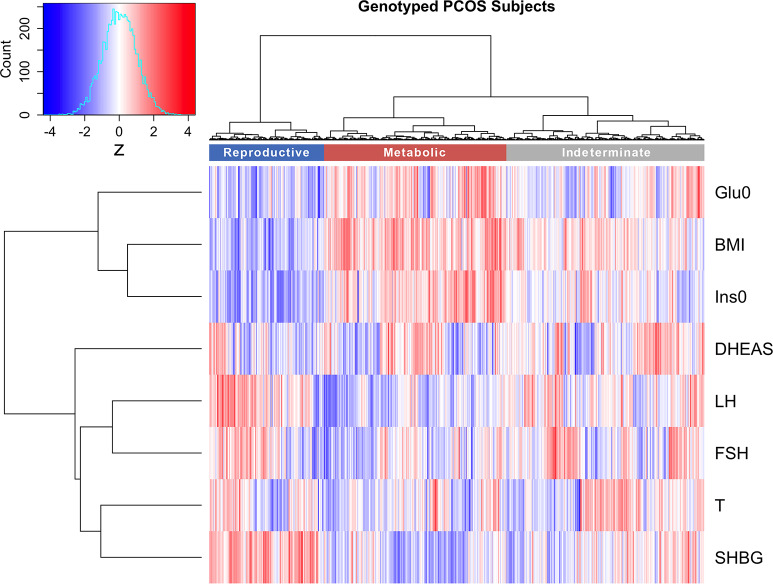
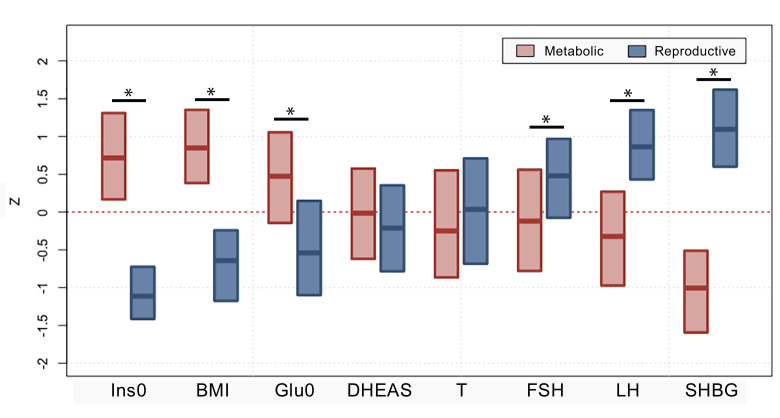
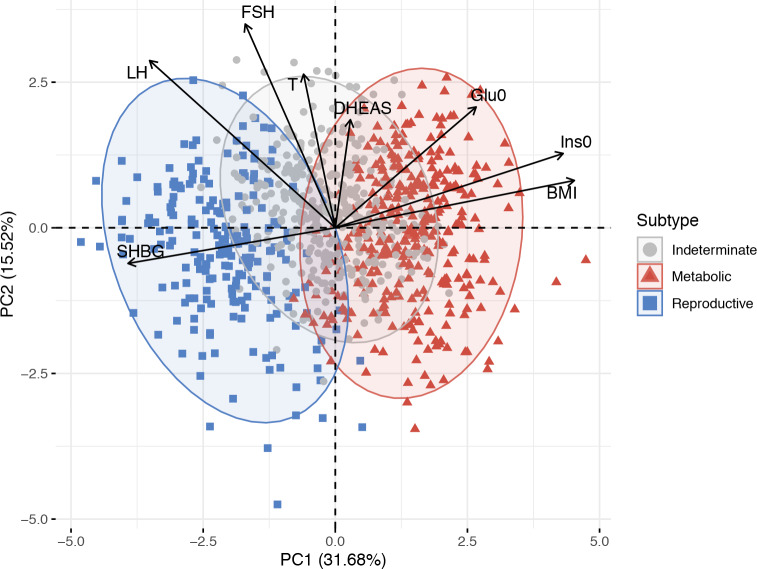
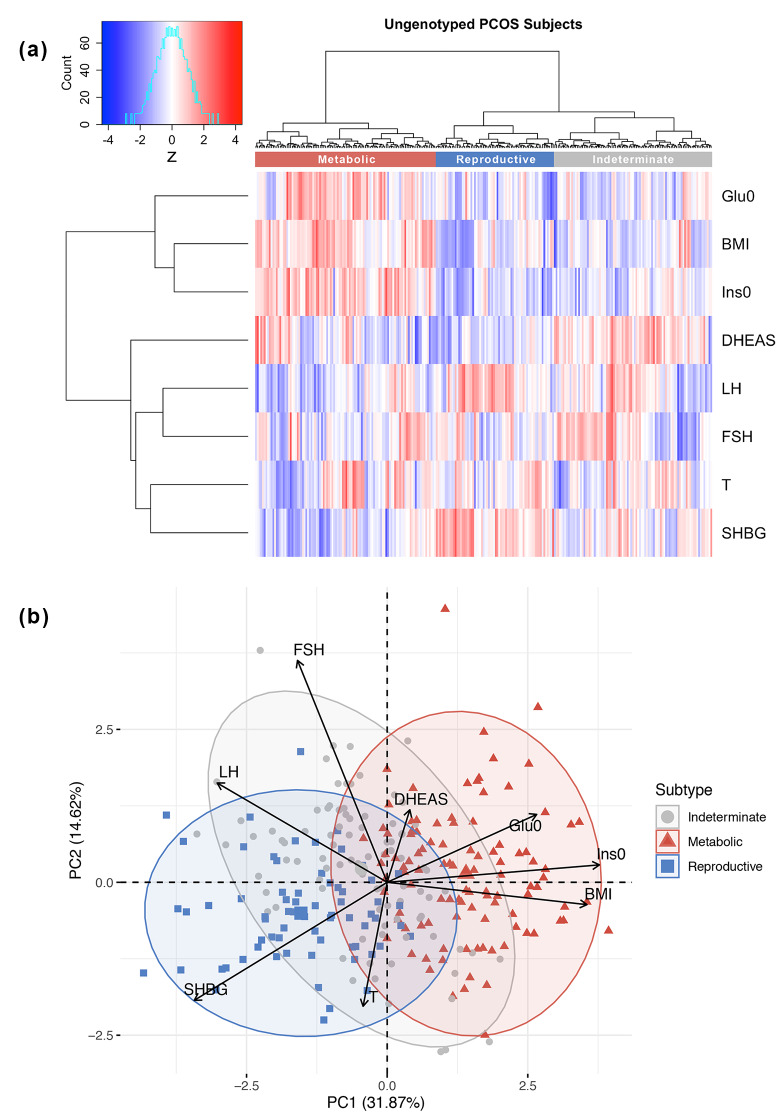
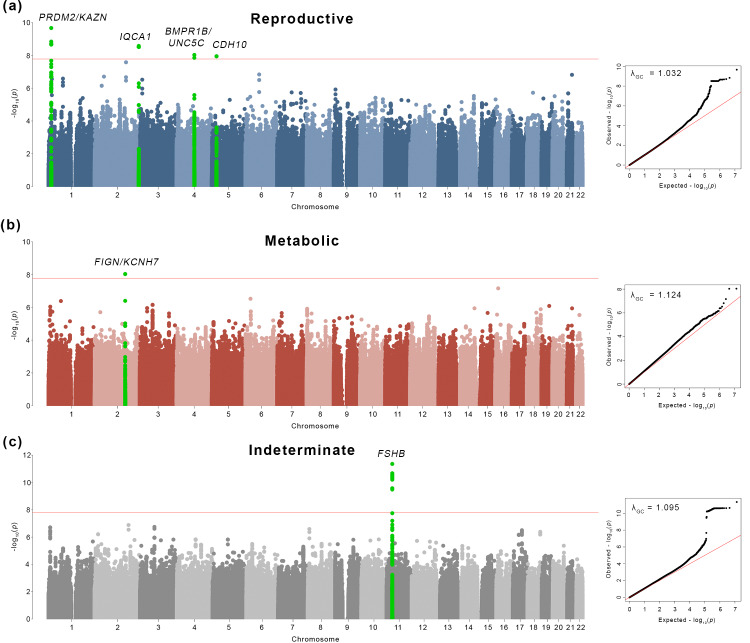
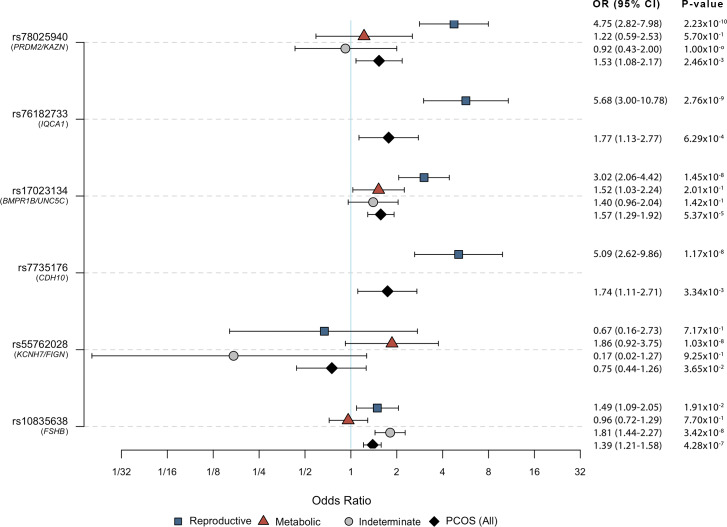
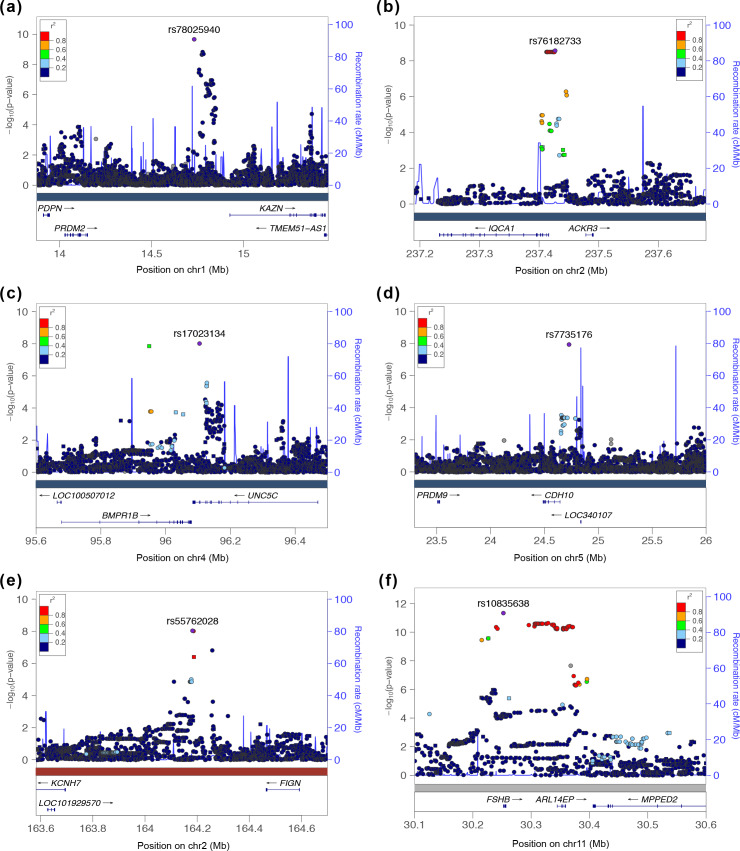
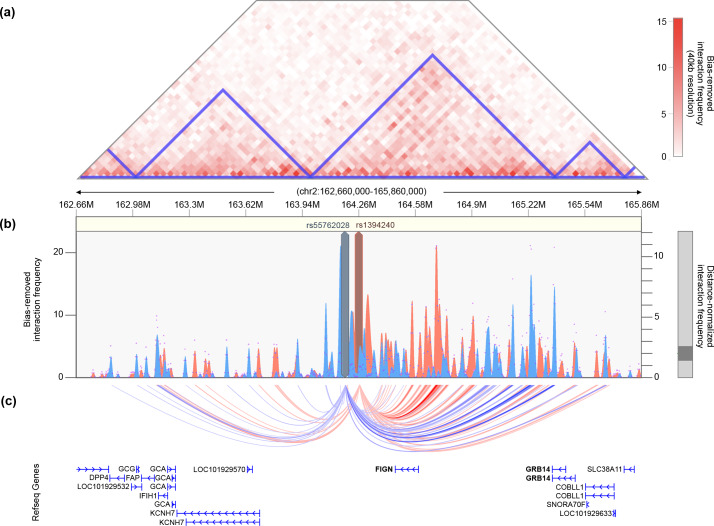
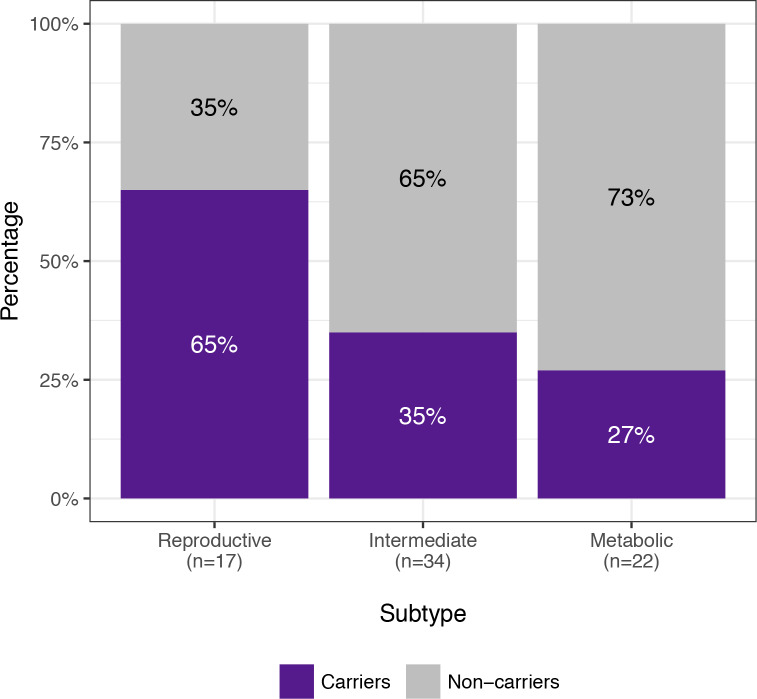
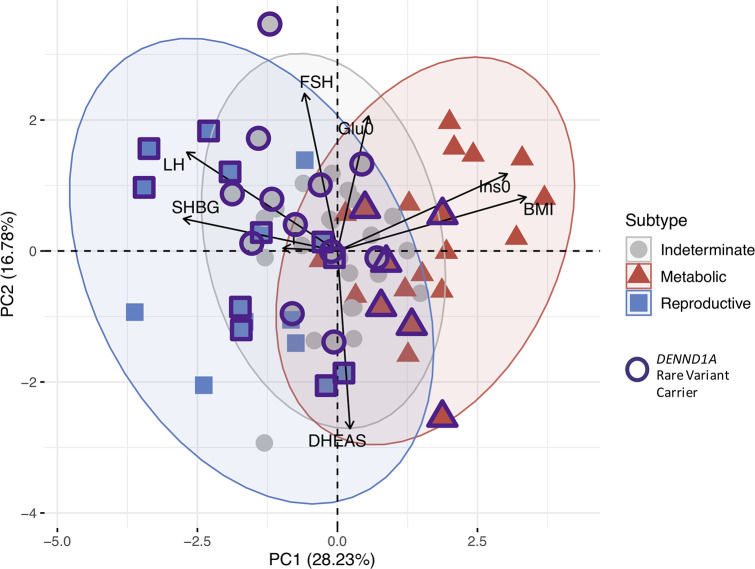
BACKGROUND: Polycystic ovary syndrome (PCOS) is a common, complex genetic disorder affecting up to 15% of reproductive-age women worldwide, depending on the diagnostic criteria applied. These diagnostic criteria are based on expert opinion and have been the subject of considerable controversy. The phenotypic variation observed in PCOS is suggestive of an underlying genetic heterogeneity, but a recent meta-analysis of European ancestry PCOS cases found that the genetic architecture of PCOS defined by different diagnostic criteria was generally similar, suggesting that the criteria do not identify biologically distinct disease subtypes. We performed this study to test the hypothesis that there are biologically relevant subtypes of PCOS. METHODS AND FINDINGS: Using biochemical and genotype data from a previously published PCOS genome-wide association study (GWAS), we investigated whether there were reproducible phenotypic subtypes of PCOS with subtype-specific genetic associations. Unsupervised hierarchical cluster analysis was performed on quantitative anthropometric, reproductive, and metabolic traits in a genotyped cohort of 893 PCOS cases (median and interquartile range [IQR]: age = 28 [25-32], body mass index [BMI] = 35.4 [28.2-41.5]). The clusters were replicated in an independent, ungenotyped cohort of 263 PCOS cases (median and IQR: age = 28 [24-33], BMI = 35.7 [28.4-42.3]). The clustering revealed 2 distinct PCOS subtypes: a "reproductive" group (21%-23%), characterized by higher luteinizing hormone (LH) and sex hormone binding globulin (SHBG) levels with relatively low BMI and insulin levels, and a "metabolic" group (37%-39%), characterized by higher BMI, glucose, and insulin levels with lower SHBG and LH levels. We performed a GWAS on the genotyped cohort, limiting the cases to either the reproductive or metabolic subtypes. We identified alleles in 4 loci that were associated with the reproductive subtype at genome-wide significance (PRDM2/KAZN, P = 2.2 × 10⁻¹⁰; IQCA1, P = 2.8 × 10⁻⁹; BMPR1B/UNC5C, P = 9.7 × 10⁻⁹; CDH10, P = 1.2 × 10⁻⁸) and one locus that was significantly associated with the metabolic subtype (KCNH7/FIGN, P = 1.0 × 10⁻⁸). We developed a predictive model to classify a separate, family-based cohort of 73 women with PCOS (median and IQR: age = 28 [25-33], BMI = 34.3 [27.8-42.3]) and found that the subtypes tended to cluster in families and that carriers of previously reported rare variants in DENND1A, a gene that regulates androgen biosynthesis, were significantly more likely to have the reproductive subtype of PCOS. Limitations of our study were that only PCOS cases of European ancestry diagnosed by National Institutes of Health (NIH) criteria were included, the sample sizes for the subtype GWAS were small, and the GWAS findings were not replicated. CONCLUSIONS: In conclusion, we have found reproducible reproductive and metabolic subtypes of PCOS. Furthermore, these subtypes were associated with novel, to our knowledge, susceptibility loci. Our results suggest that these subtypes are biologically relevant because they appear to have distinct genetic architecture. This study demonstrates how phenotypic subtyping can be used to gain additional insights from GWAS data.
Overview
The claims and statistics of this paper haven’t been checked yet.
Free: it reads the open-access text and checks the first 5 claims that cite a source we can check. Create a free account to check every claim.
Integrity signals
Registry
Cites
Statistics
Figures
Verification
Claims the paper makes
The claims and statistics of this paper haven’t been checked yet.
Free: it reads the open-access text and checks the first 5 claims that cite a source we can check. Create a free account to check every claim.
Claims other papers make about this one
Each is checked against this paper’s own text: does it say what the citing paper says it does?
In the citing paper
“Clustering revealed two major distinct PCOS subtypes: a “reproductive” group characterized by high LH and SHBG levels, but with normal/low BMI and normal insulin levels, and a “metabolic” group with high BMI, glucose and insulin levels, but with low LH and SHBG levels.”
From Controversies in the Pathogenesis, Diagnosis and Treatment of PCOS: Focus on Insulin Resistance, Inflammation, and Hyperandrogenism (2022) · cites this paper as [34]
In the citing paper
“In this study, the authors identified alleles at four loci associated with the “reproductive” subtype and one locus significantly associated with the “metabolic” subtype.”
From Controversies in the Pathogenesis, Diagnosis and Treatment of PCOS: Focus on Insulin Resistance, Inflammation, and Hyperandrogenism (2022) · cites this paper as [34]
Self-check
Percentages, sums and reported differences re-computed from the paper’s own numbers.
The self-check needs the paper’s full text.
Citations
Cites
Modern Applied Statistics with S
Venables, W. N., & Ripley, B. D. (2002) · Statistics and Computing · doi:10.1007/978-0-387-21706-2 · Cited by 24,305
A global reference for human genetic variation
The 1000 Genomes Project Consortium, authors, C., Auton, A., Abecasis, G. R., Steering committee, Altshuler, D. M., Durbin, R. M., Abecasis, G. R., Bentley, D. R., Chakravarti, A., et al. (2015) · Nature · doi:10.1038/nature15393 · Cited by 18,247
Principal components analysis corrects for stratification in genome-wide association studies
Price, A. L., Patterson, N. J., Plenge, R. M., Weinblatt, M. E., Shadick, N. A., & Reich, D. (2006) · Nature Genetics · doi:10.1038/ng1847 · Cited by 10,248 · cited 10×
“BMI, body mass index; DHEAS, dehydroepiandrosterone sulfate; FSH, follicle-stimulating hormone; Glu0, fasting glucose; Ins0, fasting insulin; LH, luteinizing hormone; PC, principal component; PCA, principal component analysis; PCOS, polycystic ovary syndrome; SHBG, sex hormone binding globulin; T, testosterone. https:…”
MethodInfluential(2004) · Fertility and Sterility · doi:10.1016/j.fertnstert.2003.10.004 · Cited by 9,050
Finding the missing heritability of complex diseases
Manolio, T. A., Collins, F. S., Cox, N. J., Goldstein, D. B., Hindorff, L. A., Hunter, D. J., McCarthy, M. I., Ramos, E. M., Cardon, L. R., Chakravarti, A., et al. (2009) · Nature · doi:10.1038/nature08494 · Cited by 8,336 · cited 2×
“Furthermore, the susceptibility loci associated with subtypes in other ancestry groups may differ because the low frequency and large effect size of the variants associated with the reproductive subtype in our European cohort suggests these variants are of relatively recent origin and therefore may be populationspecif…”
BackgroundThe Rotterdam ESHRE/ASRM-sponsored PCOS consensus workshop group (2004) · Human Reproduction · doi:10.1093/humrep/deh098 · Cited by 6,138 · cited 1×
“Accordingly, the commonly used diagnostic criteria for PCOS, the National Institutes of Health (NIH) criteria [16] and the Rotterdam criteria [17,18], are based on expert opinion rather than mechanistic insights and are designed to account for the diverse phenotypic presentations of PCOS.”
MethodMETAL: fast and efficient meta-analysis of genomewide association scans
Willer, C. J., Li, Y., & Abecasis, G. R. (2010) · Bioinformatics · doi:10.1093/bioinformatics/btq340 · Cited by 5,205
Pruitt, K. D., Tatusova, T., & Maglott, D. R. (2007) · Nucleic Acids Research · doi:10.1093/nar/gkl842 · Cited by 4,481
Next-generation genotype imputation service and methods
Das, S., Forer, L., Schönherr, S., Sidore, C., Locke, A. E., Kwong, A., Vrieze, S. I., Chew, E. Y., Levy, S., McGue, M., et al. (2016) · Nature Genetics · doi:10.1038/ng.3656 · Cited by 3,808 · cited 2×
“r790) [39] and then imputed to the 1000 Genomes reference panel (Phase3 v5) [40] using Minimac3 via the Michigan Imputation Server [41].”
MethodWard’s Hierarchical Agglomerative Clustering Method: Which Algorithms Implement Ward’s Criterion?
Murtagh, F., & Legendre, P. (2014) · Journal of Classification · doi:10.1007/s00357-014-9161-z · Cited by 3,782 · cited 1×
“The normalized trait residuals were clustered using unsupervised, agglomerative, hierarchical clustering according to a generalization of Ward’s minimum variance method [34,35] on Manhattan distances between trait values.”
Method
Research works printed but not linked: 1
- Zawadski JKD A. Diagnostic criteria for polycystic ovary syndrome; towards a rational approach. In: Dunaif A, Givens JR, Haseltine FP, Merriam GR, editors. Polycystic Ovary Syndrome Boston, Massachusetts: Blackwell Scientific; 1992 pp. 377– 84.
Cited by
Update on PCOS: consequences, challenges, and guiding treatment
Hoeger, K. M., Dokras, A., & Piltonen, T. (2021) · The Journal of Clinical Endocrinology & Metabolism · doi:10.1210/clinem/dgaa839 · Cited by 610
Stener-Victorin, E., Teede, H., Norman, R. J., Legro, R., Goodarzi, M. O., Dokras, A., Laven, J., Hoeger, K., & Piltonen, T. T. (2024) · Nature Reviews Disease Primers · doi:10.1038/s41572-024-00511-3 · Cited by 495
“Exploration of GWAS combined with sophisticated cluster analyses in data sets has suggested grouping around core endocrine features across hyperandrogenaemia, hyperinsulinaemia, hypothalamic– pituitary abnormalities and BMI 19,94,224,228 .”
Self-citationObesity as a multisystem disease: Trends in obesity rates and obesity‐related complications
Sarma, S., Sockalingam, S., & Dash, S. (2021) · Diabetes, Obesity and Metabolism · doi:10.1111/dom.14290 · Cited by 435
“genetic variants known to influence body weight), BMI has increased over time, strongly suggesting that environmental factors are the major driver of the recent obesity pandemic, with greater effects in those who are genetically predisposed.(23,27) While socioeconomic factors are determinants of obesity,(28) the rise…”
BackgroundZhao, H., Zhang, J., Cheng, X., Nie, X., & He, B. (2023) · Journal of Ovarian Research · doi:10.1186/s13048-022-01091-0 · Cited by 408
“A clustering analysis of 893 women with PCOS identified the metabolic subtype of PCOS, which was characterized by higher BMI and glucose and insulin levels with relatively low SHBG and LH levels [5].”
MethodArmanini, D., Boscaro, M., Bordin, L., & Sabbadin, C. (2022) · International Journal of Molecular Sciences · doi:10.3390/ijms23084110 · Cited by 324
“recently analyzed the heterogeneity of PCOS phenotypes by using biochemical and genotypic data from a published PCOS genome-wide association study [34].”
MethodDeconstructing a Syndrome: Genomic Insights Into PCOS Causal Mechanisms and Classification
Dapas, M., & Dunaif, A. (2022) · Endocrine Reviews · doi:10.1210/endrev/bnac001 · Cited by 300
Self-citationEpigenetic inheritance of polycystic ovary syndrome — challenges and opportunities for treatment
Stener-Victorin, E., & Deng, Q. (2021) · Nature Reviews Endocrinology · doi:10.1038/s41574-021-00517-x · Cited by 212
Qu, X., & Donnelly, R. (2020) · International Journal of Molecular Sciences · doi:10.3390/ijms21218191 · Cited by 210
“An unsupervised phenotypic clustering analysis using data from PCOS genome-wide association study has identified two distinct PCOS subtypes: a “reproductive” group that presents higher SHBG levels with relatively low BMI and insulin levels, and a “metabolic” group that is characterized by higher BMI, glucose, and insu…”
MethodPolycystic ovary syndrome as a metabolic disease
Helvaci, N., & Yildiz, B. O. (2025) · Nature Reviews Endocrinology · doi:10.1038/s41574-024-01057-w · Cited by 188
“These findings suggest that the currently used phenotyping of PCOS, which is based on clinical presentation alone, does not identify biologically distinct disease subtypes, which might differ in response to therapy and long-term outcomes 97 .”
InfluentialA Review of Machine Learning Algorithms for Biomedical Applications
Binson, V. A., Thomas, S., Subramoniam, M., Arun, J., Naveen, S., & Madhu, S. (2024) · Annals of Biomedical Engineering · doi:10.1007/s10439-024-03459-3 · Cited by 177
“This technique has been employed in numerous biomedical applications to analyze vast and intricate datasets [38].”
Diagnosis of Polycystic Ovary Syndrome
Chang, S., & Dunaif, A. E. (2021) · Endocrinology and Metabolism Clinics of North America · doi:10.1016/j.ecl.2020.10.002 · Cited by 190
Self-citationXing, C., Zhang, J., Zhao, H., & He, B. (2022) · International Journal of Women's Health · doi:10.2147/ijwh.s344542 · Cited by 118
“The metabolic phenotype (non-reproductive group) with IR and low SHBG levels is a high-risk population for infertility.(6) Clinical studies in adolescent girls have shown that SHBG is a strong predictor of insulin sensitivity, and a decline in SHBG is indicative of IR development.”
BackgroundPolycystic ovary syndrome and type 2 diabetes mellitus: A state-of-the-art review
Livadas, S., Anagnostis, P. G., Bosdou, J. Κ., Bantouna, D., & Paparodis, R. D. (2022) · World Journal of Diabetes · doi:10.4239/wjd.v13.i1.5 · Cited by 131
Tyrmi, J. S., Arffman, R. K., Pujol‐Gualdo, N., Kurra, V., Morin-Papunen, L. C., Sliz, E., FinnGen, Piltonen, T., Laisk, T., Kettunen, J., et al. (2021) · Human Reproduction · doi:10.1093/humrep/deab250 · Cited by 103
Barrera, F. J., Brown, E. D. L., Rojo, A., Obeso, J., Plata, H., Lincango, E. P., Terry, N., Rodríguez-Gutiérrez, R., Hall, J. E., & Shekhar, S. (2023) · Frontiers in Endocrinology · doi:10.3389/fendo.2023.1106625 · Cited by 91
Józkowiak, M., Piotrowska‐Kempisty, H., Kobylarek, D., Gorska, N., Mozdziak, P. E., Kempisty, B., Rachoń, D., & Spaczyński, R. (2022) · Cells · doi:10.3390/cells12010174 · Cited by 121
“Interestingly, the research has indicated two PCOS subtypes: (i) a reproductive group (21–23%), characterized by higher levels of LH and SHBG as well as relatively low BMI and insulin levels; (ii) a metabolic group (37–39%), described by higher BMI, glucose, and insulin levels, accompanied by lower LH and SHBG levels…”
BackgroundMethodResultInfluentialSignaling pathways and targeted therapeutic strategies for polycystic ovary syndrome
Wang, K., & Lǐ, Y. (2023) · Frontiers in Endocrinology · doi:10.3389/fendo.2023.1191759 · Cited by 128
Mechanism of elevated LH/FSH ratio in lean PCOS revisited: a path analysis
Pratama, G., Wiweko, B., Asmarinah, A., Widyahening, I. S., Andraini, T., Bayuaji, H., & Hestiantoro, A. (2024) · Scientific Reports · doi:10.1038/s41598-024-58064-0 · Cited by 130
Dobbie, L. J., Pittam, B., Zhao, S. S., Alam, U., Hydes, T., Barber, T. M., & Cuthbertson, D. J. (2023) · Human Reproduction · doi:10.1093/humrep/dead053 · Cited by 95
“Using two complementary methodologies (systematic review/meta-analysis and MR), we provide robust evidence in support of a strong causal association between first, overweight/obesity, and specifically central fat accumulation, and second, metabolic parameters suggestive of insulin resistance (including hyperinsulinaem…”
InfluentialMachine-aided self-diagnostic prediction models for polycystic ovary syndrome: observational study
Zigarelli, A., Jia, Z., & Lee, H. (2022) · JMIR Formative Research · doi:10.2196/29967 · Cited by 74
Obesity-Related Hypogonadism in Women
Eng, P. C., Phylactou, M., Qayum, A., Woods, C., Lee, H., Aziz, S., Moore, B., Miras, A. D., Comninos, A. N., Tan, T., et al. (2023) · Endocrine Reviews · doi:10.1210/endrev/bnad027 · Cited by 90
Shpakov, A. O. (2021) · Pharmaceuticals · doi:10.3390/ph14010042 · Cited by 94
Emanuel, R. H. K., Roberts, J., Docherty, P. D., Lunt, H., Campbell, R. E., & Möller, K. (2022) · Frontiers in Endocrinology · doi:10.3389/fendo.2022.1017468 · Cited by 102
Reappraising the relationship between hyperinsulinemia and insulin resistance in PCOS
Houston, E. J., & Templeman, N. M. (2025) · Journal of Endocrinology · doi:10.1530/joe-24-0269 · Cited by 110
Liu, Q., Zhu, Z., Kraft, P., Deng, Q., Stener-Victorin, E., & Jiang, X. (2022) · BMC Medicine · doi:10.1186/s12916-022-02238-y · Cited by 68
“higher BMI, glucose, and insulin levels with lower SHBG and LH levels [69].”
BackgroundPolycystic Ovary Syndrome: Challenges and Possible Solutions
Che, Y., Yu, J., Li, Y., Zhu, Y., & Tao, T. (2023) · Journal of Clinical Medicine · doi:10.3390/jcm12041500 · Cited by 87
“[38] investigated a new phenotypic subtype approach of PCOS.”
BackgroundPolycystic ovary syndrome as a plausible evolutionary outcome of metabolic adaptation
Dumesic, D. A., Padmanabhan, V., Chazenbalk, G. D., & Abbott, D. H. (2022) · Reproductive Biology and Endocrinology · doi:10.1186/s12958-021-00878-y · Cited by 63
“These PCOS subtypes may differ in their developmental origins [22], with their heritability variably interacting with risk-increasing environmental factors, including maternal obesity and gestational diabetes, to fully explain its prevalence.”
BackgroundThe Complex Roles of Adipokines in Polycystic Ovary Syndrome and Endometriosis
Schüler-Toprak, S., Ortmann, O., Buechler, C., & Treeck, O. (2022) · Biomedicines · doi:10.3390/biomedicines10102503 · Cited by 61
“ized by higher BMI, glucose and insulin levels, but lower SHBG and LH levels [99].”
BackgroundThe importance of metabolic dysfunction in polycystic ovary syndrome
Visser, J. A. (2020) · Nature Reviews Endocrinology · doi:10.1038/s41574-020-00456-z · Cited by 63
Copp, T., Muscat, D. M., Hersch, J., McCaffery, K. J., Doust, J., Dokras, A., Mol, B. W., & Jansen, J. (2022) · Patient Education and Counseling · doi:10.1016/j.pec.2021.05.038 · Cited by 59
Fraser, G. L., Obermayer-Pietsch, B. M., Laven, J. S. E., Griesinger, G., Pintiaux, A., Timmerman, D., Fauser, B. C. J. M., Lademacher, C., Combalbert, J., Hoveyda, H. R., et al. (2021) · The Journal of Clinical Endocrinology & Metabolism · doi:10.1210/clinem/dgab320 · Cited by 69
“Subpopulations of patients with PCOS can be defined according to specific combinations of phenotypic, hormonal, and/or genomic features (7-9).”
BackgroundAndrogen dysfunction in non-alcoholic fatty liver disease: Role of sex hormone binding globulin
Song, M. J., & Choi, J. Y. (2022) · Frontiers in Endocrinology · doi:10.3389/fendo.2022.1053709 · Cited by 74
“In a recent study, two distinct PCOS subtypes were distinguished based on SHBG levels: a “reproductive” type that presents with higher SHBG levels and relatively low body mass index (BMI) and insulin levels, and a “metabolic” type that is characterized by higher BMI, glucose, and insulin levels, and lower SHBG levels…”
BackgroundGoldberg, A., Graca, S., Liu, J., Rao, V., Witchel, S. F., Pena, A., Li, R., Mousa, A., Tay, C. T., Pattuwage, L., et al. (2024) · Obesity Reviews · doi:10.1111/obr.13704 · Cited by 59
“8,9 10 – 12 However, lifestyle modifications, including diet and exercise, are challenging to maintain and often insufficient to lead to meaningful weight loss.”
BackgroundData-driven subtypes of polycystic ovary syndrome and their association with clinical outcomes
Gao, X., Zhao, S., Du, Y., Yang, Z., Tian, Y., Zhao, J., Yuan, X., dos Santos, B. R., Wei, D., Cui, L., et al. (2025) · Nature Medicine · doi:10.1038/s41591-025-03984-1 · Cited by 82
Self-citationReconsidering the Polycystic Ovary Syndrome (PCOS)
Gleicher, N., Darmon, S. K., Patrizio, P., & Barad, D. H. (2022) · Biomedicines · doi:10.3390/biomedicines10071505 · Cited by 61
“A question that arises is, whether these two conditions are phenotypes of one syndrome or, because of their obvious differences in genomics, etiology, and pathophysiology, should ultimately not be viewed as two distinct medical conditions? A recent unsupervised phenotypic genetic clustering study of women with PCOS, i…”
ResultLiu, Q., Tang, B., Zhu, Z., Kraft, P., Deng, Q., Stener-Victorin, E., & Jiang, X. (2022) · Diabetologia · doi:10.1007/s00125-022-05746-x · Cited by 56
“Second, PCOS encompasses genetically heterogeneous subtypes, as recently classified in an unsupervised clustering analysis [44]; however, we were unable to assess these subtypes because of limited data availability.”
BackgroundUnfer, V., Kandaraki, E., Pkhaladze, L., Roseff, S., Vazquez-Levin, M. H., Laganà, A. S., Chan, S. Y., Yap‐Garcia, M. I. M., Greene, N. D. E., Soulage, C. O., et al. (2024) · Endocrine and Metabolic Science · doi:10.1016/j.endmts.2024.100159 · Cited by 70
“…by higher BMI, glucose, and insulin levels in addition to lower SHBG and LH levels, and a reproductive group characterized by higher LH, SHBH levels coupled with lower BMI and insulin levels, further study is required to see how this can influence clinical practice (Dapas et al., 2020).”
BackgroundPolycystic ovary syndrome: A metabolic disorder with therapeutic opportunities
Zhang, Y., Chen, Z., & Zhao, H. (2025) · Cell Metabolism · doi:10.1016/j.cmet.2025.08.002 · Cited by 67
PCOS stratification for precision diagnostics and treatment
Joshi, A. (2024) · Frontiers in Cell and Developmental Biology · doi:10.3389/fcell.2024.1358755 · Cited by 75
“This does not, however, account for the fact that many women with PCOS do not have elevated LH levels (Dapas et al., 2020).”
BackgroundInfluentialGenetic analyses implicate complex links between adult testosterone levels and health and disease
Leinonen, J. T., Mars, N., Lehtonen, L. E., Ahola‐Olli, A., Ruotsalainen, S., Lehtimäki, T. J., Kähönen, M. A. P., Raitakari, O. T., Mars, N., Ruotsalainen, S., et al. (2023) · Communications Medicine · doi:10.1038/s43856-022-00226-0 · Cited by 54
Wang, R., Gu, Z., Wang, Y., Yin, X., Liu, W., Chen, W., Huang, Y., Wu, J., Yang, S., Feng, L., et al. (2022) · Advanced Functional Materials · doi:10.1002/adfm.202206670 · Cited by 47
microRNAs and long non‐coding RNAs as biomarkers for polycystic ovary syndrome
Tamaddon, M., Azimzadeh, M., & Tavangar, S. M. (2022) · Journal of Cellular and Molecular Medicine · doi:10.1111/jcmm.17139 · Cited by 41
Epigenetic inheritance of PCOS by developmental programming and germline transmission
Stener‐Victorin, E., & Deng, Q. (2024) · Trends in Endocrinology and Metabolism · doi:10.1016/j.tem.2024.12.002 · Cited by 42
Pililis, S., Lampsas, S., Kountouri, A., Pliouta, L., Korakas, E., Livadas, S., Thymis, J., Peppa, Μ., Kalantaridou, S., Oikonomou, E. K., et al. (2024) · Medicina · doi:10.3390/medicina60101656 · Cited by 65
Update on Animal Models of Polycystic Ovary Syndrome
Stener‐Victorin, E. (2022) · Endocrinology · doi:10.1210/endocr/bqac164 · Cited by 46
Huang, F., Deng, Y., Zhou, M., Tang, R., Zhang, P., & Chen, R. (2024) · BMC Microbiology · doi:10.1186/s12866-024-03513-z · Cited by 49
“PCOS is considered a polygenic complex genetic trait [4] because familial aggregation of hyperandrogenemia has been observed in individuals with PCOS [5] and multiple susceptibility loci relevant to an increased risk of developing PCOS have been reported in genome-wide association studies [6, 7].”
BackgroundMoolhuijsen, L. M. E., Louwers, Y. V., Laven, J. S. E., & Visser, J. A. (2022) · The Journal of Clinical Endocrinology & Metabolism · doi:10.1210/clinem/dgac370 · Cited by 41
“Recently, a paper from Dapas et al (38) identified a metabolic and reproductive PCOS cluster, based on unsupervised clustering analysis, in a cohort of PCOS patients characterized by the NIH criteria.”
Silva, M. S. B., Decoster, L., Delpouve, G., Lhomme, T., Ternier, G., Prévot, V., & Giacobini, P. (2023) · EBioMedicine · doi:10.1016/j.ebiom.2023.104850 · Cited by 41
“69 The PCOS reproductive subtype seems to be de fi ned by high levels of LH and low BMI corresponding to nearly 25% of the evaluated PCOS population, and LH is one of the key traits distinguishing the reproductive subtype from the metabolic and indeterminate ones.”
BackgroundWu, Y., Yang, L., Wu, X., Wang, L., Qi, H., Feng, Q., Peng, B., Ding, Y., & Tang, J. (2023) · The FASEB Journal · doi:10.1096/fj.202202103r · Cited by 41
Kiewa, J., Meltzer-Brody, S. E., Milgrom, J., Guintivano, J., Hickie, I. B., Whiteman, D. C., Olsen, C. M., Colodro‐Conde, L., Medland, S. E., Martin, N. G., et al. (2022) · Depression and Anxiety · doi:10.1002/da.23232 · Cited by 42
Heidarzadehpilehrood, R., Pirhoushiaran, M., Osman, M. B., Hamid, H. A., & Ling, K. (2023) · Biomedicines · doi:10.3390/biomedicines11020518 · Cited by 36
“Four distinct subtypes of PCOS exist: inflammatory, hidden cause, pill-induced, and insulin-resistant (the most common subtype) [6,7].”
Backgroundvan der Ham, K., Moolhuijsen, L. M. E., Brewer, K., Sisk, R. K., Dunaif, A. E., Laven, J. S. E., Louwers, Y. V., & Visser, J. A. (2024) · The Journal of Clinical Endocrinology & Metabolism · doi:10.1210/clinem/dgae298 · Cited by 47
Self-citationDubey, P., Reddy, S., Alvarado, L. A., Manuel, S., & Dwivedi, A. K. (2021) · European Journal of Obstetrics & Gynecology and Reproductive Biology · doi:10.1016/j.ejogrb.2021.03.033 · Cited by 35
Yin, G., Chen, F., Chen, G., Yang, X., Huang, Q., Chen, L., Chen, M., Zhang, W., Ou, M., Cao, M., et al. (2022) · Journal of Ovarian Research · doi:10.1186/s13048-022-01051-8 · Cited by 38
“[23] showed that reproductive and metabolic subtypes of PCOS appeared to have distinct genetic architecture and these two subtypes had obvious difference of BMI.”
BackgroundWeight management strategies for patients with PCOS: current perspectives
Ozgen Saydam, B., & Yildiz, B. O. (2021) · Expert Review of Endocrinology & Metabolism · doi:10.1080/17446651.2021.1896966 · Cited by 33
“[16] have recently reported two distinct subtypes of women with PCOS.”
BackgroundSex Hormone Candidate Gene Polymorphisms Are Associated with Endometriosis
Олегович, Г. И., Айзикович, Б. И., Golovchenko, O., Reshetnikov, E., Churnosova, M., Aristova, I., Ponomarenko, I., & Churnosov, M. I. (2022) · International Journal of Molecular Sciences · doi:10.3390/ijms232213691 · Cited by 36
“For SNP rs11031005, the previous GWAS demonstrated a correlation with both endometriosis and migraine (OR = 1.08 for allele T) [5]; FSH concentration (beta = −0.232 for allele C) [16]; testosterone levels—total (beta = 0.033 for allele C) and bioavailable (beta = 0.023 for allele C) [17]; age at menarche (beta = −0.03…”
BackgroundInfluentialSingh, R., Kaur, S., Yadav, S., & Bhatia, S. (2023) · Trends in Endocrinology and Metabolism · doi:10.1016/j.tem.2023.02.002 · Cited by 44
England-Mason, G., Merrill, S. M., Gladish, N., Moore, S. R., Giesbrecht, G. F., Letourneau, N. L., MacIsaac, J. L., MacDonald, A. M., Kinniburgh, D. W., Ponsonby, A., et al. (2022) · Environment International · doi:10.1016/j.envint.2022.107183 · Cited by 36
Genetic and Epigenetic Landscape for Drug Development in Polycystic Ovary Syndrome
Chen, Y., Wang, G., Chen, J., Wang, C., Dong, X., Chang, H., Yuan, S., Zhao, Y., & Mu, L. (2024) · Endocrine Reviews · doi:10.1210/endrev/bnae002 · Cited by 41
Chen, Z., Liu, L., Xia, X., Burn, M. S., Karakaya, C., & Kallen, A. N. (2021) · Reproductive Sciences · doi:10.1007/s43032-021-00700-5 · Cited by 29
Copper in Gynecological Diseases
Conforti, R. A., Delsouc, M. B., Zorychta, E., Telleria, C. M., & Casais, M. (2023) · International Journal of Molecular Sciences · doi:10.3390/ijms242417578 · Cited by 32
“Regarding the etiology of PCOS, increasing evidence suggests that it could be a multifactorial and polygenic disorder with considerable epigenetic and environmental implications, including dietary and lifestyle factors [148–150].”
BackgroundPCOS — a metabolic condition with health impacts on women and men
Joham, A. E., & Teede, H. J. (2022) · Nature Reviews Endocrinology · doi:10.1038/s41574-022-00636-z · Cited by 28
Association between an AMH promoter polymorphism and serum AMH levels in PCOS patients
Moolhuijsen, L. M. E., Louwers, Y. V., McLuskey, A., Broer, L., Uitterlinden, A. G., Verdiesen, R. M. G., Sisk, R. K., Dunaif, A. E., Laven, J. S. E., & Visser, J. A. (2022) · Human Reproduction · doi:10.1093/humrep/deac082 · Cited by 35
“Recent studies hypothesize that PCOS may constitute different genetic diseases, showing different clinical phenotypes (Dapas et al., 2020).”
BackgroundSelf-citationClinical Phenotypes of PCOS: a Cross-Sectional Study
Elsayed, A. M., Al-Kaabi, L. S. S. A., Al-Abdulla, N. M., Al-Kuwari, M. S., Almulla, A., Al-Shamari, R. S., Alhusban, A. K., AlNajjar, A. A., & Doi, S. A. R. (2023) · Reproductive Sciences · doi:10.1007/s43032-023-01262-4 · Cited by 44
Multi-ancestry genome-wide association analyses of polycystic ovary syndrome
Zhao, H., Xu, Y., Xue, B., Zhao, S., Zhang, M., Wu, X., Wang, T., Wen, Y., Li, S., Zhang, Q., et al. (2025) · Nature Genetics · doi:10.1038/s41588-025-02393-x · Cited by 36
“Our initial genome-wide association studies (GWASs) in individuals of Han Chinese ancestry 9,10 were later validated in individuals of European and American ancestries 11–14 , advancing our knowledge of PCOS genetics.”
Artificial intelligence in polycystic ovarian syndrome management: past, present, and future
Wang, J., Chen, R., Long, H., He, J., Tang, M., Su, M., Deng, R., Chen, Y., Ni, R., Zhao, S., et al. (2025) · La radiologia medica · doi:10.1007/s11547-025-02032-9 · Cited by 39
“Unsupervised deduce the latent patterns in unlabeled data to find a subset of the original data (distinguishing PCOS from another disease similar to PCOS [27] or a subtype of PCOS [28, 29]).”
Burns, K. A., Mullin, B. H., Moolhuijsen, L. M. E., Laisk, T., Tyrmi, J. S., Cui, J., Actkins, K. V., Louwers, Y. V., Metspalu, A., Milani, L. A., et al. (2024) · BMC Genomics · doi:10.1186/s12864-024-09990-w · Cited by 29
Self-citationNisa, K. U., Tarfeen, N., Mir, S. A., Waza, A. A., Ahmad, M. B., & Ganai, B. A. (2023) · Indian Journal of Clinical Biochemistry · doi:10.1007/s12291-023-01130-7 · Cited by 30
“Its role is well established in ovarian growth and in the modulation of androgens by ovaries [70].”
Polycystic Ovary Syndrome Physiologic Pathways Implicated Through Clustering of Genetic Loci
Stamou, M. I., Smith, K. T., Kim, H., Balasubramanian, R., Gray, K. J., & Udler, M. S. (2023) · The Journal of Clinical Endocrinology & Metabolism · doi:10.1210/clinem/dgad664 · Cited by 28
Simons, P. I. H. G., Valkenburg, O., Bons, J. A. P., Stehouwer, C. D. A., & Brouwers, M. C. G. J. (2021) · Endocrinology Diabetes & Metabolism · doi:10.1002/edm2.267 · Cited by 30
Serum fatty acid profiles associated with metabolic risk in women with polycystic ovary syndrome
Tian, Y., Zhang, J., Li, M., Jie, S., Bai, X., Zhang, H., Wang, Y., Chen, H., & Song, X. (2023) · Frontiers in Endocrinology · doi:10.3389/fendo.2023.1077590 · Cited by 25
A review of metabolic and microbial influences on women with polycystic ovarian syndrome
Ravat, F. K., Goswami, J., Nair, S. M., & Thummar, K. N. (2024) · Steroids · doi:10.1016/j.steroids.2024.109512 · Cited by 28
Wang, W., Zeng, W., He, S., Shi, Y., Chen, X., Tu, L., Yang, B., Xu, J., & Yin, X. (2023) · Digital Health · doi:10.1177/20552076231160323 · Cited by 31
“1–4 It has diverse clinical manifestations as it is a heterogeneous syndrome of systemic neuro-endocrine-metabolic network disorders.(5) The main symptoms are ovulatory and menstrual with high androgen levels, depression, and other mood disturbances.”
BackgroundCommon endocrine disorders associated with the polycystic ovary syndrome
Abdelazim, I. A., Amer, O. O., & Farghali, M. M. (2020) · Menopause Review/Przegląd Menopauzalny · doi:10.5114/pm.2020.101948 · Cited by 22
“defined 2 distinct PCOS subtypes: a “reproductive” PCOS group, characterized by higher LH, and sex hormone binding globulin (SHBG) levels with relatively low BMI, and insulin levels, and a “metabolic” PCOS group, characterized by higher BMI, glucose, and insulin levels with lower SHBG, and LH levels [17].”
BackgroundGestational diabetes and other adverse pregnancy outcomes in polycystic ovary syndrome
Selen, D. J., & Powe, C. E. (2022) · Current Opinion in Endocrinology Diabetes and Obesity · doi:10.1097/med.0000000000000769 · Cited by 24
Assessment of Type 2 Diabetes Risk in Young Women with Polycystic Ovary Syndrome
Livadas, S., Paparodis, R. D., Anagnostis, P. G., Gambineri, A., Bjekić-Macut, J., Petrović, T., Yıldız, B. O., Micić, D., Mastorakos, G. P., & Μacut, D. (2023) · Diagnostics · doi:10.3390/diagnostics13122067 · Cited by 24
“one associated with metabolic disturbances and one related to hyperandrogenic signs [19].”
BackgroundPolycystic Ovary Syndrome Susceptibility Loci Inform Disease Etiological Heterogeneity
Zhang, Y., Movva, V. C., Williams, M. S., & Lee, M. T. M. (2021) · Journal of Clinical Medicine · doi:10.3390/jcm10122688 · Cited by 24
“As in the phenotypic clustering study where BMI, fasting insulin, and SHBG are the key features 169 separating the metabolic and reproductive subtypes [5], the clusters of variants in our analysis 170”
BackgroundMethodResultInfluentialLu, K.-T., Ho, Y., Chang, C., Lan, K., Wu, C., & Su, Y. (2022) · Biomedicines · doi:10.3390/biomedicines10123197 · Cited by 29
Chen-Patterson, A., Bernier, A. V., Burgert, T. S., Davis, V., Khan, T., Geller, D. A., Paprocki, E. L., Shah, R. D., Witchel, S. F., Pereira-Eshraghi, C., et al. (2024) · Journal of the Endocrine Society · doi:10.1210/jendso/bvad169 · Cited by 22
“…with strong potential for biologic relevance in PCOS, including PRDM2 , which encodes an estrogen receptor coactivator highly expressed in the ovary and pituitary, and BMPR1B , an anti-Müllerian hormone receptor expressed in ovarian granulosa cells and gonadotropin-releasing hormone neurons [20].”
BackgroundMethodInfluentialKhatun, M., Lundin, K., Naillat, F., Loog, L., Saarela, U., Tuuri, T., Salumets, A., Piltonen, T., & Tapanainen, J. S. (2023) · Stem Cell Reviews and Reports · doi:10.1007/s12015-023-10627-w · Cited by 23
Jiang, X., Deng, Q., & Stener‐Victorin, E. (2021) · Human Reproduction · doi:10.1093/humrep/deab119 · Cited by 20
PCOS endometrium-derived epithelial organoids as a novel model to study endometrial dysfunction
Luyckx, L., Wei, M., Saarela, U., Myllykangas, M., Kinnunen, J., Arffman, R. K., Fong, S. L., Vriens, J., Vankelecom, H. E. J., & Piltonen, T. (2025) · Human Reproduction · doi:10.1093/humrep/deaf113 · Cited by 21
“Interestingly, a previous study identified ‘metabolic’ and ‘reproductive’ subgroups based on clinical characteristics among women with PCOS, also supported by genetic findings (Dapas et al. , 2020).”
An Evolutionary Model for the Ancient Origins of Polycystic Ovary Syndrome
Dumesic, D. A., Abbott, D. H., & Chazenbalk, G. D. (2023) · Journal of Clinical Medicine · doi:10.3390/jcm12196120 · Cited by 18
“…by higher luteinizing hormone (LH) and sex hormone binding globulin (SHBG) levels with relatively low body mass index (BMI) and insulin levels; the other defined as a “metabolic” group (37% of cases), characterized by higher BMI, glucose and insulin levels, with lower SHBG and LH levels [38,43].”
BackgroundMahabamunuge, J., Sekula, N. M., Lepore, C., Kudrimoti, M., Upadhyay, A., Alshowaikh, K., Li, H. J., Seifer, D. B., & AlAshqar, A. (2025) · Biomedicines · doi:10.3390/biomedicines13030709 · Cited by 30
“…and metabolic traits, and it found that in the subset of subjects with a metabolic predominant phenotype, an additional significant locus was identified involving KCNH7 / FIGN and topologically interacting with GRB14 , a gene implicated in insulin receptor signaling and type 2 diabetes [22].”
Serum Copper Level and Polycystic Ovarian Syndrome: A Meta-Analysis
Jiang, Q., Zhang, F., Han, L., Zhu, B., & Liu, X. (2021) · Gynecologic and Obstetric Investigation · doi:10.1159/000516518 · Cited by 21
Li, X.-J., Wang, H., Lu, D.-Y., Yu, T., Ullah, K., Shi, X., Shen, Y., Fei, X.-Y., Lin, Z., Huang, H., et al. (2021) · Hormone and Metabolic Research · doi:10.1055/a-1499-7718 · Cited by 18
Associations of Childhood Adiposity and Cardiometabolic Biomarkers With Adolescent PCOS
Whooten, R., Rifas‐Shiman, S. L., Perng, W., Chavarro, J. E., Taveras, E. M., Oken, E., & Hivert, M. (2024) · PEDIATRICS · doi:10.1542/peds.2023-064894 · Cited by 21
Correlation of Polycystic Ovarian Syndrome Phenotypes With Pregnancy and Neonatal Outcomes
Chan, J. L., Legro, R. S., Eisenberg, E., Pisarska, M. D., & Santoro, N. F. (2024) · Obstetrics and Gynecology · doi:10.1097/aog.0000000000005702 · Cited by 18
“8 – 10 Therefore, distinguishing the distinct phenotypes of PCOS is paramount.”
Self-citationThe PNA mouse may be the best animal model of polycystic ovary syndrome
Ren, J., Tan, G., Ren, X., Lu, W., Peng, Q., Tang, J. P., Wang, Y., Xie, B., & Wang, M. (2022) · Frontiers in Endocrinology · doi:10.3389/fendo.2022.950105 · Cited by 19
“PCOS is known to have a tendency to run in families (36) and is a highly complicated genetic disorder (37).”
BackgroundОлегович, Г. И. (2023) · RESEARCH RESULTS IN BIOMEDICINE · doi:10.18413/2658-6533-2023-9-1-0-1 · Cited by 21
Polygenic risk score from a multi-ancestry GWAS uncovers susceptibility of heart failurePreprint
Wu, K.-H., Douville, N. J., Konerman, M. C., Mathis, M. R., Hummel, S. L., Wolford, B. N., Surakka, I. L., Graham, S. E., Joo, H., Hirbo, J. B., et al. (2021) · medRxiv · doi:10.1101/2021.12.06.21267389 · Cited by 17
Zhao, H., Wang, D., Xing, C., Lv, B., Wang, X., & He, B. (2023) · The Journal of Steroid Biochemistry and Molecular Biology · doi:10.1016/j.jsbmb.2023.106265 · Cited by 19
Hepatokine Profile in Adolescents with Polycystic Ovary Syndrome: A Case–Control Study
Giannouli, A., Stefanaki, C., Kouskoutis, C., Konidari, M., Mani, I., Konidari, K., Markantonis, S. L., Mantzou, A., Dourakis, S. P., Deligeoroglou, E., et al. (2023) · Journal of Clinical Medicine · doi:10.3390/jcm12175744 · Cited by 15
“SHBG is also related to the long-term prognosis of PCOS, whereas SHBG gene polymorphism is associated with PCOS risk [17].”
BackgroundTransmission of Polycystic Ovary Syndrome via Epigenetic Inheritance
Stener‐Victorin, E., & Deng, Q. (2021) · Trends in Molecular Medicine · doi:10.1016/j.molmed.2021.05.005 · Cited by 18
Zhu, M., Wang, K., Feng, J., Liu, Y., Guan, M., Wang, Y., & Wu, X. (2024) · Frontiers in Endocrinology · doi:10.3389/fendo.2024.1502321 · Cited by 14
Chen, H., Zeng, R., Zeng, X., & Qin, L. (2023) · Chinese Medical Journal · doi:10.1097/cm9.0000000000002787 · Cited by 19
“[14] The results of their genome-wide association studies (GWAS) suggested that novel genetic variants were uniquely associated with each of the three PCOS clusters.”
BackgroundMethodInfluentialThe role of immunity in insulin resistance in patients with polycystic ovary syndrome
Zhang, Q., Yang, Z., Ou, X., Zhang, M., Qin, X., & Wu, G. (2025) · Frontiers in Endocrinology · doi:10.3389/fendo.2024.1464561 · Cited by 22
Kushawaha, B., Rem, T. T., & Pelosi, E. (2025) · Biomolecules · doi:10.3390/biom15060834 · Cited by 15
Genomic Insights into the Origin, High Fecundity and Environmental Adaptation of Hu Sheep
Liu, Z., Zhang, N., Wen, Z., Wang, H., Li, T., Ma, R., Li, M.-H., Wang, D., Shu, H., Huang, X., et al. (2025) · Advanced Science · doi:10.1002/advs.202506492 · Cited by 18
Stener‐Victorin, E., Eriksson, G., Shrestha, M. M., Paris, V. R., Lu, H., Banks, J. L., Samad, M., Perian, C., Jude, B., Engman, V., et al. (2024) · eLife · doi:10.7554/elife.87592 · Cited by 22
“This finding is consistent with the theory that PCOS is a disorder with genetically distinct subtypes of PCOS ( Dapas et al., 2020 ).”
Metadata
- Authors
- Dapas, M., Lin, F. T. J., Nadkarni, G. N., Sisk, R., Legro, R. S., Urbanek, M., Hayes, M. G., & Dunaif, A.
- Affiliations
- Northwestern University (US)
- Icahn School of Medicine at Mount Sinai (US)
- Pennsylvania State University (US)
- Corresponding author
- Hayes, M. Geoffrey
- Dunaif, Andrea
- ORCID
- Venue
- PLOS Medicine
- Publisher
- Public Library of Science (PLoS)
- Published
- 2020-06-23
- Volume
- 17
- Issue
- 6
- Pages
- e1003132
- ISSN
- 1549-1277 (ISSN-L)
- 1549-1676
- PMC
- PMC7310679
- OpenAlex
- W3036813420
- Cited by
- 297
- References
- 100
- Citations by year
- 2026: 49 · 2025: 52 · 2024: 72 · 2023: 48 · 2022: 44 · 2021: 27 · 2020: 5
- FWCI
- 27.34
- Type
- journal article
- Language
- en
- Open access
- gold
- doi.org
- Licence
- Locations
- PLoS Medicine (publishedVersion, cc-by)
- bioRxiv (Cold Spring Harbor Laboratory) (acceptedVersion, cc-by)
- PubMed Central (publishedVersion, cc-by)
- PubMed (publishedVersion)
- DOAJ (DOAJ: Directory of Open Access Journals) (submittedVersion, cc-by-sa)
- Funders
- National Institutes of Health (P50 HD044405, R01 HD057223, R01 HD085227, T32 DK007169)
- Topics
- Health Sciences › Medicine › Reproductive Medicine › Ovarian function and disorders
- Life Sciences › Biochemistry, Genetics and Molecular Biology › Genetics › Genetic and Kidney Cyst Diseases
- Health Sciences › Medicine › Endocrinology, Diabetes and Metabolism › Sexual Differentiation and Disorders
- Keywords
- polycystic ovary syndrome, PCOS subtypes, phenotypic clustering, genetic heterogeneity, PCOS diagnostic criteria, reproductive phenotypes, metabolic phenotypes, luteinizing hormone, sex hormone-binding globulin, insulin resistance, body mass index, genetic association
- MeSH terms
- Adult, Female, Humans, Phenotype, Polycystic Ovary Syndrome, Cluster Analysis, Genome-Wide Association Study, Genetic Association Studies
About these checks
Registry, retraction, Cites and statistics results are computed, not judged, with one exception: a printed reference that no index lists is read once by a model before it counts as a citation error. Claims are extracted by a model and kept only when their quote appears verbatim in the text; each cited source is then checked, with a model’s help, for whether it says what the claim relies on. Those verdicts can be wrong — read the claim’s quote and the cited source before relying on one.
Statistics and arithmetic are recomputed, not judged.
Confidence bands are shown only for fields calibrated on our annotated test set. None is calibrated yet, so no band is shown.
What counts as a claim ›How we measure confidence ›How we check this ›
Are you an author, or do you see a problem with this page? Request a review
Data sources
Bibliographic data: Semantic Scholar, OpenAlex, Crossref.
Contains information from the Semantic Scholar Academic Graph Datasets, made available under the ODC Attribution License (ODC-BY 1.0).
Semantic Scholar’s data is described in: Kinney, R., et al. (2023). The Semantic Scholar Open Data Platform. arXiv:2301.10140.
