

Genome-Wide Survey and Developmental Expression Mapping of Zebrafish SET Domain-Containing Genes
Open accessThe DOI matches its Crossref record; 83 of the 83 references it cites were found in a registry or an index.
Abstract
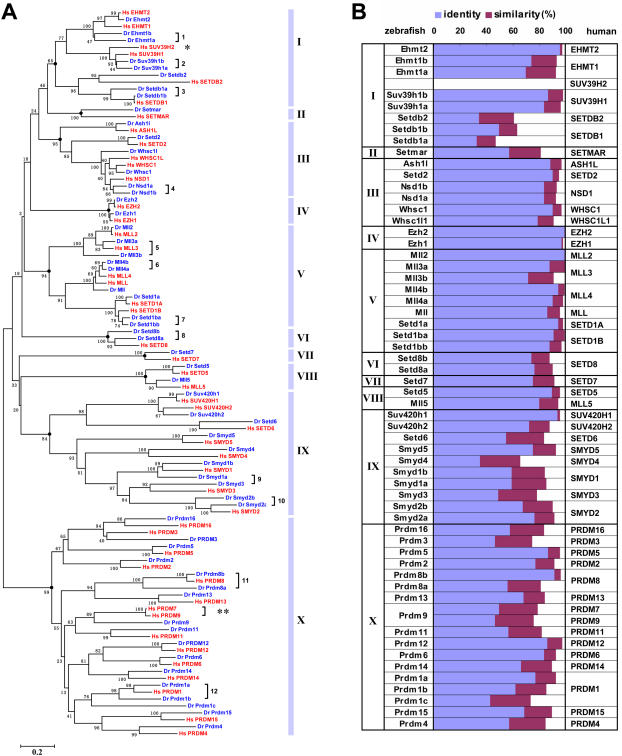
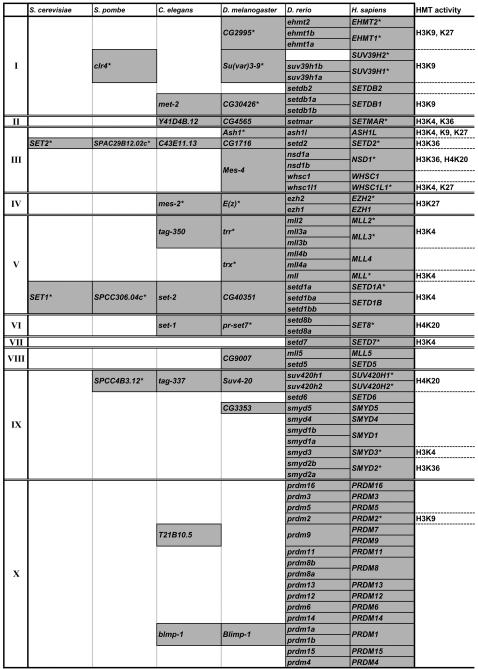
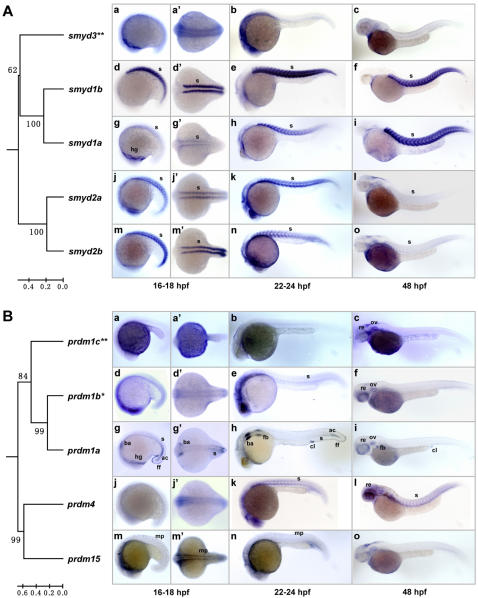
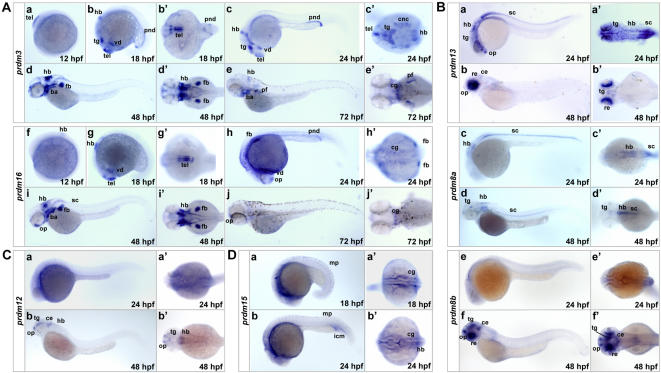
SET domain-containing proteins represent an evolutionarily conserved family of epigenetic regulators, which are responsible for most histone lysine methylation. Since some of these genes have been revealed to be essential for embryonic development, we propose that the zebrafish, a vertebrate model organism possessing many advantages for developmental studies, can be utilized to study the biological functions of these genes and the related epigenetic mechanisms during early development. To this end, we have performed a genome-wide survey of zebrafish SET domain genes. 58 genes total have been identified. Although gene duplication events give rise to several lineage-specific paralogs, clear reciprocal orthologous relationship reveals high conservation between zebrafish and human SET domain genes. These data were further subject to an evolutionary analysis ranging from yeast to human, leading to the identification of putative clusters of orthologous groups (COGs) of this gene family. By means of whole-mount mRNA in situ hybridization strategy, we have also carried out a developmental expression mapping of these genes. A group of maternal SET domain genes, which are implicated in the programming of histone modification states in early development, have been identified and predicted to be responsible for all known sites of SET domain-mediated histone methylation. Furthermore, some genes show specific expression patterns in certain tissues at certain stages, suggesting the involvement of epigenetic mechanisms in the development of these systems. These results provide a global view of zebrafish SET domain histone methyltransferases in evolutionary and developmental dimensions and pave the way for using zebrafish to systematically study the roles of these genes during development.
Overview
The claims and statistics of this paper haven’t been checked yet.
Free: it reads the open-access text and checks the first 5 claims that cite a source we can check. Create a free account to check every claim.
Integrity signals
Registry
Cites
Statistics
Figures
Verification
Claims the paper makes
The claims and statistics of this paper haven’t been checked yet.
Free: it reads the open-access text and checks the first 5 claims that cite a source we can check. Create a free account to check every claim.
Self-check
Percentages, sums and reported differences re-computed from the paper’s own numbers.
The self-check needs the paper’s full text.
Citations
Cites
Gapped BLAST and PSI-BLAST: a new generation of protein database search programs
Altschul, S. (1997) · Nucleic Acids Research · doi:10.1093/nar/25.17.3389 · Cited by 73,302 · cited 1×
“By searching the SMART (Simple Modular Architecture Research Tool) domain database [35] and PSI-BLAST [36] analysis of NCBI (National Center of Biotechnology Information) non-redundant protein database, followed by extracting the chromosomal location of the entries and removing the redundancies, 47 and 29 SET domain p…”
MethodThompson, J. (1997) · Nucleic Acids Research · doi:10.1093/nar/25.24.4876 · Cited by 38,993 · cited 1×
“The amino acid sequences of SET domains were aligned with ClustalX 1.83 program”
MethodInfluentialStages of embryonic development of the zebrafish
Kimmel, C. B., Ballard, W. W., Kimmel, S. R., Ullmann, B., & Schilling, T. F. (1995) · Developmental Dynamics · doi:10.1002/aja.1002030302 · Cited by 12,037 · cited 2×
“During the early development of zebrafish embryos, several major developmental and cellular processes (including initiation of zygotic transcription, differentiation of three germ layers and organogenesis) occur by 72 hour postfertilization (hpf) [55].”
BackgroundMethodMEGA3: Integrated software for Molecular Evolutionary Genetics Analysis and sequence alignment
Kumar, S. (2004) · Briefings in Bioinformatics · doi:10.1093/bib/5.2.150 · Cited by 11,756 · cited 2×
“Minimum Evolution and Maximum Parsimony methods) to construct the trees [41], similar results were consistently reproduced.”
MethodResultChromatin modifications and their function
Kouzarides, T. (2007) · Cell · doi:10.1016/j.cell.2007.02.005 · Cited by 10,883
Jenuwein, T., & Allis, C. D. (2001) · Science · doi:10.1126/science.1063127 · Cited by 9,756 · cited 1×
“. Recently, a “histone code” hypothesis has been proposed to explain how different histone modifications can result in distinct chromatin-regulated functions”
BackgroundThe language of covalent histone modifications
Strahl, B. D., & Allis, C. D. (2000) · Nature · doi:10.1038/47412 · Cited by 8,679 · cited 1×
“Recently, a ‘‘histone code’’ hypothesis has been proposed to explain how different histone modifications can result in distinct chromatin-regulated functions [5,6].”
BackgroundPrediction of complete gene structures in human genomic DNA
Burge, C., & Karlin, S. (1997) · Journal of Molecular Biology · doi:10.1006/jmbi.1997.0951 · Cited by 4,228 · cited 1×
“The retrieved entries were clustered and aligned with CAT (Clustering and Alignment Tools) program [39], successively followed by manual edit, alignment with zebrafish genome assemblies, gene prediction with GENSCAN program [40], and BLAST search of zebrafish EST database.”
MethodSMART, a simple modular architecture research tool: Identification of signaling domains
Schultz, J., Milpetz, F., Bork, P., & Ponting, C. P. (1998) · Proceedings of the National Academy of Sciences · doi:10.1073/pnas.95.11.5857 · Cited by 3,599 · cited 1×
“By searching the SMART (Simple Modular Architecture Research Tool) domain database [35] and PSI-BLAST [36] analysis of NCBI (National Center of Biotechnology Information) non-redundant protein database, followed by extracting the chromosomal location of the entries and removing the redundancies, 47 and 29 SET domain p…”
MethodPfam: clans, web tools and services
Finn, R. D. (2006) · Nucleic Acids Research · doi:10.1093/nar/gkj149 · Cited by 2,302 · cited 2×
“Use of alternative databases such as Pfam [37] and PROSITE [38] provided consistent results.”
Result
Cited by
Identification of common genetic risk variants for autism spectrum disorder
Autism Spectrum Disorder Working Group of the Psychiatric Genomics Consortium, Grove, J., BUPGEN, Major Depressive Disorder Working Group of the Psychiatric Genomics Consortium, 23andMe Research Team, Ripke, S., Als, T. D., Mattheisen, M., Walters, R. K., Won, H., et al. (2019) · Nature Genetics · doi:10.1038/s41588-019-0344-8 · Cited by 2,421
The BAH domain of ORC1 links H4K20me2 to DNA replication licensing and Meier–Gorlin syndrome
Kuo, A. J., Song, J., Cheung, P., Ishibe-Murakami, S., Yamazoe, S., Chen, J. K., Patel, D. J., & Gozani, O. (2012) · Nature · doi:10.1038/nature10956 · Cited by 348
“Complex formation between H4(14-25)K20me2 and mORC1BAH is mediated by van der Waals contacts, hydrogen-bonding and electrostatic interactions (Fig.”
Accelerated Evolution of the Prdm9 Speciation Gene across Diverse Metazoan Taxa
Oliver, P. L., Goodstadt, L., Bayes, J. J., Birtle, Z., Roach, K. C., Phadnis, N., Beatson, S. A., Lunter, G., Malik, H. S., & Ponting, C. P. (2009) · PLoS Genetics · doi:10.1371/journal.pgen.1000753 · Cited by 287
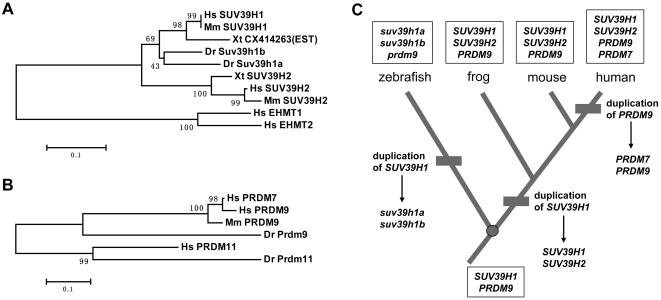
“In humans, there appear to be two genes that are orthologous to a single mouse Prdm9, suggesting a recent gene duplication [34,35].”
BackgroundThe prdm family: expanding roles in stem cells and development
Hohenauer, T., & Moore, A. W. (2012) · Development · doi:10.1242/dev.070110 · Cited by 265
“EGL-43 in C. elegans and Hamlet in Drosophila are linked to the Notch pathway (Endo et al., 2012; Hwang et al., 2007; Moore et al., 2004; Rimann and Hajnal, 2007), and Prdm3 and Prdm16 to TGF (Alliston et al., 2005; Bjork et al., 2010; Sato et al., 2008; Takahata et al., 2009).”
BackgroundInfluentialFrom 1957 to Nowadays: A Brief History of Epigenetics
Peixoto, P., Cartron, P.-F., Serandour, A. A., & Hervouet, E. (2020) · International Journal of Molecular Sciences · doi:10.3390/ijms21207571 · Cited by 215
Prepatterning of Developmental Gene Expression by Modified Histones before Zygotic Genome Activation
Lindeman, L. C., Andersen, I. S., Reiner, A. H., Li, N., Aanes, H., Østrup, O., Winata, C., Mathavan, S., Müller, F., Aleström, P., et al. (2011) · Developmental Cell · doi:10.1016/j.devcel.2011.10.008 · Cited by 209
“Consistent with this observation is the detection of transcripts for SET-domain proteins at pre-MBT stages (Sun et al., 2008) and indications by RNA-seq (Aanes et al.”
MethodPRDM proteins: important players in differentiation and disease
Fog, C. K., Galli, G. G., & Lund, A. H. (2012) · BioEssays · doi:10.1002/bies.201100107 · Cited by 201
“The expression pattern of PRDM proteins along mouse and zebrafish development is very dynamic as exemplified by expression of multiple PRDMs in the nervous system [3, 34].”
BackgroundThe use of the zebrafish model in stress research
Steenbergen, P. J., Richardson, M. K., & Champagne, D. L. (2011) · Progress in Neuro-Psychopharmacology and Biological Psychiatry · doi:10.1016/j.pnpbp.2010.10.010 · Cited by 197
Histone H3 lysine 36 methyltransferase Hypb/Setd2 is required for embryonic vascular remodeling
Hu, M., Sun, X.-J., Zhang, Y.-L., Kuang, Y., Hu, C.-Q., Wu, W.-L., Shen, S.-H., Du, T.-T., Li, H., He, F., et al. (2010) · Proceedings of the National Academy of Sciences · doi:10.1073/pnas.0915033107 · Cited by 182
“HYPB acts as the humanortholog of the yeast Set2, and this orthologous group is also conserved in other eukaryotes (11).”
BackgroundSelf-citationGenetic alterations of histone lysine methyltransferases and their significance in breast cancer
Liu, L., Kimball, S., Liu, H., Holowatyj, A., & Yang, Z.-Q. (2015) · Oncotarget · doi:10.18632/oncotarget.2967 · Cited by 168
“Most studies of PRDM7 to date investigated its phylogenetic and evolutionary ancestry [47, 48].”
Smyd2 controls cytoplasmic lysine methylation of Hsp90 and myofilament organization
Donlin, L. T., Andresen, C., Just, S., Rudensky, E., Pappas, C. T., Kruger, M., Jacobs, E. Y., Unger, A., Zieseniss, A., Dobenecker, M.-W., et al. (2012) · Genes & Development · doi:10.1101/gad.177758.111 · Cited by 167
“In particular, ex vivo isolated muscle tissues, which express the highest level of Smyd2 mRNA (Brown et al. 2006; Kawamura et al. 2008; Sun et al. 2008) and protein (Fig.”
BackgroundInfluentialTranscriptional Silencing and Reactivation in Transgenic Zebrafish
Goll, M. G., Anderson, R., Stainier, D. Y. R., Spradling, A. C., & Halpern, M. E. (2009) · Genetics · doi:10.1534/genetics.109.102079 · Cited by 155
“Tissue-specific differences in expression of chromatin-associated factors have been reported in mice and zebrafish, suggesting that gene requirements for silencing may not be equivalent in all cells ( Jarvis et al. 1996; Bourc’his et al. 2001; Rai et al. 2006; Sun et al. 2008).”
BackgroundLiu, F., & Patient, R. (2008) · Circulation Research · doi:10.1161/circresaha.108.179713 · Cited by 128
Kinameri, E., Inoue, T., Aruga, J., Imayoshi, I., Kageyama, R., Shimogori, T., & Moore, A. W. (2008) · PLoS ONE · doi:10.1371/journal.pone.0003859 · Cited by 121
“prdm3 is also expressed in early telencephalic development in zebrafish [46] but not mouse ([23] and data not shown); this overlapping telencephalic expression of prdm3 and 16 in zebrafish is interesting because they encode very similar proteins that are likely to share conserved mechanisms of action [40–42].”
BackgroundInfluentialNaish, K. A., & Hard, J. J. (2008) · Fish and Fisheries · doi:10.1111/j.1467-2979.2008.00302.x · Cited by 130
“Therefore, most of the genome projects to date have been centred on species of interest to medicine such as zebrafish (Danio rerio, Cynprinidae; Sun et al. 2008) and medaka (Oryzias latipes, Adrianichthyidae; Kasahara et al.”
BackgroundThe Smyd family of methyltransferases: role in cardiac and skeletal muscle physiology and pathology
Tracy, C. M., Warren, J. S., Szulik, M. W., Wang, L., Garcia, J., Makaju, A., Russell, K. L., Miller, M. R., & Franklin, S. (2017) · Current Opinion in Physiology · doi:10.1016/j.cophys.2017.10.001 · Cited by 124
Function Over Form: Modeling Groups of Inherited Neurological Conditions in Zebrafish
Kozol, R. A., Abrams, A. J., James, D. M., Buglo, E., Yan, Q., & Dallman, J. E. (2016) · Frontiers in Molecular Neuroscience · doi:10.3389/fnmol.2016.00055 · Cited by 127
“…Meyer and Smith, 2006; Cheng et al., 2007; George et al., 2007; Goruppi et al., 2007; Katsuyama et al., 2007; Patten et al., 2007; Anichtchik et al., 2008; Stuebe et al., 2008; Sun et al., 2008; Yoshida and Mishina, 2008; Zhou et al., 2008; Emond et al., 2009; Ferrante et al., 2009; Monnich et al.,”
BackgroundBeyond histones – the expanding roles of protein lysine methylation
Wu, Z., Connolly, J., & Biggar, K. K. (2017) · FEBS Journal · doi:10.1111/febs.14056 · Cited by 116
SMYD Proteins: Key Regulators in Skeletal and Cardiac Muscle Development and Function
Du, S., Tan, X., & Zhang, J. (2014) · The Anatomical Record · doi:10.1002/ar.22972 · Cited by 123
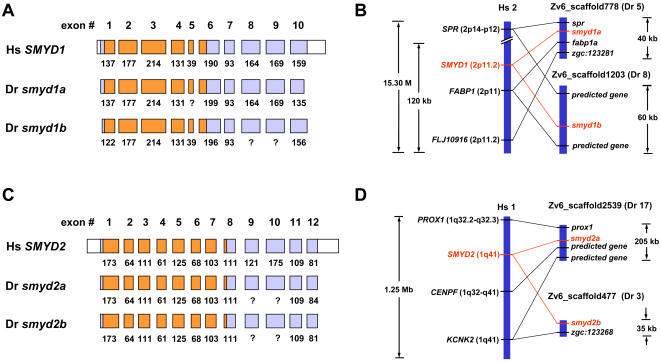
“The Smyd1 and Smyd2 genes are duplicated in zebrafish genome, and are named Smyd1a, Smyd1b, Smyd2a and Smyd2b, respectively (Sun et al., 2008).”
BackgroundLi, Y., Cheng, C. N., Verdun, V., & Wingert, R. A. (2013) · Developmental Biology · doi:10.1016/j.ydbio.2013.11.021 · Cited by 103
Heuser, M., Yap, D. B., Leung, M., de Algara, T. R., Tafech, A., McKinney, S., Dixon, J., Thresher, R., Colledge, B., Carlton, M., et al. (2009) · Blood · doi:10.1182/blood-2008-06-162263 · Cited by 102
Voelkel, T., Andresen, C., Unger, A., Just, S., Rottbauer, W., & Linke, W. A. (2012) · Biochimica et Biophysica Acta (BBA) - Molecular Cell Research · doi:10.1016/j.bbamcr.2012.09.012 · Cited by 96
Common risk variants identified in autism spectrum disorder
Grove, J., Ripke, S., Als, T. D., Mattheisen, M., Walters, R., Won, H., Pallesen, J., Agerbo, E., Andreassen, O. A., Anney, R., et al. (2017) · doi:10.1101/224774 · Cited by 89
MLL5 (KMT2E): structure, function, and clinical relevance
Zhang, X., Novera, W., Zhang, Y., & Deng, L. (2017) · Cellular and Molecular Life Sciences · doi:10.1007/s00018-017-2470-8 · Cited by 96
“Two adjacent amino acids (Asn408 and His-409) within the SET domain’s most conserved sequence motif are altered to arginine, akin to SETD5, MmMLL5, UpSET, and SET3/4 [3, 5].”
BackgroundInfluentialSelf-citationFxr signaling and microbial metabolism of bile salts in the zebrafish intestine
Wen, J., Mercado, G. P., Volland, A., Doden, H. L., Lickwar, C. R., Crooks, T. A., Kakiyama, G., Kelly, C., Cocchiaro, J. L., Ridlon, J. M., et al. (2021) · Science Advances · doi:10.1126/sciadv.abg1371 · Cited by 92
Lhuillier‐Akakpo, M., Frapporti, A., Wilkes, C. D., Matelot, M., Vervoort, M., Sperling, L., & Duharcourt, S. (2014) · PLoS Genetics · doi:10.1371/journal.pgen.1004665 · Cited by 88
Smyd3 Is Required for the Development of Cardiac and Skeletal Muscle in Zebrafish
Fujii, T., Tsunesumi, S., Yamaguchi, K., Watanabe, S., & Furukawa, Y. (2011) · PLoS ONE · doi:10.1371/journal.pone.0023491 · Cited by 78
“Another report showed that it was ubiquitously expressed in zebrafish [8].”
BackgroundEvaluation of the spinal effects of phthalates in a zebrafish embryo assay
Qian, L., Liu, J., Lin, Z., Chen, X., Yuan, L., Shen, G., Yang, W., Wang, D., Huang, Y., Pang, S., et al. (2020) · Chemosphere · doi:10.1016/j.chemosphere.2020.126144 · Cited by 76
Smyd1b is required for skeletal and cardiac muscle function in zebrafish
Li, H., Zhong, Y., Wang, Z., Gao, J., Xu, J., Chu, W., Zhang, J., Fang, S., & Du, S. (2013) · Molecular Biology of the Cell · doi:10.1091/mbc.e13-06-0352 · Cited by 76
Zhang, L., & Mā, H. (2012) · New Phytologist · doi:10.1111/j.1469-8137.2012.04143.x · Cited by 86
Genome-wide analysis of the SET DOMAIN GROUP family in Grapevine
Aquea, F., Vega, A., Timmermann, T., Poupin, M. J., & Arce‐Johnson, P. (2011) · Plant Cell Reports · doi:10.1007/s00299-011-1015-0 · Cited by 62
PR/SET Domain Family and Cancer: Novel Insights from The Cancer Genome Atlas
Sorrentino, A., Federico, A., Rienzo, M., Gazzerro, P., Bifulco, M., Ciccodicola, A., Casamassimi, A., & Abbondanza, C. (2018) · International Journal of Molecular Sciences · doi:10.3390/ijms19103250 · Cited by 63
Xu, P.-F., Zhu, K.-Y., Jin, Y., Chen, Y., Sun, X.-J., Deng, M., Chen, S.-J., Chen, Z., & Liu, T. X. (2010) · Proceedings of the National Academy of Sciences · doi:10.1073/pnas.0914396107 · Cited by 52
“genomewide survey and developmental expression mapping of zebrafish SET domain-containing genes (22, 23).”
BackgroundSelf-citationThe Histone Database: an integrated resource for histones and histone fold-containing proteins
Mariño‐Ramírez, L., Levine, K. M., Morales, M. R. G., Zhang, S., Moreland, R. T., Baxevanis, A. D., & Landsman, D. (2011) · Database · doi:10.1093/database/bar048 · Cited by 50
Yang, C.-M., & Shinkai, Y. (2013) · Cell Structure and Function · doi:10.1247/csf.13010 · Cited by 53
“Although Prdm12 is expressed in the mouse and zebrafish embryonic nervous system (Kinameri et al., 2008; Sun et al., 2008), the role of Prdm12 remains unknown.”
BackgroundHanotel, J., Bessodes, N., Thélie, A., Hedderich, M., Parain, K., Driessche, B. V., Brandão, K. O., Kricha, S., Jørgensen, M. C., Grapin‐Botton, A., et al. (2013) · Developmental Biology · doi:10.1016/j.ydbio.2013.12.024 · Cited by 54
“Our data shows that Prdm13 expression in Xenopus is highly similar to that in mouse (Kinameri et al., 2008) and in zebrafish (Sun et al., 2008), suggesting evolutionary conservation of function in vertebrates.”
BackgroundInfluentialIdentification and characterization of a nanog homolog in Japanese flounder (Paralichthys olivaceus)
Gao, J., Wang, J., Jiang, J., Fan, L., Wang, W., Liu, J., Zhang, Q., & Wang, X. (2013) · Gene · doi:10.1016/j.gene.2013.08.030 · Cited by 48
Yadav, C. B., Muthamilarasan, M., Dangi, A., Shweta, S., & Prasad, M. (2016) · Scientific Reports · doi:10.1038/srep32621 · Cited by 46
Mll5 Is Required for Normal Spermatogenesis
Yap, D., Walker, D. C., Prentice, L., McKinney, S. E., Turashvili, G., Mooslehner-Allen, K., de Algara, T. R., Fee, J., de Tassigny, X. D., Colledge, W. H., et al. (2011) · PLoS ONE · doi:10.1371/journal.pone.0027127 · Cited by 45
“However, recent studies suggest that both human MLL5 and mouse Mll5, and the murine paralog, Setd5, have SET domains that are closer in sequence to the yeast SET3 and SET4 proteins [12;13].”
BackgroundRedundant roles of PRDM family members in zebrafish craniofacial development
Ding, H., Clouthier, D. E., & Artinger, K. (2012) · Developmental Dynamics · doi:10.1002/dvdy.23895 · Cited by 43
“A previous study by Sun et al. (2008) reported the expression patterns of many SET domain– containing genes, including prdm1a, b, c, prdm4, prdm15, prdm3, and prdm16 during zebrafish embryogenesis.”
BackgroundInfluentialA Regulatory Program for Initiation of Wnt Signaling during Posterior Regeneration
Ramirez, A. N., Loubet-Senear, K. J., & Srivastava, M. (2020) · Cell Reports · doi:10.1016/j.celrep.2020.108098 · Cited by 63
Pereira, J., Johnson, W. E., O’Brien, S. J., Jarvis, E. D., Zhang, G., Gilbert, M. T. P., Vasconcelos, V. M., & Antunes, A. (2014) · PLoS ONE · doi:10.1371/journal.pone.0074132 · Cited by 48
“MLL3 is also duplicated in the genome of teleost fishes [37, 41], where MLL3a is on the same chromosome as RHEB and MLL3b is on the same chromosome as Shhb.”
BackgroundMatsukawa, S., Miwata, K., Asashima, M., & Michiue, T. (2015) · Developmental Biology · doi:10.1016/j.ydbio.2014.12.028 · Cited by 43
Evolution ofPrdmGenes in Animals: Insights from Comparative Genomics
Vervoort, M., Meulemeester, D., Béhague, J., & Kerner, P. (2015) · Molecular Biology and Evolution · doi:10.1093/molbev/msv260 · Cited by 47
“In addition, the PR domain of Prdm proteins is considered to be a very divergent type of SET domain (Sun et al. 2008; Wu et al. 2010).”
BackgroundMethodResultInfluentialPrdm8 regulates the morphological transition at multipolar phase during neocortical development
Inoue, M., Kuroda, T., Honda, A., Komabayashi-Suzuki, M., Komai, T., Shinkai, Y., & Mizutani, K.-I. (2014) · PLoS ONE · doi:10.1371/journal.pone.0086356 · Cited by 41
“This is because multiple genes in the Prdm family, including Prdm8, Prdm12, Prdm13, and Prdm16 are expressed in the developing mouse CNS in a spatially and temporally restricted manner [25,26].”
BackgroundPhotoperiod Influences Growth and mll (Mixed-Lineage Leukaemia) Expression in Atlantic Cod
Nagasawa, K., Giannetto, A., & Fernandes, J. M. O. (2012) · PLoS ONE · doi:10.1371/journal.pone.0036908 · Cited by 41
Prdm1a is necessary for posterior pharyngeal arch development in zebrafish
Birkholz, D. A., Killian, E. C. O., George, K. M., & Artinger, K. (2009) · Developmental Dynamics · doi:10.1002/dvdy.22090 · Cited by 42
“In mouse, there are 16 members, while in Fugu rubripes and likely in zebrafish, there are 15, many with overlapping patterns of expression with prdm1a in one or all tissues (Fumasoni et al., 2007; Sun et al., 2008).”
BackgroundFujii, T., Tsunesumi, S., Sagara, H., Munakata, M., Hisaki, Y., Sekiya, T., Furukawa, Y., Sakamoto, K., & Watanabe, S. (2016) · Scientific Reports · doi:10.1038/srep29157 · Cited by 35
Zhong, Y., Ye, Q., Chen, C., Wang, M., & Wang, H. (2018) · Nucleic Acids Research · doi:10.1093/nar/gky101 · Cited by 39
“Whole mount in situ hybridization (WISH) shows that ezh2 is expressed in the ICM (intermediate cell mass) at 24, 28 and 33 hpf and PBI (posterior blood island) at 33 hpf (Supplementary Figure S11), consistent with a previous observation (50).”
MethodResultHuman PRDM2: Structure, function and pathophysiology
Sorrentino, A., Rienzo, M., Ciccodicola, A., Casamassimi, A., & Abbondanza, C. (2018) · Biochimica et Biophysica Acta (BBA) - Gene Regulatory Mechanisms · doi:10.1016/j.bbagrm.2018.06.002 · Cited by 40
Fellous, A., Earley, R. L., & Silvestre, F. (2018) · Gene · doi:10.1016/j.gene.2018.11.046 · Cited by 52
Histone 4 Lysine 20 Methylation: A Case for Neurodevelopmental Disease
Wickramasekara, R. N., & Stessman, H. A. F. (2019) · Biology · doi:10.3390/biology8010011 · Cited by 37
“In situ hybridization in zebrafish shows that zebrafish orthologs SETD8a and SETD8b (Kmt5a), suv420h1 (Kmt5b), and suv420h2 (Kmt5c) are ubiquitously expressed before the onset of zygote gene expression, with higher expression in the head region [90,91].”
BackgroundWhittaker, D., Oleari, R., Gregory, L. C., Stabej, P. L. Q., Williams, H. J., GOSgene, Torpiano, J. G., Formosa, N., Cachia, M. J., Field, D., et al. (2021) · Journal of Clinical Investigation · doi:10.1172/jci141587 · Cited by 33
“Expression of prdm13 has been reported in the olfactory placode that gives rise to GnRH neurons in zebrafish (41).”
BackgroundZebrafish as a model for systems biology
Mushtaq, M. Y., Verpoorte, R., & Kim, H. K. (2013) · Biotechnology and Genetic Engineering Reviews · doi:10.1080/02648725.2013.801238 · Cited by 34
“In the case of zebrafish it has been suggested that during evolution events of gene duplication may have resulted in paralogous genes (Sun et al., 2008).”
BackgroundDeletion of Prdm8 impairs development of upper‐layer neocortical neurons
Inoue, M., Iwai, R., Yamanishi, E., Yamagata, K., Komabayashi‐Suzuki, M., Honda, A., Komai, T., Miyachi, H., Kitano, S., Watanabe, C., et al. (2015) · Genes to Cells · doi:10.1111/gtc.12274 · Cited by 30
“In CNS of zebra fish, Prdm8a is expressed in the hindbrain and spinal cord, and Prdm8b is expressed in the tegmentum, cerebellum and retina (Sun et al. 2008).”
BackgroundSilva, R. S., Arno, G., Cipriani, V., Pontikos, N., Defoort‐Dhellemmes, S., Kalhoro, A., Carss, K., Raymond, F. L., Dhaenens, C., Jensen, H. S., et al. (2019) · Human Mutation · doi:10.1002/humu.23715 · Cited by 30
Cypris, O., Eipel, M., Franzen, J., Rösseler, C., Tharmapalan, V., Kuo, C., Vieri, M., Nikolić, M., Kirschner, M., Brümmendorf, T. H., et al. (2020) · Clinical Epigenetics · doi:10.1186/s13148-020-00914-5 · Cited by 28
EZH2-Mediated H3K27me3 Targets Transcriptional Circuits of Neuronal Differentiation
Buontempo, S., Laise, P., Hughes, J. M., Trattaro, S., Das, V., Rencurel, C., & Testa, G. (2022) · Frontiers in Neuroscience · doi:10.3389/fnins.2022.814144 · Cited by 34
Loss of PRDM11 promotes MYC-driven lymphomagenesis
Fog, C. K., Asmar, F., Côme, C., Jensen, K. T., Johansen, J. V., Kheir, T. B., Jacobsen, L., Friis, C., Louw, A., Rosgaard, L., et al. (2014) · Blood · doi:10.1182/blood-2014-03-560805 · Cited by 30
Hammond, K. L., Baxendale, S., McCauley, D. W., Ingham, P. W., & Whitfield, T. T. (2009) · Evolution & Development · doi:10.1111/j.1525-142x.2008.00300.x · Cited by 28
Epigenetic complexity during the zebrafish mid-blastula transition
Andersen, I. S., Østrup, O., Lindeman, L. C., Aanes, H., Reiner, A. H., Mathavan, S., Aleström, P., & Collas, P. (2011) · Biochemical and Biophysical Research Communications · doi:10.1016/j.bbrc.2011.12.077 · Cited by 27
“Whereas immunolabeling data show post-translationally modified histones in early embryos of mouse [5,6] and zebrafish [7,8], chromatin immunoprecipitation (ChIP) in Xenopus and zebrafish embryos reveals enrichment of specific genes in trimethylated H3 lysine 4 (H3K4me3) or H3K27me3 at the time of ZGA and in subsequent…”
BackgroundEzh1 arises from Ezh2 gene duplication but its function is not required for zebrafish development
Völkel, P., Bary, A., Raby, L., Chapart, A., Dupret, B., Bourhis, X. L., & Angrand, P. (2019) · Scientific Reports · doi:10.1038/s41598-019-40738-9 · Cited by 30
Histones, Their Variants and Post-translational Modifications in Zebrafish Development
Cavalieri, V. (2020) · Frontiers in Cell and Developmental Biology · doi:10.3389/fcell.2020.00456 · Cited by 31
Xie, Y., Gao, L., Xu, C., Chu, L., Gao, L., Wu, R., Liu, Y., Liu, T., Sun, X., Ren, R., et al. (2019) · Haematologica · doi:10.3324/haematol.2018.210286 · Cited by 31
Self-citationExpression and Functional Characterization of Smyd1a in Myofibril Organization of Skeletal Muscles
Gao, J., Li, J., Li, B.-J., Yagil, E., Zhang, J., & Du, S. (2014) · PLoS ONE · doi:10.1371/journal.pone.0086808 · Cited by 25
“Sequence analysis revealed that zebrafish genome contains two smyd1 genes, smyd1a and smyd1b that were likely generated by the whole genome duplication in actinopterygian fish during evolution [17,18,20].”
BackgroundInfluentialTargeting Epigenetic Changes Mediated by Members of the SMYD Family of Lysine Methyltransferases
Padilla, A., Manganaro, J. F., Huesgen, L., Roess, D. A., Brown, M. A., & Crans, D. C. (2023) · Molecules · doi:10.3390/molecules28042000 · Cited by 30
“To examine this in more detail, the SMYD4(G345D) equivalent was induced in zebrafish using CRISPR/Cas9 to study its connection to heart development and more severe heart malformations in maturing embryos [81,82].”
BackgroundMethodDefective sarcomere assembly in smyd1a and smyd1b zebrafish mutants
Cai, M., Han, L., Liu, L., He, F., Chu, W., Zhang, J., Tian, Z., & Du, S. (2019) · The FASEB Journal · doi:10.1096/fj.201801578r · Cited by 27
Insights Into the Evolution of the prdm1/Blimp1 Gene Family in Teleost Fish
Perdiguero, P., Goméz-Esparza, M. C., Martin, D. L., Bird, S., Soleto, I., Morel, E., Díaz‐Rosales, P., & Tafalla, C. (2020) · Frontiers in Immunology · doi:10.3389/fimmu.2020.596975 · Cited by 24
“Different studies have identified prdm1 homolog genes in several teleost fish species such as zebrafish Danio rerio (28, 29), fugu Takifugu rubripes (30), medaka Oryzias latipes (31), Japanese flounder Paralichthys olivaceus (32), or Nile tilapia Oreachromis niloticus (33).”
BackgroundHistone methyltransferase SETD2 is required for meiotic maturation in mouse oocyte
Li, C., Diao, F., Qiu, D., Jiang, M., Li, X., Han, L., Li, L., Hou, X., Ge, J., Ou, X., et al. (2018) · Journal of Cellular Physiology · doi:10.1002/jcp.26836 · Cited by 21
“SETD2 acts as the human ortholog of yeast Set2, and this orthologous group is also conserved in other eukaryotes (Sun et al., 2008).”
BackgroundLiu, D.-J., Zhang, F., Chen, Y., Jin, Y., Zhang, Y., Chen, S.-B., Xie, Y., Huang, Q., Zhao, W., Wang, L., et al. (2020) · Cell Discovery · doi:10.1038/s41421-020-00203-8 · Cited by 20
“Also related to this notion, the epigenetic regulators (e.g., the homologues of Set2/Setd2) have been greatly expanded in the numbers, speci fi cities, and regulatory mechanisms through eukaryotic evolution, and they play nonredundant roles in many aspects of development 64,75 .”
Self-citationMechanism of KMT5B haploinsufficiency in neurodevelopment in humans and mice
Sheppard, S. E., Bryant, L. M., Wickramasekara, R. N., Vaccaro, C., Robertson, B., Hallgren, J., Hulen, J., Watson, C. J., Faùndes, V., Duffourd, Y., et al. (2023) · Science Advances · doi:10.1126/sciadv.ade1463 · Cited by 21
“Evidence of KMT5B ’ s role in neurogenesis is available for many models [zebrafish ( 25 , 26 ), amphibian ( 27 ), rodent ( 28 ), and primate ( 29 ) model systems].”
Wu, S., Huang, Y., Li, S., Wen, H., Zhang, M., Li, J., Li, Y., Shao, C., & He, F. (2018) · Comparative Biochemistry and Physiology Part B Biochemistry and Molecular Biology · doi:10.1016/j.cbpb.2018.05.002 · Cited by 18
Selective and competitive functions of the AAR and UPR pathways in stress-induced angiogenesis
Zhang, F., Zeng, Q., Xu, H., Xu, A., Liu, D.-J., Li, N.-Z., Chen, Y., Jin, Y., Xu, C., Feng, C., et al. (2021) · Cell Discovery · doi:10.1038/s41421-021-00332-8 · Cited by 16
Self-citationThe Roles of Histone Lysine Methyltransferases in Heart Development and Disease
Zhu, J., van de Leemput, J., & Han, Z. (2023) · Journal of Cardiovascular Development and Disease · doi:10.3390/jcdd10070305 · Cited by 21
“SMYD3 (HGNC alias: KMT3E), a SMYD family protein, is expressed ubiquitously during development in zebrafish (Danio rerio) [49,50].”
BackgroundAn emerging role for prdm family genes in dorsoventral patterning of the vertebrate nervous system
Zannino, D. A., & Sagerström, C. G. (2015) · Neural Development · doi:10.1186/s13064-015-0052-8 · Cited by 19
Zhou, T., Wang, L., Zhu, K.-Y., Dong, M., Xu, P., Chen, Y., Chen, S., Zhu, C. H., Deng, M., & Liu, T. X. (2011) · Blood · doi:10.1182/blood-2010-12-327908 · Cited by 19
Self-citationA Prdm8 target gene Ebf3 regulates multipolar-to-bipolar transition in migrating neocortical cells
Iwai, R., Tabata, H., Inoue, M., Nomura, K.-I., Okamoto, T., Ichihashi, M., Nagata, K., & Mizutani, K. (2017) · Biochemical and Biophysical Research Communications · doi:10.1016/j.bbrc.2017.11.021 · Cited by 18
Rougeot, J., Chrispijn, N. D., Aben, M., Elurbe, D. M., Andralojc, K. M., Murphy, P. J., Jansen, P. W. T. C., Vermeulen, M., Cairns, B. R., & Kamminga, L. M. (2019) · Development · doi:10.1242/dev.178590 · Cited by 19
“This result was expected, as Ezh1, the only other H3K27me3 methyltransferase, was shown by a number of studies not to be maternally loaded or expressed in the zebrafish embryo until at least after 1 dpf (Chrispijn et al., 2018; San et al., 2016; Sun et al., 2008; White et al., 2017).”
BackgroundCTCF knockout reveals an essential role for this protein during the zebrafish development
Carmona-Aldana, F., Zampedri, C., Suaste-Olmos, F., Murillo‐de‐Ozores, A. R., Guerrero, G., Arzate‐Mejía, R. G., Maldonado, E., Navarro, R. E., Chimal‐Monroy, J., & Targa, F. R. (2018) · Mechanisms of Development · doi:10.1016/j.mod.2018.04.006 · Cited by 17
B., L. Q. I., Bartsch, N., Kouzel, I. U., Busengdal, H., Richards, G. S., Steinmetz, P. R. H., & Rentzsch, F. (2023) · Nature Communications · doi:10.1038/s41467-023-39789-4 · Cited by 15
SETD2 reduction adversely affects the development of mouse early embryos
Li, C., Huang, Z., & Gu, L. (2019) · Journal of Cellular Biochemistry · doi:10.1002/jcb.29325 · Cited by 14
Liu, D., Xu, C., Liu, Y., Ouyang, W., Lin, S., Xu, A., Zhang, Y., Xie, Y., Huang, Q., Zhao, W., et al. (2023) · Frontiers of Medicine · doi:10.1007/s11684-022-0968-4 · Cited by 13
“The “reciprocal best hit” algorithm was used to search and define orthologs between different species as previously described [26,27].”
MethodSelf-citationZebrafish Discoveries in Cancer Epigenetics
Chernyavskaya, Y., Kent, B., & Sadler, K. C. (2016) · Advances in experimental medicine and biology · doi:10.1007/978-3-319-30654-4_8 · Cited by 17
“H3K9 methylation is mediated by a number of proteins, including SETDB1 and SUV39H1, which are evolutionarily conserved and expressed in zebrafish [7, 9, 23, 52].”
BackgroundWang, K., Zhu, X., Li, Y., Chen, D., Wu, P., & Chu, W. (2016) · Comparative Biochemistry and Physiology Part B Biochemistry and Molecular Biology · doi:10.1016/j.cbpb.2016.01.004 · Cited by 13
Deletion of the Prdm3 Gene Causes a Neuronal Differentiation Deficiency in P19 Cells
Leszczyński, P., Śmiech, M., Teeli, A. S., Haque, E., Viger, R. S., Ogawa, H., Pierzchała, M., & Taniguchi, H. (2020) · International Journal of Molecular Sciences · doi:10.3390/ijms21197192 · Cited by 11
“During the early development of zebrafish, Prdm3 proteins are expressed in brain structures [47].”
BackgroundJiao, S., Xu, R., & Du, S. (2021) · Journal of genetics and genomics/Journal of Genetics and Genomics · doi:10.1016/j.jgg.2021.03.004 · Cited by 14
Diao, Y. F., Lin, T., Li, X., Oqani, R. K., Lee, J. E., Kim, S. Y., & Jin, D. I. (2018) · PLoS ONE · doi:10.1371/journal.pone.0191816 · Cited by 11
Chrispijn, N. D., Andralojc, K. M., Castenmiller, C., & Kamminga, L. M. (2018) · PLoS ONE · doi:10.1371/journal.pone.0200316 · Cited by 13
“The gene expression of pcgf family members (pcgf genes, and bmi1a/-b), phc2, and of ezh1 and ezh2 during early zebrafish development has already been partly reported [4,6,11,25].”
BackgroundFrancoeur, N., & Sen, R. (2021) · Journal of Developmental Biology · doi:10.3390/jdb9040040 · Cited by 9
“In terms of genetic conservation for smyd1, it is known that zebrafish have smyd1a and smyd1b genes which could have resulted from whole-genome duplication in teleosts, mice have Smyd1a, Smyd1b, and Smyd1c, while humans have a single transcript from the SMYD1 gene [115,119].”
BackgroundChromatin Modification in Zebrafish Development
Cayuso, J., Noël, E. S., & Ober, E. A. (2011) · Methods in cell biology · doi:10.1016/b978-0-12-374814-0.00022-7 · Cited by 11
Generation of an Enhancer-Trapping Vector for Insertional Mutagenesis in Zebrafish
Liu, C., Song, G., Mao, L., Long, Y., Li, Q., & Cui, Z. (2015) · PLoS ONE · doi:10.1371/journal.pone.0139612 · Cited by 9
“Themecom gene, also known as prdm3, or evi1, has been reported to express in the posterior pronephric ducts from 20 to 28 somites [35] and in the hindbrain, tagmentum, branchial arches as well as pectoral fin buds from 48 hpf to 72 hpf [36].”
BackgroundMizutani, K. (2017) · Genes to Cells · doi:10.1111/gtc.12546 · Cited by 11
“Retroviral lineage analysis suggests that the neurons of several layers are produced from single progenitors through asymmetric cell division (Shitamukai, Konno, & Matsuzaki, 2011; Shoukimas & Hinds, 1978; Sommer, Ma, & Anderson, 1996), and pulse– chase studies have shown that neural stem cells execute 11 cell cycles…”
BackgroundPaone, C., Rudeck, S., Etard, C., Strähle, U., Rottbauer, W., & Just, S. (2018) · Biochemical and Biophysical Research Communications · doi:10.1016/j.bbrc.2018.01.060 · Cited by 9
Functional characterization of the zebrafish WHSC1-related gene, a homolog of human NSD2
Yamada‐Okabe, T., Imamura, K., Kawaguchi, N., Sakai, H., Yamashita, M., & Matsumoto, N. (2010) · Biochemical and Biophysical Research Communications · doi:10.1016/j.bbrc.2010.10.027 · Cited by 11
Rahman, M. M., Kim, I., Ahn, D., Tae, H., & Park, B. (2020) · International Journal of Developmental Neuroscience · doi:10.1002/jdn.10048 · Cited by 7
“…in the neural development in mice (Ross et al., 2012), and prdm12 is expressed in the mouse and zebrafish nervous systems (Kinameri et al., 2008; Sun et al., 2008). prdm12 has been proposed as a “master regulator” of the nervous system regulatory cascade as it is required for midbrain cell…”
BackgroundWu, Y., & Tirichine, L. (2023) · Plants · doi:10.3390/plants12152852 · Cited by 8
“The orthologous group of Set2/SETD2 and its lysine methyltransferase activity are also conserved across species [36].”
BackgroundThe Lysine Methylase SMYD3 Modulates Mesendodermal Commitment during Development
Fittipaldi, R., Floris, P., Proserpio, V., Cotelli, F., Beltrame, M., & Caretti, G. (2021) · Cells · doi:10.3390/cells10051233 · Cited by 5
H4K20 monomethylation faces the WNT
Schotta, G. (2011) · Proceedings of the National Academy of Sciences · doi:10.1073/pnas.1100147108 · Cited by 6
Fan, L., Jiang, J., Gao, J., Song, H., Liu, J., Yang, L., Li, Z., Chen, Y., Zhang, Q., & Wang, X. (2015) · International Journal of Molecular Sciences · doi:10.3390/ijms16059097 · Cited by 7
“displayed the expression levels of Dr-prdm14 in embryos at 2-cell stage, 64-cell stage and blastula stage with WISH analysis, and the result revealed high Dr-prdm14 expression in these stages [7].”
Self-citationLiu, C., Liu, W., Fan, L., Liu, J., Li, P., Zhang, W., Gao, J., Li, Z., Zhang, Q., & Wang, X. (2015) · Fish Physiology and Biochemistry · doi:10.1007/s10695-015-0152-8 · Cited by 6
Metadata
- Authors
- Sun, X.-J., Xu, P.-F., Zhou, T., Hu, M., Fu, C.-T., Zhang, Y., Jin, Y., Chen, Y., Chen, S.-J., Huang, Q.-H., Liu, T. X., & Chen, Z.
- Affiliations
- Shanghai Jiao Tong University (CN)
- Corresponding author
- Liu, Ting Xi
- Chen, Zhu
- Venue
- PLoS ONE
- Publisher
- Public Library of Science (PLoS)
- Published
- 2008-01-30
- Volume
- 3
- Issue
- 1
- Pages
- e1499
- ISSN
- 1932-6203 (ISSN-L)
- PMC
- PMC2200798
- OpenAlex
- W2018012535
- Cited by
- 127
- References
- 83
- Citations by year
- 2026: 1 · 2025: 2 · 2024: 6 · 2023: 7 · 2022: 1 · 2021: 7 · 2020: 11 · 2019: 9 · 2018: 10 · 2017: 10 · 2016: 7 · 2015: 9 · 2014: 8 · 2013: 6 · 2012: 9
- FWCI
- 3.29
- Type
- journal article
- Language
- en
- Open access
- gold
- doi.org
- Locations
- PLoS ONE (publishedVersion, cc-by)
- PubMed Central (publishedVersion, cc-by)
- PubMed (publishedVersion)
- DOAJ (DOAJ: Directory of Open Access Journals) (submittedVersion, cc-by-sa)
- Figshare (submittedVersion, cc-by)
- Funders
- Samuel Waxman Cancer Research Foundation
- National Natural Science Foundation of China (30370334)
- Chinese Academy of Sciences
- Topics
- Life Sciences › Biochemistry, Genetics and Molecular Biology › Molecular Biology › Epigenetics and DNA Methylation
- Life Sciences › Biochemistry, Genetics and Molecular Biology › Molecular Biology › Developmental Biology and Gene Regulation
- Life Sciences › Biochemistry, Genetics and Molecular Biology › Molecular Biology › Genomics and Chromatin Dynamics
- Keywords
- SET domain proteins, histone lysine methylation, histone methyltransferase, zebrafish, embryonic development, gene family evolution, gene duplication, paralogs, orthologs, clusters of orthologous groups, maternal genes, developmental gene expression, epigenetic regulation
- MeSH terms
- Animals, Biological Evolution, Humans, Phylogeny, Zebrafish, Genome, Genomic Imprinting, Gene Expression Regulation, Developmental, Reverse Transcriptase Polymerase Chain Reaction
About these checks
Registry, retraction, Cites and statistics results are computed, not judged, with one exception: a printed reference that no index lists is read once by a model before it counts as a citation error. Claims are extracted by a model and kept only when their quote appears verbatim in the text; each cited source is then checked, with a model’s help, for whether it says what the claim relies on. Those verdicts can be wrong — read the claim’s quote and the cited source before relying on one.
Statistics and arithmetic are recomputed, not judged.
Confidence bands are shown only for fields calibrated on our annotated test set. None is calibrated yet, so no band is shown.
What counts as a claim ›How we measure confidence ›How we check this ›
Are you an author, or do you see a problem with this page? Request a review
Data sources
Bibliographic data: Semantic Scholar, OpenAlex, Crossref.
Contains information from the Semantic Scholar Academic Graph Datasets, made available under the ODC Attribution License (ODC-BY 1.0).
Semantic Scholar’s data is described in: Kinney, R., et al. (2023). The Semantic Scholar Open Data Platform. arXiv:2301.10140.
