

Mystery Solved: The Identification of the Two Missing Romanov Children Using DNA Analysis
Open accessThe DOI matches its Crossref record; 28 of the 29 references it cites were found in a registry or an index; none of the 5 sources its claims cite is checked for support yet.
Abstract
One of the greatest mysteries for most of the twentieth century was the fate of the Romanov family, the last Russian monarchy. Following the abdication of Tsar Nicholas II, he and his wife, Alexandra, and their five children were eventually exiled to the city of Yekaterinburg. The family, along with four loyal members of their staff, was held captive by members of the Ural Soviet. According to historical reports, in the early morning hours of July 17, 1918 the entire family along with four loyal members of their staff was executed by a firing squad. After a failed attempt to dispose of the remains in an abandoned mine shaft, the bodies were transported to an open field only a few kilometers from the mine shaft. Nine members of the group were buried in one mass grave while two of the children were buried in a separate grave. With the official discovery of the larger mass grave in 1991, and subsequent DNA testing to confirm the identities of the Tsar, the Tsarina, and three of their daughters--doubt persisted that these remains were in fact those of the Romanov family. In the summer of 2007, a group of amateur archeologists discovered a collection of remains from the second grave approximately 70 meters from the larger grave. We report forensic DNA testing on the remains discovered in 2007 using mitochondrial DNA (mtDNA), autosomal STR, and Y-STR testing. Combined with additional DNA testing of material from the 1991 grave, we have virtually irrefutable evidence that the two individuals recovered from the 2007 grave are the two missing children of the Romanov family: the Tsarevich Alexei and one of his sisters.
Overview
CoChat Summary
TL;DR
This paper reports independent mtDNA, autosomal STR, and Y-STR testing on remains from the 2007 Romanov grave and compares them with the 1991 grave and living relatives. The authors conclude the two missing children were Tsarevich Alexei and one sister, while noting the DNA cannot distinguish whether the sister was Maria or Anastasia.
Key findings
- Mitochondrial DNA from the two new remains matched Tsarina Alexandra’s haplotype exactly, and the authors report no exact match in a German database (n = 513), the 3,340 West Eurasian EMPOP sequences, or a global mtDNA database of 23,627 individuals, making the haplotype rare.
- Autosomal STR testing showed the two new samples fit the Romanov family pedigree; the sibship index for samples 146.1 and 147 was 5.6 million in favor of them being siblings rather than unrelated individuals.
- For the new grave, the DNA evidence was reported as 4.36 trillion times more likely if sample 147 is a daughter of Nicholas and Alexandra, and over 80 trillion times more likely if sample 146.1 is a son of Nicholas and Alexandra, than if the samples were unrelated.
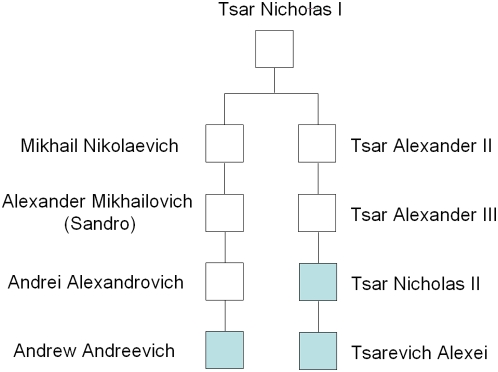
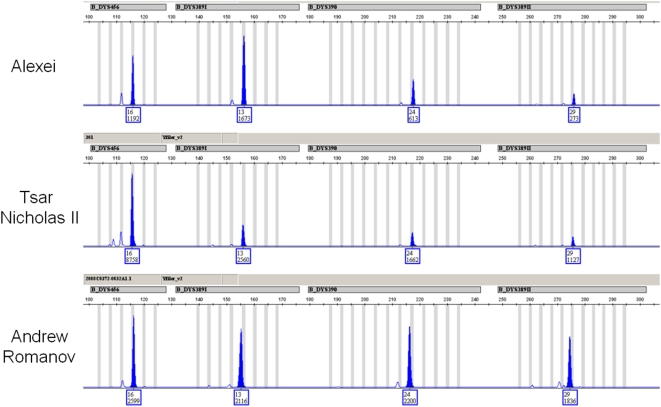
- A 17-marker Y-STR haplotype from sample 146.1 exactly matched Tsar Nicholas II and a living Romanov cousin, and no match was found in databases of 4,163 individuals (USYSTR) or 10,243 haplotypes in YHRD.
Methods
- Independent testing was performed by three teams in separate aDNA-capable laboratories: AFDIL mitochondrial casework, AFDIL research, and GMI; Russian scientists witnessed the work, and contamination controls and pre-/post-PCR separation were used throughout.
- From the 2007 grave, 10 of 44 fragments were selected for DNA analysis; the paper also reanalyzed material from the 1991 grave, with at least 2–3 samples per individual brought to the laboratories.
- The study used mtDNA control-region sequencing, autosomal STRs, Y-STRs, and likelihood-ratio analysis for the autosomal evidence.
Limitations
- The paper states that the DNA results cannot determine whether the missing sister was Maria or Anastasia because there is no DNA reference from each sister.
- It also states that, for the 2007 grave, two samples (139 and 142) failed to yield reproducible data.
- Evident from the text: the 2007 burial context involved highly fragmented remains, and the paper notes that limited material and lack of representative diagnostic anatomy prevented full anthropological determination of racial/ancestral type or stature.
Model-written summary. Check it against the paper before relying on it.
Integrity signals
Registry
Cites
Statistics
Figures
Verification
Claims the paper makes
0 Valid · 0 Not valid · 4 Not checked · 42 Own results and interpretations
A result the paper reports from its own data — it cites no other source for it, so there is none to check. The quote shows it is in the paper.
In the paper
“The SI was determined to be 5.6 million in favor of H1.”
- Also stated in: § Autosomal STR Testing · plain
“In other words, the DNA evidence is 5.6 million times more likely if samples 146.1 and 147 were siblings rather than if these samples were from two unrelated individuals.”
§ Mystery Solved: The Identification of the Two Missing Romanov Children Using DNA Analysis > Results > Autosomal STR Testing
plainstates an associationSingle case- Asserted: passes — The authors put it forward as true.
- Checkable: passes — It can be checked against evidence.
- Load-bearing: passes — The paper’s conclusions depend on it.
- Based: passes — The paper gives a reason why it holds.
- Also stated in: § Autosomal STR Testing · plain
A result the paper reports from its own data — it cites no other source for it, so there is none to check. The quote shows it is in the paper.
In the paper
“All of the alleles from three daughters from the first grave can be explained by half-allele sharing with the profiles from Nicholas and Alexandra.”
§ Mystery Solved: The Identification of the Two Missing Romanov Children Using DNA Analysis > Results > Autosomal STR Testing
plainstates an associationSingle case- Asserted: passes — The authors put it forward as true.
- Checkable: passes — It can be checked against evidence.
- Load-bearing: passes — The paper’s conclusions depend on it.
- Based: passes — The paper gives a reason why it holds.
A result the paper reports from its own data — it cites no other source for it, so there is none to check. The quote shows it is in the paper.
In the paper
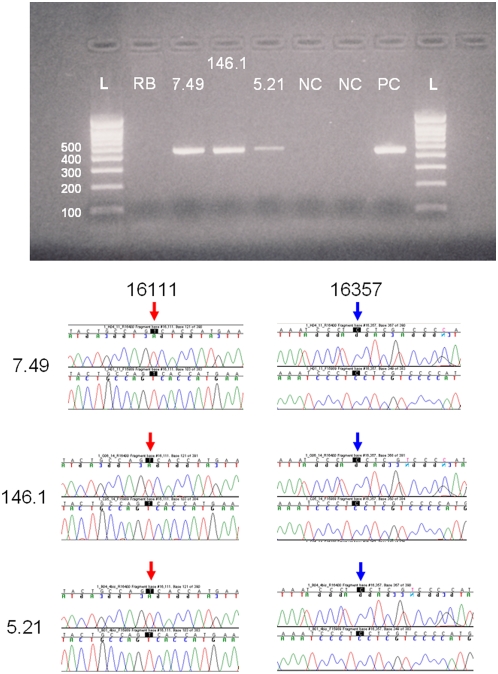
“Samples sequenced for HVI and HVII were confirmed for 16111T, 16357C, 263G, and 315.1C.”
§ Mystery Solved: The Identification of the Two Missing Romanov Children Using DNA Analysis > Results > Mitochondrial DNA Testing
plain- Asserted: passes — The authors put it forward as true.
- Checkable: passes — It can be checked against evidence.
- Load-bearing: passes — The paper’s conclusions depend on it.
- Based: passes — The paper gives a reason why it holds.
A result the paper states — it cites no source for it, so there is none to check. The quote shows it is in the paper.
In the paper
“The overall age of the burial site was most likely greater than 60 years old based on culturally diagnostic material found contextually with the bones.”
§ Mystery Solved: The Identification of the Two Missing Romanov Children Using DNA Analysis > Introduction
hedged- Asserted: passes — The authors put it forward as true.
- Checkable: passes — It can be checked against evidence.
- Load-bearing: unclear — It is unclear whether the paper’s conclusions depend on it.
- Based: passes — The paper gives a reason why it holds.
A result the paper reports from its own data — it cites no other source for it, so there is none to check. The quote shows it is in the paper.
In the paper
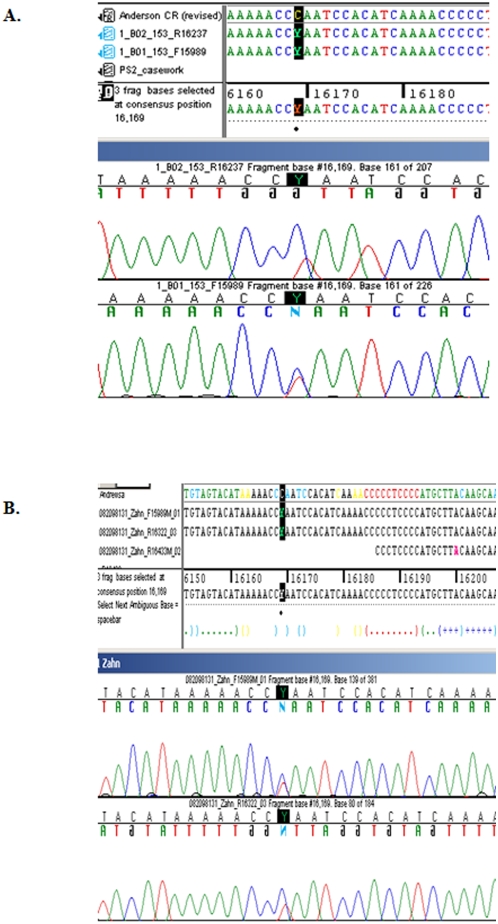
“Among our internal AFDIL mtDNA database of 18,788 haplotypes, we have observed three instances (0.016%) of point heteroplasmy at np 16169.”
§ Mystery Solved: The Identification of the Two Missing Romanov Children Using DNA Analysis > Discussion
plain- Asserted: passes — The authors put it forward as true.
- Checkable: passes — It can be checked against evidence.
- Load-bearing: passes — The paper’s conclusions depend on it.
- Based: passes — The paper gives a reason why it holds.
21 more claims
Create a free account to see all 46 claims and every source verdict.
- It may state two separate claims as one. 17
- Probably not a substantial claim. 3
- The quote only partly states this claim. 1
Claims other papers make about this one
Each is checked against this paper’s own text: does it say what the citing paper says it does?
The source backs part of the claim, not all of it — or backs it for a different population, condition or comparison.
In the citing paper
“In 2008, two different Russian laboratories performed DNA testing on the shirt that Nicholas wore during that attack [1,20]. A full profile of Nicholas's autosomal DNA and Y-STR haplotype matched the postmortem profile developed from the skeletal remains.”
From The identification of the Romanovs: Can we (finally) put the controversies to rest? (2011) · cites this paper as [1]
Experimental — accuracy not yet measured
Citations
Cites
Sequence and organization of the human mitochondrial genome
Anderson, S., Bankier, A. T., Barrell, B. G., de Bruijn, M. H. L., Coulson, A. R., Drouin, J., Eperon, I. C., Nierlich, D. P., Roe, B. A., Sanger, F., et al. (1981) · Nature · doi:10.1038/290457a0 · Cited by 9,636
Reanalysis and revision of the Cambridge reference sequence for human mitochondrial DNA
Andrews, R. M., Kubacka, I., Chinnery, P. F., Lightowlers, R. N., Turnbull, D. M., & Howell, N. (1999) · Nature Genetics · doi:10.1038/13779 · Cited by 3,337 · cited 1×
“Differences from the revised Cambridge Reference Sequence [25,26] were determined and used for mtDNA database searches.”
MethodIdentification of the remains of the Romanov family by DNA analysis
Gill, P., Ivanov, P. L., Kimpton, C., Piercy, R., Benson, N., Tully, G., Evett, I., Hagelberg, E., & Sullivan, K. (1994) · Nature Genetics · doi:10.1038/ng0294-130 · Cited by 693 · cited 8×
“[3] conducted the original DNA testing after the preliminary anthropological investigations from the first grave.”
BackgroundMethodResultInfluentialSelf-citationAn investigation of the rigor of interpretation rules for STRs derived from less than 100 pg of DNA
Gill, P., Whitaker, J., Flaxman, C., Brown, N., & Buckleton, J. (2000) · Forensic Science International · doi:10.1016/s0379-0738(00)00158-4 · Cited by 610
Self-citationGilbert, M. T. P., Bandelt, H.-J., Hofreiter, M., & Barnes, I. (2005) · Trends in Ecology & Evolution · doi:10.1016/j.tree.2005.07.005 · Cited by 602 · cited 1×
“[14] to assess the results of an aDNA study is for the researcher, reader, and reviewer to ask the questions, ‘‘What information is presented here that makes the results and/or conclusions believable?’’ and ‘‘Is there any reason to not believe this?’’ We used a three-pronged DNA marker system to develop our results.”
BackgroundThe Development of Reduced Size STR Amplicons as Tools for Analysis of Degraded DNA
Butler, J., Shen, Y., & McCord, B. (2003) · Journal of Forensic Sciences · doi:10.1520/jfs2003043 · Cited by 481
EMPOP--a forensic mtDNA database
Parson, W., & Dür, A. (2007) · Forensic Science International: Genetics · doi:10.1016/j.fsigen.2007.01.018 · Cited by 430 · cited 1×
“To assess the frequency of this sequence, we first focused on the German database (n = 513 samples) within the EDNAP mtDNA Population Database (EMPOP; [6]) since Tsarina Alexandra was a German princess.”
BackgroundSelf-citationBär, W., Brinkmann, B., Budowle, B., Carracedo, A., Gill, P., Lincoln, P., Mayr, W., & Olaisen, B. (1997) · International Journal of Legal Medicine · doi:10.1007/s004140050061 · Cited by 378
Self-citationIvanov, P. L., Wadhams, M. J., Roby, R. K., Holland, M. M., Weedn, V. W., & Parsons, T. J. (1996) · Nature Genetics · doi:10.1038/ng0496-417 · Cited by 348 · cited 5×
“To confirm PLoS ONE | www.plosone.org 1 March 2009 | Volume 4 | Issue 3 | e4838 the authenticity of the heteroplasmy, DNA testing conducted at the Armed Forces DNA Identification Laboratory (AFDIL) compared the mtDNA haplotype from the remains of Grand Duke Georgij Romanov (d. 1899), brother of Tsar Nicholas II [4].”
BackgroundInfluentialSelf-citationHigh efficiency DNA extraction from bone by total demineralization
Loreille, O. M., Diegoli, T. M., Irwin, J. A., Coble, M. D., & Parsons, T. J. (2007) · Forensic Science International: Genetics · doi:10.1016/j.fsigen.2007.02.006 · Cited by 323
Self-citation
Research works printed but not linked: 1
- Gill P Hagelberg E 2004 Ongoing controversy over Romanov remains. Science 306 408 409 15490501
Cited by
Ballantyne, K. N., Keerl, V., Wollstein, A., Choi, Y., Zuniga, S. B., Ralf, A., Vermeulen, M., de Knijff, P., & Kayser, M. (2012) · Forensic Science International: Genetics · doi:10.1016/j.fsigen.2011.04.017 · Cited by 267
Identification of the remains of King Richard III
King, T. E., Fortes, G. G., Balaresque, P., Thomas, M. G., Balding, D., Delser, P. M., Neumann, R., Parson, W., Knapp, M., Walsh, S., et al. (2014) · Nature Communications · doi:10.1038/ncomms6631 · Cited by 249
Self-citationToward Male Individualization with Rapidly Mutating Y-Chromosomal Short Tandem Repeats
Ballantyne, K. N., Ralf, A., Aboukhalid, R., Achakzai, N. M., Anjos, M. J., Ayub, Q., Balažic, J., Ballantyne, J., Ballard, D. J., Berger, B., et al. (2014) · Human Mutation · doi:10.1002/humu.22599 · Cited by 195
“…Roewer et al., 2005; Coble et al., 2009; van Oven et al., 2011] such as enabling male lineages to be connected through common paternal ancestry [Coble et al., 2009], for the same lineages be separated and individualized within that shared ancestral lineage [King and Jobling, 2009], and for…”
InfluentialSelf-citationA rapid column‐based ancient DNA extraction method for increased sample throughput
ROHLAND, N., SIEDEL, H., & HOFREITER, M. (2010) · Molecular Ecology Resources · doi:10.1111/j.1755-0998.2009.02824.x · Cited by 193
“In summary, it is likely that our protocol is suitable for the extraction of DNA from any degraded hard tissue sample, including not only fossil and museums specimens but also historical and forensic samples (Capelli et al. 2003; Holland et al. 2003; Deng et al. 2005; Lehrman 2006; Coble et al. 2009).”
BackgroundDNA fingerprinting in forensics: past, present, future
Roewer, L. (2013) · Investigative Genetics · doi:10.1186/2041-2223-4-22 · Cited by 171
Comparison of three methods of DNA extraction from human bones with different degrees of degradation
Jakubowska, J., Maciejewska, A., & Pawłowski, R. (2011) · International Journal of Legal Medicine · doi:10.1007/s00414-011-0590-5 · Cited by 107
Draus-Barini, J., Walsh, S., Pośpiech, E., Kupiec, T., Głąb, H., Branicki, W., & Kayser, M. (2013) · Investigative Genetics · doi:10.1186/2041-2223-4-3 · Cited by 82
Toehold-Mediated Nonenzymatic DNA Strand Displacement As a Platform for DNA Genotyping
Khodakov, D. A., Khodakova, A. S., Linacre, A. M. T., & Ellis, A. V. (2013) · Journal of the American Chemical Society · doi:10.1021/ja310991r · Cited by 79
Progress in forensic bone DNA analysis: Lessons learned from ancient DNA
Hofreiter, M., Šneberger, J., Pospíšek, M., & Vaněk, D. (2021) · Forensic Science International Genetics · doi:10.1016/j.fsigen.2021.102538 · Cited by 84
Ho, S. Y. W., & Gilbert, M. T. P. (2009) · Mitochondrion · doi:10.1016/j.mito.2009.09.005 · Cited by 84
Brettell, T. A., Butler, J. M., & Almirall, J. R. (2011) · Analytical Chemistry · doi:10.1021/ac201075e · Cited by 69
Eduardoff, M., Xavier, C., Strobl, C., Casas‐Vargas, A., & Parson, W. (2017) · Genes · doi:10.3390/genes8100237 · Cited by 67
“It represents a powerful tool in disaster victim identification [2] and in human identification cases [3,4], particularly when evidentiary and reference samples are separated by multiple generations.”
BackgroundSelf-citationMerheb, M. M., Matar, R., Hodeify, R. F., Siddiqui, S. S., Vazhappilly, C. G., Marton, J., Azharuddin, S., & Zouabi, H. A. (2019) · Cells · doi:10.3390/cells8050433 · Cited by 75
“Following an official archeological excavation, a set of 44 bone fragments and teeth were cautiously recovered from the site [24].”
BackgroundMethodInfluentialPeck, M. A., Sturk‐Andreaggi, K., Thomas, J. T., Oliver, R. S., Barritt-Ross, S., & Marshall, C. K. (2018) · Forensic Science International Genetics · doi:10.1016/j.fsigen.2018.01.004 · Cited by 53
Evidence for multi-copy Mega-NUMT s in the human genome
Lutz‐Bonengel, S., Niederstätter, H., Naue, J., Kozieł, R., Yang, F., Sänger, T., Huber, G. E., Berger, C., Pflugradt, R., Strobl, C., et al. (2020) · Nucleic Acids Research · doi:10.1093/nar/gkaa1271 · Cited by 51
Self-citationEvaluation of the precision ID mtDNA whole genome panel on two massively parallel sequencing systems
Woerner, A. E., Ambers, A., Wendt, F. R., King, J. L., Moura-Neto, R. S., Silva, R., & Budowle, B. (2018) · Forensic Science International Genetics · doi:10.1016/j.fsigen.2018.07.015 · Cited by 57
Holobinko, A. (2012) · Forensic Science International · doi:10.1016/j.forsciint.2012.06.001 · Cited by 82
“profile can be generated under these circumstances makes it an especially useful technique when applied to historical investigations (Romanov children [60]); mtDNA can be compared to any maternal relative if no immediate relative is available for”
MethodChurchill, J. D., Amory, C., Lagace, R. E., Roth, C., Parson, W., & Budowle, B. (2020) · Genes · doi:10.3390/genes11111345 · Cited by 50
Self-citationKemp, B. M., Winters, M., Monroe, C., & Barta, J. L. (2014) · Human Biology · doi:10.13110/humanbiology.86.4.0313 · Cited by 51
“…being increasingly used in the purification of DNA from ancient samples (Ginolhac et al. 2012; Dabney et al. 2013; Meiri et al. 2013), suboptimal samples (e.g., bones removed from aged owl pellets: Buś et al. 2014), and forensic studies (Coble et al. 2009; Loreille et al. 2010; Ambers et al. 2014).”
BackgroundCalacal, G. C., Apaga, D. L. T., Salvador, J. M., et al. (2015) · Forensic Science International Genetics · doi:10.1016/j.fsigen.2015.07.017 · Cited by 44
“DNA typing of samples such as bone and teeth that are obtained from putrefied remains is used for human identification after a disaster, during criminal investigations and in resolving parentage disputes involving deceased persons [1–7].”
Comparison of morphological and molecular genetic sex-typing on mediaeval human skeletal remains
Bauer, C. M., Niederstätter, H., McGlynn, G. C., Stadler, H., & Parson, W. (2013) · Forensic Science International Genetics · doi:10.1016/j.fsigen.2013.05.005 · Cited by 51
“For the DNA extraction from the demineralization/lysis supernatants three published protocols either directly using the silica columns and buffer set included in the QIAamp DNA Blood Maxi kit (Qiagen, Hilden, Germany; SC method) [7], phenol/chloroform/isoamyl-alcohol (PCI) [8], or a spin filter method (SF) [9] were co…”
BackgroundMethodInfluentialSelf-citationMikkelsen, M., Frank-Hansen, R., Hansen, A. J., & Morling, N. (2014) · Forensic Science International: Genetics · doi:10.1016/j.fsigen.2014.03.014 · Cited by 43
Factors affecting the STR amplification success in poorly preserved bone samples
Putkonen, M. T., Palo, J. U., Cano, J. M., Hedman, M., & Sajantila, A. (2010) · Investigative Genetics · doi:10.1186/2041-2223-1-9 · Cited by 40
“Recently, there has been a dramatic increase in the number attempts of recovering DNA from poor quality samples, such as archaeological and forensic bones [ 6-8 ].”
BackgroundAmbers, A., Votrubová, J., Vaněk, D., Sajantila, A., & Budowle, B. (2018) · International Journal of Legal Medicine · doi:10.1007/s00414-018-1794-8 · Cited by 37
Sequencing of mitochondrial genomes using the Precision ID mtDNA Whole Genome Panel
Pereira, V., Longobardi, A., & Børsting, C. (2018) · Electrophoresis · doi:10.1002/elps.201800088 · Cited by 37
Entire Mitochondrial DNA Sequencing on Massively Parallel Sequencing for the Korean Population
Park, S., Cho, S., Seo, H. J., Lee, J. H., Kim, M., & Lee, S. D. (2017) · Journal of Korean Medical Science · doi:10.3346/jkms.2017.32.4.587 · Cited by 40
“The highest potential for the assignment of subhaplogroups was found in Gaplogroup D4a, which determined D4a, D4a1, D4a1a1, D4a1b, D4a1c, D4a2, D4a2a, and D4f1.”
BackgroundInfluentialHaas, C., Shved, N., Rühli, F. J., Papageorgopoulou, C., Purps, J., Geppert, M., Willuweit, S., Roewer, L., & Krawczak, M. (2013) · Forensic Science International Genetics · doi:10.1016/j.fsigen.2013.08.006 · Cited by 36
“These include the investigation of skeletal remains of the Romanov family, Russia’s last monarchy (y1918) [26–28] and of Austria’s patron saint Leopold III (12th century) [29], of the putative skulls of Friedrich von Schiller (y1805) [30] and Wolfgang Amadeus Mozart (y1791) [31], and the recent identification of King…”
BackgroundLindholm, M., d’Auriac, M. A., Thaulow, J., et al. (2016) · Hydrobiologia · doi:10.1007/s10750-016-2660-7 · Cited by 31
“Heteroplasmy has been associated to the aetiology of many mitochondrial diseases (Wallace & Chalkia, 2013) and used in forensics (Coble et al., 2009).”
BackgroundRiman, S., Kiesler, K. M., Borsuk, L. A., & Vallone, P. M. (2017) · Forensic Science International Genetics · doi:10.1016/j.fsigen.2017.04.005 · Cited by 29
Gamba, C., Fernández‐Domínguez, E., Tirado, M., Pastor, J. F., & Arroyo‐Pardo, E. (2010) · American Journal of Physical Anthropology · doi:10.1002/ajpa.21451 · Cited by 34
Loreille, O. M., Tillmar, A. O., Brandhagen, M. D., Otterstatter, L., & Irwin, J. A. (2022) · Genes · doi:10.3390/genes13020202 · Cited by 27
Self-citationLarmuseau, M., Delorme, P., Germain, P., Vanderheyden, N., Gilissen, A., Geystelen, A. V., Cassiman, J., & Decorte, R. (2013) · European Journal of Human Genetics · doi:10.1038/ejhg.2013.211 · Cited by 28
Irwin, J. A., Just, R. S., Loreille, O. M., & Parsons, T. J. (2012) · Forensic Science International Genetics · doi:10.1016/j.fsigen.2012.01.010 · Cited by 25
“historical interest [17–19], various proof of concept studies demonstrating the potential of STR typing for the purposes of missing persons identifications [20–24], and disaster victim identification in the World Trade Center attack [25].”
BackgroundSelf-citationButler, J. M. (2011) · Elsevier eBooks · doi:10.1016/b978-0-12-374513-2.00014-2 · Cited by 28
Genetic identification in the 21st century—Current status and future developments
Decorte, R. (2010) · Forensic Science International · doi:10.1016/j.forsciint.2010.02.029 · Cited by 28
DNA Extraction Methods in Forensic Analysis
Lee, S. B., & Shewale, J. G. (2017) · Wiley eBooks · doi:10.1002/9780470027318.a1104m.pub2 · Cited by 36
Beyond simple kinship and identification: aDNA analyses from a 17th-19th century crypt in Germany
Alterauge, A., Lösch, S., Sulzer, A., Gysi, M., & Haas, C. (2021) · Forensic Science International Genetics · doi:10.1016/j.fsigen.2021.102498 · Cited by 25
“Autosomal, Y-chromosomal and mitochondrial DNA analyses are powerful methodologies in the identification of ancient human remains [1,2].”
BackgroundSzargut, M., Diepenbroek, M., Zielińska, G., et al. (2019) · Forensic Science International Genetics · doi:10.1016/j.fsigen.2019.07.016 · Cited by 20
The influence of high temperature on the possibility of DNA typing in various human tissues
Maciejewska, A., Włodarczyk, R., & Pawłowski, R. (2015) · Folia Histochemica et Cytobiologica · doi:10.5603/fhc.a2015.0029 · Cited by 20
Genealogy: The Tree Where History Meets Genetics
Gomes, C., Díez, S. P., López-Parra, A. M., & Arroyo‐Pardo, E. (2021) · Genealogy · doi:10.3390/genealogy5040098 · Cited by 24
“…the most publicized contributions of genetic analysis on the remains in a particularly degraded state has been the investigations in which the corpses of the Russian Romanov royal family, found in a mass grave, were analysed and identified (Gill et al. 1994; Gilgenkrantz 2009; Coble et al. 2009).”
BackgroundForensic DNA profiling: state of the art
Linacre, A. M. T., & Templeton, J. E. L. (2014) · Research and Reports in Forensic Medical Science · doi:10.2147/rrfms.s60955 · Cited by 25
“35,36 The Federal Bureau of Investigation crime laboratory in 1990 began research into the credibility of mtDNA to be used as evidence in casework, and in 1995, it published a validation study.”
Crespillo, M., Barrio, P. A., Luque, J. A., et al. (2014) · Forensic Science International Genetics · doi:10.1016/j.fsigen.2014.01.009 · Cited by 19
“used by hundreds of laboratories around the world to aid the resolution of cases in the criminal and civil sphere [1–3], for several decades.”
Brown, K. A., & Brown, T. A. (2013) · Annual Review of Anthropology · doi:10.1146/annurev-anthro-092412-155455 · Cited by 26
Application of DIP-STRs to sexual/physical assault investigations: Eight case reports
Oldoni, F., Castella, V., & Hall, D. (2017) · Forensic Science International Genetics · doi:10.1016/j.fsigen.2017.06.010 · Cited by 18
“Though a specific sex mismatch is required for the application of Y-STRs [4,5], they can be used to discriminate unrelated male individuals [6] and to reconstruct paternal relationships between males [7].”
BackgroundWen, S.-Q., Yao, H.-B., Du, P.-X., Wei, L.-H., Tong, X.-Z., Wang, L.-X., Wang, C.-C., Zhou, B.-Y., Shi, M.-S., Zhabagin, M., et al. (2019) · Journal of Human Genetics · doi:10.1038/s10038-019-0618-0 · Cited by 17
Identifying a living great-grandson of the Lakota Sioux leader Tatanka Iyotake (Sitting Bull)
Moltke, I., Korneliussen, T. S., Seguin‐Orlando, A., Moreno-Mayar, J. V., LaPointe, E., Billeck, W. T., & Willerslev, E. (2021) · Science Advances · doi:10.1126/sciadv.abh2013 · Cited by 16
“2 of 7 on mitochondrial DNA and Y-chromosomal DNA (7, 9, 10, 12–16), and many of them have made use of short tandem repeats (STRs) (7, 10, 12, 13, 15, 16).”
BackgroundCilli, E., Gabanini, G., Ciucani, M. M., Fanti, S. D., Serventi, P., Bazaj, A., Sarno, S., Ferri, G., Angelica, F., Cornaglia, G., et al. (2020) · Journal of Archaeological Science · doi:10.1016/j.jas.2020.105219 · Cited by 19
Naue, J., Xavier, C., Hörer, S., Parson, W., & Lutz‐Bonengel, S. (2023) · Mitochondrion · doi:10.1016/j.mito.2023.11.006 · Cited by 22
Self-citationJoseon Funerary Texts Tested Using Ancient DNA Analysis of a Korean Mummy
Oh, C. S., Ja, K. B., Yoo, D. S., Park, J. B., Min, S. R., Kim, Y., Lee, S. S., Ge, J., Seo, S. B., & Shin, D. H. (2015) · The Anatomical Record · doi:10.1002/ar.23142 · Cited by 16
Perego, U. A., Bodner, M., Raveane, A., Woodward, S. R., Montinaro, F., Parson, W., & Achilli, A. (2019) · Forensic Science International: Genetics · doi:10.1016/j.fsigen.2019.05.007 · Cited by 16
Self-citationNambisan, P. (2017) · Elsevier eBooks · doi:10.1016/b978-0-12-809231-6.00001-6 · Cited by 16
Holobinko, A. (2012) · Societies · doi:10.3390/soc2020042 · Cited by 17
“, Romanov children [81]) and modern forensic cases”
BackgroundComparison of DNA extraction methods for identification of human remains
Pagan, F., Lim, C., Keglovic, M., & McNevin, D. B. (2011) · Australian Journal of Forensic Sciences · doi:10.1080/00450618.2011.610821 · Cited by 15
“A similar, recently published method 13 shows promise for degraded samples and should be investigated.”
Molecular genetic investigations on Austria's patron saint Leopold III
Bauer, C. M., Bodner, M., Niederstätter, H., Niederwieser, D., Huber, G. E., Hatzer-Grubwieser, P., Holubar, K., & Parson, W. (2012) · Forensic Science International Genetics · doi:10.1016/j.fsigen.2012.10.012 · Cited by 15
Self-citationGenetic analysis of the presumptive blood from Louis XVI, king of France
Lalueza‐Fox, C., Gigli, E., Bini, C., Calafell, F., Luiselli, D., Pelotti, S., & Pettener, D. (2010) · Forensic Science International Genetics · doi:10.1016/j.fsigen.2010.09.007 · Cited by 19
“These include the analysis of the remains of the Romanov family [1,2], the putative evangelist Luke [3], the American outlaw Jesse James [4], the heart of Louis XVII, son of Louis XVI, king of France [5], the Italian poet Francesco Petrarca [6], or the astronomer Nicolaus Copernicus [7].”
BackgroundThe identification of the Romanovs: Can we (finally) put the controversies to rest?
Coble, M. D. (2011) · Investigative Genetics · doi:10.1186/2041-2223-2-20 · Cited by 13
Self-citationPajnič, I. Z., Geršak, Ž. M., Leskovar, T., & Črešnar, M. (2023) · Forensic Science International Genetics · doi:10.1016/j.fsigen.2023.102886 · Cited by 19
Mihanović, F., Jerković, I., Kružić, I., Anđelinović, Š., Janković, S., & Bašić, Ž. (2017) · The Anatomical Record · doi:10.1002/ar.23602 · Cited by 13
“As the results of the previously conducted anthropological analysis in this case could not be conclusive, additional mtDNA, autosomal and Y-STR testing was conducted providing irrefutable evidence that the remains do belong to two of the Romanov children (Coble et al., 2009).”
ResultEnvironmental and toxicological concerns associated with nanomaterials used in the industries
Mir, T. U. G., Katoch, V., Angurana, R., Wani, A. K., Shukla, S., Messaoudi, N. E., Sher, F., Mulla, S. I., & Américo‐Pinheiro, J. H. P. (2023) · Elsevier eBooks · doi:10.1016/b978-0-323-91782-7.00010-2 · Cited by 14
Javed, F., Sumbal, S., Shafique, M. U., et al. (2018) · International Journal of Legal Medicine · doi:10.1007/s00414-018-1851-3 · Cited by 12
Klütsch, C. F. C., Seppälä, E. H., Uhlén, M., Lohi, H., & Savolainen, P. (2010) · International Journal of Legal Medicine · doi:10.1007/s00414-010-0524-7 · Cited by 15
“On the other hand, occurrence of the same heteroplasmic point mutation in otherwise identical sequences was used to increase the significance of a match for identifying the Romanov family members [22–24].”
MethodDNA analysis of human skeletal remains from the 1845 Franklin expedition
Stenton, D. R., Keenleyside, A., Fratpietro, S., & Park, R. W. (2017) · Journal of Archaeological Science Reports · doi:10.1016/j.jasrep.2017.03.041 · Cited by 13
Y chromosome of Aisin Gioro, the imperial house of the Qing dynasty
Yan, S. L., Tachibana, H., Wei, L., Yu, G., Wen, S., & Wang, C. (2015) · Journal of Human Genetics · doi:10.1038/jhg.2015.28 · Cited by 11
Harding, T., Milot, E., Moreau, C., Lefebvre, J., Bournival, J., Vézina, H., Laprise, C., Lalueza‐Fox, C., Anglada, R., Loewen, B., et al. (2020) · American Journal of Physical Anthropology · doi:10.1002/ajpa.24024 · Cited by 12
Butler, J. M. (2011) · Elsevier eBooks · doi:10.1016/b978-0-12-374513-2.00013-0 · Cited by 19
Forouzesh, M., Irani, S., Soleimani, A., et al. (2022) · Iranian Journal of Public Health · doi:10.18502/ijph.v51i7.10087 · Cited by 8
“However, depending on the frequency of haplotype Y in the population, its statistical value can be limited, and the possibility of the presence of DNA of the relatives of a suspect's paternal lineage cannot be ruled out as a contributor in the stain (13-16).”
BackgroundDaniels-Higginbotham, J., Gorden, E. M., Farmer, S. K., Spatola, B. F., Damann, F. E., Bellantoni, N. F., Gagnon, K. S., de la Puente, M., Xavier, C., Walsh, S., et al. (2019) · Genes · doi:10.3390/genes10090636 · Cited by 8
Self-citationChemistry and Crime: Investigating Chemistry from a Forensic Science Perspective
Kaplan, L. J. (2019) · ACS symposium series · doi:10.1021/bk-2019-1324.ch002 · Cited by 7
Curriculum and course materials for a forensic DNA biology course
Elkins, K. M. (2014) · Biochemistry and Molecular Biology Education · doi:10.1002/bmb.20749 · Cited by 10
Guidelines for genetic ancestry inference created through roundtable discussions
Wagner, J. K., Yu, J., Fullwiley, D., Moore, C., Wilson, J. F., Bamshad, M. J., & Royal, C. D. M. (2023) · Human Genetics and Genomics Advances · doi:10.1016/j.xhgg.2023.100178 · Cited by 8
Ibrahim, A. H., Rahman, N. N. A., Saifuddeen, S. M., & Baharuddin, M. (2017) · Science and Engineering Ethics · doi:10.1007/s11948-017-9980-5 · Cited by 13
“MtDNA sequencing was used in the detection of the Romanovs; the Russian royal family that was killed by the Bolshevik army in 1918 and identification of skeletons found buried in mass graves during the 1992–1995 Bosnian War (Coble et al. 2009; Gill et al. 1994; Holland and Parsons 1999; Primorac et al. 1996).”
MethodJr, P., Castilho, J. G., de Oliveira, R. A. P., et al. (2016) · Annual Research & Review in Biology · doi:10.9734/arrb/2016/25230 · Cited by 7
“By this reason, it is currently used for evolutionary and forensic studies, but not all set of primers could amplify this area of mtDNA from species with great evolutionary distance [11].”
BackgroundGenetic examination of the putative skull of Jan Kochanowski reveals its female sex
Kupiec, T., & Branicki, W. (2011) · Croatian Medical Journal · doi:10.3325/cmj.2011.52.403 · Cited by 7
Kinship analysis of skeletal remains from the Middle Ages
Džehverović, M., Jusić, B., Pilav, A., Lukic, T., & Čakar, J. (2023) · Forensic Science International Genetics · doi:10.1016/j.fsigen.2023.102829 · Cited by 8
Bini, C., Cilli, E., Sarno, S., Traversari, M., Fontani, F., Boattini, A., Pelotti, S., & Luiselli, D. (2021) · Frontiers in Genetics · doi:10.3389/fgene.2021.720640 · Cited by 9
The biological relevance of a medieval king's DNA
Larmuseau, M. H. D., & Bodner, M. (2018) · Biochemical Society Transactions · doi:10.1042/bst20170173 · Cited by 6
Molecular genetic analysis on the remains of the Dark Countess: Revisiting the French Royal family
Parson, W., Berger, C., Sänger, T., & Lutz‐Bonengel, S. (2015) · Forensic Science International Genetics · doi:10.1016/j.fsigen.2015.08.006 · Cited by 6
“These values are within the expected range based on previous experience with historic samples [17–19].”
ResultSelf-citationLoreille, O. M., & Irwin, J. A. (2011) · Methods in molecular biology · doi:10.1007/978-1-61779-461-2_20 · Cited by 7
Self-citationThe execution of the Romanov family at Yekatarinberg
Byard, R. W. (2020) · Forensic Science, Medicine and Pathology · doi:10.1007/s12024-020-00218-3 · Cited by 6
Prinz, M. K., & Lessig, R. (2014) · Wiley eBooks · doi:10.1002/9781118570654.ch63 · Cited by 5
Why some bodies matter: defacement and narrative in historical forensics cases
Duncan, W. N., & Stojanowski, C. M. (2014) · Cambridge University Press eBooks · doi:10.1017/cbo9781107051409.013 · Cited by 5
The Use of DNA Analysis in the Archaeology of Death and Burial
Bramanti, B. (2013) · Oxford University Press eBooks · doi:10.1093/oxfordhb/9780199569069.013.0007 · Cited by 11
Hoerning, A., Kalkavan, H., Rehme, C., et al. (2011) · Pediatric Transplantation · doi:10.1111/j.1399-3046.2011.01581.x · Cited by 5
Mitochondrial Replacement Therapy: An Islamic Perspective
Ibrahim, A. H., Rahman, N. N. A., & Saifuddeen, S. M. (2023) · Journal of Bioethical Inquiry · doi:10.1007/s11673-023-10279-y · Cited by 5
“The best example of the application of mtDNA sequencing is the tracing and identification of the two missing Romanov children from the last Russian monarchy (Coble et al. 2009; Gill et al. 1994).”
BackgroundJoseon Dynasty Mummies of Korea
Shin, D. H., Oh, C. S., Hong, J. H., Shin, M. H., Kim, M. J., & Lee, H. J. (2021) · Springer eBooks · doi:10.1007/978-981-15-3354-9_29 · Cited by 5
Population data and genetic diversity analysis of 17 Y-STR loci in Saudi population
Kassab, A. C., Alaqeel, H. F. M., Messaoudi, S. A., et al. (2020) · Egyptian Journal of Forensic Sciences · doi:10.1186/s41935-020-00205-3 · Cited by 4
“YSTR profiling has been considered as a vital tool for forensic investigation of cases like sexual assault (Maiquilla et al. 2011), missing persons (Coble et al. 2009), and kinship (Barra et al. 2015).”
BackgroundMethodThe Probabilistic Basis for Identifying Individuals in Biohistorical Research
Konigsberg, L. W., & Jantz, L. M. (2017) · Cambridge University Press eBooks · doi:10.1017/9781139683531.010 · Cited by 4
Coticone, S. R., & Houten, L. B. V. (2015) · The journal of college science teaching · doi:10.2505/4/jcst15_045_02_24 · Cited by 4
Goodwin, W. (2015) · Elsevier eBooks · doi:10.1016/b978-0-12-800034-2.00155-5 · Cited by 5
Alt, K. W., Brandt, G., Knipper, C., & Lehn, C. (2014) · Rechtsmedizin · doi:10.1007/s00194-014-0950-9 · Cited by 5
Kemp, B. M., Winters, M., Monroe, C., & Barta, J. L. (2014) · Human Biology · Cited by 4
“OpenLAB”: A 2‐hour PCR‐based practical for high school students
Bouakaze, C., Eschbach, J., Fouquerel, E., Gasser, I., Kieffer, E., Krieger, S., Milošević, S., Saandi, T., Florentz, C., Maréchal‐Drouard, L., et al. (2010) · Biochemistry and Molecular Biology Education · doi:10.1002/bmb.20408 · Cited by 4
Y-STR analysis of highly degraded DNA from skeletal remains over 70 years old
Zhang, J., Li, X., Li, L., Chen, A., & Zhang, S. (2024) · Forensic Sciences Research · doi:10.1093/fsr/owae020 · Cited by 5
“…information about distant relatives is more relevant for long-term missing persons, the analysis of uniparental markers, such as Y and mitochondrial markers, is routinely used to study not only individual origin and migrations, but also identifications of missing and unknown persons [9, 22, 31].”
BackgroundDeoxyribonucleic Acid Extraction Methods in Forensic Analysis
Fernandez‐Tejero, N., Ghemrawi, M., McCord, B. R., & Lee, S. B. (2022) · Wiley eBooks · doi:10.1002/9780470027318.a1104m.pub3 · Cited by 3
mtDNA exploitation in forensics
Tagliabracci, A., & Turchi, C. (2020) · Elsevier eBooks · doi:10.1016/b978-0-12-819656-4.00007-3 · Cited by 7
Handschuh, L., Stolarek, I., Juras, A., Zeńczak, M., Marcinkowska, M., Myszka, A., Trzciński, D., Losik-Sidorska, A., Wojtczak, J., Philips, A., et al. (2016) · The Opole Studies in Administration and Law · doi:10.25167/osap.1312 · Cited by 5
DNA Methods to Identify Missing Persons
Iwamura, E. S. M., Guimarães, M. A., & Evison, M. (2016) · Springer eBooks · doi:10.1007/978-3-319-40199-7_22 · Cited by 3
“In a subsequent analysis of remains later found nearby, Coble et al. (2009) reported the probable identification of the two other missing Romanov children using mtDNA, and autosomal and Y-STR analysis.”
MethodLarmuseau, M., Cassiman, J., & Decorte, R. (2013) · Forensic Science International Genetics · doi:10.1016/j.fsigen.2013.10.016 · Cited by 3
Drábek, J. (2009) · Forensic science international. Genetics supplement series · doi:10.1016/j.fsigss.2009.08.195 · Cited by 4
“003) andpedigreeofRomanovroyal familyexecutedbycommunists in 1918, officially discovered in mass graves in Yekaterinburg in 1991 and in 2007, and genotyped by several groups [2–4] was used as testing case.”
MethodHouran, J., Sheridan, L. P., & Dagnall, N. (2023) · Journal of Scientific Exploration · doi:10.31275/20222483 · Cited by 3
Metadata
- Authors
- Coble, M. D., Loreille, O. M., Wadhams, M. J., Edson, S. M., Maynard, K., Meyer, C. E., Niederstätter, H., Berger, C., Berger, B., Falsetti, A. B., Gill, P., Parson, W., & Finelli, L. N.
- Affiliations
- Armed Forces Institute of Pathology (US)
- Innsbruck Medical University (AT)
- University of Florida (US)
- University of Strathclyde (GB)
- Corresponding author
- Coble, Michael D.
- ORCID
- Venue
- PLoS ONE
- Publisher
- Public Library of Science (PLoS)
- Published
- 2009-03-11
- Volume
- 4
- Issue
- 3
- Pages
- e4838
- ISSN
- 1932-6203 (ISSN-L)
- PMC
- PMC2652717
- OpenAlex
- W2114147423
- Cited by
- 186
- References
- 29
- Citations by year
- 2026: 4 · 2025: 5 · 2024: 3 · 2023: 33 · 2022: 9 · 2021: 14 · 2020: 12 · 2019: 7 · 2018: 8 · 2017: 15 · 2016: 9 · 2015: 12 · 2014: 15 · 2013: 10 · 2012: 5
- FWCI
- 5.81
- Type
- journal article
- Language
- en
- Open access
- gold
- doi.org
- Licence
- Locations
- PLoS ONE (publishedVersion, public-domain)
- PubMed Central (publishedVersion, public-domain)
- PubMed (publishedVersion)
- DOAJ (DOAJ: Directory of Open Access Journals) (submittedVersion, cc-by-sa)
- Figshare (submittedVersion, cc-by)
- Funders
- Associação Fundo de Incentivo à Pesquisa
- National Institute of Standards and Technology
- Topics
- Life Sciences › Biochemistry, Genetics and Molecular Biology › Genetics › Forensic and Genetic Research
- Social Sciences › Arts and Humanities › Archeology (arts and humanities) › Forensic Anthropology and Bioarchaeology Studies
- Life Sciences › Agricultural and Biological Sciences › Insect Science › Forensic Entomology and Diptera Studies
- Keywords
- Russian imperial family, forensic DNA analysis, mitochondrial DNA, autosomal STRs, Y-chromosome short tandem repeats, mass graves, Russian monarchy
- MeSH terms
- DNA, Famous Persons, Female, Humans, Male, Russia, Sequence Alignment, Sequence Analysis, DNA, Forensic Anthropology, Microsatellite Repeats, Reverse Transcriptase Polymerase Chain Reaction, Chromosomes, Human, Y, History, 20th Century, Forensic Genetics
About these checks
Registry, retraction, Cites and statistics results are computed, not judged, with one exception: a printed reference that no index lists is read once by a model before it counts as a citation error. Claims are extracted by a model and kept only when their quote appears verbatim in the text; each cited source is then checked, with a model’s help, for whether it says what the claim relies on. Those verdicts can be wrong — read the claim’s quote and the cited source before relying on one.
A language model drew the claims from the paper on 2026-10-10, under version 3 of the claim definition (model deepseek-v4.1-flash, prompt extract-v3).
A second model labelled each claim on 2026-10-10 (model jev-1.13-20260917, definition revision gold-guideline-v0.2).
Statistics and arithmetic are recomputed, not judged.
Confidence bands are shown only for fields calibrated on our annotated test set. None is calibrated yet, so no band is shown.
What counts as a claim ›How we measure confidence ›How we check this ›
Are you an author, or do you see a problem with this page? Request a review
Data sources
Bibliographic data: Semantic Scholar, OpenAlex, Crossref.
Contains information from the Semantic Scholar Academic Graph Datasets, made available under the ODC Attribution License (ODC-BY 1.0).
Semantic Scholar’s data is described in: Kinney, R., et al. (2023). The Semantic Scholar Open Data Platform. arXiv:2301.10140.
