

Short-Term Antibiotic Treatment Has Differing Long-Term Impacts on the Human Throat and Gut Microbiome
Open accessThe DOI matches its Crossref record; 44 of the 44 references it cites were found in a registry or an index.
Abstract
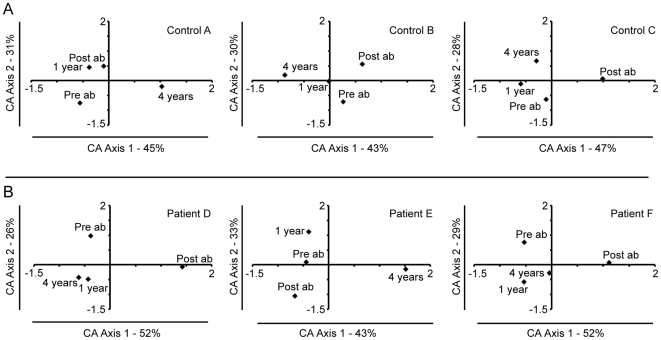
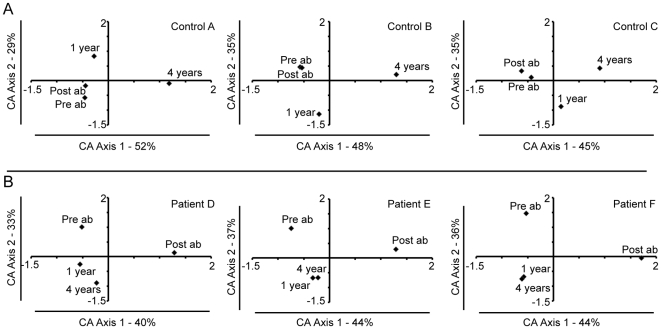
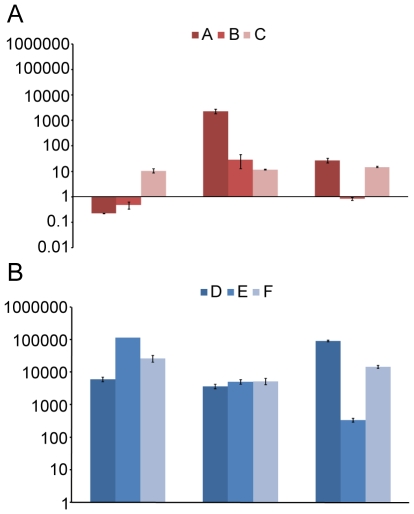
Antibiotic administration is the standard treatment for the bacterium Helicobacter pylori, the main causative agent of peptic ulcer disease and gastric cancer. However, the long-term consequences of this treatment on the human indigenous microbiota are relatively unexplored. Here we studied short- and long-term effects of clarithromycin and metronidazole treatment, a commonly used therapy regimen against H. pylori, on the indigenous microbiota in the throat and in the lower intestine. The bacterial compositions in samples collected over a four-year period were monitored by analyzing the 16S rRNA gene using 454-based pyrosequencing and terminal-restriction fragment length polymorphism (T-RFLP). While the microbial communities of untreated control subjects were relatively stable over time, dramatic shifts were observed one week after antibiotic treatment with reduced bacterial diversity in all treated subjects in both locations. While the microbiota of the different subjects responded uniquely to the antibiotic treatment some general trends could be observed; such as a dramatic decline in Actinobacteria in both throat and feces immediately after treatment. Although the diversity of the microbiota subsequently recovered to resemble the pre treatment states, the microbiota remained perturbed in some cases for up to four years post treatment. In addition, four years after treatment high levels of the macrolide resistance gene erm(B) were found, indicating that antibiotic resistance, once selected for, can persist for longer periods of time than previously recognized. This highlights the importance of a restrictive antibiotic usage in order to prevent subsequent treatment failure and potential spread of antibiotic resistance.
Overview
The claims and statistics of this paper haven’t been checked yet.
Free: it reads the open-access text and checks the first 5 claims that cite a source we can check. Create a free account to check every claim.
Integrity signals
Registry
Cites
Statistics
Figures
Verification
Claims the paper makes
The claims and statistics of this paper haven’t been checked yet.
Free: it reads the open-access text and checks the first 5 claims that cite a source we can check. Create a free account to check every claim.
Claims other papers make about this one
Each is checked against this paper’s own text: does it say what the citing paper says it does?
The cited source doesn’t support the claim as written.
In the citing paper
“16S ribosomal RNA sequencing of gene amplicons of patients' feces revealed that microbiota returns to its baseline within 1-3 months after ATB discontinuation.”
From Negative association of antibiotics on clinical activity of immune checkpoint inhibitors in patients with advanced renal cell and non-small-cell lung cancer (2018) · cites this paper as [20]
Checked by a reasoning model — may be wrong.
Experimental — accuracy not yet measuredThe source backs part of the claim, not all of it — or backs it for a different population, condition or comparison.
In the citing paper
“After the respiratory microbiota is established, antibiotic treatment remains an important perturbing factor of the microbial equilibrium throughout life40.”
From The microbiota of the respiratory tract: gatekeeper to respiratory health (2017) · cites this paper as [40]
Experimental — accuracy not yet measuredThe source backs part of the claim, not all of it — or backs it for a different population, condition or comparison.
In the citing paper
“antibiotics represent the most direct and effective way of targeting the gut microbiota (Antunes et al., 2011;Jakobsson et al., 2010)”
From The Microbiota-Gut-Brain Axis (2019) · cites this paper as Jakobsson et al., 2010
Experimental — accuracy not yet measuredThe cited source says what the claim attributes to it.
In the citing paper
“However, some bacteria may take years to fully recover [14,20].”
From Negative association of antibiotics on clinical activity of immune checkpoint inhibitors in patients with advanced renal cell and non-small-cell lung cancer (2018) · cites this paper as [20]
Self-check
Percentages, sums and reported differences re-computed from the paper’s own numbers.
The self-check needs the paper’s full text.
Citations
Cites
The publisher hasn’t deposited this paper’s reference list.
Research works printed but not linked: 1
- [45]Hayek LCaMAB 1996 Surveying natural populations. New York Columbia University Press
Cited by
Items 401–500 of 1,000
Gut Microbiome Dysbiosis and Depression: a Comprehensive Review
Capuco, A., Urits, I., Hasoon, J. J., Chun, R., Gerald, B., Wang, J. K., Ngo, A. L., Simopoulos, T. T., Kaye, A. D., Colontonio, M. M., et al. (2020) · Current Pain and Headache Reports · doi:10.1007/s11916-020-00871-x · Cited by 54
RetractedThe Effect of Influenza Virus on the Human Oropharyngeal Microbiome
Ramos‐Sevillano, E., Wade, W. G., Mann, A., Gilbert, A., Lambkin‐Williams, R., Killingley, B., Nguyen‐Van‐Tam, J. S., & Tang, C. M. (2018) · Clinical Infectious Diseases · doi:10.1093/cid/ciy821 · Cited by 51
Gut microbiota and inflammatory bowel disease: the role of antibiotics in disease management
Kerman, D. H., & Deshpande, A. R. (2014) · Postgraduate Medicine · doi:10.3810/pgm.2014.07.2779 · Cited by 47
Impact of long-term dietary habits on the human gut resistome in the Dutch population
Stege, P. B., Hordijk, J., Shetty, S. A., Visser, M., Viveen, M. C., Rogers, M. R. C., Gijsbers, E. F., Dierikx, C. M., van der Plaats, R. Q. J., van Duijkeren, E., et al. (2022) · Scientific Reports · doi:10.1038/s41598-022-05817-4 · Cited by 53
Alverdy, J. C., & Luo, J. N. (2017) · Frontiers in Microbiology · doi:10.3389/fmicb.2017.00322 · Cited by 48
Hsu, P., Pan, C., Kao, J. Y., Tsay, F., Peng, N., Kao, S., Chen, Y., Tsai, T., Wu, D., & Tsai, K. (2019) · Journal of Gastroenterology and Hepatology · doi:10.1111/jgh.14736 · Cited by 53
Belcheva, A., Irrazabal, T., & Martin, A. (2015) · BioEssays · doi:10.1002/bies.201400204 · Cited by 45
Antibiotics-induced depression in mice via the microbiota-gut-brain axis
Fan, X., Deng, H., Qiu, J., Ji, H., & Shen, X. (2022) · Journal of Affective Disorders · doi:10.1016/j.jad.2022.08.059 · Cited by 49
H. pylori and its modulation of gastrointestinal microbiota
Schulz, C., Koch, N., Schütte, K., Pieper, D. H., & Malfertheiner, P. (2015) · Journal of Digestive Diseases · doi:10.1111/1751-2980.12233 · Cited by 42
Phylogenetics and the Human Microbiome
Matsen, F. A., IV (2014) · Systematic Biology · doi:10.1093/sysbio/syu053 · Cited by 53
Ecological and Evolutionary responses to Antibiotic Treatment in the Human Gut Microbiota
Pennycook, J., & Scanlan, P. D. (2021) · FEMS Microbiology Reviews · doi:10.1093/femsre/fuab018 · Cited by 49
The intestinal microbiome in human disease and how it relates to arthritis and spondyloarthritis
Costello, M., Robinson, P. C., Benham, H., & Brown, M. A. (2015) · Best Practice & Research Clinical Rheumatology · doi:10.1016/j.berh.2015.08.001 · Cited by 51
Antimicrobial Consumption and Susceptibility of Neisseria gonorrhoeae: A Global Ecological Analysis
Kenyon, C. R., Buyze, J., & Wi, T. (2018) · Frontiers in Medicine · doi:10.3389/fmed.2018.00329 · Cited by 49
At least it won’t hurt: the personal risks of antibiotic exposure
Stewardson, A. J., Huttner, B. D., & Harbarth, S. (2011) · Current Opinion in Pharmacology · doi:10.1016/j.coph.2011.06.011 · Cited by 45
Gut Microbiota in Nutrition and Health with a Special Focus on Specific Bacterial Clusters
Bresser, L. R. F., de Goffau, M. C., Levin, E., & Nieuwdorp, M. (2022) · Cells · doi:10.3390/cells11193091 · Cited by 44
Card, R. M., Mafura, M., Hunt, T., Kirchner, M. J., Weile, J., Rashid, M.-U., Weintraub, A., Nord, C. E., & Anjum, M. F. (2015) · Antimicrobial Agents and Chemotherapy · doi:10.1128/aac.00068-15 · Cited by 50
Temporal Variability and Stability of the Fecal Microbiome: The Multiethnic Cohort Study
Fu, B. C., Randolph, T. W., Lim, U., Monroe, K. R., Cheng, I. C., Wilkens, L. R., Marchand, L. L., Lampe, J. W., & Hullar, M. A. J. (2019) · Cancer Epidemiology Biomarkers & Prevention · doi:10.1158/1055-9965.epi-18-0348 · Cited by 45
Paganini, D., Uyoga, M. A., Kortman, G. A. M., Cercamondi, C. I., Winkler, H. C., Boekhorst, J., Moretti, D., Lacroix, C., Karanja, S. M., & Zimmermann, M. B. (2018) · Gut · doi:10.1136/gutjnl-2018-317399 · Cited by 44
Iida, N., Mizukoshi, E., Yamashita, T., Terashima, T., Arai, K., Seishima, J., & Kaneko, S. (2019) · International Journal of Cancer · doi:10.1002/ijc.32339 · Cited by 46
Investigation of the Impacts of Antibiotic Exposure on the Diversity of the Gut Microbiota in Chicks
Elokil, A., Abouelezz, K., Ahmad, H. I., Pan, Y., & Li, S. (2020) · Animals · doi:10.3390/ani10050896 · Cited by 46
Antibiotic exposure in pregnancy and risk of coeliac disease in offspring: a cohort study
Mårild, K., Ludvigsson, J., Sanz, Y., & Ludvigsson, J. F. (2014) · BMC Gastroenterology · doi:10.1186/1471-230x-14-75 · Cited by 50
Rethinking Sterile: The Hospital Microbiome
Arnold, C. (2014) · Environmental Health Perspectives · doi:10.1289/ehp.122-a182 · Cited by 46
Getting trichy: tools and approaches to interrogating Trichomonas vaginalis in a post-genome world
Conrad, M. D., Bradić, M., Warring, S. D., Gorman, A. W., & Carlton, J. M. (2012) · Trends in Parasitology · doi:10.1016/j.pt.2012.10.004 · Cited by 47
Leite‐Martins, L., Mahú, M. I. M., Costa, A., Mendes, Â., Lopes, E., Mendonça, D. M., Niza‐Ribeiro, J., de Matos, A., & da Costa, P. M. (2014) · Preventive Veterinary Medicine · doi:10.1016/j.prevetmed.2014.09.008 · Cited by 50
Zhang, Y., Li, K., Kong, A., Zhou, Y., Chen, D., Gu, J., & Shi, H. (2021) · Ecotoxicology and Environmental Safety · doi:10.1016/j.ecoenv.2021.112256 · Cited by 44
Effects of antimicrobials on the gastrointestinal microbiota of dogs and cats
Stavroulaki, E. M., Suchodolski, J. S., & Xenoulis, P. G. (2022) · The Veterinary Journal · doi:10.1016/j.tvjl.2022.105929 · Cited by 47
Helicobacter pylori and oral–gut microbiome: clinical implications
El-Ghannam, M., Hassanien, M. H., Ameen, Y. A., Turky, E. A., ELattar, G. M., Ray, A. A. E., & Eltalkawy, M. D. (2023) · Infection · doi:10.1007/s15010-023-02115-7 · Cited by 47
Gut microbes and adverse food reactions: Focus on gluten related disorders
Galipeau, H. J., & Verdu, E. F. (2014) · Gut Microbes · doi:10.4161/19490976.2014.969635 · Cited by 44
Discovery of a new family of relaxases in Firmicutes bacteria
Ramachandran, G., Miguel-Arribas, A., Abia, D., Singh, P. K., Crespo, I., Gago-Córdoba, C., Hao, J. A., Luque-Ortega, J. R., Alfonso, C., Wu, L. J., et al. (2017) · PLoS Genetics · doi:10.1371/journal.pgen.1006586 · Cited by 41
Propolis and Its Potential to Treat Gastrointestinal Disorders
da Silva, L. M., de Souza, P., Jaouni, S. K. A., Harakeh, S., Golbabapour, S., & de Andrade, S. F. (2018) · Evidence-based Complementary and Alternative Medicine · doi:10.1155/2018/2035820 · Cited by 52
Gastrointestinal Microbiome – What We Need to Know in Clinical Practice
Ortigão, R., Pimentel‐Nunes, P., Dinis-Ribeiro, M. J., & Libânio, D. (2020) · GE Portuguese Journal of Gastroenterology · doi:10.1159/000505036 · Cited by 46
Khanna, S., & Pardi, D. S. (2016) · Expert Review of Gastroenterology & Hepatology · doi:10.1586/17474124.2016.1158097 · Cited by 53
You, X., Einson, J. E., Lopez-Pena, C. L., Song, M., Xiao, H., McClements, D. J., & Sela, D. A. (2017) · npj Science of Food · doi:10.1038/s41538-017-0006-0 · Cited by 42
Malik, U., Armstrong, D., Ashworth, M., Dregan, A., L’Esperance, V., McDonnell, L., Molokhia, M., & White, P. (2018) · Journal of Antimicrobial Chemotherapy · doi:10.1093/jac/dkx374 · Cited by 39
Vanhatalo, S., Munukka, E., Sippola, S., Jalkanen, S., Grönroos, J., Marttila, H., Eerola, E., Hurme, S. A. M., Hakanen, A., & Salminen, P. T. P. (2019) · BMJ Open · doi:10.1136/bmjopen-2019-031137 · Cited by 44
Ahmed, L. A., Salem, M. B., el-Din, S. H. S., El-Lakkany, N. M., Okasha, H., Nasr, S. M., Hammam, O. A., Botros, S. S., & Saleh, S. (2020) · European Journal of Pharmacology · doi:10.1016/j.ejphar.2020.173461 · Cited by 41
Intestinal Microbiota in Common Chronic Inflammatory Disorders Affecting Children
Torun, A., Hupalowska, A., Trzonkowski, P., Kierkuś, J., & Pyrzyńska, B. (2021) · Frontiers in Immunology · doi:10.3389/fimmu.2021.642166 · Cited by 42
Saliva as Biomarker for Oral and Chronic Degenerative Non-Communicable Diseases
Basilicata, M., Pieri, M., Marrone, G., Nicolai, E., Lauro, M. D., Paolino, V., Tomassetti, F., Vivarini, I., Bollero, P., Bernardini, S., et al. (2023) · Metabolites · doi:10.3390/metabo13080889 · Cited by 49
Biotic Supplements for Renal Patients: A Systematic Review and Meta-Analysis
Pisano, A., D’Arrigo, G., Coppolino, G., & Bolignano, D. (2018) · Nutrients · doi:10.3390/nu10091224 · Cited by 40
Mood and microbes: a comprehensive review of intestinal microbiota’s impact on depression
Luqman, A., He, M., Hassan, A., Ullah, M., Zhang, L., Khan, M. R., Din, A. U., Ullah, K., Wang, W. J., & Wang, G. (2024) · Frontiers in Psychiatry · doi:10.3389/fpsyt.2024.1295766 · Cited by 44
Exploring and evaluating microbiome resilience in the gut
Zhou, H., Tang, L., Fenton, K. A., & Song, X. (2025) · FEMS Microbiology Ecology · doi:10.1093/femsec/fiaf046 · Cited by 46
Fahrenfeld, N. L., & Bisceglia, K. J. (2016) · Environmental Science Water Research & Technology · doi:10.1039/c6ew00158k · Cited by 44
Sitkin, S. I., Vakhitov, T., & Demyanova, E. V. (2018) · Almanac of Clinical Medicine · doi:10.18786/2072-0505-2018-46-5-396-425 · Cited by 48
Zhou, Y., Ye, Z., Lu, J., Miao, S., Lu, X., Sun, H., Wu, J., Wang, Y., & Huang, Y. (2020) · Helicobacter · doi:10.1111/hel.12721 · Cited by 41
Satokari, R. M. (2014) · Scandinavian Journal of Gastroenterology · doi:10.3109/00365521.2014.966320 · Cited by 45
Polveiro, R. C., Vidigal, P. M. P., Mendes, T. A. D. O., Yamatogi, R. S., Lima, M. C., & Moreira, M. A. S. (2020) · Scientific Reports · doi:10.1038/s41598-020-61407-2 · Cited by 41
Metagenomics: A New Way to Illustrate the Crosstalk between Infectious Diseases and Host Microbiome
Zhang, Y., Lun, C.-Y., & Tsui, S. K. (2015) · International Journal of Molecular Sciences · doi:10.3390/ijms161125957 · Cited by 42
Uusijärvi, A., Bergström, A., Simrén, M., Ludvigsson, J. F., Kull, I., Wickman, M., Alm, J., & Olén, O. (2014) · Neurogastroenterology & Motility · doi:10.1111/nmo.12340 · Cited by 37
Whittemore, J. C., Stokes, J. E., Laia, N. L., Price, J. M., & Suchodolski, J. S. (2018) · PeerJ · doi:10.7717/peerj.5130 · Cited by 40
Gut Microbiota Modulation: Implications for Infection Control and Antimicrobial Stewardship
Tan, G. S. E., Tay, H. L., Tan, S. H., Lee, T. H., Ng, T. M., & Lye, D. C. (2020) · Advances in Therapy · doi:10.1007/s12325-020-01458-z · Cited by 41
Tao, Z., Han, J., & Fang, J. (2020) · Helicobacter · doi:10.1111/hel.12754 · Cited by 45
Taguer, M., & Maurice, C. (2016) · Clinical Pharmacology & Therapeutics · doi:10.1002/cpt.366 · Cited by 37
Kushkevych, I. V., Kovářová, A., Đorđević, Đ., Gaine, J., Kollár, P., Vítězová, M., & Rittmann, S. K. ‐. R. (2021) · Processes · doi:10.3390/pr9101843 · Cited by 38
Impact of pharmaceuticals and antibiotics waste on the river ecosystem: a growing threat
Sharma, P., Rani, L., Grewal, A. S., & Srivastav, A. L. (2022) · Elsevier eBooks · doi:10.1016/b978-0-323-85045-2.00015-7 · Cited by 51
Thomas, M. G., Smith, A. J., & Tilyard, M. (2014) · PubMed · Cited by 37
Mei, R., Kim, J., Wilson, F. P., Bocher, B. T. W., & Liu, W. (2019) · Microbiome · doi:10.1186/s40168-019-0682-x · Cited by 39
Marsh, R. L., Aho, C., Beissbarth, J., Bialasiewicz, S., Binks, M., Cervin, A., Kirkham, L. S., Lemon, K. P., Slack, M., & Smith‐Vaughan, H. (2019) · International Journal of Pediatric Otorhinolaryngology · doi:10.1016/j.ijporl.2019.109836 · Cited by 42
Holingue, C., Brucato, M. F., Ladd‐Acosta, C., Hong, X., Volk, H. E., Mueller, N. T., Wang, X., & Fallin, M. D. (2020) · Autism Research · doi:10.1002/aur.2411 · Cited by 41
The interplay between Trichuris and the microbiota
Lawson, M. A., Roberts, I. S., & Grencis, R. K. (2021) · Parasitology · doi:10.1017/s0031182021000834 · Cited by 41
The respiratory microbiota during health and disease: a paediatric perspective
Koppena, I. J. N., Boscha, A. A. T. M., Sandersa, E. A. M., van Houtenb, M. A., & Bogaert, D. (2015) · Pneumonia · doi:10.15172/pneu.2015.6/656 · Cited by 46
Probiotics- its functions and influence on the ageing process: A comprehensive review
Choudhary, P., Kathuria, D., Suri, S., Bahndral, A., & Naveen, A. K. (2023) · Food Bioscience · doi:10.1016/j.fbio.2023.102389 · Cited by 43
Weissbrodt, D. G., Shani, N., Sinclair, L., Lefebvre, G., Rossi, P., Maillard, J., Rougemont, J., & Holliger, C. (2012) · BMC Microbiology · doi:10.1186/1471-2180-12-306 · Cited by 36
Oral Microbial Shift: Factors affecting the Microbiome and Prevention of Oral Disease
Baroudi, K., Dagli, R., Dagli, N., & Darwish, S. (2016) · The Journal of Contemporary Dental Practice · doi:10.5005/jp-journals-10024-1808 · Cited by 41
Mitsakakis, K., Kaman, W. E., Elshout, G., Specht, M., & Hays, J. P. (2018) · Future Microbiology · doi:10.2217/fmb-2018-0084 · Cited by 38
Kundu, S., Nayak, S., Rakshit, D., Singh, T., Shukla, R., Khatri, D. K., & Mishra, A. (2023) · European Journal of Neurology · doi:10.1111/ene.15767 · Cited by 35
Vesterbacka, J., Nowak, P., Barqasho, B., Abdurahman, S., Nyström, J., Nilsson, S., Funaoka, H., Kanda, T., Andersson, L., Gisslén, M., et al. (2013) · PLoS ONE · doi:10.1371/journal.pone.0055038 · Cited by 36
Mangin, I., Lévêque, C., Magne, F., Suau, A., & Pochart, P. (2012) · PLoS ONE · doi:10.1371/journal.pone.0050257 · Cited by 35
Oh, B., Kim, J. W., & Kim, B. S. (2016) · Helicobacter · doi:10.1111/hel.12306 · Cited by 38
The intestinal microbiome and surgical disease
Krezalek, M. A., Skowron, K. B., Guyton, K. L., Shakhsheer, B. A., Hyoju, S. K., & Alverdy, J. C. (2016) · Current Problems in Surgery · doi:10.1067/j.cpsurg.2016.06.001 · Cited by 39
Effects of oral antibiotics and isotretinoin on the murine gut microbiota
Becker, E., Schmidt, T., Bengs, S., Poveda, L., Opitz, L., Atrott, K., Stanzel, C., Biedermann, L., Rehman, A., Jonas, D., et al. (2017) · International Journal of Antimicrobial Agents · doi:10.1016/j.ijantimicag.2017.03.017 · Cited by 38
Hellenic consensus on Helicobacter pylori infection
Georgopoulos, S., Michopoulos, S., Rokkas, T., Apostolopoulos, P., Giamarellos, E., Kamberoglou, D., Mentis, A., & Triantafyllou, K. (2020) · Annals of Gastroenterology · doi:10.20524/aog.2020.0446 · Cited by 42
Rigano, M. M., Romanelli, A., Fulgione, A., Nocerino, N., D’Agostino, N., Avitabile, C., Frusciante, L., Barone, A., Capuano, F., & Capparelli, R. (2012) · Journal of Peptide Science · doi:10.1002/psc.2462 · Cited by 39
Pirker, A., Stockenhuber, A., Remely, M., Harrant, A., Hippe, B., Kamhuber, C., Adelmann, K., Stockenhuber, F., & Haslberger, A. G. (2012) · Food and Agricultural Immunology · doi:10.1080/09540105.2012.689816 · Cited by 38
Hold, G. L., & Hansen, R. (2019) · Current topics in microbiology and immunology · doi:10.1007/978-3-030-15138-6_12 · Cited by 41
Shafiq, M., Okoye, C. O., Nazar, M., Khattak, W. A., & Algammal, A. M. (2024) · Journal of Advanced Research · doi:10.1016/j.jare.2024.10.013 · Cited by 43
Wen, Y. F., Xiao, F., Wang, C., & Wang, Z. (2016) · PubMed · Cited by 35
The Route to Palatable Fecal Microbiota Transplantation
Fadda, H. M. (2020) · AAPS PharmSciTech · doi:10.1208/s12249-020-1637-z · Cited by 37
Walker, W. A. (2017) · Elsevier eBooks · doi:10.1016/b978-0-12-804024-9.00025-2 · Cited by 41
Luo, M., Zhou, D.-D., Shang, A., Gan, R., & Li, H. (2021) · Trends in Food Science & Technology · doi:10.1016/j.tifs.2021.05.006 · Cited by 34
Wang, Z. H., Yang, J. Q., Zhang, D., Zhou, J., Zhang, C. D., Su, X., & Li, T. (2014) · Genetics and Molecular Research · doi:10.4238/2014.september.12.21 · Cited by 38
Regrowth of Microcosm Biofilms on Titanium Surfaces After Various Antimicrobial Treatments
Han, Q., Jiang, Y., Brandt, B. W., Yang, J., Chen, Y., Buijs, M. J., Crielaard, W., Cheng, L., & Deng, D. (2019) · Frontiers in Microbiology · doi:10.3389/fmicb.2019.02693 · Cited by 36
Antibiotics, Inflammation, and Preterm Labor: A Missed Conclusion
Hantoushzadeh, S., Aliabad, R. A., & Norooznezhad, A. H. (2020) · Journal of Inflammation Research · doi:10.2147/jir.s248382 · Cited by 35
Wang, Q., Lin, X., Xiang, X., Liu, W., Fang, Y. Z., Chen, H., Tang, F. X., Guo, H., Chen, D., Hu, X., et al. (2021) · Frontiers in Bioengineering and Biotechnology · doi:10.3389/fbioe.2021.646184 · Cited by 35
NOD2mutations and colorectal cancer - Where do we stand?
Branquinho, D. F., Freire, P., & Sofia, C. (2016) · World Journal of Gastrointestinal Surgery · doi:10.4240/wjgs.v8.i4.284 · Cited by 37
Leja, M., Amal, H., Lašina, I., Škapars, R., Sīviņš, A., Ancāns, G., Tolmanis, I., Vanags, A., Kupčinskas, J., Ramonaitė, R., et al. (2016) · Journal of Breath Research · doi:10.1088/1752-7155/10/3/037101 · Cited by 34
Walusimbi, B., Lawson, M. A., Nassuuna, J., Kateete, D. P., Webb, E. L., Grencis, R. K., & Elliott, A. M. (2023) · Frontiers in Microbiomes · doi:10.3389/frmbi.2023.1174034 · Cited by 37
Cytokine Correlations in Youth with Tic Disorders
Parker-Athill, E. C., Ehrhart, J. C., Tan, J., & Murphy, T. K. (2015) · Journal of Child and Adolescent Psychopharmacology · doi:10.1089/cap.2014.0103 · Cited by 34
Grall, N., Lazarević, V., Gaïa, N., Couffignal, C., Laouenan, C., Ilic-Habensus, E., Wieder, I., Plésiat, P., Angebault, C., Bougnoux, M., et al. (2017) · International Journal of Antimicrobial Agents · doi:10.1016/j.ijantimicag.2017.02.018 · Cited by 32
Antibiotic prescribing practices in periodontal surgeries with and without bone grafting
Hai, J. H., Lee, C., Kapila, Y. L., Chaffee, B. W., & Armitage, G. C. (2019) · Journal of Periodontology · doi:10.1002/jper.19-0195 · Cited by 34
H. pylori Eradication Treatment Causes Alterations in the Gut Microbiota and Blood Lipid Levels
Martín‐Núñez, G. M., Cornejo-Pareja, I. M., Roca-Rodríguez, M. D. M., Clemente‐Postigo, M., Cardona, F., Fernández‐García, J. C., Moreno‐Indias, I., & Tinahones, F. J. (2020) · Frontiers in Medicine · doi:10.3389/fmed.2020.00417 · Cited by 33
Wang, L., Yao, H., Tong, T. S. M., Lau, K.-S., Leung, S. Y., Ho, J. W. K., & Leung, W. K. (2021) · Helicobacter · doi:10.1111/hel.12871 · Cited by 33
The Microbiome in COPD: Emerging Potential for Microbiome-Targeted Interventions
Millares, L., & Monsó, E. (2022) · International Journal of COPD · doi:10.2147/copd.s371958 · Cited by 35
Chu, Z., Han, S., Luo, Y., Zhou, Y., Zhu, L., & Luo, F. (2023) · Critical Reviews in Food Science and Nutrition · doi:10.1080/10408398.2023.2222404 · Cited by 36
The Environment Within: Exploring the Role of the Gut Microbiome in Health and Disease
Konkel, L. (2013) · Environmental Health Perspectives · doi:10.1289/ehp.121-a276 · Cited by 38
Zeineldin, M. M., Aldridge, B. M., Blair, B., Kancer, K., & Lowe, J. F. (2018) · Microbial Pathogenesis · doi:10.1016/j.micpath.2018.05.028 · Cited by 39
Menon, R. K., Gomez, A. M., Brandt, B. W., Leung, Y. Y., Gopinath, D., Watt, R. M., Crielaard, W., Nelson, K. E., & Botelho, M. G. (2019) · Scientific Reports · doi:10.1038/s41598-019-55056-3 · Cited by 40
Dysbiosis individualizes the fitness effect of antibiotic resistance in the mammalian gut
Cardoso, L. L., Durão, P., Amicone, M., & Gordo, I. (2020) · Nature Ecology & Evolution · doi:10.1038/s41559-020-1235-1 · Cited by 41
Effectiveness of decontamination protocols when analyzing ancient DNA preserved in dental calculus
Farrer, A. G., Wright, S., Skelly, E., Eisenhofer, R., Dobney, K. M., & Weyrich, L. S. (2021) · Scientific Reports · doi:10.1038/s41598-021-86100-w · Cited by 33
Kenyon, C. R., Laumen, J., & Manoharan-Basil, S. S. (2021) · Antibiotics · doi:10.3390/antibiotics10050515 · Cited by 31
Metadata
- Authors
- Jakobsson, H. E., Jernberg, C., Andersson, A. F., Sjölund-Karlsson, M., Jansson, J. K., & Engstrand, L.
- Affiliations
- Swedish Institute (SE)
- Uppsala University (SE)
- Lawrence Berkeley National Laboratory (US)
- Corresponding author
- Engstrand, Lars
- Venue
- PLoS ONE
- Publisher
- Public Library of Science (PLoS)
- Published
- 2010-03-24
- Volume
- 5
- Issue
- 3
- Pages
- e9836
- ISSN
- 1932-6203 (ISSN-L)
- PMC
- PMC2844414
- OpenAlex
- W1530269410
- Cited by
- 1,160
- References
- 0
- Citations by year
- 2026: 35 · 2025: 46 · 2024: 77 · 2023: 73 · 2022: 88 · 2021: 114 · 2020: 88 · 2019: 95 · 2018: 117 · 2017: 79 · 2016: 83 · 2015: 67 · 2014: 73 · 2013: 57 · 2012: 41
- FWCI
- 16.01
- Type
- journal article
- Language
- en
- Open access
- gold
- doi.org
- Locations
- PLoS ONE (publishedVersion, cc-by)
- PubMed Central (publishedVersion, cc-by)
- PubMed (publishedVersion)
- University of North Texas Digital Library (University of North Texas) (submittedVersion)
- DOAJ (DOAJ: Directory of Open Access Journals) (submittedVersion, cc-by-sa)
- eScholarship (California Digital Library) (submittedVersion)
- Figshare (submittedVersion, cc-by)
- OSTI OAI (U.S. Department of Energy Office of Scientific and Technical Information) (submittedVersion)
- Lawrence Berkeley National Laboratory
- Funders
- U.S. Department of Energy (-AC02-05CH11231, 05CH11231, DE AC02 05CH11231, DE-AC02-)
- Ekhagastiftelsen
- Lawrence Berkeley National Laboratory (AC02‐05CH11231, DE-AC02-05CH11231, 05CH11231)
- Topics
- Life Sciences › Biochemistry, Genetics and Molecular Biology › Molecular Biology › Gut microbiota and health
- Health Sciences › Medicine › Gastroenterology › Helicobacter pylori-related gastroenterology studies
- Physical Sciences › Environmental Science › Ecology › Microbial Community Ecology and Physiology
- Keywords
- Helicobacter pylori eradication, clarithromycin, metronidazole, antibiotic therapy, gut microbiota, microbial diversity, actinobacteria, macrolide resistance, ermB, peptic ulcer, gastric cancer
- MeSH terms
- Anti-Bacterial Agents, Drug Resistance, Microbial, Dyspepsia, Feces, Humans, Metronidazole, Oligonucleotides, Omeprazole, Pharynx, Phylogeny, Polymorphism, Restriction Fragment Length, RNA, Ribosomal, 16S, Time Factors, Case-Control Studies, Clarithromycin, Gastrointestinal Tract
About these checks
Registry, retraction, Cites and statistics results are computed, not judged, with one exception: a printed reference that no index lists is read once by a model before it counts as a citation error. Claims are extracted by a model and kept only when their quote appears verbatim in the text; each cited source is then checked, with a model’s help, for whether it says what the claim relies on. Those verdicts can be wrong — read the claim’s quote and the cited source before relying on one.
Statistics and arithmetic are recomputed, not judged.
Confidence bands are shown only for fields calibrated on our annotated test set. None is calibrated yet, so no band is shown.
What counts as a claim ›How we measure confidence ›How we check this ›
Are you an author, or do you see a problem with this page? Request a review
Data sources
Bibliographic data: Semantic Scholar, OpenAlex, Crossref.
Contains information from the Semantic Scholar Academic Graph Datasets, made available under the ODC Attribution License (ODC-BY 1.0).
Semantic Scholar’s data is described in: Kinney, R., et al. (2023). The Semantic Scholar Open Data Platform. arXiv:2301.10140.
