

Short-Term Antibiotic Treatment Has Differing Long-Term Impacts on the Human Throat and Gut Microbiome
Open accessThe DOI matches its Crossref record; 44 of the 44 references it cites were found in a registry or an index.
Abstract
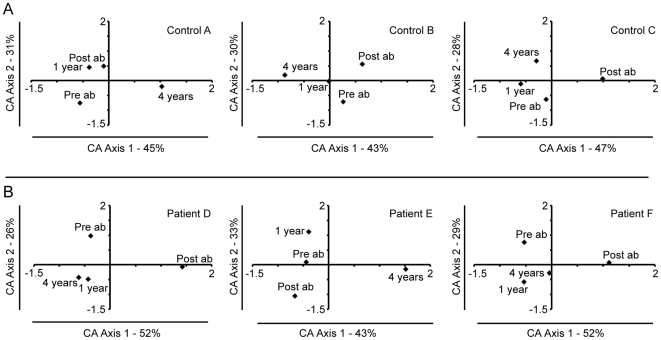
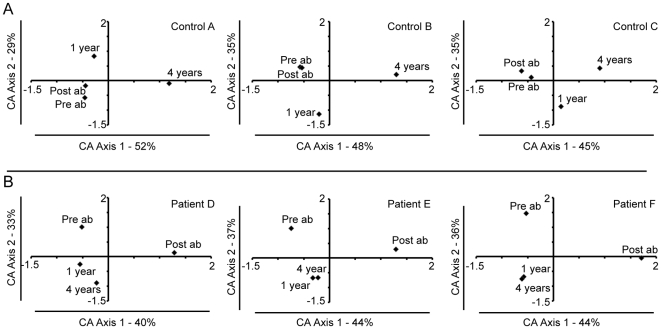
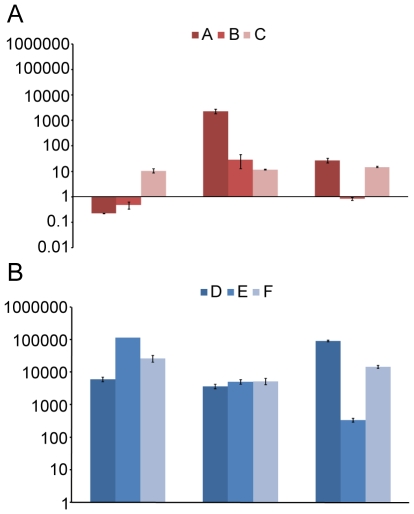
Antibiotic administration is the standard treatment for the bacterium Helicobacter pylori, the main causative agent of peptic ulcer disease and gastric cancer. However, the long-term consequences of this treatment on the human indigenous microbiota are relatively unexplored. Here we studied short- and long-term effects of clarithromycin and metronidazole treatment, a commonly used therapy regimen against H. pylori, on the indigenous microbiota in the throat and in the lower intestine. The bacterial compositions in samples collected over a four-year period were monitored by analyzing the 16S rRNA gene using 454-based pyrosequencing and terminal-restriction fragment length polymorphism (T-RFLP). While the microbial communities of untreated control subjects were relatively stable over time, dramatic shifts were observed one week after antibiotic treatment with reduced bacterial diversity in all treated subjects in both locations. While the microbiota of the different subjects responded uniquely to the antibiotic treatment some general trends could be observed; such as a dramatic decline in Actinobacteria in both throat and feces immediately after treatment. Although the diversity of the microbiota subsequently recovered to resemble the pre treatment states, the microbiota remained perturbed in some cases for up to four years post treatment. In addition, four years after treatment high levels of the macrolide resistance gene erm(B) were found, indicating that antibiotic resistance, once selected for, can persist for longer periods of time than previously recognized. This highlights the importance of a restrictive antibiotic usage in order to prevent subsequent treatment failure and potential spread of antibiotic resistance.
Overview
The claims and statistics of this paper haven’t been checked yet.
Free: it reads the open-access text and checks the first 5 claims that cite a source we can check. Create a free account to check every claim.
Integrity signals
Registry
Cites
Statistics
Figures
Verification
Claims the paper makes
The claims and statistics of this paper haven’t been checked yet.
Free: it reads the open-access text and checks the first 5 claims that cite a source we can check. Create a free account to check every claim.
Claims other papers make about this one
Each is checked against this paper’s own text: does it say what the citing paper says it does?
The cited source doesn’t support the claim as written.
In the citing paper
“16S ribosomal RNA sequencing of gene amplicons of patients' feces revealed that microbiota returns to its baseline within 1-3 months after ATB discontinuation.”
From Negative association of antibiotics on clinical activity of immune checkpoint inhibitors in patients with advanced renal cell and non-small-cell lung cancer (2018) · cites this paper as [20]
Checked by a reasoning model — may be wrong.
Experimental — accuracy not yet measuredThe source backs part of the claim, not all of it — or backs it for a different population, condition or comparison.
In the citing paper
“After the respiratory microbiota is established, antibiotic treatment remains an important perturbing factor of the microbial equilibrium throughout life40.”
From The microbiota of the respiratory tract: gatekeeper to respiratory health (2017) · cites this paper as [40]
Experimental — accuracy not yet measuredThe source backs part of the claim, not all of it — or backs it for a different population, condition or comparison.
In the citing paper
“antibiotics represent the most direct and effective way of targeting the gut microbiota (Antunes et al., 2011;Jakobsson et al., 2010)”
From The Microbiota-Gut-Brain Axis (2019) · cites this paper as Jakobsson et al., 2010
Experimental — accuracy not yet measuredThe cited source says what the claim attributes to it.
In the citing paper
“However, some bacteria may take years to fully recover [14,20].”
From Negative association of antibiotics on clinical activity of immune checkpoint inhibitors in patients with advanced renal cell and non-small-cell lung cancer (2018) · cites this paper as [20]
Self-check
Percentages, sums and reported differences re-computed from the paper’s own numbers.
The self-check needs the paper’s full text.
Citations
Cites
The publisher hasn’t deposited this paper’s reference list.
Research works printed but not linked: 1
- [45]Hayek LCaMAB 1996 Surveying natural populations. New York Columbia University Press
Cited by
Diversity, stability and resilience of the human gut microbiota
Lozupone, C. A., Stombaugh, J. I., Gordon, J. I., Jansson, J. K., & Knight, R. (2012) · Nature · doi:10.1038/nature11550 · Cited by 5,533
Self-citationCryan, J. F., O'Riordan, K. J., Cowan, C. S. M., Sandhu, K. V., Bastiaanssen, T. F. S., Boehme, M., Codagnone, M. G., Cussotto, S., Fulling, C., Golubeva, A. V., et al. (2019) · Physiological Reviews · doi:10.1152/physrev.00018.2018 · Cited by 5,286
Introduction to the human gut microbiota
Thursby, E., & Juge, N. (2017) · Biochemical Journal · doi:10.1042/bcj20160510 · Cited by 3,600
Role of the normal gut microbiota
Jandhyala, S. M. (2015) · World Journal of Gastroenterology · doi:10.3748/wjg.v21.i29.8787 · Cited by 3,001
Environment dominates over host genetics in shaping human gut microbiota
Rothschild, D., Weissbrod, O., Barkan, E., Kurilshikov, A., Korem, T., Zeevi, D., Costea, P. I., Godneva, A., Kalka, I. N., Bar, N., et al. (2018) · Nature · doi:10.1038/nature25973 · Cited by 2,859
The Application of Ecological Theory Toward an Understanding of the Human Microbiome
Costello, E. K., Stagaman, K., Dethlefsen, L., Bohannan, B. J. M., & Relman, D. A. (2012) · Science · doi:10.1126/science.1224203 · Cited by 1,437
The pros, cons, and many unknowns of probiotics
Suez, J., Zmora, N., Segal, E., & Elinav, E. (2019) · Nature Medicine · doi:10.1038/s41591-019-0439-x · Cited by 1,398
The microbiota of the respiratory tract: gatekeeper to respiratory health
Man, W. H., de Steenhuijsen Piters, W. A. A., & Bogaert, D. (2017) · Nature Reviews Microbiology · doi:10.1038/nrmicro.2017.14 · Cited by 1,384
Human gut microbiota/microbiome in health and diseases: a review
Gomaa, E. Z. (2020) · Antonie van Leeuwenhoek · doi:10.1007/s10482-020-01474-7 · Cited by 1,294
Ursell, L. K., Metcalf, J. L., Parfrey, L. W., & Knight, R. (2012) · Nutrition Reviews · doi:10.1111/j.1753-4887.2012.00493.x · Cited by 1,255
The microbiome, cancer, and cancer therapy
Helmink, B. A., Khan, M. A. W., Hermann, A., Gopalakrishnan, V., & Wargo, J. A. (2019) · Nature Medicine · doi:10.1038/s41591-019-0377-7 · Cited by 1,200
International consensus statement on allergy and rhinology: rhinosinusitis 2021
Orlandi, R. R., Kingdom, T. T., Smith, T. L., Bleier, B., DeConde, A., Luong, A. U., Poetker, D. M., Soler, Z., Welch, K. C., Wise, S. K., et al. (2021) · International Forum of Allergy & Rhinology · doi:10.1002/alr.22741 · Cited by 959
Long-term impacts of antibiotic exposure on the human intestinal microbiota
Jernberg, C., Löfmark, S., Edlund, C., & Jansson, J. K. (2010) · Microbiology · doi:10.1099/mic.0.040618-0 · Cited by 1,067
Self-citationAntibiotic Pollution in the Environment: From Microbial Ecology to Public Policy
Kraemer, S. A., Ramachandran, A., & Perron, G. G. (2019) · Microorganisms · doi:10.3390/microorganisms7060180 · Cited by 932
Yassour, M., Vatanen, T., Siljander, H., Hämäläinen, A.-M., Härkönen, T., Ryhänen, S. J., Franzosa, E. A., Vlamakis, H., Huttenhower, C., Gevers, D., et al. (2016) · Science Translational Medicine · doi:10.1126/scitranslmed.aad0917 · Cited by 1,043
Langdon, A., Crook, N., & Dantas, G. (2016) · Genome Medicine · doi:10.1186/s13073-016-0294-z · Cited by 912
Host lifestyle affects human microbiota on daily timescales
David, L. A., Materna, A. C., Friedman, J., Campos-Baptista, M. I., Blackburn, M. C., Perrotta, A., Erdman, S. E., & Alm, E. J. (2014) · Genome biology · doi:10.1186/gb-2014-15-7-r89 · Cited by 950
Derosa, L., Hellmann, M. D., Spaziano, M., Halpenny, D., Fidelle, M., Rizvi, H., Long, N., Plodkowski, A. J., Arbour, K. C., Chaft, J. E., et al. (2018) · Annals of Oncology · doi:10.1093/annonc/mdy103 · Cited by 908
Proton pump inhibitors alter the composition of the gut microbiota
Jackson, M. A., Goodrich, J. K., Maxan, M.-E., Freedberg, D. E., Abrams, J. A., Poole, A. C., Sutter, J. L., Welter, D., Ley, R. E., Bell, J. T., et al. (2016) · Gut · doi:10.1136/gutjnl-2015-310861 · Cited by 895
Impact of antibiotics on the human microbiome and consequences for host health
Patangia, D. V., Anthony Ryan, C., Dempsey, E., Paul Ross, R., & Stanton, C. (2022) · MicrobiologyOpen · doi:10.1002/mbo3.1260 · Cited by 754
The Human Gut Microbiome: From Association to Modulation
Schmidt, T. S. B., Raes, J., & Bork, P. (2018) · Cell · doi:10.1016/j.cell.2018.02.044 · Cited by 845
Factors affecting the composition of the gut microbiota, and its modulation
Hasan, N., & Yang, H. (2019) · PeerJ · doi:10.7717/peerj.7502 · Cited by 755
Metagenome-wide analysis of antibiotic resistance genes in a large cohort of human gut microbiota
Hu, Y., Yang, X., Qin, J., Lu, N., Cheng, G., Wu, N., Pan, Y., Li, J., Zhu, L., Wang, X., et al. (2013) · Nature Communications · doi:10.1038/ncomms3151 · Cited by 781
The Gut Microbiome, Kidney Disease, and Targeted Interventions
Ramezani, A., & Raj, D. S. (2014) · Journal of the American Society of Nephrology · doi:10.1681/asn.2013080905 · Cited by 743
Shifting the balance: antibiotic effects on host–microbiota mutualism
Willing, B. P., Russell, S. L., & Finlay, B. B. (2011) · Nature Reviews Microbiology · doi:10.1038/nrmicro2536 · Cited by 747
“Therefore, although antibiotics are designed to target pathogenic organisms, related members of the microbiota are also affected, often leaving an imprint on the gut community long after the antibiotics have been remove”
BackgroundEffects of environmental pollutants on gut microbiota
Jin, Y., Wu, S., Zeng, Z., & Fu, Z. (2017) · Environmental Pollution · doi:10.1016/j.envpol.2016.11.045 · Cited by 660
Gut Microbiota Promote Hematopoiesis to Control Bacterial Infection
Khosravi, A., Yáñez, A., Price, J. G., Chow, A., Merad, M., Goodridge, H. S., & Mazmanian, S. K. (2014) · Cell Host & Microbe · doi:10.1016/j.chom.2014.02.006 · Cited by 644
Antibiotics and the Gut Microbiota
Modi, S. R., Collins, J. J., & Relman, D. A. (2014) · Journal of Clinical Investigation · doi:10.1172/jci72333 · Cited by 667
Antibiotics as deep modulators of gut microbiota: between good and evil
Ianiro, G., Tilg, H., & Gasbarrini, A. (2016) · Gut · doi:10.1136/gutjnl-2016-312297 · Cited by 625
Antibiotic resistance genes from livestock waste: occurrence, dissemination, and treatment
He, Y., Yuan, Q., Mathieu, J., Stadler, L., Senehi, N., Sun, R., & Alvarez, P. J. J. (2020) · npj Clean Water · doi:10.1038/s41545-020-0051-0 · Cited by 588
Gut microbiota disturbance during antibiotic therapy: a multi-omic approach
Pérez-Cobas, A. E., Gosalbes, M. J., Friedrichs, A., Knecht, H., Artacho, A., Eismann, K., Otto, W., Rojo, D., Bargiela, R., von Bergen, M., et al. (2013) · Gut · doi:10.1136/gutjnl-2012-303184 · Cited by 605
Jackson, M. A., Verdi, S., Maxan, M.-E., Shin, C. M., Zierer, J., Bowyer, R. C. E., Martin, T., Williams, F. M. K., Menni, C., Bell, J. T., et al. (2018) · Nature Communications · doi:10.1038/s41467-018-05184-7 · Cited by 616
Effects of antibiotics on gut microbiota
Lange, K., Buerger, M., Stallmach, A., & Bruns, T. (2016) · Digestive Diseases · doi:10.1159/000443360 · Cited by 607
Sochocka, M., Donskow-Łysoniewska, K., Diniz, B. S., Kurpas, D., Brzozowska, E., & Leszek, J. (2019) · Molecular Neurobiology · doi:10.1007/s12035-018-1188-4 · Cited by 584
A Comprehensive Review on the Role of the Gut Microbiome in Human Neurological Disorders
Sorboni, S. G., Moghaddam, H. S., Jafarzadeh-Esfehani, R., & Soleimanpour, S. (2022) · Clinical Microbiology Reviews · doi:10.1128/cmr.00338-20 · Cited by 522
Genomic approaches to studying the human microbiota
Weinstock, G. M. (2012) · Nature · doi:10.1038/nature11553 · Cited by 539
Effects of Psychological, Environmental and Physical Stressors on the Gut Microbiota
Karl, J. P., Hatch, A. M., Arcidiacono, S. M., Pearce, S. C., Pantoja-Feliciano, I. G., Doherty, L. A., & Soares, J. W. (2018) · Frontiers in Microbiology · doi:10.3389/fmicb.2018.02013 · Cited by 530
Lazar, V., Ditu, L.-M., Pircalabioru, G. G., Gheorghe, I., Curutiu, C., Holban, A. M., Picu, A., Petcu, L., & Chifiriuc, M. C. (2018) · Frontiers in Immunology · doi:10.3389/fimmu.2018.01830 · Cited by 525
Optimizing methods and dodging pitfalls in microbiome research
Kim, D., Hofstaedter, C. E., Zhao, C., Mattei, L., Tanes, C., Clarke, E., Lauder, A., Sherrill-Mix, S., Chehoud, C., Kelsen, J., et al. (2017) · Microbiome · doi:10.1186/s40168-017-0267-5 · Cited by 541
Contribution of diet to the composition of the human gut microbiota
Graf, D., Di Cagno, R., Fåk, F., Flint, H. J., Nyman, M., Saarela, M., & Watzl, B. (2015) · Microbial Ecology in Health & Disease · doi:10.3402/mehd.v26.26164 · Cited by 519
Huddleston, J. R. (2014) · Infection and Drug Resistance · doi:10.2147/idr.s48820 · Cited by 522
Fouhy, F., Guinane, C. M., Hussey, S., Wall, R., Ryan, C. A., Dempsey, E. M., Murphy, B., Ross, R. P., Fitzgerald, G. F., Stanton, C., et al. (2012) · Antimicrobial Agents and Chemotherapy · doi:10.1128/aac.00789-12 · Cited by 501
Liou, J.-M., Malfertheiner, P., Lee, Y.-C., Sheu, B.-S., Sugano, K., Cheng, H.-C., Yeoh, K.-G., Hsu, P.-I., Goh, K.-L., Mahachai, V., et al. (2020) · Gut · doi:10.1136/gutjnl-2020-322368 · Cited by 493
Gut barrier disruption and chronic disease
Martel, J., Chang, S.-H., Ko, Y.-F., Hwang, T.-L., Young, J. D., & Ojcius, D. M. (2022) · Trends in Endocrinology & Metabolism · doi:10.1016/j.tem.2022.01.002 · Cited by 514
The role of Gut Microbiota in the development of obesity and Diabetes
Baothman, O. A., Zamzami, M. A., Taher, I., Abubaker, J., & Abu-Farha, M. (2016) · Lipids in Health and Disease · doi:10.1186/s12944-016-0278-4 · Cited by 493
Strategies to Minimize Antibiotic Resistance
Lee, C.-R., Cho, I., Jeong, B., & Lee, S. (2013) · International Journal of Environmental Research and Public Health · doi:10.3390/ijerph10094274 · Cited by 446
Human Gut Microbiota and Gastrointestinal Cancer
Meng, C., Bai, C., Brown, T. D., Hood, L. E., & Tian, Q. (2018) · Genomics, Proteomics & Bioinformatics · doi:10.1016/j.gpb.2017.06.002 · Cited by 467
Intestinal microbiota, diet and health
Power, S. E., O'Toole, P. W., Stanton, C., Ross, R. P., & Fitzgerald, G. F. (2014) · British Journal Of Nutrition · doi:10.1017/s0007114513002560 · Cited by 476
Temporal Response of the Human Virome to Immunosuppression and Antiviral Therapy
De Vlaminck, I., Khush, K. K., Strehl, C., Kohli, B., Luikart, H., Neff, N. F., Okamoto, J., Snyder, T. M., Cornfield, D. N., Nicolls, M. R., et al. (2013) · Cell · doi:10.1016/j.cell.2013.10.034 · Cited by 471
“, 2012), antibiotic treatment (Jakobsson et al., 2010), and disease (Clemente et al.”
Gut microbiome and type 2 diabetes: where we are and where to go?
Sharma, S., & Tripathi, P. (2019) · The Journal of Nutritional Biochemistry · doi:10.1016/j.jnutbio.2018.10.003 · Cited by 428
Antibiotic perturbations to the gut microbiome
Fishbein, S. R. S., Mahmud, B., & Dantas, G. (2023) · Nature Reviews Microbiology · doi:10.1038/s41579-023-00933-y · Cited by 440
Disordered Microbial Communities in the Upper Respiratory Tract of Cigarette Smokers
Charlson, E. S., Chen, J., Custers-Allen, R., Bittinger, K., Li, H., Sinha, R., Hwang, J., Bushman, F. D., & Collman, R. G. (2010) · PLoS ONE · doi:10.1371/journal.pone.0015216 · Cited by 437
Signatures of early frailty in the gut microbiota
Jackson, M. A., Jeffery, I. B., Beaumont, M., Bell, J. T., Clark, A. G., Ley, R. E., O’Toole, P. W., Spector, T. D., & Steves, C. J. (2016) · Genome Medicine · doi:10.1186/s13073-016-0262-7 · Cited by 436
Metronidazole: an update on metabolism, structure–cytotoxicity and resistance mechanisms
Dingsdag, S. A., & Hunter, N. (2018) · Journal of Antimicrobial Chemotherapy · doi:10.1093/jac/dkx351 · Cited by 405
Lu, L., Luo, T., Zhao, Y., Cai, C., Fu, Z., & Jin, Y. (2019) · Science of The Total Environment · doi:10.1016/j.scitotenv.2019.02.380 · Cited by 419
Carey-Ann, B. D., & Carroll, K. C. (2013) · Clinical Microbiology Reviews · doi:10.1128/cmr.00016-13 · Cited by 423
Meta-analyses of studies of the human microbiota
Lozupone, C. A., Stombaugh, J., Gonzalez, A., Ackermann, G., Wendel, D., Vázquez-Baeza, Y., Jansson, J. K., Gordon, J. I., & Knight, R. (2013) · Genome Research · doi:10.1101/gr.151803.112 · Cited by 424
“2011), disturbances produced by antibiotics (Jakobsson et al. 2010; Dethlefsen and Relman 2011) including Clostridium difficile colitis (Chang et al.”
BackgroundSelf-citationUngaro, R., Bernstein, C. N., Gearry, R., Hviid, A., Kolho, K.-L., Kronman, M. P., Shaw, S., Van Kruiningen, H., Colombel, J.-F., & Atreja, A. (2014) · American Journal of Gastroenterology · doi:10.1038/ajg.2014.246 · Cited by 384
Gut microbiota and cardiovascular disease: opportunities and challenges
Kazemian, N., Mahmoudi, M., Halperin, F., Wu, J. C., & Pakpour, S. (2020) · Microbiome · doi:10.1186/s40168-020-00821-0 · Cited by 384
Rooks, M. G., Veiga, P., Wardwell-Scott, L. H., Tickle, T., Segata, N., Michaud, M., Gallini, C. A., Beal, C., van Hylckama-Vlieg, J. E. T., Ballal, S. A., et al. (2014) · The ISME Journal · doi:10.1038/ismej.2014.3 · Cited by 389
The human microbiome: ecosystem resilience and health
Relman, D. A. (2012) · Nutrition Reviews · doi:10.1111/j.1753-4887.2012.00489.x · Cited by 383
Vaz-Moreira, I., Nunes, O. C., & Manaia, C. M. (2014) · FEMS Microbiology Reviews · doi:10.1111/1574-6976.12062 · Cited by 364
The effect of antibiotics on the composition of the intestinal microbiota—a systematic review
Zimmermann, P., & Curtis, N. (2019) · Journal of Infection · doi:10.1016/j.jinf.2019.10.008 · Cited by 383
Development of the Chick Microbiome: How Early Exposure Influences Future Microbial Diversity
Ballou, A. L., Ali, R. A., Mendoza, M. A., Ellis, J. C., Hassan, H. M., Croom, W. J., & Koci, M. D. (2016) · Frontiers in Veterinary Science · doi:10.3389/fvets.2016.00002 · Cited by 364
Comparative Digestive Physiology
H. Karasov, W., & Douglas, A. E. (2013) · Comprehensive Physiology · doi:10.1002/cphy.c110054 · Cited by 308
“Blooming” in the gut: how dysbiosis might contribute to pathogen evolution.
Stecher, B., Maier, L., & Hardt, W.-D. (2013) · Nature Reviews Microbiology · doi:10.1038/nrmicro2989 · Cited by 378
The Microbiome and Human Biology
Knight, R., Callewaert, C., Marotz, C., Hyde, E. R., Debelius, J. W., McDonald, D., & Sogin, M. L. (2017) · Annual Review of Genomics and Human Genetics · doi:10.1146/annurev-genom-083115-022438 · Cited by 373
Ianiro, G., Punčochář, M., Karcher, N., Porcari, S., Armanini, F., Asnicar, F., Beghini, F., Blanco-Míguez, A., Cumbo, F., Manghi, P., et al. (2022) · Nature Medicine · doi:10.1038/s41591-022-01964-3 · Cited by 366
Short-Term Effect of Antibiotics on Human Gut Microbiota
Panda, S., El khader, I., Casellas, F., López Vivancos, J., García Cors, M., Santiago, A., Cuenca, S., Guarner, F., & Manichanh, C. (2014) · PLoS ONE · doi:10.1371/journal.pone.0095476 · Cited by 349
Infant antibiotic exposure and the development of childhood overweight and central adiposity
Azad, M. B., Bridgman, S. L., Becker, A. B., & Kozyrskyj, A. L. (2014) · International Journal of Obesity · doi:10.1038/ijo.2014.119 · Cited by 331
The Role of Gut Microbiota in Intestinal Inflammation with Respect to Diet and Extrinsic Stressors
Lobionda, S., Sittipo, P., Kwon, H. Y., & Lee, Y. K. (2019) · Microorganisms · doi:10.3390/microorganisms7080271 · Cited by 317
Freedberg, D. E., Toussaint, N. C., Chen, S. P., Ratner, A. J., Whittier, S., Wang, T. C., Wang, H. H., & Abrams, J. A. (2015) · Gastroenterology · doi:10.1053/j.gastro.2015.06.043 · Cited by 322
Critical review evaluating the pig as a model for human nutritional physiology
Roura, E., Koopmans, S.-J., Lallès, J.-P., Le Huerou-Luron, I., de Jager, N., Schuurman, T., & Val-Laillet, D. (2016) · Nutrition Research Reviews · doi:10.1017/s0954422416000020 · Cited by 303
Molecular and cellular mechanisms of food allergy and food tolerance
Chinthrajah, R. S., Hernandez, J. D., Boyd, S. D., Galli, S. J., & Nadeau, K. C. (2016) · Journal of Allergy and Clinical Immunology · doi:10.1016/j.jaci.2016.02.004 · Cited by 307
The Human Microbiome and Its Potential Importance to Pediatrics
Johnson, C. L., & Versalovic, J. (2012) · Pediatrics · doi:10.1542/peds.2011-2736 · Cited by 310
Insights into Antibiotic Resistance Through Metagenomic Approaches
Schmieder, R., & Edwards, R. (2012) · Future Microbiology · doi:10.2217/fmb.11.135 · Cited by 301
Davis-Richardson, A. G., Ardissone, A. N., Dias, R., Simell, V., Leonard, M. T., Kemppainen, K. M., Drew, J. C., Schatz, D., Atkinson, M. A., Kolaczkowski, B., et al. (2014) · Frontiers in Microbiology · doi:10.3389/fmicb.2014.00678 · Cited by 308
Antibiotic resistance among commercially available probiotics
Sharma, P., Tomar, S. K., Goswami, P., Sangwan, V., & Singh, R. (2014) · Food Research International · doi:10.1016/j.foodres.2014.01.025 · Cited by 296
Microbiome and Allergic Diseases
Pascal, M., Perez-Gordo, M., Caballero, T., Escribese, M. M., Lopez Longo, M. N., Luengo, O., Manso, L., Matheu, V., Seoane, E., Zamorano, M., et al. (2018) · Frontiers in Immunology · doi:10.3389/fimmu.2018.01584 · Cited by 295
The Infant Microbiome: Implications for Infant Health and Neurocognitive Development
Yang, I., Corwin, E. J., Brennan, P. A., Jordan, S., Murphy, J. R., & Dunlop, A. (2016) · Nursing Research · doi:10.1097/nnr.0000000000000133 · Cited by 279
Cesarean section and development of the immune system in the offspring
Cho, C. E., & Norman, M. (2013) · American Journal of Obstetrics and Gynecology · doi:10.1016/j.ajog.2012.08.009 · Cited by 301
Guo, Y., Zhang, Y., Gerhard, M., Gao, J.-J., Mejias-Luque, R., Zhang, L., Vieth, M., Ma, J.-L., Bajbouj, M., Suchanek, S., et al. (2020) · Gut · doi:10.1136/gutjnl-2019-319696 · Cited by 289
The bovine milk microbiota: insights and perspectives from -omics studies
Addis, M. F., Tanca, A., Uzzau, S., Oikonomou, G., Bicalho, R. C., & Moroni, P. (2016) · Molecular BioSystems · doi:10.1039/c6mb00217j · Cited by 281
Bian, X., Chi, L., Gao, B., Tu, P., Ru, H., & Lu, K. (2017) · PLOS ONE · doi:10.1371/journal.pone.0178426 · Cited by 262
Evolutionary consequences of antibiotic use for the resistome, mobilome and microbial pangenome
Gillings, M. R. (2013) · Frontiers in Microbiology · doi:10.3389/fmicb.2013.00004 · Cited by 264
Alterations in the gut microbiome of children with severe ulcerative colitis
Michail, S., Durbin, M., Turner, D., Griffiths, A. M., Mack, D. R., Hyams, J., Leleiko, N., Kenche, H., Stolfi, A., & Wine, E. (2012) · Inflammatory Bowel Diseases · doi:10.1002/ibd.22860 · Cited by 284
The skin microbiome: Current perspectives and future challenges
Chen, Y. E., & Tsao, H. (2013) · Journal of the American Academy of Dermatology · doi:10.1016/j.jaad.2013.01.016 · Cited by 268
Pancu, D. F., Scurtu, A., Macasoi, I. G., Marti, D., Mioc, M., Soica, C., Coricovac, D., Horhat, D., Poenaru, M., & Dehelean, C. (2021) · Antibiotics · doi:10.3390/antibiotics10040401 · Cited by 244
Stability of the human faecal microbiome in a cohort of adult men
Mehta, R. S., Abu-Ali, G. S., Drew, D. A., Lloyd-Price, J., Subramanian, A., Lochhead, P., Joshi, A. D., Ivey, K. L., Khalili, H., Brown, G. T., et al. (2018) · Nature Microbiology · doi:10.1038/s41564-017-0096-0 · Cited by 273
Castro-Nallar, E., Bendall, M. L., Pérez-Losada, M., Sabuncyan, S., Severance, E. G., Dickerson, F. B., Schroeder, J. R., Yolken, R. H., & Crandall, K. A. (2015) · PeerJ · doi:10.7717/peerj.1140 · Cited by 268
Boursi, B., Mamtani, R., Haynes, K., & Yang, Y.-X. (2015) · European Journal of Cancer · doi:10.1016/j.ejca.2015.08.015 · Cited by 263
Food and human gut as reservoirs of transferable antibiotic resistance encoding genes
Rolain, J.-M. (2013) · Frontiers in Microbiology · doi:10.3389/fmicb.2013.00173 · Cited by 257
Respiratory disease following viral lung infection alters the murine gut microbiota
Groves, H. T., Cuthbertson, L., James, P., Moffatt, M. F., Cox, M. J., & Tregoning, J. S. (2018) · Frontiers in Immunology · doi:10.3389/fimmu.2018.00182 · Cited by 258
Antibiotics and the developing infant gut microbiota and resistome
Gibson, M. K., Crofts, T. S., & Dantas, G. (2015) · Current Opinion in Microbiology · doi:10.1016/j.mib.2015.07.007 · Cited by 246
Gut microbiome composition and diversity are related to human personality traits
Johnson, K. V.-A. (2020) · Human Microbiome Journal · doi:10.1016/j.humic.2019.100069 · Cited by 240
Wang, H., Masters, S., Edwards, M. A., Falkinham, J. O., & Pruden, A. (2014) · Environmental Science & Technology · doi:10.1021/es402636u · Cited by 246
Britton, R. A., & Young, V. B. (2012) · Trends in Microbiology · doi:10.1016/j.tim.2012.04.001 · Cited by 240
Disruption of the gut microbiome as a risk factor for microbial infections
Khosravi, A., & Mazmanian, S. K. (2013) · Current Opinion in Microbiology · doi:10.1016/j.mib.2013.03.009 · Cited by 241
Zeissig, S., & Blumberg, R. S. (2014) · Nature Immunology · doi:10.1038/ni.2847 · Cited by 236
Dubourg, G., Lagier, J.-C., Armougom, F., Robert, C., Audoly, G., Papazian, L., & Raoult, D. (2013) · International Journal of Antimicrobial Agents · doi:10.1016/j.ijantimicag.2012.10.012 · Cited by 234
Metadata
- Authors
- Jakobsson, H. E., Jernberg, C., Andersson, A. F., Sjölund-Karlsson, M., Jansson, J. K., & Engstrand, L.
- Affiliations
- Swedish Institute (SE)
- Uppsala University (SE)
- Lawrence Berkeley National Laboratory (US)
- Corresponding author
- Engstrand, Lars
- Venue
- PLoS ONE
- Publisher
- Public Library of Science (PLoS)
- Published
- 2010-03-24
- Volume
- 5
- Issue
- 3
- Pages
- e9836
- ISSN
- 1932-6203 (ISSN-L)
- PMC
- PMC2844414
- OpenAlex
- W1530269410
- Cited by
- 1,160
- References
- 0
- Citations by year
- 2026: 35 · 2025: 46 · 2024: 77 · 2023: 73 · 2022: 88 · 2021: 114 · 2020: 88 · 2019: 95 · 2018: 117 · 2017: 79 · 2016: 83 · 2015: 67 · 2014: 73 · 2013: 57 · 2012: 41
- FWCI
- 16.01
- Type
- journal article
- Language
- en
- Open access
- gold
- doi.org
- Locations
- PLoS ONE (publishedVersion, cc-by)
- PubMed Central (publishedVersion, cc-by)
- PubMed (publishedVersion)
- University of North Texas Digital Library (University of North Texas) (submittedVersion)
- DOAJ (DOAJ: Directory of Open Access Journals) (submittedVersion, cc-by-sa)
- eScholarship (California Digital Library) (submittedVersion)
- Figshare (submittedVersion, cc-by)
- OSTI OAI (U.S. Department of Energy Office of Scientific and Technical Information) (submittedVersion)
- Lawrence Berkeley National Laboratory
- Funders
- U.S. Department of Energy (-AC02-05CH11231, 05CH11231, DE AC02 05CH11231, DE-AC02-)
- Ekhagastiftelsen
- Lawrence Berkeley National Laboratory (AC02‐05CH11231, DE-AC02-05CH11231, 05CH11231)
- Topics
- Life Sciences › Biochemistry, Genetics and Molecular Biology › Molecular Biology › Gut microbiota and health
- Health Sciences › Medicine › Gastroenterology › Helicobacter pylori-related gastroenterology studies
- Physical Sciences › Environmental Science › Ecology › Microbial Community Ecology and Physiology
- Keywords
- Helicobacter pylori eradication, clarithromycin, metronidazole, antibiotic therapy, gut microbiota, microbial diversity, actinobacteria, macrolide resistance, ermB, peptic ulcer, gastric cancer
- MeSH terms
- Anti-Bacterial Agents, Drug Resistance, Microbial, Dyspepsia, Feces, Humans, Metronidazole, Oligonucleotides, Omeprazole, Pharynx, Phylogeny, Polymorphism, Restriction Fragment Length, RNA, Ribosomal, 16S, Time Factors, Case-Control Studies, Clarithromycin, Gastrointestinal Tract
About these checks
Registry, retraction, Cites and statistics results are computed, not judged, with one exception: a printed reference that no index lists is read once by a model before it counts as a citation error. Claims are extracted by a model and kept only when their quote appears verbatim in the text; each cited source is then checked, with a model’s help, for whether it says what the claim relies on. Those verdicts can be wrong — read the claim’s quote and the cited source before relying on one.
Statistics and arithmetic are recomputed, not judged.
Confidence bands are shown only for fields calibrated on our annotated test set. None is calibrated yet, so no band is shown.
What counts as a claim ›How we measure confidence ›How we check this ›
Are you an author, or do you see a problem with this page? Request a review
Data sources
Bibliographic data: Semantic Scholar, OpenAlex, Crossref.
Contains information from the Semantic Scholar Academic Graph Datasets, made available under the ODC Attribution License (ODC-BY 1.0).
Semantic Scholar’s data is described in: Kinney, R., et al. (2023). The Semantic Scholar Open Data Platform. arXiv:2301.10140.
