

Short-Term Antibiotic Treatment Has Differing Long-Term Impacts on the Human Throat and Gut Microbiome
Open accessThe DOI matches its Crossref record; 44 of the 44 references it cites were found in a registry or an index.
Abstract
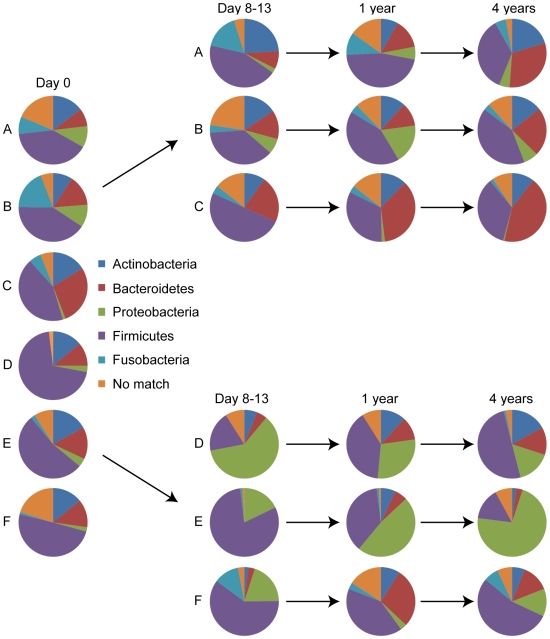
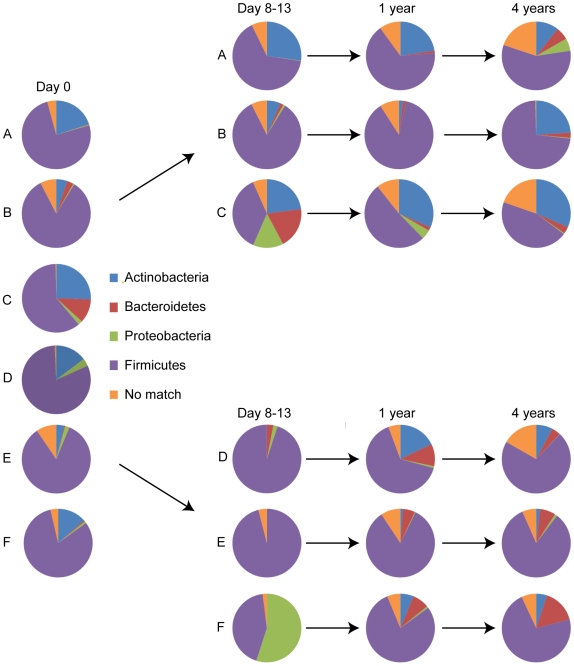
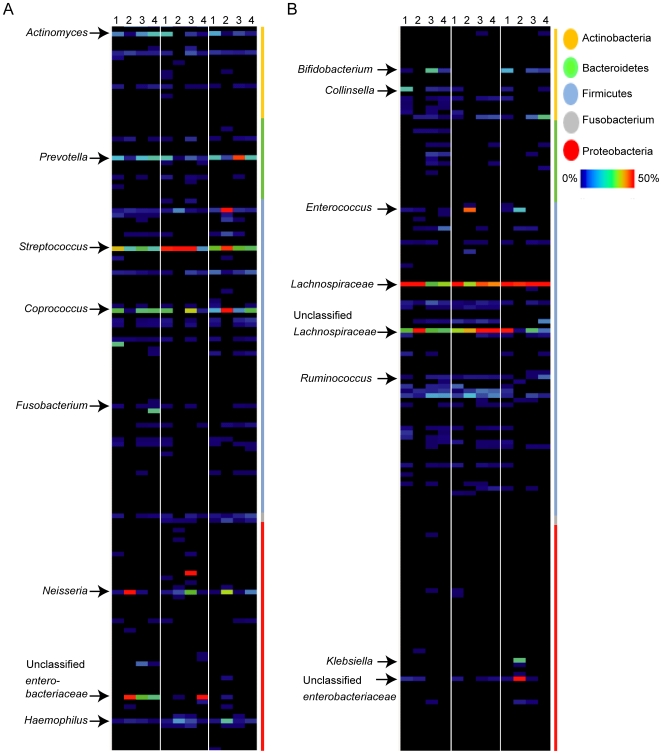
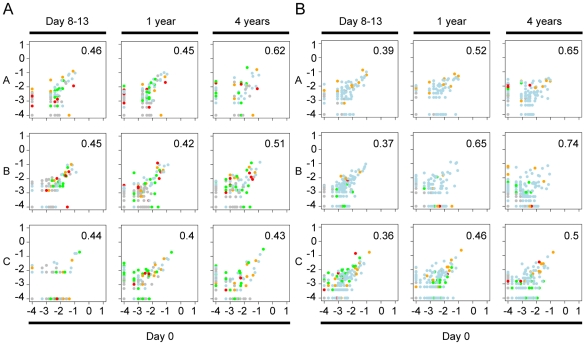
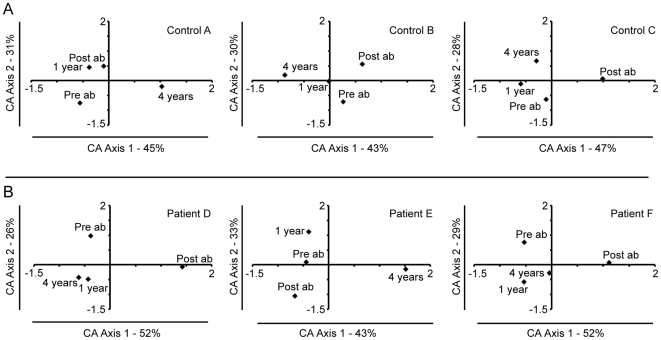
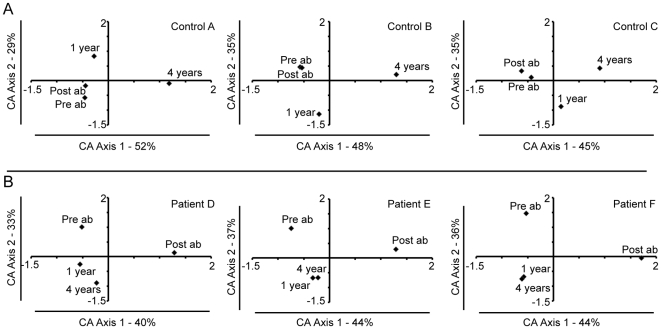
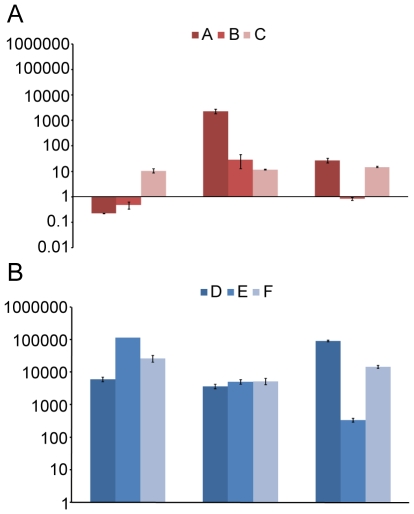
Antibiotic administration is the standard treatment for the bacterium Helicobacter pylori, the main causative agent of peptic ulcer disease and gastric cancer. However, the long-term consequences of this treatment on the human indigenous microbiota are relatively unexplored. Here we studied short- and long-term effects of clarithromycin and metronidazole treatment, a commonly used therapy regimen against H. pylori, on the indigenous microbiota in the throat and in the lower intestine. The bacterial compositions in samples collected over a four-year period were monitored by analyzing the 16S rRNA gene using 454-based pyrosequencing and terminal-restriction fragment length polymorphism (T-RFLP). While the microbial communities of untreated control subjects were relatively stable over time, dramatic shifts were observed one week after antibiotic treatment with reduced bacterial diversity in all treated subjects in both locations. While the microbiota of the different subjects responded uniquely to the antibiotic treatment some general trends could be observed; such as a dramatic decline in Actinobacteria in both throat and feces immediately after treatment. Although the diversity of the microbiota subsequently recovered to resemble the pre treatment states, the microbiota remained perturbed in some cases for up to four years post treatment. In addition, four years after treatment high levels of the macrolide resistance gene erm(B) were found, indicating that antibiotic resistance, once selected for, can persist for longer periods of time than previously recognized. This highlights the importance of a restrictive antibiotic usage in order to prevent subsequent treatment failure and potential spread of antibiotic resistance.
Overview
The claims and statistics of this paper haven’t been checked yet.
Free: it reads the open-access text and checks the first 5 claims that cite a source we can check. Create a free account to check every claim.
Integrity signals
Registry
Cites
Statistics
Figures
Verification
Claims the paper makes
The claims and statistics of this paper haven’t been checked yet.
Free: it reads the open-access text and checks the first 5 claims that cite a source we can check. Create a free account to check every claim.
Claims other papers make about this one
Each is checked against this paper’s own text: does it say what the citing paper says it does?
The cited source doesn’t support the claim as written.
In the citing paper
“16S ribosomal RNA sequencing of gene amplicons of patients' feces revealed that microbiota returns to its baseline within 1-3 months after ATB discontinuation.”
From Negative association of antibiotics on clinical activity of immune checkpoint inhibitors in patients with advanced renal cell and non-small-cell lung cancer (2018) · cites this paper as [20]
Checked by a reasoning model — may be wrong.
Experimental — accuracy not yet measuredThe source backs part of the claim, not all of it — or backs it for a different population, condition or comparison.
In the citing paper
“After the respiratory microbiota is established, antibiotic treatment remains an important perturbing factor of the microbial equilibrium throughout life40.”
From The microbiota of the respiratory tract: gatekeeper to respiratory health (2017) · cites this paper as [40]
Experimental — accuracy not yet measuredThe source backs part of the claim, not all of it — or backs it for a different population, condition or comparison.
In the citing paper
“antibiotics represent the most direct and effective way of targeting the gut microbiota (Antunes et al., 2011;Jakobsson et al., 2010)”
From The Microbiota-Gut-Brain Axis (2019) · cites this paper as Jakobsson et al., 2010
Experimental — accuracy not yet measuredThe cited source says what the claim attributes to it.
In the citing paper
“However, some bacteria may take years to fully recover [14,20].”
From Negative association of antibiotics on clinical activity of immune checkpoint inhibitors in patients with advanced renal cell and non-small-cell lung cancer (2018) · cites this paper as [20]
Self-check
Percentages, sums and reported differences re-computed from the paper’s own numbers.
The self-check needs the paper’s full text.
Citations
Cites
The publisher hasn’t deposited this paper’s reference list.
Research works printed but not linked: 1
- [45]Hayek LCaMAB 1996 Surveying natural populations. New York Columbia University Press
Cited by
Items 101–200 of 1,000
Gut Microbiota and Their Neuroinflammatory Implications in Alzheimer’s Disease
Giau, V., Wu, S., Jamerlan, A., An, S., Kim, S., & Hulme, J. (2018) · Nutrients · doi:10.3390/nu10111765 · Cited by 232
“Clarithromycin Metronidazole Combination 400 + 250 mg, 2× per day for 7 days Helicobacter pylori-infected adults ↓Diversity, particularly Actinobacteria in faeces ↑ermB gene levels Diversity 6 months [75]”
Background(2020) · Progress in Molecular Biology and Translational Science · doi:10.1016/bs.pmbts.2020.04.003 · Cited by 212
Influence of Early Life, Diet, and the Environment on the Microbiome
Dong, T. S., & Gupta, A. (2019) · Clinical Gastroenterology and Hepatology · doi:10.1016/j.cgh.2018.08.067 · Cited by 218
The Fungal Mycobiome and Its Interaction with Gut Bacteria in the Host
Sam, Q., Chang, M., & Chai, L. (2017) · International Journal of Molecular Sciences · doi:10.3390/ijms18020330 · Cited by 213
The gut is the epicentre of antibiotic resistance
Carlet, J. (2012) · Antimicrobial Resistance and Infection Control · doi:10.1186/2047-2994-1-39 · Cited by 214
Liou, J.-M., Chen, C.-C., Chang, C.-M., Fang, Y.-J., Bair, M.-J., Chen, P.-Y., Chang, C.-Y., Hsu, Y.-C., Chen, M.-J., Chen, C.-C., et al. (2019) · The Lancet Infectious Diseases · doi:10.1016/s1473-3099(19)30272-5 · Cited by 217
Prenatal and post‐natal exposure to antibiotics and risk of asthma in childhood
Metsälä, J., Lundqvist, A., Virta, L. J., Kaila, M., Gissler, M., & Virtanen, S. M. (2015) · Clinical & Experimental Allergy · doi:10.1111/cea.12356 · Cited by 219
Malik, M., Suboc, T. M., Tyagi, S., Salzman, N., Wang, J., Ying, R., Tanner, M. J., Kakarla, M., Baker, J. E., & Widlansky, M. E. (2018) · Circulation Research · doi:10.1161/circresaha.118.313565 · Cited by 219
Dahiya, D., & Nigam, P. S. (2023) · International Journal of Molecular Sciences · doi:10.3390/ijms24043074 · Cited by 188
Rogers, G. B., Bruce, K. D., Martin, M. L., Burr, L. D., & Serisier, D. J. (2014) · The Lancet Respiratory Medicine · doi:10.1016/s2213-2600(14)70213-9 · Cited by 217
Current perspectives on gut microbiome dysbiosis and depression
Capuco, A., Urits, I., Hasoon, J., Chun, R., Gerald, B., Wang, J. K., Kassem, H., Ngo, A. L., Abd-Elsayed, A., Simopoulos, T., et al. (2020) · Advances in Therapy · doi:10.1007/s12325-020-01272-7 · Cited by 216
Probiotic approach to prevent antibiotic resistance
Ouwehand, A. C., Forssten, S., Hibberd, A. A., Lyra, A., & Stahl, B. (2016) · Annals of Medicine · doi:10.3109/07853890.2016.1161232 · Cited by 216
“reported as long as 4-year post-treatment (17).”
The interplay between Helicobacter pylori and gastrointestinal microbiota
Chen, C.-C., Liou, J.-M., Lee, Y.-C., Hong, T.-C., El-Omar, E. M., & Wu, M.-S. (2021) · Gut Microbes · doi:10.1080/19490976.2021.1909459 · Cited by 208
Differential Effects of Antibiotic Therapy on the Structure and Function of Human Gut Microbiota
Pérez-Cobas, A. E., Artacho, A., Knecht, H., Ferrús, M. L., Friedrichs, A., Ott, S. J., Moya, A., Latorre, A., & Gosalbes, M. J. (2013) · PLoS ONE · doi:10.1371/journal.pone.0080201 · Cited by 212
“Most recent studies into the impact of antibiotics on the microbiota have focused on the emergence of resistant strains, but few have described their influence on the microbial community itself [14,15,16,17,18].”
BackgroundMicrobiota effects on cancer: From risks to therapies
Rea, D., Coppola, G., Palma, G., Barbieri, A., Luciano, A., Del Prete, P., Rossetti, S., Berretta, M., Facchini, G., Perdonà, S., et al. (2018) · Oncotarget · doi:10.18632/oncotarget.24681 · Cited by 208
Phage therapy for respiratory infections
Chang, R. Y. K., Wallin, M., Lin, Y., Leung, S. S. Y., Wang, H., Morales, S., & Chan, H.-K. (2018) · Advanced Drug Delivery Reviews · doi:10.1016/j.addr.2018.08.001 · Cited by 207
“pacts on the patient's microbiomewhich is commonly observed in antibiotic treatment [5].”
BackgroundGut Microbiota, Immunity, and Disease: A Complex Relationship
Kosiewicz, M. M., Zirnheld, A. L., & Alard, P. (2011) · Frontiers in Microbiology · doi:10.3389/fmicb.2011.00180 · Cited by 207
Long-term use of antibiotics and risk of colorectal adenoma
Cao, Y., Wu, K., Mehta, R., Drew, D. A., Song, M., Lochhead, P., Nguyen, L. H., Izard, J., Fuchs, C. S., Garrett, W. S., et al. (2018) · Gut · doi:10.1136/gutjnl-2016-313413 · Cited by 192
Chen, L., Xu, W., Lee, A., He, J., Huang, B., Zheng, W., Su, T., Lai, S., Long, Y., Chu, H., et al. (2018) · EBioMedicine · doi:10.1016/j.ebiom.2018.08.028 · Cited by 205
“Another study documented that these changes may persist for up to four years after antibiotic treatment is completed [12].”
BackgroundFood additives, contaminants and other minor components: effects on human gut microbiota—a review
Roca-Saavedra, P., Mendez-Vilabrille, V., Miranda, J. M., Nebot, C., Cardelle-Cobas, A., Franco, C. M., & Cepeda, A. (2018) · Journal of Physiology and Biochemistry · doi:10.1007/s13105-017-0564-2 · Cited by 185
Hypothesis testing and statistical analysis of microbiome
Xia, Y., & Sun, J. (2017) · Genes & Diseases · doi:10.1016/j.gendis.2017.06.001 · Cited by 190
The developing intestinal microbiome and its relationship to health and disease in the neonate
Torrazza, R. M., & Neu, J. (2011) · Journal of Perinatology · doi:10.1038/jp.2010.172 · Cited by 191
Therapeutic modulation of intestinal dysbiosis
Walker, A. W., & Lawley, T. D. (2013) · Pharmacological Research · doi:10.1016/j.phrs.2012.09.008 · Cited by 200
Veterinary antibiotics in food, drinking water, and the urine of preschool children in Hong Kong
Li, N., Ho, K. W. K., Ying, G.-G., & Deng, W.-J. (2017) · Environment International · doi:10.1016/j.envint.2017.08.014 · Cited by 200
The Impact of Proton Pump Inhibitors on the Human Gastrointestinal Microbiome
Freedberg, D. E., Lebwohl, B., & Abrams, J. A. (2014) · Clinics in Laboratory Medicine · doi:10.1016/j.cll.2014.08.008 · Cited by 195
Gut Microbiome and Antibiotics
Iizumi, T., Battaglia, T., Ruiz, V., & Perez Perez, G. I. (2017) · Archives of Medical Research · doi:10.1016/j.arcmed.2017.11.004 · Cited by 187
Prevention of Early Ventilator-Associated Pneumonia after Cardiac Arrest
François, B., Cariou, A., Clere-Jehl, R., Dequin, P.-F., Renon-Carron, F., Daix, T., Guitton, C., Deye, N., Legriel, S., Plantefève, G., et al. (2019) · New England Journal of Medicine · doi:10.1056/nejmoa1812379 · Cited by 188
Gut microbiome and kidney disease: a bidirectional relationship
Al Khodor, S., & Shatat, I. F. (2017) · Pediatric Nephrology · doi:10.1007/s00467-016-3392-7 · Cited by 191
“Kidney disease is associated with decreased consumption of dietary fibers [50], frequent use of antibiotics [51], slow colonic transit, metabolic acidosis, volume overload with intestinal wall congestion, intestinal wall edema, and oral iron intake [52–54].”
BackgroundThe Spread of Antibiotic Resistance Genes In Vivo Model
Tao, S., Chen, H., Li, N., Wang, T., & Liang, W. (2022) · Canadian Journal of Infectious Diseases and Medical Microbiology · doi:10.1155/2022/3348695 · Cited by 189
Forster, S. C., Liu, J., Kumar, N., Gulliver, E. L., Gould, J. A., Escobar-Zepeda, A., Mkandawire, T., Pike, L. J., Shao, Y., Stares, M. D., et al. (2022) · Nature Communications · doi:10.1038/s41467-022-29096-9 · Cited by 187
Antibiotics and the resistant microbiome
Sommer, M. O., & Dantas, G. (2011) · Current Opinion in Microbiology · doi:10.1016/j.mib.2011.07.005 · Cited by 174
Okoye, C. O., Nyaruaba, R., Ita, R. E., Okon, S. U., Addey, C. I., Ebido, C. C., Opabunmi, A. O., Okeke, E. S., & Chukwudozie, K. I. (2022) · Environmental Toxicology and Pharmacology · doi:10.1016/j.etap.2022.103995 · Cited by 183
Human Microbiota Characterization in the Course of Renal Transplantation
Fricke, W. F., Maddox, C., Song, Y., & Bromberg, J. S. (2014) · American Journal of Transplantation · doi:10.1111/ajt.12588 · Cited by 176
Schepper, J. D., Collins, F. L., Rios-Arce, N. D., Raehtz, S., Schaefer, L., Gardinier, J. D., Britton, R. A., Parameswaran, N., & McCabe, L. R. (2019) · Journal of Bone and Mineral Research · doi:10.1002/jbmr.3635 · Cited by 182
“Acute oral antibiotics deplete the intestinal microbiome and subsequently alter the microbiota composition long after cessation of treatment.((44,45)) Very few studies have investigated the effects of a repopulated microbiome following antibiotic treatment, and none have investigated the effects on bone health in skel…”
BackgroundInfluentialTemporal and technical variability of human gut metagenomes
Voigt, A. Y., Costea, P. I., Kultima, J. R., Li, S. S., Zeller, G., Sunagawa, S., & Bork, P. (2015) · Genome Biology · doi:10.1186/s13059-015-0639-8 · Cited by 184
Azithromycin in viral infections
Oliver, M. E., & Hinks, T. S. C. (2021) · Reviews in Medical Virology · doi:10.1002/rmv.2163 · Cited by 174
The altered gut microbiota in adults with cystic fibrosis
Burke, D. G., Fouhy, F., Harrison, M. J., Rea, M. C., Cotter, P. D., O’Sullivan, O., Stanton, C., Hill, C., Shanahan, F., Plant, B. J., et al. (2017) · BMC Microbiology · doi:10.1186/s12866-017-0968-8 · Cited by 179
“reduces the diversity of the intestinal microbiota, as well as altering the relative abundances of susceptible bacterial species [18, 19].”
BackgroundWarinner, C., Speller, C., Collins, M. J., & Lewis, C. M. (2015) · Journal of Human Evolution · doi:10.1016/j.jhevol.2014.10.016 · Cited by 168
Psychotropics and the Microbiome: a Chamber of Secrets…
Cussotto, S., Clarke, G., Dinan, T. G., & Cryan, J. F. (2019) · Psychopharmacology · doi:10.1007/s00213-019-5185-8 · Cited by 163
Microbiota–Gut–Brain Axis and Epilepsy: A Review on Mechanisms and Potential Therapeutics
Ding, M., Lang, Y., Shu, H., Shao, J., & Cui, L. (2021) · Frontiers in Immunology · doi:10.3389/fimmu.2021.742449 · Cited by 169
Disruption of the gut ecosystem by antibiotics.
Yoon, M. Y., & Yoon, S. S. (2018) · Yonsei Medical Journal · doi:10.3349/ymj.2018.59.1.4 · Cited by 175
Hu, Y., Zhu, Y., & Lu, N.-H. (2017) · Frontiers in Cellular and Infection Microbiology · doi:10.3389/fcimb.2017.00168 · Cited by 175
“Moreover, H. pylori eradication influenced the gut microbiota (Jakobsson et al., 2010; Malfertheiner et al., 2016); the addition of Pbs (e.g., Streptococcus faecium and Bacillus subtilis) to standard triple therapies may restrict the growth of antibioticresistant bacteria and reduce the fluctuation…”
BackgroundOrganic food and the impact on human health
Hurtado‐Barroso, S., Tresserra‐Rimbau, A., Vallverdú‐Queralt, A., & Lamuela-Raventós, R. M. (2017) · Critical Reviews in Food Science and Nutrition · doi:10.1080/10408398.2017.1394815 · Cited by 196
Clostridium difficile – From Colonization to Infection
Schäffler, H., & Breitrück, A. (2018) · Frontiers in Microbiology · doi:10.3389/fmicb.2018.00646 · Cited by 174
Use of Antibiotics and Risk of Type 2 Diabetes: A Population-Based Case-Control Study
Mikkelsen, K. H., Knop, F. K., Frost, M., Hallas, J., & Pottegård, A. (2015) · The Journal of Clinical Endocrinology & Metabolism · doi:10.1210/jc.2015-2696 · Cited by 174
Correlation between human gut microbiome and diseases
Madhogaria, B., Bhowmik, P., & Kundu, A. (2022) · Infectious Medicine · doi:10.1016/j.imj.2022.08.004 · Cited by 202
Antibiotic-induced changes in the microbiota disrupt redox dynamics in the gut
Reese, A. T., Cho, E. H., Klitzman, B., Nichols, S. P., Wisniewski, N. A., Villa, M. M., Durand, H. K., Jiang, S., Midani, F. S., Nimmagadda, S. N., et al. (2018) · eLife · doi:10.7554/elife.35987 · Cited by 173
“We observe that facultative anaerobes like the Enterobacteriaceae behave as pioneer taxa whose dynamics inversely track redox dynamics after antibiotic treatment, providing new understanding of the deterministic mechanism driving the consistent bloom of these bacteria following antibiotic treatment (Antonopoulos et al…”
BackgroundResultFjalstad, J. W., Esaiassen, E., Juvet, L. K., van den Anker, J. N., & Klingenberg, C. (2018) · Journal of Antimicrobial Chemotherapy · doi:10.1093/jac/dkx426 · Cited by 171
Chng, K. R., Ghosh, T. S., Tan, Y. H., Nandi, T., Lee, I. R., Ng, A. H. Q., Li, C., Ravikrishnan, A., Lim, K. M., Lye, D., et al. (2020) · Nature Ecology & Evolution · doi:10.1038/s41559-020-1236-0 · Cited by 160
Pohl, D., Keller, P. M., Bordier, V., & Wagner, K. (2019) · World Journal of Gastroenterology · doi:10.3748/wjg.v25.i32.4629 · Cited by 195
Changes in the equine fecal microbiota associated with the use of systemic antimicrobial drugs
Costa, M. C., Stämpfli, H. R., Arroyo, L. G., Allen-Vercoe, E., Gomes, R. G., & Weese, J. (2015) · BMC Veterinary Research · doi:10.1186/s12917-015-0335-7 · Cited by 165
“However, structural changes in bacterial communities may take years to return to pre-treatment baseline following antibiotic induced disturbance [23].”
BackgroundHoen, A. G., Li, J., Moulton, L. A., O'Toole, G. A., Housman, M. L., Koestler, D. C., Guill, M. F., Moore, J. H., Hibberd, P. L., Morrison, H. G., et al. (2015) · The Journal of Pediatrics · doi:10.1016/j.jpeds.2015.02.049 · Cited by 165
ElRakaiby, M., Dutilh, B. E., Rizkallah, M. R., Boleij, A., Cole, J. N., & Aziz, R. K. (2014) · OMICS: A Journal of Integrative Biology · doi:10.1089/omi.2014.0018 · Cited by 164
“Similarly, treatment with a combination of metronidazole, clarithromycin, and omeprazole led to a dramatic shift in the microbiota state that persisted for up to 4 years (Jakobsson et al., 2010).”
Oh, B., Kim, B., Kim, J. W., Kim, J. S., Koh, S., Kim, B. G., Lee, K. L., & Chun, J. (2016) · Helicobacter · doi:10.1111/hel.12270 · Cited by 164
Helicobacter pylori and the gastric microbiota
Engstrand, L. G., & Lindberg, M. (2013) · Best Practice & Research Clinical Gastroenterology · doi:10.1016/j.bpg.2013.03.016 · Cited by 177
Self-citationPyrosequencing as a tool for better understanding of human microbiomes
Siqueira, J. F., Fouad, A. F., & Rôças, I. N. (2012) · Journal of Oral Microbiology · doi:10.3402/jom.v4i0.10743 · Cited by 163
Altered gut microbiota and microbial biomarkers associated with chronic kidney disease
Lun, H., Yang, W., Zhao, S., Jiang, M., Xu, M., Liu, F., & Wang, Y. (2019) · MicrobiologyOpen · doi:10.1002/mbo3.678 · Cited by 158
Sibley, C. D., Peirano, G., & Church, D. L. (2012) · Infection, Genetics and Evolution · doi:10.1016/j.meegid.2012.01.011 · Cited by 159
“T-RFLP is most robust when the in silico predictions are corroborated with parallel 16S rRNA sequencing (either clone-based or 454 pyrosequencing (Jakobsson et al., 2010) .”
BackgroundMethodMa, T., Villot, C., Renaud, D. L., Skidmore, A. L., Chevaux, E., Steele, M. A., & Guan, L. L. (2020) · The ISME Journal · doi:10.1038/s41396-020-0678-3 · Cited by 186
The varying effects of antibiotics on gut microbiota
Yang, L., Bajinka, O., Jarju, P. O., Tan, Y., Taal, A. M., & Özdemir, G. (2021) · AMB Express · doi:10.1186/s13568-021-01274-w · Cited by 173
Tiny microbes, enormous impacts: what matters in gut microbiome studies?
Debelius, J., Song, S. J., Vazquez-Baeza, Y., Xu, Z. Z., Gonzalez, A., & Knight, R. (2016) · Genome Biology · doi:10.1186/s13059-016-1086-x · Cited by 147
Drug–gut microbiota interactions: implications for neuropharmacology
Walsh, J., Griffin, B. T., Clarke, G., & Hyland, N. P. (2018) · British Journal of Pharmacology · doi:10.1111/bph.14366 · Cited by 149
Microbiome and Breast Cancer: New Role for an Ancient Population
Eslami-S, Z., Majidzadeh-A, K., Halvaei, S., Babapirali, F., & Esmaeili, R. (2020) · Frontiers in Oncology · doi:10.3389/fonc.2020.00120 · Cited by 153
Impact of the gut microbiota, prebiotics, and probiotics on human health and disease
Lai, H.-C., Young, J., Lin, C.-S., Chang, C.-J., Lu, C.-C., Martel, J., Ojcius, D., & Ko, Y.-F. (2014) · Biomedical Journal · doi:10.4103/2319-4170.138314 · Cited by 153
“However, broad-spectrum antibiotics may target various intestinal bacteria and leave a long-lasting effect on the gut microbiota.([68-70]) It was recently shown that gut dysbiosis induced by antibiotics exacerbates allergic lung inflammation by promoting allergy-prone M2 macrophage polarization.”
BackgroundMicrobiota intestinal en la enfermedad renal crónica
Cigarrán, S., Parra, E. G., & Cases, A. (2016) · Nefrología · doi:10.1016/j.nefro.2016.05.008 · Cited by 175
Antibiotic Exposure and Juvenile Idiopathic Arthritis: A Case–Control Study
Horton, D. B., Scott, F. I., Haynes, K., Putt, M., Rosé, C. D., Lewis, J. D., & Strom, B. L. (2015) · PEDIATRICS · doi:10.1542/peds.2015-0036 · Cited by 172
Broaders, E., Gahan, C. G. M., & Marchesi, J. R. (2013) · Gut Microbes · doi:10.4161/gmic.24627 · Cited by 146
Mother’s and Offspring’s Use of Antibiotics and Infant Allergy to Cow’s Milk
Metsälä, J., Lundqvist, A., Virta, L. J., Kaila, M., Gissler, M., & Virtanen, S. M. (2013) · Epidemiology · doi:10.1097/ede.0b013e31827f520f · Cited by 148
Tools for the Microbiome: Nano and Beyond
Biteen, J. S., Blainey, P. C., Cardon, Z. G., Chun, M., Church, G. M., Dorrestein, P. C., Fraser, S. E., Gilbert, J. A., Jansson, J. K., Knight, R., et al. (2016) · ACS Nano · doi:10.1021/acsnano.5b07826 · Cited by 144
Self-citationNormal neonatal microbiome variation in relation to environmental factors, infection and allergy
Madan, J. C., Farzan, S. F., Hibberd, P. L., & Karagas, M. R. (2012) · Current Opinion in Pediatrics · doi:10.1097/mop.0b013e32835a1ac8 · Cited by 163
Helicobacter pylori Eradication Causes Perturbation of the Human Gut Microbiome in Young Adults
Yap, T. W.-C., Gan, H. M., Lee, Y.-P., Leow, A. H., Azmi, A. N., François, F., Perez-Perez, G. I., Loke, M. F., Goh, K., & Vadivelu, J. (2016) · PLoS ONE · doi:10.1371/journal.pone.0151893 · Cited by 157
Involvement of Reduced Microbial Diversity in Inflammatory Bowel Disease
Gong, D., Gong, X., Wang, L., Yu, X., & Dong, Q. (2016) · Gastroenterology Research and Practice · doi:10.1155/2016/6951091 · Cited by 142
Role of the intestinal microbiome and its therapeutic intervention in cardiovascular disorder
Luqman, A., Hassan, A., Ullah, M., Naseem, S., Ullah, M., Zhang, L., Din, A. U., Ullah, K., Ahmad, W., & Wang, G. (2024) · Frontiers in Immunology · doi:10.3389/fimmu.2024.1321395 · Cited by 157
Jiang, B., Liang, X., Chen, Y., Ma, T., Liu, L., Li, J., Jiang, R., Chen, T., Zhang, X., & Li, S. (2012) · Scientific Reports · doi:10.1038/srep00936 · Cited by 149
Donovan, G. H., Gatziolis, D., Longley, I. D., & Douwes, J. E. (2018) · Nature Plants · doi:10.1038/s41477-018-0151-8 · Cited by 151
Safarchi, A., Al-Qadami, G. H., Tran, C. D., & Conlon, M. A. (2025) · Frontiers in Microbiology · doi:10.3389/fmicb.2025.1559521 · Cited by 158
Modulation of Gut Microbiota in the Management of Metabolic Disorders: The Prospects and Challenges
Erejuwa, O., Sulaiman, S., & Wahab, M. (2014) · International Journal of Molecular Sciences · doi:10.3390/ijms15034158 · Cited by 136
Tsiaoussis, J., Antoniou, M. N., Koliarakis, I., Mesnage, R., Vardavas, C. I., Izotov, B. N., Psaroulaki, A., & Tsatsakis, A. M. (2019) · Toxicology Letters · doi:10.1016/j.toxlet.2019.04.014 · Cited by 145
Effects of Four Antibiotics on the Diversity of the Intestinal Microbiota
Huang, C., Feng, S., Huo, F., & Liu, H. (2022) · Microbiology Spectrum · doi:10.1128/spectrum.01904-21 · Cited by 160
Risks of Antibiotic Exposures Early in Life on the Developing Microbiome
Schulfer, A. F., & Blaser, M. J. (2015) · PLoS Pathogens · doi:10.1371/journal.ppat.1004903 · Cited by 145
Immune Responses to Broad-Spectrum Antibiotic Treatment and Fecal Microbiota Transplantation in Mice
Ekmekciu, I., von Klitzing, E., Fiebiger, U., Escher, U., Neumann, C., Bacher, P., Scheffold, A., Kühl, A. A., Bereswill, S., & Heimesaat, M. M. (2017) · Frontiers in Immunology · doi:10.3389/fimmu.2017.00397 · Cited by 138
Romick-Rosendale, L. E., Haslam, D. B., Lane, A., Denson, L., Lake, K., Wilkey, A., Watanabe, M., Bauer, S., Litts, B., Luebbering, N., et al. (2018) · Biology of Blood and Marrow Transplantation · doi:10.1016/j.bbmt.2018.07.030 · Cited by 130
Microbial transmission in the social microbiome and host health and disease
Sarkar, A., McInroy, C. J. A., Harty, S., Raulo, A., Ibata, N. G. O., Valles‐Colomer, M., Johnson, K. V. ‐., Brito, I., Henrich, J., Archie, E. A., et al. (2024) · Cell · doi:10.1016/j.cell.2023.12.014 · Cited by 152
Alternative therapies for Helicobacter pylori: probiotics and phytomedicine
Vítor, J. M. B., & Vale, F. F. (2011) · FEMS Immunology & Medical Microbiology · doi:10.1111/j.1574-695x.2011.00865.x · Cited by 149
Mayer, B. T., Srinivasan, S., Fiedler, T. L., Marrazzo, J. M., Fredricks, D. N., & Schiffer, J. T. (2015) · Journal of Infectious Diseases · doi:10.1093/infdis/jiv079 · Cited by 131
Huang, X.-Z., Gao, P., Song, Y.-X., Xu, Y., Sun, J.-X., Chen, X.-W., Zhao, J.-H., & Wang, Z.-N. (2019) · OncoImmunology · doi:10.1080/2162402x.2019.1665973 · Cited by 132
“This definition may be imprecise because the recovery time can differ greatly depending on the duration, route, and type of ATB used.(34,35) Among the included studies, Derosa et al.”
BackgroundAntibiotic perturbation of the preterm infant gut microbiome and resistome
Gasparrini, A. J., Crofts, T. S., Gibson, M. K., Tarr, P. I., Warner, B. B., & Dantas, G. (2016) · Gut Microbes · doi:10.1080/19490976.2016.1218584 · Cited by 129
Microbial Metabolism Modulates Antibiotic Susceptibility within the Murine Gut Microbiome
Cabral, D. J., Penumutchu, S., Reinhart, E. M., Zhang, C., Korry, B. J., Wurster, J. I., Nilson, R., Guang, A., Sano, W. H., Rowan-Nash, A. D., et al. (2019) · Cell Metabolism · doi:10.1016/j.cmet.2019.08.020 · Cited by 142
Impact of enteric bacterial infections at and beyond the epithelial barrier
Rogers, A. P., Mileto, S. J., & Lyras, D. (2022) · Nature Reviews Microbiology · doi:10.1038/s41579-022-00794-x · Cited by 144
Rodrigues, R. R., Greer, R. L., Dong, X., DSouza, K. N., Gurung, M., Wu, J. Y., Morgun, A., & Shulzhenko, N. (2017) · Frontiers in Microbiology · doi:10.3389/fmicb.2017.02306 · Cited by 129
Antibiotic Use and Misuse during Pregnancy and Delivery: Benefits and Risks
de Tejada, B. M. (2014) · International Journal of Environmental Research and Public Health · doi:10.3390/ijerph110807993 · Cited by 131
The Altered Gut Microbiome and Necrotizing Enterocolitis
Torrazza, R. M., & Neu, J. (2013) · Clinics in Perinatology · doi:10.1016/j.clp.2012.12.009 · Cited by 124
Dysbiosis of bifidobacteria and Clostridium cluster XIVa in the cystic fibrosis fecal microbiota
Duytschaever, G., Huys, G. R. B., Bekaert, M., Boulanger, L., Boeck, K. D., & Vandamme, P. A. R. (2012) · Journal of Cystic Fibrosis · doi:10.1016/j.jcf.2012.10.003 · Cited by 139
The Gut Microbiome in Myalgic Encephalomyelitis (ME)/Chronic Fatigue Syndrome (CFS)
König, R. S., Albrich, W. C., Kahlert, C. R., Bahr, L. S., Löber, U., Vernazza, P., Scheibenbogen, C., & Forslund, S. K. (2022) · Frontiers in Immunology · doi:10.3389/fimmu.2021.628741 · Cited by 149
IVTH BRAZILIAN CONSENSUS CONFERENCE ON HELICOBACTER PYLORI INFECTION
Coelho, L. G. V., Marinho, J. R., Genta, R. M., Ribeiro, L. T., Passos, M. D. C. F., Zaterka, S., de Assumpção, P. P., Barbosa, A. J. A., Barbuti, R. C., Braga, L. L. B. C., et al. (2018) · Arquivos de Gastroenterologia · doi:10.1590/s0004-2803.201800000-20 · Cited by 182
Haak, B. W., Lankelma, J. M., Hugenholtz, F., Belzer, C., de Vos, W. M., & Wiersinga, W. J. (2018) · Journal of Antimicrobial Chemotherapy · doi:10.1093/jac/dky471 · Cited by 137
Ribeiro, C. F. A., Silveira, G. G. D. O. S., Cândido, E. D. S., Cardoso, M. H. E. S., Carvalho, C. M. E., & Franco, O. L. (2020) · ACS Infectious Diseases · doi:10.1021/acsinfecdis.0c00036 · Cited by 139
Edouard, S., Million, M., Bachar, D., Dubourg, G., Michelle, C., Ninove, L., Charrel, R., & Raoult, D. (2018) · European Journal of Clinical Microbiology & Infectious Diseases · doi:10.1007/s10096-018-3305-8 · Cited by 124
Mao, Q., Manservisi, F., Panzacchi, S., Mandrioli, D., Menghetti, I., Vornoli, A., Bua, L., Falcioni, L., Lesseur, C., Chen, J., et al. (2018) · Environmental Health · doi:10.1186/s12940-018-0394-x · Cited by 128
Jo, J.-H., Harkins, C. P., Schwardt, N. H., Portillo, J. A., Program, N. C. S., Zimmerman, M. D., Carter, C. L., Hossen, M. A., Peer, C. J., Polley, E. C., et al. (2021) · Science Translational Medicine · doi:10.1126/scitranslmed.abd8077 · Cited by 116
Metadata
- Authors
- Jakobsson, H. E., Jernberg, C., Andersson, A. F., Sjölund-Karlsson, M., Jansson, J. K., & Engstrand, L.
- Affiliations
- Swedish Institute (SE)
- Uppsala University (SE)
- Lawrence Berkeley National Laboratory (US)
- Corresponding author
- Engstrand, Lars
- Venue
- PLoS ONE
- Publisher
- Public Library of Science (PLoS)
- Published
- 2010-03-24
- Volume
- 5
- Issue
- 3
- Pages
- e9836
- ISSN
- 1932-6203 (ISSN-L)
- PMC
- PMC2844414
- OpenAlex
- W1530269410
- Cited by
- 1,160
- References
- 0
- Citations by year
- 2026: 35 · 2025: 46 · 2024: 77 · 2023: 73 · 2022: 88 · 2021: 114 · 2020: 88 · 2019: 95 · 2018: 117 · 2017: 79 · 2016: 83 · 2015: 67 · 2014: 73 · 2013: 57 · 2012: 41
- FWCI
- 16.01
- Type
- journal article
- Language
- en
- Open access
- gold
- doi.org
- Locations
- PLoS ONE (publishedVersion, cc-by)
- PubMed Central (publishedVersion, cc-by)
- PubMed (publishedVersion)
- University of North Texas Digital Library (University of North Texas) (submittedVersion)
- DOAJ (DOAJ: Directory of Open Access Journals) (submittedVersion, cc-by-sa)
- eScholarship (California Digital Library) (submittedVersion)
- Figshare (submittedVersion, cc-by)
- OSTI OAI (U.S. Department of Energy Office of Scientific and Technical Information) (submittedVersion)
- Lawrence Berkeley National Laboratory
- Funders
- U.S. Department of Energy (-AC02-05CH11231, 05CH11231, DE AC02 05CH11231, DE-AC02-)
- Ekhagastiftelsen
- Lawrence Berkeley National Laboratory (AC02‐05CH11231, DE-AC02-05CH11231, 05CH11231)
- Topics
- Life Sciences › Biochemistry, Genetics and Molecular Biology › Molecular Biology › Gut microbiota and health
- Health Sciences › Medicine › Gastroenterology › Helicobacter pylori-related gastroenterology studies
- Physical Sciences › Environmental Science › Ecology › Microbial Community Ecology and Physiology
- Keywords
- Helicobacter pylori eradication, clarithromycin, metronidazole, antibiotic therapy, gut microbiota, microbial diversity, actinobacteria, macrolide resistance, ermB, peptic ulcer, gastric cancer
- MeSH terms
- Anti-Bacterial Agents, Drug Resistance, Microbial, Dyspepsia, Feces, Humans, Metronidazole, Oligonucleotides, Omeprazole, Pharynx, Phylogeny, Polymorphism, Restriction Fragment Length, RNA, Ribosomal, 16S, Time Factors, Case-Control Studies, Clarithromycin, Gastrointestinal Tract
About these checks
Registry, retraction, Cites and statistics results are computed, not judged, with one exception: a printed reference that no index lists is read once by a model before it counts as a citation error. Claims are extracted by a model and kept only when their quote appears verbatim in the text; each cited source is then checked, with a model’s help, for whether it says what the claim relies on. Those verdicts can be wrong — read the claim’s quote and the cited source before relying on one.
Statistics and arithmetic are recomputed, not judged.
Confidence bands are shown only for fields calibrated on our annotated test set. None is calibrated yet, so no band is shown.
What counts as a claim ›How we measure confidence ›How we check this ›
Are you an author, or do you see a problem with this page? Request a review
Data sources
Bibliographic data: Semantic Scholar, OpenAlex, Crossref.
Contains information from the Semantic Scholar Academic Graph Datasets, made available under the ODC Attribution License (ODC-BY 1.0).
Semantic Scholar’s data is described in: Kinney, R., et al. (2023). The Semantic Scholar Open Data Platform. arXiv:2301.10140.
