

The DOI matches its Crossref record; 50 of the 50 references it cites were found in a registry or an index.
Deletion of Running-Induced Hippocampal Neurogenesis by Irradiation Prevents Development of an Anxious Phenotype in Mice
Open accessAbstract
Recent evidence postulates a role of hippocampal neurogenesis in anxiety behavior. Here we report that elevated levels of neurogenesis elicit increased anxiety in rodents. Mice performing voluntary wheel running displayed both highly elevated levels of neurogenesis and increased anxiety in three different anxiety-like paradigms: the open field, elevated O-maze, and dark-light box. Reducing neurogenesis by focalized irradiation of the hippocampus abolished this exercise-induced increase of anxiety, suggesting a direct implication of hippocampal neurogenesis in this phenotype. On the other hand, irradiated mice explored less frequently the lit compartment of the dark-light box test irrespective of wheel running, suggesting that irradiation per se induced anxiety as well. Thus, our data suggest that intermediate levels of neurogenesis are related to the lowest levels of anxiety. Moreover, using c-Fos immunocytochemistry as cellular activity marker, we observed significantly different induction patterns between runners and sedentary controls when exposed to a strong anxiogenic stimulus. Again, this effect was altered by irradiation. In contrast, the well-known induction of brain-derived neurotrophic factor (BDNF) by voluntary exercise was not disrupted by focal irradiation, indicating that hippocampal BDNF levels were not correlated with anxiety under our experimental conditions. In summary, our data demonstrate to our knowledge for the first time that increased neurogenesis has a causative implication in the induction of anxiety.
Overview
The claims and statistics of this paper haven’t been checked yet.
Run the check — free, no account needed. It reads the open-access text and checks the sources it cites.
Integrity signals
Registry
Cites
Statistics
Figures
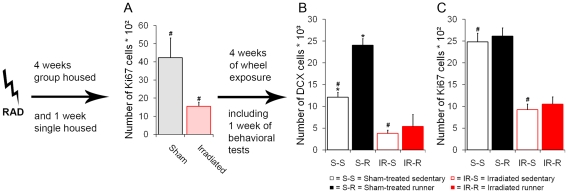
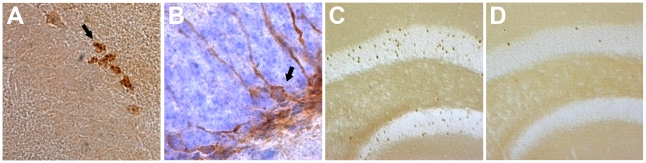
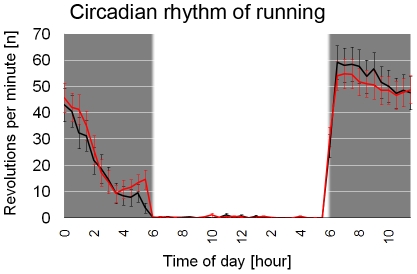
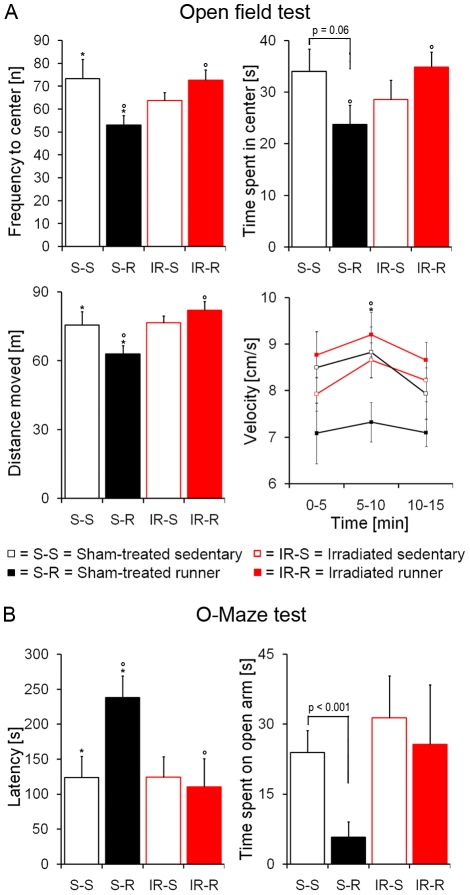
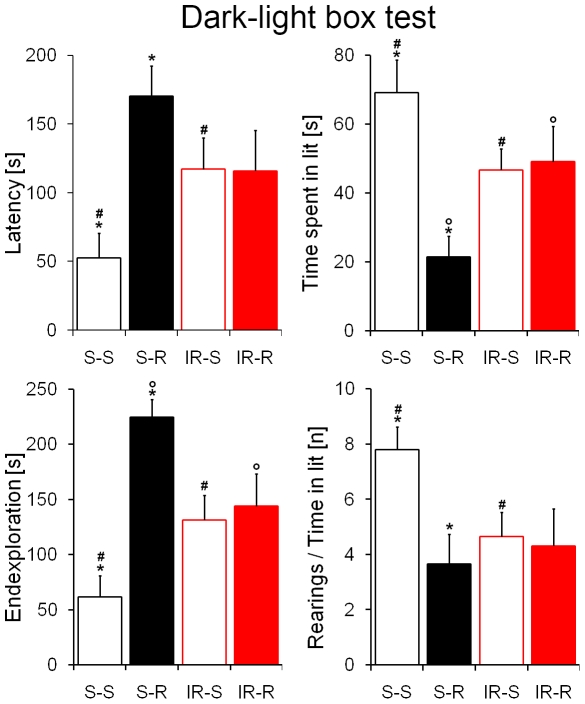
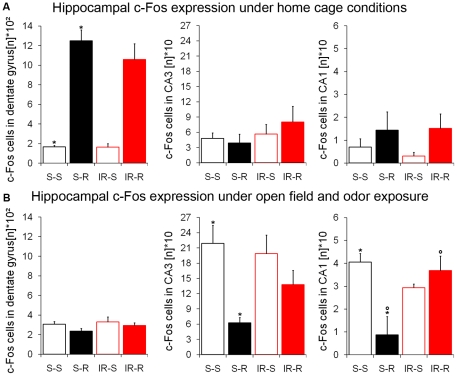
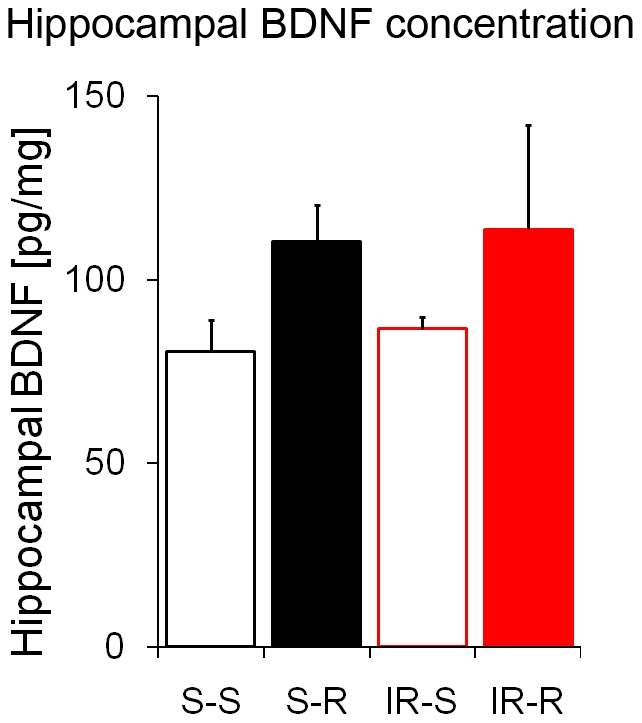
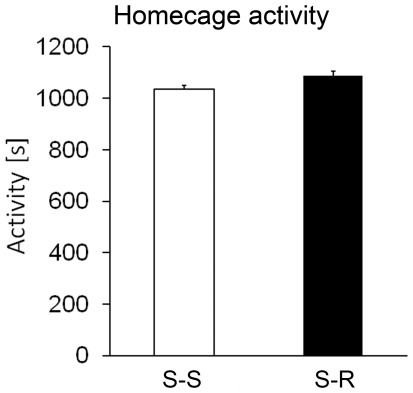
Verification
Claims the paper makes
The claims and statistics of this paper haven’t been checked yet.
Run the check — free, no account needed. It reads the open-access text and checks the sources it cites.
Claims other papers make about this one
Each is checked against this paper’s own text: does it say what the citing paper says it does?
In the citing paper
“Moreover, previous studies have shown an increased anxiety-like phenotype in consequence of increased neurogenesis induced by voluntary wheel running.37, 38, 39”
From Adult hippocampal neuroplasticity triggers susceptibility to recurrent depression (2017) · cites this paper as [38]
Self-check
Percentages, sums and reported differences re-computed from the paper’s own numbers.
The self-check needs the paper’s full text.
Citations
Cites
Neurogenesis in the adult human hippocampus
Eriksson, P. S., Perfilieva, E., Björk-Eriksson, T., Alborn, A.-M., Nordborg, C., Peterson, D. A., & Gage, F. H. (1998) · Nature Medicine · doi:10.1038/3305 · Cited by 6,369 · cited 1×
“Neurogenesis occurs continuously in two neurogenic niches in adult mammals, either of them is the hippocampus [6,7].”
BackgroundGray, J. A. (1982) · Behavioral and Brain Sciences · doi:10.1017/s0140525x00013066 · Cited by 4,477 · cited 6×
“This is also reflected by the strong resemblance of the definitions of anxiety or Angst in different disciplines including biology, psychology, and philosophy [2,4,5], highlighting the common plinth.”
InfluentialRequirement of hippocampal neurogenesis for the behavioral effects of antidepressants
Santarelli, L., Saxe, M., Gross, C., Surget, A., Battaglia, F., Dulawa, S., Weisstaub, N., Lee, J., Duman, R., Arancio, O., et al. (2003) · Science · doi:10.1126/science.1083328 · Cited by 4,321 · cited 2×
“Nevertheless, in some previous reports neither ablation nor increase of neurogenesis did affect anxiety-related behavior [9,33].”
ResultMechanisms and Functional Implications of Adult Neurogenesis
Zhao, C., Deng, W., & Gage, F. H. (2008) · Cell · doi:10.1016/j.cell.2008.01.033 · Cited by 3,007 · cited 1×
“Adult born neurons in the dentate gyrus form synapses with hilar and CA3 neurons around the age of 2 weeks [37] influencing the activity of the input regions of the trisynaptic circuit.”
BackgroundWest, M. J., Slomianka, L., & Gundersen, H. J. G. (1991) · The Anatomical Record · doi:10.1002/ar.1092310411 · Cited by 2,994 · cited 1×
“Total numbers of DCX-immunoreactive cells were estimated using the optical fractionator ([49]; StereoInvestigator 2000, Microbrightfield Inc.”
MethodRunning enhances neurogenesis, learning, and long-term potentiation in mice
van Praag, H., Christie, B. R., Sejnowski, T. J., & Gage, F. H. (1999) · Proceedings of the National Academy of Sciences · doi:10.1073/pnas.96.23.13427 · Cited by 2,904
Activity-dependent scaling of quantal amplitude in neocortical neurons
Turrigiano, G. G., Leslie, K. R., Desai, N. S., Rutherford, L. C., & Nelson, S. B. (1998) · Nature · doi:10.1038/36103 · Cited by 2,226 · cited 1×
“In this context, reduced c-Fos levels in animals with higher trait anxiety could be a consequence of synaptic scaling [47].”
BackgroundExercise enhances learning and hippocampal neurogenesis in aged mice
van Praag, H., Shubert, T., Zhao, C., & Gage, F. H. (2005) · The Journal of Neuroscience · doi:10.1523/jneurosci.1731-05.2005 · Cited by 2,078
Gamma (40-100 Hz) oscillation in the hippocampus of the behaving rat
Bragin, A., Jando, G., Nadasdy, Z., Hetke, J., Wise, K., & Buzsaki, G. (1995) · The Journal of Neuroscience · doi:10.1523/jneurosci.15-01-00047.1995 · Cited by 1,527
Regional dissociations within the hippocampus-memory and anxiety
Bannerman, D. M., Rawlins, J. N. P., McHugh, S. B., Deacon, R. M. J., Yee, B. K., Bast, T., Zhang, W.-N., Pothuizen, H. H. J., & Feldon, J. (2004) · Neuroscience & Biobehavioral Reviews · doi:10.1016/j.neubiorev.2004.03.004 · Cited by 1,462 · cited 4×
“The relation between anxiety and hippocampal activity has been subject to research for many years [1,2].”
BackgroundResultInfluential
Cited by
Sorted by citations
The microbiome-gut-brain axis: from bowel to behavior
Cryan, J. F., & O’Mahony, S. M. (2011) · Neurogastroenterology & Motility · doi:10.1111/j.1365-2982.2010.01664.x · Cited by 990
Voices from within: gut microbes and the CNS
Forsythe, P., & Kunze, W. A. (2013) · Cellular and Molecular Life Sciences · doi:10.1007/s00018-012-1028-z · Cited by 336
“The association between anxiety and BDNF is less clear, and studies have identified positive, negative, or no correlation between hippocampal levels and anxiety [70–73].”
BackgroundPetrik, D., Lagace, D. C., & Eisch, A. J. (2012) · Neuropharmacology · doi:10.1016/j.neuropharm.2011.09.003 · Cited by 241
“While inclusion of running here as an “antidepressant” is controversial, since in this particular study running induced an anxious and depressive phenotype (Fuss et al., 2010b), it remains notable that irradiation did not influence the performance on tests of depression or anxiety.”
BackgroundInfluentialMoylan, S., Eyre, H. A., Maes, M., Baune, B. T., Jacka, F. N., & Berk, M. (2013) · Neuroscience & Biobehavioral Reviews · doi:10.1016/j.neubiorev.2013.02.003 · Cited by 155
Schoenfeld, T. J., Rada, P., Pieruzzini, P. R., Hsueh, B., & Gould, E. (2013) · The Journal of Neuroscience · doi:10.1523/jneurosci.5352-12.2013 · Cited by 138
Metadata
- Authors
- Fuss, J., Ben Abdallah, N. M. B., Hensley, F. W., Weber, K.-J., Hellweg, R., & Gass, P.
- Affiliations
- Heidelberg University (DE)
- Charité – Universitätsmedizin Berlin (DE)
- Corresponding author
- Fuss, Johannes
- Venue
- PLoS ONE
- Publisher
- Public Library of Science (PLoS)
- Published
- 2010-09-16
- Volume
- 5
- Issue
- 9
- Pages
- e12769
- ISSN
- 1932-6203 (ISSN-L)
- PMC
- PMC2940841
- OpenAlex
- W2046295151
- Cited by
- 110
- References
- 50
- Citations by year
- 2025: 3 · 2024: 4 · 2023: 1 · 2022: 2 · 2021: 2 · 2020: 3 · 2019: 2 · 2018: 5 · 2017: 8 · 2016: 10 · 2015: 9 · 2014: 15 · 2013: 26 · 2012: 13
- FWCI
- 4.66
- Type
- journal article
- Language
- en
- Open access
- gold
- doi.org
- Locations
- PLoS ONE (publishedVersion, cc-by)
- PubMed Central (publishedVersion, cc-by)
- PubMed (publishedVersion)
- DOAJ (DOAJ: Directory of Open Access Journals) (submittedVersion, cc-by-sa)
- Funders
- Deutsche Forschungsgemeinschaft (HE 1392/3-1, SFB 636)
- Topics
- Life Sciences › Neuroscience › Developmental Neuroscience › Neurogenesis and neuroplasticity mechanisms
- Life Sciences › Neuroscience › Cognitive Neuroscience › Memory and Neural Mechanisms
- Life Sciences › Neuroscience › Behavioral Neuroscience › Stress Responses and Cortisol
- Keywords
- hippocampal neurogenesis, anxiety, voluntary wheel running, focal irradiation, physical activity, c-fos, brain-derived neurotrophic factor, anxiety-like behavior, elevated plus maze, open field, sedentary behavior
- MeSH terms
- Animals, Anxiety, Hippocampus, Mice, Inbred C57BL, Phenotype, Radiotherapy, Running, X-Rays, Brain-Derived Neurotrophic Factor, Cell Proliferation, Mice, Neurogenesis
About these checks
Registry, retraction, Cites and statistics results are computed, not judged, with one exception: a printed reference that no index lists is read once by a model before it counts as a citation error. Claims are extracted by a model and kept only when their quote appears verbatim in the text; each cited source is then checked, with a model’s help, for whether it says what the claim relies on. Those verdicts can be wrong — read the claim’s quote and the cited source before relying on one.
Statistics and arithmetic are recomputed, not judged.
Confidence bands are shown only for fields calibrated on our annotated test set. None is calibrated yet, so no band is shown.
What counts as a claim ›How we measure confidence ›How we check this ›
Are you an author, or do you see a problem with this page? Request a review
