

The DOI matches its Crossref record; 50 of the 50 references it cites were found in a registry or an index.
Deletion of Running-Induced Hippocampal Neurogenesis by Irradiation Prevents Development of an Anxious Phenotype in Mice
Open accessAbstract
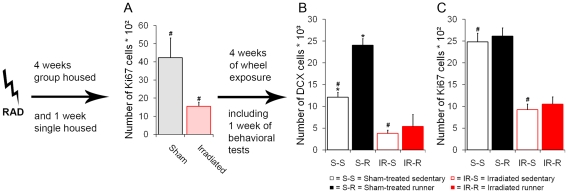
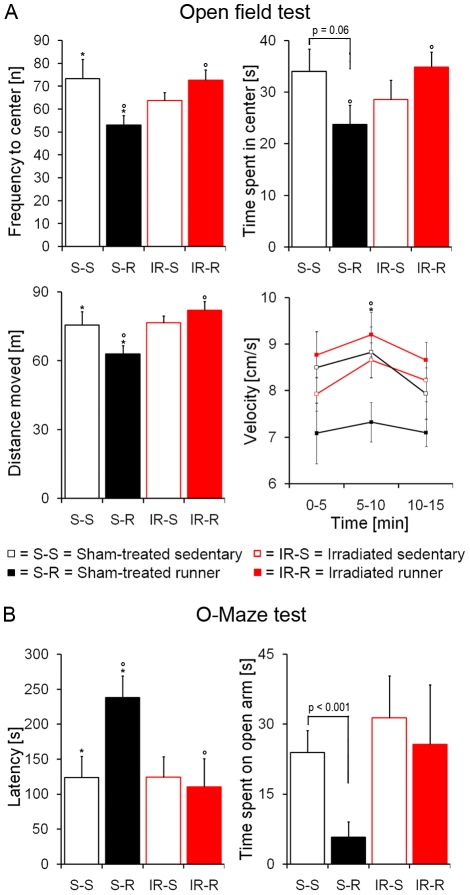
Recent evidence postulates a role of hippocampal neurogenesis in anxiety behavior. Here we report that elevated levels of neurogenesis elicit increased anxiety in rodents. Mice performing voluntary wheel running displayed both highly elevated levels of neurogenesis and increased anxiety in three different anxiety-like paradigms: the open field, elevated O-maze, and dark-light box. Reducing neurogenesis by focalized irradiation of the hippocampus abolished this exercise-induced increase of anxiety, suggesting a direct implication of hippocampal neurogenesis in this phenotype. On the other hand, irradiated mice explored less frequently the lit compartment of the dark-light box test irrespective of wheel running, suggesting that irradiation per se induced anxiety as well. Thus, our data suggest that intermediate levels of neurogenesis are related to the lowest levels of anxiety. Moreover, using c-Fos immunocytochemistry as cellular activity marker, we observed significantly different induction patterns between runners and sedentary controls when exposed to a strong anxiogenic stimulus. Again, this effect was altered by irradiation. In contrast, the well-known induction of brain-derived neurotrophic factor (BDNF) by voluntary exercise was not disrupted by focal irradiation, indicating that hippocampal BDNF levels were not correlated with anxiety under our experimental conditions. In summary, our data demonstrate to our knowledge for the first time that increased neurogenesis has a causative implication in the induction of anxiety.
Overview
The claims and statistics of this paper haven’t been checked yet.
Run the check — free, no account needed. It reads the open-access text and checks the sources it cites.
Integrity signals
Registry
Cites
Statistics
Figures
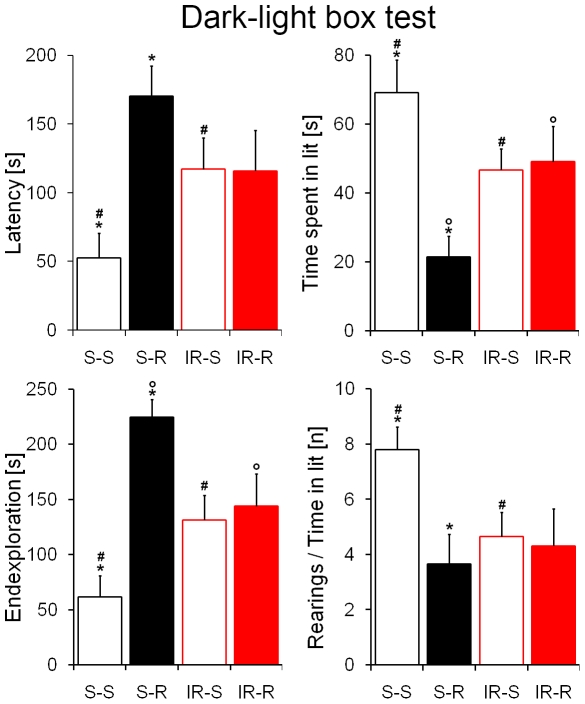
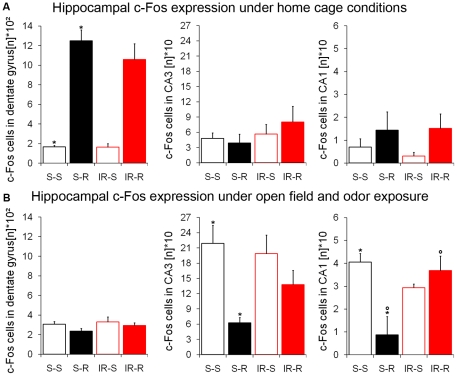
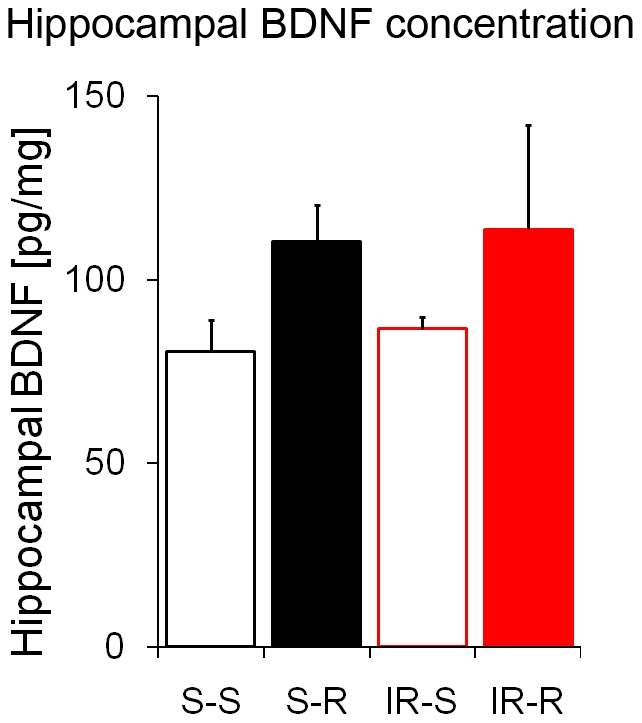
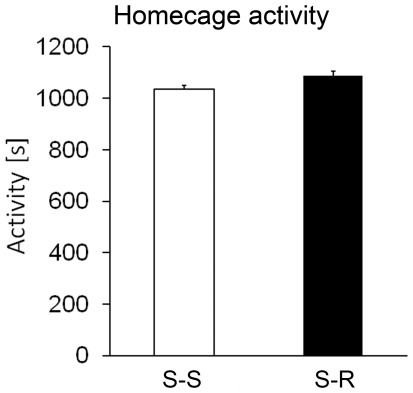
Verification
Claims the paper makes
The claims and statistics of this paper haven’t been checked yet.
Run the check — free, no account needed. It reads the open-access text and checks the sources it cites.
Claims other papers make about this one
Each is checked against this paper’s own text: does it say what the citing paper says it does?
In the citing paper
“Moreover, previous studies have shown an increased anxiety-like phenotype in consequence of increased neurogenesis induced by voluntary wheel running.37, 38, 39”
From Adult hippocampal neuroplasticity triggers susceptibility to recurrent depression (2017) · cites this paper as [38]
Self-check
Percentages, sums and reported differences re-computed from the paper’s own numbers.
The self-check needs the paper’s full text.
Citations
Cites
Neurogenesis in the adult human hippocampus
Eriksson, P. S., Perfilieva, E., Björk-Eriksson, T., Alborn, A.-M., Nordborg, C., Peterson, D. A., & Gage, F. H. (1998) · Nature Medicine · doi:10.1038/3305 · Cited by 6,369 · cited 1×
“Neurogenesis occurs continuously in two neurogenic niches in adult mammals, either of them is the hippocampus [6,7].”
BackgroundGray, J. A. (1982) · Behavioral and Brain Sciences · doi:10.1017/s0140525x00013066 · Cited by 4,477 · cited 6×
“This is also reflected by the strong resemblance of the definitions of anxiety or Angst in different disciplines including biology, psychology, and philosophy [2,4,5], highlighting the common plinth.”
InfluentialRequirement of hippocampal neurogenesis for the behavioral effects of antidepressants
Santarelli, L., Saxe, M., Gross, C., Surget, A., Battaglia, F., Dulawa, S., Weisstaub, N., Lee, J., Duman, R., Arancio, O., et al. (2003) · Science · doi:10.1126/science.1083328 · Cited by 4,321 · cited 2×
“Nevertheless, in some previous reports neither ablation nor increase of neurogenesis did affect anxiety-related behavior [9,33].”
ResultMechanisms and Functional Implications of Adult Neurogenesis
Zhao, C., Deng, W., & Gage, F. H. (2008) · Cell · doi:10.1016/j.cell.2008.01.033 · Cited by 3,007 · cited 1×
“Adult born neurons in the dentate gyrus form synapses with hilar and CA3 neurons around the age of 2 weeks [37] influencing the activity of the input regions of the trisynaptic circuit.”
BackgroundWest, M. J., Slomianka, L., & Gundersen, H. J. G. (1991) · The Anatomical Record · doi:10.1002/ar.1092310411 · Cited by 2,994 · cited 1×
“Total numbers of DCX-immunoreactive cells were estimated using the optical fractionator ([49]; StereoInvestigator 2000, Microbrightfield Inc.”
MethodRunning enhances neurogenesis, learning, and long-term potentiation in mice
van Praag, H., Christie, B. R., Sejnowski, T. J., & Gage, F. H. (1999) · Proceedings of the National Academy of Sciences · doi:10.1073/pnas.96.23.13427 · Cited by 2,904
Activity-dependent scaling of quantal amplitude in neocortical neurons
Turrigiano, G. G., Leslie, K. R., Desai, N. S., Rutherford, L. C., & Nelson, S. B. (1998) · Nature · doi:10.1038/36103 · Cited by 2,226 · cited 1×
“In this context, reduced c-Fos levels in animals with higher trait anxiety could be a consequence of synaptic scaling [47].”
BackgroundExercise enhances learning and hippocampal neurogenesis in aged mice
van Praag, H., Shubert, T., Zhao, C., & Gage, F. H. (2005) · The Journal of Neuroscience · doi:10.1523/jneurosci.1731-05.2005 · Cited by 2,078
Gamma (40-100 Hz) oscillation in the hippocampus of the behaving rat
Bragin, A., Jando, G., Nadasdy, Z., Hetke, J., Wise, K., & Buzsaki, G. (1995) · The Journal of Neuroscience · doi:10.1523/jneurosci.15-01-00047.1995 · Cited by 1,527
Regional dissociations within the hippocampus-memory and anxiety
Bannerman, D. M., Rawlins, J. N. P., McHugh, S. B., Deacon, R. M. J., Yee, B. K., Bast, T., Zhang, W.-N., Pothuizen, H. H. J., & Feldon, J. (2004) · Neuroscience & Biobehavioral Reviews · doi:10.1016/j.neubiorev.2004.03.004 · Cited by 1,462 · cited 4×
“The relation between anxiety and hippocampal activity has been subject to research for many years [1,2].”
BackgroundResultInfluential
Cited by
Sorted by citations
The microbiome-gut-brain axis: from bowel to behavior
Cryan, J. F., & O’Mahony, S. M. (2011) · Neurogastroenterology & Motility · doi:10.1111/j.1365-2982.2010.01664.x · Cited by 990
Voices from within: gut microbes and the CNS
Forsythe, P., & Kunze, W. A. (2013) · Cellular and Molecular Life Sciences · doi:10.1007/s00018-012-1028-z · Cited by 336
“The association between anxiety and BDNF is less clear, and studies have identified positive, negative, or no correlation between hippocampal levels and anxiety [70–73].”
BackgroundPetrik, D., Lagace, D. C., & Eisch, A. J. (2012) · Neuropharmacology · doi:10.1016/j.neuropharm.2011.09.003 · Cited by 241
“While inclusion of running here as an “antidepressant” is controversial, since in this particular study running induced an anxious and depressive phenotype (Fuss et al., 2010b), it remains notable that irradiation did not influence the performance on tests of depression or anxiety.”
BackgroundInfluentialMoylan, S., Eyre, H. A., Maes, M., Baune, B. T., Jacka, F. N., & Berk, M. (2013) · Neuroscience & Biobehavioral Reviews · doi:10.1016/j.neubiorev.2013.02.003 · Cited by 155
Schoenfeld, T. J., Rada, P., Pieruzzini, P. R., Hsueh, B., & Gould, E. (2013) · The Journal of Neuroscience · doi:10.1523/jneurosci.5352-12.2013 · Cited by 138
An elevated plus-maze in mixed reality for studying human anxiety-related behavior
Biedermann, S., Biedermann, D., Wenzlaff, F., Kurjak, T., Nouri, S., Auer, M., Wiedemann, K., Briken, P., Haaker, J., Lonsdorf, T., et al. (2017) · BMC Biology · doi:10.1186/s12915-017-0463-6 · Cited by 129
“Other, less conventional, parameters are latency for the first entry of an open arm (latency 1 visit) and time until subjects reach the end of an open arm (latency endexploration) [21, 22], which are common for other rodent approachavoidance assays such as the dark-light box [23, 24].”
BackgroundEarly prenatal exposure to LPS results in anxiety- and depression-related behaviors in adulthood
Depino, A. M. (2015) · Neuroscience · doi:10.1016/j.neuroscience.2015.04.065 · Cited by 132
Neurobiology of Major Depressive Disorder
Villanueva, R. (2013) · Neural Plasticity · doi:10.1155/2013/873278 · Cited by 127
“And, most striking, increased neurogenesis has been implicated in the induction of anxious behavior in mice questioning the simplistic view that more newborn neurons are always better formental health [86].”
Groves, J. O., Leslie, I., Huang, G.-J., McHugh, S. B., Taylor, A., Mott, R., Munafò, M., Bannerman, D. M., & Flint, J. (2013) · PLoS Genetics · doi:10.1371/journal.pgen.1003718 · Cited by 121
“[8,11,12,13,17,18,19,20,22,23,24,25,26,32,36,37,48,49,50,51,52,53,54,55,56,57,58,59,60,61,62] Using a random effects model and Hedge’s estimator, analysis of contextual freezing was significant at a 5% level (P = 0.”
BackgroundMethodSciolino, N. R., & Holmes, P. V. (2012) · Neuroscience & Biobehavioral Reviews · doi:10.1016/j.neubiorev.2012.06.005 · Cited by 118
The effects of physical exercise in schizophrenia and affective disorders.
Malchow, B., Reich-Erkelenz, D., Oertel-Knöchel, V., Keller, K., Hasan, A., Schmitt, A., Scheewe, T. W., Cahn, W., Kahn, R. S., & Falkai, P. (2013) · European Archives of Psychiatry and Clinical Neuroscience · doi:10.1007/s00406-013-0423-2 · Cited by 111
“Physical exercise may exert antidepressant effects via the peptide precursor of neurotrophic factors VGF [73] or serotonergic 5-HT1A receptors [51] and via neurogenesis [41].”
Biedermann, S. V., Fuß, J., Zheng, L., Sartorius, A., Falfán-Melgoza, C., Demirakça, T., Gass, P., Ende, G., & Weber‐Fahr, W. (2012) · NeuroImage · doi:10.1016/j.neuroimage.2012.04.010 · Cited by 111
“Our earlier observations, where we found the number of dying cells being dramatically reduced in running mice, support the latter (Fuss et al., 2010b).”
InfluentialSelf-citationMechanisms of antidepressant resistance
El-Hage, W., Leman, S., Camus, V., & Belzung, C. (2013) · Frontiers in Pharmacology · doi:10.3389/fphar.2013.00146 · Cited by 111
“Finally, hippocampal neurogenesis have also been proposed to be crucial for anxiety behavior (Revest et al., 2009; Fuss et al., 2010; Mateus-Pinheiro et al., 2013) or executive functions (Burghardt et al., 2012); if restored, these functions would enable the subject to react more accurately to the…”
BackgroundInflammation and the developing brain: Consequences for hippocampal neurogenesis and behavior
Green, H. F., & Nolan, Y. M. (2014) · Neuroscience & Biobehavioral Reviews · doi:10.1016/j.neubiorev.2014.01.004 · Cited by 118
Functional Role of Adult Hippocampal Neurogenesis as a Therapeutic Strategy for Mental Disorders
Jun, H., Hussaini, S. M. Q., Rigby, M. J., & Jang, M. (2012) · Neural Plasticity · doi:10.1155/2012/854285 · Cited by 112
The Clinical Implications of Mouse Models of Enhanced Anxiety
Sartori, S. B., Landgraf, R., & Singewald, N. (2011) · Future Neurology · doi:10.2217/fnl.11.34 · Cited by 103
“On the other hand, C57Bl/6J mice pre-selected for voluntary wheelrunning also exhibit an anxiogenic phenotype in the open-field, light/dark and elevated Omaze tests compared with sedentary animals [97].”
Saraulli, D., Costanzi, M., Mastrorilli, V., & Vecchioli, S. F. (2017) · Current Neuropharmacology · doi:10.2174/1570159x14666160412150223 · Cited by 104
“Intriguingly, decreasing neurogenesis by focalized irradiation of the hippocampus abolished the running-dependent enhancement of anxiety [145].”
Mood disorders in Huntington's disease: from behavior to cellular and molecular mechanisms
Pla, P., Orvoën, S., Saudou, F., David, D. J. P., & Humbert, S. (2014) · Frontiers in Behavioral Neuroscience · doi:10.3389/fnbeh.2014.00135 · Cited by 97
Otsuka, T., Nishii, A., Amemiya, S., Kubota, N., Nishijima, T., & Kita, I. (2016) · Behavioural Brain Research · doi:10.1016/j.bbr.2015.10.055 · Cited by 86
“[64,65] may be partially due to difference of type of the exercise or the behavioral test.”
Greenwood, B. N., Loughridge, A. B., Sadaoui, N. C., Christianson, J. P., & Fleshner, M. (2012) · Behavioural Brain Research · doi:10.1016/j.bbr.2012.05.017 · Cited by 87
Adult hippocampal neuroplasticity triggers susceptibility to recurrent depression
Alves, N. D., Correia, J. S., Patrício, P., Mateus-Pinheiro, A., Machado-Santos, A. R., Loureiro-Campos, E., Morais, M., Bessa, J. M., Sousa, N., & Pinto, L. (2017) · Translational Psychiatry · doi:10.1038/tp.2017.29 · Cited by 79
Pan-Vazquez, A., Rye, N., Ameri, M., McSparron, B., Smallwood, G., Bickerdyke, J., Rathbone, A., Dajas‐Bailador, F., & Toledo‐Rodriguez, M. (2015) · Molecular Brain · doi:10.1186/s13041-015-0128-8 · Cited by 80
“Interestingly the decrease in open arm entry/time by exercise was mechanistically related to hippocampal neurogenesis [50, 34, 51].”
BackgroundElectroconvulsive Therapy Induces Neurogenesis in Frontal Rat Brain Areas
Inta, D., Lima‐Ojeda, J. M., Lau, T., Tang, W., Dormann, C., Sprengel, R., Schloss, P. D., Sartorius, A., Meyer‐Lindenberg, A., & Gass, P. (2013) · PLoS ONE · doi:10.1371/journal.pone.0069869 · Cited by 78
“For this purpose, 50 mm coronal free floating vibratome sections were processed as described previously [18] and washed in 0.”
MethodSelf-citationNishijima, T., Llorens-Martı́n, M., Tejeda, G. S., Inoue, K., Yamamura, Y., Soya, H., Trejo, J. L., & Torres‐Alemán, I. (2013) · Behavioural Brain Research · doi:10.1016/j.bbr.2013.02.009 · Cited by 83
The hippocampus and exercise: histological correlates of MR-detected volume changes
Biedermann, S. V., Fuss, J., Steinle, J., Auer, M. K., Dormann, C., Falfán-Melgoza, C., Ende, G., Gass, P., & Weber-Fahr, W. (2016) · Brain Structure and Function · doi:10.1007/s00429-014-0976-5 · Cited by 72
“Runners were given free access to a running wheel, and controls were supplied with a blocked wheel for 8–10 weeks as described before (Fuss et al. 2010).”
Self-citationPang, T. Y., Renoir, T., Du, X., Lawrence, A. J., & Hannan, A. J. (2013) · European Journal of Neuroscience · doi:10.1111/ejn.12195 · Cited by 73
“However, recent evidence provided by others (Arunrut et al., 2009; Fuss et al., 2010b) and our group (Renoir et al., 2012) suggests otherwise.”
ResultGene-environment interactions informing therapeutic approaches to cognitive and affective disorders
Rogers, J., Renoir, T., & Hannan, A. J. (2017) · Neuropharmacology · doi:10.1016/j.neuropharm.2017.12.038 · Cited by 72
Tanti, A., & Belzung, C. (2013) · Cell and Tissue Research · doi:10.1007/s00441-013-1612-z · Cited by 75
Li, H., Liang, A., Guan, F., Fan, R., Chi, L., & Yang, B. (2013) · Brain Research · doi:10.1016/j.brainres.2013.07.041 · Cited by 67
Richter, S. H., Gass, P., & Fuß, J. (2014) · The Neuroscientist · doi:10.1177/1073858413516798 · Cited by 70
Self-citationGarrett, L., Lie, D. C., de Angelis, M. H., Wurst, W., & Hölter, S. M. (2012) · BMC Neuroscience · doi:10.1186/1471-2202-13-61 · Cited by 62
“[36].”
Sciolino, N. R., Dishman, R. K., & Holmes, P. V. (2012) · Behavioural Brain Research · doi:10.1016/j.bbr.2012.05.001 · Cited by 61
The Effects of Exercise Training on Anxiety
Herring, M. P., Lindheimer, J. B., & O’Connor, P. J. (2013) · American Journal of Lifestyle Medicine · doi:10.1177/1559827613508542 · Cited by 72
Mendez‐David, I., Guilloux, J., Papp, M., Tritschler, L., Mocaër, E., Gardier, A. M., Bretin, S., & David, D. J. P. (2017) · Frontiers in Pharmacology · doi:10.3389/fphar.2017.00462 · Cited by 63
“These results are in line with prior observation that irradiation did not affect exercise-induced increase in BDNF levels in the hippocampus (Fuss et al., 2010).”
ResultGalanin mediates features of neural and behavioral stress resilience afforded by exercise
Sciolino, N. R., Smith, J. M., Stranahan, A. M., Freeman, K. G., Edwards, G. L., Weinshenker, D., & Holmes, P. V. (2015) · Neuropharmacology · doi:10.1016/j.neuropharm.2014.09.029 · Cited by 59
“These phenomena may contribute to the affective consequences of exercise, though the evidence for their specific roles is mixed (Duman et al., 2008; Duman et al., 2009; Fuss et al., 2010; Greenwood et al., 2007b; Li et al., 2008; Llorens-Martin et al., 2010; Trejo et al., 2008).”
BackgroundDISC1 in Astrocytes Influences Adult Neurogenesis and Hippocampus-Dependent Behaviors in Mice
Terrillion, C. E., Abazyan, B. N., Yang, Z., Crawford, J. A., Shevelkin, A. V., Jouroukhin, Y., Yoo, K. H., Cho, C. H., Roychaudhuri, R., Snyder, S. H., et al. (2017) · Neuropsychopharmacology · doi:10.1038/npp.2017.129 · Cited by 59
“However, there are also a number of negative reports on the effects of adult neurogenesis on affective behaviors and/or responses to antidepressants (Fuss et al, 2010; Jun et al, 2012a; Wang et al, 2008).”
BackgroundBambico, F. R., & Belzung, C. (2012) · Current topics in behavioral neurosciences · doi:10.1007/7854_2012_234 · Cited by 61
“2009) or the anxiolytic effects of running in the open field and in the light/dark tests (Fuss et al. 2010).”
BackgroundJedynak, P., Jaholkowski, P. P., Woźniak, G., Sandi, C., Kaczmarek, L., & Filipkowski, R. K. (2011) · Behavioural Brain Research · doi:10.1016/j.bbr.2011.11.007 · Cited by 57
“On the other hand, physical activity increases neurogenesis [40,41], moreover, several recent findings suggest that running-induced neurogenesis increases anxiety in mice and rats [42].”
BackgroundHuang, P., Dong, Z., Huang, W., Zhou, C., Zhong, W., Hu, P., Wen, G., Sun, X., Hua, H., Cao, H., et al. (2017) · Behavioural Brain Research · doi:10.1016/j.bbr.2017.05.032 · Cited by 54
“Indeed, there is conflicting evidence that running has also been reported to increase anxiety-related behavior in mice [3,4], because of the form and intensity of the exercise [5], the duration of the intervention [6], and housing conditions [7].”
BackgroundGreen, H. F., & Nolan, Y. M. (2012) · Translational Psychiatry · doi:10.1038/tp.2012.117 · Cited by 51
Yun, S., Donovan, M. H., Ross, M. N., Richardson, D. R., Reister, R., Farnbauch, L. A., Fischer, S. J., Riethmacher, D., Gershenfeld, H. K., Lagace, D. C., et al. (2016) · PLoS ONE · doi:10.1371/journal.pone.0147256 · Cited by 51
“However, there is not a straightforward relationship between new neuron number and anxiety, since both running-induced enhancement in adult neurogenesis and ablation of the running-induced enhancement are anxiogenic [86, 87].”
BackgroundAbdallah, N. M. ‐. B., Filipkowski, R. K., Pruschy, M. N., Jaholkowski, P. P., Winkler, J., Kaczmarek, L., & Lipp, H. (2013) · Behavioural Brain Research · doi:10.1016/j.bbr.2013.05.034 · Cited by 50
Modulation of Adult Hippocampal Neurogenesis by Sleep: Impact on Mental Health
Navarro-Sanchis, C., Brock, O., Winsky‐Sommerer, R., & Thuret, S. (2017) · Frontiers in Neural Circuits · doi:10.3389/fncir.2017.00074 · Cited by 43
“Indeed, suppression of neurogenesis alone in rats did not lead to depressive or anxious phenotypes (Santarelli et al., 2003; Wang et al., 2008; Jayatissa et al., 2009; Fuss et al., 2010) while mice did show neither enhanced depressive-like behaviors (Eisch and Petrik, 2012).”
BackgroundSack, M., Lenz, J. N., Jakovcevski, M., Biedermann, S. V., Falfán-Melgoza, C., Deussing, J. M., Bielohuby, M., Bidlingmaier, M., Pfister, F., Stalla, G. K., et al. (2016) · Brain Imaging and Behavior · doi:10.1007/s11682-016-9638-y · Cited by 39
“…been studied more intensively in humans (Colcombe et al. 2006; Erickson et al. 2010; Erickson et al. 2011) than in rodent models (Biedermann et al. 2016; Fuss et al. 2010b; Fuss et al. 2014) but studies investigating in parallel MRI volumetrics and underlying histological correlates are sparse.”
BackgroundMethodInfluentialSelf-citationKarachaliou, F.-E., Karavanaki, K., Simatou, A., Tsintzou, E., Skarakis, N., & Kanaka‐Gantenbein, C. (2021) · HORMONES · doi:10.1007/s42000-021-00306-1 · Cited by 39
Voluntary exercise counteracts Aβ25-35-induced memory impairment in mice
Wang, Q. L., Xu, Z., Tang, J., Sun, J., Gao, J., Wu, T., & Xiao, M. (2013) · Behavioural Brain Research · doi:10.1016/j.bbr.2013.09.024 · Cited by 39
Pomegranate Supplementation Improves Affective and Motor Behavior in Mice after Radiation Exposure
Dulcich, M. S., & Hartman, R. E. (2013) · Evidence-based Complementary and Alternative Medicine · doi:10.1155/2013/940830 · Cited by 41
“One study reported that exercise-induced elevated levels of hippocampal neurogenesis were correlated with increased anxiety-like behavior on the O-maze (analogous to the zero maze), the open field, and dark/light box, but that radiation attenuated this effect, leading to reduced anxietylike behaviors in mice, thus sug…”
BackgroundInta, D., Vogt, M. A., Elkin, H., Weber, T., Lima‐Ojeda, J. M., Schneider, M., Luoni, A., Riva, M. A., Gertz, K. R., Hellmann‐Regen, J., et al. (2013) · Hippocampus · doi:10.1002/hipo.22236 · Cited by 33
“Activity monitoring was conducted in a square-shaped, white open field, measuring 50 3 50 cm(2) and illuminated by 25 lx (Fuss et al., 2010).”
MethodSelf-citationFuss, J., Biedermann, S. V., Falfán-Melgoza, C., Auer, M. K., Zheng, L., Steinle, J., Hörner, F., Sartorius, A., Ende, G., Weber-Fahr, W., et al. (2014) · Hippocampus · doi:10.1002/hipo.22227 · Cited by 32
“Mice were sacrificed after the second MR, and disruption of neurogenesis by irradiation was confirmed histologically using established protocols (Fuss et al., 2010a).”
MethodSelf-citationSchmidt, M., Braun, K., Brandwein, C., Rossetti, A. C., Ciurana, S. G., Riva, M. A., Deuschle, M., Bock, J., Gass, P., & Gröger, N. (2018) · Behavioural Brain Research · doi:10.1016/j.bbr.2018.06.027 · Cited by 33
Self-citationJones, K. L., Zhou, M., & Jhaveri, D. J. (2022) · npj Science of Learning · doi:10.1038/s41539-022-00133-y · Cited by 35
Significant increase in anxiety during aging in mGlu5 receptor knockout mice
Inta, D., Vogt, M. A., Luoni, A., Filipović, D., Lima‐Ojeda, J. M., Pfeiffer, N., Gasparini, F., Riva, M. A., & Gass, P. (2012) · Behavioural Brain Research · doi:10.1016/j.bbr.2012.11.042 · Cited by 30
Self-citationAgo, Y., Tanaka, T., Ota, Y., Kitamoto, M., Imoto, E., Takuma, K., & Matsuda, T. (2014) · Behavioural Brain Research · doi:10.1016/j.bbr.2014.04.047 · Cited by 31
Anxiolytic Actions of Exercise in Absence of New Neurons
Schoenfeld, T. J., McCausland, H. C., Sonti, A. N., & Cameron, H. A. (2016) · Hippocampus · doi:10.1002/hipo.22649 · Cited by 29
“running (Fuss et al., 2010; Schoenfeld et al., 2013), consistent with the anxiogenic testing situations being mildly stressful.”
Loxton, D., & Canales, J. J. (2016) · Progress in Neuro-Psychopharmacology and Biological Psychiatry · doi:10.1016/j.pnpbp.2016.11.003 · Cited by 30
“, 2008), OF (Fuss et al., 2010; Schloesser et al., 2010) and EPM tests (Saxe et al.”
Running‐induced anxiety is dependent on increases in hippocampal neurogenesis
Onksen, J. L., Briand, L. A., Galante, R. J., Pack, A. I., & Blendy, J. A. (2012) · Genes, Brain and Behavior · doi:10.1111/j.1601-183x.2012.00788.x · Cited by 29
“However, the data presented herein, in addition to recent literature highlighting the prevention of running-induced anxiety by X-ray irradiation (Fuss et al. 2010a,b), strengthen the hypothesis that neurogenesis directly influences the anxiety-like behavior induced by running.”
BackgroundResultInfluentialFuß, J., Vogt, M. A., Weber, K.-J., Burke, T. F., Gass, P., & Hensler, J. G. (2013) · Synapse · doi:10.1002/syn.21666 · Cited by 28
“1), since our previous studies had demonstrated a specific role of the hippocampus in voluntary exercise-induced anxiety, with a plethora of cellular and neurochemical alterations occurring specifically in the hippocampus following wheel running (Biedermann et al., 2012; Fuss et al., 2010b).”
BackgroundMethodInfluentialSelf-citationα4βδ-GABAARs in the hippocampal CA1 as a biomarker for resilience to activity-based anorexia
Aoki, C. J., Wable, G. S., Chowdhury, T. G., Sabaliauskas, N. A., Laurino, K., & Barbarich-Marsteller, N. C. (2014) · Neuroscience · doi:10.1016/j.neuroscience.2014.01.011 · Cited by 26
“, 2012) that induce neurogenesis-dependent anxiety (Fuss et al., 2010; Onksen et al., 2012).”
Berger, S. M., Weber, T., Perreau‐Lenz, S., Vogt, M. A., Gartside, S. E., Maser‐Gluth, C., Lanfumey, L., Gass, P., Spanagel, R., & Bartsch, D. (2012) · Neuropsychopharmacology · doi:10.1038/npp.2012.46 · Cited by 28
Self-citationOnksen, J. L., Brown, E. J., & Blendy, J. A. (2011) · Neuropsychopharmacology · doi:10.1038/npp.2010.234 · Cited by 28
“Voluntary exercise leads to a robust increase in neurogenesis while also increasing anxiety-like behavior (Fuss et al., 2010).”
InfluentialWeber, T., Vogt, M. A., Gartside, S. E., Berger, S. M., Luján, R., Lau, T., Herrmann, E., Sprengel, R., Bartsch, D., & Gass, P. (2014) · Neuropsychopharmacology · doi:10.1038/npp.2014.332 · Cited by 31
Self-citationLarge‐scale phenotyping links adult hippocampal neurogenesis to the reaction to novelty
van Dijk, R. M., Lazic, S. E., Slomianka, L., Wolfer, D. P., & Amrein, I. (2015) · Hippocampus · doi:10.1002/hipo.22548 · Cited by 26
“Sample size for each group was based on published data (Fuss et al., 2010a) in which, postpublication, a within-group analysis suggested a significant association between neurogenesis and behavior.”
BackgroundMethodKokhan, V. S., Anokhin, P. K., Belov, O., & Gulyaev, M. V. (2019) · Neuroscience · doi:10.1016/j.neuroscience.2019.08.009 · Cited by 26
Dong, Z., Liu, Z., Liu, Y., Zhang, R., Mo, H., Gao, L., & Shi, Y. (2020) · Behavioural Brain Research · doi:10.1016/j.bbr.2020.112516 · Cited by 24
Holmes, P. V. (2014) · Frontiers in Psychiatry · doi:10.3389/fpsyt.2014.00090 · Cited by 29
“With respect to neurogenesis specifically, exercise-induced hippocampal neurogenesis is associated with increased spontaneous anxiety-like behavior, an effect that is reversed after irradiation, which effectively eliminates neurogenesis (33, 34).”
BackgroundAre you real? Visual simulation of social housing by mirror image stimulation in single housed mice
Fuß, J., Richter, S. H., Steinle, J., Deubert, G., Hellweg, R., & Gass, P. (2013) · Behavioural Brain Research · doi:10.1016/j.bbr.2013.01.015 · Cited by 23
“Five mice were excluded from the analyses after jumping off the test apparatus [28].”
Self-citationMorc1 knockout evokes a depression-like phenotype in mice
Schmidt, M., Brandwein, C., Luoni, A., Sandrini, P., Calzoni, T., Deuschle, M., Cirulli, F., Riva, M. A., & Gass, P. (2015) · Behavioural Brain Research · doi:10.1016/j.bbr.2015.08.005 · Cited by 21
Self-citationForbes, M. E., Paitsel, M., Bourland, J. D., & Riddle, D. R. (2014) · Radiation Research · doi:10.1667/rr13662.1 · Cited by 21
“(45, 46)] consistent with evidence that patients receiving cranial radiation therapy exhibit increased levels of anxiety several years after treatment (47).”
Nicastro, T. M., & Greenwood, B. N. (2016) · Current Zoology · doi:10.1093/cz/zow027 · Cited by 23
“…and neurogenesis noted after exercise (Poo 2001; Gomez-Pinilla et al. 2008; Ding et al. 2011; Park & Poo 2013), which together could contribute to beneficial effects of exercise (Bjornebekk et al. 2005; Clark et al. 2008; Duman et al. 2008; Marais et al. 2009; Fuss et al. 2010; Voss et al. 2013).”
BackgroundKarimian, M., Famitafreshi, H., Fanaei, H., Attari, F., & Fatima, S. (2015) · Open Access Animal Physiology · doi:10.2147/oaap.s84327 · Cited by 21
“32 The role of the amygdala in regulating neurogenesis is also quite evident.”
Nouri, S., Biedermann, S. V., Joue, G., Auer, M. K., Sommer, T., & Fuß, J. (2022) · Psychoneuroendocrinology · doi:10.1016/j.psyneuen.2022.105682 · Cited by 17
Vogt, M. A., Elkin, H., Pfeiffer, N., Sprengel, R., Gass, P., & Inta, D. (2014) · European Archives of Psychiatry and Clinical Neuroscience · doi:10.1007/s00406-014-0509-5 · Cited by 18
“The elevated O-Maze consisted of a grey plastic annular runway (width 6 cm, outer diameter 46 cm, 50 cm above ground level) covered with black cardboard paper to prevent mice from slipping off the maze [22, 23].”
BackgroundSelf-citationVogt, M. A., Inta, D., Luoni, A., Elkin, H., Pfeiffer, N., Riva, M. A., & Gass, P. (2014) · Frontiers in Behavioral Neuroscience · doi:10.3389/fnbeh.2014.00407 · Cited by 18
“Mice were placed into the dark compartment and latency to first exit, number of exits and total time in the light compartment were recorded for 5 min (N = 24 per genotype) as described earlier (Fuss et al., 2010).”
MethodSelf-citationOn the quest for a biomechanism of transsexualism: Is there a role for BDNF?
Fuß, J., Biedermann, S. V., Stalla, G. K., & Auer, M. K. (2013) · Journal of Psychiatric Research · doi:10.1016/j.jpsychires.2013.08.023 · Cited by 16
Exercise for the Management of Anxiety and Stress-Related Disorders
Herring, M. P. (2018) · Exercise-Based Interventions for Mental Illness · doi:10.1016/b978-0-12-812605-9.00002-2 · Cited by 15
Restricted vs. unrestricted wheel running in mice: Effects on brain, behavior and endocannabinoids
Biedermann, S. V., Auer, M. K., Bîndilă, L., Ende, G., Lutz, B., Weber‐Fahr, W., Gass, P., & Fuß, J. (2016) · Hormones and Behavior · doi:10.1016/j.yhbeh.2016.09.007 · Cited by 15
“At a cellular level, voluntary wheel running increases hippocampal neurogenesis in the dentate gyrus (DG) of mice (Fuss et al. 2010b; van Praag et al. 1999).”
BackgroundMethodInfluentialSelf-citationCaceres, L. G., Cid, M. P., Uran, S. L., Zubilete, M. A. Z., Salvatierra, N. A., & Guelman, L. R. (2013) · Pharmacology Biochemistry and Behavior · doi:10.1016/j.pbb.2013.08.004 · Cited by 15
Cechella, J. L., Leite, M. R., Gai, R. M., & Zeni, G. R. (2014) · Physiology & Behavior · doi:10.1016/j.physbeh.2014.06.006 · Cited by 14
“Moreover exercise reduces oxidative stress [11], increases the levels of brain-derived neurotrophic factor (BDNF) [12] and cAMP-response element-binding protein (CREB) [13,14] and causes a variety of morphological changes [15].”
BackgroundKokhan, V. S., & Dobynde, M. I. (2023) · Biology · doi:10.3390/biology12030400 · Cited by 23
“Interestingly, the anxiety behavior markers in the dark-light box (but not in the elevated plus maze) are known to positively correlate with the level of hippocampal neurogenesis [80,81].”
BackgroundAerobic exercise has an anxiolytic effect on streptozotocin-induced diabetic rats
Çalışkan, H., Akat, F., Ömercioğlu, G., Baştuğ, G., Fıçıcılar, H., & Baştuğ, M. (2020) · Acta Neurobiologiae Experimentalis · doi:10.21307/ane-2020-022 · Cited by 13
“Then, others reported an exercise‑induced anxiogenic effect (Fuss et al., 2010a; 2010b).”
BackgroundDubreucq, S., Marsicano, G., & Chaouloff, F. (2014) · Behavioural Brain Research · doi:10.1016/j.bbr.2014.12.042 · Cited by 13
Valente, M. F., Romariz, S. A. A., Calcagnotto, M. E., Ruiz, L. P., Mello, L. E., Frussa‐Filho, R., & Longo, B. M. (2013) · Cell Transplantation · doi:10.3727/096368912x657422 · Cited by 13
“Structures such as prefrontal cortex, striatum, and hippocampus are also involved (3,4,6,16,17,21,27).”
BackgroundAcute forced exercise increasesBdnf IV mRNAand reduces exploratory behavior in C57BL/6J mice
Venezia, A. C., Hyer, M. M., Glasper, E. R., Roth, S. M., & Quinlan, E. M. (2019) · Genes Brain & Behavior · doi:10.1111/gbb.12617 · Cited by 16
β2-microglobulin induces depressive- and anxiety-like behaviors in rat
Zhang, P., Zeng, D., Yi, Y.-L., Tang, Y.-Y., Zou, W., Yang, X., Wang, C., & Tang, X. (2018) · PLoS ONE · doi:10.1371/journal.pone.0198027 · Cited by 12
Cacciaglia, R., Krause-Utz, A., Vogt, M. A., Schmahl, C. G., Flor, H., & Gass, P. (2011) · The World Journal of Biological Psychiatry · doi:10.3109/15622975.2011.583270 · Cited by 10
“A point which has also to be considered is the running-induced enhancement of corticosterone levels in exercising mice (Fuss et al. 2010b).”
BackgroundResultInfluentialSelf-citationEffect of light-dark changes on the locomotor activity in open field in adult rats and opossums
Klejbor, I., Ludkiewicz, B., & Turlejski, K. (2013) · Folia Morphologica · doi:10.5603/fm.2013.0050 · Cited by 10
“It is known that for the nocturnal animals light is a factor that influences locomotor activity and can be an aversive stimulus that provokes anxiety-like behaviour [8, 18, 19], especially in albino animals like Wistar rats [1, 20].”
Mechanisms underlying the relationship between physical activity and anxiety:Animal data
Crocker, P. R. E., McEwen, C. E., & Mosewich, A. D. (2013) · Routledge eBooks · doi:10.4324/9780203132678-17 · Cited by 10
Role of the nitric oxide donor sodium nitroprusside in the antidepressant effect of ketamine in mice
Vogt, M. A., Vogel, A. S., Pfeiffer, N., Gass, P., & Inta, D. (2015) · European Neuropsychopharmacology · doi:10.1016/j.euroneuro.2015.06.012 · Cited by 10
Self-citationProgress of research on the treatment of depression by traditional Chinese medicine prescriptions
Chen, Y., Wang, R., Li, X., Wang, Z., Cao, B., Du, J., Deng, T., Han, J., & Yang, M. (2024) · Heliyon · doi:10.1016/j.heliyon.2024.e34970 · Cited by 9
“This includes the ability to develop a differentiation from the normal pattern or specificity, which can result in neuronal and neuroglial cell damage and impaired intra-neuronal signaling pathways [52].”
BackgroundBrain serotonin critically contributes to the biological effects of electroconvulsive seizures
Kronenberg, G., Petermann, M., Dormann, C., Bäder, M., Gass, P., Hellweg, R., & Klempin, F. (2018) · European Archives of Psychiatry and Clinical Neuroscience · doi:10.1007/s00406-018-0924-0 · Cited by 9
Self-citationLespine, L., & Tirelli, E. (2015) · Neuroscience · doi:10.1016/j.neuroscience.2015.10.009 · Cited by 8
Effect of high-intensity interval training on self-care and anxiety-like behaviors in naive rats
Çalışkan, H., Karakaya, D., Koçak, S., Ömercioğlu, G., & Baştuğ, M. (2024) · Experimental Brain Research · doi:10.1007/s00221-024-06793-z · Cited by 7
“…reduced anxiety, depression-like behaviors and prevented decline in spatial learning and memory (Kim and Leem 2014; Caliskan et al. 2019; Kang et al. 2020; Mu et al. 2022); while other studies reported that exercise had a detrimental effect on behaviors in rodent studies (Fuss et al. 2010a, b).”
Voluntary exercise facilitates pair-bonding in male prairie voles
Kenkel, W. M., & Carter, C. S. (2015) · Behavioural Brain Research · doi:10.1016/j.bbr.2015.09.028 · Cited by 7
Deuschle, M., Gotthardt, U., Schweiger, U., Dettling, M., Holsboer, F., & Heuser, I. (2016) · Neuroendocrinology · doi:10.1159/000450856 · Cited by 6
Li, J.-Y., Kuo, T. B. J., & Yang, C. C. H. (2020) · Behavioural Brain Research · doi:10.1016/j.bbr.2020.112619 · Cited by 5
Čulig, L., & Belzung, C. (2016) · Elsevier eBooks · doi:10.1016/b978-0-12-801977-1.00009-x · Cited by 6
Hippocampal subfields volumes and affective symptoms of patients with mesial temporal lobe epilepsy
Debona, R., de Carvalho, C. R., Guarnieri, R. M., Nunes, J. C., Lin, K., & Walz, R. (2025) · Epilepsy & Behavior · doi:10.1016/j.yebeh.2025.110597 · Cited by 4
The GH/IGF-1-Axis in Psychopathological Functions
Auer, M. K. (2012) · The Open Endocrinology Journal · doi:10.2174/1874216501206010062 · Cited by 4
Diagnosis, Mechanism, and Current Treatment of Depression: Current Situation and Future Directions
Chen, J. (2021) · International Journal of Pharma Medicine and Biological Sciences · doi:10.18178/ijpmbs.10.3.125-129 · Cited by 4
Mermerci, A., Özmerdivenli, R., Orallar, H., Beyazçiçek, E., & Sungur, M. A. (2018) · Düzce Tıp Fakültesi Dergisi · doi:10.18678/dtfd.490123 · Cited by 4
Metadata
- Authors
- Fuss, J., Ben Abdallah, N. M. B., Hensley, F. W., Weber, K.-J., Hellweg, R., & Gass, P.
- Affiliations
- Heidelberg University (DE)
- Charité – Universitätsmedizin Berlin (DE)
- Corresponding author
- Fuss, Johannes
- Venue
- PLoS ONE
- Publisher
- Public Library of Science (PLoS)
- Published
- 2010-09-16
- Volume
- 5
- Issue
- 9
- Pages
- e12769
- ISSN
- 1932-6203 (ISSN-L)
- PMC
- PMC2940841
- OpenAlex
- W2046295151
- Cited by
- 110
- References
- 50
- Citations by year
- 2025: 3 · 2024: 4 · 2023: 1 · 2022: 2 · 2021: 2 · 2020: 3 · 2019: 2 · 2018: 5 · 2017: 8 · 2016: 10 · 2015: 9 · 2014: 15 · 2013: 26 · 2012: 13
- FWCI
- 4.66
- Type
- journal article
- Language
- en
- Open access
- gold
- doi.org
- Locations
- PLoS ONE (publishedVersion, cc-by)
- PubMed Central (publishedVersion, cc-by)
- PubMed (publishedVersion)
- DOAJ (DOAJ: Directory of Open Access Journals) (submittedVersion, cc-by-sa)
- Funders
- Deutsche Forschungsgemeinschaft (HE 1392/3-1, SFB 636)
- Topics
- Life Sciences › Neuroscience › Developmental Neuroscience › Neurogenesis and neuroplasticity mechanisms
- Life Sciences › Neuroscience › Cognitive Neuroscience › Memory and Neural Mechanisms
- Life Sciences › Neuroscience › Behavioral Neuroscience › Stress Responses and Cortisol
- Keywords
- hippocampal neurogenesis, anxiety, voluntary wheel running, focal irradiation, physical activity, c-fos, brain-derived neurotrophic factor, anxiety-like behavior, elevated plus maze, open field, sedentary behavior
- MeSH terms
- Animals, Anxiety, Hippocampus, Mice, Inbred C57BL, Phenotype, Radiotherapy, Running, X-Rays, Brain-Derived Neurotrophic Factor, Cell Proliferation, Mice, Neurogenesis
About these checks
Registry, retraction, Cites and statistics results are computed, not judged, with one exception: a printed reference that no index lists is read once by a model before it counts as a citation error. Claims are extracted by a model and kept only when their quote appears verbatim in the text; each cited source is then checked, with a model’s help, for whether it says what the claim relies on. Those verdicts can be wrong — read the claim’s quote and the cited source before relying on one.
Statistics and arithmetic are recomputed, not judged.
Confidence bands are shown only for fields calibrated on our annotated test set. None is calibrated yet, so no band is shown.
What counts as a claim ›How we measure confidence ›How we check this ›
Are you an author, or do you see a problem with this page? Request a review
