

The DOI matches its Crossref record; 41 of the 42 references it cites were found in a registry or an index.
Effect of High- versus Low-Intensity Supervised Aerobic and Resistance Training on Modifiable Cardiovascular Risk Factors in Type 2 Diabetes; The Italian Diabetes and Exercise Study (IDES)
Open accessAbstract
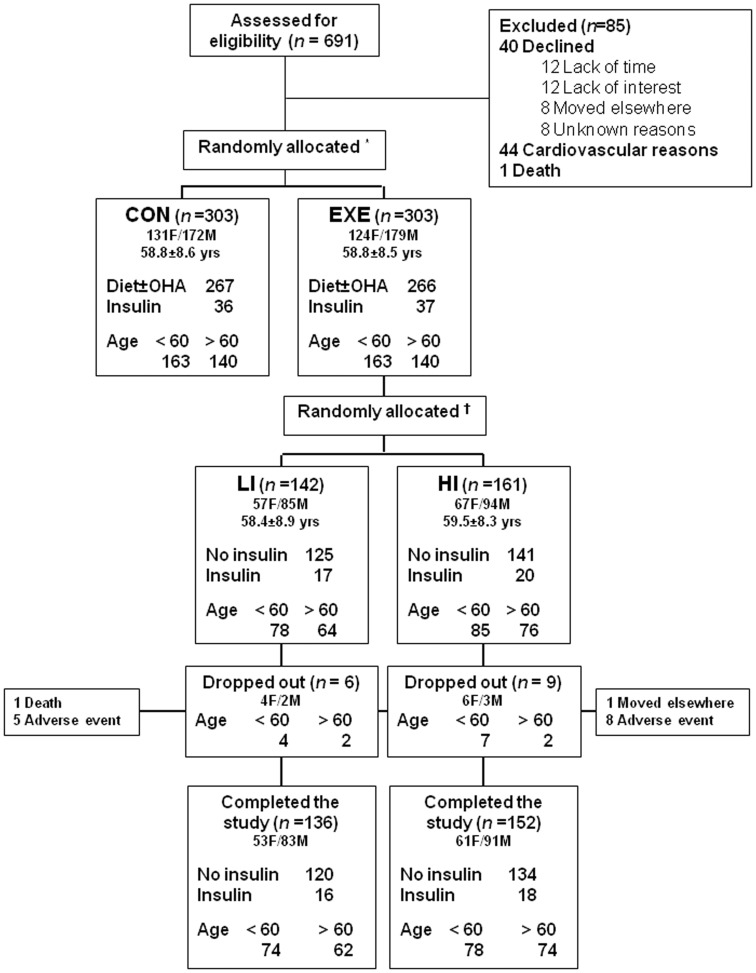
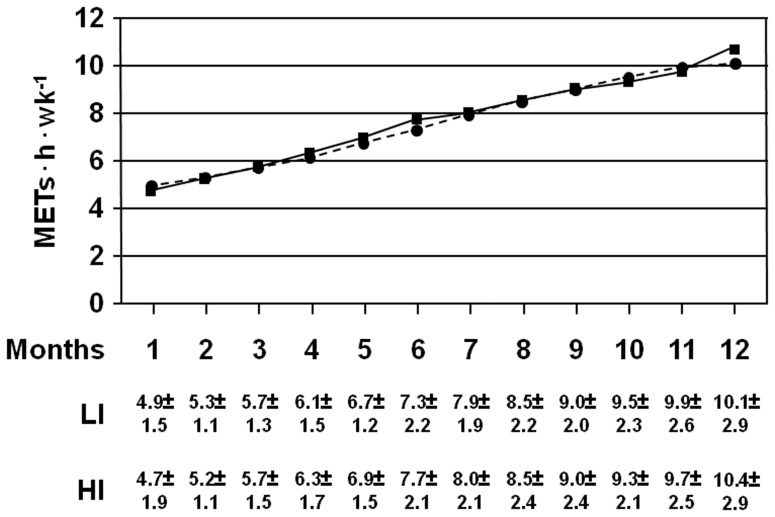
BACKGROUND: While current recommendations on exercise type and volume have strong experimental bases, there is no clear evidence from large-sized studies indicating whether increasing training intensity provides additional benefits to subjects with type 2 diabetes. OBJECTIVE: To compare the effects of moderate-to-high intensity (HI) versus low-to-moderate intensity (LI) training of equal energy cost, i.e. exercise volume, on modifiable cardiovascular risk factors. DESIGN: Pre-specified sub-analysis of the Italian Diabetes and Exercise Study (IDES), a randomized multicenter prospective trial comparing a supervised exercise intervention with standard care for 12 months (2005-2006). SETTING: Twenty-two outpatient diabetes clinics across Italy. PATIENTS: Sedentary patients with type 2 diabetes assigned to twice-a-week supervised progressive aerobic and resistance training plus exercise counseling (n = 303). INTERVENTIONS: Subjects were randomized by center to LI (n = 142, 136 completed) or HI (n = 161, 152 completed) progressive aerobic and resistance training, i.e. at 55% or 70% of predicted maximal oxygen consumption and at 60% or 80% of predicted 1-Repetition Maximum, respectively, of equal volume. MAIN OUTCOME MEASURE(S): Hemoglobin (Hb) A(1c) and other cardiovascular risk factors; 10-year coronary heart disease (CHD) risk scores. RESULTS: Volume of physical activity, both supervised and non-supervised, was similar in LI and HI participants. Compared with LI training, HI training produced only clinically marginal, though statistically significant, improvements in HbA(1c) (mean difference -0.17% [95% confidence interval -0.44,0.10], P = 0.03), triglycerides (-0.12 mmol/l [-0.34,0.10], P = 0.02) and total cholesterol (-0.24 mmol/l [-0.46, -0.01], P = 0.04), but not in other risk factors and CHD risk scores. However, intensity was not an independent predictor of reduction of any of these parameters. Adverse event rate was similar in HI and LI subjects. CONCLUSIONS: Data from the large IDES cohort indicate that, in low-fitness individuals such as sedentary subjects with type 2 diabetes, increasing exercise intensity is not harmful, but does not provide additional benefits on cardiovascular risk factors. TRIAL REGISTRATION: www.ISRCTN.org ISRCTN-04252749.
Overview
The claims and statistics of this paper haven’t been checked yet.
Run the check — free, no account needed. It reads the open-access text and checks the sources it cites.
Integrity signals
Registry
Cites
Statistics
Figures
Verification
Claims the paper makes
The claims and statistics of this paper haven’t been checked yet.
Run the check — free, no account needed. It reads the open-access text and checks the sources it cites.
Claims other papers make about this one
Each is checked against this paper’s own text: does it say what the citing paper says it does?
The source backs part of the claim, not all of it — or backs it for a different population, condition or comparison.
In the citing paper
“Progressively increasing the duration and intensity of aerobic exercise can lead to further improvements in A1c.”
From The Impact of Physical Activity in Patients With Type 2 Diabetes (2025) · cites this paper as [41]
Experimental — accuracy not yet measuredIn the citing paper
“After 1 year, those in the highintensity training group had a 0.17% greater improvement in A1c compared to those in the lowintensity training group.”
From The Impact of Physical Activity in Patients With Type 2 Diabetes (2025) · cites this paper as [41]
Self-check
Percentages, sums and reported differences re-computed from the paper’s own numbers.
The self-check needs the paper’s full text.
Citations
Cites
International Diabetes Federation 2017
Carracher, A. M., Marathe, P. H., & Close, K. L. (2018) · Journal of Diabetes · doi:10.1111/1753-0407.12644 · Cited by 13,379
Report of the Expert Committee on the Diagnosis and Classification of Diabetes Mellitus
The Expert Committee on the Diagnosis and Classification of Diabetes Mellitus* (2002) · Diabetes Care · doi:10.2337/diacare.25.2007.s5 · Cited by 10,325
(2014) · Medical Entomology and Zoology · Cited by 9,400
The metabolic syndrome—a new worldwide definition
Alberti, K. G. M., Zimmet, P., & Shaw, J. (2005) · The Lancet · doi:10.1016/s0140-6736(05)67402-8 · Cited by 9,352
Compendium of Physical Activities: Classification of energy costs of human physical activities
AINSWORTH, B. E., HASKELL, W. L., LEON, A. S., JACOBS, D. R., MONTOYE, H. J., SALLIS, J. F., & PAFFENBARGER, R. S. (1993) · Medicine & Science in Sports & Exercise · doi:10.1249/00005768-199301000-00011 · Cited by 4,102 · cited 1×
“5 ml O2/kg body weight/min) scores of each Minnesota code (35) by time spent in each activity and expressed as METs-hr?wk.”
MethodPhysical Activity, All-Cause Mortality, and Longevity of College Alumni
Paffenbarger, R. S., Hyde, R., Wing, A. L., & Hsieh, C.-C. (1986) · New England Journal of Medicine · doi:10.1056/nejm198603063141003 · Cited by 2,742
Colberg, S. R., Sigal, R. J., Fernhall, B., Regensteiner, J. G., Blissmer, B. J., Rubin, R. R., Chasan-Taber, L., Albright, A. L., & Braun, B. (2010) · Diabetes Care · doi:10.2337/dc10-9990 · Cited by 1,955
Boulé, N. G., Haddad, E., Kenny, G. P., Wells, G. A., & Sigal, R. J. (2001) · JAMA · doi:10.1001/jama.286.10.1218 · Cited by 1,889
Umpierre, D. (2011) · JAMA · doi:10.1001/jama.2011.576 · Cited by 1,358 · cited 1×
“Combined aerobic and resistance exercise was reported to be more effective than either one alone on glycemic control in two other large trials (11,12), though a systematic review and meta-analysis including these studies (13) showed that structured exercise training, either aerobic, resistance, or both, is associated…”
BackgroundWalking Compared with Vigorous Exercise for the Prevention of Cardiovascular Events in Women
Manson, J. E., Greenland, P., LaCroix, A. Z., Stefanick, M. L., Mouton, C. P., Oberman, A., Perri, M. G., Sheps, D. S., Pettinger, M. B., & Siscovick, D. S. (2002) · New England Journal of Medicine · doi:10.1056/nejmoa021067 · Cited by 1,349
Cited by
Sorted by citations
Diet and exercise in the prevention and treatment of type 2 diabetes mellitus
Magkos, F., Hjorth, M. F., & Astrup, A. V. (2020) · Nature Reviews Endocrinology · doi:10.1038/s41574-020-0381-5 · Cited by 507
Exercise and type 2 diabetes: focus on metabolism and inflammation
Karstoft, K., & Pedersen, B. K. (2016) · Immunology & Cell Biology · doi:10.1038/icb.2015.101 · Cited by 260
Physical Activity and Diabetes
Sigal, R. J., Armstrong, M. J., Bacon, S., Boulé, N. G., Dasgupta, K., Kenny, G. P., & Riddell, M. C. (2018) · Canadian Journal of Diabetes · doi:10.1016/j.jcjd.2017.10.008 · Cited by 287
“Randomized trials have found that supervised exercise interventions improve glycated hemoglobin (A1C) (6–8), triglycerides (TG) and cholesterol (9) in people with type 2 diabetes when compared to no exercise comparison groups (10).”
BackgroundPhysical exercise as therapy for type 2 diabetes mellitus
Balducci, S., Sacchetti, M., Haxhi, J., Orlando, G., D’Errico, V., Fallucca, S., Menini, S., & Pugliese, G. (2013) · Diabetes/Metabolism Research and Reviews · doi:10.1002/dmrr.2514 · Cited by 224
Self-citationIdentification of human exercise-induced myokines using secretome analysis
Catoire, M., Mensink, M., Kalkhoven, E., Schrauwen, P., & Kersten, S. (2014) · Physiological Genomics · doi:10.1152/physiolgenomics.00174.2013 · Cited by 179
The importance of exercise for glycemic control in type 2 diabetes
Syeda, U. S. A., Battillo, D. J., Visaria, A., & Malin, S. K. (2023) · American Journal of Medicine Open · doi:10.1016/j.ajmo.2023.100031 · Cited by 198
van Dijk, J., Venema, M., van Mechelen, W., Stehouwer, C. D. A., Hartgens, F., & van Loon, L. J. C. (2013) · Diabetes Care · doi:10.2337/dc12-2620 · Cited by 159
Liubaoerjijin, Y., Terada, T., Fletcher, K., & Boulé, N. G. (2016) · Acta Diabetologica · doi:10.1007/s00592-016-0870-0 · Cited by 145
The search for exercise factors in humans
Catoire, M., & Kersten, S. (2015) · The FASEB Journal · doi:10.1096/fj.14-263699 · Cited by 137
Baskerville, R., Ricci‐Cabello, I., Roberts, N., & Farmer, A. (2017) · Diabetic Medicine · doi:10.1111/dme.13331 · Cited by 131
“Evidence suggests that this type of physical activity can reduce mortality and morbidity both in sedentary people [6,7,8] and in people with Type 2 diabetes [7, 9, 10].”
BackgroundRole of Exercise in the Management of Diabetes Mellitus: the Global Scenario
Thent, Z. C., Das, S., & Joseph, L. (2013) · PLoS ONE · doi:10.1371/journal.pone.0080436 · Cited by 135
Fernández, T., Viñuela, M., Vidal, C., & Barrera, F. (2022) · PLoS ONE · doi:10.1371/journal.pone.0263931 · Cited by 117
“The large Italian Diabetes and Exercise Study (IDES) [96] states that supervised exercise twice a week exceeds the physical fitness and CVD risk profile in patients with T2DM.”
BackgroundSarcopenia definition: Does it really matter? Implications for resistance training
Smith, C., Woessner, M. N., Sim, M., & Levinger, I. (2022) · Ageing Research Reviews · doi:10.1016/j.arr.2022.101617 · Cited by 115
Park, J., Kwon, Y., & Park, H. (2017) · Journal of Atherosclerosis and Thrombosis · doi:10.5551/jat.39065 · Cited by 94
Cadore, E. L., & Izquierdo, M. (2015) · AGE · doi:10.1007/s11357-015-9800-2 · Cited by 93
Management of diabesity: Current concepts
Michaelidou, M., Pappachan, J. M., & Jeeyavudeen, M. S. (2023) · World Journal of Diabetes · doi:10.4239/wjd.v14.i4.396 · Cited by 97
Ho, F. K., Zhou, Z., Petermann-Rocha, F., Para-Soto, S., Boonpor, J., Welsh, P., Gill, J. M. R., Gray, S. R., Sattar, N., Pell, J. P., et al. (2022) · Circulation · doi:10.1161/circulationaha.122.059663 · Cited by 76
Alfonso‐Rosa, R. M., Cruz, B. D. P., del Pozo-Cruz, J., Sañudo, B., & Rogers, M. E. (2013) · Rehabilitation Nursing · doi:10.1002/rnj.111 · Cited by 69
“Increasing physical fitness in this population could enhance insulin sensitivity and glycemic control (Srikanthan & Karlamangla, 2011) and may attenuate declines in strength, endurance, and function (Balducci et al., 2012), all of which have been reported to be lower in this population when compared with those without…”
ResultKluding, P. M., Pasnoor, M., Singh, R., D’Silva, L. J., Yoo, M., Billinger, S. A., LeMaster, J. W., Dimachkie, M. M., Herbelin, L. L., & Wright, D. E. (2014) · Physical Therapy · doi:10.2522/ptj.20140108 · Cited by 66
Physical activity for the prevention and treatment of metabolic disorders
Montesi, L., Moscatiello, S., Malavolti, M., Marzocchi, R., & Marchesini, G. (2013) · Internal and Emergency Medicine · doi:10.1007/s11739-013-0953-7 · Cited by 63
“PA/exercise are once again independent of weight loss [62], and in low-fitness, sedentary individuals with T2DM, increasing exercise intensity was not harmful, but did not provide additional benefits on cardiovascular risk factors [63].”
BackgroundLora-Pozo, I., Lucena-Antón, D., Salazar, A., Galán-Mercant, A., & Moral-Muñoz, J. A. (2019) · International Journal of Environmental Research and Public Health · doi:10.3390/ijerph16224524 · Cited by 55
“Balducci et al., 2012 [29] G1 (HIIT): aerobic training (70% VO2max) + resistance training (60% 1-Repetition Maximum).”
MethodDíaz-Martínez, X., Petermann-Rocha, F. E., Leiva, A. M., Garrido-Méndez, Á., Salas-Bravo, C., Martínez-Sangüinetti, M. A., Labraña, A. M., Durán, E., Valdívia-Moral, P., Zagalaz, M. L., et al. (2018) · Revista médica de Chile · doi:10.4067/s0034-98872018000500585 · Cited by 60
Clark, J. (2016) · Biology of Sport · doi:10.5604/20831862.1212974 · Cited by 50
“and >36-weeks (15-studies [77, 89, 91, 100-111], group size: 53±46.”
Melo, L. C., Dativo-Medeiros, J., Menezes-Silva, C. E., Barbosa, F. T., de Sousa‐Rodrigues, C. F., & Rabelo, L. A. (2017) · Oxidative Medicine and Cellular Longevity · doi:10.1155/2017/8523728 · Cited by 51
Álvarez, C., Ramírez‐Campillo, R., Ramírez‐Vélez, R., & Izquierdo, M. (2017) · Frontiers in Physiology · doi:10.3389/fphys.2017.00479 · Cited by 56
“In this regard, combining RT and endurance training is an effective intervention to promote overall physical fitness in T2DM patients (Balducci et al., 2012).”
BackgroundMendes, R., Sousa, N., Themudo-Barata, J. L., & Reis, V. M. (2016) · Gaceta Sanitaria · doi:10.1016/j.gaceta.2016.01.007 · Cited by 48
van Dijk, J., & van Loon, L. J. C. (2015) · Diabetes Spectrum · doi:10.2337/diaspect.28.1.24 · Cited by 50
“, lower intensity compensated by a longer duration) found no surplus benefit of high-intensity as opposed to moderate-intensity exercise training for A1C levels (55,56).”
BackgroundWang, Q., Zhang, X., Fang, L., Guan, Q., Gao, L., & Li, Q. (2018) · Journal of Diabetes Research · doi:10.1155/2018/7198274 · Cited by 41
Kaizu, S., Kishimoto, H., Iwase, M., Fujii, H., Ohkuma, T., Ide, H., Jodai, T., Kikuchi, Y., Idewaki, Y., Hirakawa, Y., et al. (2014) · PLoS ONE · doi:10.1371/journal.pone.0098768 · Cited by 43
Huffel, L. V., Tomson, C., Ruige, J. B., Nistor, I., Biesen, W. V., & Bolignano, D. (2014) · PLoS ONE · doi:10.1371/journal.pone.0113667 · Cited by 41
“These results are after the intervention, but the absolute changes were again small [39].”
Jabardo-Camprubí, G., Roca, R. D., Sitjà‐Rabert, M., Milà, R., & Roig, J. B. (2019) · Physiology & Behavior · doi:10.1016/j.physbeh.2019.112786 · Cited by 40
Balducci, S., Cardelli, P., Pugliese, L., D’Errico, V., Haxhi, J., Alessi, E., Iacobini, C., Menini, S., Bollanti, L., Conti, F., et al. (2015) · Diabetes Research and Clinical Practice · doi:10.1016/j.diabres.2015.05.033 · Cited by 39
Self-citationBarreira, E., Novo, A., Vaz, J. A., & Pereira, A. J. B. C. (2017) · Atención Primaria · doi:10.1016/j.aprim.2017.06.012 · Cited by 41
Mendes, R., Sousa, N., Reis, V. M., & Themudo-Barata, J. L. (2017) · International Journal of Environmental Research and Public Health · doi:10.3390/ijerph14091057 · Cited by 35
“Vigorous-intensity exercises are associated with higher benefits in glycemic control and cardiovascular risk factors in patients with T2D [39,40], and a HIIT program seems to induce greater benefits in HbA1c than a continuous training program of moderate intensity [41].”
BackgroundExercise and Type II Diabetes Mellitus: A Brief Guide for Exercise Professionals
Batrakoulis, A., Jamurtas, A. Z., & Fatouros, I. G. (2022) · Strength and conditioning journal · doi:10.1519/ssc.0000000000000731 · Cited by 33
Guicciardi, M., Lecis, R., Anziani, C., Corgiolu, L., Porru, A., Pusceddu, M. M., & Spanu, F. (2014) · Health Psychology and Behavioral Medicine · doi:10.1080/21642850.2014.924858 · Cited by 33
“…aerobic, and resistance training on top of exercise counselling is superior to counselling alone in promoting PA, improving physical fitness, haemoglobin (Hb) A1c, and CVD risk profile, and reducing medication number and/or dosage in sedentary patients with Type 2 diabetes (Balducci et al., 2012).”
BackgroundBanitalebi, E., Faramarzi, M., Nasiri, S., Ghahfarrokhi, M. M., & Rabiee, V. (2019) · Clinical and Molecular Hepatology · doi:10.3350/cmh.2018.0086 · Cited by 35
The Interconnection Between Muscle and Bone: A Common Clinical Management Pathway
Smith, C., Sim, M., Via, J. D., Levinger, I., & Duque, G. (2023) · Calcified Tissue International · doi:10.1007/s00223-023-01146-4 · Cited by 36
“Beyond just muscle and bone, PRT and exercise are also shown to improve cardio-metabolic risk factors [79], memory and cognitive function [80, 81], and quality of life [82] in older adult and clinical populations.”
Kariuki, J., Imes, C., Engberg, S., Scott, P., Klem, M., & Cortés, Y. I. (2023) · JBI Evidence Synthesis · doi:10.11124/jbies-22-00356 · Cited by 26
Ramirez, M., & Wu, S. (2017) · JMIR Diabetes · doi:10.2196/diabetes.7063 · Cited by 31
Wormgoor, S. G., Dalleck, L. C., Zinn, C., Borotkanics, R., & Harris, N. K. (2018) · Frontiers in Endocrinology · doi:10.3389/fendo.2018.00475 · Cited by 29
“Similarly, to ensure that the resistance of the isotonic strength exercises were prescribed appropriately according to the strength progressions of each participant, predicted 1RMs (48) were tested and calculated regularly (on the participants’ first and last training day and the Monday of Week 5 and 9).”
MethodRaimondo, D. D., Miceli, G., Musiari, G., Tuttolomondo, M., & Pinto, A. V. (2017) · Annals of Translational Medicine · doi:10.21037/atm.2017.07.30 · Cited by 24
“Low-intensity regimens are effective as high-intensity programs in different pathologic conditions such as type 2 diabetes (14) and 5 to 10 minutes of running/day also at slow speed (<6 miles/hour) has been associated with markedly reduced risk of death from all causes and CVD (148), while 92 minutes per week or 15 mi…”
BackgroundCelis-Morales, C. A., Salas, C., Álvarez, C., Aguilar-Farías, N., Campillos, R. R., Leppe, J., Cristi‐Montero, C., Díaz-Martínez, X., Durán, E., Labraña, A. M., et al. (2015) · Revista médica de Chile · doi:10.4067/s0034-98872015001100009 · Cited by 27
Murro, E. D., Giuseppe, G. D., Soldovieri, L., Moffa, S., Improta, I., Capece, U., Nista, E. C., Cinti, F., Ciccarelli, G., Brunetti, M., et al. (2023) · Nutrients · doi:10.3390/nu15194202 · Cited by 22
“In addition, it should be considered that the extent of the beneficial effects—such as the improvement of glucose homeostasis and the reduction in cardiometabolic risk factors in people with diabetes—is dependent on the total energy expenditure of training rather than exercise duration or intensity [72,73].”
BackgroundAhn, N., & Kim, K. (2020) · International Journal of Environmental Research and Public Health · doi:10.3390/ijerph17165910 · Cited by 22
Gut microbiota and Ma-Pi 2 macrobiotic diet in the treatment of type 2 diabetes
Fallucca, F. (2015) · World Journal of Diabetes · doi:10.4239/wjd.v6.i3.403 · Cited by 21
Contemporary Lifestyle Modification Interventions to Improve Metabolic Comorbidities in HIV
Fitch, K. V. (2019) · Current HIV/AIDS Reports · doi:10.1007/s11904-019-00467-0 · Cited by 20
“These findings agree with other studies [57] that increasing exercise intensity does not appear to provide added benefit to improve CVD risk factors.”
ResultThe Impact of Physical Activity in Patients With Type 2 Diabetes
Bassin, S. R., & Srinath, R. (2025) · American Journal of Lifestyle Medicine · doi:10.1177/15598276231180541 · Cited by 17
Chen, W., Leuk, J. S.-P., Wu, Y., Huang, N., & Teo, W. (2024) · European Review of Aging and Physical Activity · doi:10.1186/s11556-024-00357-4 · Cited by 20
“Like exercise type, all three exercise intensities significantly improved executive function, with moderate-intensity showing the greatest effect [70, 100].”
Background[Glycemic control through physical exercise in type 2 diabetes systematic review].
Llopiz, P. Q., & García-Galbis, M. R. (2015) · PubMed · doi:10.3305/nh.2015.31.4.7907 · Cited by 16
Sun, Y., Lu, B., Su, W., Song, X., Shang, X., Zheng, J., Wang, J., & Yun, H. (2024) · Medicine · doi:10.1097/md.0000000000037494 · Cited by 15
MacDonald, C., Bennekou, M., Midtgaard, J., Langberg, H., & Lieberman, D. E. (2024) · British Journal of Sports Medicine · doi:10.1136/bjsports-2024-108396 · Cited by 15
“46 47 However, a recent systematic review and meta-analysis found that high-intensity training was more effective in reducing HbA1c levels compared with moderate-intensity training.”
Kourek, C., Karatzanos, E., Raidou, V., Papazachou, O., Philippou, Α., Nanas, S., & Dimopoulos, S. K. (2023) · World Journal of Cardiology · doi:10.4330/wjc.v15.i4.184 · Cited by 19
Silva, A. D. S. E., Lacerda, F. V., & Mota, M. P. (2020) · Journal of Diabetes & Metabolic Disorders · doi:10.1007/s40200-020-00596-z · Cited by 14
Giuseppe, G. D., Ciccarelli, G., CEFALO, C. M. A., Cinti, F., Moffa, S., Impronta, F., Capece, U., Pontecorvi, A., Giaccari, A., & Mezza, T. (2021) · Minerva Endocrinology · doi:10.23736/s2724-6507.21.03405-9 · Cited by 17
Low-Force Muscle Activity Regulates Energy Expenditure after Spinal Cord Injury
Woelfel, J. R., Kimball, A., Yen, C.-L., & Shields, R. K. (2016) · Medicine & Science in Sports & Exercise · doi:10.1249/mss.0000000000001187 · Cited by 14
“Simple low-intensity activities such as standing throughout the day or engaging in very light-intensity activity to interrupt periods of sitting have improved the metabolic profiles of sedentary individuals (5,14,23,35).”
Akar, E. A., Weill, L., Khoury, M. E., Caradeuc, C., Bertho, G., Boutary, S., Bézier, C., Clerc, Z., Sapaly, D., Bendris, S., et al. (2024) · Molecular Medicine · doi:10.1186/s10020-024-00850-7 · Cited by 13
“Physical activity is recommended as one first-line treatment in T2DM adults, but with widely varying even contrasting results non-resolved yet (Honkola et al. 1997; Dunstan et al. 2002, 2005; Cas-taneda et al. 2002; Kadoglou et al. 2012; Balducci et al. 2012; Krause et al. 2014; Amanat et al. 2020).”
ResultPippi, R., Cugusi, L., Bergamin, M., Bini, V., Fanelli, C. G., Bullo, V., Gobbo, S., & Blasio, A. D. (2022) · Journal of Functional Morphology and Kinesiology · doi:10.3390/jfmk7010012 · Cited by 14
“[46,47] reported positive changes in VO2 max, upper- and lower-body strength, and flexibility.”
BackgroundÁlvarez, C., Ramírez‐Campillo, R., Flores‐Opazo, M., Henríquez‐Olguín, C., Campos‐Jara, C., Carrasco, V., Cristian Martínez, S., & Celis-Morales, C. A. (2013) · Revista médica de Chile · doi:10.4067/s0034-98872013001000008 · Cited by 13
Physical activity recommendations for patients with type 2 diabetes: a cross-sectional survey
Hou, L., Ge, L., Li, Y., Chen, Y., Li, H., He, J., Cao, C., Li, R., Tian, J., Chen, Y., et al. (2020) · Acta Diabetologica · doi:10.1007/s00592-020-01480-1 · Cited by 14
Wang, A., Noel, M., Christ, J. P., Corley, J., Lenhart, N. J., Cedars, M. I., & Huddleston, H. G. (2023) · F&S Reports · doi:10.1016/j.xfre.2023.12.004 · Cited by 10
“High-intensity interval training has also been compared with moderate-intensity exercise in patients with type 2 diabetes mellitus and has shown a reduction in hyperglycemia, although these data have been controversial in terms of clinical signi fi cance (20, 21).”
BackgroundGiraldo, A., Gomes, G. A. D. O., Serafim, T. H. S., Zorzeto, L., Aquino, D., & Kokubun, E. (2013) · Revista Brasileira de Atividade Física & Saúde · doi:10.12820/rbafs.v.18n2p186 · Cited by 7
Nadeau, D. A. (2014) · The Physician and Sportsmedicine · doi:10.3810/psm.2014.11.2091 · Cited by 9
Concurrent Aerobic and Strength Training for Body Composition and Health
Wilhelm, E. N., & Pinto, R. S. (2018) · Springer eBooks · doi:10.1007/978-3-319-75547-2_19 · Cited by 11
Tayebi, S. M., Saeidi, A., & Khosravi, M. (2016) · Annals of Applied Sport Science · doi:10.18869/acadpub.aassjournal.4.4.21 · Cited by 8
“In fact, meta-analysis studies showed that exercise under supervision is effective in improving cardio respiratory fitness and also in controlling blood sugar levels and other cardiovascular risk factors (16).”
BackgroundSá, C. A. D., Heizen, P. G., Corralo, V. S., dos Santos, G. A. G., & Soares, N. M. M. (2016) · Revista Andaluza de Medicina del Deporte · doi:10.1016/j.ramd.2015.09.005 · Cited by 7
Rezaeinezhad, N., Alizadeh, R., & Ghanbari–Niaki, A. (2022) · Journal of Diabetes & Metabolic Disorders · doi:10.1007/s40200-022-01020-4 · Cited by 7
“The role of resistance training intensities on glycemic control have been approved [28, 29].”
BackgroundBravo, G. M., Paramasivam, P., Bellissimo, G. F., Jacquez, Q., Zheng, H., Amorim, F. T., Kovell, L. C., & Mota, R. I. (2025) · Frontiers in Bioscience-Landmark · doi:10.31083/fbl31396 · Cited by 6
“HIIT involves short bursts of intense exercise followed by periods of rest or low-intensity exercise [10,11].”
Intervention effect of combined resistance and aerobic exercise on type 2 diabetes: A meta-analysis
Ma, J., Shu, S., Chen, T., Bai, H., Yang, Y., & Ding, X. (2025) · World Journal of Diabetes · doi:10.4239/wjd.v16.i7.108121 · Cited by 6
motallebi, F., Shakerian, S., & Ranjbar, R. (2016) · Quarterly of Horizon of Medical Sciences · doi:10.18869/acadpub.hms.22.2.137 · Cited by 5
Mancini, G. B. J., CHENG, A. Y. Y., Connelly, K. A., FITCHETT, D. H., Goldenberg, R., Goodman, S. G., Leiter, L. A., Lonn, E., Paty, B. W., Poirier, P., et al. (2018) · Canadian Journal of Cardiology · doi:10.1016/j.cjca.2018.07.010 · Cited by 5
Resistance and Aerobic Training in the Treatment of Type 2 Diabetes Mellitus
Nunes, R. B. (2017) · Journal of Diabetes Metabolic Disorders & Control · doi:10.15406/jdmdc.2017.04.00126 · Cited by 5
“303 patients (HI and LW intensities groups) improved exercise capacity (VO2MAX), insulin sensitivity (HOMA-IR), glycemic control (HbA1C), lipid profile (HDL-c) and strength (1RM), besides reducing systolic and diastolic blood pressure and becoming more physical active after 12 months of treatment [10].”
BackgroundBanitalebi, E., Ghahfarrokhi, M. M., Faramarzi, M., & Nasiri, S. (2018) · Journal of Shahrekord University of Medical Sciences · doi:10.34172/jsums.2019.01 · Cited by 5
“It was revealed that SIT and combined training programs that had been performed 3 days a week (for 10 weeks) were safe and well-tolerated by patients afflicted with T2D.”
BackgroundInfluentialSupervised Exercise Patterns among Diabetic and Non-diabetic Portuguese Adults
Esteves, M., Gouveia, A., Rodrigues, R. G., Pinheiro, P. G., Brás, R. M. M., O’Hara, K., & Duarte, P. (2019) · Annals of Applied Sport Science · doi:10.29252/aassjournal.2626 · Cited by 5
Weiler, A. A., & Alvar, B. A. (2013) · Strength and conditioning journal · doi:10.1519/ssc.0b013e31829a6ab7 · Cited by 5
Masià, J. R., Pano-Rodríguez, Á., Beltrán-Garrido, J. V., Lecube, A., Sánchez, E., & Hernández‐González, V. (2021) · Applied Sciences · doi:10.3390/app11146409 · Cited by 6
“In addition, some studies reported the effect of vigorous exercise training interventions in reducing fatty liver [18,19].”
BackgroundHelping people with diabetes to exercise 帮助糖尿病患者运动
Bloomgarden, Z. T., & Li, X. (2014) · Journal of Diabetes · doi:10.1111/1753-0407.12234 · Cited by 4
Lotfi, M., Behpoor, N., Rahimi, M., & Jafari, A. (2023) · Journal of Kermanshah University of Medical Sciences · doi:10.5812/jkums-137856 · Cited by 4
Agarwal, M., Singh, S., Sharma, P., & Saini, R. (2019) · The Journal of Sports Medicine and Physical Fitness · doi:10.23736/s0022-4707.17.08002-1 · Cited by 3
Gaesser, G. A., Angadi, S. S., Sawyer, B. J., Tucker, W. J., & Jarrett, C. L. (2014) · Elsevier eBooks · doi:10.1016/b978-0-12-800093-9.00029-6 · Cited by 3
THE INFLUENCE OF AEROBIC TRAINING ON THE BIOCHEMICAL AND PHYSICAL PARAMETERS OF OBESE WOMEN
Pelemiš, V. M., Macura, M., Andrevski-Krivokuća, N., Ujsasi, D., Pelemiš, M., & Lalić, S. (2016) · SCIndeks · Cited by 3
Pengaruh durasi senam diabetes pada penurunan glukosa darah penderita diabetes mellitus tipe II
Kurdanti, W., & Khasana, T. M. (2018) · Jurnal Gizi Klinik Indonesia · doi:10.22146/ijcn.45498 · Cited by 3
Ergotherapie, Kunst-, Musik-, Sport- und Bewegungstherapie bei psychischen Störungen
Reuster, T., von Spreti, F., Martius, P., Unterberger, J., & Broocks, A. (2017) · Springer eBooks · doi:10.1007/978-3-662-49295-6_51 · Cited by 2
Guicciardi, M., Fadda, D., Fanari, R., Doneddu, A., & Crisafulli, A. (2020) · Frontiers in Psychology · doi:10.3389/fpsyg.2020.611558 · Cited by 2
Saghiv, M. S., & Sagiv, M. S. (2020) · Springer eBooks · doi:10.1007/978-3-030-48806-2_2 · Cited by 2
Bravo, G. M., Paramasivam, P., Bellissimo, G. F., Jacquez, Q., Zheng, H., Amorim, F. T., & Mota, R. I. (2024) · bioRxiv (Cold Spring Harbor Laboratory) · doi:10.1101/2024.08.21.608998 · Cited by 2
Matuk, A. L., Palacios, J. J., Hun, K. H. D., & Amador-Hernández, A. G. (2015) · European journal of health research · doi:10.30552/ejhr.v1i2.6 · Cited by 1
Obuchi, S. P., Kawai, H., Mitsutake, S., Anzai, S., Inomata, T., Saito, H., Tsuda, H., & Nakajima, T. (2015) · 体力科學 · doi:10.7600/jspfsm.64.305 · Cited by 1
Neurobiologische Effekte körperlicher Aktivität
Rieckmann, P., & Broocks, A. (2013) · Elsevier eBooks · doi:10.1016/b978-3-437-31610-4.00002-3 · Cited by 1
The Effect of Resistance Activity on Diabetes Indicators in Women with Type 2 Diabetes
Fathi, M., Rahmani, M., Rahmati, M., & Dehnou, V. V. (2018) · Qom Univ Med Sci J · doi:10.29252/qums.12.7.41 · Cited by 1
Exercise Intensities as Factors of Metabolic Outcomes in Type 2 Diabetes: A Systematic Review
Moxley, E., & Bugaieski, T. (2018) · Home Health Care Management & Practice · doi:10.1177/1084822318815446 · Cited by 2
de Souza, D. R., & Toigo, A. M. (2018) · Revista de Atenção à Saúde · doi:10.13037/ras.vol16n57.4161 · Cited by 1
Impact of Exercise on Cardiovascular Risk Factors: Diabetes Mellitus
Colberg, S. R., & Niederseer, D. (2020) · Springer eBooks · doi:10.1007/978-3-030-35374-2_38 · Cited by 1
Diabetes as a Metabolic Disease and Translational Exercise Medicine Informatics
Bao, T., & Shen, B. (2022) · Springer eBooks · doi:10.1007/978-981-16-9162-1_10 · Cited by 1
Ergotherapie, Kunst-, Musik-, Sport- und Bewegungstherapie bei psychischen Störungen
Reuster, T., von Spreti, F., Martius, P., Unterberger, J., & Broocks, A. (2015) · Springer eBooks · doi:10.1007/978-3-642-45028-0_51-1 · Cited by 2
Neurobiologische Effekte körperlicher Aktivität
Rieckmann, P., & Broocks, A. (2015) · Elsevier eBooks · doi:10.1016/b978-3-437-24255-7.00006-2 · Cited by 1
Exercise Prescription for Chronic Disease Management
Hovanec, N. (2015) · Scholarship@Western (Western University)
Neurobiologische Effekte körperlicher Aktivität
Rieckmann, P., & Broocks, A. (2015) · Elsevier eBooks · doi:10.1016/b978-3-437-24265-6.00001-9
Hui-I, Y. (2015) · Journal of Endocrinology and Diabetes · doi:10.15226/2374-6890/2/2/00118
“adequate exercise volume improved metabolic control even with low intensity exercise [13].”
Background
Metadata
- Authors
- Balducci, S., Zanuso, S., Cardelli, P., Salvi, L., Bazuro, A., Pugliese, L., Maccora, C., Iacobini, C., Conti, F. G., Nicolucci, A., Pugliese, G., & for the Italian Diabetes Exercise Study (IDES) Investigators
- Affiliations
- Azienda Ospedaliera Sant'Andrea (IT)
- University of Greenwich (GB)
- Associazione Fitness Metabolica O.N.L.U.S. (IT)
- Mario Negri Sud Foundation (IT)
- Corresponding author
- Pugliese, Giuseppe
- ORCID
- Venue
- PLoS ONE
- Publisher
- Public Library of Science (PLoS)
- Published
- 2012-11-21
- Volume
- 7
- Issue
- 11
- Pages
- e49297
- ISSN
- 1932-6203 (ISSN-L)
- PMC
- PMC3504024
- OpenAlex
- W1985621733
- Cited by
- 123
- References
- 42
- Citations by year
- 2026: 3 · 2025: 4 · 2024: 10 · 2023: 11 · 2022: 8 · 2021: 3 · 2020: 8 · 2019: 6 · 2018: 14 · 2017: 11 · 2016: 10 · 2015: 15 · 2014: 10 · 2013: 10
- FWCI
- 7.51
- Type
- journal article
- Language
- en
- Open access
- gold
- doi.org
- Locations
- PLoS ONE (publishedVersion, cc-by)
- Europe PMC (PubMed Central) (publishedVersion, cc-by)
- PubMed Central (publishedVersion, cc-by)
- PubMed (publishedVersion)
- DOAJ (DOAJ: Directory of Open Access Journals) (submittedVersion, cc-by-sa)
- Figshare (submittedVersion, cc-by)
- IRIS Research product catalog (Sapienza University of Rome) (submittedVersion)
- Funders
- Bristol-Myers Squibb
- Novo Nordisk
- Topics
- Health Sciences › Medicine › Public Health, Environmental and Occupational Health › Physical Activity and Health
- Health Sciences › Medicine › Physiology (medical) › Cardiovascular and exercise physiology
- Health Sciences › Medicine › Endocrinology, Diabetes and Metabolism › Diabetes, Cardiovascular Risks, and Lipoproteins
- Keywords
- type 2 diabetes, exercise intensity, high-intensity training, low-intensity training, supervised exercise, aerobic exercise, resistance training, cardiovascular risk factors, HbA1c, triglycerides, total cholesterol, coronary heart disease risk, sedentary patients, physical activity counseling, adverse events, exercise adherence, physical activity volume
- MeSH terms
- Cardiovascular Diseases, Diabetes Mellitus, Type 2, Energy Metabolism, Female, Humans, Italy, Male, Middle Aged, Physical Fitness, Risk Factors, Resistance Training
About these checks
Registry, retraction, Cites and statistics results are computed, not judged, with one exception: a printed reference that no index lists is read once by a model before it counts as a citation error. Claims are extracted by a model and kept only when their quote appears verbatim in the text; each cited source is then checked, with a model’s help, for whether it says what the claim relies on. Those verdicts can be wrong — read the claim’s quote and the cited source before relying on one.
Statistics and arithmetic are recomputed, not judged.
Confidence bands are shown only for fields calibrated on our annotated test set. None is calibrated yet, so no band is shown.
What counts as a claim ›How we measure confidence ›How we check this ›
Are you an author, or do you see a problem with this page? Request a review
