

Diaphragm Postural Function Analysis Using Magnetic Resonance Imaging
Open accessThe DOI matches its Crossref record; 52 of the 52 references it cites were found in a registry or an index.
Abstract
We present a postural analysis of diaphragm function using magnetic resonance imaging (MRI). The main aim of the study was to identify changes in diaphragm motion and shape when postural demands on the body were increased (loading applied to a distal part of the extended lower extremities against the flexion of the hips was used). Sixteen healthy subjects were compared with 17 subjects suffering from chronic low back pain and in whom structural spine disorders had been identified. Two sets of features were calculated from MRI recordings: dynamic parameters reflecting diaphragm action, and static parameters reflecting diaphragm anatomic characteristics. A statistical analysis showed that the diaphragm respiratory and postural changes were significantly slower, bigger in size and better balanced in the control group. When a load was applied to the lower limbs, the pathological subjects were mostly not able to maintain the respiratory diaphragm function, which was lowered significantly. Subjects from the control group showed more stable parameters of both respiratory and postural function. Our findings consistently affirmed worse muscle cooperation in the low back pain population subgroup. A clear relation with spinal findings and with low back pain remains undecided, but various findings in the literature were confirmed. The most important finding is the need to further address various mechanisms used by patients to compensate deep muscle insufficiency.
Overview
The claims and statistics of this paper haven’t been checked yet.
Free: it reads the open-access text and checks the first 5 claims that cite a source we can check. Create a free account to check every claim.
Integrity signals
Registry
Cites
Statistics
Figures
Verification
Claims the paper makes
The claims and statistics of this paper haven’t been checked yet.
Free: it reads the open-access text and checks the first 5 claims that cite a source we can check. Create a free account to check every claim.
Claims other papers make about this one
Each is checked against this paper’s own text: does it say what the citing paper says it does?
The cited source says what the claim attributes to it.
In the citing paper
“slow breathing was associated with greater diaphragm excursion in healthy humans, compared to patients with a chronic spinal pathology”
From The physiological effects of slow breathing in the healthy human (2017) · cites this paper as [16]
The cited source says what the claim attributes to it.
In the citing paper
“concluded that correct and balanced diaphragm performance helps to maintain abdominal pressure and “smooth” respiration [16].”
From The physiological effects of slow breathing in the healthy human (2017) · cites this paper as [16]
Self-check
Percentages, sums and reported differences re-computed from the paper’s own numbers.
The self-check needs the paper’s full text.
Citations
Cites
Magnetic Resonance Imaging of the Lumbar Spine in People without Back Pain
Jensen, M. C., Brant-Zawadzki, M. N., Obuchowski, N., Modic, M. T., Malkasian, D., & Ross, J. S. (1994) · New England Journal of Medicine · doi:10.1056/nejm199407143310201 · Cited by 2,402
Mechanical stability of the in vivo lumbar spine: implications for injury and chronic low back pain
Cholewicki, J., & McGill, S. (1996) · Clinical Biomechanics · doi:10.1016/0268-0033(95)00035-6 · Cited by 1,092
Kapandji, I. A. (1974) · Churchill Livingstone eBooks · Cited by 881
Hodges, P. W., & Richardson, C. A. (1999) · Archives of Physical Medicine and Rehabilitation · doi:10.1016/s0003-9993(99)90052-7 · Cited by 630
Evidence of Altered Lumbopelvic Muscle Recruitment in the Presence of Sacroiliac Joint Pain
Hungerford, B., Gilleard, W., & Hodges, P. (2003) · Spine · doi:10.1097/01.brs.0000076821.41875.1c · Cited by 416
Activation of the human diaphragm during a repetitive postural task
Hodges, P. W., & Gandevia, S. C. (2000) · The Journal of Physiology · doi:10.1111/j.1469-7793.2000.t01-1-00165.xm · Cited by 363
Changes in motor planning of feedforward postural responses of the trunk muscles in low back pain
Hodges, P. (2001) · Experimental Brain Research · doi:10.1007/s002210100873 · Cited by 348
Contraction of the human diaphragm during rapid postural adjustments
Hodges, P. W., Butler, J. E., McKenzie, D. K., & Gandevia, S. C. (1997) · The Journal of Physiology · doi:10.1111/j.1469-7793.1997.539bb.x · Cited by 309
Hodges, P. W., Gurfinkel, V. S., Brumagne, S., Smith, T. C., & Cordo, P. C. (2002) · Experimental Brain Research · doi:10.1007/s00221-002-1040-x · Cited by 282
Lumbar Stabilization: Core Concepts and Current Literature, Part 1
Barr, K. P., Griggs, M., & Cadby, T. (2005) · American Journal of Physical Medicine & Rehabilitation · doi:10.1097/01.phm.0000163709.70471.42 · Cited by 242
Research works printed but not linked: 1
- WC Chu, 2006, Spine, Spine, 2243
Cited by
The physiological effects of slow breathing in the healthy human
Russo, M. A., Santarelli, D. M., & O’Rourke, D. (2017) · Breathe · doi:10.1183/20734735.009817 · Cited by 665
“Another investigation of the diaphragm using MRI found that slow breathing was associated with greater diaphragm excursion in healthy humans, compared to patients with a chronic spinal pathology, and concluded that correct and balanced diaphragm performance helps to maintain abdominal pressure and “smooth” respiration…”
BackgroundNetwork of Breathing. Multifunctional Role of the Diaphragm: A Review
Kocjan, J., Adamek, M., Gzik‐Zroska, B., Czyżewski, D., & Rydel, M. (2017) · Advances in respiratory medicine · doi:10.5603/arm.2017.0037 · Cited by 162
Impact of diaphragm function parameters on balance maintenance
Kocjan, J., Gzik‐Zroska, B., Nowakowska-Lipiec, K., Burkacki, M., Suchoń, S., Michnik, R., Czyżewski, D., & Adamek, M. (2018) · PLoS ONE · doi:10.1371/journal.pone.0208697 · Cited by 121
Calvo‐Lobo, C., Almazán-Polo, J., Vallejo, R., Losa‐Iglesias, M. E., Palomo‐López, P., Rodríguez‐Sanz, D., & López‐López, D. (2019) · Physical Therapy in Sport · doi:10.1016/j.ptsp.2019.03.015 · Cited by 84
Manual evaluation of the diaphragm muscle
Bordoni, B., Marelli, F., Morabito, B., & Sacconi, B. (2016) · International Journal of COPD · doi:10.2147/copd.s111634 · Cited by 83
“44 In case of dysfunction of the diaphragm, this costal movement is usually limited.”
BackgroundFailed back surgery syndrome: review and new hypotheses
Bordoni, B., & Marelli, F. (2016) · Journal of Pain Research · doi:10.2147/jpr.s96754 · Cited by 52
“There is a close relationship between a reduction in the movement of the diaphragm and the intensity of pain in people who suffer from low back pain.(22) When the lower limbs are called upon to work, the diaphragm is activated to stabilize the spine and allow the movement required; in people with chronic pain this hap…”
InfluentialThe Impact of Deep Muscle Training on the Quality of Posture and Breathing
Szczygieł, E., Blaut, J., Zielonka-Pycka, K., Tomaszewski, K. A., Golec, J., Czechowska, D., Masłoń, A., & Golec, E. (2017) · Journal of Motor Behavior · doi:10.1080/00222895.2017.1327413 · Cited by 72
Low back pain and gastroesophageal reflux in patients with COPD: the disease in the breath
Bordoni, B., Marelli, F., Morabito, B., Sacconi, B., Caiazzo, P., & Castagna, R. (2018) · International Journal of COPD · doi:10.2147/copd.s150401 · Cited by 47
“ribcage; the rotation allows an increase of the muscular tension and a better elastic hysteresis during exhalation.(34,75)”
BackgroundGaeta, M., Musumeci, O., Mondello, S., Ruggeri, P., Montagnese, F., Cucinotta, M. D., Vinci, S. L., Milardi, D., & Toscano, A. (2015) · Neuromuscular Disorders · doi:10.1016/j.nmd.2015.09.003 · Cited by 44
“[23] evaluated diaphragm movements in 17 patients with spine disorders, using a gradient echo FIESTA dynamic sequence obtaining 60 images with acquisition time of 22.”
Diaphragm Contractility in Individuals with Chronic Ankle Instability
Terada, M., Kosik, K. B., McCann, R. S., & Gribble, P. A. (2016) · Medicine & Science in Sports & Exercise · doi:10.1249/mss.0000000000000994 · Cited by 46
Quantification of Diaphragm Mechanics in Pompe Disease Using Dynamic 3D MRI
Mogalle, K., Perez‐Rovira, A., Ciet, P., Wens, S. C. A., van Doorn, P. A., Tiddens, H. A. W. M., van der Ploeg, A. T., & de Bruijne, M. (2016) · PLoS ONE · doi:10.1371/journal.pone.0158912 · Cited by 42
“lung surface or diaphragm) can be by manually tracing object silhouettes [23, 24, 29, 31, 32], semi-automatically including little user interaction [34, 35], or fully automatically [27, 36].”
BackgroundMethodInfluentialVicente-Campos, D., Sánchez-Jorge, S., Terrón-Manrique, P., Guisard, M., Collin, M., Castaño, B., Rodríguez‐Sanz, D., Vallejo, R., Chicharro, J. L., & Calvo‐Lobo, C. (2021) · Journal of Clinical Medicine · doi:10.3390/jcm10214983 · Cited by 51
“showed thinner diaphragms in patients with lumbopelvic pain [27].”
BackgroundZiaeifar, M., Sarrafzadeh, J., Dehkordi, S. N., Arab, A. M., Haghighatkhah, H., & Jadehkenari, A. Z. (2021) · Physiotherapy Theory and Practice · doi:10.1080/09593985.2021.1926022 · Cited by 29
“In addition, magnetic resonance imaging (MRI) studies showed a reduction in diaphragm excursion in subjects with LBP (Kolar et al., 2012; Vostatek et al., 2013), which was contrary to the findings of this”
BackgroundResultInfluentialBitnar, P., Stovicek, J., Andel, R., Arlt, J., Arltová, M., Smejkal, M., Kolar, P., & Kobesová, A. (2015) · Journal of Bodywork and Movement Therapies · doi:10.1016/j.jbmt.2015.12.002 · Cited by 24
“Combined diaphragmatic function (respiratory, postural and sphincter) and its influence on UESP and LESP should be evaluated not just in patients with GERD, but also in patients with back pain where diaphragmatic activation is abnormal (Janssens et al., 2013; Kolar et al., 2012; Vostatek et al., 2013) as well as in pa…”
BackgroundPostural-respiratory function of the diaphragm assessed by M-mode ultrasonography
Šembera, M., Busch, A. M., Kobesová, A., Hanychova, B., Šulc, J., & Kolář, P. (2022) · PLoS ONE · doi:10.1371/journal.pone.0275389 · Cited by 27
“Therefore, the suboptimal reaction of the diaphragm [17, 18] and/or abdominal muscles [19, 20] to spinal loading may result in low back pain (LBP).”
BackgroundMendo, B., Gonçalves, M., Lopes, L. T., Matos, L. C., & Machado, J. P. (2022) · Healthcare · doi:10.3390/healthcare10101934 · Cited by 27
“Studies of diaphragm movement and function show that, for optimal respiration, active control of the diaphragm is required so that during deep and slow inspiration, the abdomen expands instead of the chest, promoting greater lung tidal volume [35,36].”
BackgroundWei, S., Lü, R., Zhang, Z., Wang, F., Tan, H., Wang, X., Ma, J., Zhang, Y., Deng, N., & Chen, J. (2022) · BMC Pulmonary Medicine · doi:10.1186/s12890-022-02254-x · Cited by 19
“The impairment of diaphragmatic function may be one of the main pathophysiological mechanisms in COPD that seems related to acute exacerbation [19].”
BackgroundAmiri, B., & Zemková, E. (2023) · Frontiers in Physiology · doi:10.3389/fphys.2023.1220464 · Cited by 26
Sicilia-Gomez, C., Carnero, S. F., Perez, A. M., Cuenca-Zaldívar, N., Naranjo-Cinto, F., Pecos‐Martín, D., Cervera-Cano, M., & Núñez-Nagy, S. (2022) · Diagnostics · doi:10.3390/diagnostics12102530 · Cited by 15
“Similar changes are even evidenced by MRI, indicating lower excursion and diaphragmatic thickness in subjects with LBP, so it has been previously shown that there are differences in the main respiratory parameters [10].”
BackgroundBoz, K., Saka, S., & Çetinkaya, İ. (2022) · Physiotherapy Research International · doi:10.1002/pri.1985 · Cited by 17
Symptomatology Correlations Between the Diaphragm and Irritable Bowel Syndrome
Bordoni, B., & Morabito, B. (2018) · Cureus · doi:10.7759/cureus.3036 · Cited by 13
“The coasts do not drop and do not allow the diaphragm to have fixity; there is a minor drop in the diaphragmatic cupola with a reduced ability to manage the intra-abdominal pressure, consequently causing lumbar spine instability [15-17].”
Marugán-Rubio, D., Chicharro, J. L., Vallejo, R., Losa‐Iglesias, M. E., Rodríguez‐Sanz, D., Vicente-Campos, D., Molina-Hernández, N., & Calvo‐Lobo, C. (2022) · Journal of Clinical Medicine · doi:10.3390/jcm11154318 · Cited by 17
“In line with these findings, magnetic resonance imaging studies revealed a thinner diaphragm in conjunction with its reduced excursion during breathing activity, indicating motor control alterations of this muscle under LPP [27].”
ResultMarugán-Rubio, D., Chicharro, J. L., Vallejo, R., Losa‐Iglesias, M. E., Rodríguez‐Sanz, D., Vicente-Campos, D., Dávila-Sánchez, G. J., & Calvo‐Lobo, C. (2021) · Sensors · doi:10.3390/s21134329 · Cited by 13
“In accordance with these statements, prior MRI studies showed a thinner diaphragm with a reduced excursion during breathing, suggesting an altered muscle motor control in patients with lumbopelvic pain [24].”
BackgroundResultBordoni, B., Walkowski, S. A., Escher, A. R., & Ducoux, B. (2021) · Complementary Medicine Research · doi:10.1159/000517507 · Cited by 12
Lee, J., Kim, D., Shin, Y., Yi, C., Jeon, H., You, S. H., & Park, C. (2021) · Journal of Back and Musculoskeletal Rehabilitation · doi:10.3233/bmr-210051 · Cited by 11
Recommendations for outpatient respiratory rehabilitation of long COVID patients
García-Saugar, M., Jaén-Jover, C., Hernández-Sánchez, S., Poveda-Pagán, E. J., & Lozano-Quijada, C. (2021) · Anales del Sistema Sanitario de Navarra · doi:10.23938/assn.0978 · Cited by 18
Perez, A. M., Carnero, S. F., Sicilia-Gomez, C., Cuenca-Zaldívar, N., Naranjo-Cinto, F., Pecos‐Martín, D., Gallego‐Izquierdo, T., & Núñez-Nagy, S. (2023) · Medicina · doi:10.3390/medicina59020315 · Cited by 19
“Several studies have shown that subjects with low back pain have more altered breathing patterns [7], as well as a lower thickness [8] and diaphragmatic excursion [6,9] compared to healthy subjects.”
BackgroundResultSafavi, S., Arthofer, C., Cooper, A., Harkin, J., Prayle, A., Sovani, M. P., Bolton, C. E., Gowland, P. A., & Hall, I. P. (2020) · European Journal of Radiology · doi:10.1016/j.ejrad.2020.109196 · Cited by 14
Quantifying Normal Diaphragmatic Motion and Shape and Their Developmental Changes via Dynamic MRI
Hao, Y., Udupa, J. K., Tong, Y., Wu, C., McDonough, J. M., Gogel, S., Mayer, O. H., Alnoury, M., Cahill, P. J., Anari, J. B., et al. (2024) · CHEST Pulmonary · doi:10.1016/j.chpulm.2024.100115 · Cited by 9
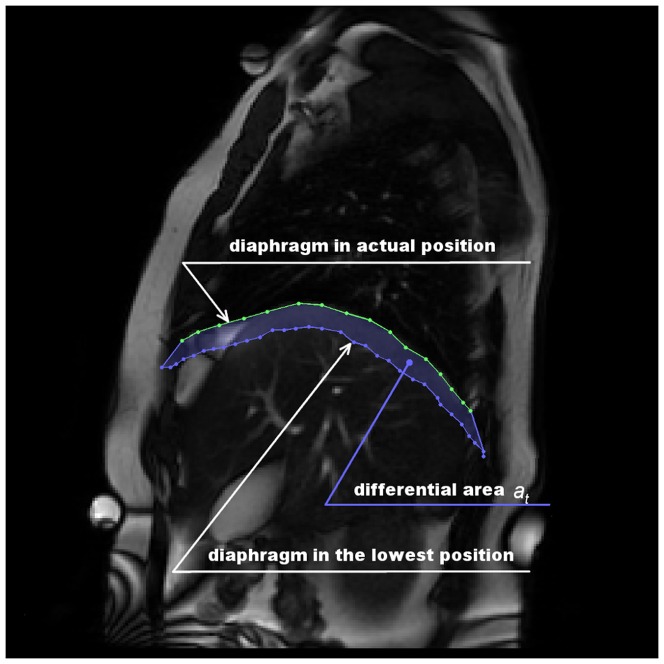
“In Vostatek et al, 13 the differential area between the diaphragm curve at different times in the 2D plane is reported.”
Xiao, W., Zheng, F., Dong, K., Wang, Z., Zu, Y., & Wang, C. (2022) · Pain Research and Management · doi:10.1155/2022/7929982 · Cited by 10
“In addition, studies examining the diaphragm by MRI had found that the range of diaphragm excursion in the NCLBP group was less than that in the HC group [11, 45], which was also diferent from our study.”
ResultCardiorespiratory dynamics during respiratory maneuver in athletes
Романчук, А. П. (2023) · Frontiers in Network Physiology · doi:10.3389/fnetp.2023.1276899 · Cited by 11
“…deep breathing with a frequency of 0.1 Hz is characterized by an increase in respiratory volume and can increase the excursion of the diaphragm (Vostatek et al., 2013; Stromberg et al., 2015; Russo et al., 2017; Fuller et al., 2022), promotes more effective ventilation and oxygenation of blood…”
BackgroundInfluentialGlobal physiotherapy approach to thoracolumbar junction syndrome. A case report
Ségui, Y., & Ramírez-Moreno, J. M. (2020) · Journal of Bodywork and Movement Therapies · doi:10.1016/j.jbmt.2020.10.003 · Cited by 9
Conlon, A., Arnold, R., Preatoni, E., & Moore, L. J. (2022) · Journal of Sport & Exercise Psychology · doi:10.1123/jsep.2021-0213 · Cited by 8
Bunphrom, W., Chatprem, T., Puntumetakul, R., Siritaratiwat, W., Phimphasak, C., Leungbootnak, A., & Boucaut, R. (2025) · Scientific Reports · doi:10.1038/s41598-025-93761-4 · Cited by 12
Śliwka, A., Piliński, R., Rosa, W., & Nowobilski, R. (2021) · Respiratory Physiology & Neurobiology · doi:10.1016/j.resp.2021.103682 · Cited by 7
Illidi, C. R., & Romer, L. M. (2022) · Experimental Physiology · doi:10.1113/ep090605 · Cited by 8
“Imaging techniques, including fluoroscopy and magnetic resonance imaging (MRI), have been used to provide functional information regarding diaphragm shortening during static postural tasks (Kolar et al., 2010, 2012; Vostatek et al., 2013).”
MethodTsakona, P., Kitsatis, I., Apostolou, T. S., Papadopoulou, O., & Hristara-Papadopoulou, A. (2025) · Children · doi:10.3390/children12010059 · Cited by 14
“The modulation of intra-abdominal pressure caused by DB helps to regulate many normal functions of the human body, such as postural stability [12,13], urination, defecation, childbirth, vomiting [14,15], lymph drainage [7,16], and metabolic balance.”
Kim, J., & Oh, D. (2016) · European Journal of Physiotherapy · doi:10.1080/21679169.2016.1247909 · Cited by 6
“[26] In a normal breathing cycle, proper diaphragmatic control is a prerequisite for creating appropriate intra-abdominal pressure,[27] as it prevents displacement of abdominal contents into the thoracic cavity and helps stabilize the lumbar spine.”
BackgroundSakakibara, M. (2022) · Applied Psychophysiology and Biofeedback · doi:10.1007/s10484-022-09546-2 · Cited by 11
“This finding suggests that a balanced diaphragm performance helps maintain stable abdominal pressure and smooth respiration (Vostatek et al., 2013).”
BackgroundKaarbø, M. B., Danielsen, K. G., Helgesen, A. L. O., Wojniusz, S., & Haugstad, G. K. (2022) · Physiotherapy Theory and Practice · doi:10.1080/09593985.2022.2096516 · Cited by 7
“As the patient inhales deeply the lower ribs expand laterally, the chest stays still while the abdomen expands, causing the dome-shaped diaphragm to des-cend and flatten (Vostatek et al., 2013).”
BackgroundThe effect of abdominal bracing on respiration during a lifting task: a cross-sectional study
Šembera, M., Busch, A. M., Kobesová, A., Hanychova, B., Šulc, J., & Kolář, P. (2023) · BMC Sports Science Medicine and Rehabilitation · doi:10.1186/s13102-023-00729-w · Cited by 9
“This is supported by several studies that showed the reduced respiratory or postural-res-piratory movement of the diaphragm in patients with low back pain (LBP) [41, 50, 51], which may be associated with the decreased magnitude of the force the diaphragm is capable to exert [52].”
BackgroundKlaps, S., Verbrugghe, J., Goossens, N., Meus, T., Köke, A. J. A., Verbunt, J., Langer, D., Timmermans, A. A. A., & Janssens, L. (2024) · Respiratory Medicine · doi:10.1016/j.rmed.2024.107887 · Cited by 6
Julia, C., Dominika, M., Katarzyna, H., Małecki, P., Frankowski, G., Kłaczyński, M., & Kulesa-Mrowiecka, M. (2021) · Journal of Measurements in Engineering · doi:10.21595/jme.2020.21707 · Cited by 5
Park, S., Kim, K., & Kang, M.-B. (2025) · Bioengineering · doi:10.3390/bioengineering12090947 · Cited by 9
“Vostatek et al.’s magnetic resonance imaging study [52] revealed that proper diaphragmatic function is essential for posture control.”
Li, Z., Schoonjans, E., Allaert, J., Smet, S. D., Kappen, M., Houfflyn, J., Ottaviani, C., Raedt, R. D., Pulopulos, M. M., & Vanderhasselt, M. (2024) · Psychophysiology · doi:10.1111/psyp.14650 · Cited by 4
Mitchell, U. H., Robinson, L. T., Brinkman, J., Bruening, D. A., Bowden, A. E., & Allen, S. P. (2025) · Journal of Pain Research · doi:10.2147/jpr.s496917 · Cited by 5
Li, S.-J., Yue, Q., Liu, Q., Liang, Y.-H., Zhou, T.-T., Li, X.-S., Feng, T.-Y., & Zhang, T. (2025) · Neurospine · doi:10.14245/ns.2448938.469 · Cited by 4
“Since 1997 32 to the present, 33 scholars have experimentally confirmed the role of the diaphragm in maintaining posture, and it has been found that when the body’s posture changes, the diaphragm’s EMG signals change earlier than those of the limb muscles.”
Tsumura, R., Kakima, K., & Iwata, H. (2020) · IEEE/RSJ International Conference on Intelligent Robots and Systems (IROS) · doi:10.1109/iros45743.2020.9340819 · Cited by 3
“2 Hz (5 sec); waveform, sine curve, referring [43].”
Ziaeifar, M., Dehkordi, S. N., Haghighatkhah, H., Sarrafzadeh, J., Arab, A. M., & Jadehkenari, A. Z. (2022) · Journal of Chiropractic Medicine · doi:10.1016/j.jcm.2022.02.001 · Cited by 6
Pietranis, K. A., Kostro, A. M., Dzięcioł-Anikiej, Z., Moskal-Jasińska, D., & Kuryliszyn-Moskal, A. (2024) · Journal of Clinical Medicine · doi:10.3390/jcm13216493 · Cited by 7
Gholami-Borujeni, B., & Yalfani, A. (2019) · Iranian Rehabilitation Journal · doi:10.32598/irj.17.3.271 · Cited by 4
Influência do músculo diafragma no controle postural, na propriocepção e na dor lombar
Barbosa, J. E. S., Almeida, L. P. D. S., de Oliveira, M. P., do Sacramento, M. D. S., Gomes, V. A., Petto, J., & dos Santos, A. C. N. (2020) · Revista Brasileira de Fisiologia do Exercício · doi:10.33233/rbfe.v18i4.3111 · Cited by 3
Little, J. P., Chapman, E., Parr, A., Moloney, G., Bowler, S., Labrom, R. D., & Askin, G. N. (2021) · Computer Methods in Biomechanics and Biomedical Engineering Imaging & Visualization · doi:10.1080/21681163.2021.1906323 · Cited by 3
“Previous studies have examined differences in the diaphragm with changes in posture, including supine to lateral positions (Froese and Bryan 1974; Kiryu et al. 2006; Vostatek et al. 2013).”
BackgroundHernies diaphragmatiques à manifestations respiratoires de l'adulte
Legras, A., Mordant, P., Pimpec‐Barthes, F. L., & Riquet, M. (2016) · Encyclopédie médico-chirurgicale. Pneumologie · doi:10.1016/s1155-195x(16)57749-4 · Cited by 3
Nassiri, K., Abedi, M., Manshadi, F. D., Baghban, A. A., & Meymeh, M. H. (2020) · Iranian Red Crescent Medical Journal · doi:10.5812/ircmj.97449 · Cited by 4
Bordoni, B. (2017) · International Journal of Complementary & Alternative Medicine · doi:10.15406/ijcam.2017.07.00242 · Cited by 3
“In the first step, the costal movement is assessed; this should consist of lateralization during inspiration, with a caudal direction, and the opposite during expiration [47].”
MethodBreath control during a tiptoe task
Lamberg, E. M., & Hagins, M. (2013) · Physiotherapy Theory and Practice · doi:10.3109/09593985.2013.834527 · Cited by 2
The respiratory diaphragm in osteopathic vision: a literature review
Sagrillo, L. M., & Frigo, L. F. (2016) · Manual Therapy Posturology & Rehabilitation Journal · doi:10.17784/mtprehabjournal.2016.14.0414 · Cited by 2
Jadehkenari, A. Z., Haghighatkhah, H., Sarrafzadeh, J., Ebrahimi, E., Arab, A. M., & Ziaeifar, M. (2022) · Journal of Chiropractic Medicine · doi:10.1016/j.jcm.2022.02.006 · Cited by 4
Role of Diaphragmatic Breathing Exercise in the Rehabilitation of Chronic Low Back Ache
Nagaraj, S., Kumar, K. U. D., & Aaron, P. (2023) · Asian Journal of Pharmaceutical Research and Health Care · doi:10.4103/ajprhc.ajprhc_41_23 · Cited by 1
Zhou, E. F. M., Wong, A. Y. L., Peng, J., Lin, G., Wen, T., Fang, J., Zhou, C., & Fu, S. N. (2024) · The Journal of Strength and Conditioning Research · doi:10.1519/jsc.0000000000004976 · Cited by 3
“The contraction of the diaphragm can increase the stiffness of the lumbar spine, as well as harmoniously controls inspiration and postural stability (19,42,48).”
Kovács, B. P., Balog, J., Sebők, B., Keszthelyi, M., & Várbíró, S. (2024) · Life · doi:10.3390/life15010018 · Cited by 3
Podder, A., Nazim, S., Sharma, A., De, A., Singh, V., Kumar, J., Kumar, D., Varsha, C. S., & Jani, P. (2025) · Cureus · doi:10.7759/cureus.90027 · Cited by 2
“These physiological actions by the respiratory muscles in a systematic manner benefit the body functioning by optimizing the homeostatic mechanisms and may improve cardiovascular function by promoting optimal blood pressure regulation and supporting vascular health [8,9,10].”
Diaphragm’s Role as a Systems-Connector Muscle: A Narrative Review
Bordoni, B., Morabito, B., & Escher, A. R. (2025) · Cureus · doi:10.7759/cureus.94679 · Cited by 3
Cardiorespiratory synchronization under the influence of strength endurance training
Романчук, А. П., Гузій, О. В., Mahlovanyy, A. V., & Smirnov, I. V. (2024) · Physical rehabilitation and recreational health technologies · doi:10.15391/prrht.2024-9(1).04 · Cited by 4
Kaneko, H., Tomomi, K. O. B. A., & Tokunaga, R. (2016) · Rigakuryoho Kagaku · doi:10.1589/rika.31.799
Diaphragm postural function in injured subtalar joint
Urbaniak, M., Kisilewicz, A., & Klich, S. (2018) · Physiotherapy Quarterly · doi:10.5114/pq.2018.73369
“[27] found a postural effect of diaphragm in patients with low back pain: 16 healthy subjects were compared with 17 individuals suffering from low back pain, and MRI was applied to investigate the diaphragm activity.”
Ki, C., & Nam, K.-W. (2019) · Journal of the Korean Society of Physical Medicine · doi:10.13066/kspm.2019.14.3.73
Movement Issues with Chronically Ill or Chronic Pain Patients
Hensley, J. R., Buttell, J., & Meyer, K. (2020) · Springer eBooks · doi:10.1007/978-3-030-30730-1_53
Relationship between chest mobility and angle of spinal curvateres in the saggital plane
Bibro, M. A., Laskowska, Ł., Ziemba, A., & Jankowicz‐Szymańska, A. (2019) · Journal of Kinesiology and Exercise Sciences · doi:10.5604/01.3001.0014.3309
“Research is also conducted on the relationship between the function of the diaphragm and the position of the pelvis and lumbar spine in the sagittal plane [8-10].”
Background„Sieć Oddechowa”. Wielofunkcyjna Rola Przepony—Przegląd Piśmiennictwa
Kocjan, J., Adamek, M., Gzik‐Zroska, B., Czyżewski, D., & Rydel, M. (2018) · Advances in respiratory medicine · doi:10.5603/arm.57076 · Cited by 3
Aspectos metodológicos da avaliação e medidas da espessura diafragmática com uso do ultrassom
Amorim, L. K. S., da Silva, N. P., Arandas, W. C. P. S., Silva, B. E. P., & Figueirêdo, B. B. (2023) · Revista Neurociências · doi:10.34024/rnc.2023.v31.15422
Fatigue: Physiology and Pathology
(2024) · Frontiers research topics · doi:10.3389/978-2-8325-4471-6
Diaphragmatic curvature analysis using dynamic digital radiography
Hino, T., Tsunomori, A., Wada, N., Hata, A., Fukuda, T., Nakamura, Y., Yamada, Y., Hida, T., Nishino, M., Ueyama, M., et al. (2025) · European Journal of Radiology Open · doi:10.1016/j.ejro.2025.100676
“Some studies focused on the passage area of diaphragm in cine MR images [18,19].”
Breathing interventions for spinal pain: A systematic review and meta-analysis
Wesemael, S. V., Janssens, L., Amerijckx, C., Goossens, N., Klaps, S., Vlemincx, E., & Bogaerts, K. (2025) · Clinical Rehabilitation · doi:10.1177/02692155251382790
“…(e.g. dyspnea, hyper-ventilation), 4,6,7 diaphragm dysfunctions (e.g. smaller excursion, elevated position, reduced strength, increased fatigue), 8 – 12 and signs of dysfunctional breathing (e.g. 16 To manage spinal pain effectively, a nonpharma-cological, active, and personalized approach that…”
Fard, B. S., Karimi, M. T., & Raseghi, M. (2025) · Journal of Manipulative and Physiological Therapeutics · doi:10.1016/j.jmpt.2025.09.015
Wei, S., Lu, R., Zhang, Z., 王发选, Tan, H., Wang, X., Ma, J., Zhang, Y., Deng, N., & Chen, J. (2022) · Figshare · doi:10.6084/m9.figshare.21622623
Wei, S., Lu, R., Zhang, Z., 王发选, Tan, H., Wang, X., Ma, J., Zhang, Y., Deng, N., & Chen, J. (2022) · Figshare · doi:10.6084/m9.figshare.21622626
Wei, S., Lu, R., Zhang, Z., Wang, F., Tan, H., Wang, X., Ma, J., Zhang, Y., Deng, N., & Chen, J. (2022) · Figshare · doi:10.6084/m9.figshare.21622620
Impact of arm position and load on upper and lower esophageal sphincter pressures
Bitnar, P., Kurka, A., Busch, A. M., Stehnová, T., Madle, K., Šťovíček, J., & Kobesová, A. (2026) · Frontiers in Physiology · doi:10.3389/fphys.2026.1735342
“Dysfunction of the respiratory-postural function of the diaphragm may be one of the causes of low back pain (LBP) (Kolar et al., 2012; Vostatek et al., 2013), while impairment of its complex respiratory-postural-sphincteric function may contribute to GERD (Zdrhova et al., 2022).”
Özyılmaz, S., Yıldırım, S., Tak, A. Y., & Elmadağ, N. M. (2026) · Journal of Back and Musculoskeletal Rehabilitation · doi:10.1177/10538127261494721
Metadata
- Authors
- Vostatek, P., Novák, D., Rychnovský, T., & Rychnovská, Š.
- Affiliations
- Czech Technical University in Prague (CZ)
- Corresponding author
- Vostatek, Pavel
- ORCID
- Novák, Daniel
- Venue
- PLoS ONE
- Publisher
- Public Library of Science (PLoS)
- Published
- 2013-03-14
- Volume
- 8
- Issue
- 3
- Pages
- e56724
- ISSN
- 1932-6203 (ISSN-L)
- PMC
- PMC3597716
- OpenAlex
- W1983764086
- Semantic Scholar
- e91c4e57ce15dae9b3b25cf54f969b689fdd7d35
- Cited by
- 81
- References
- 51
- Citations by year
- 2026: 2 · 2025: 10 · 2024: 8 · 2023: 6 · 2022: 16 · 2021: 9 · 2020: 6 · 2019: 4 · 2018: 5 · 2017: 4 · 2016: 8 · 2015: 2 · 2013: 1
- FWCI
- 2.69
- Type
- journal article
- Language
- en
- Open access
- gold
- doi.org
- Locations
- PLoS ONE (publishedVersion, cc-by)
- Europe PMC (PubMed Central) (publishedVersion, cc-by)
- PubMed Central (publishedVersion, cc-by)
- PubMed (publishedVersion)
- DOAJ (DOAJ: Directory of Open Access Journals) (submittedVersion, cc-by-sa)
- Topics
- Health Sciences › Health Professions › Physical Therapy, Sports Therapy and Rehabilitation › Musculoskeletal pain and rehabilitation
- Health Sciences › Medicine › Orthopedics and Sports Medicine › Spine and Intervertebral Disc Pathology
- Health Sciences › Medicine › Surgery › Scoliosis diagnosis and treatment
- Keywords
- diaphragm, postural function, respiratory muscle function, chronic low back pain, spinal disorders, lower limb loading, diaphragm shape, compensatory mechanisms
- MeSH terms
- Adult, Diaphragm, Postural Balance, Female, Humans, Magnetic Resonance Imaging, Male, Middle Aged, Motion, Posture, Spine, Respiratory Mechanics, Young Adult
About these checks
Registry, retraction, Cites and statistics results are computed, not judged, with one exception: a printed reference that no index lists is read once by a model before it counts as a citation error. Claims are extracted by a model and kept only when their quote appears verbatim in the text; each cited source is then checked, with a model’s help, for whether it says what the claim relies on. Those verdicts can be wrong — read the claim’s quote and the cited source before relying on one.
Statistics and arithmetic are recomputed, not judged.
Confidence bands are shown only for fields calibrated on our annotated test set. None is calibrated yet, so no band is shown.
What counts as a claim ›How we measure confidence ›How we check this ›
Are you an author, or do you see a problem with this page? Request a review
Data sources
Bibliographic data: Semantic Scholar, OpenAlex, Crossref.
Contains information from the Semantic Scholar Academic Graph Datasets, made available under the ODC Attribution License (ODC-BY 1.0).
Semantic Scholar’s data is described in: Kinney, R., et al. (2023). The Semantic Scholar Open Data Platform. arXiv:2301.10140.
