

Feasibility, Reliability, and Validity of a Smartphone Based Application for the Assessment of Cognitive Function in the Elderly
Open accessThe DOI matches its Crossref record; 35 of the 35 references it cites were found in a registry or an index.
Abstract
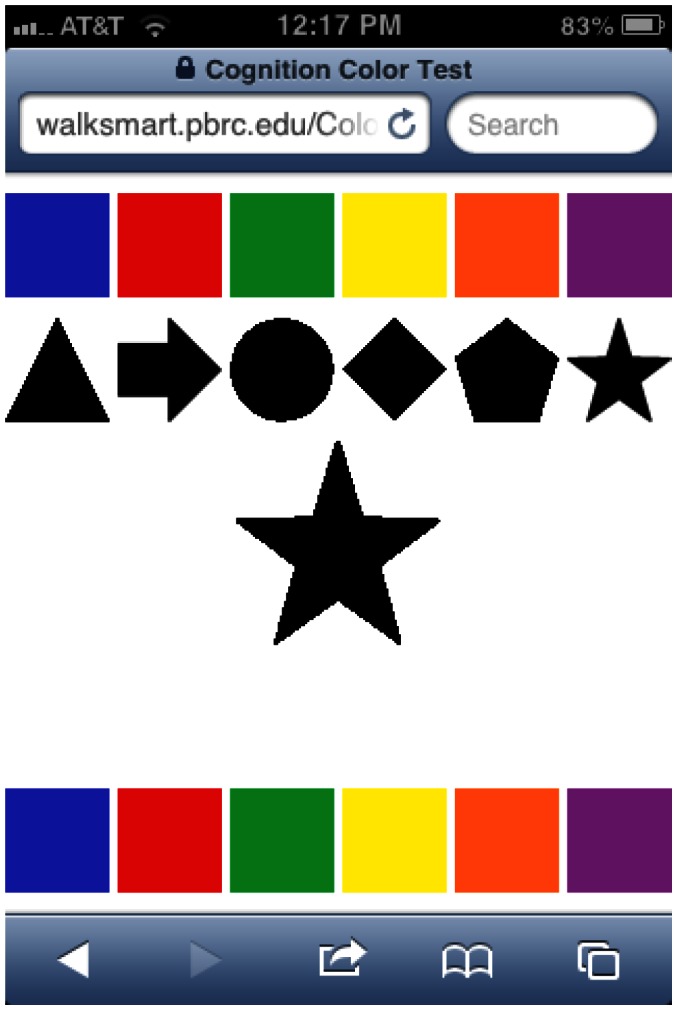
While considerable knowledge has been gained through the use of established cognitive and motor assessment tools, there is a considerable interest and need for the development of a battery of reliable and validated assessment tools that provide real-time and remote analysis of cognitive and motor function in the elderly. Smartphones appear to be an obvious choice for the development of these "next-generation" assessment tools for geriatric research, although to date no studies have reported on the use of smartphone-based applications for the study of cognition in the elderly. The primary focus of the current study was to assess the feasibility, reliability, and validity of a smartphone-based application for the assessment of cognitive function in the elderly. A total of 57 non-demented elderly individuals were administered a newly developed smartphone application-based Color-Shape Test (CST) in order to determine its utility in measuring cognitive processing speed in the elderly. Validity of this novel cognitive task was assessed by correlating performance on the CST with scores on widely accepted assessments of cognitive function. Scores on the CST were significantly correlated with global cognition (Mini-Mental State Exam: r = 0.515, p<0.0001) and multiple measures of processing speed and attention (Digit Span: r = 0.427, p<0.0001; Trail Making Test: r = -0.651, p<0.00001; Digit Symbol Test: r = 0.508, p<0.0001). The CST was not correlated with naming and verbal fluency tasks (Boston Naming Test, Vegetable/Animal Naming) or memory tasks (Logical Memory Test). Test re-test reliability was observed to be significant (r = 0.726; p = 0.02). Together, these data are the first to demonstrate the feasibility, reliability, and validity of using a smartphone-based application for the purpose of assessing cognitive function in the elderly. The importance of these findings for the establishment of smartphone-based assessment batteries of cognitive and motor function in the elderly is discussed.
Overview
The claims and statistics of this paper haven’t been checked yet.
Free: it reads the open-access text and checks the first 5 claims that cite a source we can check. Create a free account to check every claim.
Integrity signals
Registry
Cites
Statistics
Figures
Verification
Claims the paper makes
The claims and statistics of this paper haven’t been checked yet.
Free: it reads the open-access text and checks the first 5 claims that cite a source we can check. Create a free account to check every claim.
Claims other papers make about this one
Each is checked against this paper’s own text: does it say what the citing paper says it does?
In the citing paper
“Some groups have developed mobile applications to assess cognitive function in different populations (114, 115).”
From Could Wearable and Mobile Technology Improve the Management of Essential Tremor? (2018) · cites this paper as [114]
Self-check
Percentages, sums and reported differences re-computed from the paper’s own numbers.
The self-check needs the paper’s full text.
Citations
Cites
Sheikh (1986) · doi:10.1300/j018v05n01_09 · Cited by 7,236 · cited 1×
“In addition to the UDS neuropsychological test battery, participants were also administered the Geriatric Depression Scale (GDS, 15-item version) [32] as a measure of depressive symptomatology. b. Color-Shape test.”
MethodKaplan, E., Goodglass, H., Weıntraub, S., & Segal, O. (2001) · Medical Entomology and Zoology · Cited by 4,378
Moms, J. C., Heyman, A., Mohs, R. C., Hughes, J. P., van Belle, G., Fillenbaum, G., Mellits, E. D., & Clark, C. (1989) · Neurology · doi:10.1212/wnl.39.9.1159 · Cited by 4,130 · cited 1×
“…(Logical Memory Story A Immediate Recall from the Wechsler Memory Scale-Revised, Logical Memory Story A Delayed Recall from the Wechsler Memory Scale-Revised [29]), Verbal Fluency (Animal List Generation [30] and Vegetable List Generation), and naming (Boston Naming Test - 30 odd items [31]).”
MethodThe Halstead-Reitan neuropsychological test battery: Theory and clinical interpretation
Reitan, R. M., & Wolfson, D. E. (1993) · Medical Entomology and Zoology · Cited by 3,875
Consortium to Establish a Registry for Alzheimer's Disease (CERAD)
Fillenbaum, G. G., & Heyman, A. (2002) · Principles and Practice of Geriatric Psychiatry · doi:10.1002/0470846410.ch42(iii · Cited by 2,410
(2025) · Springer Reference Medizin · doi:10.1007/978-3-662-65186-5_302294 · Cited by 2,278
Morris, J. C., Mohs, R. C., Rogers, H., Fillenbaum, G. G., & Heyman, A. (1988) · PubMed · Cited by 1,131
Boulos, M., Wheeler, S., Tavares, C., & Jones, R. (2011) · BioMedical Engineering OnLine · doi:10.1186/1475-925x-10-24 · Cited by 1,071 · cited 1×
“Smartphones are specialized mobile phones, which contain additional computing capacity/capabilities, that are likely going to be the principal platforms for the development of the next generation of clinical care/research [9,10].”
BackgroundHealthcare in the pocket: Mapping the space of mobile-phone health interventions
Klasnja, P., & Pratt, W. (2012) · Journal of Biomedical Informatics · doi:10.1016/j.jbi.2011.08.017 · Cited by 970
The Alzheimer's Disease Centers' Uniform Data Set (UDS): The Neuropsychologic Test Battery
Weintraub, S., Salmon, D., Mercaldo, N., Ferris, S., Graff-Radford, N. R., Chui, H., Cummings, J., DeCarli, C., Foster, N. L., Galasko, D., et al. (2009) · Alzheimer Disease & Associated Disorders · doi:10.1097/wad.0b013e318191c7dd · Cited by 888 · cited 1×
“The neuropsychological test battery from the Uniform Data Set (UDS) of the Alzheimer’s Disease Centers’ (ADC) program of the National Institute on Aging consists of brief measures of attention, processing speed, executive function, episodic memory, and language [25].”
Method
Cited by
Free‐living monitoring of Parkinson's disease: Lessons from the field
Del Din, S., Godfrey, A., Mazzà, C., Lord, S., & Rochester, L. (2016) · Movement Disorders · doi:10.1002/mds.26718 · Cited by 370
Smartphones and Health Promotion: A Review of the Evidence
Bert, F., Giacometti, M., Gualano, M. R., & Siliquini, R. (2014) · Journal of Medical Systems · doi:10.1007/s10916-013-9995-7 · Cited by 319
“Among these, 32 were identified as meeting the inclusion criteria and specifically centered on health promotion – these were subjected to further analysis [12, 14 – 45 – Nutrition Among the fastest growing areas, we certainly find the set of applications that concern nutrition and diet.”
BackgroundDementia care and COVID-19 pandemic: a necessary digital revolution
Cuffaro, L., Di Lorenzo, F., Bonavita, S., Tedeschi, G., Leocani, L., & Lavorgna, L. (2020) · Neurological Sciences · doi:10.1007/s10072-020-04512-4 · Cited by 311
The impact of post-adoption beliefs on the continued use of health apps
Cho, J. (2016) · International Journal of Medical Informatics · doi:10.1016/j.ijmedinf.2015.12.016 · Cited by 273
Piau, A., Wild, K., Mattek, N., & Kaye, J. (2019) · Journal of Medical Internet Research · doi:10.2196/12785 · Cited by 252
Prevention of stroke: a strategic global imperative
Feigin, V. L., Norrving, B., George, M. G., Foltz, J. L., Roth, G. A., & Mensah, G. A. (2016) · Nature Reviews Neurology · doi:10.1038/nrneurol.2016.107 · Cited by 250
Wildenbos, G. A., Jaspers, M. W. M., Schijven, M. P., & Dusseljee- Peute, L. W. (2019) · International Journal of Medical Informatics · doi:10.1016/j.ijmedinf.2019.01.006 · Cited by 245
Neuropsychological Assessment: Past and Future
Casaletto, K. B., & Heaton, R. K. (2017) · Journal of the International Neuropsychological Society · doi:10.1017/s1355617717001060 · Cited by 230
Mobile Technology for Cognitive Assessment of older adults: a scoping review
Koo, B. M., & Vizer, L. M. (2019) · Innovation in Aging · doi:10.1093/geroni/igy038 · Cited by 194
“CST scores were associated with scores on the Mini-Mental State Exam (MMSE) and other speed and attention tests, showing the possibility of using smartphones for cognitive assessment in older adults (Brouillette et al., 2013).”
BackgroundMethodResultMoore, R. C., Swendsen, J., & Depp, C. A. (2017) · International Journal of Methods in Psychiatric Research · doi:10.1002/mpr.1562 · Cited by 137
“For a majority of the studies, the main purpose was to examine the psychometric properties of mobile cognitive assessments (see (Allard et al., 2014; Brouillette et al., 2013; Schuster et al., 2015; Schweitzer et al., 2016; Sliwinski et al., 2016; Timmers et al., 2014; Tiplady et al., 2009; Waters…”
BackgroundMethodInfluentialThe Stroke Riskometer™ App: Validation of a Data Collection Tool and Stroke Risk Predictor
Parmar, P., Krishnamurthi, R., Ikram, M. A., Hofman, A., Mirza, S. S., Varakin, Y., Kravchenko, M., Piradov, M., Thrift, A. G., Norrving, B., et al. (2015) · International Journal of Stroke · doi:10.1111/ijs.12411 · Cited by 138
Brown, E. L., Ruggiano, N., Li, J., Clarke, P. J., Kay, E. S., & Hristidis, V. (2019) · Journal of Applied Gerontology · doi:10.1177/0733464817723088 · Cited by 123
Abdolahi, A., Bull, M. T., Darwin, K. C., Venkataraman, V., Grana, M. J., Dorsey, E. R., & Biglan, K. M. (2016) · Health Informatics Journal · doi:10.1177/1460458214556373 · Cited by 105
Byrom, B., Carthy, M. M., Schueler, P., & Muehlhausen, W. (2018) · Clinical Pharmacology & Therapeutics · doi:10.1002/cpt.1077 · Cited by 103
“Initial work has shown the approach can provide reliable estimates of aspects of cognitive function and good concurrent validity when compared to gold standard approaches.(66) The Apple ResearchKit provides a platform to develop a variety of patient performance tests and assessments, including a number of tests of cog…”
ResultNew Strategy to Reduce the Global Burden of Stroke
Feigin, V. L., Krishnamurthi, R., Bhattacharjee, R., Parmar, P., Theadom, A., Hussein, T., Purohit, M., Hume, P., Abbott, M., Rush, E., et al. (2015) · Stroke · doi:10.1161/strokeaha.115.008222 · Cited by 83
An analysis of a digital variant of the Trail Making Test using machine learning techniques
Dahmen, J., Cook, D. J., Fellows, R. P., & Schmitter‐Edgecombe, M. (2016) · Technology and Health Care · doi:10.3233/thc-161274 · Cited by 79
“Digital assessments often incorporate constructs from existing paper-based assessments, some can be self-administered, and many have the capability to acquire additional data by utilizing interfaces on popular digital devices such as smart phones, computers, and tablets [4,15,16].”
Schmitter‐Edgecombe, M., Sumida, C. A., & Cook, D. J. (2020) · The Clinical Neuropsychologist · doi:10.1080/13854046.2020.1733097 · Cited by 73
“Prior work suggests that tablets may be better data collection tools than smart phones with the older adult population given the larger screen (Brouillette et al., 2013).”
BackgroundResultInfluentialJongstra, S., Wijsman, L. W., Cachucho, R., Hoevenaar-Blom, M. P., Mooijaart, S. P., & Richard, E. (2017) · JMIR mHealth and uHealth · doi:10.2196/mhealth.6939 · Cited by 62
“Few studies have been performed to validate cognitive testing using a smartphone, usually in the context of a specific disorder or healthy young people [8,10,22].”
Smartphone apps for psychological health: A brief state of the science review.
Bush, N. E., Armstrong, C. M., & Hoyt, T. V. (2019) · Psychological Services · doi:10.1037/ser0000286 · Cited by 60
Lee, M. H., Siewiorek, D. P., Smailagic, A., Bernardino, A. J. M., & Badia, S. B. I. (2022) · International Journal of Social Robotics · doi:10.1007/s12369-022-00883-0 · Cited by 74
“As a smartphone starts being widely adopted by elderly people and explored for health services [6,7, 17], the team decided that post-stroke survivors could make a flexible plan of their self-directed rehabilitation through a smartphone instead of relying on spontaneous planning (Section 4.”
Schweitzer, P., Husky, M., Allard, M., Amieva, H., Pérès, K., Foubert‐Samier, A., Dartigues, J., & Swendsen, J. (2017) · International Journal of Methods in Psychiatric Research · doi:10.1002/mpr.1521 · Cited by 57
“Despite this progress, the feasibility and validity of mobile cognitive testing has been examined by very few investigations (Brouillette et al., 2013; Oliveira et al., 2014; Scholey et al., 2012; Schuster et al., 2015; Timmers et al., 2014) and no study to date has estimated fatigue Table 1.”
Promising technological innovations in cognitive training to treat eating-related behavior
Forman, E. M., Goldstein, S. P., Flack, D., Evans, B. C., Manasse, S. M., & Dochat, C. (2017) · Appetite · doi:10.1016/j.appet.2017.04.011 · Cited by 63
Technology-Enabled Assessment of Functional Health
Cook, D. J., Schmitter-Edgecombe, M., Jonsson, L., & Morant, A. V. (2019) · IEEE Reviews in Biomedical Engineering · doi:10.1109/rbme.2018.2851500 · Cited by 54
“[44] designed a phone-based color shape test, whose results were significantly correlated with cognitive test scores from the MMSE and the”
ResultJung, H.-T., Daneault, J., Lee, H., Kim, K., Kim, B., Park, S., Ryu, T., Kim, Y., & Lee, S. I. (2019) · IEEE Journal of Biomedical and Health Informatics · doi:10.1109/jbhi.2019.2893897 · Cited by 54
“However, these tools require the presence of trained clinical staff [6] since the presentation of instructions and stimuli must be conducted in a clinically validated, controlled manner for the optimal results [7], [8].”
Digital technologies for the assessment of cognition: a clinical review
Chinner, A., Blane, J., Lancaster, C. L., Hinds, C., & Koychev, I. G. (2018) · Evidence-Based Mental Health · doi:10.1136/eb-2018-102890 · Cited by 53
“Three applications were designed to monitor cognitive function in older adults. iVitality 12 and Color-Shape Test (CST) 13 aim to provide reliable means to assess cognition in ‘at-risk’ populations for dementia; DelApp 14 focuses on identifying delirium in hospital inpatients. iVitality employs…”
BackgroundMethodInfluentialTieges, Z., Stíobhairt, A., Scott, K., Suchorab, K., Weir, A., Parks, S., Shenkin, S. D., & MacLullich, A. M. J. (2015) · International Psychogeriatrics · doi:10.1017/s1041610215000186 · Cited by 43
“Smartphone-based applications are increasingly being used as a method for assessing cognitive function in older individuals (Brouillette et al. , 2013).”
MethodMoving psychological assessment out of the controlled laboratory setting: Practical challenges.
Holmlund, T. B., Foltz, P. W., Cohen, A. S., Johansen, H. D., Sigurdsen, R., Fugelli, P., Bergsager, D., Cheng, J., Bernstein, J., Rosenfeld, E. P., et al. (2019) · Psychological Assessment · doi:10.1037/pas0000647 · Cited by 40
Staffaroni, A. M., Tsoy, E., Taylor, J. C., Boxer, A. L., & Possin, K. L. (2020) · PubMed · Cited by 89
Verhagen, S. J. W., Daniëls, N. E. M., Bartels, S. L., Tans, S., Borkelmans, K. W. H., de Vugt, M. E., & Delespaul, P. (2019) · PLoS ONE · doi:10.1371/journal.pone.0226409 · Cited by 45
“The use of cognition tasks on smartphones is feasible[50, 51].”
MethodDaniëls, N. E. M., Bartels, S. L., Verhagen, S. J. W., van Knippenberg, R. J. M., de Vugt, M. E., & Delespaul, P. (2019) · Internet Interventions · doi:10.1016/j.invent.2019.100300 · Cited by 45
Naturalistic smartphone keyboard typing reflects processing speed and executive function
Ross, M. K., Demos, A. P., Zulueta, J., Piscitello, A., Langenecker, S. A., McInnis, M. G., Ajilore, O., Nelson, P. C., Ryan, K. A., & Leow, A. (2021) · Brain and Behavior · doi:10.1002/brb3.2363 · Cited by 30
Experience Sampling in Mental Health Research
Palmier‐Claus, J. E., Haddock, G., & Varese, F. (2019) · Routledge eBooks · doi:10.4324/9781315398341 · Cited by 36
Analysis of Smart Home Technology Acceptance and Preference for Elderly in Dubai, UAE
Arar, M., Jung, C., Awad, J., & Chohan, A. H. (2021) · Designs · doi:10.3390/designs5040070 · Cited by 43
“According to the results of research related to elderly users’ characteristics, the younger the age, the higher the education level, the higher the income, the more use of internet and smart phone [78].”
ResultKokubo, N., Yokoi, Y., Saitoh, Y., Murata, M., Maruo, K., Takebayashi, Y., Shinmei, I., Yoshimoto, S., & Horikoshi, M. (2018) · BMC Psychiatry · doi:10.1186/s12888-018-1795-7 · Cited by 28
Test-Retest Reliability of a Serious Game for Delirium Screening in the Emergency Department
Tong, T., Chignell, M., Tierney, M. C., & Lee, J. S. (2016) · Frontiers in Aging Neuroscience · doi:10.3389/fnagi.2016.00258 · Cited by 28
“…touch-based tablets have been explored in tools such as the CADi, which screens for dementia (Onoda et al., 2013), the CST, which screens for general cognitive function (Brouillette et al., 2013), and DETECT, which screens for MCI in elderly patients in primary care settings (Wright et al., 2010).”
BackgroundMethodAthilingam, P. R., Visovsky, C. M., Elliott, A., & Rogal, P. J. (2015) · American Journal of Alzheimer s Disease & Other Dementias® · doi:10.1177/1533317515577127 · Cited by 29
“0001).(129) Online screening is becoming more popular among community-dwelling adults.”
BackgroundTechnology for trauma: testing the validity of a smartphone app for pre-hospital clinicians
Freshwater, E., & Crouch, R. (2014) · International Emergency Nursing · doi:10.1016/j.ienj.2014.04.003 · Cited by 24
“…the testing of applications developed to be used directly by patients, assessing the design and usability of the interface (Ben-Zeev et al., 2013; Brouillette et al., 2013; Robinson et al., 2013), whilst others focus on the technical performance against existing hardware (Mellone et al., 2012;…”
MethodPedometer-assessed steps per day as a predictor of cognitive performance in older adults.
Calamia, M. R., Vito, A. N. D., Bernstein, J. P. K., Weitzner, D. S., Carmichael, O. T., & Keller, J. N. (2018) · Neuropsychology · doi:10.1037/neu0000487 · Cited by 25
Self-citationCould Wearable and Mobile Technology Improve the Management of Essential Tremor?
Daneault, J.-F. (2018) · Frontiers in Neurology · doi:10.3389/fneur.2018.00257 · Cited by 21
“Some groups have developed mobile applications to assess cognitive function in different populations (114, 115).”
BackgroundNguyen, T. M., Leow, A., & Ajilore, O. (2023) · Brain Sciences · doi:10.3390/brainsci13060959 · Cited by 26
A Tablet-PC-Based Cancellation Test Assessing Executive Functions in Older Adults
Wu, Y.-H., Vidal, J., de Rotrou, J., Sikkes, S. A. M., Rigaud, A., & Plichart, M. (2015) · American Journal of Geriatric Psychiatry · doi:10.1016/j.jagp.2015.05.012 · Cited by 25
Shvetz, C., Gu, F., Drodge, J., Torous, J. B., & Guimond, S. (2021) · Schizophrenia · doi:10.1038/s41537-021-00194-9 · Cited by 22
Patten, R. V., Iverson, G. L., Muzeau, M. A., & VanRavenhorst-Bell, H. A. (2021) · Frontiers in Psychology · doi:10.3389/fpsyg.2021.734947 · Cited by 23
Calamia, M. R., Bernstein, J. P. K., & Keller, J. N. (2016) · PLoS ONE · doi:10.1371/journal.pone.0159664 · Cited by 20
Self-citationCho, J., & Lee, H. E. (2016) · Telematics and Informatics · doi:10.1016/j.tele.2016.05.011 · Cited by 22
“This theory is theoretically very adequate for understanding and exploring the primary needs for and gratifications from using newly developed communication technologies (Chen, 2011; Kim et al., 2011; Leung, 2003; Papacharissi and Rubin, 2000; Raacke and Bond-Raacke, 2008).”
BackgroundMethodInfluentialCan Smartphones Enhance Telephone-Based Cognitive Assessment (TBCA)?
Kwan, R. Y. C., & Lai, C. K. Y. (2013) · International Journal of Environmental Research and Public Health · doi:10.3390/ijerph10127110 · Cited by 18
“A recent study [51] even examined the feasibility, reliability and validity of a smartphone-based application to assess cognitive function in the elderly.”
BackgroundYoung, S. R., Dworak, E. M., Byrne, G. J., Jones, C. M., Yao, L., Benavente, J. Y., Diaz, M. V., Curtis, L. M., Gershon, R. C., Wolf, M. S., et al. (2024) · JMIR Formative Research · doi:10.2196/54299 · Cited by 20
“A small body of emerging research supports the feasibility of self-administered cognitive screeners on personal smartphones in research contexts [10-12].”
BackgroundThe feasibility of working memory tablet tasks in predicting scholastic skills in classroom settings
Kanerva, K., Kiistala, I., Kalakoski, V., Hirvonen, R., Ahonen, T. P. S., & Kiuru, N. H. (2019) · Applied Cognitive Psychology · doi:10.1002/acp.3569 · Cited by 20
Comparing Children’s Performance on and Preference for a Number-Line Estimation Task
Piatt, C., Coret, M., Choi, M., Volden, J., & Bisanz, J. (2015) · Journal of Psychoeducational Assessment · doi:10.1177/0734282915594746 · Cited by 15
“Recently, researchers demonstrated the feasibility, reliability, and validity of using a smartphone-based app to assess cognitive functioning in the elderly (Brouillette et al., 2013).”
BackgroundGeriatric Helper: An mHealth Application to Support Comprehensive Geriatric Assessment
Silva, S., Felgueiras, R., & Oliveira, I. (2018) · Sensors · doi:10.3390/s18041285 · Cited by 20
“…to a wide set of application domains such as cardiac [31], trauma [32] and pain assessment [33], obesity and diabetes [34], mental health [35,36], medication adherence [37], and chronic diseases [38] and target: (a) healthcare professionals and care givers (e.g., [39]), to support…”
BackgroundBurke, S. L., Grudzien, A., Burgess, A., Rodriguez, M. J., Rivera, Y., & Loewenstein, D. (2020) · Journal of Geriatric Psychiatry and Neurology · doi:10.1177/0891988720915513 · Cited by 16
Mobile health and neurocognitive domains evaluation through smartphones: A meta-analysis
Siddi, F., Amedume, A., Boaro, A., Shah, A., Abunimer, A. M., Bain, P. A., Cellini, J., Regestein, Q. R., Smith, T. R., & Mekary, R. A. (2021) · Computer Methods and Programs in Biomedicine · doi:10.1016/j.cmpb.2021.106484 · Cited by 14
Hafiz, P., Miskowiak, K. W., Maxhuni, A., Kessing, L. V., & Bardram, J. E. (2020) · Proceedings of the ACM on Interactive Mobile Wearable and Ubiquitous Technologies · doi:10.1145/3432219 · Cited by 21
“A few smartphone-based tools have been proposed for measuring individuals’ cognitive functioning outside the clinic [10, 30, 48, 62].”
BackgroundHafiz, P., & Bardram, J. E. (2020) · JMIR mhealth and uhealth · doi:10.2196/17506 · Cited by 21
“The validity of the CST was examined against the Uniform Data Set (UDS) neuropsychological test battery in an experiment by Brouillette et al with 57 individuals who did not have dementia [26].”
MethodIdosos, aplicativos e smartphone: uma revisão integrativa.
de Sales, M. B., de Souza, J. J., & de Sales, A. B. (2019) · Revista Kairós Gerontologia · doi:10.23925/2176-901x.2019v22i3p131-151 · Cited by 21
DuBord, A. Y., Paolillo, E. W., & Staffaroni, A. M. (2023) · Journal of Diabetes Science and Technology · doi:10.1177/19322968231171399 · Cited by 13
Rutter, L.-M., Nouzová, E., Stott, D. J., Weir, C. J., Assi, V., Barnett, J. H., Clarke, C., Duncan, N., Evans, J. J., Green, S., et al. (2018) · BMC Geriatrics · doi:10.1186/s12877-018-0901-5 · Cited by 12
Gutmann, D. H., Anastasaki, C., Gupta, A., Hou, Y., Morris, S. M., Payne, J. M., Raber, J., Tomchik, S. M., Aelst, L. V., Walker, J. A., et al. (2025) · Genes & Development · doi:10.1101/gad.352629.125 · Cited by 18
“As such, smartphone-based EMA neurobehavioral measures have shown reliability and validity in various populations, including individuals with mild cognitive impairments (Brouillette et al. 2013; Moore et al. 2017; Sliwinski et al. 2018; Bartels et al. 2020).”
Mobile sensing in psychological and educational research: Examples from two application fields
Birtwistle, E., Schoedel, R., Bemmann, F., Wirth, A., Sürig, C., Stachl, C., Bühner, M., & Niklas, F. (2022) · International Journal of Testing · doi:10.1080/15305058.2022.2036160 · Cited by 14
“It is not yet clear whether traditional notions of reliability apply to mobile sensing, and if yes, how reliability could be estimated (e.g., with intra-class-correlations; cf. Harari et al., 2020, or with test re-test reliability; cf. Brouillette et al., 2013).”
BackgroundReliability and validity of the Automatic Cognitive Assessment Delivery (ACAD)
Rosa, E. D., Hannigan, C., Brennan, S., Reilly, R. B., Rapčan, V., & Robertson, I. H. (2014) · Frontiers in Aging Neuroscience · doi:10.3389/fnagi.2014.00034 · Cited by 15
Klímová, B., Vališ, M., & Kuča, K. (2017) · Social Work in Health Care · doi:10.1080/00981389.2017.1316339 · Cited by 12
“In addition, Brouillette et al. (2013) demonstrate the feasibility, reliability, and validity of using a smartphone-based application for the purpose of assessing cognitive function in the elderly.”
BackgroundTang, E., Laverty, M., Weir, A., Wilson, E., Walsh, T. S., Allerhand, M. H., Parks, S., MacLullich, A. M. J., & Tieges, Z. (2018) · Journal of Critical Care · doi:10.1016/j.jcrc.2018.08.019 · Cited by 10
“Our study fits with the growing trend towards using smartphonebased assessments for assessing cognitive function in patients [28].”
ResultKötteritzsch, A., Koch, M. R., & Lemân, F. (2014) · Lecture notes in computer science · doi:10.1007/978-3-319-13105-4_52 · Cited by 9
“Assistive technology for older adults with MCI and dementia must be adaptive in order to react to the rapidly changing needs and difficulties of the user [7].”
BackgroundEven young children make multiple predictions in the complex visual world
Sommerfeld, L., Staudte, M., Mani, N., & Kray, J. (2023) · Journal of Experimental Child Psychology · doi:10.1016/j.jecp.2023.105690 · Cited by 11
Kang, E., Jee, S., Kim, C., Suh, K., Wong, A., & Moon, J. Y. (2017) · Journal of Critical Care · doi:10.1016/j.jcrc.2017.10.005 · Cited by 8
“These novel strategies have been widely applied in investigations of pain and other symptoms, but their relevance to cognitive evaluation is increasingly evident [11,14-18].”
BackgroundResultPerzl, J., Riedl, E. M., & Thomas, J. (2023) · Assessment · doi:10.1177/10731911231213845 · Cited by 9
“To date, the DSST and similar tests have mostly been applied to samples of elderly individuals (Brouillette et al., 2013) and clinical patients (Allen et al., 2021; T. Chung et al., 2020; Suffoletto et al., 2017; van Oirschot et al., 2020), and in some cases, even outside the laboratory in…”
BackgroundMethodInfluentialZhou, Y., Zhao, Y., Xiang, Z., Yan, Z.-X., Shu, L., Xu, X., Zhang, L., & Tian, X. (2023) · Frontiers in Human Neuroscience · doi:10.3389/fnhum.2023.1158650 · Cited by 11
Vito, A. N. D., Bernstein, J. P. K., Weitzner, D. S., Calamia, M. R., & Keller, J. N. (2019) · Archives of Clinical Neuropsychology · doi:10.1093/arclin/acz039 · Cited by 7
Self-citationMuniz-Terrera, G., Watermeyer, T., Danso, S., & Ritchie, C. (2019) · Journal of Global Health · doi:10.7189/jogh.09.020313 · Cited by 6
Technological developments in assessment
Kane, R. L., & Parsons, T. D. (2019) · Elsevier eBooks · doi:10.1016/b978-0-12-802203-0.00020-1 · Cited by 8
Rominger, C., Schwerdtfeger, A. R., Benedek, M., Perchtold‐Stefan, C. M., & Fink, A. (2022) · European Psychologist · doi:10.1027/1016-9040/a000471 · Cited by 12
Computational Personality Assessment - An Overview and PerspectivePreprint
Stachl, C., Boyd, R. L., Horstmann, K. T., Khambatta, P., Matz, S., & Harari, G. M. (2021) · doi:10.31234/osf.io/ck2bj · Cited by 7
Predicting cognitive functioning in mood disorders through smartphone typing dynamics.
Ning, E., Estabrook, R., Tulabandhula, T., Zulueta, J., Ross, M. K., Kabir, S., Hussain, F., Langenecker, S. A., Ajilore, O., Leow, A., et al. (2025) · Journal of Psychopathology and Clinical Science · doi:10.1037/abn0001052 · Cited by 10
Kueppers, S., Rau, R., & Scharf, F. (2024) · Multivariate Behavioral Research · doi:10.1080/00273171.2024.2335411 · Cited by 9
“…data assessment in various fields, such as treat-ment of depression symptoms (Roepke et al., 2015), cognitive screening for dementia of the elderly (Brouillette et al., 2013; Zorluoglu et al., 2015), or the relationship between alcohol consumption and risk-taking tendency (Smith et al., 2017).”
The Validity of a Smartphone-Based Application for Assessing Cognitive Function in the Elderly
Min, J., Kim, D., Jang, H., Kim, H., Kim, S., Lee, S., Seo, Y.-J., Kim, Y.-J., Kim, J.-Y., & Min, K. (2025) · Diagnostics · doi:10.3390/diagnostics15010092 · Cited by 7
“…cognitive Despite the advantages of rapid, cost-e ff ective, and sensitive impairment in clinical and research app-based cognitive assessments [8,14 a smartphone-based application, cognitive function in 57 non-demented signi fi cantly associated with MMSE speed tests Digit Span (r = 0.427, p…”
InfluentialJohn, S. E., Evans, S. A., Kim, B., Ozgul, P., Loring, D. W., Parker, M. W., Lah, J. J., Levey, A. I., & Goldstein, F. C. (2021) · Aging Neuropsychology and Cognition · doi:10.1080/13825585.2021.1962790 · Cited by 8
“…for evaluating cognitive functioning offers promise for clinical phenotyping and diagnosis, only a handful of published studies have evaluated the feasibility and reliability of smartphone applications in older adults (Brouillette et al., 2013; Lancaster et al., 2019; Sliwinski et al., 2018).”
BackgroundMethodResultInfluentialRifkin-Zybutz, R. P., Selim, H., Johal, M., Kuleindiren, N., Palmon, I., Lin, A., Yu, Y., & Mahmud, M. (2021) · BMJ Innovations · doi:10.1136/bmjinnov-2021-000780 · Cited by 6
Validation of motion perception of briefly displayed images using a tablet
Linares, D., Marin-Campos, R., Dalmau, J. O., & Compte, A. (2018) · Scientific Reports · doi:10.1038/s41598-018-34466-9 · Cited by 6
Piau, A., Rumeau, P., Nourhashémi, F., & Martin, M. S. (2019) · Frontiers in Pharmacology · doi:10.3389/fphar.2019.01122 · Cited by 7
“They have the undeniable ability to reach a large population in a limited time (Dufau et al., 2011) and have also proven to be a feasible tool for the cognitive assessment of older people (Brouillette et al., 2013).”
Telemedicine in French Memory Clinics During the COVID-19 Pandemic
Morin, A., Pressat-Laffouilhere, T., Sarazin, M., Lagarde, J., Roue-Jagot, C., Olivieri, P., Paquet, C., Cognat, E., Dumurgier, J., Pasquier, F., et al. (2021) · Journal of Alzheimer s Disease · doi:10.3233/jad-215459 · Cited by 4
A smartphone app provides preventive care for the elderly with dementia
Sasaki, H. (2016) · IEEE International Conference on Data Engineering Workshops (ICDEW) · doi:10.1109/icdew.2016.7495615 · Cited by 5
“A smartphone antenna receives the electromagnetic waves, the app tracks the changes in the phase of the waves, and the frequency of the changes that sharply rises triggers the next function of detecting the behavioral problems in the elderly.”
BackgroundKlímová, B. (2017) · Lecture notes in computer science · doi:10.1007/978-3-319-68557-1_4 · Cited by 5
“ studies concentrating on the adoption and usability of these devices by patients with dementia; [6, 8-11] descriptive studies depicting the development of potential mobile phone/ smartphone apps for patients with dementia; [12-13] studies exploring the role of these mobile devices for the assessment and diagnost…”
Mossavar‐Rahmani, Y., Shaw, P. A., Hakun, J. G., Katz, M. J., Wylie‐Rosett, J., & Sliwinski, M. J. (2022) · Contemporary Clinical Trials · doi:10.1016/j.cct.2022.107006 · Cited by 4
Lach, E., Szewczenko, A. M., Chuchnowska, I., Bursiewicz, N., Benek, I., Widzisz-Pronobis, S., Bal, D., Elsner, K., Sanigórska, M., Sutor, M., et al. (2023) · Sensors · doi:10.3390/s23031602 · Cited by 5
“, when using mobile applications) [9,15,21].”
BackgroundInfluentialAdaptive measurement of cognitive function based on multidimensional item response theory
Gibbons, R. D., Lauderdale, D. S., Wilson, R. S., Bennett, D. A., Arar, T., & Gallo, D. A. (2024) · Alzheimer s & Dementia Translational Research & Clinical Interventions · doi:10.1002/trc2.70018 · Cited by 9
“Sliwinski 12 demonstrated very high ( > 0.97) reliability using brief, ambulatory measurement of standard (non-adaptive) cognitive tasks in a diverse sample (25–65 years, see also Brouillette 13 ).”
InfluentialKohli, M., Moore, D. J., & Moore, R. C. (2020) · AIDS · doi:10.1097/qad.0000000000002726 · Cited by 3
Leese, M. I., Mattek, N., Bernstein, J. P. K., Dorociak, K. E., Gothard, S., Kaye, J. A., & Hughes, A. M. (2022) · The Clinical Neuropsychologist · doi:10.1080/13854046.2022.2103033 · Cited by 3
“Previous research (Brouillette et al., 2013) has found that the small screen of the smartphone was an obstacle for older adult end users leading to errors made on cognitive tasks as well as premature screen advancement.”
MethodGame-Assisted Rehabilitation for Post-Stroke Survivors
Jung, H.-T. (2019) · ScholarWorks@UMassAmherst (University of Massachusetts Amherst) · doi:10.7275/15213362 · Cited by 2
Kueppers, S., Rau, R., & Scharf, F. (2024) · doi:10.31234/osf.io/m6atw · Cited by 2
Smartphone use by people with dementia: An exploratory survey
Sacre, A., Wall, C., Godfrey, A., Hetherington, V., Byrne, A., & Barber, R. (2025) · Maturitas · doi:10.1016/j.maturitas.2025.108751 · Cited by 1
Ugwu, C. E., Yan, Y., Schmitter‐Edgecombe, M., Cook, D. J., & Doppa, J. R. (2026) · ACM Transactions on Computing for Healthcare · doi:10.1145/3803409 · Cited by 1
Can Robots, Apps, and Other Technologies Meet the Future Global Demands of Dementia?
Astell, A. J., & Semple, J. M. (2019) · Oxford University Press eBooks · doi:10.1093/med/9780190459802.003.0004 · Cited by 3
Eeles, E. M., Tronstad, O., Flaws, D., Teodorczuk, A., Worthy, P., & Dissanayaka, N. N. (2023) · Delirium · doi:10.56392/001c.77497 · Cited by 1
AVCA: Autonomous Virtual Cognitive Assessment
Karimi, B., Zabihi, S., Keynia, A., Montazami, A., & Mohammadi, A. (2023) · Lecture notes in computer science · doi:10.1007/978-3-662-67868-8_3 · Cited by 1
Γιαννοπούλου, Π., Vrahatis, A. G., Papalaskari, M.-A., & Vlamos, P. (2023) · Healthcare · doi:10.3390/healthcare11222985 · Cited by 3
“This feature enables their suitability for a wide range of healthcare settings, including community-based initiatives involving non-clinical personnel [31].”
BackgroundDoubt Removal for Dependant People from Tablet Computer Usage Monitoring
Raïevsky, C., Mercier, A., Genthial, D., & Occello, M. (2014) · Communications in computer and information science · doi:10.1007/978-3-319-07767-3_5 · Cited by 1
“Smart-phone, a device similar to the one used in the work presented here, has been identified as a reliable tool to assess the cognitive function in the elderly [13].”
MethodA Framework for Analyzing Patient-centered Mobile Applications for Mental Health
Batoroev, K., Boehmann, T., & Tokar, O. (2015) · AIS Electronic Library (AISeL) · Cited by 2
Assessment Issues within Neuropsychological Settings
Agate, F. T., & García-Barrera, M. A. (2019) · Cambridge University Press eBooks · doi:10.1017/9781108235433.034 · Cited by 1
Sood, A., Goyal, R., Singh, H., Behl, T., Arora, S., Saini, B., & Kaur, R. (2021) · CNS & Neurological Disorders - Drug Targets · doi:10.2174/1871527320666210820092817 · Cited by 1
Children's Number-line Estimation Deconstructed
Piatt, C. (2014) · ERA: Education and Research Archive (University of Alberta) · doi:10.7939/r3rv0d82t · Cited by 1
Metadata
- Authors
- Brouillette, R. M., Foil, H., Fontenot, S., Correro, A., Allen, R., Martin, C. K., Bruce-Keller, A. J., & Keller, J. N.
- Affiliations
- Pennington Biomedical Research Center (US)
- Corresponding author
- Keller, Jeffrey N.
- Venue
- PLoS ONE
- Publisher
- Public Library of Science (PLoS)
- Published
- 2013-06-11
- Volume
- 8
- Issue
- 6
- Pages
- e65925
- ISSN
- 1932-6203 (ISSN-L)
- PMC
- PMC3679011
- OpenAlex
- W2039772841
- Cited by
- 113
- References
- 35
- Citations by year
- 2026: 3 · 2025: 5 · 2024: 4 · 2023: 10 · 2022: 5 · 2021: 12 · 2020: 10 · 2019: 16 · 2018: 11 · 2017: 9 · 2016: 9 · 2015: 8 · 2014: 9 · 2013: 2
- FWCI
- 6.64
- Type
- journal article
- Language
- en
- Open access
- gold
- doi.org
- Locations
- PLoS ONE (publishedVersion, cc-by)
- Europe PMC (PubMed Central) (publishedVersion, cc-by)
- PubMed Central (publishedVersion, cc-by)
- PubMed (publishedVersion)
- DOAJ (DOAJ: Directory of Open Access Journals) (submittedVersion)
- Topics
- Health Sciences › Medicine › Psychiatry and Mental health › Dementia and Cognitive Impairment Research
- Social Sciences › Psychology › Clinical Psychology › Historical and Modern Theater Studies
- Social Sciences › Psychology › Experimental and Cognitive Psychology › Cognitive Functions and Memory
- Keywords
- smartphone-based cognitive assessment, processing speed, attention, test-retest reliability, validity, feasibility, remote cognitive assessment, non-demented elderly, geriatric assessment tools
- MeSH terms
- Aged, Cognition, Dementia, Female, Humans, Male, Neuropsychological Tests, Cell Phone
About these checks
Registry, retraction, Cites and statistics results are computed, not judged, with one exception: a printed reference that no index lists is read once by a model before it counts as a citation error. Claims are extracted by a model and kept only when their quote appears verbatim in the text; each cited source is then checked, with a model’s help, for whether it says what the claim relies on. Those verdicts can be wrong — read the claim’s quote and the cited source before relying on one.
Statistics and arithmetic are recomputed, not judged.
Confidence bands are shown only for fields calibrated on our annotated test set. None is calibrated yet, so no band is shown.
What counts as a claim ›How we measure confidence ›How we check this ›
Are you an author, or do you see a problem with this page? Request a review
Data sources
Bibliographic data: Semantic Scholar, OpenAlex, Crossref.
Contains information from the Semantic Scholar Academic Graph Datasets, made available under the ODC Attribution License (ODC-BY 1.0).
Semantic Scholar’s data is described in: Kinney, R., et al. (2023). The Semantic Scholar Open Data Platform. arXiv:2301.10140.
