

The DOI matches its Crossref record; 29 of the 29 references it cites were found in a registry or an index.
Involvement of the Wnt/β-Catenin Signaling Pathway in the Cellular and Molecular Mechanisms of Fibrosis in Endometriosis
Open accessAbstract
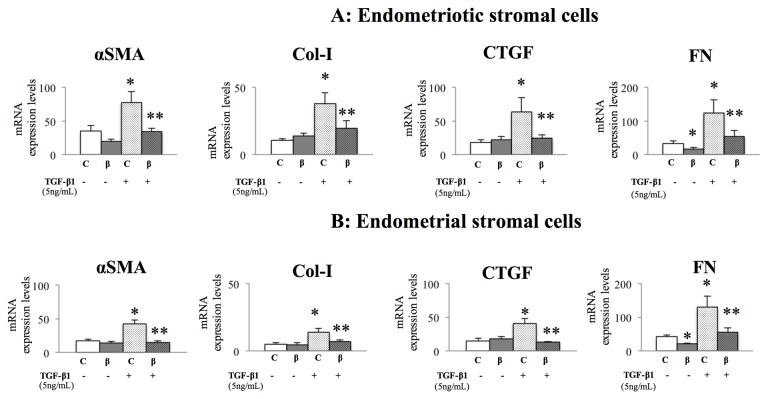
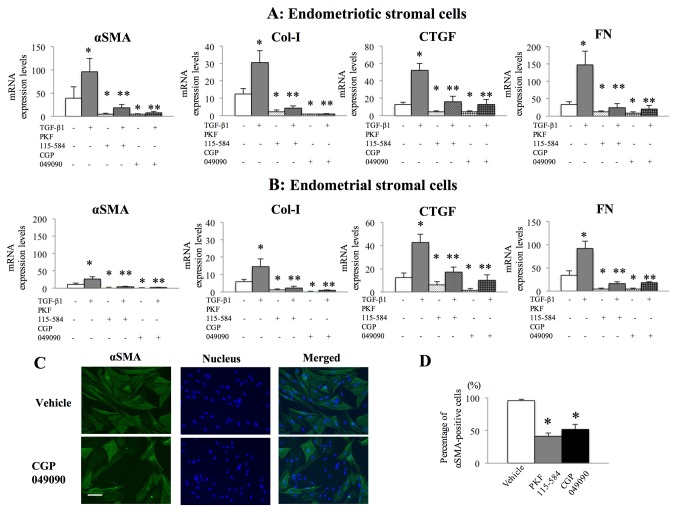
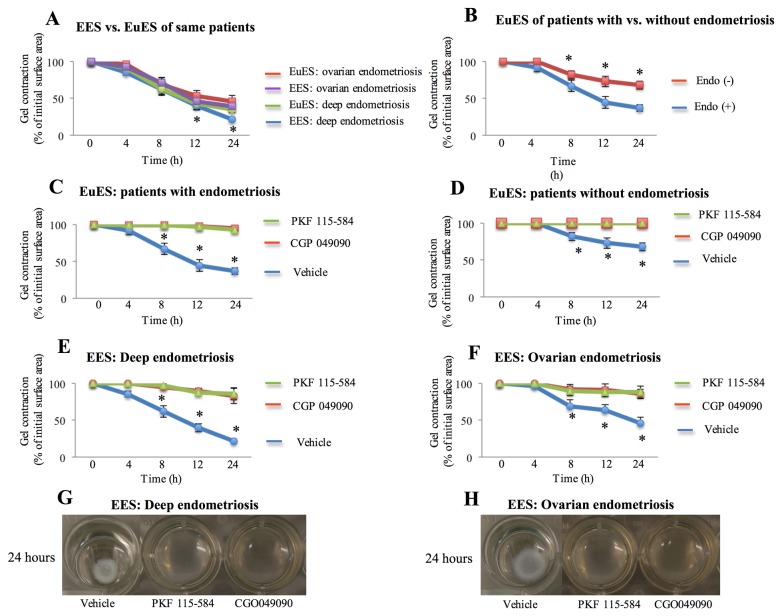
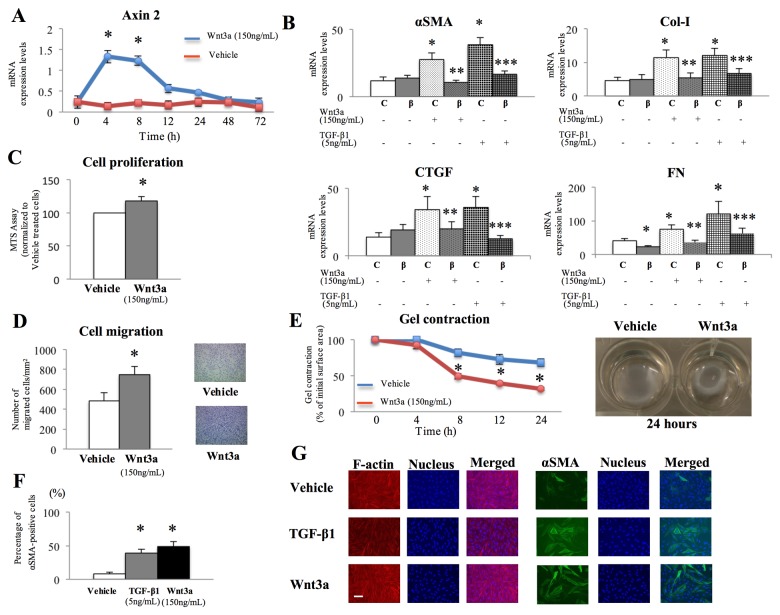
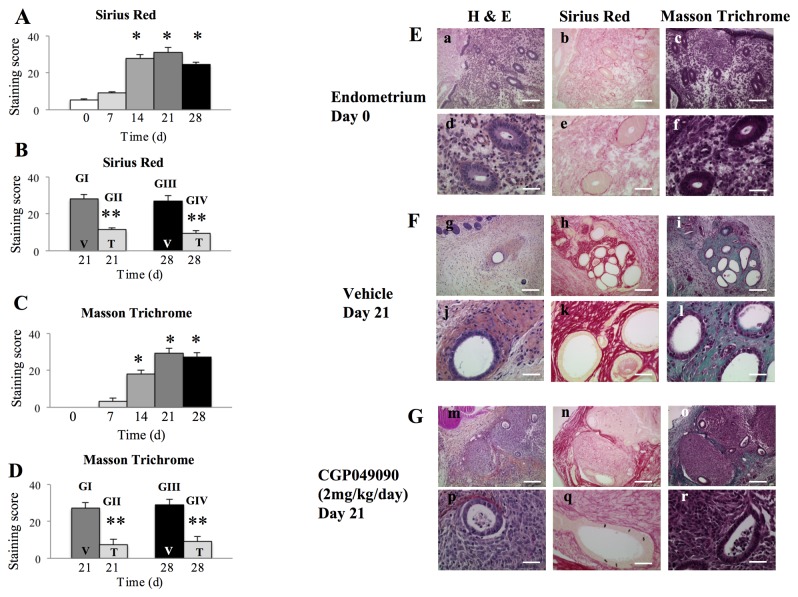
BACKGROUND: During the development and progression of endometriotic lesions, excess fibrosis may lead to scarring, chronic pain, and altered tissue function. However, the cellular and molecular mechanisms of fibrosis in endometriosis remain to be clarified. OBJECTIVES: The objective of the present study was to investigate whether the Wnt/β-catenin signaling pathway was involved in regulating the cellular and molecular mechanisms of fibrosis in endometriosis in vitro and to evaluate whether fibrosis could be prevented by targeting the Wnt/β-catenin pathway in a xenograft model of endometriosis in immunodeficient nude mice. METHODS: Seventy patients (40 with and 30 without endometriosis) with normal menstrual cycles were recruited. In vitro effects of small-molecule antagonists of the Tcf/β-catenin complex (PKF 115-584 and CGP049090) on fibrotic markers (alpha smooth muscle actin, type I collagen, connective tissue growth factor, fibronectin) and collagen gel contraction were evaluated in endometrial and endometriotic stromal cells from patients with endometriosis. In vitro effects of activation of the Wnt/β-catenin signaling pathway by treatment with recombinant Wnt3a on profibrotic responses were evaluated in endometrial stromal cells of patients without endometriosis. The effects of CGP049090 treatment on the fibrosis of endometriotic implants were evaluated in a xenograft model of endometriosis in immunodeficient nude mice. RESULTS: Treatment with PKF 115-584 and CGP049090 significantly decreased the expression of alpha smooth muscle actin, type I collagen, connective tissue growth factor and fibronectin mRNAs in both endometriotic and endometrial stromal cells with or without transforming growth factor-β1 stimulation. Both endometriotic and endometrial stromal cell-mediated contraction of collagen gels was significantly decreased by treatment with PKF 115-584 and CGP049090 as compared to that of untreated cells. The animal experiments showed that CGP049090 prevented the progression of fibrosis and reversed established fibrosis in endometriosis. CONCLUSION: Aberrant activation of the Wnt/β-catenin pathway may be involved in mediating fibrogenesis in endometriosis.
Overview
The claims and statistics of this paper haven’t been checked yet.
Run the check — free, no account needed. It reads the open-access text and checks the sources it cites.
Integrity signals
Registry
Cites
Statistics
Figures
Verification
Claims the paper makes
The claims and statistics of this paper haven’t been checked yet.
Run the check — free, no account needed. It reads the open-access text and checks the sources it cites.
Claims other papers make about this one
Each is checked against this paper’s own text: does it say what the citing paper says it does?
The source backs part of the claim, not all of it — or backs it for a different population, condition or comparison.
In the citing paper
“This also provides an answer to a long-standing conundrum as why DE lesions have abundant SMC-like cells17,25,46 and more extensive fibrosis than that of OE lesions2,4,24,28,46.”
From Neuropeptides Substance P and Calcitonin Gene Related Peptide Accelerate the Development and Fibrogenesis of Endometriosis (2019) · cites this paper as [25]
Experimental — accuracy not yet measuredIn the citing paper
“Extended exposure to TGF-β1 also results in elevated expression of α-smooth muscle actin (α-SMA) and of markers of terminally differentiated smooth muscle cells (SMCs) in the stromal component of endometriotic lesions, accounting for SMM that is common in endometriotic lesions23–26.”
From Neuropeptides Substance P and Calcitonin Gene Related Peptide Accelerate the Development and Fibrogenesis of Endometriosis (2019) · cites this paper as [25]
Self-check
Percentages, sums and reported differences re-computed from the paper’s own numbers.
The self-check needs the paper’s full text.
Citations
Cites
Wnt/β-Catenin Signaling in Development and Disease
Clevers, H. (2006) · Cell · doi:10.1016/j.cell.2006.10.018 · Cited by 5,568
Myofibroblasts and mechano-regulation of connective tissue remodelling
Tomasek, J. J., Gabbiani, G., Hinz, B., Chaponnier, C., & Brown, R. A. (2002) · Nature Reviews Molecular Cell Biology · doi:10.1038/nrm809 · Cited by 4,290
Giudice, L. C., & Kao, L. C. (2004) · The Lancet · doi:10.1016/s0140-6736(04)17403-5 · Cited by 3,166
The RIN: an RNA integrity number for assigning integrity values to RNA measurements
Schroeder, A., Mueller, O., Stocker, S., Salowsky, R., Leiber, M., Gassmann, M., Lightfoot, S., Menzel, W., Granzow, M., & Ragg, T. (2006) · BMC Molecular Biology · doi:10.1186/1471-2199-7-3 · Cited by 2,623
TGF-β signaling and the fibrotic response
Leask, A., & Abraham, D. J. (2004) · The FASEB Journal · doi:10.1096/fj.03-1273rev · Cited by 2,319
Wnt signalling and its impact on development and cancer
Klaus, A., & Birchmeier, W. (2008) · Nature Reviews Cancer · doi:10.1038/nrc2389 · Cited by 1,595
Nisolle, M., & Donnez, J. (1997) · Fertility and Sterility · doi:10.1016/s0015-0282(97)00191-x · Cited by 1,279
Willis, B. C., Liebler, J. M., Luby‐Phelps, K., Nicholson, A. G., Crandall, E. D., du Bois, R. M., & Borok, Z. (2005) · American Journal Of Pathology · doi:10.1016/s0002-9440(10)62351-6 · Cited by 973
Activation of canonical Wnt signalling is required for TGF-β-mediated fibrosis
Akhmetshina, A., Palumbo, K., Dees, C., Bergmann, C., Venalis, P., Zerr, P., Horn, A., Kireva, T., Beyer, C., Zwerina, J., et al. (2012) · Nature Communications · doi:10.1038/ncomms1734 · Cited by 843
Aberrant Wnt/β-Catenin Pathway Activation in Idiopathic Pulmonary Fibrosis
Chilosi, M., Poletti, V., Zamò, A., Lestani, M., Montagna, L., Piccoli, P., Pedron, S., Bertaso, M., Scarpa, A., Murer, B., et al. (2003) · The American Journal of Pathology · doi:10.1016/s0002-9440(10)64282-4 · Cited by 708
Cited by
Sorted by citations
An, R., Wang, X., Yang, L., Zhang, J., Wang, N., Xu, F., Hou, Y., Zhang, H., & Zhang, L. (2020) · Toxicology · doi:10.1016/j.tox.2020.152665 · Cited by 462
Zhang, Q., Duan, J., Liu, X., & Guo, S.-W. (2016) · Molecular and Cellular Endocrinology · doi:10.1016/j.mce.2016.03.015 · Cited by 211
Liu, X., Shen, M., Qi, Q., Zhang, H., & Guo, S.-W. (2016) · Human Reproduction · doi:10.1093/humrep/dew018 · Cited by 190
Hung, S. W., Zhang, R., Tan, Z., Chung, J. P. W., Zhang, T., & Wang, C. C. (2021) · Medicinal Research Reviews · doi:10.1002/med.21802 · Cited by 175
Epithelial-to-mesenchymal transition in the development of endometriosis
Yang, Y., & Yang, W. (2017) · Oncotarget · doi:10.18632/oncotarget.16472 · Cited by 171
Zhang, Q., Duan, J., Olson, M., Fazleabas, A., & Guo, S.-W. (2016) · Reproductive Sciences · doi:10.1177/1933719116641763 · Cited by 149
Endometriosis: Cellular and Molecular Mechanisms Leading to Fibrosis
Garcia, J. M. G., Vannuzzi, V., Donati, C., Bernacchioni, C., Bruni, P., & Petraglia, F. (2022) · Reproductive Sciences · doi:10.1007/s43032-022-01083-x · Cited by 148
The role of fibrosis in endometriosis: a systematic review
Vissers, G., Giacomozzi, M., Verdurmen, W. P. R., Peek, R., & Nap, A. W. (2024) · Human Reproduction Update · doi:10.1093/humupd/dmae023 · Cited by 132
Guo, S.-W. (2018) · Human Reproduction · doi:10.1093/humrep/dey015 · Cited by 116
Molecular aspects of development and regulation of endometriosis
Aznaurova, Y. B., M.B.Zhumataev, M. B. Z., Roberts, T. K., Aliper, A. M., & Zhavoronkov, A. A. (2014) · Reproductive Biology and Endocrinology · doi:10.1186/1477-7827-12-50 · Cited by 116
Research advances in endometriosis-related signaling pathways: A review
Zhang, M., Xu, T., Tong, D., Li, S., Yu, X., Liu, B., Jiang, L., & Liu, K. (2023) · Biomedicine & Pharmacotherapy · doi:10.1016/j.biopha.2023.114909 · Cited by 131
Liu, X., Zhang, Q., & Guo, S.-W. (2018) · Reproductive Sciences · doi:10.1177/1933719117718275 · Cited by 110
Exosomal miR-214 from endometrial stromal cells inhibits endometriosis fibrosis
Wu, D., Lu, P., Mi, X., & Miao, J. (2018) · Molecular Human Reproduction · doi:10.1093/molehr/gay019 · Cited by 96
Antifibrotic properties of epigallocatechin-3-gallate in endometriosis
Matsuzaki, S., & Darcha, C. (2014) · Human Reproduction · doi:10.1093/humrep/deu123 · Cited by 97
Self-citationGuo, S.-W., Ding, D., Shen, M., & Liu, X. (2015) · Reproductive Sciences · doi:10.1177/1933719115570907 · Cited by 86
Enhancer of Zeste homolog 2 (EZH2) induces epithelial-mesenchymal transition in endometriosis
Zhang, Q., Dong, P., Liu, X., Sakuragi, N., & Guo, S. (2017) · Scientific Reports · doi:10.1038/s41598-017-06920-7 · Cited by 90
Matsuzaki, S., & Darcha, C. (2015) · Human Reproduction · doi:10.1093/humrep/dev108 · Cited by 89
Self-citationRahmioglu, N., Macgregor, S., Drong, A. W., Hedman, A. K., Harris, H. R., Randall, J. C., Prokopenko, I., The International Endogene Consortium (IEC), T. G. C., Nyholt, D. R., Morris, A. P., et al. (2015) · Human Molecular Genetics · doi:10.1093/hmg/ddu516 · Cited by 85
Yan, D., Liu, X., & Guo, S.-W. (2019) · Scientific Reports · doi:10.1038/s41598-019-39170-w · Cited by 82
Chen, M., Zhou, Y., Xu, H. A., Hill, C. N., Ewing, R. M., He, D., Zhang, X., & Wang, Y. (2020) · Scientific Reports · doi:10.1038/s41598-020-65606-9 · Cited by 79
Advanced Role of Hippo Signaling in Endometrial Fibrosis
Zhu, H.-Y., Ge, T., Pan, Y., & Zhang, S. (2017) · Chinese Medical Journal · doi:10.4103/0366-6999.218013 · Cited by 80
Zhang, Q., Liu, X., & Guo, S.-W. (2017) · Reproductive BioMedicine Online · doi:10.1016/j.rbmo.2016.11.006 · Cited by 76
Guo, S. (2015) · Fertility and Sterility · doi:10.1016/j.fertnstert.2015.08.006 · Cited by 73
Chen, Y., Chen, M., & Deng, K. (2022) · International Journal of Oncology · doi:10.3892/ijo.2022.5472 · Cited by 69
Zhang, L., Xiong, W., Xiong, Y., Liu, H., & Liu, Y. (2016) · Molecular Human Reproduction · doi:10.1093/molehr/gaw025 · Cited by 69
P-selectin as a potential therapeutic target for endometriosis
Guo, S., Ding, D., Geng, J.-G., Wang, L., & Liu, X. (2015) · Fertility and Sterility · doi:10.1016/j.fertnstert.2015.01.001 · Cited by 68
EZH2‐mediated repression of Dkk1 promotes hepatic stellate cell activation and hepatic fibrosis
Yang, Y., Chen, X., Li, W., Wu, X., Huang, C., Xie, J., Zhao, Y., Meng, X., & Li, J. (2017) · Journal of Cellular and Molecular Medicine · doi:10.1111/jcmm.13153 · Cited by 61
Cancer driver mutations in endometriosis: Variations on the major theme of fibrogenesis
Guo, S. (2018) · Reproductive Medicine and Biology · doi:10.1002/rmb2.12221 · Cited by 58
Endometriosis and ovarian cancer: links, risks, and challenges faced
Pavone, M. E., & Lyttle, B. (2015) · International Journal of Women s Health · doi:10.2147/ijwh.s66824 · Cited by 60
Yen, C., Huang, S.-T. J., Lee, C., Wang, H., & Liao, S. (2017) · Reproductive Sciences · doi:10.1177/1933719117691141 · Cited by 57
Resistance to targeted therapy in metastatic colorectal cancer: Current status and new developments
Tang, Y., Li, D., Duan, J.-Y., Sheng, L., & Wang, X. (2023) · World Journal of Gastroenterology · doi:10.3748/wjg.v29.i6.926 · Cited by 58
Malignant Transformation and Associated Biomarkers of Ovarian Endometriosis: A Narrative Review
Михалева, Л. М., Davydov, A. I., Игоревна, П. О., Вячеславовна, М. Е., Nikolenko, V. N., Неганова, М. Е., Klochkov, S. G., Somasundaram, S. G., Kirkland, C. E., & Aliev, G. (2020) · Advances in Therapy · doi:10.1007/s12325-020-01363-5 · Cited by 60
The elusive and controversial roles of estrogen and progesterone receptors in human endometriosis.
Shao, R., Cao, S., Wang, X., Feng, Y., & Billig, H. (2014) · Europe PMC (PubMed Central) · Cited by 55
Li, J., Dai, Y., Zhu, H., Jiang, Y., & Zhang, S. (2016) · Human Reproduction · doi:10.1093/humrep/dew058 · Cited by 55
Ning, J., Zhang, H., & Yang, H. (2018) · Molecular Medicine Reports · doi:10.3892/mmr.2018.9187 · Cited by 52
NR4A1 is Involved in Fibrogenesis in Ovarian Endometriosis
Zeng, X., Zhang, Y., Gao, Y., Jiang, G., Zeng, F., Shao, Y., Huang, J., Yin, M., & Li, Y. (2018) · Cellular Physiology and Biochemistry · doi:10.1159/000488838 · Cited by 51
Epigenetic Modulation of Collagen 1A1: Therapeutic Implications in Fibrosis and Endometriosis1
Zheng, Y., Khan, Z., Zanfagnin, V., Correa, L. F., Delaney, A. A., & Daftary, G. S. (2016) · Biology of Reproduction · doi:10.1095/biolreprod.115.138115 · Cited by 50
Zhang, L., Xiong, W., Xiong, Y., Liu, H., Li, N., Du, Y., & Liu, Y. (2016) · Biology of Reproduction · doi:10.1095/biolreprod.115.135574 · Cited by 49
Evidence in Support for the Progressive Nature of Ovarian Endometriomas
Ding, D., Wang, X., Chen, Y.-S., Benagiano, G., Liu, X., & Guo, S. (2020) · The Journal of Clinical Endocrinology & Metabolism · doi:10.1210/clinem/dgaa189 · Cited by 49
Yıldız, Ç., Kaçan, T., Akkar, Ö. B., Karakuş, S., Kaçan, S. B., Özer, H., & Çetin, A. (2015) · Reproductive Sciences · doi:10.1177/1933719115584448 · Cited by 45
Matsuzaki, S., Darcha, C., Pouly, J. L., & Canis, M. J. (2017) · Scientific Reports · doi:10.1038/srep44616 · Cited by 46
Self-citationMechanisms Underlying Adenomyosis-Related Fibrogenesis
Kobayashi, H., Kishi, Y., & Matsubara, S. (2019) · Gynecologic and Obstetric Investigation · doi:10.1159/000502822 · Cited by 44
Yan, D., Liu, X., Xu, H., & Guo, S. (2020) · The Journal of Clinical Endocrinology & Metabolism · doi:10.1210/clinem/dgaa550 · Cited by 44
Matsuzaki, S., Botchorishvili, R., Pouly, J. L., & Canis, M. J. (2014) · Molecular and Cellular Therapies · doi:10.1186/s40591-014-0036-9 · Cited by 43
Self-citationMatsuzaki, S., Canis, M. J., Pouly, J. L., & Darcha, C. (2016) · Human Reproduction · doi:10.1093/humrep/dev333 · Cited by 43
Self-citationMatsuzaki, S., Pouly, J. L., & Canis, M. J. (2018) · British Journal of Pharmacology · doi:10.1111/bph.14170 · Cited by 41
Self-citationJiang, J., Yu, K., Jiang, Z., & Xue, M. (2018) · Biological Chemistry · doi:10.1515/hsz-2018-0254 · Cited by 40
CD146 defines commitment of cultured annulus fibrosus cells to express a contractile phenotype
Nakai, T., Sakai, D., Nakamura, Y., Nukaga, T., Grad, S., Li, Z., Alini, M., Chan, D. T.-M., Masuda, K., Ando, K., et al. (2016) · Journal of Orthopaedic Research® · doi:10.1002/jor.23326 · Cited by 43
Platelets induce endothelial–mesenchymal transition and subsequent fibrogenesis in endometriosis
Yan, D., Liu, X., Xu, H., & Guo, S. (2020) · Reproductive BioMedicine Online · doi:10.1016/j.rbmo.2020.03.020 · Cited by 39
Pazhohan, A., Amidi, F., Akbari-Asbagh, F., Seyedrezazadeh, E., Farzadi, L., Khodarahmin, M., Mehdinejadiani, S., & Sobhani, A. (2017) · European Journal of Obstetrics & Gynecology and Reproductive Biology · doi:10.1016/j.ejogrb.2017.10.025 · Cited by 38
Heinosalo, T., Gabriel, M., Kallio, L., Adhikari, P. R., Huhtinen, K., Laajala, T. D., Kaikkonen, E., Mehmood, A., Suvitie, P. A., Kujari, H. P., et al. (2018) · Human Reproduction · doi:10.1093/humrep/dey026 · Cited by 36
Tang, W., Cai, Q., Huang, K.-J., Xu, W., Li, J., Pan, Y.-R., Xu, J., Zhao, Y.-F., Sheng, T.-H., Li, Z., et al. (2025) · BMC Public Health · doi:10.1186/s12889-025-22881-3 · Cited by 43
Kim, M. K., Lee, S. K., Park, J. H., Lee, J. H., Yun, B. H., Park, J. H., Seo, S. K., Cho, S., & Choi, Y. S. (2017) · Scientific Reports · doi:10.1038/s41598-017-17956-0 · Cited by 34
FOXP1 enhances fibrosis via activating Wnt/β-catenin signaling pathway in endometriosis.
Shao, X. H., & Wei, X. L. (2018) · Europe PMC (PubMed Central) · Cited by 33
Matsuzaki, S., Pouly, J. L., & Canis, M. J. (2020) · Scientific Reports · doi:10.1038/s41598-020-66298-x · Cited by 34
Self-citationFerrer‐Mayorga, G., Niell, N., Cantero, R., González‐Sancho, J. M., del Peso, L., Múñoz, A., & Larriba, M. J. (2019) · Scientific Reports · doi:10.1038/s41598-019-44574-9 · Cited by 30
Hirakawa, T., Nasu, K., Miyabe, S., Kouji, H., Katoh, A., Uemura, N., & Narahara, H. (2019) · Scientific Reports · doi:10.1038/s41598-019-56302-4 · Cited by 32
Molecular Mechanisms Underlying the Association between Endometriosis and Ectopic Pregnancy
Załęcka, J., Pankiewicz, K., Issat, T., & Laudański, P. (2022) · International Journal of Molecular Sciences · doi:10.3390/ijms23073490 · Cited by 37
Lazzarini, R., Caffarini, M., Carpini, G. D., Ciavattini, A., Primio, R. D., & Orciani, M. (2019) · American Journal of Obstetrics and Gynecology · doi:10.1016/j.ajog.2019.12.016 · Cited by 27
The role of peripheral nerve signaling in endometriosis
Godin, S. K., Wagner, J. A., Huang, P. S., & Bree, D. (2021) · FASEB BioAdvances · doi:10.1096/fba.2021-00063 · Cited by 28
Zubrzycka, A., Migdalska‐Sęk, M., Jędrzejczyk, S., & Brzeziańska‐Lasota, E. (2021) · Current Issues in Molecular Biology · doi:10.3390/cimb43020064 · Cited by 29
WEE1 promotes endometriosis via the Wnt/β-catenin signaling pathway
Shi, L., Xue, X., Tian, H., Ye, H., Wang, H., Wang, R., Liu, Y., Zhang, C., Chen, Q., & Sun, L. (2021) · Reproductive Biology and Endocrinology · doi:10.1186/s12958-021-00844-8 · Cited by 26
Xiong, W., Zhang, L., Xiong, Y., Liu, H., & Liu, Y. (2015) · Reproductive Sciences · doi:10.1177/1933719115607999 · Cited by 25
Molecular aspects of endometriosis
Adamyan, L. V., & Aznaurova, Y. B. (2015) · Russian Journal of Human Reproduction · doi:10.17116/repro201521266-77 · Cited by 25
Predictive factors of endometriosis progression into ovarian cancer
Varga, J., Reviczká, A., Háková, H., Švajdler, P., Rabajdová, M., & Ostro, A. (2022) · Journal of Ovarian Research · doi:10.1186/s13048-021-00940-8 · Cited by 24
Endometrial Stem Cells in Farm Animals: Potential Role in Uterine Physiology and Pathology
Lara, E., Rivera, N., Cabezas, J. G., Navarrete, F., Saravia, F., Rodriguez-Alvarez, L., & Castro, F. O. (2018) · Bioengineering · doi:10.3390/bioengineering5030075 · Cited by 22
Zhang, Z., Suo, L., Chen, Y., Zhu, L., Wan, G., & Han, X. (2019) · Stem Cells International · doi:10.1155/2019/6183796 · Cited by 22
Karamian, A., Paktinat, S., Esfandyari, S., Nazarian, H., Ziai, S. A., Zarnani, A., Salehpour, S., Hosseinirad, H., Karamian, A., & Novin, M. G. (2020) · Human & Experimental Toxicology · doi:10.1177/0960327120964543 · Cited by 22
Synergy between Th1 and Th2 responses during endometriosis: A review of current understanding
Chang, L.-Y., Shan, J., Hou, X., Li, D., & Wang, X.-Q. (2023) · Journal of Reproductive Immunology · doi:10.1016/j.jri.2023.103975 · Cited by 24
In‑vitro models of human endometriosis (Review)
Fan, H. (2019) · Experimental and Therapeutic Medicine · doi:10.3892/etm.2019.8363 · Cited by 20
Sherwani, S., Khan, M. W. A., Rajendrasozhan, S., Al-Motair, K. A., Husain, Q., & Khan, W. A. (2024) · Frontiers in Medicine · doi:10.3389/fmed.2024.1425691 · Cited by 22
Curbing Inflammation in Multiple Sclerosis and Endometriosis: Should Mast Cells Be Targeted?
Hart, D. A. (2015) · International Journal of Inflammation · doi:10.1155/2015/452095 · Cited by 19
Cai, X., Shen, M., Liu, X., & Guo, S. (2017) · Reproductive Sciences · doi:10.1177/1933719117702248 · Cited by 19
Hosseinirad, H., Jeong, J., & Barrier, B. F. (2025) · International Journal of Molecular Sciences · doi:10.3390/ijms26157460 · Cited by 22
Zhang, H., Li, G., Sheng, X., & Zhang, S. (2019) · Molecular Medicine Reports · doi:10.3892/mmr.2019.9870 · Cited by 18
Mai, H., Wei, Y.-P., Yin, Y., Huang, S., Lin, H., Liao, Y., Liu, X., Chen, X., Shi, H., Liu, C., et al. (2019) · Systems Biology in Reproductive Medicine · doi:10.1080/19396368.2018.1549290 · Cited by 18
Yan, C., Song, X., Wang, S., Wang, J., & Li, L. (2020) · Cancer Management and Research · doi:10.2147/cmar.s267711 · Cited by 18
The Role of Platelets in the Pathogenesis and Pathophysiology of Adenomyosis
Guo, S. (2023) · Journal of Clinical Medicine · doi:10.3390/jcm12030842 · Cited by 17
Novel Cancer Chemotherapy Hits by Molecular Topology: Dual Akt and Beta-Catenin Inhibitors
Zanni, R., Gálvez-Llompart, M., Morell, C., Rodríguez‐Henche, N., Díaz‐Laviada, I., Recio-Iglesias, M. C., García‐Domenech, R., & Gálvez, J. (2015) · PLoS ONE · doi:10.1371/journal.pone.0124244 · Cited by 16
Qi, Q.-M., Guo, S.-W., & Liu, X.-S. (2019) · Reproductive and Developmental Medicine · doi:10.4103/2096-2924.262390 · Cited by 15
“[9] This is consistent with the report that both endometriotic and endometrial stromal cells have elevated expression of myofibroblast markers after stimulation with TGF-β1.[54] While it may seem logical that the TGF-β1/ Smad3 pathway is a therapeutic target for endometriosis, it is worth noting that this pathway also…”
ResultWilczyński, J. R., Szubert, M., Paradowska, E., & Wilczyński, M. (2022) · Cancers · doi:10.3390/cancers15010111 · Cited by 16
Ovarian cancer in endometriosis: clinical and molecular aspects.
Lyttle, B., Bernardi, L. A., & Pavone, M. E. (2014) · PubMed · Cited by 15
Relaxin-2 May Suppress Endometriosis by Reducing Fibrosis, Scar Formation, and Inflammation
Yoshino, O., Ono, Y., Honda, M., Hattori, K., Sato, E., Hiraoka, T., Ito, M., Kobayashi, M., Arai, K., Katayama, H., et al. (2020) · Biomedicines · doi:10.3390/biomedicines8110467 · Cited by 14
Grundström, H., Alehagen, S., Berterö, C., & Kjølhede, P. (2017) · Journal of Women s Health · doi:10.1089/jwh.2017.6546 · Cited by 14
Mirza, Z., & Abdel-dayem, U. A. (2020) · Diagnostics · doi:10.3390/diagnostics10060416 · Cited by 14
Othman, E. R., Meligy, F. Y., Sayed, A. A.-R., El‐Mokhtar, M. A., & Refaiy, A. M. (2017) · Reproductive Sciences · doi:10.1177/1933719117697124 · Cited by 13
Matsuzaki, S., Pouly, J. L., & Canis, M. J. (2017) · Scientific Reports · doi:10.1038/srep42939 · Cited by 12
Self-citationIdentifying novel potential drug targets for endometriosis via plasma proteome screening
Tao, T., Mo, X., & Zhao, L. (2024) · Frontiers in Endocrinology · doi:10.3389/fendo.2024.1416978 · Cited by 12
Characterizing the Extracellular Matrix Transcriptome of Endometriosis
Cook, C. J., Wiggin, N., & Fogg, K. C. (2023) · Reproductive Sciences · doi:10.1007/s43032-023-01359-w · Cited by 13
Zhang, Z., Cheng, X., Gui, T., Tao, J., Huang, M., Zhu, L., Luo, M., Cao, P., & Wan, G. (2016) · Journal of Ethnopharmacology · doi:10.1016/j.jep.2016.07.019 · Cited by 9
A Review of miR-326 and Female Related Diseases
Lin, L., Zhang, Q., Ge, Y., Luo, B., & Xie, X. (2021) · ACTA HISTOCHEMICA ET CYTOCHEMICA · doi:10.1267/ahc.20-00027 · Cited by 9
Adamyan, L. V., Pivazyan, L. G., Mailova, K. S., Peshkova, I. O., & Stepanian, A. A. (2024) · Russian Journal of Human Reproduction · doi:10.17116/repro20243006161 · Cited by 8
Freger, S., & Leonardi, M. (2025) · Gynecologic and Obstetric Investigation · doi:10.1159/000543075 · Cited by 9
Lambi, A. G., DeSante, R. J., Patel, P. R., Hilliard, B. A., Popoff, S. N., & Barbe, M. F. (2023) · International Journal of Molecular Sciences · doi:10.3390/ijms241813866 · Cited by 8
Etiopathogenesis of endometriosis-associated infertility (a review)
Adamyan, L. V., Martirosyan, Y. O., & Asaturova, A. V. (2018) · Russian Journal of Human Reproduction · doi:10.17116/repro201824228-33 · Cited by 7
Endometriosis of Extra-Abdominal Soft Tissues
Wang, J., Strauß, D., Messiou, C., & Thway, K. (2016) · International Journal of Surgical Pathology · doi:10.1177/1066896916644322 · Cited by 7
Early maternal separation accelerates the progression of endometriosis in adult mice
Long, Q., Liu, X., & Guo, S. (2020) · Reproductive Biology and Endocrinology · doi:10.1186/s12958-020-00600-4 · Cited by 7
Pyrvinium pamoate inhibits proliferation and invasion of human endometriotic stromal cells
Karamian, A., Nazarian, H., Ziai, S. A., Zarnani, A. H., Salehpour, S., Paktinat, S., & Novin, M. (2019) · Human & Experimental Toxicology · doi:10.1177/0960327119896612 · Cited by 6
Liu, F., Wang, L., Zhang, X.-X., Min, S.-Y., Liu, Y.-X., Zuo, Z., Jin, Z., & Zhu, Z. (2015) · Europe PMC (PubMed Central) · Cited by 7
N-cadherin mechanosensing in ovarian follicles controls oocyte maturation and ovulationPreprint
Emery, A., Blaschuk, O. W., Dinh, D. T., McPhee, T. R., Becker, R., Abell, A. D., Mrozik, K. M., Zannettino, A. C. W., Robker, R. L., & Russell, D. L. (2024) · eLife · doi:10.7554/elife.92068 · Cited by 7
Metadata
- Authors
- Matsuzaki, S., & Darcha, C.
- Affiliations
- Centre National de la Recherche Scientifique (FR)
- Centre Hospitalier Universitaire de Clermont-Ferrand (FR)
- Corresponding author
- Matsuzaki, Sachiko
- Venue
- PLoS ONE
- Publisher
- Public Library of Science (PLoS)
- Published
- 2013-10-04
- Volume
- 8
- Issue
- 10
- Pages
- e76808
- ISSN
- 1932-6203 (ISSN-L)
- PMC
- PMC3790725
- OpenAlex
- W2105973884
- Cited by
- 138
- References
- 29
- Citations by year
- 2026: 7 · 2025: 14 · 2024: 13 · 2023: 8 · 2022: 7 · 2021: 7 · 2020: 13 · 2019: 11 · 2018: 12 · 2017: 14 · 2016: 13 · 2015: 12 · 2014: 6
- FWCI
- 12.52
- Type
- journal article
- Language
- en
- Open access
- gold
- doi.org
- Locations
- PLoS ONE (publishedVersion, cc-by)
- Europe PMC (PubMed Central) (publishedVersion, cc-by)
- PubMed Central (publishedVersion, cc-by)
- PubMed (publishedVersion)
- DOAJ (DOAJ: Directory of Open Access Journals) (submittedVersion, cc-by-sa)
- Figshare (submittedVersion, cc-by)
- Topics
- Health Sciences › Medicine › Reproductive Medicine › Endometriosis Research and Treatment
- Health Sciences › Medicine › Obstetrics and Gynecology › Endometrial and Cervical Cancer Treatments
- Health Sciences › Medicine › Obstetrics and Gynecology › Ectopic Pregnancy Diagnosis and Management
- Keywords
- endometriosis, fibrosis, Wnt/β-catenin signaling, endometrial stromal cells, Wnt3a, collagen gel contraction, type I collagen, alpha-smooth muscle actin, connective tissue growth factor, fibronectin, xenograft models, fibrosis prevention, chronic pelvic pain, scar formation, TGF-β1
- MeSH terms
- Actins, Adult, Animals, Collagen, Disease Models, Animal, Endometriosis, Female, Fibrosis, Humans, Perylene, Stromal Cells, RNA Interference, Wnt Proteins, beta Catenin, Connective Tissue Growth Factor, Young Adult, Wnt Signaling Pathway, Heterografts
About these checks
Registry, retraction, Cites and statistics results are computed, not judged, with one exception: a printed reference that no index lists is read once by a model before it counts as a citation error. Claims are extracted by a model and kept only when their quote appears verbatim in the text; each cited source is then checked, with a model’s help, for whether it says what the claim relies on. Those verdicts can be wrong — read the claim’s quote and the cited source before relying on one.
Statistics and arithmetic are recomputed, not judged.
Confidence bands are shown only for fields calibrated on our annotated test set. None is calibrated yet, so no band is shown.
What counts as a claim ›How we measure confidence ›How we check this ›
Are you an author, or do you see a problem with this page? Request a review
