

The DOI matches its Crossref record; 52 of the 52 references it cites were found in a registry or an index.
Lactobacillus rhamnosus GG Protects against Non-Alcoholic Fatty Liver Disease in Mice
Open accessAbstract
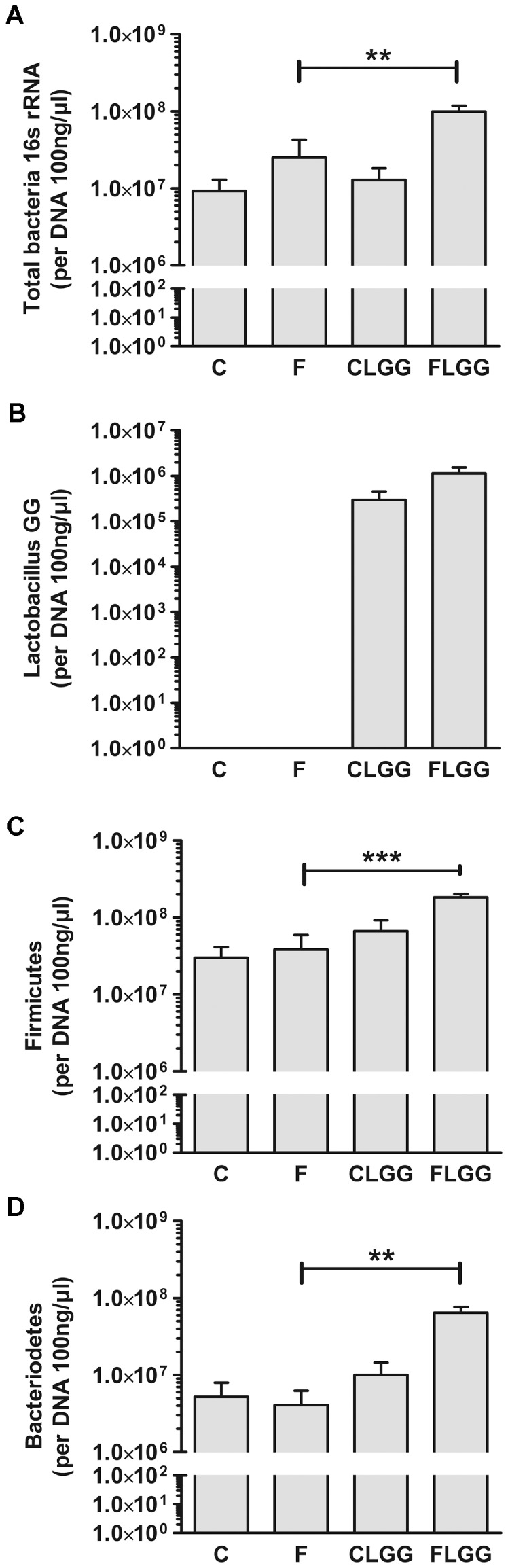
OBJECTIVE: Experimental evidence revealed that obesity-associated non-alcoholic fatty liver disease (NAFLD) is linked to changes in intestinal permeability and translocation of bacterial products to the liver. Hitherto, no reliable therapy is available except for weight reduction. Within this study, we examined the possible effect of the probiotic bacterial strain Lactobacillus rhamnosus GG (LGG) as protective agent against experimental NAFLD in a mouse model. METHODS: Experimental NAFLD was induced by a high-fructose diet over eight weeks in C57BL/J6 mice. Fructose was administered via the drinking water containing 30% fructose with or without LGG at a concentration resulting in approximately 5×10(7) colony forming units/g body weight. Mice were examined for changes in small intestinal microbiota, gut barrier function, lipopolysaccharide (LPS) concentrations in the portal vein, liver inflammation and fat accumulation in the liver. RESULTS: LGG increased beneficial bacteria in the distal small intestine. Moreover, LGG reduced duodenal IκB protein levels and restored the duodenal tight junction protein concentration. Portal LPS (P≤0.05) was reduced and tended to attenuate TNF-α, IL-8R and IL-1β mRNA expression in the liver feeding a high-fructose diet supplemented with LGG. Furthermore liver fat accumulation and portal alanine-aminotransferase concentrations (P≤0.05) were attenuated in mice fed the high-fructose diet and LGG. CONCLUSIONS: We show for the first time that LGG protects mice from NAFLD induced by a high-fructose diet. The underlying mechanisms of protection likely involve an increase of beneficial bacteria, restoration of gut barrier function and subsequent attenuation of liver inflammation and steatosis.
Overview
The claims and statistics of this paper haven’t been checked yet.
Run the check — free, no account needed. It reads the open-access text and checks the sources it cites.
Integrity signals
Registry
Cites
Statistics
Figures
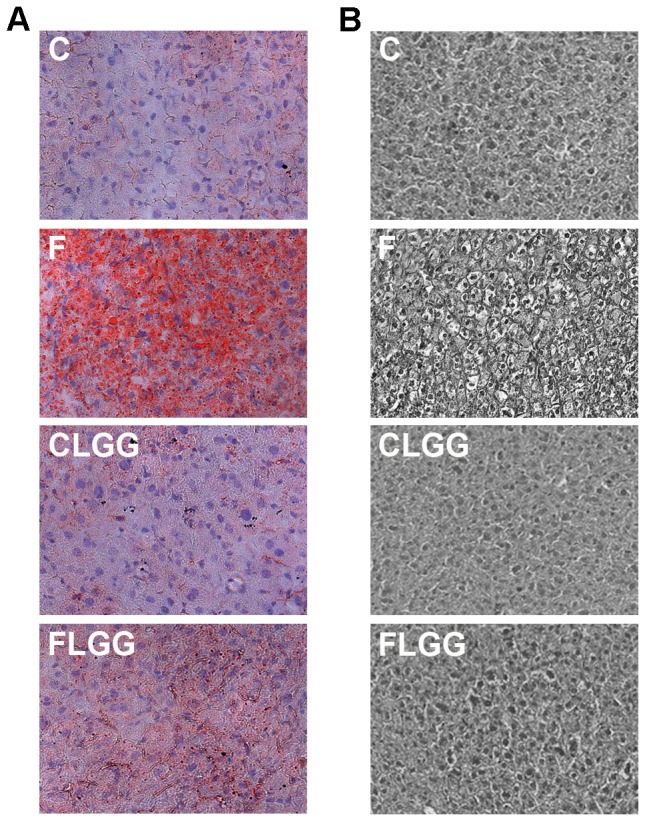
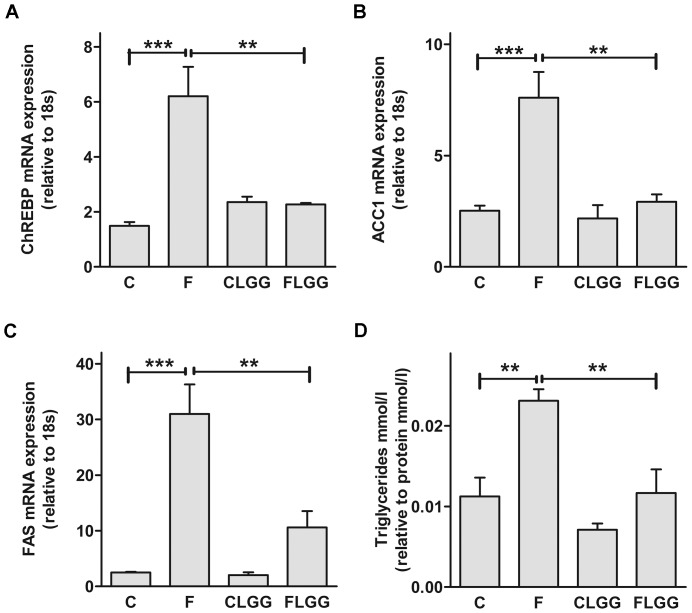
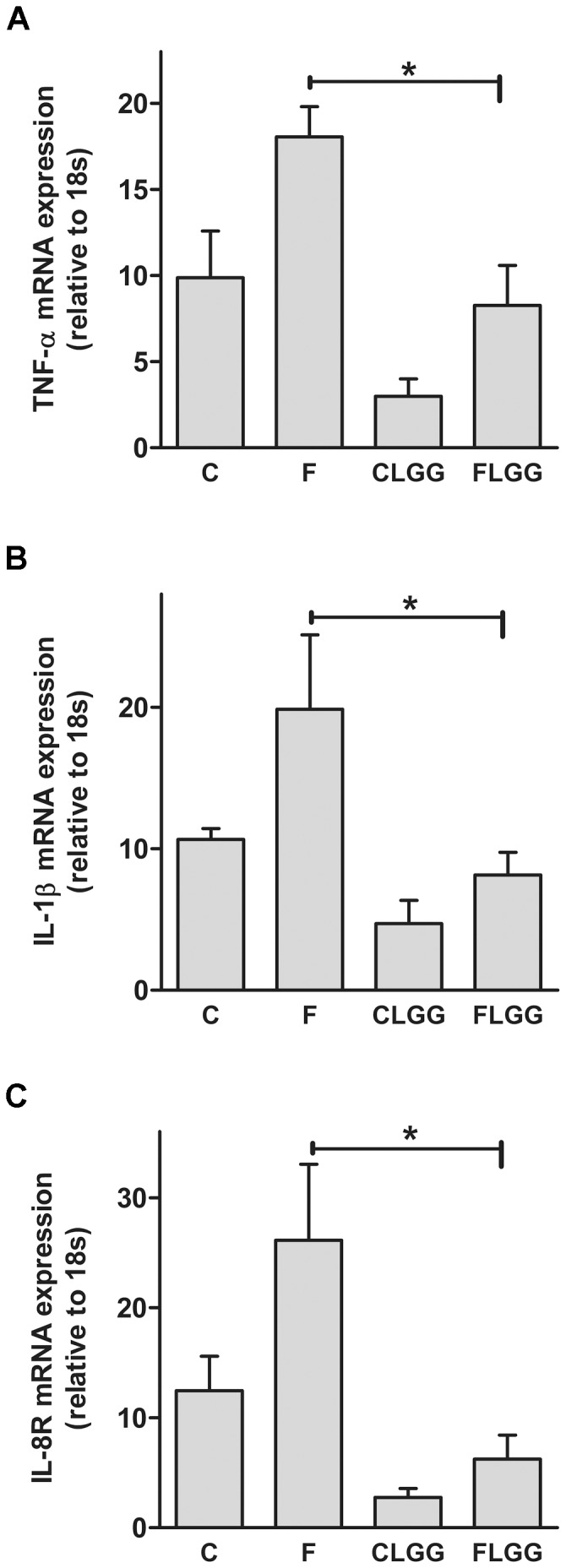
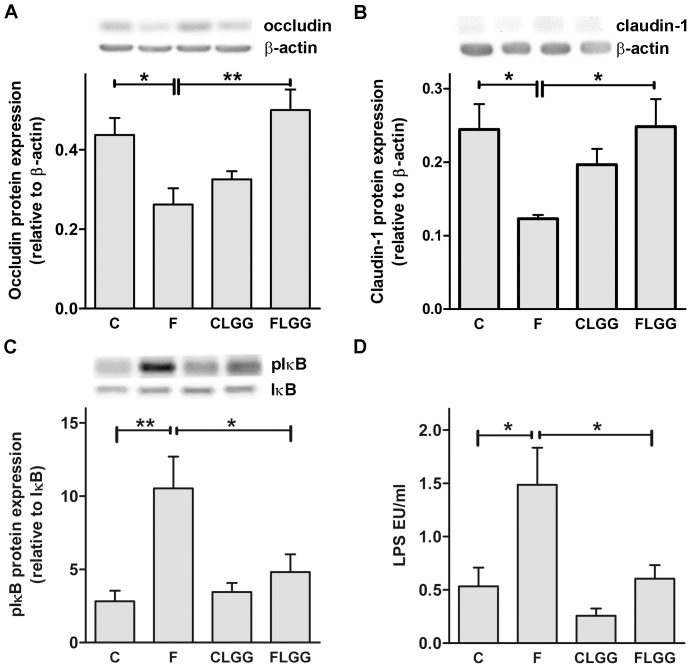
Verification
Claims the paper makes
The claims and statistics of this paper haven’t been checked yet.
Run the check — free, no account needed. It reads the open-access text and checks the sources it cites.
Claims other papers make about this one
Each is checked against this paper’s own text: does it say what the citing paper says it does?
In the citing paper
“binge alcohol exposure [232], [233], [234], [235], [236], [237], [238], [239] and nonalcoholic substances including fructose [240], [241], [242] are known to promote gut leakiness, contributing to more severe inflammatory liver disease.”
In the citing paper
“binge alcohol exposure [232], [233], [234], [235], [236], [237], [238], [239] and nonalcoholic substances including fructose [240], [241], [242] are known to promote gut leakiness, contributing to more severe inflammatory liver disease.”
Self-check
Percentages, sums and reported differences re-computed from the paper’s own numbers.
The self-check needs the paper’s full text.
Citations
Cites
An obesity-associated gut microbiome with increased capacity for energy harvest
Turnbaugh, P. J., Ley, R. E., Mahowald, M. A., Magrini, V., Mardis, E. R., & Gordon, J. I. (2006) · Nature · doi:10.1038/nature05414 · Cited by 12,444
Human gut microbes associated with obesity
Ley, R. E., Turnbaugh, P. J., Klein, S., & Gordon, J. I. (2006) · Nature · doi:10.1038/4441022a · Cited by 8,785
Nonalcoholic Fatty Liver Disease
Angulo, P. (2002) · New England Journal of Medicine · doi:10.1056/nejmra011775 · Cited by 5,228
Cani, P. D., Bibiloni, R., Knauf, C., Waget, A., Neyrinck, A. M., Delzenne, N. M., & Burcelin, R. (2008) · Diabetes · doi:10.2337/db07-1403 · Cited by 4,819
Prevalence of Hepatic Steatosis in An Urban Population in the United States: Impact of Ethnicity
Browning, J. D., Szczepaniak, L. S., Dobbins, R., Nuremberg, P., Horton, J. D., Cohen, J. C., Grundy, S. M., & Hobbs, H. H. (2004) · Hepatology · doi:10.1002/hep.20466 · Cited by 3,664
Microbiota and SCFA in lean and overweight healthy subjects
Schwiertz, A., Taras, D., Schäfer, K., Beijer, S., Bos, N. A., Donus, C., & Hardt, P. D. (2010) · Obesity · doi:10.1038/oby.2009.167 · Cited by 2,457
Self-citationInflammasome-mediated dysbiosis regulates progression of NAFLD and obesity
Henao-Mejia, J., Elinav, E., Jin, C., Hao, L., Mehal, W. Z., Strowig, T., Thaiss, C. A., Kau, A. L., Eisenbarth, S. C., Jurczak, M. J., et al. (2012) · Nature · doi:10.1038/nature10809 · Cited by 2,435
Peng, L., Li, Z.-R., Green, R. S., Holzmanr, I. R., & Lin, J. (2009) · The Journal of Nutrition · doi:10.3945/jn.109.104638 · Cited by 2,130
Nonalcoholic fatty liver disease
Adams, L. A. (2005) · Canadian Medical Association Journal · doi:10.1503/cmaj.045232 · Cited by 1,658
Genes and Molecules of Lactobacilli Supporting Probiotic Action
Lebeer, S., Vanderleyden, J., & De Keersmaecker, S. C. J. (2008) · Microbiology and Molecular Biology Reviews · doi:10.1128/mmbr.00017-08 · Cited by 1,013
Cited by
Sorted by citations
Heart Disease and Stroke Statistics—2017 Update: A Report From the American Heart Association
Benjamin, E. J., Blaha, M. J., Chiuve, S. E., Cushman, M., Das, S. R., Deo, R., de Ferranti, S. D., Floyd, J., Fornage, M., Gillespie, C., et al. (2017) · Circulation · doi:10.1161/cir.0000000000000485 · Cited by 12,591
Heart Disease and Stroke Statistics—2016 Update: A Report From the American Heart Association
Mozaffarian, D., Benjamin, E. J., Go, A. S., Arnett, D. K., Blaha, M. J., Cushman, M., Das, S. R., de Ferranti, S., Després, J.-P., Fullerton, H. J., et al. (2016) · Circulation · doi:10.1161/cir.0000000000000350 · Cited by 6,596
Heart Disease and Stroke Statistics—2015 Update: A Report From the American Heart Association
Mozaffarian, D., Benjamin, E. J., Go, A. S., Arnett, D. K., Blaha, M. J., Cushman, M., de Ferranti, S., Després, J.-P., Fullerton, H. J., Howard, V. J., et al. (2015) · Circulation · doi:10.1161/cir.0000000000000152 · Cited by 5,797
Fructose and sugar: A major mediator of non-alcoholic fatty liver disease
Jensen, T., Abdelmalek, M. F., Sullivan, S. A., Nadeau, K. J., Cree‐Green, M., Roncal, C., Nakagawa, T., Kuwabara, M., Sato, Y., Kang, D., et al. (2018) · Journal of Hepatology · doi:10.1016/j.jhep.2018.01.019 · Cited by 993
Gut–Liver Axis in Alcoholic Liver Disease
Szabo, G. (2015) · Gastroenterology · doi:10.1053/j.gastro.2014.10.042 · Cited by 754
Metadata
- Authors
- Ritze, Y., Bárdos, G., Claus, A., Ehrmann, V., Bergheim, I., Schwiertz, A., & Bischoff, S. C.
- Affiliations
- University of Hohenheim (DE)
- Institut für Mikroökologie (DE)
- Corresponding author
- Bischoff, Stephan C.
- Venue
- PLoS ONE
- Publisher
- Public Library of Science (PLoS)
- Published
- 2014-01-27
- Volume
- 9
- Issue
- 1
- Pages
- e80169
- ISSN
- 1932-6203 (ISSN-L)
- PMC
- PMC3903470
- OpenAlex
- W2009514456
- Semantic Scholar
- ae2ffaa03bd783feff42333b9541e6a8e65206e6
- Cited by
- 292
- References
- 51
- Citations by year
- 2026: 13 · 2025: 16 · 2024: 28 · 2023: 26 · 2022: 27 · 2021: 23 · 2020: 38 · 2019: 23 · 2018: 19 · 2017: 24 · 2016: 24 · 2015: 20 · 2014: 11
- FWCI
- 37.75
- Type
- journal article
- Language
- en
- Open access
- gold
- doi.org
- Licence
- Locations
- PLoS ONE (publishedVersion, cc-by)
- Europe PMC (PubMed Central) (publishedVersion, cc-by)
- PubMed Central (publishedVersion, cc-by)
- PubMed (publishedVersion)
- DOAJ (DOAJ: Directory of Open Access Journals) (submittedVersion, cc-by-sa)
- Funders
- Danone
- Bundesministerium für Bildung und Forschung (01GI0843, FKZ: 01GI0843)
- Topics
- Life Sciences › Agricultural and Biological Sciences › Food Science › Probiotics and Fermented Foods
- Health Sciences › Medicine › Hepatology › Liver Disease Diagnosis and Treatment
- Life Sciences › Biochemistry, Genetics and Molecular Biology › Molecular Biology › Gut microbiota and health
- Keywords
- Lactobacillus rhamnosus GG, non-alcoholic fatty liver disease, probiotics, high-fructose diet, intestinal permeability, intestinal barrier, lipopolysaccharide, gut microbiota, liver inflammation, hepatic steatosis, tight junctions, obesity
- MeSH terms
- Alanine Transaminase, Analysis of Variance, Animals, Dextrans, Fatty Liver, Fructose, Humans, Immunohistochemistry, Intestine, Small, Mice, Inbred C57BL, Permeability, DNA Primers, Caco-2 Cells, Probiotics, Mice, Lacticaseibacillus rhamnosus, Real-Time Polymerase Chain Reaction, Non-alcoholic Fatty Liver Disease
About these checks
Registry, retraction, Cites and statistics results are computed, not judged, with one exception: a printed reference that no index lists is read once by a model before it counts as a citation error. Claims are extracted by a model and kept only when their quote appears verbatim in the text; each cited source is then checked, with a model’s help, for whether it says what the claim relies on. Those verdicts can be wrong — read the claim’s quote and the cited source before relying on one.
Statistics and arithmetic are recomputed, not judged.
Confidence bands are shown only for fields calibrated on our annotated test set. None is calibrated yet, so no band is shown.
What counts as a claim ›How we measure confidence ›How we check this ›
Are you an author, or do you see a problem with this page? Request a review
